

The antifibrotic potential of IMT504: modulation of GLAST + Wnt1 + bone marrow stromal progenitors and hepatic microenvironment
Open accessThe DOI matches its Crossref record; 49 of the 49 references it cites were found in a registry or an index.
Abstract
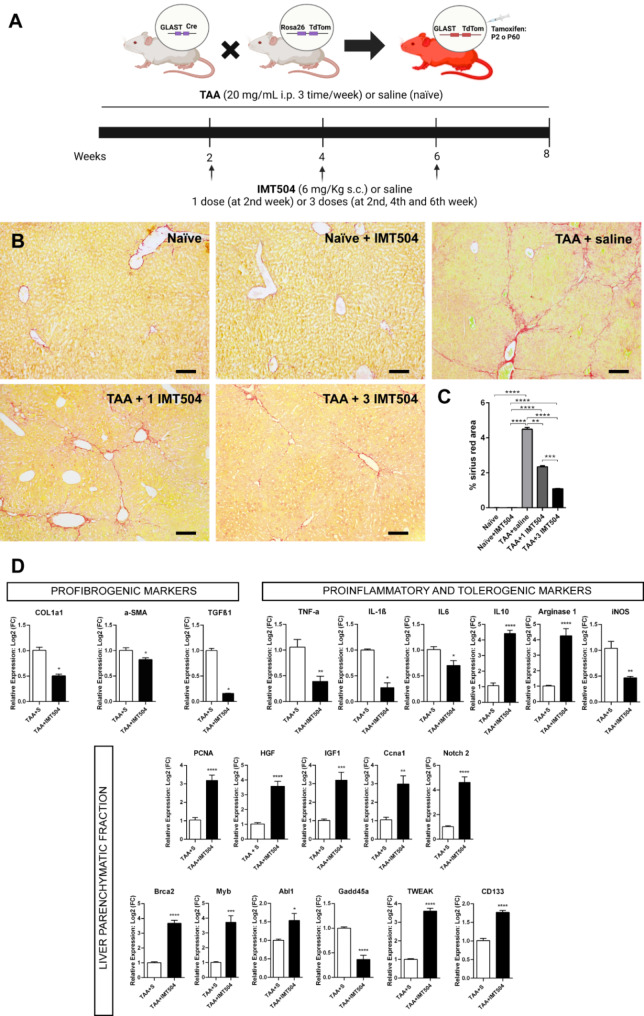
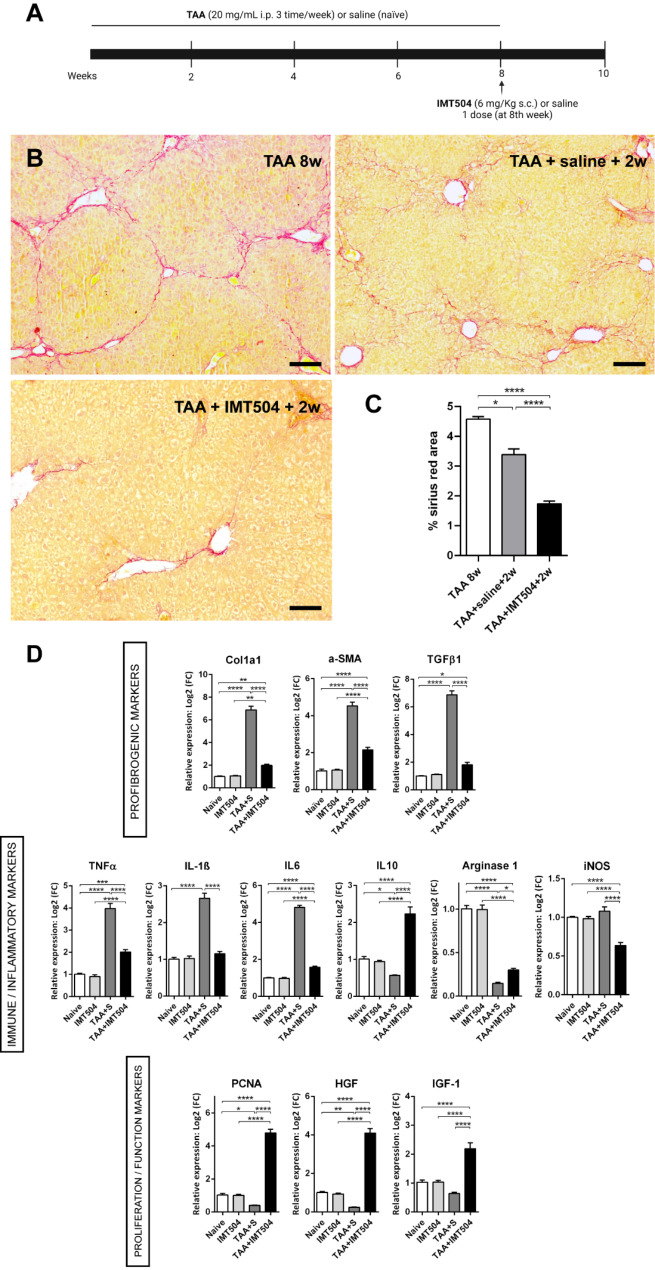
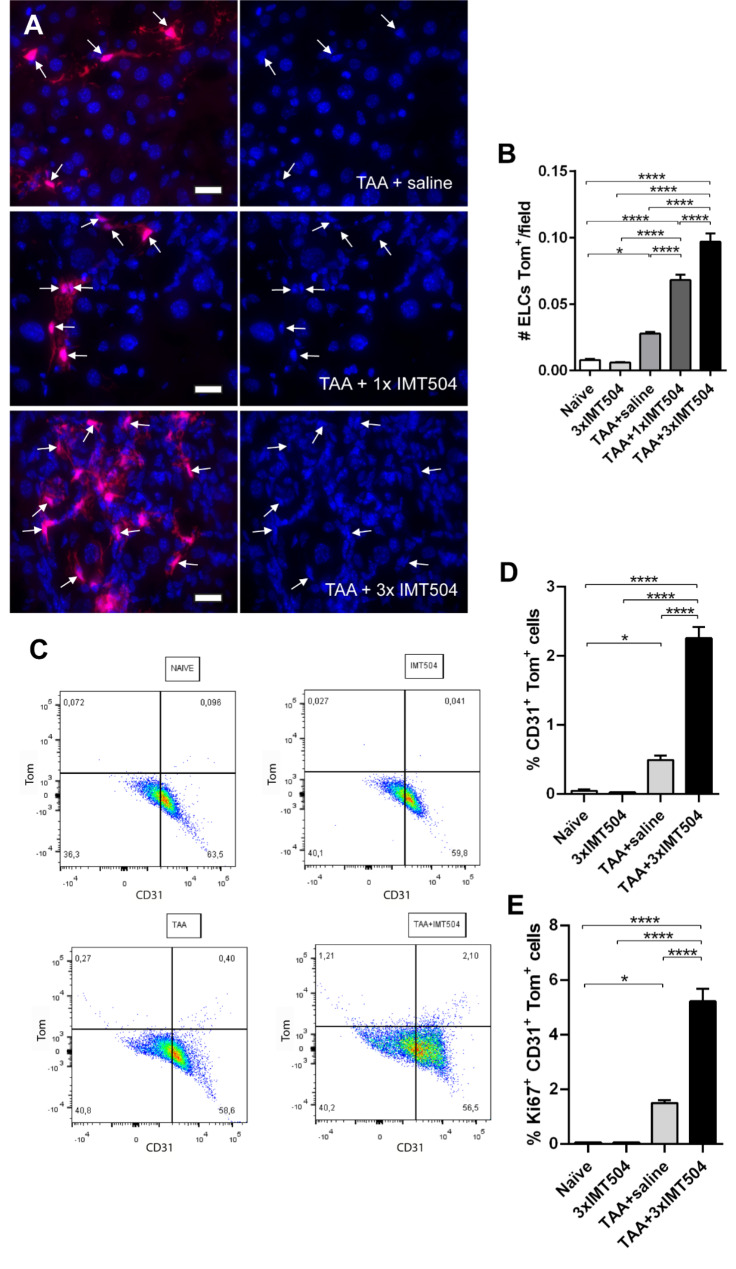
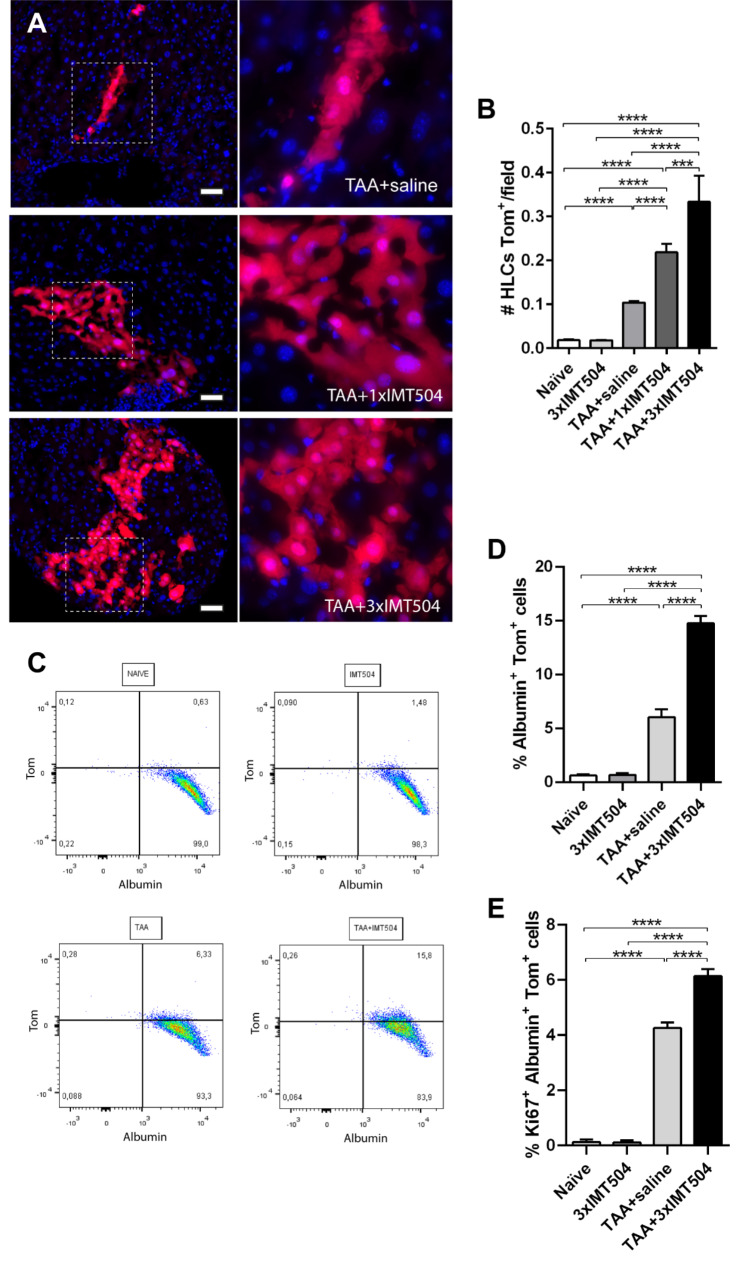
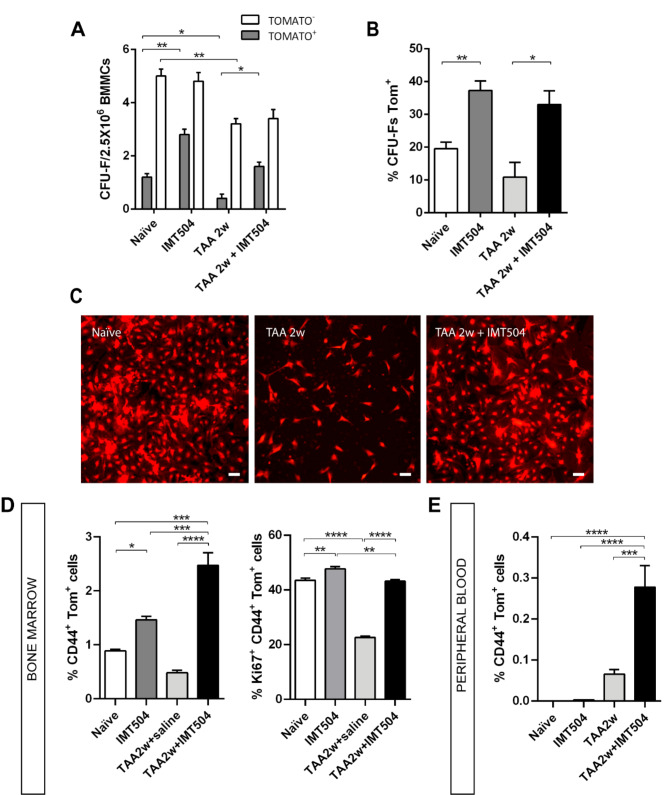
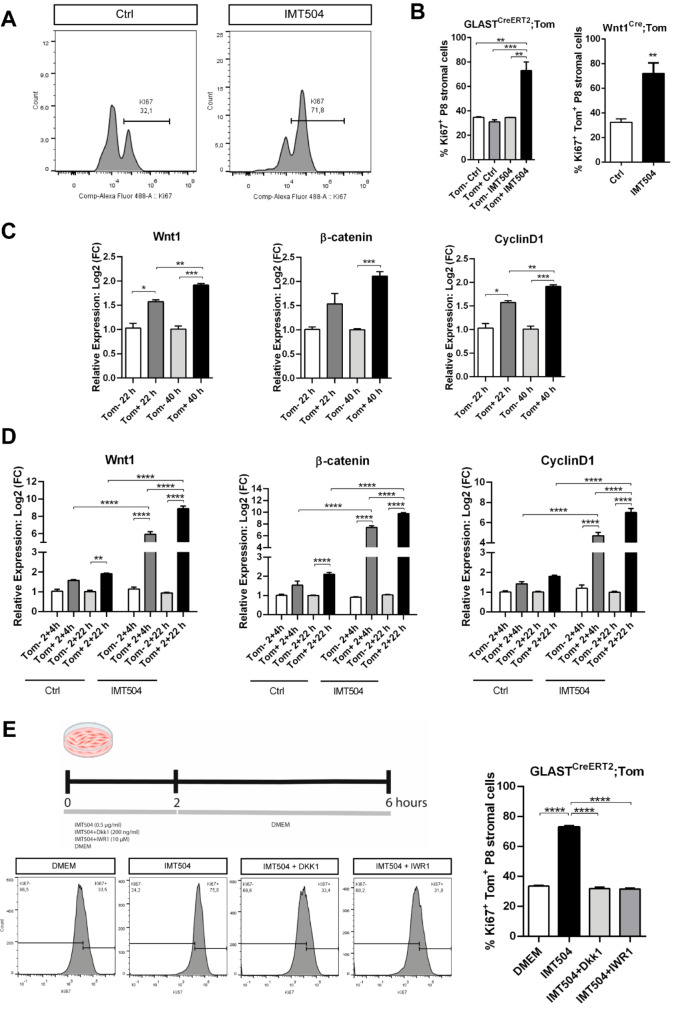
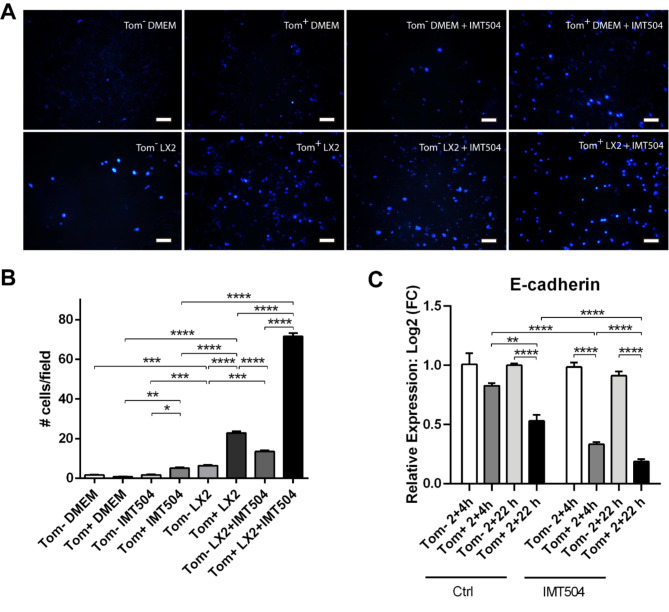
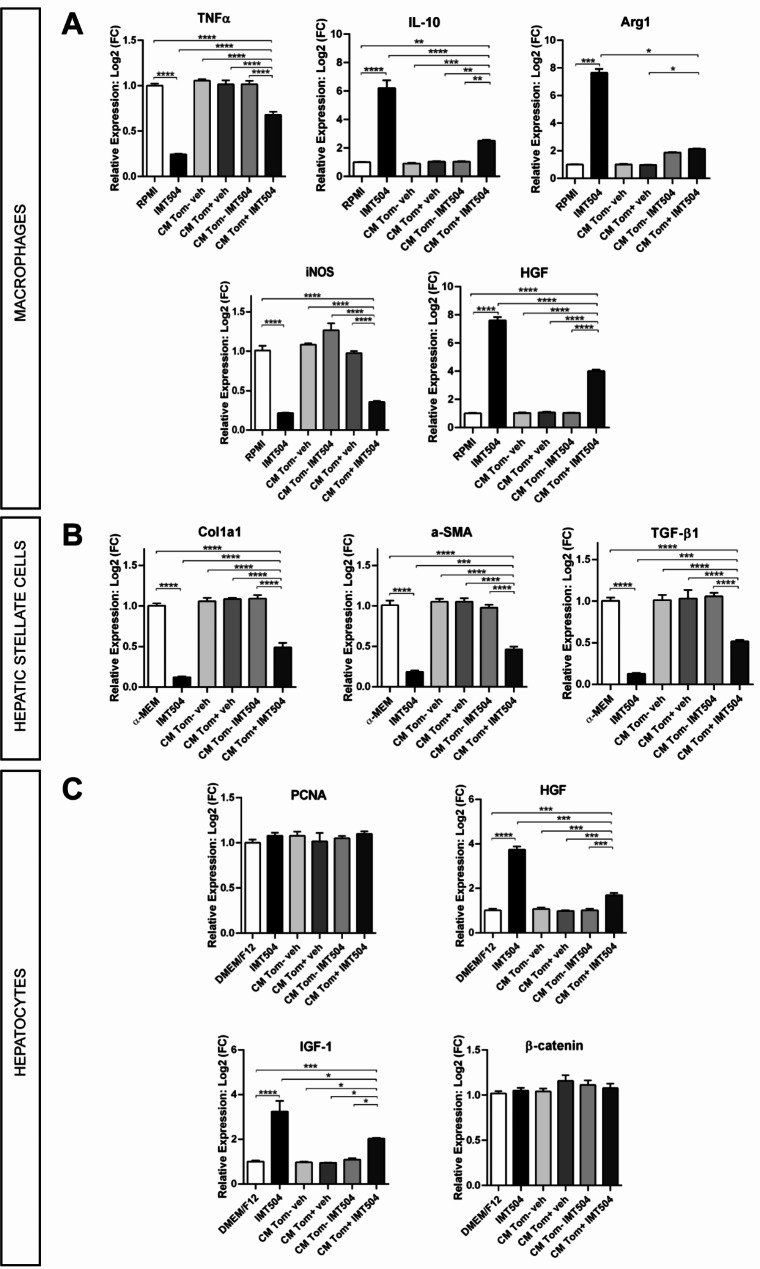
BACKGROUND: The immunomodulatory oligodeoxynucleotide (ODN) IMT504 might harbor antifibrotic properties within the liver. METHODS: Fibrosis models were induced in mice through thioacetamide (TAA) administration and bile-duct ligation. Cre-loxP mice were utilized to identify GLAST + Wnt1 + bone marrow stromal progenitors (BMSPs) and to examine their contribution with cells in the liver. In vivo and in vitro assays; flow-cytometry, immunohistochemistry, and qPCR were conducted. RESULTS: IMT504 demonstrated significant inhibition of liver fibrogenesis progression and reversal of established fibrosis. Early responses to IMT504 involved the suppression of profibrogenic and proinflammatory markers, coupled with an augmentation of hepatocyte proliferation. Additionally, this ODN stimulated the proliferation and mobilization of GLAST + Wnt1 + BMSPs, likely amplifying their contribution with endothelial- and hepatocytes-like cells. Moreover, IMT504 significantly modulated the expression levels of Wnt ligands and signaling pathway/target genes specifically within GLAST + Wnt1 + BMSPs, with minimal impact on other BMSPs. Intriguingly, both IMT504 and conditioned media from IMT504-pre-treated GLAST + Wnt1 + BMSPs shifted the phenotype of fibrotic macrophages, hepatic stellate cells, and hepatocytes, consistent with the potent antifibrotic effects observed. CONCLUSION: In summary, our findings identify IMT504 as a promising candidate molecule with potent antifibrotic properties, operating through both direct and indirect mechanisms, including the activation of GLAST + Wnt1 + BMSPs.
Overview
The claims and statistics of this paper haven’t been checked yet.
Free: it reads the open-access text and checks the first 5 claims that cite a source we can check. Create a free account to check every claim.
Integrity signals
Registry
Cites
Statistics
Figures
Verification
Claims the paper makes
The claims and statistics of this paper haven’t been checked yet.
Free: it reads the open-access text and checks the first 5 claims that cite a source we can check. Create a free account to check every claim.
Claims other papers make about this one
Each is checked against this paper’s own text: does it say what the citing paper says it does?
The source backs part of the claim, not all of it — or backs it for a different population, condition or comparison.
In the citing paper
“Restorative (or pro-resolving) macrophages contribute to extracellular matrix degradation, myofibroblast inactivation, and tissue remodeling.”
From Strategies to promote liver fibrosis amelioration with involvement of restorative macrophages (2026) · cites this paper as [2]
Experimental — accuracy not yet measuredThe source backs part of the claim, not all of it — or backs it for a different population, condition or comparison.
In the citing paper
“They secrete growth factors such as insulin-like growth factor-I (IGF-I) and hepatocyte growth factor (HGF), which support tissue repair and regeneration (1–4).”
From Strategies to promote liver fibrosis amelioration with involvement of restorative macrophages (2026) · cites this paper as [2]
Experimental — accuracy not yet measured
Self-check
Percentages, sums and reported differences re-computed from the paper’s own numbers.
The self-check needs the paper’s full text.
Citations
Cites
Wnt signalling in stem cells and cancer
Reya, T., & Clevers, H. (2005) · Nature · doi:10.1038/nature03319 · Cited by 3,666 · cited 1×
“As Wnt signaling is frequently associated with proliferation and mobilization of progenitor cells [30–33], we sought to determine whether IMT504 could de novo activate Wnt1 in Tom − stromal progenitor cells.”
Backgroundβ-Catenin regulates expression of cyclin D1 in colon carcinoma cells
Tetsu, O., & McCormick, F. (1999) · Nature · doi:10.1038/18884 · Cited by 3,601
CpG motifs in bacterial DNA trigger direct B-cell activation
Krieg, A. M., Yi, A.-K., Matson, S., Waldschmidt, T. J., Bishop, G. A., Teasdale, R., Koretzky, G. A., & Klinman, D. M. (1995) · Nature · doi:10.1038/374546a0 · Cited by 3,508 · cited 1×
“CpG ODNs contain at least one unmethylated cytosine-guanine (CpG) dinucleotide in a specific context [14].”
BackgroundThe bone marrow microenvironment at single-cell resolution
Tikhonova, A. N., Dolgalev, I., Hu, H., Sivaraj, K. K., Hoxha, E., Cuesta-Domínguez, Á., Pinho, S., Akhmetzyanova, I., Gao, J., Witkowski, M., et al. (2019) · Nature · doi:10.1038/s41586-019-1104-8 · Cited by 936
Baccin, C., Al-Sabah, J., Velten, L., Helbling, P. M., Grünschläger, F., Hernández-Malmierca, P., Nombela-Arrieta, C., Steinmetz, L. M., Trumpp, A., & Haas, S. (2020) · Nature Cell Biology · doi:10.1038/s41556-019-0439-6 · Cited by 904
A Cellular Taxonomy of the Bone Marrow Stroma in Homeostasis and Leukemia
Baryawno, N., Przybylski, D., Kowalczyk, M. S., Kfoury, Y., Severe, N., Gustafsson, K., Kokkaliaris, K. D., Mercier, F., Tabaka, M., Hofree, M., et al. (2019) · Cell · doi:10.1016/j.cell.2019.04.040 · Cited by 884
Wnt signalling required for expansion of neural crest and CNS progenitors
Ikeya, M., Lee, S. M. K., Johnson, J. E., McMahon, A. P., & Takada, S. (1997) · Nature · doi:10.1038/40146 · Cited by 684
Sato, Y., Araki, H., Kato, J., Nakamura, K., Kawano, Y., Kobune, M., Sato, T., Miyanishi, K., Takayama, T., Takahashi, M., et al. (2005) · Blood · doi:10.1182/blood-2005-02-0572 · Cited by 610 · cited 1×
“Nota-bly, certain BMSPs exhibit significant plasticity, including contribution with hepatocyte-like cells (HLCs) [3, 9–13].”
BackgroundThe biology of Hepatocellular carcinoma: implications for genomic and immune therapies
Khemlina, G., Ikeda, S., & Kurzrock, R. (2017) · Molecular Cancer · doi:10.1186/s12943-017-0712-x · Cited by 464 · cited 1×
“This observation may suggest that IMT504 might not induce Wnt1 signaling on hepatocytes, a feature previously involved in carcinogenesis [47–49].”
BackgroundMori, T., Tanaka, K., Buffo, A., Wurst, W., Kühn, R., & Götz, M. (2006) · Glia · doi:10.1002/glia.20350 · Cited by 398 · cited 1×
“In addition, GLAST CreERT2 [22] were bred with Rosa26 td − Tomato ( Rosa26 Tom ; Jackson stock Nº 007908): these mice were crossbred with CD1 mice in an out-breeding program for more than 20 generations, so they are currently in that genetic background.”
MethodHong, H. S., Lee, J., Lee, E., Kwon, Y. S., Lee, E., Ahn, W., Jiang, M. H., Kim, J. C., & Son, Y. (2009) · Nature Medicine · doi:10.1038/nm.1909 · Cited by 349
Thomas, J. A., Pope, C., Wojtacha, D., Robson, A. J., Gordon-Walker, T. T., Hartland, S., Ramachandran, P., Van Deemter, M., Hume, D. A., Iredale, J. P., et al. (2011) · Hepatology · doi:10.1002/hep.24315 · Cited by 346
Tag, C. G., Sauer-Lehnen, S., Weiskirchen, S., Borkham-Kamphorst, E., Tolba, R. H., Tacke, F., & Weiskirchen, R. (2015) · Journal of Visualized Experiments · doi:10.3791/52438 · Cited by 306 · cited 1×
“They underwent two ligatures around the common bile duct using silk 6.0 sutures, with a survival period of 2 weeks [23].”
MethodInfluentialβ-Catenin signaling in hepatocellular carcinoma
Xu, C., Xu, Z., Zhang, Y., Evert, M., Calvisi, D. F., & Chen, X. (2022) · Journal of Clinical Investigation · doi:10.1172/jci154515 · Cited by 305
Concise Review: Multipotent Mesenchymal Stromal Cells in Blood
He, Q., Wan, C., & Li, G. (2007) · Stem Cells · doi:10.1634/stemcells.2006-0335 · Cited by 284
Oh, S., Witek, R. P., Bae, S., Zheng, D., Jung, Y., Piscaglia, A. C., & Petersen, B. E. (2007) · Gastroenterology · doi:10.1053/j.gastro.2007.01.001 · Cited by 167
Wnt/frizzled signaling in hepatocellular carcinoma
Lee, H. C., Kim, M., & Wands (2006) · Frontiers in bioscience · doi:10.2741/1933 · Cited by 164
Wnt signaling promotes proliferation and stemness regulation of spermatogonial stem/progenitor cells
Golestaneh, N., Beauchamp, E. M., Fallen, S., Kokkinaki, M., Üren, A., & Dym, M. (2009) · Reproduction · doi:10.1530/rep-08-0510 · Cited by 159 · cited 1×
“As Wnt signaling is frequently associated with proliferation and mobilization of progenitor cells [30–33], we sought to determine whether IMT504 could de novo activate Wnt1 in Tom − stromal progenitor cells.”
BackgroundBaksh, D., & Tuan, R. S. (2007) · Journal of Cellular Physiology · doi:10.1002/jcp.21080 · Cited by 149 · cited 1×
“It is well-established that Wnt signalling plays a significant role in regulating progenitor properties, and canonical Wnt signalling has previously been shown to expand the pool of CFU-Fs in human BMSPs [43].”
BackgroundWnt/β-Catenin Signaling Determines the Vasculogenic Fate of Postnatal Mesenchymal Stem Cells
Zhang, Z., Nör, F., Oh, M., Cucco, C., Shi, S., & Nor, J. E. (2016) · Stem Cells · doi:10.1002/stem.2334 · Cited by 147
Zhao, M., Tao, F., Venkatraman, A., Li, Z., Smith, S. E., Unruh, J., Chen, S., Ward, C., Qian, P., Perry, J. M., et al. (2019) · Cell Reports · doi:10.1016/j.celrep.2018.12.093 · Cited by 146
A CD133-Expressing Murine Liver Oval Cell Population with Bilineage Potential
Rountree, C. B., Barsky, L., Ge, S., Zhu, J., Senadheera, S., & Crooks, G. M. (2007) · Stem Cells · doi:10.1634/stemcells.2007-0176 · Cited by 141 · cited 2×
“CD133 is also a liver progenitor marker in cells that coexpress albumin [28].”
BackgroundPiryaei, A., Valojerdi, M. R., Shahsavani, M., & Baharvand, H. (2010) · Stem Cell Reviews and Reports · doi:10.1007/s12015-010-9126-5 · Cited by 132
Martins-Neves, S. R., Paiva-Oliveira, D. I., Fontes-Ribeiro, C., Bovée, J. V. M. G., Cleton-Jansen, A.-M., & Gomes, C. M. F. (2018) · Cancer Letters · doi:10.1016/j.canlet.2017.11.004 · Cited by 115
LGR4 modulates breast cancer initiation, metastasis, and cancer stem cells
Yue, Z., Yuan, Z., Zeng, L., Wang, Y., Lai, L., Li, J., Sun, P., Xue, X., Qi, J., Yang, Z., et al. (2017) · The FASEB Journal · doi:10.1096/fj.201700897r · Cited by 102 · cited 1×
“It is well established that Wnt canonical signaling pathway can influence cell motility by downregulating E-cad-herin expression levels [36].”
BackgroundNishikoba, N., Kumagai, K., Kanmura, S., Nakamura, Y., Ono, M., Eguchi, H., Kamibayashiyama, T., Oda, K., Mawatari, S., Tanoue, S., et al. (2020) · Frontiers in Immunology · doi:10.3389/fimmu.2020.02135 · Cited by 93 · cited 1×
“The increase in hepatocyte proliferation is probable caused by the reduction in reactive oxygen species (which are known to act during a pro-inflammatory state) and/or the upregulation of HGF and Arginase-1 [37, 38].”
BackgroundFiore, E. J., Bayo, J. M., Garcia, M. G., Malvicini, M., Lloyd, R., Piccioni, F., Rizzo, M., Peixoto, E., Sola, M. B., Atorrasagasti, C., et al. (2015) · Stem Cells and Development · doi:10.1089/scd.2014.0174 · Cited by 79
Self-citationElías, F., Fló, J., López, R. A., Zorzópulos, J., Montaner, A. D., & Rodriguez, J. M. (2003) · The Journal of Immunology · doi:10.4049/jimmunol.171.7.3697 · Cited by 78
Self-citationMorgan-Smith, M., Wu, Y., Zhu, X., Pringle, J., & Snider, W. D. (2014) · eLife · doi:10.7554/elife.02663 · Cited by 76
Aquino, J. B., Bolontrade, M. F., García, M. G., Podhajcer, O. L., & Mazzolini, G. D. (2010) · Gene Therapy · doi:10.1038/gt.2010.10 · Cited by 74
Self-citationHuman neural crest induction by temporal modulation of WNT activation
Gomez, G. A., Prasad, M. S., Sandhu, N., Shelar, P. B., Leung, A. W., & García‐Castro, M. I. (2019) · Developmental Biology · doi:10.1016/j.ydbio.2019.02.015 · Cited by 59 · cited 1×
“Some cells were incubated with CHIR (9 µM), known to elicit Wnt signaling and nuclear translocation of beta-catenin [24], Dkk1 (200 ng/ml; R&D; Wnt antagonist), or a combination of IMT504 and Dkk1 or IMT504 and IWR1 (10 µM; Sigma-Aldrich; Wnt1 inhibitor) [25, 26].”
BackgroundNovel Therapeutic Approaches to Liver Fibrosis Based on Targeting Oxidative Stress
Blas‐García, A., & Apostolova, N. (2023) · Antioxidants · doi:10.3390/antiox12081567 · Cited by 56
Fiore, E. J., Mazzolini, G. D., & Aquino, J. B. (2015) · Stem Cell Reviews and Reports · doi:10.1007/s12015-015-9585-9 · Cited by 55 · cited 2×
“Previous research, including our own, has demonstrated the potential of mesenchymal stem cells (MSCs) derived from bone marrow (BM) stromal fraction to ameliorate liver fibrosis [1–3].”
BackgroundResultSelf-citationSharma, P., Nandave, M., Nandave, D., Yadav, S., Vargas-De-La-Cruz, C. B., Singh, S., Tandon, R., Ramniwas, S., & Behl, T. (2023) · PubMed Central · Cited by 48
The Role of the Wnt Family of Secreted Proteins in Rat Oval “Stem” Cell-Based Liver Regeneration
Williams, J. M., Oh, S., Jorgensen, M., Steiger, N., Darwiche, H. A., Shupe, T. D., & Petersen, B. E. (2010) · American Journal Of Pathology · doi:10.2353/ajpath.2010.080486 · Cited by 39
Fiore, E., Malvicini, M., Bayo, J., Peixoto, E., Atorrasagasti, C., Sierra, R., Rodríguez, M., Gómez Bustillo, S., García, M. G., Aquino, J. B., et al. (2016) · Stem Cell Research & Therapy · doi:10.1186/s13287-016-0424-y · Cited by 35 · cited 1×
“Interestingly, these mechanisms closely resemble those previously reported by us following the systemic application of expanded BM stromal cells engineered to produce and deliver IGF-I in the context of liver fibrosis [39].”
BackgroundSelf-citationDiverse cellular origins of adult blood vascular endothelial cells
Aquino, J. B., Sierra, R., & Montaldo, L. A. (2021) · Developmental Biology · doi:10.1016/j.ydbio.2021.05.010 · Cited by 33 · cited 1×
“Current literature suggests that bone marrow is likely the main source of circulating stromal progenitors with extended plasticity due to its particular hypoxic conditions within the niche microenvironment [40–42].”
BackgroundSelf-citationBao, J., Wu, Q., Wang, Y., Li, Y., Li, L., Chen, F., Wu, X., Xie, M., & Bu, H. (2016) · International Journal of Molecular Medicine · doi:10.3892/ijmm.2016.2638 · Cited by 32
Ilas, D. C., Baboolal, T. G., Churchman, S. M., Jones, W. G., Giannoudis, P. V., Bühring, H., McGonagle, D., & Jones, E. (2020) · Scientific Reports · doi:10.1038/s41598-020-67998-0 · Cited by 29
Hernando-Insúa, A., Montaner, A. D., Rodriguez, J. M., Elı́as, F., Fló, J., López, R. A., Zorzópulos, J., Hofer, E. L., & Chasseing, N. A. (2007) · Stem Cells · doi:10.1634/stemcells.2006-0479 · Cited by 25
Self-citationTang, H., Xu, Y., Zhang, Z., Zeng, S., Dong, W., Jiao, W., & Hu, X. (2019) · Molecular Medicine Reports · doi:10.3892/mmr.2019.10045 · Cited by 24
Bayo, J., Fiore, E. J., Aquino, J. B., Malvicini, M., Rizzo, M., Peixoto, E., Alaniz, L. D., Piccioni, F., Bolontrade, M. F., Podhajcer, O. L., et al. (2014) · BioMed Research International · doi:10.1155/2014/837420 · Cited by 22 · cited 1×
“…when GLAST + Wnt1 + BMSPs were treated with IMT504, they displayed the ability to migrate even in the absence of chemoattractants to the same extent as Tom − cells in the presence of conditioned media from LX2 cells, a condition known to induce the migration of stromal progenitor cells [35].”
BackgroundSelf-citationBianchi, M. S., Hernando-Insúa, A., Chasseing, N. A., Rodríguez, J. M., Elı́as, F., Lago, N. R., Zorzópulos, J., Libertun, C., Montaner, A. D., & Lux-Lantos, V. A. (2010) · Diabetologia · doi:10.1007/s00125-010-1694-z · Cited by 14 · cited 1×
“Indeed, IMT504 was also previously shown to elicit beneficial effects in the context of experimental models of diabetes, pain and multiple sclerosis [18–21].”
BackgroundSelf-citationDifferentiation Versus Plasticity: Fixing the Fate of Undetermined Adult Stem Cells
Bedada, F. B., Günther, S., Kubin, T., & Braun, T. W. (2005) · Cell Cycle · doi:10.4161/cc.5.3.2364 · Cited by 14 · cited 1×
“For example, this pathway induced myogenin expression in a subpopulation of mouse BM multipotent adult stem cells (mMASCs), enhancing their capacity to fuse with cocultured skeletal muscle cells, a feature of myocytes [44].”
BackgroundCasadei, M., Fiore, E. J., Rubione, J., Domínguez, L. M., Coronel, M. F., Leiguarda, C., García, M. G., Mazzolini, G. D., Villar, M. J., Montaner, A. D., et al. (2021) · Pain · doi:10.1097/j.pain.0000000000002476 · Cited by 14 · cited 1×
“Rat and bone marrow stromal cells incubated with Alexa-Fluor 488-or Texas red-conjugated IMT504 were found to internalize this compound [20].”
BackgroundSelf-citationZorzópulos, J., Opal, S. M., Hernando-Insúa, A., Rodriguez, J. M., Elías, F., Fló, J., López, R. A., Chasseing, N. A., Lux-Lantos, V. A., Coronel, M. F., et al. (2017) · World Journal of Stem Cells · doi:10.4252/wjsc.v9.i3.45 · Cited by 13
Self-citationSierra, R., Gomez-Bustillo, S., Kameneva, P., Fiore, E. J., Mazzone, G. L., Borda, M., Blanco, M. V. F., Usuardi, C., Furlan, A., Ernfors, P., et al. (2020) · Liver International · doi:10.1111/liv.14401 · Cited by 12
Self-citationBianchi, S., Allo, V. C. M., Massimino, M., Lavignolle, R., Borzone, F. R., Gomez-Bustillo, S., Chasseing, N. A., Libertun, C., Montaner, A. D., Rabinovich, G. A., et al. (2020) · Nucleic Acid Therapeutics · doi:10.1089/nat.2020.0901 · Cited by 5
Self-citationOligodeoxynucleotide IMT504: Effects on Central Nervous System Repair Following Demyelination
Mathieu, P., Sampertegui, Y. R., Elías, F., Silva, A. S., Calcagno, M. D. L., López, R. A., & Adamo, A. M. (2023) · Molecular Neurobiology · doi:10.1007/s12035-023-03825-7 · Cited by 2 · cited 1×
“Indeed, IMT504 was also previously shown to elicit beneficial effects in the context of experimental models of diabetes, pain and multiple sclerosis [18–21].”
Background
Cited by
Strategies to promote liver fibrosis amelioration with involvement of restorative macrophages
Aquino, J. B. (2026) · Frontiers in Immunology · doi:10.3389/fimmu.2026.1792423 · Cited by 1
Self-citationNovel Highly Homeostatic B Cells induced by Immunomodulatory Oligonucleotide IMT504Preprint
RODRIGUEZ, J. M., Elías, F., Oberholzer, M. V., Zylberberg, C., Fló, J., López, R. A., Bridges, A. J., Jerusalinsky, D. A., & Zorzópulos, J. (2025) · bioRxiv (Cold Spring Harbor Laboratory) · doi:10.64898/2025.12.18.694904 · Cited by 1
“Supporting this hypothesis, independent research teams have shown that IMT504 treatment yields beneficial effects in diverse pathological conditions, including diabetes (46), neuropathic pain (47), chronic inflammation (48), sepsis (49), multiple sclerosis (50), and liver fibrosis (51).”
Borda, M., Cafaro, L., Sierra, R., Pedraza, M. D., Becerra, C., Ábalo, A., Karolewski, M. J., Cantero, M. J., Schiavone, M. A., Mazzolini, G. D., et al. (2025) · Scientific Reports · doi:10.1038/s41598-025-22097-w · Cited by 1
Self-citation
Metadata
- Authors
- Borda, M., Sierra, R., Cantero, M. J., Gómez Bustillo, S., Fiore, E. J., Giardelli, G., Martino Garcet, M., Rebottaro, M. L., Bayo Fina, J. M., Schiavone, M., Rubione, J., García, M. G., Montaner, A., Mazzolini, G. D., & Aquino, J. B.
- Affiliations
- Consejo Nacional de Investigaciones Científicas y Técnicas (AR)
- Fundación Pablo Casará (AR)
- ORCID
- Venue
- Stem Cell Research & Therapy
- Published
- 2024-09-04
- Volume
- 15
- Issue
- 1
- Pages
- 278-278
- ISSN
- 1757-6512 (ISSN-L)
- PMC
- PMC11373403
- OpenAlex
- W4402252162
- Cited by
- 3
- References
- 49
- Citations by year
- 2026: 1 · 2025: 2
- FWCI
- 0.78
- Type
- journal article
- Language
- en
- Open access
- gold
- doi.org
- Licence
- cc-by-nc-nd
- creativecommons.org/licenses/by-nc-nd/4.0 (tdm)
- creativecommons.org/licenses/by-nc-nd/4.0 (vor)
- Locations
- Stem Cell Research & Therapy (publishedVersion, cc-by-nc-nd)
- PubMed Central (publishedVersion, cc-by-nc-nd)
- PubMed (publishedVersion)
- Conicet (publishedVersion, cc-by-nc-nd)
- DOAJ (DOAJ: Directory of Open Access Journals) (submittedVersion, cc-by-sa)
- Funders
- ANPCYT-FONCYT (PICT-O-2016-0088, PICT-2017-0642, PICT-2021-I-A-00204)
- Universidad Austral (Universidad Austral)
- Topics
- Health Sciences › Medicine › Hepatology › Liver physiology and pathology
- Health Sciences › Medicine › Hepatology › Liver Disease Diagnosis and Treatment
- Health Sciences › Medicine › Hepatology › Liver Diseases and Immunity
- Keywords
- antifibrotic therapy, liver fibrosis, GLAST, Wnt1, hepatic microenvironment, Wnt signaling, hepatic stellate cells, hepatocyte proliferation, thioacetamide-induced fibrosis, bile duct ligation
- MeSH terms
- Animals, Liver, Liver Cirrhosis, Male, Mice, Inbred C57BL, Oligodeoxyribonucleotides, Thioacetamide, Hepatocytes, Wnt1 Protein, Mice, Mesenchymal Stem Cells
About these checks
Registry, retraction, Cites and statistics results are computed, not judged, with one exception: a printed reference that no index lists is read once by a model before it counts as a citation error. Claims are extracted by a model and kept only when their quote appears verbatim in the text; each cited source is then checked, with a model’s help, for whether it says what the claim relies on. Those verdicts can be wrong — read the claim’s quote and the cited source before relying on one.
Statistics and arithmetic are recomputed, not judged.
Confidence bands are shown only for fields calibrated on our annotated test set. None is calibrated yet, so no band is shown.
What counts as a claim ›How we measure confidence ›How we check this ›
Are you an author, or do you see a problem with this page? Request a review
Data sources
Bibliographic data: Semantic Scholar, OpenAlex, Crossref.
Contains information from the Semantic Scholar Academic Graph Datasets, made available under the ODC Attribution License (ODC-BY 1.0).
Semantic Scholar’s data is described in: Kinney, R., et al. (2023). The Semantic Scholar Open Data Platform. arXiv:2301.10140.
