

The DOI matches its Crossref record; 10 of the 10 references it cites were found in a registry or an index.
Zinc is an important inter-kingdom signal between the host and microbe
Abstract
Zinc (Zn) is an essential trace element in living organisms and plays a vital role in the regulation of both microbial virulence and host immune responses. A growing number of studies have shown that zinc deficiency or the internal Zn concentration does not meet the needs of animals and microbes, leading to an imbalance in zinc homeostasis and intracellular signalling pathway dysregulation. Competition for zinc ions (Zn 2+) between microbes and the host exists in the use of Zn 2+ to maintain cell structure and physiological functions. It also affects the interplay between microbial virulence factors and their specific receptors in the host. This review will focus on the role of Zn in the crosstalk between the host and microbe, especially for changes in microbial pathogenesis and nociceptive neuron-immune interactions, as it may lead to new ways to prevent or treat microbial infections.
Overview
The claims and statistics of this paper haven’t been checked yet.
Run the check — free, no account needed. It reads the open-access text and checks the sources it cites.
Integrity signals
Registry
Cites
Statistics
Figures
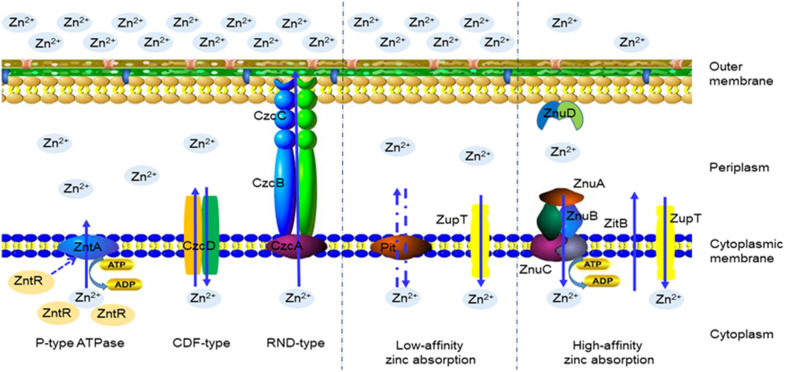
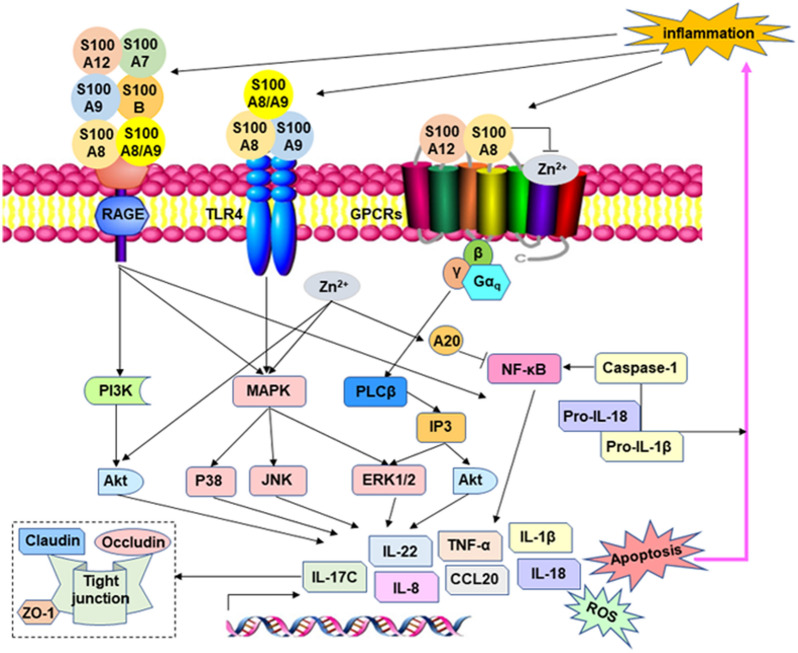
Verification
Claims the paper makes
The claims and statistics of this paper haven’t been checked yet.
Run the check — free, no account needed. It reads the open-access text and checks the sources it cites.
Claims other papers make about this one
Each is checked against this paper’s own text: does it say what the citing paper says it does?
In the citing paper
“In response, pathogens compete with the host for zinc by using high‐affinity Zn2+ transporters, including ZnuACB (Xia et al. 2021; Bobrov et al. 2014).”
From Nutritional Immunity in Wound Infection: Unveiling the Role of Dietary Elements in Host–Pathogen Interaction (2025) · cites this paper as Xia et al. 2021
Self-check
Percentages, sums and reported differences re-computed from the paper’s own numbers.
The self-check needs the paper’s full text.
Citations
Cites
Nutritional immunity: transition metals at the pathogen–host interface
Hood, M. I., & Skaar, E. P. (2012) · Nature Reviews Microbiology · doi:10.1038/nrmicro2836 · Cited by 1,535
Zinc deficiency and cellular oxidative stress: Prognostic implications in cardiovascular diseases
Choi, S., Liu, X., & Pan, Z. (2018) · Acta Pharmacologica Sinica · doi:10.1038/aps.2018.25 · Cited by 397
Mycobacterial P1-Type ATPases Mediate Resistance to Zinc Poisoning in Human Macrophages
Botella, H., Peyron, P., Levillain, F., Poincloux, R., Poquet, Y., Brandli, I., Wang, C., Tailleux, L., Tilleul, S., Charrière, G. M., et al. (2011) · Cell Host & Microbe · doi:10.1016/j.chom.2011.08.006 · Cited by 381
Liu, J. Z., Jellbauer, S., Poe, A. J., Ton, V., Pesciaroli, M., Kehl-Fie, T. E., Restrepo, N. A., Hosking, M. P., Edwards, R. A., Battistoni, A., et al. (2012) · Cell Host & Microbe · doi:10.1016/j.chom.2012.01.017 · Cited by 328
Bacterial Strategies to Maintain Zinc Metallostasis at the Host-Pathogen Interface
Capdevila, D. A., Wang, J., & Giedroc, D. P. (2016) · Journal of Biological Chemistry · doi:10.1074/jbc.r116.742023 · Cited by 181
Severe Zinc Depletion of Escherichia coli
Graham, A. I., Hunt, S., Stokes, S. L., Bramall, N., Bunch, J., Cox, A. G., McLeod, C. W., & Poole, R. K. (2009) · Journal of Biological Chemistry · doi:10.1074/jbc.m109.001503 · Cited by 156
Stork, M., Bos, M. P., Jongerius, I., de Kok, N., Schilders, I., Weynants, V. E., Poolman, J. T., & Tommassen, J. (2010) · PLoS Pathogens · doi:10.1371/journal.ppat.1000969 · Cited by 141
New Insights into the Role of Zinc Acquisition and Zinc Tolerance in Group A Streptococcal Infection
Ong, C.-L. Y., Berking, O., Walker, M. J., & McEwan, A. G. (2018) · Infection and Immunity · doi:10.1128/iai.00048-18 · Cited by 54
ZnuD, a Potential Candidate for a Simple and Universal Neisseria meningitidis Vaccine
Hubert, K., Devos, N., Mordhorst, I., Tans, C., Baudoux, G., Feron, C., Goraj, K., Tommassen, J., Vogel, U., Poolman, J. T., et al. (2013) · Infection and Immunity · doi:10.1128/iai.01312-12 · Cited by 28
Quan, G., Xia, P., Lian, S., Wu, Y., & Zhu, G. (2020) · Veterinary Research · doi:10.1186/s13567-020-00854-1 · Cited by 22
Self-citation
Research works printed but not linked: 141
- Prasad AS (1995) Zinc: an overview. Nutrition 11(1 Suppl):93–99
- Hantke K (2005) Bacterial zinc uptake and regulators. Curr Opin Microbiol 8:196–202. https://doi.org/10.1016/j.mib.2005.02.001 · DOI
- Gielda LM, DiRita VJ (2012) Zinc competition among the intestinal microbiota. mBio 3:e00171-00112. https://doi.org/10.1128/mBio.00171-12 · DOI
- Lichten LA, Cousins RJ (2009) Mammalian zinc transporters: nutritional and physiologic regulation. Annu Rev Nutr 29:153–176. https://doi.org/10.1146/annurev-nutr-033009-083312 · DOI
- Murakami M, Hirano T (2008) Intracellular zinc homeostasis and zinc signaling. Cancer Sci 99:1515–1522. https://doi.org/10.1111/j.1349-7006.2008.00854.x · DOI
- Gonzalez LL, Garrie K, Turner MD (2020) Role of S100 proteins in health and disease. Biochim Biophys Acta Mol Cell Res 1867:118677. https://doi.org/10.1016/j.bbamcr.2020.118677 · DOI
- Cerasi M, Ammendola S, Battistoni A (2013) Competition for zinc binding in the host-pathogen interaction. Front Cell Infect Microbiol 3:108. https://doi.org/10.3389/fcimb.2013.00108 · DOI
- Hu H, Bandell M, Petrus MJ, Zhu MX, Patapoutian A (2009) Zinc activates damage-sensing TRPA1 ion channels. Nat Chem Biol 5:183–190. https://doi.org/10.1038/nchembio.146 · DOI
- Lai NY, Musser MA, Pinho-Ribeiro FA, Baral P, Jacobson A, Ma P, Potts DE, Chen Z, Paik D, Soualhi S, Yan Y, Misra A, Goldstein K, Lagomarsino VN, Nordstrom A, Sivanathan KN, Wallrapp A, Kuchroo VK, Nowarski R, Starnbach MN, Shi H, Surana NK, An D, Wu C, Huh JR, Rao M, Chiu IM (2020) Gut-innervating nociceptor neurons regulate Peyer’s patch microfold cells and SFB levels to mediate Salmonella host defense. Cell 180:33-49.e22. https://doi.org/10.1016/j.cell.2019.11.014 · DOI
- Lai NY, Mills K, Chiu IM (2017) Sensory neuron regulation of gastrointestinal inflammation and bacterial host defence. J Intern Med 282:5–23. https://doi.org/10.1111/joim.12591 · DOI
- Skalny AV, Rink L, Ajsuvakova OP, Aschner M, Gritsenko VA, Alekseenko SI, Svistunov AA, Petrakis D, Spandidos DA, Aaseth J, Tsatsakis A, Tinkov AA (2020) Zinc and respiratory tract infections: perspectives for COVID-19. Int J Mol Med 46:17–26. https://doi.org/10.3892/ijmm.2020.4575 · DOI
- Shittu MO, Afolami OI (2020) Improving the efficacy of Chloroquine and Hydroxychloroquine against SARS-CoV-2 may require Zinc additives - A better synergy for future COVID-19 clinical trials. Infez Med 28:192–197
- Kar M, Khan NA, Panwar A, Bais SS, Basak S, Goel R, Sopory S, Medigeshi GR (2019) Zinc chelation specifically inhibits early stages of dengue virus replication by activation of NF-κB and induction of antiviral response in epithelial cells. Front Immunol 10:2347. https://doi.org/10.3389/fimmu.2019.02347 · DOI
- Hughes DT, Sperandio V (2008) Inter-kingdom signalling: communication between bacteria and their hosts. Nat Rev Microbiol 6:111–120. https://doi.org/10.1038/nrmicro1836 · DOI · Paper page
- Li Q, Ren Y, Fu X (2019) Inter-kingdom signaling between gut microbiota and their host. Cell Mol Life Sci 76:2383–2389. https://doi.org/10.1007/s00018-019-03076-7 · DOI
- Gilston BA, Wang S, Marcus MD, Canalizo-Hernández MA, Swindell EP, Xue Y, Mondragón A, O’Halloran TV (2014) Structural and mechanistic basis of zinc regulation across the E. coli Zur regulon. PLoS Biol 12:e1001987. https://doi.org/10.1371/journal.pbio.1001987 · DOI
- Hantke K (2001) Bacterial zinc transporters and regulators. Biometals 14:239–249. https://doi.org/10.1023/A:1012984713391 · DOI
- Sheng Y, Fan F, Jensen O, Zhong Z, Kan B, Wang H, Zhu J (2015) Dual zinc transporter systems in Vibrio cholerae promote competitive advantages over gut microbiome. Infect Immun 83:3902–3908. https://doi.org/10.1128/iai.00447-15 · DOI
- Petrarca P, Ammendola S, Pasquali P, Battistoni A (2010) The Zur-regulated ZinT protein is an auxiliary component of the high-affinity ZnuABC zinc transporter that facilitates metal recruitment during severe zinc shortage. J Bacteriol 192:1553–1564. https://doi.org/10.1128/jb.01310-09 · DOI · Paper page
- Gabbianelli R, Scotti R, Ammendola S, Petrarca P, Nicolini L, Battistoni A (2011) Role of ZnuABC and ZinT in Escherichia coli O157:H7 zinc acquisition and interaction with epithelial cells. BMC Microbiol 11:36. https://doi.org/10.1186/1471-2180-11-36 · DOI
- Grass G, Franke S, Taudte N, Nies DH, Kucharski LM, Maguire ME, Rensing C (2005) The metal permease ZupT from Escherichia coli is a transporter with a broad substrate spectrum. J Bacteriol 187:1604–1611. https://doi.org/10.1128/jb.187.5.1604-1611.2005 · DOI
- Karlinsey JE, Maguire ME, Becker LA, Crouch ML, Fang FC (2010) The phage shock protein PspA facilitates divalent metal transport and is required for virulence of Salmonella enterica sv. Typhimurium Mol Microbiol 78:669–685. https://doi.org/10.1111/j.1365-2958.2010.07357.x · DOI · Paper page
- Ammendola S, Pasquali P, Pistoia C, Petrucci P, Petrarca P, Rotilio G, Battistoni A (2007) High-affinity Zn2+ uptake system ZnuABC is required for bacterial zinc homeostasis in intracellular environments and contributes to the virulence of Salmonella enterica. Infect Immun 75:5867–5876. https://doi.org/10.1128/iai.00559-07 · DOI · Paper page
- Gunasekera TS, Herre AH, Crowder MW (2009) Absence of ZnuABC-mediated zinc uptake affects virulence-associated phenotypes of uropathogenic Escherichia coli CFT073 under Zn (II)-depleted conditions. FEMS Microbiol Lett 300:36–41. https://doi.org/10.1111/j.1574-6968.2009.01762.x · DOI
- Davis LM, Kakuda T, DiRita VJ (2009) A Campylobacter jejuni znuA orthologue is essential for growth in low-zinc environments and chick colonization. J Bacteriol 191:1631–1640. https://doi.org/10.1128/jb.01394-08 · DOI
- Yang X, Becker T, Walters N, Pascual DW (2006) Deletion of znuA virulence factor attenuates Brucella abortus and confers protection against wild-type challenge. Infect Immun 74:3874–3879. https://doi.org/10.1128/iai.01957-05 · DOI
- Campoy S, Jara M, Busquets N, Pérez de Rozas AM, Badiola I, Barbé J (2002) Role of the high-affinity zinc uptake znuABC system in Salmonella enterica Serovar typhimurium virulence. Infect Immun 70:4721–4725. https://doi.org/10.1128/iai.70.8.4721-4725.2002 · DOI
- Lindsay JA, Foster SJ (2001) zur: a Zn2+-responsive regulatory element of Staphylococcus aureus. Microbiology 147:1259–1266. https://doi.org/10.1099/00221287-147-5-1259 · DOI · Paper page
- Maciąg A, Dainese E, Rodriguez GM, Milano A, Provvedi R, Pasca MR, Smith I, Palù G, Riccardi G, Manganelli R (2007) Global analysis of the Mycobacterium tuberculosis Zur (FurB) regulon. J Bacteriol 189:730–740. https://doi.org/10.1128/jb.01190-06 · DOI
- Zhi H, Behnsen J, Aron A, Subramanian V, Liu JZ, Gerner RR, Petras D, Green KD, Price SL, Camacho J, Hillman H, Tjokrosurjo J, Montaldo NP, Hoover E, Treacy-Abarca S, Gilston BA, Skaar EP, Chazin WJ, Garneau-Tsodikova S, Lawrenz MB, Perry RD, Nuccio S-P, Dorrestein PC, Raffatellu M (2020) Siderophore-mediated zinc acquisition enhances enterobacterial colonization of the inflamed gut. In press, bioRxiv:2020.2007.2020.212498. doi:https://doi.org/10.1101/2020.07.20.212498 · DOI
- Seth R, Corniola RS, Gower-Winter SD, Morgan TJ Jr, Bishop B, Levenson CW (2015) Zinc deficiency induces apoptosis via mitochondrial p53- and caspase-dependent pathways in human neuronal precursor cells. J Trace Elem Med Biol 30:59–65. https://doi.org/10.1016/j.jtemb.2014.10.010 · DOI
- Le Bras M, Rouy I, Brenner C (2006) The modulation of inter-organelle cross-talk to control apoptosis. Med Chem 2:1–12. https://doi.org/10.2174/157340606775197787 · DOI
- Truong-Tran AQ, Carter J, Ruffin RE, Zalewski PD (2001) The role of zinc in caspase activation and apoptotic cell death. Biometals 14:315–330. https://doi.org/10.1023/a:1012993017026 · DOI
- Lee SR (2018) Critical role of zinc as either an antioxidant or a prooxidant in cellular systems. Oxid Med Cell Longev 2018:9156285. https://doi.org/10.1155/2018/9156285 · DOI · Paper page
- Wang X, Zhou B (2010) Dietary zinc absorption: a play of Zips and ZnTs in the gut. IUBMB Life 62:176–182. https://doi.org/10.1002/iub.291 · DOI
- Ohashi W, Hara T, Takagishi T, Hase K, Fukada T (2019) Maintenance of intestinal epithelial homeostasis by zinc transporters. Dig Dis Sci 64:2404–2415. https://doi.org/10.1007/s10620-019-05561-2 · DOI
- Huang D, Zhuo Z, Fang S, Yue M, Feng J (2016) Different zinc sources have diverse impacts on gene expression of zinc absorption related transporters in intestinal porcine epithelial cells. Biol Trace Elem Res 173:325–332. https://doi.org/10.1007/s12011-016-0655-x · DOI
- Colvin RA, Fontaine CP, Laskowski M, Thomas D (2003) Zn2+ transporters and Zn2+ homeostasis in neurons. Eur J Pharmacol 479:171–185. https://doi.org/10.1016/j.ejphar.2003.08.067 · DOI
- Ohashi W, Fukada T (2019) contribution of zinc and zinc transporters in the pathogenesis of inflammatory bowel diseases. J Immunol Res 2019:8396878. https://doi.org/10.1155/2019/8396878 · DOI
- Gefeller EM, Martens H, Aschenbach JR, Klingspor S, Twardziok S, Wrede P, Pieper R, Lodemann U (2015) Effects of age and zinc supplementation on transport properties in the jejunum of piglets. J Anim Physiol Anim Nutr 99:542–552. https://doi.org/10.1111/jpn.12232 · DOI
- Hojyo S, Fukada T (2016) Zinc transporters and signaling in physiology and pathogenesis. Arch Biochem Biophys 611:43–50. https://doi.org/10.1016/j.abb.2016.06.020 · DOI
- Nimmanon T, Ziliotto S, Ogle O, Burt A, Gee J, Andrews G, Kille P, Hogstrand C, Maret W, Taylor K (2021) The ZIP6/ZIP10 heteromer is essential for the zinc-mediated trigger of mitosis. Cell Mol Life Sci 78:1781-1798. https://doi.org/10.1007/s00018-020-03616-6 · DOI
- Geiser J, Venken KJ, De Lisle RC, Andrews GK (2012) A mouse model of acrodermatitis enteropathica: loss of intestine zinc transporter ZIP4 (Slc39a4) disrupts the stem cell niche and intestine integrity. PLoS Genet 8:e1002766. https://doi.org/10.1371/journal.pgen.1002766 · DOI
- Ohashi W, Kimura S, Iwanaga T, Furusawa Y, Irié T, Izumi H, Watanabe T, Hijikata A, Hara T, Ohara O, Koseki H, Sato T, Robine S, Mori H, Hattori Y, Watarai H, Mishima K, Ohno H, Hase K, Fukada T (2016) Zinc transporter SLC39A7/ZIP7 promotes intestinal epithelial self-renewal by resolving ER Stress. PLoS Genet 12:e1006349. https://doi.org/10.1371/journal.pgen.1006349 · DOI
- Guthrie GJ, Aydemir TB, Troche C, Martin AB, Chang SM, Cousins RJ (2015) Influence of ZIP14 (slc39A14) on intestinal zinc processing and barrier function. Am J Physiol Gastrointest Liver Physiol 308:G171-178. https://doi.org/10.1152/ajpgi.00021.2014 · DOI
- Olechnowicz J, Tinkov A, Skalny A, Suliburska J (2018) Zinc status is associated with inflammation, oxidative stress, lipid, and glucose metabolism. J Physiol Sci 68:19–31. https://doi.org/10.1007/s12576-017-0571-7 · DOI
- Lu Q, Haragopal H, Slepchenko KG, Stork C, Li YV (2016) Intracellular zinc distribution in mitochondria, ER and the Golgi apparatus. Int J Physiol Pathophysiol Pharmacol 8:35–43
- Bird AJ, Wilson S (2020) Zinc homeostasis in the secretory pathway in yeast. Curr Opin Chem Biol 55:145–150. https://doi.org/10.1016/j.cbpa.2020.01.011 · DOI
- Sinclair SA, Senger T, Talke IN, Cobbett CS, Haydon MJ, Krämer U (2018) Systemic upregulation of MTP2- and HMA2-mediated Zn partitioning to the shoot supplements local Zn deficiency responses. Plant Cell 30:2463–2479. https://doi.org/10.1105/tpc.18.00207 · DOI
- Hershfinkel M (2018) The Zinc sensing receptor, ZnR/GPR39, in health and disease. Int J Mol Sci 19:439. https://doi.org/10.3390/ijms19020439 · DOI
- Cohen L, Sekler I, Hershfinkel M (2014) The zinc sensing receptor, ZnR/GPR39, controls proliferation and differentiation of colonocytes and thereby tight junction formation in the colon. Cell Death Dis 5:e1307. https://doi.org/10.1038/cddis.2014.262 · DOI
- Sunuwar L, Asraf H, Donowitz M, Sekler I, Hershfinkel M (2017) The Zn2+-sensing receptor, ZnR/GPR39, upregulates colonocytic Cl– absorption, via basolateral KCC1, and reduces fluid loss. Biochim Biophys Acta Mol Basis Dis 1863:947–960. https://doi.org/10.1016/j.bbadis.2017.01.009 · DOI
- Cohen L, Asraf H, Sekler I, Hershfinkel M (2012) Extracellular pH regulates zinc signaling via an Asp residue of the zinc-sensing receptor (ZnR/GPR39). J Biol Chem 287:33339–33350. https://doi.org/10.1074/jbc.M112.372441 · DOI
- Shao YX, Lei Z, Wolf PG, Gao Y, Guo YM, Zhang BK (2017) Zinc supplementation, via GPR39, upregulates PKCζ to protect intestinal barrier integrity in Caco-2 cells challenged by Salmonella enterica serovar Typhimurium. J Nutr 147:1282–1289. https://doi.org/10.3945/jn.116.243238 · DOI
- Sargeant HR, Miller HM, Shaw MA (2011) Inflammatory response of porcine epithelial IPEC J2 cells to enterotoxigenic E. coli infection is modulated by zinc supplementation. Mol Immunol 48:2113–2121. https://doi.org/10.1016/j.molimm.2011.07.002 · DOI
- Deng Z, Luo XM, Liu J, Wang H (2020) Quorum sensing, biofilm, and intestinal mucosal barrier: involvement the role of probiotic. Front Cell Infect Microbiol 10:538077. https://doi.org/10.3389/fcimb.2020.538077 · DOI
- Alvarez C-S, Giménez R, Cañas M-A, Vera R, Díaz-Garrido N, Badia J, Baldomà L (2019) Extracellular vesicles and soluble factors secreted by Escherichia coli Nissle 1917 and ECOR63 protect against enteropathogenic E. coli-induced intestinal epithelial barrier dysfunction. BMC Microbiol 19:166. https://doi.org/10.1186/s12866-019-1534-3 · DOI
- Tsai PY, Zhang B, He WQ, Zha JM, Odenwald MA, Singh G, Tamura A, Shen L, Sailer A, Yeruva S, Kuo WT, Fu YX, Tsukita S, Turner JR (2017) IL-22 upregulates epithelial claudin-2 to drive diarrhea and enteric pathogen clearance. Cell Host Microbe 21:671-681.e674. https://doi.org/10.1016/j.chom.2017.05.009 · DOI
- Jung HC, Eckmann L, Yang SK, Panja A, Fierer J, Morzycka-Wroblewska E, Kagnoff MF (1995) A distinct array of proinflammatory cytokines is expressed in human colon epithelial cells in response to bacterial invasion. J Clin Invest 95:55–65. https://doi.org/10.1172/jci117676 · DOI
- Luo Y, Xu J, Zhang C, Jiang C, Ma Y, He H, Wu Y, Devriendt B, Cox E, Zhang H (2019) Toll-like receptor 5-mediated IL-17C expression in intestinal epithelial cells enhances epithelial host defense against F4+ ETEC infection. Vet Res 50:48. https://doi.org/10.1186/s13567-019-0665-8 · DOI
- Luo Y, Van Nguyen U, de la Fe Rodriguez PY, Devriendt B, Cox E (2015) F4+ ETEC infection and oral immunization with F4 fimbriae elicits an IL-17-dominated immune response. Vet Res 46:121. https://doi.org/10.1186/s13567-015-0264-2 · DOI
- Brinkmann V, Reichard U, Goosmann C, Fauler B, Uhlemann Y, Weiss DS, Weinrauch Y, Zychlinsky A (2004) Neutrophil extracellular traps kill bacteria. Science 303:1532–1535. https://doi.org/10.1126/science.1092385 · DOI · Paper page
- Damo SM, Kehl-Fie TE, Sugitani N, Holt ME, Rathi S, Murphy WJ, Zhang Y, Betz C, Hench L, Fritz G, Skaar EP, Chazin WJ (2013) Molecular basis for manganese sequestration by calprotectin and roles in the innate immune response to invading bacterial pathogens. Proc Natl Acad Sci U S A 110:3841–3846. https://doi.org/10.1073/pnas.1220341110 · DOI · Paper page
- Wątły J, Potocki S, Rowińska-Żyrek M (2016) Zinc homeostasis at the bacteria/host interface-from coordination chemistry to nutritional immunity. Chemistry 22:15992–16010. https://doi.org/10.1002/chem.201602376 · DOI
- Corbin BD, Seeley EH, Raab A, Feldmann J, Miller MR, Torres VJ, Anderson KL, Dattilo BM, Dunman PM, Gerads R, Caprioli RM, Nacken W, Chazin WJ, Skaar EP (2008) Metal chelation and inhibition of bacterial growth in tissue abscesses. Science 319:962–965. https://doi.org/10.1126/science.1152449 · DOI · Paper page
- Abtin A, Eckhart L, Gläser R, Gmeiner R, Mildner M, Tschachler E (2010) The antimicrobial heterodimer S100A8/S100A9 (calprotectin) is upregulated by bacterial flagellin in human epidermal keratinocytes. J Invest Dermatol 130:2423–2430. https://doi.org/10.1038/jid.2010.158 · DOI
- Kehl-Fie Thomas E, Chitayat S, Hood MI, Damo S, Restrepo N, Garcia C, Munro Kim A, Chazin Walter J, Skaar Eric P (2011) Nutrient metal sequestration by calprotectin inhibits bacterial superoxide defense, enhancing neutrophil killing of Staphylococcus aureus. Cell Host Microbe 10:158–164. https://doi.org/10.1016/j.chom.2011.07.004 · DOI · Paper page
- Gläser R, Meyer-Hoffert U, Harder J, Cordes J, Wittersheim M, Kobliakova J, Fölster-Holst R, Proksch E, Schröder JM, Schwarz T (2009) The antimicrobial protein psoriasin (S100A7) is upregulated in atopic dermatitis and after experimental skin barrier disruption. J Invest Dermatol 129:641–649. https://doi.org/10.1038/jid.2008.268 · DOI
- Hattori F, Kiatsurayanon C, Okumura K, Ogawa H, Ikeda S, Okamoto K, Niyonsaba F (2014) The antimicrobial protein S100A7/psoriasin enhances the expression of keratinocyte differentiation markers and strengthens the skin’s tight junction barrier. Br J Dermatol 171:742–753. https://doi.org/10.1111/bjd.13125 · DOI
- Carvalho A, Lu J, Francis JD, Moore RE, Haley KP, Doster RS, Townsend SD, Johnson JG, Damo SM, Gaddy JA (2020) S100A12 in digestive diseases and health: a scoping review. Gastroenterol Res Pract 2020:2868373. https://doi.org/10.1155/2020/2868373 · DOI
- Chiricozzi A, Nograles KE, Johnson-Huang LM, Fuentes-Duculan J, Cardinale I, Bonifacio KM, Gulati N, Mitsui H, Guttman-Yassky E, Suárez-Fariñas M, Krueger JG (2014) IL-17 induces an expanded range of downstream genes in reconstituted human epidermis model. PLoS One 9:e90284. https://doi.org/10.1371/journal.pone.0090284 · DOI
- Loes AN, Shi R, Harms MJ (2019) Zinc-independent activation of Toll-like receptor 4 by S100A9. bioRxiv 796:219. https://doi.org/10.1101/796219 · DOI
- Hashemi M, Chitayat S, Ande SR, Chazin W (2010) Apoptosis-inducing activity of the S100A8/A9 heterodimer. Antiinflamm Antiallergy Agents Med Chem. https://doi.org/10.2174/187152309789838993 · DOI
- Nakatani Y, Yamazaki M, Chazin WJ, Yui S (2005) Regulation of S100A8/A9 (calprotectin) binding to tumor cells by zinc ion and its implication for apoptosis-inducing activity. Mediators Inflamm 2005:280–292. https://doi.org/10.1155/mi.2005.280 · DOI
- Lapointe TK, Basso L, Iftinca MC, Flynn R, Chapman K, Dietrich G, Vergnolle N, Altier C (2015) TRPV1 sensitization mediates postinflammatory visceral pain following acute colitis. Am J Physiol Gastrointest Liver Physiol 309:G87-99. https://doi.org/10.1152/ajpgi.00421.2014 · DOI
- Brierley SM (2020) Gut nociceptors: sentinels promoting host defense. Cell Res 30:279–280. https://doi.org/10.1038/s41422-020-0278-9 · DOI
- Ghaisas S, Maher J, Kanthasamy A (2016) Gut microbiome in health and disease: linking the microbiome-gut-brain axis and environmental factors in the pathogenesis of systemic and neurodegenerative diseases. Pharmacol Ther 158:52–62. https://doi.org/10.1016/j.pharmthera.2015.11.012 · DOI
- Gerner RR, Raffatellu M (2020) Gut pain sensors help to combat infection. Nature 580:594–595. https://doi.org/10.1038/d41586-020-01105-1 · DOI
- Steensels S, Depoortere I (2018) Chemoreceptors in the Gut. Annu Rev Physiol 80:117–141. https://doi.org/10.1146/annurev-physiol-021317-121332 · DOI
- Andersson DA, Gentry C, Moss S, Bevan S (2009) Clioquinol and pyrithione activate TRPA1 by increasing intracellular Zn2+. Proc Natl Acad Sci U S A 106:8374–8379. https://doi.org/10.1073/pnas.0812675106 · DOI
- Xu C, Wang Y, Sun R, Qiao X, Shang X, Niu W (2014) Modulatory effects of vasoactive intestinal peptide on intestinal mucosal immunity and microbial community of weaned piglets challenged by an enterotoxigenic Escherichia coli (K88). PLoS One 9:e104183. https://doi.org/10.1371/journal.pone.0104183 · DOI
- Chen L, Lin YL, Peng G, Li F (2012) Structural basis for multifunctional roles of mammalian aminopeptidase N. Proc Natl Acad Sci USA 109:17966–17971. https://doi.org/10.1073/pnas.1210123109 · DOI
- Melkebeek V, Rasschaert K, Bellot P, Tilleman K, Favoreel H, Deforce D, De Geest BG, Goddeeris BM, Cox E (2012) Targeting aminopeptidase N, a newly identified receptor for F4ac fimbriae, enhances the intestinal mucosal immune response. Mucosal Immunol 5:635–645. https://doi.org/10.1038/mi.2012.37 · DOI
- Xia P, Wang Y, Zhu C, Zou Y, Yang Y, Liu W, Hardwidge PR, Zhu G (2016) Porcine aminopeptidase N binds to F4+ enterotoxigenic Escherichia coli fimbriae. Vet Res 47:24. https://doi.org/10.1186/s13567-016-0313-5 · DOI
- Xia P, Quan G, Yang Y, Zhao J, Wang Y, Zhou M, Hardwidge PR, Zhu J, Liu S, Zhu G (2018) Binding determinants in the interplay between porcine aminopeptidase N and enterotoxigenic Escherichia coli F4 fimbriae. Vet Res 49:23. https://doi.org/10.1186/s13567-018-0519-9 · DOI
- Santos AN, Langner J, Herrmann M, Riemann D (2000) Aminopeptidase N/CD13 is directly linked to signal transduction pathways in monocytes. Cell Immunol 201:22–32. https://doi.org/10.1006/cimm.2000.1629 · DOI
- Ishii K, Usui S, Sugimura Y, Yamamoto H, Yoshikawa K, Hirano K (2001) Inhibition of aminopeptidase N (AP-N) and urokinase-type plasminogen activator (uPA) by zinc suppresses the invasion activity in human urological cancer cells. Biol Pharm Bull 24:226–230. https://doi.org/10.1248/bpb.24.226 · DOI
- Ishii K, Usui S, Sugimura Y, Yoshida S, Hioki T, Tatematsu M, Yamamoto H, Hirano K (2001) Aminopeptidase N regulated by zinc in human prostate participates in tumor cell invasion. Int J Cancer 92:49–54 · DOI
- John E, Laskow TC, Buchser WJ, Pitt BR, Basse PH, Butterfield LH, Kalinski P, Lotze MT (2010) Zinc in innate and adaptive tumor immunity. J Transl Med 8:118. https://doi.org/10.1186/1479-5876-8-118 · DOI
- von Pein JB, Stocks CJ, Schembri MA, Kapetanovic R, Sweet MJ (2021) An alloy of zinc and innate immunity: galvanising host defence against infection. Cell Microbiol 23:e13268. https://doi.org/10.1111/cmi.13268 · DOI
- Fukada T, Hojyo S, Hara T, Takagishi T (2019) Revisiting the old and learning the new of zinc in immunity. Nat Immunol 20:248–250. https://doi.org/10.1038/s41590-019-0319-z · DOI
- Taniguchi M, Fukunaka A, Hagihara M, Watanabe K, Kamino S, Kambe T, Enomoto S, Hiromura M (2013) Essential role of the zinc transporter ZIP9/SLC39A9 in regulating the activations of Akt and Erk in B-cell receptor signaling pathway in DT40 cells. PLoS One 8:e58022. https://doi.org/10.1371/journal.pone.0058022 · DOI
- Anzilotti C, Swan D, Boisson B, Deobagkar M, Oliveira C, Chabosseau P, Engelhardt K, Xu X, Chen R, Alvarez L, Berlinguer Palmini R, Bull K, Cawthorne E, Cribbs A, Crockford T, Dang T, Fearn A, Fenech E, Jong S, Hambleton S (2019) An essential role for the Zn2+ transporter ZIP7 in B cell development. Nat Immunol 20:350–361. https://doi.org/10.1038/s41590-018-0295-8 · DOI
- Hojyo S, Miyai T, Fujishiro H, Kawamura M, Yasuda T, Hijikata A, Bin BH, Irié T, Tanaka J, Atsumi T, Murakami M, Nakayama M, Ohara O, Himeno S, Yoshida H, Koseki H, Ikawa T, Mishima K, Fukada T (2014) Zinc transporter SLC39A10/ZIP10 controls humoral immunity by modulating B-cell receptor signal strength. Proc Natl Acad Sci USA 111:11786–11791. https://doi.org/10.1073/pnas.1323557111 · DOI
- Faghfouri AH, Zarrin R, Maleki V, Payahoo L, Khajebishak Y (2020) A comprehensive mechanistic review insight into the effects of micronutrients on toll-like receptors functions. Pharmacol Res 152:104619. https://doi.org/10.1016/j.phrs.2019.104619 · DOI
- Tsou TC, Liou SH, Yeh SC, Tsai FY, Chao HR (2013) Crucial role of Toll-like receptors in the zinc/nickel-induced inflammatory response in vascular endothelial cells. Toxicol Appl Pharmacol 273:492–499. https://doi.org/10.1016/j.taap.2013.09.014 · DOI
- Stocks CJ, Phan MD, Achard MES, Nhu NTK, Condon ND, Gawthorne JA, Lo AW, Peters KM, McEwan AG, Kapetanovic R, Schembri MA, Sweet MJ (2019) Uropathogenic Escherichia coli employs both evasion and resistance to subvert innate immune-mediated zinc toxicity for dissemination. Proc Natl Acad Sci USA 116:6341–6350. https://doi.org/10.1073/pnas.1820870116 · DOI
- Subramanian Vignesh K, Deepe GS Jr (2016) Immunological orchestration of zinc homeostasis: the battle between host mechanisms and pathogen defenses. Arch Biochem Biophys 611:66–78. https://doi.org/10.1016/j.abb.2016.02.020 · DOI
- Lahiri A, Abraham C (2014) Activation of pattern recognition receptors up-regulates metallothioneins, thereby increasing intracellular accumulation of zinc, autophagy, and bacterial clearance by macrophages. Gastroenterology 147:835–846. https://doi.org/10.1053/j.gastro.2014.06.024 · DOI
- Stocks C, Schembri M, Sweet M, Kapetanovic R (2018) For when bacterial infections persist: toll-like receptor-inducible direct antimicrobial pathways in macrophages. J Leukoc Biol 103:35–51. https://doi.org/10.1002/JLB.4RI0917-358R · DOI
- Gao H, Dai W, Zhao L, Min J, Wang F (2018) The role of zinc and zinc homeostasis in macrophage function. J Immunol Res 2018:6872621. https://doi.org/10.1155/2018/6872621 · DOI
- Bonaventura P, Benedetti G, Albarède F, Miossec P (2015) Zinc and its role in immunity and inflammation. Autoimmun Rev 14:277–285. https://doi.org/10.1016/j.autrev.2014.11.008 · DOI · Paper page
- Kodama H, Tanaka M, Naito Y, Katayama K, Moriyama M (2020) Japan’s practical guidelines for zinc deficiency with a particular focus on taste disorders, inflammatory bowel disease, and liver cirrhosis. Int J Mol Sci 21:2941. https://doi.org/10.3390/ijms21082941 · DOI
- Subramanian Vignesh K, Landero Figueroa JA, Porollo A, Divanovic S, Caruso JA, Deepe GS (2016) IL-4 induces metallothionein 3- and SLC30A4-dependent increase in intracellular Zn2+ that promotes pathogen persistence in macrophages. Cell Rep 16:3232–3246. https://doi.org/10.1016/j.celrep.2016.08.057 · DOI
- Shao Y, Wolf PG, Guo S, Guo Y, Gaskins HR, Zhang B (2017) Zinc enhances intestinal epithelial barrier function through the PI3K/AKT/mTOR signaling pathway in Caco-2 cells. J Nutr Biochem 43:18–26. https://doi.org/10.1016/j.jnutbio.2017.01.013 · DOI
- Oshima N, Ishihara S, Rumi MA, Aziz MM, Mishima Y, Kadota C, Moriyama I, Ishimura N, Amano Y, Kinoshita Y (2010) A20 is an early responding negative regulator of Toll-like receptor 5 signalling in intestinal epithelial cells during inflammation. Clin Exp Immunol 159:185–198. https://doi.org/10.1111/j.1365-2249.2009.04048.x · DOI
- Jarosz M, Olbert M, Wyszogrodzka G, Młyniec K, Librowski T (2017) Antioxidant and anti-inflammatory effects of zinc. Zinc-dependent NF-κB signaling. Inflammopharmacology 25:11–24. https://doi.org/10.1007/s10787-017-0309-4 · DOI
- Shembade N, Ma A, Harhaj EW (2010) Inhibition of NF-kappaB signaling by A20 through disruption of ubiquitin enzyme complexes. Science 327:1135–1139. https://doi.org/10.1126/science.1182364 · DOI
- Maelfait J, Roose K, Bogaert P, Sze M, Saelens X, Pasparakis M, Carpentier I, van Loo G, Beyaert R (2012) A20 (Tnfaip3) deficiency in myeloid cells protects against influenza A virus infection. PLoS Pathog 8:e1002570. https://doi.org/10.1371/journal.ppat.1002570 · DOI
- Bao B, Thakur A, Li Y, Ahmad A, Azmi AS, Banerjee S, Kong D, Ali S, Lum LG, Sarkar FH (2012) The immunological contribution of NF-kappaB within the tumor microenvironment: a potential protective role of zinc as an anti-tumor agent. Biochim Biophys Acta 1825:160–172. https://doi.org/10.1016/j.bbcan.2011.11.002 · DOI
- Reuter S, Gupta SC, Chaturvedi MM, Aggarwal BB (2010) Oxidative stress, inflammation, and cancer: how are they linked? Free Radic Biol Med 49:1603–1616. https://doi.org/10.1016/j.freeradbiomed.2010.09.006 · DOI · Paper page
- Sun R, Wang J, Young KH (2017) Oncogenic signaling pathways and pathway-based therapeutic biomarkers in lymphoid malignancies. Crit Rev Oncog 22:527–557. https://doi.org/10.1615/CritRevOncog.2017020816 · DOI
- Zhu C, Lv H, Chen Z, Wang L, Wu X, Chen Z, Zhang W, Liang R, Jiang Z (2016) Dietary zinc oxide modulates antioxidant capacity, small intestine development, and jejunal gene expression in weaned piglets. Biol Trace Elem Res 175:331–338. https://doi.org/10.1007/s12011-016-0767-3 · DOI
- Schmalen I, Reischl S, Wallach T, Klemz R, Grudziecki A, Prabu JR, Benda C, Kramer A, Wolf E (2014) Interaction of circadian clock proteins CRY1 and PER2 is modulated by zinc binding and disulfide bond formation. Cell 157:1203–1215. https://doi.org/10.1016/j.cell.2014.03.057 · DOI
- Peralta FA, Huidobro-Toro JP (2016) Zinc as allosteric ion channel modulator: ionotropic receptors as metalloproteins. Int J Mol Sci 17:1059. https://doi.org/10.3390/ijms17071059 · DOI
- Redhai S, Pilgrim C, Gaspar P, Giesen LV, Lopes T, Riabinina O, Grenier T, Milona A, Chanana B, Swadling JB, Wang YF, Dahalan F, Yuan M, Wilsch-Brauninger M, Lin WH, Dennison N, Capriotti P, Lawniczak MKN, Baines RA, Warnecke T, Windbichler N, Leulier F, Bellono NW, Miguel-Aliaga I (2020) An intestinal zinc sensor regulates food intake and developmental growth. Nature 580:263–268. https://doi.org/10.1038/s41586-020-2111-5 · DOI
- Remnant EJ, Williams A, Lumb C, Yang YT, Chan J, Duchêne S, Daborn PJ, Batterham P, Perry T (2016) Evolution, expression, and function of nonneuronal ligand-gated chloride channels in drosophila melanogaster. G3 6:2003–2012. https://doi.org/10.1534/g3.116.029546 · DOI
- Ye Q, Chen W, Huang H, Tang Y, Wang W, Meng F, Wang H, Zheng Y (2020) Iron and zinc ions, potent weapons against multidrug-resistant bacteria. Appl Microbiol Biotechnol 104:5213–5227. https://doi.org/10.1007/s00253-020-10600-4 · DOI
- Lin DL, Tran T, Alam JY, Herron SR, Ramirez MS, Tolmasky ME (2014) Inhibition of aminoglycoside 6’-N-acetyltransferase type Ib by zinc: reversal of amikacin resistance in Acinetobacter baumannii and Escherichia coli by a zinc ionophore. Antimicrob Agents Chemother 58:4238–4241. https://doi.org/10.1128/aac.00129-14 · DOI
- Broekaert IJ, Nanthakumar NN, Walker WA (2007) Secreted probiotic factors ameliorate enteropathogenic infection in zinc-deficient human Caco-2 and T84 cell lines. Pediatr Res 62:139–144. https://doi.org/10.1203/PDR.0b013e31809fd85e · DOI
- Berni Canani R, Buccigrossi V, Passariello A (2011) Mechanisms of action of zinc in acute diarrhea. Curr Opin Gastroenterol 27:8–12. https://doi.org/10.1097/MOG.0b013e32833fd48a · DOI
- Santosham M, Chandran A, Fitzwater S, Fischer-Walker C, Baqui AH, Black R (2010) Progress and barriers for the control of diarrhoeal disease. Lancet 376:63–67. https://doi.org/10.1016/s0140-6736(10)60356-x · DOI
- Wessels I, Maywald M, Rink L (2017) Zinc as a gatekeeper of immune function. Nutrients 9:1286. https://doi.org/10.3390/nu9121286 · DOI
- Ghaffari H, Tavakoli A, Moradi A, Tabarraei A, Bokharaei-Salim F, Zahmatkeshan M, Farahmand M, Javanmard D, Kiani SJ, Esghaei M, Pirhajati-Mahabadi V, Monavari SH, Ataei-Pirkooh A (2019) Inhibition of H1N1 influenza virus infection by zinc oxide nanoparticles: another emerging application of nanomedicine. J Biomed Sci 26:70. https://doi.org/10.1186/s12929-019-0563-4 · DOI
- Kümel G, Schrader S, Zentgraf H, Daus H, Brendel M (1990) The mechanism of the antiherpetic activity of zinc sulphate. J Gen Virol 71:2989–2997. https://doi.org/10.1099/0022-1317-71-12-2989 · DOI
- Krenn BM, Gaudernak E, Holzer B, Lanke K, Van Kuppeveld FJ, Seipelt J (2009) Antiviral activity of the zinc ionophores pyrithione and hinokitiol against picornavirus infections. J Virol 83:58–64. https://doi.org/10.1128/jvi.01543-08 · DOI
- Qiu M, Chen Y, Chu Y, Song S, Yang N, Gao J, Wu Z (2013) Zinc ionophores pyrithione inhibits herpes simplex virus replication through interfering with proteasome function and NF-κB activation. Antiviral Res 100:44–53. https://doi.org/10.1016/j.antiviral.2013.07.001 · DOI
- Liu CY, Kielian M (2012) Identification of a specific region in the e1 fusion protein involved in zinc inhibition of semliki forest virus fusion. J Virol 86:3588–3594. https://doi.org/10.1128/jvi.07115-11 · DOI
- Read SA, Obeid S, Ahlenstiel C, Ahlenstiel G (2019) The role of zinc in antiviral immunity. Adv Nutr 10:696–710. https://doi.org/10.1093/advances/nmz013 · DOI
- Kim CH, Kim JH, Lee J, Ahn YS (2003) Zinc-induced NF-kappaB inhibition can be modulated by changes in the intracellular metallothionein level. Toxicol Appl Pharmacol 190:189–196. https://doi.org/10.1016/s0041-008x(03)00167-4 · DOI
- Raymond AD, Gekonge B, Giri MS, Hancock A, Papasavvas E, Chehimi J, Kossenkov AV, Nicols C, Yousef M, Mounzer K, Shull J, Kostman J, Showe L, Montaner LJ (2010) Increased metallothionein gene expression, zinc, and zinc-dependent resistance to apoptosis in circulating monocytes during HIV viremia. J Leukoc Biol 88:589–596. https://doi.org/10.1189/jlb.0110051 · DOI
- Costello LC, Guan Z, Franklin RB, Feng P (2004) Metallothionein can function as a chaperone for zinc uptake transport into prostate and liver mitochondria. J Inorg Biochem 98:664–666. https://doi.org/10.1016/j.jinorgbio.2004.02.005 · DOI
- Chaturvedi UC, Shrivastava R (2005) Interaction of viral proteins with metal ions: role in maintaining the structure and functions of viruses. FEMS Immunol Med Microbiol 43:105–114. https://doi.org/10.1016/j.femsim.2004.11.004 · DOI
- Wessels I, Rolles B, Rink L (2020) The potential impact of zinc supplementation on COVID-19 pathogenesis. Front Immunol 11:1712. https://doi.org/10.3389/fimmu.2020.01712 · DOI
- Kaushik N, Subramani C, Anang S, Muthumohan R, Shalimar NB, Ranjith-Kumar CT, Surjit M (2017) Zinc salts block hepatitis E virus replication by inhibiting the activity of viral RNA-dependent RNA polymerase. J Virol 91:e00754-e817. https://doi.org/10.1128/jvi.00754-17 · DOI
- Eijkelkamp BA, Morey JR, Neville SL, Tan A, Pederick VG, Cole N, Singh PP, Ong CY, Gonzalez de Vega R, Clases D, Cunningham BA, Hughes CE, Comerford I, Brazel EB, Whittall JJ, Plumptre CD, McColl SR, Paton JC, McEwan AG, Doble PA, McDevitt CA (2019) Dietary zinc and the control of Streptococcus pneumoniae infection. PLoS Pathog 15:e1007957. https://doi.org/10.1371/journal.ppat.1007957 · DOI · Paper page
- St Croix CM, Leelavaninchkul K, Watkins SC, Kagan VE, Pitt BR (2005) Nitric oxide and zinc homeostasis in acute lung injury. Proc Am Thorac Soc 2:236–242. https://doi.org/10.1513/pats.200501-007AC · DOI
- Woodworth BA, Zhang S, Tamashiro E, Bhargave G, Palmer JN, Cohen NA (2010) Zinc increases ciliary beat frequency in a calcium-dependent manner. Am J Rhinol Allergy 24:6–10. https://doi.org/10.2500/ajra.2010.24.3379 · DOI
- Imai Y, Kuba K, Ohto-Nakanishi T, Penninger JM (2010) Angiotensin-converting enzyme 2 (ACE2) in disease pathogenesis. Circ J 74:405–410. https://doi.org/10.1253/circj.cj-10-0045 · DOI
- Fleming SB (2016) Viral inhibition of the IFN-induced JAK/STAT signalling pathway: development of live attenuated vaccines by mutation of viral-encoded IFN-antagonists. Vaccines (Basel) 4:23. https://doi.org/10.3390/vaccines4030023 · DOI
- Liu MJ, Bao S, Napolitano JR, Burris DL, Yu L, Tridandapani S, Knoell DL (2014) Zinc regulates the acute phase response and serum amyloid A production in response to sepsis through JAK-STAT3 signaling. PLoS One 9:e94934. https://doi.org/10.1371/journal.pone.0094934 · DOI
Cited by
Sorted by citations
Chen, C., Hu, X., He, D., He, X., & Shen, L. (2025) · Food Science & Nutrition · doi:10.1002/fsn3.70854 · Cited by 6
Metadata
- Authors
- Xia, P., Lian, S., Wu, Y., Yan, L., Quan, G., & Zhu, G.
- ORCID
- Xia, Pengpeng
- Venue
- Veterinary Research
- Published
- 2021-03-04
- Volume
- 52
- Issue
- 1
- ISSN
- 1297-9716
- PMC
- PMC7931793
- Cited by
- 69
- References
- 10
- Language
- en
- Funders
- Chinese National Science Foundation Grant (32072820, 31702242)
- Jiangsu Government Scholarship for Overseas Studies (JS20190246)
About these checks
Registry, retraction, Cites and statistics results are computed, not judged, with one exception: a printed reference that no index lists is read once by a model before it counts as a citation error. Claims are extracted by a model and kept only when their quote appears verbatim in the text; each cited source is then checked, with a model’s help, for whether it says what the claim relies on. Those verdicts can be wrong — read the claim’s quote and the cited source before relying on one.
Statistics and arithmetic are recomputed, not judged.
Confidence bands are shown only for fields calibrated on our annotated test set. None is calibrated yet, so no band is shown.
What counts as a claim ›How we measure confidence ›How we check this ›
Are you an author, or do you see a problem with this page? Request a review
