

Low-cost production and application of lipopeptide for bioremediation and plant growth by Bacillus subtilis SNW3
Open accessThe DOI matches its Crossref record; 137 of the 137 references it cites were found in a registry or an index.
Abstract
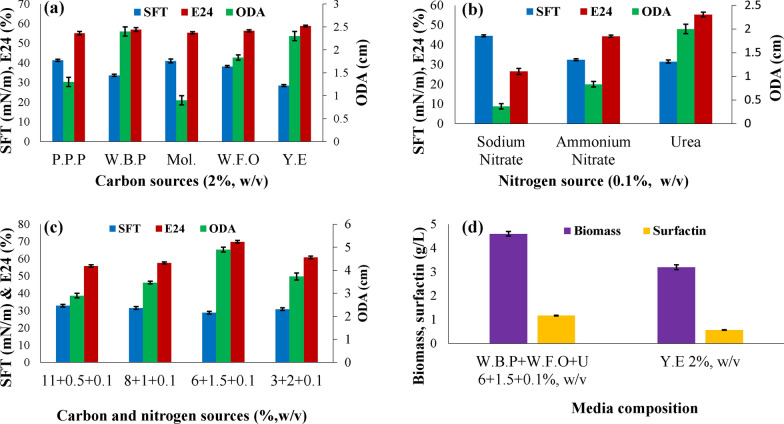
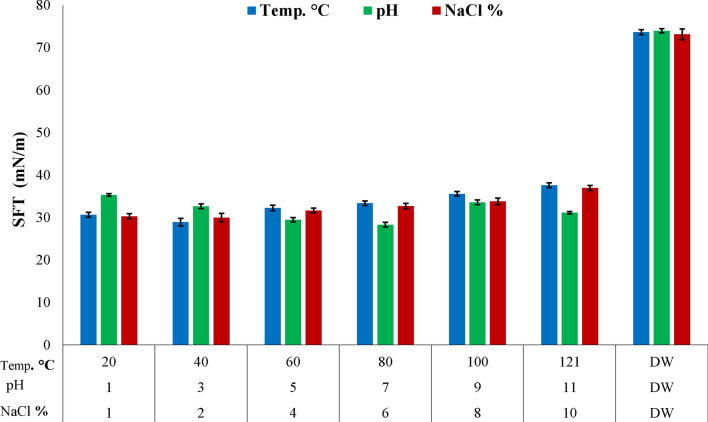
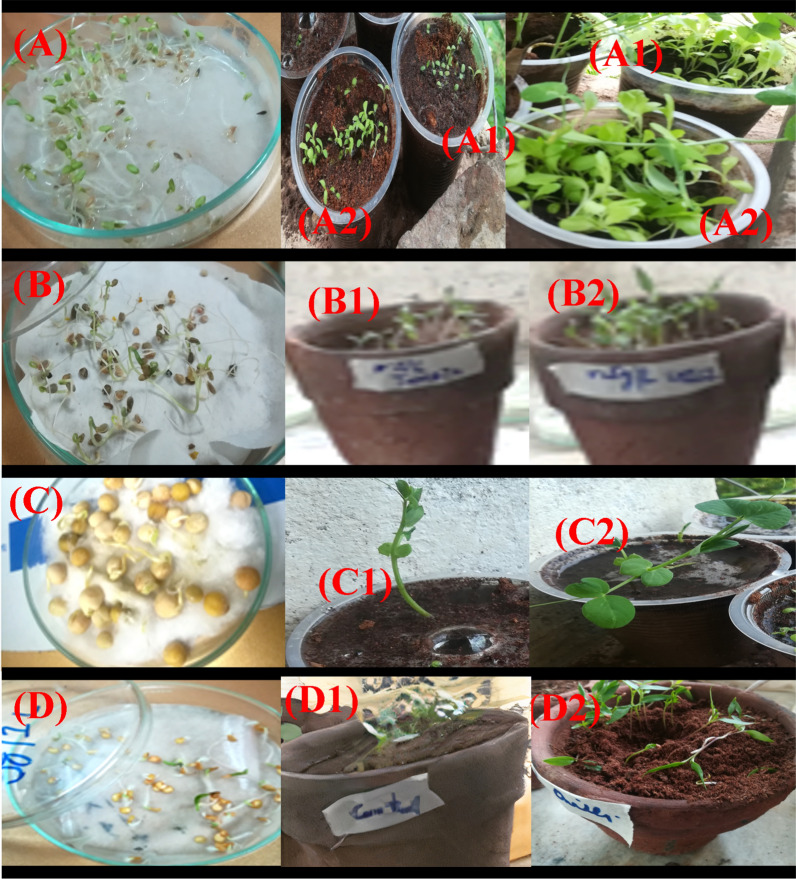
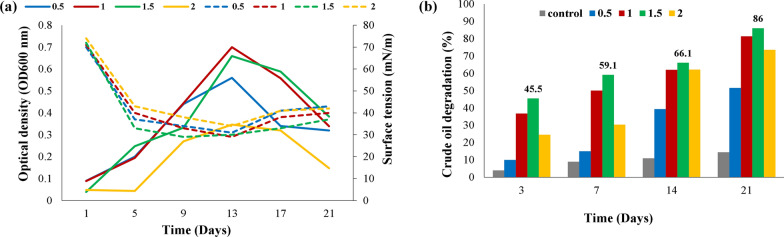
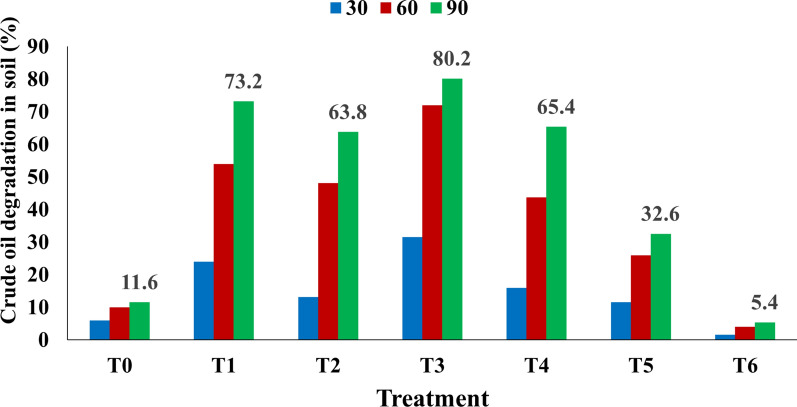
At present time, every nation is absolutely concern about increasing agricultural production and bioremediation of petroleum-contaminated soil. Hence, with this intention in the current study potent natural surfactants characterized as lipopeptides were evaluated for low-cost production by Bacillus subtilis SNW3, previously isolated from the Fimkessar oil field, Chakwal Pakistan. The significant results were obtained by using substrates in combination (white beans powder (6% w/v) + waste frying oil (1.5% w/v) and (0.1% w/v) urea) with lipopeptides yield of about 1.17 g/L contributing 99% reduction in cost required for medium preparation. To the best of our knowledge, no single report is presently describing lipopeptide production by Bacillus subtilis using white beans powder as a culture medium. Additionally, produced lipopeptides display great physicochemical properties of surface tension reduction value (SFT = 28.8 mN/m), significant oil displacement activity (ODA = 4.9 cm), excessive emulsification ability (E24 = 69.8%), and attains critical micelle concentration (CMC) value at 0.58 mg/mL. Furthermore, biosurfactants produced exhibit excellent stability over an extensive range of pH (1–11), salinity (1–8%), temperature (20–121°C), and even after autoclaving. Subsequently, produced lipopeptides are proved suitable for bioremediation of crude oil (86%) and as potent plant growth-promoting agent that significantly (P < 0.05) increase seed germination and plant growth promotion of chili pepper, lettuce, tomato, and pea maximum at a concentration of (0.7 g/100 mL), showed as a potential agent for agriculture and bioremediation processes by lowering economic and environmental stress. Graphical Abstract
Overview
The claims and statistics of this paper haven’t been checked yet.
Free: it reads the open-access text and checks the first 5 claims that cite a source we can check. Create a free account to check every claim.
Integrity signals
Registry
Cites
Statistics
Figures
Verification
Claims the paper makes
The claims and statistics of this paper haven’t been checked yet.
Free: it reads the open-access text and checks the first 5 claims that cite a source we can check. Create a free account to check every claim.
Self-check
Percentages, sums and reported differences re-computed from the paper’s own numbers.
The self-check needs the paper’s full text.
Citations
Cites
1 retracted
Bacterial Biodegradation of Crude Oil Using Local Isolates
Al-Wasify, R. S., & Hamed, S. R. (2014) · International Journal of Bacteriology · doi:10.1155/2014/863272 · Cited by 96
RetractedMicrobial Degradation of Petroleum Hydrocarbon Contaminants: An Overview
Das, N., & Chandran, P. (2011) · Biotechnology Research International · doi:10.4061/2011/941810 · Cited by 1,980 · cited 3×
“Biodegradation through microorganisms signifies one of the principal mechanisms by which petroleum and other hydrocarbon pollutants can be removed from the environment (Al-Hawash et al. 2018; Das and Chandran 2011) and is cheaper than other remediation technologies (da Rocha Junior et al.”
BackgroundInfluentialMicrobial biosurfactants production, applications and future potential
Banat, I. M., Franzetti, A., Gandolfi, I., Bestetti, G., Martinotti, M. G., Fracchia, L., Smyth, T. J., & Marchant, R. (2010) · Applied Microbiology and Biotechnology · doi:10.1007/s00253-010-2589-0 · Cited by 1,474 · cited 2×
“After biosurfactant production purification strategies account for near 60% of the total cost (Banat et al. 2010).”
BackgroundAzubuike, C. C., Chikere, C. B., & Okpokwasili, G. C. (2016) · World Journal of Microbiology and Biotechnology · doi:10.1007/s11274-016-2137-x · Cited by 1,401 · cited 1×
“Moreover, bioremediation technology is considered to be non-invasive and quite cost-effective (Azubuike et al. 2016; Kumar and Yadav 2018).”
BackgroundRaaijmakers, J. M., De Bruijn, I., Nybroe, O., & Ongena, M. (2010) · FEMS Microbiology Reviews · doi:10.1111/j.1574-6976.2010.00221.x · Cited by 1,131
Biosurfactants: Multifunctional Biomolecules of the 21st Century
Santos, D., Rufino, R., Luna, J., Santos, V., & Sarubbo, L. (2016) · International Journal of Molecular Sciences · doi:10.3390/ijms17030401 · Cited by 1,073
Ongena, M., Jourdan, E., Adam, A., Paquot, M., Brans, A., Joris, B., Arpigny, J., & Thonart, P. (2007) · Environmental Microbiology · doi:10.1111/j.1462-2920.2006.01202.x · Cited by 855
Towards commercial production of microbial surfactants
Mukherjee, S., Das, P., & Sen, R. (2006) · Trends in Biotechnology · doi:10.1016/j.tibtech.2006.09.005 · Cited by 766
Protein Determination—Method Matters
Mæhre, H., Dalheim, L., Edvinsen, G., Elvevoll, E., & Jensen, I.-J. (2018) · Foods · doi:10.3390/foods7010005 · Cited by 636
Cooper, D. G., Macdonald, C. R., Duff, S. J. B., & Kosaric, N. (1981) · Applied and Environmental Microbiology · doi:10.1128/aem.42.3.408-412.1981 · Cited by 591
Research works printed but not linked: 12
- Alayande L Mustapha K Dabak J Ubom G Comparison of nutritional values of brown and white beans in Jos North Local Government markets Afr J Biotechnol 2012 11 43 10135 10140 10.1016/j.ejar.2018.06.001 · DOI · Paper page
- Anandaraj B Thivakaran P Isolation and production of biosurfactant producing organism from oil spilled soil J Biosci Tech 2010 1 3 120 126
- Banani R Youssef S Bezzarga M Abderrabba M Waste frying oil with high levels of free fatty acids as one of the prominent sources of biodiesel production J Mater Environ Sci 2015 6 4 1178 1185
- Benaissa A Plant growth promoting rhizobacteria a review Alger J Environ Sci Technol 2019 5 1 873 880
- da Silva VL Lovaglio RB Tozzi HH Takaki M Contiero J Rhamnolipids: a new application in seeds development Med Biol Sci Res 2015 1 100 106
- Elemba OM Ijah UJJ Chibunna M Isolation, characterization and MEOR ability of the biosurfactant produced from Serratia marcescens UEO15 Glob J Adv Res 2010 2 962 974
- Krawczyńska M Kolwzan B Rybak J Gediga K Shcheglova NS The influence of biopreparation on seed germination and growth Polish J Environ Stud 2012 21 6 1697 1702
- Moussa L Azeiz A Ahmed Z Identification and characterization of biosurfactants produced by Rodococcus equi and Bacillus methlyotrophicus Biol Chem Environ Sci 2013 8 341 358
- Muthusamy K Gopalakrishnan S Ravi TK Sivachidambaram P Biosurfactants: properties, commercial production and application Curr Sci 2008 25 736 747
- Okop I Okorie F Obadimu C Quantitative evaluation of the spatial distribution and penetration of liquid hydrocarbons in petroleum spilled soil Glob Adv Res J Environ Sci Toxicol 2012 1 6 152 161
- Patil S Pendse A Aruna K Studies on optimization of biosurfactant production by Pseudomonas aeruginosa F23 isolated from oil contaminated soil sample Int J Curr Biotechnol 2014 2 4 20 30
- Wayne P National committee for clinical laboratory standards Perform Stand Antimicrob Disc Susceptibility Test 2002 12 01 53
Cited by
The Physicochemical and Functional Properties of Biosurfactants: A Review
Dini, S., Bekhit, A. E. A., Roohinejad, S., Vale, J. M., & Agyei, D. (2024) · Molecules · doi:10.3390/molecules29112544 · Cited by 129
“Similar findings have been found in lipopeptides produced by Bacillus subtilis [118].”
ResultEcofriendly Natural Surfactants in the Oil and Gas Industry: A Comprehensive Review
Abdurrahman, M. D., Kamal, M. S., Ramadhan, R., Daniati, A., Arsad, A., Rahman, A. F. A., & Rita, N. (2023) · ACS Omega · doi:10.1021/acsomega.3c04450 · Cited by 46
Bhattacharjee, A., Dubey, S., & Sharma, S. (2023) · Journal of Plant Growth Regulation · doi:10.1007/s00344-023-10996-z · Cited by 41
“Interestingly, an efficacious lipopeptide synthesized by Bacillus subtilis SNW3 was effective in bioremediation of crude oil and enhanced growth promotion in several economically important crops (Umar et al. 2021).”
BackgroundLi, X., Hou, Z.-J., Zhu, F., & Wen, J. (2024) · Bioresource Technology · doi:10.1016/j.biortech.2024.130499 · Cited by 40
Wang, Z., Liu, C., Shi, Y., Huang, M., Song, Z., Simal‐Gándara, J., Li, N., & Shi, J. (2023) · Critical Reviews in Food Science and Nutrition · doi:10.1080/10408398.2023.2185588 · Cited by 43
“…potato skin powder, waste frying oil, soybean molasses and white bean powder instead of yeast extract, and using urea and ammonium nitrate to provide nitrogen source for lipopeptide production can effectively reduce the production cost of lipo-peptides (Umar et al. 2021; Rodrigues et al. 2017).”
Bacillus Subtilis as an Excellent Microbial Treatment Agent for Environmental Pollution: A Review
Wang, Z., Li, Z., Gao, C., Jiang, Z., Huang, S., Li, X., & Yang, H. (2025) · Biotechnology Journal · doi:10.1002/biot.70026 · Cited by 35
“It is crucial to assess the temperature sensitivity of soil concerning the survival of the strain [210] and to refine application methods and dosages to enhance efficacy across various ecological contexts [211, 212].”
Masmoudi, F., Pothuvattil, N. S., Tounsi, S., Saadaoui, I., & Trigui, M. (2023) · International Journal of Food Microbiology · doi:10.1016/j.ijfoodmicro.2023.110420 · Cited by 27
Wang, P., Wei, H., Ke, T., Fu, Y., Zeng, Y., Chen, C., & Chen, L. (2023) · Chemosphere · doi:10.1016/j.chemosphere.2023.138732 · Cited by 25
Tunsagool, P., Kruaweangmol, P., Sunpapao, A., Kuyyogsuy, A., Jaresitthikunchai, J., Roytrakul, S., & Vongsangnak, W. (2023) · Emerging Science Journal · doi:10.28991/esj-2023-07-03-022 · Cited by 23
“In addition, Bacillus CLPs have been reported to have the ability to increase seed germination and plant growth promotion in chili peppers, lettuce, tomatoes, and peas [26].”
BackgroundQin, W., Liu, Y., Gang, H., Liu, J., Zhou, L., Yang, S., & Mu, B. (2025) · Advances in Colloid and Interface Science · doi:10.1016/j.cis.2025.103581 · Cited by 23
Gugel, I., Vahidinasab, M., Perino, E. H. B., Hiller, E., Marchetti, F., Costa, S., Pfannstiel, J., Konnerth, P., Vertuani, S., Manfredini, S., et al. (2024) · Fermentation · doi:10.3390/fermentation10060323 · Cited by 23
Albuquerque, A. P. D. C., FERREIRA, H. D. S., da Silva, Y. A., da Silva, R. R., LIMA, C. V. A. D., Sarubbo, L. A., & Luna, J. M. D. (2025) · Microorganisms · doi:10.3390/microorganisms13071548 · Cited by 20
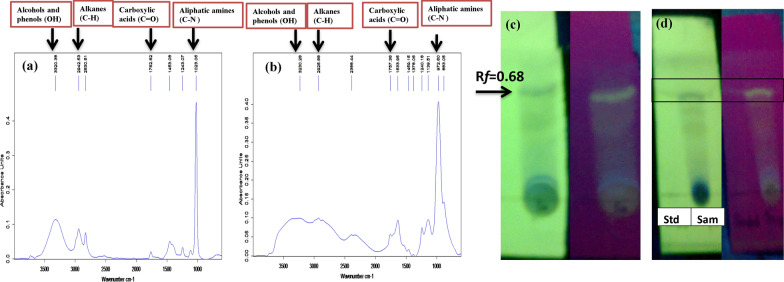
“Umar et al. [61], when analyzing by FT-IR a biosurfactant obtained from Bacillus subtilis SNW3, identified the presence of aliphatic amine groups (C–”
Naaz, T., Kumari, S., Sharma, K., Singh, V., Khan, A. A., Pandit, S., Priya, K., & Jadhav, D. A. (2023) · Journal of Environmental Management · doi:10.1016/j.jenvman.2023.119768 · Cited by 23
Chaturvedi, M., Kaur, N., Rahman, P. K. S. M., & Sharma, S. K. (2024) · Frontiers in Microbiology · doi:10.3389/fmicb.2024.1433745 · Cited by 18
Cell free supernatant for sustainable crop production
Alori, E. T., Onaolapo, A. O., & Ibaba, A. L. (2025) · Frontiers in Sustainable Food Systems · doi:10.3389/fsufs.2025.1549048 · Cited by 16
Borgulat, J., Ponikiewska, K., Jałowiecki, Ł., Strugała-Wilczek, A., & Płaza, G. A. (2022) · Energies · doi:10.3390/en15124419 · Cited by 13
Ja’afaru, M. I., Abbas, T., Ajunwa, O. M., & Olaifa, K. W. (2022) · Scientific African · doi:10.1016/j.sciaf.2022.e01357 · Cited by 16
Pan, Y., Wang, W., Dai, C., Zhou, M., Zhang, L. Y., Sun, L., Cai, M., & He, R. (2026) · Comprehensive Reviews in Food Science and Food Safety · doi:10.1111/1541-4337.70508 · Cited by 11
Trupo, M., Magarelli, R. A., Martino, M. V., Larocca, V., Giorgianni, A., & Ambrico, A. (2023) · Journal of Natural Pesticide Research · doi:10.1016/j.napere.2023.100032 · Cited by 13
Li, X., Hou, Z.-J., Zhu, F., Yu, Y., Wang, Y., Xiao, F., Cui, H., & Wen, J. (2025) · Chemical Engineering Journal · doi:10.1016/j.cej.2025.163954 · Cited by 9
Anaukwu, C. G., Ekwealor, C. C., Anakwenze, V. N., Orji, C. C., Ogbukagu, C. M., Anyaoha, V. I., Isiaka, A. B., Green, S. J., & Ekwealor, I. A. (2024) · Discover Applied Sciences · doi:10.1007/s42452-024-05821-5 · Cited by 9
Zobaer, M., Ali, F., Anwar, M. N., Bappi, M. S. H., Bakar, T. B., Hossain, T. J., Khan, M. S., & Zawad, A. N. (2023) · SSRN Electronic Journal · doi:10.2139/ssrn.4320992 · Cited by 9
Subbaiyan, R., & Ganesan, A. (2023) · Biotechnology and Applied Biochemistry · doi:10.1002/bab.2457 · Cited by 8
“32,33”
Grigs, O., Didrihsone, E., & Bolmanis, E. (2023) · Fermentation · doi:10.3390/fermentation9040390 · Cited by 7
Employing Bacillus lipopeptides for sustainable management of phytopathogenic fungi in horticulture
Bender, L. E., Mulinari, J., Chiomento, J. L. T., & Colla, L. M. (2025) · Biocontrol Science and Technology · doi:10.1080/09583157.2025.2574952 · Cited by 7
“For instance, Umar et al. (2021) demonstrated that the use of residues such as potato peels, waste frying oil, molasses, and white bean powder reduced the cost of one litre of optimised medium to € 0.078, equivalent to only 0.8% of the cost of synthetic yeast extract medium ( € 10.5).”
InfluentialGhazala, I., Charfeddine, M., Charfeddine, S., Haddar, A., Ellouz‐Chaabouni, S., & Gargouri‐Bouzid, R. (2022) · Physiological and Molecular Plant Pathology · doi:10.1016/j.pmpp.2022.101895 · Cited by 7
Gaur, P. K., Bisht, P. R., Verma, K. K., Kaushik, R., Mishra, R., Lal, N., & Lata, K. (2026) · Journal of Surfactants and Detergents · doi:10.1002/jsde.70030 · Cited by 6
“Similarly, lipopeptides produced by B. subtilis retained their emulsifying activity under comparable conditions, highlighting their potential for use in food and pharmaceutical formulations (Umar et al. 2021).”
Qazi, M. A., Phulpoto, I. A., Wang, Q., & Dai, Z. (2024) · Critical Reviews in Biotechnology · doi:10.1080/07388551.2023.2290981 · Cited by 6
Self-citationBiosurfactants and Their Benefits for Seeds
Simões, L. A., Fernandes, N. A. T., dos Santos, N. A., & Dias, D. R. (2023) · Springer eBooks · doi:10.1007/978-3-031-21682-4_16 · Cited by 6
Challenges and prospects for microbial biosurfactant research
Soberón‐Chávez, G., Hausmann, R., Maier, R. M., & Déziel, É. (2023) · Elsevier eBooks · doi:10.1016/b978-0-323-91697-4.00013-2 · Cited by 6
Advantages of biosurfactants over petroleum-based surfactants
de Souza, A. C., Silva, M. S., Simões, L. A., Fernandes, N. A. T., Schwan, R. F., & Dias, D. R. (2024) · Elsevier eBooks · doi:10.1016/b978-0-443-13288-9.00002-4 · Cited by 7
Mousa, A. M., Nooman, M. U., Abbas, S. S., Gebril, S. M., Abdelraof, M., & Al-kashef, A. S. (2024) · Toxicology and Applied Pharmacology · doi:10.1016/j.taap.2024.116939 · Cited by 8
Kande, R., Rajkumar, K., Anoor, P. K., Kethavath, S. N., & Burgula, S. (2024) · Brazilian Journal of Microbiology · doi:10.1007/s42770-024-01497-6 · Cited by 7
“Bacteria involved in the degradation of a wide range of toxic environmental pollutants have been described by several authors [22, 23].”
Bren, A., Denisenko, Y., Prazdnova, E. V., Mazanko, M. S., Gorovtsov, A. V., Chistyakov, V. A., Пахомов, В. И., Rudoy, D. V., & Olshevskaya, A. V. (2023) · Agriculture · doi:10.3390/agriculture13030523 · Cited by 6
Elghoul, M., Bouassida, M., Ghribi, D., & Mnif, I. (2023) · Water Practice & Technology · doi:10.2166/wpt.2023.036 · Cited by 5
Tiwari, S., Bhargawa, P. K., & Kumar, R. (2026) · Environmental Monitoring and Assessment · doi:10.1007/s10661-025-14803-y · Cited by 3
Ding, W., Zhang, X., Wang, Y., Yang, J., Gao, L., Wang, Q., Luo, Y., Yuan, X., Wang, J., & Zhao, Y. (2026) · Journal of Food Science · doi:10.1111/1750-3841.70962 · Cited by 3
Seo, Y.-J., Hong, E., Lee, J.-H., Jeong, Y., Seo, B.-H., Jun, S., Lee, S., & Choi, W. J. (2022) · Journal of Agricultural Engineering · doi:10.4081/jae.2022.1334 · Cited by 2
“Lipoptide and glycolipids have the hydrophobicity of biosurfactants (Jung et al ., 2009), and they can be produced from low-cost materials (Mnif et al ., 2016; Umar et al ., 2021).”
Puan, S. L., Erriah, P., Normi, Y. M., Ali, M. S. M., Ahmad, S. A., Oslan, S. N., Baharum, S. N., Salleh, A. B., & Sabri, S. (2025) · Probiotics and Antimicrobial Proteins · doi:10.1007/s12602-025-10451-3 · Cited by 3
“…with higher MIC and MBC values, the BvPD9 extract could be applied synergistically with other antimicrobial agents, such as antibiotics [104–106], lipopeptides [107, 108], essential oils [109, 110], and nanoparticles [111], to enhance the antimicrobial efficacy while diminishing the…”
Giwa, A. S., Rahman, S. U., Irfan, M., & Ali, N. A. (2025) · Letters in Applied Microbiology · doi:10.1093/lambio/ovaf129 · Cited by 2
Mageshwaran, V., Mishra, R., Singh, S., Sahu, P. K., Jayaswall, K., Singh, H. V., & Srivastava, A. K. (2026) · Physiological and Molecular Plant Pathology · doi:10.1016/j.pmpp.2026.103219 · Cited by 2
Effect of Temperature and Preservation Period on the Viability of Lyophilized Bacillus subtilis
Phoane, K. V., Tjoa, E., Joon, S., Karmawan, L. U., & Moehario, L. H. (2022) · Indo Global Journal of Pharmaceutical Sciences · doi:10.35652/igjps.2022.12017 · Cited by 6
Biosurfactants: Role in Plant Growth Promotion and Disease Management
Kumar, S., Kumar, P., & Dubey, R. C. (2023) · Springer eBooks · doi:10.1007/978-3-031-31230-4_10 · Cited by 2
(2023) · The Egyptian Journal of Hospital Medicine · doi:10.21608/ejhm.2023.325867 · Cited by 1
“According to Umar et al. (21) , Bacillus subtilis SNW3 produced crude lipopeptide of 1.17 g/L using optimum medium.”
MethodResultInfluentialAl-Najim, A. N., & Alsammak, E. (2024) · Mağallaẗ ʻulūm al-rāfidayn · doi:10.33899/rjs.2024.183433 · Cited by 1
Okorie, I. K. M., & Ogunjobi, A. A. (2024) · Clinical Case Reports and Studies · doi:10.59657/2837-2565.brs.24.124 · Cited by 1
Bioremediation and Biocontrol: Microbial Double Agents
Soares, F. E. D. F., da Silva, A. T., Geniêr, H. L. A., de Souza, D. C., Castro, C. R. D. S., & Ferreira, C. B. (2025) · Environmental science and engineering · doi:10.1007/978-3-031-76886-6_3 · Cited by 1
Impact of climate change on plant–microbe interactions in agroecosystems
Ahmad, J., Bari, S., Nida, Qureshi, M. I., & Abdin, M. Z. (2026) · Elsevier eBooks · doi:10.1016/b978-0-443-40316-3.00019-9 · Cited by 1
Hao, L., Li, Y., Hafeez, R., Xie, N., Li, S., Li, S., Ye, X., & Aboagye, E. T. (2026) · Postharvest Biology and Technology · doi:10.1016/j.postharvbio.2026.114583 · Cited by 1
Lima, S. H. P. D., da Silva, I. N. F., de Souza, A. F., Rodríguez, D. M., de Gusmao, N. B., Fernandes, J. G., & de Campos‐Takaki, G. M. (2026) · Artefactum · doi:10.23900/artefactum.v25i10.3938 · Cited by 1
Surfactin production from Bacillus cereus AHMNAZ1 and its potential applications
Atef, A., Elsoud, M. M. A., Elkhouly, H. I., & Sidkey, N. M. (2023) · Journal of Cellular Biotechnology · doi:10.3233/jcb-230122 · Cited by 1
“According to Umar et al. [81], the lipopeptide generated by Bacillus subtilis SNW3 had a CMC value of 0.5 mg/mL and lowered water surface tension from 72 to 36 mN/m. Bacillus nealsonii strain S2MT produced a biosurfactant product with a CMC value of 40 mg/L with the SFT reduction from 81.2 mN/m to…”
InfluentialRuqiya, S., Shivakumara, K. T., Aditya, K., Kandan, A., Sivakumar, G., Prasannakumar, M. K., Pramesh, D., Manjunatha, C., Elansary, H. O., El‐Sheikh, M. A., et al. (2024) · Heliyon · doi:10.1016/j.heliyon.2024.e37994 · Cited by 2
“Bio-surfactant property bacterial strains can be characterized by simple biochemical tests like oil displacement assay and emul-sification index [7,8].”
Kruaweangmol, P., & Tunsagool, P. (2022) · Research Square · doi:10.21203/rs.3.rs-1957161/v2 · Cited by 1
(2023) · Research Square · doi:10.21203/rs.3.rs-1957161/v3 · Cited by 1
Sandish, A. M., Trivedi, T. P., & Shah, M. N. (2022) · International Journal for Research in Applied Science and Engineering Technology · doi:10.22214/ijraset.2022.42998
Surfactin Production by B. Subtilis Using Oil Lee Mix as Substrate
da Silva, M. C. P., Almeida, E. D. S., Vieira, É. D., dos Anjos, J. P., & Pimentel, A. V. (2022) · Revista Virtual de Química · doi:10.21577/1984-6835.20220133
“O custo de produção de biossurfactante depende da disponibilidade da matéria prima que pode chegar a representar 50% do custo do processo de fermentação.(14) Contudo os metabólitos produzidos a partir de substratos mais baratos, renováveis e através de processos economicamente viáveis têm potencial de diminuir os cust…”
BackgroundExtraction and characterization of a biosurfactant synthesized by Acinotebacter baumannii
Torres-Custodio, R., Rivera, M. Á. H., López-Lázaro, J. D. L. S., Córdova‐Bautista, Y., Álvarez-Ramírez, J. G., Gallardo, P. S., & Ojeda-Morales, M. E. (2023) · Mexican Journal of Biotechnology · doi:10.29267/mxjb.2023.8.1.37
Arthospira platensis and Bacillus subtilis Synergies for Sustainable Agriculture
Meena, S. P., Manimekalan, A., & Pushpam, A. K. (2023) · International Journal of Environment and Climate Change · doi:10.9734/ijecc/2023/v13i113597
Dias, M. A. M., Rossini, E. L., de Britto, D., Júnior, P. M. R., Fernandes‐Júnior, P. I., & Nitschke, M. (2025) · World Journal of Microbiology and Biotechnology · doi:10.1007/s11274-025-04448-x
“The ability of the BS to remain stable under varying conditions of temperature, pH, salinity, and sugar content is closely related to its applicability across various industrial sectors (Zhu et al. 2016; Umar et al. 2021).”
Gan, T., Li, T., Yu, A., Zhao, M., Zhao, M., Xu, L., Keran, A. N., Cheng, J., & Ma, Y. (2026) · Frontiers in Microbiology · doi:10.3389/fmicb.2026.1798265
An Economical Bioprocess for Lipopeptide Production From Bacillus subtilis
Gül, D. M., Günay, Z., Mis, B., & Eltem, R. (2026) · MicrobiologyOpen · doi:10.1002/mbo3.70130
“Numerous studies in the literature have demonstrated successful low ‐ cost LP production using components such as vegetable juices and alternative carbon sources (Zhu et al. 2012; Umar et al. 2021; Gugel et al. 2024).”
Jui, A. H., Hossain, M. N., Boby, F., Bhowmik, B., Khatun, N., Islam, S., Kabir, M. A., Islam, S. M. N. U., Bhuiyan, R. H., Ahmed, M. M., et al. (2026) · Journal of Surfactants and Detergents · doi:10.1002/jsde.70056 · Cited by 2
Arunphan, N., Kruaweangmol, P., Uan‐On, T., Phaonakrop, N., Roytrakul, S., Khamplod, T., Watthanasakphuban, N., & Tunsagool, P. (2026) · Functional Plant Biology · doi:10.1071/fp26012
Udhayakumar, M., Chinnaiya, V., Veerasamy, V., Krishna, T. P. A., Parameswaran, A. D. M., & Jeyasundar, P. G. S. A. (2026) · Current Microbiology · doi:10.1007/s00284-026-05049-z
“The findings were comparable to those of [16, 36 ].”
Zhou, B., Chen, H. M., Zhou, H., Li, W., Ouyang, J., Wang, Y., Tong, S., Sun, Y., Zhan, S., Xie, W., et al. (2026) · Physiological and Molecular Plant Pathology · doi:10.1016/j.pmpp.2026.103478
Optimizing biosurfactant production through cost effectiveness and precision approaches
Rawat, G., Sharma, C., Adhikari, H., Rajput, V., Rawat, S., Naik, B., & Kumar, V. (2026) · Discover Molecules · doi:10.1007/s44345-026-00074-8
“Umar et al. [153] reported on a lipopeptide BS from B. subtilis SNW3, which exhibited plant growth promotion in chilli pepper, lettuce, tomato, and pea at a maximum concentration of 0.7 g/100 mL. Rhamnolipid synthesized by P. aeruginosa enhanced seed germination of wheat ( Triticum aestivum ),…”
InfluentialKauser, H., Talukdar, P., & Geed, S. R. (2026) · Bioresource Technology Reports · doi:10.1016/j.biteb.2026.103142
Paul, S., & Nayak, J. (2026) · Frontiers in Industrial Microbiology · doi:10.3389/finmi.2026.1995609
BIOSSURFACTANTES MICROBIANOS COMO BIOINSUMOS APLICADOS NA AGRICULTURA COMO ESTRATÉGIA SUSTENTÁVEL
Lima, S. H. P. D., Marinho, M. E., Lima, A. F. S., Fernandes, J. G., & de Campos‐Takaki, G. M. (2026) · Revista Tópicos. · doi:10.70773/revistatopicos/793587806
Metadata
- Authors
- Umar, A., Zafar, A., Wali, H., Siddique, M. P., Qazi, M. A., Naeem, A. H., Malik, Z. A., & Ahmed, S.
- Affiliations
- Quaid-i-Azam University (PK)
- Shah Abdul Latif University (PK)
- Corresponding author
- Ahmed, Safia
- Venue
- AMB Express
- Published
- 2021-12
- Volume
- 11
- Issue
- 1
- Pages
- 165-165
- ISSN
- 2191-0855 (ISSN-L)
- PMC
- PMC8665955
- OpenAlex
- W4200119553
- Cited by
- 61
- References
- 134
- Citations by year
- 2026: 12 · 2025: 9 · 2024: 11 · 2023: 20 · 2022: 9
- FWCI
- 2.48
- Type
- journal article
- Language
- en
- Open access
- gold
- doi.org
- Licence
- cc-by
- creativecommons.org/licenses/by/4.0 (tdm)
- creativecommons.org/licenses/by/4.0 (vor, 10 d)
- Locations
- AMB Express (publishedVersion, cc-by)
- PubMed Central (publishedVersion, cc-by)
- PubMed (publishedVersion)
- DOAJ (DOAJ: Directory of Open Access Journals) (submittedVersion, cc-by-sa)
- Topics
- Physical Sciences › Environmental Science › Pollution › Microbial bioremediation and biosurfactants
- Physical Sciences › Chemistry › Physical and Theoretical Chemistry › Surfactants and Colloidal Systems
- Physical Sciences › Environmental Science › Environmental Chemistry › Environmental Chemistry and Analysis
- Keywords
- lipopeptides, biosurfactants, Bacillus subtilis, low-cost culture medium, waste cooking oil, crude oil bioremediation, oil-contaminated soil, plant growth promotion, seed germination, surface tension reduction, emulsification, critical micelle concentration, biosurfactant stability, chili pepper, lettuce, tomato, pea
About these checks
Registry, retraction, Cites and statistics results are computed, not judged, with one exception: a printed reference that no index lists is read once by a model before it counts as a citation error. Claims are extracted by a model and kept only when their quote appears verbatim in the text; each cited source is then checked, with a model’s help, for whether it says what the claim relies on. Those verdicts can be wrong — read the claim’s quote and the cited source before relying on one.
Statistics and arithmetic are recomputed, not judged.
Confidence bands are shown only for fields calibrated on our annotated test set. None is calibrated yet, so no band is shown.
What counts as a claim ›How we measure confidence ›How we check this ›
Are you an author, or do you see a problem with this page? Request a review
Data sources
Bibliographic data: Semantic Scholar, OpenAlex, Crossref.
Contains information from the Semantic Scholar Academic Graph Datasets, made available under the ODC Attribution License (ODC-BY 1.0).
Semantic Scholar’s data is described in: Kinney, R., et al. (2023). The Semantic Scholar Open Data Platform. arXiv:2301.10140.
