

Low-cost production and application of lipopeptide for bioremediation and plant growth by Bacillus subtilis SNW3
Open accessThe DOI matches its Crossref record; 137 of the 137 references it cites were found in a registry or an index.
Abstract
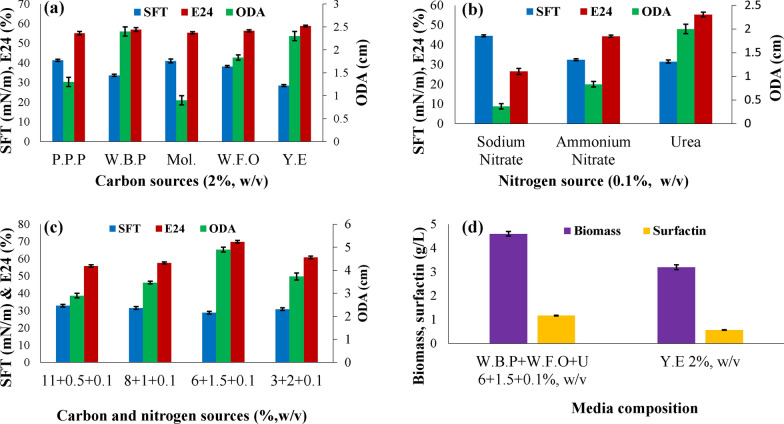
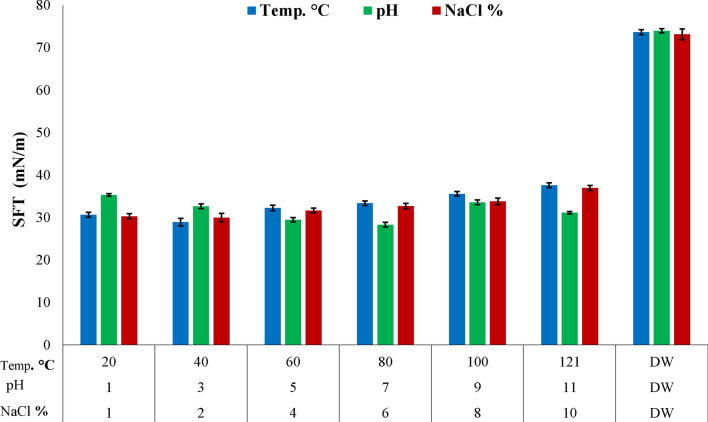
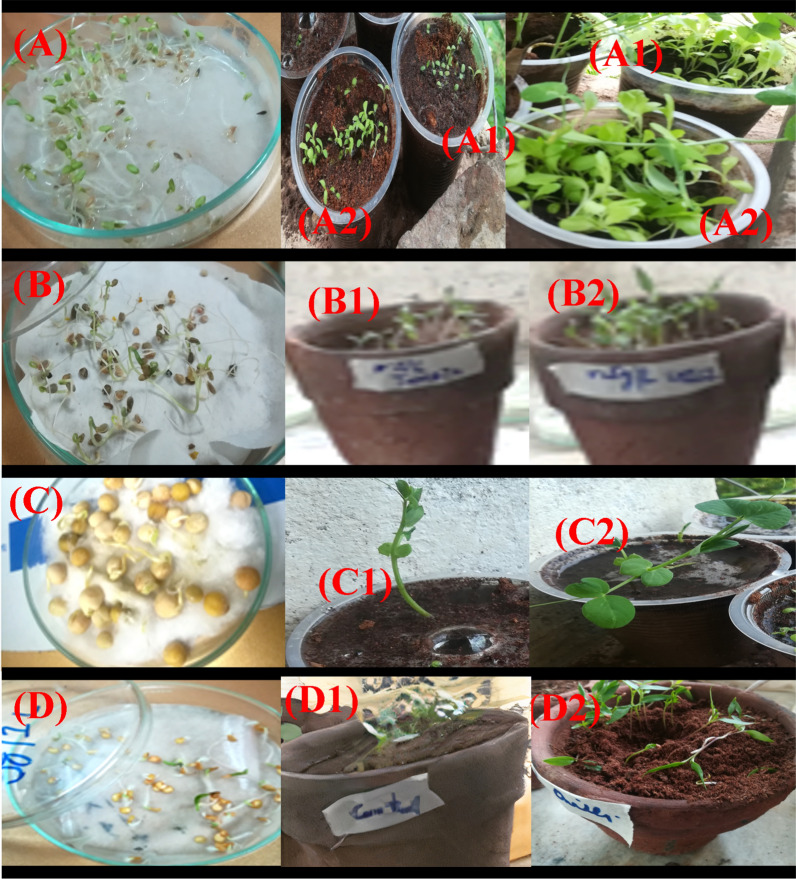
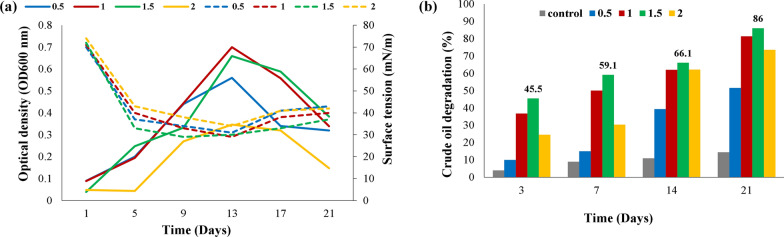
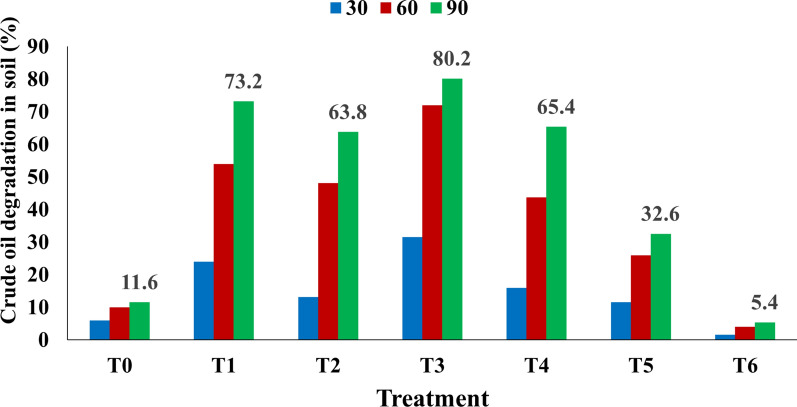
At present time, every nation is absolutely concern about increasing agricultural production and bioremediation of petroleum-contaminated soil. Hence, with this intention in the current study potent natural surfactants characterized as lipopeptides were evaluated for low-cost production by Bacillus subtilis SNW3, previously isolated from the Fimkessar oil field, Chakwal Pakistan. The significant results were obtained by using substrates in combination (white beans powder (6% w/v) + waste frying oil (1.5% w/v) and (0.1% w/v) urea) with lipopeptides yield of about 1.17 g/L contributing 99% reduction in cost required for medium preparation. To the best of our knowledge, no single report is presently describing lipopeptide production by Bacillus subtilis using white beans powder as a culture medium. Additionally, produced lipopeptides display great physicochemical properties of surface tension reduction value (SFT = 28.8 mN/m), significant oil displacement activity (ODA = 4.9 cm), excessive emulsification ability (E24 = 69.8%), and attains critical micelle concentration (CMC) value at 0.58 mg/mL. Furthermore, biosurfactants produced exhibit excellent stability over an extensive range of pH (1–11), salinity (1–8%), temperature (20–121°C), and even after autoclaving. Subsequently, produced lipopeptides are proved suitable for bioremediation of crude oil (86%) and as potent plant growth-promoting agent that significantly (P < 0.05) increase seed germination and plant growth promotion of chili pepper, lettuce, tomato, and pea maximum at a concentration of (0.7 g/100 mL), showed as a potential agent for agriculture and bioremediation processes by lowering economic and environmental stress. Graphical Abstract
Overview
The claims and statistics of this paper haven’t been checked yet.
Free: it reads the open-access text and checks the first 5 claims that cite a source we can check. Create a free account to check every claim.
Integrity signals
Registry
Cites
Statistics
Figures
Verification
Claims the paper makes
The claims and statistics of this paper haven’t been checked yet.
Free: it reads the open-access text and checks the first 5 claims that cite a source we can check. Create a free account to check every claim.
Self-check
Percentages, sums and reported differences re-computed from the paper’s own numbers.
The self-check needs the paper’s full text.
Citations
Cites
1 retracted
Bacterial Biodegradation of Crude Oil Using Local Isolates
Al-Wasify, R. S., & Hamed, S. R. (2014) · International Journal of Bacteriology · doi:10.1155/2014/863272 · Cited by 96
RetractedMicrobial Degradation of Petroleum Hydrocarbon Contaminants: An Overview
Das, N., & Chandran, P. (2011) · Biotechnology Research International · doi:10.4061/2011/941810 · Cited by 1,980 · cited 3×
“Biodegradation through microorganisms signifies one of the principal mechanisms by which petroleum and other hydrocarbon pollutants can be removed from the environment (Al-Hawash et al. 2018; Das and Chandran 2011) and is cheaper than other remediation technologies (da Rocha Junior et al.”
BackgroundInfluentialMicrobial biosurfactants production, applications and future potential
Banat, I. M., Franzetti, A., Gandolfi, I., Bestetti, G., Martinotti, M. G., Fracchia, L., Smyth, T. J., & Marchant, R. (2010) · Applied Microbiology and Biotechnology · doi:10.1007/s00253-010-2589-0 · Cited by 1,474 · cited 2×
“After biosurfactant production purification strategies account for near 60% of the total cost (Banat et al. 2010).”
BackgroundAzubuike, C. C., Chikere, C. B., & Okpokwasili, G. C. (2016) · World Journal of Microbiology and Biotechnology · doi:10.1007/s11274-016-2137-x · Cited by 1,401 · cited 1×
“Moreover, bioremediation technology is considered to be non-invasive and quite cost-effective (Azubuike et al. 2016; Kumar and Yadav 2018).”
BackgroundRaaijmakers, J. M., De Bruijn, I., Nybroe, O., & Ongena, M. (2010) · FEMS Microbiology Reviews · doi:10.1111/j.1574-6976.2010.00221.x · Cited by 1,131
Biosurfactants: Multifunctional Biomolecules of the 21st Century
Santos, D., Rufino, R., Luna, J., Santos, V., & Sarubbo, L. (2016) · International Journal of Molecular Sciences · doi:10.3390/ijms17030401 · Cited by 1,073
Ongena, M., Jourdan, E., Adam, A., Paquot, M., Brans, A., Joris, B., Arpigny, J., & Thonart, P. (2007) · Environmental Microbiology · doi:10.1111/j.1462-2920.2006.01202.x · Cited by 855
Towards commercial production of microbial surfactants
Mukherjee, S., Das, P., & Sen, R. (2006) · Trends in Biotechnology · doi:10.1016/j.tibtech.2006.09.005 · Cited by 766
Protein Determination—Method Matters
Mæhre, H., Dalheim, L., Edvinsen, G., Elvevoll, E., & Jensen, I.-J. (2018) · Foods · doi:10.3390/foods7010005 · Cited by 636
Cooper, D. G., Macdonald, C. R., Duff, S. J. B., & Kosaric, N. (1981) · Applied and Environmental Microbiology · doi:10.1128/aem.42.3.408-412.1981 · Cited by 591
Bioremediation, Biostimulation and Bioaugmention: A Review
Omokhagbor Adams, G., Tawari Fufeyin, P., Eruke Okoro, S., & Ehinomen, I. (2020) · International Journal of Environmental Bioremediation & Biodegradation · doi:10.12691/ijebb-3-1-5 · Cited by 570 · cited 1×
“Nutrients especially phosphorus, nitrogen, and in some cases, iron are very essential ingredients for successful biodegradation of hydrocarbon pollutants (Adams et al. 2015).”
BackgroundBacterial enzymes involved in lignin degradation
de Gonzalo, G., Colpa, D. I., Habib, M. H. M., & Fraaije, M. W. (2016) · Journal of Biotechnology · doi:10.1016/j.jbiotec.2016.08.011 · Cited by 549
Antimicrobial peptides: Promising alternatives in the post feeding antibiotic era
Wang, J., Dou, X., Song, J., Lyu, Y., Zhu, X., Xu, L., Li, W., & Shan, A. (2019) · Medicinal Research Reviews · doi:10.1002/med.21542 · Cited by 547
Gupta, A., Reizman, I. M. B., Reisch, C. R., & Prather, K. L. J. (2017) · Nature Biotechnology · doi:10.1038/nbt.3796 · Cited by 490
Advances in utilization of renewable substrates for biosurfactant production
Makkar, R. S., Cameotra, S. S., & Banat, I. M. (2011) · AMB Express · doi:10.1186/2191-0855-1-5 · Cited by 470
Role of biosurfactants in bioremediation of oil pollution-a review
Karlapudi, A. P., Venkateswarulu, T. C., Tammineedi, J., Kanumuri, L., Ravuru, B. K., Dirisala, V. R., & Kodali, V. P. (2018) · Petroleum · doi:10.1016/j.petlm.2018.03.007 · Cited by 466
Pereira, J. F. B., Gudiña, E. J., Costa, R., Vitorino, R., Teixeira, J. A., Coutinho, J. A. P., & Rodrigues, L. R. (2013) · Fuel · doi:10.1016/j.fuel.2013.04.040 · Cited by 378
Potential therapeutic applications of biosurfactants
Gudiña, E. J., Rangarajan, V., Sen, R., & Rodrigues, L. R. (2013) · Trends in Pharmacological Sciences · doi:10.1016/j.tips.2013.10.002 · Cited by 361 · cited 1×
“Biosurfactants could be a suitable substitute for antimicrobial compounds and synthetic medicines and might be used as efficient therapeutic agents (Gudiña et al. 2013).”
BackgroundBiosurfactant: A new frontier for greener technology and environmental sustainability
Jimoh, A. A., & Lin, J. (2019) · Ecotoxicology and Environmental Safety · doi:10.1016/j.ecoenv.2019.109607 · Cited by 343 · cited 5×
“Environmental pollution due to petroleum products such as crude oil, diesel, and gasoline is of major ecological concern nowadays (Jimoh and Lin 2019).”
BackgroundInfluentialArrebola, E., Jacobs, R., & Korsten, L. (2010) · Journal of Applied Microbiology · doi:10.1111/j.1365-2672.2009.04438.x · Cited by 341 · cited 3×
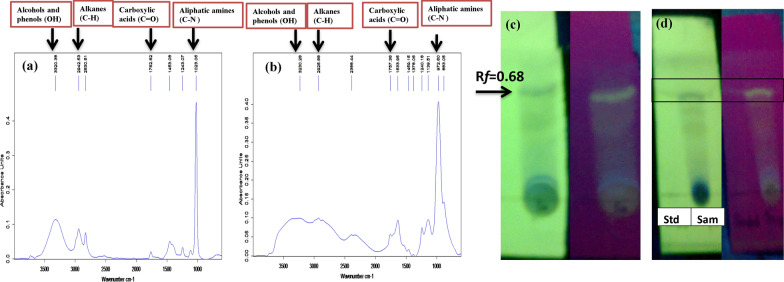
“Results obtained from previous findings also showed Rf values of 0.09, 0.3, and 0.75 for fengycin, iturin, and surfactin respectively using Bacillus subtilis UMAF6619, UMAF6614, UMAF8561, UMAF6639, and Bacillus amyloliquefaciens PPCB004 (Arrebola et al.”
MethodInfluentialBiosurfactants: Production and potential applications in microbial enhanced oil recovery (MEOR)
S.J., G., Banat, I. M., & Joshi, S. J. (2018) · Biocatalysis and Agricultural Biotechnology · doi:10.1016/j.bcab.2018.01.010 · Cited by 337
Patowary, K., Patowary, R., Kalita, M. C., & Deka, S. (2017) · Frontiers in Microbiology · doi:10.3389/fmicb.2017.00279 · Cited by 335
Glycerol as substrate for the production of biosurfactant by Pseudomonas aeruginosa UCP0992
Silva, S. N. R. L., Farias, C. B. B., Rufino, R. D., Luna, J. M., & Sarubbo, L. A. (2010) · Colloids and Surfaces B: Biointerfaces · doi:10.1016/j.colsurfb.2010.03.050 · Cited by 307 · cited 1×
“Studies reported bioremediation of 49–54% for crude oil-polluted environments (Bordoloi and Konwar 2008) and more than 85% for diesel oil-contaminated sand (Silva et al. 2010).”
BackgroundBiosurfactants—a new frontier for social and environmental safety: a mini review
Akbari, S., Abdurahman, N. H., Yunus, R. M., Fayaz, F., & Alara, O. R. (2018) · Biotechnology Research and Innovation · doi:10.1016/j.biori.2018.09.001 · Cited by 303 · cited 1×
“However, the production cost is still high that depends on the availability of raw materials and downstream processing for scaleup at the industrial level (Akbari et al. 2018).”
BackgroundBiodegradation of petroleum hydrocarbons by oleophilic strain of Pseudomonas aeruginosa NCIM 5514
Varjani, S. J., & Upasani, V. N. (2016) · Bioresource Technology · doi:10.1016/j.biortech.2016.10.006 · Cited by 302 · cited 1×
“The biodegradation efficiency of crude oil by Bacillus subtilis SNW3 was analyzed as illustrated by Varjani and Upasani (2016) with minor changes.”
MethodPrinciples of microbial degradation of petroleum hydrocarbons in the environment
Al-Hawash, A. B., Dragh, M. A., Li, S., Alhujaily, A., Abbood, H. A., Zhang, X., & Ma, F. (2018) · Egyptian Journal of Aquatic Research · doi:10.1016/j.ejar.2018.06.001 · Cited by 289
Fenibo, E. O., Ijoma, G. N., Selvarajan, R., & Chikere, C. B. (2019) · Microorganisms · doi:10.3390/microorganisms7110581 · Cited by 284 · cited 1×
“food, pharmaceuticals, detergents, agricultural and bioremediation (Fenibo et al. 2019).”
Isolation and functional characterization of a biosurfactant produced by Lactobacillus paracasei
Gudiña, E. J., Teixeira, J. A., & Rodrigues, L. R. (2010) · Colloids and Surfaces B: Biointerfaces · doi:10.1016/j.colsurfb.2009.11.008 · Cited by 271
Sambanthamoorthy, K., Feng, X., Patel, R., Patel, S., & Paranavitana, C. (2014) · BMC Microbiology · doi:10.1186/1471-2180-14-197 · Cited by 257
Short communication: Characterization of molasses chemical composition
Palmonari, A., Cavallini, D., Sniffen, C. J., Fernandes, L., Holder, P., Fagioli, L., Fusaro, I., Biagi, G., Formigoni, A., & Mammi, L. (2020) · Journal of Dairy Science · doi:10.3168/jds.2019-17644 · Cited by 246
Gudiña, E. J., Rocha, V., Teixeira, J. A., & Rodrigues, L. R. (2010) · Letters in Applied Microbiology · doi:10.1111/j.1472-765x.2010.02818.x · Cited by 242
Contributions of biosurfactants to natural or induced bioremediation
Ławniczak, Ł., Marecik, R., & Chrzanowski, Ł. (2013) · Applied Microbiology and Biotechnology · doi:10.1007/s00253-013-4740-1 · Cited by 242
Paracrine signaling in a bacterium
López, D., Vlamakis, H., Losick, R., & Kolter, R. (2009) · Genes & Development · doi:10.1101/gad.1813709 · Cited by 228
Plant Defense Stimulation by Natural Isolates of Bacillus Depends on Efficient Surfactin Production
Cawoy, H., Mariutto, M., Henry, G., Fisher, C., Vasilyeva, N., Thonart, P., Dommes, J., & Ongena, M. (2014) · Molecular Plant-Microbe Interactions® · doi:10.1094/mpmi-09-13-0262-r · Cited by 214
de Faria, A. F., Teodoro-Martinez, D. S., de Oliveira Barbosa, G. N., Gontijo Vaz, B., Serrano Silva, Í., Garcia, J. S., Tótola, M. R., Eberlin, M. N., Grossman, M., Alves, O. L., et al. (2011) · Process Biochemistry · doi:10.1016/j.procbio.2011.07.001 · Cited by 209
Sathishkumar, M., Binupriya, A. R., Baik, S., & Yun, S. (2008) · CLEAN – Soil, Air, Water · doi:10.1002/clen.200700042 · Cited by 207
Microbial surfactant-enhanced mineral oil recovery under laboratory conditions
Bordoloi, N. K., & Konwar, B. K. (2008) · Colloids and Surfaces B: Biointerfaces · doi:10.1016/j.colsurfb.2007.11.006 · Cited by 192
Liang, S., & McDonald, A. G. (2014) · Journal of Agricultural and Food Chemistry · doi:10.1021/jf5019406 · Cited by 192
Joy, S., Rahman, P. K. S. M., & Sharma, S. (2017) · Chemical Engineering Journal · doi:10.1016/j.cej.2017.02.054 · Cited by 190
Elazzazy, A. M., Abdelmoneim, T. S., & Almaghrabi, O. A. (2015) · Saudi Journal of Biological Sciences · doi:10.1016/j.sjbs.2014.11.018 · Cited by 189 · cited 1×
“Urea was considered as a cheaper nitrogen source for significant lipopeptide production in comparison to sodium nitrate (Elazzazy et al. 2015; Farace et al. 2015; Ghribi and Ellouze-Chaabouni 2011).”
BackgroundWu, J.-Y., Yeh, K.-L., Lu, W.-B., Lin, C.-L., & Chang, J.-S. (2008) · Bioresource Technology · doi:10.1016/j.biortech.2007.02.026 · Cited by 188
Kiran, G. S., Priyadharsini, S., Sajayan, A., Priyadharsini, G. B., Poulose, N., & Selvin, J. (2017) · Frontiers in Microbiology · doi:10.3389/fmicb.2017.01138 · Cited by 188
Datta, P., Tiwari, P., & Pandey, L. M. (2018) · Bioresource Technology · doi:10.1016/j.biortech.2018.09.047 · Cited by 176
Farace, G., Fernandez, O., Jacquens, L., Coutte, F., Krier, F., Jacques, P., Clément, C., Barka, E. A., Jacquard, C., & Dorey, S. (2015) · Molecular Plant Pathology · doi:10.1111/mpp.12170 · Cited by 172 · cited 1×
“2015), mycosubtilin (Farace et al. 2015), bacillomycin D (Wu et al.”
BackgroundOptimization of Surfactin Production by Bacillus subtilis Isolate BS5
Abdel-Mawgoud, A. M., Aboulwafa, M. M., & Hassouna, N. A.-H. (2008) · Applied Biochemistry and Biotechnology · doi:10.1007/s12010-008-8155-x · Cited by 172
Culture Medium Development for Microbial-Derived Surfactants Production—An Overview
Nurfarahin, A. H., Mohamed, M. S., & Phang, L. Y. (2018) · Molecules · doi:10.3390/molecules23051049 · Cited by 168
Phulpoto, I. A., Yu, Z., Hu, B., Wang, Y., Ndayisenga, F., Li, J., Liang, H., & Qazi, M. A. (2020) · Microbial Cell Factories · doi:10.1186/s12934-020-01402-4 · Cited by 168
Self-citationProduction of surfactant from Bacillus subtilis ATCC 21332 using potato substrates
Fox, S. L., & Bala, G. A. (2000) · Bioresource Technology · doi:10.1016/s0960-8524(00)00059-6 · Cited by 168
Rufino, R. D., Sarubbo, L. A., & Campos-Takaki, G. M. (2007) · World Journal of Microbiology and Biotechnology · doi:10.1007/s11274-006-9278-2 · Cited by 164 · cited 1×
“production accounts for about 50% of the final production cost (Rufino et al. 2007).”
BackgroundA Biosurfactant-Sophorolipid Acts in Synergy with Antibiotics to Enhance Their Efficiency
Navare, K. J., & Prabhune, A. A. (2013) · BioMed Research International · doi:10.1155/2013/512495 · Cited by 162
Rodrigues, L., Teixeira, J., Oliveira, R., & van der Mei, H. C. (2006) · Process Biochemistry · doi:10.1016/j.procbio.2005.01.030 · Cited by 159
Effect of different non-ionic surfactants on the biodegradation of PAHs by diverse aerobic bacteria
Fernando Bautista, L., Sanz, R., Carmen Molina, M., González, N., & Sánchez, D. (2009) · International Biodeterioration & Biodegradation · doi:10.1016/j.ibiod.2009.06.013 · Cited by 158 · cited 1×
“Tween 80 is suitable for remediation of contaminated soil because of its low cost as compared to other nonionic surfactants (Bautista et al. 2009), most successfully reported for polycyclic aromatic hydrocarbons PAHs (Gong et al.”
BackgroundGhribi, D., & Ellouze-Chaabouni, S. (2011) · Biotechnology Research International · doi:10.4061/2011/653654 · Cited by 151 · cited 2×
“Urea was considered as a cheaper nitrogen source for significant lipopeptide production in comparison to sodium nitrate (Elazzazy et al. 2015; Farace et al. 2015; Ghribi and Ellouze-Chaabouni 2011).”
BackgroundLee, D. W., Lee, H., Lee, A. H., Kwon, B.-O., Khim, J. S., Yim, U. H., Kim, B. S., & Kim, J. (2017) · Environmental Pollution · doi:10.1016/j.envpol.2017.11.097 · Cited by 150
Hentati, D., Chebbi, A., Hadrich, F., Frikha, I., Rabanal, F., Sayadi, S., Manresa, Á., & Chamkha, M. (2018) · Ecotoxicology and Environmental Safety · doi:10.1016/j.ecoenv.2018.10.036 · Cited by 146 · cited 1×
“Significant stability of lipopeptide was found at high salinity and temperature and our findings were inconsistent with previous studies (Das and Kumar 2018; Hentati et al. 2019; Purwasena et al. 2019).”
ResultGhasemi, A., Moosavi‐Nasab, M., Setoodeh, P., Mesbahi, G., & Yousefi, G. (2019) · Scientific Reports · doi:10.1038/s41598-019-41589-0 · Cited by 142
Onwosi, C. O., & Odibo, F. J. C. (2011) · World Journal of Microbiology and Biotechnology · doi:10.1007/s11274-011-0891-3 · Cited by 141
Das, A. J., & Kumar, R. (2018) · Bioresource Technology · doi:10.1016/j.biortech.2018.03.093 · Cited by 139 · cited 2×
“Significant stability of lipopeptide was found at high salinity and temperature and our findings were inconsistent with previous studies (Das and Kumar 2018; Hentati et al.”
ResultIsolation and partial characterization of a biosurfactant produced by Streptococcus thermophilus A
Rodrigues, L. R., Teixeira, J. A., van der Mei, H. C., & Oliveira, R. (2006) · Colloids and Surfaces B Biointerfaces · doi:10.1016/j.colsurfb.2006.08.009 · Cited by 136
Marcelino, P. R. F., Peres, G. F. D., Hilares, R. T., Pagnocca, F. C., Rosa, C. A., Lacerda, T. M., Santos, J. C. F. S., & da Silva, S. S. (2018) · Industrial Crops and Products · doi:10.1016/j.indcrop.2018.12.001 · Cited by 134 · cited 1×
“Yeast extract has been extensively selected in several studies (Marcelino et al. 2019).”
BackgroundCharacterization of two biosurfactant producing strains in crude oil degradation
Kumari, B., Singh, S., & Singh, D. P. (2012) · Process Biochemistry · doi:10.1016/j.procbio.2012.10.010 · Cited by 130
Md Badrul Hisham, N. H., Ibrahim, M. F., Ramli, N., & Abd-Aziz, S. (2019) · Molecules · doi:10.3390/molecules24142617 · Cited by 129
Evaluation of bacterial surfactant toxicity towards petroleum degrading microorganisms
Lima, T. M. S., Procópio, L. C., Brandão, F. D., Leão, B. A., Tótola, M. R., & Borges, A. C. (2010) · Bioresource Technology · doi:10.1016/j.biortech.2010.09.109 · Cited by 129
Microbial degradation of n-hexadecane in mineral salt medium as mediated by degradative enzymes
Mishra, S., & Singh, S. (2012) · Bioresource Technology · doi:10.1016/j.biortech.2012.02.049 · Cited by 125 · cited 1×
“Mishra and Singh (2012) reported that among degradative enzymes alkane hydroxylase produced by Rhodococcus sp. NJ2 and P. aeruginosa PSA5 result in degradation of n-hexadecane.”
BackgroundPurwasena, I. A., Astuti, D. I., Syukron, M., Amaniyah, M., & Sugai, Y. (2019) · Journal of Petroleum Science and Engineering · doi:10.1016/j.petrol.2019.106383 · Cited by 125 · cited 1×
“Significant stability of lipopeptide was found at high salinity and temperature and our findings were inconsistent with previous studies (Das and Kumar 2018; Hentati et al. 2019; Purwasena et al. 2019).”
ResultYamamoto, S., Shiraishi, S., & Suzuki, S. (2015) · Letters in Applied Microbiology · doi:10.1111/lam.12382 · Cited by 121
Bioremediation of Hydrocarbon Contaminated Soil Using Selected Organic Wastes
Agamuthu, P., Tan, Y. S., & Fauziah, S. H. (2013) · Procedia Environmental Sciences · doi:10.1016/j.proenv.2013.04.094 · Cited by 120 · cited 1×
“content of each pot was tilled twice a week for aeration with moisture maintenance at 60 % and temperature of 28–30°C, providing all those conditions that are appropriate for crude oil-degrading microbes present in the soil (Agamuthu et al. 2013).”
MethodGoswami, M., & Deka, S. (2019) · Colloids and Surfaces B Biointerfaces · doi:10.1016/j.colsurfb.2019.03.003 · Cited by 118 · cited 1×
“The stability of the produced lipopeptide was checked through surface tension reduction value of each treated sample (Goswami and Deka 2019).”
BackgroundGudiña, E. J., Teixeira, J. A., & Rodrigues, L. R. (2011) · Applied and Environmental Soil Science · doi:10.1155/2011/201254 · Cited by 115
Wu, L., Huang, Z., Li, X., Ma, L., Gu, Q., Wu, H., Liu, J., Borriss, R., Wu, Z., & Gao, X. (2018) · Frontiers in Microbiology · doi:10.3389/fmicb.2018.00847 · Cited by 115
Biosurfactant production by free and alginate entrapped cells of Pseudomonas fluorescens
Abouseoud, M., Yataghene, A., Amrane, A., & Maachi, R. (2008) · Journal of Industrial Microbiology & Biotechnology · doi:10.1007/s10295-008-0411-0 · Cited by 113 · cited 1×
“purification of biosurfactant The strain Bacillus subtilis SNW3 was grown on conventional yeast extract media (2% w/v) and mineral salt medium (MSM) as described by (Abouseoud et al. 2008; Rastogi et al. 2021) of given composition (g/L: KH2PO4, 2.”
MethodRhizosphere Microbiomes from Root Knot Nematode Non-infested Plants Suppress Nematode Infection
Zhou, D., Feng, H., Schuelke, T., Santiago, A. D., Zhang, Q., Zhang, J., ChuPing, L., & Wei, L. (2019) · Microbial Ecology · doi:10.1007/s00248-019-01319-5 · Cited by 113
Zhu, Z., Zhang, F., Wei, Z., Ran, W., & Shen, Q. (2013) · Journal of Environmental Management · doi:10.1016/j.jenvman.2013.04.017 · Cited by 112
Degradation of petroleum hydrocarbons by oil field isolated bacterial consortium
Malik, Z. A. (2012) · AFRICAN JOURNAL OF BIOTECHNOLOGY · doi:10.5897/ajb11.036 · Cited by 112 · cited 1×
“1), obtained from Microbiology Research Lab, Quaid-i-Azam University, Islamabad, was previously identified and isolated from contaminated soil of Fimkessar oil field, Chakwal, Pakistan (Malik and Ahmed 2012).”
MethodSelf-citationPelletier, É., Delille, D., & Delille, B. (2004) · Marine Environmental Research · doi:10.1016/j.marenvres.2003.07.001 · Cited by 112 · cited 2×
“Previous studies have reported the fertilizer as treatment to check the effects of NPK on the biodegradation of hydrocarbons (Pelletier et al. 2004).”
BackgroundMethodMarchut-Mikołajczyk, O., Drożdżyński, P., Pietrzyk, D., & Antczak, T. (2018) · Microbial Cell Factories · doi:10.1186/s12934-018-1017-5 · Cited by 111
Slivinski, C. T., Mallmann, E., de Araújo, J. M., Mitchell, D. A., & Krieger, N. (2012) · Process Biochemistry · doi:10.1016/j.procbio.2012.06.014 · Cited by 110
Biowaste Valorisation in a Future Circular Bioeconomy
Vea, E. B., Romeo, D., & Thomsen, M. (2018) · Procedia CIRP · doi:10.1016/j.procir.2017.11.062 · Cited by 110
Application of a low-cost biosurfactant in heavy metal remediation processes
da Rocha, R. B., Meira, H. M., de Almeida, D. G., Rufino, R. D., Luna, J. M. D., dos Santos, V. A., & Sarubbo, L. A. (2018) · Biodegradation · doi:10.1007/s10532-018-9833-1 · Cited by 109
Pawlik, M., Cania, B., Thijs, S., Vangronsveld, J., & Piotrowska‐Seget, Z. (2017) · Environmental Science and Pollution Research · doi:10.1007/s11356-017-9496-1 · Cited by 105
Ismail, W. A., Al-Rowaihi, I. S., Al-Humam, A. A., Hamza, R. Y., Nayal, A. M. E., & Bououdina, M. (2012) · International Biodeterioration & Biodegradation · doi:10.1016/j.ibiod.2012.04.017 · Cited by 103 · cited 1×
“Many reports are present about the efficacy of biosurfactants produced by Bacillus species in oil recovery methods, bioremediation processes and industrial sectors (Greenwell et al. 2016; Ismail et al. 2013; Pereira et al. 2013).”
BackgroundDiesel degradation and biosurfactant production by Gram-positive isolates
Ganesh, A., & Lin, J. (2009) · AFRICAN JOURNAL OF BIOTECHNOLOGY · doi:10.5897/ajb09.811 · Cited by 103 · cited 1×
“After that soil samples of 10 g were collected from different areas of the plastic pots at the 30, 60, 90th day and were gravimetrically determined using the formula given by Ganesh and Lin (2009).”
MethodFernandes, P. L., Rodrigues, E. M., Paiva, F., Ayupe, B. A. L., McInerney, M. J., & Tótola, M. R. (2016) · Fuel · doi:10.1016/j.fuel.2016.04.080 · Cited by 98
Substrate dependent in vitro antifungal activity of Bacillus sp strain AR2
Singh, A. K., Rautela, R., & Cameotra, S. S. (2014) · Microbial Cell Factories · doi:10.1186/1475-2859-13-67 · Cited by 97
D’aes, J., Kieu, N. P., Leclère, V., Tokarski, C., Oni, F. E., Maeyer, K. D., Jacques, P., Höfte, M., & Ongena, M. (2014) · Environmental Microbiology · doi:10.1111/1462-2920.12462 · Cited by 96
Prieto, L. M., Michelon, M., Burkert, J. F. M., Kalil, S. J., & Burkert, C. A. V. (2008) · Chemosphere · doi:10.1016/j.chemosphere.2008.01.003 · Cited by 95
Silva, N. A., Luna, M., Santiago, A. L. C. M. D. A., Franco, L. O., da Silva, G. K. B., Souza, P. D., Okada, K., Albuquerque, C. D. C., da Silva, C. A. A., & de Campos‐Takaki, G. M. (2014) · International Journal of Molecular Sciences · doi:10.3390/ijms150915377 · Cited by 89
Toledo, M., Siles, J. Á., Gutiérrez, M. C., & Martín, M. A. (2018) · Waste Management · doi:10.1016/j.wasman.2018.03.042 · Cited by 89
Liu, W., Hou, J., Wang, Q., Ding, L., & Luo, Y. (2014) · Chemosphere · doi:10.1016/j.chemosphere.2014.07.026 · Cited by 87
Rivardo, F., Martinotti, M. G., Turner, R. J., & Ceri, H. (2011) · International Journal of Antimicrobial Agents · doi:10.1016/j.ijantimicag.2010.12.011 · Cited by 87
Ping, H., de‐Bashan, L. E., Crocker, T., Kloepper, J. W., & Yoav Bashan, A. (2016) · Biology and Fertility of Soils · doi:10.1007/s00374-016-1160-2 · Cited by 87
Nievas, M. L., Commendatore, M. G., Esteves, J. L., & Bucalá, V. (2007) · Journal of Hazardous Materials · doi:10.1016/j.jhazmat.2007.09.112 · Cited by 82
Iwai, S., Johnson, T. A., Chai, B., Hashsham, S. A., & Tiedje, J. M. (2011) · Applied and Environmental Microbiology · doi:10.1128/aem.00331-11 · Cited by 82
Optimization of cultural conditions for biosurfactant production from Candida lipolytica
dos Santos, D. K. F., Brandão, Y. B., Rufino, R. D., Luna, J. M. D., Salgueiro, A. A., dos Santos, V. A., & Sarubbo, L. A. (2014) · Biocatalysis and Agricultural Biotechnology · doi:10.1016/j.bcab.2014.02.004 · Cited by 78 · cited 1×
“Our findings showed that no significant lipopeptide was produced at a static condition that might be due to lack of oxygenation (Santos et al. 2014).”
BackgroundBiosurfactant Production by Pseudomonas aeruginosa Grown in Residual Soybean Oil
de Lima, C. J. B., Ribeiro, E. J., Sérvulo, E. F. C., de Resende, M. M., & Cardoso, V. L. (2008) · Applied Biochemistry and Biotechnology · doi:10.1007/s12010-008-8188-1 · Cited by 78
Zhou, J., Xue, R., Liu, S., Xu, N., Xin, F., Zhang, W., Jiang, M., & Dong, W. (2019) · Frontiers in Bioengineering and Biotechnology · doi:10.3389/fbioe.2019.00245 · Cited by 76
Guerfali, M., Ayadi, I., Sassi, H.-E., Belhassen, A., Gargouri, A. F., & Belghith, H. (2020) · Industrial Crops and Products · doi:10.1016/j.indcrop.2020.112103 · Cited by 71 · cited 1×
“9% w/v NaCl), oven-dried at 100°C, and weighted (Guerfali et al. 2020).”
Ferhat, S., Mnif, S., Badis, A., Eddouaouda, K., Alouaoui, R., Boucherit, A., Mhiri, N., Moulaï-Mostefa, N., & Sayadi, S. (2011) · International Biodeterioration & Biodegradation · doi:10.1016/j.ibiod.2011.07.013 · Cited by 70
Experimental design for the production of tensio-active agent by Candida lipolytica
Rufino, R. D., Sarubbo, L. A., Neto, B. B., & Campos-Takaki, G. M. (2008) · Journal of Industrial Microbiology & Biotechnology · doi:10.1007/s10295-008-0364-3 · Cited by 70
Almansoory, A. F., Hasan, H. A., Abdullah, S. R. S., Idris, M., Anuar, N., & Al-Adiwish, W. M. (2019) · Environmental Technology & Innovation · doi:10.1016/j.eti.2019.100347 · Cited by 69
Kaur, N., Erickson, T. E., Ball, A. S., & Ryan, M. H. (2017) · The Science of The Total Environment · doi:10.1016/j.scitotenv.2017.02.179 · Cited by 66
Characterization and application of a biosurfactant isolated from Candida utilis in salad dressings
Guerra, J. M. C., Stamford, T. L. M., & Sarubbo, L. A. (2019) · Biodegradation · doi:10.1007/s10532-019-09877-8 · Cited by 66
Das, A. J., & Kumar, R. (2016) · Journal of Environmental Management · doi:10.1016/j.jenvman.2016.01.031 · Cited by 65 · cited 1×
“This increase in plant biomass might be due to the enhanced production of phytohormones and improved mineral solubilization in soil (Das and Kumar 2016).”
BackgroundHussain, T., & Khan, A. A. (2019) · Biocatalysis and Agricultural Biotechnology · doi:10.1016/j.bcab.2019.101443 · Cited by 65 · cited 2×
“The genera Bacillus and Pseudomonas proved as e major producers of biosurfactant molecules (Hussain and Khan 2020; Zhou et al. 2019a).”
BackgroundMa, K.-Y., Sun, M., Dong, W., He, C., Chen, F., & Ma, Y. (2016) · Biocatalysis and Agricultural Biotechnology · doi:10.1016/j.bcab.2016.03.008 · Cited by 63
Moshtagh, B., Hawboldt, K., & Zhang, B. (2019) · Environmental Technology · doi:10.1080/09593330.2018.1473502 · Cited by 61 · cited 1×
“Unlike synthetic surfactants that are produced from petroleum feed stock, biosurfactants could be produced using waste materials like agriculture waste (wheat bran), brewery waste, and food waste by-products (potato peels and waste frying oil) that not only reduce cost but also helps in waste disposal in environmentfr…”
BackgroundMedeot, D. B., Bertorello-Cuenca, M., Liaudat, J. P., Álvarez, F., Flores-Cáceres, M. L., & Jofré, E. C. (2017) · Biological Control · doi:10.1016/j.biocontrol.2017.10.002 · Cited by 56 · cited 4×
“2012), Bacillus amyloliquefaciens MEP218 (Medeot et al. 2017), Bacillus amyloliquefaciens fmb-60 (Lu et al.”
BackgroundInfluentialEffects of monorhamnolipid and Tween 80 on the degradation of phenol by Candida tropicalis
Liu, Z., Zeng, G., Wang, J., Zhong, H., Ding, Y., & Yuan, X. (2010) · Process Biochemistry · doi:10.1016/j.procbio.2010.01.014 · Cited by 55
Gogoi, D., Bhagowati, P., Gogoi, P., Bordoloi, N. K., Rafay, A., Dolui, S. K., & Mukherjee, A. K. (2016) · RSC Advances · doi:10.1039/c6ra11979d · Cited by 53
Munera-Echeverri, J. L., Martinsen, V., Strand, L. T., Cornelissen, G., & MULDER, J. P. M. (2020) · PLoS ONE · doi:10.1371/journal.pone.0228717 · Cited by 52
Yalçın, H. T., Ergin‐Tepebaşı, G., & Uyar, E. (2018) · Journal of Basic Microbiology · doi:10.1002/jobm.201800126 · Cited by 50
Nogueira, L., Rodrigues, A. C. F., Trídico, C. P., Fossa, C. E., & de Almeida, E. A. (2010) · Environmental Monitoring and Assessment · doi:10.1007/s10661-010-1785-9 · Cited by 48
Liu, W., Wang, X., Wu, L., Chen, M., Tu, C., Luo, Y., & Christie, P. (2012) · Chemosphere · doi:10.1016/j.chemosphere.2012.01.059 · Cited by 46
Shaban, S. M., & Abd‐Elaal, A. A. (2017) · Materials Science and Engineering C · doi:10.1016/j.msec.2017.03.185 · Cited by 46 · cited 1×
“Increase in awareness among public about the use of environment-friendly and sustainable green products demand new strategies development to cut down the production cost for replacement of toxic synthetic surfactants with biosurfactants (Shaban and Abd-Elaal 2017).”
BackgroundShukry, W. M., Hawas, G. H. A., Al-Moaikal, R. M. S., & El‐Bendary, M. A. (2013) · British Journal of Environment and Climate Change · doi:10.9734/bjecc/2013/2492 · Cited by 45
Yadav, A. K., Manna, S., Pandiyan, K., Singh, A., Kumar, M., Chakdar, H., Kashyap, P. L., & Srivastava, A. K. (2016) · Microbiology · doi:10.1134/s0026261716010161 · Cited by 43
Dual Action of Hydrotropes at the Water/Oil Interface
Novikov, A. A., Semenov, A. P., Monje‐Galvan, V., Kuryakov, V. N., Klauda, J. B., & Anisimov, M. A. (2017) · The Journal of Physical Chemistry C · doi:10.1021/acs.jpcc.7b05156 · Cited by 41 · cited 1×
“Wilhelmy plate was sterilized before use, adjusted on the tensiometer, submerged in the broth followed by surface tension measurement (Novikov et al. 2017).”
MethodEffect of fructose on promoting fengycin biosynthesis inBacillus amyloliquefaciensfmb-60
Lu, H., Qian, S., Umair, M., Jiang, X. J., Han, J., & Lu, Z. (2016) · Journal of Applied Microbiology · doi:10.1111/jam.13291 · Cited by 40
Domhan, C., Uhl, P., Meinhardt, A., Zimmermann, S., Kleist, C., Lindner, T., Leotta, K., Mier, W., & Wink, M. (2018) · International Journal of Antimicrobial Agents · doi:10.1016/j.ijantimicag.2018.03.023 · Cited by 40
Qazi, M. A. (2013) · Journal of Bioremediation & Biodegradation · doi:10.4172/2155-6199.1000204 · Cited by 39 · cited 2×
“The yeast extract was used as a control medium as previously yeast extract was found as the most preferable substrate for significant biosurfactant production (Qazi et al. 2013).”
MethodSelf-citationOptimization of iron chelating biosurfactant production by Stenotrophomonas maltophilia NBS-11
Hemlata, B., Selvin, J., & Tukaram, K. (2015) · Biocatalysis and Agricultural Biotechnology · doi:10.1016/j.bcab.2015.02.002 · Cited by 37
Hasanizadeh, P., Moghimi, H., & Hamedi, J. (2017) · Water Science & Technology · doi:10.2166/wst.2017.338 · Cited by 37
Ramyabharathi, S. A., Meena, K. S., Rajendran, L., KARTHIKEYAN, G., Jonathan, E. I., & Raguchander, T. (2018) · Egyptian Journal of Biological Pest Control · doi:10.1186/s41938-018-0027-2 · Cited by 36
High‐Performance Production of Biosurfactant Rhamnolipid with Nitrogen Feeding
Wu, T., Jiang, J., He, N., Jin, M., Ma, K., & Long, X. (2019) · Journal of Surfactants and Detergents · doi:10.1002/jsde.12256 · Cited by 34
Rastogi, S., Tiwari, S., Ratna, S., & Kumar, R. (2021) · Bioresource Technology Reports · doi:10.1016/j.biteb.2021.100706 · Cited by 34 · cited 1×
“purification of biosurfactant The strain Bacillus subtilis SNW3 was grown on conventional yeast extract media (2% w/v) and mineral salt medium (MSM) as described by (Abouseoud et al. 2008; Rastogi et al. 2021) of given composition (g/L: KH2PO4, 2.”
MethodGong, X., Xu, X., Gong, Z., Li, X., Jia, C., Guo, M., & Li, H. (2015) · Environmental Science and Pollution Research · doi:10.1007/s11356-015-4466-y · Cited by 32
Degradation of ozonized tire rubber by aniline – Degrading Candida methanosorbosa BP6 strain
Marchut-Mikołajczyk, O., Drożdżyński, P., Januszewicz, B., Domański, J., & Wrześniewska-Tosik, K. (2018) · Journal of Hazardous Materials · doi:10.1016/j.jhazmat.2018.12.045 · Cited by 32 · cited 2×
“10 mg of crude biosurfactant was loaded and the spectrum was observed at the range of 4500– 450 cm−1 using Tensor 27 (Bruker) FTIR spectrophotometer, equipped with ZnSe ATR (Marchut-Mikołajczyk et al.”
MethodSamak, N. A., Mahmoud, T., Aboulrous, A. A., Abdelhamid, M. M., & Xing, J. (2020) · Energy & Fuels · doi:10.1021/acs.energyfuels.0c02676 · Cited by 32
Ekprasert, J., Kanakai, S., & Yosprasong, S. (2020) · Polish Journal of Microbiology · doi:10.33073/pjm-2020-030 · Cited by 28
Biosurfactant Production and Biodegradation of Leather Dust from Tannery
Greenwell, M., Sarker, M. H., & Rahman, P. K. S. M. (2016) · The Open Biotechnology Journal · doi:10.2174/1874070701610010312 · Cited by 23
[Effect of surfactants on biodegradation of PAHs by white-rot fungi].
Chen, J., Wang, X., Hu, J., & Tao, S. (2006) · PubMed · Cited by 20
Biosurfactant Production Using Bacillus Subtilis and Industrial Waste as Substrate
Secato, J. F. F., Coêlho, D. D. F., Rosa, N., Lima, L. A., & Tambourgi, E. B. (2016) · Chemical engineering transactions · doi:10.3303/cet1649018 · Cited by 17
Surfactin: An Emerging Biocontrol Tool for Agriculture Sustainability
Hafeez, F. Y., Naureen, Z., & Sarwar, A. (2019) · Springer eBooks · doi:10.1007/978-981-13-7553-8_10 · Cited by 17
Novel and Cost-Effective Technologies for Hydrocarbon Bioremediation
Kumar, R., & Yadav, P. (2018) · Springer eBooks · doi:10.1007/978-981-13-1840-5_22 · Cited by 14 · cited 1×
“2016; Kumar and Yadav 2018).”
Purwasena, I. A., Astuti, D. I., & Utami, S. G. (2020) · Sains Malaysiana · doi:10.17576/jsm-2020-4909-10 · Cited by 7
Production and properties of biosurfactant from the local isolation of Candida spp
Alwaely, W. A. S., Ghadban, A. K., & Alrubayae, I. M. N. (2019) · doi:10.13140/rg.2.2.18357.32485 · Cited by 5
Chandra-Hioe, M. V., Antony, A., & Arcot, J. (2018) · Journal of Food Chemistry and Nanotechnology · doi:10.17756/jfcn.2018-061 · Cited by 2 · cited 1×
“The Kjeldahl or Dumas methods used for the evaluation of the crude protein in foods determine the total organic nitrogen of foods (Chandra-Hioe et al. 2018).”
Method
Research works printed but not linked: 12
- Alayande L Mustapha K Dabak J Ubom G Comparison of nutritional values of brown and white beans in Jos North Local Government markets Afr J Biotechnol 2012 11 43 10135 10140 10.1016/j.ejar.2018.06.001 · DOI · Paper page
- Anandaraj B Thivakaran P Isolation and production of biosurfactant producing organism from oil spilled soil J Biosci Tech 2010 1 3 120 126
- Banani R Youssef S Bezzarga M Abderrabba M Waste frying oil with high levels of free fatty acids as one of the prominent sources of biodiesel production J Mater Environ Sci 2015 6 4 1178 1185
- Benaissa A Plant growth promoting rhizobacteria a review Alger J Environ Sci Technol 2019 5 1 873 880
- da Silva VL Lovaglio RB Tozzi HH Takaki M Contiero J Rhamnolipids: a new application in seeds development Med Biol Sci Res 2015 1 100 106
- Elemba OM Ijah UJJ Chibunna M Isolation, characterization and MEOR ability of the biosurfactant produced from Serratia marcescens UEO15 Glob J Adv Res 2010 2 962 974
- Krawczyńska M Kolwzan B Rybak J Gediga K Shcheglova NS The influence of biopreparation on seed germination and growth Polish J Environ Stud 2012 21 6 1697 1702
- Moussa L Azeiz A Ahmed Z Identification and characterization of biosurfactants produced by Rodococcus equi and Bacillus methlyotrophicus Biol Chem Environ Sci 2013 8 341 358
- Muthusamy K Gopalakrishnan S Ravi TK Sivachidambaram P Biosurfactants: properties, commercial production and application Curr Sci 2008 25 736 747
- Okop I Okorie F Obadimu C Quantitative evaluation of the spatial distribution and penetration of liquid hydrocarbons in petroleum spilled soil Glob Adv Res J Environ Sci Toxicol 2012 1 6 152 161
- Patil S Pendse A Aruna K Studies on optimization of biosurfactant production by Pseudomonas aeruginosa F23 isolated from oil contaminated soil sample Int J Curr Biotechnol 2014 2 4 20 30
- Wayne P National committee for clinical laboratory standards Perform Stand Antimicrob Disc Susceptibility Test 2002 12 01 53
Cited by
The Physicochemical and Functional Properties of Biosurfactants: A Review
Dini, S., Bekhit, A. E. A., Roohinejad, S., Vale, J. M., & Agyei, D. (2024) · Molecules · doi:10.3390/molecules29112544 · Cited by 129
“Similar findings have been found in lipopeptides produced by Bacillus subtilis [118].”
ResultEcofriendly Natural Surfactants in the Oil and Gas Industry: A Comprehensive Review
Abdurrahman, M. D., Kamal, M. S., Ramadhan, R., Daniati, A., Arsad, A., Rahman, A. F. A., & Rita, N. (2023) · ACS Omega · doi:10.1021/acsomega.3c04450 · Cited by 46
Bhattacharjee, A., Dubey, S., & Sharma, S. (2023) · Journal of Plant Growth Regulation · doi:10.1007/s00344-023-10996-z · Cited by 41
“Interestingly, an efficacious lipopeptide synthesized by Bacillus subtilis SNW3 was effective in bioremediation of crude oil and enhanced growth promotion in several economically important crops (Umar et al. 2021).”
BackgroundLi, X., Hou, Z.-J., Zhu, F., & Wen, J. (2024) · Bioresource Technology · doi:10.1016/j.biortech.2024.130499 · Cited by 40
Wang, Z., Liu, C., Shi, Y., Huang, M., Song, Z., Simal‐Gándara, J., Li, N., & Shi, J. (2023) · Critical Reviews in Food Science and Nutrition · doi:10.1080/10408398.2023.2185588 · Cited by 43
“…potato skin powder, waste frying oil, soybean molasses and white bean powder instead of yeast extract, and using urea and ammonium nitrate to provide nitrogen source for lipopeptide production can effectively reduce the production cost of lipo-peptides (Umar et al. 2021; Rodrigues et al. 2017).”
Metadata
- Authors
- Umar, A., Zafar, A., Wali, H., Siddique, M. P., Qazi, M. A., Naeem, A. H., Malik, Z. A., & Ahmed, S.
- Affiliations
- Quaid-i-Azam University (PK)
- Shah Abdul Latif University (PK)
- Corresponding author
- Ahmed, Safia
- Venue
- AMB Express
- Published
- 2021-12
- Volume
- 11
- Issue
- 1
- Pages
- 165-165
- ISSN
- 2191-0855 (ISSN-L)
- PMC
- PMC8665955
- OpenAlex
- W4200119553
- Cited by
- 61
- References
- 134
- Citations by year
- 2026: 12 · 2025: 9 · 2024: 11 · 2023: 20 · 2022: 9
- FWCI
- 2.48
- Type
- journal article
- Language
- en
- Open access
- gold
- doi.org
- Licence
- cc-by
- creativecommons.org/licenses/by/4.0 (tdm)
- creativecommons.org/licenses/by/4.0 (vor, 10 d)
- Locations
- AMB Express (publishedVersion, cc-by)
- PubMed Central (publishedVersion, cc-by)
- PubMed (publishedVersion)
- DOAJ (DOAJ: Directory of Open Access Journals) (submittedVersion, cc-by-sa)
- Topics
- Physical Sciences › Environmental Science › Pollution › Microbial bioremediation and biosurfactants
- Physical Sciences › Chemistry › Physical and Theoretical Chemistry › Surfactants and Colloidal Systems
- Physical Sciences › Environmental Science › Environmental Chemistry › Environmental Chemistry and Analysis
- Keywords
- lipopeptides, biosurfactants, Bacillus subtilis, low-cost culture medium, waste cooking oil, crude oil bioremediation, oil-contaminated soil, plant growth promotion, seed germination, surface tension reduction, emulsification, critical micelle concentration, biosurfactant stability, chili pepper, lettuce, tomato, pea
About these checks
Registry, retraction, Cites and statistics results are computed, not judged, with one exception: a printed reference that no index lists is read once by a model before it counts as a citation error. Claims are extracted by a model and kept only when their quote appears verbatim in the text; each cited source is then checked, with a model’s help, for whether it says what the claim relies on. Those verdicts can be wrong — read the claim’s quote and the cited source before relying on one.
Statistics and arithmetic are recomputed, not judged.
Confidence bands are shown only for fields calibrated on our annotated test set. None is calibrated yet, so no band is shown.
What counts as a claim ›How we measure confidence ›How we check this ›
Are you an author, or do you see a problem with this page? Request a review
Data sources
Bibliographic data: Semantic Scholar, OpenAlex, Crossref.
Contains information from the Semantic Scholar Academic Graph Datasets, made available under the ODC Attribution License (ODC-BY 1.0).
Semantic Scholar’s data is described in: Kinney, R., et al. (2023). The Semantic Scholar Open Data Platform. arXiv:2301.10140.
