

Turning the tide on Alzheimer’s disease: modulation of γ-secretase
Open accessThe DOI matches its Crossref record; 89 of the 89 references it cites were found in a registry or an index.
Abstract
Alzheimer’s disease (AD) is the most common type of neurodegenerative disorder. Amyloid-beta (Aβ) plaques are integral to the “amyloid hypothesis,” which states that the accumulation of Aβ peptides triggers a cascade of pathological events leading to neurodegeneration and ultimately AD. While the FDA approved aducanumab, the first Aβ-targeted therapy, multiple safe and effective treatments will be needed to target the complex pathologies of AD. γ-Secretase is an intramembrane aspartyl protease that is critical for the generation of Aβ peptides. Activity and specificity of γ-secretase are regulated by both obligatory subunits and modulatory proteins. Due to its complex structure and function and early clinical failures with pan inhibitors, γ-secretase has been a challenging drug target for AD. γ-secretase modulators, however, have dramatically shifted the approach to targeting γ-secretase. Here we review γ-secretase and small molecule modulators, from the initial characterization of a subset of NSAIDs to the most recent clinical candidates. We also discuss the chemical biology of γ-secretase, in which small molecule probes enabled structural and functional insights into γ-secretase before the emergence of high-resolution structural studies. Finally, we discuss the recent crystal structures of γ-secretase, which have provided valuable perspectives on substrate recognition and molecular mechanisms of small molecules. We conclude that modulation of γ-secretase will be part of a new wave of AD therapeutics.
Overview
The claims and statistics of this paper haven’t been checked yet.
Free: it reads the open-access text and checks the first 5 claims that cite a source we can check. Create a free account to check every claim.
Integrity signals
Registry
Cites
Statistics
Figures
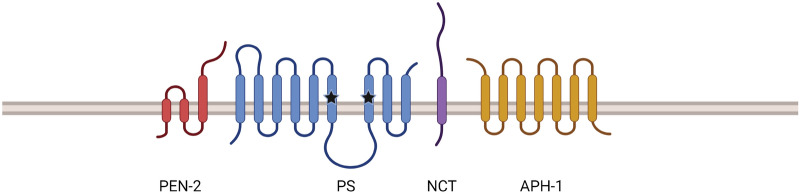
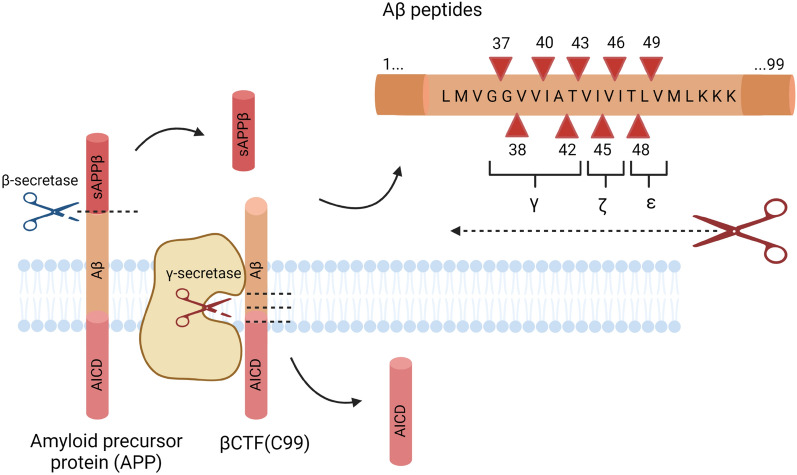
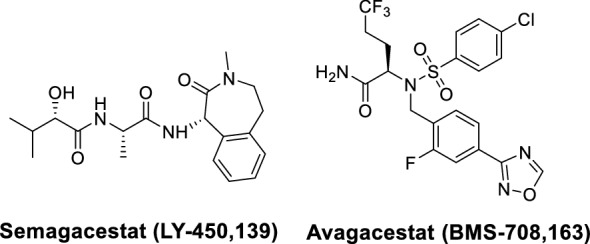
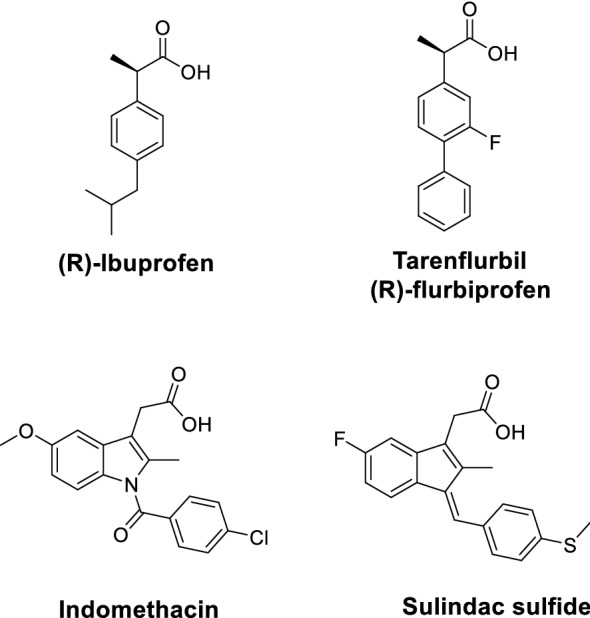
Verification
Claims the paper makes
The claims and statistics of this paper haven’t been checked yet.
Free: it reads the open-access text and checks the first 5 claims that cite a source we can check. Create a free account to check every claim.
Claims other papers make about this one
Each is checked against this paper’s own text: does it say what the citing paper says it does?
The cited source says what the claim attributes to it.
In the citing paper
“Allosteric modulators of γ-secretase encourage the production of shorter, less toxic Aβ subtypes, and even potentially minimize effects on Notch and some other substrates. Some γ-secretase modulators (GSMs) also exhibited promising safety outcomes in preclinical studies and clinical trials.546–548”
From Recent advances in Alzheimer's disease: Mechanisms, clinical trials and new drug development strategies. (2024) · cites this paper as [546]
The cited source says what the claim attributes to it.
In the citing paper
“Some γ-secretase modulators (GSMs) also exhibited promising safety outcomes in preclinical studies and clinical trials.546–548”
From Recent advances in Alzheimer's disease: Mechanisms, clinical trials and new drug development strategies. (2024) · cites this paper as [546]
Self-check
Percentages, sums and reported differences re-computed from the paper’s own numbers.
The self-check needs the paper’s full text.
Citations
Cites
The Amyloid Hypothesis of Alzheimer’s Disease: Progress and Problems on the Road to Therapeutics
Hardy, J., & Selkoe, D. J. (2002) · Science · doi:10.1126/science.1072994 · Cited by 13,864
Amyloid oligomers exacerbate tau pathology in a mouse model of tauopathy
Selenica, M.-L. B., Brownlow, M., Jimenez, J. P., Lee, D. C., Pena, G., Dickey, C. A., Gordon, M. N., & Morgan, D. (2013) · Neurodegenerative Diseases · doi:10.1159/000337230 · Cited by 10,359
The amyloid hypothesis of Alzheimer's disease at 25 years
Selkoe, D. J., & Hardy, J. (2016) · EMBO Molecular Medicine · doi:10.15252/emmm.201606210 · Cited by 6,164 · cited 1×
“The ability to image amyloid and CSF biomarkers in human subjects has been crucial to monitoring the progress of clinical trials in AD [75].”
BackgroundDrug combination studies and their synergy quantification using the Chou-Talalay method
Chou, T.-C. (2010) · Cancer Research · doi:10.1158/0008-5472.can-09-1947 · Cited by 5,739 · cited 1×
“Drug combinations using drugs which act on distinct targets or show different mechanisms of action have been commonly been used in cancer [92].”
BackgroundGlenner, G. G., & Wong, C. W. (1984) · Biochemical and Biophysical Research Communications · doi:10.1016/s0006-291x(84)80190-4 · Cited by 5,404
Goate, A., Chartier-Harlin, M.-C., Mullan, M., Brown, J., Crawford, F., Fidani, L., Giuffra, L., Haynes, A., Irving, N., James, L., et al. (1991) · Nature · doi:10.1038/349704a0 · Cited by 4,659
Cloning of a gene bearing missense mutations in early-onset familial Alzheimer's disease
Sherrington, R., Rogaev, E. I., Liang, Y., Rogaeva, E. A., Levesque, G., Ikeda, M., Chi, H., Lin, C., Li, G., Holman, K., et al. (1995) · Nature · doi:10.1038/375754a0 · Cited by 4,051
Clinical and biomarker changes in dominantly inherited Alzheimer's disease
Bateman, R. J., Xiong, C., Benzinger, T. L. S., Fagan, A. M., Goate, A., Fox, N. C., Marcus, D. S., Cairns, N. J., Xie, X., Blazey, T. M., et al. (2012) · New England Journal of Medicine · doi:10.1056/nejmoa1202753 · Cited by 3,814
The antibody aducanumab reduces Aβ plaques in Alzheimer’s disease
Sevigny, J., Chiao, P., Bussière, T., Weinreb, P. H., Williams, L., Maier, M., Dunstan, R., Salloway, S., Chen, T., Ling, Y., et al. (2016) · Nature · doi:10.1038/nature19323 · Cited by 3,059 · cited 1×
“Aducanumab, a human monoclonal antibody which targets aggregated amyloid-beta (Aβ), reduced amyloid plaques in the brain, and is expected to delay cognitive decline [2, 3].”
BackgroundCandidate gene for the chromosome 1 familial Alzheimer’s disease locus
Levy-Lahad, E., Wasco, W., Poorkaj, P., Romano, D. M., Oshima, J., Pettingell, W. H., Yu, C.-E., Jondro, P. D., Schmidt, S. D., Wang, K., et al. (1995) · Science · doi:10.1126/science.7638622 · Cited by 2,577
Amyloid deposition as the central event in the aetiology of Alzheimer’s disease
Hardy, J., & Allsop, D. (1991) · Trends in Pharmacological Sciences · doi:10.1016/0165-6147(91)90609-v · Cited by 2,538 · cited 1×
“While the underlying disease mechanisms are complex and still being elucidated, multiple lines of evidence support the “amyloid hypothesis,” which posits that the accumulation of Aβ peptides initiates a chain of pathological events, including formation of neurofibrillary tangles and inflammatory responses, leading to…”
BackgroundA presenilin-1-dependent γ-secretase-like protease mediates release of Notch intracellular domain
De Strooper, B., Annaert, W., Cupers, P., Saftig, P., Craessaerts, K., Mumm, J. S., Schroeter, E. H., Schrijvers, V., Wolfe, M. S., Ray, W. J., et al. (1999) · Nature · doi:10.1038/19083 · Cited by 2,100
Jarrett, J. T., Berger, E. P., & Lansbury, P. T. (1993) · Biochemistry · doi:10.1021/bi00069a001 · Cited by 2,022 · cited 2×
“The isoforms Aβ40 and Aβ42 have been implicated in AD; of the two species, Aβ42 is more prone to aggregation and considered the more pathogenic species [27, 28].”
BackgroundWolfe, M. S., Xia, W., Ostaszewski, B. L., Diehl, T. S., Kimberly, W. T., & Selkoe, D. J. (1999) · Nature · doi:10.1038/19077 · Cited by 1,916 · cited 2×
“Both fragments remain associated as a stable heterodimer, and both are required for catalytic activity [20, 22].”
BackgroundDeficiency of presenilin-1 inhibits the normal cleavage of amyloid precursor protein
De Strooper, B., Saftig, P., Craessaerts, K., Vanderstichele, H., Guhde, G., Annaert, W., Von Figura, K., & Van Leuven, F. (1998) · Nature · doi:10.1038/34910 · Cited by 1,818 · cited 2×
“PS1 and PS2 mutations were demonstrated to directly affect APP cleavage by γ-secretase and cause toxic gain of function to increase the ratio of Aβ42/Aβ40 [15, 16].”
BackgroundIwatsubo, T., Odaka, A., Suzuki, N., Mizusawa, H., Nukina, N., & Ihara, Y. (1994) · Neuron · doi:10.1016/0896-6273(94)90458-8 · Cited by 1,774
Citron, M., Oltersdorf, T., Haass, C., McConlogue, L., Hung, A. Y., Seubert, P., Vigo-Pelfrey, C., Lieberburg, I., & Selkoe, D. J. (1992) · Nature · doi:10.1038/360672a0 · Cited by 1,757
Alzheimer's disease and Down's syndrome: Sharing of a unique cerebrovascular amyloid fibril protein
Glenner, G. G., & Wong, C. W. (1984) · Biochemical and Biophysical Research Communications · doi:10.1016/0006-291x(84)91209-9 · Cited by 1,693 · cited 1×
“The gene encoding the amyloid precursor protein (APP) was identified on chromosome 21, which corresponded with Down’s syndrome individuals who consistently exhibited AD [7, 8].”
BackgroundSuzuki, N., Cheung, T. T., Cai, X.-D., Odaka, A., Otvos, L., Eckman, C., Golde, T. E., & Younkin, S. G. (1994) · Science · doi:10.1126/science.8191290 · Cited by 1,471
Increased amyloid-β42(43) in brains of mice expressing mutant presenilin 1
Duff, K., Eckman, C., Zehr, C., Yu, X., Prada, C.-M., Perez-tur, J., Hutton, M., Buee, L., Harigaya, Y., Yager, D., et al. (1996) · Nature · doi:10.1038/383710a0 · Cited by 1,465
A subset of NSAIDs lower amyloidogenic Aβ42 independently of cyclooxygenase activity
Weggen, S., Eriksen, J. L., Das, P., Sagi, S. A., Wang, R., Pietrzik, C. U., Findlay, K. A., Smith, T. E., Murphy, M. P., Bulter, T., et al. (2001) · Nature · doi:10.1038/35102591 · Cited by 1,388
A Phase 3 Trial of Semagacestat for Treatment of Alzheimer's Disease
Doody, R. S., Raman, R., Farlow, M., Iwatsubo, T., Vellas, B., Joffe, S., Kieburtz, K., He, F., Sun, X., Thomas, R. G., et al. (2013) · New England Journal of Medicine · doi:10.1056/nejmoa1210951 · Cited by 1,224
Wager, T. T., Hou, X., Verhoest, P. R., & Villalobos, A. (2010) · ACS Chemical Neuroscience · doi:10.1021/cn100008c · Cited by 1,063 · cited 1×
“Methods such as the central nervous system multi parameter optimization (CNS MPO) score [69] and ligand-lipophilicity efficiency (LLE) have been employed to improve the likelihood of identifying druglike compounds.”
MethodNotch1 functions as a tumor suppressor in mouse skin
Nicolas, M., Wolfer, A., Raj, K., Kummer, J. A., Mill, P., van Noort, M., Hui, C.-C., Clevers, H., Dotto, G. P., & Radtke, F. (2003) · Nature Genetics · doi:10.1038/ng1099 · Cited by 971
Aph-1, Pen-2, and Nicastrin with Presenilin Generate an Active γ-Secretase Complex
De Strooper, B. (2003) · Neuron · doi:10.1016/s0896-6273(03)00205-8 · Cited by 965
Release of Excess Amyloid β Protein from a Mutant Amyloid β Protein Precursor
Cai, X.-D., Golde, T. E., & Younkin, S. G. (1993) · Science · doi:10.1126/science.8424174 · Cited by 913
The role of presenilin cofactors in the γ-secretase complex
Takasugi, N., Tomita, T., Hayashi, I., Tsuruoka, M., Niimura, M., Takahashi, Y., Thinakaran, G., & Iwatsubo, T. (2003) · Nature · doi:10.1038/nature01506 · Cited by 867
Photoactivated γ-secretase inhibitors directed to the active site covalently label presenilin 1
Li, Y.-M., Xu, M., Lai, M.-T., Huang, Q., Castro, J. L., DiMuzio-Mower, J., Harrison, T., Lellis, C., Nadin, A., Neduvelil, J. G., et al. (2000) · Nature · doi:10.1038/35015085 · Cited by 866
Self-citationThe Genetics of Alzheimer's Disease
Bertram, L., & Tanzi, R. E. (2012) · Progress in Molecular Biology and Translational Science · doi:10.1016/b978-0-12-385883-2.00008-4 · Cited by 760
Saura, C. A., Choi, S.-Y., Beglopoulos, V., Malkani, S., Zhang, D., Rao, B. S. S., Chattarji, S., Kelleher, R. J., Kandel, E. R., Duff, K., et al. (2004) · Neuron · doi:10.1016/s0896-6273(04)00182-5 · Cited by 757 · cited 1×
“Presenilin was demonstrated as essential for learning, memory, and neuronal survival [32].”
BackgroundHori, K., Sen, A., & Artavanis-Tsakonas, S. (2013) · Journal of Cell Science · doi:10.1242/jcs.127308 · Cited by 571 · cited 1×
“Notch signaling is crucial for cell fate decisions during development, the maintenance and differentiation of neuronal stem cells [42, 43].”
BackgroundAn atomic structure of human γ-secretase
Bai, X.-C., Yan, C., Yang, G., Lu, P., Ma, D., Sun, L., Zhou, R., Scheres, S. H. W., & Shi, Y. (2015) · Nature · doi:10.1038/nature14892 · Cited by 498
Takami, M., Nagashima, Y., Sano, Y., Ishihara, S., Morishima-Kawashima, M., Funamoto, S., & Ihara, Y. (2009) · The Journal of Neuroscience · doi:10.1523/jneurosci.2362-09.2009 · Cited by 498
Not(ch) just development: Notch signalling in the adult brain
Ables, J. L., Breunig, J. J., Eisch, A. J., & Rakic, P. (2011) · Nature Reviews Neuroscience · doi:10.1038/nrn3024 · Cited by 457 · cited 1×
“Notch signaling is crucial for cell fate decisions during development, the maintenance and differentiation of neuronal stem cells [42, 43].”
BackgroundThe innate immunity protein IFITM3 modulates γ-secretase in Alzheimer’s disease
Hur, J.-Y., Frost, G. R., Wu, X., Crump, C., Pan, S. J., Wong, E., Barros, M., Li, T., Nie, P., Zhai, Y., et al. (2020) · Nature · doi:10.1038/s41586-020-2681-2 · Cited by 382
Self-citationShearman, M. S., Beher, D., Clarke, E. E., Lewis, H. D., Harrison, T., Hunt, P., Nadin, A., Smith, A. L., Stevenson, G., & Castro, J. L. (2000) · Biochemistry · doi:10.1021/bi0005456 · Cited by 361
Biology and pathophysiology of the amyloid precursor protein
Zheng, H., & Koo, E. H. (2011) · Molecular Neurodegeneration · doi:10.1186/1750-1326-6-27 · Cited by 348
Esler, W. P., Kimberly, W. T., Ostaszewski, B. L., Ye, W., Diehl, T. S., Selkoe, D. J., & Wolfe, M. S. (2002) · Proceedings of the National Academy of Sciences · doi:10.1073/pnas.052436599 · Cited by 341
Gamma-secretase activating protein is a therapeutic target for Alzheimer’s disease
He, G., Luo, W., Li, P., Remmers, C., Netzer, W. J., Hendrick, J., Bettayeb, K., Flajolet, M., Gorelick, F., Wennogle, L. P., et al. (2010) · Nature · doi:10.1038/nature09325 · Cited by 326
Recognition of the amyloid precursor protein by human γ-secretase
Zhou, R., Yang, G., Guo, X., Zhou, Q., Lei, J., & Shi, Y. (2019) · Science · doi:10.1126/science.aaw0930 · Cited by 304
PRESENILE DEMENTIA AND ALZHEIMER'S DISEASE IN MONGOLISM
OLSON, M. I., & SHAW, C.-M. (1969) · Brain · doi:10.1093/brain/92.1.147 · Cited by 290 · cited 1×
“The gene encoding the amyloid precursor protein (APP) was identified on chromosome 21, which corresponded with Down’s syndrome individuals who consistently exhibited AD [7, 8].”
BackgroundLessons from a failed γ-secretase Alzheimer trial
De Strooper, B. (2014) · Cell · doi:10.1016/j.cell.2014.10.016 · Cited by 277
Structural basis of Notch recognition by human γ-secretase
Yang, G., Zhou, R., Zhou, Q., Guo, X., Yan, C., Ke, M., Lei, J., & Shi, Y. (2019) · Nature · doi:10.1038/s41586-018-0813-8 · Cited by 238
Loss of presenilin 1 is associated with enhanced β-catenin signaling and skin tumorigenesis
Xia, X., Qian, S., Soriano, S., Wu, Y., Fletcher, A. M., Wang, X.-J., Koo, E. H., Wu, X., & Zheng, H. (2001) · Proceedings of the National Academy of Sciences · doi:10.1073/pnas.191284198 · Cited by 236
Mitani, Y., Yarimizu, J., Saita, K., Uchino, H., Akashiba, H., Shitaka, Y., Ni, K., & Matsuoka, N. (2012) · The Journal of Neuroscience · doi:10.1523/jneurosci.4264-11.2012 · Cited by 203
The substrate repertoire of γ-secretase/presenilin
Güner, G., & Lichtenthaler, S. F. (2020) · Seminars in Cell & Developmental Biology · doi:10.1016/j.semcdb.2020.05.019 · Cited by 195
Structural basis of γ-secretase inhibition and modulation by small molecule drugs
Yang, G., Zhou, R., Guo, X., Yan, C., Lei, J., & Shi, Y. (2021) · Cell · doi:10.1016/j.cell.2020.11.049 · Cited by 189 · cited 1×
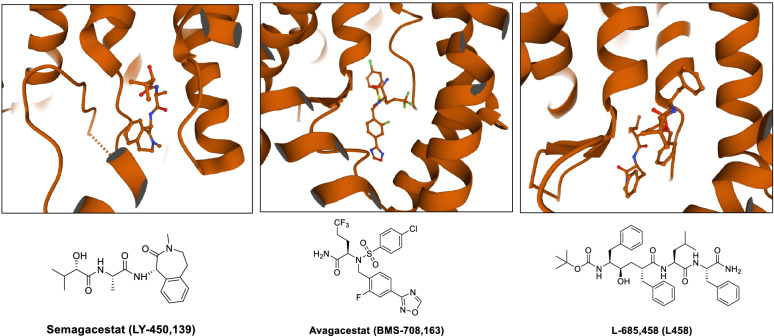
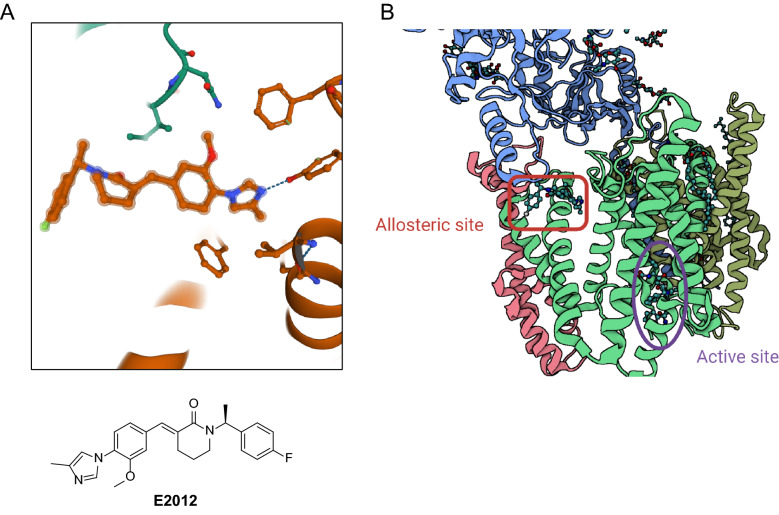
“Recently, the structures of γ-secretase bound to Semagacestat, Avagacestat L458, and the GSM E2012 have been reported [89].”
BackgroundGillman, K. W., Starrett, J. E., Parker, M. F., Xie, K., Bronson, J. J., Marcin, L. R., McElhone, K. E., Bergstrom, C. P., Mate, R. A., Williams, R., et al. (2010) · ACS Medicinal Chemistry Letters · doi:10.1021/ml1000239 · Cited by 185
Recognition of the Amyloid Precursor Protein by Human gamma-secretase: 6iyc
Zhou, R., Yang, G., Guo, X., Zhou, Q., Lei, J., & Shi, Y. (2020) · Worldwide Protein Data Bank · doi:10.2210/pdb6iyc/pdb · Cited by 185
Development and Mechanism of γ-Secretase Modulators for Alzheimer’s Disease
Crump, C. J., Johnson, D. S., & Li, Y.-M. (2013) · Biochemistry · doi:10.1021/bi400377p · Cited by 171 · cited 3×
“The development of second generation GSMs has been extensively reviewed elsewhere [60, 62, 63].”
BackgroundSelf-citationPresenilin-1 and Presenilin-2 Exhibit Distinct yet Overlapping γ-Secretase Activities
Lai, M.-T., Chen, E., Crouthamel, M.-C., DiMuzio-Mower, J., Xu, M., Huang, Q., Price, E., Register, R. B., Shi, X.-P., Donoviel, D. B., et al. (2003) · Journal of Biological Chemistry · doi:10.1074/jbc.m300974200 · Cited by 167
Self-citationFouladi, M., Stewart, C. F., Olson, J., Wagner, L. M., Onar-Thomas, A., Kocak, M., Packer, R. J., Goldman, S., Gururangan, S., Gajjar, A., et al. (2011) · Journal of Clinical Oncology · doi:10.1200/jco.2011.35.7806 · Cited by 164
Murphy, M. P., Hickman, L. J., Eckman, C. B., Uljon, S. N., Wang, R., & Golde, T. E. (1999) · Journal of Biological Chemistry · doi:10.1074/jbc.274.17.11914 · Cited by 157 · cited 1×
“Initial proteolysis (ε-cleavage) between amino acids 50 and 49 results in the successive trimming (ζ- and γcleavages) from Aβ49 46 43 40 37 peptides, while cleavage between amino acids 49 and 48 results in trimming from Aβ48 45 42 38 peptides [25, 26].”
BackgroundCryo-EM structure of gamma secretase in complex with a Notch fragment: 6idf
Yang, G., Zhou, R., Zhou, Q., Guo, X., Yan, C., Ke, M., Lei, J., & Shi, Y. (2018) · Worldwide Protein Data Bank · doi:10.2210/pdb6idf/pdb · Cited by 154
A phase II study of RO4929097 in metastatic colorectal cancer
Strosberg, J. R., Yeatman, T., Weber, J., Coppola, D., Schell, M. J., Han, G., Almhanna, K., Kim, R., Valone, T., Jump, H., et al. (2012) · European Journal of Cancer · doi:10.1016/j.ejca.2012.02.056 · Cited by 146
Activation and intrinsic γ-secretase activity of presenilin 1
Ahn, K., Shelton, C. C., Tian, Y., Zhang, X., Gilchrist, M. L., Sisodia, S. S., & Li, Y.-M. (2010) · Proceedings of the National Academy of Sciences · doi:10.1073/pnas.1013246107 · Cited by 139
Self-citationGamma Secretase Modulators: New Alzheimer’s Drugs on the Horizon?
Bursavich, M. G., Harrison, B. A., & Blain, J.-F. (2016) · Journal of Medicinal Chemistry · doi:10.1021/acs.jmedchem.5b01960 · Cited by 137 · cited 2×
“The development of second generation GSMs has been extensively reviewed elsewhere [60, 62, 63].”
BackgroundNontranscriptional Role of Hif-1α in Activation of γ-Secretase and Notch Signaling in Breast Cancer
Villa, J. C., Chiu, D., Brandes, A. H., Escorcia, F. E., Villa, C. H., Maguire, W. F., Hu, C.-J., de Stanchina, E., Simon, M. C., Sisodia, S. S., et al. (2014) · Cell Reports · doi:10.1016/j.celrep.2014.07.028 · Cited by 121
Self-citationStructure and Function of the γ-Secretase Complex
Wolfe, M. S. (2019) · Biochemistry · doi:10.1021/acs.biochem.9b00401 · Cited by 116
Pozdnyakov, N., Murrey, H. E., Crump, C. J., Pettersson, M., Ballard, T. E., am Ende, C. W., Ahn, K., Li, Y.-M., Bales, K. R., & Johnson, D. S. (2013) · Journal of Biological Chemistry · doi:10.1074/jbc.m112.398602 · Cited by 107 · cited 10×
“Imidazole GSM-based probes RO-57-BpB and E2012BPyne also labeled PS1-NTF in membranes and live cells [84, 85].”
BackgroundSelf-citationDifferential Effects of Inhibitors on the γ-Secretase Complex
Kornilova, A. Y., Das, C., & Wolfe, M. S. (2003) · Journal of Biological Chemistry · doi:10.1074/jbc.c300019200 · Cited by 103
BMS-708,163 Targets Presenilin and Lacks Notch-Sparing Activity
Crump, C. J., Castro, S. V., Wang, F., Pozdnyakov, N., Ballard, T. E., Sisodia, S. S., Bales, K. R., Johnson, D. S., & Li, Y.-M. (2012) · Biochemistry · doi:10.1021/bi301137h · Cited by 95 · cited 3×
“The report was consistent with previous studies that had challenged Notch-sparing mechanism of BMS-708,193 [52, 53].”
BackgroundResultSelf-citationNovel γ-Secretase Enzyme Modulators Directly Target Presenilin Protein
Ebke, A., Luebbers, T., Fukumori, A., Shirotani, K., Haass, C., Baumann, K., & Steiner, H. (2011) · Journal of Biological Chemistry · doi:10.1074/jbc.c111.276972 · Cited by 88
Niimura, M., Isoo, N., Takasugi, N., Tsuruoka, M., Ui-Tei, K., Saigo, K., Morohashi, Y., Tomita, T., & Iwatsubo, T. (2005) · Journal of Biological Chemistry · doi:10.1074/jbc.m409829200 · Cited by 85 · cited 1×
“Pen-2 facilitates the proteolysis of full length PS into PS-NTF and PS-CTF to activate γ-secretase [19, 23].”
BackgroundPreclinical validation of a potent γ-secretase modulator for Alzheimer’s disease prevention
Rynearson, K. D., Ponnusamy, M., Prikhodko, O., Xie, Y., Zhang, C., Nguyen, P., Hug, B., Sawa, M., Becker, A., Spencer, B., et al. (2021) · Journal of Experimental Medicine · doi:10.1084/jem.20202560 · Cited by 76 · cited 1×
“A collaboration between the University of California San Diego and Massachusetts General Hospital synthesized and characterized a series of pyridazine-derived GSM analogs [74].”
BackgroundBorgegard, T., Juréus, A., Olsson, F., Rosqvist, S., Sabirsh, A., Rotticci, D., Paulsen, K., Klintenberg, R., Yan, H., Waldman, M., et al. (2012) · Journal of Biological Chemistry · doi:10.1074/jbc.m111.305227 · Cited by 75
Pharmacodynamics of Selective Inhibition of γ-Secretase by Avagacestat
Albright, C. F., Dockens, R. C., Meredith, J. E., Olson, R. E., Slemmon, R., Lentz, K. A., Wang, J.-S., Denton, R., Pilcher, G. D., Rhyne, P., et al. (2012) · Journal of Pharmacology and Experimental Therapeutics · doi:10.1124/jpet.112.199356 · Cited by 71
Portelius, E., Broeck, B. V., Andréasson, U., Gustavsson, M. K., Mercken, M. H., Zetterberg, H., Borghys, H., & Blennow, K. (2010) · Journal of Alzheimer s Disease · doi:10.3233/jad-2010-100573 · Cited by 70
Complex regulation of γ-secretase: from obligatory to modulatory subunits
Gertsik, N., Chiu, D., & Li, Y.-M. (2015) · Frontiers in Aging Neuroscience · doi:10.3389/fnagi.2014.00342 · Cited by 68 · cited 2×
“Discoveries of γ-secretase modulatory proteins (GSMPs), non-essential subunits which can bind to and modulate γ-secretase in response to cellular and environmental changes, have added an interesting layer of regulation [33, 34].”
BackgroundSelf-citationPiperidine Acetic Acid Based γ-Secretase Modulators Directly Bind to Presenilin-1
Crump, C. J., Fish, B. A., Castro, S. V., Chau, D.-M., Gertsik, N., Ahn, K., Stiff, C., Pozdnyakov, N., Bales, K. R., Johnson, D. S., et al. (2011) · ACS Chemical Neuroscience · doi:10.1021/cn200098p · Cited by 65 · cited 1×
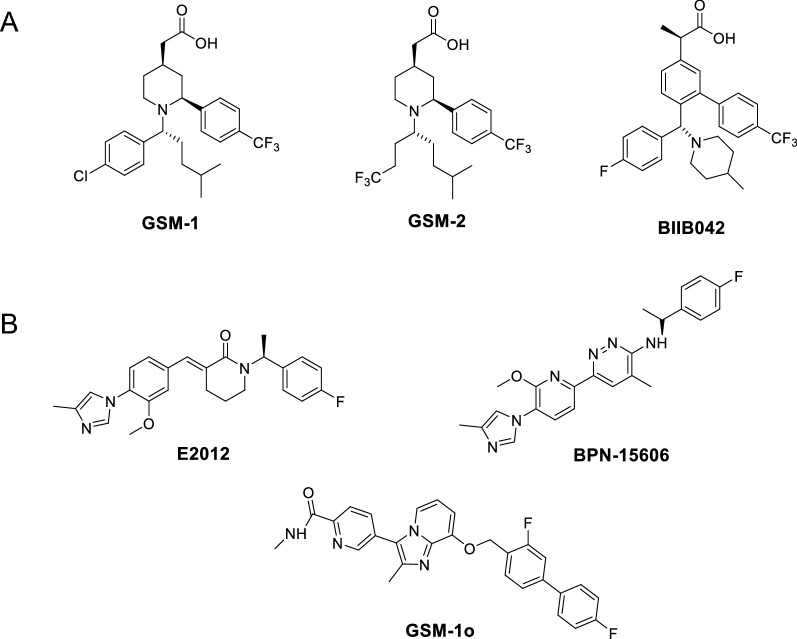
“GSM-1 and GSM-2-based probes were found to label PS1-NTF in both reconstituted PS1 and native forms of the ɣ-secretase complex in HeLa membranes [83].”
BackgroundSelf-citationGSAP modulates γ-secretase specificity by inducing conformational change in PS1
Wong, E., Liao, G. P., Chang, J. C., Xu, P., Li, Y.-M., & Greengard, P. (2019) · Proceedings of the National Academy of Sciences · doi:10.1073/pnas.1820160116 · Cited by 63 · cited 1×
“have identified GSMPs which regulate γ-secretase activity and substrate specificity and are dependent on specific contexts: GSAP by aging [36, 37], IFITM3 by innate immunity and aging [38], Hif-1α by hypoxia [39], and SERP1 by ER stress [40].”
BackgroundSelf-citationPharmacodynamics and Pharmacokinetics of the γ-Secretase Inhibitor PF-3084014
Lanz, T. A., Wood, K. M., Richter, K. E. G., Nolan, C. E., Becker, S. L., Pozdnyakov, N., Martin, B., Du, P., Oborski, C., Wood, D. E., et al. (2010) · Journal of Pharmacology and Experimental Therapeutics · doi:10.1124/jpet.110.167379 · Cited by 53
E2012-Induced Cataract and Its Predictive Biomarkers
Nakano-Ito, K., Fujikawa, Y., Hihara, T., Shinjo, H., Kotani, S., Suganuma, A., Aoki, T., & Tsukidate, K. (2014) · Toxicological Sciences · doi:10.1093/toxsci/kft224 · Cited by 50 · cited 1×
“It was temporarily halted due the observation of cataracts in a 13-week rat safety study, but after no ocular toxicity was seen in subsequent safety studies in rats and monkeys, the clinical trial was allowed to proceed [64].”
BackgroundRecent developments of small molecule γ-secretase modulators for Alzheimer's disease
Mekala, S., Nelson, G., & Li, Y.-M. (2020) · RSC Medicinal Chemistry · doi:10.1039/d0md00196a · Cited by 49 · cited 2×
“The development of second generation GSMs has been extensively reviewed elsewhere [60, 62, 63].”
BackgroundSelf-citationSoares, H. D., Gasior, M., Toyn, J. H., Wang, J.-S., Hong, Q., Berisha, F., Furlong, M. T., Raybon, J., Lentz, K. A., Sweeney, F., et al. (2016) · The Journal of Pharmacology and Experimental Therapeutics · doi:10.1124/jpet.116.232256 · Cited by 46 · cited 2×
“However, elevated alanine aminotransferase (ALT) levels, indicating liver toxicity, were also observed, and further development of BMS-932,481 was discontinued [72].”
BackgroundMapping the Binding Site of BMS-708163 on γ-Secretase with Cleavable Photoprobes
Gertsik, N., am Ende, C. W., Geoghegan, K. F., Nguyen, C., Mukherjee, P., Mente, S., Seneviratne, U., Johnson, D. S., & Li, Y.-M. (2017) · Cell Chemical Biology · doi:10.1016/j.chembiol.2016.12.006 · Cited by 40 · cited 1×
“More recently, the binding site of BMS-708,163 was mapped by photoprobes with cleavable linkers [82].”
BackgroundSelf-citationLiu, L., Lauro, B. M., Wolfe, M. S., & Selkoe, D. J. (2021) · Journal of Biological Chemistry · doi:10.1016/j.jbc.2021.100393 · Cited by 40 · cited 1×
“Concurrent mutagenesis studies revealed that loop-1 is essential for γ-secretase’s processive cleavage and a critical binding site by heterocyclic GSMs [90].”
BackgroundNie, P., Vartak, A., & Li, Y. (2020) · Seminars in Cell and Developmental Biology · doi:10.1016/j.semcdb.2020.03.002 · Cited by 38
Self-citationAhn, J. E., Carrieri, C., Dela Cruz, F., Fullerton, T., Hajos‐Korcsok, E., He, P., Kantaridis, C., Leurent, C., Liu, R., Mancuso, J., et al. (2020) · Clinical Pharmacology & Therapeutics · doi:10.1002/cpt.1570 · Cited by 36 · cited 1×
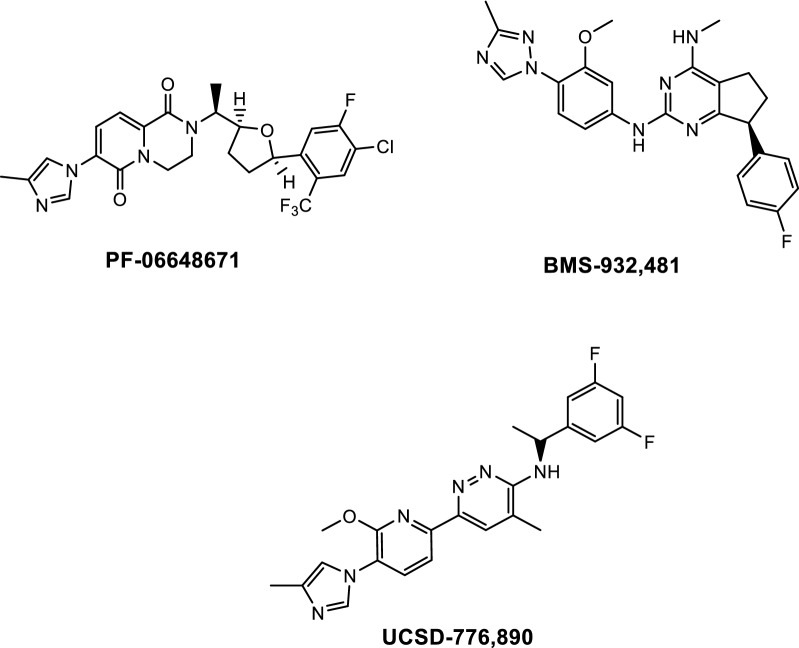
“A study from Pfizer investigated PF-06648671, derived from bicyclic pyridinones, in three phase I trials [70].”
BackgroundKounnas, M. Z., Lane‐Donovan, C., Nowakowski, D. W., Herz, J., & Comer, W. T. (2017) · Alzheimer's & Dementia: Translational Research & Clinical Interventions · doi:10.1016/j.trci.2016.09.003 · Cited by 35 · cited 1×
“These structures have already been used in computational docking studies for GSMs [91].”
Molecular imaging of Alzheimer’s disease–related gamma-secretase in mice and nonhuman primates
Xu, Y., Wang, C., Wey, H., Liang, Y., Chen, Z., Choi, S. H., Ran, C., Rynearson, K. D., Bernales, D. R., Koegel, R. E., et al. (2020) · The Journal of Experimental Medicine · doi:10.1084/jem.20182266 · Cited by 32 · cited 1×
“A PET radiotracer based on pyridazine-derived GSM BPN-15606 demonstrated good brain uptake and selectivity for imaging PS1/ γ-secretase in brains of AD transgenic mice [76].”
BackgroundBoy, K. M., Guernon, J. M., Zuev, D., Xu, L. J., Zhang, Y., Shi, J., Marcin, L. R., Higgins, M. A., Wu, Y., Krishnananthan, S., et al. (2019) · ACS Medicinal Chemistry Letters · doi:10.1021/acsmedchemlett.8b00541 · Cited by 26 · cited 1×
“Scientists from Bristol-Myers Squibb reported the design and phase I studies for the bicyclic pyrimidine GSM BMS-932,481 [71, 72].”
Backgroundγ-Secretase Modulatory Proteins: The Guiding Hand Behind the Running Scissors
Wong, E., Frost, G. R., & Li, Y.-M. (2020) · Frontiers in Aging Neuroscience · doi:10.3389/fnagi.2020.614690 · Cited by 22 · cited 2×
“Discoveries of γ-secretase modulatory proteins (GSMPs), non-essential subunits which can bind to and modulate γ-secretase in response to cellular and environmental changes, have added an interesting layer of regulation [33, 34].”
BackgroundSelf-citationSERP1 is an assembly regulator of γ-secretase in metabolic stress conditions
Jung, S., Hyun, J., Nah, J., Han, J., Kim, S.-H., Park, J., Oh, Y., Gwon, Y., Moon, S., Jo, D., et al. (2020) · Science Signaling · doi:10.1126/scisignal.aax8949 · Cited by 17 · cited 1×
“have identified GSMPs which regulate γ-secretase activity and substrate specificity and are dependent on specific contexts: GSAP by aging [36, 37], IFITM3 by innate immunity and aging [38], Hif-1α by hypoxia [39], and SERP1 by ER stress [40].”
BackgroundChemical Proteomic Technologies for Drug Target Identification
Geoghegan, K. F., & Johnson, D. S. (2010) · Annual reports in medicinal chemistry · doi:10.1016/s0065-7743(10)45021-6 · Cited by 15 · cited 1×
“Photoaffinity labeling (PAL) has been a valuable tool for target identification of small molecules [78].”
MethodCoric, V., Salloway, S., van Dyck, C. H., Kerselaers, W., Kaplita, S., Curtis, C. T., Ross, J., RICHTER, R. W., Andreasen, N., Brody, M., et al. (2013) · Alzheimer s & Dementia · doi:10.1016/j.jalz.2013.05.569 · Cited by 11
Imaging of Cancer γ-Secretase Activity Using an Inhibitor-Based PET Probe
Nie, P., Kalidindi, T., Nagle, V. L., Wu, X., Li, T., Liao, G. P., Frost, G., Henry, K. E., Punzalan, B., Carter, L. M., et al. (2021) · Clinical Cancer Research · doi:10.1158/1078-0432.ccr-21-0940 · Cited by 10 · cited 1×
“Recently, an imaging probe based on semagacestat demonstrated high specificity and increased uptake in tumor mouse models, suggesting that such tracers could be used to monitor γ-secretase inhibition and target engagement in clinical responses [58].”
BackgroundSelf-citationZhang, Y., Boy, K. M., Wu, Y., Ramírez, A., Toyn, J. H., Ahlijanian, M. K., Albright, C. F., Zhuo, X., Johnson, B. M., Denton, R., et al. (2020) · Bioorganic & Medicinal Chemistry Letters · doi:10.1016/j.bmcl.2020.127530 · Cited by 4 · cited 1×
“In the previous year, one of the oxidative products of BMS932,481 was identified as the primary metabolite found in rat and human liver microsomes [73].”
Background
Research works printed but not linked: 2
- Nagy CSE, Ishibashi A, Nakatani Y, Rege B, Logovinsky V. E2012, a novel gamma-secretase modulator, decreases plasma amyloid-beta levels in humans. Alzheimers Dement. 2010;6:S574.
- Hashimoto TI, Hagiwara H, Murata Y, Takenaka O, Miyagawa T. A novel gamma-secretase modulator-pharmacology. Alzheimers Dement. 2010;6:S242.
Cited by
Zhang, J., Zhang, Y., Wang, J., Xia, Y., Zhang, J., & Chen, L. (2024) · Signal Transduction and Targeted Therapy · doi:10.1038/s41392-024-01911-3 · Cited by 1,138
Multipronged diagnostic and therapeutic strategies for Alzheimer's disease
Ramesh, M., & Govindaraju, T. (2022) · Chemical Science · doi:10.1039/d2sc03932j · Cited by 94
Meier‐Stephenson, F., Meier‐Stephenson, V., Carter, M. D., Meek, A. R., Wang, Y., Pan, L., Chen, Q., Jacobo, S., Wu, F., Lu, E., et al. (2022) · Alzheimer s & Dementia Translational Research & Clinical Interventions · doi:10.1002/trc2.12283 · Cited by 92
Microglial activation as a hallmark of neuroinflammation in Alzheimer’s disease
Ebrahimi, R., Nejad, S. S., Tafti, M. F., Karimi, Z., Sadr, S. R., Hussein, D. R., Talebian, N., & Esmaeilpour, K. (2025) · Metabolic Brain Disease · doi:10.1007/s11011-025-01631-9 · Cited by 64
“Recent studies have linked systemic inflammation with microglial activation, prompting interest in NSAIDs as potential treatments for AD due to their anti-neuroinflammatory properties and effects on Aβ aggregation (Luo and Li 2022).”
Newer Therapeutic Approaches in Treating Alzheimer’s Disease: A Comprehensive Review
Sree, R. R., Kalyan, M., Anand, N., Mani, S., Gorantla, V. R., Sakharkar, M. K., Song, B., & Chidambaram, S. B. (2025) · ACS Omega · doi:10.1021/acsomega.4c05527 · Cited by 57
“146 All of these adverse effects were observed in clinical trials and raised serious safety concerns about the use of γ -secretase inhibitors as a therapeutic approach for AD.”
Metadata
- Authors
- Luo, J. E., & Li, Y.-M.
- Affiliations
- Memorial Sloan Kettering Cancer Center (US)
- Corresponding author
- Luo, Joanna E.
- Li, Yue-Ming
- Venue
- Cell & Bioscience
- Published
- 2022-01-04
- Volume
- 12
- Issue
- 1
- Pages
- 2-2
- ISSN
- 2045-3701 (ISSN-L)
- PMC
- PMC8725520
- OpenAlex
- W4206369042
- Cited by
- 59
- References
- 89
- Citations by year
- 2026: 9 · 2025: 10 · 2024: 18 · 2023: 12 · 2022: 10
- FWCI
- 1.72
- Type
- journal article
- Language
- en
- Open access
- gold
- doi.org
- Licence
- cc-by
- creativecommons.org/licenses/by/4.0 (tdm)
- creativecommons.org/licenses/by/4.0 (vor)
- Locations
- Cell & Bioscience (publishedVersion, cc-by)
- PubMed Central (publishedVersion, cc-by)
- PubMed (publishedVersion)
- DOAJ (DOAJ: Directory of Open Access Journals) (submittedVersion, cc-by-sa)
- Funders
- National Institutes of Health (R01NS096275, RF1AG057593, R01AG061350)
- JPB Foundation
- Metropolitan Life Insurance Company
- Cure Alzheimer's Fund
- Edward N. and Della L. Thome Memorial Foundation
- Coins for Alzheimer's Research Trust
- National Institute on Aging (F31AG064813)
- Topics
- Life Sciences › Neuroscience › Cellular and Molecular Neuroscience › Alzheimer's disease research and treatments
- Health Sciences › Medicine › Pharmacology (medical) › Cholinesterase and Neurodegenerative Diseases
- Health Sciences › Medicine › Psychiatry and Mental health › Dementia and Cognitive Impairment Research
- Keywords
- Alzheimer's disease, gamma-secretase, γ-secretase modulators, amyloid-beta, amyloid hypothesis, aducanumab, nonsteroidal anti-inflammatory drugs, chemical probes, chemical biology, crystal structure, substrate recognition, neurodegeneration, therapeutic target
About these checks
Registry, retraction, Cites and statistics results are computed, not judged, with one exception: a printed reference that no index lists is read once by a model before it counts as a citation error. Claims are extracted by a model and kept only when their quote appears verbatim in the text; each cited source is then checked, with a model’s help, for whether it says what the claim relies on. Those verdicts can be wrong — read the claim’s quote and the cited source before relying on one.
Statistics and arithmetic are recomputed, not judged.
Confidence bands are shown only for fields calibrated on our annotated test set. None is calibrated yet, so no band is shown.
What counts as a claim ›How we measure confidence ›How we check this ›
Are you an author, or do you see a problem with this page? Request a review
Data sources
Bibliographic data: Semantic Scholar, OpenAlex, Crossref.
Contains information from the Semantic Scholar Academic Graph Datasets, made available under the ODC Attribution License (ODC-BY 1.0).
Semantic Scholar’s data is described in: Kinney, R., et al. (2023). The Semantic Scholar Open Data Platform. arXiv:2301.10140.
