

Technology-assisted title and abstract screening for systematic reviews: a retrospective evaluation of the Abstrackr machine learning tool
Open accessThe DOI matches its Crossref record; 30 of the 30 references it cites were found in a registry or an index; 11 of the 20 sources its claims cite were checked for support.
Abstract
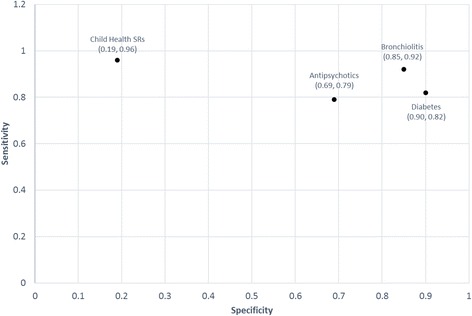
BACKGROUND: Machine learning tools can expedite systematic review (SR) processes by semi-automating citation screening. Abstrackr semi-automates citation screening by predicting relevant records. We evaluated its performance for four screening projects. METHODS: We used a convenience sample of screening projects completed at the Alberta Research Centre for Health Evidence, Edmonton, Canada... RESULTS: Abstrackr's sensitivity was > 0.75 for all projects and the mean specificity ranged from 0.69 to 0.90 with the exception of Child Health SRs, for which it was 0.19...
Overview
CoChat Summary
## TL;DR
This retrospective evaluation of Abstrackr across four heterogeneous screening projects found that it generally achieved high sensitivity but variable specificity, precision, and workload savings. The time saved came with some risk of missing relevant records, so the authors concluded that more testing is needed before routine use.
## Key findings
- Across the four projects, Abstrackr’s sensitivity was >0.75 for all projects; mean sensitivity was 0.96 for Child Health SRs, 0.92 for Bronchiolitis, 0.82 for Diabetes, and 0.79 for Antipsychotics.
- Mean specificity ranged from 0.69 to 0.90 for three projects, but was 0.19 for Child Health SRs; precision ranged from 14.8% to 64.7%.
- Median workload savings was 67.2% overall, with project-level workload savings of 88.4% for Diabetes, 70.0% for Bronchiolitis, 64.5% for Antipsychotics, and 9.5% for Child Health SRs.
- The proportion missed was 0.1% for all SRs and 6.4% for the descriptive analysis; this corresponded to 4.2% of the records in the final reports.
## Methods
- Retrospective evaluation of Abstrackr using a convenience sample of four screening projects completed or ongoing at the Alberta Research Centre for Health Evidence: three systematic reviews and one descriptive analysis.
- Projects varied in size and topic: Antipsychotics, Bronchiolitis, Child Health SRs, and Diabetes; search yields ranged from 5,243 to 47,385 records.
- Records were uploaded to Abstrackr and screened in single-screen mode until predictions were produced; across three trials per project, predictions were compared with human reviewer decisions and standard performance metrics were calculated.
## Limitations
- The paper states the sample was heterogeneous and convenience-based, so the findings “should not be generalized.”
- It notes possible variation in predictions between trials of the same screening task, and that the first record could not be controlled, affecting prioritization and predictions.
- Evident from the text: the study was retrospective and did not test Abstrackr prospectively as a second reviewer in a real screening workflow, which the authors themselves say should be studied further.
Model-written summary. Check it against the paper before relying on it.
Integrity signals
Registry
Cites
Statistics
Figures
Verification
Claims the paper makes
9 Valid · 1 Not valid · 6 Not checked · 40 Own results and interpretations
A result the paper reports from its own data — it cites no other source for it, so there is none to check. The quote shows it is in the paper.
In the paper
“the mean specificity ranged from 0.69 to 0.90 with the exception of Child Health SRs, for which it was 0.19”
§ Technology-assisted title and abstract screening for systematic reviews: a retrospective evaluation of the Abstrackr machine learning tool > Abstract > Results
plain- Asserted: passes — The authors put it forward as true.
- Checkable: passes — It can be checked against evidence.
- Load-bearing: unclear — It is unclear whether the paper’s conclusions depend on it.
- Based: passes — The paper gives a reason why it holds.
A result the paper reports from its own data — it cites no other source for it, so there is none to check. The quote shows it is in the paper.
In the paper
“Abstrackr’s sensitivity was > 0.75 for all projects”
§ Technology-assisted title and abstract screening for systematic reviews: a retrospective evaluation of the Abstrackr machine learning tool > Abstract > Results
plain- Asserted: passes — The authors put it forward as true.
- Checkable: passes — It can be checked against evidence.
- Load-bearing: passes — The paper’s conclusions depend on it.
- Based: passes — The paper gives a reason why it holds.
A result the paper reports from its own data — it cites no other source for it, so there is none to check. The quote shows it is in the paper.
In the paper
“Across the three trials, Abstrackr missed 16, 20, and 25 (7.8, 9.8, and 12.2%) of the studies included in the final SR for Diabetes”
§ Technology-assisted title and abstract screening for systematic reviews: a retrospective evaluation of the Abstrackr machine learning tool > Results > Records missed and time savings
plain- Asserted: passes — The authors put it forward as true.
- Checkable: passes — It can be checked against evidence.
- Load-bearing: passes — The paper’s conclusions depend on it.
- Based: passes — The paper gives a reason why it holds.
A result the paper reports from its own data — it cites no other source for it, so there is none to check. The quote shows it is in the paper.
In the paper
“For the SRs, Abstrackr reduced the number of records to screen by 65 to 88%”
§ Technology-assisted title and abstract screening for systematic reviews: a retrospective evaluation of the Abstrackr machine learning tool > Discussion
plainstates a cause- Asserted: passes — The authors put it forward as true.
- Checkable: passes — It can be checked against evidence.
- Load-bearing: passes — The paper’s conclusions depend on it.
- Based: passes — The paper gives a reason why it holds.
A result the paper reports from its own data — it cites no other source for it, so there is none to check. The quote shows it is in the paper.
In the paper
“24, 31, and 35 (1.5, 1.9, and 2.2%) of the studies for Child Health SRs”
§ Technology-assisted title and abstract screening for systematic reviews: a retrospective evaluation of the Abstrackr machine learning tool > Results > Records missed and time savings
plain- Asserted: passes — The authors put it forward as true.
- Checkable: passes — It can be checked against evidence.
- Load-bearing: passes — The paper’s conclusions depend on it.
- Based: passes — The paper gives a reason why it holds.
17 more claims
Create a free account to see all 56 claims and to verify the 1 reference still open.
- It may state two separate claims as one. 19
- Probably not a substantial claim. 17
Claims other papers make about this one
Each is checked against this paper’s own text: does it say what the citing paper says it does?
The source backs part of the claim, not all of it — or backs it for a different population, condition or comparison.
In the citing paper
“Each study is typically reviewed within 30 s (Gates et al., 2018)”
From Screening Smarter, Not Harder: A Comparative Analysis of Machine Learning Screening Algorithms and Heuristic Stopping Criteria for Systematic Reviews in Educational Research (2024) · cites this paper as Gates et al., 2018
Experimental — accuracy not yet measuredThe source backs part of the claim, not all of it — or backs it for a different population, condition or comparison.
In the citing paper
“The application of active learning models in systematic reviews has been extensively studied in simulation studies [11-21].”
From Performance of active learning models for screening prioritization in systematic reviews: a simulation study into the Average Time to Discover relevant records (2023) · cites this paper as [16]
Experimental — accuracy not yet measuredThe source backs part of the claim, not all of it — or backs it for a different population, condition or comparison.
In the citing paper
“However, developing automatic screening tools based on combined ML techniques seems feasible; plenty of research and developments have been done in this field in recent years [26, 39, 41, 46, 52].”
From Machine learning computational tools to assist the performance of systematic reviews: A mapping review. (2022) · cites this paper as [39]
Experimental — accuracy not yet measuredThe source backs part of the claim, not all of it — or backs it for a different population, condition or comparison.
In the citing paper
“In summary, ML-assisted systematic reviews can significantly reduce workload and have proven accurate across various fields and review topics.”
From Machine Learning-Assisted Systematic Review: A Case Study in Learning Analytics (2025) · cites this paper as Gates et al. (2018)
Experimental — accuracy not yet measuredThe cited source says what the claim attributes to it.
In the citing paper
“Many studies evaluating these tools have assessed automatic classification functionality, in which screening continued until the tool predicts whether studies should be included or not, and remaining citations are not screened [19, 21].”
From Machine learning for screening prioritization in systematic reviews: comparative performance of Abstrackr and EPPI-Reviewer (2020) · cites this paper as [19]
1 more claim about this paper
Create a free account to see every claim other papers make about this one.
Citations
Cites
Preferred Reporting Items for Systematic Reviews and Meta-Analyses: the PRISMA statement
Moher, D., Liberati, A., Tetzlaff, J., Altman, D. G., & for the PRISMA Group (2009) · BMJ · doi:10.1136/bmj.b2535 · Cited by 83,823
Preferred Reporting Items for Systematic Reviews and Meta-Analyses: The PRISMA Statement
Moher, D., Liberati, A., Tetzlaff, J., Altman, D. G., & The PRISMA Group (2009) · PLoS Medicine · doi:10.1371/journal.pmed.1000097 · Cited by 64,042 · cited 1×
“Specialized guidance documents [2, 3] aim to ensure that reviewers produce evidence syntheses that are methodologically rigorous and transparently reported.”
BackgroundPreferred reporting items for systematic reviews and meta-analyses: the PRISMA Statement.
(2009) · PubMed Central · Cited by 44,859
Cochrane Handbook for Systematic Reviews of Interventions: Cochrane Book Series
(2008) · doi:10.1002/9780470712184 · Cited by 25,048
Wang, G., Ma, R., Qiao, G., Wada, K., Aizawa, Y., & Satoh, T. (2015) · Integrative Medicine International · doi:10.1159/000368408 · Cited by 18,657
The Levels of Evidence and Their Role in Evidence-Based Medicine
Burns, P. B., Rohrich, R. J., & Chung, K. C. (2011) · Plastic and Reconstructive Surgery · doi:10.1097/prs.0b013e318219c171 · Cited by 2,155 · cited 1×
“Systematic reviews (SRs) provide the highest level of evidence to inform clinical and policy decisions [1].”
BackgroundStatistics Notes: Diagnostic tests 1: sensitivity and specificity
Altman, D. G., & Bland, J. M. (1994) · BMJ · doi:10.1136/bmj.308.6943.1552 · Cited by 2,061
Seventy-five trials and eleven systematic reviews a day: how will we ever keep up?
Bastian, H., Glasziou, P., & Chalmers, I. (2010) · PLoS Medicine · doi:10.1371/journal.pmed.1000326 · Cited by 1,188 · cited 1×
“The disconnect between the work required to complete a SR and the rate of publication of new evidence from trials [6] means that many SRs are out of date before they are published [7].”
BackgroundPage, M. J., Shamseer, L., Altman, D. G., Tetzlaff, J., Sampson, M., Tricco, A. C., Catalá-López, F., Li, L., Reid, E. K., Sarkis-Onofre, R., et al. (2016) · PLOS Medicine · doi:10.1371/journal.pmed.1002028 · Cited by 768 · cited 1×
“As the standards for the conduct and reporting of SRs have become more stringent [4], they have become more labor-intensive to produce.”
BackgroundBorah, R., Brown, A. W., Capers, P. L., & Kaiser, K. A. (2017) · BMJ Open · doi:10.1136/bmjopen-2016-012545 · Cited by 737 · cited 1×
“On average, after registering a protocol, it takes author teams more than 1 year of work before their SR is published [5].”
Method
Research works printed but not linked: 1
- JPT H Green S Cochrane handbook for systematic reviews of interventions 2011
Cited by
Automated Paper Screening for Clinical Reviews Using Large Language Models
Guo, E., Gupta, M., Deng, J., Park, Y.-J., Paget, M., & Naugler, C. (2023) · arXiv · doi:10.48550/arxiv.2305.00844 · Cited by 230
Using artificial intelligence methods for systematic review in health sciences: A systematic review
Blaizot, A., Veettil, S. K., Saidoung, P., Moreno‐Garcia, C. F., Wiratunga, N., Aceves‐Martins, M., Lai, N. M., & Chaiyakunapruk, N. (2022) · Research Synthesis Methods · doi:10.1002/jrsm.1553 · Cited by 223
Kazda, L., Bell, K., Thomas, R., McGeechan, K., Sims, R., & Barratt, A. (2021) · JAMA Network Open · doi:10.1001/jamanetworkopen.2021.5335 · Cited by 219
Diet and Anxiety: A Scoping Review
Aucoin, M., LaChance, L., Naidoo, U., Remy, D., Shekdar, T., Sayar, N., Cardozo, V., Rawana, T., Chan, I., & Cooley, K. (2021) · Nutrients · doi:10.3390/nu13124418 · Cited by 212
“The study authors manually screened 13,286 results while Abstrackr’s artificial intelligence screened the remaining results.”
MethodInfluentialAutomated paper screening for clinical reviews using large language models: Data analysis study
Guo, E., Gupta, M., Deng, J., Park, Y.-J., Paget, M., & Naugler, C. (2024) · Journal of Medical Internet Research · doi:10.2196/48996 · Cited by 205
“The comparison of our proposed machine learning method to other tools, such as Abstrackr [18], DistillerSR [17], and RobotAnalyst [36], provides evidence of its efficacy and reliability in the context of systematic review processes.”
Tools to support the automation of systematic reviews: a scoping review.
Khalil, H., Ameen, D., & Zarnegar, A. (2022) · Journal of Clinical Epidemiology · doi:10.1016/j.jclinepi.2021.12.005 · Cited by 190
Chai, K. E. K., Lines, R. L. J., Gucciardi, D. F., & Ng, L. (2021) · Systematic Reviews · doi:10.1186/s13643-021-01635-3 · Cited by 190
“This stage of a systematic review involves reviewers screening the titles and abstracts of papers identified from the initial search — oftentimes in the tens of thousands [30] — to make an assessment on its relevance for inclusion, which typically takes around 30 s per paper [14].”
BackgroundMethodInfluentialValizadeh, A., Moassefi, M., Nakhostin-Ansari, A., Hosseini Asl, S. H., Saghab Torbati, M., Aghajani, R., Maleki Ghorbani, Z., & Faghani, S. (2022) · BMC Medical Research Methodology · doi:10.1186/s12874-022-01631-8 · Cited by 159
“[19] conducted another study on Abstrackr in 2018 and reported sensitivity and specificity rates of 79-96% and 19-90% for identifying eligible records after screening 0.”
BackgroundResultInfluentialHamel, C., Kelly, S. E., Thavorn, K., Rice, D. B., Wells, G. A., & Hutton, B. (2020) · BMC Medical Research Methodology · doi:10.1186/s12874-020-01129-1 · Cited by 140
Gates, A., Guitard, S., Pillay, J., Elliott, S. A., Dyson, M. P., Newton, A. S., & Hartling, L. (2019) · Systematic Reviews · doi:10.1186/s13643-019-1222-2 · Cited by 133
“In a previous evaluation [18], we found 200 records to be sufficient to develop predictions.”
BackgroundResultSelf-citationTsou, A. Y., Treadwell, J. R., Erinoff, E., & Schoelles, K. (2020) · Systematic Reviews · doi:10.1186/s13643-020-01324-7 · Cited by 122
“Many studies evaluating these tools have assessed automatic classification functionality, in which screening continued until the tool predicts whether studies should be included or not, and remaining citations are not screened [19, 21].”
BackgroundResultInfluentialDiet and Psychosis: A Scoping Review
Aucoin, M., LaChance, L., Cooley, K., & Kidd, S. A. (2018) · Neuropsychobiology · doi:10.1159/000493399 · Cited by 142
Effects of sediment exposure on corals: a systematic review of experimental studies
Tuttle, L. J., & Donahue, M. J. (2022) · Environmental Evidence · doi:10.1186/s13750-022-00256-0 · Cited by 156
“This can increase workload savings while maintaining relatively high sensitivity and specificity and relatively low false-negative rates, thus making it a useful addition to the screening process [37, 38].”
BackgroundHamel, C., Hersi, M., Kelly, S. E., Tricco, A. C., Straus, S., Wells, G., Pham, B., & Hutton, B. (2021) · BMC Medical Research Methodology · doi:10.1186/s12874-021-01451-2 · Cited by 104
“With no current consensus on how to best use AI for study selection, and several studies published in the area performance of AI and AML [26, 27, 30–32, 34],”
BackgroundClinton‐Lisell, V., & Khan, S. (2019) · AERA Open · doi:10.1177/2332858419872212 · Cited by 129
Ferdinands, G., Schram, R., de Bruin, J., Bagheri, A., Oberski, D. L., Tummers, L., Teijema, J. J., & van de Schoot, R. (2023) · Systematic Reviews · doi:10.1186/s13643-023-02257-7 · Cited by 96
“A possible explanation for this is that this difficulty has to be attributed to factors more directly related to the systematic review at hand, such as the proportion of relevant publications or the complexity of inclusion criteria used to identify relevant publications [16, 53].”
BackgroundOfori-Boateng, R., Aceves-Martins, M., Wiratunga, N., & Moreno-Garcia, C. F. (2024) · Artificial Intelligence Review · doi:10.1007/s10462-024-10844-w · Cited by 86
Cierco Jimenez, R., Lee, T., Rosillo, N., Cordova, R., Cree, I. A., Gonzalez, A., & Indave Ruiz, B. I. (2022) · BMC Medical Research Methodology · doi:10.1186/s12874-022-01805-4 · Cited by 85
“Not surprisingly, among those were some of the best-known and most used tools as Abstrackr ® [39], EPPI-Reviewer ® [57], Rayyan ® [33], and RobotReviewer ® [31] (see Table 1).”
BackgroundMethodInfluentialPerformance of a Large Language Model in Screening Citations
Oami, T., Okada, Y., & Nakada, T.-A. (2024) · JAMA Network Open · doi:10.1001/jamanetworkopen.2024.20496 · Cited by 84
Robledo, S., Grisales Aguirre, A. M., Hughes, M., & Eggers, F. (2023) · Journal of Small Business Management · doi:10.1080/00472778.2021.1955125 · Cited by 80
“However, when this task is performed by two reviewers who reach a consensus, the proportion of overlooked records can be less than 1% (Gates et al., 2018).”
BackgroundMethodResultInfluentialGates, A., Gates, M., Sebastianski, M., Guitard, S., Elliott, S. A., & Hartling, L. (2020) · BMC Medical Research Methodology · doi:10.1186/s12874-020-01031-w · Cited by 80
Self-citationCampos, D. G., Fütterer, T., Gfrörer, T., Lavelle-Hill, R., Murayama, K., König, L., Hecht, M., Zitzmann, S., & Scherer, R. (2024) · Educational Psychology Review · doi:10.1007/s10648-024-09862-5 · Cited by 75
“Each study is typically reviewed within 30 s (Gates et al., 2018), and, given the increasing number of studies, the abstract screening phase in a systematic review requires a substantial investment of time and effort.”
Methodological insights into ChatGPT’s screening performance in systematic reviews
Issaiy, M., Ghanaati, H., Kolahi, S., Shakiba, M., Jalali, A. H., Zarei, D., Kazemian, S., Avanaki, M. A., & Firouznia, K. (2024) · BMC Medical Research Methodology · doi:10.1186/s12874-024-02203-8 · Cited by 69
“Some studies have attempted to evaluate the above tools’ performance but mostly relied on retrospective data from earlier systematic reviews [31, 32].”
BackgroundMcIntosh, E. J., Chapman, S., Kearney, S. G., Williams, B. A., Althor, G., Thorn, J., Pressey, R. L., McKinnon, M., & Grenyer, R. (2018) · Environmental Evidence · doi:10.1186/s13750-018-0134-2 · Cited by 87
“Despite progress in the use of machine learning to help automate abstract screening [70, 71], we concluded this technology is not suiciently developed to have been applicable without further testing.”
BackgroundTran, V.-T., Gartlehner, G., Yaacoub, S., Boutron, I., Schwingshackl, L., Stadelmaier, J., Sommer, I., Alebouyeh, F., Afach, S., Meerpohl, J., et al. (2024) · Annals of Internal Medicine · doi:10.7326/m23-3389 · Cited by 66
Qin, X., Liu, J., Wang, Y., Liu, Y., Deng, K., Ma, Y., Zou, K., Li, L., & Sun, X. (2021) · Journal of Clinical Epidemiology · doi:10.1016/j.jclinepi.2021.01.010 · Cited by 64
Text mining to support abstract screening for knowledge syntheses: a semi-automated workflow
Pham, B., Jovanovic, J., Bagheri, E., Antony, J., Ashoor, H., Nguyen, T. T., Rios, P., Robson, R., Thomas, S. M., Watt, J., et al. (2021) · Systematic Reviews · doi:10.1186/s13643-021-01700-x · Cited by 63
“Across the projects, sensitivity ranged from 79 to 97%, and precision ranged from 15 to 65% [49].”
Santos, Á. O. D., da Silva, E. S., Couto, L. M., Reis, G. V. L., & Belo, V. S. (2023) · Journal of Biomedical Informatics · doi:10.1016/j.jbi.2023.104389 · Cited by 64
Active learning for screening prioritization in systematic reviews - A simulation study
Ferdinands, G., Schram, R., de Bruin, J., Bagheri, A., Oberski, D. L., Tummers, L., & van de Schoot, R. (2020) · doi:10.31219/osf.io/w6qbg · Cited by 51
“Lastly, previous studies have mainly focussed on reviews from a single scientific field, like medicine [15, 16] or computer science [10, 11].”
InfluentialOude Wolcherink, M. J., Pouwels, X. G. L. V., van Dijk, S. H. B., Doggen, C. J. M., & Koffijberg, H. (2023) · Expert Review of Pharmacoeconomics & Outcomes Research · doi:10.1080/14737167.2023.2234639 · Cited by 50
“Next to the AI-tool used in this study, multiple other AI-powered tools, such as Abstrackr [18], Rayyan [19], and SWIFT-Active Screener [20], have been developed to assist title and abstract screening for (systematic) reviews.”
Methoddos Reis, A. H. S., de Oliveira, A. L. M., Fritsch, C. G., Zouch, J., Ferreira, P. H., & Polese, J. C. (2023) · Systematic Reviews · doi:10.1186/s13643-023-02231-3 · Cited by 61
“However, researchers must take into account that as softwares are managed by humans, they are also susceptible to errors, such as the omission of relevant titles or the inclusion of irrelevant ones [8].”
BackgroundMatsui, K., Utsumi, T., Aoki, Y., Maruki, T., Takeshima, M., & Takaesu, Y. (2024) · Journal of Medical Internet Research · doi:10.2196/52758 · Cited by 50
“…factors: complexity in research design, characteristics of the target demographic, types of interventions, complexity in selection criteria, a significant scarcity of relevant records within the data set (leading to data imbalance), and inconsistency in the terminology used for judgment [21,23,29].”
InfluentialHow does sediment exposure affect corals? A systematic review protocol
Tuttle, L. J., Johnson, C. E., Kolinski, S., Minton, D., & Donahue, M. J. (2020) · Environmental Evidence · doi:10.1186/s13750-020-00200-0 · Cited by 51
“This can increase workload savings while maintaining relatively high sensitivity and specificity and relatively low false-negative rates, thus making it a useful addition to the screening process [26, 27].”
BackgroundSelf-citationTóth, B., Berek, L., Gulácsi, L., Péntek, M., & Zrubka, Z. (2024) · Systematic Reviews · doi:10.1186/s13643-024-02592-3 · Cited by 48
“…Review Project (DERP) [32, 41, 54, 68, 77, 87, 88, 93, 107, 120–122 , The off-the shelf or freeware screening automation software were Abstrackr [90, 94, 97, 98, 105, 113, 132], EPPI Reviewer [80, 128, 132, 136], RobotAnalyst [91, 94, 113, 131], Distiller SR [94, 99, 126], Rayyan [103, 131],…”
MethodHinkelbein, J., Kerkhoff, S., Adler, C., Ahlbäck, A., Braunecker, S., Burgard, D., Cirillo, F., ROBERTIS, E. D., Glaser, E., Haidl, T. K., et al. (2020) · Scandinavian Journal of Trauma Resuscitation and Emergency Medicine · doi:10.1186/s13049-020-00793-y · Cited by 51
Bougioukas, K. I., Bouras, E., Avgerinos, K. I., Dardavessis, T., & Haidich, A. (2020) · Health Information & Libraries Journal · doi:10.1111/hir.12318 · Cited by 57
Evaluation of text mining to reduce screening workload for injury-focused systematic reviews
Giummarra, M. J., Lau, G., & Gabbe, B. J. (2020) · Injury Prevention · doi:10.1136/injuryprev-2019-043247 · Cited by 39
“11 We recommend that clear instructions should be developed and field tested and published by the Abstrackr developers.”
BackgroundMethodInfluentialA review of AI and Data Science support for cancer management
Parimbelli, E., Wilk, S., Cornet, R., Śniatała, P., Śniatała, K., Glaser, S. L. C., Fraterman, I., Boekhout, A. H., Ottaviano, M., & Peleg, M. (2021) · Artificial Intelligence in Medicine · doi:10.1016/j.artmed.2021.102111 · Cited by 46
“Titles and abstracts of each paper were screened using Abstrackr [14], and irrelevant articles removed before full-text analysis and quality appraisal.”
MethodReddy, S. M., Patel, S., Weyrich, M., Fenton, J., & Viswanathan, M. (2020) · Systematic Reviews · doi:10.1186/s13643-020-01450-2 · Cited by 38
Moreno-Garcia, C. F., Jayne, C., Elyan, E., & Aceves-Martins, M. (2023) · Decision Analytics Journal · doi:10.1016/j.dajour.2023.100162 · Cited by 35
Waffenschmidt, S., Sieben, W., Jakubeit, T., Knelangen, M., Overesch, I., Bühn, S., Pieper, D., Skoetz, N., & Hausner, E. (2023) · Systematic Reviews · doi:10.1186/s13643-023-02334-x · Cited by 43
“Other validation studies on prioritization [24–27] achieved slightly better results.”
ResultAbdelkader, W., Navarro, T., Parrish, R., Cotoi, C., Germini, F., Iorio, A., Haynes, R. B., & Lokker, C. (2021) · JMIR Medical Informatics · doi:10.2196/30401 · Cited by 41
“For example, active learning was used in the recent work by Gates et al [61] and Tsou et al [62], who used Abstrackr, a freely available active machine learning tool that automates the screening of titles and abstracts [63].”
MethodOffice concepts: A scoping review
Gjerland, A., Søiland, E., & Thuen, F. (2019) · Building and Environment · doi:10.1016/j.buildenv.2019.106294 · Cited by 38
Burgard, T., & Bittermann, A. (2023) · Zeitschrift für Psychologie · doi:10.1027/2151-2604/a000509 · Cited by 29
Boosting efficiency in a clinical literature surveillance system with LightGBM
Lokker, C., Abdelkader, W., Bagheri, E., Parrish, R., Cotoi, C., Navarro, T., Germini, F., Linkins, L., Haynes, R. B., Chu, L., et al. (2024) · PLOS Digital Health · doi:10.1371/journal.pdig.0000299 · Cited by 46
Deng, Z., Yin, K., Bao, Y., Armengol, V. D., Wang, C., Tiwari, A., Barzilay, R., Parmigiani, G., Braun, D., & Hughes, K. S. (2019) · JCO Clinical Cancer Informatics · doi:10.1200/cci.19.00043 · Cited by 32
“Gates et al 29 developed an online machine learning tool, Abstrackr, that can semiautomate title and abstract screening.”
MethodAccuracy of Large Language Models for Literature Screening in Thoracic Surgery: Diagnostic Study
Dai, Z.-Y., Wang, F., Shen, C., Ji, Y.-L., Li, Z.-Y., Wang, Y., & Pu, Q. (2025) · Journal of Medical Internet Research · doi:10.2196/67488 · Cited by 45
“Second, previous studies [14,29-31] using machine learning and other natural language processing tools for literature screening reported sensitivities ranging from 0.75 to 0.90, which is consistent with the sensitivity observed in our study.”
InfluentialLarge language models in clinical trials: applications, technical advances, and future directions
Lin, A., Wang, Z., Jiang, A., Chen, L., Qi, C., Zhu, L., Mou, W., Gan, W., Zeng, D., Xiao, M., et al. (2025) · BMC Medicine · doi:10.1186/s12916-025-04348-9 · Cited by 48
“Several applications, such as RobotReviewer [36], ResearchScreener [37], DistillerSR [38], and Abstrackr [39], have already been developed to extract information from scientific articles or abstracts, assess research quality, and draw inferences regarding treatment effects.”
Decoding semi-automated title-abstract screening: findings from a convenience sample of reviews
Gates, A., Gates, M., DaRosa, D., Elliott, S. A., Pillay, J., Rahman, S., Vandermeer, B., & Hartling, L. (2020) · Systematic Reviews · doi:10.1186/s13643-020-01528-x · Cited by 31
Self-citationChoosing the Right Tool for the Job: Screening Tools for Systematic Reviews in Education
Zhang, Q., & Neitzel, A. (2024) · Journal of Research on Educational Effectiveness · doi:10.1080/19345747.2023.2209079 · Cited by 28
“Another method is to replace one of the two human screeners with the machine screener to increase reliability since both human and machine screeners are imperfect (Gates et al., 2018).”
Harnessing AI for enhanced evidence-based laboratory medicine (EBLM)
Pillay, T. S., Topçu, D. İ., & Yenice, S. (2025) · Clinica Chimica Acta · doi:10.1016/j.cca.2025.120181 · Cited by 38
Carey, N., Harte, M., & McCullagh, L. (2022) · Journal of Clinical Epidemiology · doi:10.1016/j.jclinepi.2022.05.017 · Cited by 28
The Promise and Challenges of Using LLMs to Accelerate the Screening Process of Systematic Reviews
Huotala, A., Kuutila, M., Ralph, P., & Mäntylä, M. (2024) · International Conference on Evaluation and Assessment in Software Engineering (EASE) · doi:10.1145/3661167.3661172 · Cited by 64
Tercero-Hidalgo, J. R., Khan, K. S., Bueno‐Cavanillas, A., López, R. F., Huete, J. F., Amezcua‐Prieto, C., Zamora, J., & Fernández-Luna, J. M. (2022) · Journal of Clinical Epidemiology · doi:10.1016/j.jclinepi.2022.04.027 · Cited by 24
“Evaluations of this tool published in the literature [49] suggest high workload savings in the production of systematic reviews at the cost of 0.”
Burns, J. K., Etherington, C., Cheng‐Boivin, O., & Boet, S. (2021) · Health Information & Libraries Journal · doi:10.1111/hir.12413 · Cited by 35
Digital Tools to Support the Systematic Review Process: An Introduction
Schmidt, L., Cree, I. A., Campbell, F., & WCT EVI MAP group (2025) · Journal of Evaluation in Clinical Practice · doi:10.1111/jep.70100 · Cited by 30
Yamada, T., Yoneoka, D., Hiraike, Y., Hino, K., Toyoshiba, H., Shishido, A., Noma, H., Shojima, N., & Yamauchi, T. (2020) · Journal of Medical Internet Research · doi:10.2196/22422 · Cited by 22
“Recently, Gates et al [40] evaluated the Abstrackr performance retrospectively against human review for 4 studies and concluded that it could reduce workload by 9.5% to 88.4%, varying by the screening task.”
BackgroundInfluentialThe Development of a Living Knowledge System and Implications for Future Systematic Searching
Grbin, L., Nichols, P., Russell, F., Fuller‐Tyszkiewicz, M., & Olsson, C. A. (2022) · Journal of the Australian Library and Information Association · doi:10.1080/24750158.2022.2087954 · Cited by 28
“Librarians advised on these limitations, suggesting alternatives such as title and abstract use, as was consistent with standard practices for manual screening (Higgins, 2019) and other automated review packages (Gates et al., 2018).”
MethodChatbots for conducting systematic reviews in pediatric dentistry
Rokhshad, R., Mohammad, F. D., Nomani, M., Mohammad‐Rahimi, H., & Schwendicke, F. (2025) · Journal of Dentistry · doi:10.1016/j.jdent.2025.105733 · Cited by 23
From insight to innovation: Harnessing artificial intelligence for dynamic literature reviews
Buetow, S., & Lovatt, J. (2024) · The Journal of Academic Librarianship · doi:10.1016/j.acalib.2024.102901 · Cited by 29
Machine learning for accelerating screening in evidence reviews
Chappell, M., Edwards, M., Watkins, D., Marshall, C., & Graziadio, S. (2023) · Cochrane Evidence Synthesis and Methods · doi:10.1002/cesm.12021 · Cited by 20
“A cut ‐ off point is then applied to separate the records into two groups: excludes and possible includes [13 – 15].”
Oami, T., Okada, Y., Sakuraya, M., Fukuda, T., Shime, N., & Nakada, T. (2023) · Journal of Epidemiology · doi:10.2188/jea.je20230227 · Cited by 19
“In a previous study using Abstrackr, the sensitivity of the software compared to human decision Semi-automated Citation Screening for Clinical Practice Guidelines exceeded 0.75 16 ; however, the accuracy relied on the screening assignment.”
MethodInfluentialOsseointegration Pharmacology: A Systematic Mapping Using Artificial Intelligence
Mahri, M., Shen, N., Berrizbeitia, F., Rodan, R., Daer, A., Faigan, M., Taqi, D., Wu, K. Y., Ahmadi, M., Ducret, M., et al. (2020) · Acta Biomaterialia · doi:10.1016/j.actbio.2020.11.011 · Cited by 18
Scotti, K. L., Young, S. M. N., Gainey, M. A., & Lan, H. (2025) · Cochrane Evidence Synthesis and Methods · doi:10.1002/cesm.70046 · Cited by 37
“Other tools that incorporate optional ML functionalities include Abstrackr [55, 154, 157, 158], Colandr [152, 159], Dis-tillerSR [56], EPPI ‐ Reviewer [160, 161], Rayyan [83], and Sysrev [73].”
Abdelkader, W., Navarro, T., Parrish, R., Cotoi, C., Germini, F., Linkins, L., Iorio, A., Haynes, R. B., Ananiadou, S., Chu, L., et al. (2021) · JMIR Research Protocols · doi:10.2196/29398 · Cited by 14
Optimal large language models to screen citations for systematic reviews
Oami, T., Okada, Y., & Nakada, T. (2025) · Research Synthesis Methods · doi:10.1017/rsm.2025.10014 · Cited by 29
“41,42 In particular, active learning techniques, which incorporate additional training data from human reviewers, have been shown to enhance accuracy.”
Hilkenmeier, F., Pelzer, M., Stierle, C. M. G., & Fink‐Lamotte, J. (2025) · Social Science Computer Review · doi:10.1177/08944393251404052 · Cited by 23
O’Hearn, K., MacDonald, C., Tsampalieros, A. K., Kadota, L., Sandarage, R. V., Jayawarden, S. K., Datko, M., Reynolds, J. M., Bui, T., Sultan, S. A., et al. (2021) · BMC Medical Research Methodology · doi:10.1186/s12874-021-01335-5 · Cited by 13
Cardiorenal syndrome in the pediatric population: A systematic review
Pradhan, S. K., Adnani, H., Safadi, R., Yerigeri, K., Nayak, S., Raina, R., & Sinha, R. (2022) · Annals of Pediatric Cardiology · doi:10.4103/apc.apc_50_22 · Cited by 18
“[20] Protocol The criteria for systematic evidence to address the study objective were defined in terms of the PICOS format (Population, Intervention, Comparators, Outcomes, and Study design).[21] Once all the criteria were specified, the criteria were translated into “search strings” after which the search was execut…”
BackgroundPang, X., Saif‐Ur‐Rahman, K., Berhane, S., Yao, X., Kothari, K. U., Taneri, P. E., Thomas, J., & Devane, D. (2025) · Journal of Clinical Epidemiology · doi:10.1016/j.jclinepi.2025.111738 · Cited by 17
Partially systematic thoughts on the history of systematic reviews
Clarke, M. J. (2018) · Systematic Reviews · doi:10.1186/s13643-018-0833-3 · Cited by 15
Jalain, C. I., Lucas, P. A., & Higgins, G. E. (2024) · Justice Evaluation Journal · doi:10.1080/24751979.2024.2373245 · Cited by 16
“Since the evaluations of a bstrackr as a citation screening program came back positive (Gates et al., 2018; Wallace et al., 2012), we decided to use this free, open-source program to predict the likelihood of citations being relevant.”
Kazda, L., Bell, K., Thomas, R., McGeechan, K., & Barratt, A. L. (2019) · BMJ Open · doi:10.1136/bmjopen-2019-032327 · Cited by 17
Mitrov, G., Stanoev, B., Gievska, S., Mirceva, G., & Zdravevski, E. (2024) · Big Data and Cognitive Computing · doi:10.3390/bdcc8090110 · Cited by 21
Campos, D., Fütterer, T., Gfrörer, T., Lavelle-Hill, R. E., Murayama, K., König, L., Hecht, M., Zitzmann, S., & Scherer, R. (2023) · doi:10.31234/osf.io/fpwc2 · Cited by 11
Sousa, M. S. A., Peiris, S., Figueiró, M. F., Haby, M. M., Baraldi, A. C., Revéiz, L., & Souza, J. P. (2026) · Systematic Reviews · doi:10.1186/s13643-025-02842-y · Cited by 14
“Furthermore, precision is subjective and influenced by reviewers’ expertise which can affect their screening judgements [58, 112, 113, 142].”
How to Write Effective Prompts for Screening Biomedical Literature Using Large Language Models
Colangelo, M. T., Guizzardi, S., Meleti, M., Calciolari, E., & Galli, C. (2025) · BioMedInformatics · doi:10.3390/biomedinformatics5010015 · Cited by 14
“Recent innovations in artificial intelligence (AI) and natural language processing (NLP) have led to the development of several tools to help scholars conduct easier and faster systematic reviews [16–18].”
Nature-Based Solutions for Urban Drainage: A Systematic Review of Sizing and Monitoring Methods
Cansian, A. R., Arias, D. A. G., Rosa, A., & Machado, J. D. T. (2025) · Water · doi:10.3390/w17172524 · Cited by 25
Perinatal diet and offspring anxiety: A scoping review
Monteiro, S., Nejad, Y. S., & Aucoin, M. (2022) · Translational Neuroscience · doi:10.1515/tnsci-2022-0242 · Cited by 10
Rapid review: A review of methods and recommendations based on current evidence
Guo, Q., Jiang, G., Zhao, Q., Long, Y., Feng, K., Gu, X., Xu, Y., Li, Z., Huang, J., & Du, L. (2024) · Journal of Evidence-Based Medicine · doi:10.1111/jebm.12594 · Cited by 8
Evaluating the Efficacy of Large Language Models for Systematic Review and Meta-Analysis ScreeningPreprint
Luo, R., Sastimoglu, Z., Faisal, A. I., & Deen, M. J. (2024) · medRxiv · doi:10.1101/2024.06.03.24308405 · Cited by 18
“Abstrackr [49], have showcased their capability in extracting and evaluating information from scientific articles, thus aiding in judging study quality, and inferring treatment effects.”
Xu, S., Zhao, Z., Liu, X., & Meng, X.-L. (2025) · BMC Medical Informatics and Decision Making · doi:10.1186/s12911-025-03138-w · Cited by 8
Chang, C. H., Cook‐Patton, S. C., Erbaugh, J. T., Lu, L., Masuda, Y. J., Molnár, I. D., Papp, D., & Robinson, B. E. (2025) · Conservation Biology · doi:10.1111/cobi.14464 · Cited by 13
“Platforms such as abstrackr (Gates et al., 2018; Wallace et al., 2012), metagear (Lajeunesse, 2016), and colandr (Cheng et al., 2018) use human coding of a subset of abstracts and keywords to probabilistically evaluate the relevance of additional abstracts.”
Large language models for the screening step in systematic reviews in dentistry
Rokhshad, R., Bagherianlemraski, M., Ehsani, S., Haghighat, S., & Schwendicke, F. (2025) · Journal of Dentistry · doi:10.1016/j.jdent.2025.105877 · Cited by 13
Machine Learning Methods for Systematic Reviews:: A Rapid Scoping Review.
Roth, S. C., & Wermer‐Colan, A. (2023) · PubMed Central · doi:10.32481/djph.2023.11.008 · Cited by 41
“Several tools in this category were based on coding algorithms, 48 with the exception of RobotReviewer (https://www.robotreviewer.net/) 50 A couple of R packages were also designed to help with the final analysis stage of the systematic review, such as Robumeta 51 and PublicationBias 52 which can…”
MethodEnslaved to the Trapped Data: A Cognitive Work Analysis of Medical Systematic Reviews
Knight, I. A., Wilson, M. L., Brailsford, D. F., & Milić-Frayling, N. (2019) · Conference on Human Information Interaction and Retrieval · doi:10.1145/3295750.3298937 · Cited by 9
“Current systematic review support tools are largely designed, therefore, as decision support tools rather than as tools to replace humans altogether (e.g., [16, 28]).”
BackgroundMatsui, K., Utsumi, T., Aoki, Y., Maruki, T., Takeshima, M., & Takaesu, Y. (2023) · SSRN Electronic Journal · doi:10.2139/ssrn.4520426 · Cited by 7
Nieto González, D. M. (2022) · doi:10.11144/javeriana.10554.58492 · Cited by 6
“[105] AbstrackR SVM + TF-IDF No Data 4 1,5-59% 5243-47141 0,266-0,647 - 0,672-0,884”
BackgroundSemi-automated title-abstract screening using natural language processing and machine learning
Pilz, M., Zimmermann, S., Friedrichs, J., Wördehoff, E., Ronellenfitsch, U., Kieser, M., & Vey, J. A. (2024) · Systematic Reviews · doi:10.1186/s13643-024-02688-w · Cited by 14
“In the years that have passed since then, the evidence base has grown and tools were retrospectively evaluated and applied [14– 16 , 47 ].”
BackgroundMethodSurian, D., Bourgeois, F. T., & Dunn, A. G. (2021) · BMC Medical Research Methodology · doi:10.1186/s12874-021-01485-6 · Cited by 4
Machine learning e revisão sistemática de literatura automatizada: uma revisão sistemática
Tsunoda, D. F., Moreira, P. S. D. C., & Guimarães, A. J. R. (2020) · Revista Tecnologia e Sociedade · doi:10.3895/rts.v16n45.12119 · Cited by 12
Aguirre, A. M. G., & Figueroa-Vallejo, C. J. (2022) · Revista de Investigación Desarrollo e Innovación · doi:10.19053/20278306.v12.n2.2022.15271 · Cited by 9
Wiwatthanasetthakarn, P., Ponthongmak, W., Looareesuwan, P., Tansawet, A., Numthavaj, P., McKay, G. J., Attia, J. R., & Thakkinstian, A. (2024) · Journal of Medical Internet Research · doi:10.2196/56863 · Cited by 8
“Among the tools currently available, the performance of Abstrackr has been widely considered with a reported workload reduction between 9.5% and 88.4%, and recall ranging between 79% and 96% [15].”
InfluentialArtificial Intelligence in Evidence-Based Medicine: On the Verge of Breakthrough
Nowak, A. J. (2021) · Springer eBooks · doi:10.1007/978-3-030-58080-3_43-1 · Cited by 5
Huang, P.-C., Shakya, E., Song, M., & Subramaniam, M. (2022) · IEEE International Conference on Bioinformatics and Biomedicine (BIBM) · doi:10.1109/bibm55620.2022.9994867 · Cited by 5
“Much recent work in the literature for automated document classification technologies in biomedical domain has proposed machine learning algorithms to identify a given set of possible categories for the limited number of documents in the context of scientific search [4, 15].”
BackgroundAlsanea, S., Alkofide, H., Almadi, B., Almohammed, O. A., Alwhaibi, A. M., Alrabiah, Z., & Kalagi, N. A. (2024) · Endocrine Practice · doi:10.1016/j.eprac.2024.05.009 · Cited by 5
A Mixed‐Method Usability Study on User Experience with Systematic Review Software
Wang, M., Sharmin, S., Wang, M., & Yu, F. (2021) · Proceedings of the Association for Information Science and Technology · doi:10.1002/pra2.462 · Cited by 10
“This finding somehow clarified the low-precision concern in previous studies with other SR tools (Gates et al., 2018; Giummarra et al., 2020), corroborating the promising potential of using AI-featured SR tools.”
BackgroundMethodResultInfluentialArtificial Intelligence in Evidence-Based Medicine: On the Verge of Breakthrough
Nowak, A. J. (2022) · Springer eBooks · doi:10.1007/978-3-030-64573-1_43 · Cited by 6
Timely, Efficient, and Living Systematic Reviews: Opportunities in International Development
Snilstveit, B., Stevenson, J., Shemilt, I., Clarke, M. J., Jiménez, E., & Thomas, J. (2018) · doi:10.51744/cip7 · Cited by 6
“, 2017) Inclusion/ exclusion prediction applied to title/ abstract screening (Gates et al., 2018; Hempel et al., 2012; Howard et al., 2016; Li et al., 2016) Crowd-sourcing screening tasks (Mortensen et al.”
BackgroundA Scoping Review of Obstetrics and Gynecology Curricula in Primary Care Residency Programs
Ramírez, S. I., Partin, M. T., Snyder, A. H., Ko, E., Aruma, J., Castaneda, M. C., & Casas, R. S. (2024) · Journal of General Internal Medicine · doi:10.1007/s11606-024-08987-1 · Cited by 6
Metadata
- Authors
- Gates, A., Johnson, C., & Hartling, L.
- Affiliations
- University of Alberta (CA)
- Corresponding author
- Hartling, Lisa
- Venue
- Systematic Reviews
- Published
- 2018-03-12
- Volume
- 7
- Issue
- 1
- Pages
- 45-45
- ISSN
- 2046-4053 (ISSN-L)
- PMC
- PMC5848519
- OpenAlex
- W2807522649
- Cited by
- 148
- References
- 30
- Citations by year
- 2026: 13 · 2025: 22 · 2024: 23 · 2023: 17 · 2022: 15 · 2021: 22 · 2020: 24 · 2019: 8 · 2018: 4
- FWCI
- 2.89
- Type
- journal article
- Language
- en
- Open access
- gold
- doi.org
- Licence
- cc-by
- creativecommons.org/licenses/by/4.0/ (tdm)
- Locations
- Systematic Reviews (publishedVersion, cc-by)
- PubMed Central (publishedVersion, cc-by)
- PubMed (publishedVersion)
- DOAJ (DOAJ: Directory of Open Access Journals) (submittedVersion, cc-by-sa)
- Funders
- Canadian Institutes of Health Research
- Topics
- Social Sciences › Decision Sciences › Statistics, Probability and Uncertainty › Meta-analysis and systematic reviews
- Physical Sciences › Computer Science › Information Systems › Information Retrieval and Search Behavior
- Social Sciences › Library and Information Sciences › scientometrics and bibliometrics research
- Keywords
- machine learning, citation screening, title and abstract screening, relevance prediction, false negative rate, sensitivity and specificity, human-machine comparison, research automation, pediatric research, antipsychotic drugs, bronchiolitis, diabetes mellitus, reproducibility
- MeSH terms
- Machine Learning, Systematic Reviews as Topic, Canada, Humans, Mass Screening, Records, Retrospective Studies, Reproducibility of Results
About these checks
Registry, retraction, Cites and statistics results are computed, not judged, with one exception: a printed reference that no index lists is read once by a model before it counts as a citation error. Claims are extracted by a model and kept only when their quote appears verbatim in the text; each cited source is then checked, with a model’s help, for whether it says what the claim relies on. Those verdicts can be wrong — read the claim’s quote and the cited source before relying on one.
The claim verdicts this report counts are experimental: their accuracy is not yet measured.
A language model drew the claims from the paper on 2026-10-10, under version 3 of the claim definition (model deepseek-v4.1-flash, prompt extract-v3).
A second model labelled each claim on 2026-10-10 (model jev-1.13-20260917, definition revision gold-guideline-v0.2).
Statistics and arithmetic are recomputed, not judged.
Confidence bands are shown only for fields calibrated on our annotated test set. None is calibrated yet, so no band is shown.
What counts as a claim ›How we measure confidence ›How we check this ›
Are you an author, or do you see a problem with this page? Request a review
Data sources
Bibliographic data: Semantic Scholar, OpenAlex, Crossref.
Contains information from the Semantic Scholar Academic Graph Datasets, made available under the ODC Attribution License (ODC-BY 1.0).
Semantic Scholar’s data is described in: Kinney, R., et al. (2023). The Semantic Scholar Open Data Platform. arXiv:2301.10140.
