

Establishing the effectiveness of technology-enabled dementia education for health and social care practitioners: a systematic review
Open accessThe DOI matches its Crossref record; 80 of the 83 references it cites were found in a registry or an index.
Abstract
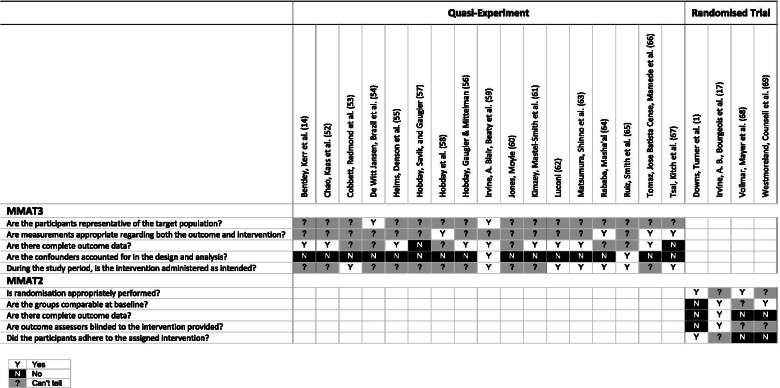
Background: Dementia prevalence is increasing globally and yet evidence suggest that gaps exist in dementia-specific knowledge among health and social care practitioners. Technological modes of educational delivery may be as effective as traditional education and can provide practitioners with increased accessibility to dementia training. Benefits of digitally based dementia education have been established including pedagogical strategies that influence dementia knowledge and care attitudes. This review aimed to appraise and synthesise contemporary experimental evidence that evaluated technology-enabled dementia education for health and social care practitioners. Outcomes based on Kirkpatrick’s Model were learner satisfaction; knowledge, skills, and attitudes; behaviours; and results. Methods: MEDLINE, CINAHL, and Web of Science were among 8 bibliographic databases searched from January 2005 until February 2020. Keywords included dementia and education (and terms for technological modes of education, learning, or training). We included experimental and quasi-experimental studies. Medical Education Research Study Quality Instrument established the overall quality of included studies and pragmatic application of Mixed Methods Appraisal Tool established individual study quality and highlighted methodological features of educational research. Narrative synthesis was conducted as heterogeneous outcome data precluded meta-analysis. Results: We identified 21 relevant studies: 16 evaluated online dementia education and 5 evaluated computer-based approaches. Most studies used before-after designs and study quality was moderate overall. Most studies reported knowledge-based outcomes with statistically significant findings favouring the training interventions. Positive effects were also observed in studies measuring skills and attitudinal change. Fewer studies reported significant findings for behavioural change and results due to training. Case-based instruction was a frequently described instructional strategy in online dementia education and videos were common information delivery modes. CD-ROM training and simulation activities were described in computer-based dementia education. Discussion: Future emphasis must be placed on teaching and learning methods within technology-enabled dementia education which should be role relevant and incorporate active and interactive learning strategies. Future evaluations will require contextually relevant research methodologies with capacity to address challenges presented by these complex educational programmes and multi-component characteristics. Systematic review registration: This systematic review is based on a protocol registered with PROSPERO (CRD42018115378).
Overview
The claims and statistics of this paper haven’t been checked yet.
Free: it reads the open-access text and checks the first 5 claims that cite a source we can check. Create a free account to check every claim.
Integrity signals
Registry
Cites
Statistics
Figures
Verification
Claims the paper makes
The claims and statistics of this paper haven’t been checked yet.
Free: it reads the open-access text and checks the first 5 claims that cite a source we can check. Create a free account to check every claim.
Claims other papers make about this one
Each is checked against this paper’s own text: does it say what the citing paper says it does?
The source backs part of the claim, not all of it — or backs it for a different population, condition or comparison.
In the citing paper
“As one example, e-learning programs can greatly increase access to dementia care training, although evidence suggests that the effectiveness of such programs relies on the relevance of the content and the inclusion of interactive learning strategies.710”
From 2023 Alzheimer's disease facts and figures (2023) · cites this paper as [710]
Experimental — accuracy not yet measuredThe cited source says what the claim attributes to it.
In the citing paper
“As one example, e‐learning programs can greatly increase access to dementia care training, although evidence suggests that the effectiveness of such programs relies on the relevance of the content and the inclusion of interactive learning strategies. 854”
From 2024 Alzheimer's disease facts and figures (2024) · cites this paper as [854]
In the citing paper
“Two reviews focused on e-interventions for professionals, and both reported improved knowledge and attitudes, more humane treatment of service users, and reductions in the use of coercive methods.155,156”
From The Lancet Commission on ending stigma and discrimination in mental health (2022) · cites this paper as [155]
In the citing paper
“Fully online multicomponent interventions, such as educational tutorials, case-based instruction, and practice-based learning, showed efficacy in stigma reduction. 155”
From The Lancet Commission on ending stigma and discrimination in mental health (2022) · cites this paper as [155]
Self-check
Percentages, sums and reported differences re-computed from the paper’s own numbers.
The self-check needs the paper’s full text.
Citations
Cites
The PRISMA 2020 statement: An updated guideline for reporting systematic reviews
Page, M. J., McKenzie, J. E., Bossuyt, P. M., Boutron, I., Hoffmann, T. C., Mulrow, C. D., Shamseer, L., Tetzlaff, J. M., Akl, E. A., Brennan, S. E., et al. (2021) · BMJ · doi:10.1136/bmj.n71 · Cited by 108,283
Preferred Reporting Items for Systematic Reviews and Meta-Analyses: the PRISMA statement
Moher, D., Liberati, A., Tetzlaff, J., Altman, D. G., & for the PRISMA Group (2009) · BMJ · doi:10.1136/bmj.b2535 · Cited by 83,823
Preferred Reporting Items for Systematic Reviews and Meta-Analyses: The PRISMA Statement
Moher, D., Liberati, A., Tetzlaff, J., Altman, D. G., & The PRISMA Group (2009) · PLoS Medicine · doi:10.1371/journal.pmed.1000097 · Cited by 64,042 · cited 1×
“The design and methodology of this systematic review were informed using the Preferred Reporting Items for Systematic Review and Meta-Analysis (PRISMA) guidelines and checklist [34].”
Preferred reporting items for systematic reviews and meta-analyses: the PRISMA Statement.
(2009) · PubMed Central · Cited by 44,859
Wang, G., Ma, R., Qiao, G., Wada, K., Aizawa, Y., & Satoh, T. (2015) · Integrative Medicine International · doi:10.1159/000368408 · Cited by 18,657
Self-efficacy mechanism in human agency
Bandura, A. (1982) · American Psychologist · doi:10.1037/0003-066x.37.2.122 · Cited by 15,975
Cochrane Handbook for Systematic Reviews of Interventions
(2019) · doi:10.1002/9781119536604 · Cited by 14,828
(2002) · Cited by 13,211
The Mixed Methods Appraisal Tool (MMAT) version 2018 for information professionals and researchers
Hong, Q. N., Fàbregues, S., Bartlett, G., Boardman, F., Cargo, M., Dagenais, P., Gagnon, M.-P., Griffiths, F., Nicolau, B., O’Cathain, A., et al. (2018) · Education for Information · doi:10.3233/efi-180221 · Cited by 4,737 · cited 1×
“The provision of multiple methodological quality criteria for different study designs makes it most relevant for quality appraisal in mixed studies reviews [48].”
BackgroundEvaluating Training Programs : The Four Levels
Kirkpatrick, D. L. (2009) · Cited by 4,720
Predicting and Changing Behavior
Fishbein, M., & Ajzen, I. (2011) · doi:10.4324/9780203838020 · Cited by 2,807
Dementia: a public health priority
Acosta, D. M., Krishnamoorthy, E. S., Wortmann, M., Prince, M. J., & Saxena, S. (2012) · Cited by 1,955
Evaluating Training Programs: The Four Levels
McFarlane, D. A. (2006) · The Journal of Applied Management and Entrepreneurship · Cited by 1,607
Internet-Based Learning in the Health Professions: A Meta-analysis
Cook, D. A., Levinson, A. J., Garside, S., Dupras, D. M., Erwin, P. J., & Montori, V. M. (2008) · JAMA · doi:10.1001/jama.300.10.1181 · Cited by 1,498 · cited 10×
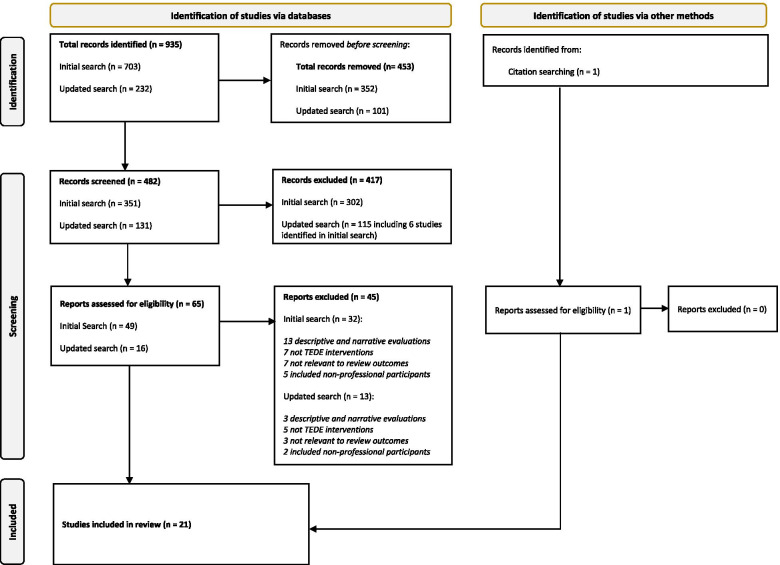
“Forty-five records were excluded as they focused on descriptive research using narrative or survey-based evaluations of TEDE programmes; did not include TEDE programmes; were not relevant to the review outcomes; or included non-HSCPs (family carers).”
BackgroundInfluentialKirkpatrick, D. L. (1996) · Training and development journal · Cited by 1,343
Greenhow, C., Robelia, B., & Hughes, J. E. (2009) · Educational Researcher · doi:10.3102/0013189x09336671 · Cited by 1,161 · cited 1×
“0 into a dynamic ‘read-and-write’ participatory media [30].”
BackgroundThe Use and Interpretation of Quasi-Experimental Studies in Medical Informatics
Harris, A. D., McGregor, J. C., Perencevich, E. N., Furuno, J. P., Zhu, J., Peterson, D. E., & Finkelstein, J. (2006) · Journal of the American Medical Informatics Association · doi:10.1197/jamia.m1749 · Cited by 1,023 · cited 1×
“Hierarchies of quasi-experimental studies informed by Harris et al. [41].”
BackgroundUsing Programme Theory to Evaluate Complicated and Complex Aspects of Interventions
Rogers, P. J. (2008) · Evaluation · doi:10.1177/1356389007084674 · Cited by 999 · cited 1×
“One way to address this complexity is to employ principles from programme theory which refers to a variety of ways of developing causal models that can link various programme inputs and elements to the intended outcomes [85].”
BackgroundAssociation Between Funding and Quality of Published Medical Education Research
Reed, D. A., Cook, D. A., Beckman, T. J., Levine, R. B., Kern, D. E., & Wright, S. M. (2007) · JAMA · doi:10.1001/jama.298.9.1002 · Cited by 958 · cited 13×
“MERSQI attributes higher scores to randomised trials, which helps to address issues of selection bias; however, it is noteworthy that control of confounders is not a specific quality indicator.”
MethodInfluentialCook, D. A., & Reed, D. A. (2015) · Academic Medicine · doi:10.1097/acm.0000000000000786 · Cited by 781 · cited 2×
“It is a reliable tool for appraising the quality of medical education research and has been used previously to complement other tools [50].”
BackgroundMethodVollmar, H. C., Mayer, H., Ostermann, T., Butzlaff, M. E., Sandars, J. E., Wilm, S., & Rieger, M. A. (2010) · Implementation Science · doi:10.1186/1748-5908-5-1 · Cited by 693
Ertmer, P. A., & Ottenbreit-Leftwich, A. (2013) · Computers & Education · doi:10.1016/j.compedu.2012.10.008 · Cited by 499 · cited 2×
“0 technology that allows learners to collaborate and problem solve together [74].”
BackgroundGeorge, P. P., Papachristou, N., Belisario, J. M., Wang, W., Wark, P. A., Cotic, Z., Rasmussen, K., Sluiter, R., Riboli–Sasco, E., Car, L. T., et al. (2014) · Journal of Global Health · doi:10.7189/jogh.04.010406 · Cited by 456 · cited 11×
“Forty-five records were excluded as they focused on descriptive research using narrative or survey-based evaluations of TEDE programmes; did not include TEDE programmes; were not relevant to the review outcomes; or included non-HSCPs (family carers).”
BackgroundInfluentialSerhan, D. (2020) · International Journal of Technology in Education and Science · doi:10.46328/ijtes.v4i4.148 · Cited by 455 · cited 1×
“This will be a priority area for future research considering also the recent rapid transition to technology for learning including the accelerated use of chat-based collaboration platforms since COVID-19 [76].”
BackgroundA Primer on the Validity of Assessment Instruments
Sullivan, G. M. (2011) · Journal of Graduate Medical Education · doi:10.4300/jgme-d-11-00075.1 · Cited by 444 · cited 1×
“For study results to be credible, assessment instruments must be both reliable and valid [83].”
BackgroundUse of Quasi-Experimental Research Designs in Education Research: Growth, Promise, and Challenges
Gopalan, M., Rosinger, K., & Ahn, J. B. (2020) · Review of Research in Education · doi:10.3102/0091732x20903302 · Cited by 411 · cited 1×
“Quasiexperimental studies can also aid in understanding causal effects; however, the reliability of causal claims and estimates varies across these designs and depends on how close the study conditions are to an experiment [39].”
BackgroundE-learning for health professionals
Vaona, A., Banzi, R., Kwag, K. H., Rigon, G., Cereda, D., Pecoraro, V., Tramacere, I., & Moja, L. (2018) · Cochrane Database of Systematic Reviews · doi:10.1002/14651858.cd011736.pub2 · Cited by 397 · cited 2×
“E-learning has gained popularity due to cost effectiveness, high flexibility, and reduced dependence on geographical boundaries [22].”
BackgroundSurr, C. A., Gates, C., Irving, D., Oyebode, J., Smith, S. J., Parveen, S., Drury, M., & Dennison, A. (2017) · Review of Educational Research · doi:10.3102/0034654317723305 · Cited by 327 · cited 10×
“[27] highlighted this need for interactivity in dementia education involving groups of learners and experienced facilitators.”
BackgroundMethodInfluentialRasmussen, K., Belisario, J. M., Wark, P. A., Molina, J. A., Loong, S. L., Cotic, Z., Papachristou, N., Riboli–Sasco, E., Car, L. T., Musulanov, E. M., et al. (2014) · Journal of Global Health · doi:10.7189/jogh.04.010405 · Cited by 290
Reed, D. A., Beckman, T. J., Wright, S. M., Levine, R. B., Kern, D. E., & Cook, D. A. (2008) · Journal of General Internal Medicine · doi:10.1007/s11606-008-0664-3 · Cited by 282 · cited 1×
“MERSQI puts emphasis on methodological rigour associated with experimental and quasi-experimental studies in medical education [49].”
BackgroundQuality of reporting of experimental studies in medical education: a systematic review
Cook, D. A., Beckman, T. J., & Bordage, G. (2007) · Medical Education · doi:10.1111/j.1365-2923.2007.02777.x · Cited by 237 · cited 1×
“Experimental methods in educational research are, however, diverse [32] and there is potential for more to be known about the role of quantitative methods that evaluate TEDE programmes.”
MethodConducting a best evidence systematic review. Part 1: From idea to data coding. BEME Guide No. 13
Hammick, M., Dornan, T., & Steinert, Y. (2010) · Medical Teacher · doi:10.3109/01421590903414245 · Cited by 230
A Critique of Kirkpatrick's Evaluation Model
Reio, T. G., Rocco, T. S., Smith, D. H., & Chang, E. (2017) · New Horizons in Adult Education and Human Resource Development · doi:10.1002/nha3.20178 · Cited by 225 · cited 1×
“Outcome measures The primary outcome measures were based on Kirkpatrick’s four-level model which is the most renowned and widely used evaluation model for educational and training interventions [43, 44].”
MethodDowns, M., Turner, S., Bryans, M., Wilcock, J., Keady, J., Levin, E., O'Carroll, R., Howie, K., & Iliffe, S. (2006) · BMJ · doi:10.1136/bmj.332.7543.692 · Cited by 213 · cited 9×
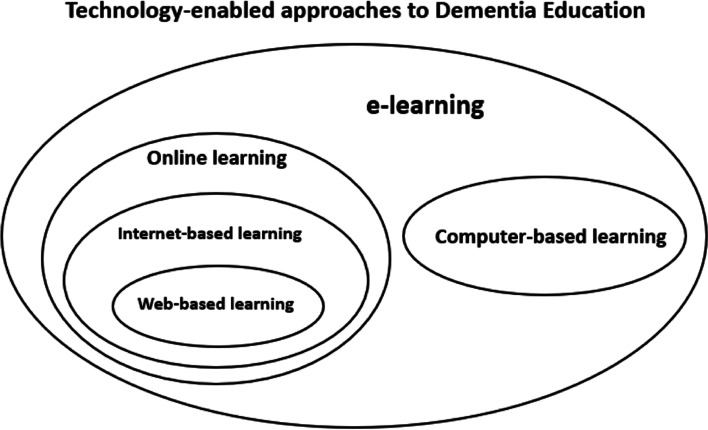
“The CBDE programmes were either dementia training delivered on a CD-ROM [1, 65] or were computer-based simulation activities [63, 64, 67].”
BackgroundMethodInfluentialRCT = results confounded and trivial: the perils of grand educational experiments
Norman, G. (2003) · Medical Education · doi:10.1046/j.1365-2923.2003.01586.x · Cited by 197 · cited 1×
“Extraneous variables can be problematic in educational research, even using the ‘gold standard’ randomised trial [82].”
MethodTime and learning efficiency in Internet-based learning: a systematic review and meta-analysis
Cook, D. A., Levinson, A. J., & Garside, S. (2010) · Advances in Health Sciences Education · doi:10.1007/s10459-010-9231-x · Cited by 183 · cited 1×
“It is less clear if TEDE offers any advantages in terms of time efficiency over traditional methods for dementia education—as both delivery methods are highly context-specific and likely to be influenced by specific pedagogical characteristics and course design [77].”
BackgroundJansen, B. D. W., Brazil, K., Passmore, P., Buchanan, H., Maxwell, D., McIlfatrick, S., Morgan, S. M., Watson, M., & Parsons, C. (2018) · BMC Health Services Research · doi:10.1186/s12913-018-3032-y · Cited by 114 · cited 5×
“One study involved practitioners from a variety of healthcare settings [54].”
BackgroundMethodInfluentialEffects of educational interventions on primary dementia care: A systematic review
Perry, M., Drašković, I., Lucassen, P., Vernooij‐Dassen, M., van Achterberg, T., & Rikkert, M. O. (2011) · International Journal of Geriatric Psychiatry · doi:10.1002/gps.2479 · Cited by 111 · cited 1×
“…of traditional dementia education endorse randomised trials when considering intervention effectiveness [11]; others highlight challenges associated with randomised trials in healthcare settings [80]; or suggest integrating qualitative methods to deal with complex educational interventions [81].”
BackgroundAcute hospital dementia care: results from a national audit
Timmons, S., O’Shea, E., O’Neill, D., Gallagher, P., de Siún, A., McArdle, D., Gibbons, P., & Kennelly, S. (2016) · BMC Geriatrics · doi:10.1186/s12877-016-0293-3 · Cited by 111 · cited 1×
“Hospital environments can be unsuitable for dementia care and inadequate staff training can result in unmet care needs and an increase in behavioural and non-cognitive symptoms of dementia—which staff report to be burdensome [13].”
BackgroundHarris, J., Felix, L., Miners, A., Murray, E., Michie, S., Ferguson, E., Free, C., Lock, K., Landon, J., & Edwards, P. (2011) · Health Technology Assessment · doi:10.3310/hta15370 · Cited by 109 · cited 1×
“Future research might consider how technology can be harnessed to respond to the specific learning requirements of individuals or groups by exploring adaptive learning technologies for tailored programmes that include material and instructional strategies that are most relevant [78].”
BackgroundSurr, C. A., & Gates, C. (2017) · International Journal of Nursing Studies · doi:10.1016/j.ijnurstu.2017.08.002 · Cited by 107 · cited 3×
“Surr and Gates [25] reported on the same study where 26 staff signed up to undertake the training but only six people completed it.”
BackgroundMethodEffectiveness of staff training programs for behavioral problems among older people with dementia
McCabe, M. P., Davison, T. E., & George, K. (2007) · Aging & Mental Health · doi:10.1080/13607860601086405 · Cited by 101 · cited 1×
“Reviewers of traditional dementia education endorse randomised trials when considering intervention effectiveness [11]; others highlight challenges associated with randomised trials in healthcare settings [80]; or suggest integrating qualitative methods to deal with complex educational”
BackgroundThe care of older people with dementia in acute hospitals
Cowdell, F. (2010) · International Journal of Older People Nursing · doi:10.1111/j.1748-3743.2010.00208.x · Cited by 101 · cited 1×
“Concern about the quality of care for people living with dementia has intensified the need for an appropriately educated workforce [9] with evidence suggesting gaps in dementiaspecific knowledge among practitioners [10].”
BackgroundKimzey, M., Mastel‐Smith, B., & Alfred, D. M. (2016) · Nurse Education Today · doi:10.1016/j.nedt.2016.08.031 · Cited by 96 · cited 10×
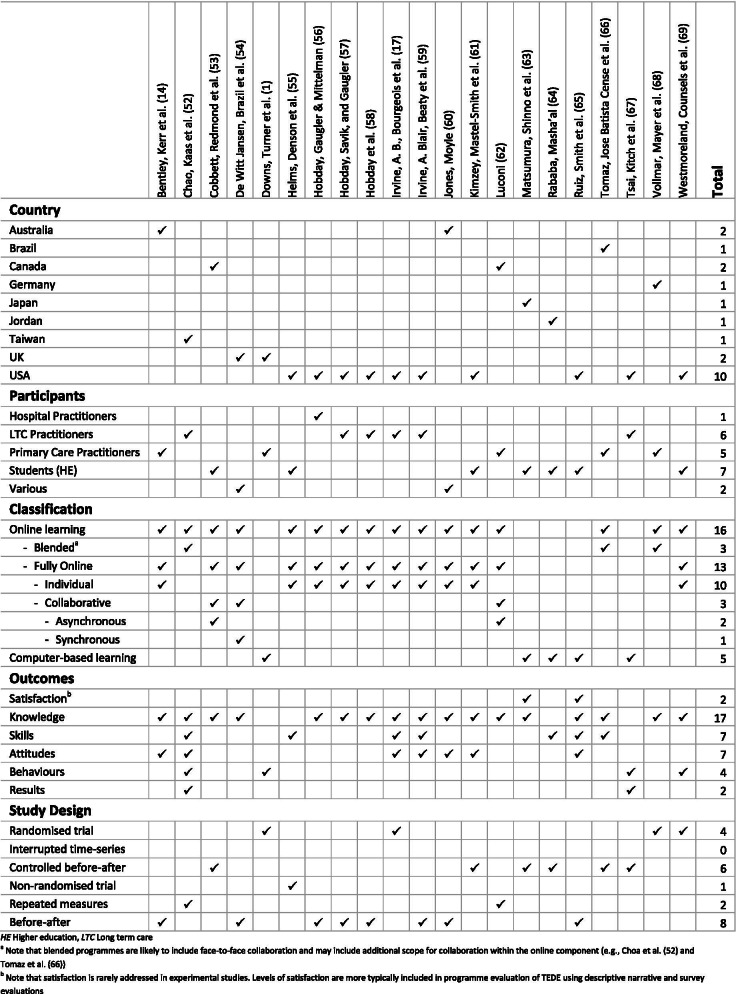
“Twelve studies were from practice settings [14, 17, 52, 54, 56–60, 62, 66, 68] and three were from higher education [53, 61, 69].”
BackgroundMethodInfluentialWhat was Web 2.0? Versions as the dominant mode of internet history
Allen, M. (2013) · New Media & Society · doi:10.1177/1461444812451567 · Cited by 91 · cited 1×
“Adopted in popular commentary in 2005 [29], Web 2.”
BackgroundCaring for people with dementia in the acute setting: a study of nurses’ views
Nolan, L. (2007) · British Journal of Nursing · doi:10.12968/bjon.2007.16.7.23245 · Cited by 78 · cited 1×
“Skilled, knowledgeable, and dementia competent staff are critical for person-centred dementia care in the acute hospital [12].”
BackgroundTechnology-Enabled Learning Implementation Handbook
Kirkwood, A., & Price, L. (2016) · Open Research Online (The Open University) · Cited by 76
Training evaluation in Italian corporate universities: a stakeholder‐based analysis
Guerci, M., Bartezzaghi, E., & Solari, L. (2010) · International Journal of Training and Development · doi:10.1111/j.1468-2419.2010.00359.x · Cited by 73 · cited 1×
“Outcome measures The primary outcome measures were based on Kirkpatrick’s four-level model which is the most renowned and widely used evaluation model for educational and training interventions [43, 44].”
MethodElliott, K.-E. J., Scott, J. L., Stirling, C., Martin, A. J., & Robinson, A. (2012) · International Psychogeriatrics · doi:10.1017/s1041610211002651 · Cited by 73 · cited 3×
“Reviewers of traditional dementia education endorse randomised trials when considering intervention effectiveness [11]; others highlight challenges associated with randomised trials in healthcare settings [80]; or suggest integrating qualitative methods to deal with complex educational”
BackgroundA survey of the Queensland healthcare workforce: attitudes towards dementia care and training
Travers, C., Beattie, E., Martin‐Khan, M., & Fielding, E. (2013) · BMC Geriatrics · doi:10.1186/1471-2318-13-101 · Cited by 72 · cited 1×
“Evidence for attitudinal change following TEDE was less compelling; however, it is possible that practitioners’ attitudes can also be influenced through improved knowledge [73].”
BackgroundFeasibility of Internet Training for Care Staff of Residents with Dementia: The CARES ® Program
Hobday, J. V., Savik, K., Smith, S., & Gaugler, J. E. (2010) · Journal of Gerontological Nursing · doi:10.3928/00989134-20100302-01 · Cited by 67 · cited 6×
“Furthermore, studies from long-term care highlighted the need for simplified modes of information delivery [17, 58, 59].”
BackgroundInfluentialUnwin, L., Felstead, A., Fuller, A., Bishop, D., Lee, T., Jewson, N., & Butler, P. (2007) · Pedagogy Culture and Society · doi:10.1080/14681360701602232 · Cited by 67 · cited 1×
“Therefore, these pedagogical strategies need to be considered as layered elements that are nested within programmes and require methods of evaluation that can illicit their specific role and function [84].”
BackgroundStrategies to deliver dementia training and education in the acute hospital setting
Chater, K., & Hughes, N. (2012) · Journal of research in nursing · doi:10.1177/1744987112446242 · Cited by 67 · cited 1×
“Thus, TEDE should aim to meet the individual needs of learners and offer opportunities for collaboration, peer and facilitator support, and group reflective activities [75].”
BackgroundScerri, A., Innes, A., & Scerri, C. (2017) · Aging & Mental Health · doi:10.1080/13607863.2016.1231170 · Cited by 67 · cited 4×
“[24] reported on a study where the uptake of a self-directed dementia related e-learning programme among nurses was poor.”
BackgroundMethodInfluentialManthorpe, J. (2010) · British Journal of General Practice · doi:10.3399/bjgp10x501903 · Cited by 54
Internet Training for Nurse Aides to Prevent Resident Aggression
Irvine, A. B., Bourgeois, M. S., Billow, M. B., & Seeley, J. R. (2007) · Journal of the American Medical Directors Association · doi:10.1016/j.jamda.2007.05.002 · Cited by 51 · cited 11×
“Pre-test and post-test mean scores from MCQ and clinical cases were compared with scores at one month post-test.”
BackgroundMethodInfluentialRababa, M., & Masha'al, D. (2020) · Nurse Education Today · doi:10.1016/j.nedt.2019.104323 · Cited by 50 · cited 11×
“The CBDE programmes were either dementia training delivered on a CD-ROM [1, 65] or were computer-based simulation activities [63, 64, 67].”
BackgroundMethodInfluentialWhat should we be teaching medical students about dementia?
Tullo, E., & Allan, L. (2011) · International Psychogeriatrics · doi:10.1017/s1041610211000536 · Cited by 42 · cited 1×
“Furthermore, it is essential that the early clinical experiences of health and social care practitioners (HSCPs) is underpinned by clear and relevant undergraduate dementia education that is related to the knowledge, skills, and attitudes that are required to care effectively for people living with dementia [18].”
BackgroundHobday, J. V., Gaugler, J. E., & Mittelman, M. S. (2017) · Research in Gerontological Nursing · doi:10.3928/19404921-20170131-01 · Cited by 40 · cited 8×
“Frequently, duration and frequency were not specified [17, 52, 55, 56, 61, 69].”
BackgroundMethodInfluentialChao, H., Kaas, M. J., Su, Y.-H., Lin, M., Huang, M., & Wang, J. (2015) · Journal of Nursing Research · doi:10.1097/jnr.0000000000000109 · Cited by 39 · cited 10×
“Interactivity Two studies of blended learning stipulated additional scope for interactivity within the online components [52, 66].”
BackgroundMethodInfluentialSexuality & dementia: An eLearning resource to improve knowledge and attitudes of aged-care staff
Jones, C., & Moyle, W. (2016) · Educational Gerontology · doi:10.1080/03601277.2016.1205373 · Cited by 39 · cited 10×
“Five studies were conducted in the practice setting [14, 17, 52, 59, 60].”
BackgroundMethodInfluentialWestmoreland, G., Counsell, S., Tu, W., Wu, J.-W., & Litzelman, D. (2010) · Journal of The American Geriatrics Society · doi:10.1111/j.1532-5415.2010.02869.x · Cited by 35 · cited 10×
“Online dementia education programmes Twelve studies of ODE were from practice-based settings [14, 17, 52, 54, 56–60, 62, 66, 68] and 4 were from higher education [53, 55, 61, 69].”
BackgroundMethodInfluentialTomaz, J. B. C., Mamede, S., Filho, J. C., Filho, J. S. R., & van der Molen, H. T. (2015) · Education for Health · doi:10.4103/1357-6283.178605 · Cited by 34
Matsumura, Y., Shinno, H., Mori, T., & Nakamura, Y. (2017) · Academic Psychiatry · doi:10.1007/s40596-017-0860-8 · Cited by 33 · cited 10×
“One of the measures was a study specific evaluation tool with evidence of validation [63].”
BackgroundMethodInfluentialHorner, B., Watson, N., Hill, A., & Etherton‐Beer, C. (2014) · Australian journal of advanced nursing · doi:10.37464/2014.312.1597 · Cited by 31
Edwards, R., Voss, S. E., & Iliffe, S. (2013) · Dementia · doi:10.1177/1471301213499768 · Cited by 30 · cited 1×
“In primary care, dementia education is particularly helpful to support early diagnosis, appropriate treatment, and on-going support [14, 15].”
BackgroundSass, C., Burnley, N. L., Drury, M., Oyebode, J. R., & Surr, C. (2019) · BMC Medical Education · doi:10.1186/s12909-019-1833-2 · Cited by 29 · cited 1×
“However, the primary care workforce has had limited access to dementia education and a range of training needs have been identified [16].”
BackgroundUse of a Dementia Training Designed for Nurse Aides to Train Other Staff
Irvine, A. B., Beaty, J. A., Seeley, J. R., & Bourgeois, M. (2013) · Journal of Applied Gerontology · doi:10.1177/0733464812446021 · Cited by 24 · cited 9×
“The remaining studies did not provide evidence of validated outcome measures [17, 55] although one study reported alpha statistics providing some evidence of reliability [59].”
BackgroundMethodInfluentialDigital tools for delivery of dementia education for health-care providers: a systematic review
Scerbe, A., O’Connell, M. E., Astell, A. J., Morgan, D., Kosteniuk, J. G., & DesRoches, A. (2019) · Educational Gerontology · doi:10.1080/03601277.2019.1687149 · Cited by 23 · cited 4×
“[28] conducted a review that focused exclusively on digital tools for the delivery of dementia education for health-care providers.”
BackgroundResultInfluentialBentley, M., Kerr, R. H., Ginger, M., & Karagoz, J. (2019) · Australian Journal of Primary Health · doi:10.1071/py18079 · Cited by 22 · cited 10×
“Four studies used previously validated instruments for outcome measures: the Confidence and Attitudes Towards Dementia Scale [14], the Communications Skills Attitudes Scale [52], the Aging Sexual Knowledge and Attitude Scale [60], and the Dementia Attitudes Scale [61].”
BackgroundMethodInfluentialHobday, J. V., Savik, K., & Gaugler, J. E. (2010) · Geriatric Nursing · doi:10.1016/j.gerinurse.2010.06.001 · Cited by 21 · cited 5×
“Two studies reported outcome data below the desired threshold [57, 67].”
BackgroundMethodInfluentialEpidemiology for advanced nursing practice
McDonough, J. P. (2012) · Jones & Bartlett Learning eBooks · Cited by 20
Helms, A. K., Denson, K. M., Brown, D. K., & SIMPSON, D. E. (2009) · Academic Medicine · doi:10.1097/acm.0b013e3181b37a38 · Cited by 20 · cited 10×
“2009 [55] Higher education Medical students E-module: Neurology and Dementia: Psychological Aspects of Care (with clerkship materials) Total duration NS Delivery method: fully online Instructional strategy: NS MID: video; text; external learning resources Interactivity: NS”
BackgroundMethodInfluentialRuiz, J. G., Smith, M. W., van Zuilen, M. H., Williams, C. L., & Mintzer, M. J. (2006) · Gerontology & Geriatrics Education · doi:10.1300/j021v26n03_05 · Cited by 20 · cited 10×
“In a study of CBDE using a multimedia CDROM, nursing students reported statistically significant improvements in pre- to post-training ratings for utility and comfort with computer-based training in general [65].”
BackgroundMethodResultInfluentialSeo, D., & Lee, J. (2016) · Telematics and informatics · doi:10.1016/j.tele.2015.07.010 · Cited by 20
Gordon, N. A. (2014) · Cited by 20
Tsai, P., Kitch, S., Beck, C. M., Jakobs, T., Rettiganti, M. R., Jordan, K., Jakobs, E., & Adair, S. (2018) · CIN Computers Informatics Nursing · doi:10.1097/cin.0000000000000415 · Cited by 20 · cited 23×
“Key characteristics of the CBDE programmes are summarised in Table 10.”
BackgroundMethodInfluentialHealthcare education research: The case for rethinking hierarchies of evidence
Clark, E., Draper, J., & Taylor, R. (2018) · Journal of Advanced Nursing · doi:10.1111/jan.13697 · Cited by 15 · cited 2×
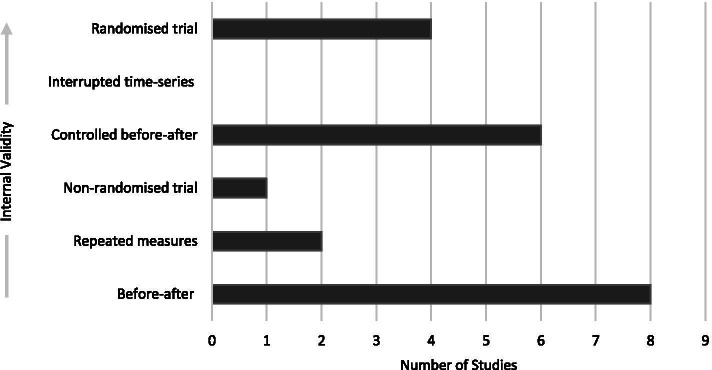
“Methodological issues in TEDE research Despite debate as to whether evidence hierarchies are appropriate frameworks to judge the quality of educational research [79], benefits of randomised trials and controlled studies have been described in similar reviews of TEDE [28].”
BackgroundMuirhead, K., Macaden, L., Clarke, C. L., Smyth, K., Polson, R., & O’Malley, C. (2019) · Systematic Reviews · doi:10.1186/s13643-019-1212-4 · Cited by 11 · cited 1×
“Protocol A protocol was registered on PROSPERO (CRD42018115378) and published to describe a systematic mixed methods review detailing the characteristics and effectiveness of TEDE [35].”
MethodSelf-citationSurr, C., Baillie, L., Jack-Waugh, A., & Brown, M. (2017) · Cited by 5
Research works printed but not linked: 12
- World Health Organization Dementia 2020
- Alzheimer’s Research UK Dementia Statistics Hub: number of people in the UK 2018
- Public Health Scotland Dementia 2019
- Scottish Government Scotland’s national dementia strategy 2013–2016 2013
- Scottish Government National dementia strategy: 2017–2020 2017
- Anohina A Analysis of the terminology used in the field of virtual learning Educ Technol Soc 2005 8 3 91 102
- Gordon N Flexible Pedagogies: technology-enhanced learning 2014
- Ofcom Connected Nations 2020 Scotland report 2020
- Cochrane Effective Practice and Organisation of Care (EPOC) EPOC resources for review authors 2017
- Drummond K, Murphy-Reyes A. Chapter 6: Quantitative research designs: experimental, quasi-experimental, and descriptive. In: Nutrition research: concepts and applications. Burlington: Jones & Bartlett Learning; 2018.
- Cobbett S Redmond S LeBlanc A MacNaughton-Doucet L Edgecombe N Helpard H On-line dementia education: cultivating nursing students’ comprehension, application and critical thinking skills Perspectives 2016 39 1 7 14
- Luconi F. Exploring rural family physicians’ learning from a web-based continuing medical education program on Alzheimer’s disease: a pilot study. Ph.D. thesis, McGill University; 2008. https://www.learntechlib.org/p/126856/. Accessed 8 Feb 2020.
Cited by
2023 Alzheimer's disease facts and figures
(2023) · Alzheimer's & Dementia · doi:10.1002/alz.13016 · Cited by 3,212
2024 Alzheimer's disease facts and figures
(2024) · Alzheimer's & Dementia · doi:10.1002/alz.13809 · Cited by 2,536
The Lancet Commission on ending stigma and discrimination in mental health
Thornicroft, G., Sunkel, C., Alikhon Aliev, A., Baker, S., Brohan, E., el Chammay, R., Davies, K., Demissie, M., Duncan, J., Fekadu, W., et al. (2022) · The Lancet · doi:10.1016/s0140-6736(22)01470-2 · Cited by 748
“155 Internet-based anti-stigma campaigns have also had positive effects on stigmatising attitudes among health-care staff.”
Background2025 Alzheimer's disease facts and figures
(2025) · Alzheimer's & Dementia · doi:10.1002/alz.70235 · Cited by 474
Rasmussen, B. M., Andersen, P. T., Waldorff, F. B., & Berg‐Beckhoff, G. (2023) · International Journal of Nursing Studies · doi:10.1016/j.ijnurstu.2023.104469 · Cited by 71
Metadata
- Authors
- Muirhead, K., Macaden, L., Smyth, K., Chandler, C., Clarke, C., Polson, R., & O’Malley, C.
- Affiliations
- University of the Highlands and Islands (GB)
- University of Edinburgh (GB)
- Durham University (GB)
- Corresponding author
- Muirhead, Kevin
- ORCID
- Venue
- Systematic Reviews
- Published
- 2021-09-21
- Volume
- 10
- Issue
- 1
- Pages
- 252-252
- ISSN
- 2046-4053 (ISSN-L)
- PMC
- PMC8452826
- OpenAlex
- W3200049534
- Cited by
- 32
- References
- 83
- Citations by year
- 2026: 5 · 2025: 10 · 2024: 9 · 2023: 6 · 2022: 2
- FWCI
- 0.76
- Type
- journal article
- Language
- en
- Open access
- gold
- doi.org
- Licence
- cc-by
- creativecommons.org/licenses/by/4.0 (tdm)
- creativecommons.org/licenses/by/4.0 (vor)
- Locations
- Systematic Reviews (publishedVersion, cc-by)
- Europe PMC (PubMed Central) (publishedVersion, other-oa)
- PubMed Central (publishedVersion, cc-by)
- PubMed (publishedVersion)
- Durham Research Online (Durham University) (acceptedVersion, other-oa)
- Durham Research Online (Durham University) (submittedVersion, cc-by)
- DOAJ (DOAJ: Directory of Open Access Journals) (submittedVersion, cc-by-sa)
- Edinburgh Research Explorer (University of Edinburgh) (submittedVersion, cc-by)
- Funders
- Scottish Funding Council
- Topics
- Social Sciences › Education › Innovations in Medical Education
- Health Sciences › Medicine › Psychiatry and Mental health › Dementia and Cognitive Impairment Research
- Social Sciences › Education › E-Learning and COVID-19
- Keywords
- dementia education, technology-enabled learning, online training, computer-based training, health and social care professionals, dementia knowledge, Kirkpatrick model, case-based teaching, simulation-based training
- MeSH terms
- Dementia, Educational Status, Humans, Learning, Social Support, Technology
About these checks
Registry, retraction, Cites and statistics results are computed, not judged, with one exception: a printed reference that no index lists is read once by a model before it counts as a citation error. Claims are extracted by a model and kept only when their quote appears verbatim in the text; each cited source is then checked, with a model’s help, for whether it says what the claim relies on. Those verdicts can be wrong — read the claim’s quote and the cited source before relying on one.
Statistics and arithmetic are recomputed, not judged.
Confidence bands are shown only for fields calibrated on our annotated test set. None is calibrated yet, so no band is shown.
What counts as a claim ›How we measure confidence ›How we check this ›
Are you an author, or do you see a problem with this page? Request a review
Data sources
Bibliographic data: Semantic Scholar, OpenAlex, Crossref.
Contains information from the Semantic Scholar Academic Graph Datasets, made available under the ODC Attribution License (ODC-BY 1.0).
Semantic Scholar’s data is described in: Kinney, R., et al. (2023). The Semantic Scholar Open Data Platform. arXiv:2301.10140.
