

Effects of gut microbial therapy on lipid profile in individuals with non-alcoholic fatty liver disease: an umbrella meta-analysis study
Open accessThe DOI matches its Crossref record; 85 of the 86 references it cites were found in a registry or an index.
Abstract
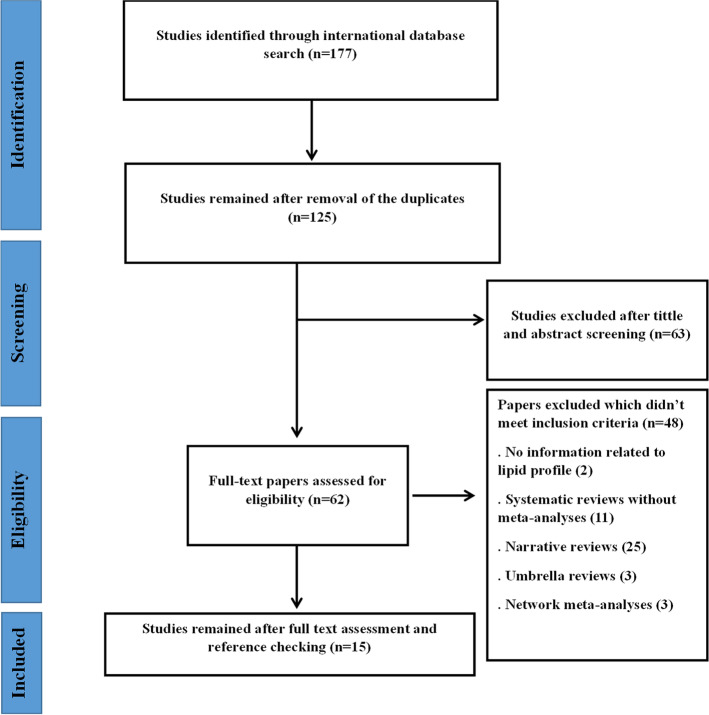
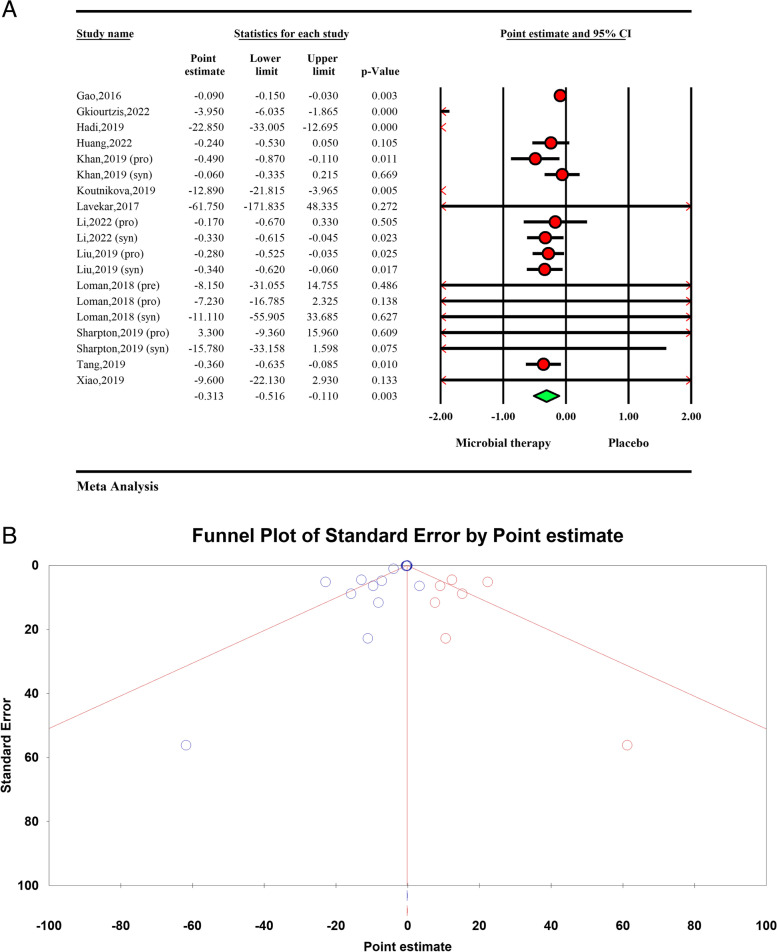
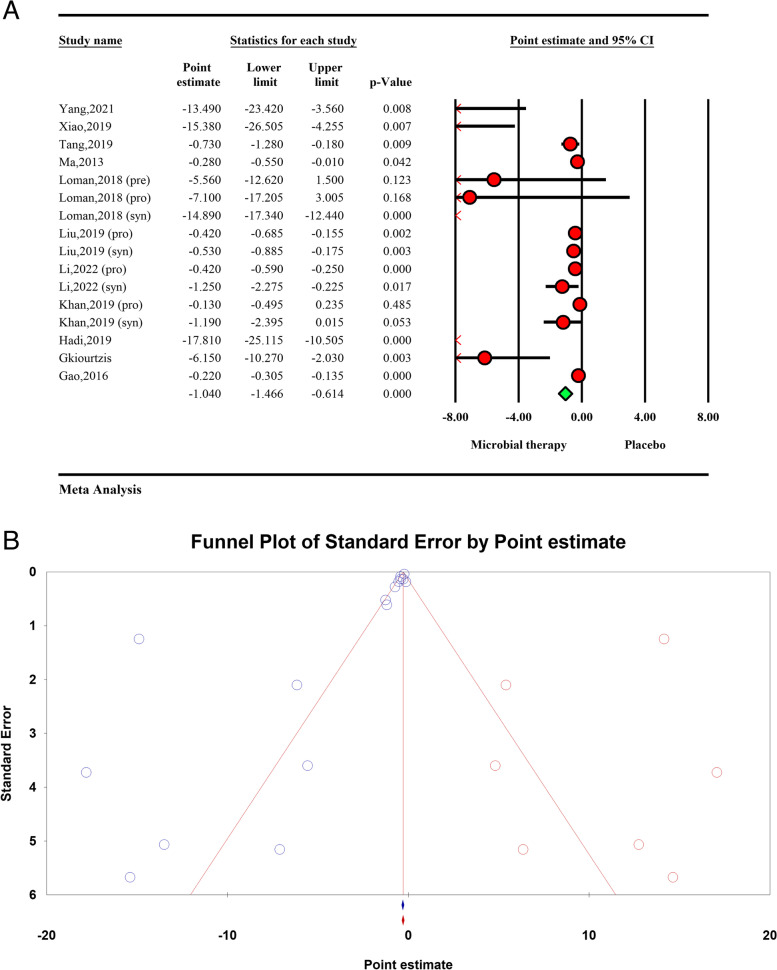
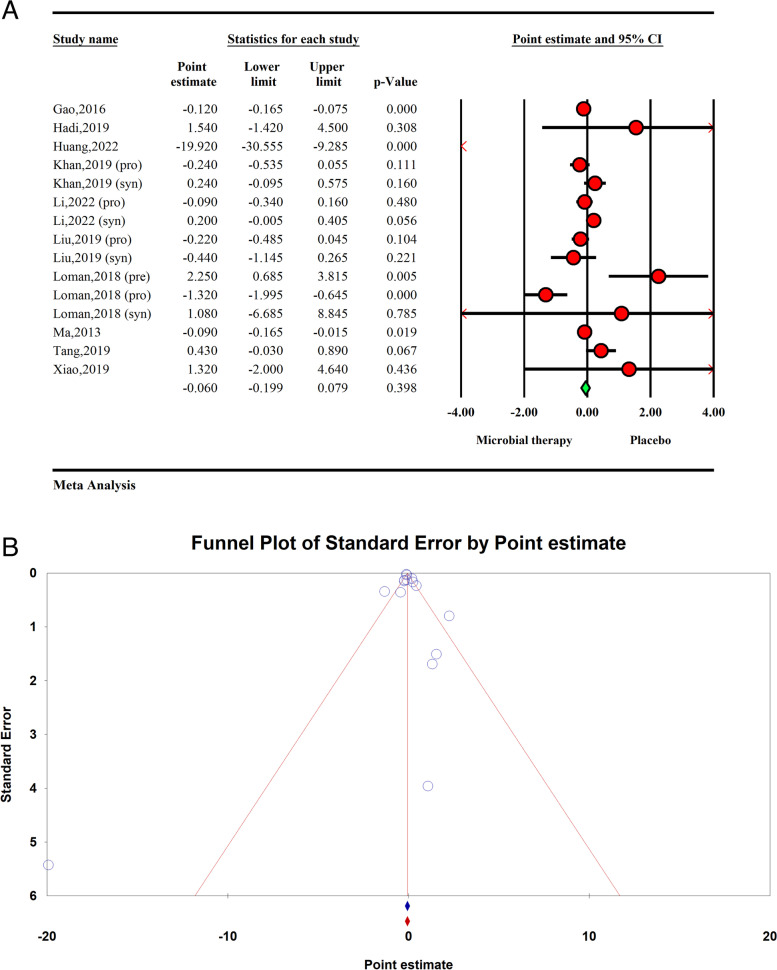
Background: Non-alcoholic fatty liver disease (NAFLD), the most common liver disease, is closely associated with metabolic conditions such as obesity and diabetes mellitus, which significantly impact human health outcomes. The impaired lipid profiles observed in NAFLD individuals can further contribute to cardiovascular events. Despite the high prevalence of NAFLD, there is currently no confirmed intervention approved for its treatment. This study aimed to summarize the results of meta-analysis studies of randomized control trials assessing the impact of gut microbial therapy (probiotics, synbiotics, and prebiotics) on the lipid profile of individuals with NAFLD. Methods: A systematic search was conducted on PubMed, Scopus, Web of Science, and Cochrane Library up to November 1, 2022. Meta-analyses surveying the impact of microbial therapy on lipid profile parameters (triglyceride (TG), high-density lipoprotein (HDL), low-density lipoprotein (LDL), and total cholesterol (TC)) in the NAFLD population were included in our umbrella review. The final effect size (ES) was estimated, and sensitivity and subgroup analyses were performed to explore heterogeneity. Results: Fifteen studies were included in this umbrella review. Microbial therapy significantly reduced TG (ES − 0.31, 95% CI − 0.51, − 0.11, P < 0.01), TC (ES − 1.04, 95% CI − 1.46, − 0.61, P < 0.01), and LDL (ES − 0.77, 95% CI − 1.15, − 0.39, P < 0.01) in individuals with NAFLD. However, the effect on HDL was not statistically significant (ES − 0.06; 95% CI − 0.19, 0.07, P = 0.39). Conclusion: Considering the absence of approved treatments for NAFLD and the promising role of microbial therapies in improving the three lipid profiles components in individuals with NAFLD, the use of these agents as alternative treatment options could be recommended. The findings underscore the potential of gut microbial therapy, including probiotics, synbiotics, and prebiotics, in managing NAFLD and its associated metabolic complications. Trial registration: PROSPERO (CRD42022346998). Graphical Abstract:
Overview
The claims and statistics of this paper haven’t been checked yet.
Free: it reads the open-access text and checks the first 5 claims that cite a source we can check. Create a free account to check every claim.
Integrity signals
Registry
Cites
Statistics
Figures
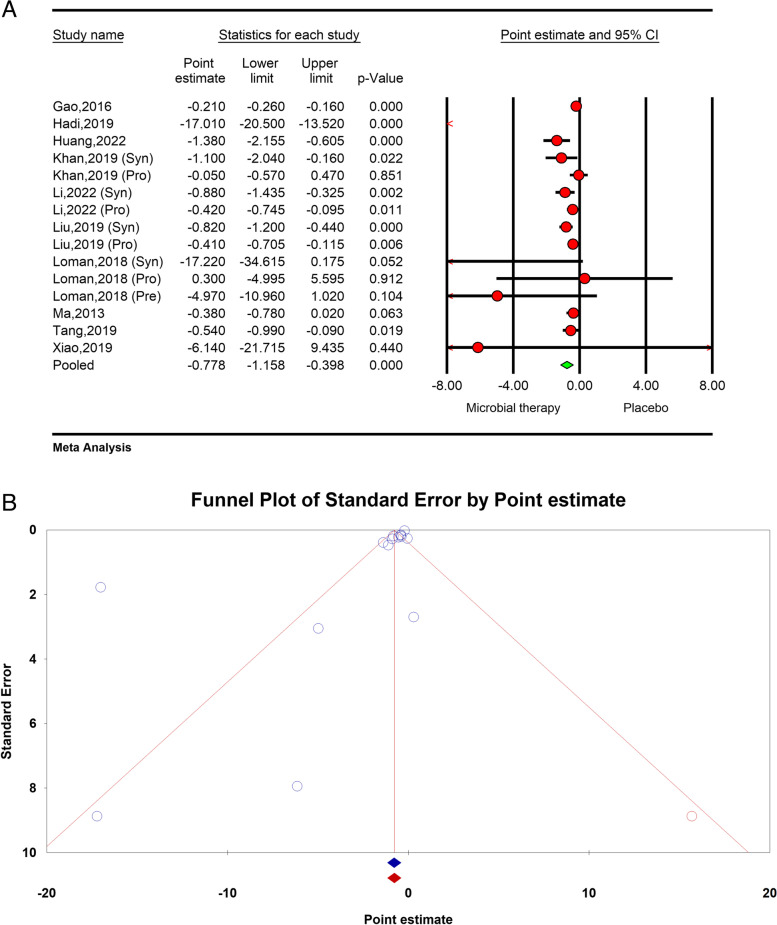
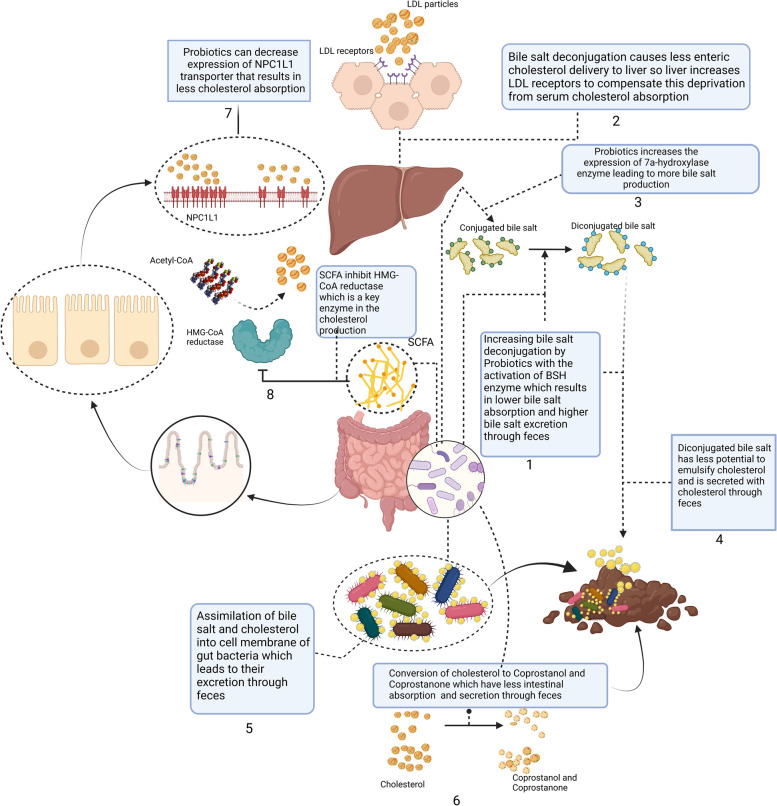
Verification
Claims the paper makes
The claims and statistics of this paper haven’t been checked yet.
Free: it reads the open-access text and checks the first 5 claims that cite a source we can check. Create a free account to check every claim.
Claims other papers make about this one
Each is checked against this paper’s own text: does it say what the citing paper says it does?
The cited source says what the claim attributes to it.
In the citing paper
“Gut microbial therapy by administration of probiotics, synbiotics and prebiotics may alleviate the medical condition in specific disorders, for example reduction of C-reactive protein50, low-density lipoprotein (LDL)51, alanine aminotransferase and aspartate aminotransferase52 and insulin resistance53 among non-alcoholic fatty liver disease (NAFLD).”
From Association between attention-deficit/hyperactivity disorders and intestinal disorders: A systematic review and Meta-analysis (2025) · cites this paper as [51]
Self-check
Percentages, sums and reported differences re-computed from the paper’s own numbers.
The self-check needs the paper’s full text.
Citations
Cites
Bias in meta-analysis detected by a simple, graphical test
Egger, M., Smith, G. D., Schneider, M., & Minder, C. (1997) · BMJ · doi:10.1136/bmj.315.7109.629 · Cited by 56,722 · cited 1×
“The publication bias was assessed by visual inspection of the funnel plot and Egger regression test, and P value 0.1 was determined as the level of significance [41, 42].”
MethodInfluentialThe PRISMA 2020 statement: an updated guideline for reporting systematic reviews
Page, M. J., McKenzie, J. E., Bossuyt, P. M., Boutron, I., Hoffmann, T. C., Mulrow, C. D., Shamseer, L., Tetzlaff, J. M., Akl, E. A., Brennan, S. E., et al. (2021) · Systematic Reviews · doi:10.1186/s13643-021-01626-4 · Cited by 13,874 · cited 1×
“The reporting of the results was based on Preferred Reporting Items for Systematic Reviews and Meta-Analy-ses (PRISMA) guidelines [39].”
MethodShea, B. J., Reeves, B. C., Wells, G., Thuku, M., Hamel, C., Moran, J., Moher, D., Tugwell, P., Welch, V., Kristjansson, E., et al. (2017) · BMJ · doi:10.1136/bmj.j4008 · Cited by 10,636
Sterne, J. A. C., Sutton, A. J., Ioannidis, J. P. A., Terrin, N., Jones, D. R., Lau, J., Carpenter, J., Rucker, G., Harbord, R. M., Schmid, C. H., et al. (2011) · BMJ · doi:10.1136/bmj.d4002 · Cited by 7,709 · cited 1×
“The publication bias was assessed by visual inspection of the funnel plot and Egger regression test, and P value 0.1 was determined as the level of significance [41, 42].”
MethodInfluentialGlobal burden of NAFLD and NASH: trends, predictions, risk factors and prevention
Younossi, Z., Anstee, Q. M., Marietti, M., Hardy, T., Henry, L., Eslam, M., George, J., & Bugianesi, E. (2018) · Nature Reviews Gastroenterology & Hepatology · doi:10.1038/nrgastro.2017.109 · Cited by 5,249 · cited 1×
“In addition to the relationship between NAFLD and other health conditions, this disease caused a significant burden globally [24–26].”
BackgroundThe Human Intestinal Microbiome in Health and Disease
Lynch, S. V., & Pedersen, O. (2016) · New England Journal of Medicine · doi:10.1056/nejmra1600266 · Cited by 3,637 · cited 1×
“microbiota and are helpful for individuals’ health [30].”
BackgroundBile salt biotransformations by human intestinal bacteria
Ridlon, J. M., Kang, D.-J., & Hylemon, P. B. (2006) · Journal of Lipid Research · doi:10.1194/jlr.r500013-jlr200 · Cited by 2,829 · cited 1×
“A significant part of bile salt in the intestinal lumen is reabsorbed through the enterohepatic cycle, but 400 to 800 mg of bile salt will remain in the intestinal lumen, which can be deconjugated by gut microbiota [69, 70].”
BackgroundObesity and nonalcoholic fatty liver disease: biochemical, metabolic, and clinical implications
Fabbrini, E., Sullivan, S., & Klein, S. (2010) · Hepatology · doi:10.1002/hep.23280 · Cited by 2,100
Prebiotics: Definition, Types, Sources, Mechanisms, and Clinical Applications
Davani-Davari, D., Negahdaripour, M., Karimzadeh, I., Seifan, M., Mohkam, M., Masoumi, S., Berenjian, A., & Ghasemi, Y. (2019) · Foods · doi:10.3390/foods8030092 · Cited by 1,716
Niemann-Pick C1 Like 1 Protein Is Critical for Intestinal Cholesterol Absorption
Altmann, S. W., Davis, H. R., Zhu, L.-J., Yao, X., Hoos, L. M., Tetzloff, G., Iyer, S. P. N., Maguire, M., Golovko, A., Zeng, M., et al. (2004) · Science · doi:10.1126/science.1093131 · Cited by 1,577 · cited 1×
“Cholesterol particles of the medium are absorbed via Niemann–Pick C1 like 1 (NPC1L1) that are transporters located on intestinal cells membrane [80, 81].”
Background
Research works printed but not linked: 4
- Paschos P Paletas K Non alcoholic fatty liver disease and metabolic syndrome Hippokratia 2009 13 1 9 19 19240815 PMC2633261
- Meroni M, Longo M, Dongiovanni P. The role of probiotics in nonalcoholic fatty liver disease: a new insight into therapeutic strategies. Nutrients. 2019;11(11). 10.3390/nu11112642. PMC6893730 31689910 · DOI · Paper page
- Koutnikova H Genser B Monteiro-Sepulveda M Impact of bacterial probiotics on obesity, diabetes and non-alcoholic fatty liver disease related variables: a systematic review and meta-analysis of randomised controlled trials BMJ Open. 2019 9 3 e017995 10.1136/bmjopen-2017-017995 30928918 PMC6475231 · DOI · Paper page
- Xiao MW Lin SX Shen ZH Luo WW Wang XY Systematic review with meta-analysis: the effects of probiotics in nonalcoholic fatty liver disease Gastroenterol Res Pract 2019 2019 1484598 10.1155/2019/1484598 31885541 PMC6927028 · DOI · Paper page
Cited by
Amini-Salehi, E., Letafatkar, N., Norouzi, N., Joukar, F., Habibi, A., Javid, M., Sattari, N., Khorasani, M., Farahmand, A., Tavakoli, S., et al. (2024) · Archives of Medical Research · doi:10.1016/j.arcmed.2024.103043 · Cited by 171
Self-citationSaeed, H., Díaz, L. A., Gil‐Gómez, A., Burton, J. P., Bajaj, J. S., Romero‐Gómez, M., Arrese, M. A., Arab, J. P., & Khan, M. Q. (2024) · Clinical and Molecular Hepatology · doi:10.3350/cmh.2024.0811 · Cited by 93
“Another meta-analysis revealed improved lipid profiles (reduced triglycerides, total cholesterol and LDL), in agreement with a previous one that included 22 RCTs (total 1301 patients) 76,77 .”
Vakilpour, A., Amini‐Salehi, E., Moghadam, A. S., Keivanlou, M., Letafatkar, N., Habibi, A., Hashemi, M., Eslami, N., Zare, R., Norouzi, N., et al. (2024) · Nutrition and Diabetes · doi:10.1038/s41387-024-00281-7 · Cited by 35
Self-citationMicrobiota Transplant and Gynecological Disorders: The Bridge between Present and Future Treatments
Martinelli, S., Nannini, G., Cianchi, F., Staderini, F., Coratti, F., & Amedei, A. (2023) · Microorganisms · doi:10.3390/microorganisms11102407 · Cited by 35
“It has been demonstrated that many chronic conditions, such as obesity, diabetes, and non-alcoholic fatty liver disease (NAFLD), are all linked to GM dysbiosis [9].”
BackgroundHashemi, S. M. H., Kheirandish, M., Rafati, S., Ghazalgoo, A., Amini‐Salehi, E., Keivanlou, M., Abbaszadeh, S., Saberian, P., & Rahimi, A. (2024) · Lipids in Health and Disease · doi:10.1186/s12944-024-02378-5 · Cited by 29
Self-citationVrentzos, E., Pavlidis, G., Korakas, E., Kountouri, A., Pliouta, L., Dimitriadis, G., & Lambadiari, V. (2025) · Nutrients · doi:10.3390/nu17101657 · Cited by 34
“Naghipour et al. [63] conducted an umbrella meta-analysis and concluded that PPS therapies significantly reduce TG ( p < 0.01), TC ( p < 0.01), and LDL ( p < 0.01) levels.”
InfluentialAmini‐Salehi, E., Mahapatro, A., Korsapati, R. R., Korsapati, A. R., Jain, S. M., Babaeizad, A., Mohammadi, S., Rashidian, P., Hashemi, M., Dave, T., et al. (2024) · Nutrition Metabolism and Cardiovascular Diseases · doi:10.1016/j.numecd.2024.05.017 · Cited by 26
Self-citationQin, W., Wang, S., Min, Y., Liu, X., Fang, J., Lang, J., & Chen, M. (2025) · BMC Women s Health · doi:10.1186/s12905-025-03599-1 · Cited by 30
Khanmohammadi, S., Fallahtafti, P., Habibzadeh, A., Ezzatollahi Tanha, A., Alamdari, A. A., Fallahtafti, P., & Shafi Kuchay, M. (2025) · Lipids in Health and Disease · doi:10.1186/s12944-025-02544-3 · Cited by 22
“Gut dysbiosis, characterized by an imbalance in microbial composition, has been linked to NAFLD development through mechanisms involving systemic inflammation, insulin resistance, and altered metabolic pathways [34, 35].”
Keivanlou, M., Amini‐Salehi, E., Hassanipour, S., Zare, R., Mohammadi‐Vajari, E., Hashemi, M., Salari, A., & Porteghali, P. (2024) · Current Diabetes Reviews · doi:10.2174/0115733998284844240102110559 · Cited by 22
Self-citationGut microbiota interventions in type 2 diabetes mellitus: An umbrella review of glycemic indices
Keivanlou, M., Amini‐Salehi, E., Sattari, N., Hashemi, M., Saberian, P., Prabhu, S. V., Javid, M., Mirdamadi, A., Heidarzad, F., Bakhshi, A., et al. (2024) · Diabetes & Metabolic Syndrome Clinical Research & Reviews · doi:10.1016/j.dsx.2024.103110 · Cited by 23
Self-citationAmini‐Salehi, E., Nayak, S. S., Maddineni, G., Mahapatro, A., Keivanlou, M., Moghadam, S. S., Vakilpour, A., Aleali, M. S., Joukar, F., Hashemi, M., et al. (2024) · Annals of Medicine and Surgery · doi:10.1097/ms9.0000000000001740 · Cited by 18
Self-citationAltered lipid metabolism and the development of metabolic-associated fatty liver disease
Foster, C., Gagnon, C. A., & Ashraf, A. P. (2024) · Current Opinion in Lipidology · doi:10.1097/mol.0000000000000933 · Cited by 19
Zheng, C., Qi, Z., Chen, R., Liao, Z., Xie, L., & Zhang, F. (2025) · BMC Gastroenterology · doi:10.1186/s12876-025-03756-8 · Cited by 19
“Several meta-analyses have indicated that gut microbiota therapies, including probiotics, synbiotics, and prebiotics, can significantly lower blood lipids (such as TG, TC, and LDL-C), blood glucose levels, and BMI, thereby improving the progression of NAFLD [22–24].”
Mahapatro, A., Bozorgi, A., Obulareddy, S. U. J., Jain, S. M., Korsapati, R. R., Kumar, A., Patel, K., Moghadam, S. S., Arya, A., Alotaibi, A. J., et al. (2024) · Annals of Medicine and Surgery · doi:10.1097/ms9.0000000000002592 · Cited by 15
Self-citationNayak, S. S., Amini‐Salehi, E., Ulrich, M. T., Sahli, Y., Fleischman, M., Patel, M., Naeiji, M., Maghsoodifar, H., Douki, S. A. H. S., Alotaibi, A., et al. (2025) · Annals of Medicine and Surgery · doi:10.1097/ms9.0000000000003034 · Cited by 14
Self-citationNg, R. W. Y., Chen, Z., Yang, L., Wong, O. W. H., Leung, A. S. Y., Tsui, K. W., Kwok, N. M. W., Tang, L. H. Y., Cheung, P. M. H., Chan, P. K. S., et al. (2025) · Scientific Reports · doi:10.1038/s41598-025-04303-x · Cited by 13
“Gut microbial therapy by administration of probiotics, synbiotics and prebiotics may alleviate the medical condition in specific disorders, for example reduction of C-reactive protein 50 , low-density lipoprotein (LDL) 51 , alanine aminotransferase and aspartate aminotransferase 52 and insulin resistance 53 among non-…”
Yameny, A. A. (2025) · Pharaonic Journal of Science · doi:10.71428/pjs.2025.0107 · Cited by 14
Lee, S. Y., Lee, S.-B., Kwon, G.-H., Song, S. H., Park, J. H., Kim, M. J., Eom, J. A., Lee, K. J., Yoon, S. J., Park, H., et al. (2025) · The Journal of Microbiology · doi:10.71150/jm.2411002 · Cited by 7
“Similarly, synbiotic treatment with FOS and a combination of multiple probiotic strains showed decreases in liver stiffness and inflammatory markers in MASLD (Jin et al., 2021; Loman et al., 2018; Naghipour et al., 2023).”
Ding, S., Hong, Q., Yao, Y., Gu, M., Cui, J., Li, W., Zhang, J., Zhang, C., Jiang, J., & Hu, Y. (2024) · Food & Function · doi:10.1039/d4fo02561j · Cited by 6
Advances in molecular epidemiology of diabetic retinopathy: from genomics to gut microbiomics
Huang, Y., Rao, S., Sun, X., & Liu, J. (2025) · Molecular Biology Reports · doi:10.1007/s11033-025-10383-9 · Cited by 7
Aleali, M. S., Mahapatro, A., Maddineni, G., Paladiya, R. D., Jeanty, H., Mohanty, E., Mirchandani, M., Jahanshahi, A., Devulapally, P., Alizadehasl, A., et al. (2025) · Annals of Medicine and Surgery · doi:10.1097/ms9.0000000000003140 · Cited by 7
Self-citationMaddineni, G., Obulareddy, S. J., Paladiya, R. D., Korsapati, R. R., Jain, S., Jeanty, H., Vikash, F., Tummala, N., Shetty, S., Ghazalgoo, A., et al. (2024) · Annals of Medicine and Surgery · doi:10.1097/ms9.0000000000002276 · Cited by 5
“While there isn ’ t a speci fi c treatment for NAFLD, microbial therapies such as probiotics, prebiotics, and synbiotics are thought to offer a novel therapeutic approach by modifying the intestinal microbiota [32,33] .”
BackgroundHigher relative fat mass was associated with a higher prevalence of gallstones in US adults
Xie, S., Ma, S., Chen, X., Li, F., & Li, D. (2025) · BMC Gastroenterology · doi:10.1186/s12876-025-03715-3 · Cited by 5
“Other studies have shown that changes in the composition of the gut microbiota may also affect lipid metabolism, inflammation, and bile acid production, all of which can contribute to gallstone formation [53–55].”
Zhou, Y., Yang, Z., Liu, S., Xie, S.-A., Zhang, Q., Zhang, S., Zhu, S., & Wu, S. (2025) · BMC Gastroenterology · doi:10.1186/s12876-025-04165-7 · Cited by 4
“MASLD metabolic dysfunction-associated steatotic liver disease, IBS irritable bowel syndrome, CMRFs cardiometabolic risk factors, MetALD MASLD with increased alcohol intake, HR hazard ratio, CI confidence interval optimizing gut microbiota composition and maintaining intestinal homeostasis [37–39].”
Zhou, Q., Zhou, Y., Li, L., Fu, K., Liu, S., Li, P., & Gu, Q. (2026) · Food Bioscience · doi:10.1016/j.fbio.2026.108605 · Cited by 3
Research Progress of Dietary Fiber and Human Health
杨, 岩. (2023) · Advances in Clinical Medicine · doi:10.12677/acm.2023.13102151 · Cited by 4
Amini‐Salehi, E., Hasanpour, M., Alotaibi, A. S., Rashidian, P., Hashemi, S. M. H., Nasrollahizadeh, A., Letafatkar, N., Saberian, P., Amani‐Beni, R., & Shanbehzadeh, N. (2025) · Annals of Medicine and Surgery · doi:10.1097/ms9.0000000000003089 · Cited by 4
“Numerous studies have investigated various dimensions of these drugs, including their cardiovascular effects [ 3 , 35–45 ] .”
Self-citationWu, Y., Qing, Y., Qi, Z., Yao, Y., & Qi, Y. (2025) · Frontiers in Nutrition · doi:10.3389/fnut.2025.1603169 · Cited by 3
The gut microbiome and nonalcoholic fatty liver disease: prospects for drug therapy
Teplyuk, D. A., Levina, O. N., Pavlov, C. S., Sorokoletov, S. M., Pashkova, E. Y., As, A., Bolshakov, S. A., & Shutov, E. V. (2024) · Экспериментальная и клиническая гастроэнтерология · doi:10.31146/1682-8658-ecg-230-10-178-187 · Cited by 1
Ramon, X., & Bernal, P. V. O. (2023) · Salud ConCiencia · doi:10.55204/scc.v2i2.e33
Ji, L., Li, P., Duan, N., Xu, J., Song, Y., Shu, B., Liang, L., & Zhao, F. (2025) · Diabetology & Metabolic Syndrome · doi:10.1186/s13098-025-01696-7 · Cited by 1
“Evidence suggests certain gut microbe involvement in DN occurrence and development by influencing inflammatory responses, lipid and blood sugar levels, and directly affecting the nervous system even via the gut– brain axis [33, 34].”
Fadieienko, G. D., & Gridnyev, O. (2025) · Lviv clinical bulletin · doi:10.25040/lkv2025.01.068
Yadav, A., Dadhich, S., Saini, V. K., Bhati, R. S., & Mitrolia, B. (2025) · Egyptian Liver Journal · doi:10.1186/s43066-025-00441-z
A review on gut microbiota and migraine severity: a complex relationship
Gamil, N. M., Ghorab, R. M., Elsadawy, R. Z., Khadrawy, N. M., Abdelhamid, M., Ismael, K. A., Mohamed, O. A., Ata, M. M., Jalal, H. T., Zeidan, J. E., et al. (2025) · Inflammopharmacology · doi:10.1007/s10787-025-02023-2 · Cited by 2
“…axis—microbiota-derived LPS worsens hepatic inflamma - tion, raising CRP and fibrinogen associated with migraine chronification (Bui et al. 2023; Naghipour et al. 2023; Vakilpour et al. 2024) (2) gut-heart axis—SCFAs modulate autonomic tone, reducing the risk of cardiac arrhythmia in migraine…”
From HBV to MASLD Cirrhosis: Mechanistic Insights and Therapeutic Strategies
Yu, H., Ding, H., Huang, Y., Cao, H., Ding, Y., & Wang, W. (2026) · Portal hypertension & cirrhosis · doi:10.1002/poh2.70036 · Cited by 2
Venkatesh, V., Yodoshi, T., Seetharaman, K., & Anushree, N. (2026) · European Journal of Pediatrics · doi:10.1007/s00431-026-07548-4
Metadata
- Authors
- Naghipour, A., Amini-Salehi, E., Orang Gorabzarmakhi, M., Shahdkar, M., Fouladi, B., Alipourfard, I., & Sanat, Z. M.
- Affiliations
- Kerman University of Medical Sciences (IR)
- Guilan University of Medical Sciences (IR)
- Zabol University of Medical Sciences (IR)
- Institute of Physical Chemistry (PL)
- Digestive Disease Research Institute (IR)
- Corresponding author
- Sanat, Zahra Momayez
- Venue
- Systematic Reviews
- Published
- 2023-08-21
- Volume
- 12
- Issue
- 1
- Pages
- 144-144
- ISSN
- 2046-4053 (ISSN-L)
- PMC
- PMC10441764
- OpenAlex
- W4386033594
- Cited by
- 37
- References
- 86
- Citations by year
- 2026: 3 · 2025: 18 · 2024: 13 · 2023: 3
- FWCI
- 1.45
- Type
- journal article
- Language
- en
- Open access
- gold
- doi.org
- Licence
- cc-by
- creativecommons.org/licenses/by/4.0 (tdm)
- creativecommons.org/licenses/by/4.0 (vor)
- Locations
- Systematic Reviews (publishedVersion, cc-by)
- PubMed Central (publishedVersion, cc-by)
- PubMed (publishedVersion)
- DOAJ (DOAJ: Directory of Open Access Journals) (submittedVersion, cc-by-sa)
- Topics
- Health Sciences › Medicine › Hepatology › Liver Disease Diagnosis and Treatment
- Life Sciences › Agricultural and Biological Sciences › Food Science › Probiotics and Fermented Foods
- Life Sciences › Biochemistry, Genetics and Molecular Biology › Molecular Biology › Gut microbiota and health
- Keywords
- non-alcoholic fatty liver disease, probiotics, synbiotics, prebiotics, lipid profile, triglycerides, total cholesterol, LDL cholesterol, HDL cholesterol, dyslipidemia, obesity, diabetes mellitus, cardiovascular risk, metabolic complications, complementary and alternative medicine, gut microbiota modulation, dysbiosis
- MeSH terms
- Gastrointestinal Microbiome, Humans, Lipoproteins, HDL, Meta-Analysis as Topic, Randomized Controlled Trials as Topic, Probiotics, Prebiotics, Non-alcoholic Fatty Liver Disease
About these checks
Registry, retraction, Cites and statistics results are computed, not judged, with one exception: a printed reference that no index lists is read once by a model before it counts as a citation error. Claims are extracted by a model and kept only when their quote appears verbatim in the text; each cited source is then checked, with a model’s help, for whether it says what the claim relies on. Those verdicts can be wrong — read the claim’s quote and the cited source before relying on one.
Statistics and arithmetic are recomputed, not judged.
Confidence bands are shown only for fields calibrated on our annotated test set. None is calibrated yet, so no band is shown.
What counts as a claim ›How we measure confidence ›How we check this ›
Are you an author, or do you see a problem with this page? Request a review
Data sources
Bibliographic data: Semantic Scholar, OpenAlex, Crossref.
Contains information from the Semantic Scholar Academic Graph Datasets, made available under the ODC Attribution License (ODC-BY 1.0).
Semantic Scholar’s data is described in: Kinney, R., et al. (2023). The Semantic Scholar Open Data Platform. arXiv:2301.10140.
