

Radiopharmaceuticals: navigating the frontier of precision medicine and therapeutic innovation
Open accessThe DOI matches its Crossref record; 128 of the 130 references it cites were found in a registry or an index; 51 of the 84 sources its claims cite were checked for support.
Abstract
This review explores radiopharmaceuticals, targeted delivery, theranostics, imaging and therapeutic innovation, with attention to safety considerations.
Overview
CoChat Summary
## TL;DR
This is a narrative review of radiopharmaceuticals, covering how radiolabelling, targeted delivery, imaging, theranostics, safety, nanoparticles, and future AI-enabled approaches are reshaping precision medicine. It argues that radiopharmaceuticals can improve diagnostic accuracy and treatment specificity while reducing off-target effects, with case examples showing survival benefits in several cancers.
## Key findings
- The review highlights three targeted delivery strategies: passive targeting via the enhanced permeability and retention effect, active ligand-receptor targeting, and stimulus-responsive release systems.
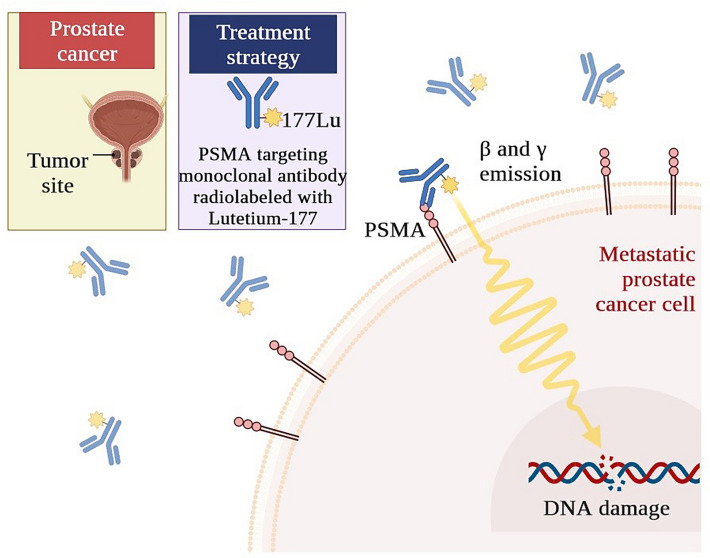
- In the VISION phase III trial, ^177Lu-PSMA-617 plus standard care in PSMA-positive mCRPC increased median overall survival from 11.3 to 15.3 months and median radiographic progression-free survival from 3.4 to 8.7 months.
- In the ALSYMPCA phase III trial, ^223Ra-dichloride in castration-resistant prostate cancer with bone metastases increased median overall survival from 11.3 to 14.9 months and median time to first symptomatic skeletal event from 9.8 to 15.6 months.
- In a phase II neuroblastoma trial, ^131I-MIBG with chemotherapy and stem cell rescue improved 3-year event-free survival from 48% to 61% and 3-year overall survival from 59% to 74%.
- The paper emphasizes that radiopharmaceuticals are moving toward theranostics, where the same agent supports both imaging and therapy, and that AI may improve image analysis, staging, and treatment planning.
## Methods
- Narrative review of the radiopharmaceuticals field, organized around targeted drug delivery, imaging and theranostics, safety, next-generation formulations, case studies, and future directions.
- Uses published examples and clinical trials as illustrative case studies, including PSMA-targeted therapy in prostate cancer, PRRT in neuroendocrine tumors, bone-targeted agents, and neuroblastoma radiopharmaceuticals.
- Main analysis is qualitative and descriptive; the paper synthesizes prior literature rather than reporting a new experimental dataset or statistical model.
## Limitations
- The paper does not state formal limitations explicitly.
- Evident from the text: it is a broad narrative review, so its claims are largely synthesis-based rather than derived from a systematic review or original study.
- Evident from the text: many sections are highly general and descriptive, with limited critical comparison of opposing evidence or detailed methodological appraisal of the cited studies.
Model-written summary. Check it against the paper before relying on it.
Integrity signals
Registry
Cites
Statistics
Figures
Verification
Claims the paper makes
43 Valid · 7 Not valid · 33 Not checked · 18 Own results and interpretations
The cited sources support only part of this claim — read each source’s verdict below.
In the paper
“The integration of radiopharmaceutical techniques with other diagnostic methods, such as the combination of PET and MRI, provides complementary anatomical and functional information, improving diagnostic accuracy in neurological disorders [44].”
§ Radiopharmaceuticals: navigating the frontier of precision medicine and therapeutic innovation > Radiopharmaceuticals in imaging and theranostics > Role of imaging in advancements Radiopharmaceutical imaging plays a crucial role in advancing medicine, with diverse applications across various medical fields. In oncology, these specialized drugs help identify specific tumor markers, making it easier to locate and stage cancerous lesions [42]. This, in turn, enables the customization of targeted therapies and improves the monitoring of treatment effectiveness. In cardiology, radiopharmaceutical imaging is instrumental in assessing myocardial perfusion and function, leading to earlier detection of coronary artery disease, better risk evaluation, and enhanced patient outcomes [43]. The integration of radiopharmaceutical techniques with other diagnostic methods, such as the combination of PET and MRI, provides complementary anatomical and functional information, improving diagnostic accuracy in neurological disorders [44]. Beyond diagnosis, radiopharmaceutical imaging extends its influence into theranostics, where the same drug used for imaging also serves as a carrier for targeted radionuclide therapy. This emerging field holds promise for personalized treatment approaches tailored to patients' unique molecular profiles [45]. The intricate synergy between radiopharmaceutical development, imaging technology, and computational analysis has driven the creation of novel tracers and imaging protocols. As radiopharmaceutical chemistry evolves, producing compounds with enhanced specificity and longer half-lives, the potential for non-invasive imaging and therapy continues to grow [46]. In research, radiopharmaceutical imaging opens new avenues for investigating fundamental biological processes, providing valuable insights into disease mechanisms and treatment strategies. Additionally, it contributes to understanding drug pharmacokinetics and pharmacodynamics, facilitating drug development and optimization.
What the sources say
- Partly supportedcites [44] Pichler BJ Kolb A Nägele T Schlemmer HP PET/MRI: paving the way for the next generation of clinical multimodality imaging applications J Nucl Med 2010 51 3 333 336 10.2967/jnumed.109.061853 20150252 sourceExperimental — accuracy not yet measured
The Abstract says MRI’s soft-tissue contrast complements PET’s molecular information. In “Clinical Potential of PET/MRI” (page unavailable), the paper describes a brain-tumor case in which combining the images revealed disease extent that neither modality showed fully alone. It presents broader benefits for neurological disorders as expectations, rather than establishing a general improvement in diagnostic accuracy. (LLM, conf=0.85)
plainstates a cause- Asserted: passes — The authors put it forward as true.
- Checkable: passes — It can be checked against evidence.
- Load-bearing: unclear — It is unclear whether the paper’s conclusions depend on it.
- Based: passes — The paper gives a reason why it holds.
- Partly supported
The cited sources support only part of this claim — read each source’s verdict below.
In the paper
“Nanocarriers, including liposomes, micelles, polymers, dendrimers, and various nanoparticles, such as those made of gold, iron oxide, silica, or carbon, are being carefully designed to enhance their circulation time, biodistribution, and tumor penetration [19].”
§ Radiopharmaceuticals: navigating the frontier of precision medicine and therapeutic innovation > Targeted drug delivery strategies > Passive targeting: enhanced permeability and retention
What the sources say
- Partly supportedcites [19] Sun L Liu H Ye Y Lei Y Islam R Tan S Tong R Miao YB Cai L Smart nanoparticles for cancer therapy Signal Transduct Target Ther 2023 8 1 418 10.1038/s41392-023-01642-x 37919282 PMC10622502 sourceExperimental — accuracy not yet measured
The Type of smart nanocarriers sections describe the listed carrier classes and designs that extend circulation or improve tumor targeting; the Target section also discusses nanoparticle accumulation at tumor sites. These passages do not establish improved penetration into tumor tissue. The supplied paraphrase adds “radiolabelled,” but the citing sentence does not; the paper discusses radiolabelling specifically for liposomes, not for every listed carrier. (LLM, conf=0.82)
plainstates a cause- Asserted: passes — The authors put it forward as true.
- Checkable: passes — It can be checked against evidence.
- Load-bearing: unclear — It is unclear whether the paper’s conclusions depend on it.
- Based: passes — The paper gives a reason why it holds.
- Partly supported
The cited sources support only part of this claim — read each source’s verdict below.
In the paper
“Approved by the FDA in 2018 for treating gastroenteropancreatic neuroendocrine tumors, a phase III clinical trial demonstrated improved progression-free survival and overall response rates compared to standard therapy [21].”
§ Radiopharmaceuticals: navigating the frontier of precision medicine and therapeutic innovation > Targeted drug delivery strategies > Active targeting: ligand-receptor strategies Active targeting is a strategic approach in which a ligand, such as an antibody, peptide, or small molecule, is attached to a radioactive molecule, like a radioisotope. This method is designed to deliver radiation therapy directly to cancer cells that express specific receptors, thereby enhancing therapeutic efficacy and minimizing the toxicity of radiopharmaceuticals. Several successful examples of radiopharmaceuticals utilizing active targeting include Lutetium-177 dotatate (Lutathera), which targets the somatostatin receptor overexpressed in neuroendocrine tumors. Approved by the FDA in 2018 for treating gastroenteropancreatic neuroendocrine tumors, a phase III clinical trial demonstrated improved progression-free survival and overall response rates compared to standard therapy [21]. Another example is Radium-223 dichloride (Xofigo), which targets the bone matrix, preferentially accumulating in bone metastases. FDA-approved in 2013 for metastatic castration-resistant prostate cancer, a phase III clinical trial revealed enhanced overall survival and delayed symptomatic skeletal events compared to placebo [22]. Iodine-131 tositumomab (Bexxar) targets the CD20 antigen expressed on B cells and B-cell lymphomas. Approved by the FDA in 2003 for relapsed or refractory non-Hodgkin lymphoma, a phase III clinical trial demonstrated improved overall response rates and duration of response compared to rituximab, another CD20-targeting antibody [23]. These examples showcase the effectiveness of active targeting in tailoring radiation therapy to specific cancer cells, marking a significant advancement in precision medicine.
What the sources say
- Partly supportedcites [21] Yang K Li J Cheng Y Bai C Evolving landscape of clinical trials in gastroenteropancreatic neuroendocrine neoplasms in the past two decades Endocr Connect 2023 10.1530/EC-22-0441 36724047 PMC10083666 sourceExperimental — accuracy not yet measured
The Introduction identifies peptide receptor radionuclide therapy as a treatment used to inhibit tumor growth, and the References list a phase 3 trial of 177Lu-Dotatate in midgut neuroendocrine tumors (page numbers unavailable). The paper does not report that trial’s progression-free survival or response-rate results versus standard therapy, or state the claimed 2018 FDA approval. (LLM, conf=0.82)
boostedstates a cause- Asserted: passes — The authors put it forward as true.
- Checkable: passes — It can be checked against evidence.
- Load-bearing: passes — The paper’s conclusions depend on it.
- Based: passes — The paper gives a reason why it holds.
- Partly supported
The cited sources support only part of this claim — read each source’s verdict below.
In the paper
“Diagnostic procedures like PET, SPECT, and scintigraphy utilize radiopharmaceuticals for early disease detection, leading to improved interventions [2].”
§ Radiopharmaceuticals: navigating the frontier of precision medicine and therapeutic innovation > Introduction Radiopharmaceuticals serve as a crucial intersection of medicine, chemistry, and nuclear physics, playing a vital role in diagnostic imaging and targeted therapies. These compounds, meticulously engineered through the fusion of biologically active molecules and radioisotopes, offer non-invasive insights into molecular processes at cellular levels [1]. Diagnostic procedures like PET, SPECT, and scintigraphy utilize radiopharmaceuticals for early disease detection, leading to improved interventions [2]. Beyond diagnostics, radiopharmaceuticals are integral to targeted radionuclide therapy, a precise method of delivering radioactive payloads to diseased tissues. This approach enhances treatment efficacy while minimizing damage to healthy tissues, ultimately improving patient outcomes [3]. The integration of radiopharmaceuticals into therapeutic protocols reveals a captivating relationship of pharmacokinetics and biodistribution, governing their intricate journey within the human body. Understanding their absorption, distribution, metabolism, and excretion is crucial for shaping clinical protocols. Many studies have not only explored the mechanisms dictating radiopharmaceutical behavior but also unveiled the dynamic interplay between chemical composition, physiological context, and molecular recognition. Moreover, recent advancements in radiopharmaceutical research have introduced innovative strategies for enhancing their specificity and therapeutic effectiveness [4]. The development of novel targeting agents, improved radionuclide selection, and innovative delivery systems contribute to the evolving landscape of radiopharmaceutical applications [5]. In essence, the pharmacokinetics and biodistribution of radiopharmaceuticals provide a rich narrative on the canvas of human physiology, guiding practitioners and researchers to unlock the full potential of these marvels in healthcare. The continual refinement of these compounds and their applications promises even greater strides in the realms of diagnosis and targeted therapy, offering new avenues for improving patient care and outcomes.
What the sources say
- Partly supportedcites [2] Sun ZH Rashmizal H Xu L Molecular imaging of plaques in coronary arteries with PET and SPECT J Geriatr Cardiol JGC 2014 11 3 259 25278976 PMC4178519 doi:10.11909/j.issn.1671-5411.2014.03.005Experimental — accuracy not yet measured
The Summary and concluding remarks (page unavailable) says SPECT and PET use radiopharmaceuticals to identify high-risk coronary plaques, and that PET can detect early atherosclerotic changes. The paper describes PET and SPECT as scintigraphic techniques, but it does not establish that their use leads to improved interventions; it says further study is needed to determine whether molecular imaging can guide patient therapy. (LLM, conf=0.87)
plainstates a cause- Asserted: passes — The authors put it forward as true.
- Checkable: passes — It can be checked against evidence.
- Load-bearing: unclear — It is unclear whether the paper’s conclusions depend on it.
- Based: passes — The paper gives a reason why it holds.
- Partly supported
Every source the paper cites for this claim was checked and supports it.
In the paper
“Radiopharmaceutical therapy, often termed “radionuclide therapy,” capitalizes on the precise localization of radiotracers, emitting therapeutic radiation that selectively destroys or halts the growth of cancerous cells [48].”
§ Radiopharmaceuticals: navigating the frontier of precision medicine and therapeutic innovation > Radiopharmaceuticals in imaging and theranostics > Theranostics: healing through imaging-guided therapies This innovative strategy harnesses the unique properties of radiopharmaceuticals, allowing for the simultaneous visualization and treatment of diseases at the molecular level. By utilizing radiotracers labelled with radioisotopes, clinicians can accurately identify specific biomarkers and assess the extent of disease progression through high-resolution imaging modalities such as PET and SPECT [47]. However, what sets radiopharmaceuticals theranostics apart is its transformative potential to go beyond diagnosis. The same radiotracers employed for imaging can be ingeniously tailored to deliver therapeutic payloads directly to diseased cells. This image-guided therapeutic approach ensures pinpoint accuracy in targeting malignant tissues while minimizing collateral damage to healthy organs. Radiopharmaceutical therapy, often termed “radionuclide therapy,” capitalizes on the precise localization of radiotracers, emitting therapeutic radiation that selectively destroys or halts the growth of cancerous cells [48]. This novel approach holds immense promise for refractory cancers and metastatic disease, where conventional treatments have shown limitations. The synergy between diagnostics and therapy in radiopharmaceuticals theranostics brings forth a new era of individualized medicine. Treatment regimens can be customized based on real-time imaging data, allowing clinicians to adapt and optimize therapies according to the patient’s response. This approach not only enhances treatment efficacy but also mitigates potential adverse effects, leading to improved patient outcomes and quality of life. In addition to oncology, radiopharmaceuticals theranostics demonstrate its versatility across various medical domains. In cardiology, it enables the assessment of myocardial perfusion and viability, aiding in the management of coronary artery disease [49]. Neurological applications encompass the diagnosis and monitoring of neurodegenerative disorders, with radiopharmaceuticals providing insights into neural function and degeneration patterns [50]. Beyond disease-oriented applications, radiopharmaceuticals theranostics plays a pivotal role in advancing our understanding of fundamental biological processes, offering a dynamic platform for pharmaceutical research and drug development. As we navigate the frontiers of modern medicine, radiopharmaceuticals theranostics emerges as a beacon of hope, illuminating the path toward more effective, personalized, and targeted therapeutic interventions. Its seamless integration of imaging and therapy, underpinned by precise radiotracer design and innovative instrumentation, holds the potential to reshape the landscape of medical practice, ultimately culminating in improved patient care and unprecedented medical breakthroughs [51].
What the sources say
- Supportedcites [48] Zukotynski K Jadvar H Capala J Fahey F Targeted radionuclide therapy: practical applications and future prospects: supplementary issue: biomarkers and their essential role in the development of personalised therapies (a) Biomarkers Cancer 2016 8 31804 10.4137/BIC.S31804 PMC4874742 27226737 source
The Introduction defines targeted radionuclide therapy as therapy at the cellular or molecular level and says it delivers radiation directly to the targeted disease site. It also describes radiation-induced cancer-cell death, supporting the claim’s account of how the treatment works. (LLM, conf=0.90)
plainstates a cause- Asserted: passes — The authors put it forward as true.
- Checkable: passes — It can be checked against evidence.
- Load-bearing: passes — The paper’s conclusions depend on it.
- Based: passes — The paper gives a reason why it holds.
- Supported
64 more claims · 32 with their cited sources checked
Create a free account to see all 101 claims and to verify the 1 reference still open.
- It may state two separate claims as one. 28
- Probably not a substantial claim. 8
Self-check
Percentages, sums and reported differences re-computed from the paper’s own numbers.
Self-check results appear here once an independent check has confirmed them.
Cited works that were retracted
Works this paper cites that were later retracted, from the retraction notices publishers deposit. Major when the notice came out before this paper was published.
Rated major: it would touch a result — a value a result rests on, reported and recomputed p-values on opposite sides of the significance level, two passages that conflict with no sign which is right, or a cited work retracted before this paper was published.
In the paper
“Research and clinical trials in this domain have surged, indicating the potential to minimize side effects and target minute cancer cell deposits throughout the body [113].”
Cited work 10.1016/j.pmatsci.2023.101209 · retracted 2023-12-01 · notice 10.1016/j.pmatsci.2023.101190 · this paper published 2024-01-05
Citations
Cites
1 retracted
Beygi, M., Oroojalian, F., Hosseini, S. S., Mokhtarzadeh, A., Kesharwani, P., & Sahebkar, A. (2023) · Progress in Materials Science · doi:10.1016/j.pmatsci.2023.101209 · Cited by 32 · cited 1×
“Research and clinical trials in this domain have surged, indicating the potential to minimize side effects and target minute cancer cell deposits throughout the body [113].”
BackgroundRetractedLutetium-177–PSMA-617 for Metastatic Castration-Resistant Prostate Cancer
Sartor, O., de Bono, J., Chi, K. N., Fizazi, K., Herrmann, K., Rahbar, K., Tagawa, S. T., Nordquist, L. T., Vaishampayan, N., El-Haddad, G., et al. (2021) · New England Journal of Medicine · doi:10.1056/nejmoa2107322 · Cited by 2,864 · cited 1×
“The median over-all survival increased from 11.3 to 15.3 months, and the median radiographic progression-free survival extended from 3.4 to 8.7 months [86].”
BackgroundInfluentialMolecular imaging of cancer with positron emission tomography
Gambhir, S. S. (2002) · Nature Reviews Cancer · doi:10.1038/nrc882 · Cited by 1,656
Nanochemistry and Nanomedicine for Nanoparticle-based Diagnostics and Therapy
Chen, G., Roy, I., Yang, C., & Prasad, P. N. (2016) · Chemical Reviews · doi:10.1021/acs.chemrev.5b00148 · Cited by 1,499
Smart nanoparticles for cancer therapy
Sun, L., Liu, H., Ye, Y., Lei, Y., Islam, R., Tan, S., Tong, R., Miao, Y.-B., & Cai, L. (2023) · Signal Transduction and Targeted Therapy · doi:10.1038/s41392-023-01642-x · Cited by 1,073
Advances in the molecular genetics of gliomas — implications for classification and therapy
Reifenberger, G., Wirsching, H.-G., Knobbe-Thomsen, C. B., & Weller, M. (2017) · Nature Reviews Clinical Oncology · doi:10.1038/nrclinonc.2016.204 · Cited by 662 · cited 1×
“This emerging field holds promise for personalized treatment approaches tailored to patients’ unique molecular profiles [45].”
BackgroundGeneral mechanisms of metastasis
Woodhouse, E. C., Chuaqui, R. F., & Liotta, L. A. (1997) · Cancer · doi:10.1002/(sici)1097-0142(19971015)80:8+<1529::aid-cncr2>3.3.co;2-# · Cited by 609
Carbon nanotubes for delivery of small molecule drugs
Wong, B. S., Yoong, S. L., Jagusiak, A., Panczyk, T., Ho, H. K., Ang, W. H., & Pastorin, G. (2013) · Advanced Drug Delivery Reviews · doi:10.1016/j.addr.2013.08.005 · Cited by 585 · cited 1×
“…‑ Enhanced permeability and retention effect utiliza‑ Personalized treatment with controlled drug Combination therapy for synergistic effects [68] Imaging‑guided therapies Incorporation of radiotracers for real‑time monitor‑ ing ‑ Simultaneous imaging and therapy for real‑time Image‑guided…”
BackgroundTargeted Radionuclide Therapy of Human Tumors
Gudkov, S., Shilyagina, N., Vodeneev, V., & Zvyagin, A. (2015) · International Journal of Molecular Sciences · doi:10.3390/ijms17010033 · Cited by 456
PET/MRI: Paving the Way for the Next Generation of Clinical Multimodality Imaging Applications
Pichler, B. J., Kolb, A., Nägele, T., & Schlemmer, H.-P. (2010) · Journal of Nuclear Medicine · doi:10.2967/jnumed.109.061853 · Cited by 418 · cited 1×
“The integration of radiopharmaceutical techniques with other diagnostic methods, such as the combination of PET and MRI, provides complementary anatomical and functional information, improving diagnostic accuracy in neurological disorders [44].”
Method
Research works printed but not linked: 1
- Sarkar PS Kashyap YS Aswal DK Sarkar PS Safety, regulations, metrology and standards in neutron imaging Neutron imaging: basics, techniques and applications 2022 Singapore Springer Singapore
Cited by
Nanocellulose in targeted drug delivery: A review of modifications and synergistic applications
Babaei-Ghazvini, A., Patel, R., Vafakish, B., Yazdi, A. F. A., & Acharya, B. (2024) · International Journal of Biological Macromolecules · doi:10.1016/j.ijbiomac.2024.135200 · Cited by 68
Kiran, N. S., Yashaswini, C., Maheshwari, R., Bhattacharya, S., & Prajapati, B. G. (2024) · ACS Pharmacology & Translational Science · doi:10.1021/acsptsci.4c00008 · Cited by 82
Mulat, M., Banicod, R. J. S., Tabassum, N., Javaid, A., Karthikeyan, A., Jeong, G., Kim, Y., Jung, W., & Khan, F. (2025) · Antibiotics · doi:10.3390/antibiotics14060555 · Cited by 82
Theranostics: Integrated Diagnostics and Therapy Using Nanomedicine
Singh, V. (2024) · Nanotechnology in the life sciences · doi:10.1007/978-3-031-72467-1_17 · Cited by 53
Revolutionizing cancer treatment: The role of radiopharmaceuticals in modern cancer therapy
Varghese, T. P., John, A., & Mathew, J. (2024) · Precision Radiation Oncology · doi:10.1002/pro6.1239 · Cited by 40
The role of biotechnology in healthcare: A review of global trends
Anyanwu, E. C., Arowoogun, J. O., Odilibe, I. P., Akomolafe, O. O., Onwumere, C., & Ogugua, J. O. (2024) · World Journal of Advanced Research and Reviews · doi:10.30574/wjarr.2024.21.1.0382 · Cited by 57
“Biotechnology's transformative potential in healthcare is vast, offering innovative solutions that redefine diagnostics, treatment modalities, and the very fabric of patient care (Dhoundiyal et al 2024).”
BackgroundMojgani, N., Ashique, S., Moradi, M., Bagheri, M., Garg, A., Kaushik, M., Hussain, M. S., Yasmin, S., & Ansari, M. Y. (2025) · Probiotics and Antimicrobial Proteins · doi:10.1007/s12602-025-10477-7 · Cited by 41
Self-citationMaximiano, L. V., Corrêa, L. B., Gomes-da-Silva, N. C., da Costa, L. S., Silva, M. G. P. D., Chaves, A. V., Franco, M. L., Fechine, P. B. A., de Menezes, A. S., Santos‐Oliveira, R., et al. (2024) · Colloids and Surfaces B Biointerfaces · doi:10.1016/j.colsurfb.2024.113931 · Cited by 21
Kazuta, N., Nakashima, K., Watanabe, H., & Ono, M. (2024) · ACS Pharmacology & Translational Science · doi:10.1021/acsptsci.4c00257 · Cited by 19
Imaging in Periprosthetic Joint Infection Diagnosis: A Comprehensive Review
Hoveidaei, A., Tavakoli, Y., Ramezanpour, M. R., Omouri‐Kharashtomi, M., Taghavi, S. P., Hoveidaei, A. H., & Conway, J. D. (2024) · Microorganisms · doi:10.3390/microorganisms13010010 · Cited by 25
“The most effective imaging modality and radiopharmaceutical are chosen based on how well they work at various phases of the diagnostic procedure [26].”
Kumar, P., Ashique, S., Sharma, H., Yasmin, S., Islam, A., Mandal, S., Gowda, B. H. J., Khalid, M., Ansari, M. Y., Singh, M., et al. (2025) · Bioorganic Chemistry · doi:10.1016/j.bioorg.2025.108305 · Cited by 23
Self-citationSakr, T. M., Thipe, V. C., Katti, K. K., et al. (2025) · Journal of Materials Chemistry B · doi:10.1039/d5tb00815h · Cited by 15
Ioannidis, I., Lefkaritis, G., Georgiades, S. N., Pashalidis, I., & Kontoghiorghes, G. J. (2024) · International Journal of Molecular Sciences · doi:10.3390/ijms25115954 · Cited by 16
“The use of radiopharmaceuticals and radiotherapies is an important tool, not only for the management of diseases and disorders, but also for the improvement of understanding of human diseases and for the development of new effective therapeutics [1,2,6,11].”
BackgroundZanini, A., Amador-Celdran, P., Walter, O., Carturan, S. M., Boshoven, J., Bulgheroni, A., Biasetto, L., Manzolaro, M., Eloirdi, R., Corradetti, S., et al. (2024) · Advanced Functional Materials · doi:10.1002/adfm.202406916 · Cited by 13
Polymer-based delivery systems with metal complexes as contrast agents for medical imaging
Shang, K., Xu, C., Cao, Z., Cui, M., Sun, J., Xiao, H., Zhang, L., Wang, Y., & Han, H. (2024) · Coordination Chemistry Reviews · doi:10.1016/j.ccr.2024.216071 · Cited by 14
Nano-Radiopharmaceuticals in Colon Cancer: Current Applications, Challenges, and Future Directions
Alkatheeri, A., Salih, S., Kamil, N. A. A., Alnuaimi, S., Abuzar, M., & Abdelrahman, S. S. (2025) · Pharmaceuticals · doi:10.3390/ph18020257 · Cited by 18
“As a consequence, combining two radionuclides might be a favorable approach [143,144].”
Winter, R., Amghar, M., Wacker, A. S., Bakos, G., Taş, H., Roscher, M., Kelly, J. M., & Benešová, M. (2024) · Pharmaceuticals · doi:10.3390/ph17081031 · Cited by 20
“Tuning the targeting of radiotherapeutics based on tumor characteristics puts TRNT in a position to effectively meet the growing demand for personalized treatment of cancer patients [18].”
BackgroundShaikh, M. S., Kurhade, R. R., Siddiqui, A., Majeed, S. S. A., Webster, T. J., Alam, M. I., Zia, A. W., & Faiyazuddin, M. (2025) · ChemBioChem · doi:10.1002/cbic.202500676 · Cited by 16
Navigating new horizons: Prospects of NET-targeted radiopharmaceuticals in precision medicine
Higuchi, T., Chen, X., & Werner, R. A. (2024) · Theranostics · doi:10.7150/thno.96743 · Cited by 13
“Radiopharmaceuticals represent a unique intersection of pharmacy and nuclear medicine, serving as pivotal tools for both diagnosis and therapy in a myriad of diseases [15].”
BackgroundShamsel‐Din, H. A., Abdou, M. M., elsayed, D. A., & Gizawy, M. A. (2025) · Journal of Pharmaceutical Sciences · doi:10.1016/j.xphs.2025.103971 · Cited by 13
Overview of Adverse Reactions of Radiopharmaceuticals
Mititelu, R., Stanulović, V., Mitoi, A., Bucurica, S., Hodolič, M., & Kairemo, K. (2025) · Clinical Oncology · doi:10.1016/j.clon.2025.103857 · Cited by 8
Tomiyoshi, K., Wilson, L. J., Mourtada, F., Sims‐Mourtada, J., Namiki, Y., Kamata, W., Yang, D. J., & Inoue, T. (2024) · Pharmaceutics · doi:10.3390/pharmaceutics16111458 · Cited by 9
Zanini, A., Moshkovitz-Douvdevany, M. Y., Carturan, S. M., et al. (2024) · ACS Applied Materials & Interfaces · doi:10.1021/acsami.4c17707 · Cited by 7
Biomaterials for biomarker imaging and detection
Wang, Y., Huang, X., Wu, G., Wu, W., Li, S., Su, C., Li, L., & Lv, Q. (2025) · Journal of Advanced Research · doi:10.1016/j.jare.2025.07.049 · Cited by 14
“(E) Applications of radioisotope-labeled materials in therapeutic diagnostics include advancements in radionuclide labeling methods involving various nanocarriers [138].”
Multi-oncogene targeting in cancer therapy: A miRNA-driven pharmacological approach
Salunkhe, S. S., Ghatage, T., & Prabhakar, B. S. (2025) · Biochemical Pharmacology · doi:10.1016/j.bcp.2025.117417 · Cited by 12
mukhlif, B. A., Ullah, M. I., Uthirapathy, S., Menon, S. V., Sharma, R. S. K., KADHIM, A. J., Sharma, S., Juneja, B., Abosaoda, M. K., & Kadhum, W. R. (2025) · Journal of Radioanalytical and Nuclear Chemistry · doi:10.1007/s10967-024-09960-2 · Cited by 10
Polymeric nanoparticles in radiopharmaceutical delivery strategies
Tian, H., Guo, H., Liu, J., Du, Y., Ren, H., & Li, H. (2024) · Journal of Materials Chemistry B · doi:10.1039/d4tb02076f · Cited by 9
Total-body positron emission tomography imaging to accelerate radiotracer discovery pipelines
Sutherland, A. J., Dweck, M. R., Newby, D. E., & Tavares, A. (2025) · Pharmacological Reviews · doi:10.1016/j.pharmr.2025.100066 · Cited by 7
“51 Several safety considerations and strategies for mitigating side effects of these theranostic approaches have limited translation into humans, but cutting-edge innovations in next-generation radiotracers 51 are breaking barriers to their clinical use.”
Gupta, A., Park, J. Y., Choi, H., Choi, T. H., Chung, Y., Kim, D., & Lee, Y. (2024) · Molecular Pharmaceutics · doi:10.1021/acs.molpharmaceut.4c00412 · Cited by 6
Availability of Radiopharmaceuticals and Imaging Equipment in English-Speaking African Countries
Mosima, L., Manicum, A.-L. E., & Summers, B. (2025) · Journal of Nuclear Medicine Technology · doi:10.2967/jnmt.125.270432 · Cited by 5
“The age-related mortality rate from chronic diseases is higher in sub-Saharan Africa than anywhere else in the world ( 17 ).”
Theranostics and personalized radiopharmaceuticals
Sushant, S., Sharma, D. N., Saini, S. K., Mrinalini, M., Maurya, P., & Dharmashaktu, Y. (2025) · Journal of Cancer Research and Therapeutics · doi:10.4103/jcrt.jcrt_1718_24 · Cited by 5
Balaji, P., Sivagnanam, N., Palaniraja, V., Michael, B., & Jayaprakash, N. (2025) · Biomedical Analysis · doi:10.1016/j.bioana.2025.12.001 · Cited by 7
Binmujlli, M. A. (2024) · Processes · doi:10.3390/pr12081659 · Cited by 6
He, Y., Rusho, M. A., Menon, S. V., Kaur, M., Jabir, M. S., Jawad, S. F., Hasan, T. F., Najm, M. A. A., Jawad, M. A., & Khelief, A. J. (2024) · Journal of Radioanalytical and Nuclear Chemistry · doi:10.1007/s10967-024-09804-z · Cited by 6
“…radiopharmaceuticals with enhanced targeting capabilities and reduced off-target effects, thus improving diagnostic accuracy and patient management by enabling more precise disease localization, tailoring treatments to individual patients, and minimizing radiation exposure to healthy tissues [4].”
RetractedNovel Chlorin with a HYNIC: Synthesis, 99mTc-Radiolabeling, and Initial Preclinical Evaluation
Popov, A. A., Suvorov, N. V., Larkina, M. S., et al. (2024) · Molecules · doi:10.3390/molecules30010117 · Cited by 5
The role of nuclear medicine in neurodegenerative diseases: a narrative review
Riahi, F., & Fesharaki, S. (2025) · American Journal of Neurodegenerative Disease · doi:10.62347/soge3962 · Cited by 5
Atkinson, J., Chopin, J., Bezak, E., Le, H., & Kempson, I. (2025) · ChemPhysChem · doi:10.1002/cphc.202400764 · Cited by 5
Lam, P., Wu, Y., Yao, L., et al. (2025) · Angewandte Chemie International Edition · doi:10.1002/anie.202519204 · Cited by 4
Synthesis and in vitro characterization of [198Au]Auranofin
Bhardwaj, P., Frohner, C., Geppert, C., Gorges, C., Brenner, W., Claude, G., & Spreckelmeyer, S. (2025) · EJNMMI Radiopharmacy and Chemistry · doi:10.1186/s41181-025-00401-3 · Cited by 3
“The molecule can be chemically linked to a biological vector that directs it to specific targets, typically via a linker (Dhoundiyal et al. 2024).”
Radiopharmaceuticals: Status, Regulatory Landscape and Future Perspective
Maithania, H. V., John, R., Painoori, R., monpara, J., Swaminathan, S., & Kalhapure, R. S. (2026) · AAPS PharmSciTech · doi:10.1208/s12249-026-03346-1 · Cited by 5
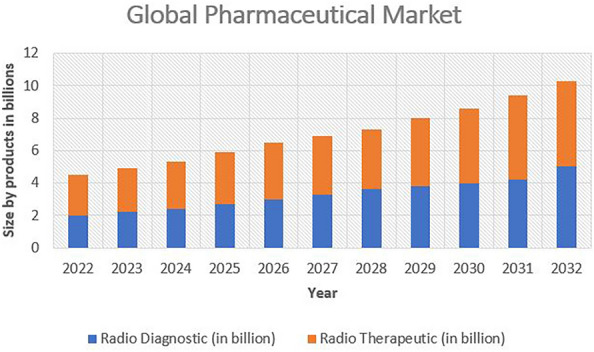
“3 Forecast of the Global pharmaceutical market [14] single framework.”
InfluentialÖztürk, İ. Ç., Gervasoni, S. I., Guccione, C., Bosin, A., Vargiu, A. V., Ruggerone, P., & Malloci, G. (2024) · Molecules · doi:10.3390/molecules29184416 · Cited by 5
“Radiopharmaceuticals are used to treat several cancer types and neuroendocrine disorders (e.g., prostate and thyroid cancer) thanks to their ability to specifically target the damaged tissues [1–5].”
BackgroundAdhikary, K., Paul, A., Madan, A., Islam, A., Ashique, S., & Ramzan, M. (2025) · Advances in immunology · doi:10.1016/bs.ai.2024.10.011 · Cited by 8
Self-citationAI-Driven Innovations in Personalized Radiopharmaceutical Therapy
Karthikeyan, B., Dhanaselvam, P. S., Kavitha, K., Nagarani, N., Karthikeyan, P., & Kumar, G. P. (2025) · Advances in computational intelligence and robotics book series · doi:10.4018/979-8-3373-1275-0.ch011 · Cited by 4
The role of radiotheranostics in personalized treatment for breast cancer
Sharma, D., Srivastava, S., Kagithala, N. R., Rahate, K., & Sridhar, S. B. (2025) · Medical Oncology · doi:10.1007/s12032-025-02825-y · Cited by 3
“Integrating molecular imaging into radionuclide therapy has coined the term radiotheranostics a very strong approach that unifies diagnosis and treatment and thus allows for personalized treatment plans [7, 8].”
Self-citationIsmuha, R. R., Ritawidya, R., Daruwati, I., & Muchtaridi, M. (2024) · Molecules · doi:10.3390/molecules29246062 · Cited by 5
Smart Biomaterials and AI-Driven Approaches for the Tissue Engineering Advancement
Ahmed, R. W., Syed, S. A., & Raziq, M. (2024) · Global Conference on Wireless and Optical Technologies (GCWOT) · doi:10.1109/gcwot63882.2024.10805669 · Cited by 6
Bharathi, P. G., Abbaszadeh, S., Moskal, P., & Alavi, A. A. (2025) · Bio-Algorithms and Med-Systems · doi:10.5604/01.3001.0055.2175 · Cited by 7
Zheng, X., Xue, S., Zhao, Z., et al. (2024) · EJNMMI Radiopharmacy and Chemistry · doi:10.1186/s41181-024-00287-7 · Cited by 3
The use of radiopharmaceuticals in targeted cancer therapy: a narrative review
Khalaji, A. (2025) · International Journal of Physiology Pathophysiology and Pharmacology · doi:10.62347/lqyr3145 · Cited by 3
Mortensen, J. V. K., Mattiussi, S., Hvass, L., et al. (2024) · Diagnostics · doi:10.3390/diagnostics14182024 · Cited by 2
Wang, W., Yan, Y., & Huang, J. (2025) · Tetrahedron · doi:10.1016/j.tet.2025.134727 · Cited by 2
Yu, X., Zheng, S., Zhao, L., & Zhang, K. (2025) · Cancer Biotherapy and Radiopharmaceuticals · doi:10.1177/10849785251371491 · Cited by 3
Ahenkorah, S., & Ramdhani, D. (2025) · Pharmaceutics · doi:10.3390/pharmaceutics17121508 · Cited by 2
“The chelating agent binds to the radiometal ion, allowing the biologically targeting vector molecule to release the radioisotope without any radiometal loss from the radiopharmaceutical to produce site-specific targeting for imaging or therapy [3–7].”
Dhiaa, A. M., Salajegheh, A., Al-Hussainy, A. F., Mustafa, A., Jyothi, S. R., Nayak, A., Janney, A. M. B., Singh, G., Sinha, A., Sameer, H. N., et al. (2025) · Journal of Investigative Medicine · doi:10.1177/10815589251406148 · Cited by 2
Self-citationComputational studies of target-specific radiopharmaceuticals for theranostics
Gervasoni, S. I., Guccione, C., & Malloci, G. (2025) · Journal of Molecular Graphics and Modelling · doi:10.1016/j.jmgm.2025.109264 · Cited by 2
Tiwari, G., Acharyya, S., Pradhan, R., Sahu, S. K., Panda, J., Kumar, H. K. S., Tewari, V., & Sharma, P. (2025) · Current Radiopharmaceuticals · doi:10.1016/j.craph.2025.100013 · Cited by 12
Patra, S., Gupta, R., Ghosh, S. P., Singh, K., Sharma, S. C., Chakraborty, S., & Chakravarty, R. (2025) · Separation and Purification Technology · doi:10.1016/j.seppur.2025.136517 · Cited by 3
Srivastava, S., Patel, S., Tripathy, S., & Tariq, M. (2026) · Springer eBooks · doi:10.1007/978-981-95-8644-8_10 · Cited by 2
Self-citationWang, Z.-P., Li, A.-Q., Wusiman, D., Wu, R., Zhu, J.-M., Li, X.-R., Guo, Y.-N., Chaipanichkul, P., Okoli, U. A., Koh, S., et al. (2026) · Military Medical Research · doi:10.1016/j.mmr.2026.100038 · Cited by 7
“Conversely, fenestrated or discontinuous endothelium, often found in other tissues, facilitates the biodistribution of RPTs [95,96].”
Schor, N. F. (2024) · JNCI Journal of the National Cancer Institute · doi:10.1093/jnci/djae017 · Cited by 2
Getting Started With Computational Drug Discovery: A Comprehensive Guide
Kumari, R., Das, S., Singh, R. K., Kohli, A., Sunil, A., & Dadhich, A. (2024) · Advances in healthcare information systems and administration book series · doi:10.4018/979-8-3693-2897-2.ch012 · Cited by 2
Biomedical Applications of Magnetically Functionalized Nanoparticles
Murugan, B., Garg, S., & Sagadevan, S. (2024) · Springer eBooks · doi:10.1007/978-3-031-63961-6_5 · Cited by 2
An Overview of Structural Framework and Classification of Theranostic Radiopharmaceuticals
Kaur, J., & Mukherjee, M. (2024) · ChemistrySelect · doi:10.1002/slct.202403431 · Cited by 3
Advancements of Nanomaterials for Diagnostic Imaging, Radiotherapy and Nuclear Medicine
Mengesha, W. G., Mekonnen, C. S., & Tesfaw, A. F. (2024) · IntechOpen eBooks · doi:10.5772/intechopen.1008183 · Cited by 4
Precision medicine and personalized treatment
Channi, H. K., Sandhu, R., Kaur, M., & Ghai, D. (2025) · Elsevier eBooks · doi:10.1016/b978-0-443-26480-1.00004-7 · Cited by 5
Theranostics in the Indian Subcontinent: Opportunities, Challenges, and the Path Forward
Sharma, P. (2025) · Nuclear Medicine and Molecular Imaging · doi:10.1007/s13139-025-00931-3 · Cited by 2
“Improving funding for indigenous radio - pharmaceutical production, like production of Lu-177 and Ac-225 can drastically reduce costs and enhance accessibil - ity [ 35 , 36 ].”
Shegani, A., Ogawa, K., Tejería, M. E., Makrakis, V., & Triantis, C. (2025) · Discover Medicine · doi:10.1007/s44337-025-00454-y · Cited by 3
“The stringent regulatory requirements may lead to higher prices for radiopharmaceuticals, potentially limiting patient access to these advanced diagnostic and therapeutic modalities [55].”
Pharmacovigilance of Radiopharmaceuticals: Challenges and Opportunities
Martins, S., Jesus, A. M. C., & Martín‐Suárez, A. (2024) · Journal of Pharmacy Technology · doi:10.1177/87551225241266172 · Cited by 2
Hasan, M. A., Sultana, S., Islam, S., et al. (2025) · Preprints.org · doi:10.20944/preprints202504.2585.v1 · Cited by 2
Nalla, S. K. K., Maronnier, Q., Hazan, T. P., Caselles, O., & Kennedy, J. A. (2025) · medRxiv · doi:10.1101/2025.05.30.25328639 · Cited by 2
“Some other significant advances include the growing contribution of novel radiotracers and greater application of quantitative PET/CT for personalized medicine and theranostics [15,16] .”
DNA and mRNA vaccines: Significant therapeutic approach against cancer management
Sen, A., Singh, V. P., Ashique, S., Jagriti, Biswas, S., Islam, A., Ehsan, I., & Mojgani, N. (2024) · Advances in immunology · doi:10.1016/bs.ai.2024.10.007 · Cited by 1
Self-citationPati, B., Kumar, A., Chowdhury, A., Tripathi, N. M., Gour, V., Mukherjee, A., & Bandyopadhyay, A. (2024) · ChemBioChem · doi:10.1002/cbic.202400996 · Cited by 1
Optimizing Stereolithography Printing Parameters for Enhanced Microfluidic Chip Quality
biyari, N. E., & Zekriti, M. (2024) · Smart and Sustainable Manufacturing Systems · doi:10.1520/ssms20240013 · Cited by 1
New Radiopharmaceutical Tracers in Breast Cancer Diagnosis and Therapy
Rahmati, H., Mousavi, S. M., Souri, Z., Farzipour, S., Tavani, A. E., & Jalali-Zefrei, F. (2025) · Anti-Cancer Agents in Medicinal Chemistry · doi:10.2174/0118715206357095250306051714 · Cited by 1
Targeted Drug Delivery with Photoluminescent Emitters: Applications in Diagnostic
Bamisaye, A., Etafo, N. O., Bamidele, M. O., & Awobifa, O. S. (2025) · Engineering materials · doi:10.1007/978-3-031-88731-4_4 · Cited by 3
Future prospects of targeted drug delivery
Karthikeyan, C., Tiwari, A. K., Goswami, S., Gupta, D., Joshi, M., & Mishra, D. K. (2025) · Elsevier eBooks · doi:10.1016/b978-0-443-33366-8.00011-7 · Cited by 3
Dose Reduction in Scintigraphic Imaging Through Enhanced Convolutional Autoencoder-Based Denoising
Bouzianis, N., Stathopoulos, I., Valsamaki, P. N., Rapti, E., Trikopani, E., Apostolidou, V., Kotini, A., Zissimopoulos, A., Adamopoulos, A. V., & Karavasilis, E. (2025) · Journal of Imaging · doi:10.3390/jimaging11060197 · Cited by 1
Advances in pharmacokinetic-pharmacodynamic modeling for anesthesia, 1987–2024: a review
Tulbah, Y., & Aljamaan, I. A. (2026) · Frontiers in Pharmacology · doi:10.3389/fphar.2026.1741851 · Cited by 1
Tiwari, G., Shirsat, V., Desale, P., & Karale, S. (2026) · Current Radiopharmaceuticals · doi:10.1016/j.craph.2025.100018 · Cited by 9
Bhardwaj, P., Claude, G., Brenner, W., et al. (2026) · Nuklearmedizin - NuclearMedicine · doi:10.1055/a-2784-7716 · Cited by 1
Pandya, K., Lin, Z., Wadsak, M., Wang, J., Shi, K., & Seifert, R. (2026) · Pharmaceuticals · doi:10.3390/ph19030382 · Cited by 2
Wuchner, K., Riesop, D., Huon, C., Mudumala, P. R., Steffen, J.-S., Kuhn, S. M., Mayer, T., Rass, S., Neuhold, K., Spreng, B., et al. (2026) · Journal of Pharmaceutical Sciences · doi:10.1016/j.xphs.2026.104261 · Cited by 1
Varghese, T. P., Vijayan, A., Nazija Nazija, M. P. C., Maryam, & Vijayakumar, P. R. A. (2026) · Journal of Radioanalytical and Nuclear Chemistry · doi:10.1007/s10967-026-10852-w · Cited by 1
Nanobody-based targeted cancer therapy and immunotherapy: fear not the future
Guo, M.-D., Liao, R., Wang, M.-Y., Wu, L.-J., & Zhang, Y. (2026) · Acta Pharmacologica Sinica · doi:10.1038/s41401-026-01787-9 · Cited by 4
“Targeted radionuclide therapy (TRNT) delivers cytotoxic radio-nuclides to cancer cells through antibodies or nanobodies, signi fi cantly limiting the healthy tissue exposure, making it an important area that has attracted high recognition from researchers and has great commercial potential [241].”
Sultana, S., Hasan, M. A. A., Mamun, A. A., Khan, S., & Rahman, M. A. (2026) · Journal of Proteins and Proteomics · doi:10.1007/s42485-026-00210-5 · Cited by 2
“A central challenge in exploiting the UPS for therapeutic purposes is achieving precise molecular selectivity without disrupting global proteostasis (Dhoundiyal et al. 2024).”
Ethical and Privacy Considerations in AI-Driven AD Research
Matheen, M. A., Hasan, Z., Lodhi, A. K., et al. (2024) · Advances in medical technologies and clinical practice book series · doi:10.4018/979-8-3693-3605-2.ch026 · Cited by 1
Bispidine-based Ligands as Bifunctional Chelators for Radiopharmaceuticals
Li, R., Yan, Y., Ren, X., Li, H., & Huang, J. (2024) · Current Organic Chemistry · doi:10.2174/0113852728346887240924050723 · Cited by 1
Martins, S., Jesus, A. M. C., Andrade, R., et al. (2025) · Annals of Pharmacotherapy · doi:10.1177/10600280251316542 · Cited by 1
Advanced Intersection of Material and Medicine Revolutionizing Healthcare Outcomes
Ashwini, A., & Shahila, F. D. (2025) · doi:10.1002/9781394314935.ch3 · Cited by 1
Modulation Imaging Contrast Agent for Cancer
Fawwaz, M. (2024) · Pharmaceutical Reports · doi:10.33096/pharmrep.v3i1.283
“Radiopharmaceuticals consist of a radiotracer bound to a pharmaceutical portion that allows the administration and distribution of compounds into the body in a safe and effective manner (Dhoundiyal et al., 2024).”
BackgroundMarcación de biomoléculas con radionúclidos
Cabral, P., & Camacho, X. (2024) · SALUD MILITAR · doi:10.35954/sm2024.43.2.4.e402
Properties and Characterization of Nanocellulose
Mishra, U., & Neeraj (2024) · Journal of Physics Conference Series · doi:10.1088/1742-6596/2856/1/012016
Novruzov, F., Mehdi, E., Orujova, N., et al. (2024) · Clinical and Translational Imaging · doi:10.1007/s40336-024-00664-x
Synthesis and Study of Hynic Conjugated Psma Targeting Ligands for Prostate Cancer DiagnosisPreprint
Ajish Kumar, K. S., & Mallia, M. B. (2024) · SSRN Electronic Journal · doi:10.2139/ssrn.4996194
Medical Physics and Laser Technology: Pioneering Advances in Diagnostic and Therapeutic Applications
younis, R. H. D., Khalaf, S. A. A., Sadiq, Z., & Sajer, R. A. S. (2025) · Bright Sky Publications eBooks · doi:10.62906/bs.book.294
Medical Physics: Imaging and Radiation Therapy
Swadi, H. K., Ragi, Z. A., Abbas, R. Q., Hassouni, H. F., & Kazim, H. H. (2025) · Bright Sky Publications eBooks · doi:10.62906/bs.book.311
AI in Radiopharmaceutical Development
Selvakumar, P., Sivaraja, M., Nehru, P., Manjunath, T. C., Mounagurusamy, M. K., & Kumar, D. (2025) · Advances in computational intelligence and robotics book series · doi:10.4018/979-8-3373-1275-0.ch005 · Cited by 1
Multifunctional Light Emitters for Theranostics
Bamidele, M. O., Bamikale, M. B., Bamidele, M. A., Cortes, J. S., & Aguilar, C. N. (2025) · Engineering materials · doi:10.1007/978-3-031-88731-4_13 · Cited by 1
Application of Reinforcement Learning for the Development of Precision Medicine Treatment
Meenakshi, R., Murugan, S., Sivaranjani, R., et al. (2025) · International Journal of Computational and Experimental Science and Engineering · doi:10.22399/ijcesen.1086
“This method basically takes advantage of the fact that tumors have their own environment, which includes their own set of blood arteries and impaired drainage systems [3].”
Moustapha, M. E., Anouar, E. H., & Fayez, H. (2025) · Journal of Chemistry · doi:10.1155/joch/6685000
Metadata
- Authors
- Dhoundiyal, S., Srivastava, S., Kumar, S., Singh, G., Ashique, S., Pal, R., Mishra, N., & Taghizadeh-Hesary, F.
- Affiliations
- Galgotias University (IN)
- Delhi Pharmaceutical Science and Research University (IN)
- Case Western Reserve University (US)
- Amity University Madhya Pradesh (IN)
- Corresponding author
- Srivastava, Shriyansh
- ORCID
- Venue
- European Journal of Medical Research
- Published
- 2024-01-05
- Volume
- 29
- Issue
- 1
- Pages
- 26-26
- ISSN
- 0949-2321 (ISSN-L)
- 2047-783X
- PMC
- PMC10768149
- OpenAlex
- W4390632397
- Semantic Scholar
- 875624cd6dcf87e578f7df14d948a53417531e79
- Cited by
- 144
- References
- 130
- Citations by year
- 2026: 36 · 2025: 64 · 2024: 44
- FWCI
- 9.31
- Type
- journal article
- Language
- en
- Open access
- gold
- doi.org
- Licence
- cc-by
- creativecommons.org/licenses/by/4.0 (tdm)
- creativecommons.org/licenses/by/4.0 (vor)
- Locations
- European journal of medical research (publishedVersion, cc-by)
- PubMed Central (publishedVersion, cc-by)
- PubMed (publishedVersion)
- DOAJ (DOAJ: Directory of Open Access Journals) (submittedVersion, cc-by-sa)
- Topics
- Health Sciences › Medicine › Radiology, Nuclear Medicine and Imaging › Radiopharmaceutical Chemistry and Applications
- Health Sciences › Medicine › Radiology, Nuclear Medicine and Imaging › Medical Imaging Techniques and Applications
- Physical Sciences › Materials Science › Biomaterials › Nanoparticle-Based Drug Delivery
- Keywords
- radiopharmaceuticals, targeted drug delivery, enhanced permeability and retention effect, ligand-receptor targeting, stimuli-responsive drug release, theranostics, diagnostic imaging, radiolabeled antibodies, peptide receptor radionuclide therapy, neuroendocrine tumors, bone metastasis, nanoparticle formulation, precision medicine, artificial intelligence, radionuclides
- MeSH terms
- Artificial Intelligence, Humans, Radiopharmaceuticals, Precision Medicine
About these checks
Registry, retraction, Cites and statistics results are computed, not judged, with one exception: a printed reference that no index lists is read once by a model before it counts as a citation error. Claims are extracted by a model and kept only when their quote appears verbatim in the text; each cited source is then checked, with a model’s help, for whether it says what the claim relies on. Those verdicts can be wrong — read the claim’s quote and the cited source before relying on one.
The claim verdicts this report counts are experimental: their accuracy is not yet measured.
A language model drew the claims from the paper on 2026-10-10, under version 3 of the claim definition (model deepseek-v4.1-flash, prompt extract-v3).
A second model labelled each claim on 2026-10-10 (model jev-1.13-20260917, definition revision gold-guideline-v0.2).
Cited sources are checked with a language model’s help (gpt-6-sol).
Statistics and arithmetic are recomputed, not judged.
Confidence bands are shown only for fields calibrated on our annotated test set. None is calibrated yet, so no band is shown.
What counts as a claim ›How we measure confidence ›How we check this ›
Are you an author, or do you see a problem with this page? Request a review
Data sources
Bibliographic data: Semantic Scholar, OpenAlex, Crossref.
Contains information from the Semantic Scholar Academic Graph Datasets, made available under the ODC Attribution License (ODC-BY 1.0).
Semantic Scholar’s data is described in: Kinney, R., et al. (2023). The Semantic Scholar Open Data Platform. arXiv:2301.10140.
