

Radiopharmaceuticals: navigating the frontier of precision medicine and therapeutic innovation
Open accessThe DOI matches its Crossref record; 128 of the 130 references it cites were found in a registry or an index; 51 of the 84 sources its claims cite were checked for support.
Abstract
This review explores radiopharmaceuticals, targeted delivery, theranostics, imaging and therapeutic innovation, with attention to safety considerations.
Overview
CoChat Summary
## TL;DR
This is a narrative review of radiopharmaceuticals, covering how radiolabelling, targeted delivery, imaging, theranostics, safety, nanoparticles, and future AI-enabled approaches are reshaping precision medicine. It argues that radiopharmaceuticals can improve diagnostic accuracy and treatment specificity while reducing off-target effects, with case examples showing survival benefits in several cancers.
## Key findings
- The review highlights three targeted delivery strategies: passive targeting via the enhanced permeability and retention effect, active ligand-receptor targeting, and stimulus-responsive release systems.
- In the VISION phase III trial, ^177Lu-PSMA-617 plus standard care in PSMA-positive mCRPC increased median overall survival from 11.3 to 15.3 months and median radiographic progression-free survival from 3.4 to 8.7 months.
- In the ALSYMPCA phase III trial, ^223Ra-dichloride in castration-resistant prostate cancer with bone metastases increased median overall survival from 11.3 to 14.9 months and median time to first symptomatic skeletal event from 9.8 to 15.6 months.
- In a phase II neuroblastoma trial, ^131I-MIBG with chemotherapy and stem cell rescue improved 3-year event-free survival from 48% to 61% and 3-year overall survival from 59% to 74%.
- The paper emphasizes that radiopharmaceuticals are moving toward theranostics, where the same agent supports both imaging and therapy, and that AI may improve image analysis, staging, and treatment planning.
## Methods
- Narrative review of the radiopharmaceuticals field, organized around targeted drug delivery, imaging and theranostics, safety, next-generation formulations, case studies, and future directions.
- Uses published examples and clinical trials as illustrative case studies, including PSMA-targeted therapy in prostate cancer, PRRT in neuroendocrine tumors, bone-targeted agents, and neuroblastoma radiopharmaceuticals.
- Main analysis is qualitative and descriptive; the paper synthesizes prior literature rather than reporting a new experimental dataset or statistical model.
## Limitations
- The paper does not state formal limitations explicitly.
- Evident from the text: it is a broad narrative review, so its claims are largely synthesis-based rather than derived from a systematic review or original study.
- Evident from the text: many sections are highly general and descriptive, with limited critical comparison of opposing evidence or detailed methodological appraisal of the cited studies.
Model-written summary. Check it against the paper before relying on it.
Integrity signals
Registry
Cites
Statistics
Figures
Verification
Claims the paper makes
43 Valid · 7 Not valid · 33 Not checked · 18 Own results and interpretations
The cited sources support only part of this claim — read each source’s verdict below.
In the paper
“The integration of radiopharmaceutical techniques with other diagnostic methods, such as the combination of PET and MRI, provides complementary anatomical and functional information, improving diagnostic accuracy in neurological disorders [44].”
§ Radiopharmaceuticals: navigating the frontier of precision medicine and therapeutic innovation > Radiopharmaceuticals in imaging and theranostics > Role of imaging in advancements Radiopharmaceutical imaging plays a crucial role in advancing medicine, with diverse applications across various medical fields. In oncology, these specialized drugs help identify specific tumor markers, making it easier to locate and stage cancerous lesions [42]. This, in turn, enables the customization of targeted therapies and improves the monitoring of treatment effectiveness. In cardiology, radiopharmaceutical imaging is instrumental in assessing myocardial perfusion and function, leading to earlier detection of coronary artery disease, better risk evaluation, and enhanced patient outcomes [43]. The integration of radiopharmaceutical techniques with other diagnostic methods, such as the combination of PET and MRI, provides complementary anatomical and functional information, improving diagnostic accuracy in neurological disorders [44]. Beyond diagnosis, radiopharmaceutical imaging extends its influence into theranostics, where the same drug used for imaging also serves as a carrier for targeted radionuclide therapy. This emerging field holds promise for personalized treatment approaches tailored to patients' unique molecular profiles [45]. The intricate synergy between radiopharmaceutical development, imaging technology, and computational analysis has driven the creation of novel tracers and imaging protocols. As radiopharmaceutical chemistry evolves, producing compounds with enhanced specificity and longer half-lives, the potential for non-invasive imaging and therapy continues to grow [46]. In research, radiopharmaceutical imaging opens new avenues for investigating fundamental biological processes, providing valuable insights into disease mechanisms and treatment strategies. Additionally, it contributes to understanding drug pharmacokinetics and pharmacodynamics, facilitating drug development and optimization.
What the sources say
- Partly supportedcites [44] Pichler BJ Kolb A Nägele T Schlemmer HP PET/MRI: paving the way for the next generation of clinical multimodality imaging applications J Nucl Med 2010 51 3 333 336 10.2967/jnumed.109.061853 20150252 sourceExperimental — accuracy not yet measured
The Abstract says MRI’s soft-tissue contrast complements PET’s molecular information. In “Clinical Potential of PET/MRI” (page unavailable), the paper describes a brain-tumor case in which combining the images revealed disease extent that neither modality showed fully alone. It presents broader benefits for neurological disorders as expectations, rather than establishing a general improvement in diagnostic accuracy. (LLM, conf=0.85)
plainstates a cause- Asserted: passes — The authors put it forward as true.
- Checkable: passes — It can be checked against evidence.
- Load-bearing: unclear — It is unclear whether the paper’s conclusions depend on it.
- Based: passes — The paper gives a reason why it holds.
- Partly supported
The cited sources support only part of this claim — read each source’s verdict below.
In the paper
“Nanocarriers, including liposomes, micelles, polymers, dendrimers, and various nanoparticles, such as those made of gold, iron oxide, silica, or carbon, are being carefully designed to enhance their circulation time, biodistribution, and tumor penetration [19].”
§ Radiopharmaceuticals: navigating the frontier of precision medicine and therapeutic innovation > Targeted drug delivery strategies > Passive targeting: enhanced permeability and retention
What the sources say
- Partly supportedcites [19] Sun L Liu H Ye Y Lei Y Islam R Tan S Tong R Miao YB Cai L Smart nanoparticles for cancer therapy Signal Transduct Target Ther 2023 8 1 418 10.1038/s41392-023-01642-x 37919282 PMC10622502 sourceExperimental — accuracy not yet measured
The Type of smart nanocarriers sections describe the listed carrier classes and designs that extend circulation or improve tumor targeting; the Target section also discusses nanoparticle accumulation at tumor sites. These passages do not establish improved penetration into tumor tissue. The supplied paraphrase adds “radiolabelled,” but the citing sentence does not; the paper discusses radiolabelling specifically for liposomes, not for every listed carrier. (LLM, conf=0.82)
plainstates a cause- Asserted: passes — The authors put it forward as true.
- Checkable: passes — It can be checked against evidence.
- Load-bearing: unclear — It is unclear whether the paper’s conclusions depend on it.
- Based: passes — The paper gives a reason why it holds.
- Partly supported
The cited sources support only part of this claim — read each source’s verdict below.
In the paper
“Approved by the FDA in 2018 for treating gastroenteropancreatic neuroendocrine tumors, a phase III clinical trial demonstrated improved progression-free survival and overall response rates compared to standard therapy [21].”
§ Radiopharmaceuticals: navigating the frontier of precision medicine and therapeutic innovation > Targeted drug delivery strategies > Active targeting: ligand-receptor strategies Active targeting is a strategic approach in which a ligand, such as an antibody, peptide, or small molecule, is attached to a radioactive molecule, like a radioisotope. This method is designed to deliver radiation therapy directly to cancer cells that express specific receptors, thereby enhancing therapeutic efficacy and minimizing the toxicity of radiopharmaceuticals. Several successful examples of radiopharmaceuticals utilizing active targeting include Lutetium-177 dotatate (Lutathera), which targets the somatostatin receptor overexpressed in neuroendocrine tumors. Approved by the FDA in 2018 for treating gastroenteropancreatic neuroendocrine tumors, a phase III clinical trial demonstrated improved progression-free survival and overall response rates compared to standard therapy [21]. Another example is Radium-223 dichloride (Xofigo), which targets the bone matrix, preferentially accumulating in bone metastases. FDA-approved in 2013 for metastatic castration-resistant prostate cancer, a phase III clinical trial revealed enhanced overall survival and delayed symptomatic skeletal events compared to placebo [22]. Iodine-131 tositumomab (Bexxar) targets the CD20 antigen expressed on B cells and B-cell lymphomas. Approved by the FDA in 2003 for relapsed or refractory non-Hodgkin lymphoma, a phase III clinical trial demonstrated improved overall response rates and duration of response compared to rituximab, another CD20-targeting antibody [23]. These examples showcase the effectiveness of active targeting in tailoring radiation therapy to specific cancer cells, marking a significant advancement in precision medicine.
What the sources say
- Partly supportedcites [21] Yang K Li J Cheng Y Bai C Evolving landscape of clinical trials in gastroenteropancreatic neuroendocrine neoplasms in the past two decades Endocr Connect 2023 10.1530/EC-22-0441 36724047 PMC10083666 sourceExperimental — accuracy not yet measured
The Introduction identifies peptide receptor radionuclide therapy as a treatment used to inhibit tumor growth, and the References list a phase 3 trial of 177Lu-Dotatate in midgut neuroendocrine tumors (page numbers unavailable). The paper does not report that trial’s progression-free survival or response-rate results versus standard therapy, or state the claimed 2018 FDA approval. (LLM, conf=0.82)
boostedstates a cause- Asserted: passes — The authors put it forward as true.
- Checkable: passes — It can be checked against evidence.
- Load-bearing: passes — The paper’s conclusions depend on it.
- Based: passes — The paper gives a reason why it holds.
- Partly supported
The cited sources support only part of this claim — read each source’s verdict below.
In the paper
“Diagnostic procedures like PET, SPECT, and scintigraphy utilize radiopharmaceuticals for early disease detection, leading to improved interventions [2].”
§ Radiopharmaceuticals: navigating the frontier of precision medicine and therapeutic innovation > Introduction Radiopharmaceuticals serve as a crucial intersection of medicine, chemistry, and nuclear physics, playing a vital role in diagnostic imaging and targeted therapies. These compounds, meticulously engineered through the fusion of biologically active molecules and radioisotopes, offer non-invasive insights into molecular processes at cellular levels [1]. Diagnostic procedures like PET, SPECT, and scintigraphy utilize radiopharmaceuticals for early disease detection, leading to improved interventions [2]. Beyond diagnostics, radiopharmaceuticals are integral to targeted radionuclide therapy, a precise method of delivering radioactive payloads to diseased tissues. This approach enhances treatment efficacy while minimizing damage to healthy tissues, ultimately improving patient outcomes [3]. The integration of radiopharmaceuticals into therapeutic protocols reveals a captivating relationship of pharmacokinetics and biodistribution, governing their intricate journey within the human body. Understanding their absorption, distribution, metabolism, and excretion is crucial for shaping clinical protocols. Many studies have not only explored the mechanisms dictating radiopharmaceutical behavior but also unveiled the dynamic interplay between chemical composition, physiological context, and molecular recognition. Moreover, recent advancements in radiopharmaceutical research have introduced innovative strategies for enhancing their specificity and therapeutic effectiveness [4]. The development of novel targeting agents, improved radionuclide selection, and innovative delivery systems contribute to the evolving landscape of radiopharmaceutical applications [5]. In essence, the pharmacokinetics and biodistribution of radiopharmaceuticals provide a rich narrative on the canvas of human physiology, guiding practitioners and researchers to unlock the full potential of these marvels in healthcare. The continual refinement of these compounds and their applications promises even greater strides in the realms of diagnosis and targeted therapy, offering new avenues for improving patient care and outcomes.
What the sources say
- Partly supportedcites [2] Sun ZH Rashmizal H Xu L Molecular imaging of plaques in coronary arteries with PET and SPECT J Geriatr Cardiol JGC 2014 11 3 259 25278976 PMC4178519 doi:10.11909/j.issn.1671-5411.2014.03.005Experimental — accuracy not yet measured
The Summary and concluding remarks (page unavailable) says SPECT and PET use radiopharmaceuticals to identify high-risk coronary plaques, and that PET can detect early atherosclerotic changes. The paper describes PET and SPECT as scintigraphic techniques, but it does not establish that their use leads to improved interventions; it says further study is needed to determine whether molecular imaging can guide patient therapy. (LLM, conf=0.87)
plainstates a cause- Asserted: passes — The authors put it forward as true.
- Checkable: passes — It can be checked against evidence.
- Load-bearing: unclear — It is unclear whether the paper’s conclusions depend on it.
- Based: passes — The paper gives a reason why it holds.
- Partly supported
Every source the paper cites for this claim was checked and supports it.
In the paper
“Radiopharmaceutical therapy, often termed “radionuclide therapy,” capitalizes on the precise localization of radiotracers, emitting therapeutic radiation that selectively destroys or halts the growth of cancerous cells [48].”
§ Radiopharmaceuticals: navigating the frontier of precision medicine and therapeutic innovation > Radiopharmaceuticals in imaging and theranostics > Theranostics: healing through imaging-guided therapies This innovative strategy harnesses the unique properties of radiopharmaceuticals, allowing for the simultaneous visualization and treatment of diseases at the molecular level. By utilizing radiotracers labelled with radioisotopes, clinicians can accurately identify specific biomarkers and assess the extent of disease progression through high-resolution imaging modalities such as PET and SPECT [47]. However, what sets radiopharmaceuticals theranostics apart is its transformative potential to go beyond diagnosis. The same radiotracers employed for imaging can be ingeniously tailored to deliver therapeutic payloads directly to diseased cells. This image-guided therapeutic approach ensures pinpoint accuracy in targeting malignant tissues while minimizing collateral damage to healthy organs. Radiopharmaceutical therapy, often termed “radionuclide therapy,” capitalizes on the precise localization of radiotracers, emitting therapeutic radiation that selectively destroys or halts the growth of cancerous cells [48]. This novel approach holds immense promise for refractory cancers and metastatic disease, where conventional treatments have shown limitations. The synergy between diagnostics and therapy in radiopharmaceuticals theranostics brings forth a new era of individualized medicine. Treatment regimens can be customized based on real-time imaging data, allowing clinicians to adapt and optimize therapies according to the patient’s response. This approach not only enhances treatment efficacy but also mitigates potential adverse effects, leading to improved patient outcomes and quality of life. In addition to oncology, radiopharmaceuticals theranostics demonstrate its versatility across various medical domains. In cardiology, it enables the assessment of myocardial perfusion and viability, aiding in the management of coronary artery disease [49]. Neurological applications encompass the diagnosis and monitoring of neurodegenerative disorders, with radiopharmaceuticals providing insights into neural function and degeneration patterns [50]. Beyond disease-oriented applications, radiopharmaceuticals theranostics plays a pivotal role in advancing our understanding of fundamental biological processes, offering a dynamic platform for pharmaceutical research and drug development. As we navigate the frontiers of modern medicine, radiopharmaceuticals theranostics emerges as a beacon of hope, illuminating the path toward more effective, personalized, and targeted therapeutic interventions. Its seamless integration of imaging and therapy, underpinned by precise radiotracer design and innovative instrumentation, holds the potential to reshape the landscape of medical practice, ultimately culminating in improved patient care and unprecedented medical breakthroughs [51].
What the sources say
- Supportedcites [48] Zukotynski K Jadvar H Capala J Fahey F Targeted radionuclide therapy: practical applications and future prospects: supplementary issue: biomarkers and their essential role in the development of personalised therapies (a) Biomarkers Cancer 2016 8 31804 10.4137/BIC.S31804 PMC4874742 27226737 source
The Introduction defines targeted radionuclide therapy as therapy at the cellular or molecular level and says it delivers radiation directly to the targeted disease site. It also describes radiation-induced cancer-cell death, supporting the claim’s account of how the treatment works. (LLM, conf=0.90)
plainstates a cause- Asserted: passes — The authors put it forward as true.
- Checkable: passes — It can be checked against evidence.
- Load-bearing: passes — The paper’s conclusions depend on it.
- Based: passes — The paper gives a reason why it holds.
- Supported
64 more claims · 32 with their cited sources checked
Create a free account to see all 101 claims and to verify the 1 reference still open.
- It may state two separate claims as one. 28
- Probably not a substantial claim. 8
Self-check
Percentages, sums and reported differences re-computed from the paper’s own numbers.
Self-check results appear here once an independent check has confirmed them.
Cited works that were retracted
Works this paper cites that were later retracted, from the retraction notices publishers deposit. Major when the notice came out before this paper was published.
Rated major: it would touch a result — a value a result rests on, reported and recomputed p-values on opposite sides of the significance level, two passages that conflict with no sign which is right, or a cited work retracted before this paper was published.
In the paper
“Research and clinical trials in this domain have surged, indicating the potential to minimize side effects and target minute cancer cell deposits throughout the body [113].”
Cited work 10.1016/j.pmatsci.2023.101209 · retracted 2023-12-01 · notice 10.1016/j.pmatsci.2023.101190 · this paper published 2024-01-05
Citations
Cites
1 retracted
Beygi, M., Oroojalian, F., Hosseini, S. S., Mokhtarzadeh, A., Kesharwani, P., & Sahebkar, A. (2023) · Progress in Materials Science · doi:10.1016/j.pmatsci.2023.101209 · Cited by 32 · cited 1×
“Research and clinical trials in this domain have surged, indicating the potential to minimize side effects and target minute cancer cell deposits throughout the body [113].”
BackgroundRetractedLutetium-177–PSMA-617 for Metastatic Castration-Resistant Prostate Cancer
Sartor, O., de Bono, J., Chi, K. N., Fizazi, K., Herrmann, K., Rahbar, K., Tagawa, S. T., Nordquist, L. T., Vaishampayan, N., El-Haddad, G., et al. (2021) · New England Journal of Medicine · doi:10.1056/nejmoa2107322 · Cited by 2,864 · cited 1×
“The median over-all survival increased from 11.3 to 15.3 months, and the median radiographic progression-free survival extended from 3.4 to 8.7 months [86].”
BackgroundInfluentialMolecular imaging of cancer with positron emission tomography
Gambhir, S. S. (2002) · Nature Reviews Cancer · doi:10.1038/nrc882 · Cited by 1,656
Nanochemistry and Nanomedicine for Nanoparticle-based Diagnostics and Therapy
Chen, G., Roy, I., Yang, C., & Prasad, P. N. (2016) · Chemical Reviews · doi:10.1021/acs.chemrev.5b00148 · Cited by 1,499
Smart nanoparticles for cancer therapy
Sun, L., Liu, H., Ye, Y., Lei, Y., Islam, R., Tan, S., Tong, R., Miao, Y.-B., & Cai, L. (2023) · Signal Transduction and Targeted Therapy · doi:10.1038/s41392-023-01642-x · Cited by 1,073
Advances in the molecular genetics of gliomas — implications for classification and therapy
Reifenberger, G., Wirsching, H.-G., Knobbe-Thomsen, C. B., & Weller, M. (2017) · Nature Reviews Clinical Oncology · doi:10.1038/nrclinonc.2016.204 · Cited by 662 · cited 1×
“This emerging field holds promise for personalized treatment approaches tailored to patients’ unique molecular profiles [45].”
BackgroundGeneral mechanisms of metastasis
Woodhouse, E. C., Chuaqui, R. F., & Liotta, L. A. (1997) · Cancer · doi:10.1002/(sici)1097-0142(19971015)80:8+<1529::aid-cncr2>3.3.co;2-# · Cited by 609
Carbon nanotubes for delivery of small molecule drugs
Wong, B. S., Yoong, S. L., Jagusiak, A., Panczyk, T., Ho, H. K., Ang, W. H., & Pastorin, G. (2013) · Advanced Drug Delivery Reviews · doi:10.1016/j.addr.2013.08.005 · Cited by 585 · cited 1×
“…‑ Enhanced permeability and retention effect utiliza‑ Personalized treatment with controlled drug Combination therapy for synergistic effects [68] Imaging‑guided therapies Incorporation of radiotracers for real‑time monitor‑ ing ‑ Simultaneous imaging and therapy for real‑time Image‑guided…”
BackgroundTargeted Radionuclide Therapy of Human Tumors
Gudkov, S., Shilyagina, N., Vodeneev, V., & Zvyagin, A. (2015) · International Journal of Molecular Sciences · doi:10.3390/ijms17010033 · Cited by 456
PET/MRI: Paving the Way for the Next Generation of Clinical Multimodality Imaging Applications
Pichler, B. J., Kolb, A., Nägele, T., & Schlemmer, H.-P. (2010) · Journal of Nuclear Medicine · doi:10.2967/jnumed.109.061853 · Cited by 418 · cited 1×
“The integration of radiopharmaceutical techniques with other diagnostic methods, such as the combination of PET and MRI, provides complementary anatomical and functional information, improving diagnostic accuracy in neurological disorders [44].”
MethodPark, J., Choi, Y., Chang, H., Um, W., Ryu, J. H., & Kwon, I. C. (2019) · Theranostics · doi:10.7150/thno.37198 · Cited by 382 · cited 1×
“Passive targeting is a sophisticated method in the field of radiopharmaceuticals, and it becomes particularly intriguing when we delve into the concept of Enhanced Permeability and Retention (EPR) [16].”
MethodAntibody-targeted radiation cancer therapy
Milenic, D. E., Brady, E. D., & Brechbiel, M. W. (2004) · Nature Reviews Drug Discovery · doi:10.1038/nrd1413 · Cited by 380 · cited 1×
“Conjugating radionuclides to trastuzumab, a monoclonal antibody specific to HER2 receptors, has demonstrated the potential to deliver localized radiation directly to tumor cells, enhancing treatment efficacy and reducing systemic side effects [96].”
BackgroundRadiopharmaceuticals for PET and SPECT Imaging: A Literature Review over the Last Decade
Crișan, G., Moldovean-Cioroianu, N. S., Timaru, D.-G., Andrieș, G., Căinap, C., & Chiș, V. (2022) · International Journal of Molecular Sciences · doi:10.3390/ijms23095023 · Cited by 337 · cited 1×
“…delivery Radiopharmaceutical labeling for tracking gene delivery ‑ Nucleic acid delivery for gene therapy ‑ Targeted gene editing and modulation [73] Personalized medicine Radiotracer‑guided customization of drug delivery ‑ Tailored drug delivery based on patient‑specific Customized treatment…”
BackgroundMetallodrugs in cancer nanomedicine
Peña, Q., Wang, A., Zaremba, O., Shi, Y., Scheeren, H. W., Metselaar, J. M., Kiessling, F., Pallares, R. M., Wuttke, S., & Lammers, T. (2022) · Chemical Society Reviews · doi:10.1039/d1cs00468a · Cited by 259 · cited 1×
“Additionally, the introduction of radiolabelling techniques utilizing bioorthogonal chemistry, click chemistry, and prosthetic groups for site-specific attachment further enhances the precision and stability of radiopharma-ceuticals [66].”
BackgroundEngineering nano-drug biointerface to overcome biological barriers toward precision drug delivery
Waheed, S., Li, Z., Zhang, F., Chiarini, A., Armato, U., & Wu, J. (2022) · Journal of Nanobiotechnology · doi:10.1186/s12951-022-01605-4 · Cited by 259 · cited 1×
“The modularity of nanoparticle design, combined with their inherent physicochemical properties, enables radiopharmaceuticals to cross biological barriers that traditionally hindered drug delivery [82].”
BackgroundFrontiers in cancer nanomedicine: directing mass transport through biological barriers
Ferrari, M. (2010) · Trends in Biotechnology · doi:10.1016/j.tibtech.2009.12.007 · Cited by 255 · cited 1×
“Integrating radiop-harmaceutical technologies with nanotechnology, gene therapy, and immunotherapy opens new frontiers in combating diseases that have long evaded conventional interventions [119].”
BackgroundCardiac Scintigraphy With Technetium-99m-Labeled Bone-Seeking Tracers for Suspected Amyloidosis
Hanna, M., Ruberg, F. L., Maurer, M. S., Dispenzieri, A., Dorbala, S., Falk, R. H., Hoffman, J., Jaber, W., Soman, P., Witteles, R. M., et al. (2020) · Journal of the American College of Cardiology · doi:10.1016/j.jacc.2020.04.022 · Cited by 255 · cited 1×
“Notably, cases using bone-seeking radiotracers like technetium-99 m bisphosphonates demonstrate how these agents effectively outline the extent and distribution of metastatic lesions, aiding in accurate disease characterization and treatment planning [106].”
BackgroundClick Chemistry and Radiochemistry: The First 10 Years
Meyer, J.-P., Adumeau, P., Lewis, J. S., & Zeglis, B. M. (2016) · Bioconjugate Chemistry · doi:10.1021/acs.bioconjchem.6b00561 · Cited by 248 · cited 1×
“…imaging and therapy for real‑time Image‑guided drug release using external triggers ‑ Theranostic agents for precise diagnosis and treat‑ ment [69] Neurological disorders Radiopharmaceutical‑guided nanoparticle delivery ‑ Blood–brain barrier crossing for central nervous system drug delivery ‑…”
MethodWendt, T., Tanji, N., Guo, J., Hudson, B. I., Bierhaus, A., Ramasamy, R., Arnold, B., Nawroth, P. P., Yan, S. F., D’Agati, V., et al. (2003) · Journal of the American Society of Nephrology · doi:10.1097/01.asn.0000065100.17349.ca · Cited by 239 · cited 1×
“For instance, we are now using radiolabelled peptides in targeted cancer therapy [11].”
MethodVallabhajosula, S. (2007) · Seminars in Nuclear Medicine · doi:10.1053/j.semnuclmed.2007.08.004 · Cited by 219
Miederer, M., Scheinberg, D. A., & McDevitt, M. R. (2008) · Advanced Drug Delivery Reviews · doi:10.1016/j.addr.2008.04.009 · Cited by 210 · cited 1×
“The dynamic landscape of bone-targeted radiopharmaceuticals is further emphasized through cases involving alpha-emitting radionuclides, like ^223Ra, which leverage the unique properties of these particles to selectively irradiate bone metastases while minimizing damage to surrounding tissues [111].”
BackgroundDevelopment of 225Ac Radiopharmaceuticals: TRIUMF Perspectives and Experiences
Robertson, A. K. H., Ramogida, C. F., Schaffer, P., & Radchenko, V. (2018) · Current Radiopharmaceuticals · doi:10.2174/1874471011666180416161908 · Cited by 202 · cited 1×
“These radi-olabelled compounds, now armed with radioactive ability, allow doctors and researchers to see, measure, and adjust what is happening in the body at the molecular level [10].”
BackgroundExosomal targeting and its potential clinical application
He, J., Ren, W., Wang, W., Han, W., Jiang, L., Zhang, D., & Guo, M. (2022) · Drug Delivery and Translational Research · doi:10.1007/s13346-021-01087-1 · Cited by 199 · cited 1×
“As these next-gen radiopharmaceutical formulations take centre stage in medical innovation, interdisciplinary collaborations between chemists, radiopharmacologists, nanotechnologists, and clinicians drive the evolution of these remarkable agents [67].”
BackgroundCurrent standards and ethical landscape of engineered tissues—3D bioprinting perspective
Sekar, M. P., Budharaju, H., Zennifer, A., Sethuraman, S., Vermeulen, N., Sundaramurthi, D., & Kalaskar, D. M. (2021) · Journal of Tissue Engineering · doi:10.1177/20417314211027677 · Cited by 195 · cited 1×
“Radiopharmaceuticals provide a transformative lens to explore intricate biological pathways, study drug pharmacokinetics, and assess treatment responses in preclinical models, streamlining the drug discovery process [118].”
BackgroundPolymeric micelles and cancer therapy: an ingenious multimodal tumor-targeted drug delivery system
Hari, S. K., Gauba, A., Shrivastava, N., Tripathi, R. M., Jain, S. K., & Pandey, A. K. (2023) · Drug Delivery and Translational Research · doi:10.1007/s13346-022-01197-4 · Cited by 195
Gomes Marin, J. F., Nunes, R. F., Coutinho, A. M., Zaniboni, E. C., Costa, L. B., Barbosa, F. G., Queiroz, M. A., Cerri, G. G., & Buchpiguel, C. A. (2020) · RadioGraphics · doi:10.1148/rg.2020200021 · Cited by 190 · cited 1×
“PRRT’s theranostic capabilities, where the same radiotracer used for diagnosis guides therapy, underscore the precision of this approach [103].”
MethodMultimodality Molecular Imaging with Combined Optical and SPECT/PET Modalities: TABLE 1
Culver, J., Akers, W., & Achilefu, S. (2008) · Journal of Nuclear Medicine · doi:10.2967/jnumed.107.043331 · Cited by 184 · cited 1×
“In the imaging world, these special drugs act like super-sensitive molecular probes, shining a light on the detailed picture of what’s happening inside our bodies [31].”
Background(2006) · PubMed · Cited by 179
The Future of Nuclear Medicine, Molecular Imaging, and Theranostics
Weber, W. A., Czernin, J., Anderson, C. J., Badawi, R. D., Barthel, H., Bengel, F., Bodei, L., Buvat, I., DiCarli, M., Graham, M. M., et al. (2020) · Journal of Nuclear Medicine · doi:10.2967/jnumed.120.254532 · Cited by 172 · cited 1×
“Radiopharmaceuticals, driven by collaborations between radio pharmacists, nuclear medicine specialists, chemists, and bioengineers, are on the brink of expanding their horizons [115].”
BackgroundJanjan, N. A. (1997) · Cancer · doi:10.1002/(sici)1097-0142(19971015)80:8+<1628::aid-cncr13>3.0.co;2-1 · Cited by 168
Yousuf, I., Bashir, M., Arjmand, F., & Tabassum, S. (2021) · Coordination Chemistry Reviews · doi:10.1016/j.ccr.2021.214104 · Cited by 166
Rational Design of Biomaterials to Potentiate Cancer Thermal Therapy
Zhu, Y., Li, Q., Wang, C., Hao, Y., Yang, N., Chen, M., Ji, J., Feng, L., & Liu, Z. (2023) · Chemical Reviews · doi:10.1021/acs.chemrev.2c00822 · Cited by 163 · cited 1×
“Temperature-sensitive materials, such as thermosensitive liposomes or polymers, respond to hyperthermia, improving nanocarrier permeability and activating the release of radiopharmaceuticals [27].”
BackgroundRecent Advancements of Nanomedicine in Neurodegenerative Disorders Theranostics
Mukherjee, S., Madamsetty, V. S., Bhattacharya, D., Roy Chowdhury, S., Paul, M. K., & Mukherjee, A. (2020) · Advanced Functional Materials · doi:10.1002/adfm.202003054 · Cited by 152 · cited 1×
“Using nano-carriers like liposomes, nanoparticles, and micelles, radiopharmaceuticals can be protected, ensuring their delicate contents remain intact, while also offering improved compatibility and extended circulation within the body [63].”
BackgroundDesign and Challenges of Radiopharmaceuticals
Vermeulen, K., Vandamme, M., Bormans, G., & Cleeren, F. (2019) · Seminars in Nuclear Medicine · doi:10.1053/j.semnuclmed.2019.07.001 · Cited by 149
Harnessing the Power of Radionuclides for Optical Imaging: Cerenkov Luminescence Imaging
Xu, Y., Liu, H., & Cheng, Z. (2011) · Journal of Nuclear Medicine · doi:10.2967/jnumed.111.092965 · Cited by 143 · cited 1×
“The use of radioisotopes, kind of like invisible markers, lets these medicines go beyond traditional drugs [7].”
BackgroundThe foundation and architecture of precision medicine in neurology and psychiatry
Hampel, H., Gao, P., Cummings, J., Toschi, N., Thompson, P. M., Hu, Y., Cho, M., & Vergallo, A. (2023) · Trends in Neurosciences · doi:10.1016/j.tins.2022.12.004 · Cited by 143 · cited 1×
“Its seamless integration of imaging and therapy, underpinned by precise radiotracer design and innovative instrumentation, holds the potential to reshape the landscape of medical practice, ultimately culminating in improved patient care and unprecedented medical breakthroughs [51].”
Background177 Lu-DOTATATE for the treatment of gastroenteropancreatic neuroendocrine tumors
Das, S., Al-Toubah, T., El-Haddad, G., & Strosberg, J. (2019) · Expert Review of Gastroenterology & Hepatology · doi:10.1080/17474124.2019.1685381 · Cited by 135 · cited 1×
“An excellent example is 177 Lu-DOTATATE, a radiolabelled somatostatin analogue, used to treat neuroendocrine tumors (NETs) [91].”
BackgroundRadiotheranostics in oncology: Making precision medicine possible
Aboagye, E. O., Barwick, T. D., & Haberkorn, U. (2023) · CA: A Cancer Journal for Clinicians · doi:10.3322/caac.21768 · Cited by 131 · cited 1×
“Additionally, the emergence of theranostics, which combines diagnostics and therapy using radiopharma-ceuticals, has the potential to further optimize treatment regimens, potentially reducing the economic burden associated with prolonged or ineffective therapies [128].”
BackgroundRenal uptake and metabolism of radiopharmaceuticals derived from peptides and proteins
Akizawa, H., Uehara, T., & Arano, Y. (2008) · Advanced Drug Delivery Reviews · doi:10.1016/j.addr.2008.04.005 · Cited by 128 · cited 1×
“Radiopharmaceuticals highlight significant progress in targeted cancer therapy, utilizing radiolabelled antibodies for solid tumors [89].”
BackgroundRadiolabeled nanobodies as theranostic tools in targeted radionuclide therapy of cancer
D’Huyvetter, M., Xavier, C., Caveliers, V., Lahoutte, T., Muyldermans, S., & Devoogdt, N. (2014) · Expert Opinion on Drug Delivery · doi:10.1517/17425247.2014.941803 · Cited by 124 · cited 1×
“The emergence of novel radionuclides with improved properties amplifies the diagnostic precision and therapeutic efficacy of radiopharmaceuticals [116].”
BackgroundInnovative solutions to novel drug development in mental health
Insel, T. R., Voon, V., Nye, J. S., Brown, V. J., Altevogt, B. M., Bullmore, E. T., Goodwin, G. M., Howard, R. J., Kupfer, D. J., Malloch, G., et al. (2013) · Neuroscience & Biobehavioral Reviews · doi:10.1016/j.neubiorev.2013.03.022 · Cited by 124
Hypoxia signaling in cancer: Implications for therapeutic interventions
Zhuang, Y., Liu, K., He, Q., Gu, X., Jiang, C., & Wu, J. (2023) · MedComm · doi:10.1002/mco2.203 · Cited by 119 · cited 1×
“This, in turn, may result in reduced overall healthcare costs by minimizing unnecessary interventions and enhancing treatment success rates [127].”
BackgroundClinically Proven Radiopharmaceuticals for Infection Imaging: Mechanisms and Applications
Goldsmith, S. J., & Vallabhajosula, S. (2008) · Seminars in Nuclear Medicine · doi:10.1053/j.semnuclmed.2008.08.002 · Cited by 113
Zhang, B., Yan, W., Zhu, Y., Yang, W., Le, W., Chen, B., Zhu, R., & Cheng, L. (2018) · Advanced Materials · doi:10.1002/adma.201705694 · Cited by 113 · cited 1×
“The synergy of radiolabelling techniques with nanoparticle formulations amplifies their diagnostic potential, as radionuclide-bearing nanoparticles illuminate molecular processes in vivo with unparal-leled resolution [80].”
BackgroundPET and PET-CT for evaluation of colorectal carcinoma
Delbeke, D., & Martin, W. H. (2004) · Seminars in Nuclear Medicine · doi:10.1053/j.semnuclmed.2004.03.006 · Cited by 110 · cited 1×
“In oncology, these specialized drugs help identify specific tumor markers, making it easier to locate and stage cancerous lesions [42].”
BackgroundRadiotheranostics - Precision Medicine in Nuclear Medicine and Molecular Imaging
Duan, H., Iagaru, A. H., & Aparici, C. M. (2021) · Nanotheranostics · doi:10.7150/ntno.64141 · Cited by 110 · cited 1×
“It is like guiding these medicines with incredible precision to exactly where they are needed the most [13].”
BackgroundCancer nanotargeted radiopharmaceuticals for tumor imaging and therapy.
Ting, G., Chang, C.-H., & Wang, H. (2009) · PubMed · Cited by 104
Molecular imaging with SPECT as a tool for drug development
Gomes, C. M., Abrunhosa, A. J., Ramos, P., & Pauwels, E. K. J. (2011) · Advanced Drug Delivery Reviews · doi:10.1016/j.addr.2010.09.015 · Cited by 100 · cited 1×
“By utilizing radiotracers labelled with radioisotopes, clinicians can accurately identify specific biomarkers and assess the extent of disease progression through high-resolution imaging modalities such as PET and SPECT [47].”
BackgroundMorgenstern, D. A., Baruchel, S., & Irwin, M. S. (2013) · Journal of Pediatric Hematology/Oncology · doi:10.1097/mph.0b013e318299d637 · Cited by 96 · cited 1×
“These stories emphasize the potential of combining monoclonal antibodies’ specificity with radiopharmaceutical precision for tailored and effective treatments, particularly in cases of refractory or metastatic solid tumors [90].”
BackgroundMolecular Theranostics: A Primer for the Imaging Professional
Lee, D. Y., & Li, K. C. P. (2011) · American Journal of Roentgenology · doi:10.2214/ajr.11.6797 · Cited by 95 · cited 1×
“By conjugating therapeutic agents with radiotracers tailored to selectively bind to disease-specific molecular markers, radiopharmaceuticals confer an unprecedented degree of accuracy in drug delivery [58].”
BackgroundBone-targeting radiopharmaceuticals for the treatment of prostate cancer with bone metastases
Goyal, J., & Antonarakis, E. S. (2012) · Cancer Letters · doi:10.1016/j.canlet.2012.04.001 · Cited by 94 · cited 1×
“…therapy for metastatic prostate cancer treatment emerge where targeted radiopharmaceutical therapies, such as strontium-89 chloride or samarium-153 lex-idronam, deliver focused radiation to osteoblastic or osteolytic lesions, offering relief from pain and promoting skeletal stability [107].”
BackgroundDevelopments in 177Lu-based radiopharmaceutical therapy and dosimetry
George, S. C., & Samuel, E. J. J. (2023) · Frontiers in Chemistry · doi:10.3389/fchem.2023.1218670 · Cited by 94 · cited 1×
“The development and standardization of methods and parameters for measuring and optimizing radiation dose and biological effects are crucial for ensuring the safety and efficacy of radiopharmaceuticals [125].”
MethodCombination Strategies to Improve Targeted Radionuclide Therapy
Chan, T. G., O’Neill, E., Habjan, C., & Cornelissen, B. (2020) · Journal of Nuclear Medicine · doi:10.2967/jnumed.120.248062 · Cited by 91
Radiolabeled nanomaterial for cancer diagnostics and therapeutics: principles and concepts
Goel, M., Mackeyev, Y., & Krishnan, S. (2023) · Cancer Nanotechnology · doi:10.1186/s12645-023-00165-y · Cited by 89 · cited 1×
“These radiopharmaceuticals stand as powerful examples of the potential transformation achieved through the combination of radiolabelled antibodies and solid tumors [100].”
BackgroundNuclear medicine and molecular imaging advances in the 21st century
Vaz, S. C., Oliveira, F., Herrmann, K., & Veit-Haibach, P. (2020) · The British Journal of Radiology · doi:10.1259/bjr.20200095 · Cited by 86 · cited 1×
“While radiopharmaceuticals play a pivotal role in disease diagnosis, treatment, and therapeutic monitoring, their production and implementation involve intricate processes that can contribute to higher upfront costs [126].”
BackgroundWahl, R. L., Herman, J. M., & Ford, E. (2011) · Seminars in Radiation Oncology · doi:10.1016/j.semradonc.2010.11.004 · Cited by 82
Engineered affinity proteins for tumour‐targeting applications
Friedman, M., & Ståhl, S. (2009) · Biotechnology and Applied Biochemistry · doi:10.1042/ba20080287 · Cited by 82 · cited 1×
“The elegance of radiolabelled antibodies lies not only in their targeting capabilities but also in their potential to be combined with other therapeutic modalities, amplifying their impact [99].”
BackgroundYanar, F., Carugo, D., & Zhang, X. (2023) · Molecules · doi:10.3390/molecules28155694 · Cited by 80 · cited 1×
“These systems enable precise and controlled delivery of radioactive agents to the desired site and facilitate real-time monitoring and feedback of drug distribution and effects [29].”
BackgroundIn Vivo TSPO Signal and Neuroinflammation in Alzheimer’s Disease
Tournier, B. B., Tsartsalis, S., Ceyzériat, K., Garibotto, V., & Millet, P. (2020) · Cells · doi:10.3390/cells9091941 · Cited by 79 · cited 1×
“They can also be customized with different molecules for precise targeting [84].”
BackgroundChitosan: A versatile bio-platform for breast cancer theranostics
Madamsetty, V. S., Tavakol, S., Moghassemi, S., Dadashzadeh, A., Schneible, J. D., Fatemi, I., Shirvani, A., Zarrabi, A., Azedi, F., Dehshahri, A., et al. (2021) · Journal of Controlled Release · doi:10.1016/j.jconrel.2021.12.012 · Cited by 76 · cited 1×
“Radiop-harmaceuticals, guided by their inherent molecular specificity, navigate the intricate biological landscape with unparalleled discernment [59].”
BackgroundCopper radiopharmaceuticals for theranostic applications
Ahmedova, A., Todorov, B., Burdzhiev, N. T., & Goze, C. (2018) · European Journal of Medicinal Chemistry · doi:10.1016/j.ejmech.2018.08.051 · Cited by 75
Bone Metastases Radiopharmaceuticals: An Overview
Cuccurullo, V., Cascini, G. L., Tamburrini, O., Rotondò, A., & Mansi, L. (2013) · Current Radiopharmaceuticals · doi:10.2174/1874471011306010007 · Cited by 74 · cited 1×
“…medicine ‑ Image‑guided therapies using theranostic agents [40] Bone imaging ‑ Bone metastases detection ‑ Assessment of bone health and fractures ‑ Radiopharmaceuticals for bone pain relief [41] for imaging can be ingeniously tailored to deliver therapeutic payloads directly to diseased cells.”
BackgroundSabharwal, N. K., & Lahiri, A. (2003) · Heart · doi:10.1136/heart.89.11.1291 · Cited by 72 · cited 1×
“In cardiology, it enables the assessment of myocardial perfusion and viability, aiding in the management of coronary artery disease [49].”
BackgroundTreatment of Liver Metastases in Patients with Neuroendocrine Tumors: A Comprehensive Review
Harring, T. R., Nguyen, N. T. N., Goss, J. A., & O'Mahony, C. A. (2011) · International Journal of Hepatology · doi:10.4061/2011/154541 · Cited by 69 · cited 1×
“These cases highlight instances where PRRT achieved remarkable therapeutic responses, demonstrating its efficacy by delivering targeted radiation to NET cells while sparing healthy tissues [102].”
BackgroundIravani, A., Violet, J., Azad, A., & Hofman, M. S. (2020) · Prostate Cancer and Prostatic Diseases · doi:10.1038/s41391-019-0174-x · Cited by 68 · cited 1×
“Furthermore, theranostic paradigms, exemplified by radiolabelled prostate-specific membrane antigen (PSMA) ligands in prostate cancer, epitomize the exquisite precision of radiopharmaceuticals [109].”
BackgroundShi, M., Jakobsson, V., Greifenstein, L., Khong, P.-L., Chen, X., Baum, R. P., & Zhang, J. (2022) · Frontiers in Medicine · doi:10.3389/fmed.2022.1034315 · Cited by 68 · cited 1×
“PRRT’s ability to interact with diverse somatostatin receptor subtypes adds complexity, demonstrating its versatility in addressing various NET manifestations [104].”
BackgroundYoung, P. A., Morrison, S. L., & Timmerman, J. M. (2014) · Seminars in Oncology · doi:10.1053/j.seminoncol.2014.08.002 · Cited by 66 · cited 1×
“Combining a monoclonal antibody with a therapeutic radionuclide allows targeted destruction of lymphoma cells, enhancing treatment outcomes and minimizing systemic toxicity [95].”
BackgroundMolecular Imaging of Breast Cancer: Role of RGD Peptides
Chakravarty, R., Chakraborty, S., & Dash, A. K. (2015) · Mini-Reviews in Medicinal Chemistry · doi:10.2174/1389557515666150909144606 · Cited by 58 · cited 1×
“The rise of theranostics, a smart combination of diagnostics and therapy, showcases the highest level of precision made possible by radiopharmaceuticals [60].”
BackgroundThree-Dimensional Cell Culture Systems in Radiopharmaceutical Cancer Research
Doctor, A., Seifert, V., Ullrich, M., Hauser, S., & Pietzsch, J. (2020) · Cancers · doi:10.3390/cancers12102765 · Cited by 58 · cited 1×
“The development of novel targeting agents, improved radionuclide selection, and innovative delivery systems contribute to the evolving landscape of radiopharma-ceutical applications [5].”
BackgroundRecent Progress toward Microfluidic Quality Control Testing of Radiopharmaceuticals
Ha, N. S., Sadeghi, S., & van Dam, R. M. (2017) · Micromachines · doi:10.3390/mi8110337 · Cited by 57 · cited 1×
“The Society of Nuclear Medicine and Molecular Imaging (SNMMI) offers procedure guidelines, aiding nuclear medicine practitioners in establishing policies and procedures for radiopharma-ceutical use [53].”
BackgroundEarly diagnosis of lung cancer using magnetic nanoparticles-integrated systems
Rastogi, A., Yadav, K., Mishra, A., Singh, M. S., Chaudhary, S., Manohar, R., & Parmar, A. S. (2022) · Nanotechnology Reviews · doi:10.1515/ntrev-2022-0032 · Cited by 57 · cited 2×
“This helps with early detection, accurate understanding of diseases, and keeping track of how they change over time [8].”
BackgroundImaging-guided targeted radionuclide tumor therapy: From concept to clinical translation
Sun, J., Huangfu, Z., Yang, J., Wang, G., Hu, K., Gao, M., & Zhong, Z. (2022) · Advanced Drug Delivery Reviews · doi:10.1016/j.addr.2022.114538 · Cited by 57 · cited 1×
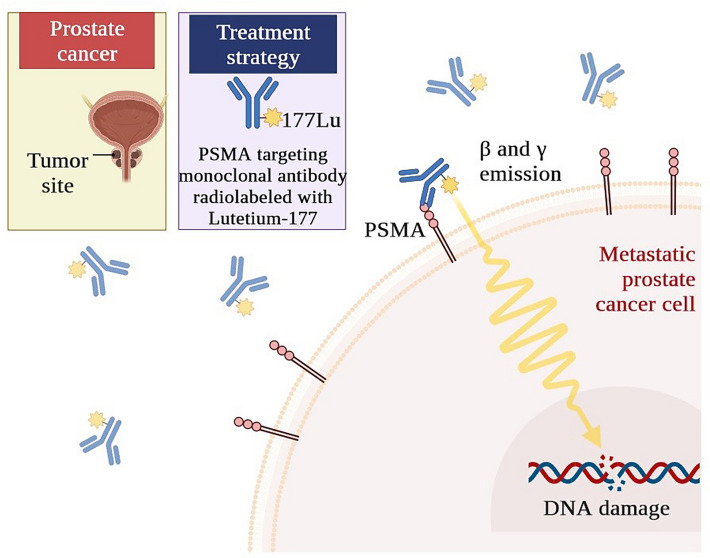
“In prostate cancer, radiolabelled antibodies like 177 Lu-PSMA-617 have emerged as potent tools, capitalizing on the overexpression of prostate-specific membrane antigen (PSMA) in prostate cancer cells [98], as depicted in Fig.”
BackgroundA Review on Theranostics: An Approach to Targeted Diagnosis and Therapy
Shrivastava, S., Jain, S., Kumar, D., Soni, S. L., & Sharma, M. (2019) · Asian Journal of Pharmaceutical Research and Development · doi:10.22270/ajprd.v7i2.463 · Cited by 53
Zukotynski, K., Jadvar, H., Capala, J., & Fahey, F. (2016) · Biomarkers in Cancer · doi:10.4137/bic.s31804 · Cited by 51
Yue, N.-N., Xu, H.-M., Xu, J., Zhu, M.-Z., Zhang, Y., Tian, C.-M., Nie, Y.-Q., Yao, J., Liang, Y.-J., Li, D.-F., et al. (2023) · International Journal of Nanomedicine · doi:10.2147/ijn.s413141 · Cited by 46 · cited 1×
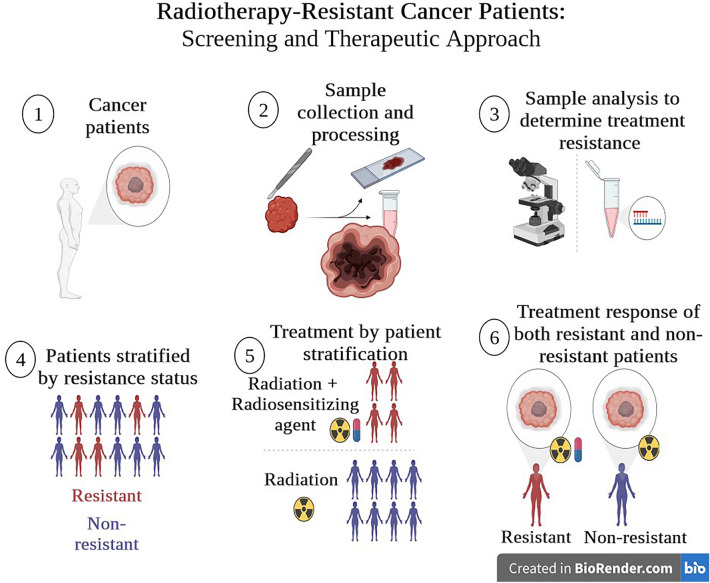
“Radiopharmaceuticals also hold promise in addressing challenges related to drug resistance [57].”
BackgroundMetrangolo, V., Ploug, M., & Engelholm, L. H. (2021) · Cancers · doi:10.3390/cancers13215376 · Cited by 44 · cited 1×
“Radiopharmaceuti-cal case studies vividly illustrate instances where this approach resulted in tumor regression and prolonged survival, underscoring the promise of such tailored strategies [97].”
BackgroundMitochondrial Metabolism: A New Dimension of Personalized Oncology
Behnam, B., & Taghizadeh-Hesary, F. (2023) · Cancers · doi:10.3390/cancers15164058 · Cited by 44 · cited 1×
“Guided by the compound’s affinity for specific targets, radiation therapy becomes a precise and effective way to triumph over diseases [12].”
BackgroundSelf-citationOmidian, H., & Mfoafo, K. A. (2023) · Pharmaceutics · doi:10.3390/pharmaceutics15061583 · Cited by 43 · cited 1×
“As the field of radiopharmaceuticals continues to flourish, with advancements in radionuclide production, radiotracer design, and imaging modalities, the journey towards minimizing off-target effects gains remarkable momentum [61].”
BackgroundRole of Artificial Intelligence in Theranostics
Brosch-Lenz, J., Yousefirizi, F., Zukotynski, K., Beauregard, J.-M., Gaudet, V., Saboury, B., Rahmim, A., & Uribe, C. (2021) · PET Clinics · doi:10.1016/j.cpet.2021.06.002 · Cited by 42 · cited 1×
“AI’s role extends to optimizing the planning of radiophar-maceutical therapy, incorporating patient-specific factors, radiotracer biodistribution profiles, and dosimetry calculations [122].”
BackgroundRadiolabeled carbon-based nanostructures: New radiopharmaceuticals for cancer therapy?
Jaymand, M., Taghipour, Y. D., Rezaei, A., Derakhshankhah, H., Abazari, M. F., Samadian, H., & Hamblin, M. R. (2021) · Coordination Chemistry Reviews · doi:10.1016/j.ccr.2021.213974 · Cited by 40 · cited 1×
“…Radiolabelled nanoparticles for tracking and therapy ‑ Targeted delivery of anti‑inflammatory agents ‑ Nanoparticle‑based immune modulation [71] Cardiovascular applications Radiolabelling to assess nanoparticle distribution ‑ Drug delivery to diseased blood vessels ‑ Reduction of systemic…”
BackgroundPET and the role of in vivo molecular imaging in personalized medicine
Pither, R. J. (2003) · Expert Review of Molecular Diagnostics · doi:10.1586/14737159.3.6.703 · Cited by 38 · cited 1×
“…Radiolabelling for monitoring tissue repair ‑ Controlled delivery of growth factors for tissue Stem cell therapy augmentation with targeted drugs [77] nanoparticles advance, the intersection of art and science in their design becomes increasingly evident, depicting a canvas where therapeutic…”
BackgroundTherapeutic strategies for patients with neuroendocrine neoplasms: current perspectives
Modica, R., Liccardi, A., Minotta, R., Cannavale, G., Benevento, E., & Colao, A. (2022) · Expert Review of Endocrinology & Metabolism · doi:10.1080/17446651.2022.2099840 · Cited by 37 · cited 1×
“Radiopharmaceutical case studies demonstrate the efficacy of 177 Lu-DOTATATE in halting tumor progression and inducing regression, providing evidence for its inclusion in therapeutic protocols [93].”
BackgroundHow to Design AI-Driven Clinical Trials in Nuclear Medicine
Delso, G., Cirillo, D., Kaggie, J. D., Valencia, A., Metser, U., & Veit-Haibach, P. (2021) · Seminars in Nuclear Medicine · doi:10.1053/j.semnuclmed.2020.09.003 · Cited by 36 · cited 1×
“The fusion of AI with radiopharmaceuticals not only enhances diagnostic and therapeutic outcomes but also accelerates research and drug development, transforming the discovery of novel radiotracers and therapeutic agents [123].”
BackgroundThe Added Value of Diagnostic and Theranostic PET Imaging for the Treatment of CNS Tumors
Pruis, I. J., van Dongen, G. A. M. S., & Veldhuijzen van Zanten, S. E. M. (2020) · International Journal of Molecular Sciences · doi:10.3390/ijms21031029 · Cited by 35 · cited 1×
“Recent studies highlight the potential of these systems in treating diseases, especially in cancer diagnosis and management [85].”
BackgroundProtein and Gene Delivery Systems for Neurodegenerative Disorders: Where Do We Stand Today?
Siafaka, P. I., Okur, M. E., Dilsiz, P., Çağlar, E. Ş., Özgenç, E., Gündoğdu, E., Köprülü, R. E. P., Karantas, I. D., & Okur, N. Ü. (2022) · Pharmaceutics · doi:10.3390/pharmaceutics14112425 · Cited by 35 · cited 1×
“…Radiopharmaceutical tracking of combination therapy ‑ Simultaneous delivery of multiple therapeutic Synergistic effects for enhanced efficacy [76] Regenerative medicine Radiolabelling for monitoring tissue repair ‑ Controlled delivery of growth factors for tissue Stem cell therapy…”
BackgroundUltrasmall silica nanoparticles in translational biomedical research: Overview and outlook
Singh, N., Shi, S., & Goel, S. (2023) · Advanced Drug Delivery Reviews · doi:10.1016/j.addr.2022.114638 · Cited by 35 · cited 1×
“These platforms allow the co-delivery of therapeutic agents, contrast agents, or multiple radiotracers, creating finely tuned symphonies of treatment and imaging tailored to individual patient profiles [81].”
BackgroundPassive Targeting and the Enhanced Permeability and Retention (EPR) Effect
Onzi, G. R., Guterres, S. S., Pohlmann, A. R., & Frank, L. A. (2021) · Springer eBooks · doi:10.1007/978-3-030-51519-5_108-1 · Cited by 33 · cited 1×
“This offers a glimpse into a future where precision and compassion come together to enhance patient outcomes [18].”
BackgroundArtificial Intelligence and the Future of Diagnostic and Therapeutic Radiopharmaceutical Development
Ataeinia, B., & Heidari, P. (2021) · PET Clinics · doi:10.1016/j.cpet.2021.06.008 · Cited by 31 · cited 1×
“This partnership boosts the accuracy of radiopharmaceutical imaging, with AI algorithms efficiently navigating through vast datasets to reveal subtle patterns and anomalies that might escape human detection [121].”
BackgroundA urologist’s perspective on prostate cancer imaging: past, present, and future
George, A. K., Turkbey, B., Valayil, S. G., Muthigi, A., Mertan, F., Kongnyuy, M., & Pinto, P. A. (2016) · Abdominal Radiology · doi:10.1007/s00261-016-0751-6 · Cited by 30 · cited 1×
“The emergence of advanced radiopharmaceutical formulations signals a groundbreaking era in nuclear medicine, characterized by innovative progress in molecular design and delivery approaches [62].”
BackgroundDizdarevic, S., Jessop, M., Begley, P., Main, S., & Robinson, A. (2018) · European Journal of Nuclear Medicine and Molecular Imaging · doi:10.1007/s00259-018-4083-3 · Cited by 29
New SPECT and PET Radiopharmaceuticals for Imaging Inflammatory Diseases: A Narrative Review
Pacilio, M., Lauri, C., Prosperi, D., Petitti, A., & Signore, A. (2018) · Seminars in Nuclear Medicine · doi:10.1053/j.semnuclmed.2017.12.004 · Cited by 28 · cited 1×
“…medicine Radiotracer‑guided customization of drug delivery ‑ Tailored drug delivery based on patient‑specific Customized treatment regimens [74] Minimizing side effects Radiolabelling for tracking nanoparticle biodistribu‑ tion ‑ Localized drug release to reduce systemic toxicity ‑…”
BackgroundAerts, A., Impens, N. R. E. N., Gijs, M., D’Huyvetter, M., Vanmarcke, H., Ponsard, B., Lahoutte, T., Luxen, A., & Baatout, S. (2014) · Current Pharmaceutical Design · doi:10.2174/1381612819666140110114902 · Cited by 25 · cited 1×
“…nanoparticle delivery ‑ Blood–brain barrier crossing for central nervous system drug delivery ‑ Targeted therapy for neurodegenerative diseases [70] Inflammatory conditions Radiolabelled nanoparticles for tracking and therapy ‑ Targeted delivery of anti‑inflammatory agents ‑ Nanoparticle‑based…”
BackgroundTheranostics in Hematooncology
Buck, A. K., Serfling, S. E., Kraus, S., Samnick, S., Dreher, N., Higuchi, T., Rasche, L., Einsele, H., & Werner, R. A. (2023) · Journal of Nuclear Medicine · doi:10.2967/jnumed.122.265199 · Cited by 25 · cited 1×
“Approved by the FDA in 2003 for relapsed or refractory non-Hodgkin lymphoma, a phase III clinical trial demonstrated improved overall response rates and duration of response compared to rituximab, another CD20-targeting antibody [23].”
BackgroundMolecular imaging of plaques in coronary arteries with PET and SPECT.
(2014) · PubMed Central · doi:10.11909/j.issn.1671-5411.2014.03.005 · Cited by 24
A review on Stimuli-pH responsive liposomal formulation in cancer therapy
Jayapriya, P., Pardhi, E., Vasave, R., Guru, S. K., Madan, J., & Mehra, N. K. (2023) · Journal of Drug Delivery Science and Technology · doi:10.1016/j.jddst.2023.105172 · Cited by 24 · cited 1×
“For instance, pH-sensitive nanocarriers, including liposomes, micelles, or polymers, can exploit the acidic environment of tumors to release radiopharma-ceuticals selectively [26].”
BackgroundProduction and Clinical Applications of Radiopharmaceuticals and Medical Radioisotopes in Iran
Jalilian, A. R., Beiki, D., Hassanzadeh-Rad, A., Eftekhari, A., Geramifar, P., & Eftekhari, M. (2016) · Seminars in Nuclear Medicine · doi:10.1053/j.semnuclmed.2016.01.006 · Cited by 22 · cited 1×
“Combining these carriers with disease-targeting ligands creates a unique balance of precision and adaptability, allowing radiotracers to uniformly navigate biological systems, providing unprecedented insights into cellular processes [64].”
BackgroundSuh, J. K., Koh, K., Min, S. Y., Kim, Y. S., Kim, H., Im, H. J., Namgoong, J., Kim, D. Y., Ahn, S. D., Lee, J. J., et al. (2020) · Pediatric Transplantation · doi:10.1111/petr.13658 · Cited by 22
Thermoresponsive M1 macrophage-derived hybrid nanovesicles for improved in vivo tumor targeting
Barone, A., Zimbo, A. M., d’Avanzo, N., Tolomeo, A. M., Ruga, S., Cardamone, A., Celia, C., Scalise, M., Torella, D., La Deda, M., et al. (2023) · Drug Delivery and Translational Research · doi:10.1007/s13346-023-01378-9 · Cited by 22 · cited 1×
“Examples include pH-and temperature-responsive liposomes for PET imaging and hyperthermia-induced drug release, redox-and light-responsive polymersomes for SPECT imaging and photodynamic therapy, and magnetic-and pH-responsive nanoparticles for MRI imaging and pH-triggered drug release [30].”
BackgroundChapter 4 Functional neuroimaging of cognition
Perani, D. (2008) · Handbook of clinical neurology · doi:10.1016/s0072-9752(07)88004-3 · Cited by 21
Insights into Nanomedicine for Head and Neck Cancer Diagnosis and Treatment
Viegas, C., Pereira, D. S. M., & Fonte, P. (2022) · Materials · doi:10.3390/ma15062086 · Cited by 21 · cited 1×
“Moreover, these formulations, often designed for multifunctionality, allow for the simultaneous delivery of therapeutic agents, contrast agents, or even multiple radionuclides, showcasing remarkable flexibility and synergistic therapeutic potential [65].”
BackgroundBoschi, S., Lodi, F., Boschi, L., Nanni, C., Chondrogiannis, S., Colletti, P. M., Rubello, D., & Fanti, S. (2014) · Clinical Nuclear Medicine · doi:10.1097/rlu.0000000000000512 · Cited by 20 · cited 1×
“…for tracking nanoparticle biodistribu‑ tion ‑ Localized drug release to reduce systemic toxicity ‑ Controlled and sustained drug delivery [75] Combination therapies Radiopharmaceutical tracking of combination therapy ‑ Simultaneous delivery of multiple therapeutic Synergistic effects for…”
BackgroundWahl, R. L., Chareonthaitawee, P., Clarke, B., Drzezga, A. E., Lindenberg, L., Rahmim, A., Thackeray, J. T., Ulaner, G. A., Weber, W., Zukotynski, K., et al. (2020) · Journal of Nuclear Medicine · doi:10.2967/jnumed.120.253450 · Cited by 20 · cited 1×
“The collaborative blend of molecular precision, advanced imaging technologies, and multidisciplinary collaborations propels radiopharmaceuticals to the forefront of medical innovation [120].”
BackgroundRadiopharmaceuticals in cardiology
Mikołajczak, R., & Garnuszek, P. (2012) · Nuclear Medicine Review · doi:10.5603/nmr.2012.0008 · Cited by 20
Radiation Protection among South African Diagnostic Radiographers—A Mixed Method Study
Lewis, S., Downing, C., & Hayre, C. M. (2023) · Health Physics · doi:10.1097/hp.0000000000001655 · Cited by 18 · cited 1×
“Radiation Safety Courses offer essential knowledge on principles, regulations, and practices, with certifications such as Certified Health Physicist (CHP) available through organizations like the American Board of Health Physics (ABHP) [34].”
BackgroundRadiopharmaceuticals in Neurological and Psychiatric Disorders
Valotassiou, V. J., Wozniak, G., Sifakis, N., Demakopoulos, N., & Georgoulias, P. (2008) · Current Clinical Pharmacology · doi:10.2174/157488408784293679 · Cited by 17
The Role of Preclinical Models in Radiopharmaceutical Therapy
Sgouros, G., Hobbs, R. F., & Abou, D. S. (2014) · American Society of Clinical Oncology Educational Book · doi:10.14694/edbook_am.2014.34.e121 · Cited by 16 · cited 1×
“Engineered with tailored surface modifications and ligands for disease-specific recognition, these nanoparticles navigate biological landscapes with remarkable accuracy, evading clearance mechanisms and homing in on unique cellular receptors or microenvironments in pathological tissues [79].”
BackgroundLoharkar, S., & Basu, S. (2023) · Expert Review of Precision Medicine and Drug Development · doi:10.1080/23808993.2023.2211090 · Cited by 16 · cited 1×
“The cases illustrate instances where PRRT acts synergistically, either as neo-adjuvant therapy before surgery or alongside other targeted agents to enhance therapeutic outcomes [105].”
BackgroundTurner, J. H. (2009) · Current Pharmaceutical Design · doi:10.2174/138161209787582020 · Cited by 14 · cited 1×
“Additionally, radi-olabelled antibodies like 131 I-rituximab have paved the way for innovative treatment strategies for non-Hodgkin lymphomas, showcasing the power of radioimmuno-therapy [94].”
BackgroundCicone, F., Gleisner, K. S., Sarnelli, A., Indovina, L., Gear, J. I., Gnesin, S., Kraeber‐Bodéré, F., Delaloye, A. B., Valentini, V., & Cremonesi, M. (2023) · Physica Medica · doi:10.1016/j.ejmp.2023.103188 · Cited by 13 · cited 1×
“Risk management guidelines, particularly from organizations like the European Association of Nuclear Medicine (EANM), provide insights into effectively handling risks associated with the small-scale preparation of radiopharmaceuticals [52].”
BackgroundIsotopic Adventures—Geological, Planetological, and Cosmic
Wasserburg, G. J. (2003) · Annual Review of Earth and Planetary Sciences · doi:10.1146/annurev.earth.31.100901.141409 · Cited by 12
Filippi, L., Schillaci, O., & Palumbo, B. (2022) · Expert Review of Molecular Diagnostics · doi:10.1080/14737159.2022.2035723 · Cited by 12 · cited 1×
“Neurological applications encompass the diagnosis and monitoring of neurodegenerative disorders, with radiopharmaceuticals providing insights into neural function and degeneration patterns [50].”
BackgroundShao, L. (2023) · Molecules · doi:10.3390/molecules28166053 · Cited by 11 · cited 1×
“Firstly, the production of over 100 radiop-harmaceuticals has been a focal point, involving the use of radioisotopes from nuclear research reactors or cyclo-trons [112].”
BackgroundHadfield, M. J., Lyall, V., Holle, L. M., & Dennison, M. (2023) · Annals of Pharmacotherapy · doi:10.1177/10600280231155441 · Cited by 10 · cited 1×
“1 Radiotherapy response on resistant and non‑resistant cancer patients compared to placebo [22].”
BackgroundVargas, C. S., Andersson, M., Bouvier‐Capely, C., Li, W. B., Madas, B. G., Covens, P., Struelens, L., & Strigari, L. (2023) · Zeitschrift für Medizinische Physik · doi:10.1016/j.zemedi.2023.02.006 · Cited by 10 · cited 1×
“Moreover, recent advancements in radiopharmaceutical research have introduced innovative strategies for enhancing their specificity and therapeutic effectiveness [4].”
BackgroundStrobel, J., Müller, H.-P., Ludolph, A. C., Beer, A. J., Sollmann, N., & Kassubek, J. (2023) · Cells · doi:10.3390/cells12242776 · Cited by 10 · cited 1×
“Lastly, diagnostic radiopharmaceuticals have gained prominence, offering valuable insights into organ function and disease presence [114].”
BackgroundAdverse reactions to radiopharmaceuticals: liver radiopharmaceuticals
Battal, H., & Özer, A. Y. (2021) · Nuclear Medicine Communications · doi:10.1097/mnm.0000000000001355 · Cited by 9 · cited 1×
“The union of radi-opharmaceutical science and nanotechnology gives rise to a wave of innovation, where precisely designed nano-particles act as sophisticated carriers, orchestrating the targeted delivery of therapeutic and diagnostic payloads [78].”
BackgroundMultifunctional Liposomes to Attain Targeting, Stimuli Sensitive Drug Release and Imaging Cancer
Kumar, V., Kewlani, P., Singh, A., Sanjay, Gautam, A. K., & Rajamanickam, V. M. (2023) · Studies in mechanobiology, tissue engineering and biomaterials · doi:10.1007/978-981-99-6564-9_3 · Cited by 8
Wongso, H., Hendra, R., Nugraha, A. S., Ritawidya, R., Saptiama, I., & Kusumaningrum, C. E. (2022) · TrAC Trends in Analytical Chemistry · doi:10.1016/j.trac.2022.116900 · Cited by 7 · cited 1×
“Essentially, it is about adding a tiny bit of radioactivity to a special compound, making it a powerful tool to target and illuminate specific processes inside the body [9].”
BackgroundReawakening of Nuclear Medicine through Molecular Imaging: Quantitative Theranostics and PSMA PET
Civelek, A. C. (2023) · Radiology · doi:10.1148/radiol.230627 · Cited by 7 · cited 1×
“…and colleges, covering radiation safety, radio pharmacy, anatomy, physiology, and imaging techniques, often culminating in certifications from organizations like the American Registry of Radiologic Technologists (ARRT) or the Nuclear Medicine Technology Certification Board (NMTCB) [33].”
BackgroundQuality assurance in nuclear medicine--biological quality control of radiopharmaceuticals.
Sj, K., & Mz, S. (1996) · PubMed · Cited by 6
Translation of Radiopharmaceuticals from Bench to Bedside: Regulatory and Manufacturing Issues
Knapp, F. F., & Dash, A. K. (2016) · Springer eBooks · doi:10.1007/978-81-322-2607-9_17 · Cited by 6 · cited 1×
“As radiopharmaceutical technologies continue to evolve and therapeutic paradigms expand, this concerted effort ensures that the benefits of radiopharmaceutical applications are harnessed to their fullest potential while prioritizing patient well-being and safety [54].”
BackgroundAdvanced molecular imaging for the characterisation of complex medicines
Yilmaz, D., Sharp, P. S., Main, M. J., & Simpson, P. B. (2022) · Drug Discovery Today · doi:10.1016/j.drudis.2022.03.001 · Cited by 5 · cited 1×
“This collaboration between advanced labeling techniques and drug design means these medicines not only hit the right spots but also avoid causing trouble in other areas of our bodies [14].”
BackgroundYang, K., Li, J., Cheng, Y., & Bai, C. (2023) · Endocrine Connections · doi:10.1530/ec-22-0441 · Cited by 4 · cited 1×
“Approved by the FDA in 2018 for treating gastroenteropancreatic neuroendocrine tumors, a phase III clinical trial demonstrated improved progression-free survival and overall response rates compared to standard therapy [21].”
BackgroundNanoconjugate formulations for enhanced drug delivery
Oner, E., Ilhan, M., Gultekin, H. E., & Karpuz, M. (2023) · Advanced and Modern Approaches for Drug Delivery · doi:10.1016/b978-0-323-91668-4.00023-x · Cited by 4
Sonni, I., Garibotto, V., Iagaru, A., Das, D., & Massoud, T. (2018) · PET/MRI in Oncology · doi:10.1007/978-3-319-68517-5_11 · Cited by 3 · cited 1×
“PRRT leverages radiolabelled somatostatin analogues like 177 Lu-DOTATATE, utilizing their molecular specificity to target tumor cells overexpressing somatostatin receptors [101].”
BackgroundRadiopharmaceuticals Regulations: Current Scenario and the Way Forward
Sharma, N., Kaur, H., & Sharma, R. K. (2017) · Applied Clinical Research Clinical Trials and Regulatory Affairs · doi:10.2174/2213476x04666170410141155 · Cited by 3 · cited 1×
“The future of radiopharmaceuticals goes beyond disease diagnosis and treatment, expanding into drug development and basic research [117].”
BackgroundCalabria, F., Leporace, M., Tavolaro, R., & Bagnato, A. (2023) · Radiology‐Nuclear Medicine Diagnostic Imaging · doi:10.1002/9781119603627.ch4 · Cited by 3
Giovanella, L., Caldarella, C., Treglia, G., & Giordano, A. (2013) · Cancer Management and Research · doi:10.2147/cmar.s34685 · Cited by 1 · cited 1×
“Cases utilizing radiolabelled bisphosphonates, like ^99mTc-MDP, high-light their pivotal role in guiding therapeutic decisions by providing an accurate assessment of tumor burden and bone turnover [110].”
Background
Research works printed but not linked: 1
- Sarkar PS Kashyap YS Aswal DK Sarkar PS Safety, regulations, metrology and standards in neutron imaging Neutron imaging: basics, techniques and applications 2022 Singapore Springer Singapore
Cited by
Nanocellulose in targeted drug delivery: A review of modifications and synergistic applications
Babaei-Ghazvini, A., Patel, R., Vafakish, B., Yazdi, A. F. A., & Acharya, B. (2024) · International Journal of Biological Macromolecules · doi:10.1016/j.ijbiomac.2024.135200 · Cited by 68
Kiran, N. S., Yashaswini, C., Maheshwari, R., Bhattacharya, S., & Prajapati, B. G. (2024) · ACS Pharmacology & Translational Science · doi:10.1021/acsptsci.4c00008 · Cited by 82
Mulat, M., Banicod, R. J. S., Tabassum, N., Javaid, A., Karthikeyan, A., Jeong, G., Kim, Y., Jung, W., & Khan, F. (2025) · Antibiotics · doi:10.3390/antibiotics14060555 · Cited by 82
Theranostics: Integrated Diagnostics and Therapy Using Nanomedicine
Singh, V. (2024) · Nanotechnology in the life sciences · doi:10.1007/978-3-031-72467-1_17 · Cited by 52
Revolutionizing cancer treatment: The role of radiopharmaceuticals in modern cancer therapy
Varghese, T. P., John, A., & Mathew, J. (2024) · Precision Radiation Oncology · doi:10.1002/pro6.1239 · Cited by 40
Metadata
- Authors
- Dhoundiyal, S., Srivastava, S., Kumar, S., Singh, G., Ashique, S., Pal, R., Mishra, N., & Taghizadeh-Hesary, F.
- Affiliations
- Galgotias University (IN)
- Delhi Pharmaceutical Science and Research University (IN)
- Case Western Reserve University (US)
- Amity University Madhya Pradesh (IN)
- Corresponding author
- Srivastava, Shriyansh
- ORCID
- Venue
- European Journal of Medical Research
- Published
- 2024-01-05
- Volume
- 29
- Issue
- 1
- Pages
- 26-26
- ISSN
- 0949-2321 (ISSN-L)
- 2047-783X
- PMC
- PMC10768149
- OpenAlex
- W4390632397
- Semantic Scholar
- 875624cd6dcf87e578f7df14d948a53417531e79
- Cited by
- 144
- References
- 130
- Citations by year
- 2026: 36 · 2025: 64 · 2024: 44
- FWCI
- 9.31
- Type
- journal article
- Language
- en
- Open access
- gold
- doi.org
- Licence
- cc-by
- creativecommons.org/licenses/by/4.0 (tdm)
- creativecommons.org/licenses/by/4.0 (vor)
- Locations
- European journal of medical research (publishedVersion, cc-by)
- PubMed Central (publishedVersion, cc-by)
- PubMed (publishedVersion)
- DOAJ (DOAJ: Directory of Open Access Journals) (submittedVersion, cc-by-sa)
- Topics
- Health Sciences › Medicine › Radiology, Nuclear Medicine and Imaging › Radiopharmaceutical Chemistry and Applications
- Health Sciences › Medicine › Radiology, Nuclear Medicine and Imaging › Medical Imaging Techniques and Applications
- Physical Sciences › Materials Science › Biomaterials › Nanoparticle-Based Drug Delivery
- Keywords
- radiopharmaceuticals, targeted drug delivery, enhanced permeability and retention effect, ligand-receptor targeting, stimuli-responsive drug release, theranostics, diagnostic imaging, radiolabeled antibodies, peptide receptor radionuclide therapy, neuroendocrine tumors, bone metastasis, nanoparticle formulation, precision medicine, artificial intelligence, radionuclides
- MeSH terms
- Artificial Intelligence, Humans, Radiopharmaceuticals, Precision Medicine
About these checks
Registry, retraction, Cites and statistics results are computed, not judged, with one exception: a printed reference that no index lists is read once by a model before it counts as a citation error. Claims are extracted by a model and kept only when their quote appears verbatim in the text; each cited source is then checked, with a model’s help, for whether it says what the claim relies on. Those verdicts can be wrong — read the claim’s quote and the cited source before relying on one.
The claim verdicts this report counts are experimental: their accuracy is not yet measured.
A language model drew the claims from the paper on 2026-10-10, under version 3 of the claim definition (model deepseek-v4.1-flash, prompt extract-v3).
A second model labelled each claim on 2026-10-10 (model jev-1.13-20260917, definition revision gold-guideline-v0.2).
Cited sources are checked with a language model’s help (gpt-6-sol).
Statistics and arithmetic are recomputed, not judged.
Confidence bands are shown only for fields calibrated on our annotated test set. None is calibrated yet, so no band is shown.
What counts as a claim ›How we measure confidence ›How we check this ›
Are you an author, or do you see a problem with this page? Request a review
Data sources
Bibliographic data: Semantic Scholar, OpenAlex, Crossref.
Contains information from the Semantic Scholar Academic Graph Datasets, made available under the ODC Attribution License (ODC-BY 1.0).
Semantic Scholar’s data is described in: Kinney, R., et al. (2023). The Semantic Scholar Open Data Platform. arXiv:2301.10140.
