

Advances in the development of new biomarkers for Alzheimer’s disease
Open accessThe DOI matches its Crossref record; 238 of the 238 references it cites were found in a registry or an index.
Abstract
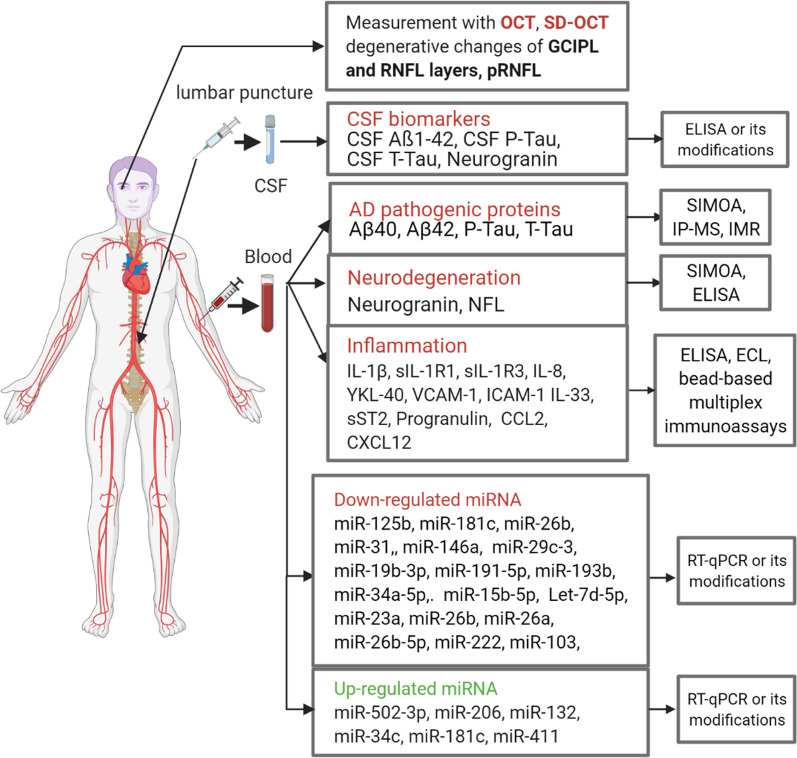
Alzheimer's disease (AD) is a complex, heterogeneous, progressive disease and is the most common type of neurodegenerative dementia. The prevalence of AD is expected to increase as the population ages, placing an additional burden on national healthcare systems. There is a large need for new diagnostic tests that can detect AD at an early stage with high specificity at relatively low cost. The development of modern analytical diagnostic tools has made it possible to determine several biomarkers of AD with high specificity, including pathogenic proteins, markers of synaptic dysfunction, and markers of inflammation in the blood. There is a considerable potential in using microRNA (miRNA) as markers of AD, and diagnostic studies based on miRNA panels suggest that AD could potentially be determined with high accuracy for individual patients. Studies of the retina with improved methods of visualization of the fundus are also showing promising results for the potential diagnosis of the disease. This review focuses on the recent developments of blood, plasma, and ocular biomarkers for the diagnosis of AD.
Overview
The claims and statistics of this paper haven’t been checked yet.
Free: it reads the open-access text and checks the first 5 claims that cite a source we can check. Create a free account to check every claim.
Integrity signals
Registry
Cites
Statistics
Figures
Verification
Claims the paper makes
The claims and statistics of this paper haven’t been checked yet.
Free: it reads the open-access text and checks the first 5 claims that cite a source we can check. Create a free account to check every claim.
Claims other papers make about this one
Each is checked against this paper’s own text: does it say what the citing paper says it does?
The source backs part of the claim, not all of it — or backs it for a different population, condition or comparison.
In the citing paper
“Many CSF biomarkers (like Aβ, P-tau, NfL, GFAP) also show promising applications in blood, with advancements in highly sensitive analytical platforms and detection techniques enhancing diagnostic precision and reliability.368,388,389”
From Recent advances in Alzheimer's disease: Mechanisms, clinical trials and new drug development strategies. (2024) · cites this paper as [368]
Experimental — accuracy not yet measuredThe cited source says what the claim attributes to it.
In the citing paper
“Studies have reported that amyloid PET exhibits 90% sensitivity and specificity in diagnosing AD, and tau PET can specifically identify AD dementia from other neurodegenerative diseases, showing higher diagnostic accuracy than MRI markers.368”
From Recent advances in Alzheimer's disease: Mechanisms, clinical trials and new drug development strategies. (2024) · cites this paper as [368]
The cited source says what the claim attributes to it.
In the citing paper
“Peripheral biomarkers are increasingly recognized as valuable for detecting early brain changes in MCI and AD, supporting diagnostic and therapeutic strategies at preclinical stages. 13”
From Plasma extracellular vesicles from APOE3 Christchurch carriers display a protective phenotype in early stages of autosomal dominant Alzheimer's disease (2026) · cites this paper as [13]
Self-check
Percentages, sums and reported differences re-computed from the paper’s own numbers.
The self-check needs the paper’s full text.
Citations
Cites
Huang, D., Swanson, E. A., Lin, C. P., Schuman, J. S., Stinson, W. G., Chang, W., Hee, M. R., Flotte, T., Gregory, K., Puliafito, C. A., et al. (1991) · Science · doi:10.1126/science.1957169 · Cited by 13,788
NIA‐AA Research Framework: Toward a biological definition of Alzheimer's disease
Jack, C. R., Bennett, D. A., Blennow, K., Carrillo, M. C., Dunn, B., Haeberlein, S. B., Holtzman, D. M., Jagust, W., Jessen, F., Karlawish, J., et al. (2018) · Alzheimer's & Dementia · doi:10.1016/j.jalz.2018.02.018 · Cited by 10,537
Regulation of microRNA biogenesis
Ha, M., & Kim, V. N. (2014) · Nature Reviews Molecular Cell Biology · doi:10.1038/nrm3838 · Cited by 5,462 · cited 1×
“MicroRNA (miRNA) biomarkers of AD Mature miRNAs are single-stranded RNA molecules of 20–25 nucleotides [134] that can regulate gene expression post-transcriptionally by binding to the 3’-untranslated region (3’UTR) of mRNAs and blocking protein synthesis or leading to the degradation of target mRNAs [135].”
BackgroundAnderson, N. L., & Anderson, N. G. (2002) · Molecular & Cellular Proteomics · doi:10.1074/mcp.r200007-mcp200 · Cited by 4,414
Research criteria for the diagnosis of Alzheimer's disease: revising the NINCDS–ADRDA criteria
Dubois, B., Feldman, H. H., Jacova, C., DeKosky, S. T., Barberger-Gateau, P., Cummings, J., Delacourte, A., Galasko, D., Gauthier, S., Jicha, G., et al. (2007) · The Lancet Neurology · doi:10.1016/s1474-4422(07)70178-3 · Cited by 4,411 · cited 1×
“The development of AD goes through three stages: the pre-symptomatic stage, the prodromal stage of mild cognitive impairment (MCI), and the clinical form of AD [4, 5].”
BackgroundClinical and biomarker changes in dominantly inherited Alzheimer's disease
Bateman, R. J., Xiong, C., Benzinger, T. L. S., Fagan, A. M., Goate, A., Fox, N. C., Marcus, D. S., Cairns, N. J., Xie, X., Blazey, T. M., et al. (2012) · New England Journal of Medicine · doi:10.1056/nejmoa1202753 · Cited by 3,814 · cited 1×
“Currently, AD can be identified in patients at the preclinical stage in vivo, for example, by the biological or molecular signature of the disease [13].”
BackgroundAlzheimer Disease: An Update on Pathobiology and Treatment Strategies
Long, J. M., & Holtzman, D. M. (2019) · Cell · doi:10.1016/j.cell.2019.09.001 · Cited by 3,204 · cited 2×
“Indeed, Aβ which is normally cleared by microglia can induce an activation phenotype of microglia, leading to chemokine release and local inflammation [15, 20].”
BackgroundNeuroinflammation and microglial activation in Alzheimer disease: where do we go from here?
Leng, F., & Edison, P. (2021) · Nature Reviews Neurology · doi:10.1038/s41582-020-00435-y · Cited by 3,179 · cited 1×
“While Aβ and Tau pathologies have a well-documented impact on brain physiology in AD, their appearance and accumulation are a consequence of early impairment of immune functions and arising neuroinflammation [18].”
Background2020 Alzheimer's disease facts and figures
(2020) · Alzheimer's & Dementia · doi:10.1002/alz.12068 · Cited by 2,353
Nelson, P. T., Alafuzoff, I., Bigio, E. H., Bouras, C., Braak, H., Cairns, N. J., Castellani, R. J., Crain, B. J., Davies, P., Tredici, K. D., et al. (2012) · Journal of Neuropathology & Experimental Neurology · doi:10.1097/nen.0b013e31825018f7 · Cited by 2,050 · cited 1×
“Furthermore, Tau pathologies alone can trigger neurodegeneration and the progression of Tau pathologies correlates with the severity of the cognitive impairment [17].”
Background
Research works printed but not linked: 1
- 182. Zeng Q, Zou L, Qian L, Zhou F, Nie H, Yu S, et al. Expression of microRNA-222 in serum of patients with Alzheimer's disease. Mol Med Rep. 2017;16(4):5575–5579. doi: 10.3892/mmr.2017.7301. · DOI
Cited by
Items 101–200 of 256
Ma, Z., Zhang, Z., Lv, X., Zhang, H., Lu, K., Su, G., Huang, B., & Chen, H. (2024) · Talanta · doi:10.1016/j.talanta.2024.126111 · Cited by 9
Rehman, H., Ang, T. F. A., Tao, Q., Au, R., Farrer, L. A., Qiu, W. Q., Zhang, X., & Initiative, A. D. N. (2025) · Alzheimer s & Dementia · doi:10.1002/alz.70066 · Cited by 9
“4,12,27,28 Although several other studies have also shown that other protein markers in blood distinct from A β and tau also performed well in AD classification and prediction, 7,29–32 they do not outperform the CSF biomarkers for AD.”
Puranik, N., & Song, M. (2025) · CNS & Neurological Disorders - Drug Targets · doi:10.2174/0118715273355336250226055826 · Cited by 10
Tiwari, P., Dwivedi, R., Kaushik, M., Tripathi, M., & Dada, R. (2025) · Journal of Molecular Neuroscience · doi:10.1007/s12031-025-02363-2 · Cited by 10
“Amyloid plaques interfere with neuronal communication and activate inflammatory cascades, ultimately resulting in neuronal damage (Klyucherev et al. 2022).”
Pathological Mechanisms and Molecular Imaging Advances in Alzheimer’s Disease
Liu, C., Meng, Y., Liu, R., Wang, Z., & Zhao, H. (2025) · Clinical Interventions in Aging · doi:10.2147/cia.s534015 · Cited by 8
“129 Moreover, retinal degeneration is not exclusive to AD but also occurs in other neurodegenerative and aging-related conditions, including age-related macular degeneration, diabetes, hypertension, and glaucoma.”
Biomarker Identification for Alzheimer’s Disease Using a Multi-Filter Gene Selection Approach
Pashaei, E., Pashaei, E., & Aydın, N. (2025) · International Journal of Molecular Sciences · doi:10.3390/ijms26051816 · Cited by 8
der Auwera, S. V., Garvert, L., Ameling, S., Völzke, H., Nauck, M. A., Völker, U., & Grabe, H. J. (2023) · Psychiatry Research · doi:10.1016/j.psychres.2023.115141 · Cited by 8
Piura, Y. D., Satyadev, N., Corriveau‐Lecavalier, N., Kuchenbecker, L. A., Haydu, L. E., Geschwind, M. D., Tipton, P. W., Graff‐Radford, N. R., & Day, G. S. (2025) · Annals of Neurology · doi:10.1002/ana.27297 · Cited by 8
Li, M.-M., Yang, Y., Huang, Y.-L., Wu, S.-J., Huang, W.-L., Ye, L., & Xu, Y. (2025) · Frontiers in Immunology · doi:10.3389/fimmu.2025.1610717 · Cited by 10
Wang, X., Xiang, X., Wei, J., Zhang, P., Xu, Q., Liu, M., Qu, L., Wang, X., Yu, L., Wu, A., et al. (2024) · Neurochemical Research · doi:10.1007/s11064-024-04145-5 · Cited by 7
Novel plasma protein biomarkers: A time-dependent predictive model for Alzheimer's disease
Zhuang, T., Yang, Y., Ren, H., Zhang, H., Gao, C. Q., Chen, S., Shen, J., Ji, M., & Cui, Y. (2024) · Archives of Gerontology and Geriatrics · doi:10.1016/j.archger.2024.105650 · Cited by 8
“Biomarkers play a crucial role in assessing an individual ’ s susceptibility to future disease risk and predicting the time of AD onset (Mantzavinos and Alexiou, 2017, Klyucherev et al., 2022).”
Polymerase Chain Reaction Chips for Biomarker Discovery and Validation in Drug Development
Vo, D.-K., & Trinh, K. T. L. (2025) · Micromachines · doi:10.3390/mi16030243 · Cited by 9
“The biomarker of interest is exclusively detected and often verified using techniques like mass spectrometry, qPCR, or immunoassays [121,122].”
Nayak, A., Raju, R., Das, P., Das, K., Suvitha, A., Meher, B. R., Alobid, S. E., Almoteer, A. I., Almadani, M. E., Alshehri, A., et al. (2023) · Saudi Pharmaceutical Journal · doi:10.1016/j.jsps.2023.101888 · Cited by 9
Rehman, H., Initiative, F. T. A. D. N., Ang, T. F. A., Tao, Q., Espenilla, A. L., Au, R., Farrer, L. A., Zhang, X., & Qiu, W. Q. (2024) · Journal of Alzheimer's Disease · doi:10.3233/jad-230837 · Cited by 7
Belinga, L. N., Espourteille, J., Njamnshi, W. Y., Zeukang, A. Z., Rouaud, O., NJAMNSHI, A. K., Allali, G., & Richetin, K. (2024) · Neurodegenerative Diseases · doi:10.1159/000538623 · Cited by 7
“2) [39, 40].”
Potential Application of MicroRNAs and Some Other Molecular Biomarkers in Alzheimer’s Disease
Paprzycka, O., Wieczorek, J., Nowak, I., Madej, M., & Strzałka‐Mrozik, B. (2024) · Current Issues in Molecular Biology · doi:10.3390/cimb46060304 · Cited by 7
“NFL levels have been found to correlate with cognitive decline and can be measured in both serum and CSF [1,9,25].”
BackgroundInfluentialA Multi-Label Deep Learning Model for Detailed Classification of Alzheimer's Disease
Yang, M., Zhao, Y., Yu, H., Chen, S., Gao, G., Li, D., Wu, X., Huang, L., & Ye, S. (2025) · Actas Españolas de Psiquiatría · doi:10.62641/aep.v53i1.1728 · Cited by 7
Yamasaki, T., & Ikeda, T. (2024) · Brain Sciences · doi:10.3390/brainsci14040353 · Cited by 8
Zhang, B., Yu, X., & Zhang, X. (2026) · Neurological Sciences · doi:10.1007/s10072-026-08893-w · Cited by 6
Alameen, A. A. M., Al‐kuraishy, H. M., Al-Gareeb, A. I., Shokr, M. M., & Batiha, G. E. (2026) · Microvascular Research · doi:10.1016/j.mvr.2026.104947 · Cited by 7
Li, M., Zhang, Q., Wang, Z., Gui, Z., Liu, J., Li, J., Jiang, M., Chang, Z., Han, Q., Yang, B., et al. (2026) · iMeta · doi:10.1002/imt2.70157 · Cited by 12
Diagnostic disclosure of Alzheimer's disease in Brazil: a national survey of specialized physicians
de Souza, V. S., Guazzelli, S. B., de Souza, L. C., Resende, E. D. P. F., de Souza, L. C., Barbosa, M. T., & Caramelli, P. (2023) · Arquivos de Neuro-Psiquiatria · doi:10.1055/s-0043-1776316 · Cited by 6
“12 Accordingly, the degree of certainty of the diagnosis in fl uences the decision to disclose or not the diagnosis, therefore making the emergence of biomarkers an important factor in favor of the disclosure.”
BackgroundRiberas‐Sánchez, A., Puig-Parnau, I., Vila-Solés, L., García‐Brito, S., Aldavert-Vera, L., Segura-Torres, P., Huguet, G., & Kádár, E. (2024) · Journal of Psychiatry and Neuroscience · doi:10.1503/jpn.230066 · Cited by 6
“11,12 However, there have been few conclusive studies regarding their usefulness in assessing the efficacy of thera peutic strategies.”
BackgroundBiosensors and biomarkers: A dynamic duo towards Alzheimer's disease detection
Park, J. S., Ahmad, W., Choe, K., Ahmad, R., Park, T. J., & Kim, M. O. (2024) · Sensing and Bio-Sensing Research · doi:10.1016/j.sbsr.2024.100704 · Cited by 13
Lewis, J. M., Harris, D.-A., Kosmatka, J., Mikrut, E., Evenson, J., Balcer, H. I., Dhani, H., Hinestrosa, J. P., Rissman, R. A., & Billings, P. R. (2024) · Journal of Alzheimer s Disease · doi:10.1177/13872877241291964 · Cited by 6
Kloske, C. M., Mahinrad, S., Barnum, C. J., Batista, A. F., Bradshaw, E. M., Butts, B., Carrillo, M. C., Chakrabarty, P., Chen, X., Craft, S., et al. (2024) · Alzheimer s & Dementia · doi:10.1002/alz.14291 · Cited by 6
“112”
Jacob, C., Tollenaere, M., Kachar, H., Potier, M., Deyn, P. P. D., & Dam, D. V. (2024) · Heliyon · doi:10.1016/j.heliyon.2024.e41445 · Cited by 6
Qi, Y., Yu, J., Lou, M., Yu, Y., Li, R., Zhang, Z., Dai, Y., Lao, K., Cao, M., & Gou, X. (2025) · Analytica Chimica Acta · doi:10.1016/j.aca.2025.343659 · Cited by 6
Sun, Y., Chen, Y., Dong, L., Hu, D., Zhang, X., Jin, C., Zhou, R., Zhang, J., Dou, X., Wang, J., et al. (2025) · European Journal of Nuclear Medicine and Molecular Imaging · doi:10.1007/s00259-025-07228-9 · Cited by 7
“The I ² for SE was 80.70% (95% CI: 77.02–84.39) and for SP was 76.05% which is further complicated by the inherent heterogeneity of AD as a neurodegenerative disease [ 77, 78 ].”
InfluentialKim, S. S., Jeon, J. K., Ganbat, D., Kim, T.-W., Shin, K., Hong, S., & Hong, J. (2023) · International Journal of Molecular Sciences · doi:10.3390/ijms241814064 · Cited by 7
“PET imaging of the brain constitute the most convincing diagnostic calibres (Cohen et al. 2019; Klyucherev et al. 2022).”
BackgroundYadikar, H., Ansari, M. A., Abu‐Farha, M., Joseph, S., Thomas, B. T., & Al‐Mulla, F. (2024) · International Journal of Molecular Sciences · doi:10.3390/ijms25126469 · Cited by 6
“One of the significant challenges in AD research is the heterogeneity of the disease, which complicates the identification of universal biomarkers and therapeutic targets [5].”
BackgroundKumar, S., Malviya, R., Sridhar, S. B., Wadhwa, T., & Shareef, J. (2026) · Journal of Neuroscience Methods · doi:10.1016/j.jneumeth.2026.110695 · Cited by 6
Yutani, R., Venketaraman, V., & Sheren, N. (2024) · Antioxidants · doi:10.3390/antiox13091106 · Cited by 8
Elevated levels of salivary interleukin-34 in patients suffering from Alzheimer’s disease
Clark, R., Lira‐Junior, R., Jansson, L. E., Eriksdotter, M., Schultzberg, M., Pussinen, P. J., Buhlin, K., & Boström, E. A. (2025) · Clinical Oral Investigations · doi:10.1007/s00784-025-06376-4 · Cited by 7
Saleh, O. M., Albakri, K. A., Altiti, A., Abutair, I., Shalan, S. S., Mohd, O. B., Negida, A., Mushtaq, G., & Kamal, M. A. (2023) · CNS & Neurological Disorders - Drug Targets · doi:10.2174/1871527322666230519113201 · Cited by 6
Oprea, V. D., Marinescu, M. C., Popazu, C., Sârbu, F., Onose, G., & Romila, A. (2022) · Diagnostics · doi:10.3390/diagnostics12122994 · Cited by 6
Pineda‐Lopez, L., Aguillon, D., Villar‐Vesga, J., Valderrama‐Carmona, P., Guerrero, A., Upreti, A., Arevalo‐Alquichire, S., Correa, L., Mendez‐Castellanos, K., Castaño, D., et al. (2026) · Alzheimer's & Dementia · doi:10.1002/alz.71148 · Cited by 4
“13 In non-demented individuals, lipid, inflammatory, and metabolic profiles predict cognitive performance and its trajectory.”
Molecular pathology and biomarker of progression in Alzheimer’s disease
Husain, M. (2022) · Brain · doi:10.1093/brain/awac209 · Cited by 4
Aftab, S., Koyyada, G., Nazir, G., Khalid, A., Assiri, M. A., Rubab, N., & Kim, J. H. (2025) · Journal of environmental chemical engineering · doi:10.1016/j.jece.2025.117836 · Cited by 5
Advances in plasma biomarkers for the diagnosis of Alzheimer’s disease
Wu, H., Liu, L., & Zeng, L. (2026) · Brain Research · doi:10.1016/j.brainres.2025.150138 · Cited by 5
Patwekar, F., Patwekar, M., Wei, L. S., Sharma, R., Varghese, R., & Mohammed, A. (2026) · Human Cell · doi:10.1007/s13577-026-01368-2 · Cited by 4
Challenges and opportunities in neurodegenerative diseases management
Syed, J. M., Nemichandra, S. C., Sridhar, S. B., Shareef, J., Ramesh, M., & Chalasani, S. H. (2024) · Elsevier eBooks · doi:10.1016/b978-0-443-28822-7.00026-x · Cited by 7
Roles of nano medicine in diagnosis of Alzheimer's disease
Kaushal, M. A., Patel, N., Xavier, G., & Prajapati, B. G. (2024) · Elsevier eBooks · doi:10.1016/b978-0-443-13205-6.00017-0 · Cited by 4
Giorelli, M., Accavone, D., & Liso, A. D. (2024) · Frontiers in Neurology · doi:10.3389/fneur.2024.1352261 · Cited by 4
Qi, Y., Sun, J., Wang, S., Ren, W., & Liu, C. (2024) · Analytical Chemistry · doi:10.1021/acs.analchem.4c03092 · Cited by 4
Abnormal outer and inner retina in a mouse model of Huntington’s disease with age
Yang, D., Huang, C., Guo, X., Li, Y., Wu, J., Zhang, Z., Yan, S., & Xu, Y. C. (2024) · Frontiers in Aging Neuroscience · doi:10.3389/fnagi.2024.1434551 · Cited by 4
Ochneva, A., Soloveva, K., Savenkova, V., Ikonnikova, A. Y., Gryadunov, D. A., & Andryushchenko, A. V. (2023) · Consortium Psychiatricum · doi:10.17816/cp716 · Cited by 4
“Other researchers report the potential value of neurogranin as a marker of synaptic dysfunction, the epidermal growth factor (EGF) involved in neurogenesis in adults, as well as pancreatic polypeptide, an increased level of which may be associated with neuronal death [5].”
BackgroundAnalytical Validation of a Novel MicroRNA Panel for Risk Stratification of Cognitive Impairment
Kunwar, A., Ablordeppey, K. K., Mireskandari, A., Sheinerman, K. S., Kiefer, M., Umansky, S. R., & Kumar, G. (2023) · Diagnostics · doi:10.3390/diagnostics13132170 · Cited by 7
“As a result, the utility of CSF and PET biomarkers in most primary and secondary care settings worldwide is limited, necessitating other diagnostic approaches for AD [9].”
BackgroundHernández-Pinilla, A., Clua‐Espuny, J. L., Satué-Gracia, E. M., Pallejà-Millán, M., & Martín‐Luján, F. (2024) · BMJ Open · doi:10.1136/bmjopen-2023-080736 · Cited by 4
“33 A recent publication has demonstrated the cost-effectiveness of integrating biomarkers into stroke risk stratification scales for patients with AF.”
BackgroundWang, X.-C., Wu, G., Cai, H., Chu, C.-L., Liu, Y., Li, H.-C., Zheng, J. G., Chen, H., Lin, H., Li, S., et al. (2025) · Neurochemical Research · doi:10.1007/s11064-025-04515-7 · Cited by 3
Mathew, J., Maroky, A. S., SINDURAJ, S., & Chandrababu, A. (2025) · International Journal of Applied Pharmaceutics · doi:10.22159/ijap.2025v17i5.54564 · Cited by 4
Jiao, Y., Ding, Y., Luo, N., Niu, M., Zhong, M., Liu, J., Zhao, A., Li, Y., & Initiative, A. D. N. (2025) · Journal of Alzheimer s Disease · doi:10.1177/13872877251390836 · Cited by 3
“28 Compared to methods that require CSF collection or imaging studies, blood-based miRNA testing is a convenient, noninvasive, and cost-effective diagnostic approach.”
Xu, Z., Li, X., Wang, S., Lyu, J., Zhu, S., Chen, S., Li, Y., Zhang, Y., Wang, F., & Duan, R. (2026) · Neuropharmacology · doi:10.1016/j.neuropharm.2026.110880 · Cited by 4
Hafez, M. M., Abbas, H. A., Shoman, N. A., Soubh, A. A., Aly, O., Sallam, M. F., Seliem, M. A., & Malaak, F. A. (2026) · Journal of Neurology · doi:10.1007/s00415-026-13829-7 · Cited by 3
Brain–body interactions in systemic diseases: a survey from an imaging perspective
Li, F., Zhao, S., Liang, Z., Xu, Z., Bai, S., Zhou, W., Zheng, Q., Yan, W., Wang, L., Sun, K., et al. (2026) · MedScience · doi:10.1007/s11684-026-1229-8 · Cited by 3
Proteomics and its application in the research of acupuncture: An updated review
Zhong, Z., Sun, M., He, M., Huang, H., Hu, G., Ma, S., Zheng, H., Li, M., Yao, L., Cong, D., et al. (2024) · Heliyon · doi:10.1016/j.heliyon.2024.e33233 · Cited by 3
“At present, there are no effective drugs that can curb the development of AD in clinical practice, only help with symptomatic relief [41].”
BackgroundYakubu, A., Adedeji, I. A., Maduka, O. C., Jegede, A. S., & Adebamowo, C. (2024) · BMC Medical Ethics · doi:10.1186/s12910-024-01141-w · Cited by 5
Enzymes and Alzheimer's Disease: Pioneering Drug Development Strategies
Godwa, T., Dubey, S., & Tiwari, P. K. (2025) · Current Psychopharmacologye · doi:10.2174/0122115560340307250106065419 · Cited by 5
Tavares-Júnior, J. W. L., Ciurleo, G. C. V., Feitosa, E. D. A. A. F., Oriá, R. B., & Braga‐Neto, P. (2024) · Journal of Alzheimer s Disease · doi:10.3233/jad-231368 · Cited by 3
Zhang, J., Hu, Q., Li, F., & Wu, G. (2024) · Research Square · doi:10.21203/rs.3.rs-3921380/v1 · Cited by 3
Arrieta, E., Baz, P. G., & García‐Ribas, G. (2024) · Frontiers in Neurology · doi:10.3389/fneur.2024.1434210 · Cited by 3
Peesapati, S., & Chakraborty, S. (2025) · ACS Chemical Neuroscience · doi:10.1021/acschemneuro.5c00261 · Cited by 2
Unlocking the Future of Alzheimer's Disease: Innovations in Diagnosis and Therapy
Mehndiratta, M. M., Singla, M., & Dixit, A. (2025) · Journal of the Association of Physicians of India · doi:10.59556/japi.73.1075 · Cited by 2
Zielińska, Z., & Gorodkiewicz, E. (2026) · Biomedicines · doi:10.3390/biomedicines14020351 · Cited by 2
Mikołajczak, K., Chmiel, J., & Leszek, J. (2026) · Cells · doi:10.3390/cells15121111 · Cited by 3
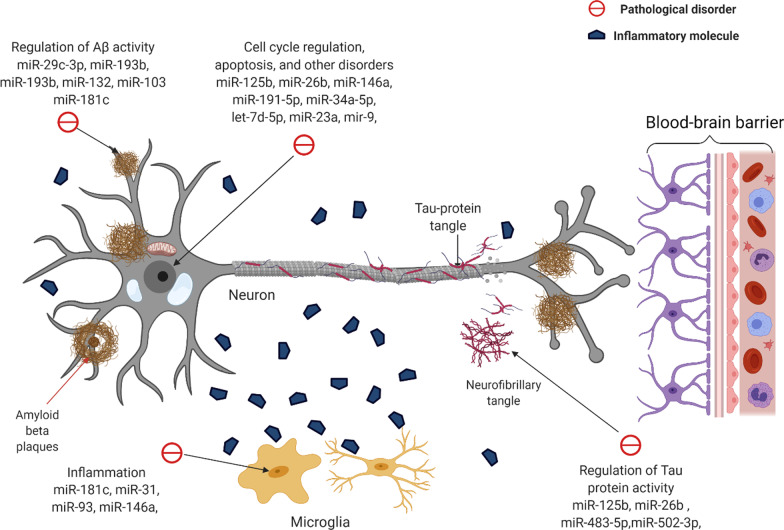
“In addition, miR-26b, miR-483-5p, miR-502-3p modulate tau protein activity, while miR-181c, miR-93, miR-31 influence neuroinflammatory processes [69].”
Inhibitors of Oxytosis/Ferroptosis: A New Class of Therapeutics for Alzheimer’s Disease
Maher, P. A. (2023) · Springer eBooks · doi:10.1007/978-3-031-39171-2_22 · Cited by 3
Telpoukhovskaia, M. A., Murdy, T. J., Marola, O. J., Charland, K., MacLean, M., Luquez, T., Lish, A. M., Neuner, S. M., Dunn, A. R., Onos, K. D., et al. (2024) · Alzheimer s & Dementia Translational Research & Clinical Interventions · doi:10.1002/trc2.12458 · Cited by 3
“54 However, these meth-ods are expensive, invasive, and not widely available, especially in rural areas, presenting an obstacle to best match the timing of treatment with the patients most likely to benefit.”
BackgroundLiquid clues: tear film biomarkers unravelling Alzheimer’s mysteries
Zaheer, A., Anwar, I. B., Haseeb, A., & Yadav, A. (2024) · Annals of Medicine and Surgery · doi:10.1097/ms9.0000000000002014 · Cited by 2
Biomarker Profiles in Serum and CSF for Early Diagnosis of Selected Neurodegenerative Diseases
Anique, M., Talib, M., Ihsan, A., Anwar, I., Zeeshan, A., & Ahsan, N. (2024) · Pakistan Journal of Health Sciences · doi:10.54393/pjhs.v5i09.2153 · Cited by 2
Alzheimer’s Disease and Epigenetics
Örenay-Boyacıoğlu, S., Boyacıoğlu, O., & Döndü, A. (2024) · Springer eBooks · doi:10.1007/978-3-031-32035-4_172-1 · Cited by 2
From genes to drugs: targeting Alzheimer’s with circadian insights
Li, Z., Li, X., Su, L., Zhang, Z., Guo, H., Ge, Y., Dong, F., & Zhang, F. (2025) · Frontiers in Aging Neuroscience · doi:10.3389/fnagi.2025.1527636 · Cited by 2
Khosroabadi, Z., Niazmand, A., Mousavi, S. R., Hosseini, N., Bagheri, N., Chitsaz, A., & Salehi, M. (2025) · Current Alzheimer Research · doi:10.2174/0115672050381537250422075255 · Cited by 2
Recent developments and future perspectives of neuropathology
Jellinger, K. A. (2022) · Exploration of neuroscience · doi:10.37349/en.2022.00004 · Cited by 2
“New highly specific biomarkers in blood and cerebrospinal fluid, including specific proteins, markers of synaptic dysfunction and inflammation have enabled an early diagnosis of this “plague of our century” [4].”
BackgroundPatel, B., Walker, R., Capó, M., Cusimano, N., Comas, J., Garcia, D., Cruickshank, G. S., & Ginn, C. (2023) · Medical Research Archives · doi:10.18103/mra.v11i7.2.3971 · Cited by 1
Retinal revelations: Seeing beyond the eye with artificial intelligence
Akkara, J. D. (2024) · Kerala Journal of Ophthalmology · doi:10.4103/kjo.kjo_124_24 · Cited by 1
Unlocking the therapeutic promise of miRNAs in promoting amyloid-β clearance for Alzheimer's disease
Kaur, V., & Sunkaria, A. (2025) · Behavioural Brain Research · doi:10.1016/j.bbr.2025.115505 · Cited by 1
Global trends and prospects of ocular biomarkers in Alzheimer’s disease: a bibliometric analysis
Shen, Y., Zhang, X., Xu, C., & Zhu, Z. (2025) · Frontiers in Aging Neuroscience · doi:10.3389/fnagi.2025.1528527 · Cited by 1
“In comparison, measuring tau levels in plasma is less invasive, more accessible, and feasible for broad implementation in primary healthcare settings, making it a promising preliminary approach for screening AD in high-risk populations (Klyucherev et al., 2022).”
The role of nuclear medicine in central nervous system evaluation
Shadmani, G., Swingle, C. A., & Coffman, C. H. (2025) · The Neuroradiology Journal · doi:10.1177/19714009251345100 · Cited by 1
“49 dopaminergic neurons in the substantia nigra, a hallmark of PS, disrupts the nigrostriatal pathway and reduces DaT in the striatum.”
CLARITY in Alzheimer’s Research: Merging Tissue Transparency with Next-Gen Neurotechnologies
Trisal, A., & Singh, A. K. (2025) · Journal of Neuroscience Methods · doi:10.1016/j.jneumeth.2025.110554 · Cited by 1
“…and may aid in the identification of novel biomarkers or therapeutic targets by offering a high-resolution view of these molecular interactions [73]. o f Future integration of SREM with other imaging modalities may continue to enhance our understanding of AD pathophysiology, correlate…”
Biomarkers: From early detection to treatment personalization
Fatima, S., Tiwari, S., Siddiqi, B., Quadri, S. N., & Abdin, M. Z. (2025) · Progress in brain research · doi:10.1016/bs.pbr.2025.08.008 · Cited by 1
Alzheimer’s Disease and Epigenetics
Örenay-Boyacıoğlu, S., Boyacioglu, O., & Döndü, A. (2025) · Springer eBooks · doi:10.1007/978-3-031-73368-0_172 · Cited by 1
Michaelian, J. C., Trares, K., Stevenson‐Hoare, J. O., Holleczek, B., Schöttker, B., & Brenner, H. (2025) · The Journals of Gerontology Series A · doi:10.1093/gerona/glaf268 · Cited by 1
Blood-based biomarkers and early diagnosis of Alzheimer’s disease
Cui, Z., Li, G., Wei, S., Cheng, Q., Yu, Q., Zong, S., Zhang, P., Chen, H., Yu, S., Wu, S., et al. (2026) · Neural Regeneration Research · doi:10.4103/nrr.nrr-d-25-00759 · Cited by 1
Pais, M. L., Jorge, L., Martins, R., Canário, N., Xavier, A. C., Bernardes, R. C., Abrunhosa, A., Santana, I. J., & Castelo-Branco, M. S. (2023) · Brain Communications · doi:10.1093/braincomms/fcad148 · Cited by 2
“biomarkers are limited due to the high cost and access constraints.(17) For these reasons, neurological exams, cognitive”
Abramova, O. V., Zorkina, Y., Ushakova, V. M., Gryadunov, D. A., Ikonnikova, A. Y., Fedoseeva, E., Emelyanova, M., Ochneva, A., Morozova, I., Ka, P., et al. (2023) · International Journal of Molecular Sciences · doi:10.3390/ijms241713395 · Cited by 1
Azmi, M. B., Ahmed, A., Ahmed, T. F., Imtiaz, F., Asif, U., Zaman, U., Khan, K. A., & Sherwani, A. K. (2023) · ACS Omega · doi:10.1021/acsomega.3c05769 · Cited by 2
Bercovitch, R., Tio, E. S., & Felsky, D. (2023) · Alzheimer s & Dementia · doi:10.1002/alz.077136 · Cited by 1
Biosensors for detection of Alzheimer’s disease: a review
Tewari, M. (2024) · Elsevier eBooks · doi:10.1016/b978-0-443-19129-9.00005-4 · Cited by 1
Zakaria, W. N. A., Zahiruddin, H., Zukarnain, Z. A., & Wijaya, A. (2024) · Rwanda medical journal · doi:10.4314/rmj.v81i3.6 · Cited by 1
Tangarife, M. A. C., & Landínez-Martínez, D. (2024) · Mediterranean Journal of Clinical Psychology · doi:10.13129/2282-1619/mjcp-4092 · Cited by 1
Exploring New Vista for Alzheimer's Disease Drug Targets (Part II)
Bolinger, A. A., & Zhou, J. (2023) · Current Topics in Medicinal Chemistry · doi:10.2174/156802662313230626121232 · Cited by 1
Convolutional Neural Networks for Alzheimer’s DiseasePreprint
Hu, J. (2023) · Preprints.org · doi:10.20944/preprints202310.1435.v1 · Cited by 1
Proteomics As A Valid Tool In Biomarker Discovery For Alzheimer's DiseasePreprint
Magnelli, V. (2024) · Preprints.org · doi:10.20944/preprints202401.1595.v1 · Cited by 1
Leow, Y. J., Ismail, Z., Saffari, S. E., Sandhu, G. K., Tanoto, P., Lee, F. P. H. E., Ghildiyal, S., Liew, S. Y., Bhalla, G., Ying, S. X., et al. (2024) · medRxiv · doi:10.1101/2024.12.08.24318690 · Cited by 1
Baron, S. K. V. (2024) · theses.fr (ABES) · doi:10.70675/652f012dz5154z4a59z9326zdc0fca7e4638 · Cited by 3
BIOMARCADORES PARA DOENÇA DE ALZHEIMER
Cazella, B. M. (2023) · Congresso Brasileiro de Estudos Patológicos On-line · doi:10.51161/ii-conbesp/13702
Glial Cells in Alzheimer’s Disease: Insights from Patient-Derived Models
Verkerke, M. L. (2023) · Utrecht University Repository (Utrecht University) · doi:10.33540/1838
Kainat, I., Khan, S., Zahra, A., & Saleem, M. (2023) · Current Trends in OMICS · doi:10.32350/cto.32.02 · Cited by 1
CUIDADOS PALIATIVOS NA DOENÇA DE ALZHEIMER: RELATO DE EXPERIÊNCIA
Moura, C. A. D., & Lopes, G. D. S. (2023) · Revista Contemporânea · doi:10.56083/rcv3n12-151
Fathallah, S. S. (2023) · theses.fr (ABES) · doi:10.70675/cd31edacz7e53z4d37zaf55z5dfcf1f9ba3f
Metadata
- Authors
- Klyucherev, T. O., Olszewski, P., Shalimova, A. A., Chubarev, V. N., Tarasov, V. V., Attwood, M. M., Syvänen, S., & Schiöth, H. B.
- Affiliations
- Uppsala University (SE)
- Sechenov University (RU)
- Corresponding author
- Schiöth, Helgi B.
- ORCID
- Venue
- Translational Neurodegeneration
- Published
- 2022-04-21
- Volume
- 11
- Issue
- 1
- Pages
- 25-25
- ISSN
- 2047-9158 (ISSN-L)
- PMC
- PMC9027827
- OpenAlex
- W4224247151
- Cited by
- 241
- References
- 238
- Citations by year
- 2026: 34 · 2025: 65 · 2024: 85 · 2023: 47 · 2022: 10
- FWCI
- 8.88
- Type
- journal article
- Language
- en
- Open access
- gold
- doi.org
- Licence
- cc-by
- creativecommons.org/licenses/by/4.0 (tdm)
- creativecommons.org/licenses/by/4.0 (vor)
- Locations
- Translational Neurodegeneration (publishedVersion, cc-by)
- PubMed Central (publishedVersion, cc-by)
- PubMed (publishedVersion)
- KTH Publication Database DiVA (KTH Royal Institute of Technology) (submittedVersion, other-oa)
- DOAJ (DOAJ: Directory of Open Access Journals) (submittedVersion, cc-by-sa)
- Funders
- vetenskapsrådet
- hjärnfonden
- Uppsala University
- Topics
- Health Sciences › Medicine › Psychiatry and Mental health › Dementia and Cognitive Impairment Research
- Life Sciences › Neuroscience › Cellular and Molecular Neuroscience › Alzheimer's disease research and treatments
- Life Sciences › Neuroscience › Neurology › Neuroinflammation and Neurodegeneration Mechanisms
- Keywords
- Alzheimer's disease, biomarkers, early diagnosis, blood biomarkers, plasma biomarkers, ocular biomarkers, retina, microRNA, synaptic dysfunction, neuroinflammation, pathogenic proteins, diagnostic testing
- MeSH terms
- Alzheimer Disease, Humans, Retina, Biomarkers, Amyloid beta-Peptides, MicroRNAs
About these checks
Registry, retraction, Cites and statistics results are computed, not judged, with one exception: a printed reference that no index lists is read once by a model before it counts as a citation error. Claims are extracted by a model and kept only when their quote appears verbatim in the text; each cited source is then checked, with a model’s help, for whether it says what the claim relies on. Those verdicts can be wrong — read the claim’s quote and the cited source before relying on one.
Statistics and arithmetic are recomputed, not judged.
Confidence bands are shown only for fields calibrated on our annotated test set. None is calibrated yet, so no band is shown.
What counts as a claim ›How we measure confidence ›How we check this ›
Are you an author, or do you see a problem with this page? Request a review
Data sources
Bibliographic data: Semantic Scholar, OpenAlex, Crossref.
Contains information from the Semantic Scholar Academic Graph Datasets, made available under the ODC Attribution License (ODC-BY 1.0).
Semantic Scholar’s data is described in: Kinney, R., et al. (2023). The Semantic Scholar Open Data Platform. arXiv:2301.10140.
