

Defective lysosomal acidification: a new prognostic marker and therapeutic target for neurodegenerative diseases
Open accessThe DOI matches its Crossref record; 103 of the 103 references it cites were found in a registry or an index.
Abstract
Lysosomal acidification dysfunction has been implicated as a key driving factor in the pathogenesis of neurodegenerative diseases, including Alzheimer’s disease and Parkinson’s disease. Multiple genetic factors have been linked to lysosomal de-acidification through impairing the vacuolar-type ATPase and ion channels on the organelle membrane. Similar lysosomal abnormalities are also present in sporadic forms of neurodegeneration, although the underlying pathogenic mechanisms are unclear and remain to be investigated. Importantly, recent studies have revealed early occurrence of lysosomal acidification impairment before the onset of neurodegeneration and late-stage pathology. However, there is a lack of methods for organelle pH monitoring in vivo and a dearth of lysosome-acidifying therapeutic agents. Here, we summarize and present evidence for the notion of defective lysosomal acidification as an early indicator of neurodegeneration and urge the critical need for technological advancement in developing tools for lysosomal pH monitoring and detection both in vivo and for clinical applications. We further discuss current preclinical pharmacological agents that modulate lysosomal acidification, including small molecules and nanomedicine, and their potential clinical translation into lysosome-targeting therapies. Both timely detection of lysosomal dysfunction and development of therapeutics that restore lysosomal function represent paradigm shifts in targeting neurodegenerative diseases.
Overview
The claims and statistics of this paper haven’t been checked yet.
Free: it reads the open-access text and checks the first 5 claims that cite a source we can check. Create a free account to check every claim.
Integrity signals
Registry
Cites
Statistics
Figures
Verification
Claims the paper makes
The claims and statistics of this paper haven’t been checked yet.
Free: it reads the open-access text and checks the first 5 claims that cite a source we can check. Create a free account to check every claim.
Claims other papers make about this one
Each is checked against this paper’s own text: does it say what the citing paper says it does?
The source backs part of the claim, not all of it — or backs it for a different population, condition or comparison.
In the citing paper
“A key factor affecting lysosomal function is the pH controlled by the vacuolar (H+)-ATPase (V-ATPase), which uses the energy from ATP hydrolysis to drive H+ from the cytoplasm into the lysosome.”
From Recent advances in Alzheimer's disease: Mechanisms, clinical trials and new drug development strategies. (2024) · cites this paper as [265]
Experimental — accuracy not yet measured
Self-check
Percentages, sums and reported differences re-computed from the paper’s own numbers.
The self-check needs the paper’s full text.
Citations
Cites
Exosomes: biogenesis, biologic function and clinical potential
Zhang, Y., Liu, Y., Liu, H., & Tang, W. H. (2019) · Cell & Bioscience · doi:10.1186/s13578-019-0282-2 · Cited by 2,119 · cited 1×
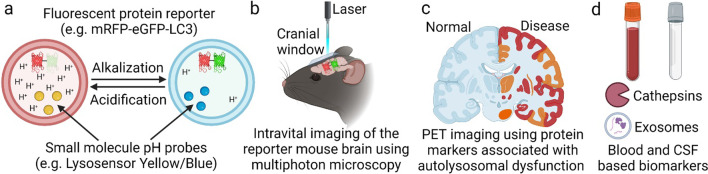
“Being regarded as the miniversion of parental cells [73], the CNS-derived exosomes are theoretically capable of reflecting the status of lysosomal acidification and function in neurons and glial cells in the brain.”
BackgroundLysosomal acidification mechanisms
Mindell, J. A. (2012) · Annual Review of Physiology · doi:10.1146/annurev-physiol-012110-142317 · Cited by 1,258 · cited 2×
“Lysosomal acidification is maintained primarily by a proton-pump known as vacuolar (H+)-ATPase (V-ATPase), together with multiple ion channels found on the lysosomal membrane such as the transient receptor potential (TRP) channels, two-pore channels (TPC), transmembrane protein 175 (TMEM175), and chlorideproton exchan…”
BackgroundLee, J.-H., Yu, W. H., Kumar, A., Lee, S., Mohan, P. S., Peterhoff, C. M., Wolfe, D. M., Martinez-Vicente, M., Massey, A. C., Sovak, G., et al. (2010) · Cell · doi:10.1016/j.cell.2010.05.008 · Cited by 1,212 · cited 1×
“Blastocysts from PSEN1-knockout mice exhibit reduced expression of V-ATPase subunit V0a1 as well as defective maturation, trafficking, and assembly of the V-ATPase enzyme complex, resulting in lysosomal acidification dysfunction [10, 11].”
BackgroundThe lysosome as a cellular centre for signalling, metabolism and quality control
Lawrence, R. E., & Zoncu, R. (2019) · Nature Cell Biology · doi:10.1038/s41556-018-0244-7 · Cited by 920 · cited 1×
“Lysosome functions as a major signaling hub and regulatory platform for cellular processes and controls cell death and survival [3, 4].”
BackgroundPathogenic Lysosomal Depletion in Parkinson's Disease
Dehay, B., Bové, J., Rodríguez-Muela, N., Perier, C., Recasens, A., Boya, P., & Vila, M. (2010) · The Journal of Neuroscience · doi:10.1523/jneurosci.1920-10.2010 · Cited by 825 · cited 1×
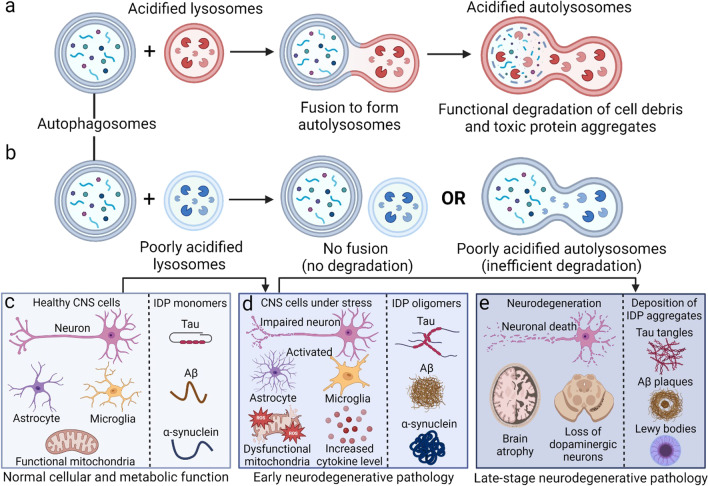
“Autophagic and lysosomal dysfunction were observed on day 1, preceding dopaminergic neuronal death observed on days 2 to 4, suggesting the role of early autolysosomal dysfunction in PD pathogenesis [53].”
BackgroundCataldo, A. M., Peterhoff, C. M., Troncoso, J. C., Gomez-Isla, T., Hyman, B. T., & Nixon, R. A. (2000) · The American Journal of Pathology · doi:10.1016/s0002-9440(10)64538-5 · Cited by 776 · cited 1×
“Similar PANTHOS phenomena driving neuronal death, including lysosome enlargement and membrane permeabilization, cathepsin release, glial activation, and Aβ plaque formation, were also present in post-mortem AD brain tissues at the Braak II stage, suggesting early lysosomal acidification defects in sporadic AD [12, 40].”
BackgroundLysosomes as a therapeutic target
Bonam, S. R., Wang, F., & Muller, S. (2019) · Nature Reviews Drug Discovery · doi:10.1038/s41573-019-0036-1 · Cited by 759 · cited 1×
“Introduction Lysosomal dysfunction in neurons and glial cells contributes to neurodegenerative diseases including Alzheimer’s disease (AD), frontotemporal dementia (FTD), Parkinson’s disease (PD), and amyotrophic lateral sclerosis (ALS), and has been a major field of research in the past decades [1, 2].”
BackgroundLipinski, M. M., Zheng, B., Lu, T., Yan, Z., Py, B. F., Ng, A., Xavier, R. J., Li, C., Yankner, B. A., Scherzer, C. R., et al. (2010) · Proceedings of the National Academy of Sciences · doi:10.1073/pnas.1009485107 · Cited by 680
Lee, J.-H., Yang, D.-S., Goulbourne, C. N., Im, E., Stavrides, P., Pensalfini, A., Chan, H., Bouchet-Marquis, C., Bleiwas, C., Berg, M. J., et al. (2022) · Nature Neuroscience · doi:10.1038/s41593-022-01084-8 · Cited by 638 · cited 5×
“Recent studies have demonstrated in different AD mouse models with APP and PSEN1 mutations, that early lysosomal acidification defects reduce autophagic degradation and increase accumulation of Aβ in neurons and late-stage deposition of Aβ plaques [12].”
BackgroundInfluentialPET radiotracers: crossing the blood–brain barrier and surviving metabolism
Pike, V. W. (2009) · Trends in Pharmacological Sciences · doi:10.1016/j.tips.2009.05.005 · Cited by 582
Cited by
Zhang, J., Zhang, Y., Wang, J., Xia, Y., Zhang, J., & Chen, L. (2024) · Signal Transduction and Targeted Therapy · doi:10.1038/s41392-024-01911-3 · Cited by 1,138
Quick, J. D., Silva, C., Wong, J. H., Lim, K. L., Reynolds, R., Barron, A. M., Zeng, J., & Lo, C. H. (2023) · Journal of Neuroinflammation · doi:10.1186/s12974-023-02866-y · Cited by 203
“3f) [110, 111] and some have been applied for the restoration of impaired microglial lysosomal acidification.”
BackgroundSelf-citationAsimakidou, E., Tan, J. K. S., Zeng, J., & Lo, C. H. (2024) · Pharmaceuticals · doi:10.3390/ph17050612 · Cited by 146
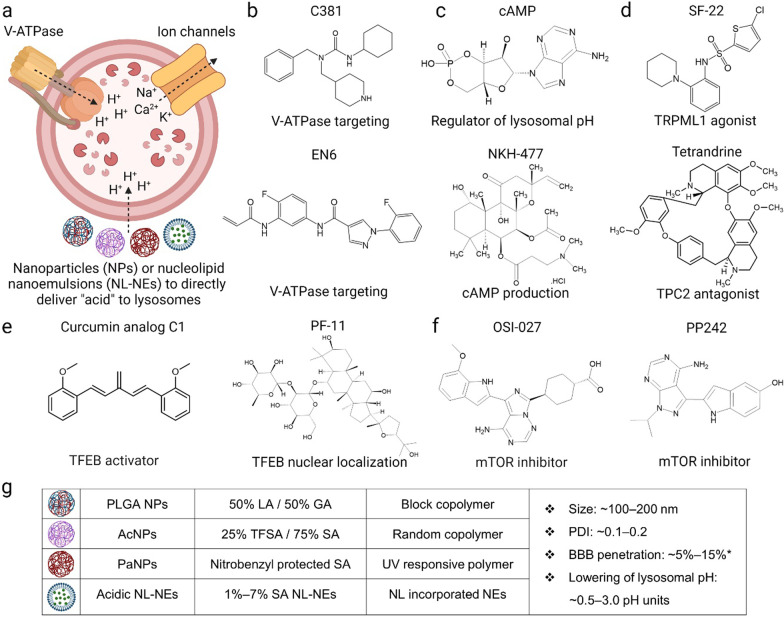
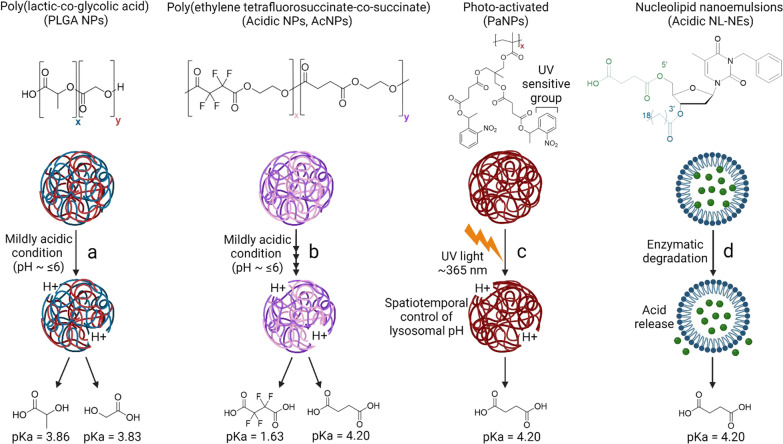
“Examples of these NPs include PLGA NPs, acidic NPs, and metal-based NPs like zinc oxide and platinum NPs [20,26,27,164], and they have been applied in neurodegenerative diseases [165,166], although further optimization is needed to enhance their BBB penetration.”
BackgroundSelf-citationO’Connor, L. M., O’Connor, B. A., Lim, S. B., Zeng, J., & Lo, C. H. (2023) · Journal of Pharmaceutical Analysis · doi:10.1016/j.jpha.2023.06.011 · Cited by 123
“ease mechanisms and opens avenues for translational neuroscience applications as well as advancing towards early diagnosis [245], precision phenotyping of diseases [246] and personalized medicine [247].”
BackgroundSelf-citationThe ion channels of endomembranes
Hu, M., Feng, X., Liu, Q., Liu, S., Huang, F., & Xu, H. (2024) · Physiological Reviews · doi:10.1152/physrev.00025.2023 · Cited by 91
Asimakidou, E., Saipuljumri, E. N., Lo, C. H., & Zeng, J. (2024) · Neural Regeneration Research · doi:10.4103/nrr.nrr-d-23-01770 · Cited by 70
“Strategies include improving lysosomal and mitochondrial function, as demonstrated in several preclinical models (Pomytkin and Pinelis, 2021; Lo et al., 2023; Zeng et al., 2023).”
BackgroundSelf-citationAutolysosomal Dysfunction in Obesity-induced Metabolic Inflammation and Related Disorders
Cheong, L. Y. T., Saipuljumri, E. N., Loi, G. W. Z., Zeng, J., & Lo, C. H. (2025) · Current Obesity Reports · doi:10.1007/s13679-025-00638-8 · Cited by 71
“Furthermore, nanoparticles have demonstrated the ability to rescue autolysosomal dysfunction in neurodegenerative disease models [160, 161, 162, 163, 164], highlighting their possible therapeutic use in obesity-induced neurode-generation.”
Self-citationRegulatory Mechanisms and Therapeutic Implications of Lysosomal Dysfunction in Alzheimer's Disease
Kim, Y., Ha, T.-Y., Lee, M. S., & Chang, K.-A. (2025) · International Journal of Biological Sciences · doi:10.7150/ijbs.103028 · Cited by 54
Comprehensive Overview of Alzheimer’s Disease: Etiological Insights and Degradation Strategies
Singh, M. K., Shin, Y., Ju, S., Han, S., Kim, S. S., & Kang, I. (2024) · International Journal of Molecular Sciences · doi:10.3390/ijms25136901 · Cited by 49
“Further optimization is needed for clinical application, including the development of BBB-penetrating peptides on the surface of NPs and the selection of suitable acids that are well metabolized in the body with minimal side effects [169].”
BackgroundLysosomal acidification impairment in astrocyte-mediated neuroinflammation
Zeng, J., Indajang, J., Pitt, D., & Lo, C. H. (2025) · Journal of Neuroinflammation · doi:10.1186/s12974-025-03410-w · Cited by 46
“While this review focuses on targeting lysosomal acidification in astrocytes, it is important to note that lysosomal dysfunction also occurs in other CNS cell types, such as microglia and neurons, under pathological conditions [127, 128, 146].”
Self-citationVietri, M., Miranda, M. R., Amodio, G., Ciaglia, T., Bertamino, A., Campiglia, P., Remondelli, P., Vestuto, V., & Moltedo, O. (2025) · Biomolecules · doi:10.3390/biom15070930 · Cited by 43
“This imbalance can lead to lysosomal swelling, leakage of lysosomal contents into the cytoplasm, and subsequent cellular damage or apoptosis [15].”
Next-Generation Drug Delivery for Neurotherapeutics: The Promise of Stimuli-Triggered Nanocarriers
Boyuklieva, R., Zahariev, N., Simeonov, P., Penkov, D., & Katsarov, P. (2025) · Biomedicines · doi:10.3390/biomedicines13061464 · Cited by 38
“This process can lower pH levels, resulting in a more acidic environment [39,40].”
Lo, C. H., O’Connor, L. M., Loi, G. W. Z., Saipuljumri, E. N., Indajang, J., Lopes, K. M., Shirihai, O. S., Grinstaff, M. W., & Zeng, J. (2024) · ACS Nano · doi:10.1021/acsnano.3c09206 · Cited by 37
Self-citationAmeliorating Mitochondrial Dysfunction for the Therapy of Parkinson's Disease
Zheng, Q. Y., Liu, H., Gao, Y., Cao, G., Wang, Y., & Li, Z. (2024) · Small · doi:10.1002/smll.202311571 · Cited by 35
Failure of lysosomal acidification and endomembrane network in neurodegeneration
Kim, S.-H., Cho, Y.-S., & Jung, Y. (2025) · Experimental & Molecular Medicine · doi:10.1038/s12276-025-01579-x · Cited by 34
“Similarly, in mammalian cells, the impaired V-ATPase function at the mitochondria – lysosome contacts negatively affects the exchange of crucial signaling molecules, including Ca 2+ ions, thus undermining mitochondrial functionality and longevity 36,111 .”
Ke, H., Yang, J., Zhang, W., Yang, P., Wang, Y., Wang, N., Bai, J., Yin, H., Chen, Y., Chen, X., et al. (2025) · Biosensors and Bioelectronics · doi:10.1016/j.bios.2025.117285 · Cited by 32
Asimakidou, E., Reynolds, R., Barron, A. M., & Lo, C. H. (2023) · Neural Regeneration Research · doi:10.4103/1673-5374.390979 · Cited by 32
“Moreover, early detection and targeting of lysosomal acidification dysfunction could have both prognostic and therapeutic values (Lo and Zeng, 2023).”
BackgroundSelf-citationLysosomal TFEB‐TRPML1 Axis in Astrocytes Modulates Depressive‐like Behaviors
Mo, J., Kong, P., Ding, L., Fan, J., Ren, J., Lu, C., Guo, F., Chen, L.-Y., Mo, R., Zhong, Q., et al. (2024) · Advanced Science · doi:10.1002/advs.202403389 · Cited by 30
Bi, J., Sun, Y., Guo, M., Sun, X., sun, J., Jiang, R., Wang, N., & Huang, G. (2025) · Cancer Cell International · doi:10.1186/s12935-025-03771-5 · Cited by 27
“Impaired lysosomal acidification function is considered a significant driving factor in the occurrence and progression of neurodegenerative diseases [71].”
Immune cell metabolic dysfunction in Parkinson’s disease
Mark, J. R., & Tansey, M. G. (2025) · Molecular Neurodegeneration · doi:10.1186/s13024-025-00827-y · Cited by 26
“The vast majority of lysosomal enzymes exhibit optimal function at acidic pH levels [185], thus it is unsurprising that deficits in lysosomal acidification result in decreased degradative capacity [186].”
Du, M., Yu, Y., Wang, J., & Ji, C. (2025) · International Journal of Molecular Sciences · doi:10.3390/ijms27010366 · Cited by 27
“Several small molecules—including C381, EN6, cyclic AMP analogs, NKH-477, SF-22, tetrandrine, nicotinamide riboside, curcumin analog C1, and PF11—also promote lysosomal acidification and functional recovery [12,148–150].”
Lu, J., Florio, D. N. D., Boya, P., Maday, S., Springer, W., & Chu, C. T. (2025) · Autophagy · doi:10.1080/15548627.2025.2581217 · Cited by 25
“Several drugs restore the acidic pH of the lysosome via modulation of the MCOLN/TRPML ion channel or V-ATPase activity [512], and delivery of nano-particles that enhance lysosomal acidification are promising and under early development [513].”
Hu, Y., Yang, Z., Wang, X., Li, X., & Wei, M. (2026) · Antioxidants · doi:10.3390/antiox15010073 · Cited by 21
“It is worth noting that the accumulation of undegraded autophagosomes in neurons occurs in the early stage of the disease, suggesting that it is an early driving event in disease progression [93,96].”
InfluentialData Mining of Microarray Datasets in Translational Neuroscience
O’Connor, L. M., O’Connor, B. A., Zeng, J., & Lo, C. H. (2023) · Brain Sciences · doi:10.3390/brainsci13091318 · Cited by 20
Self-citationSaipuljumri, E. N., Zeng, J., & Lo, C. H. (2025) · Neural Regeneration Research · doi:10.4103/nrr.nrr-d-25-00432 · Cited by 18
Self-citationA monocarboxylate transporter rescues frontotemporal dementia and Alzheimer’s disease models
Xu, D., Vincent, A. J., González‐Gutiérrez, A., Aleyakpo, B., Anoar, S., Giblin, A., Atilano, M. L., Adams, M. L., Shen, D., Thoeng, A., et al. (2023) · PLoS Genetics · doi:10.1371/journal.pgen.1010893 · Cited by 17
“Defects in late state autophagy and lysosomes have often been linked to neurodegenerative diseases [50], including in C9orf72 expansion models [51].”
Clinical biomarkers for Lewy body diseases
Abdelmoaty, M. M., Lu, E., Kadry, R., Foster, E. G., Bhattarai, S., Mosley, R. L., & Gendelman, H. E. (2023) · Cell & Bioscience · doi:10.1186/s13578-023-01152-x · Cited by 19
“Defective lysosomal acidification is associated with several neurodegenerative disorders [112].”
BackgroundMitochondria-lysosome-extracellular vesicles axis and nanotheranostics in neurodegenerative diseases
Kou, L., Wang, Y., Li, J., Zou, W., Jin, Z., Yin, S., Chi, X., Sun, Y., Wu, J., Wang, T., et al. (2024) · Experimental Neurology · doi:10.1016/j.expneurol.2024.114757 · Cited by 15
Bagdonaitė, R., Žvirblis, R., Dodonova‐Vaitkūnienė, J., & Polita, A. (2025) · JACS Au · doi:10.1021/jacsau.5c00253 · Cited by 15
Targeting autophagy in astrocytes: a potential for neurodegenerative disease intervention
Potokar, M., & Jorgačevski, J. (2025) · Frontiers in Cellular Neuroscience · doi:10.3389/fncel.2025.1584767 · Cited by 15
Lysosomal homeostasis regulates myocardial ischemia-reperfusion injury through autophagy pathway
Li, Y., Liu, Y., Wu, H., Zhang, S., Liu, D., Huang, X., Zhou, G., Zhang, D., Yang, X., Zhou, T., et al. (2025) · Scientific Reports · doi:10.1038/s41598-025-20853-6 · Cited by 14
Wang, X. L., Shao, X., Yu, L., Sun, J., Yin, X., Chen, Z., Xu, Y., Wang, N., Zhang, D., Qiu, W., et al. (2025) · Molecular Brain · doi:10.1186/s13041-025-01180-3 · Cited by 12
“Recent research has identified lysosomal acidification impairment as an early event in AD, preceding neurodegeneration and advanced pathological changes [49, 50].”
Lo, C. H., Ren, M., Loi, G. W. Z., Saipuljumri, E. N., Indajang, J., Lim, K., & Zeng, J. (2026) · Advanced Healthcare Materials · doi:10.1002/adhm.202502906 · Cited by 11
“Lysosomes play a key role in the regulation of cellular functions, governing both cell death and survival [28].”
InfluentialSelf-citationGlucosylceramide-induced ectosomes propagate pathogenic α-synuclein in Parkinson’s disease
Jacquemyn, J., Marriott, B. A., Chang, J., Iftikhar, E., Chik, K., Lee, N. Y. J., Rubio-Atonal, L. F., Green, C., Wong, J., Acevedo-Morantes, C., et al. (2026) · Nature Cell Biology · doi:10.1038/s41556-026-01871-6 · Cited by 13
Castillo‐Armengol, J., Marzetta, F., Sánchez-Archidona, A. R., Fledelius, C., Evans, M. L., McNeilly, A. D., McCrimmon, R. J., Ibberson, M. R., & Thorens, B. (2023) · Diabetologia · doi:10.1007/s00125-023-06043-x · Cited by 11
Sorting nexin 10 regulates lysosomal ionic homeostasis via ClC-7 by controlling PI(3,5)P2
Wu, J., Pemberton, J. G., Morioka, S., Sasaki, J., Bablani, P., Sasaki, T., Balla, T., Grinstein, S., & Freeman, S. A. (2025) · The Journal of Cell Biology · doi:10.1083/jcb.202408174 · Cited by 11
Dendrobine Ameliorates Alzheimer’s Disease-like Pathology and Cognitive Decline in 3 × Tg-AD Mice
Zhang, W., Huang, J., & Shi, J. (2024) · Brain Sciences · doi:10.3390/brainsci14030231 · Cited by 10
“Lysosomal dysfunction has been involved in the pathogenesis of neurodegenerative diseases, including Alzheimer’s disease [45,46].”
BackgroundWang, Z., Ning, Z., Ma, C., Liu, T.-B., Tao, B., & Guo, L. (2024) · Heliyon · doi:10.1016/j.heliyon.2024.e27575 · Cited by 10
“Hence, it is essential to comprehend the lysosomal alterations that occur in cancer to develop medicines that specifically target this organelle [16].”
BackgroundYuan, M., Nguyen, T. T. T., Gibb, A. J., Xian, Y., & Xu, H. (2025) · Chinese Medicine · doi:10.1186/s13020-025-01204-z · Cited by 11
“Studies in animal models have shown that impaired lysosomal acidification precedes pathological manifestations and is considered an early marker of neurodegeneration [126].”
Potential Alzheimer’s disease drug targets identified through microglial biology research
Lepiarz‐Raba, I., Hidayat, T., Hannan, A. J., & Jawaid, A. (2024) · Expert Opinion on Drug Discovery · doi:10.1080/17460441.2024.2335210 · Cited by 10
“Subsequently, several approaches, ranging from activation of proton pumps to delivery of acidic nanoparticles, are currently under investigation for leveraging phagolysosomal degradation of Aβ in AD experimental models [128] (Figure 2).”
BackgroundApplication and Suggestions of Morpholine Ring as a Lysosome Targeting Group
Liu, X., Zhang, X., Han, Y., Li, X., & Li, J. (2025) · Chemistry · doi:10.3390/chemistry7030082 · Cited by 9
“With the study of the relevant mechanisms of lysosomes in the development of various diseases, lysosomes have become a new target for the treatment of various diseases [7].”
Hao, M., Chu, J., Zhang, T., Yin, T., Gu, Y., Liang, W., Ji, W., Zhuang, J., Liu, Y., Gao, J., et al. (2024) · Neural Regeneration Research · doi:10.4103/nrr.nrr-d-23-01736 · Cited by 9
“A subset of nanomaterials has the ability to selectively aggregate within lysosomes, facilitating the repair of lysosomal damage and restoration of optimal lysosomal pH (Lo and Zeng, 2023).”
BackgroundThe autophagy paradox: A new hypothesis in neurodegenerative disorders
Barmaki, H., Nourazarian, A., Shademan, B., & Khaki‐Khatibi, F. (2024) · Neurochemistry International · doi:10.1016/j.neuint.2024.105827 · Cited by 9
Lo, C. H. (2024) · Aging Pathobiology and Therapeutics · doi:10.31491/apt.2024.09.153 · Cited by 9
Self-citationLysosome trafficking across intracellular and intercellular networks in the brain
Murphy, D. T., & Lo, C. H. (2026) · Frontiers in Molecular Neuroscience · doi:10.3389/fnmol.2026.1755292 · Cited by 8
“…associated accumulation of toxic intrinsically disordered proteins (IDPs) have emerged as a disease mechanism across neurodegenerative disorders, including Alzheimer’s disease (AD) and related tauopathies and Parkinson’s disease (PD; Lee et al., 2022; Lo and Zeng, 2023; Lo and Rubinsztein, 2024).”
Self-citationFan, X., Xie, Y., Cao, S., Zhu, L., & Wang, X. (2025) · Journal of Inflammation Research · doi:10.2147/jir.s510768 · Cited by 8
“34 Given the critical role of VPS35 in autophagy, its dysfunction is closely associated with the onset and progression of various neurodegenerative diseases.”
Chen, K., Tang, F., Du, B., Yue, Z., Jiao, L., Ding, X., Tuo, Q., Meng, J., He, S., Dai, L., et al. (2023) · MedComm · doi:10.1002/mco2.429 · Cited by 8
“Consistently, the lysosome acidification measured by lysosome trackers, 21 essential for maintaining normal lysosomal functions, 22 and the staining of galectin-3 commonly used as an endocytosomal membrane damage marker 23 indicate that lysosome function was impaired after MPP + treatment, which…”
Backgroundfeng, T., zheng, H., zhang, Z., fan, P., & yang, X. (2024) · Ageing Research Reviews · doi:10.1016/j.arr.2024.102373 · Cited by 8
Mitochondrial Quality Control in Alzheimer’s Disease: Insights from Caenorhabditis elegans Models
Ganguly, U., Carroll, T., Nehrke, K. W., & Johnson, G. V. W. (2024) · Antioxidants · doi:10.3390/antiox13111343 · Cited by 7
“…responds to nutrient availability, growth factors, external stress, and more. mTOR complexes are evolutionarily conserved from yeast to mammals and include exclusive mTOR-binding proteins—Raptor (Regulatory Associated Protein of mTOR) and Rictor (Rapamycin-insensitive companion of mTOR) [301,302].”
Defective autophagy in a fibroin secretion-deficient silkworm mutant
Xia, J., Chen, H., Wang, Y., Hu, W., Guo, K., Linghu, Q., Guo, P., Wang, X., Xia, Q., Nezis, I. P., et al. (2025) · Autophagy · doi:10.1080/15548627.2025.2510843 · Cited by 7
“This has also been observed in many diseases associated with autophagy anomalies [39,40].”
Luo, W.-C., Zhang, J., Bao, L.-N., Yang, L.-J., Yang, Z.-K., Jiang, M., Yu, X., & Li, X. (2025) · Chemical Engineering Journal · doi:10.1016/j.cej.2025.167986 · Cited by 7
Girolimetti, G., Calcagnile, M., & Bucci, C. (2025) · International Journal of Molecular Sciences · doi:10.3390/ijms26209858 · Cited by 7
“…protein aggregates, prior to amyloid plaque formation and to the advanced stages of this disease characterized by neuronal death and toxic protein deposition [105,106], indicating that such dysfunction could play a critical role in the buildup of amyloid plaques and the overall development of AD.”
Gu, Y., Hao, M., Wang, L., Alimujiang, A., Gao, J., Ji, W., Xu, W., Xiong, R., Zhang, J., & Yin, Y. (2025) · Nanomedicine · doi:10.1080/17435889.2025.2588421 · Cited by 7
FOXO family and neurodegenerative diseases: Mechanisms of action and therapeutic potential
Lv, Z., Liu, X., Zhou, Z., Huang, Q., Liu, H., Xu, Z., & Xu, P. (2026) · Redox Biology · doi:10.1016/j.redox.2026.104218 · Cited by 7
“In AD, FOXO3 helps restore lysosomal acidity by upregulating v-ATPase subunits, thereby supporting the cathepsin-mediated degradation of pathological tau [157,158].”
Setzu, M. D., Mocci, I., Fabbri, D., Carta, P., Muroni, P., Diana, A., Dettori, M. A., & Casu, M. A. (2024) · Biomolecules · doi:10.3390/biom14030273 · Cited by 7
“Informed Consent Statement: Not applicable.”
Romanò, R., Fiore, V. S. D., Ruotolo, G., Mazzoni, M., Rosati, J. D., Conforti, F. L., & Bucci, C. (2025) · International Journal of Molecular Sciences · doi:10.3390/ijms26072867 · Cited by 7
Targeting selective autophagy in CNS disorders by small-molecule compounds
Zheng, Y., Zhou, Z., Liu, M., & Chen, Z. (2024) · Pharmacology & Therapeutics · doi:10.1016/j.pharmthera.2024.108729 · Cited by 6
Paschou, C., Apokotou, O., Charmpi, K., Kollias, A., Dede, S., Samiotaki, M. K., Koutsoudaki, P. N., Havaki, S., Palese, F., Dimoula, K., et al. (2025) · Proceedings of the National Academy of Sciences · doi:10.1073/pnas.2505240122 · Cited by 6
Liang, X., Xu, J., Shu, S., Lv, W., Yin, D., Miao, S., Lu, X., Zhang, C., Liu, X., Dai, J., et al. (2025) · npj Precision Oncology · doi:10.1038/s41698-025-01135-w · Cited by 6
Li, J., Wang, T., Lu, W., Jishkariani, D., Tsourkas, A., Kaja, S., Vining, K. H., Thussananutiyakul, J., Spence, A., Nair, R. M., et al. (2026) · American Journal of Physiology-Cell Physiology · doi:10.1152/ajpcell.00494.2025 · Cited by 5
Upregulation of Na/H Exchanger in Astrogliosis and Early Alzheimer’s Disease Pathogenesis
Collier, J. M., Metwally, S. A. H., McFarland, M., Krishna, S., Kurella, P., Fiesler, V. M., Stauffer, M. T., Begum, G., Kofler, J., & Sun, D. (2024) · Aging and Disease · doi:10.14336/ad.2024.1294 · Cited by 5
“In most neurodegenerative diseases, proper degradation of misfolded and aggregated protein fragments such as Aβ, relies heavily on phagocytosing microglia and astrocytes, along with their intracellular degradation machinery such as highly acidic lysosomes [19, 53].”
TMEM184B modulates endolysosomal acidification via the vesicular proton pump
Wright, E. B., Larsen, E. G., Padilla‐Rodriguez, M., Langlais, P. R., & Bhattacharya, M. R. C. (2025) · Journal of Cell Science · doi:10.1242/jcs.263908 · Cited by 5
“…that causes the accumulation of toxic proteins (Arbo et al., 2020; Hu et al., 2015; Im et al., 2023; Lee et al., 2022; Lloyd-Evans et al., 2008; Lo and Zeng, 2023; Root et al., 2021; Vivas et al., 2019) Enlarged endosomal compartments or accumulation of autophagic vesicles in neurons…”
Gao, F., Lin, W., Zhao, T., Zhang, J., Pei, D., Di, D., Yang, L., & Hai, J. (2025) · Sensors and Actuators B Chemical · doi:10.1016/j.snb.2025.138389 · Cited by 5
Kuczyńska, M., Moskot, M., & Gabig‐Cimińska, M. (2024) · Archivum Immunologiae et Therapiae Experimentalis · doi:10.2478/aite-2024-0005 · Cited by 5
Wiśniewska, K., Gaffke, L., Żabińska, M., Węgrzyn, G., & Pierzynowska, K. (2024) · Current Issues in Molecular Biology · doi:10.3390/cimb46030169 · Cited by 5
“Lo and Zeng identified defective lysosomal acidification as an early indicator of neurodegeneration due to the onset of these disorders even before neurodegeneration occurs [50].”
BackgroundZhang, H., Zhang, H., Zhao, M., Luo, W., Chen, S., Wang, P., Liu, X., & Xu, S. (2026) · Phytomedicine · doi:10.1016/j.phymed.2026.157916 · Cited by 4
From Tradition to Biochemical Innovation: Phytobioactive Compounds in Modern Neuropharmacology
Dwivedi, S., & Chaturvedi, P. (2026) · International Journal of Pharmacology · doi:10.31083/ijp48014 · Cited by 4
Tang, Y., Guo, T., He, H., & Deng, Y. (2026) · Biochemical Pharmacology · doi:10.1016/j.bcp.2026.117990 · Cited by 4
Early Endosome Disturbance and Endolysosomal Pathway Dysfunction in Duchenne Muscular Dystrophy
Chassagne, J., Silva, N. D., Akrouf, I., Cadot, B., Julien, L., Barthélémy, I., Blot, S., Guiner, C. L., Bui, M. T., Romero, N. B., et al. (2025) · American Journal Of Pathology · doi:10.1016/j.ajpath.2025.05.007 · Cited by 4
Deivasigamani, S., Thekkan, S., Vergara, H. M., Connolly, O. M., Cosden, M. L., Phan, T., Smith, S., Marcus, J., Uslaner, J. M., Venkat, D., et al. (2024) · ACS Chemical Biology · doi:10.1021/acschembio.4c00602 · Cited by 4
Zeng, J., Abd-Elraouf, K., Loi, G. W. Z., Saipuljumri, E. N., O’Connor, L. M., Indajang, J., Reynolds, R., Barron, A. M., & Lo, C. H. (2023) · bioRxiv (Cold Spring Harbor Laboratory) · doi:10.1101/2023.10.12.562041 · Cited by 4
“Both neuroinflammation [2, 3] and lysosomal acidification defect [45, 73] have been described as early pathologies of AD.”
BackgroundSelf-citationAutophagy degradation: a promising dimension in drug discovery for neurodegenerative diseases
Liu, S., Cai, C., Zhu, H.-P., Li, X., & Han, B. (2024) · Future Medicinal Chemistry · doi:10.1080/17568919.2024.2431477 · Cited by 4
Moreira‐Silva, D., Yuksel, M., Ponnusamy, M., Hansen, M. T., McMillan, J. D., Geethakrishnan, S., Wang, S., Collier, L. A., & Thinakaran, G. (2025) · Genes & Diseases · doi:10.1016/j.gendis.2025.101602 · Cited by 3
Endocytic scaffolds at the crossroads of Alzheimer’s disease and neuronal aging
Shergill, J. K., & Tehran, D. A. (2026) · Biological Chemistry · doi:10.1515/hsz-2025-0250 · Cited by 3
“Importantly, recently observed age-related declines in endocytic e ffi - ciency (Antenor et al. 2025) and lysosomal acidi fi cation (Lo and Zeng 2023), well documented hallmarks of brain aging (López-Otín et al. 2023; Mattson and Arumugam 2018), further exacerbate the amyloidogenic pathway (S.-H. Kim…”
Amyloid-β clearance: an astrocytic perspective
Li, J., Lv, Z., Chen, X. P., Fu, F., Yang, K., Lai, G., Wu, H., & Xie, G. (2026) · Frontiers in Neuroscience · doi:10.3389/fnins.2026.1812081 · Cited by 3
“At the same time, intracellular degradative capacity must be restored, including promotion of endosomal–autophagic–lysosomal biogenesis, recovery of lysosomal acidification, and correction of APOE4-associated lipid dyshomeostasis (Lee H. et al., 2023; Lo and Zeng, 2023).”
InfluentialInfante-Tadeo, S., & Barber, D. L. (2025) · Molecular Biology of the Cell · doi:10.1091/mbc.e24-12-0539 · Cited by 2
“Compared with previous findings, a higher pHlys is also seen in ALS iPSC-derived neurons (Lo and Zeng, 2023), in fibroblasts from Parkinson’s disease (PD) patients (Colacurcio and Nixon, 2016), and in iPSC-derived neurons (i-neurons) from a patient carrying a common FTD-linked mutation in the GRN…”
Choi, H., Choi, H.-W., Ko, J., Gwon, Y., Kim, J. K., Seo, Y.-J., & Eyun, S. (2025) · Journal of Zoological Systematics & Evolutionary Research · doi:10.1155/jzs/3655036 · Cited by 2
Xie, J. J., Vitkauskas, M., Do, Q., Saw, T. Y., Sun, A. X., Yang, L., Soong, T. W., Lim, K., Tan, E., Ng, H., et al. (2026) · iScience · doi:10.1016/j.isci.2026.114674 · Cited by 2
“The delayed emergence of neurodegeneration relative to molecular deficits such as lysosomal dysfunction and α -synuclein pathology marked by LB formation also agrees with the working hypothesis of temporal progression of classical PD. 74–76 Together, our results demonstrate the utility of the hMLO system in modeling a…”
InfluentialSehgal, A., Kumar, P., & Singh, A. (2026) · Probecell Science · doi:10.65807/prob.sci.2025.2.2.5 · Cited by 2
Li, Q., Zhao, R., Tian, X., & Xu, H. (2026) · Frontiers in Aging Neuroscience · doi:10.3389/fnagi.2026.1780247 · Cited by 2
“Consequently, the trafficking of autophagy proteins is hindered, triggering a pathological accumulation of undigested substrates (Lo and Zeng, 2023).”
Hasan, M., Abd-Elraouf, K., Moran, S. R., & Lo, C. H. (2026) · International Journal of Molecular Sciences · doi:10.3390/ijms27125467 · Cited by 2
“Metabolic alterations, such as mitochondrial impairment [23] and lysosomal dysfunction [24,25], have been implicated in increasing oxidative stress and the accumulation of toxic intrinsically disordered protein aggregates.”
Self-citationChoi, J. A., Seo, B.-R., Koh, J., & Yoon, Y. H. (2024) · Heliyon · doi:10.1016/j.heliyon.2024.e39100 · Cited by 2
Regulatory Genomic Circuitry of Brain Age by Integrative Functional Genomic Analyses
Zhao, X., Yang, A., Ding, J., Yang, Y., & Zhao, X. (2025) · Genomics Proteomics & Bioinformatics · doi:10.1093/gpbjnl/qzaf064 · Cited by 2
“The risk genes regulated by KLF3 and SOX10 were significantly enriched for biological functions in brain development ( e.g. , central nervous system development and neuron development) and cognition ( e.g. , learning or memory) (Figure 6D).”
Liu, M., Peng, Q., Zhai, H., Wu, Y., Ma, Z., Tang, Z., Ouyang, H., Chang, A., Cao, X., Xu, Y., et al. (2026) · International Journal of Nanomedicine · doi:10.2147/ijn.s607870 · Cited by 1
Cogs in the autophagic machine—equipped to combat dementia-prone neurodegenerative diseases
de Wet, S., Theart, R. P., & Loos, B. (2023) · Frontiers in Molecular Neuroscience · doi:10.3389/fnmol.2023.1225227 · Cited by 1
“Likewise, it is clear that therapeutic interventions that lead to the increased activity of one entity (as reviewed by Lumkwana et al., 2017; Lo and Zeng, 2023) will have subsequent knock-on effects that will enhance the functioning of the other.”
BackgroundImpairment of astrocyte homeostasis and lysosomal function in Alzheimer’s disease pathogenesis
Collier, J. M., McFarland, M., Krishna, S., Kurella, P., Pinon, C. C., & Sun, D. (2025) · Aging and Disease · doi:10.14336/ad.2025.0694 · Cited by 1
Ambareen, N., Gharami, K., Mondal, A., Sarkar, U. A., & Biswas, S. C. (2025) · Journal of Biological Chemistry · doi:10.1016/j.jbc.2025.110875 · Cited by 1
“Autophagy failure in AD is reported to be due to defects in lysosomal acidification, a detailed mechanism of which is still elusive (53, 54).”
A novel ratiometric NIR fluorescent probe for pH monitoring in live cells and zebrafish
Yu, X., Wang, H., Wang, D., Huang, Y., Zhou, D., Fan, L., & Zhang, Y. (2025) · Dyes and Pigments · doi:10.1016/j.dyepig.2025.113506 · Cited by 1
Akanchise, T., Luo, F., Angelov, B., Deng, Y., & Angelova, A. (2026) · Advanced Healthcare Materials · doi:10.1002/adhm.202505595 · Cited by 1
Ge, C., Wang, K., Tang, H., Ke, Y., Wang, H., Fu, Q., Xiu, Y., Guo, Y., Jia, Y., Long, Z., et al. (2026) · Translational Neurodegeneration · doi:10.1186/s40035-026-00549-1 · Cited by 1
“Given that restoring lysosomal acidification is a major therapeutic goal for AD [19, 23, 57], these findings highlight microtubule-targeting strategies as promising avenues.”
InfluentialChen, H., Zhao, M., Luo, Y., Chu, X., & Li, D. (2026) · British Journal of Pharmacology · doi:10.1111/bph.70448 · Cited by 1
“Lysosomal acidification dysfunction has been implicated as a key driving factor in the pathogenesis of neurodegenerative diseases, including Alzheimer's disease and Parkinson's disease (Lo & Zeng, 2023), although the underlying pathogenic mechanisms are unclear and remain to be investigated.”
Wang, W., & Meng, X. (2026) · Frontiers in Neuroscience · doi:10.3389/fnins.2026.1819002 · Cited by 1
“For example, recent studies have shown that lysosomal acidification is crucial for optimal enzyme activity and substrate degradation, and that disruptions in lysosomal pH can exacerbate neurodegenerative processes (Lo and Zeng, 2023).”
Nanoparticles that target nonamyloid and nontau pathways in Alzheimer’s disease
Alavian, F., & Hajimohammadi, A. (2026) · Discover Nano · doi:10.1186/s11671-026-04747-8 · Cited by 1
Fu, J., Zhu, C., & Fan, Z. (2026) · Frontiers in Neuroscience · doi:10.3389/fnins.2026.1885103 · Cited by 1
“…GCase, lysosomal acidification remains essential for hydrolase maturation and activity, and therefore represents another therapeutic entry point for restoring lysosomal degradation (Arotcarena et al., 2022; Bourdenx et al., 2016; Colacurcio and Nixon, 2016; Lo and Zeng, 2023; Xue et al., 2023).”
Ghufran, M. S., Soni, P., & Thomas, B. (2026) · Redox Biology · doi:10.1016/j.redox.2026.104378 · Cited by 1
“Notably, accumulating evidence suggests that lysosomal pH dysregulation is an early pathogenic event that precedes classical protein aggregation (including β -amyloid, Tau, and α -synuclein) in neurodegenerative lysosomal pH as a potential prognostic marker and therapeutic target [44].”
InfluentialAbd-Elraouf, K., Murphy, D. T., Cheong, L. Y. T., Zeng, J., & Lo, C. H. (2026) · Translational Neurodegeneration · doi:10.1186/s40035-026-00591-z · Cited by 1
“Impaired lysosomal degradation, in turn, promotes the accumulation of these aggregation-prone proteins [41, 42], contributing to a vicious cycle of IDP aggregation, accumulation, and propagation that ultimately drives neurodegeneration (Fig.”
Self-citationIntranasal Nanoemulsion: A Promising Approach for the Management of Parkinson’s Disease
Jurel, P., Bahadur, S., & Bajpai, M. (2024) · Current Nanomaterials · doi:10.2174/0124054615343935240918053255 · Cited by 1
Ye, C., Zeng, P. H., Liu, Y.-C., Shi, Y., Liu, G., Wang, J., Zhou, X., & Tian, Q. (2023) · Research Square · doi:10.21203/rs.3.rs-3294833/v1 · Cited by 1
Rosignol, I., Dokuzluoglu, Z., Caldarelli, A., Oprişoreanu, A., Ushakova, S., Siddiqui, T., Grover, R., Guerlich, H., Falkenburger, B. H., Diez, S., et al. (2025) · bioRxiv (Cold Spring Harbor Laboratory) · doi:10.1101/2025.07.07.663525 · Cited by 1
Shi, Y., Mi, Z., Zhao, W. D., Yue, H., Xiang, H. Y., Gan, Y., & Yuan, S. (2025) · International Journal of Molecular Sciences · doi:10.3390/ijms26031170
Metadata
- Authors
- Lo, C. H., & Zeng, J.
- Affiliations
- Nanyang Technological University (SG)
- Corresponding author
- Lo, Chih Hung
- Zeng, Jialiu
- Venue
- Translational Neurodegeneration
- Published
- 2023-06-08
- Volume
- 12
- Issue
- 1
- Pages
- 29-29
- ISSN
- 2047-9158 (ISSN-L)
- PMC
- PMC10249214
- OpenAlex
- W4379740904
- Cited by
- 117
- References
- 102
- Citations by year
- 2026: 39 · 2025: 40 · 2024: 27 · 2023: 11
- FWCI
- 4.57
- Type
- journal article
- Language
- en
- Open access
- gold
- doi.org
- Licence
- cc-by
- creativecommons.org/licenses/by/4.0 (tdm)
- creativecommons.org/licenses/by/4.0 (vor)
- Locations
- Translational Neurodegeneration (publishedVersion, cc-by)
- PubMed Central (publishedVersion, cc-by)
- PubMed (publishedVersion)
- DOAJ (DOAJ: Directory of Open Access Journals) (submittedVersion, cc-by-sa)
- DR-NTU (Nanyang Technological University) (submittedVersion, cc-by)
- Funders
- Lee Kong Chian School of Medicine, Nanyang Technological University (Dean's Postdoctoral Fellowship (Grant/Award Number: 021207-00001))
- Momental Foundation (Mistletoe Research Fellowship (Grant Award Number 022522-00001))
- Nanyang Technological University (Presidential Postdoctoral Fellowship (Grant/Award Number: 021229-00001))
- National Medical Research Council (Open Fund Young Investigator Research Grant (OF-YIRG) (Grant Award Number MOH-001147))
- Topics
- Life Sciences › Biochemistry, Genetics and Molecular Biology › Cell Biology › Autophagy in Disease and Therapy
- Life Sciences › Biochemistry, Genetics and Molecular Biology › Physiology › Calcium signaling and nucleotide metabolism
- Health Sciences › Medicine › Genetics (clinical) › Lysosomal Storage Disorders Research
- Keywords
- lysosomal acidification, lysosomal dysfunction, neurodegenerative diseases, Alzheimer's disease, Parkinson's disease, vacuolar ATPase, early biomarkers, nanomedicine
- MeSH terms
- Alzheimer Disease, Humans, Hydrogen-Ion Concentration, Lysosomes, Prognosis, Neurodegenerative Diseases, Vacuolar Proton-Translocating ATPases
About these checks
Registry, retraction, Cites and statistics results are computed, not judged, with one exception: a printed reference that no index lists is read once by a model before it counts as a citation error. Claims are extracted by a model and kept only when their quote appears verbatim in the text; each cited source is then checked, with a model’s help, for whether it says what the claim relies on. Those verdicts can be wrong — read the claim’s quote and the cited source before relying on one.
Statistics and arithmetic are recomputed, not judged.
Confidence bands are shown only for fields calibrated on our annotated test set. None is calibrated yet, so no band is shown.
What counts as a claim ›How we measure confidence ›How we check this ›
Are you an author, or do you see a problem with this page? Request a review
Data sources
Bibliographic data: Semantic Scholar, OpenAlex, Crossref.
Contains information from the Semantic Scholar Academic Graph Datasets, made available under the ODC Attribution License (ODC-BY 1.0).
Semantic Scholar’s data is described in: Kinney, R., et al. (2023). The Semantic Scholar Open Data Platform. arXiv:2301.10140.
