

The DOI matches its Crossref record; 12 of the 12 references it cites were found in a registry or an index.
Variability in SOD1-associated amyotrophic lateral sclerosis: geographic patterns, clinical heterogeneity, molecular alterations, and therapeutic implications
Abstract
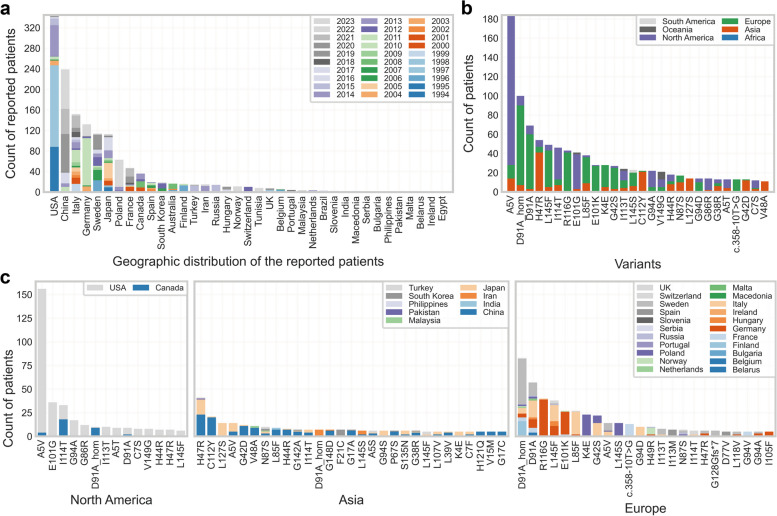
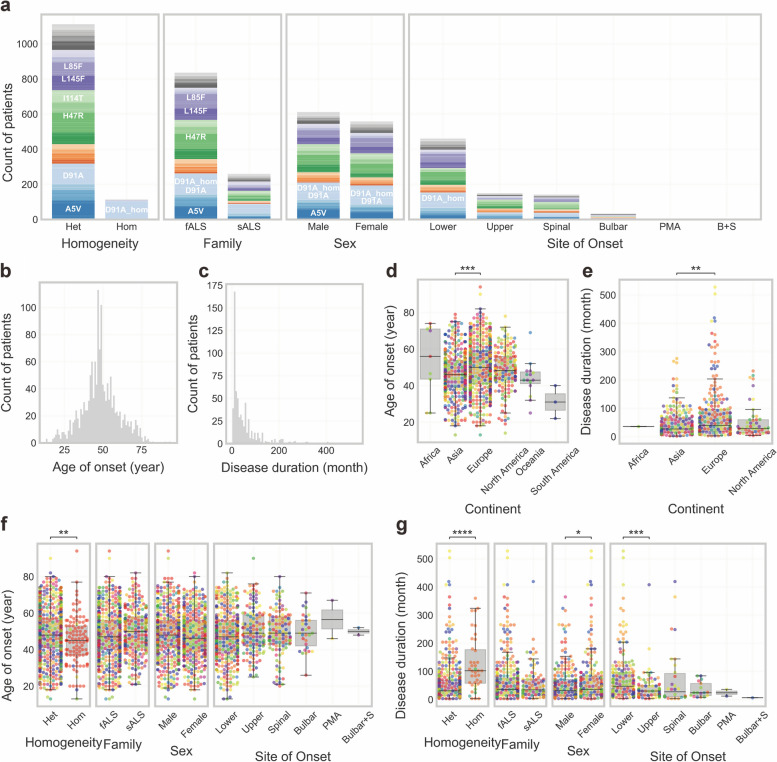
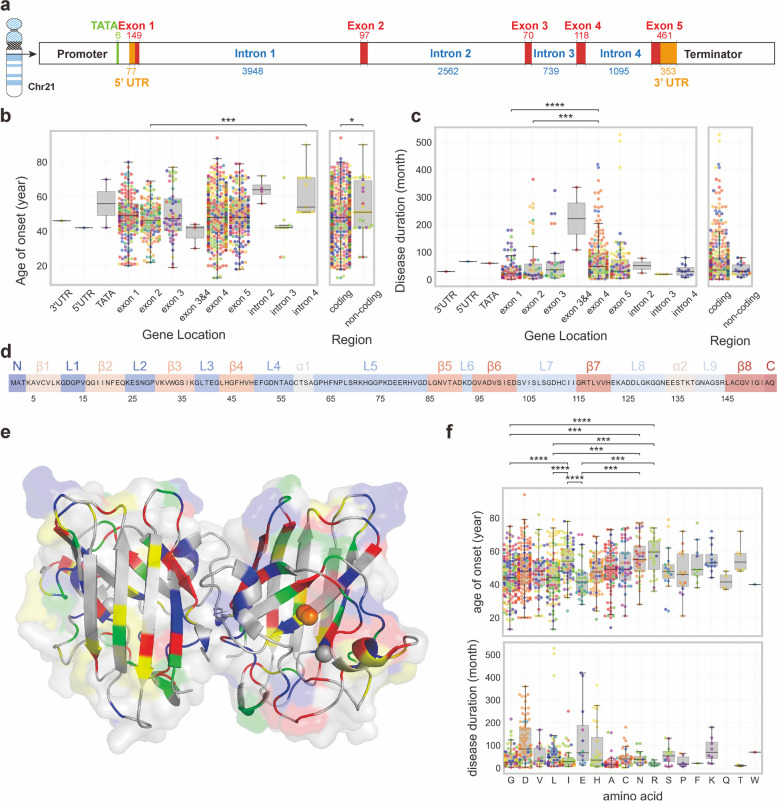
Amyotrophic lateral sclerosis (ALS) is a fatal neurodegenerative disease characterized by progressive loss of motor neurons, resulting in global health burden and limited post-diagnosis life expectancy. Although primarily sporadic, familial ALS (fALS) cases suggest a genetic basis. This review focuses on SOD1, the first gene found to be associated with fALS, which has been more recently confirmed by genome sequencing. While informative, databases such as ALSoD and STRENGTH exhibit regional biases. Through a systematic global examination of SOD1 mutations from 1993 to 2023, we found different geographic distributions and clinical presentations. Even though different SOD1 variants are expressed at different protein levels and have different half-lives and dismutase activities, these alterations lead to loss of function that is not consistently correlated with disease severity. Gain of function of toxic aggregates of SOD1 resulting from mutated SOD1 has emerged as one of the key contributors to ALS. Therapeutic interventions specifically targeting toxic gain of function of mutant SOD1, including RNA interference and antibodies, show promise, but a cure remains elusive. This review provides a comprehensive perspective on SOD1-associated ALS and describes molecular features and the complex genetic landscape of SOD1, highlighting its importance in determining diverse clinical manifestations observed in ALS patients and emphasizing the need for personalized therapeutic strategies.
Overview
The claims and statistics of this paper haven’t been checked yet.
Run the check — free, no account needed. It reads the open-access text and checks the sources it cites.
Integrity signals
Registry
Cites
Statistics
Figures
Verification
Claims the paper makes
The claims and statistics of this paper haven’t been checked yet.
Run the check — free, no account needed. It reads the open-access text and checks the sources it cites.
Claims other papers make about this one
Each is checked against this paper’s own text: does it say what the citing paper says it does?
In the citing paper
“The SOD1G93A mutation is one of the major causative variants of familial ALS, driving toxic gain-of-function effects that promote motor neuron degeneration through mitochondrial dysfunction and SOD1 protein misfolding/aggregation, which disrupt cellular homeostasis [45,46].”
From Modulation of the miR-485-3p/PGC-1α Pathway by ASO-Loaded Nanoparticles Attenuates ALS Pathogenesis (2026) · cites this paper as [46]
Self-check
Percentages, sums and reported differences re-computed from the paper’s own numbers.
The self-check needs the paper’s full text.
Citations
Cites
Richards, S., Aziz, N., Bale, S., Bick, D., Das, S., Gastier-Foster, J., Grody, W. W., Hegde, M., Lyon, E., Spector, E., et al. (2015) · Genetics in Medicine · doi:10.1038/gim.2015.30 · Cited by 32,594 · cited 1×
“The inclusion of large cohorts, comprising both patients and controls, has facilitated the identification of pathogenic mutations and benign variations [37].”
BackgroundGlobal quantification of mammalian gene expression control
Schwanhäusser, B., Busse, D., Li, N., Dittmar, G., Schuchhardt, J., Wolf, J., Chen, W., & Selbach, M. (2011) · Nature · doi:10.1038/nature10098 · Cited by 6,566 · cited 1×
“Additionally, SOD1 mRNA exhibits a half-life of 15 h, longer than the median of 9 h observed for all mRNAs [135].”
BackgroundKiernan, M. C., Vucic, S., Cheah, B. C., Turner, M. R., Eisen, A., Hardiman, O., Burrell, J. R., & Zoing, M. C. (2011) · The Lancet · doi:10.1016/s0140-6736(10)61156-7 · Cited by 2,603
Unfolding the role of protein misfolding in neurodegenerative diseases
Soto, C. (2003) · Nature Reviews Neuroscience · doi:10.1038/nrn1007 · Cited by 1,506
Exome sequencing in amyotrophic lateral sclerosis identifies risk genes and pathways
Cirulli, E. T., Lasseigne, B. N., Petrovski, S., Sapp, P. C., Dion, P. A., Leblond, C. S., Couthouis, J., Lu, Y.-F., Wang, Q., Krueger, B. J., et al. (2015) · Science · doi:10.1126/science.aaa3650 · Cited by 966
Trial of Antisense Oligonucleotide Tofersen for SOD1 ALS
Miller, T. M., Cudkowicz, M. E., Genge, A., Shaw, P. J., Sobue, G., Bucelli, R. C., Chiò, A., Van Damme, P., Ludolph, A. C., Glass, J. D., et al. (2022) · New England Journal of Medicine · doi:10.1056/nejmoa2204705 · Cited by 966
Rosen, D. (1993) · Nature · doi:10.1038/364362c0 · Cited by 922
Phase 1–2 Trial of Antisense Oligonucleotide Tofersen for SOD1 ALS
Miller, T., Cudkowicz, M., Shaw, P. J., Andersen, P. M., Atassi, N., Bucelli, R. C., Genge, A., Glass, J., Ladha, S., Ludolph, A. L., et al. (2020) · New England Journal of Medicine · doi:10.1056/nejmoa2003715 · Cited by 565 · cited 1×
“ISIS 333611 which targets c.19–38 of wild-type SOD1 , now renamed Tofersen (BIIB067), has entered clinical trials [160] and shown promising results [161–165].”
BackgroundAntisense oligonucleotide therapy for neurodegenerative disease
Smith, R. A. (2006) · Journal of Clinical Investigation · doi:10.1172/jci25424 · Cited by 506
Antisense oligonucleotides extend survival and reverse decrement in muscle response in ALS models
McCampbell, A., Cole, T., Wegener, A. J., Tomassy, G. S., Setnicka, A., Farley, B. J., Schoch, K. M., Hoye, M. L., Shabsovich, M., Sun, L., et al. (2018) · Journal of Clinical Investigation · doi:10.1172/jci99081 · Cited by 279
Research works printed but not linked: 175
- van Es MA, Hardiman O, Chio A, Al-Chalabi A, Pasterkamp RJ, Veldink JH, et al. Amyotrophic lateral sclerosis. Lancet. 2017;390(10107):2084–98. · DOI
- Logroscino G, Piccininni M. Amyotrophic lateral sclerosis descriptive epidemiology: the origin of geographic difference. Neuroepidemiology. 2019;52(1–2):93–103. · DOI
- Byrne S, Walsh C, Lynch C, Bede P, Elamin M, Kenna K, et al. Rate of familial amyotrophic lateral sclerosis: a systematic review and meta-analysis. J Neurol Neurosurg Psychiatry. 2011;82(6):623–7. · DOI
- Neumann M, Sampathu DM, Kwong LK, Truax AC, Micsenyi MC, Chou TT, et al. Ubiquitinated TDP-43 in frontotemporal lobar degeneration and amyotrophic lateral sclerosis. Science. 2006;314(5796):130–3. · DOI · Paper page
- Arai T, Hasegawa M, Akiyama H, Ikeda K, Nonaka T, Mori H, et al. TDP-43 is a component of ubiquitin-positive tau-negative inclusions in frontotemporal lobar degeneration and amyotrophic lateral sclerosis. Biochem Biophys Res Commun. 2006;351(3):602–11. · DOI · Paper page
- DeJesus-Hernandez M, Mackenzie IR, Boeve BF, Boxer AL, Baker M, Rutherford NJ, et al. Expanded GGGGCC hexanucleotide repeat in noncoding region of C9ORF72 causes chromosome 9p-linked FTD and ALS. Neuron. 2011;72(2):245–56. · DOI · Paper page
- Renton AE, Majounie E, Waite A, Simon-Sanchez J, Rollinson S, Gibbs JR, et al. A hexanucleotide repeat expansion in C9ORF72 is the cause of chromosome 9p21-linked ALS-FTD. Neuron. 2011;72(2):257–68. · DOI · Paper page
- Kwiatkowski TJ Jr, Bosco DA, Leclerc AL, Tamrazian E, Vanderburg CR, Russ C, et al. Mutations in the FUS/TLS gene on chromosome 16 cause familial amyotrophic lateral sclerosis. Science. 2009;323(5918):1205–8. · DOI
- Akcimen F, Lopez ER, Landers JE, Nath A, Chio A, Chia R, et al. Amyotrophic lateral sclerosis: translating genetic discoveries into therapies. Nat Rev Genet. 2023. · DOI · Paper page
- Siddique T, Figlewicz DA, Pericak-Vance MA, Haines JL, Rouleau G, Jeffers AJ, et al. Linkage of a gene causing familial amyotrophic lateral sclerosis to chromosome 21 and evidence of genetic-locus heterogeneity. N Engl J Med. 1991;324(20):1381–4. · DOI
- Vajda A, McLaughlin RL, Heverin M, Thorpe O, Abrahams S, Al-Chalabi A, et al. Genetic testing in ALS: A survey of current practices. Neurology. 2017;88(10):991–9. · DOI
- Farhan SMK, Howrigan DP, Abbott LE, Klim JR, Topp SD, Byrnes AE, et al. Exome sequencing in amyotrophic lateral sclerosis implicates a novel gene, DNAJC7, encoding a heat-shock protein. Nat Neurosci. 2019;22(12):1966–74. · DOI
- van Rheenen W, van der Spek RAA, Bakker MK, van Vugt J, Hop PJ, Zwamborn RAJ, et al. Common and rare variant association analyses in amyotrophic lateral sclerosis identify 15 risk loci with distinct genetic architectures and neuron-specific biology. Nat Genet. 2021;53(12):1636–48. · DOI · Paper page
- Grassano M, Calvo A, Moglia C, Brunetti M, Barberis M, Sbaiz L, et al. Mutational analysis of known ALS genes in an Italian population-based cohort. Neurology. 2021;96(4):e600–9. · DOI
- Nunes Goncalves JP, Leoni TB, Martins MP, Peluzzo TM, Dourado MET Jr, Saute JAM, et al. Genetic epidemiology of familial ALS in Brazil. Neurobiol Aging. 2021;102(227):e1–4.
- Nel M, Mahungu AC, Monnakgotla N, Botha GR, Mulder NJ, Wu G, et al. Revealing the mutational spectrum in southern Africans with amyotrophic lateral sclerosis. Neurol Genet. 2022;8(1): e654. · DOI
- Radunovic A, Leigh PN. ALSODatabase: database of SOD1 (and other) gene mutations in ALS on the Internet European FALS Group and ALSOD Consortium. Amyotroph Lateral Scler Other Motor Neuron Disord. 1999;1(1):45–9.
- Wroe R, Wai-Ling Butler A, Andersen PM, Powell JF, Al-Chalabi A. ALSOD: the Amyotrophic Lateral Sclerosis Online Database. Amyotroph Lateral Scler. 2008;9(4):249–50. · DOI
- Abel O, Powell JF, Andersen PM, Al-Chalabi A. ALSoD: A user-friendly online bioinformatics tool for amyotrophic lateral sclerosis genetics. Hum Mutat. 2012;33(9):1345–51. · DOI
- Project Min EALSSC. Project MinE: study design and pilot analyses of a large-scale whole-genome sequencing study in amyotrophic lateral sclerosis. Eur J Hum Genet. 2018;26(10):1537–46. · DOI
- Gwinn K, Corriveau RA, Mitsumoto H, Bednarz K, Brown RH Jr, Cudkowicz M, et al. Amyotrophic lateral sclerosis: an emerging era of collaborative gene discovery. PLoS ONE. 2007;2(12): e1254. · DOI
- Opie-Martin S, Iacoangeli A, Topp SD, Abel O, Mayl K, Mehta PR, et al. The SOD1-mediated ALS phenotype shows a decoupling between age of symptom onset and disease duration. Nat Commun. 2022;13(1):6901. · DOI
- Spargo TP, Opie-Martin S, Hunt GP, Kalia M, Al Khleifat A, Topp SD, et al. SOD1-ALS-Browser: a web-utility for investigating the clinical phenotype in SOD1 amyotrophic lateral sclerosis. Amyotroph Lateral Scler Frontotemporal Degener. 2023:1–10. · DOI
- Niemann S, Joos H, Meyer T, Vielhaber S, Reuner U, Gleichmann M, et al. Familial ALS in Germany: origin of the R115G SOD1 mutation by a founder effect. J Neurol Neurosurg Psychiatry. 2004;75(8):1186–8. · DOI
- Berdynski M, Miszta P, Safranow K, Andersen PM, Morita M, Filipek S, et al. SOD1 mutations associated with amyotrophic lateral sclerosis analysis of variant severity. Sci Rep. 2022;12(1):103. · DOI
- Kuzma-Kozakiewicz M, Andersen PM, Elahi E, Alavi A, Sapp PC, Morita M, et al. Putative founder effect in the Polish, Iranian and United States populations for the L144S SOD1 mutation associated with slowly uniform phenotype of amyotrophic lateral sclerosis. Amyotroph Lateral Scler Frontotemporal Degener. 2021;22(1–2):80–5. · DOI
- Hou L, Jiao B, Xiao T, Zhou L, Zhou Z, Du J, et al. Screening of SOD1, FUS and TARDBP genes in patients with amyotrophic lateral sclerosis in central-southern China. Sci Rep. 2016;6:32478. · DOI
- Chen YP, Yu SH, Wei QQ, Cao B, Gu XJ, Chen XP, et al. Role of genetics in amyotrophic lateral sclerosis: a large cohort study in Chinese mainland population. J Med Genet. 2022;59(9):840–9. · DOI
- Liu Z, Yuan Y, Wang M, Ni J, Li W, Huang L, et al. Mutation spectrum of amyotrophic lateral sclerosis in Central South China. Neurobiol Aging. 2021;107:181–8. · DOI
- Liu W, Li X, Sun Y, Yu X, Wang Y, Liu N, et al. Genotype-phenotype correlations in a chinese population with familial amyotrophic lateral sclerosis. Neurol Res. 2022;44(3):206–16. · DOI
- Li H, Yuan L, Yang H, Guo Y, Zheng W, Fan K, et al. Analysis of SOD1 variants in Chinese patients with familial amyotrophic lateral sclerosis. QJM. 2023;116(5):365–74. · DOI
- Tokuda E, Anzai I, Nomura T, Toichi K, Watanabe M, Ohara S, et al. Immunochemical characterization on pathological oligomers of mutant Cu/Zn-superoxide dismutase in amyotrophic lateral sclerosis. Mol Neurodegener. 2017;12(1):2. · DOI
- Luquin N, Yu B, Trent RJ, Morahan JM, Pamphlett R. An analysis of the entire SOD1 gene in sporadic ALS. Neuromuscul Disord. 2008;18(7):545–52. · DOI
- Zou ZY, Zhou ZR, Che CH, Liu CY, He RL, Huang HP. Genetic epidemiology of amyotrophic lateral sclerosis: a systematic review and meta-analysis. J Neurol Neurosurg Psychiatry. 2017;88(7):540–9. · DOI · Paper page
- Cudkowicz ME, McKenna-Yasek D, Sapp PE, Chin W, Geller B, Hayden DL, et al. Epidemiology of mutations in superoxide dismutase in amyotrophic lateral sclerosis. Ann Neurol. 1997;41(2):210–21. · DOI
- Battistini S, Giannini F, Greco G, Bibbo G, Ferrera L, Marini V, et al. SOD1 mutations in amyotrophic lateral sclerosis: Results from a multicenter Italian study. J Neurol. 2005;252(7):782–8. · DOI
- Rabe M, Felbecker A, Waibel S, Steinbach P, Winter P, Muller U, et al. The epidemiology of CuZn-SOD mutations in Germany: a study of 217 families. J Neurol. 2010;257(8):1298–302. · DOI
- Lysogorskaia EV, Abramycheva NY, Zakharova MN, Stepanova MS, Moroz AA, Rossokhin AV, et al. Genetic studies of Russian patients with amyotrophic lateral sclerosis. Amyotroph Lateral Scler Frontotemporal Degener. 2015;17(1–2):135–41.
- Muller K, Brenner D, Weydt P, Meyer T, Grehl T, Petri S, et al. Comprehensive analysis of the mutation spectrum in 301 German ALS families. J Neurol Neurosurg Psychiatry. 2018;89(8):817–27. · DOI
- Chio A, Moglia C, Canosa A, Manera U, D’Ovidio F, Vasta R, et al. ALS phenotype is influenced by age, sex, and genetics: A population-based study. Neurology. 2020;94(8):e802–10. · DOI
- Olsen CG, Busk OL, Aanjesen TN, Alstadhaug KB, Bjorna IK, Braathen GJ, et al. Genetic epidemiology of amyotrophic lateral sclerosis in Norway: a 2-year population-based study. Neuroepidemiology. 2022;56(4):271–82. · DOI
- Wei Q, Zhou Q, Chen Y, Ou R, Cao B, Xu Y, et al. Analysis of SOD1 mutations in a Chinese population with amyotrophic lateral sclerosis: a case-control study and literature review. Sci Rep. 2017;7:44606. · DOI
- Liu ZJ, Lin HX, Wei Q, Zhang QJ, Chen CX, Tao QQ, et al. Genetic spectrum and variability in chinese patients with amyotrophic lateral sclerosis. Aging Dis. 2019;10(6):1199–206. · DOI
- Tang L, Ma Y, Liu XL, Chen L, Fan DS. Better survival in female SOD1-mutant patients with ALS: a study of SOD1-related natural history. Transl Neurodegener. 2019;8:2. · DOI
- Chen W, Xie Y, Zheng M, Lin J, Huang P, Pei Z, et al. Clinical and genetic features of patients with amyotrophic lateral sclerosis in southern China. Eur J Neurol. 2020;27(6):1017–22. · DOI
- Chen LX, Xu HF, Wang PS, Yang XX, Wu ZY, Li HF. SOD1 mutation spectrum and natural history of ALS patients in a 15-year cohort in Southeastern China. Front Genet. 2021;12: 746060. · DOI
- Liu X, He J, Gao FB, Gitler AD, Fan D. The epidemiology and genetics of Amyotrophic lateral sclerosis in China. Brain Res. 2018;1693(Pt A):121–6. · DOI
- Rosen DR, Bowling AC, Patterson D, Usdin TB, Sapp P, Mezey E, et al. A frequent ala 4 to val superoxide dismutase-1 mutation is associated with a rapidly progressive familial amyotrophic lateral sclerosis. Hum Mol Genet. 1994;3(6):981–7. · DOI
- Broom WJ, Johnson DV, Auwarter KE, Iafrate AJ, Russ C, Al-Chalabi A, et al. SOD1A4V-mediated ALS: absence of a closely linked modifier gene and origination in Asia. Neurosci Lett. 2008;430(3):241–5. · DOI
- Saeed M, Yang Y, Deng HX, Hung WY, Siddique N, Dellefave L, et al. Age and founder effect of SOD1 A4V mutation causing ALS. Neurology. 2009;72(19):1634–9. · DOI
- Parton MJ, Broom W, Andersen PM, Al-Chalabi A, Nigel Leigh P, Powell JF, et al. D90A-SOD1 mediated amyotrophic lateral sclerosis: a single founder for all cases with evidence for a Cis-acting disease modifier in the recessive haplotype. Hum Mutat. 2002;20(6):473. · DOI
- Al-Chalabi A, Andersen PM, Chioza B, Shaw C, Sham PC, Robberecht W, et al. Recessive amyotrophic lateral sclerosis families with the D90A SOD1 mutation share a common founder: evidence for a linked protective factor. Hum Mol Genet. 1998;7(13):2045–50. · DOI
- Terwilliger JD. A powerful likelihood method for the analysis of linkage disequilibrium between trait loci and one or more polymorphic marker loci. Am J Hum Genet. 1995;56(3):777–87.
- Ceroni M, Malaspina A, Poloni TE, Alimonti D, Rognoni F, Habgood J, et al. Clustering of ALS patients in central Italy due to the occurrence of the L84F SOD1 gene mutation. Neurology. 1999;53(5):1064–71. · DOI
- Li JZ, Absher DM, Tang H, Southwick AM, Casto AM, Ramachandran S, et al. Worldwide human relationships inferred from genome-wide patterns of variation. Science. 2008;319(5866):1100–4. · DOI
- Brooks BR, Miller RG, Swash M, Munsat TL. World Federation of Neurology Research Group on Motor Neuron D El Escorial revisited: revised criteria for the diagnosis of amyotrophic lateral sclerosis. Amyotroph Lateral Scler Other Motor Neuron Disord. 2000;1(5):293–9. · DOI · Paper page
- Conforti FL, Barone R, Fermo SL, Giliberto C, Patti F, Gambardella A, et al. Sporadic motor neuron disease in a familial novel SOD1 mutation: incomplete penetrance or chance association? Amyotroph Lateral Scler. 2011;12(3):220–2. · DOI
- Nogales-Gadea G, Garcia-Arumi E, Andreu AL, Cervera C, Gamez J. A novel exon 5 mutation (N139H) in the SOD1 gene in a Spanish family associated with incomplete penetrance. J Neurol Sci. 2004;219(1–2):1–6. · DOI
- Restagno G, Lombardo F, Sbaiz L, Mari C, Gellera C, Alimonti D, et al. The rare G93D mutation causes a slowly progressing lower motor neuron disease. Amyotroph Lateral Scler. 2008;9(1):35–9. · DOI
- Spargo TP, Opie-Martin S, Bowles H, Lewis CM, Iacoangeli A, Al-Chalabi A. Calculating variant penetrance from family history of disease and average family size in population-scale data. Genome Med. 2022;14(1):141. · DOI
- Xia K, Witzel S, Witzel C, Klose V, Fan D, Ludolph AC, et al. Mutation-specific metabolic profiles in presymptomatic amyotrophic lateral sclerosis. Eur J Neurol. 2023;30(1):87–95. · DOI
- Coppede F, Stoccoro A, Mosca L, Gallo R, Tarlarini C, Lunetta C, et al. Increase in DNA methylation in patients with amyotrophic lateral sclerosis carriers of not fully penetrant SOD1 mutations. Amyotroph Lateral Scler Frontotemporal Degener. 2018;19(1–2):93–101. · DOI
- Cai Z, Jia X, Liu M, Yang X, Cui L. Epigenome-wide DNA methylation study of whole blood in patients with sporadic amyotrophic lateral sclerosis. Chin Med J (Engl). 2022;135(12):1466–73. · DOI
- Felbecker A, Camu W, Valdmanis PN, Sperfeld AD, Waibel S, Steinbach P, et al. Four familial ALS pedigrees discordant for two SOD1 mutations: are all SOD1 mutations pathogenic? J Neurol Neurosurg Psychiatry. 2010;81(5):572–7. · DOI
- Andersen PM, Nilsson P, Ala-Hurula V, Keranen ML, Tarvainen I, Haltia T, et al. Amyotrophic lateral sclerosis associated with homozygosity for an Asp90Ala mutation in CuZn-superoxide dismutase. Nat Genet. 1995;10(1):61–6. · DOI
- Jonsson PA, Backstrand A, Andersen PM, Jacobsson J, Parton M, Shaw C, et al. CuZn-superoxide dismutase in D90A heterozygotes from recessive and dominant ALS pedigrees. Neurobiol Dis. 2002;10(3):327–33. · DOI
- Broom WJ, Johnson DV, Garber M, Andersen PM, Lennon N, Landers J, et al. DNA sequence analysis of the conserved region around the SOD1 gene locus in recessively inherited ALS. Neurosci Lett. 2009;463(1):64–9. · DOI
- Zinman L, Liu HN, Sato C, Wakutani Y, Marvelle AF, Moreno D, et al. A mechanism for low penetrance in an ALS family with a novel SOD1 deletion. Neurology. 2009;72(13):1153–9. · DOI
- Matamala JM, Kiernan MC. Natural history and the dawning of a new era for familial ALS. J Neurol Neurosurg Psychiatry. 2017;88(2):95–6. · DOI
- Collaborators GBDD. Global age-sex-specific fertility, mortality, healthy life expectancy (HALE), and population estimates in 204 countries and territories, 1950–2019: a comprehensive demographic analysis for the Global Burden of Disease Study 2019. Lancet. 2020;396(10258):1160–203. · DOI · Paper page
- Cudkowicz ME, McKenna-Yasek D, Chen C, Hedley-Whyte ET, Brown RH Jr. Limited corticospinal tract involvement in amyotrophic lateral sclerosis subjects with the A4V mutation in the copper/zinc superoxide dismutase gene. Ann Neurol. 1998;43(6):703–10. · DOI
- Murakami T, Warita H, Hayashi T, Sato K, Manabe Y, Mizuno S, et al. A novel SOD1 gene mutation in familial ALS with low penetrance in females. J Neurol Sci. 2001;189(1–2):45–7. · DOI
- Veldink JH, Bar PR, Joosten EA, Otten M, Wokke JH, van den Berg LH. Sexual differences in onset of disease and response to exercise in a transgenic model of ALS. Neuromuscul Disord. 2003;13(9):737–43. · DOI · Paper page
- Suzuki M, Tork C, Shelley B, McHugh J, Wallace K, Klein SM, et al. Sexual dimorphism in disease onset and progression of a rat model of ALS. Amyotroph Lateral Scler. 2007;8(1):20–5. · DOI
- Frutiger K, Lukas TJ, Gorrie G, Ajroud-Driss S, Siddique T. Gender difference in levels of Cu/Zn superoxide dismutase (SOD1) in cerebrospinal fluid of patients with amyotrophic lateral sclerosis. Amyotroph Lateral Scler. 2008;9(3):184–7. · DOI
- Wright GSA, Antonyuk SV, Hasnain SS. The biophysics of superoxide dismutase-1 and amyotrophic lateral sclerosis. Q Rev Biophys. 2019;52: e12. · DOI
- Getzoff ED, Tainer JA, Stempien MM, Bell GI, Hallewell RA. Evolution of CuZn superoxide dismutase and the Greek key beta-barrel structural motif. Proteins. 1989;5(4):322–36. · DOI
- Lee Y, Rio DC. Mechanisms and Regulation of Alternative Pre-mRNA Splicing. Annu Rev Biochem. 2015;84:291–323. · DOI · Paper page
- Anna A, Monika G. Splicing mutations in human genetic disorders: examples, detection, and confirmation. J Appl Genet. 2018;59(3):253–68. · DOI · Paper page
- Lewandowska MA. The missing puzzle piece: splicing mutations. Int J Clin Exp Pathol. 2013;6(12):2675–82.
- Muratet F, Teyssou E, Chiot A, Boillee S, Lobsiger CS, Bohl D, et al. Impact of a frequent nearsplice SOD1 variant in amyotrophic lateral sclerosis: optimising SOD1 genetic screening for gene therapy opportunities. J Neurol Neurosurg Psychiatry. 2021;92(9):942–9. · DOI
- Valdmanis PN, Belzil VV, Lee J, Dion PA, St-Onge J, Hince P, et al. A mutation that creates a pseudoexon in SOD1 causes familial ALS. Ann Hum Genet. 2009;73(Pt 6):652–7. · DOI
- Niemann S, Broom WJ, Brown RH Jr. Analysis of a genetic defect in the TATA box of the SOD1 gene in a patient with familial amyotrophic lateral sclerosis. Muscle Nerve. 2007;36(5):704–7. · DOI
- Kacem I, Sghaier I, Peverelli S, Souissi E, Ticozzi N, Gharbi A, et al. Genotype-phenotype correlation in Tunisian patients with amyotrophic lateral sclerosis. Neurobiol Aging. 2022;120:27–33. · DOI
- Restagno G, Gomez A, Lombardo F, Cocco E, Calvo A, Ghiglione P, et al. The IVS1 +319 t>a of SOD1 gene is not an ALS causing mutation. Amyotroph Lateral Scler Other Motor Neuron Disord. 2005;6(1):45–9. · DOI
- Hirano M, Hung WY, Cole N, Azim AC, Deng HX, Siddique T. Multiple transcripts of the human Cu, Zn superoxide dismutase gene. Biochem Biophys Res Commun. 2000;276(1):52–6. · DOI
- Kawata A, Kato S, Shimizu T, Hayashi H, Hirai S, Misawa H, et al. Aberrant splicing of human Cu/Zn superoxide dismutase (SOD1) RNA transcripts. NeuroReport. 2000;11(12):2649–53. · DOI
- Araujo PR, Yoon K, Ko D, Smith AD, Qiao M, Suresh U, et al. Before it gets started: regulating translation at the 5’ UTR. Comp Funct Genomics. 2012;2012: 475731. · DOI · Paper page
- Shaw PJ, Tomkins J, Slade JY, Usher P, Curtis A, Bushby K, et al. CNS tissue Cu/Zn superoxide dismutase (SOD1) mutations in motor neurone disease (MND). NeuroReport. 1997;8(18):3923–7. · DOI
- Decker CJ, Parker R. Diversity of cytoplasmic functions for the 3’ untranslated region of eukaryotic transcripts. Curr Opin Cell Biol. 1995;7(3):386–92. · DOI
- Hong D, Jeong S. 3’UTR diversity: expanding repertoire of RNA alterations in human mRNAs. Mol Cells. 2023;46(1):48–56. · DOI
- Bae B, Miura P. Emerging Roles for 3' UTRs in Neurons. Int J Mol Sci. 2020;21(10):3413. · DOI
- Wang J, Caruano-Yzermans A, Rodriguez A, Scheurmann JP, Slunt HH, Cao X, et al. Disease-associated mutations at copper ligand histidine residues of superoxide dismutase 1 diminish the binding of copper and compromise dimer stability. J Biol Chem. 2007;282(1):345–52. · DOI
- Cao X, Antonyuk SV, Seetharaman SV, Whitson LJ, Taylor AB, Holloway SP, et al. Structures of the G85R variant of SOD1 in familial amyotrophic lateral sclerosis. J Biol Chem. 2008;283(23):16169–77. · DOI
- Wang J, Xu G, Borchelt DR. Mapping superoxide dismutase 1 domains of non-native interaction: roles of intra- and intermolecular disulfide bonding in aggregation. J Neurochem. 2006;96(5):1277–88. · DOI
- Niwa J, Yamada S, Ishigaki S, Sone J, Takahashi M, Katsuno M, et al. Disulfide bond mediates aggregation, toxicity, and ubiquitylation of familial amyotrophic lateral sclerosis-linked mutant SOD1. J Biol Chem. 2007;282(38):28087–95. · DOI
- Hornberg A, Logan DT, Marklund SL, Oliveberg M. The coupling between disulphide status, metallation and dimer interface strength in Cu/Zn superoxide dismutase. J Mol Biol. 2007;365(2):333–42. · DOI
- Karch CM, Borchelt DR. A limited role for disulfide cross-linking in the aggregation of mutant SOD1 linked to familial amyotrophic lateral sclerosis. J Biol Chem. 2008;283(20):13528–37. · DOI
- Coelho FR, Iqbal A, Linares E, Silva DF, Lima FS, Cuccovia IM, et al. Oxidation of the tryptophan 32 residue of human superoxide dismutase 1 caused by its bicarbonate-dependent peroxidase activity triggers the non-amyloid aggregation of the enzyme. J Biol Chem. 2014;289(44):30690–701. · DOI
- Zhang H, Andrekopoulos C, Joseph J, Chandran K, Karoui H, Crow JP, et al. Bicarbonate-dependent peroxidase activity of human Cu, Zn-superoxide dismutase induces covalent aggregation of protein: intermediacy of tryptophan-derived oxidation products. J Biol Chem. 2003;278(26):24078–89. · DOI
- Banks CJ, Andersen JL. Mechanisms of SOD1 regulation by post-translational modifications. Redox Biol. 2019;26: 101270. · DOI
- Yamakura F, Matsumoto T, Fujimura T, Taka H, Murayama K, Imai T, et al. Modification of a single tryptophan residue in human Cu, Zn-superoxide dismutase by peroxynitrite in the presence of bicarbonate. Biochim Biophys Acta. 2001;1548(1):38–46. · DOI
- Taylor DM, Gibbs BF, Kabashi E, Minotti S, Durham HD, Agar JN. Tryptophan 32 potentiates aggregation and cytotoxicity of a copper/zinc superoxide dismutase mutant associated with familial amyotrophic lateral sclerosis. J Biol Chem. 2007;282(22):16329–35. · DOI
- Fujii J, Myint T, Okado A, Kaneto H, Taniguchi N. Oxidative stress caused by glycation of Cu, Zn-superoxide dismutase and its effects on intracellular components. Nephrol Dial Transplant. 1996;11(Suppl 5):34–40. · DOI
- Abdolvahabi A, Shi Y, Rhodes NR, Cook NP, Marti AA, Shaw BF. Arresting amyloid with coulomb’s law: acetylation of ALS-linked SOD1 by aspirin impedes aggregation. Biophys J. 2015;108(5):1199–212. · DOI
- Wilcox KC, Zhou L, Jordon JK, Huang Y, Yu Y, Redler RL, et al. Modifications of superoxide dismutase (SOD1) in human erythrocytes: a possible role in amyotrophic lateral sclerosis. J Biol Chem. 2009;284(20):13940–7. · DOI
- Yan X, Hoek TA, Vale RD, Tanenbaum ME. Dynamics of translation of single mRNA molecules in vivo. Cell. 2016;165(4):976–89. · DOI
- Hitchler MJ, Domann FE. Regulation of CuZnSOD and its redox signaling potential: implications for amyotrophic lateral sclerosis. Antioxid Redox Signal. 2014;20(10):1590–8. · DOI
- Tiwari A, Hayward LJ. Familial amyotrophic lateral sclerosis mutants of copper/zinc superoxide dismutase are susceptible to disulfide reduction. J Biol Chem. 2003;278(8):5984–92. · DOI
- Fujiwara N, Nakano M, Kato S, Yoshihara D, Ookawara T, Eguchi H, et al. Oxidative modification to cysteine sulfonic acid of Cys111 in human copper-zinc superoxide dismutase. J Biol Chem. 2007;282(49):35933–44. · DOI
- Cozzolino M, Amori I, Pesaresi MG, Ferri A, Nencini M, Carri MT. Cysteine 111 affects aggregation and cytotoxicity of mutant Cu, Zn-superoxide dismutase associated with familial amyotrophic lateral sclerosis. J Biol Chem. 2008;283(2):866–74. · DOI
- Watanabe S, Nagano S, Duce J, Kiaei M, Li QX, Tucker SM, et al. Increased affinity for copper mediated by cysteine 111 in forms of mutant superoxide dismutase 1 linked to amyotrophic lateral sclerosis. Free Radic Biol Med. 2007;42(10):1534–42. · DOI
- Guissart C, Mouzat K, Kantar J, Louveau B, Vilquin P, Polge A, et al. Premature termination codons in SOD1 causing amyotrophic lateral sclerosis are predicted to escape the nonsense-mediated mRNA decay. Sci Rep. 2020;10(1):20738. · DOI
- Popp MW, Maquat LE. Leveraging rules of nonsense-mediated mRNA decay for genome engineering and personalized medicine. Cell. 2016;165(6):1319–22. · DOI
- Li X, Qiu S, Shi J, Wang S, Wang M, Xu Y, et al. A new function of copper zinc superoxide dismutase: as a regulatory DNA-binding protein in gene expression in response to intracellular hydrogen peroxide. Nucleic Acids Res. 2019;47(10):5074–85. · DOI
- Wang H, Wang M, Nie Z, Qiu S, Huang X, Li X, et al. SAXS Examinations of the Redox-Dependent Formation of a DNA-SOD1 Complex. Int J Mol Sci. 2022;23(20):12673. · DOI
- Wood LK, Thiele DJ. Transcriptional activation in yeast in response to copper deficiency involves copper-zinc superoxide dismutase. J Biol Chem. 2009;284(1):404–13. · DOI
- Siddique T, Nijhawan D, Hentati A. Molecular genetic basis of familial ALS. Neurology. 1996;47(4 Suppl 2):S27–34; discussion S-5. · DOI
- Siddique T, Deng HX. Genetics of amyotrophic lateral sclerosis. Hum Mol Genet. 1996;5:1465–70. · DOI
- Bowling AC, Schulz JB, Brown RH Jr, Beal MF. Superoxide dismutase activity, oxidative damage, and mitochondrial energy metabolism in familial and sporadic amyotrophic lateral sclerosis. J Neurochem. 1993;61(6):2322–5. · DOI
- Cudkowicz ME, Warren L, Francis JW, Lloyd KJ, Friedlander RM, Borges LF, et al. Intrathecal administration of recombinant human superoxide dismutase 1 in amyotrophic lateral sclerosis: a preliminary safety and pharmacokinetic study. Neurology. 1997;49(1):213–22. · DOI
- Fiszman ML, Borodinsky LN, Ricart KC, Sanz OP, Sica REP. Cu/Zn superoxide dismutase activity at different ages in sporadic amyotrophic lateral sclerosis. Journal of the Neurological Sciences. 1999. · DOI
- Park JH, Elpers C, Reunert J, McCormick ML, Mohr J, Biskup S, et al. SOD1 deficiency: a novel syndrome distinct from amyotrophic lateral sclerosis. Brain. 2019;142(8):2230–7. · DOI
- Park JH, Nordstrom U, Tsiakas K, Keskin I, Elpers C, Mannil M, et al. The motor system is exceptionally vulnerable to absence of the ubiquitously expressed superoxide dismutase-1. Brain Commun. 2023;5(1):fcad017. · DOI
- Pardo CA, Xu Z, Borchelt DR, Price DL, Sisodia SS, Cleveland DW. Superoxide dismutase is an abundant component in cell bodies, dendrites, and axons of motor neurons and in a subset of other neurons. Proc Natl Acad Sci U S A. 1995;92(4):954–8. · DOI
- Bowling AC, Barkowski EE, McKenna-Yasek D, Sapp P, Horvitz HR, Beal MF, et al. Superoxide dismutase concentration and activity in familial amyotrophic lateral sclerosis. J Neurochem. 1995;64(5):2366–9. · DOI
- Sato T, Nakanishi T, Yamamoto Y, Andersen PM, Ogawa Y, Fukada K, et al. Rapid disease progression correlates with instability of mutant SOD1 in familial ALS. Neurology. 2005;65(12):1954–7. · DOI
- Broom WJ, Greenway M, Sadri-Vakili G, Russ C, Auwarter KE, Glajch KE, et al. 50bp deletion in the promoter for superoxide dismutase 1 (SOD1) reduces SOD1 expression in vitro and may correlate with increased age of onset of sporadic amyotrophic lateral sclerosis. Amyotroph Lateral Scler. 2008;9(4):229–37. · DOI
- Ingre C, Wuolikainen A, Marklund SL, Birve A, Press R, Andersen PM. A 50 bp deletion in the SOD1 promoter lowers enzyme expression but is not associated with ALS in Sweden. Amyotroph Lateral Scler Frontotemporal Degener. 2016;17(5–6):452–7. · DOI
- Crisp MJ, Mawuenyega KG, Patterson BW, Reddy NC, Chott R, Self WK, et al. In vivo kinetic approach reveals slow SOD1 turnover in the CNS. J Clin Invest. 2015;125(7):2772–80. · DOI
- Farrawell NE, Yerbury JJ. Mutant Cu/Zn superoxide dismutase (A4V) turnover is altered in cells containing inclusions. Front Mol Neurosci. 2021;14: 771911. · DOI
- Ly CV, Ireland MD, Self WK, Bollinger J, Jockel-Balsarotti J, Herzog H, et al. Protein kinetics of superoxide dismutase-1 in familial and sporadic amyotrophic lateral sclerosis. Ann Clin Transl Neurol. 2023;10(6):1012–24. · DOI
- Kabuta T, Suzuki Y, Wada K. Degradation of amyotrophic lateral sclerosis-linked mutant Cu, Zn-superoxide dismutase proteins by macroautophagy and the proteasome. J Biol Chem. 2006;281(41):30524–33. · DOI
- Keskin I, Forsgren E, Lange DJ, Weber M, Birve A, Synofzik M, et al. Effects of cellular pathway disturbances on misfolded superoxide dismutase-1 in fibroblasts derived from ALS patients. PLoS ONE. 2016;11(2): e0150133. · DOI
- Niwa J, Ishigaki S, Hishikawa N, Yamamoto M, Doyu M, Murata S, et al. Dorfin ubiquitylates mutant SOD1 and prevents mutant SOD1-mediated neurotoxicity. J Biol Chem. 2002;277(39):36793–8. · DOI
- Takeuchi H, Niwa J, Hishikawa N, Ishigaki S, Tanaka F, Doyu M, et al. Dorfin prevents cell death by reducing mitochondrial localizing mutant superoxide dismutase 1 in a neuronal cell model of familial amyotrophic lateral sclerosis. J Neurochem. 2004;89(1):64–72. · DOI
- Urushitani M, Kurisu J, Tsukita K, Takahashi R. Proteasomal inhibition by misfolded mutant superoxide dismutase 1 induces selective motor neuron death in familial amyotrophic lateral sclerosis. J Neurochem. 2002;83(5):1030–42. · DOI
- Ganesan S, Rohde G, Eckermann K, Sroka K, Schaefer MK, Dohm CP, et al. Mutant SOD1 detoxification mechanisms in intact single cells. Cell Death Differ. 2008;15(2):312–21. · DOI
- Kepp KP. Genotype-property patient-phenotype relations suggest that proteome exhaustion can cause amyotrophic lateral sclerosis. PLoS ONE. 2015;10(3): e0118649. · DOI
- Lagier-Tourenne C, Polymenidou M, Cleveland DW. TDP-43 and FUS/TLS: emerging roles in RNA processing and neurodegeneration. Hum Mol Genet. 2010;19(R1):R46-64. · DOI · Paper page
- Li YR, King OD, Shorter J, Gitler AD. Stress granules as crucibles of ALS pathogenesis. J Cell Biol. 2013;201(3):361–72. · DOI
- Patel A, Lee HO, Jawerth L, Maharana S, Jahnel M, Hein MY, et al. A liquid-to-solid phase transition of the ALS protein FUS accelerated by disease mutation. Cell. 2015;162(5):1066–77. · DOI
- Wood JD, Beaujeux TP, Shaw PJ. Protein aggregation in motor neurone disorders. Neuropathol Appl Neurobiol. 2003;29(6):529–45. · DOI
- Chen LX, Xu HF, Lin HX, Yang XX, Li HF, Wu ZY. Pathogenicity classification of SOD1 variants of uncertain significance by in vitro aggregation propensity. Neurobiol Aging. 2023;123:182–90. · DOI
- Navarro S, Ventura S. Computational methods to predict protein aggregation. Curr Opin Struct Biol. 2022;73: 102343. · DOI
- Zhu C, Beck MV, Griffith JD, Deshmukh M, Dokholyan NV. Large SOD1 aggregates, unlike trimeric SOD1, do not impact cell viability in a model of amyotrophic lateral sclerosis. Proc Natl Acad Sci U S A. 2018;115(18):4661–5. · DOI
- Choi ES, Dokholyan NV. SOD1 oligomers in amyotrophic lateral sclerosis. Curr Opin Struct Biol. 2021;66:225–30. · DOI
- Louros N, Schymkowitz J, Rousseau F. Mechanisms and pathology of protein misfolding and aggregation. Nat Rev Mol Cell Biol. 2023;24(12):912–33. · DOI
- Lange DJ, Andersen PM, Remanan R, Marklund S, Benjamin D. Pyrimethamine decreases levels of SOD1 in leukocytes and cerebrospinal fluid of ALS patients: a phase I pilot study. Amyotroph Lateral Scler Frontotemporal Degener. 2013;14(3):199–204. · DOI
- Lange DJ, Shahbazi M, Silani V, Ludolph AC, Weishaupt JH, Ajroud-Driss S, et al. Pyrimethamine significantly lowers cerebrospinal fluid Cu/Zn superoxide dismutase in amyotrophic lateral sclerosis patients with SOD1 mutations. Ann Neurol. 2017;81(6):837–48. · DOI
- Miller TM, Pestronk A, David W, Rothstein J, Simpson E, Appel SH, et al. An antisense oligonucleotide against SOD1 delivered intrathecally for patients with SOD1 familial amyotrophic lateral sclerosis: a phase 1, randomised, first-in-man study. Lancet Neurol. 2013;12(5):435–42. · DOI · Paper page
- Benatar M, Wuu J, Andersen PM, Bucelli RC, Andrews JA, Otto M, et al. Design of a randomized, placebo-controlled, phase 3 trial of Tofersen initiated in clinically Presymptomatic SOD1 variant carriers: the ATLAS study. Neurotherapeutics. 2022;19(4):1248–58. · DOI
- Meyer T, Schumann P, Weydt P, Petri S, Koc Y, Spittel S, et al. Neurofilament light-chain response during therapy with antisense oligonucleotide tofersen in SOD1-related ALS: Treatment experience in clinical practice. Muscle Nerve. 2023;67(6):515–21. · DOI
- (BIIB067) administered to participants with ALS. Annual meeting of the American Academy of Neurology; May 4–10, 2019; Philadelphia2019. Blair HA. Tofersen: First Approval. Drugs. 2023;83(11):1039–43. · DOI
- Powell JE, Lim CKW, Krishnan R, McCallister TX, Saporito-Magrina C, Zeballos MA. Targeted gene silencing in the nervous system with CRISPR-Cas13. Sci Adv. 2022;8(3):eabk2485. · DOI
- Ding H, Schwarz DS, Keene A, Affar EB, Fenton L, Xia X, et al. Selective silencing by RNAi of a dominant allele that causes amyotrophic lateral sclerosis. Aging Cell. 2003;2(4):209–17. · DOI
- Yokota T, Miyagishi M, Hino T, Matsumura R, Tasinato A, Urushitani M, et al. siRNA-based inhibition specific for mutant SOD1 with single nucleotide alternation in familial ALS, compared with ribozyme and DNA enzyme. Biochem Biophys Res Commun. 2004;314(1):283–91. · DOI
- Ralph GS, Radcliffe PA, Day DM, Carthy JM, Leroux MA, Lee DC, et al. Silencing mutant SOD1 using RNAi protects against neurodegeneration and extends survival in an ALS model. Nat Med. 2005;11(4):429–33. · DOI
- Raoul C, Abbas-Terki T, Bensadoun JC, Guillot S, Haase G, Szulc J, et al. Lentiviral-mediated silencing of SOD1 through RNA interference retards disease onset and progression in a mouse model of ALS. Nat Med. 2005;11(4):423–8. · DOI
- Miller TM, Kaspar BK, Kops GJ, Yamanaka K, Christian LJ, Gage FH, et al. Virus-delivered small RNA silencing sustains strength in amyotrophic lateral sclerosis. Ann Neurol. 2005;57(5):773–6. · DOI
- Saito Y, Yokota T, Mitani T, Ito K, Anzai M, Miyagishi M, et al. Transgenic small interfering RNA halts amyotrophic lateral sclerosis in a mouse model. J Biol Chem. 2005;280(52):42826–30. · DOI
- Xia XG, Zhou H, Zhou S, Yu Y, Wu R, Xu Z. An RNAi strategy for treatment of amyotrophic lateral sclerosis caused by mutant Cu, Zn superoxide dismutase. J Neurochem. 2005;92(2):362–7. · DOI
- Towne C, Raoul C, Schneider BL, Aebischer P. Systemic AAV6 delivery mediating RNA interference against SOD1: neuromuscular transduction does not alter disease progression in fALS mice. Mol Ther. 2008;16(6):1018–25. · DOI
- Iannitti T, Scarrott JM, Likhite S, Coldicott IRP, Lewis KE, Heath PR, et al. Translating SOD1 gene silencing toward the clinic: a highly efficacious, off-target-free, and biomarker-supported strategy for fALS. Mol Ther Nucleic Acids. 2018;12:75–88. · DOI
- Mueller C, Berry JD, McKenna-Yasek DM, Gernoux G, Owegi MA, Pothier LM, et al. SOD1 suppression with adeno-associated virus and microrna in familial ALS. N Engl J Med. 2020;383(2):151–8. · DOI · Paper page
- Bravo-Hernandez M, Tadokoro T, Navarro MR, Platoshyn O, Kobayashi Y, Marsala S, et al. Spinal subpial delivery of AAV9 enables widespread gene silencing and blocks motoneuron degeneration in ALS. Nat Med. 2020;26(1):118–30. · DOI
- Kumar MS, Fowler-Magaw ME, Kulick D, Boopathy S, Gadd DH, Rotunno M, et al. Anti-SOD1 nanobodies that stabilize misfolded SOD1 proteins also promote neurite outgrowth in mutant SOD1 human neurons. Int J Mol Sci. 2022;23(24):16013. · DOI
- Wang H, Ghosh A, Baigude H, Yang CS, Qiu L, Xia X, et al. Therapeutic gene silencing delivered by a chemically modified small interfering RNA against mutant SOD1 slows amyotrophic lateral sclerosis progression. J Biol Chem. 2008;283(23):15845–52. · DOI
- Guan T, Zhou T, Zhang X, Guo Y, Yang C, Lin J, et al. Selective removal of misfolded SOD1 delays disease onset in a mouse model of amyotrophic lateral sclerosis. Cell Mol Life Sci. 2023;80(10):304. · DOI
- Deng HX, Zhai H, Shi Y, Liu G, Lowry J, Liu B, et al. Efficacy and long-term safety of CRISPR/Cas9 genome editing in the SOD1-linked mouse models of ALS. Commun Biol. 2021;4(1):396. · DOI
- Lim CKW, Gapinske M, Brooks AK, Woods WS, Powell JE, Zeballos CM, et al. Treatment of a mouse model of ALS by in vivo base editing. Mol Ther. 2020;28(4):1177–89. · DOI
- Lek M, Karczewski KJ, Minikel EV, Samocha KE, Banks E, Fennell T, et al. Analysis of protein-coding genetic variation in 60,706 humans. Nature. 2016;536(7616):285–91. · DOI · Paper page
- Ruf WP, Boros M, Freischmidt A, Brenner D, Grozdanov V, de de Meirelles J, et al. Spectrum and frequency of genetic variants in sporadic amyotrophic lateral sclerosis. Brain Commun. 2023;5(3):fcad152. · DOI
- Van Daele SH, Moisse M, van Vugt J, Zwamborn RAJ, van der Spek R, van Rheenen W, et al. Genetic variability in sporadic amyotrophic lateral sclerosis. Brain. 2023;146(9):3760–9. · DOI
- Gentile G, Perrone B, Morello G, Simone IL, Ando S, Cavallaro S, et al. Individual oligogenic background in p.D91A-SOD1 amyotrophic lateral sclerosis patients. Genes (Basel). 2021;12(12):1843. · DOI
Cited by
Sorted by citations
Modulation of the miR-485-3p/PGC-1α Pathway by ASO-Loaded Nanoparticles Attenuates ALS Pathogenesis
Ryu, I. S., Ha, D.-I., Jung, Y.-J., Lee, H. J., Kim, I., Lim, Y. N., Min, H. S., Kim, S. H., Yoon, I., Cho, H.-J., et al. (2026) · International Journal of Molecular Sciences · doi:10.3390/ijms27020615 · Cited by 2
Metadata
- Authors
- Huang, M., Liu, Y. U., Yao, X., Qin, D., & Su, H.
- ORCID
- Su, Huanxing
- Venue
- Translational Neurodegeneration
- Published
- 2024-05-29
- Volume
- 13
- Issue
- 1
- ISSN
- 2047-9158
- PMC
- PMC11138100
- Cited by
- 64
- References
- 12
- Language
- en
About these checks
Registry, retraction, Cites and statistics results are computed, not judged, with one exception: a printed reference that no index lists is read once by a model before it counts as a citation error. Claims are extracted by a model and kept only when their quote appears verbatim in the text; each cited source is then checked, with a model’s help, for whether it says what the claim relies on. Those verdicts can be wrong — read the claim’s quote and the cited source before relying on one.
Statistics and arithmetic are recomputed, not judged.
Confidence bands are shown only for fields calibrated on our annotated test set. None is calibrated yet, so no band is shown.
What counts as a claim ›How we measure confidence ›How we check this ›
Are you an author, or do you see a problem with this page? Request a review
