

Structures and characteristics of carbohydrates in diets fed to pigs: a review
Open accessThe DOI matches its Crossref record; 74 of the 76 references it cites were found in a registry or an index; 24 of the 157 sources its claims cite were checked for support.
Abstract
Classifies carbohydrates by degree of polymerization and reviews digestible and non-digestible carbohydrates and their roles as energy sources.
Overview
CoChat Summary
TL;DR
This review describes carbohydrate classification and the structure/chemical composition of digestible carbohydrates and fiber in common swine feed ingredients. It compiles fiber fractions for cereal grains, cereal byproducts, oilseed meals, and pulse crops, emphasizing how ingredient and tissue type affect cellulose, arabinoxylan, β-glucan, pectin, lignin, starch, and galacto-oligosaccharide content.
Key findings
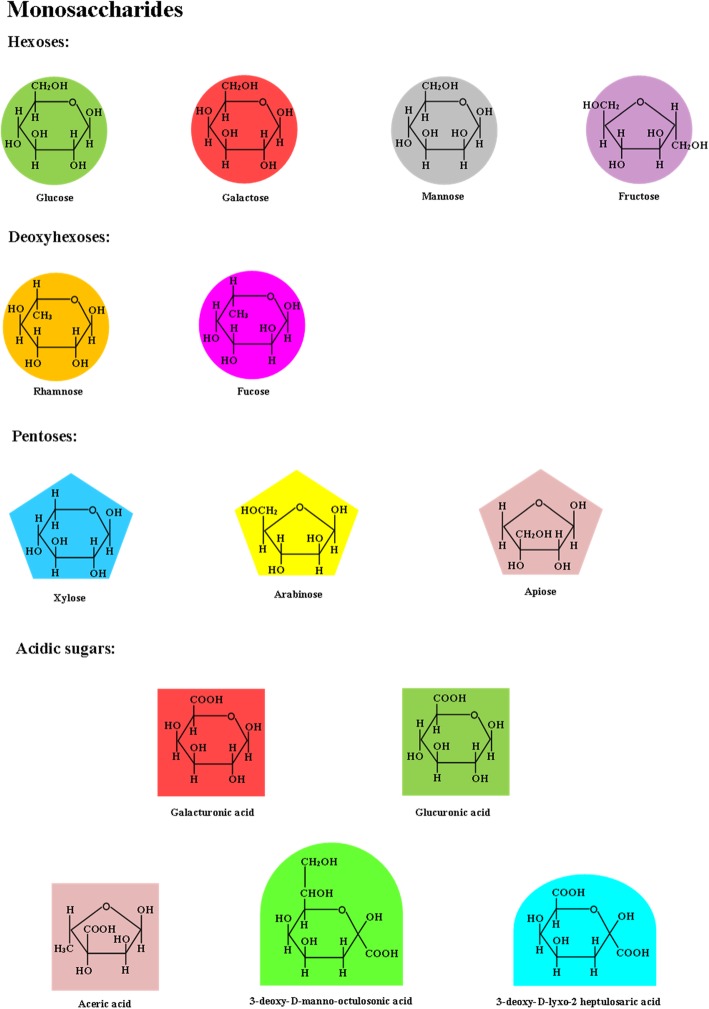
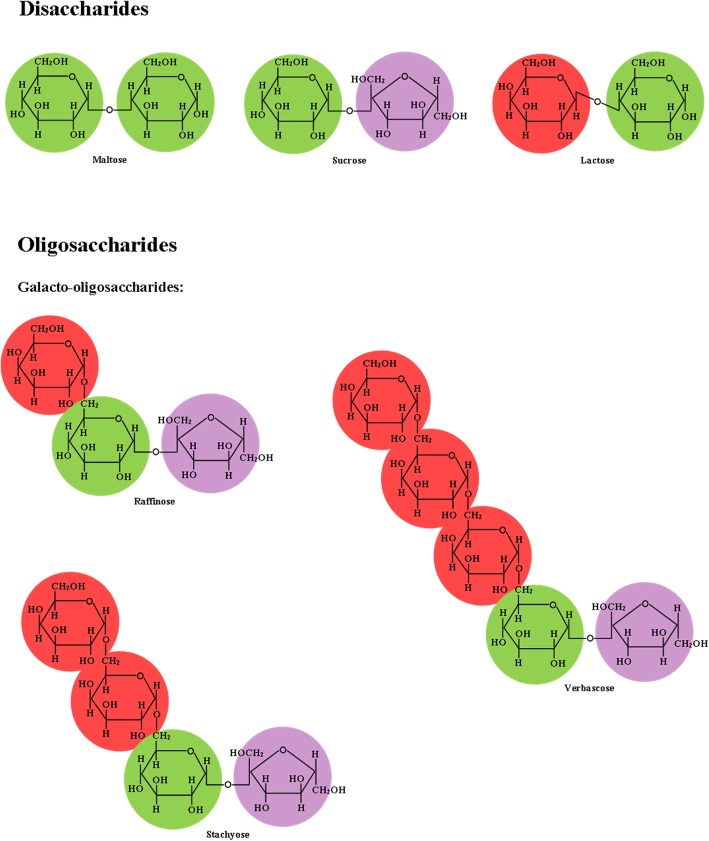
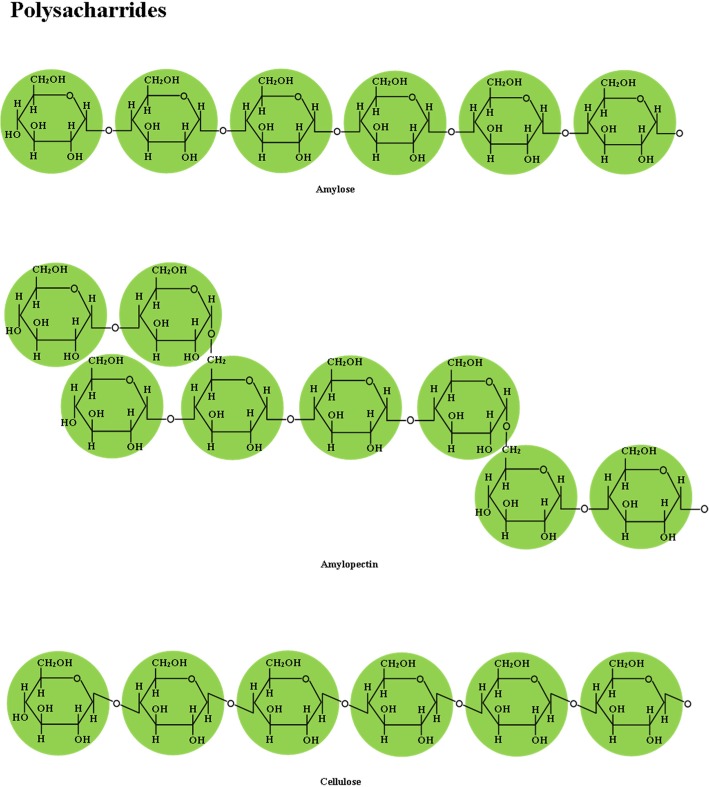
- Carbohydrates are classified by degree of polymerization into monosaccharides, disaccharides, oligosaccharides, and polysaccharides; digestible carbohydrates include sugars, digestible starch, and glycogen, whereas non-digestible carbohydrates/fiber include two disaccharides, oligosaccharides, resistant starch, and non-starch polysaccharides.
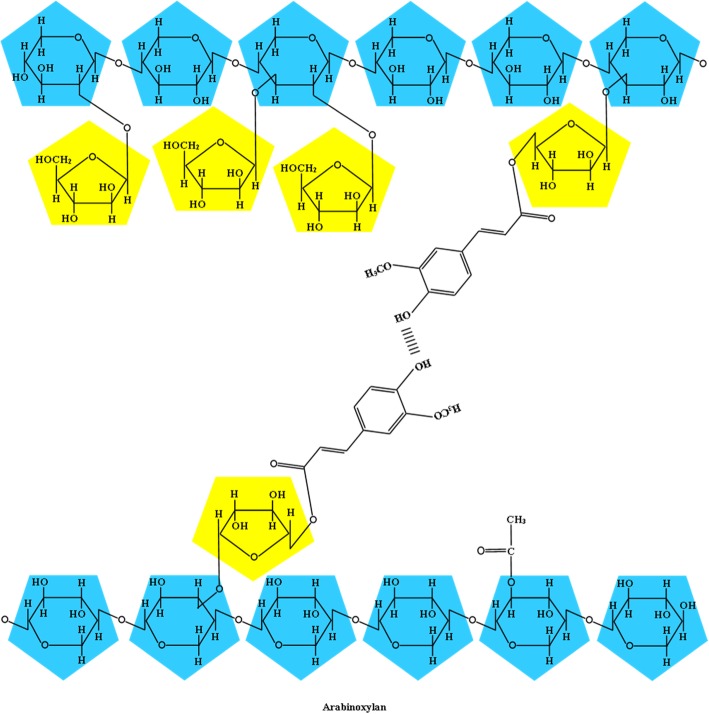
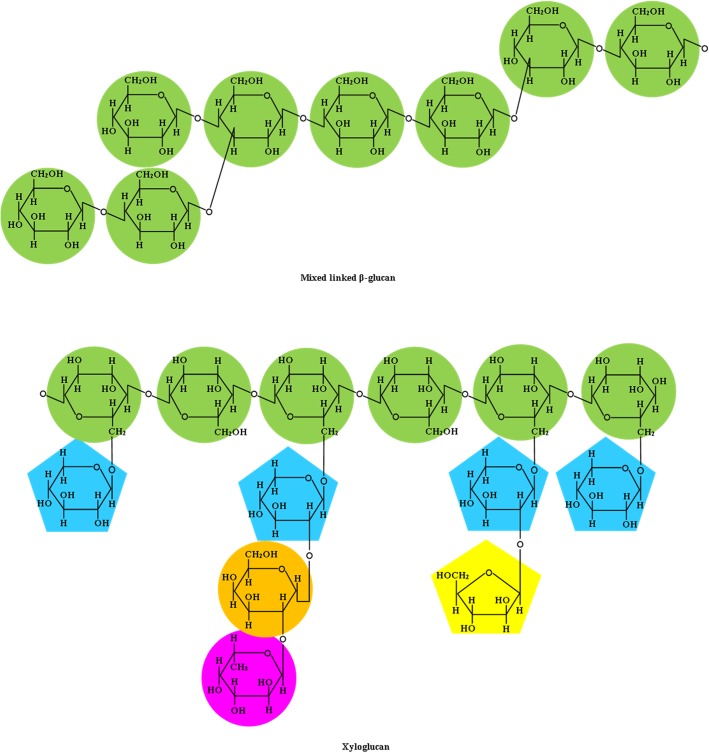
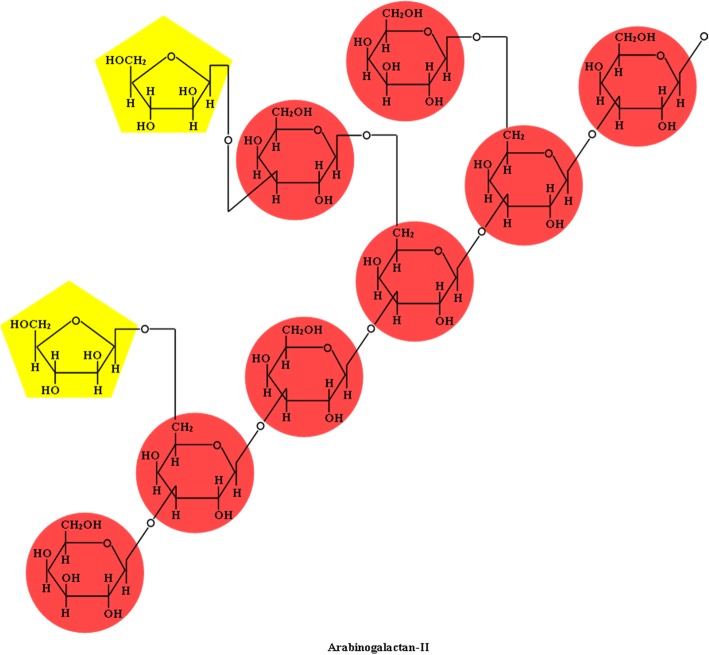
- In cereal grains, cellulose, arabinoxylans (AX), and mixed linked β-(1,3)(1,4)-d-glucans (MBG) are the main cell wall polysaccharides. Table 1 reports starch values of 680 g/kg DM in corn, 647 in wheat, 587 in barley, 468 in oats, and 837 in polished rice; resistant starch values include 10 in corn, 4 in wheat, 55 in barley, 54 in oats, 162 in sorghum, and 3 in polished rice. Oats had the greatest total AX among cereal grains (97 g/kg DM), followed by rye (95) and triticale (85), whereas sorghum (24) and polished rice (26) had the least.
- MBG concentrations were 1% or less in corn, wheat, sorghum, triticale, and polished rice; rye contained 1.7% MBG, and oats and barley contained between 2.8% and 5.0%.
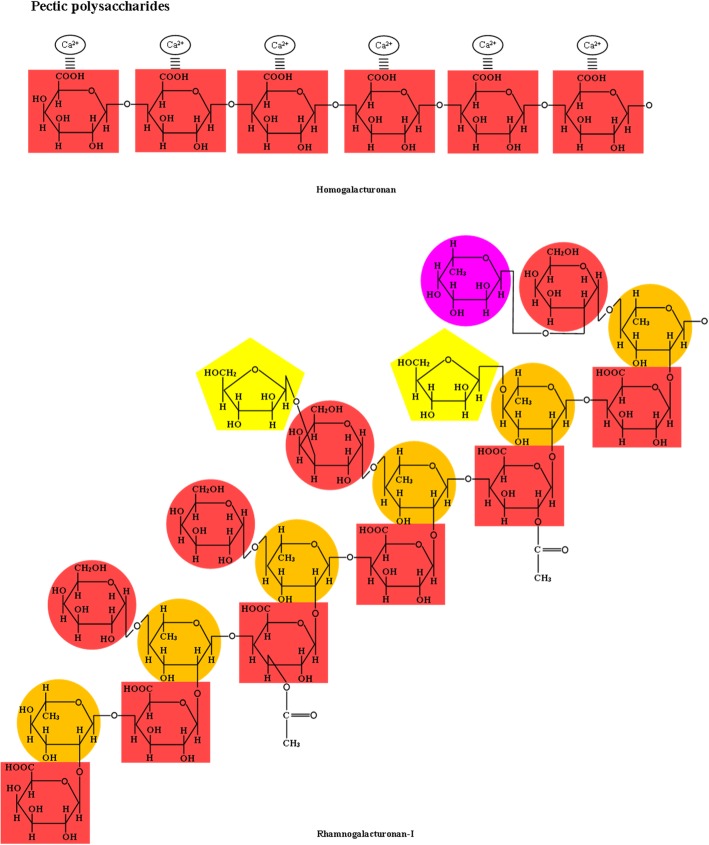
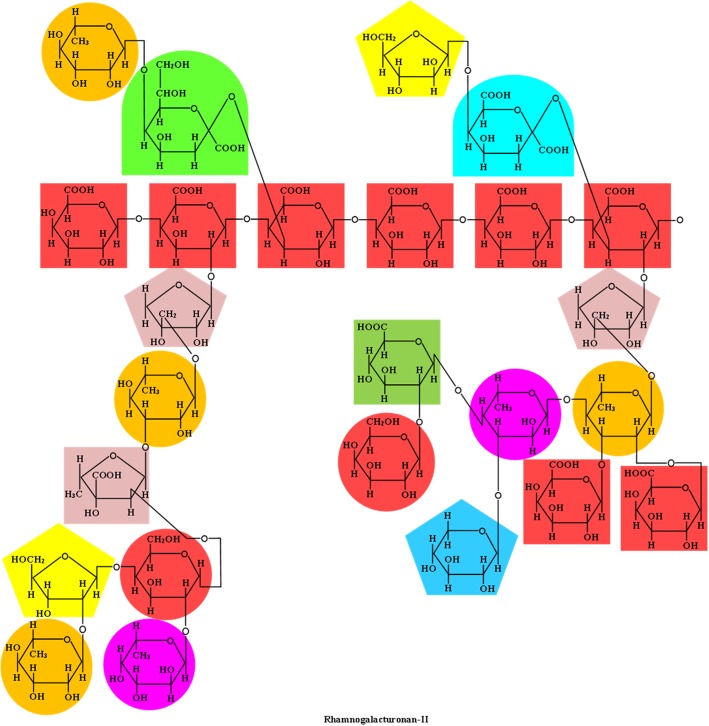
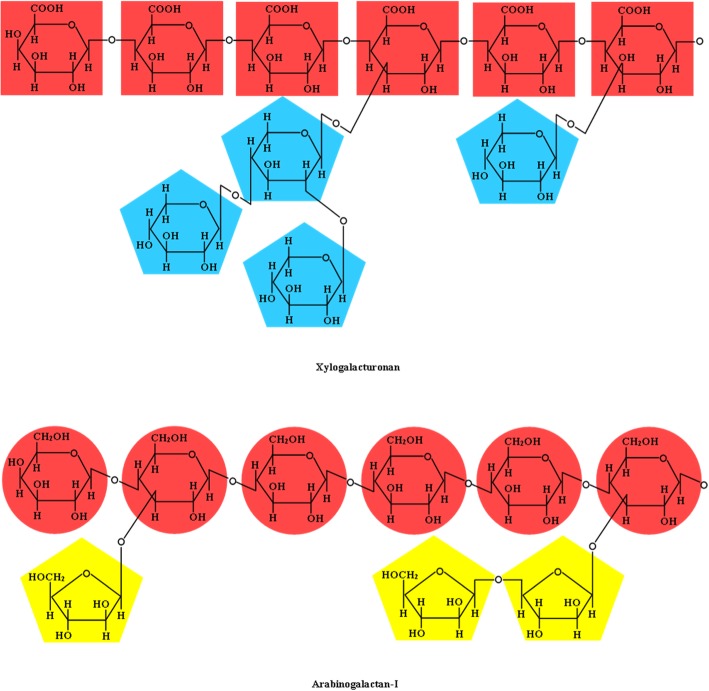
- Oilseeds, oilseed meals, and pulse crops contain cellulose, pectic polysaccharides, lignin, and xyloglucans; pulse crops and legumes also contain galacto-oligosaccharides including raffinose, stachyose, and verbascose. Soybeans have the greatest concentrations of these oligosaccharides, which can make up 5% to 7% of DM; Table 3 reports soybean meal stachyose at 47 g/kg DM and raffinose at 10 g/kg DM, while Table 4 reports lupins stachyose at 53 g/kg DM and verbascose at 14 g/kg DM. Resistant starch values typically range from 0 to 19% in most cereal grains and 10% to 20% in legumes.
Methods
- Narrative review; the stated objective was to review the structure and chemical composition of digestible carbohydrates and fiber components in common feed ingredients used in swine diets.
- Data are drawn from the literature and compiled into tables of carbohydrates and lignin in cereal grains, cereal grain byproducts, oilseed meals and expellers, and pulse crops, with values adapted from cited sources.
- Analysis is qualitative synthesis; no experimental animals, primary sampling, or statistical analysis are reported.
Limitations
- The paper states there are limited robust and practical methods to quantify fiber fractions important for assessing the energy value of fiber, and it explicitly excludes discussion of physical characteristics of fiber and effects of fiber on nutrient digestibility, fermentability, intestinal health, and intestinal microbial activity.
- Evident from the text: this is a narrative review without a systematic search or meta-analysis, and the compiled tables contain missing values and combine adapted data from multiple sources, which may constrain direct comparisons across ingredients.
Model-written summary. Check it against the paper before relying on it.
Integrity signals
Registry
Cites
Statistics
Figures
Verification
Claims the paper makes
24 Valid · 5 Not valid · 97 Not checked · 19 Own results and interpretations
Every source the paper cites for this claim was checked and supports it.
In the paper
“The AX in wheat and rye has a larger proportion that is soluble compared with the AX in barley and oats, mainly due to differences in their structural features [42].”
§ Structures and characteristics of carbohydrates in diets fed to pigs: a review > Nonstarch polysaccharides in feed ingredients > Cereal grains and cereal co-products
What the sources say
- Supportedcites [42] Bach Knudsen KE Fiber and nonstarch polysaccharide content and variation in common crops used in broiler diets Poult Sci 2014 93 2380 2393 10.3382/ps.2014-03902 25012855 source
The ‘AX and β-Glucan of Cereal Grains’ section states that a much larger proportion of arabinoxylan in wheat and rye is soluble than in barley and oats, and identifies differences in structural features as the main reason. (LLM, conf=0.95)
plainstates a cause- Asserted: passes — The authors put it forward as true.
- Checkable: passes — It can be checked against evidence.
- Load-bearing: unclear — It is unclear whether the paper’s conclusions depend on it.
- Based: passes — The paper gives a reason why it holds.
- Supported
Every source the paper cites for this claim was checked and supports it.
In the paper
“The arabinose to xylose ratio is lower in the insoluble aleurone AX compared with the starchy endosperm of wheat and barley [42].”
§ Structures and characteristics of carbohydrates in diets fed to pigs: a review > Nonstarch polysaccharides in feed ingredients > Cereal grains and cereal co-products
What the sources say
- Supportedcites [42] Bach Knudsen KE Fiber and nonstarch polysaccharide content and variation in common crops used in broiler diets Poult Sci 2014 93 2380 2393 10.3382/ps.2014-03902 25012855 source
The “AX and β-Glucan of Cereal Grains” section explicitly states that aleurone arabinoxylan is insoluble and has a lower arabinose-to-xylose ratio than starchy-endosperm arabinoxylan in both wheat and barley. (LLM, conf=0.95)
plain- Asserted: passes — The authors put it forward as true.
- Checkable: passes — It can be checked against evidence.
- Load-bearing: unclear — It is unclear whether the paper’s conclusions depend on it.
- Based: passes — The paper gives a reason why it holds.
- Supported
Every source the paper cites for this claim was checked and supports it.
In the paper
“Arabinoxylans in the aleurone layer, a specific tissue of cereal endosperm that is structurally similar to the starchy endosperm, may encapsulate available nutrients [42].”
§ Structures and characteristics of carbohydrates in diets fed to pigs: a review > Nonstarch polysaccharides in feed ingredients > Cereal grains and cereal co-products
What the sources say
- Supportedcites [42] Bach Knudsen KE Fiber and nonstarch polysaccharide content and variation in common crops used in broiler diets Poult Sci 2014 93 2380 2393 10.3382/ps.2014-03902 25012855 source
The “AX and β-Glucan of Cereal Grains” section describes the aleurone as structurally related to the starchy endosperm and states that its arabinoxylans encapsulate potentially available nutrients. The claim’s “may” is consistent with that statement. (LLM, conf=0.94)
hedgedstates a possible cause- Asserted: passes — The authors put it forward as true.
- Checkable: passes — It can be checked against evidence.
- Load-bearing: unclear — It is unclear whether the paper’s conclusions depend on it.
- Based: passes — The paper gives a reason why it holds.
- Supported
The cited sources support only part of this claim — read each source’s verdict below.
In the paper
“Barley, oats, and rye contain more MBG in the endosperm, aleurone, and subaleurone cell walls compared with corn and wheat [6, 42, 48].”
§ Structures and characteristics of carbohydrates in diets fed to pigs: a review > Nonstarch polysaccharides in feed ingredients > Cereal grains and cereal co-products
What the sources say
- Not matchedcites [6] Mateos-Aparicio I Redondo-Cuenca A Villanueva MJ Betancur-Ancona D Chel-Guerrero L Segura-Campos MR Dietary fiber from the food industry by-products Dietary fiber: sources, properties and their relationship to health 2013 New York Nova Science Publishers, Inc. 1 21
We searched by its title and found no matching paper.
- Partly supportedcites [42] Bach Knudsen KE Fiber and nonstarch polysaccharide content and variation in common crops used in broiler diets Poult Sci 2014 93 2380 2393 10.3382/ps.2014-03902 25012855 sourceExperimental — accuracy not yet measured
The ‘AX and β-Glucan of Cereal Grains’ section says β-glucan concentrations are highest in barley and oats, and Table 1 shows barley exceeds wheat and corn. The copy does not establish that rye also exceeds both, or that the comparison holds specifically across endosperm, aleurone, and subaleurone cell walls; it describes rye as rich in arabinoxylan instead. Page numbers were not available in the indexed passages. (LLM, conf=0.86)
- Not checked — no full text of the sourcecites [48] Bach Knudsen KE Carbohydrate and lignin contents of plant materials used in animal feeding J Anim Feed Sci Technol 1997 67 319 338 10.1016/S0377-8401(97)00009-6 source
plainstates an association- Asserted: passes — The authors put it forward as true.
- Checkable: passes — It can be checked against evidence.
- Load-bearing: unclear — It is unclear whether the paper’s conclusions depend on it.
- Based: passes — The paper gives a reason why it holds.
- Not matched
The cited sources support only part of this claim — read each source’s verdict below.
In the paper
“The cell walls of oilseeds primarily contain cellulose, pectic polysaccharides, lignin, and xyloglucans that serve to protect the seeds [42].”
§ Structures and characteristics of carbohydrates in diets fed to pigs: a review > Nonstarch polysaccharides in feed ingredients > Oilseeds and oilseed meals
What the sources say
- Partly supportedcites [42] Bach Knudsen KE Fiber and nonstarch polysaccharide content and variation in common crops used in broiler diets Poult Sci 2014 93 2380 2393 10.3382/ps.2014-03902 25012855 sourceExperimental — accuracy not yet measured
The ‘General Structure of Seeds and Grains’ section says outer seed tissues serve a protective role and their cell walls contain high levels of cellulose, xyloglucans, and acidic pectic substances. It says only some seeds have significant lignin, and describes cotyledon and germ cell walls differently. The claim overstates lignin as a primary component of oilseed cell walls generally and extends the protective role beyond the outer tissues. (LLM, conf=0.86)
plainstates a cause- Asserted: passes — The authors put it forward as true.
- Checkable: passes — It can be checked against evidence.
- Load-bearing: unclear — It is unclear whether the paper’s conclusions depend on it.
- Based: passes — The paper gives a reason why it holds.
- Partly supported
41 more claims · 7 with their cited sources checked
Create a free account to see all 145 claims and to verify the 51 references still open.
- It may state two separate claims as one. 64
- Probably not a substantial claim. 62
Self-check
Percentages, sums and reported differences re-computed from the paper’s own numbers.
Each contradiction between two passages listed here was confirmed by an independent check.
Rated minor: it would not touch a result — a value no result rests on, a p-value that stays on the same side of the significance level, or a conflict that is clerical, resolved elsewhere in the paper, or outside its own findings.
In the paper
§ Structures and characteristics of carbohydrates in diets fed to pigs: a review > Definition of carbohydrates > Polysaccharides
“| Total dietary fiber | 127 | 131 | 81 | 73 | 13 | 103 | 13 | – |”
§ Structures and characteristics of carbohydrates in diets fed to pigs: a review > Definition of carbohydrates > Polysaccharides
“| Total AX | 47 | 73 | 84 | 97 | 95 | 24 | 26 | 85 |”
Rated minor: it would not touch a result — a value no result rests on, a p-value that stays on the same side of the significance level, or a conflict that is clerical, resolved elsewhere in the paper, or outside its own findings.
In the paper
§ Structures and characteristics of carbohydrates in diets fed to pigs: a review > Nonstarch polysaccharides in feed ingredients > Pulse crops
“Lupins do not contain starch, but have greater concentrations of cellulose, raffinose, and stachyose than the other pulse crops, which may stimulate more microbial fermentation in the hindgut.”
§ Structures and characteristics of carbohydrates in diets fed to pigs: a review > Nonstarch polysaccharides in feed ingredients > Oilseeds and oilseed meals
“| Starch | 432 | 14 | 375 | 598 |”
Rated minor: it would not touch a result — a value no result rests on, a p-value that stays on the same side of the significance level, or a conflict that is clerical, resolved elsewhere in the paper, or outside its own findings.
In the paper
“| Total dietary fiber | 457 | 414 | – | – | 237 | – | – | 410 | – | 423 | 371 | | Insoluble dietary fiber | 406 | 376 | – | – | 115 | – | – | 390 | – | 411 | 329 | | Soluble dietary fiber | 52 | 38 | – | – | 113 | – | – | 21 | – | 12 | 42 |”
§ Structures and characteristics of carbohydrates in diets fed to pigs: a review > Definition of carbohydrates > Nonstarch polysaccharides
Reported 237 · recomputed 228
Rated minor: it would not touch a result — a value no result rests on, a p-value that stays on the same side of the significance level, or a conflict that is clerical, resolved elsewhere in the paper, or outside its own findings.
In the paper
§ Structures and characteristics of carbohydrates in diets fed to pigs: a review > Nonstarch polysaccharides in feed ingredients > Cereal grains and cereal co-products
“Typically, the ratio of β-(1,4) to β-(1,3) bonds is approximately three to two [33].”
§ Structures and characteristics of carbohydrates in diets fed to pigs: a review > Nonstarch polysaccharides in feed ingredients > Cereal grains and cereal co-products
“Mixed linked β-glucans in cereal grains are soluble linear homopolymers of d-glucopyranosyl residues that are linked by two to three consecutive β-(1,4) linkages and separated by a single β-(1,3) linkage (Fig. 5) [42, 45].”
Citations
Cites
Nutrient Requirements of Swine: Eighth revised edition, 1979
(1979) · National Academies Press eBooks · doi:10.17226/19882 · Cited by 4,196
Modern Nutrition in Health and Disease.
(1988) · Annals of Internal Medicine · doi:10.7326/0003-4819-108-3-508_7 · Cited by 3,379
Nutrient Requirements of Swine: Eleventh Revised Edition
(2012) · National Academies Press eBooks · doi:10.17226/13298 · Cited by 3,293
The structure, function, and biosynthesis of plant cell wall pectic polysaccharides
Caffall, K. H., & Mohnen, D. (2009) · Carbohydrate Research · doi:10.1016/j.carres.2009.05.021 · Cited by 1,645
Carbohydrate and lignin contents of plant materials used in animal feeding
Knudsen, K. E. B. (1997) · Animal Feed Science and Technology · doi:10.1016/s0377-8401(97)00009-6 · Cited by 1,548 · cited 6×
“Adapted from Bach Knudsen [48], Bailoni et al.”
BackgroundMethodInfluentialCereal arabinoxylans: advances in structure and physicochemical properties
Izydorczyk, M. S., & Biliaderis, C. G. (1995) · Carbohydrate Polymers · doi:10.1016/0144-8617(95)00077-1 · Cited by 893
Carbohydrate Chemistry for Food Scientists
(2019) · Elsevier eBooks · doi:10.1016/c2016-0-01960-5 · Cited by 706
Fructan: More Than a Reserve Carbohydrate?1
Vijn, I., & Smeekens, S. (1999) · Plant Physiology · doi:10.1104/pp.120.2.351 · Cited by 596
ENZYMIC QUANTIFICATION OF (1→3) (1→4)-β-D-GLUCAN IN BARLEY AND MALT
Mcclear, B. V., & Glennie-Holmes, M. (1985) · Journal of the Institute of Brewing · doi:10.1002/j.2050-0416.1985.tb04345.x · Cited by 573 · cited 2×
“McCleary BV, Glennie-Holmes M. Enzymic quantification of (1→3) (1→4)-βD-glucan in barley and malt.”
MethodCarbohydrate terminology and classification
Cummings, J. H., & Stephen, A. M. (2007) · European Journal of Clinical Nutrition · doi:10.1038/sj.ejcn.1602936 · Cited by 570
Izydorczyk, M. S., & Dexter, J. E. (2008) · Food Research International · doi:10.1016/j.foodres.2008.04.001 · Cited by 527
Physiology and biochemistry of plant cell walls
(1991) · Choice Reviews Online · doi:10.5860/choice.28-2726 · Cited by 517
Non-starch polysaccharides and their role in fish nutrition – A review
Sinha, A. K., Kumar, V., Makkar, H. P. S., De Boeck, G., & Becker, K. (2011) · Food Chemistry · doi:10.1016/j.foodchem.2011.02.042 · Cited by 467
Fiber and nonstarch polysaccharide content and variation in common crops used in broiler diets
Knudsen, K. E. B. (2014) · Poultry Science · doi:10.3382/ps.2014-03902 · Cited by 452 · cited 13×
“Arabinoxylans in the aleurone layer, a specific tissue of cereal endosperm that is structurally similar to the starchy endosperm, may encapsulate available nutrients [42].”
BackgroundMethodInfluentialMultifunctional fructans and raffinose family oligosaccharides
Ende, W. V. D. (2013) · Frontiers in Plant Science · doi:10.3389/fpls.2013.00247 · Cited by 398
Nondigestible Oligosaccharides
Roberfroid, M., & Slavin, J. (2000) · Critical Reviews in Food Science and Nutrition · doi:10.1080/10408690091189239 · Cited by 323 · cited 3×
“Oligosaccharides consist of galacto-oligosaccharides, fructo-oligosaccharides, and mannan-oligosaccharides that cannot be digested by pancreatic or intestinal enzymes, but are soluble in 80% ethanol [15, 20].”
BackgroundInfluentialChawla, R., & Patil, G. R. (2010) · Comprehensive Reviews in Food Science and Food Safety · doi:10.1111/j.1541-4337.2009.00099.x · Cited by 281
Nutritional characterization and measurement of dietary carbohydrates
Englyst, K. N., Liu, S., & Englyst, H. N. (2007) · European Journal of Clinical Nutrition · doi:10.1038/sj.ejcn.1602937 · Cited by 280
Essentials of carbohydrate chemistry
(1998) · Choice Reviews Online · doi:10.5860/choice.35-6237 · Cited by 264 · cited 4×
“The three most common disaccharides are maltose, lactose, and sucrose [11].”
BackgroundInfluentialAlbersheim, P., Darvill, A., Roberts, K., Sederoff, R., & Staehelin, A. (2010) · doi:10.1201/9780203833476 · Cited by 252 · cited 19×
“Solubilized RG-1 from primary cell walls treated with α-1,4-endo-polygalacturonase can account for 5% to 10% of the cell walls of dicotyledons and about 1% of monocotyledons [40].”
BackgroundInfluential(2006) · CRC Press eBooks · doi:10.1201/9781420003512 · Cited by 251
McCleary, B. V., DeVries, J. W., Rader, J. I., Cohen, G., Prosky, L., Mugford, D. C., Champ, M., & Okuma, K. (2012) · Journal of AOAC INTERNATIONAL · doi:10.5740/jaoacint.cs2011_25 · Cited by 235
Jaworski, N. W., Lærke, H. N., Bach Knudsen, K. E., & Stein, H. H. (2015) · Journal of Animal Science · doi:10.2527/jas.2014-8147 · Cited by 213
Self-citationCereal Grains: Properties, Processing and Nutritional Attributes
García‐Lara, S. (2010) · Crop Science · doi:10.2135/cropsci2010.12.0005br · Cited by 202 · cited 3×
“The total number of α-(1,6) linkages are only about four to five % of the total glycosidic bonds in amylopectin [33].”
BackgroundInfluentialThe Composition and Structure of Plant Primary Cell Walls
O'Neill, M. A., & York, W. S. (2018) · Annual Plant Reviews online · doi:10.1002/9781119312994.apr0067 · Cited by 202
Alpha-Galactosides: Antinutritional Factors or Functional Ingredients?
Martínez-Villaluenga, C., Frias, J., & Vidal-Valverde, C. (2008) · Critical Reviews in Food Science and Nutrition · doi:10.1080/10408390701326243 · Cited by 197
Prebiotics and other microbial substrates for gut functionality
Ouwehand, A. C., Derrien, M., de Vos, W., Tiihonen, K., & Rautonen, N. (2005) · Current Opinion in Biotechnology · doi:10.1016/j.copbio.2005.01.007 · Cited by 192
Cell wall O-glycoproteins and N-glycoproteins: aspects of biosynthesis and function
Nguema-Ona, E., Vicré-Gibouin, M., Gotté, M., Plancot, B., Lerouge, P., Bardor, M., & Driouich, A. (2014) · Frontiers in Plant Science · doi:10.3389/fpls.2014.00499 · Cited by 176
Han, Y. W. (1990) · Advances in Applied Microbiology · doi:10.1016/s0065-2164(08)70244-2 · Cited by 168
Physiology and Biochemistry of Plant Cell Walls
Brett, C., & Waldron, K. (1990) · doi:10.1007/978-94-010-9641-6 · Cited by 163
(2008) · Food Science Texts Series · doi:10.1007/978-0-387-69940-0 · Cited by 160
Digestibility of dietary fiber in distillers coproducts fed to growing pigs1
Urriola, P. E., Shurson, G. C., & Stein, H. H. (2010) · Journal of Animal Science · doi:10.2527/jas.2009-2227 · Cited by 157
Self-citationIn Vitro Evaluation of Nonstarch Polysaccharide Digestibility of Feed Ingredients by Enzymes
Malathi, V., & Devegowda, G. (2001) · Poultry Science · doi:10.1093/ps/80.3.302 · Cited by 141
Applications and Uses of Resistant Starch
Brown, I. L. (2004) · Journal of AOAC INTERNATIONAL · doi:10.1093/jaoac/87.3.727 · Cited by 138
Enzymology and other characteristics of cellulases and xylanases.
Bhat, M. K., & Hazlewood, G. P. (2001) · Enzymes in farm animal nutrition · doi:10.1079/9780851993935.0011 · Cited by 134
Vaclavik, V. A., & Christian, E. W. (2014) · Food Science Text Series · doi:10.1007/978-1-4614-9138-5 · Cited by 128
Qaisrani, S. N., Moquet, P. C. A., van Krimpen, M. M., Kwakkel, R. P., Verstegen, M. W. A., & Hendriks, W. H. (2014) · Poultry Science · doi:10.3382/ps.2014-04091 · Cited by 120
Cereal Grains: Properties, Processing, and Nutritional Attributes
Serna-Saldivar, S. O. (2010) · Medical Entomology and Zoology · Cited by 106
The encyclopedia of farm animal nutrition
(2004) · doi:10.1079/9780851993690.0000 · Cited by 103
Carbohydrate chemistry for food scientists
(2008) · Choice Reviews Online · doi:10.5860/choice.45-6173 · Cited by 99 · cited 14×
“C aldohexoses, which include the aldohexose D-glucose, and are usually present in their ring structures called a pyranose ring rather than in open-chain structures (Fig.”
BackgroundInfluentialJaworski, N. W., & Stein, H. H. (2017) · Journal of Animal Science · doi:10.2527/jas.2016.0752 · Cited by 97
Self-citationCharacterisation of dietary fibre components in cereals and legumes used in Serbian diet
Dodevska, M. S., Djordjevic, B. I., Sobajic, S. S., Miletić, I., Djordjević, P., & Dimitrijevic-Sreckovic, V. S. (2013) · Food Chemistry · doi:10.1016/j.foodchem.2013.05.078 · Cited by 83
Dietary Fiber: The Influence of Definition on Analysis and Regulation
DeVries, J. W. (2004) · Journal of AOAC INTERNATIONAL · doi:10.1093/jaoac/87.3.682 · Cited by 81
Carbohydrate chemistry and biochemistry: structure and mechanism
Sinnott, M. L. (2008) · Choice Reviews Online · doi:10.5860/choice.45-5590 · Cited by 78 · cited 9×
“The three trioses include ketose dihydroxyacetone and both enantiomeric forms of glyceraldehyde [14].”
BackgroundInfluentialCervantes‐Pahm, S. K., Liu, Y., & Stein, H. H. (2014) · Journal of the Science of Food and Agriculture · doi:10.1002/jsfa.6316 · Cited by 75
Self-citationChe, T. M., Johnson, R. W., Kelley, K. W., Dawson, K. A., Moran, C. A., & Pettigrew, J. E. (2011) · Journal of Animal Science · doi:10.2527/jas.2011-4310 · Cited by 75
TRIENNIAL GROWTH SYMPOSIUM: Effects of polymeric carbohydrates on growth and development in pigs1
Bach Knudsen, K. E. (2011) · Journal of Animal Science · doi:10.2527/jas.2010-3602 · Cited by 75 · cited 18×
“, pelleting, expansion, or extrusion) [30].”
BackgroundInfluentialMarín-Manzano, M. C., Abecia, L., Hernández-Hernández, O., Sanz, M. L., Montilla, A., Olano, A., Rubio, L. A., Moreno, F. J., & Clemente, A. (2013) · Journal of Agricultural and Food Chemistry · doi:10.1021/jf402218z · Cited by 69
A survey of β‐glucan and arabinoxylan content in wheat
Pritchard, J. R., Lawrence, G. J., Larroque, O., Li, Z., Laidlaw, H. K., Morell, M. K., & Rahman, S. (2011) · Journal of the Science of Food and Agriculture · doi:10.1002/jsfa.4316 · Cited by 53
MODERN NUTRITION IN HEALTH AND DISEASE
Herman, R. H. (1969) · The American Journal of the Medical Sciences · doi:10.1097/00000441-196902000-00011 · Cited by 50
Cereal-Glucans: Structures, Physical Properties, and Physiological Functions
(2006) · Functional Food Carbohydrates · doi:10.1201/9781420003512-6 · Cited by 50
Xylanases and cellulases as feed additives.
Paloheimo, M., Piironen, J., & Vehmaanperä, J. (2010) · Enzymes in Farm Animal Nutrition · doi:10.1079/9781845936747.0012 · Cited by 49
Frías, J., Vidal-Valverde, C., Kozłowska, H., Tabera, J., Honke, J., & Hedley, C. L. (1996) · Journal of Agricultural and Food Chemistry · doi:10.1021/jf9501150 · Cited by 47
Izydorczyk, M. S., & Βiliaderis, C. G. (2006) · Functional foods & nutraceuticals series · doi:10.1201/9781420003512.ch7 · Cited by 47 · cited 7×
“Izydorczyk MS, Biliaderis CG. Arabinoxylans: technologically and nutritionally functional plant polysaccharides.”
BackgroundInfluentialSwanson, K. S., Grieshop, C. M., Flickinger, E. A., Merchen, N. R., & Fahey, G. C. (2002) · The Journal of Nutrition · doi:10.1093/jn/132.6.1717s · Cited by 45
Non-starch polysaccharides in the diets of young weaned piglets.
Pluske, J. R., Kim, J. C., McDonald, D. E., Pethick, D. W., & Hampson, D. J. (2001) · The weaner pig: nutrition and management. Proceedings of a British Society of Animal Science Occasional Meeting, University of Nottingham, UK, September 2000 · doi:10.1079/9780851995328.0081 · Cited by 44
Potential of cereal grains and grain legumes in modulating pigs׳ intestinal microbiota – A review
Aumiller, T., Mosenthin, R., & Weiss, E. (2015) · Livestock Science · doi:10.1016/j.livsci.2014.11.016 · Cited by 42
Carbohydrates and Carbohydrate Utilization in Swine
Erik, K., Knudsen, B., Lærke, H. N., & Jørgensen, H. (2013) · Sustainable Swine Nutrition · doi:10.1002/9781118491454.ch5 · Cited by 41 · cited 7×
“Lignin is not a carbohydrate, but is associated with cell wall polysaccharides [1].”
BackgroundInfluentialNavarro, D. M. D. L., Bruininx, E. M. A. M., de Jong, L., & Stein, H.-H. H. (2018) · Journal of Animal Science · doi:10.1093/jas/sky090 · Cited by 39
Self-citationNavarro, D. M. D. L., Bruininx, E. M. A. M., de Jong, L., & Stein, H.-H. H. (2018) · Journal of Animal Science · doi:10.1093/jas/sky010 · Cited by 39 · cited 1×
“[66] Values for dietary fiber were adapted from Jaworski and Stein [69] Navarro et al.”
MethodSelf-citationCarbohydrate Chemistry and Biochemistry: Structure and Mechanism
Sinnott, M. L. (2013) · Royal Society of Chemistry eBooks · doi:10.1039/9781782626329 · Cited by 37
(2012) · CABI eBooks · doi:10.1079/9781780640198.0000 · Cited by 36 · cited 1×
“Pulse crops, which include beans, lentils, lupins, and peas, are legumes that are rich sources of protein and other nutrients [61].”
BackgroundGentiobiose: a novel oligosaccharin in ripening tomato fruit
Dumville, J. C., & Fry, S. C. (2003) · Planta · doi:10.1007/s00425-002-0869-3 · Cited by 36 · cited 1×
“Cellobiose is a product of cellulose degradation, whereas gentiobiose is believed to play a role in the initiation of ripening of tomato fruits [19].”
BackgroundMiddelbos, I. S., & Fahey, G. C. (2008) · Soybeans · doi:10.1016/b978-1-893997-64-6.50012-3 · Cited by 36
Arabinoxylans: Technologically and Nutritionally Functional Plant Polysaccharides
Biliaderis, C. G., & Izydorczyk, M. S. (2006) · CRC Press eBooks · doi:10.1201/9781420003512-12 · Cited by 31
Amino acid digestibility in low-fat distillers dried grains with solubles fed to growing pigs
Curry, S. M., Navarro, D. M. D. L., Almeida, F. N., Almeida, J. A. S., & Stein, H. H. (2014) · Journal of Animal Science and Biotechnology/Journal of animal science and biotechnology · doi:10.1186/2049-1891-5-27 · Cited by 18
Self-citationGastric, Pancreatic, and Intestinal Function
Hill, P. G. (2012) · Elsevier eBooks · doi:10.1016/b978-1-4160-6164-9.00051-2 · Cited by 18 · cited 2×
“The extensive branching of glycogen enhances its solubility, which allows glucose to be mobilized more readily [34].”
BackgroundTowards an Understanding of the Supramolecular Organization of the Lignified Wall
Boudet, A. M. (2017) · Wiley eBooks · doi:10.1002/9781119312994.apr0071 · Cited by 11
Plant Cell Wall Polysaccharides
Smith, B. G., & Melton, L. D. (2012) · Food Carbohydrate Chemistry · doi:10.1002/9781118688496.ch8 · Cited by 9
Cromwell, G. L. (2013) · Sustainable Swine Nutrition · doi:10.1002/9781118491454.ch13 · Cited by 8
Estimation of the Content of Pectins in Feeds: Fractional Extraction and Quantitative Determination
Bailoni, L., Bonsembiante, M., Schiavon, S., et al. (2003) · Veterinary Research Communications · doi:10.1023/b:verc.0000014152.80334.86 · Cited by 6
Digestion and Absorption of Carbohydrates
Pond, W. G., Nichols, B. L., & Brown, D. L. (2009) · doi:10.1201/9781420077544-14 · Cited by 6
Introduction to Fiber and Nondigestible Carbohydrates: Definition, Health Aspects, and Perspectives
Paeschke, T. M., & Aimutis, W. R. (2010) · Nondigestible Carbohydrates and Digestive Health · doi:10.1002/9780470958186.ch1 · Cited by 2 · cited 1×
“to analyze fiber and non-digestible carbohydrates [5].”
The Gastrointestinal Tract and Its Microflora
Aimutis, W. R., & Polzin, K. (2010) · Nondigestible Carbohydrates and Digestive Health · doi:10.1002/9780470958186.ch2 · Cited by 1 · cited 2×
“Non-digestible carbohydrates that reach the large intestine may be digested by microbial enzymes because intestinal microorganisms secrete glycoside hydrolases and polysaccharide lyases that humans and pigs do not express [4].”
BackgroundMaiti, R., Satya, P., Rajkumar, D., & Ramaswamy, A. (2012) · Crop plant anatomy · doi:10.1079/9781780640198.0095 · Cited by 1
Research works printed but not linked: 9
- Slavin JL Stipanuk MH Caudill MA Structure, nomenclature, and properties of carbohydrates Biochemical, physiological, and molecular aspects of human nutrition 2013 St. Louis Elsevier, Inc. 50 68
- Ferrier DR Biochemistry 2014 6 Philadelphia Lippincott Williams & Wilkins
- Mateos-Aparicio I Redondo-Cuenca A Villanueva MJ Betancur-Ancona D Chel-Guerrero L Segura-Campos MR Dietary fiber from the food industry by-products Dietary fiber: sources, properties and their relationship to health 2013 New York Nova Science Publishers, Inc. 1 21
- NRC Nutrient requirements of swine 2012 11 Washington, DC Natl. Acad. Press
- Liener IE Drackley JK Non-nutritive factors and bioactive compounds in soy Soy in animal nutrition 2000 Champaign Fed. Anim. Sci. Soc 13 45
- Dar YL Embuscado ME Starches as food texturizing systems Functionalizing carbohydrates for food applications: texturizing and bioactive/flavor delivery systems 2014 Lancaster DEStech Publications, Inc. 41 79
- Sacks DB Burtis CA Ashwood ER Bruns DE Carbohydrates Clinical chemistry and molecular diagnostics 2006 4 St. Louis Elsevier, Inc. 837 901
- McGrane MM Stipanuk MH Caudill MA Carbohydrate metabolism: synthesis and oxidation Biochemical, physiological, and molecular aspects of human nutrition 2013 St. Louis Elsevier, Inc. 209 255
- Slavin JL Stipanuk MH Caudill MA Dietary fiber Biochemical, physiological, and molecular aspects of human nutrition 2013 St. Louis Elsevier, Inc. 194 205
Cited by
Polysaccharides—Naturally Occurring Immune Modulators
Murphy, E. J., Fehrenbach, G. W., Abidin, I. Z., Buckley, C., Montgomery, T., Pogue, R., Murray, P., Major, I., & Rezoagli, E. (2023) · Polymers · doi:10.3390/polym15102373 · Cited by 159
“Glycogen, cellulose, and starch are the most abundant polysaccharides known [14].”
BackgroundRasid, N. S. A., Shamjuddin, A., Rahman, A. Z. A., & Amin, N. A. S. (2021) · Journal of Cleaner Production · doi:10.1016/j.jclepro.2021.129038 · Cited by 163
Wang, D., Chen, L., Tang, G., Yu, J., Chen, J., Li, Z., Cao, Y., Lei, X., Deng, L., Wu, S., et al. (2023) · Microbiome · doi:10.1186/s40168-023-01652-5 · Cited by 151
Behera, L., Mohanta, M., & Thirugnanam, A. (2021) · Environmental Technology & Innovation · doi:10.1016/j.eti.2021.102180 · Cited by 128
Advances in the Modification of Starch via Esterification for Enhanced Properties
Otache, M. A., Duru, R. U., Achugasim, O., & Abayeh, O. J. (2021) · Journal of Polymers and the Environment · doi:10.1007/s10924-020-02006-0 · Cited by 132
Metadata
- Authors
- Navarro, D. M. D. L., Abelilla, J. J., & Stein, H. H.
- Affiliations
- University of Illinois Urbana-Champaign (US)
- Corresponding author
- Stein, Hans H.
- Venue
- Journal of Animal Science and Biotechnology
- Published
- 2019-04-17
- Volume
- 10
- Issue
- 1
- Pages
- 39-39
- ISSN
- 1674-9782 (ISSN-L)
- 2049-1891
- PMC
- PMC6480914
- OpenAlex
- W2947923234
- Cited by
- 151
- References
- 76
- Citations by year
- 2026: 12 · 2025: 23 · 2024: 30 · 2023: 25 · 2022: 32 · 2021: 17 · 2020: 8 · 2019: 4
- FWCI
- 1.41
- Type
- journal article
- Language
- en
- Open access
- gold
- doi.org
- Licence
- cc-by
- creativecommons.org/licenses/by/4.0/ (tdm)
- Locations
- Journal of Animal Science and Biotechnology/Journal of animal science and biotechnology (publishedVersion, cc-by)
- Europe PMC (PubMed Central) (publishedVersion, cc-by)
- PubMed Central (publishedVersion, cc-by)
- PubMed (publishedVersion)
- DOAJ (DOAJ: Directory of Open Access Journals) (submittedVersion, cc-by-sa)
- Topics
- Life Sciences › Agricultural and Biological Sciences › Animal Science and Zoology › Animal Nutrition and Physiology
- Health Sciences › Nursing › Nutrition and Dietetics › Food composition and properties
- Life Sciences › Agricultural and Biological Sciences › Animal Science and Zoology › Ruminant Nutrition and Digestive Physiology
- Keywords
- dietary fiber, non-digestible carbohydrates, pig feed, oligosaccharides, resistant starch, non-starch polysaccharides, short-chain fatty acids, cellulose, arabinoxylan, galactooligosaccharides, raffinose, stachyose, verbascose, cereals, oilseed crops, pulses, Fabaceae, degree of polymerization, feed ingredients, energy utilization
About these checks
Registry, retraction, Cites and statistics results are computed, not judged, with one exception: a printed reference that no index lists is read once by a model before it counts as a citation error. Claims are extracted by a model and kept only when their quote appears verbatim in the text; each cited source is then checked, with a model’s help, for whether it says what the claim relies on. Those verdicts can be wrong — read the claim’s quote and the cited source before relying on one.
The claim verdicts this report counts are experimental: their accuracy is not yet measured.
A language model drew the claims from the paper on 2026-10-10, under version 3 of the claim definition (model deepseek-v4.1-flash, prompt extract-v3).
A second model labelled each claim on 2026-10-10 (model jev-1.13-20260917, definition revision gold-guideline-v0.2).
Cited sources are checked with a language model’s help (gpt-6-sol).
Statistics and arithmetic are recomputed, not judged.
Confidence bands are shown only for fields calibrated on our annotated test set. None is calibrated yet, so no band is shown.
What counts as a claim ›How we measure confidence ›How we check this ›
Are you an author, or do you see a problem with this page? Request a review
Data sources
Bibliographic data: Semantic Scholar, OpenAlex, Crossref.
Contains information from the Semantic Scholar Academic Graph Datasets, made available under the ODC Attribution License (ODC-BY 1.0).
Semantic Scholar’s data is described in: Kinney, R., et al. (2023). The Semantic Scholar Open Data Platform. arXiv:2301.10140.
