

Structures and characteristics of carbohydrates in diets fed to pigs: a review
Open accessThe DOI matches its Crossref record; 74 of the 76 references it cites were found in a registry or an index; 24 of the 157 sources its claims cite were checked for support.
Abstract
Classifies carbohydrates by degree of polymerization and reviews digestible and non-digestible carbohydrates and their roles as energy sources.
Overview
CoChat Summary
TL;DR
This review describes carbohydrate classification and the structure/chemical composition of digestible carbohydrates and fiber in common swine feed ingredients. It compiles fiber fractions for cereal grains, cereal byproducts, oilseed meals, and pulse crops, emphasizing how ingredient and tissue type affect cellulose, arabinoxylan, β-glucan, pectin, lignin, starch, and galacto-oligosaccharide content.
Key findings
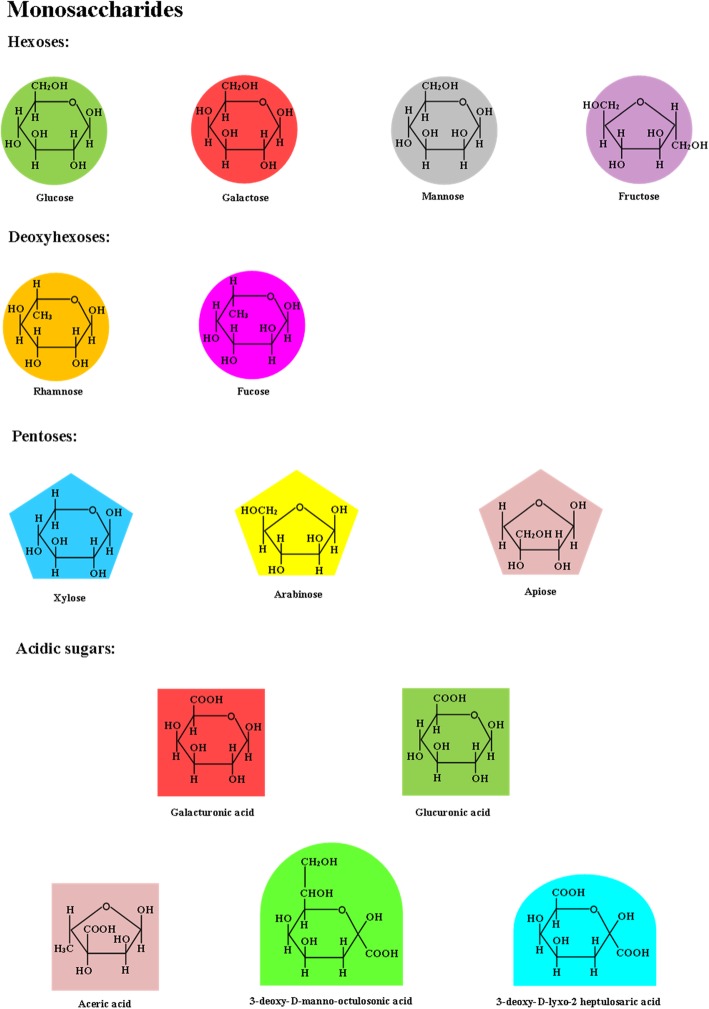
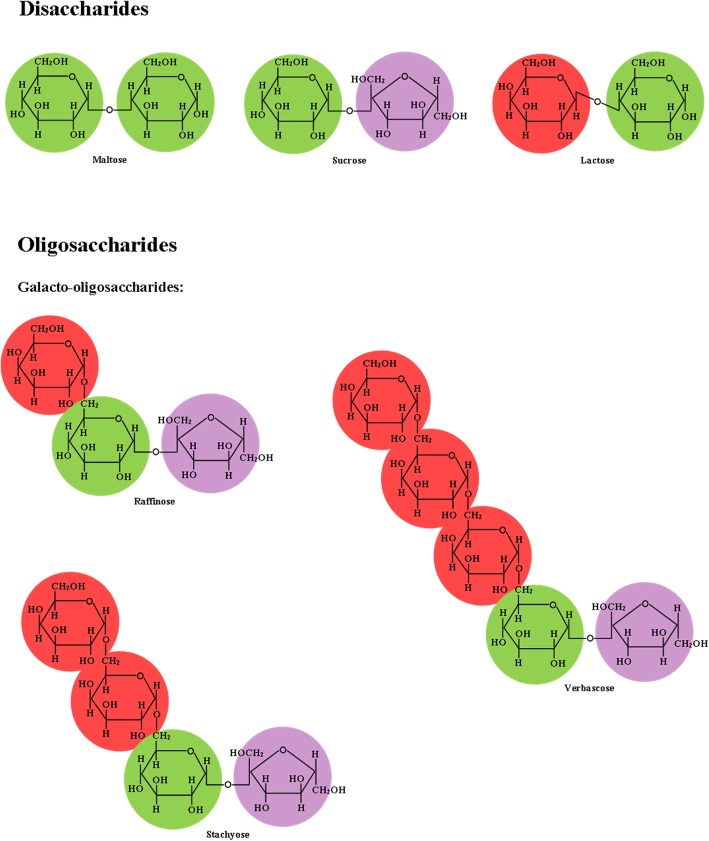
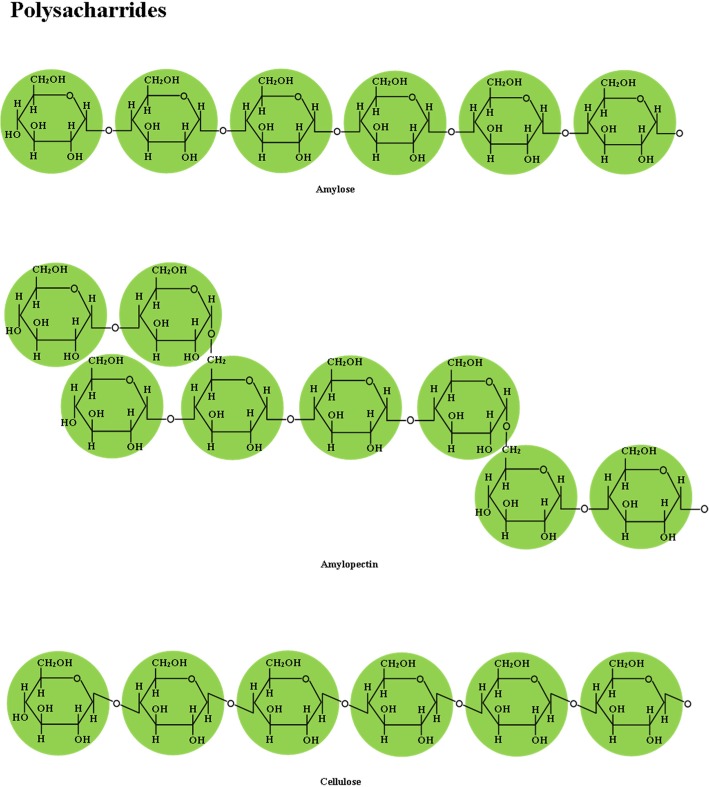
- Carbohydrates are classified by degree of polymerization into monosaccharides, disaccharides, oligosaccharides, and polysaccharides; digestible carbohydrates include sugars, digestible starch, and glycogen, whereas non-digestible carbohydrates/fiber include two disaccharides, oligosaccharides, resistant starch, and non-starch polysaccharides.
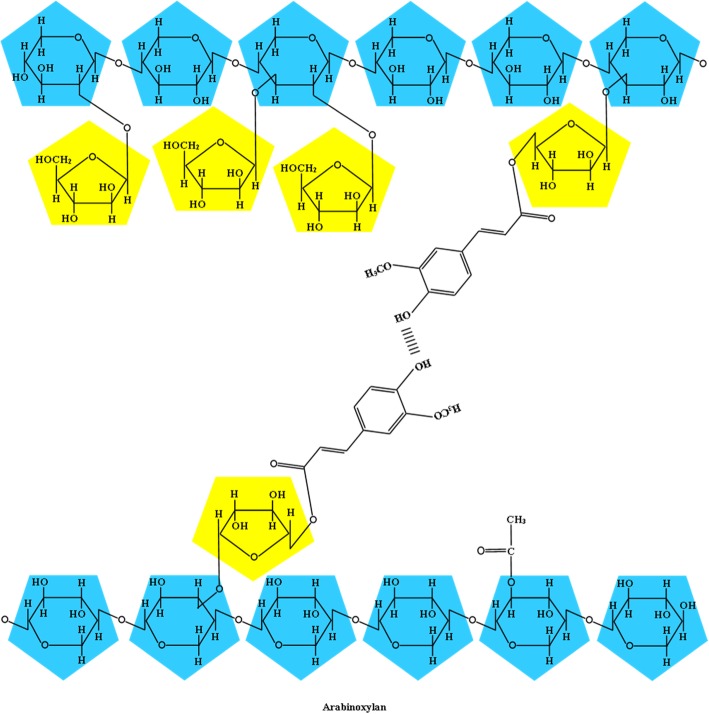
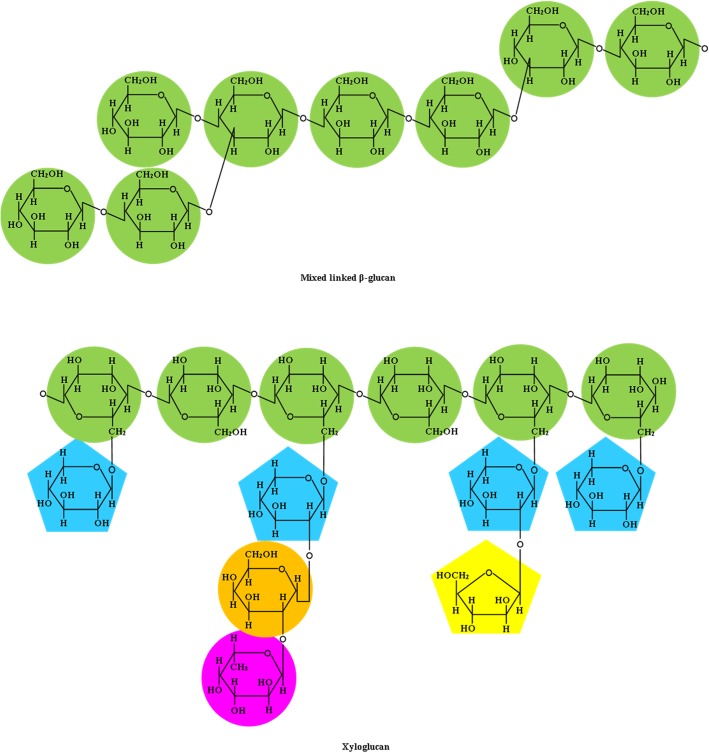
- In cereal grains, cellulose, arabinoxylans (AX), and mixed linked β-(1,3)(1,4)-d-glucans (MBG) are the main cell wall polysaccharides. Table 1 reports starch values of 680 g/kg DM in corn, 647 in wheat, 587 in barley, 468 in oats, and 837 in polished rice; resistant starch values include 10 in corn, 4 in wheat, 55 in barley, 54 in oats, 162 in sorghum, and 3 in polished rice. Oats had the greatest total AX among cereal grains (97 g/kg DM), followed by rye (95) and triticale (85), whereas sorghum (24) and polished rice (26) had the least.
- MBG concentrations were 1% or less in corn, wheat, sorghum, triticale, and polished rice; rye contained 1.7% MBG, and oats and barley contained between 2.8% and 5.0%.
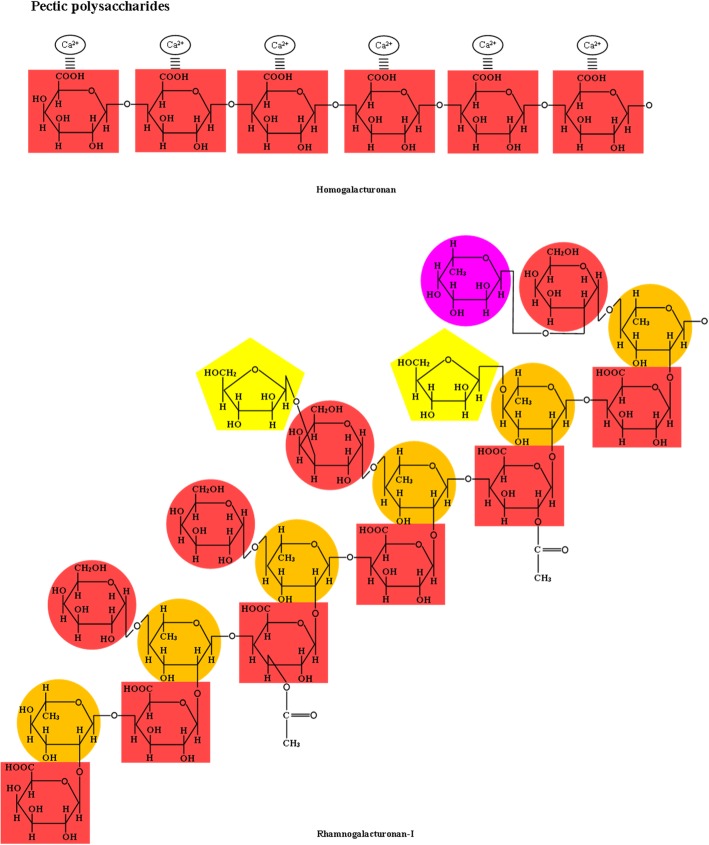
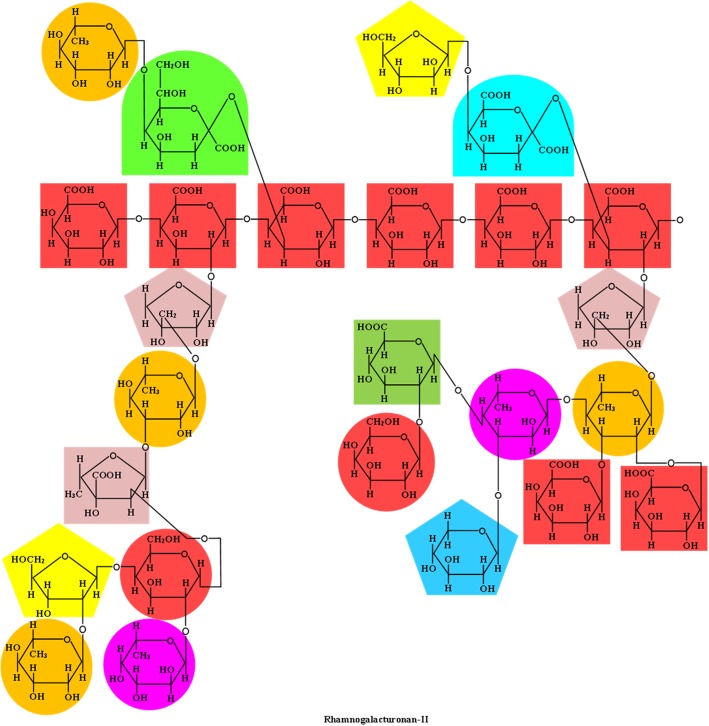
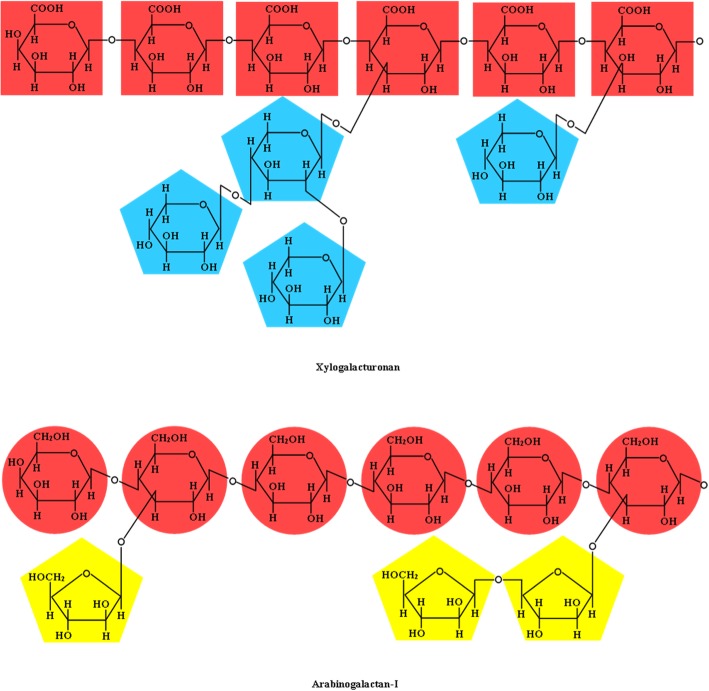
- Oilseeds, oilseed meals, and pulse crops contain cellulose, pectic polysaccharides, lignin, and xyloglucans; pulse crops and legumes also contain galacto-oligosaccharides including raffinose, stachyose, and verbascose. Soybeans have the greatest concentrations of these oligosaccharides, which can make up 5% to 7% of DM; Table 3 reports soybean meal stachyose at 47 g/kg DM and raffinose at 10 g/kg DM, while Table 4 reports lupins stachyose at 53 g/kg DM and verbascose at 14 g/kg DM. Resistant starch values typically range from 0 to 19% in most cereal grains and 10% to 20% in legumes.
Methods
- Narrative review; the stated objective was to review the structure and chemical composition of digestible carbohydrates and fiber components in common feed ingredients used in swine diets.
- Data are drawn from the literature and compiled into tables of carbohydrates and lignin in cereal grains, cereal grain byproducts, oilseed meals and expellers, and pulse crops, with values adapted from cited sources.
- Analysis is qualitative synthesis; no experimental animals, primary sampling, or statistical analysis are reported.
Limitations
- The paper states there are limited robust and practical methods to quantify fiber fractions important for assessing the energy value of fiber, and it explicitly excludes discussion of physical characteristics of fiber and effects of fiber on nutrient digestibility, fermentability, intestinal health, and intestinal microbial activity.
- Evident from the text: this is a narrative review without a systematic search or meta-analysis, and the compiled tables contain missing values and combine adapted data from multiple sources, which may constrain direct comparisons across ingredients.
Model-written summary. Check it against the paper before relying on it.
Integrity signals
Registry
Cites
Statistics
Figures
Verification
Claims the paper makes
24 Valid · 5 Not valid · 97 Not checked · 19 Own results and interpretations
Every source the paper cites for this claim was checked and supports it.
In the paper
“The AX in wheat and rye has a larger proportion that is soluble compared with the AX in barley and oats, mainly due to differences in their structural features [42].”
§ Structures and characteristics of carbohydrates in diets fed to pigs: a review > Nonstarch polysaccharides in feed ingredients > Cereal grains and cereal co-products
What the sources say
- Supportedcites [42] Bach Knudsen KE Fiber and nonstarch polysaccharide content and variation in common crops used in broiler diets Poult Sci 2014 93 2380 2393 10.3382/ps.2014-03902 25012855 source
The ‘AX and β-Glucan of Cereal Grains’ section states that a much larger proportion of arabinoxylan in wheat and rye is soluble than in barley and oats, and identifies differences in structural features as the main reason. (LLM, conf=0.95)
plainstates a cause- Asserted: passes — The authors put it forward as true.
- Checkable: passes — It can be checked against evidence.
- Load-bearing: unclear — It is unclear whether the paper’s conclusions depend on it.
- Based: passes — The paper gives a reason why it holds.
- Supported
Every source the paper cites for this claim was checked and supports it.
In the paper
“The arabinose to xylose ratio is lower in the insoluble aleurone AX compared with the starchy endosperm of wheat and barley [42].”
§ Structures and characteristics of carbohydrates in diets fed to pigs: a review > Nonstarch polysaccharides in feed ingredients > Cereal grains and cereal co-products
What the sources say
- Supportedcites [42] Bach Knudsen KE Fiber and nonstarch polysaccharide content and variation in common crops used in broiler diets Poult Sci 2014 93 2380 2393 10.3382/ps.2014-03902 25012855 source
The “AX and β-Glucan of Cereal Grains” section explicitly states that aleurone arabinoxylan is insoluble and has a lower arabinose-to-xylose ratio than starchy-endosperm arabinoxylan in both wheat and barley. (LLM, conf=0.95)
plain- Asserted: passes — The authors put it forward as true.
- Checkable: passes — It can be checked against evidence.
- Load-bearing: unclear — It is unclear whether the paper’s conclusions depend on it.
- Based: passes — The paper gives a reason why it holds.
- Supported
Every source the paper cites for this claim was checked and supports it.
In the paper
“Arabinoxylans in the aleurone layer, a specific tissue of cereal endosperm that is structurally similar to the starchy endosperm, may encapsulate available nutrients [42].”
§ Structures and characteristics of carbohydrates in diets fed to pigs: a review > Nonstarch polysaccharides in feed ingredients > Cereal grains and cereal co-products
What the sources say
- Supportedcites [42] Bach Knudsen KE Fiber and nonstarch polysaccharide content and variation in common crops used in broiler diets Poult Sci 2014 93 2380 2393 10.3382/ps.2014-03902 25012855 source
The “AX and β-Glucan of Cereal Grains” section describes the aleurone as structurally related to the starchy endosperm and states that its arabinoxylans encapsulate potentially available nutrients. The claim’s “may” is consistent with that statement. (LLM, conf=0.94)
hedgedstates a possible cause- Asserted: passes — The authors put it forward as true.
- Checkable: passes — It can be checked against evidence.
- Load-bearing: unclear — It is unclear whether the paper’s conclusions depend on it.
- Based: passes — The paper gives a reason why it holds.
- Supported
The cited sources support only part of this claim — read each source’s verdict below.
In the paper
“Barley, oats, and rye contain more MBG in the endosperm, aleurone, and subaleurone cell walls compared with corn and wheat [6, 42, 48].”
§ Structures and characteristics of carbohydrates in diets fed to pigs: a review > Nonstarch polysaccharides in feed ingredients > Cereal grains and cereal co-products
What the sources say
- Not matchedcites [6] Mateos-Aparicio I Redondo-Cuenca A Villanueva MJ Betancur-Ancona D Chel-Guerrero L Segura-Campos MR Dietary fiber from the food industry by-products Dietary fiber: sources, properties and their relationship to health 2013 New York Nova Science Publishers, Inc. 1 21
We searched by its title and found no matching paper.
- Partly supportedcites [42] Bach Knudsen KE Fiber and nonstarch polysaccharide content and variation in common crops used in broiler diets Poult Sci 2014 93 2380 2393 10.3382/ps.2014-03902 25012855 sourceExperimental — accuracy not yet measured
The ‘AX and β-Glucan of Cereal Grains’ section says β-glucan concentrations are highest in barley and oats, and Table 1 shows barley exceeds wheat and corn. The copy does not establish that rye also exceeds both, or that the comparison holds specifically across endosperm, aleurone, and subaleurone cell walls; it describes rye as rich in arabinoxylan instead. Page numbers were not available in the indexed passages. (LLM, conf=0.86)
- Not checked — no full text of the sourcecites [48] Bach Knudsen KE Carbohydrate and lignin contents of plant materials used in animal feeding J Anim Feed Sci Technol 1997 67 319 338 10.1016/S0377-8401(97)00009-6 source
plainstates an association- Asserted: passes — The authors put it forward as true.
- Checkable: passes — It can be checked against evidence.
- Load-bearing: unclear — It is unclear whether the paper’s conclusions depend on it.
- Based: passes — The paper gives a reason why it holds.
- Not matched
The cited sources support only part of this claim — read each source’s verdict below.
In the paper
“The cell walls of oilseeds primarily contain cellulose, pectic polysaccharides, lignin, and xyloglucans that serve to protect the seeds [42].”
§ Structures and characteristics of carbohydrates in diets fed to pigs: a review > Nonstarch polysaccharides in feed ingredients > Oilseeds and oilseed meals
What the sources say
- Partly supportedcites [42] Bach Knudsen KE Fiber and nonstarch polysaccharide content and variation in common crops used in broiler diets Poult Sci 2014 93 2380 2393 10.3382/ps.2014-03902 25012855 sourceExperimental — accuracy not yet measured
The ‘General Structure of Seeds and Grains’ section says outer seed tissues serve a protective role and their cell walls contain high levels of cellulose, xyloglucans, and acidic pectic substances. It says only some seeds have significant lignin, and describes cotyledon and germ cell walls differently. The claim overstates lignin as a primary component of oilseed cell walls generally and extends the protective role beyond the outer tissues. (LLM, conf=0.86)
plainstates a cause- Asserted: passes — The authors put it forward as true.
- Checkable: passes — It can be checked against evidence.
- Load-bearing: unclear — It is unclear whether the paper’s conclusions depend on it.
- Based: passes — The paper gives a reason why it holds.
- Partly supported
41 more claims · 7 with their cited sources checked
Create a free account to see all 145 claims and to verify the 51 references still open.
- It may state two separate claims as one. 64
- Probably not a substantial claim. 62
Self-check
Percentages, sums and reported differences re-computed from the paper’s own numbers.
Each contradiction between two passages listed here was confirmed by an independent check.
Rated minor: it would not touch a result — a value no result rests on, a p-value that stays on the same side of the significance level, or a conflict that is clerical, resolved elsewhere in the paper, or outside its own findings.
In the paper
§ Structures and characteristics of carbohydrates in diets fed to pigs: a review > Definition of carbohydrates > Polysaccharides
“| Total dietary fiber | 127 | 131 | 81 | 73 | 13 | 103 | 13 | – |”
§ Structures and characteristics of carbohydrates in diets fed to pigs: a review > Definition of carbohydrates > Polysaccharides
“| Total AX | 47 | 73 | 84 | 97 | 95 | 24 | 26 | 85 |”
Rated minor: it would not touch a result — a value no result rests on, a p-value that stays on the same side of the significance level, or a conflict that is clerical, resolved elsewhere in the paper, or outside its own findings.
In the paper
§ Structures and characteristics of carbohydrates in diets fed to pigs: a review > Nonstarch polysaccharides in feed ingredients > Pulse crops
“Lupins do not contain starch, but have greater concentrations of cellulose, raffinose, and stachyose than the other pulse crops, which may stimulate more microbial fermentation in the hindgut.”
§ Structures and characteristics of carbohydrates in diets fed to pigs: a review > Nonstarch polysaccharides in feed ingredients > Oilseeds and oilseed meals
“| Starch | 432 | 14 | 375 | 598 |”
Rated minor: it would not touch a result — a value no result rests on, a p-value that stays on the same side of the significance level, or a conflict that is clerical, resolved elsewhere in the paper, or outside its own findings.
In the paper
“| Total dietary fiber | 457 | 414 | – | – | 237 | – | – | 410 | – | 423 | 371 | | Insoluble dietary fiber | 406 | 376 | – | – | 115 | – | – | 390 | – | 411 | 329 | | Soluble dietary fiber | 52 | 38 | – | – | 113 | – | – | 21 | – | 12 | 42 |”
§ Structures and characteristics of carbohydrates in diets fed to pigs: a review > Definition of carbohydrates > Nonstarch polysaccharides
Reported 237 · recomputed 228
Rated minor: it would not touch a result — a value no result rests on, a p-value that stays on the same side of the significance level, or a conflict that is clerical, resolved elsewhere in the paper, or outside its own findings.
In the paper
§ Structures and characteristics of carbohydrates in diets fed to pigs: a review > Nonstarch polysaccharides in feed ingredients > Cereal grains and cereal co-products
“Typically, the ratio of β-(1,4) to β-(1,3) bonds is approximately three to two [33].”
§ Structures and characteristics of carbohydrates in diets fed to pigs: a review > Nonstarch polysaccharides in feed ingredients > Cereal grains and cereal co-products
“Mixed linked β-glucans in cereal grains are soluble linear homopolymers of d-glucopyranosyl residues that are linked by two to three consecutive β-(1,4) linkages and separated by a single β-(1,3) linkage (Fig. 5) [42, 45].”
Citations
Cites
Nutrient Requirements of Swine: Eighth revised edition, 1979
(1979) · National Academies Press eBooks · doi:10.17226/19882 · Cited by 4,196
Modern Nutrition in Health and Disease.
(1988) · Annals of Internal Medicine · doi:10.7326/0003-4819-108-3-508_7 · Cited by 3,379
Nutrient Requirements of Swine: Eleventh Revised Edition
(2012) · National Academies Press eBooks · doi:10.17226/13298 · Cited by 3,293
The structure, function, and biosynthesis of plant cell wall pectic polysaccharides
Caffall, K. H., & Mohnen, D. (2009) · Carbohydrate Research · doi:10.1016/j.carres.2009.05.021 · Cited by 1,645
Carbohydrate and lignin contents of plant materials used in animal feeding
Knudsen, K. E. B. (1997) · Animal Feed Science and Technology · doi:10.1016/s0377-8401(97)00009-6 · Cited by 1,548 · cited 6×
“Adapted from Bach Knudsen [48], Bailoni et al.”
BackgroundMethodInfluentialCereal arabinoxylans: advances in structure and physicochemical properties
Izydorczyk, M. S., & Biliaderis, C. G. (1995) · Carbohydrate Polymers · doi:10.1016/0144-8617(95)00077-1 · Cited by 893
Carbohydrate Chemistry for Food Scientists
(2019) · Elsevier eBooks · doi:10.1016/c2016-0-01960-5 · Cited by 706
Fructan: More Than a Reserve Carbohydrate?1
Vijn, I., & Smeekens, S. (1999) · Plant Physiology · doi:10.1104/pp.120.2.351 · Cited by 596
ENZYMIC QUANTIFICATION OF (1→3) (1→4)-β-D-GLUCAN IN BARLEY AND MALT
Mcclear, B. V., & Glennie-Holmes, M. (1985) · Journal of the Institute of Brewing · doi:10.1002/j.2050-0416.1985.tb04345.x · Cited by 573 · cited 2×
“McCleary BV, Glennie-Holmes M. Enzymic quantification of (1→3) (1→4)-βD-glucan in barley and malt.”
MethodCarbohydrate terminology and classification
Cummings, J. H., & Stephen, A. M. (2007) · European Journal of Clinical Nutrition · doi:10.1038/sj.ejcn.1602936 · Cited by 570
Research works printed but not linked: 9
- Slavin JL Stipanuk MH Caudill MA Structure, nomenclature, and properties of carbohydrates Biochemical, physiological, and molecular aspects of human nutrition 2013 St. Louis Elsevier, Inc. 50 68
- Ferrier DR Biochemistry 2014 6 Philadelphia Lippincott Williams & Wilkins
- Mateos-Aparicio I Redondo-Cuenca A Villanueva MJ Betancur-Ancona D Chel-Guerrero L Segura-Campos MR Dietary fiber from the food industry by-products Dietary fiber: sources, properties and their relationship to health 2013 New York Nova Science Publishers, Inc. 1 21
- NRC Nutrient requirements of swine 2012 11 Washington, DC Natl. Acad. Press
- Liener IE Drackley JK Non-nutritive factors and bioactive compounds in soy Soy in animal nutrition 2000 Champaign Fed. Anim. Sci. Soc 13 45
- Dar YL Embuscado ME Starches as food texturizing systems Functionalizing carbohydrates for food applications: texturizing and bioactive/flavor delivery systems 2014 Lancaster DEStech Publications, Inc. 41 79
- Sacks DB Burtis CA Ashwood ER Bruns DE Carbohydrates Clinical chemistry and molecular diagnostics 2006 4 St. Louis Elsevier, Inc. 837 901
- McGrane MM Stipanuk MH Caudill MA Carbohydrate metabolism: synthesis and oxidation Biochemical, physiological, and molecular aspects of human nutrition 2013 St. Louis Elsevier, Inc. 209 255
- Slavin JL Stipanuk MH Caudill MA Dietary fiber Biochemical, physiological, and molecular aspects of human nutrition 2013 St. Louis Elsevier, Inc. 194 205
Cited by
Polysaccharides—Naturally Occurring Immune Modulators
Murphy, E. J., Fehrenbach, G. W., Abidin, I. Z., Buckley, C., Montgomery, T., Pogue, R., Murray, P., Major, I., & Rezoagli, E. (2023) · Polymers · doi:10.3390/polym15102373 · Cited by 159
“Glycogen, cellulose, and starch are the most abundant polysaccharides known [14].”
BackgroundRasid, N. S. A., Shamjuddin, A., Rahman, A. Z. A., & Amin, N. A. S. (2021) · Journal of Cleaner Production · doi:10.1016/j.jclepro.2021.129038 · Cited by 163
Wang, D., Chen, L., Tang, G., Yu, J., Chen, J., Li, Z., Cao, Y., Lei, X., Deng, L., Wu, S., et al. (2023) · Microbiome · doi:10.1186/s40168-023-01652-5 · Cited by 151
Behera, L., Mohanta, M., & Thirugnanam, A. (2021) · Environmental Technology & Innovation · doi:10.1016/j.eti.2021.102180 · Cited by 128
Advances in the Modification of Starch via Esterification for Enhanced Properties
Otache, M. A., Duru, R. U., Achugasim, O., & Abayeh, O. J. (2021) · Journal of Polymers and the Environment · doi:10.1007/s10924-020-02006-0 · Cited by 132
Functional and nutraceutical properties of fructo-oligosaccharides derivatives: A review
Rahim, M. A., Saeed, F., Khalid, W., Hussain, M., & Anjum, F. M. (2021) · International Journal of Food Properties · doi:10.1080/10942912.2021.1986520 · Cited by 108
Emerging Photoreforming Process to Hydrogen Production: A Future Energy
Shelake, S. P., Sutar, D. N., Abraham, B. M., Banerjee, T., Sainath, A. V. S., & Pal, U. (2024) · Advanced Functional Materials · doi:10.1002/adfm.202403795 · Cited by 115
Ma, Q., Ma, Z., Wang, W., Mu, J., Liu, Y., Wang, J., Stipkovits, L., Hui, X., Wu, G., & Sun, J. (2022) · LWT · doi:10.1016/j.lwt.2021.112511 · Cited by 96
Immunomodulatory potential of polysaccharides derived from plants and microbes: A narrative review
Sindhu, R. K., Goyal, A., Das, J., Neha, Choden, S., & Kumar, P. (2021) · Carbohydrate Polymer Technologies and Applications · doi:10.1016/j.carpta.2021.100044 · Cited by 102
Enzyme mediated multi-product process: A concept of bio-based refinery
Kumar, B., & Verma, P. (2020) · Industrial Crops and Products · doi:10.1016/j.indcrop.2020.112607 · Cited by 81
Dietary fibre definition revisited - The case of low molecular weight carbohydrates
Stribling, P., & Ibrahim, F. (2023) · Clinical Nutrition ESPEN · doi:10.1016/j.clnesp.2023.04.014 · Cited by 80
A Comprehensive Review on Corn Starch-Based Nanomaterials: Properties, Simulations, and Applications
Palanisamy, C. P., Cui, B., Hong-xia, Z., Jayaraman, S., & Muthukaliannan, G. K. (2020) · Polymers · doi:10.3390/polym12092161 · Cited by 73
A propitious role of marine sourced polysaccharides: Drug delivery and biomedical applications
Sharma, A., Kaur, I., Dheer, D., Nagpal, M., Kumar, P., Venkatesh, D. N., Puri, V., & Singh, I. (2022) · Carbohydrate Polymers · doi:10.1016/j.carbpol.2022.120448 · Cited by 67
Dietary fiber and its role in performance, welfare, and health of pigs
Grześkowiak, Ł., Saliu, E.-M., Martínez-Vallespín, B., et al. (2022) · Animal Health Research Reviews · doi:10.1017/s1466252322000081 · Cited by 51
“The chemical structure of the various fiber types is crucial for the numerous direct and indirect physiological effects of DF and has been extensively reviewed (Jha and Berrocoso, 2015; Navarro et al., 2019; Li et al., 2021), whereas the physical properties have been studied sparsely (Molist et al.”
BackgroundNovel Insights into the Pig Gut Microbiome Using Metagenome-Assembled Genomes
Holman, D. B., Kommadath, A., Tingley, J. P., & Abbott, D. W. (2022) · Microbiology Spectrum · doi:10.1128/spectrum.02380-22 · Cited by 64
“substrates for the gut microbiome (14).”
Measures Matter—Determining the True Nutri-Physiological Value of Feed Ingredients for Swine
Shurson, G. C., Hung, Y.-T., Jang, J.-C., & Urriola, P. E. (2021) · Animals · doi:10.3390/ani11051259 · Cited by 57
“Monosaccharides, disaccharides, starch, and glycogen are all highly digestible forms of carbohydrates because they can be readily hydrolyzed in the small intestine, absorbed as monosaccharides, and used as sources of energy [80].”
BackgroundGuar gum-based nanoformulations: Implications for improving drug delivery
Garg, S. S., & Gupta, J. (2023) · International Journal of Biological Macromolecules · doi:10.1016/j.ijbiomac.2022.12.271 · Cited by 48
Carbohydrate-active enzymes in animal feed
Plouhinec, L., Neugnot, V., Lafond, M., & Berrin, J. (2023) · Biotechnology Advances · doi:10.1016/j.biotechadv.2023.108145 · Cited by 40
Lolok, N., Sumiwi, S. A., Muhtadi, A., Susilawati, Y., Hendriani, R., Ramadhan, D. S. F., Levita, J., & Sahidin, I. (2021) · Journal of Biomolecular Structure and Dynamics · doi:10.1080/07391102.2021.1894981 · Cited by 37
“Increased postprandial hyperglycemia caused by consumption of high carbohydrate diets, can develop into fully symptomatic type 2 diabetes (Gerrits & Tsalikian, 1993; Navarro et al., 2019).”
BackgroundHeperkan, D., Bolluk, M., & Bülbül, S. (2019) · International Journal of Biological Macromolecules · doi:10.1016/j.ijbiomac.2019.12.036 · Cited by 37
Niu, X., Yu, J., Huang, Q., et al. (2022) · Autoimmunity · doi:10.1080/08916934.2022.2103801 · Cited by 35
“Polysaccharide is a high molecular polymer composed of a variety of monosaccharides linked by glycosidic bonds [24].”
BackgroundNieto‐Ortega, B., Arroyo, J. M., Walk, C. L., Castañares, N., Canet, E., & Smith, A. (2022) · Animal Feed Science and Technology · doi:10.1016/j.anifeedsci.2022.115214 · Cited by 36
Rodrigues, D. M., da Silva, M. F., Almeida, F. L. C., de Mélo, A. H. F., Forte, M. B. S., Martín, C., Barud, H. D. S., Baudel, H. M., & Goldbeck, R. (2024) · Biocatalysis and Agricultural Biotechnology · doi:10.1016/j.bcab.2024.103036 · Cited by 41
Akter, S., Akhter, H., Chaudhury, H. S., Rahman, M. H., Gorski, A., Hasan, M. N., Shin, Y., Rahman, M. A., Nguyen, M. N., Choi, T. G., et al. (2022) · BioFactors · doi:10.1002/biof.1886 · Cited by 37
Natural polymer-based hydrogels: versatile biomaterials for biomedical applications
Angaria, N., Saini, S., Hussain, M. S., Sharma, S., Singh, G., Khurana, N., & Kumar, R. (2024) · International Journal of Polymeric Materials · doi:10.1080/00914037.2023.2301645 · Cited by 40
“They can be grouped into linear and branched polysaccharides depending on the kind of monosaccharide and the connecting carbon in the attached monosaccharide [35] .”
Receptor basis of biological activity of polysaccharides
Generalov, E. A., & Yakovenko, L. V. (2023) · Biophysical Reviews · doi:10.1007/s12551-023-01102-4 · Cited by 38
“The best studied and well-known polysaccharides are glycogen, chitin, starch, cellulose, and hyaluronic acid (Navarro et al. 2019; Sun et al. 2021).”
BackgroundPolysaccharide biopolymer chemistry
Nasrollahzadeh, M., Sajjadi, M., Nezafat, Z., & Shafiei, N. (2021) · Elsevier eBooks · doi:10.1016/b978-0-12-822108-2.00019-3 · Cited by 45
Patil, N. D., Bains, A., Sridhar, K., Rashid, S., Kaur, S., Ali, N., Chawla, P., & Sharma, M. (2024) · Journal of Food Biochemistry · doi:10.1155/2024/5173736 · Cited by 38
Guo, J., Fu, Y., Wu, Z., Yu, X., Guo, Y., Liu, J., Zhang, W., & Mai, K. (2022) · Aquaculture · doi:10.1016/j.aquaculture.2022.738284 · Cited by 26
Role of milk carbohydrates in intestinal health of nursery pigs: a review
Jang, K. B., & Kim, S. W. (2022) · Journal of Animal Science and Biotechnology/Journal of animal science and biotechnology · doi:10.1186/s40104-021-00650-7 · Cited by 30
Swine gut microbiome associated with non-digestible carbohydrate utilization
Pandey, S., Kim, E. S., Cho, J. H., Song, M., Doo, H., Kim, S., Keum, G. B., Kwak, J., Ryu, S., Choi, Y., et al. (2023) · Frontiers in Veterinary Science · doi:10.3389/fvets.2023.1231072 · Cited by 30
Aisha, Raza, M. A., Sumrra, S. H., Javed, K., Saqib, Z., Maurin, J. K., & Budzianowski, A. (2020) · Journal of Molecular Structure · doi:10.1016/j.molstruc.2020.128609 · Cited by 26
Characterization and Analysis of Food-Sourced Carbohydrates
Kiely, L. J., & Hickey, R. M. (2021) · Methods in molecular biology · doi:10.1007/978-1-0716-1685-7_4 · Cited by 34
Kim, J., Jo, Y. Y., & Kim, B. G. (2022) · Animal Feed Science and Technology · doi:10.1016/j.anifeedsci.2022.115507 · Cited by 31
Yuan, M., Zhang, Z., Liu, T., Hua, F., Liu, Y., & Chen, K. (2024) · Foods · doi:10.3390/foods13132157 · Cited by 23
“Oligosaccharides are a class of carbohydrates that consist of 2 to 10 monosaccharide molecules, typically consisting of two or more different monosaccharides that are linked together in various ways through glycosidic bonds [51], classified as digestible or indi-gestible [52].”
BackgroundCarbohydrate anchored lipid nanoparticles
Kakade, P., Chatterjee, A., Pandya, A., Disouza, J., & Patravale, V. B. (2022) · International Journal of Pharmaceutics · doi:10.1016/j.ijpharm.2022.121681 · Cited by 25
Khalid, M. F., Rehman, K., Irshad, K., Chohan, T. A., & Akash, M. S. H. (2022) · Dose-Response · doi:10.1177/15593258221093275 · Cited by 23
“The hydrolytic action accompanied by α-amylase converts complex carbohydrates into simple monosaccharide (glucose units).(6,7) Similarly, hypothalamus-pituitary-adrenal axis converts them into simple sugars and facilitates the absorption of monomers of sugars from intestine into the blood stream(7) that ultimately pro…”
BackgroundMohanta, B., Sen, D. J., Mahanti, B., & Nayak, A. K. (2023) · Food Hydrocolloids for Health · doi:10.1016/j.fhfh.2023.100163 · Cited by 23
Utilizing pharmacological properties of polyphenolic curcumin in nanotechnology
Elanthendral, G., Shobana, N., Meena, R., Prakash, P. R., & Samrot, A. V. (2021) · Biocatalysis and Agricultural Biotechnology · doi:10.1016/j.bcab.2021.102212 · Cited by 22
Worku, B. M., Shibeshi, N. T., Zhiyuan, T., Cho, J., & Eun, J. (2024) · Food Science and Biotechnology · doi:10.1007/s10068-024-01724-8 · Cited by 23
“Polysaccharides are long carbohydrate chains composed of numerous simple sugar units linked via glycosidic bonds (Navarro et al., 2019).”
Hernández-Ramírez, D., Mendoza-Huízar, L. H., Galán-Vidal, C. A., Aguilar-Lira, G. Y., & Álvarez-Romero, G. A. (2022) · Journal of The Electrochemical Society · doi:10.1149/1945-7111/ac735c · Cited by 18
Role of Metabolic Adaptation of Streptococcus suis to Host Niches in Bacterial Fitness and Virulence
Dresen, M., Valentin‐Weigand, P., & Weldearegay, Y. B. (2023) · Pathogens · doi:10.3390/pathogens12040541 · Cited by 20
“On the other hand, the concentration of starch α-glucans in the oral cavity is much more stable and a substantial part of animal feed [22,107].”
BackgroundMartínez-Antequera, F. P., Bermúdez, L., Aznar, M. J., et al. (2019) · Fishes · doi:10.3390/fishes4040056 · Cited by 18
“Also, it is well known that phytate inhibits proteolytic enzymes [14,15].”
BackgroundSip, S., Szymanowska, D., Chanaj-Kaczmarek, J., Skalicka‐Woźniak, K., Budzyńska, B., Wronikowska‐Denysiuk, O., Słowik, T., Szulc, P. M., & Cielecka‐Piontek, J. (2022) · Antioxidants · doi:10.3390/antiox11020380 · Cited by 24
“Inulin is a polysaccharide, consisting of monomers linked by β-2,1-glycosidic bonds in an unbranched chain; these bonds cannot be broken down by human digestive enzymes, while the naturally occurring bacterial microflora can decompose it and utilize the resulting simple sugars for their growth [71].”
BackgroundAmirchand, K. D., Kaur, S., Banipal, T. S., et al. (2021) · Journal of Molecular Liquids · doi:10.1016/j.molliq.2021.116077 · Cited by 16
Shin, H. Y., Kim, Y. S., Shin, K., Han, S., Suh, H. J., & Yu, K. (2024) · International Journal of Biological Macromolecules · doi:10.1016/j.ijbiomac.2024.134240 · Cited by 16
Wang, C., Qin, S., Shi, J., Zhu, J., Ju, X., Wang, W., & Yang, L. (2025) · Carbohydrate Polymers · doi:10.1016/j.carbpol.2025.124097 · Cited by 16
The climate impact and land use of cultivated meat: Evaluating agricultural feedstock production
Kossmann, H., Moess, T., & Breunig, P. (2025) · PLoS ONE · doi:10.1371/journal.pone.0316480 · Cited by 20
“Our study uses data on agricultural crops in Germany and feedstuff analyses to determine amino acid patterns and glucose contents [91, 92].”
Muhammad, A. H., Asma, M., Hamed, Y. S., Hameed, A., Abdullah, Wang, J., Peilong, S., Kai, Y., & Cai, M. (2024) · International Journal of Biological Macromolecules · doi:10.1016/j.ijbiomac.2024.134244 · Cited by 15
Agrawal, R. M., Miller, M. J., Singh, V., Stein, H. H., & Takhar, P. S. (2022) · Journal of the American Oil Chemists Society · doi:10.1002/aocs.12573 · Cited by 13
Self-citationEffects of Dietary Protein Restriction on Colonic Microbiota of Finishing Pigs
Liu, S., & Fan, Z. (2022) · Animals · doi:10.3390/ani13010009 · Cited by 15
Hagos, M., Yaya, E. E., Chandravanshi, B. S., et al. (2023) · Journal of Food Measurement & Characterization · doi:10.1007/s11694-023-02000-9 · Cited by 12
Summer habitat use and movements of invasive wild pigs (Sus scrofa) in Canadian agro-ecosystems
Kramer, C. J., Boudreau, M. R., Miller, R. S., Powers, R., VerCauteren, K. C., & Brook, R. K. (2022) · Canadian Journal of Zoology · doi:10.1139/cjz-2021-0116 · Cited by 19
Samadi, S., Wajizah, S., Pratama, S. M., & Jayanegara, A. (2023) · Biodiversitas Journal of Biological Diversity · doi:10.13057/biodiv/d240745 · Cited by 14
An in vitro medium for modeling gut dysbiosis associated with cystic fibrosis
Barrack, K. E., Hampton, T. H., Valls, R. A., Surve, S. V., Gardner, T. B., Sanville, J. L., Madan, J. C., & O’Toole, G. A. (2024) · Journal of Bacteriology · doi:10.1128/jb.00286-23 · Cited by 11
Kavanová, K., Kostovová, I., Morávková, M., Kubasová, T., Babák, V., & Crhánová, M. (2024) · Probiotics and Antimicrobial Proteins · doi:10.1007/s12602-024-10259-7 · Cited by 10
“The α-galactosides, oligosaccharides mainly found in legumes (such as soybeans), can cause flatulence in the pig and human intestine due to the absence of host α-galactosidases [63].”
Functional roles of mannan and chitosan oligosaccharides on animal health and nutrition: A review
Kamal, M., Zhu, L. Z., El-Hack, M. E. A., Arif, M. A., Li, F., & Cheng, Y. (2025) · Carbohydrate Polymer Technologies and Applications · doi:10.1016/j.carpta.2025.100764 · Cited by 25
Digestibility and Availability of Nutrients in Feed Ingredients
Lee, S. A., & Stein, H. H. (2022) · Wiley eBooks · doi:10.1002/9781119583998.ch19 · Cited by 17
Self-citationShahaban, O. P. S., Bhosale, Y. K., Shams, R., Dar, A. H., & Dash, K. K. (2024) · Food Science and Biotechnology · doi:10.1007/s10068-024-01524-0 · Cited by 11
“( Navarro et al., 2019).”
Chen, B., Silvaraju, S., Almunawar, S. N. A., Heng, Y. C., Lee, J. K. Y., & Kittelmann, S. (2024) · Systematic and Applied Microbiology · doi:10.1016/j.syapm.2024.126556 · Cited by 10
Gbedo, C., Arnaud, E., & Strub, C. (2024) · Food Reviews International · doi:10.1080/87559129.2024.2430653 · Cited by 14
“[57] 60] This phase transition called “gelatinization” is a process of several steps: diffusion of water into the granules, hydration and radial swelling of the starch granules, loss of the crystalline structure of the starch contained in the seeds, absorption of heat and the breaking of the…”
InfluentialKavanová, K., Kostovová, I., Morávková, M., Kubasová, T., & Crhánová, M. (2025) · BMC Microbiology · doi:10.1186/s12866-024-03711-9 · Cited by 12
“These disaccharides are degraded by 6phosphoβglucosidase [80, 81].”
Zhang, Y., Li, Q., Wang, Z., Dong, Y., Yi, D., Wu, T., Wang, L., Zhao, D., & Hou, Y. (2023) · Frontiers in Veterinary Science · doi:10.3389/fvets.2023.1098579 · Cited by 13
Du, T., Li, P., Niu, Q., Pu, G., Wang, B., Liu, G., Li, P., Niu, P., Zhang, Z., Wu, C., et al. (2023) · Microorganisms · doi:10.3390/microorganisms11102474 · Cited by 11
“The categorization of fiber-degrading bacteria is often based on their substrate specificity for cellulose, hemicellulose or pectin [7,10].”
BackgroundDETERMINATION OF CARBOHYDRATES CONTENT IN GENTIANA CRUCIATA L. BY GC/MS METHOD
Будняк, Л. І., Slobodianiuk, L., Marchyshyn, S. М., KLEPACH, P., & Honcharuk, Y. (2021) · International Journal of Applied Pharmaceutics · doi:10.22159/ijap.2021v13i1.39820 · Cited by 8
“cells and neurons have a big energy demand too [43].”
BackgroundThermo-Mechanical Properties of Bio-Based Polymers
Singh, S. K., & Chunglok, W. (2022) · BENTHAM SCIENCE PUBLISHERS eBooks · doi:10.2174/9789815079302122010007 · Cited by 9
Chen, X., Guo, Q., Li, Y., Song, T.-Y., & Ge, J. Q. (2023) · Frontiers in Veterinary Science · doi:10.3389/fvets.2023.1257573 · Cited by 9
Jang, K. B., Yan, Z., Kim, Y. I., Pasquetti, T. J., & Kim, S. W. (2023) · Animal Bioscience · doi:10.5713/ab.23.0158 · Cited by 9
“Among the feedstuffs with low NSP, Navarro et al [45] showed that barley (5.5”
BackgroundInfluentialGastrointestinal microbiota and metabolites responses to dietary cereal grains in an adult pig model
Feng, G., Deng, M., Li, R., Hou, G., Ouyang, Q., Jiang, X., Liu, X., Tang, H., Chen, F., Pu, S., et al. (2024) · Frontiers in Microbiology · doi:10.3389/fmicb.2024.1442077 · Cited by 10
The Role of Physicochemical Pretreatment in Lignocellulosic Biomass Energy Valorisation – A Review
Omondi, E. A., & Kegode, A. A. (2023) · World Journal of Environmental Biosciences · doi:10.51847/fqagfxthhp · Cited by 10
“Pentoses (such as xylose and arabinose) and hexoses (such as glucose, mannose, and galactose) make up the carbohydrate monomers (Navarro et al ., 2019).”
Phytovesicular Nanoconstructs for Advanced Delivery of Medicinal Metabolites: An In-Depth Review
Pandey, V., Rathee, S., Sen, D., Jain, S., & Patil, U. K. (2024) · Current Drug Targets · doi:10.2174/0113894501310832240815071618 · Cited by 13
Study of Dynamic Accumulation in β-D-Glucan in Oat (Avena sativa L.) during Plant Development
Hozlár, P., Gregusová, V., Nemeček, P., Šliková, S., & Havrlentová, M. (2022) · Polymers · doi:10.3390/polym14132668 · Cited by 8
“The structure of this molecule consists of unbranched and unsubstituted chains of (1,3)- and (1,4)-βglucosyl residues [13], so it is a polymer with β-D-glucopyranosyl units joined by β-(1→4) and β-(1→3) linkages in various ratios [14].”
BackgroundYu, Y., Paragomi, P., Jin, A., Wang, R., Schoen, R. E., Koh, W., Yuan, J., & Luu, H. N. (2022) · Cancer Research Communications · doi:10.1158/2767-9764.crc-22-0153 · Cited by 9
“This differential protective effect may be due to the sources of the food since NSPs are mainly present in primary or secondary plant cell walls (49).”
BackgroundRamatsui, L., Sithole, T., Gandla, M. L., Jönsson, L. J., Edkins, A. L., Malgas, S., & Pletschke, B. I. (2024) · Journal of Animal Physiology and Animal Nutrition · doi:10.1111/jpn.13917 · Cited by 10
Chen, L., Canibe, N., Curtasu, M. V., & Hedemann, M. S. (2025) · Journal of Animal Science and Biotechnology/Journal of animal science and biotechnology · doi:10.1186/s40104-025-01238-1 · Cited by 14
Yang, J., Zhao, J., Wang, B., & Yu, Z. (2022) · Canadian Journal of Microbiology · doi:10.1139/cjm-2021-0338 · Cited by 7
Moroșan, E., Lupu, C. E., Mititelu, M., Musuc, A. M., Rusu, A., Răducan, I. D., Karampelas, O., Voinicu, I., Neacșu, S. M., Licu, M., et al. (2023) · Applied Sciences · doi:10.3390/app13158724 · Cited by 8
Medicinal Plants: Uses, Cultivation, and Preservation
Krochmal‐Marczak, B., SAWICKA, B. H., Barbaś, P., Pszczółkowski, P., & Ziarati, P. (2025) · Interdisciplinary biotechnological advances · doi:10.1007/978-981-96-2790-5_2 · Cited by 14
Deng, Q., Li, S., Sun, X.-B., Gao, D.-Y., Li, N., Zhang, H., Wang, Z., Wang, J., & Wang, Q. (2022) · Applied Microbiology and Biotechnology · doi:10.1007/s00253-022-12344-9 · Cited by 6
Azahar, A. A., & Nurhafizah, M. D. (2024) · Synthetic Metals · doi:10.1016/j.synthmet.2024.117685 · Cited by 6
Deng, Q., Li, N., Bai, S., Cao, J., Jin, Y.-L., Zhang, H., Wang, J., & Wang, Q. (2024) · International Journal of Biological Macromolecules · doi:10.1016/j.ijbiomac.2024.135217 · Cited by 6
Chapter 6 Multi vs single application of enzymes to degrade fibre in diets for pigs
Stein, H. H. (2019) · Wageningen Academic Publishers eBooks · doi:10.3920/978-90-8686-893-3_6 · Cited by 6
“In pulse crops and oilseed meals, the main fibre components include cellulose and pectic polysaccharides, whereas no arabinoxylans are present in pulse crops and oilseed meals (Navarro et al., 2019).”
BackgroundSelf-citationAraújo, C. D. A., Pinto, M. D. S., de Oliveira, G. F., Rodrigues, J. M. D. C. D. S., Cunha, D. D. S., Costa, C. D. J. P., Melo, D. Â. D. S., Magalhães, A. L. R., de Araújo, G. G. L., Campos, F. S., et al. (2023) · African Journal of Range and Forage Science · doi:10.2989/10220119.2023.2175036 · Cited by 9
The influence of cereal dietary fiber structure on starch gelatinization: A review
Chen, Z., Wang, S., Chen, H., Lan, T., Fu, X., Xiao, H., Deng, J., Li, W., & Lin, Q. (2025) · International Journal of Biological Macromolecules · doi:10.1016/j.ijbiomac.2025.148874 · Cited by 10
Zhang, J., Guo, X., Han, Z. H., et al. (2023) · Fishes · doi:10.3390/fishes8100495 · Cited by 5
Bioactive Compounds from Components of Marine Ecosystem
Ismail, M. M., Elkomy, R. G., & El-Sheekh, M. M. (2023) · Marine ecology · doi:10.2174/9789815051995123030009 · Cited by 6
Sobuś, N., Król, M., Drożdż, E., et al. (2024) · Biofuels Bioproducts and Biorefining · doi:10.1002/bbb.2610 · Cited by 5
Bordoloi, R., Ahmed, A. B., & Bhattacharya, K. (2021) · Future Journal of Pharmaceutical Sciences · doi:10.1186/s43094-021-00376-3 · Cited by 5
Bioactive Properties of Mushrooms with Potential Health Benefits
Cardoso, R. V. C., Taofiq, O., Fernandes, Â. S. F., Ferreira, I. C. F. R., & Barros, L. (2022) · Royal Society of Chemistry eBooks · doi:10.1039/9781839167522-00161 · Cited by 11
Sattarova, E., Li, J., Fadel, J. G., Knudsen, K. E. B., Hansen, M. J., Nørgaard, J. V., & Jørgensen, H. J. H. (2025) · Animal Feed Science and Technology · doi:10.1016/j.anifeedsci.2025.116231 · Cited by 4
Li, Y., Fu, L., Chen, Y., Yang, H., Xiao, Y., Ren, Y., & Wang, C. (2025) · Fermentation · doi:10.3390/fermentation11060315 · Cited by 4
Latest development of biopolymers based on polysaccharides
Sahoo, R., Sanket, A. S., Pany, S., Pati, S., & Samal, S. K. (2020) · Elsevier eBooks · doi:10.1016/b978-0-12-818795-1.00012-5 · Cited by 6
Galvão, A. C., Zangalli, M. R., Arce, P. F., et al. (2024) · Journal of Food Engineering · doi:10.1016/j.jfoodeng.2023.111934 · Cited by 4
Acosta, J. P., Espinosa, C. D., González‐Ortiz, G., González-LasHeras, S., Rodríguez-Lagunas, M. J., Pérez-Cano, F. J., & Stein, H. H. (2024) · Animal Feed Science and Technology · doi:10.1016/j.anifeedsci.2024.115994 · Cited by 7
Self-citationMiura, H., Tsukahara, T., & Inoüe, R. (2024) · Microorganisms · doi:10.3390/microorganisms12112180 · Cited by 6
“According to a review by Navarro et al. [40], cellulose, arabinoxylan, and pectin account for 5–20%, 10–65%, and 1–10%, respectively, of the total dietary fiber in major cereal grains.”
Chandrasekar, C. M., Jackson, M. A., Vermillion, K. E., Evans, K. O., White, A. K., Simon, S., Hotchkiss, A. T., Koirala, P., Goyal, R., Sablani, S. S., et al. (2026) · Food Hydrocolloids · doi:10.1016/j.foodhyd.2026.112508 · Cited by 3
Ramatsui, L., Sithole, T., Mzimkulu-Ncoyi, N. H., Malgas, S., & Pletschke, B. I. (2023) · Elsevier eBooks · doi:10.1016/b978-0-323-95332-0.00003-x · Cited by 6
Kim, Y., Lee, S. A., & Stein, H. H. (2025) · Translational Animal Science · doi:10.1093/tas/txaf041 · Cited by 3
“…in the insoluble fiber from SBM indicates a high concentration of the pectic polysaccharides arabinogalactans and rhamnogalacturonans in SBM fiber (Navarro et al., 2019), although the low concentration of rhamnose indicates that there likely are more arabinogalactans than rhamnogalacturonans in…”
Self-citationThe Use of Fourier-Transform Infrared Spectroscopy to Determine Potential Starch-based Prebiotics
Gurbanov, R., & Tunçer, S. (2020) · Kahramanmaraş Sütçü İmam Üniversitesi Tarım ve Doğa Dergisi · doi:10.18016/ksutarimdoga.vi.742250 · Cited by 4
PCR-Based Detection and Quantification of Mycotoxin-Producing Fungi
Buslyk, T. V., Rosalovsky, V. P., & Salyha, Y. T. (2022) · Cytology and Genetics · doi:10.3103/s0095452722010042 · Cited by 3
“Among the major feed ingredients utilized in animal husbandry and poultry farming are grain cultures and grain-based feeds providing nutritious and balanced livestock diets (Navarro et al., 2019; El-Deek et al., 2020; Tran et al., 2020).”
Background
Metadata
- Authors
- Navarro, D. M. D. L., Abelilla, J. J., & Stein, H. H.
- Affiliations
- University of Illinois Urbana-Champaign (US)
- Corresponding author
- Stein, Hans H.
- Venue
- Journal of Animal Science and Biotechnology
- Published
- 2019-04-17
- Volume
- 10
- Issue
- 1
- Pages
- 39-39
- ISSN
- 1674-9782 (ISSN-L)
- 2049-1891
- PMC
- PMC6480914
- OpenAlex
- W2947923234
- Cited by
- 151
- References
- 76
- Citations by year
- 2026: 12 · 2025: 23 · 2024: 30 · 2023: 25 · 2022: 32 · 2021: 17 · 2020: 8 · 2019: 4
- FWCI
- 1.41
- Type
- journal article
- Language
- en
- Open access
- gold
- doi.org
- Licence
- cc-by
- creativecommons.org/licenses/by/4.0/ (tdm)
- Locations
- Journal of Animal Science and Biotechnology/Journal of animal science and biotechnology (publishedVersion, cc-by)
- Europe PMC (PubMed Central) (publishedVersion, cc-by)
- PubMed Central (publishedVersion, cc-by)
- PubMed (publishedVersion)
- DOAJ (DOAJ: Directory of Open Access Journals) (submittedVersion, cc-by-sa)
- Topics
- Life Sciences › Agricultural and Biological Sciences › Animal Science and Zoology › Animal Nutrition and Physiology
- Health Sciences › Nursing › Nutrition and Dietetics › Food composition and properties
- Life Sciences › Agricultural and Biological Sciences › Animal Science and Zoology › Ruminant Nutrition and Digestive Physiology
- Keywords
- dietary fiber, non-digestible carbohydrates, pig feed, oligosaccharides, resistant starch, non-starch polysaccharides, short-chain fatty acids, cellulose, arabinoxylan, galactooligosaccharides, raffinose, stachyose, verbascose, cereals, oilseed crops, pulses, Fabaceae, degree of polymerization, feed ingredients, energy utilization
About these checks
Registry, retraction, Cites and statistics results are computed, not judged, with one exception: a printed reference that no index lists is read once by a model before it counts as a citation error. Claims are extracted by a model and kept only when their quote appears verbatim in the text; each cited source is then checked, with a model’s help, for whether it says what the claim relies on. Those verdicts can be wrong — read the claim’s quote and the cited source before relying on one.
The claim verdicts this report counts are experimental: their accuracy is not yet measured.
A language model drew the claims from the paper on 2026-10-10, under version 3 of the claim definition (model deepseek-v4.1-flash, prompt extract-v3).
A second model labelled each claim on 2026-10-10 (model jev-1.13-20260917, definition revision gold-guideline-v0.2).
Cited sources are checked with a language model’s help (gpt-6-sol).
Statistics and arithmetic are recomputed, not judged.
Confidence bands are shown only for fields calibrated on our annotated test set. None is calibrated yet, so no band is shown.
What counts as a claim ›How we measure confidence ›How we check this ›
Are you an author, or do you see a problem with this page? Request a review
Data sources
Bibliographic data: Semantic Scholar, OpenAlex, Crossref.
Contains information from the Semantic Scholar Academic Graph Datasets, made available under the ODC Attribution License (ODC-BY 1.0).
Semantic Scholar’s data is described in: Kinney, R., et al. (2023). The Semantic Scholar Open Data Platform. arXiv:2301.10140.
