

Targeting ST8SIA6-AS1 counteracts KRASG12C inhibitor resistance through abolishing the reciprocal activation of PLK1/c-Myc signaling
Open accessThe DOI matches its Crossref record; 69 of the 69 references it cites were found in a registry or an index.
Abstract
Background: KRAS G12C inhibitors (KRAS G12C i) AMG510 and MRTX849 have shown promising efficacy in clinical trials and been approved for the treatment of KRAS G12C-mutant cancers. However, the emergence of therapy-related drug resistance limits their long-term potential. This study aimed to identify the critical mediators and develop overcoming strategies. Methods: By using RNA sequencing, RT-qPCR and immunoblotting, we identified and validated the upregulation of c-Myc activity and the amplification of the long noncoding RNA ST8SIA6-AS1 in KRAS G12C i-resistant cells. The regulatory axis ST8SIA6-AS1/Polo-like kinase 1 (PLK1)/c-Myc was investigated by bioinformatics, RNA fluorescence in situ hybridization, RNA immunoprecipitation, RNA pull-down and chromatin immunoprecipitation. Gain/loss-of-function assays, cell viability assay, xenograft models, and IHC staining were conducted to evaluate the anti-cancer effects of co-inhibition of ST8SIA6-AS1/PLK1 pathway and KRAS both in vitro and in vivo. Results: KRAS G12C i sustainably decreased c-Myc levels in responsive cell lines but not in cell lines with intrinsic or acquired resistance to KRAS G12C i. PLK1 activation contributed to this ERK-independent c-Myc stability, which in turn directly induced PLK1 transcription, forming a positive feedback loop and conferring resistance to KRAS G12C i. ST8SIA6-AS1 was found significantly upregulated in resistant cells and facilitated the proliferation of KRAS G12C-mutant cancers. ST8SIA6-AS1 bound to Aurora kinase A (Aurora A)/PLK1 and promoted Aurora A-mediated PLK1 phosphorylation. Concurrent targeting of KRAS and ST8SIA6-AS1/PLK1 signaling suppressed both ERK-dependent and -independent c-Myc expression, synergistically led to cell death and tumor regression and overcame KRAS G12C i resistance. Conclusions: Our study deciphers that the axis of ST8SIA6-AS1/PLK1/c-Myc confers both intrinsic and acquired resistance to KRAS G12C i and represents a promising therapeutic target for combination strategies with KRAS G12C i in the treatment of KRAS G12C-mutant cancers.
Overview
The claims and statistics of this paper haven’t been checked yet.
Free: it reads the open-access text and checks the first 5 claims that cite a source we can check. Create a free account to check every claim.
Integrity signals
Registry
Cites
Statistics
Figures
Verification
Claims the paper makes
The claims and statistics of this paper haven’t been checked yet.
Free: it reads the open-access text and checks the first 5 claims that cite a source we can check. Create a free account to check every claim.
Claims other papers make about this one
Each is checked against this paper’s own text: does it say what the citing paper says it does?
The cited source says what the claim attributes to it.
In the citing paper
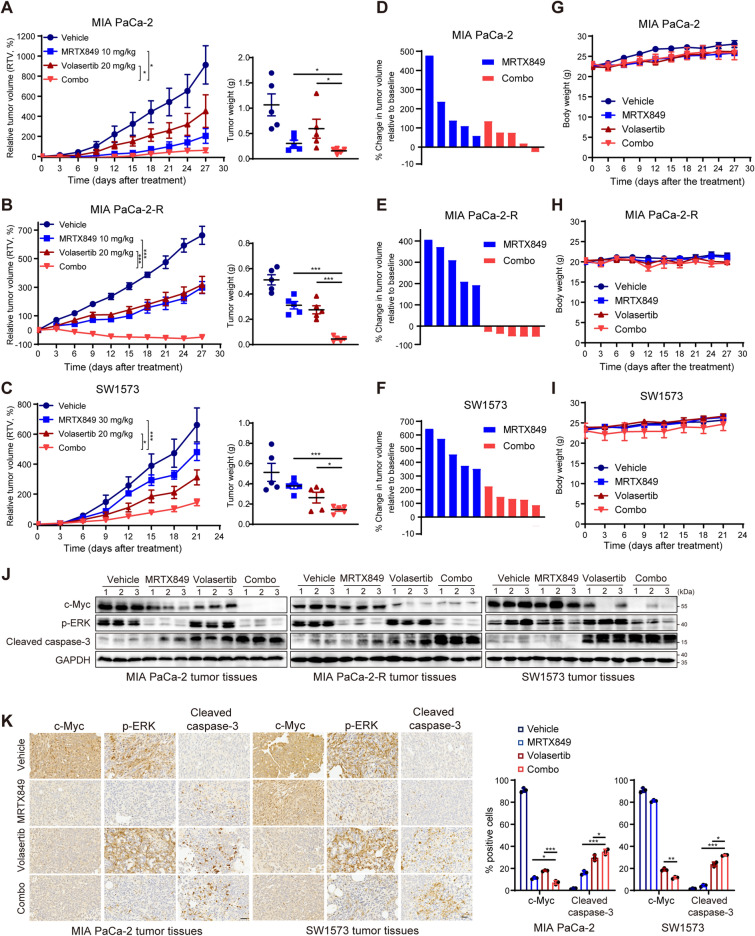
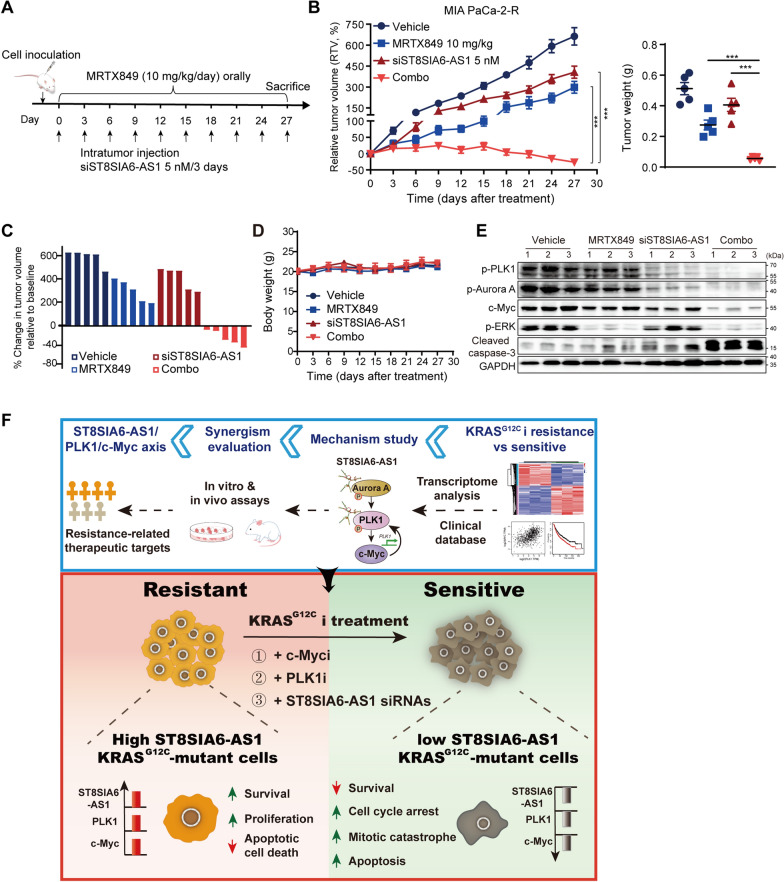
“Inhibition of PLK1 with volasertib could overcome the resistance to KRAS G12C inhibition in both in vitro and cell line xenograft models [142].”
From Differential Response and Resistance to KRAS-Targeted Therapy (2025) · cites this paper as [142]
The cited source says what the claim attributes to it.
In the citing paper
“PLK1 was found to be overexpressed and function in a positive feedback loop involving c-Myc and the long non-coding RNA (lncRNA) ST8SIA6-AS1 to promote resistance to KRAS G12C inhibition [142].”
From Differential Response and Resistance to KRAS-Targeted Therapy (2025) · cites this paper as [142]
Self-check
Percentages, sums and reported differences re-computed from the paper’s own numbers.
The self-check needs the paper’s full text.
Citations
Cites
The Clinical KRAS(G12C) Inhibitor AMG 510 Drives Anti-Tumour Immunity
Canon, J., Rex, K., Saiki, A. Y., Mohr, C., Cooke, K., Bagal, D., Gaida, K., Holt, T., Knutson, C. G., Koppada, N., et al. (2019) · Nature · doi:10.1038/s41586-019-1694-1 · Cited by 2,277 · cited 1×
“Notably, the sensitivity and resistance to KRAS G12C i were not predicted by KRAS allele zygosity status [3].”
BackgroundDelivery materials for siRNA therapeutics
Kanasty, R., Dorkin, J. R., Vegas, A., & Anderson, D. (2013) · Nature Materials · doi:10.1038/nmat3765 · Cited by 1,800 · cited 1×
“…resistance to KRAS G12C i. Recent preclinical studies suggest that RNA interference technologies including siRNAs, ASOs (antisense oligonucleotides) and LNAs (Locked nucleic acid) have been applied to inhibit target transcripts and hold promise for the treatment of various cancers [43, 44, 45].”
BackgroundPROMO: detection of known transcription regulatory elements using species-tailored searches
Messeguer, X., Escudero, R., Farré, D., Núñez, O., Martı́nez, J., & Albà, M. M. (2002) · Bioinformatics · doi:10.1093/bioinformatics/18.2.333 · Cited by 1,369
Hallin, J., Engstrom, L. D., Hargis, L., Calinisan, A., Aranda, R., Briere, D. M., Sudhakar, N., Bowcut, V., Baer, B. R., Ballard, J. A., et al. (2020) · Cancer Discovery · doi:10.1158/2159-8290.cd-19-1167 · Cited by 1,304 · cited 1×
“In recent years, breakthroughs in KRAS-based structure discoveries and mechanism studies lay the conceptual foundation for the clinical development of covalent and selective KRAS G12C inhibitors (KRAS G12C i), which have shown great efficacy in early clinical trials [1–4].”
BackgroundAcquired Resistance to KRAS G12C Inhibition in Cancer
Awad, M. M., Liu, S., Rybkin, I. I., Arbour, K. C., Dilly, J., Zhu, V. W., Johnson, M. L., Heist, R. S., Patil, T., Riely, G. J., et al. (2021) · New England Journal of Medicine · doi:10.1056/nejmoa2105281 · Cited by 1,247
m6A Modification in Coding and Non-coding RNAs: Roles and Therapeutic Implications in Cancer
Huang, H., Weng, H., & Chen, J. (2020) · Cancer Cell · doi:10.1016/j.ccell.2020.02.004 · Cited by 1,226
The STAT3-Binding Long Noncoding RNA lnc-DC Controls Human Dendritic Cell Differentiation
Wang, P., Xue, Y., Han, Y., Lin, L., Wu, C., Xu, S., Jiang, Z., Xu, J., Liu, Q., & Cao, X. (2014) · Science · doi:10.1126/science.1251456 · Cited by 1,105
A Genome-wide RNAi Screen Identifies Multiple Synthetic Lethal Interactions with the Ras Oncogene
Luo, J., Emanuele, M. J., Li, D., Creighton, C. J., Schlabach, M. R., Westbrook, T. F., Wong, K.-K., & Elledge, S. J. (2009) · Cell · doi:10.1016/j.cell.2009.05.006 · Cited by 1,017
Liu, B., Sun, L., Liu, Q., Gong, C., Yao, Y., Lv, X., Lin, L., Yao, H., Su, F., Li, D., et al. (2015) · Cancer Cell · doi:10.1016/j.ccell.2015.02.004 · Cited by 908 · cited 1×
“Long noncoding RNAs (lncRNAs, longer than 200 nucleotides) are transcribed widely from the human genome, and have been identified to be a critical layer of biological regulation via cooperating with DNA, RNA or protein partners [10–12].”
BackgroundPolo-like kinase-1 is activated by aurora A to promote checkpoint recovery
Macůrek, L., Lindqvist, A., Lim, D., Lampson, M. A., Klompmaker, R., Freire, R., Clouin, C., Taylor, S. S., Yaffe, M. B., & Medema, R. H. (2008) · Nature · doi:10.1038/nature07185 · Cited by 710 · cited 2×
“On account of its critical participation in mitotic and non-mitotic processes [31, 32], PLK1 is established as a favorable therapeutic target for cancer therapy.”
BackgroundThe LINK-A lncRNA activates normoxic HIF1α signalling in triple-negative breast cancer
Lin, A., Li, C., Xing, Z., Hu, Q., Liang, K., Han, L., Wang, C., Hawke, D. H., Wang, S., Zhang, Y., et al. (2016) · Nature Cell Biology · doi:10.1038/ncb3295 · Cited by 565
Self-citationRapid non-uniform adaptation to conformation-specific KRAS(G12C) inhibition
Xue, J. Y., Zhao, Y., Aronowitz, J., Mai, T. T., Vides, A., Qeriqi, B., Kim, D., Li, C., de Stanchina, E., Mazutis, L., et al. (2020) · Nature · doi:10.1038/s41586-019-1884-x · Cited by 543 · cited 1×
“As previously reported [51, 52], KRAS G12C i-resistant cells were sensitive to Aurora kinase inhibitors.”
BackgroundSelf-citationMYC as a target for cancer treatment
Duffy, M. J., O'Grady, S., Tang, M., & Crown, J. (2021) · Cancer Treatment Reviews · doi:10.1016/j.ctrv.2021.102154 · Cited by 514
EGFR Blockade Reverts Resistance to KRASG12C Inhibition in Colorectal Cancer.
Amodio, V., Yaeger, R., Arcella, P., Cancelliere, C., Lamba, S., Lorenzato, A., Arena, S., Montone, M., Mussolin, B., Bian, Y., et al. (2020) · Cancer Discovery · doi:10.1158/2159-8290.cd-20-0187 · Cited by 504 · cited 1×
“…KRAS G12C secondary activation mutation [5], acquired bypass or accessory pathway activation such as RTK/SHP2/MAPK and PI3K/AKT pathway [6], proto-oncogene activation or tumor suppressor gene inactivation [7], etc., indicating that KRAS-mutant tumors have a high degree of genomic heterogeneity.”
BackgroundVertical Pathway Inhibition Overcomes Adaptive Feedback Resistance to KRASG12C Inhibition
Ryan, M. B., Fece de la Cruz, F., Phat, S., Myers, D. T., Wong, E., Shahzade, H. A., Hong, C. B., & Corcoran, R. B. (2020) · Clinical Cancer Research · doi:10.1158/1078-0432.ccr-19-3523 · Cited by 496 · cited 1×
“…include KRAS G12C secondary activation mutation [5], acquired bypass or accessory pathway activation such as RTK/SHP2/MAPK and PI3K/AKT pathway [6], proto-oncogene activation or tumor suppressor gene inactivation [7], etc., indicating that KRAS-mutant tumors have a high degree of genomic…”
BackgroundSmall-Molecule MYC Inhibitors Suppress Tumor Growth and Enhance Immunotherapy
Han, H., Jain, A. D., Truica, M. I., Izquierdo-Ferrer, J., Anker, J. F., Lysy, B., Sagar, V., Luan, Y., Chalmers, Z. R., Unno, K., et al. (2019) · Cancer Cell · doi:10.1016/j.ccell.2019.10.001 · Cited by 465
Fakih, M. G., Kopetz, S., Kuboki, Y., Kim, T. W., Munster, P. N., Krauss, J. C., Falchook, G. S., Han, S.-W., Heinemann, V., Muro, K., et al. (2022) · The Lancet Oncology · doi:10.1016/s1470-2045(21)00605-7 · Cited by 320
Advances in CLIP Technologies for Studies of Protein-RNA Interactions
Lee, F. C. Y., & Ule, J. (2018) · Molecular Cell · doi:10.1016/j.molcel.2018.01.005 · Cited by 296
Koga, T., Suda, K., Fujino, T., Ohara, S., Hamada, A., Nishino, M., Chiba, M., Shimoji, M., Takemoto, T., Arita, T., et al. (2021) · Journal of Thoracic Oncology · doi:10.1016/j.jtho.2021.04.015 · Cited by 265
Hayes, T. K., Neel, N. F., Hu, C., Gautam, P., Chenard, M., Long, B., Aziz, M., Kassner, M., Bryant, K. L., Pierobon, M., et al. (2016) · Cancer Cell · doi:10.1016/j.ccell.2015.11.011 · Cited by 264 · cited 2×
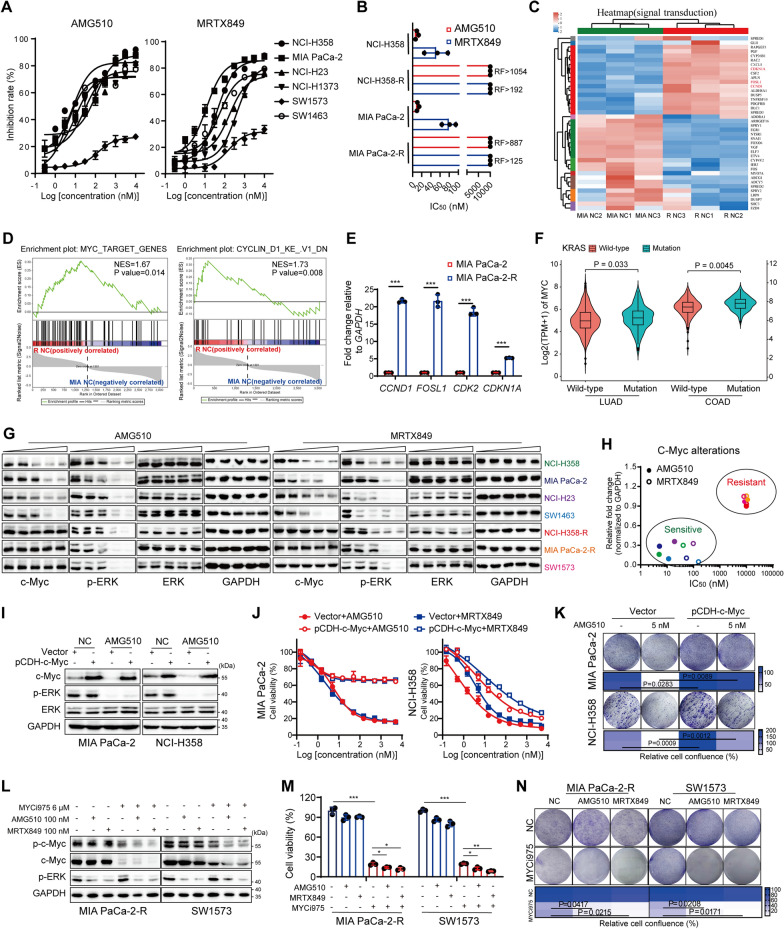
“Early studies have shown that RAS stimulates the RAF/ MEK/ERK signaling activation, resulting in ERK-dependent c-Myc phosphorylation at S62 and increased c-Myc protein stability [47, 48].”
BackgroundAdachi, Y., Ito, K., Hayashi, Y., Kimura, R., Tan, T. Z., Yamaguchi, R., & Ebi, H. (2020) · Clinical Cancer Research · doi:10.1158/1078-0432.ccr-20-2077 · Cited by 249 · cited 1×
“Moreover, it’s acknowledged that epithelial-to-mesenchymal transition (EMT) has been identified as an important cause to KRAS G12C i resistance [68].”
BackgroundAurora kinase inhibitors: Progress towards the clinic
Kollareddy, M., Zheleva, D., Dzubak, P., Brahmkshatriya, P. S., Lepsik, M., & Hajduch, M. (2012) · Investigational New Drugs · doi:10.1007/s10637-012-9798-6 · Cited by 242 · cited 1×
“…also supported the notion that the KRAS-mutant cells are quite sensitive to the concurrent targeting of KRAS and specific cell cycle-related participants, including c-Myc, CDKs, PLKs, and Aurora kinases, whose inhibitors currently exhibit limited single-agent efficacy in clinical trials [60–62].”
BackgroundAlternative approaches to target Myc for cancer treatment
Wang, C., Zhang, J., Yin, J., Gan, Y., Xu, S., Gu, Y., & Huang, W. (2021) · Signal Transduction and Targeted Therapy · doi:10.1038/s41392-021-00500-y · Cited by 238 · cited 1×
“Whereas currently there are few c-Myc inhibitors showing promising outcome in clinical trials [46].”
Backgroundcat RAPID omics v2.0: going deeper and wider in the prediction of protein–RNA interactions
Armaos, A., Colantoni, A., Proietti, G., Rupert, J., & Tartaglia, G. G. (2021) · Nucleic Acids Research · doi:10.1093/nar/gkab393 · Cited by 232
Esposito, R., Bosch, N., Lanzós, A., Polidori, T., Pulido-Quetglas, C., & Johnson, R. (2019) · Cancer Cell · doi:10.1016/j.ccell.2019.01.019 · Cited by 219 · cited 1×
“…resistance to KRAS G12C i. Recent preclinical studies suggest that RNA interference technologies including siRNAs, ASOs (antisense oligonucleotides) and LNAs (Locked nucleic acid) have been applied to inhibit target transcripts and hold promise for the treatment of various cancers [43, 44, 45].”
BackgroundKRAS Suppression-Induced Degradation of MYC Is Antagonized by a MEK5-ERK5 Compensatory Mechanism
Vaseva, A. V., Blake, D. R., Gilbert, T. S. K., Ng, S., Hostetter, G., Azam, S. H., Ozkan-Dagliyan, I., Gautam, P., Bryant, K. L., Pearce, K. H., et al. (2018) · Cancer Cell · doi:10.1016/j.ccell.2018.10.001 · Cited by 187 · cited 2×
“All these observations extended prior studies [30] and proposed that the activation of ERK-independent c-Myc signal may be a cause of resistance to KRAS G12C i and provide a vulnerability for combinational therapy.”
BackgroundLung cancer-associated brain metastasis: Molecular mechanisms and therapeutic options
Yousefi, M., Bahrami, T., Salmaninejad, A., Nosrati, R., Ghaffari, P., & Ghaffari, S. H. (2017) · Cellular Oncology · doi:10.1007/s13402-017-0345-5 · Cited by 179 · cited 1×
“In particular, lung cancer accounts for approximately 50% of all brain metastases and poses a considerable therapeutic challenge [59].”
BackgroundRenner, A. G., Santos, C. D., Récher, C., Bailly, C., Créancier, L., Kruczynski, A., Payrastre, B., & Manenti, S. (2009) · Blood · doi:10.1182/blood-2008-12-195867 · Cited by 163
Mechanisms of Resistance to KRASG12C-Targeted Therapy
Akhave, N. S., Biter, A. B., & Hong, D. S. (2021) · Cancer Discovery · doi:10.1158/2159-8290.cd-20-1616 · Cited by 156
Promise and Challenge of RNA Interference–Based Therapy for Cancer
Petrocca, F., & Lieberman, J. (2010) · Journal of Clinical Oncology · doi:10.1200/jco.2009.27.6287 · Cited by 156 · cited 1×
“…resistance to KRAS G12C i. Recent preclinical studies suggest that RNA interference technologies including siRNAs, ASOs (antisense oligonucleotides) and LNAs (Locked nucleic acid) have been applied to inhibit target transcripts and hold promise for the treatment of various cancers [43, 44, 45].”
BackgroundWeiss, A., Lorthiois, E., Barys, L., Beyer, K. S., Bomio-Confaglia, C., Burks, H., Chen, X., Cui, X., de Kanter, R., Dharmarajan, L., et al. (2022) · Cancer Discovery · doi:10.1158/2159-8290.cd-22-0158 · Cited by 150 · cited 1×
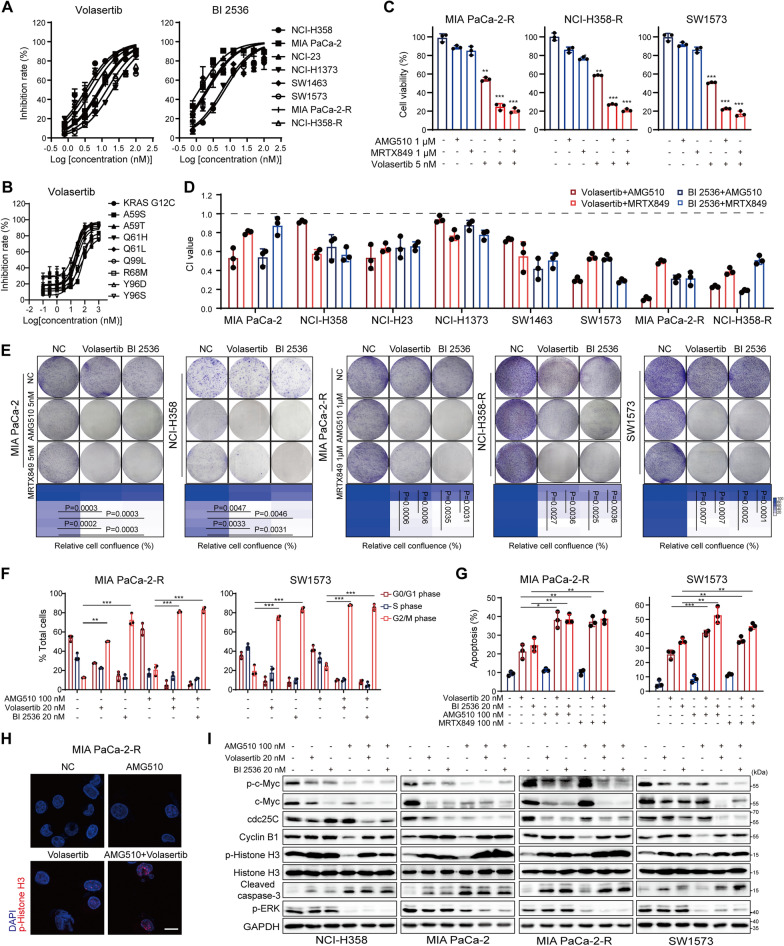
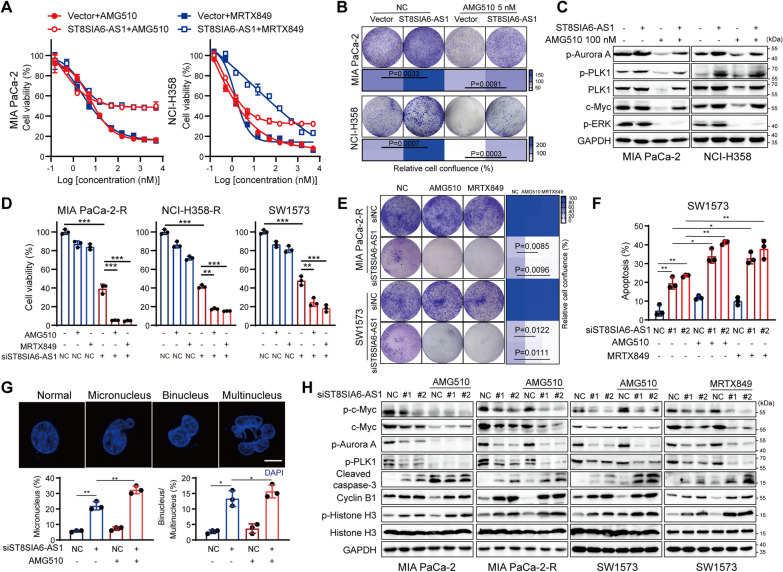
“Moreover, Volasertib significantly suppressed cell proliferation of Ba/F3 cells expressing KRAS G12C or KRAS G12C second-site mutants, which have been reported to confer acquired resistance to KRAS G12C i [5, 36] (Fig.”
BackgroundTan, J., Li, Z., Lee, P. L., Guan, P., Aau, M. Y., Lee, S. T., Feng, M., Lim, C. Z., Lee, E. Y. J., Wee, Z. N., et al. (2013) · Cancer Discovery · doi:10.1158/2159-8290.cd-12-0595 · Cited by 149 · cited 1×
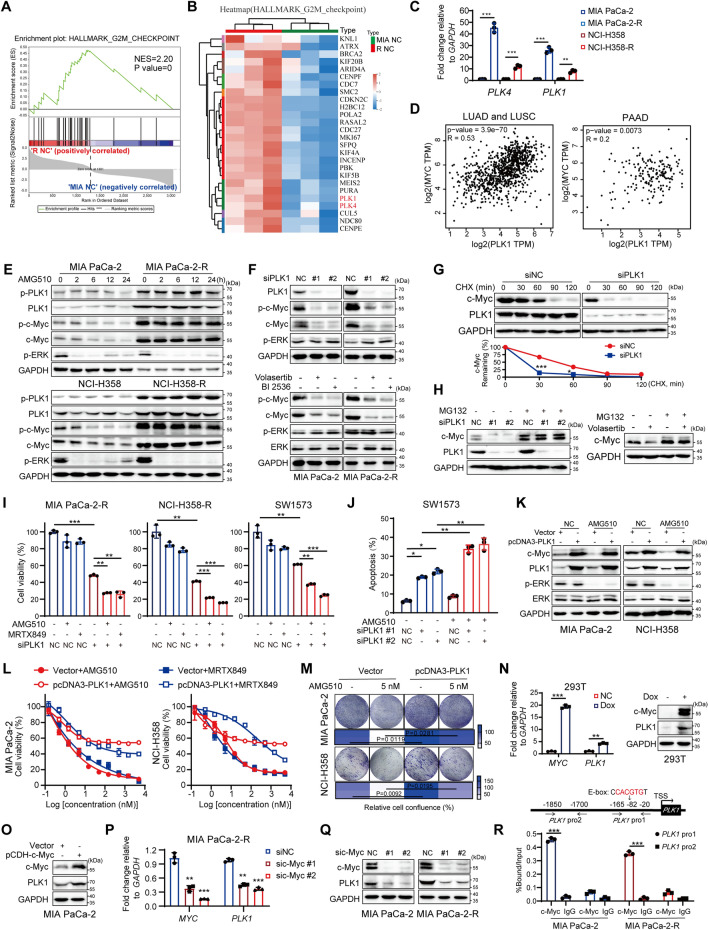
“It’s known that PLK1 directly interacts with c-Myc and induces its S62 phosphorylation [33].”
BackgroundYi, H.-C., You, Z., Huang, D.-S., Xiao, L., Jiang, T.-H., & Li, L. (2018) · Molecular Therapy — Nucleic Acids · doi:10.1016/j.omtn.2018.03.001 · Cited by 144 · cited 1×
“The CatRAPID algorithm (http://s. tarta glial ab. com/ page/ catra pid_ group) [21] and RNA–protein interaction prediction database (RPISeq, http:// pridb. gdcb. iasta te. edu/ RPISeq/) [22] were applied to estimate the binding propensity of PLK1-ST8SIA6-AS1 interaction.”
MethodRegulation of Cdc25C by ERK-MAP Kinases during the G2/M Transition
Wang, R., He, G., Nelman-Gonzalez, M. A., Ashorn, C. L., Gallick, G. E., Stukenberg, P. T., Kirschner, M. W., & Kuang, J. (2007) · Cell · doi:10.1016/j.cell.2006.11.053 · Cited by 142 · cited 1×
“Cell cycle blockade in G2/M phase was associated with elevated levels of Cyclin B1 and p-Histone H3, and reduced amounts of cell division control protein 25C (cdc25C) [39].”
BackgroundThe Long Noncoding RNA CCAT2 Induces Chromosomal Instability Through BOP1-AURKB Signaling
Chen, B., Dragomir, M. P., Fabris, L., Bayraktar, R., Knutsen, E., Liu, X., Tang, C., Li, Y., Shimura, T., Ivković, T. C., et al. (2020) · Gastroenterology · doi:10.1053/j.gastro.2020.08.018 · Cited by 141 · cited 1×
“The RNA pull-down experiment was performed under RNase-free conditions all through as previously reported [24].”
MethodSelf-citationMorgan, M. A., Dolp, O., & Reuter, C. W. (2001) · Blood · doi:10.1182/blood.v97.6.1823 · Cited by 137 · cited 1×
“Early studies have shown that RAS stimulates the RAF/ MEK/ERK signaling activation, resulting in ERK-dependent c-Myc phosphorylation at S62 and increased c-Myc protein stability [47, 48].”
BackgroundSabari, J. K., Velcheti, V., Shimizu, K., Strickland, M. R., Heist, R. S., Singh, M., Nayyar, N., Giobbie-Hurder, A., Digumarthy, S. R., Gainor, J. F., et al. (2022) · Clinical Cancer Research · doi:10.1158/1078-0432.ccr-22-0383 · Cited by 135 · cited 1×
“More importantly, both PLK1i and MRTX849 have been reported to exhibit great blood-brain barrier permeability [56–58].”
BackgroundThe Role of Polo-like Kinase 1 in Carcinogenesis: Cause or Consequence?
Cholewa, B. D., Liu, X., & Ahmad, N. (2013) · Cancer Research · doi:10.1158/0008-5472.can-13-2197 · Cited by 134 · cited 1×
“Given the potent role of PLK1 in sustaining tumor growth [32, 35] and mediating KRAS G12C i resistance, PLK1i would serve as both a pharmacological means to interrogate the dependence on PLK1 kinase activity and a promising point for a potential drug combination campaign.”
BackgroundLanman, B. A., Parsons, A. T., & Zech, S. G. (2022) · Accounts of Chemical Research · doi:10.1021/acs.accounts.2c00479 · Cited by 113 · cited 1×
“In recent years, breakthroughs in KRAS-based structure discoveries and mechanism studies lay the conceptual foundation for the clinical development of covalent and selective KRAS G12C inhibitors (KRAS G12C i), which have shown great efficacy in early clinical trials [1–4].”
BackgroundZhang, Y., Du, X., Wang, C., Lin, D., Ruan, X., Feng, Y., Huo, Y., Peng, H., Cui, J., Zhang, T., et al. (2011) · Gastroenterology · doi:10.1053/j.gastro.2011.11.023 · Cited by 109 · cited 1×
“PLK1 is overexpressed in a broad spectrum of human cancers and correlates with unfavorable patients’ outcomes [53, 54].”
BackgroundSelf-citationBang, D., Wilson, W., Ryan, M., Yeh, J. J., & Baldwin, A. S. (2013) · Cancer Discovery · doi:10.1158/2159-8290.cd-12-0541 · Cited by 101 · cited 1×
“Of course, other compensatory pathways including PI3K/ AKT/mTOR [47], MEK5/ERK5 [30] and GSK-3α/TAK1/ Table [49] may also contribute to c-Myc maintenance in KRAS G12C i-resistant cells under KRAS G12C i treatment.”
BackgroundKeshelava, N., Davicioni, E., Wan, Z., Ji, L., Sposto, R., Triche, T. J., & Reynolds, C. P. (2007) · JNCI: Journal of the National Cancer Institute · doi:10.1093/jnci/djm044 · Cited by 101 · cited 1×
“Drug synergy was calculated as the combination index (CI) using CalcuSyn Version 2.0 software [20]: CI < 1, synergy; CI = 1, additive effect; CI > 1, antagonism.”
MethodInfluentialTse, A. N., & Schwartz, G. K. (2004) · Cancer Research · doi:10.1158/0008-5472.can-04-0841 · Cited by 92 · cited 1×
“6G), which defines mitotic errors [41], as well as binucleation and multinucleation, manifesting cells that would eventually undergo mitotic catastrophe [42].”
BackgroundPLK1 stabilizes a MYC-dependent kinase network in aggressive B cell lymphomas
Ren, Y., Bi, C., Zhao, X., Lwin, T., Wang, C., Yuan, J., Silva, A. S., Shah, B. D., Fang, B., Li, T., et al. (2018) · Journal of Clinical Investigation · doi:10.1172/jci122533 · Cited by 91 · cited 1×
“A study revealed that c-Myc directly activates PLK1 transcription in double-hit lymphoma [34].”
BackgroundHuman satellite-III non-coding RNAs modulate heat-shock-induced transcriptional repression
Goenka, A., Sengupta, S., Pandey, R., Parihar, R., Mohanta, G. C., Mukerji, M., & Ganesh, S. (2016) · Journal of Cell Science · doi:10.1242/jcs.189803 · Cited by 89 · cited 1×
“For immuno-FISH assays [26], permeabilized cells were washed with 2 × saline sodium citrate (SSC) and incubated with ~ 0.5 µg of biotin-labeled ST8SIA6-AS1 antisense probe (TTT ATC ATT CTC TGG CAC A, GenePharma, China) in a moist chamber at 37 °C overnight.”
MethodInfluentialNon-mitotic functions of polo-like kinases in cancer cells
Raab, C. A., Raab, M., Becker, S., & Strebhardt, K. (2020) · Biochimica et Biophysica Acta (BBA) - Reviews on Cancer · doi:10.1016/j.bbcan.2020.188467 · Cited by 86 · cited 2×
“On account of its critical participation in mitotic and non-mitotic processes [31, 32], PLK1 is established as a favorable therapeutic target for cancer therapy.”
BackgroundA phase 1 trial of ibrutinib plus palbociclib in previously treated mantle cell lymphoma
Martin, P., Bartlett, N. L., Blum, K. A., Park, S. I., Maddocks, K. J., Ruan, J., Ridling, L., Dittus, C. E., Chen, Z., Huang, X., et al. (2019) · Blood · doi:10.1182/blood-2018-11-886457 · Cited by 84
Wang, Y., Fang, Z., Hong, M., Yang, D., & Xie, W. (2019) · Acta Pharmaceutica Sinica B · doi:10.1016/j.apsb.2019.09.011 · Cited by 81
Self-citationWang, D., Qian, G., Zhang, H., Magliocca, K. R., Nannapaneni, S., Amin, A. R. M. R., Rossi, M., Patel, M. R., El‐Deiry, M. W., Wadsworth, J. T., et al. (2017) · Clinical Cancer Research · doi:10.1158/1078-0432.ccr-16-0558 · Cited by 75 · cited 1×
“After treatments, cell proliferation was analyzed by sulforho-damine B (SRB) assay [18] for adherent cells or methyl thiazolyl tetrazolium (MTT) assay [19] for suspended cells.”
MethodElmacı, İ., Altinoz, M. A., Sarı, R., & Bölükbaşı, F. H. (2017) · Applied immunohistochemistry & molecular morphology · doi:10.1097/pai.0000000000000499 · Cited by 73 · cited 1×
“…followed by confocal microscopy observation of cells stained with DAPI and histone H3 (serine 10) phosphorylation (p-Histone H3), a mitotic marker [38], confirmed the increase of abnormal cell mitosis after Volasertib and the combined treatment, which indicated that the mitotic accumulation…”
BackgroundDanovi, D., Folarin, A., Gogolok, S., Ender, C., Elbatsh, A. M. O., Engström, P. G., Stricker, S. H., Gagrica, S., Georgian, A. R., Yu, D., et al. (2013) · PLoS ONE · doi:10.1371/journal.pone.0077053 · Cited by 71
The Role of APAL/ST8SIA6-AS1 lncRNA in PLK1 Activation and Mitotic Catastrophe of Tumor Cells
Luo, M., Li, J., Shen, L., Chu, J., Guo, Q., Liang, G., Wu, W., Chen, J., Chen, R., & Song, E. (2019) · JNCI Journal of the National Cancer Institute · doi:10.1093/jnci/djz134 · Cited by 63 · cited 1×
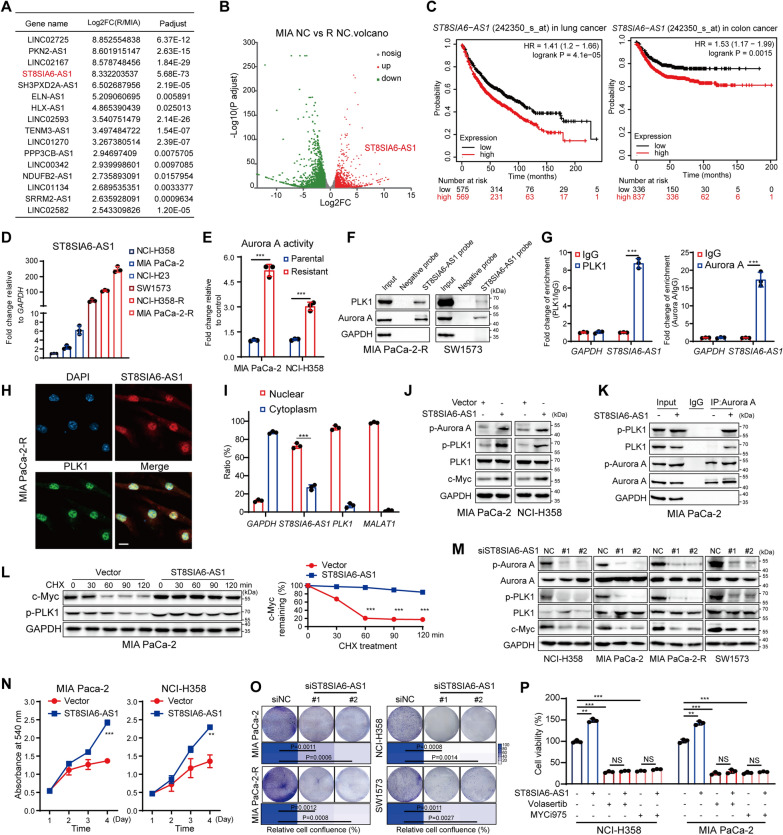
“ST8SIA6-AS1, also termed APAL (Aurora A/PLK1-associated lncRNA), has been revealed to harbor both hairpins that specifi - cally interact with PLK1 and Aurora A, thereby promoting efficient phosphorylation of PLK1 by Aurora A [40].”
BackgroundNon-coding RNA biomarkers in pancreatic ductal adenocarcinoma
Sharma, G. G., Okada, Y., Hoff, D. D. V., & Goel, A. (2020) · Seminars in Cancer Biology · doi:10.1016/j.semcancer.2020.10.001 · Cited by 62 · cited 1×
“Although a variety of lncRNAs exhibit abnormal expression in human cancers and are associated with tumor progression [13] and poor patient outcomes [14], only a few have been functionally characterized.”
BackgroundAwad, M. M., Chu, Q. S.-C., Gandhi, L., Stephenson, J., Govindan, R., Bradford, D. S., Bonomi, P., Ellison, D. M., Eaton, K. D., Fritsch, H., et al. (2016) · Lung Cancer · doi:10.1016/j.lungcan.2016.12.019 · Cited by 61 · cited 1×
“Despite the limited efficacy of phase II trials in NSCLC patients [55], PLK1 is considered a synthetic lethal target in KRAS-mutant cancers, which are proved to be sensitive to mitotic perturbations and hypersensitive to the PLK1 suppression [37].”
BackgroundWang, Z., Dou, X., Gu, D., Shen, C., Yao, T., Nguyen, V. T., Braunschweig, C. L., & Song, Z. (2011) · Molecular and Cellular Endocrinology · doi:10.1016/j.mce.2011.10.027 · Cited by 60 · cited 1×
“The cycloheximide (CHX) chase assay was carried out to detect the protein half-life as previously reported with modifications [27].”
MethodRNA modifications in hematopoietic malignancies: a new research frontier
Qing, Y., Su, R. J., & Chen, J. (2021) · Blood · doi:10.1182/blood.2019004263 · Cited by 55 · cited 1×
“In view of the recent promising outcomes with RNA-based therapeutics [16, 17], it is worthwhile to identify the resistance-related lncRNAs and their downstream network for therapeutic purpose to halt the adaptation to KRAS G12C i.”
BackgroundA KRAS-responsive long non-coding RNA controls microRNA processing
Shi, L., Magee, P., Fassan, M., Sahoo, S., Leong, H. S., Lee, D. C. H., Sellers, R., Brullé, L., Cairo, S., Monteverde, T., et al. (2021) · Nature Communications · doi:10.1038/s41467-021-22337-3 · Cited by 51
Suppression of Ras/Mapk pathway signaling inhibits Myc-induced lymphomagenesis
Gramling, M., & Eischen, C. M. (2012) · Cell Death and Differentiation · doi:10.1038/cdd.2012.1 · Cited by 51 · cited 1×
“As a critical downstream effect of RAS/MAPK signaling inhibition [28], c-Myc level was obviously reduced under KRAS G12C i treatment in KRAS G12C i-sensitive cell lines, whereas only modestly affected or remained unchanged in cell lines with intrinsic (SW1573) or acquired resistance (NCI-H358-R and…”
BackgroundInhibition of Polo-like kinase 1 prevents the growth of metastatic breast cancer cells in the brain
Qian, Y., Hua, E., Bisht, K. S., Woditschka, S., Skordos, K. W., Liewehr, D. J., Steinberg, S. M., Brogi, E., Akram, M. M., Killian, J. K., et al. (2011) · Clinical & Experimental Metastasis · doi:10.1007/s10585-011-9421-9 · Cited by 49 · cited 1×
“More importantly, both PLK1i and MRTX849 have been reported to exhibit great blood-brain barrier permeability [56–58].”
BackgroundMYC-mediated resistance to trametinib and HCQ in PDAC is overcome by CDK4/6 and lysosomal inhibition
Silvis, M. R., Silva, D., Rohweder, R., Schuman, S. S., Gudipaty, S. A., Truong, A., Yap, J. T., Affolter, K. E., McMahon, M., & Kinsey, C. G. (2023) · The Journal of Experimental Medicine · doi:10.1084/jem.20221524 · Cited by 48 · cited 1×
“And over-expression of c-Myc in PAAD confers both primary and acquired chemoresistance to the combined trametinib plus hydroxychloroquine therapy [9].”
BackgroundQiao, Y., Wang, B., Yan, Y., & Niu, L. (2022) · Environmental Toxicology · doi:10.1002/tox.23605 · Cited by 25 · cited 2×
“Due to its stimulative role on tumor EMT and metastasis [67, 69], high levels of ST8SIA6-AS1 may dampen the efficacy of KRAS G12C i in KRAS G12C -mutant cancers through EMT induction.”
BackgroundPeindl, M., Göttlich, C., Crouch, S. A. W., Hoff, N., Lüttgens, T., Schmitt, F., Pereira, J. G. N., May, C., Schliermann, A., Kronenthaler, C., et al. (2022) · Cancers · doi:10.3390/cancers14092176 · Cited by 25 · cited 1×
“As previously reported [51, 52], KRAS G12C i-resistant cells were sensitive to Aurora kinase inhibitors.”
BackgroundSantibáñez-Andrade, M., Sánchez-Pérez, Y., Chirino, Y. I., Morales‐Bárcenas, R., Herrera, L. A., & García-Cuellar, C. M. (2019) · Chemosphere · doi:10.1016/j.chemosphere.2019.06.232 · Cited by 19 · cited 2×
“6G), which defines mitotic errors [41], as well as binucleation and multinucleation, manifesting cells that would eventually undergo mitotic catastrophe [42].”
BackgroundCao, Q., Yang, W., Ji, X., & Wang, W. (2020) · Frontiers in Genetics · doi:10.3389/fgene.2020.597795 · Cited by 19 · cited 1×
“Silencing of ST8SIA6-AS1 disrupted cell cycle process, tumor growth and metastasis [65–67].”
BackgroundZhang, B., Liu, Z., Liu, J., Cao, K., Shan, W., Wen, Q., & Wang, R. (2020) · Oncology Reports · doi:10.3892/or.2020.7864 · Cited by 16
The Diagnostic Value of Serum ST8SIA6-AS1 as Biomarker in Hepatocellular Carcinoma
Qin, S., Zhou, H., Xu, N., Yang, H., & Chen, P. (2020) · Clinical Laboratory · doi:10.7754/clin.lab.2020.200231 · Cited by 13 · cited 1×
“It has been shown that ST8SIA6-AS1 overexpression is observed in human breast and liver cancers, and positively correlated with poor prognosis [63, 64].”
BackgroundWu, M., Lu, L., Dai, T., Li, A., Yu, Y., Li, Y., Xu, Z., & Chen, Y. (2022) · Cancer Biomarkers · doi:10.3233/cbm-210545 · Cited by 12 · cited 1×
“It has been shown that ST8SIA6-AS1 overexpression is observed in human breast and liver cancers, and positively correlated with poor prognosis [63, 64].”
BackgroundST8SIA6-AS1 Promotes the Epithelial-to-Mesenchymal Transition and Angiogenesis of Pituitary Adenoma
Li, Z., Zhang, C., Zong, X., Wang, Z., Ren, R., Wang, L., Sun, P., Zhu, C., Guo, M., Guo, G., et al. (2022) · Journal of Oncology · doi:10.1155/2022/7960261 · Cited by 9
Yao, M., Wang, Y., Zhao, Y., Ling, L.-J., He, Y., Wen, J., Zheng, M.-Y., Jiang, H., & Xie, C. (2022) · PubMed Central · Cited by 9
Self-citation
Cited by
MYC and KRAS cooperation: from historical challenges to therapeutic opportunities in cancer
Casacuberta‐Serra, S., González-Larreategui, Í., Capitán-Leo, D., & Soucek, L. (2024) · Signal Transduction and Targeted Therapy · doi:10.1038/s41392-024-01907-z · Cited by 100
“436 Similarly, targeting CDK9 in KRAS-mutant PDAC cell lines resulted in MYC loss through both transcriptional and posttranslational mechanisms, effectively suppressing PDAC growth.”
BackgroundLuo, Z., Lin, C., Yu, C., Yuan, C., Wu, W., Xu, X., Sun, R., Jia, Y., Wang, Y., Shen, J., et al. (2024) · Cancer Research · doi:10.1158/0008-5472.can-24-1093 · Cited by 19
Self-citationYao, M., Yan, W., Yf, W., Zhao, Y., Xu, X., Chen, Y., Yu, C., Li, Y., Jiang, H., Shen, J., et al. (2025) · Experimental Hematology and Oncology · doi:10.1186/s40164-025-00605-y · Cited by 16
Self-citationShin, H. Y., Hwang, S., Jeong, J. H., Shin, S. C., Oh, Y., Kim, J. H., Hwang, I., Kim, E. E., Choo, H., & Song, E. J. (2025) · Pharmacological Research · doi:10.1016/j.phrs.2025.107722 · Cited by 13
Reciprocal interactions between lncRNAs and MYC in colorectal cancer: partners in crime
Lei, Z., Zhu, Z., Yao, Z., Dai, X., Dong, Y., Chen, B., Wang, S., Wang, S., Bentum‐Ennin, L., Jin, L., et al. (2024) · Cell Death and Disease · doi:10.1038/s41419-024-06918-w · Cited by 12
“Brie fl y, over-expression of ST8SIA6-AS1 mainly acts as a scaffold, promoting the binding between p-PLK1 and AURKA, thereby promoting MYC phosphorylation and enhancing the drug resistance [71].”
Background
Metadata
- Authors
- Wang, Y., Yao, M., Li, C., Yang, K., Qin, X., Xu, L., Shi, S., Yu, C., Meng, X., & Xie, C.
- Affiliations
- University of Science and Technology of China (CN)
- ShanghaiTech University (CN)
- Chinese Academy of Sciences (CN)
- Shanghai Jiao Tong University (CN)
- Corresponding author
- Xie, Chengying
- Venue
- Experimental Hematology & Oncology
- Published
- 2023-12-16
- Volume
- 12
- Issue
- 1
- Pages
- 105-105
- ISSN
- 2162-3619 (ISSN-L)
- PMC
- PMC10724920
- OpenAlex
- W4389832411
- Cited by
- 26
- References
- 69
- Citations by year
- 2026: 8 · 2025: 11 · 2024: 7
- FWCI
- 3.31
- Type
- journal article
- Language
- en
- Open access
- gold
- doi.org
- Licence
- cc-by
- creativecommons.org/licenses/by/4.0 (tdm)
- creativecommons.org/licenses/by/4.0 (vor)
- Locations
- Experimental Hematology and Oncology (publishedVersion, cc-by)
- PubMed Central (publishedVersion, cc-by)
- PubMed (publishedVersion)
- DOAJ (DOAJ: Directory of Open Access Journals) (submittedVersion, cc-by-sa)
- Funders
- Natural Science foundation of Shanghai, China (19ZR1467700)
- Lingang Laboratory, China (LG202101-01-06)
- Topics
- Life Sciences › Biochemistry, Genetics and Molecular Biology › Cancer Research › Cancer-related molecular mechanisms research
- Health Sciences › Medicine › Pulmonary and Respiratory Medicine › Lung Cancer Treatments and Mutations
- Life Sciences › Biochemistry, Genetics and Molecular Biology › Molecular Biology › Protein Kinase Regulation and GTPase Signaling
- Keywords
- KRAS G12C inhibitors, drug resistance, PLK1, c-Myc, long non-coding RNA, AURKA, sotorasib, adagrasib, PLK1 phosphorylation, combination therapy, tumor regression
About these checks
Registry, retraction, Cites and statistics results are computed, not judged, with one exception: a printed reference that no index lists is read once by a model before it counts as a citation error. Claims are extracted by a model and kept only when their quote appears verbatim in the text; each cited source is then checked, with a model’s help, for whether it says what the claim relies on. Those verdicts can be wrong — read the claim’s quote and the cited source before relying on one.
Statistics and arithmetic are recomputed, not judged.
Confidence bands are shown only for fields calibrated on our annotated test set. None is calibrated yet, so no band is shown.
What counts as a claim ›How we measure confidence ›How we check this ›
Are you an author, or do you see a problem with this page? Request a review
Data sources
Bibliographic data: Semantic Scholar, OpenAlex, Crossref.
Contains information from the Semantic Scholar Academic Graph Datasets, made available under the ODC Attribution License (ODC-BY 1.0).
Semantic Scholar’s data is described in: Kinney, R., et al. (2023). The Semantic Scholar Open Data Platform. arXiv:2301.10140.
