

The DOI matches its Crossref record; 48 of the 48 references it cites were found in a registry or an index.
Gut microbiota from NLRP3-deficient mice ameliorates depressive-like behaviors by regulating astrocyte dysfunction via circHIPK2
Open accessAbstract
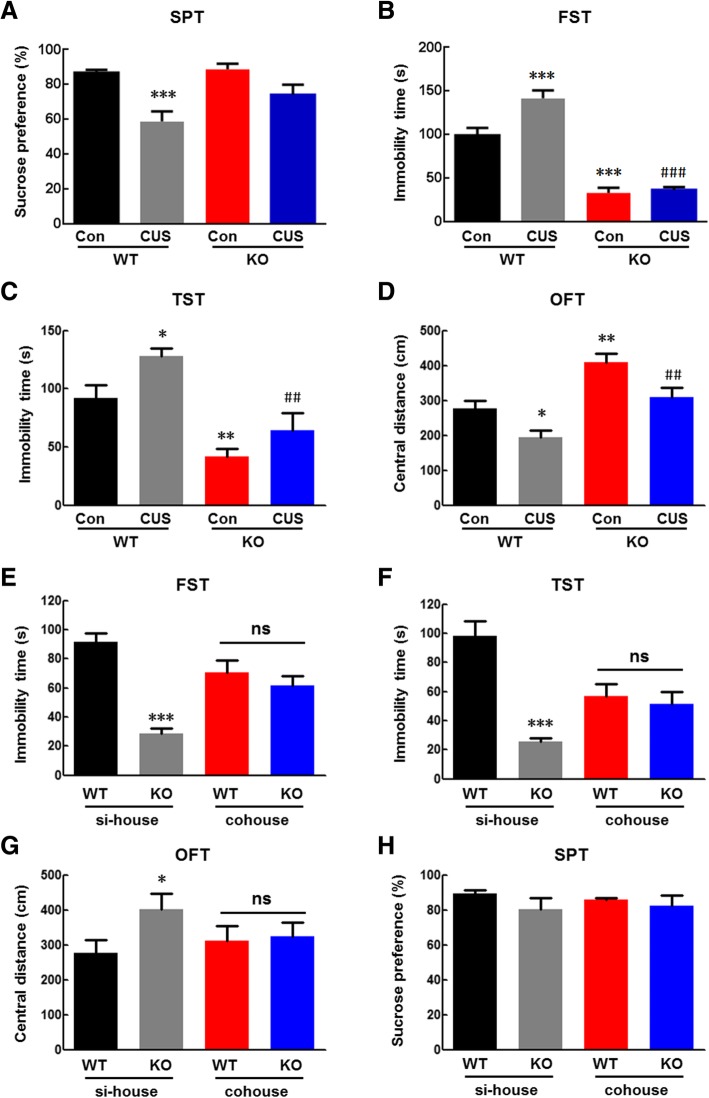
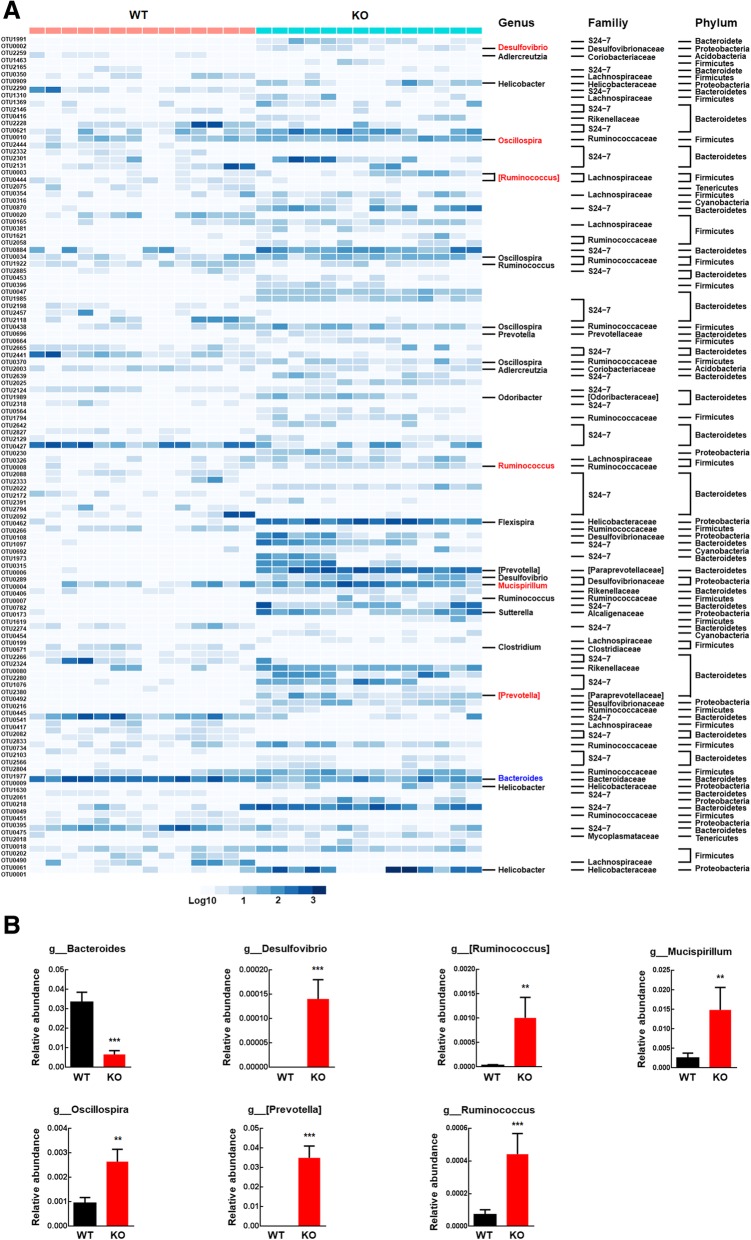
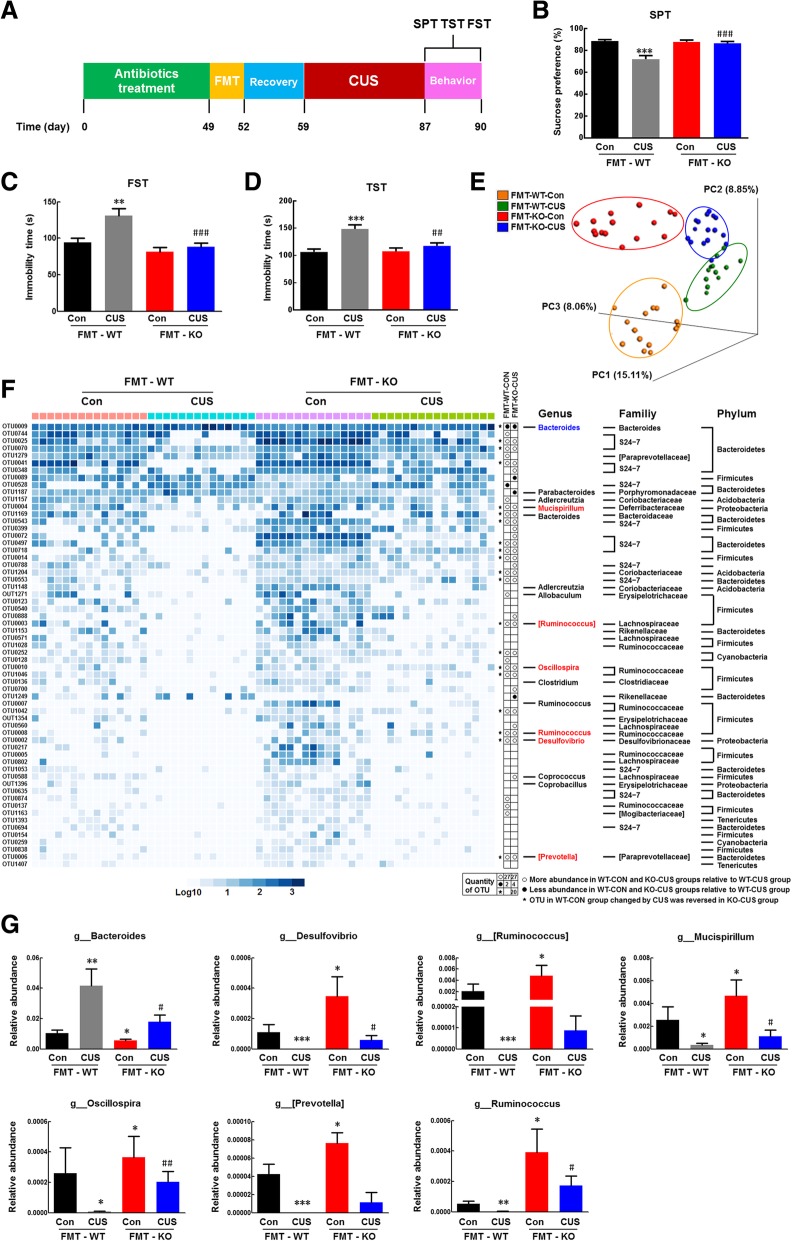
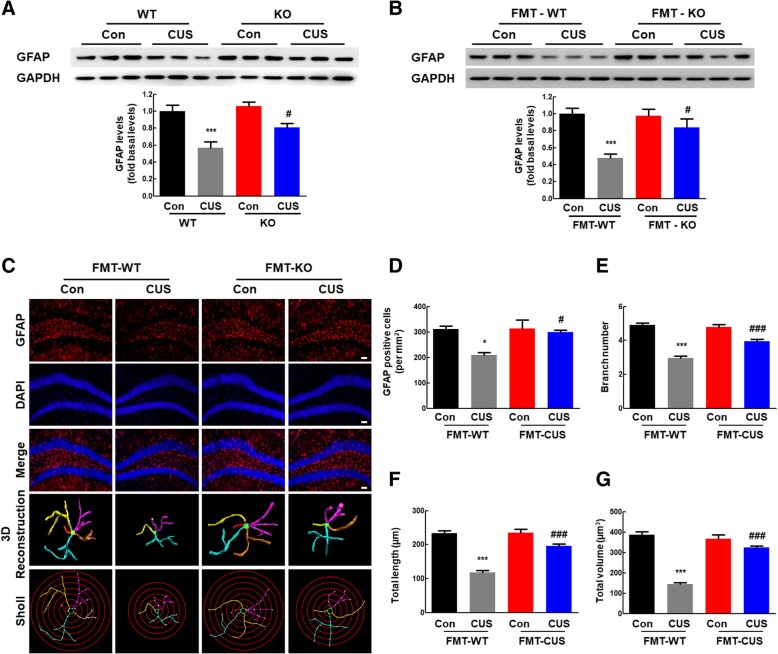
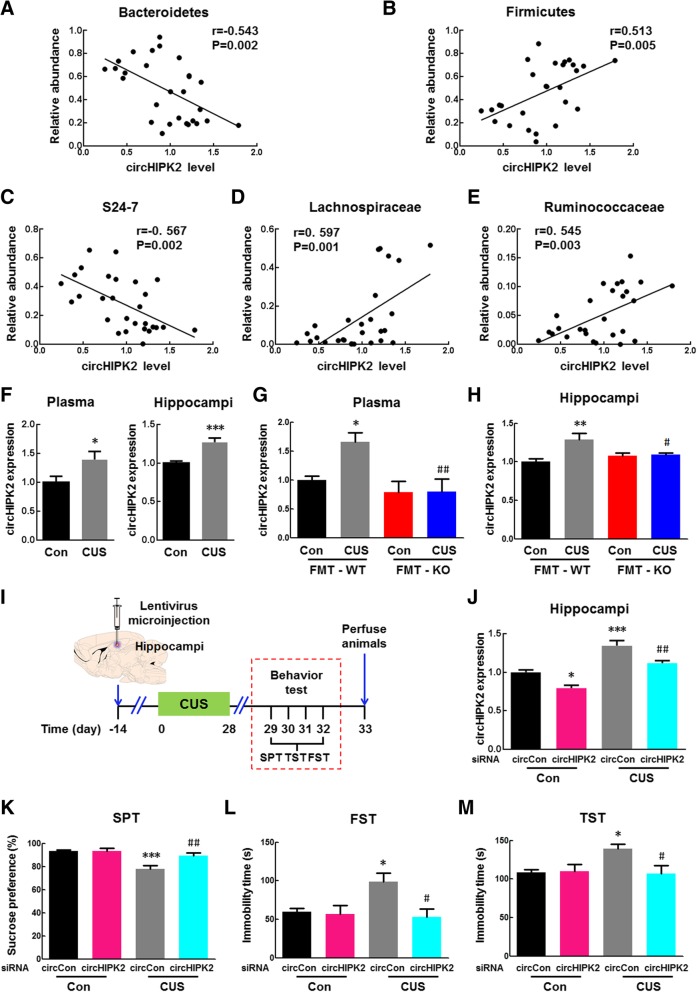
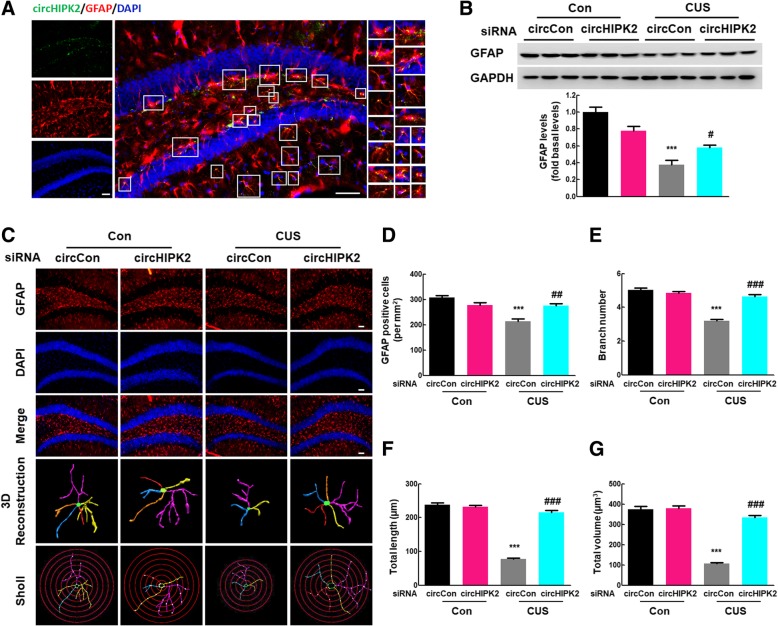
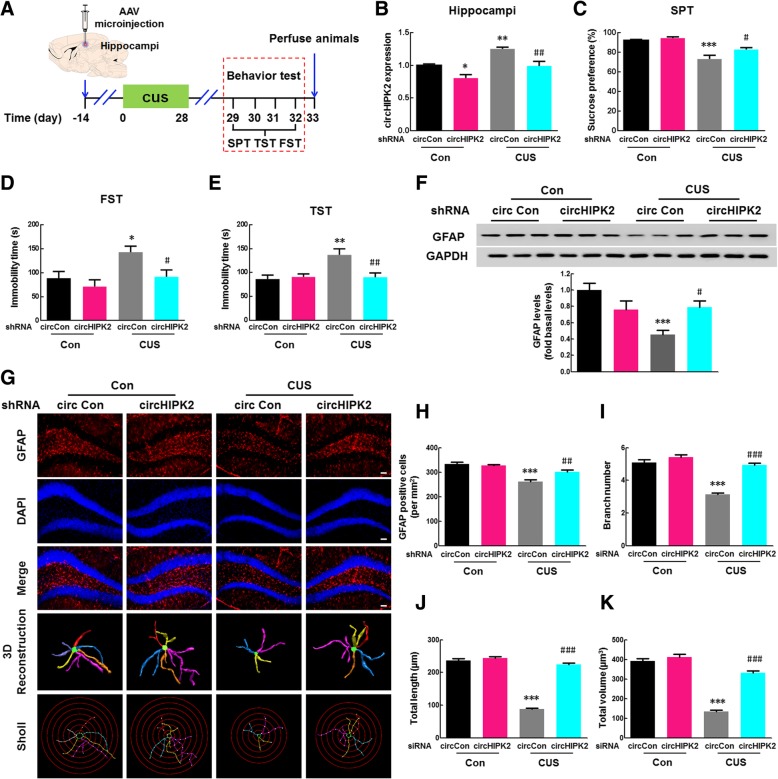
BACKGROUND: Inflammasomes have been found to interact with the gut microbiota, and this effect is associated with depression, but the mechanisms underlying this interaction have not been elucidated in detail. RESULTS: The locomotor activity of NLRP3 KO mice was significantly greater than that of their WT littermates, while cohousing and transplantation of the NLRP3 KO gut microbiota avoid the effects of NLRP3 KO on the general locomotor activity at baseline. Meanwhile, transplantation of the NLRP3 KO microbiota alleviated the CUS-induced depressive-like behaviors. The compositions of the gut microbiota in NLRP3 KO mice and WT mice were significantly different in terms of the relative abundance of Firmicutes, Proteobacteria, and Bacteroidetes. Fecal microbiota transplantation (FMT) from NLRP3 KO mice significantly ameliorated the depressive-like behavior induced by chronic unpredictable stress (CUS) in recipient mice. Given the correlation between circular RNA HIPK2 (circHIPK2) and depression and the observation that the level of circHIPK2 expression was significantly increased in CUS-treated mice compared with that in the control group, further experiments were performed. FMT significantly ameliorated astrocyte dysfunction in recipient mice treated with CUS via inhibition of circHIPK2 expression. CONCLUSIONS: Our study illustrates the involvement of the gut microbiota-circHIPK2-astrocyte axis in depression, providing translational evidence that transplantation of the gut microbiota from NLRP3 KO mice may serve as a novel therapeutic strategy for depression.
Overview
The claims and statistics of this paper haven’t been checked yet.
Run the check — free, no account needed. It reads the open-access text and checks the sources it cites.
Integrity signals
Registry
Cites
Statistics
Figures
Verification
Claims the paper makes
The claims and statistics of this paper haven’t been checked yet.
Run the check — free, no account needed. It reads the open-access text and checks the sources it cites.
Claims other papers make about this one
Each is checked against this paper’s own text: does it say what the citing paper says it does?
The source backs part of the claim, not all of it — or backs it for a different population, condition or comparison.
In the citing paper
“Knockdown of circHIPK2 and overexpression of circSTAG1 have been shown to induce an inhibitory effect on the progression of depression, due to the binding mechanism between circSTAG1 and human AlkB homolog 5 (ALKBH5) and the miR-9 sponge function of circHIPK2.”
From Circular RNAs in depression: Biogenesis, function, expression, and therapeutic potential (2021) · cites this paper as [22]
Experimental — accuracy not yet measuredThe cited source says what the claim attributes to it.
In the citing paper
“This study found that the expression level of circHIPK2 increased significantly in a CUS mouse model with depression compared with a control group.”
From Circular RNAs in depression: Biogenesis, function, expression, and therapeutic potential (2021) · cites this paper as [22]
The cited source says what the claim attributes to it.
In the citing paper
“Fecal microbiota transplantation significantly alleviated astrocyte dysfunction and depression-like behaviors in recipient depressive mice via inhibition of circHIPK2 expression.295”
From Epigenetic regulation in major depression and other stress-related disorders: molecular mechanisms, clinical relevance and therapeutic potential (2023) · cites this paper as [295]
The cited source says what the claim attributes to it.
In the citing paper
“the gut microbiota-circHIPK2-astrocyte axis was involved in the development of depression in a stress mouse model.295”
From Epigenetic regulation in major depression and other stress-related disorders: molecular mechanisms, clinical relevance and therapeutic potential (2023) · cites this paper as [295]
In the citing paper
“Likewise, the role of circRNAs as novel therapeutic targets to ameliorate depression-like symptoms has been demonstrated in various animal models [21][22][23][24].”
From Circular RNAs in depression: Biogenesis, function, expression, and therapeutic potential (2021) · cites this paper as [22]
In the citing paper
“Furthermore, circular STAG1 (circSTAG1) and circular HIPK2 (circHIPK2) were reported to function in astrocyte activation.”
From Circular RNAs in depression: Biogenesis, function, expression, and therapeutic potential (2021) · cites this paper as [22]
In the citing paper
“These results suggest that these two circRNAs may be novel therapeutic targets for depression [16,22] (Fig. 3C & D).”
From Circular RNAs in depression: Biogenesis, function, expression, and therapeutic potential (2021) · cites this paper as [22]
In the citing paper
“Transplantation of the gut microbiota from pyrin domain containing protein 3 knock out (NLRP3 KO) mice alleviated astrocyte dysfunction in CUS mice.”
From Circular RNAs in depression: Biogenesis, function, expression, and therapeutic potential (2021) · cites this paper as [22]
In the citing paper
“This study revealed a regulatory effect of the gut microbiota-circHIPK2-astrocyte axis in depression, and suggested that transplantation of the gut microbiota may constitute a novel therapeutic strategy for depression [22].”
From Circular RNAs in depression: Biogenesis, function, expression, and therapeutic potential (2021) · cites this paper as [22]
In the citing paper
“Improved astrocyte function was attributed to the regulation of circHIPK2 expression.”
From Circular RNAs in depression: Biogenesis, function, expression, and therapeutic potential (2021) · cites this paper as [22]
In the citing paper
“(C) Transplantation of the NLRP3 KO gut microbiota decreases the expression of circHIPK2 and reverses astrocyte dysfunction in the CUS model mouse.”
From Circular RNAs in depression: Biogenesis, function, expression, and therapeutic potential (2021) · cites this paper as [22]
In the citing paper
“| 19 | CircHIPK2 | HIPK2 | Mouse | √ | | Plasma, Hippocampus | [22] |”
From Circular RNAs in depression: Biogenesis, function, expression, and therapeutic potential (2021) · cites this paper as [22]
In the citing paper
“It was found that FMT from NLPR3 knockout mice resulted in a decrease in anxiety and depressive-like behaviours in the recipient mice [28].”
From Effect of fecal microbiota transplant on symptoms of psychiatric disorders: a systematic review (2020) · cites this paper as [28]
Self-check
Percentages, sums and reported differences re-computed from the paper’s own numbers.
The self-check needs the paper’s full text.
Citations
Cites
Vos, T., Abajobir, A. A., Abate, K. H., Abbafati, C., Abbas, K. M., Abd-Allah, F., Abdulkader, R. S., Abdulle, A. M., Abebo, T. A., Abera, S. F., et al. (2017) · The Lancet · doi:10.1016/s0140-6736(17)32154-2 · Cited by 13,220
Vos, T., Barber, R. M., Bell, B., Bertozzi-Villa, A., Biryukov, S., Bolliger, I., Charlson, F., Davis, A., Degenhardt, L., Dicker, D., et al. (2015) · The Lancet · doi:10.1016/s0140-6736(15)60692-4 · Cited by 6,414
Whiteford, H. A., Degenhardt, L., Rehm, J., Baxter, A. J., Ferrari, A. J., Erskine, H. E., Charlson, F. J., Norman, R. E., Flaxman, A. D., Johns, N., et al. (2013) · The Lancet · doi:10.1016/s0140-6736(13)61611-6 · Cited by 6,006
Gout-associated uric acid crystals activate the NALP3 inflammasome
Martinon, F., Pétrilli, V., Mayor, A., Tardivel, A., & Tschopp, J. (2006) · Nature · doi:10.1038/nature04516 · Cited by 5,326
Mind-altering microorganisms: the impact of the gut microbiota on brain and behaviour
Cryan, J. F., & Dinan, T. G. (2012) · Nature Reviews Neuroscience · doi:10.1038/nrn3346 · Cited by 4,572
The gut microbiota--masters of host development and physiology
Sommer, F., & Bäckhed, F. (2013) · Nature Reviews Microbiology · doi:10.1038/nrmicro2974 · Cited by 3,681
Host microbiota constantly control maturation and function of microglia in the CNS
Erny, D., Hrabě de Angelis, A. L., Jaitin, D., Wieghofer, P., Staszewski, O., David, E., Keren-Shaul, H., Mahlakoiv, T., Jakobshagen, K., Buch, T., et al. (2015) · Nature Neuroscience · doi:10.1038/nn.4030 · Cited by 3,569
Altered fecal microbiota composition in patients with major depressive disorder
Jiang, H., Ling, Z., Zhang, Y., Mao, H., Ma, Z., Yin, Y., Wang, W., Tang, W., Tan, Z., Shi, J., et al. (2015) · Brain, Behavior, and Immunity · doi:10.1016/j.bbi.2015.03.016 · Cited by 2,275
Cross-national epidemiology of DSM-IV major depressive episode
Bromet, E., Andrade, L. H., Hwang, I., Sampson, N. A., Alonso, J., de Girolamo, G., de Graaf, R., Demyttenaere, K., Hu, C., Iwata, N., et al. (2011) · BMC Medicine · doi:10.1186/1741-7015-9-90 · Cited by 2,221
Grand challenges in global mental health
Collins, P. Y., Patel, V., Joestl, S. S., March, D., Insel, T. R., Daar, A. S., Bordin, I. A., Costello, E. J., Durkin, M., Fairburn, C., et al. (2011) · Nature · doi:10.1038/475027a · Cited by 2,043
Cited by
Sorted by citations
Items 201–263 of 263
Tan, X., Wu, J., Zhang, H., Li, Y., Huang, Y., Zheng, P., & Xie, P. (2024) · Journal of Advanced Research · doi:10.1016/j.jare.2024.05.013 · Cited by 7
Detection and analysis of lung microbiota in mice with lung cancer lacking the NLRP3 gene
Li, X., Zhao, C., Li, C., Zhang, M., Xie, Y., Feng, F., Yao, W., & Wang, N. (2022) · Biochemical and Biophysical Research Communications · doi:10.1016/j.bbrc.2022.11.059 · Cited by 5
Nishigaki, A., Marchesi, J. R., & Previdelli, R. L. (2025) · Veterinary Sciences · doi:10.3390/vetsci12060541 · Cited by 5
Tian, Y., Mu, J., Ye, J., Wei, J., Hu, L., Yuan, M., Huang, W. S., Yang, L., & Yuan, P. (2025) · Journal of Pineal Research · doi:10.1111/jpi.70070 · Cited by 5
Tan, L., Zhao, W., Wang, H. Y., Huang, X., Lin, Y., Yin, L., Liu, X., Wang, J., Wu, N., & Wang, H. (2025) · Molecular Psychiatry · doi:10.1038/s41380-025-03167-x · Cited by 8
Lv, S., Kong, L., Zhong, X., Shang, R., Lu, Y., Zhang, G., Gao, H., Hou, X., Li, G., & Yu, X. (2025) · Frontiers in Immunology · doi:10.3389/fimmu.2025.1642001 · Cited by 5
Gut microbiota mediated the effects of high relative humidity on lupus in female MRL/lpr mice
Wang, C., Lin, Y., Chen, L., & Chen, H. (2023) · Revista Brasileira de Reumatologia · doi:10.1186/s42358-023-00306-2 · Cited by 5
Chen, C., Yu, R., Xue, Z., Yan, Z., Bian, Q., Hou, Y., Chen, Y., Liu, Y., & Chen, J. (2020) · Journal of Traditional Chinese Medical Sciences · doi:10.1016/j.jtcms.2020.08.001 · Cited by 5
Goldsmith, R., Aburahma, A., Pachhain, S., Choudhury, S. R., Phuntumart, V., Larsen, R. A., Ward, C. S., & Sprague, J. E. (2022) · Temperature · doi:10.1080/23328940.2022.2069965 · Cited by 5
Ma, G., Jiang, X., Meng, X., Liu, Z., Ma, X., & Wang, H. (2025) · Neurochemical Research · doi:10.1007/s11064-025-04416-9 · Cited by 4
Gut microbiome and glial cell dialog: Role of TCM in the treatment of depression
Zhang, X., Chen, X., Ruan, S., Wang, H., Xu, Y., Fu, H., Lin, S., Efferth, T., Tian, Y., Li, C., et al. (2025) · Phytomedicine · doi:10.1016/j.phymed.2025.157196 · Cited by 4
Depression: epigenetics and epitranscriptomic modifications
Banerjee, S., Shrilaxmi, M. S., Banerjee, S., Prajwal, B. G., Smith, C., D’Mello, S. R., & Dastidar, S. G. (2025) · The World Journal of Biological Psychiatry · doi:10.1080/15622975.2025.2602171 · Cited by 4
Cong, G., Ao, D., Mei, X., Zhao, R., Guo, R., Ke, X., Ma, Z., Gu, L., & Zheng, H. (2026) · International Immunopharmacology · doi:10.1016/j.intimp.2026.116237 · Cited by 4
Reduction in Renal Interstitial Fibrosis in Aged Male Mice by Intestinal Microbiota Rejuvenation
Cui, S., Huang, Q., Li, T., Shen, W., Chen, X., & Sun, X. (2024) · Gerontology · doi:10.1159/000540839 · Cited by 3
Zhou, L., Wu, Z., Zhao, D., Wang, G., Xiao, L., Wang, H., Xie, Y., & Sun, L. (2023) · Journal of Psychiatry and Neuroscience · doi:10.1503/jpn.220079 · Cited by 3
Influence of the Microbiota Through the Gut-Brain Axis in Neurological Diseases
Guarnotta, V., Mandarino, F. V., Fasulo, E., Maida, M. F., Laterza, L., Sferrazza, S., Raimondo, D., & Sinagra, E. (2024) · Integrated science · doi:10.1007/978-3-031-73061-0_20 · Cited by 3
Exploring gut microbiota and spinal cord injury: pathogenesis, treatment strategies and prospects
Chen, Q., Zhong, M., & Ye, L. (2025) · Frontiers in Immunology · doi:10.3389/fimmu.2025.1693883 · Cited by 3
Ye, L., Peng, L., Tian, J., & Ma, H. (2026) · Frontiers in Neuroscience · doi:10.3389/fnins.2026.1698851 · Cited by 3
NLRP3 in the dorsal raphe nucleus manipulates the depressive-like behaviors
Cai, J., Zhao, J., Peng, R., Yu, H., He, Y., Zhou, Q., Wang, Y., & Xie, P. (2025) · Brain Research Bulletin · doi:10.1016/j.brainresbull.2025.111405 · Cited by 3
Wang, Z.-T., Lv, Y., Qiao, W.-J., Liu, R.-G., Niu, B.-J., Hu, J., Wu, J.-K., Li, P.-R., Tian, Z.-Y., Xie, X.-Y., et al. (2025) · Biochemical and Biophysical Research Communications · doi:10.1016/j.bbrc.2025.152670 · Cited by 2
The emerging role of circular RNAs in neuropsychiatric disorders
Huang, S., Song, Z., Pan, J., Luo, Y., & Chen, Y. (2025) · Translational Psychiatry · doi:10.1038/s41398-025-03787-5 · Cited by 3
Zhang, Y., Chen, L., Jin, J., Xin, Y., Wang, J., & Zhang, A. (2025) · Experimental Neurology · doi:10.1016/j.expneurol.2025.115631 · Cited by 2
Zhou, S., Guo, L., Chen, N., Liu, H., Liu, X., Li, J., Dong, S., Liu, J., Wang, X., Ran, Y., et al. (2026) · CNS Neuroscience & Therapeutics · doi:10.1002/cns.70743 · Cited by 2
Abdurasulova, I. N. (2023) · Medical academic journal · doi:10.17816/maj115019 · Cited by 2
Circular RNAs: Diagnostic and Therapeutic Perspectives in CNS Diseases
Bai, Y., & Yao, H. (2023) · Current Medical Science · doi:10.1007/s11596-023-2784-8 · Cited by 2
Zhang, Z., Du, L., Ji, Q., Liu, H., Ren, Z., Ji, G., Bian, Z., & Zhao, L. (2024) · The American Journal of Chinese Medicine · doi:10.1142/s0192415x24500046 · Cited by 3
Marik, A., Biswas, S., & Banerjee, E. R. (2024) · World Journal of Immunology · doi:10.5411/wji.v14.i1.96209 · Cited by 1
Xu, J., Zhang, Y., Li, L., Zhao, X., Huang, F., & Du, J. (2024) · Brain Behavior and Immunity Integrative · doi:10.1016/j.bbii.2024.100100 · Cited by 1
1-Octen-3-ol exacerbates depression-induced neurotoxicity via the TLR4/NF-κB and Nrf2/HO-1 pathways
Song, H., Wang, Y., Ren, L., Su, A., Xie, M., Xu, H., Liu, J., Liu, Y. A., & Yang, W. (2025) · NeuroToxicology · doi:10.1016/j.neuro.2025.03.002 · Cited by 1
The role of microbiome in gut-brain-axis dysbiosis causing depression: From mechanisms to treatment
Mi, J., Morys, J., Nowacka-Chmielewska, M. M., & Burek, M. (2025) · International review of neurobiology · doi:10.1016/bs.irn.2025.03.006 · Cited by 1
Sun, Y., Yu, Z.-K., Chen, X., Zhang, S.-Y., Wu, W.-J., Liu, K., & Cheng, L. (2025) · Translational Oncology · doi:10.1016/j.tranon.2025.102390 · Cited by 1
Relationship of immune-inflammatory pathway and stress-induced depression with neural regeneration
Yu, Q., Chen, Z., Zhang, J., Cao, Y., Sun, M., Ye, S., Huang, Y., He, J., Wang, L., Li, K., et al. (2025) · Neural Regeneration Research · doi:10.4103/nrr.nrr-d-25-00324 · Cited by 1
Geng, F., Zhao, N., Zhou, L., Liu, X.-T., Chen, X., Wang, Z.-T., Zhang, Z.-J., & Ren, Q.-G. (2026) · Journal of Neuroinflammation · doi:10.1186/s12974-026-03706-5 · Cited by 1
Role of Circular RNAs in Traumatic Brain Injury and Spinal Cord Injury
Arruri, V. K., Mehta, S. L., & Vemuganti, R. (2026) · Journal of Neurotrauma · doi:10.1177/08977151261449704 · Cited by 1
Im, J., Mai, M., Mimaki, K., Tang, L., Marder, S., & Yang, Y. (2026) · Molecular Psychiatry · doi:10.1038/s41380-026-03821-y · Cited by 1
Microbial Technology for Neurological Disorders
Dasgupta, A. (2023) · Springer eBooks · doi:10.1007/978-981-99-2816-3_10 · Cited by 1
The role of ncRNAs in depression
Luan, X., Xing, H., Guo, F., Liu, W., Jiao, Y., Liu, Z., Wang, X., & Gao, S. (2024) · Heliyon · doi:10.1016/j.heliyon.2024.e27307 · Cited by 1
Fu, L., JIANG, J., CHEN, X., Zhu, F., & ZHANG, H. (2022) · Biocell · doi:10.32604/biocell.2022.016726 · Cited by 1
Fecal microbial transplant abates tolerance to methylone-induced hyperthermiaPreprint
Goldsmith, R., Aburahma, A., Pachhain, S., Choudhury, S. R., Phuntumart, V., Larsen, R. A., & Sprague, J. E. (2021) · bioRxiv (Cold Spring Harbor Laboratory) · doi:10.1101/2021.01.11.426194 · Cited by 1
Gut Microbes: Influencers of Human Brain
Anavkar, A., Patel, N., Ali, A., Rajan, W., & Alim, H. (2022) · Springer eBooks · doi:10.1007/978-981-16-1626-6_1
Beslenme ve Mikrobiyotanın Depresyon Üzerine Olası Etkileri
Koç, E., & Duman, E. (2022) · Bandırma Onyedi Eylül Üniversitesi Sağlık Bilimleri ve Araştırmaları Dergisi · doi:10.46413/boneyusbad.1105519
Mechanism of circDYM/CEBPB/ZC3H4 axis in LPS-induced Microglial ApoptosisPreprint
Zhou, Z., Ye, Q., Ren, H., Yang, L., Zhang, Y., Han, B., Yao, H., & Bai, Y. (2023) · Research Square · doi:10.21203/rs.3.rs-3094444/v1
Research Progress of Circular RNA in Tumors
穆, 林. (2024) · Advances in Clinical Medicine · doi:10.12677/acm.2024.142573
Treatment-Resistant Depression: Pharmacological Approach
Díaz, A. P., Quevedo, J., Sanches, M., & Soares, J. C. (2024) · Cambridge University Press eBooks · doi:10.1017/9781108973922.020
Wang, F., Luan, X., Ma, H., Wang, X., Chen, M., & Xu, Y. (2025) · Gut Pathogens · doi:10.1186/s13099-025-00759-4
Mateos-Arenas, D., la Cruz, M. R.-D., Martínez-Gregorio, H., González, M. I., Vaca‐Paniagua, F., Díaz-Velásquez, C. E., Eksteen, B., Vannan, D. T., Terrazas, L. I., & Reyes, J. L. (2025) · Parasitology Research · doi:10.1007/s00436-025-08574-1
Cox, L. M., Calcagno, N., Gauthier, C. D., Madore, C., Butovsky, O., & Weiner, H. L. (2022) · Figshare · doi:10.6084/m9.figshare.19343149
Cox, L. M., Calcagno, N., Gauthier, C. D., Madore, C., Butovsky, O., & Weiner, H. L. (2022) · Figshare · doi:10.6084/m9.figshare.19343143
Cox, L. M., Calcagno, N., Gauthier, C. D., Madore, C., Butovsky, O., & Weiner, H. L. (2022) · Figshare · doi:10.6084/m9.figshare.19343155
Cox, L. M., Calcagno, N., Gauthier, C. D., Madore, C., Butovsky, O., & Weiner, H. L. (2022) · Figshare · doi:10.6084/m9.figshare.19343152
Cox, L. M., Calcagno, N., Gauthier, C. D., Madore, C., Butovsky, O., & Weiner, H. L. (2022) · Figshare · doi:10.6084/m9.figshare.19343140
Cox, L. M., Calcagno, N., Gauthier, C. D., Madore, C., Butovsky, O., & Weiner, H. L. (2022) · Figshare · doi:10.6084/m9.figshare.19343146
Cox, L. M., Calcagno, N., Gauthier, C. D., Madore, C., Butovsky, O., & Weiner, H. L. (2022) · Figshare · doi:10.6084/m9.figshare.19343137
Microbiome-Metabolomics Reveals the Bidirectional Associations Between Aging and Depression
Li, W., Wei, F., Liu, H., Lv, M., Zhao, D., Xuemei, Q. I. N., & Liu, X. (2026) · Indian Journal of Microbiology · doi:10.1007/s12088-025-01538-0
Plasma Circular RNAs as Potential Biomarkers to Assist in the Diagnosis of Postpartum Depression
Zhang, F., Zhang, Y., Qiao, D., Yu, H., Yu, H., & Yu, H. (2026) · Clinical and Experimental Obstetrics & Gynecology · doi:10.31083/ceog47150
CircSTK40 Modulates the SETD1B/H3K4me2/H3K4me3 Loop to Regulate Recurrent Pregnancy Loss
Zhou, T., Lyu, C., Hou, X., Zhao, S., Liao, J., Yu, W., Zhang, Q., Yan, J., Li, J., & Ni, T. (2026) · The FASEB Journal · doi:10.1096/fj.202504865r
Tschang, M., Vuong, R. D.-C., Eilers, B., Chac, D., Waalkes, A., Penewit, K. M., Easton, A., Schuessler, B. P., Daniels, R. M., Weil, A. A., et al. (2026) · Frontiers in Immunology · doi:10.3389/fimmu.2026.1816919
Sharma, S. A., & Patri, M. (2026) · Metabolic Brain Disease · doi:10.1007/s11011-026-01924-7
Advances in the Study of Mechanisms Underlying the Role of Gut Microbiota in Depressive Disorders
张, 慧. (2026) · Advances in Clinical Medicine · doi:10.12677/acm.2026.1682895
Zhu, H., Chen, Y., Song, X., Chen, Z., Zhang, J., Pu, X., Wang, J., & Rong, P. (2026) · Brain Behavior and Immunity · doi:10.1016/j.bbi.2026.106980
Selta, D. R. F., Abraham, L., Kavitha, R., Saikia, K., Rathankumar, A. K., Mironescu, M., Mironescu, I. D., Palanisamy, C. P., & Kanniappan, G. V. (2026) · Frontiers in Cellular and Infection Microbiology · doi:10.3389/fcimb.2026.1719357
Zhang, B., & Li, C. (2026) · Depression and Anxiety · doi:10.1155/da/1891046
Metadata
- Authors
- Zhang, Y., Huang, R., Cheng, M., Wang, L., Chao, J., Li, J., Zheng, P., Xie, P., Zhang, Z., & Yao, H.
- Affiliations
- Southeast University (CN)
- China Pharmaceutical University (CN)
- The Affiliated Yongchuan Hospital of Chongqing Medical University (CN)
- Zhongda Hospital Southeast University (CN)
- Nantong University (CN)
- Corresponding author
- Yao, Honghong
- Venue
- Microbiome
- Published
- 2019-08-22
- Volume
- 7
- Issue
- 1
- Pages
- 116-116
- ISSN
- 2049-2618 (ISSN-L)
- PMC
- PMC6706943
- OpenAlex
- W2969822493
- Cited by
- 263
- References
- 48
- Citations by year
- 2026: 17 · 2025: 36 · 2024: 46 · 2023: 47 · 2022: 55 · 2021: 38 · 2020: 24
- FWCI
- 9.67
- Type
- journal article
- Language
- en
- Open access
- gold
- doi.org
- Locations
- Microbiome (publishedVersion, cc-by)
- PubMed Central (publishedVersion, cc-by)
- PubMed (publishedVersion)
- DOAJ (DOAJ: Directory of Open Access Journals) (submittedVersion, cc-by-sa)
- Funders
- National Natural Science Foundation of China (2017YFA0104303, 81603090, 81761138048, 81673410)
- Government of Jiangsu Province
- National Key Research and Development Program of China (2017YFA0104303)
- Fundamental Research Funds for the Central Universities (2242019, 2017YFA0104303)
- Topics
- Life Sciences › Biochemistry, Genetics and Molecular Biology › Molecular Biology › Gut microbiota and health
- Life Sciences › Neuroscience › Biological Psychiatry › Tryptophan and brain disorders
- Health Sciences › Medicine › Gastroenterology › Gastrointestinal motility and disorders
- Keywords
- gut microbiota, NLRP3 inflammasome, depression, depression-like behavior, astrocyte dysfunction, circular RNA, fecal microbiota transplantation, chronic unpredictable mild stress, locomotor activity, depression treatment
- MeSH terms
- Gastrointestinal Microbiome, Fecal Microbiota Transplantation, NLR Family, Pyrin Domain-Containing 3 Protein, Animals, Astrocytes, Behavior, Animal, Depression, Male, Mice, Inbred C57BL, Protein Serine-Threonine Kinases, Mice
About these checks
Registry, retraction, Cites and statistics results are computed, not judged, with one exception: a printed reference that no index lists is read once by a model before it counts as a citation error. Claims are extracted by a model and kept only when their quote appears verbatim in the text; each cited source is then checked, with a model’s help, for whether it says what the claim relies on. Those verdicts can be wrong — read the claim’s quote and the cited source before relying on one.
Statistics and arithmetic are recomputed, not judged.
Confidence bands are shown only for fields calibrated on our annotated test set. None is calibrated yet, so no band is shown.
What counts as a claim ›How we measure confidence ›How we check this ›
Are you an author, or do you see a problem with this page? Request a review
