

The DOI matches its Crossref record; 100 of the 100 references it cites were found in a registry or an index.
Fecal microbiota transplantation protects rotenone-induced Parkinson’s disease mice via suppressing inflammation mediated by the lipopolysaccharide-TLR4 signaling pathway through the microbiota-gut-brain axis
Open accessAbstract
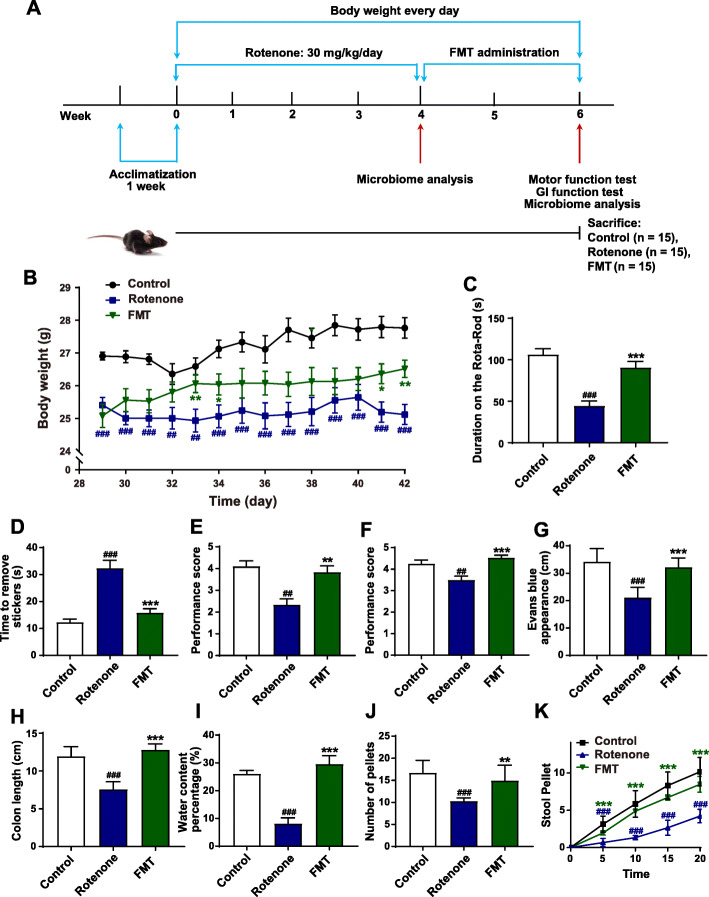
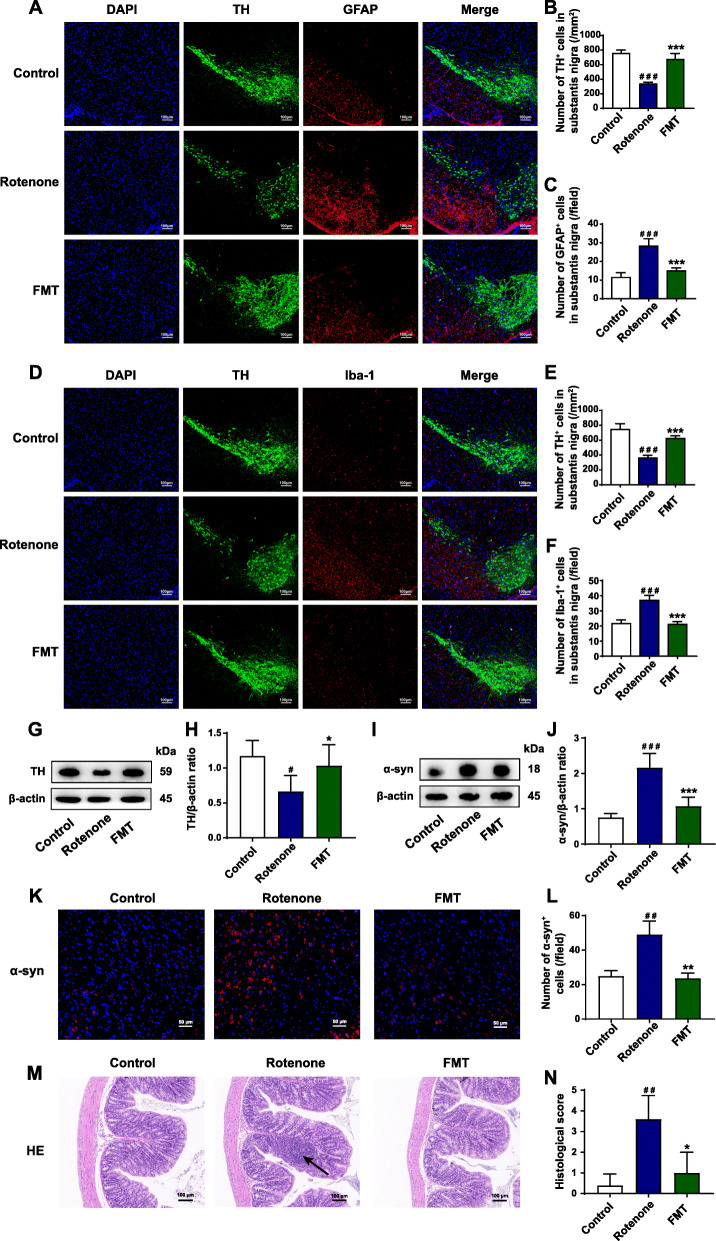
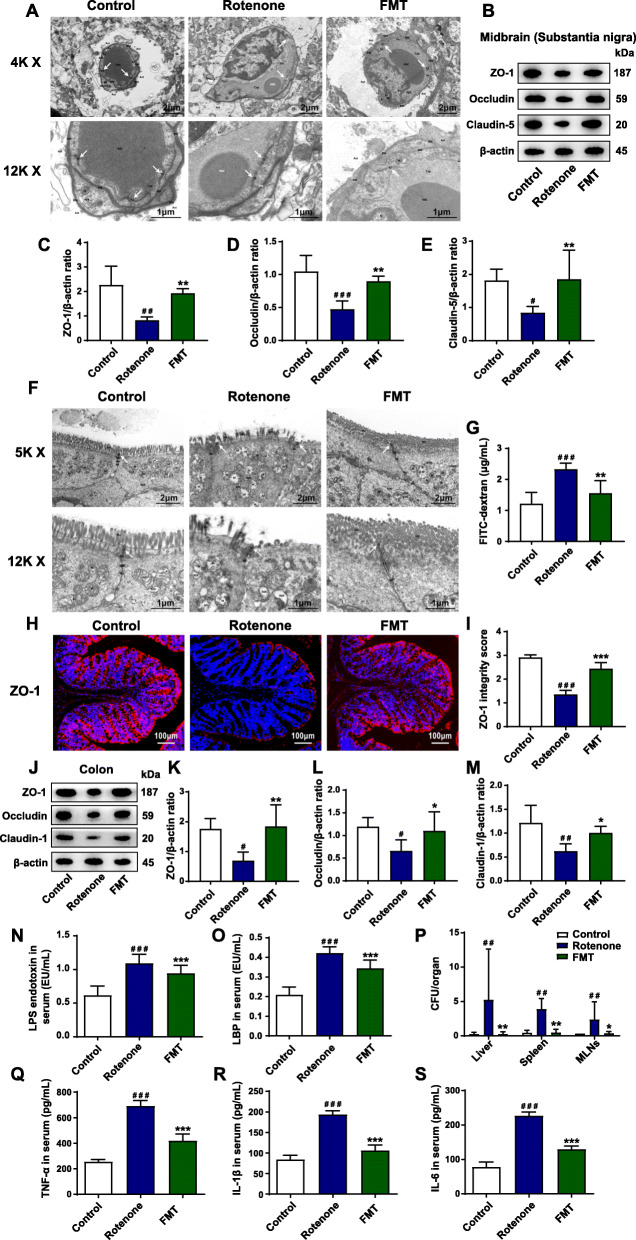
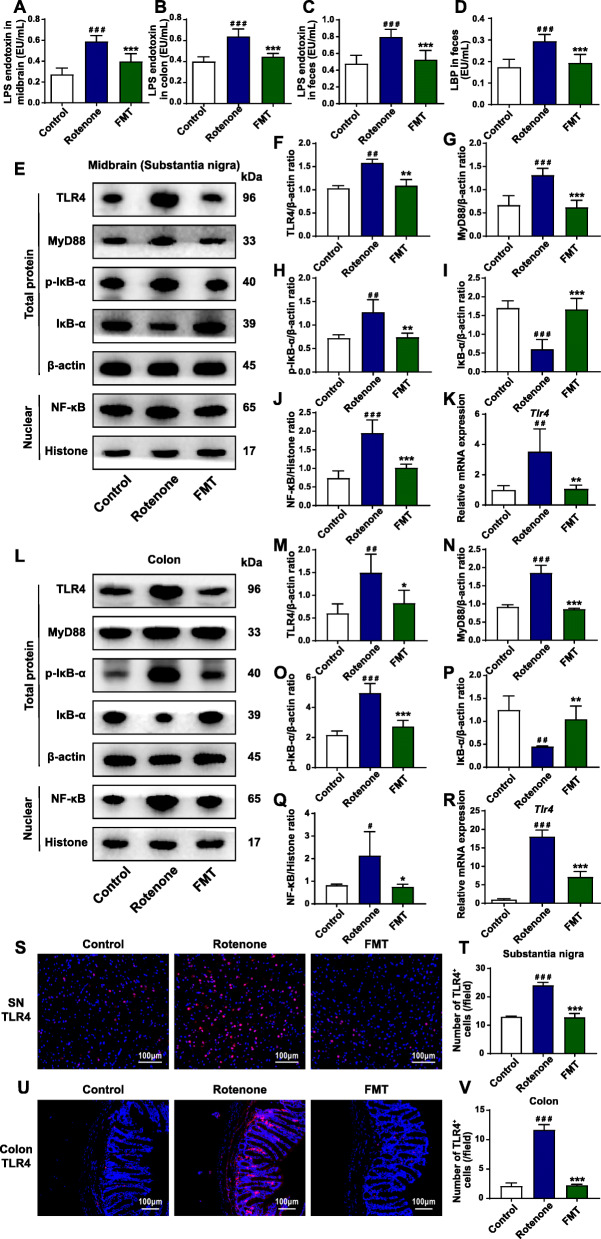
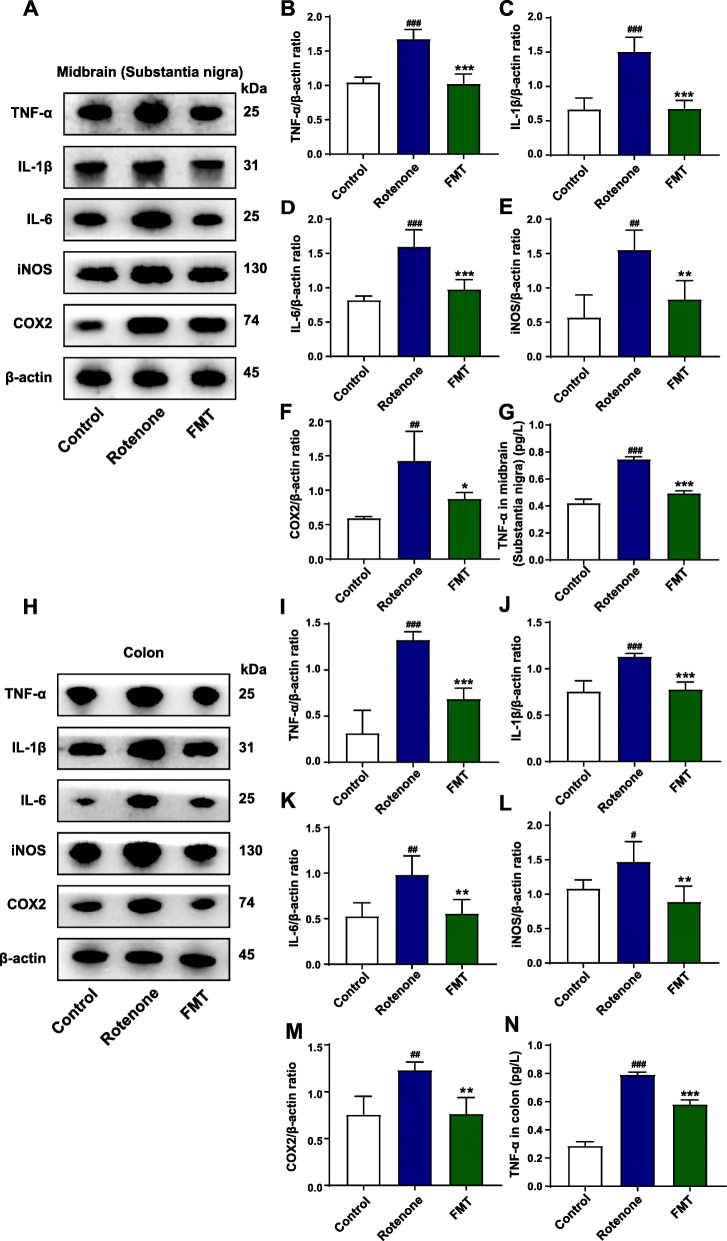
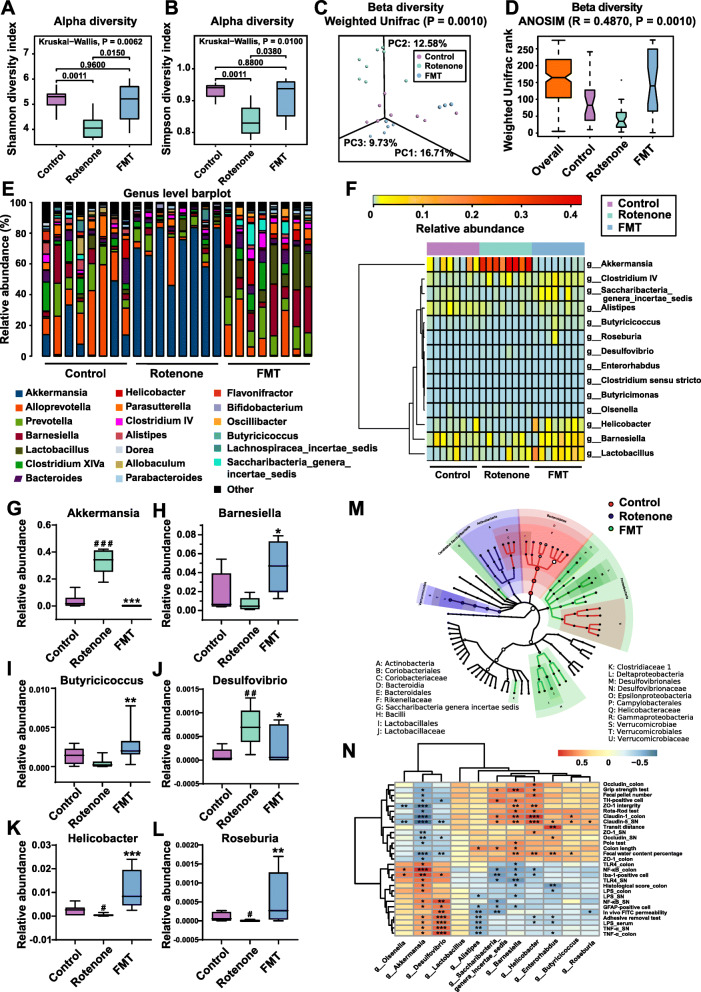
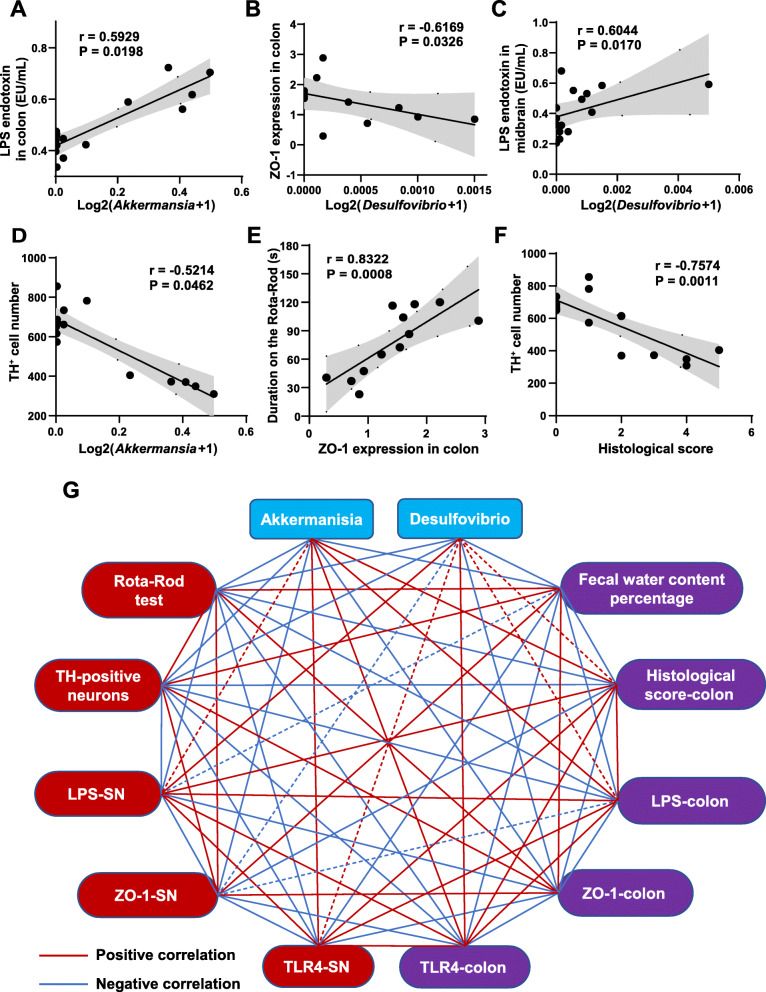
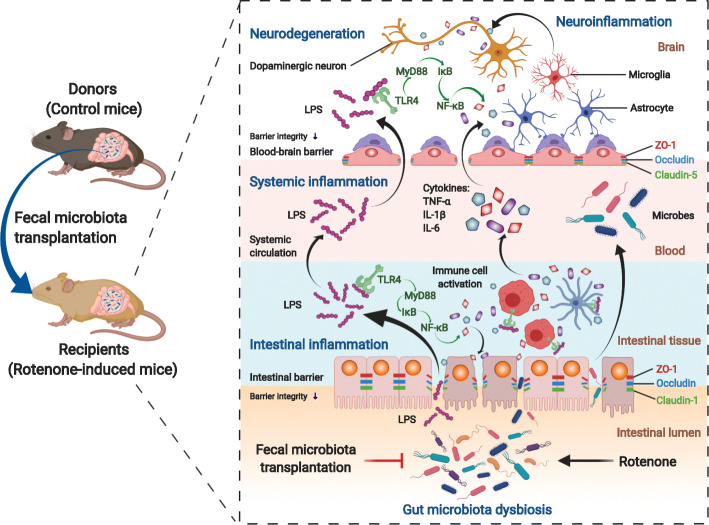
Background: Parkinson’s disease (PD) is a prevalent neurodegenerative disorder, displaying not only well-known motor deficits but also gastrointestinal dysfunctions. Consistently, it has been increasingly evident that gut microbiota affects the communication between the gut and the brain in PD pathogenesis, known as the microbiota-gut-brain axis. As an approach to re-establishing a normal microbiota community, fecal microbiota transplantation (FMT) has exerted beneficial effects on PD in recent studies. Here, in this study, we established a chronic rotenone-induced PD mouse model to evaluate the protective effects of FMT treatment on PD and to explore the underlying mechanisms, which also proves the involvement of gut microbiota dysbiosis in PD pathogenesis via the microbiota-gut-brain axis. Results: We demonstrated that gut microbiota dysbiosis induced by rotenone administration caused gastrointestinal function impairment and poor behavioral performances in the PD mice. Moreover, 16S RNA sequencing identified the increase of bacterial genera Akkermansia and Desulfovibrio in fecal samples of rotenone-induced mice. By contrast, FMT treatment remarkably restored the gut microbial community, thus ameliorating the gastrointestinal dysfunctions and the motor deficits of the PD mice. Further experiments revealed that FMT administration alleviated intestinal inflammation and barrier destruction, thus reducing the levels of systemic inflammation. Subsequently, FMT treatment attenuated blood-brain barrier (BBB) impairment and suppressed neuroinflammation in the substantia nigra (SN), which further decreased the damage of dopaminergic neurons. Additional mechanistic investigation discovered that FMT treatment reduced lipopolysaccharide (LPS) levels in the colon, the serum, and the SN, thereafter suppressing the TLR4/MyD88/NF-κB signaling pathway and its downstream pro-inflammatory products both in the SN and the colon. Conclusions: Our current study demonstrates that FMT treatment can correct the gut microbiota dysbiosis and ameliorate the rotenone-induced PD mouse model, in which suppression of the inflammation mediated by the LPS-TLR4 signaling pathway both in the gut and the brain possibly plays a significant role. Further, we prove that rotenone-induced microbiota dysbiosis is involved in the genesis of PD via the microbiota-gut-brain axis.
Overview
The claims and statistics of this paper haven’t been checked yet.
Run the check — free, no account needed. It reads the open-access text and checks the sources it cites.
Integrity signals
Registry
Cites
Statistics
Figures
Verification
Claims the paper makes
The claims and statistics of this paper haven’t been checked yet.
Run the check — free, no account needed. It reads the open-access text and checks the sources it cites.
Claims other papers make about this one
Each is checked against this paper’s own text: does it say what the citing paper says it does?
In the citing paper
“FMT from normal control mice into neurotoxin-induced PD mice could protect dopaminergic neurons by suppressing the TLR4 inflammatory pathway [18, 19]”
From Healthy Human Fecal Microbiota Transplantation into Mice Attenuates MPTP-Induced Neurotoxicity via AMPK/SOD2 Pathway (2023) · cites this paper as [19]
In the citing paper
“Consistently, previous studies have demonstrated that FMT from healthy control mice relieved motor impairments in MPTP/rotenone-induced PD mice [18, 19].”
From Healthy Human Fecal Microbiota Transplantation into Mice Attenuates MPTP-Induced Neurotoxicity via AMPK/SOD2 Pathway (2023) · cites this paper as [19]
In the citing paper
“FMT from healthy control mice exerted a neuroprotective effect in neurotoxin-induced PD mice [18, 19]”
From Healthy Human Fecal Microbiota Transplantation into Mice Attenuates MPTP-Induced Neurotoxicity via AMPK/SOD2 Pathway (2023) · cites this paper as [19]
In the citing paper
“Intestinal inflammation is a crucial contributor to PD development [53,54,55,56].”
From Neuroprotective Effects of Bifidobacterium breve CCFM1067 in MPTP-Induced Mouse Models of Parkinson’s Disease (2022) · cites this paper as [54]
In the citing paper
“Tight junction proteins, such as ZO-1 and occludin, contribute significantly to the maintenance of the intestinal barrier, which aids in protecting immune cells underneath the intestinal mucosa from invading infections [54,63,64].”
From Neuroprotective Effects of Bifidobacterium breve CCFM1067 in MPTP-Induced Mouse Models of Parkinson’s Disease (2022) · cites this paper as [54]
In the citing paper
“the feces of patients with PD transplanted in germ-free mice showed severe motor impairments, inflammation, and other pathological symptoms [12].”
From Neuroprotective Effects of Sodium Butyrate by Restoring Gut Microbiota and Inhibiting TLR4 Signaling in Mice with MPTP-Induced Parkinson’s Disease (2023) · cites this paper as [12]
In the citing paper
“Due to increased intestinal permeability, microbial toxins and pro-inflammatory mediators produced as a result of gut dysbiosis can leak into the circulation causing systemic inflammation, in turn destroying the blood–brain barrier and causing neuroinflammation [12,64].”
From Neuroprotective Effects of Sodium Butyrate by Restoring Gut Microbiota and Inhibiting TLR4 Signaling in Mice with MPTP-Induced Parkinson’s Disease (2023) · cites this paper as [12]
In the citing paper
“Concerning PD, consistent preclinical studies and a handful of human case reports have shown that FMT might be exploited to reduce motor and non-motor symptoms, as well as constipation, at least in the short term [40,465,469,470,471,472,473,474,475,476,477] (Table 4).”
From The Interplay between Gut Microbiota and Parkinson’s Disease: Implications on Diagnosis and Treatment (2022) · cites this paper as [470]
In the citing paper
“Moreover, FMT appears to protect from gut inflammation by promoting intestinal barrier integrity and reducing the levels of LPS in the colon, serum, and SN, therefore preventing leaky gut and systemic inflammation [470].”
From The Interplay between Gut Microbiota and Parkinson’s Disease: Implications on Diagnosis and Treatment (2022) · cites this paper as [470]
In the citing paper
“Notably, decreased neuroinflammation following FMT has been reported by numerous preclinical studies [469,470,471,472].”
From The Interplay between Gut Microbiota and Parkinson’s Disease: Implications on Diagnosis and Treatment (2022) · cites this paper as [470]
In the citing paper
“Conversely, fecal matter transplantation from healthy mice to PD recipient mice improved physical performance, ameliorated motor symptoms and reduced dysbiosis in several independent studies [469,470,471,472].”
From The Interplay between Gut Microbiota and Parkinson’s Disease: Implications on Diagnosis and Treatment (2022) · cites this paper as [470]
In the citing paper
“Looking at the GM composition, there is evidence that FMT re-establishes eubiosis by disadvantaging the growth of Desulfovibrio, Akkermansia and Proteobacteria (orders Enterobacteriales and Turicibacteriales), while simultaneously favoring the proliferation of beneficial bacteria such as Bacteroidetes and Actinobacteria phyla, with a particular effect on Blautia and Prevotella species [469,470,472”
From The Interplay between Gut Microbiota and Parkinson’s Disease: Implications on Diagnosis and Treatment (2022) · cites this paper as [470]
In the citing paper
“This beneficial effect should be ascribed to the ability of GM to modulate microglia and astrocyte activation in SN by regulating the TLR4/NF-κB pro-inflammatory pathway and reducing the expression of GSK3β, iNOS and IL-1β, which are implicated in PD pathogenesis and progression [469,470,471,472,478,479,480].”
From The Interplay between Gut Microbiota and Parkinson’s Disease: Implications on Diagnosis and Treatment (2022) · cites this paper as [470]
Self-check
Percentages, sums and reported differences re-computed from the paper’s own numbers.
The self-check needs the paper’s full text.
Citations
Cites
Naive Bayesian Classifier for Rapid Assignment of rRNA Sequences into the New Bacterial Taxonomy
Wang, Q., Garrity, G. M., Tiedje, J. M., & Cole, J. R. (2007) · Applied and Environmental Microbiology · doi:10.1128/aem.00062-07 · Cited by 20,145
UPARSE: highly accurate OTU sequences from microbial amplicon reads
Edgar, R. C. (2013) · Nature Methods · doi:10.1038/nmeth.2604 · Cited by 16,770
Metagenomic biomarker discovery and explanation
Segata, N., Izard, J., Waldron, L., Gevers, D., Miropolsky, L., Garrett, W. S., & Huttenhower, C. (2011) · Genome Biology · doi:10.1186/gb-2011-12-6-r60 · Cited by 16,192
Predictive functional profiling of microbial communities using 16S rRNA marker gene sequences
Langille, M. G. I., Zaneveld, J., Caporaso, J. G., McDonald, D., Knights, D., Reyes, J. A., Clemente, J. C., Burkepile, D. E., Vega Thurber, R. L., Knight, R., et al. (2013) · Nature Biotechnology · doi:10.1038/nbt.2676 · Cited by 9,116
From inflammation to sickness and depression: when the immune system subjugates the brain
Dantzer, R., O'Connor, J. C., Freund, G. G., Johnson, R. W., & Kelley, K. W. (2008) · Nature Reviews Neuroscience · doi:10.1038/nrn2297 · Cited by 7,395
Kalia, L. V., & Lang, A. E. (2015) · The Lancet · doi:10.1016/s0140-6736(14)61393-3 · Cited by 6,184
Parkinson's disease: clinical features and diagnosis
Jankovic, J. (2008) · Journal of Neurology, Neurosurgery & Psychiatry · doi:10.1136/jnnp.2007.131045 · Cited by 5,720
Ribosomal Database Project: data and tools for high throughput rRNA analysis
Cole, J. R., Wang, Q., Fish, J. A., Chai, B., McGarrell, D. M., Sun, Y., Brown, C. T., Porras‐Alfaro, A., Kuske, C. R., & Tiedje, J. M. (2013) · Nucleic Acids Research · doi:10.1093/nar/gkt1244 · Cited by 4,480
Gut microbiota regulate motor deficits and neuroinflammation in a model of Parkinson's disease
Sampson, T. R., Debelius, J. W., Thron, T., Janssen, S., Shastri, G. G., Ilhan, Z. E., Challis, C., Schretter, C. E., Rocha, S., Gradinaru, V., et al. (2016) · Cell · doi:10.1016/j.cell.2016.11.018 · Cited by 3,622
Toll-Like Receptor Signaling Pathways
Kawasaki, T., & Kawai, T. (2014) · Frontiers in Immunology · doi:10.3389/fimmu.2014.00461 · Cited by 3,245
Cited by
Sorted by citations
Items 501–600 of 617
Research Progress of Gut Microbiota on Parkinson’s Disease
袁, 薇. (2024) · Advances in Clinical Medicine · doi:10.12677/acm.2024.141154
Tang, H. (2023) · International Journal of Frontiers in Medicine · doi:10.25236/ijfm.2023.051216
Shen, J.-D., Yuan, B., Zhang, A., Zhou, X., Chen, S., Deng, J.-L., Zhang, X., Jiang, H., Yu, Q., & Wu, Q. (2024) · Journal of Stroke and Cerebrovascular Diseases · doi:10.1016/j.jstrokecerebrovasdis.2024.107634
Effects of Turmeric (Curcuma longa) on the Gut-Brain Axis
Dutra, M. L. D. V., de Araújo, J. M. D., Lima, R. F., Santos, H. M. C. C., & Aquino, J. D. S. (2023) · Springer eBooks · doi:10.1007/978-981-99-7731-4_10
Alarcón‐Romero, L. D. C., Zubillaga‐Guerrero, M. I., William, C. I. M., Illades‐Aguiar, B., García, A. M. E., Rivera, M. J. M., Barrera, J. A. P., Gómez‐Gómez, Y., & Hernández, M. V. (2024) · doi:10.22533/at.ed.8022401044
A CONEXÃO CURIOSA ENTRE DIABETES MELLITUS E A DOENÇA DE PARKINSON
Maciel, L. M., dos Santos, A. V. F., da Silva, C. V. B. G., dos Santos, G. L. G., Galdino, E. D. S., de Moraes, J. G. F., Miranda, M. A., Silva, M. A. P. D. C. C., Barbosa, J. O. L., & de Lira, A. C. L. (2024) · doi:10.22533/at.ed.8022401047
FATORES QUE INFLUENCIAM NA PREMATURIDADE
Carneiro, C. R. D. N., Reis, C. C. C., Dias, R. A., Sales, E. Q., Ferreira, T. P. A., Silva, P. S. L. E., Costa, P. N., Soares, J. B., Reis, M. C. P., Fernandes, L., et al. (2024) · doi:10.22533/at.ed.8022401043
de Freitas, S. S., Alves, J. D. L., da Silva, W. L. S., Paulino, B. D. S., Prado, N. S., de Arruda, M. A., Amancio, S. R. F., de Barros, C. F. E., Bezerra, A. M. F. D. A., de Souza, F. R., et al. (2024) · doi:10.22533/at.ed.8022401046
IMUNOLÓGICOS ENVOLVIDOS NA PATOGÊNESE DA DOENÇA PERIODONTAL
Freire, J. M. D. O., Sousa, L. M. V. L., Rodrigues, Í. A., de Sousa, B. S., de Menezes, R. L. R., Nascimento, A. L. S., de Oliveira, M. M., & da Costa, I. B. (2024) · doi:10.22533/at.ed.8022401042
CUIDADOS PALIATIVOS NEONATAIS PARA A FAMÍLIA
Silva, F. A., Chady, C. S., & Dias, R. A. (2024) · doi:10.22533/at.ed.8022401045
USO DE PSICOTRÓPICOS EN CULTURAS ANCESTRALES: UN VIAJE A TRAVÉS DEL TIEMPO Y LAS TRADICIONES
de Aparicio, C. X. P., Guerrero, D. A. H., & Pazmiño, P. V. L. (2024) · doi:10.22533/at.ed.8022401041
ВПЛИВ КИШКОВОЇ МIКРОБIОТИ НA РОЗВИТОК I ПEРEБIГ ХВОРОБИ ПAРКIНСОНA
Кулянда, О. О., Зaрeмбa, Р. I., Бiловус, О. С., Денефіль, О. В., & Дмухальська, Є. Б. (2024) · Вісник соціальної гігієни та організації охорони здоров я України · doi:10.11603/1681-2786.2023.4.14434
Exploring the Interplay Between Gut Microflora and Parkinson’s
Swathi, M., Hazra, A., Dhanu, A. S., & Basalingappa, K. M. (2024) · Springer eBooks · doi:10.1007/978-981-99-8803-7_15
Yu, H., Chen, S., Li, X., Lin, J., Xue, Z., Liu, J., Lin, W. V., & Cao, L. S. (2024) · SSRN Electronic Journal · doi:10.2139/ssrn.4802934
Gut-Brain Axis: The role of gut microbiota in immune and neurological homeostasis
Silocchi, V. M., Awada, S. M., Machado, M. S., da Silva, A. V., Oda, J. Y., Machado, A. R. D. S. R., & Machado, A. M. (2024) · Seven Editora eBooks · doi:10.56238/sevened2024.006-022
Neuroinflamazioa Parkinson gaixotasunaren agerpenean eta progresioan
Atxa, A., Zubelzu, M., Bidgood, R., Morera‐Herreras, T., & Murueta‐Goyena, A. (2024) · EKAIA Euskal Herriko Unibertsitateko Zientzi eta Teknologi Aldizkaria · doi:10.1387/ekaia.26200
La transplantation de microbiote fécal dans la maladie de Parkinson
d'Esneval, M., Jiménez, M. C., Debove, I., Aybek, S., & Fleury, V. (2024) · Forum Médical Suisse ‒ Swiss Medical Forum · doi:10.4414/fms.2024.1157578842
Fäkale Mikrobiota-Transplantation bei Morbus Parkinson
d'Esneval, M., Jiménez, M. C., Debove, I., Aybek, S., & Fleury, V. (2024) · Swiss Medical Forum ‒ Schweizerisches Medizin-Forum · doi:10.4414/smf.2024.1157578842
The rotenone-induced sporadic Parkinsonism model: timeline of motor and non-motor featuresPreprint
Nascimento, T. D. S., Oliveira, A. V., Belém, M. D. O., Bezerra, J. R., do Carmo, M. R. S., Sampaio, T. L., do Santos, A., Cunha, R. A., & de Andrade, G. M. (2024) · doi:10.22541/au.172521309.97099582/v1
Fang, C.-W., Ma, X.-P., Xiao, H., & Chen, L. (2024) · SSRN Electronic Journal · doi:10.2139/ssrn.4953488
Review on the Treatment of Dry Eye Based on Intestinal Axial Theory
王, 伟. (2024) · Advances in Clinical Medicine · doi:10.12677/acm.2024.14112859
Du, J., Huang, P., Zhang, P., Gao, C., Liu, J., Huang, M., Li, H., Shen, X., Tan, Y., & Chen, S. (2024) · Research Square · doi:10.21203/rs.3.rs-5182069/v1
Chen, Y.-N., Chen, Y.-R., Yang, B.-H., Lee, P.-H., Kuo, L., & Li, C.-H. (2024) · Journal of Dental Sciences · doi:10.1016/j.jds.2024.11.029
Role of microbiota-gut-brain axis in Huntington’s disease and possible interventions
Kumar, S., & Yadav, L. (2025) · Elsevier eBooks · doi:10.1016/b978-0-443-21680-0.00004-3 · Cited by 1
Advances in the Study of the Association between Desulfovibrio and Neurodegenerative Diseases
石, 稳. (2025) · Advances in Clinical Medicine · doi:10.12677/acm.2025.152368
Adebayo, O. G., Modo, E. U., Orji, B. O., Chimezie, J., Wopara, I., Masanwoola, A. V., Ichipi-Ifukor, P. C., Oritsemuelebi, B., & Esezobor, K. I. (2025) · Nutrire · doi:10.1186/s41110-025-00321-x
Microbiota Transplantation in Tumor Immunology Studies
Li, L., Hu, M., Zhu, X., Huang, X., & Chen, H. (2025) · Methods in molecular biology · doi:10.1007/978-1-0716-4558-1_21
Olalekan, S. O., Okwute, P. G., Osonuga, I. O., Mofolorunso, A. M., Adegbesan, B. O., Ezima, E. N., & Oluwatunase, G. O. (2025) · IntechOpen eBooks · doi:10.5772/intechopen.1009908
Liu, X., Chen, C., Quan, J., Liang, S., Nie, L., Zhang, L., He, M., Duan, L., Zhang, Y., Li, M., et al. (2025) · Research Square · doi:10.21203/rs.3.rs-6319704/v1
Zhang, H., Li, M., Zhang, X., Li, Y., Zhang, G., & Han, B. (2025) · Journal of Visualized Experiments · doi:10.3791/68314
Zhang, F., Hu, W., Zhao, X., Fu, B., Lin, Y., Xie, C., Yang, R., Fu, Y., Tan, W., & Ye, L. (2026) · Chinese Journal of Natural Medicines · doi:10.1016/s1875-5364(26)61197-1
Sun, J., Guo, H., Liu, T., Ji, J., Gao, X., Ye, Y., Zhang, Y., & Sun, X. (2025) · Food Bioscience · doi:10.1016/j.fbio.2025.107530
FOOD, MICROBES, AND THE MIND: INTERVENTIONS AND TECH-FOR-HEALTH IMPLICATIONS
Pabis, W., Biesaga, P., Kotte, K., Jadanowski, O., Łebek, K., Sobota, W., Piskorz, P., Litworska-Sójka, D., Komsta, B., & Lipiec, J. (2025) · International Journal of Innovative Technologies in Social Science · doi:10.31435/ijitss.3(47).2025.3841
Attenuating Neurotoxicity Through Fecal Microbiota Transplant: Mechanisms and Therapeutic Potential
Younis, N. K., Alfarttoosi, K. H., Sanghvi, G. V., Roopashree, R., Kashyap, A., Krithiga, T., Taher, W. M., Alwan, M., Jawad, M. J., & Al-Nuaimi, A. M. A. (2025) · Molecular Neurobiology · doi:10.1007/s12035-025-05415-1
Sun, Y., Yang, H., Zhang, J., Cong, S., Wang, L., & Yu, T. (2025) · Frontiers in Aging Neuroscience · doi:10.3389/fnagi.2025.1712302
The application of fecal microbiota transplantation in Parkinson’s disease
Wang, B., Ma, D., Li, N., & Luo, T. (2025) · Frontiers in Aging Neuroscience · doi:10.3389/fnagi.2025.1713899
Wang, X., Wang, Z., Cao, J., Dong, Y., & Chen, Y. (2023) · Figshare · doi:10.6084/m9.figshare.22616971
Bai, X.-B., Xu, S., Zhou, L.-J., Xiaoqian, M., Li, Y.-L., Chen, Y.-L., Jiang, Y.-H., Lin, W., Chen, B.-Y., Du, L., et al. (2023) · Figshare · doi:10.6084/m9.figshare.24586069
Wang, Y., He, Y., Liang, Y., Liu, H., Chen, X., Kulyar, M. F., Shahzad, A., Wei, K., & Li, K. (2024) · Figshare · doi:10.6084/m9.figshare.26569498
He, Y., Zhao, J., Ma, Y., Yan, X., Duan, Y., Zhang, X., Dong, H., Fang, R., Zhang, Y., Li, Q., et al. (2024) · Figshare · doi:10.6084/m9.figshare.25996821
Shen, W., Shao, W., Wang, Q., Wang, B., Zhao, G., Gu, A., Jiang, Z., & Hu, H. (2023) · Figshare · doi:10.6084/m9.figshare.23590365
Zheng, H., Zhao, Q., Chen, J., Lu, J., Li, Y., & Gao, H. (2024) · Figshare · doi:10.6084/m9.figshare.26604466
Zheng, H., Zhao, Q., Chen, J., Lu, J., Li, Y., & Gao, H. (2024) · Figshare · doi:10.6084/m9.figshare.26604469
D-mannose alleviates rotenone-induced PD mouse model through microbiota-gut-brain axis
Hong, Y., Ge, C., Jin, J., Gao, Y., & Tang, Y. (2026) · Scientific Reports · doi:10.1038/s41598-026-36272-0
Chen, Y.-X., Sun, N.-Q., & Mo, S. (2026) · World Journal of Gastroenterology · doi:10.3748/wjg.v32.i4.114468
Al-Juhaishi, M. H. K., Al-Juhaishi, N. M. H., & Al-Juhaishi, A. M. H. (2024) · Neurophysiology · doi:10.1007/s11062-025-09989-3
Chang, Q., Pan, L., Gong, H., Laghari, F., Zhang, J., Li, J., Bao, J., & Zhang, R. (2026) · Journal of Integrative Agriculture · doi:10.1016/j.jia.2026.01.036
Yang, L., Ma, Y., Wang, H., Xie, L., & Yu, Y. (2026) · Frontiers in Immunology · doi:10.3389/fimmu.2026.1730833
Niu, L., Tan, Y., Cao, W., Wang, E., & Qi, F. (2026) · Pathology - Research and Practice · doi:10.1016/j.prp.2026.156441
Kumari, N., Pal, G., Chawak, K., Arbi, S. H., & Anand, S. K. (2026) · Antonie van Leeuwenhoek · doi:10.1007/s10482-026-02281-2
Shen, Q., Lv, A., Li, Y., Liu, P., Yang, J., Wang, S., & Guo, H. (2026) · Neurogastroenterology & Motility · doi:10.1111/nmo.70289 · Cited by 1
Tang, H., Chen, X., Wang, S., Wu, Y., Li, X., Yuan, J., & Qiao, B. (2026) · Natural Product Communications · doi:10.1177/1934578x261433809
Ikuta, K., Kunisawa, A., Dekio, I., Arisa, I. T. O., Wang, Q., Kawamura, K., Yamada, M., Nakamura, S., Hayakawa, Y., Higurashi, T., et al. (2026) · Microbiome Research Reports · doi:10.20517/mrr.2025.85
Deng, Z., Zhao, Z., Jiang, W., Chen, X., Liu, J., Tao, X., Lin, Z., Deng, Z., & Li, W. (2026) · Animal Models and Experimental Medicine · doi:10.1002/ame2.70187
Self-citationLoza-López, E. C., Cano-Herrera, G., Gonzalez, M. F. B., Vionet, A. M., van Tienhoven, X. A., Aldaba, E. S., Argüelles, E. D. J. G., Pérez, R. M., Pérez, P. C. M., Vela, D. D. L., et al. (2026) · Exploration of Neuroprotective Therapy · doi:10.37349/ent.2026.1004146
Mojica, E. P., Aranis, N., Ribeiro, J. V., Soto-Rodríguez, A., & Fregni, F. (2026) · Gut Microbiology · doi:10.1016/j.gutmic.2026.100007
Ou, Y., Huang, Y., Cui, Z., Ji, S., Yang, X., Mei, R., Yu, Z., So, K., Chen, J., Tang, S., et al. (2026) · Neural Regeneration Research · doi:10.4103/nrr.nrr-d-25-00683
Self-citationBrain-gut communication and potential applications of microecological treatments in stroke
Gao, M., Zhou, Y., Zhang, K., Ye, Y., Han, Z., Chen, Q., Shi, W., & Lu, X. (2026) · Frontiers in Neuroscience · doi:10.3389/fnins.2026.1799890
Wu, J., Qiu, Y., Deng, J., Li, Y., Jia, B., Cao, Z., Tao, J., & Guo, J. (2026) · Frontiers in Endocrinology · doi:10.3389/fendo.2026.1806638
Cao, B., Zhou, X., Cao, X., Shi, J., Liu, C., & Yuan, B. (2026) · Journal of Child and Adolescent Psychopharmacology · doi:10.1177/10445463261445906
Therapeutic Interventions: Modulating the Microbiome to Combat Neurodegeneration
Anandan, A., Unais, A. M., Prabhu, A. V., Saju, M. K., Sonaimuthu, K., Murugesan, H., Danielraj, F., Marimuthu, D., Shibu, M. A., & Viswanadha, V. P. (2026) · Springer eBooks · doi:10.1007/978-981-95-7494-0_8
Parkinson’s Disease and the Microbiome: A New Frontier for Early Diagnosis
Chakkittukandiyil, A., & Sajini, D. V. (2026) · Springer eBooks · doi:10.1007/978-981-95-7494-0_4
Elevated plasma cholesterol improves sepsis outcome by promoting hepatic metabolic reprogramming
Wang, Q., Xue, J., Guo, L., Hao, D., Ito, M., Reese, R., Huang, B., Wu, C., & Li, X. (2026) · Frontiers in Immunology · doi:10.3389/fimmu.2026.1746724
Yang, Y., Liu, X., Wang, M., Zhu, X., Yang, B., Cao, J., Song, Y., & Jiang, G. (2026) · Environment & Health · doi:10.1021/envhealth.5c00852
Guan, Y., Li, Q., Zhi, S., Ni, X., & Wang, X. (2026) · Journal of Radiation Research and Applied Sciences · doi:10.1016/j.jrras.2026.102428
Do animal models represent the diversity of clinical Parkinson’s disease?
Cenere, M. M., Schirinzi, T., Ledonne, A., & Mercuri, N. B. (2026) · Current Opinion in Neurobiology · doi:10.1016/j.conb.2026.103220
Gao, G., Zhu, Q., Azad, M. A. K., Liu, Y., Han, L., & Kong, X. (2026) · Journal of Agriculture and Food Research · doi:10.1016/j.jafr.2026.103039
Alnasser, S. M., Ravikumar, S., Saravanan, J., Selvaraj, D., & Gunasekaran, V. (2026) · Frontiers in Pharmacology · doi:10.3389/fphar.2026.1778580
Gamal, N. K., Fakhry, R., Hatem, Y., Rashed, E., Marzouk, R., Bukr, A. K. M., Safwat, K., Mamdouh, M., Abdelfatah, A., Atallah, A., et al. (2026) · Inflammopharmacology · doi:10.1007/s10787-026-02292-5
Yang, H. W., Zhou, W., Zhang, Z., ZHANG, Y., Liu, L., Zhao, J., Lyu, W., & Li, X. (2026) · Frontiers in Pharmacology · doi:10.3389/fphar.2026.1837686
Xu, H., Chen, W., Xiao, Q., Ren, J., Yang, D., Li, S. N., Cai, Y., Tuerheng, J., Tang, R., He, K., et al. (2026) · Frontiers in Neuroscience · doi:10.3389/fnins.2026.1820153
Pirovano, E., Silva, I. P., Camacho, M., Canak, A., Aktaş, B., Crompton, D., Gökçe, E., Tan, F.-M., Marino, F., Domingos, J., et al. (2026) · Neurochemistry International · doi:10.1016/j.neuint.2026.106211
Liang, B., Zou, J., Mao, X., Xie, N., & Zhaohui, L. (2026) · Revista de Neurología · doi:10.31083/rn50106
Al‐kuraishy, H. M., Abass, S. A., Mahana, H. A. M., Elbanna, O. A., Shahin, I., Radwan, A. A., MohamedMohamed, O. E.-S., Baktoot, A. M. L., & Batiha, G. E. (2026) · Molecular Biology Reports · doi:10.1007/s11033-026-12110-4
Light, melanin, and the microbial clock: Rewiring the gut–brain–skin axis
Clark, A. P., & Mach, N. (2026) · Frontiers in Neuroendocrinology · doi:10.1016/j.yfrne.2026.101271
From Iron to Depression: The Crosstalk Between the Periphery and Brain
Zhang, J., Song, X., Huo, M., Jia, F., Hu, H., Xie, J., & Song, N. (2026) · Neuroscience Bulletin · doi:10.1007/s12264-026-01676-5
Han, D., & Yang, C. (2026) · Frontiers in Cellular and Infection Microbiology · doi:10.3389/fcimb.2026.1815265
Hu, J., Ma, X., Wang, Y., Liu, L., Tang, M., Tian, X., Liu, H., Gao, Y., & Lv, J. (2026) · Journal of Ethnopharmacology · doi:10.1016/j.jep.2026.122240
Mansour, R. M., Alam-ElDein, K. M., Mageed, S. S. A., El-Sayyad, G. S., Ghanem, A., Shaker, A. A. S., Mohammed, O. A., Farag, D. A. A., abdelnaby, M., Hathout, A., et al. (2026) · European Journal of Neuroscience · doi:10.1111/ejn.70606
Gaowa, Bao, Z., Wang, Z., Gula, A., & Yu, H. (2026) · IBRO Neuroscience Reports · doi:10.1016/j.ibneur.2026.07.014
Cao, X., Guo, H., Wang, K., Wu, Q., Wang, X., & Shao, J. (2026) · Medicine · doi:10.1097/md.0000000000050109
Gut microbiota as master regulators: Mapping gut-organ axes that orchestrate systemic health
Han, B., Kang, M., Huang, W., Lan, Y., Tong, S., Liu, S., Chen, S., Wen, H., Li, Y., & Tang, D. (2026) · TransMed · doi:10.1016/j.tmed.2026.100042
Wang, Y., Yuan, B., Li, Y., Sun, Y., Xie, Y., Cheng, H., Zhang, Y., Wu, Q., & Tang, J. (2026) · Molecular Neurobiology · doi:10.1007/s12035-026-06124-z
Cui, X., Wei, Z., Wang, Q., Du, S., Lin, Z., Chen, Z., Zhang, J., Li, C., Tang, L., Dai, X., et al. (2026) · Frontiers in Pharmacology · doi:10.3389/fphar.2026.1830927
Jin, Y., Wang, Y., Rasool, H. M. H., Zhang, X., Caidan, D., Nurdaly, K., Duan, J., Sun, Y., Wang, S., Li, Z., et al. (2026) · Environment International · doi:10.1016/j.envint.2026.110466
Wang, S., Zhao, Y., Zhang, N., Fan, S., Li, Z., Yang, Z., Wang, W., Xu, Z., & Liu, F. (2026) · Frontiers in Public Health · doi:10.3389/fpubh.2026.1873106
Bi, Y., Song, W., Glymenaki, M., Hu, J., Li, X., Huang, H., Peng, Y., Ni, S., Haonon, O., Liu, Z., et al. (2026) · iMeta · doi:10.1002/imt2.70144 · Cited by 1
Feng, X., Kang, R., Huang, L., Yan, F., Yao, D., & Li, X. (2026) · Journal of Clinical Medicine · doi:10.3390/jcm15166472
Gao, X., Yan, A., Wang, Y., Liu, J., Liu, D., Hu, G., Zhang, H., Fu, S., & He, D. (2026) · Phytomedicine · doi:10.1016/j.phymed.2026.158746
Liu, S., Han, B., Kang, M., Huang, W., Li, Y., & Tang, D. (2026) · TransMed · doi:10.1016/j.tmed.2026.100044
The microbiota at the interface of environmental toxicants and the brain
Matsuzaki, R., Caudle, W. M., & Sampson, T. R. (2026) · Cell Metabolism · doi:10.1016/j.cmet.2026.08.002
Yang, L., Han, J., Li, S., Wang, X., Jia, Y., Bao, Z., Ge, T., He, G., Zhou, J., Cui, J., et al. (2026) · Frontiers in Immunology · doi:10.3389/fimmu.2026.1812306
Miller, B. C., Hoover, J., Yadav, H., & Jain, S. (2026) · Frontiers in Molecular Neuroscience · doi:10.3389/fnmol.2026.1815079
Lin, J., He, L., Wang, J., Yang, C., Liang, S., Huang, J., Li, S., Zheng, D., & Liang, M. (2026) · Brain Research Bulletin · doi:10.1016/j.brainresbull.2026.112106
Si, J., Fei, Y., Weng, R., Yang, H., Ni, W., Gao, X., & Gu, Y. (2026) · Molecular Neurobiology · doi:10.1007/s12035-026-06189-w
Xu, K.-S., You, H.-J., Yao, R., Hou, B.-H., & Li, X. (2026) · Neurodegenerative Disease Management · doi:10.1080/17582024.2026.2730172
Tan, S., & Peng, B. (2026) · Food & Function · doi:10.1039/d6fo02522f
Xu, C., Li, W., Ma, X., Han, L., Cui, G., Zhao, J., Wang, X., & Guan, Y. (2026) · Cells · doi:10.3390/cells15181718
Metadata
- Authors
- Zhao, Z., Ning, J., Bao, X.-Q., Shang, M., Ma, J., Li, G., & Zhang, D.
- Affiliations
- Chinese Academy of Medical Sciences & Peking Union Medical College (CN)
- Corresponding author
- Zhang, Dan
- Venue
- Microbiome
- Published
- 2021-11-17
- Volume
- 9
- Issue
- 1
- Pages
- 226-226
- ISSN
- 2049-2618 (ISSN-L)
- PMC
- PMC8597301
- OpenAlex
- W3211876735
- Cited by
- 616
- References
- 100
- Citations by year
- 2026: 122 · 2025: 179 · 2024: 183 · 2023: 91 · 2022: 39
- FWCI
- 37.52
- Type
- journal article
- Language
- en
- Open access
- gold
- doi.org
- Locations
- Microbiome (publishedVersion, cc-by)
- PubMed Central (publishedVersion, cc-by)
- PubMed (publishedVersion)
- DOAJ (DOAJ: Directory of Open Access Journals) (submittedVersion, cc-by-sa)
- Funders
- National Sciences Foundation of China (81773718, 81630097, 81773589)
- The National Key Research and Development Program of China (SQ2018YFA090025-04)
- CAMS Innovation Fund for Medical Sciences (2016-I2M-3-011)
- The Drug Innovation Major Project (2018ZX09711001-003-020, 2018ZX09711001-003-005, 2018ZX09711001-008-005)
- CAMS The Fundamental Research Funds for the Central Universities (2018RC350002)
- CAMS & PUMC Innovation Fund for Graduate (2019-1007-23)
- Topics
- Health Sciences › Medicine › Clinical Neurology › Parkinson's Disease Mechanisms and Treatments
- Life Sciences › Biochemistry, Genetics and Molecular Biology › Molecular Biology › Gut microbiota and health
- Life Sciences › Neuroscience › Neurology › Neuroinflammation and Neurodegeneration Mechanisms
- Keywords
- Parkinson's disease, fecal microbiota transplantation, microbiota-gut-brain axis, rotenone-induced neurotoxicity, gut dysbiosis, lipopolysaccharide, TLR4/MyD88/NF-κB signaling, neuroinflammation, blood-brain barrier, dopaminergic neuron damage, Akkermansia, Desulfovibrio, intestinal barrier dysfunction, gastrointestinal dysfunction
- MeSH terms
- Gastrointestinal Microbiome, Fecal Microbiota Transplantation, Brain-Gut Axis, Animals, Inflammation, Lipopolysaccharides, Mice, Inbred C57BL, Parkinson Disease, Rotenone, Signal Transduction, Toll-Like Receptor 4, Mice
About these checks
Registry, retraction, Cites and statistics results are computed, not judged, with one exception: a printed reference that no index lists is read once by a model before it counts as a citation error. Claims are extracted by a model and kept only when their quote appears verbatim in the text; each cited source is then checked, with a model’s help, for whether it says what the claim relies on. Those verdicts can be wrong — read the claim’s quote and the cited source before relying on one.
Statistics and arithmetic are recomputed, not judged.
Confidence bands are shown only for fields calibrated on our annotated test set. None is calibrated yet, so no band is shown.
What counts as a claim ›How we measure confidence ›How we check this ›
Are you an author, or do you see a problem with this page? Request a review
