

The DOI matches its Crossref record; 100 of the 100 references it cites were found in a registry or an index.
Fecal microbiota transplantation protects rotenone-induced Parkinson’s disease mice via suppressing inflammation mediated by the lipopolysaccharide-TLR4 signaling pathway through the microbiota-gut-brain axis
Open accessAbstract
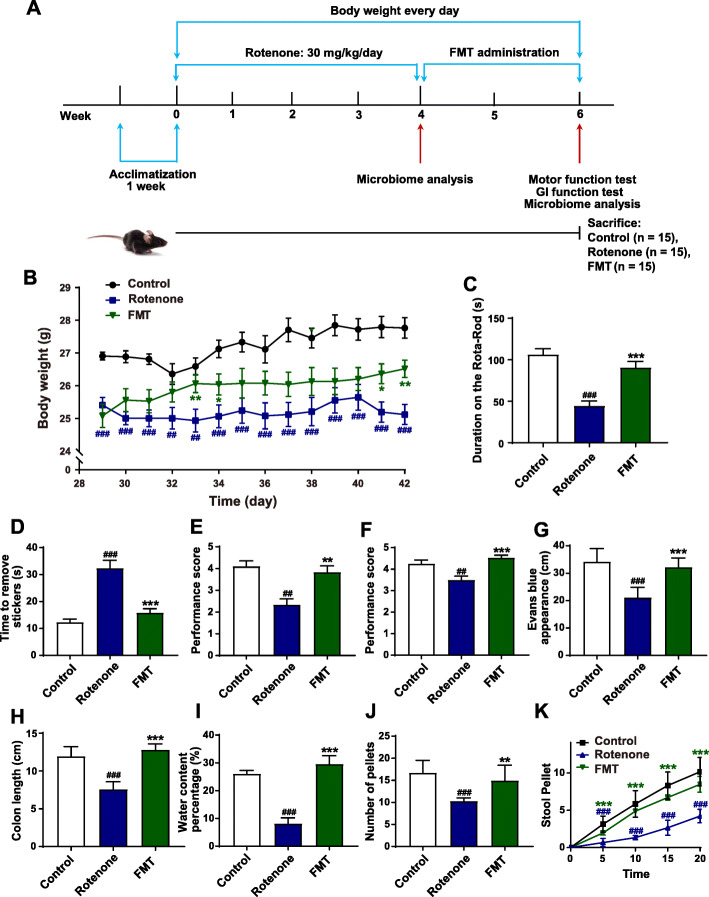
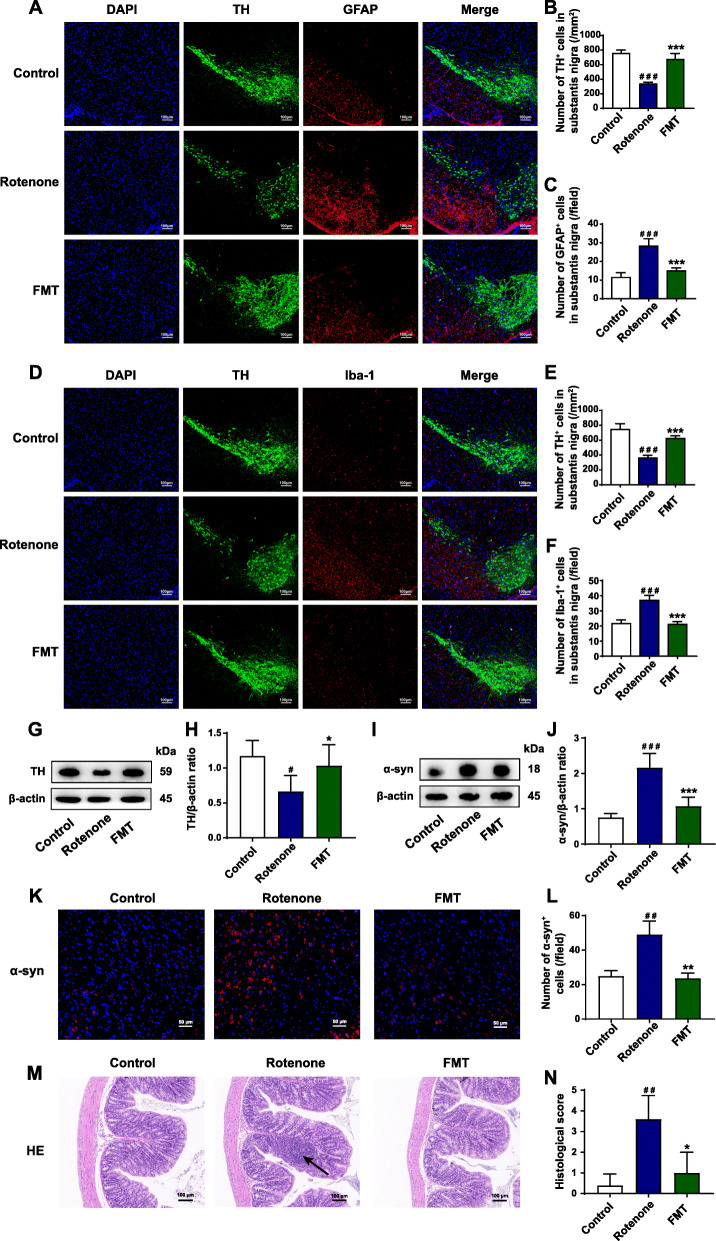
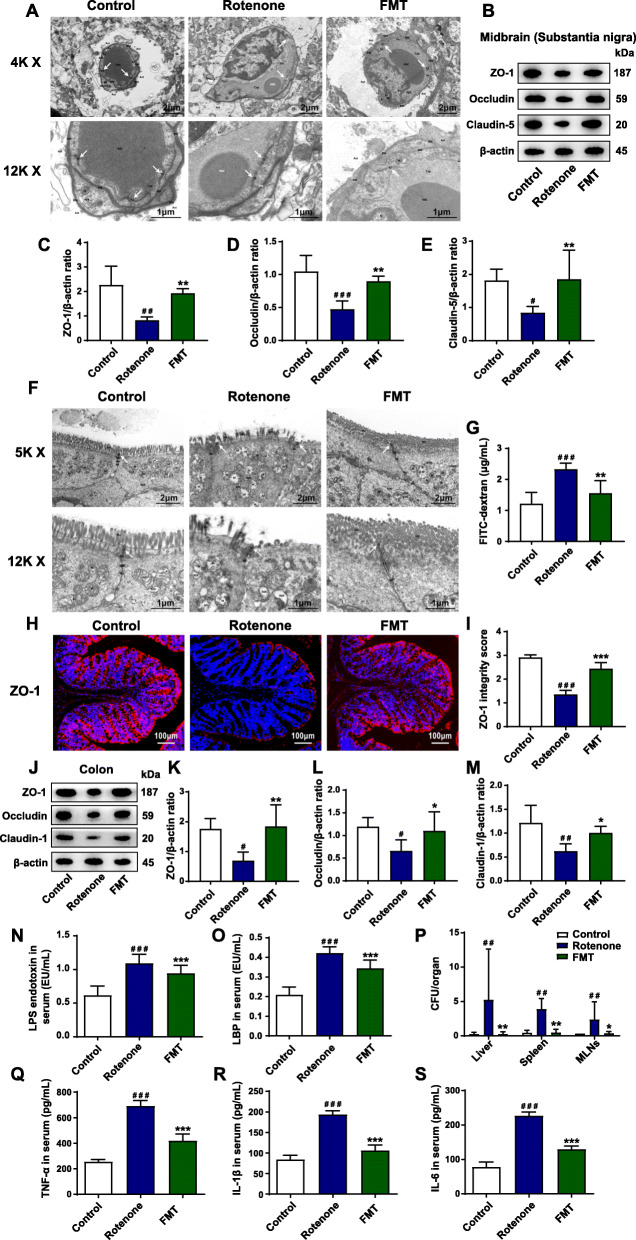
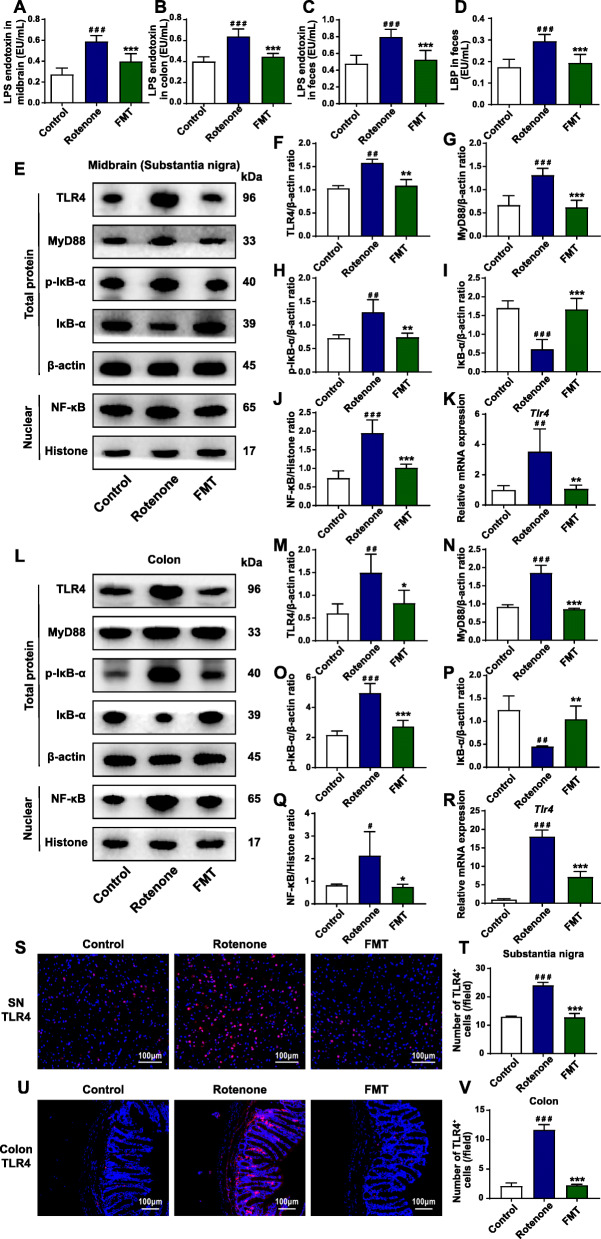
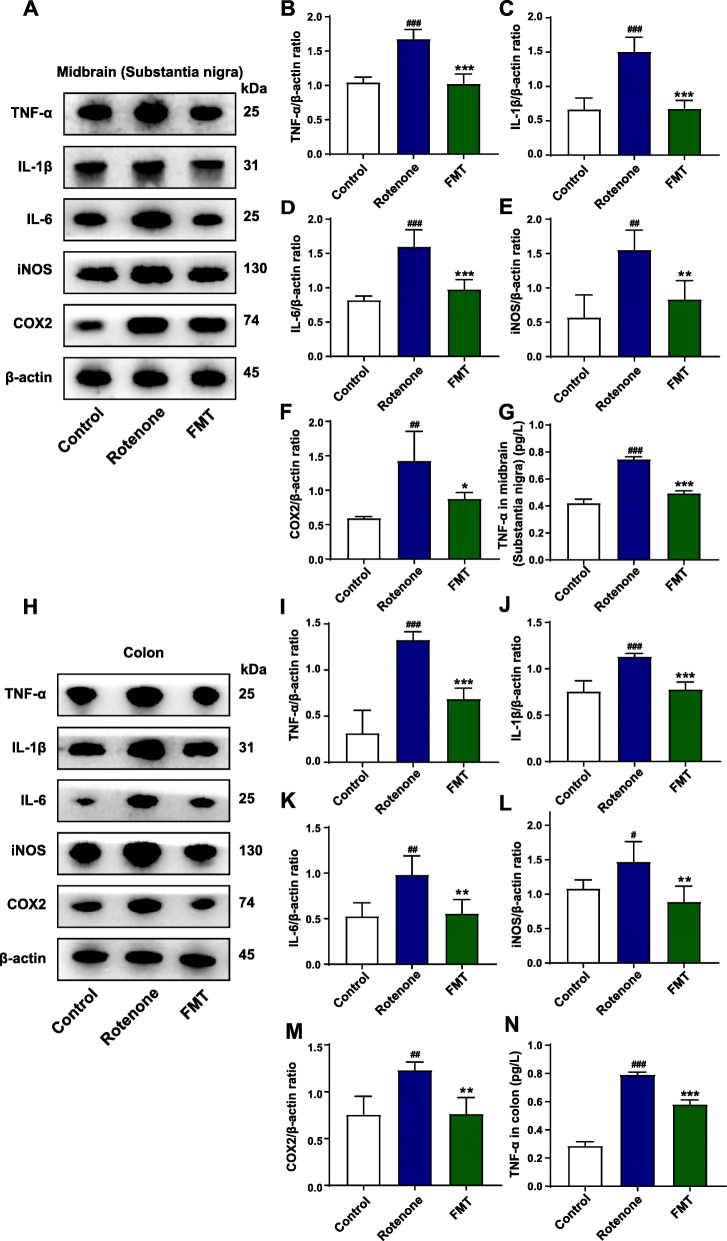
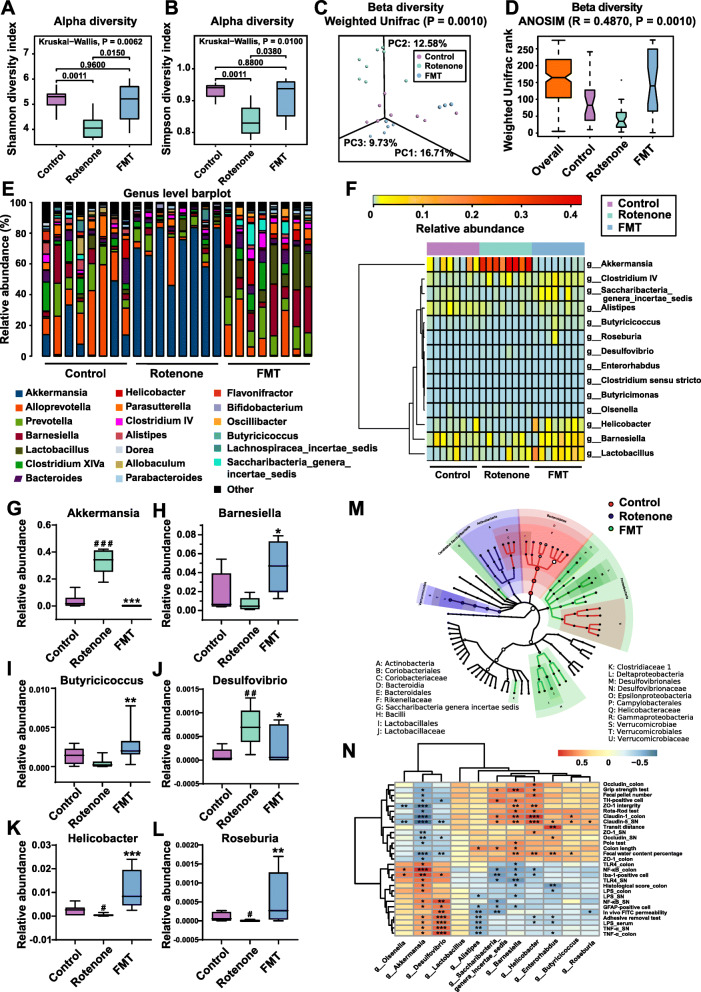
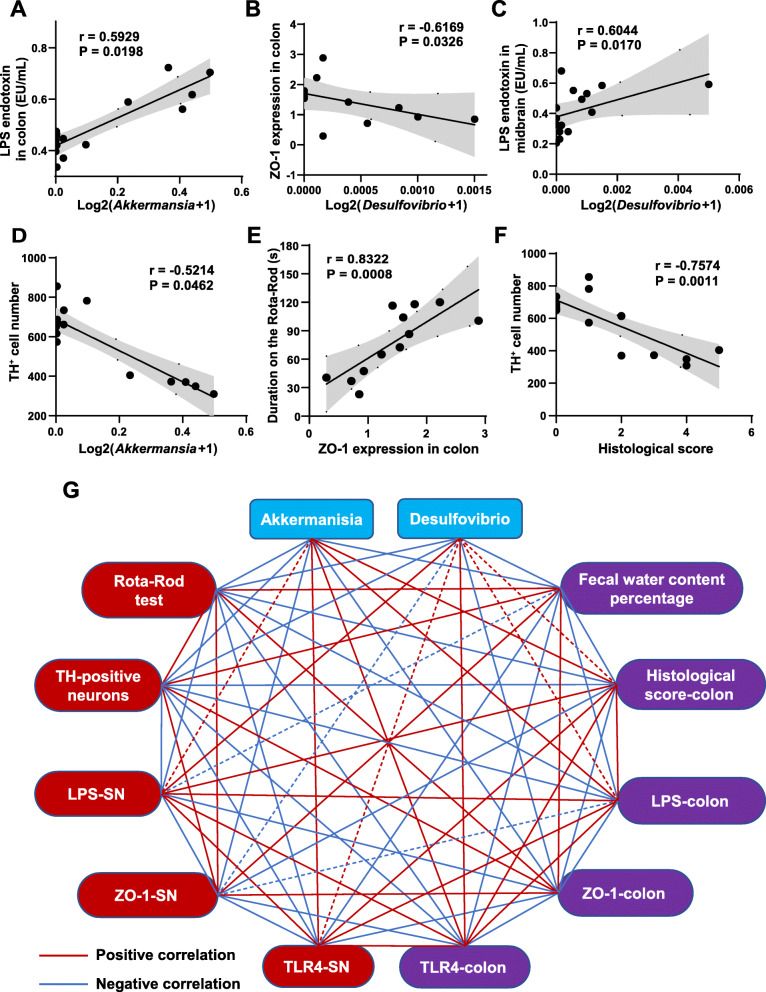
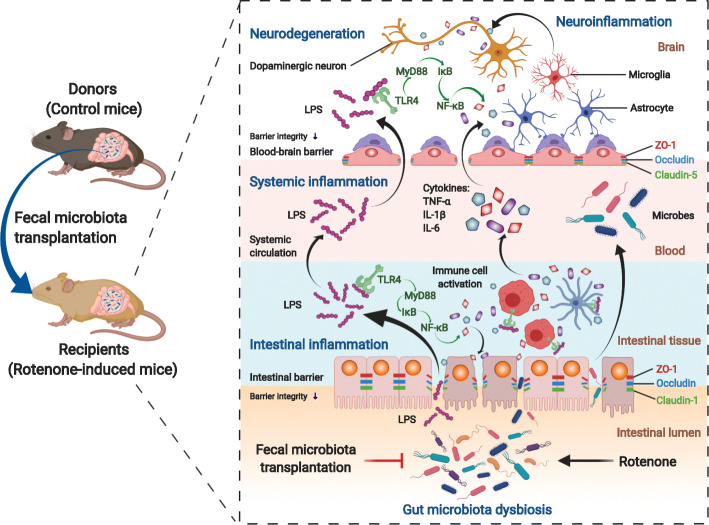
Background: Parkinson’s disease (PD) is a prevalent neurodegenerative disorder, displaying not only well-known motor deficits but also gastrointestinal dysfunctions. Consistently, it has been increasingly evident that gut microbiota affects the communication between the gut and the brain in PD pathogenesis, known as the microbiota-gut-brain axis. As an approach to re-establishing a normal microbiota community, fecal microbiota transplantation (FMT) has exerted beneficial effects on PD in recent studies. Here, in this study, we established a chronic rotenone-induced PD mouse model to evaluate the protective effects of FMT treatment on PD and to explore the underlying mechanisms, which also proves the involvement of gut microbiota dysbiosis in PD pathogenesis via the microbiota-gut-brain axis. Results: We demonstrated that gut microbiota dysbiosis induced by rotenone administration caused gastrointestinal function impairment and poor behavioral performances in the PD mice. Moreover, 16S RNA sequencing identified the increase of bacterial genera Akkermansia and Desulfovibrio in fecal samples of rotenone-induced mice. By contrast, FMT treatment remarkably restored the gut microbial community, thus ameliorating the gastrointestinal dysfunctions and the motor deficits of the PD mice. Further experiments revealed that FMT administration alleviated intestinal inflammation and barrier destruction, thus reducing the levels of systemic inflammation. Subsequently, FMT treatment attenuated blood-brain barrier (BBB) impairment and suppressed neuroinflammation in the substantia nigra (SN), which further decreased the damage of dopaminergic neurons. Additional mechanistic investigation discovered that FMT treatment reduced lipopolysaccharide (LPS) levels in the colon, the serum, and the SN, thereafter suppressing the TLR4/MyD88/NF-κB signaling pathway and its downstream pro-inflammatory products both in the SN and the colon. Conclusions: Our current study demonstrates that FMT treatment can correct the gut microbiota dysbiosis and ameliorate the rotenone-induced PD mouse model, in which suppression of the inflammation mediated by the LPS-TLR4 signaling pathway both in the gut and the brain possibly plays a significant role. Further, we prove that rotenone-induced microbiota dysbiosis is involved in the genesis of PD via the microbiota-gut-brain axis.
Overview
The claims and statistics of this paper haven’t been checked yet.
Run the check — free, no account needed. It reads the open-access text and checks the sources it cites.
Integrity signals
Registry
Cites
Statistics
Figures
Verification
Claims the paper makes
The claims and statistics of this paper haven’t been checked yet.
Run the check — free, no account needed. It reads the open-access text and checks the sources it cites.
Claims other papers make about this one
Each is checked against this paper’s own text: does it say what the citing paper says it does?
In the citing paper
“FMT from normal control mice into neurotoxin-induced PD mice could protect dopaminergic neurons by suppressing the TLR4 inflammatory pathway [18, 19]”
From Healthy Human Fecal Microbiota Transplantation into Mice Attenuates MPTP-Induced Neurotoxicity via AMPK/SOD2 Pathway (2023) · cites this paper as [19]
In the citing paper
“Consistently, previous studies have demonstrated that FMT from healthy control mice relieved motor impairments in MPTP/rotenone-induced PD mice [18, 19].”
From Healthy Human Fecal Microbiota Transplantation into Mice Attenuates MPTP-Induced Neurotoxicity via AMPK/SOD2 Pathway (2023) · cites this paper as [19]
In the citing paper
“FMT from healthy control mice exerted a neuroprotective effect in neurotoxin-induced PD mice [18, 19]”
From Healthy Human Fecal Microbiota Transplantation into Mice Attenuates MPTP-Induced Neurotoxicity via AMPK/SOD2 Pathway (2023) · cites this paper as [19]
In the citing paper
“Intestinal inflammation is a crucial contributor to PD development [53,54,55,56].”
From Neuroprotective Effects of Bifidobacterium breve CCFM1067 in MPTP-Induced Mouse Models of Parkinson’s Disease (2022) · cites this paper as [54]
In the citing paper
“Tight junction proteins, such as ZO-1 and occludin, contribute significantly to the maintenance of the intestinal barrier, which aids in protecting immune cells underneath the intestinal mucosa from invading infections [54,63,64].”
From Neuroprotective Effects of Bifidobacterium breve CCFM1067 in MPTP-Induced Mouse Models of Parkinson’s Disease (2022) · cites this paper as [54]
In the citing paper
“the feces of patients with PD transplanted in germ-free mice showed severe motor impairments, inflammation, and other pathological symptoms [12].”
From Neuroprotective Effects of Sodium Butyrate by Restoring Gut Microbiota and Inhibiting TLR4 Signaling in Mice with MPTP-Induced Parkinson’s Disease (2023) · cites this paper as [12]
In the citing paper
“Due to increased intestinal permeability, microbial toxins and pro-inflammatory mediators produced as a result of gut dysbiosis can leak into the circulation causing systemic inflammation, in turn destroying the blood–brain barrier and causing neuroinflammation [12,64].”
From Neuroprotective Effects of Sodium Butyrate by Restoring Gut Microbiota and Inhibiting TLR4 Signaling in Mice with MPTP-Induced Parkinson’s Disease (2023) · cites this paper as [12]
In the citing paper
“Concerning PD, consistent preclinical studies and a handful of human case reports have shown that FMT might be exploited to reduce motor and non-motor symptoms, as well as constipation, at least in the short term [40,465,469,470,471,472,473,474,475,476,477] (Table 4).”
From The Interplay between Gut Microbiota and Parkinson’s Disease: Implications on Diagnosis and Treatment (2022) · cites this paper as [470]
In the citing paper
“Moreover, FMT appears to protect from gut inflammation by promoting intestinal barrier integrity and reducing the levels of LPS in the colon, serum, and SN, therefore preventing leaky gut and systemic inflammation [470].”
From The Interplay between Gut Microbiota and Parkinson’s Disease: Implications on Diagnosis and Treatment (2022) · cites this paper as [470]
In the citing paper
“Notably, decreased neuroinflammation following FMT has been reported by numerous preclinical studies [469,470,471,472].”
From The Interplay between Gut Microbiota and Parkinson’s Disease: Implications on Diagnosis and Treatment (2022) · cites this paper as [470]
In the citing paper
“Conversely, fecal matter transplantation from healthy mice to PD recipient mice improved physical performance, ameliorated motor symptoms and reduced dysbiosis in several independent studies [469,470,471,472].”
From The Interplay between Gut Microbiota and Parkinson’s Disease: Implications on Diagnosis and Treatment (2022) · cites this paper as [470]
In the citing paper
“Looking at the GM composition, there is evidence that FMT re-establishes eubiosis by disadvantaging the growth of Desulfovibrio, Akkermansia and Proteobacteria (orders Enterobacteriales and Turicibacteriales), while simultaneously favoring the proliferation of beneficial bacteria such as Bacteroidetes and Actinobacteria phyla, with a particular effect on Blautia and Prevotella species [469,470,472”
From The Interplay between Gut Microbiota and Parkinson’s Disease: Implications on Diagnosis and Treatment (2022) · cites this paper as [470]
In the citing paper
“This beneficial effect should be ascribed to the ability of GM to modulate microglia and astrocyte activation in SN by regulating the TLR4/NF-κB pro-inflammatory pathway and reducing the expression of GSK3β, iNOS and IL-1β, which are implicated in PD pathogenesis and progression [469,470,471,472,478,479,480].”
From The Interplay between Gut Microbiota and Parkinson’s Disease: Implications on Diagnosis and Treatment (2022) · cites this paper as [470]
Self-check
Percentages, sums and reported differences re-computed from the paper’s own numbers.
The self-check needs the paper’s full text.
Citations
Cites
Naive Bayesian Classifier for Rapid Assignment of rRNA Sequences into the New Bacterial Taxonomy
Wang, Q., Garrity, G. M., Tiedje, J. M., & Cole, J. R. (2007) · Applied and Environmental Microbiology · doi:10.1128/aem.00062-07 · Cited by 20,145
UPARSE: highly accurate OTU sequences from microbial amplicon reads
Edgar, R. C. (2013) · Nature Methods · doi:10.1038/nmeth.2604 · Cited by 16,770
Metagenomic biomarker discovery and explanation
Segata, N., Izard, J., Waldron, L., Gevers, D., Miropolsky, L., Garrett, W. S., & Huttenhower, C. (2011) · Genome Biology · doi:10.1186/gb-2011-12-6-r60 · Cited by 16,192
Predictive functional profiling of microbial communities using 16S rRNA marker gene sequences
Langille, M. G. I., Zaneveld, J., Caporaso, J. G., McDonald, D., Knights, D., Reyes, J. A., Clemente, J. C., Burkepile, D. E., Vega Thurber, R. L., Knight, R., et al. (2013) · Nature Biotechnology · doi:10.1038/nbt.2676 · Cited by 9,116
From inflammation to sickness and depression: when the immune system subjugates the brain
Dantzer, R., O'Connor, J. C., Freund, G. G., Johnson, R. W., & Kelley, K. W. (2008) · Nature Reviews Neuroscience · doi:10.1038/nrn2297 · Cited by 7,395
Kalia, L. V., & Lang, A. E. (2015) · The Lancet · doi:10.1016/s0140-6736(14)61393-3 · Cited by 6,184
Parkinson's disease: clinical features and diagnosis
Jankovic, J. (2008) · Journal of Neurology, Neurosurgery & Psychiatry · doi:10.1136/jnnp.2007.131045 · Cited by 5,720
Ribosomal Database Project: data and tools for high throughput rRNA analysis
Cole, J. R., Wang, Q., Fish, J. A., Chai, B., McGarrell, D. M., Sun, Y., Brown, C. T., Porras‐Alfaro, A., Kuske, C. R., & Tiedje, J. M. (2013) · Nucleic Acids Research · doi:10.1093/nar/gkt1244 · Cited by 4,480
Gut microbiota regulate motor deficits and neuroinflammation in a model of Parkinson's disease
Sampson, T. R., Debelius, J. W., Thron, T., Janssen, S., Shastri, G. G., Ilhan, Z. E., Challis, C., Schretter, C. E., Rocha, S., Gradinaru, V., et al. (2016) · Cell · doi:10.1016/j.cell.2016.11.018 · Cited by 3,622
Toll-Like Receptor Signaling Pathways
Kawasaki, T., & Kawai, T. (2014) · Frontiers in Immunology · doi:10.3389/fimmu.2014.00461 · Cited by 3,245
Cited by
Sorted by citations
Items 601–617 of 617
He, L., Chen, Y., Luo, R., Sun, Z., Liu, E., Li, L., & Yue, Z. (2026) · Biology · doi:10.3390/biology15191684
Pan, G., Huang, S., Wang, X., Liu, M., & Xu, Y. (2026) · Open Medicine · doi:10.1515/med-2026-1518
Chen, X., Zhao, Z., Shen, Y., Ji, Y., Yao, X., Gu, X., Qi, L., & Sun, H. (2026) · Experimental Neurology · doi:10.1016/j.expneurol.2026.116041
Self-citationZhang, X.-L., Yang, Y., Zhang, Y., Liu, Y., Zhou, M.-Z., Chen, C., Tao, Y.-T., Zhang, Q., & Liu, M. (2026) · Biomaterials · doi:10.1016/j.biomaterials.2026.124642
Yang, W., Jiao, X., Wang, M., 邱云顺, Pan, C., Han, Y., Wang, R., Li, M., Wang, Y., Liang, Z., et al. (2026) · Journal of Ethnopharmacology · doi:10.1016/j.jep.2026.122448
Hasanuzzaman, M., Bang, C. S., Lee, J. J., & Gong, E. J. (2026) · Journal of Korean Medical Science · doi:10.3346/jkms.2026.41.e335
Koterba, M., Skiba, A., Kler, A., Błaszczyk, K., Woźny, M., Stefaniak, O., & Nowicka, J. (2026) · Biomedicines · doi:10.3390/biomedicines14102256
Yin, C., Zhang, M., Zhang, S., Ren, T., Ding, L., Wang, P., & You, Q. (2026) · The American Journal of Chinese Medicine · doi:10.1142/s0192415x26500801
Zhao, Z., Yixuan, L., Ma, W., Hu, G., Hao, J., Chaobo, B., Chen, J., Zhang, Q., Cao, H., Liu, X., et al. (2026) · Cell Reports Medicine · doi:10.1016/j.xcrm.2026.103098
Self-citationYang, Q., Xu, L., Ye, H., Liu, X., Zhang, Q., Huang, Z., Pang, J., & Sun, D. (2026) · Carbohydrate Polymers · doi:10.1016/j.carbpol.2026.125934
Tang, Z., Chen, J., Peng, D., Biling, M., Yao, S., Xie, H., Jiang, D., Zhuo, W., Zhang, H., & Zhou, Z. (2026) · Frontiers in Immunology · doi:10.3389/fimmu.2026.1877863
Li, J., Yang, X., Wang, J., Yu, C., Lu, J., Lian, W., Liu, W., & Zhao, Y. (2026) · Nutrients · doi:10.3390/nu18203412
Emerging links between gut dysbiosis, aryl hydrocarbon receptor activation, and Parkinson’s disease
Aziz, N. F., & Kortagere, S. (2026) · Communications Biology · doi:10.1038/s42003-026-11156-1
Natural products in the management of Parkinson's disease in animal models
Desouky, M. A., Abdelhamid, A. H., Gamal, N. K., Naeem, A. G., Sabry, N. C., Fahmy, S. M., Hanna, D. M. F., & Michel, H. E. (2026) · Elsevier eBooks · doi:10.1016/b978-0-443-54032-5.00010-3
Yin, X., Wang, M., Gao, Y., Yao, J., Li, Y., Chen, T., Wang, Z., Wang, W., & Gao, Z. (2026) · Neurotherapeutics · doi:10.1016/j.neurot.2026.e01106
wu, C., Guo, L., Sun, X., 朱金璞, Zhao, Z., Qi, S., Li, Y., Li, H., Zhao, R., Xiu, Z., et al. (2026) · Chinese Journal of Natural Medicines · doi:10.1016/s1875-5364(26)61221-6
Self-citation
Metadata
- Authors
- Zhao, Z., Ning, J., Bao, X.-Q., Shang, M., Ma, J., Li, G., & Zhang, D.
- Affiliations
- Chinese Academy of Medical Sciences & Peking Union Medical College (CN)
- Corresponding author
- Zhang, Dan
- Venue
- Microbiome
- Published
- 2021-11-17
- Volume
- 9
- Issue
- 1
- Pages
- 226-226
- ISSN
- 2049-2618 (ISSN-L)
- PMC
- PMC8597301
- OpenAlex
- W3211876735
- Cited by
- 616
- References
- 100
- Citations by year
- 2026: 122 · 2025: 179 · 2024: 183 · 2023: 91 · 2022: 39
- FWCI
- 37.52
- Type
- journal article
- Language
- en
- Open access
- gold
- doi.org
- Locations
- Microbiome (publishedVersion, cc-by)
- PubMed Central (publishedVersion, cc-by)
- PubMed (publishedVersion)
- DOAJ (DOAJ: Directory of Open Access Journals) (submittedVersion, cc-by-sa)
- Funders
- National Sciences Foundation of China (81773718, 81630097, 81773589)
- The National Key Research and Development Program of China (SQ2018YFA090025-04)
- CAMS Innovation Fund for Medical Sciences (2016-I2M-3-011)
- The Drug Innovation Major Project (2018ZX09711001-003-020, 2018ZX09711001-003-005, 2018ZX09711001-008-005)
- CAMS The Fundamental Research Funds for the Central Universities (2018RC350002)
- CAMS & PUMC Innovation Fund for Graduate (2019-1007-23)
- Topics
- Health Sciences › Medicine › Clinical Neurology › Parkinson's Disease Mechanisms and Treatments
- Life Sciences › Biochemistry, Genetics and Molecular Biology › Molecular Biology › Gut microbiota and health
- Life Sciences › Neuroscience › Neurology › Neuroinflammation and Neurodegeneration Mechanisms
- Keywords
- Parkinson's disease, fecal microbiota transplantation, microbiota-gut-brain axis, rotenone-induced neurotoxicity, gut dysbiosis, lipopolysaccharide, TLR4/MyD88/NF-κB signaling, neuroinflammation, blood-brain barrier, dopaminergic neuron damage, Akkermansia, Desulfovibrio, intestinal barrier dysfunction, gastrointestinal dysfunction
- MeSH terms
- Gastrointestinal Microbiome, Fecal Microbiota Transplantation, Brain-Gut Axis, Animals, Inflammation, Lipopolysaccharides, Mice, Inbred C57BL, Parkinson Disease, Rotenone, Signal Transduction, Toll-Like Receptor 4, Mice
About these checks
Registry, retraction, Cites and statistics results are computed, not judged, with one exception: a printed reference that no index lists is read once by a model before it counts as a citation error. Claims are extracted by a model and kept only when their quote appears verbatim in the text; each cited source is then checked, with a model’s help, for whether it says what the claim relies on. Those verdicts can be wrong — read the claim’s quote and the cited source before relying on one.
Statistics and arithmetic are recomputed, not judged.
Confidence bands are shown only for fields calibrated on our annotated test set. None is calibrated yet, so no band is shown.
What counts as a claim ›How we measure confidence ›How we check this ›
Are you an author, or do you see a problem with this page? Request a review
