

Combining surgery and immunotherapy: turning an immunosuppressive effect into a therapeutic opportunity
Open accessThe DOI matches its Crossref record; 105 of the 105 references it cites were found in a registry or an index.
Abstract
BACKGROUND: Cancer surgery is necessary and life-saving. However, the majority of patients develop postoperative recurrence and metastasis, which are the main causes of cancer-related deaths. The postoperative stress response encompasses a broad set of physiological changes that have evolved to safeguard the host following major tissue trauma. These stress responses, however, intersect with cellular mediators and signaling pathways that contribute to cancer proliferation. MAIN: Previous descriptive and emerging mechanistic studies suggest that the surgery-induced prometastatic effect is linked to impairment of both innate and adaptive immunity. Existing studies that combine surgery and immunotherapies have revealed that this combination strategy is not straightforward and patients have experienced both therapeutic benefit and drawbacks. This review will specifically assess the immunological pathways that are disrupted by oncologic surgical stress and provide suggestions for rationally combining cancer surgery with immunotherapies to improve immune and treatment outcomes. SHORT CONCLUSION: Given the prevalence of surgery as frontline therapy for solid cancers, the emerging data on postoperative immunosuppression and the rapid development of immunotherapy for oncologic treatment, we believe that future targeted studies of perioperative immunotherapy are warranted.
Overview
The claims and statistics of this paper haven’t been checked yet.
Free: it reads the open-access text and checks the first 5 claims that cite a source we can check. Create a free account to check every claim.
Integrity signals
Registry
Cites
Statistics
Figures
Verification
Claims the paper makes
The claims and statistics of this paper haven’t been checked yet.
Free: it reads the open-access text and checks the first 5 claims that cite a source we can check. Create a free account to check every claim.
Claims other papers make about this one
Each is checked against this paper’s own text: does it say what the citing paper says it does?
The source backs part of the claim, not all of it — or backs it for a different population, condition or comparison.
In the citing paper
“neoadjuvant ICIs can induce a more robust immune response than adjuvant ICIs, given the immunosuppressive systemic effects of invasive surgery125–127.”
From Adjuvant and neoadjuvant immunotherapies in hepatocellular carcinoma (2024) · cites this paper as [127]
Experimental — accuracy not yet measured
Self-check
Percentages, sums and reported differences re-computed from the paper’s own numbers.
The self-check needs the paper’s full text.
Citations
Cites
Commensal Bifidobacterium promotes antitumor immunity and facilitates anti–PD-L1 efficacy
Sivan, A., Corrales, L., Hubert, N., Williams, J. B., Aquino-Michaels, K., Earley, Z. M., Benyamin, F. W., Man Lei, Y., Jabri, B., Alegre, M.-L., et al. (2015) · Science · doi:10.1126/science.aac4255 · Cited by 3,888 · cited 1×
“Enhanced DC function leading to increased CD8 T-cell priming and tumor infiltration was suggested to be the underlying mechanism of combination therapy [99].”
BackgroundAnticancer immunotherapy by CTLA-4 blockade relies on the gut microbiota
Vétizou, M., Pitt, J. M., Daillère, R., Lepage, P., Waldschmitt, N., Flament, C., Rusakiewicz, S., Routy, B., Roberti, M. P., Duong, C. P. M., et al. (2015) · Science · doi:10.1126/science.aad1329 · Cited by 3,488 · cited 1×
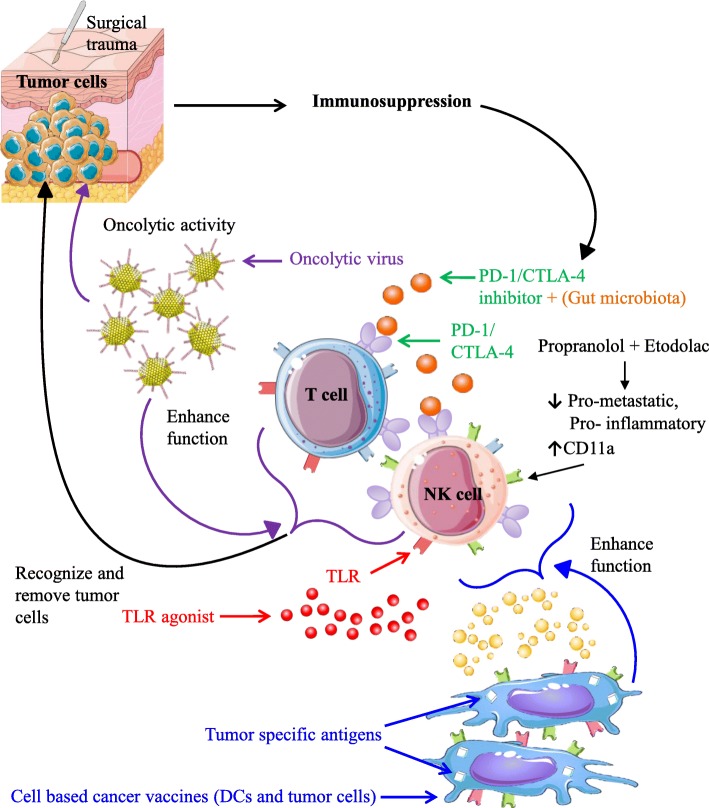
“thetaiotaomicron influencing antitumor response through IL-2 dependent Th1 immunity, while simultaneously limiting anti-CTLA-4-mediated intestinal adverse effects [100] (Fig.”
BackgroundLanier, L. L. (2005) · Annual Review of Immunology · doi:10.1146/annurev.immunol.23.021704.115526 · Cited by 2,769
Neoadjuvant PD-1 Blockade in Resectable Lung Cancer
Forde, P. M., Chaft, J. E., Smith, K. N., Anagnostou, V., Cottrell, T. R., Hellmann, M. D., Zahurak, M., Yang, S. C., Jones, D. R., Broderick, S., et al. (2018) · New England Journal of Medicine · doi:10.1056/nejmoa1716078 · Cited by 2,099 · cited 1×
“In addition, rapid expansion of mutationassociated, neoantigen-specific T-cells was observed as early as 2 to 4 weeks following initial nivolumab administration demonstrating the additional benefit of neoadjuvant treatment [66].”
BackgroundLanier, L. L. (1998) · Annual Review of Immunology · doi:10.1146/annurev.immunol.16.1.359 · Cited by 1,648
Gross, K. S., Brandner, D. D., Martinez, L. A., Olive, M. F., Meisel, R. L., & Mermelstein, P. G. (2016) · PLOS ONE · doi:10.1371/journal.pone.0162755 · Cited by 1,609
Improved Efficacy of Neoadjuvant Compared to Adjuvant Immunotherapy to Eradicate Metastatic Disease
Liu, J., Blake, S. J., Yong, M. C. R., Harjunpää, H., Ngiow, S. F., Takeda, K., Young, A., O'Donnell, J. S., Allen, S., Smyth, M. J., et al. (2016) · Cancer Discovery · doi:10.1158/2159-8290.cd-16-0577 · Cited by 894
Mirnezami, A., Mirnezami, R., Chandrakumaran, K., Sasapu, K., Sagar, P., & Finan, P. (2011) · Annals of Surgery · doi:10.1097/sla.0b013e3182128929 · Cited by 875
Receptors, Mediators, and Mechanisms Involved in Bacterial Sepsis and Septic Shock
Van Amersfoort, E. S., Van Berkel, T. J. C., & Kuiper, J. (2003) · Clinical Microbiology Reviews · doi:10.1128/cmr.16.3.379-414.2003 · Cited by 750
Gupta, K., Kshirsagar, S. A., Chang, L., Schwartz, R. E., Law, P., Yee, D., & Hebbel, R. P. (2002) · PubMed · Cited by 598
Cited by
Items 101–192 of 192
Collective analysis of the expression and prognosis for LEM-domain proteins in prostate cancer
He, T., Zhang, Y., Li, X., Liu, C., Zhu, G., Yin, X., Zhang, Z., Zhao, K., Wang, Z., Zhao, P., et al. (2022) · World Journal of Surgical Oncology · doi:10.1186/s12957-022-02640-z · Cited by 12
Continuous sensing of IFNα by hepatic endothelial cells shapes a vascular antimetastatic barrier
Tran, N. L., Ferreira, L. M., Alvarez-Moya, B., Buttiglione, V., Ferrini, B., Zordan, P., Monestiroli, A., Fagioli, C., Bezzecchi, E., Scotti, G. M., et al. (2022) · eLife · doi:10.7554/elife.80690 · Cited by 9
“Accordingly, there is growing recognition that the use of perioperative immunotherapies in CRC patients undergoing surgical resection may represent a unique treatment window to prevent metastatic colonization and control minimal residual disease (BadiaRamentol et al., 2021; Bakos et al., 2018; Horowitz et al., 2015).”
BackgroundCheng, Z., Hu, Y. T., Liu, Y., Wang, X., Xue, R., Cai, K., Li, L., Li, M., & Luo, Z. Y. (2023) · Fundamental Research · doi:10.1016/j.fmre.2023.02.029 · Cited by 8
Neoadjuvant or Adjuvant Chemotherapy in Soft-Tissue Sarcoma?
Remiszewski, P., Filipek, K., Pisklak, A., Chmiel, P., Rutkowski, P. L., & Czarnecka, A. M. (2025) · Current Oncology Reports · doi:10.1007/s11912-024-01630-6 · Cited by 10
“…of Pulmonary Metastases (CRPM) is twofold: first, to downstage tumour burden while treating micrometastatic systemic disease, but also aids in patient selection by challenging tumour biology, testing response to chemotherapy, and identifying patients with a favourable disease phenotype [115, 116].”
Regulatory T cells in cancer and inflammation
Yang, H., Zhang, H., Xia, N., & Cheng, X. (2026) · Signal Transduction and Targeted Therapy · doi:10.1038/s41392-026-02584-w · Cited by 12
“220,221 Here, we summarize the changes in Tregs following tumor surgery and their impact on therapeutic outcomes (Fig.”
Moving Immune Checkpoint Inhibitors to Early Non-Small Cell Lung Cancer: A Narrative Review
Viscardi, G., Vitiello, F., Servetto, A., Gristina, V., Pizzutilo, E. G., Canciello, M. A., Medusa, P. M., Salomone, F., Guida, G. D., Mollica, M., et al. (2022) · Cancers · doi:10.3390/cancers14235810 · Cited by 8
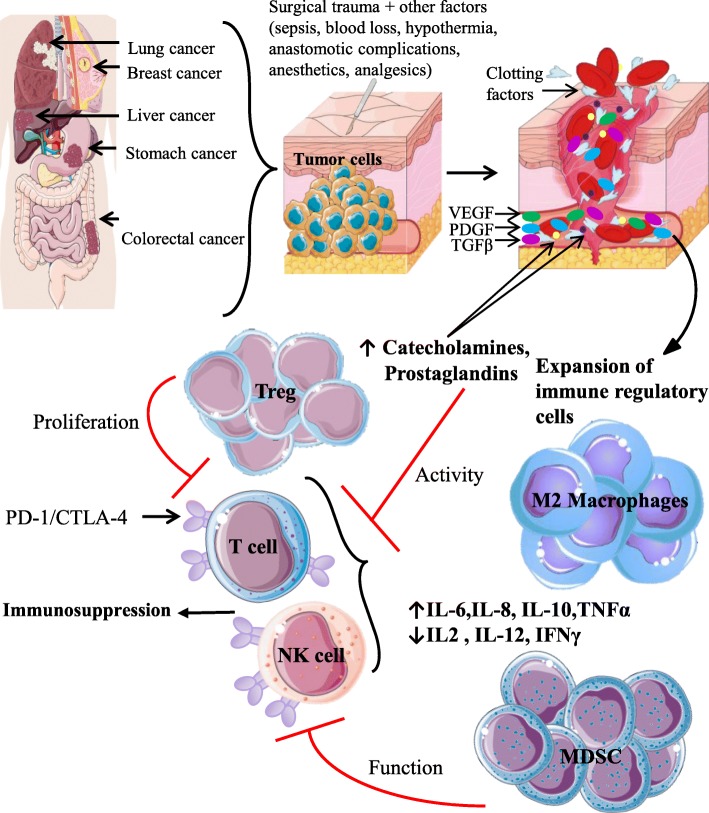
“Particularly, a decrease in local secretion of IL-2, IL-12 and interferon gamma (IFN-γ), as well as an increase in levels of IL-6, IL-8, IL-10 and TNF-α have been described (reviewed in [15]).”
BackgroundReversal of postoperative breast cancer metastasis by the use of embedded hydrogel
Yu, Z. (2024) · American Journal of Translational Research · doi:10.62347/vzaw2270 · Cited by 7
Deboever, N., McGrail, D. J., Lee, Y., Tran, H. T., Mitchell, K. G., Antonoff, M. B., Hofstetter, W. L., Mehran, R. J., Rice, D. C., Roth, J. A., et al. (2022) · Lung Cancer · doi:10.1016/j.lungcan.2022.01.001 · Cited by 9
Davern, M., Gaughan, C., Connell, F. O., Moran, B., Mylod, E., Sheppard, A. D., Ramjit, S., Kung, J. Y.-T., Phelan, J. J., Davey, M. G., et al. (2023) · Frontiers in Immunology · doi:10.3389/fimmu.2023.1150754 · Cited by 10
Zheng, W., Li, J., Li, J., Bie, N., Wei, Z., Qin, J., Li, S., Yong, T., Du, Q. B., Yang, X., et al. (2024) · Journal of Controlled Release · doi:10.1016/j.jconrel.2024.09.011 · Cited by 7
Heydari, F., Zendehdel, H., Varkiani, M. M., Fahmi, S., Derakhshani, M., Anvari, S., Farhid, F., Hamblin, M. R., & Naghinezhad, J. (2026) · Biomarker Research · doi:10.1186/s40364-026-00957-5 · Cited by 8
Engineered Platelets for Cancer Therapy
Zhang, K., Li, H., Ma, Z., Zhong, W., Yu, Y., & Zhao, Y. (2024) · Aggregate · doi:10.1002/agt2.704 · Cited by 8
Nawoor-Quinn, Z., Oliver, A., Raobaikady, R., Mohammad, K., Cone, S., & Kasivisvanathan, R. (2022) · Perioperative Medicine · doi:10.1186/s13741-022-00279-8 · Cited by 6
Cytoreductive Nephrectomy in 2021: Obsolete but Necessary
Umberto Capitanio, A., Necchi, A., Montorsi, F., & Larcher, A. (2021) · European Urology Open Science · doi:10.1016/j.euros.2021.12.004 · Cited by 6
Cheng, Z., Du, Y., Yu, L., Zhu, Y., & Tian, J. (2022) · Molecular Imaging and Biology · doi:10.1007/s11307-021-01688-9 · Cited by 6
“Several perioperative factors may contribute to this effect, including surgical trauma, anesthetics, intraoperative blood loss, and postoperative sepsis, creating an immunosuppressive window for cancer cell escape [67, 68].”
BackgroundAttar, G. S., Bhalla, V., & Kumar, M. (2025) · Chemistry - An Asian Journal · doi:10.1002/asia.202500079 · Cited by 6
Zhang, X., Cui, H., Zhang, X., Zhang, Z., Liu, Z., Mao, R., Fan, Y., Sun, R., & Chen, M. (2025) · Critical Reviews in Oncology/Hematology · doi:10.1016/j.critrevonc.2025.104908 · Cited by 9
Korbelik, M. (2022) · International Journal of Molecular Sciences · doi:10.3390/ijms232012263 · Cited by 5
“An immunomodulatory treatment incorporated into the protocol will have to be in place to prevent potential immune adverse effects of surgery [75].”
BackgroundNKG2D‐mediated cytotoxicity improves after primary surgery for high‐grade serous ovarian cancer
Israelsson, P., Björk, E., Nagaev, I., Nagaeva, O., Lundin, E., Mincheva‐Nilsson, L., & Ottander, U. (2022) · American Journal of Reproductive Immunology · doi:10.1111/aji.13647 · Cited by 5
A narrative review on perioperative systemic therapy in non-small cell lung cancer
Hsu, R. C., Arter, Z., Poei, D., & Benjamin, D. J. (2024) · Exploration of Targeted Anti-tumor Therapy · doi:10.37349/etat.2024.00256 · Cited by 6
Immunotherapy improves efficiency of conversion surgery for metastatic gastric cancer: A case report
Lin, C.-P., Sung, Y., & Wong, J.-U. (2020) · Asian Journal of Surgery · doi:10.1016/j.asjsur.2020.06.016 · Cited by 5
The Evolving Role of Immunotherapy in Stage III Non-Small Cell Lung Cancer
Perdrizet, K., & Cheema, P. K. (2021) · Current Oncology · doi:10.3390/curroncol28060451 · Cited by 5
“Surgical intervention alters cytokine levels, stress hormones, growth factor release, and the production of clotting factors [9].”
BackgroundKubota, M., Niwa, H., Seya, K., Kawaguchi, J., Kushikata, T., & Hirota, K. (2022) · Journal of Oncology · doi:10.1155/2022/8946269 · Cited by 5
“Without presensitization by dendritic cells, NK cells kill these cells by their direct cytotoxicity and produce cytokines [2] before the adaptive immune response is underway [3].”
BackgroundGathers, D., Oswalt, C. J., Alder, L., Chen, K. Y., Higgins, J. P., Clarke, J. M., & Oduah, E. (2025) · Cancers · doi:10.3390/cancers17132077 · Cited by 6
“The NADIM II trial only recruited Stage IIIA or IIIB patients and found that nodal downstaging occurred in 72% of the patients who received neoadjuvant chemotherapy and nivolumab compared to 40% in the patients who received chemotherapy alone [45].”
MIRaGE (Minimally Invasive suRGery in recurrent Endometrial cancer)
Vargiu, V., Tortorella, L., Rosati, A., Corrado, M., Giuliano, M. C., Certelli, C., Perrone, E., Giannarelli, D., Bottazzi, S., Gallotta, V., et al. (2025) · International Journal of Gynecological Cancer · doi:10.1016/j.ijgc.2025.102726 · Cited by 4
Imagami, T., Takayama, S., Hattori, T., Matsui, R., Sakamoto, M., Kani, H., Kurokawa, S., & Fujiwara, T. (2019) · International Journal of Surgery Case Reports · doi:10.1016/j.ijscr.2019.02.032 · Cited by 4
Optimising Cancer Surgery During COVID-19: Experience of Tertiary Cancer Centre in Eastern India
Das, R., Nahak, S. R., Parija, J., Das, P. K., Sarangi, L., Devi, P., & Pathy, P. C. (2021) · Indian Journal of Gynecologic Oncology · doi:10.1007/s40944-021-00502-2 · Cited by 3
Surgical Inflammation Alters Immune Response to Intraoperative Photodynamic Therapy
Davis, R. W., Klampatsa, A., Cramer, G. M., Kim, M. M., Miller, J. M., Yuan, M., Houser, C. L., Snyder, E., Putt, M., Vinogradov, S. A., et al. (2023) · Cancer Research Communications · doi:10.1158/2767-9764.crc-22-0494 · Cited by 5
“Necrosis induced by surgery suppresses Th1 cytokines (such as IL2, IL12, and IFN γ ) and shifts immunity toward a Th2 response through increases in IL6, IL8, IL10, and TNF α (16).”
Cogo, E., EL-SAYED, M. D. A. E.-S. A., Bhardwaj, S., Cooley, K., Aycho, C., Liang, V., Papadogianis, P., Psihogios, A., & Seely, D. (2023) · Current Oncology · doi:10.3390/curroncol30090595 · Cited by 4
“One strategy to overcome these challenges and achieve the immune balance is combining cancer surgery and immunotherapy [100].”
Influentialli, B., Gu, Y., Zhao, W., Li, Z., Guo, W., Lü, X., & Jiang, J. (2024) · Clinical & Translational Oncology · doi:10.1007/s12094-024-03704-0 · Cited by 6
“The third modality, combining the strengths of ICIs with chemotherapy, maximizes tumor shrinkage and systemic control preoperatively and maintains postoperative outcomes for micrometastases not eradicated by preoperative immuno-therapy[7, 34, 35].”
Huang, J., Zhao, X., Zhang, Z., Yang, S., Chen, X., Shen, C., Wang, L., Qi, Y., & Zhang, Y. (2022) · Cytotherapy · doi:10.1016/j.jcyt.2022.10.008 · Cited by 4
Does perioperative immunotherapy reduce the risk of second primary cancers?
Tagliamento, M., Remón, J., Planchard, D., & Besse, B. (2023) · European Journal of Cancer · doi:10.1016/j.ejca.2023.113355 · Cited by 3
Li, Y., Wang, D., & Fang, X. (2019) · Fetal and Pediatric Pathology · doi:10.1080/15513815.2019.1600624 · Cited by 5
Immunotherapies in non-metastatic gastrointestinal cancers
Saúde-Conde, R., Nguyen, D. J. M., & Hendlisz, A. (2023) · Current Opinion in Oncology · doi:10.1097/cco.0000000000000956 · Cited by 4
“Moreover, surgery induces an immunosuppressive state, notably by releasing stress hormones, growth factors such as vascular endothelial growth factor (VEGF), transforming growth factor (TGF-b) or platelet-derived growth factor (PDGF) and immunosuppressive cytokines,with anexpansionofmyeloidderived suppressor cells (MD…”
BackgroundInconsistent radiotherapy effects between primary tumors and axillary lymph nodes
Bi, Z., Qiu, P., Zhang, Z., & Wang, Y. (2022) · Cancer Biology and Medicine · doi:10.20892/j.issn.2095-3941.2022.0590 · Cited by 4
Cramer, G. M., Davis, R. W., Papasavvas, E., Klampatsa, A., Miller, J. M., Carter, S. L., Ikpe, R., Yuan, M., Widura, S., Majumdar, R. S., et al. (2025) · Cancer Research Communications · doi:10.1158/2767-9764.crc-24-0571 · Cited by 3
“…decreases in IL-2 signaling and increases in IL-1/6/8/10 signaling, as well as the release of growth factors, clotting factors, and stress hormones (8) that lead to the expansion of regulatory and suppressive immune cells, including myeloid-derived suppressor cells (MDSC) and tumor-associated…”
Cui, H., Li, R., Song, L., Yang, Y., Yuan, Z., Zhou, X., Du, J., Zhang, C., Xu, H. L., Chen, L., et al. (2025) · Frontiers in Immunology · doi:10.3389/fimmu.2025.1603196 · Cited by 3
Tang, Y., Ding, Y., Wang, L., Yang, Y., Han, Y., Zhou, P., Qu, H., Deng, K., & Xia, J. (2026) · Cancer Medicine · doi:10.1002/cam4.71769 · Cited by 4
“Emerging evidence suggests that PDGF could also suppress effector T-cell proliferation and cytokine production while potentially expanding the suppressive capacity of MDSCs within the tumor bed [183].”
Effect of major versus minor mastectomy on host immunity in canine mammary cancer
Karayannopoulou, M., Anagnostou, T., Margariti, A., Kritsepi‐Konstantinou, M., Psalla, D., Thomas, A.-L., & Savvas, I. (2022) · Veterinary Immunology and Immunopathology · doi:10.1016/j.vetimm.2022.110403 · Cited by 4
Hakimi, K. N., Saidian, A., Panian, J. A., Barata, P. C., Berg, S. A., Chang, S. L., Saliby, R. M., Dzimitrowicz, H., Emamekhoo, H., Gross, E. E., et al. (2023) · Clinical Genitourinary Cancer · doi:10.1016/j.clgc.2023.07.007 · Cited by 3
Li, Y., Gan, X., Li, F., & Hu, L. (2023) · Immunological Investigations · doi:10.1080/08820139.2023.2284885 · Cited by 3
Ceelen, W. P. (2021) · Annals of Surgical Oncology · doi:10.1245/s10434-021-10147-2 · Cited by 3
“On the other hand, some of the cytokines released to a greater extent in the experimental group (IL-6, IL-10, and TNF-a) have been implicated in postoperative immune suppression.(10) Clearly, elucidation of the relationship between the observed inflammatory changes and the function of the immune system after IP delive…”
BackgroundSu, Y., Liu, Y., Hsiao, C., Hsu, C., & Chen, L. (2022) · Journal of Hepatocellular Carcinoma · doi:10.2147/jhc.s220978 · Cited by 4
“Neoadjuvant ICI therapy may stimulate more diverse T cell responses to overcome the potential immune suppression induced by liver-directed therapy.(101) The higher response rates of ICI-based therapy may increase the opportunity of tumor downstaging, but there is a risk of delay of primary treatment and disease progre…”
BackgroundNucleic acid biomarker technology for cancer immunotherapy
Dixon, S., Tran, A. M. H., Schrier, M. S., & Trivedi, M. S. (2021) · Elsevier eBooks · doi:10.1016/b978-0-323-90949-5.00010-3 · Cited by 2
Sabu, N., Mahmoud, H. A. H., Gonzalez, J. F. S., Naruboina, N., Prieto, S. A., Govender, S., Narayan, V. R. P., Batukbhai, B. P., & Ahmadi, Y. (2024) · Cureus · doi:10.7759/cureus.71441 · Cited by 2
“Many cancer surgery patients may benefit from improved survival thanks to this combo treatment approach every year [40].”
Cui, S., Zhao, K., Wang, N., Meng, Y. G., Zhao, C., Liu, H., Wen, X., & Kong, F. (2025) · Current Treatment Options in Oncology · doi:10.1007/s11864-025-01353-1 · Cited by 3
Future Research Goals in Immunotherapy
Hulett, T. W., Fox, B. A., Messenheimer, D. J., Marwitz, S., Moudgil, T. L., Afentoulis, M. E., Wegmann, K. W., Ballesteros‐Merino, C., & Jensen, S. M. (2019) · Surgical Oncology Clinics of North America · doi:10.1016/j.soc.2019.02.006 · Cited by 2
Operative management of immune checkpoint colitis following in-transit melanoma: Case report
Childers, B. G., Donovan, E. C., Lo, W. M., Janowak, L. M., SUSSMAN, J. S., & Janowak, C. F. (2023) · Frontiers in Oncology · doi:10.3389/fonc.2023.1120808 · Cited by 2
“For example, the typically immune suppressive effect of surgery on cancer during the perioperative period has been implicated in tumor escape and expansion (10, 11).”
BackgroundTrumet, L., Ries, J., Sobl, P., Ivenz, N., Wehrhan, F., Lutz, R., Kesting, M. R., & Weber, M. (2023) · Cancers · doi:10.3390/cancers15153755 · Cited by 2
“Similar effects could also be shown in renal cancer in response to preoperative IL-2 application [32].”
BackgroundInfluentialStanzi, A., Verzoni, E., Ruggirello, M., Rolli, L., & Pastorino, U. (2019) · Clinical Genitourinary Cancer · doi:10.1016/j.clgc.2019.11.021 · Cited by 2
Silva, A. M., & Perrier, N. D. (2018) · Journal of Medical & Surgical Pathology · doi:10.4172/2472-4971.1000166 · Cited by 1
Overcoming common emerging barriers to effective neoadjuvant immunotherapies
Sokol, S., & Bilušić, M. (2025) · Expert Review of Anticancer Therapy · doi:10.1080/14737140.2025.2474733 · Cited by 1
“For example, it allows clinicians to assess a patient’s response to therapy early on, thus providing an opportunity for modification of future treatment [5,6].”
Efil, S. C., Kuş, F., Koylu, B., Durukan, B. M., Bayram, S., Guzel, H. G., Öztürk, B., Muğlu, H., Bilici, A. E., Köse, F., et al. (2025) · Cancers · doi:10.3390/cancers18010101 · Cited by 1
“Similarly, palliative surgery performed shortly before or during treatment was associated with shorter PFS, possibly reflecting a transient period of postoperative immuno-suppression [28].”
Tumor resection may abort the antitumor immune response produced from primary foci
Xu, K., Zhao, B., Mei, J., Yuan, H., Xue, J., Feng, F., & Liu, F. (2026) · Cellular Immunology · doi:10.1016/j.cellimm.2026.105099 · Cited by 1
Tan, S., Sun, Y., Peng, Y., Liu, Y., He, X., & Liang, H. (2026) · Annals of Medicine · doi:10.1080/07853890.2026.2670145 · Cited by 1
“Postoperative stress and compromised innate and adaptive immune responses may be potential factors contributing to perioperative complications [36,45].”
Yavuz, G., Wang, M., Spicer, J. D., Cascone, T., & Corona-Cruz, J. F. (2026) · American Society of Clinical Oncology Educational Book · doi:10.1200/edbk-26-519336 · Cited by 3
Chen, J., Wang, X., Li, X., Chen, Q., Zhu, Y., Zheng, D., Wen, L., Wu, J., Hu, Y., Chen, S., et al. (2026) · Abdominal Radiology · doi:10.1007/s00261-026-05681-0 · Cited by 1
Hydrogel-driven construction of integrated cancer theranostic platforms: from diagnosis to therapy
Mao, X., Cui, M., Cao, L.-Q., Zhao, Y., Xie, Y., Cai, L., Chen, X., Liu, Y., Wang, S., Chen, Z.-S., et al. (2026) · Soft Science · doi:10.20517/ss.2026.146 · Cited by 1
[Progress on Neoadjuvant Immunotherapy for Resectable Non-small Cell Lung Cancer].
Qi, C., Tian, P., & Li, W. (2024) · PubMed Central · doi:10.3779/j.issn.1009-3419.2024.102.06 · Cited by 2
“…为可切除 NSCLC 患者的围手术期临床诊疗提供参考。 1 新辅助免疫治疗 新辅助免疫治疗在可切除 NSCLC 患者中作用的原理 主要包括增强对微转移灶的靶向作用和术前降低肿瘤负 荷。一方面,新辅助免疫治疗可以早期攻击微转移并减轻 肿瘤免疫抑制性 [16-19] 。 ICIs 通过阻断免疫检查点结合带来 的免疫逃逸,增加绝对淋巴细胞计数( absolute lymphocyte count, ALC ),恢复耗竭 CD8 + T 细胞的功能,诱导效应 T 细 胞的表型和功能改变,增强抗肿瘤免疫反应 [20] 。且初诊时…”
Stellato, M., Rota, S., Claps, M., Guadalupi, V., Rametta, A., Fotia, G., Barella, M., Verzoni, E., & Procopio, G. (2025) · Clinical Genitourinary Cancer · doi:10.1016/j.clgc.2025.102328 · Cited by 1
Ravasin, A., Gatteschi, L., Massa, V., Iannopollo, M., Voltolini, L., & Gonfiotti, A. (2025) · Cancers · doi:10.3390/cancers17132099 · Cited by 1
“Additionally, impaired natural killer (NK) cell cytotoxicity further contributes to a compromised anti-tumor immune response [24,25].”
Rodler, S., Götz, M., Mumm, J., Büchner, A., Graser, A., Casuscelli, J., Stief, C. G., Fürweger, C., Muacevic, A., & Staehler, M. D. (2022) · Cancers · doi:10.3390/cancers14020356 · Cited by 1
“Here, surgery can cause immunosuppression and, therefore, might have worse outcomes [26].”
BackgroundLi, C. M. Y., Tomita, Y., Dhakal, B., Li, R., Li, J., Drew, P. A., Price, T. J., Smith, E., Maddern, G. J., & Fenix, K. A. (2023) · medRxiv · doi:10.1101/2023.01.05.22283441 · Cited by 1
Antibody therapy of cancer: Novel therapeutic strategies for prevention and treatment of metastases
Gruijs, M. (2023) · doi:10.5463/thesis.272 · Cited by 1
Braun, A. E., & Meng, M. V. (2024) · JNCI Journal of the National Cancer Institute · doi:10.1093/jnci/djae099 · Cited by 1
Does Induction Immunotherapy Confer Increased Operative Risk for Lung Resection?
Connolly, J. G., Bott, M. J., & Jones, D. R. (2020) · Difficult decisions in surgery: an evidence-based approach · doi:10.1007/978-3-030-47404-1_17
Modern Multidisciplinary Care in Spine Tumors
Siontis, B. L. (2020) · Springer eBooks · doi:10.1007/978-3-030-50722-0_5
Martel, A. B. (2020) · uO Research (University of Ottawa) · doi:10.20381/ruor-25375
Cytoreductive Nephrectomy in the Era of Targeted Therapy and Immunotherapy
Umberto Capitanio, A. (2022) · Springer eBooks · doi:10.1007/978-3-030-80546-3_14
Deconstructing T Cell Clonal Dynamics in Response to Immune-Checkpoint BlockadePreprint
Rao, S., Obradović, A., Gharib, K., Kornberg, A. E., Botella, T., Moon, C., Ghasemzadeh, A., Lin, S., Krupska, I., Bush, E. C., et al. (2022) · SSRN Electronic Journal · doi:10.2139/ssrn.4144960
Choi, J. D., Cho, J. M., & Yoo, T. K. (2022) · Journal of Urologic Oncology · doi:10.22465/kjuo.2022.20.3.139 · Cited by 1
“These consequences may theoretically impair the healing process.(55) Table 1 presents a summary of the results from a selected number of studies conducted in mRCC patients to evaluate benefit of CN from the cytokine therapy era to the current IO era.”
BackgroundWang, L., Yu, X., Hong-wei, L., & Wang, C. (2023) · Biochemistry and Biophysics Reports · doi:10.1016/j.bbrep.2023.101557
“The immunosuppressive effect, associated with the surgical approach and radiotherapy, was correlated with the tumor ’ s immune response quality and could affect survival and treatment outcomes [22].”
BackgroundRe: Chimeric Antigen Receptor T Cells as Adjuvant Therapy for Unresectable Adenocarcinoma
Navarro, R. E., & Touijer, K. A. (2023) · European Urology · doi:10.1016/j.eururo.2023.10.017
Saputra, I. P. A., Rajeswari, N. K. I., & Setyawan, E. I. (2023) · Prosiding Workshop dan Seminar Nasional Farmasi · doi:10.24843/wsnf.2022.v02.p43
“Hal ini juga didukung oleh pernyataan dari Bakos et al (2018), dimana pasien dapat mengalami infeksi akibat adanya penurunan proliferasi sel NK dan sel T seperti hasil studinya pada model tikus dan sukarelawan manusia sehat [26].”
BackgroundProgression of Immunotherapy for Locally Advanced Head and Neck Tumors
张, 泽. (2024) · Advances in Clinical Medicine · doi:10.12677/acm.2024.14123237 · Cited by 1
Research Progress of Immunotherapy in the Treatment of Advanced Non-Small Cell Lung Cancer
丽, 梅. (2025) · Advances in Clinical Medicine · doi:10.12677/acm.2025.153732
Jeong, B. K., Lee, S., Jeong, S. H., Choi, J. W., Moon, C., Lee, M., Choi, J.-Y., Kim, J., & Seo, Y. (2025) · Korean Journal of Medicinal Crop Science · doi:10.7783/kjmcs.2025.33.4.236
Peritoneal Immunosurgery: Immunotherapy Augmented Surgery for the Treatment of Peritoneal Cancers
Ozcan, A. I., Aquino‐López, A., McKenna, M. K., Brenner, M. K., & Thompson, A. M. (2025) · Journal of Surgical Oncology · doi:10.1002/jso.70075
He, T., Zhang, Y., Li, X., Liu, C., Zhu, G., Yin, X., Zhang, Z., Zhao, K., Wang, Z., Zhao, P., et al. (2022) · Figshare · doi:10.6084/m9.figshare.19959755
Horcicka, A., Bewersdorf, N., Kalkum, E., Zimmermann, S., Grüßer, L., Dehne, S., Weigand, M. A., Klotz, R., & Larmann, J. (2026) · British Journal of Cancer · doi:10.1038/s41416-025-03304-x
Іmmunotherapy in perioperative treatment of oncological patients. Part ІI
Сорочан, П. П., Prokhach, N. E., Hromakova, I. S., Olkhovskyi, D. V., & Hromakova, I. А. (2025) · Український радіологічний та онкологічний журнал · doi:10.46879/ukroj.4.2025.498-508
Tan, S., Peng, Y., Sun, Y., Liu, Y., He, X., & Liang, H. (2026) · Research Square · doi:10.21203/rs.3.rs-8867323/v1
Recent Advances in Combined Medical and Surgical Therapy for Resectable NSCLC
Balasubramanian, A., Geng, J., Williams, C., Rangamuwa, K., & John, T. (2026) · Respirology · doi:10.1002/resp.70238
Moya‐Plana, A. (2020) · theses.fr (ABES) · doi:10.70675/951feb6cz54bez4481zb3a9z590aa53175b4 · Cited by 1
Mapping the immune microenvironment of non-small cell lung cancer
Ge, X., Cai, M., Nie, J., Wang, L., Li, Y., Hu, Y., Meng, J., Liu, H., Geng, L., 花宝金, et al. (2026) · Critical Reviews in Oncology/Hematology · doi:10.1016/j.critrevonc.2026.105335
Zamani, A., Cohn, H., Moser, A. M., Michael, Z., Krinock, M. J., Fung, G., Shao, Y. F., & Ginsburg, K. (2026) · Cureus · doi:10.7759/cureus.109868
“Surgical tumor resection has been shown to induce a series of inflammatory and metabolic changes that alter cytokine levels [23,24].”
Wang, Y., Luo, C., Li, Y., Pei, J., Wang, D., Wang, P., & Li, J. (2026) · Frontiers in Oncology · doi:10.3389/fonc.2026.1818240
“In clinical practice, early-stage CC patients (FIGO IB – IIA) usually undergo surgical resection (54), which achieves complete tumor removal, reduces tumor burden, and decreases the release of immunosuppressive factors, leading to higher sensitivity to immunotherapy at recurrence (55).”
Li, Y., Gao, X., He, T., Ma, B., & Zhao, Y. (2026) · Frontiers in Immunology · doi:10.3389/fimmu.2026.1772199
“Postoperative immunosuppression is closely linked to cancer metastasis risk; thus, EA may counteract immune dysregulation after cancer surgery (31, 66, 67).”
Effects of surgery on cancer metastasis: biological mechanisms and perioperative implications
Nalisa, M., Luvhengo, T. E., & Kapewangolo, P. T. (2026) · Frontiers in Oncology · doi:10.3389/fonc.2026.1796434
“…transient perioperative suppression of NK-cell and cytotoxic T-cell activity, surgical trauma induces a more sustained immunosuppressive state characterized by expansion of regulatory T cells (Tregs), myeloid-derived suppressor cells (MDSCs), and alternatively activated macrophages (4, 12, 13).”
Jiang, W., Xu, H. J., Li, J., Xz, H., Tian, L., Wei, F., Li, W., & Wang, Y. (2026) · Clinical & Translational Oncology · doi:10.1007/s12094-026-04498-z
Jagt, M. K. V. ’., Strijdhorst, A., Huizer, T. J., Kleibeuker, E. A., Derks, S., Mostert, B., van Laarhoven, H. W. M., & de Haan, J. J. (2026) · International Journal of Cancer · doi:10.1002/ijc.70686 · Cited by 1
Programmable mRNA vaccine materials for temporal control of antitumour immunity
Jeong, S. D., Tang, C., Wang, X., Szeglowski, A., Kim, Y., Kim, B., Sharma, P., Moon, J. J., Jiang, W., & Kim, B. Y. S. (2026) · Nature Reviews Materials · doi:10.1038/s41578-026-00974-8
Metadata
- Authors
- Bakos, O., Lawson, C., Rouleau, S., & Tai, L.-H.
- Affiliations
- Université de Sherbrooke (CA)
- Corresponding author
- Tai, Lee-Hwa
- Venue
- Journal for ImmunoTherapy of Cancer
- Publisher
- BMJ
- Published
- 2018-09-03
- Volume
- 6
- Issue
- 1
- Pages
- 86-86
- ISSN
- 2051-1426 (ISSN-L)
- PMC
- PMC6122574
- OpenAlex
- W2888941300
- Cited by
- 192
- References
- 102
- Citations by year
- 2026: 19 · 2025: 24 · 2024: 23 · 2023: 38 · 2022: 33 · 2021: 20 · 2020: 18 · 2019: 16 · 2018: 1
- FWCI
- 10.65
- Type
- journal article
- Language
- en
- Open access
- gold
- doi.org
- Licence
- cc-by
- creativecommons.org/licenses/by/4.0/ (tdm)
- Locations
- Journal for ImmunoTherapy of Cancer (publishedVersion, cc-by)
- Europe PMC (PubMed Central) (publishedVersion, other-oa)
- PubMed Central (publishedVersion, cc-by)
- PubMed (publishedVersion)
- DOAJ (DOAJ: Directory of Open Access Journals) (submittedVersion)
- Funders
- Cancer Research Society
- Natural Sciences and Engineering Research Council of Canada
- Topics
- Life Sciences › Biochemistry, Genetics and Molecular Biology › Cancer Research › Cancer, Stress, Anesthesia, and Immune Response
- Health Sciences › Medicine › Oncology › Cancer Immunotherapy and Biomarkers
- Life Sciences › Immunology and Microbiology › Immunology › Immune cells in cancer
- Keywords
- cancer surgery, immunotherapy, perioperative immunotherapy, postoperative immunosuppression, surgical stress response, metastasis, postoperative recurrence, innate immunity, adaptive immunity
- MeSH terms
- Animals, Combined Modality Therapy, Humans, Immunosuppression Therapy, Immunotherapy, Neoplasms, Treatment Outcome, Disease Management, Cancer Vaccines, Perioperative Care, Molecular Targeted Therapy, Standard of Care
About these checks
Registry, retraction, Cites and statistics results are computed, not judged, with one exception: a printed reference that no index lists is read once by a model before it counts as a citation error. Claims are extracted by a model and kept only when their quote appears verbatim in the text; each cited source is then checked, with a model’s help, for whether it says what the claim relies on. Those verdicts can be wrong — read the claim’s quote and the cited source before relying on one.
Statistics and arithmetic are recomputed, not judged.
Confidence bands are shown only for fields calibrated on our annotated test set. None is calibrated yet, so no band is shown.
What counts as a claim ›How we measure confidence ›How we check this ›
Are you an author, or do you see a problem with this page? Request a review
Data sources
Bibliographic data: Semantic Scholar, OpenAlex, Crossref.
Contains information from the Semantic Scholar Academic Graph Datasets, made available under the ODC Attribution License (ODC-BY 1.0).
Semantic Scholar’s data is described in: Kinney, R., et al. (2023). The Semantic Scholar Open Data Platform. arXiv:2301.10140.
