

Reducing dementia risk by targeting modifiable risk factors in mid-life: study protocol for the Innovative Midlife Intervention for Dementia Deterrence (In-MINDD) randomised controlled feasibility trial
Open accessThe DOI matches its Crossref record; 57 of the 57 references it cites were found in a registry or an index.
Abstract
BACKGROUND: Dementia prevalence is increasing as populations live longer, with no cure and the costs of caring exceeding many other conditions. There is increasing evidence for modifiable risk factors which, if addressed in mid-life, can reduce the risk of developing dementia in later life. These include physical inactivity, low cognitive activity, mid-life obesity, high blood pressure, and high cholesterol. This study aims to assess the acceptability and feasibility and impact of giving those in mid-life, aged between 40 and 60 years, an individualised dementia risk modification score and profile and access to personalised on-line health information and goal setting in order to support the behaviour change required to reduce such dementia risk. A secondary aim is to understand participants' and practitioners' views of dementia prevention and explore the acceptability and integration of the Innovative Midlife Intervention for Dementia Deterrence (In-MINDD) intervention into daily life and routine practice. METHODS/DESIGN: In-MINDD is a multi-centre, primary care-based, single-blinded randomised controlled feasibility trial currently being conducted in four European countries (France, Ireland, the Netherlands and the UK). Participants are being recruited from participating general practices. Inclusion criteria will include age between 40 and 60 years; at least one modifiable risk factor for dementia risk (including diabetes, hypertension, obesity, renal dysfunction, current smoker, raised cholesterol, coronary heart disease, current or previous history of depression, self-reported sedentary lifestyle, and self-reported low cognitive activity) access to the Internet. Primary outcome measure will be a change in dementia risk modification score over the timescale of the trial (6 months). A qualitative process evaluation will interview a sample of participants and practitioners about their views on the acceptability and feasibility of the trial and the links between modifiable risk factors and dementia prevention. This work will be underpinned by Normalisation Process Theory. DISCUSSION: This study will explore the feasibility and acceptability of a risk profiler and on-line support environment to help individuals in mid-life assess their risk of developing dementia in later life and to take steps to alleviate that risk by tackling health-related behaviour change. Testing the intervention in a robust and theoretically informed manner will inform the development of a future, full-scale randomised controlled trial. TRIAL REGISTRATION: ISRCTN Registry: ISRCTN 98553005 (DOI: 10.1186/ISRCTN98553005).
Overview
The claims and statistics of this paper haven’t been checked yet.
Free: it reads the open-access text and checks the first 5 claims that cite a source we can check. Create a free account to check every claim.
Integrity signals
Registry
Cites
Statistics
Figures
Verification
Claims the paper makes
The claims and statistics of this paper haven’t been checked yet.
Free: it reads the open-access text and checks the first 5 claims that cite a source we can check. Create a free account to check every claim.
Claims other papers make about this one
Each is checked against this paper’s own text: does it say what the citing paper says it does?
In the citing paper
“Primary care- based interventions have increased to target at-risk populations and promote healthier lifestyles.23,24”
From Dementia prevention and the GP’s role: a qualitative interview study (2024) · cites this paper as [23]
Self-check
Percentages, sums and reported differences re-computed from the paper’s own numbers.
The self-check needs the paper’s full text.
Citations
Cites
The CES-D Scale: A Self-Report Depression Scale for Research in the General Population
Radloff, L. S. (1977) · Applied Psychological Measurement · doi:10.1177/014662167700100306 · Cited by 53,267
Developing and evaluating complex interventions: the new Medical Research Council guidance
Craig, P., Dieppe, P., Macintyre, S., Michie, S., Nazareth, I., & Petticrew, M. (2008) · BMJ · doi:10.1136/bmj.a1655 · Cited by 10,995
SPIRIT 2013 explanation and elaboration: guidance for protocols of clinical trials
Chan, A.-W., Tetzlaff, J. M., Gotzsche, P. C., Altman, D. G., Mann, H., Berlin, J. A., Dickersin, K., Hrobjartsson, A., Schulz, K. F., Parulekar, W. R., et al. (2013) · BMJ · doi:10.1136/bmj.e7586 · Cited by 6,251 · cited 1×
“The design of this protocol has followed the recommendations of the SPIRIT guidelines [51, 52].”
MethodGlobal prevalence of dementia: a Delphi consensus study
Ferri, C. P., Prince, M., Brayne, C., Brodaty, H., Fratiglioni, L., Ganguli, M., Hall, K., Hasegawa, K., Hendrie, H., Huang, Y., et al. (2005) · The Lancet · doi:10.1016/s0140-6736(05)67889-0 · Cited by 5,332 · cited 1×
“4 million in 2050 [2, 3].”
Qualitative data analysis for applied policy research
(2002) · Analyzing Qualitative Data · doi:10.4324/9780203413081-14 · Cited by 4,964 · cited 1×
“Data analysis will use recognised methods of qualitative analysis [57], underpinned by Normalisation Process Theory [46, 49, 50].”
MethodThe global prevalence of dementia: a systematic review and metaanalysis.
Prince, M., Bryce, R., Albanese, E., Wimo, A., Ribeiro, W., & Ferri, C. P. (2013) · Alzheimer's & Dementia · doi:10.1016/j.jalz.2012.11.007 · Cited by 4,941 · cited 1×
“4 million in 2050 [2, 3].”
Qualitative data analysis for applied policy research
Ritchie, J., & Spencer, L. (2010) · Analyzing qualitative data · doi:10.4324/9780203413081_chapter_9 · Cited by 4,800
The projected effect of risk factor reduction on Alzheimer's disease prevalence
Barnes, D. E., & Yaffe, K. (2011) · The Lancet Neurology · doi:10.1016/s1474-4422(11)70072-2 · Cited by 2,666
Design and analysis of pilot studies: recommendations for good practice
Lancaster, G. A., Dodd, S., & Williamson, P. R. (2004) · Journal of Evaluation in Clinical Practice · doi:10.1111/j..2002.384.doc.x · Cited by 2,572 · cited 1×
“A feasibility study is designed, not to measure effectiveness, but to assess the various components of a trial in order to ensure that it is acceptable and feasible when scaled up [40–42].”
BackgroundWebb, T. L., Joseph, J., Yardley, L., & Michie, S. (2010) · Journal of Medical Internet Research · doi:10.2196/jmir.1376 · Cited by 2,517 · cited 1×
“This variability in the findings may be due, in part, to the quality of the underlying evidence base [31] or to a lack of consideration of what components of the intervention are the “active ingredients” [24].”
BackgroundPotential for primary prevention of Alzheimer's disease: an analysis of population-based data
Norton, S., Matthews, F. E., Barnes, D. E., Yaffe, K., & Brayne, C. (2014) · The Lancet Neurology · doi:10.1016/s1474-4422(14)70136-x · Cited by 2,466 · cited 2×
“of developing dementia in later life and, as a consequence, the prevalence of dementia [11, 14, 15].”
BackgroundImplementing, Embedding, and Integrating Practices: An Outline of Normalization Process Theory
May, C., & Finch, T. (2009) · Sociology · doi:10.1177/0038038509103208 · Cited by 2,115 · cited 1×
“NPT is a mid-range sociological theory concerned with the work that individuals and organisations have to carry out in order to embed and normalise new, complex ways of working into daily routine practice [48, 49].”
BackgroundDeveloping and Evaluating Complex Interventions: New Guidance
Craig, P., Dieppe, P. A., MacIntyre, S., Michie, S., Nazareth, I., & Petticrew, M. P. (2006) · UCL Discovery (University College London) · Cited by 1,979
What is a pilot or feasibility study? A review of current practice and editorial policy
Arain, M., Campbell, M. J., Cooper, C. L., & Lancaster, G. A. (2010) · BMC Medical Research Methodology · doi:10.1186/1471-2288-10-67 · Cited by 1,483 · cited 1×
“A feasibility study is designed, not to measure effectiveness, but to assess the various components of a trial in order to ensure that it is acceptable and feasible when scaled up [40–42].”
BackgroundMurray, E., Treweek, S., Pope, C., MacFarlane, A., Ballini, L., Dowrick, C., Finch, T., Kennedy, A., Mair, F., O'Donnell, C., et al. (2010) · BMC Medicine · doi:10.1186/1741-7015-8-63 · Cited by 1,478 · cited 4×
“NPT alerts researchers and implementers alike to the realities of implementation in real time and the interactions that do, or do not, occur between the individuals and groups charged with that implementation [46, 50].”
InfluentialDevelopment of a theory of implementation and integration: Normalization Process Theory
May, C. R., Mair, F., Finch, T., MacFarlane, A., Dowrick, C., Treweek, S., Rapley, T., Ballini, L., Ong, B. N., Rogers, A., et al. (2009) · Implementation Science · doi:10.1186/1748-5908-4-29 · Cited by 1,409 · cited 4×
“The theory selected is Normalisation Process Theory (NPT).”
BackgroundMethodInfluentialMartínez-González, M. A., García-Arellano, A., Toledo, E., Salas-Salvadó, J., Buil-Cosiales, P., Corella, D., Covas, M. I., Schröder, H., Arós, F., Gómez-Gracia, E., et al. (2012) · PLoS ONE · doi:10.1371/journal.pone.0043134 · Cited by 1,150
Maher, C. A., Lewis, L. K., Ferrar, K., Marshall, S., De Bourdeaudhuij, I., & Vandelanotte, C. (2014) · Journal of Medical Internet Research · doi:10.2196/jmir.2952 · Cited by 733 · cited 2×
“, who found that theoretically developed web-based interventions were more effective at supporting behaviour change [27].”
BackgroundCognitive Reserve Index questionnaire (CRIq): a new instrument for measuring cognitive reserve
Nucci, M., Mapelli, D., & Mondini, S. (2012) · Aging Clinical and Experimental Research · doi:10.1007/bf03654795 · Cited by 697
Plassman, B. L., Williams, J. W., Burke, J. R., Holsinger, T., & Benjamin, S. (2010) · Annals of Internal Medicine · doi:10.7326/0003-4819-153-3-201008030-00258 · Cited by 681 · cited 1×
“Plassman and colleagues identified a range of potential risk factors: depression, type 2 diabetes and smoking increasing the risk; vegetable intake, Mediterranean diet, increased physical and cognitive activity ameliorating it [10].”
BackgroundWorld Alzheimer Report 2010: The global economic impact of dementia
Wimo, A. B., & Prince, M. J. (2010) · Cited by 559
Mair, F. S., May, C., O’Donnell, C., Finch, T., Sullivan, F., & Murray, E. (2012) · Bulletin of the World Health Organization · doi:10.2471/blt.11.099424 · Cited by 553 · cited 1×
“There are, however, well-recognised problems associated with scaling up the implementation of such approaches, particularly in relation to sustainability and the embedding of such approaches in both the daily lives of patients and in the clinical routine of practitioners [33–36].”
BackgroundCognitive Reserve Index questionnaire (CRIq): a new instrument for measuring cognitive reserve
Nucci, M., Mapelli, D., & Mondini, S. (2013) · Aging Clinical and Experimental Research · doi:10.3275/7800 · Cited by 549 · cited 1×
“[55] that assesses formal and non-formal education, occupational activity and frequency of participation in leisure time activities over an individual’s adult life (i.”
BackgroundDeckers, K., van Boxtel, M. P. J., Schiepers, O. J. G., de Vugt, M., Muñoz Sánchez, J. L., Anstey, K. J., Brayne, C., Dartigues, J.-F., Engedal, K., Kivipelto, M., et al. (2015) · International Journal of Geriatric Psychiatry · doi:10.1002/gps.4245 · Cited by 534 · cited 4×
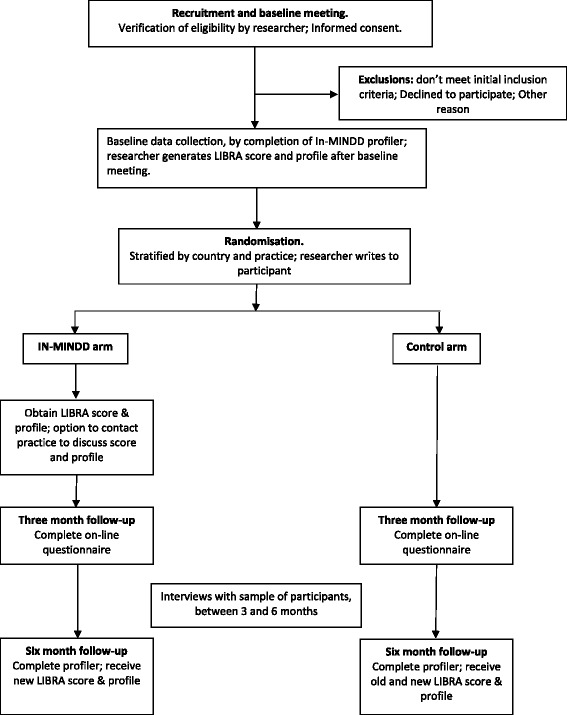
“Primary outcome measure is change in dementia risk modification (LIBRA) score over the 6 months of the trial, calculated on the basis of a basket of individual risk factors identified by earlier work in In-MINDD [12].”
BackgroundMethodInfluentialSelf-citationAn implementation research agenda
Eccles, M. P., Armstrong, D., Baker, R., Cleary, K., Davies, H., Davies, S., Glasziou, P., Ilott, I., Kinmonth, A.-L., Leng, G., et al. (2009) · Implementation Science · doi:10.1186/1748-5908-4-18 · Cited by 481 · cited 1×
“Theory can provide a framework that is generalizable across settings and individuals; it provides the opportunity for the incremental generation of knowledge and provides a framework to guide analysis [43, 44].”
BackgroundWebsite-Delivered Physical Activity Interventions
Vandelanotte, C., Spathonis, K. M., Eakin, E. G., & Owen, N. (2007) · American Journal of Preventive Medicine · doi:10.1016/j.amepre.2007.02.041 · Cited by 475 · cited 1×
“For example, web-based interventions targeting smoking cessation [25] or increasing physical activity [26, 27] are effective in promoting, at least in the short-term, the desired change in behaviour.”
BackgroundPortnoy, D. B., Scott-Sheldon, L. A. J., Johnson, B. T., & Carey, M. P. (2008) · Preventive Medicine · doi:10.1016/j.ypmed.2008.02.014 · Cited by 451
Sanders, C., Rogers, A., Bowen, R., Bower, P., Hirani, S., Cartwright, M., Fitzpatrick, R., Knapp, M., Barlow, J., Hendy, J., et al. (2012) · BMC Health Services Research · doi:10.1186/1472-6963-12-220 · Cited by 450 · cited 1×
“There are, however, well-recognised problems associated with scaling up the implementation of such approaches, particularly in relation to sustainability and the embedding of such approaches in both the daily lives of patients and in the clinical routine of practitioners [33–36].”
BackgroundDesigning theoretically-informed implementation interventions
The Improved Clinical Effectiveness through Behavioural Research Group (ICEBeRG) (2006) · Implementation Science · doi:10.1186/1748-5908-1-4 · Cited by 380
Kloppenborg, R. P., van den Berg, E., Kappelle, L. J., & Biessels, G. J. (2008) · European Journal of Pharmacology · doi:10.1016/j.ejphar.2008.02.049 · Cited by 368 · cited 1×
“found that diabetes, hypertension, high cholesterol and obesity were each associated with an increased risk of dementia, although the evidence was most consistent for diabetes and obesity [9].”
BackgroundRisk Factors for Vascular Dementia and Alzheimer Disease
Gorelick, P. B. (2004) · Stroke · doi:10.1161/01.str.0000143318.70292.47 · Cited by 365 · cited 1×
“Some are non-modifiable, in particular age and genetic factors such as apolipoprotein Ɛ4 [8].”
BackgroundCardiovascular risk factors and future risk of Alzheimer’s disease
de Bruijn, R. F., & Ikram, M. A. (2014) · BMC Medicine · doi:10.1186/s12916-014-0130-5 · Cited by 322
SPIRIT 2013: new guidance for content of clinical trial protocols
Chan, A.-W., Tetzlaff, J. M., Altman, D. G., Dickersin, K., & Moher, D. (2013) · The Lancet · doi:10.1016/s0140-6736(12)62160-6 · Cited by 298
Online support for smoking cessation: a systematic review of the literature
Shahab, L., & McEwen, A. (2009) · Addiction · doi:10.1111/j.1360-0443.2009.02710.x · Cited by 275 · cited 1×
“For example, web-based interventions targeting smoking cessation [25] or increasing physical activity [26, 27] are effective in promoting, at least in the short-term, the desired change in behaviour.”
BackgroundWhy is it difficult to implement e-health initiatives? A qualitative study
Murray, E., Burns, J., May, C., Finch, T., O'Donnell, C., Wallace, P., & Mair, F. (2011) · Implementation Science · doi:10.1186/1748-5908-6-6 · Cited by 270 · cited 1×
“There are, however, well-recognised problems associated with scaling up the implementation of such approaches, particularly in relation to sustainability and the embedding of such approaches in both the daily lives of patients and in the clinical routine of practitioners [33–36].”
BackgroundSelf-citationQuestions asked and answered in pilot and feasibility randomized controlled trials
Shanyinde, M., Pickering, R. M., & Weatherall, M. (2011) · BMC Medical Research Methodology · doi:10.1186/1471-2288-11-117 · Cited by 229 · cited 1×
“A feasibility study is designed, not to measure effectiveness, but to assess the various components of a trial in order to ensure that it is acceptable and feasible when scaled up [40–42].”
BackgroundWilliams, G., Hamm, M. P., Shulhan, J., Vandermeer, B., & Hartling, L. (2014) · BMJ Open · doi:10.1136/bmjopen-2013-003926 · Cited by 224 · cited 1×
“There are similarly positive and negative findings where multiple behaviours are targeted [30–32].”
BackgroundWeb-Based Interventions for Behavior Change and Self-Management: Potential, Pitfalls, and Progress
Murray, E. (2012) · Medicine 2.0 · doi:10.2196/med20.1741 · Cited by 219 · cited 4×
“these issues, Murray suggests that more attention to be paid to early intervention development and testing and to more explicit use of theory to inform the development of and understand how interventions are embedded and routinized by users [24].”
BackgroundInfluentialSales, A. E., Smith, J. L., Curran, G. M., & Kochevar, L. K. (2006) · Journal of General Internal Medicine · doi:10.1111/j.1525-1497.2006.00362.x · Cited by 217 · cited 1×
“It can also highlight and enhance our understanding of the barriers to implementation and alert us to the context into which new interventions and services are placed [39, 45–47].”
BackgroundCan stand‐alone computer‐based interventions reduce alcohol consumption? A systematic review
Khadjesari, Z., Murray, E., Hewitt, C., Hartley, S., & Godfrey, C. (2011) · Addiction · doi:10.1111/j.1360-0443.2010.03214.x · Cited by 208
Elwood, P., Galante, J., Pickering, J., Palmer, S., Bayer, A., Ben-Shlomo, Y., Longley, M., & Gallacher, J. (2013) · PLoS ONE · doi:10.1371/journal.pone.0081877 · Cited by 196 · cited 1×
“Making and sustaining health behaviour changes, such as stopping smoking or increasing physical activity, is not easy [18, 19].”
BackgroundCust, A. E., Smith, B. J., Chau, J., van der Ploeg, H. P., Friedenreich, C. M., Armstrong, B. K., & Bauman, A. (2008) · International Journal of Behavioral Nutrition and Physical Activity · doi:10.1186/1479-5868-5-33 · Cited by 194
Anderson, L. A., Day, K. L., Beard, R. L., Reed, P. S., & Wu, B. (2009) · The Gerontologist · doi:10.1093/geront/gnp088 · Cited by 130 · cited 1×
“There is, however, a lack of public awareness about the link between such modifiable risk factors and dementia risk [16, 17].”
BackgroundPublic knowledge and beliefs about dementia risk reduction: a national survey of Australians
Smith, B. J., Ali, S., & Quach, H. (2014) · BMC Public Health · doi:10.1186/1471-2458-14-661 · Cited by 129 · cited 1×
“There is, however, a lack of public awareness about the link between such modifiable risk factors and dementia risk [16, 17].”
BackgroundCarr, S., Lhussier, M., Forster, N., Geddes, L., Deane, Pennington, M., Visram, S., White, M., Michie, S., Donaldson, C., et al. (2011) · Health Technology Assessment · doi:10.3310/hta15090 · Cited by 115
The Paradox of Disease Prevention: Celebrated in Principle, Resisted in Practice
Fineberg, H. V. (2013) · JAMA · doi:10.1001/jama.2013.7518 · Cited by 113 · cited 1×
“Making and sustaining health behaviour changes, such as stopping smoking or increasing physical activity, is not easy [18, 19].”
BackgroundHarris, J., Felix, L., Miners, A., Murray, E., Michie, S., Ferguson, E., Free, C., Lock, K., Landon, J., & Edwards, P. (2011) · Health Technology Assessment · doi:10.3310/hta15370 · Cited by 109 · cited 1×
“in reducing alcohol consumption [28] or changing dietary patterns [29].”
BackgroundKennedy, A., Rogers, A., Chew-Graham, C., Blakeman, T., Bowen, R., Gardner, C., Lee, V., Morris, R., & Protheroe, J. (2014) · Implementation Science · doi:10.1186/s13012-014-0129-5 · Cited by 104 · cited 1×
“There are, however, well-recognised problems associated with scaling up the implementation of such approaches, particularly in relation to sustainability and the embedding of such approaches in both the daily lives of patients and in the clinical routine of practitioners [33–36].”
BackgroundExploring implementation and sustainability of models of care: can theory help?
Forster, D. A., Newton, M., McLachlan, H. L., & Willis, K. (2011) · BMC Public Health · doi:10.1186/1471-2458-11-s5-s8 · Cited by 75
Healthy Brain Aging: A Road Map
Desai, A. K., Grossberg, G. T., & Chibnall, J. T. (2010) · Clinics in Geriatric Medicine · doi:10.1016/j.cger.2009.12.002 · Cited by 62 · cited 2×
“This is compounded by the debilitation that can be associated with late-stage dementia, making it one of the most feared conditions in relation to ageing [5, 6].”
BackgroundLinardakis, M. K., Smpokos, E. A., Papadaki, A., Komninos, I. D., Tzanakis, N., & Philalithis, A. E. (2013) · Preventive Medicine · doi:10.1016/j.ypmed.2013.05.008 · Cited by 54
Mol, M. E. M., van Boxtel, M. P. J., Willems, D., Verhey, F. R. J., & Jolles, J. (2009) · Aging & Mental Health · doi:10.1080/13607860902845541 · Cited by 52 · cited 1×
“This is compounded by the debilitation that can be associated with late-stage dementia, making it one of the most feared conditions in relation to ageing [5, 6].”
BackgroundMacFarlane, A., O’Donnell, C., Mair, F., O’Reilly-de Brún, M., de Brún, T., Spiegel, W., van den Muijsenbergh, M., van Weel-Baumgarten, E., Lionis, C., Burns, N., et al. (2012) · Implementation Science · doi:10.1186/1748-5908-7-111 · Cited by 47 · cited 4×
“NPT alerts researchers and implementers alike to the realities of implementation in real time and the interactions that do, or do not, occur between the individuals and groups charged with that implementation [46, 50].”
BackgroundMethodInfluentialCapitalising on modifiable risk factors for Alzheimer's disease
Biessels, G. J. (2014) · The Lancet Neurology · doi:10.1016/s1474-4422(14)70154-1 · Cited by 29 · cited 1×
“One criticism of some of this work has been the failure to account for the interdependence of many of these risk factors [13].”
BackgroundNepal, B., Brown, L., & Ranmuthugala, G. (2010) · Australasian Journal on Ageing · doi:10.1111/j.1741-6612.2010.00392.x · Cited by 27
OECD (2013) · OECD eBooks · doi:10.1787/9789264202863-en · Cited by 13
Psychological approaches for the practical management of cognitive impairment in dementia
(2010) · CRC Press eBooks · doi:10.1201/b13196-41 · Cited by 5
Research works printed but not linked: 1
- Luengo-Fernández R Leal J Gray A Dementia 2010. The economic burden of dementia and associated research funding in the United Kingdom 2010 Cambridge Alzheimer’s Research Trust
Cited by
Lifestyle interventions to prevent cognitive impairment, dementia and Alzheimer disease
Kivipelto, M., Mangialasche, F., & Ngandu, T. (2018) · Nature Reviews Neurology · doi:10.1038/s41582-018-0070-3 · Cited by 1,173
McEvoy, R., Ballini, L., Maltoni, S., O’Donnell, C. A., Mair, F. S., & MacFarlane, A. (2014) · Implementation Science · doi:10.1186/1748-5908-9-2 · Cited by 413
Self-citationHeger, I., Deckers, K., van Boxtel, M., de Vugt, M., Hajema, K., Verhey, F., & Köhler, S. (2019) · BMC Public Health · doi:10.1186/s12889-019-7010-z · Cited by 140
Long-term dementia risk prediction by the LIBRA score: a 30-year follow-up of the CAIDE study
Deckers, K., Barbera, M., Köhler, S., Ngandu, T., van Boxtel, M., Rusanen, M., Laatikainen, T., Verhey, F., Soininen, H., Kivipelto, M., et al. (2020) · International Journal of Geriatric Psychiatry · doi:10.1002/gps.5235 · Cited by 99
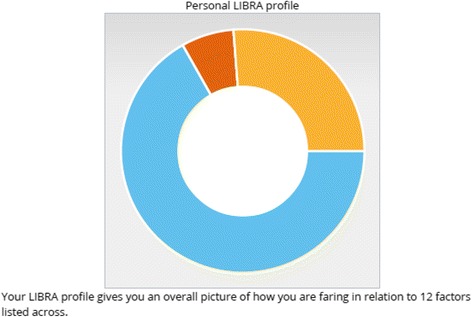
“LIBRA can give people insight and feedback on their personal risk profile and identify areas of already healthy behaviors (to facilitate maintenance), areas of unhealthy behaviors (to facilitate change), and chronic vascular/metabolic conditions (to facilitate appropriate management).(21) This personal LIBRA profile i…”
BackgroundMethodSelf-citationPrevention of Alzheimer's Disease: Lessons Learned and Applied
Galvin, J. E. (2017) · Journal of the American Geriatrics Society · doi:10.1111/jgs.14997 · Cited by 92
“Because there appear to be multiple pathways to developing AD, there may also be multiple ways to prevent or delay the onset of AD.”
BackgroundInfluential
Metadata
- Authors
- In-MINDD Team, O’Donnell, C. A., Browne, S., Pierce, M., McConnachie, A., Deckers, K., van Boxtel, M. P. J., Manera, V., Köhler, S., Redmond, M., Verhey, F. R. J., van den Akker, M., Power, K., & Irving, K.
- Affiliations
- University of Glasgow (GB)
- Dublin City University (IE)
- Maastricht University (NL)
- Corresponding author
- O’Donnell, Catherine A.
- ORCID
- Venue
- Pilot and Feasibility Studies
- Published
- 2015-11-17
- Volume
- 1
- Issue
- 1
- Pages
- 40-40
- ISSN
- 2055-5784 (ISSN-L)
- PMC
- PMC5154057
- OpenAlex
- W2178580270
- Cited by
- 31
- References
- 56
- Citations by year
- 2026: 1 · 2024: 1 · 2023: 1 · 2022: 4 · 2021: 5 · 2020: 5 · 2019: 3 · 2018: 5 · 2017: 4 · 2016: 1
- FWCI
- 2.71
- Type
- journal article
- Language
- en
- Open access
- gold
- doi.org
- Licence
- Locations
- Pilot and Feasibility Studies (publishedVersion, cc-by)
- PubMed Central (publishedVersion, cc-by)
- PubMed (publishedVersion)
- Strathprints: The University of Strathclyde institutional repository (University of Strathclyde) (acceptedVersion)
- ENLIGHTEN (Jurnal Bimbingan dan Konseling Islam) (acceptedVersion)
- Lirias (submittedVersion, other-oa)
- Research Publications (Maastricht University) (submittedVersion, cc-by)
- Research Explorer (The University of Manchester) (submittedVersion)
- Research Publications (Maastricht University) (submittedVersion, other-oa)
- Funders
- European Commission (304979)
- Topics
- Health Sciences › Medicine › Psychiatry and Mental health › Dementia and Cognitive Impairment Research
- Health Sciences › Medicine › Public Health, Environmental and Occupational Health › Health Promotion and Cardiovascular Prevention
- Health Sciences › Medicine › Public Health, Environmental and Occupational Health › Down syndrome and intellectual disability research
- Keywords
- dementia prevention, modifiable risk factors, midlife, online health support, behavior change, primary care, feasibility and acceptability, Normalisation Process Theory, physical inactivity, obesity, hypertension, cholesterol, cognitive activity
About these checks
Registry, retraction, Cites and statistics results are computed, not judged, with one exception: a printed reference that no index lists is read once by a model before it counts as a citation error. Claims are extracted by a model and kept only when their quote appears verbatim in the text; each cited source is then checked, with a model’s help, for whether it says what the claim relies on. Those verdicts can be wrong — read the claim’s quote and the cited source before relying on one.
Statistics and arithmetic are recomputed, not judged.
Confidence bands are shown only for fields calibrated on our annotated test set. None is calibrated yet, so no band is shown.
What counts as a claim ›How we measure confidence ›How we check this ›
Are you an author, or do you see a problem with this page? Request a review
Data sources
Bibliographic data: Semantic Scholar, OpenAlex, Crossref.
Contains information from the Semantic Scholar Academic Graph Datasets, made available under the ODC Attribution License (ODC-BY 1.0).
Semantic Scholar’s data is described in: Kinney, R., et al. (2023). The Semantic Scholar Open Data Platform. arXiv:2301.10140.
