

Overview: an iPS cell stock at CiRA
Open accessThe DOI matches its Crossref record; 26 of the 26 references it cites were found in a registry or an index.
Abstract
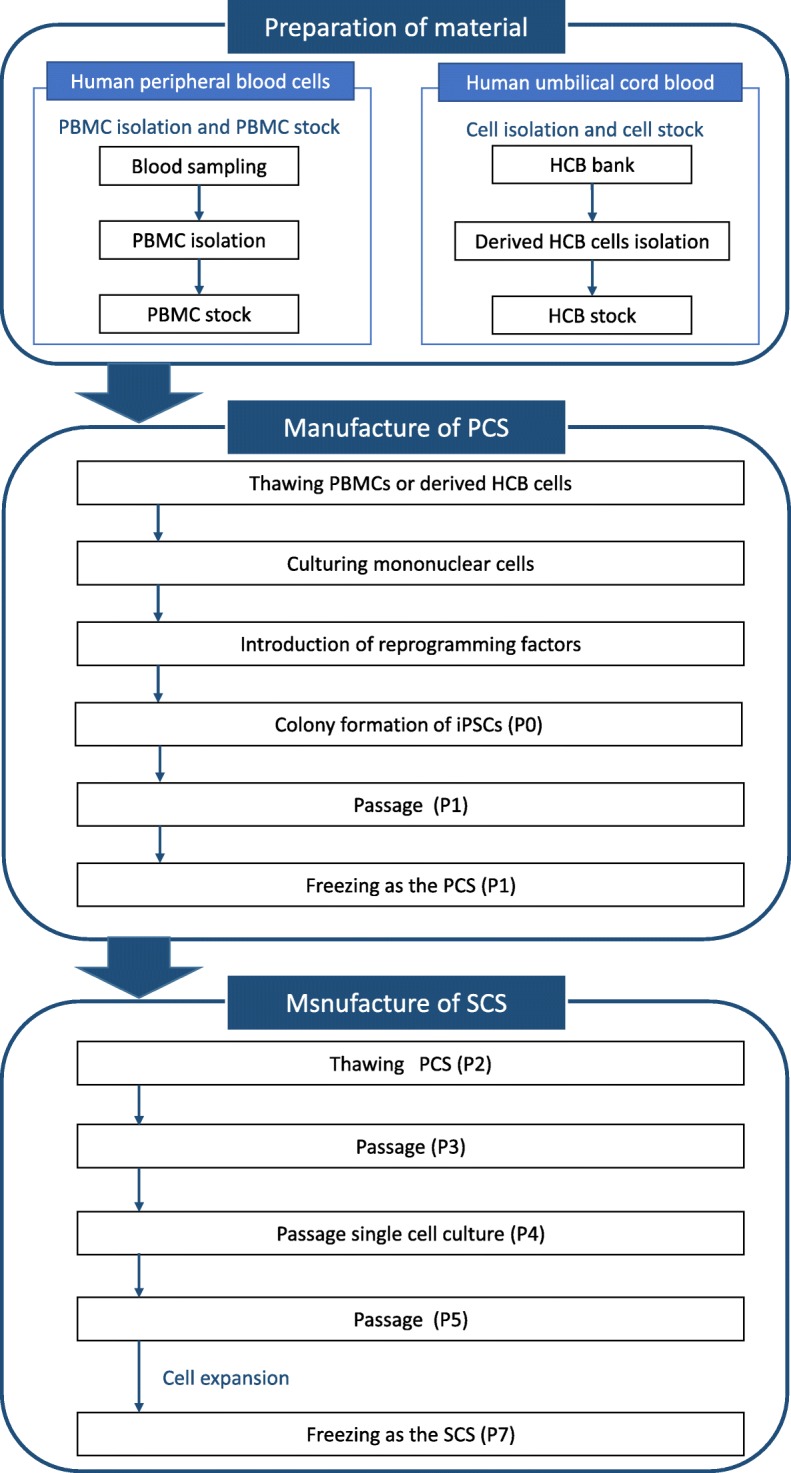
Induced pluripotent stem cells (iPSCs) can be produced from various somatic cells and have the ability to differentiate into various cells and tissues of the body. Regenerative medicine using iPSCs is expected to manage diseases lacking effective treatments at present. We are establishing a safe and effective iPSC stock that can be used for regenerative medicine. Our iPSC stock is recruited from healthy, consenting HLA-type homozygous donors and is made with peripheral blood-derived mononuclear cells or umbilical cord blood. We hope to minimize the influence of immune rejection by preparing HLA homozygous iPSCs. Our stock is made at the Cell Processing Center (CPC), Center for iPS Cell Research and Application (CiRA). We are preparing iPS cells that maximize matching of the Japanese population at the major HLA loci. This iPSC stock is intended to be offered not only to Japanese centers but also overseas medical institutions and companies. In August 2015, we began offering the iPSC stock for regenerative medicine and now offer 21 clones made from 5 donors.
Overview
The claims and statistics of this paper haven’t been checked yet.
Free: it reads the open-access text and checks the first 5 claims that cite a source we can check. Create a free account to check every claim.
Integrity signals
Registry
Cites
Statistics
Figures
Verification
Claims the paper makes
The claims and statistics of this paper haven’t been checked yet.
Free: it reads the open-access text and checks the first 5 claims that cite a source we can check. Create a free account to check every claim.
Claims other papers make about this one
Each is checked against this paper’s own text: does it say what the citing paper says it does?
The cited source says what the claim attributes to it.
In the citing paper
“The Center for iPS Cell Research and Application (CiRA) has reported the establishment of three clinical grade HLA iPSCs, homozygous at the allele level of HLA-A, HLA-B and HLA-DR, which can cover 32% of the Japanese population [109].”
From Utility of iPSC-Derived Cells for Disease Modeling, Drug Development, and Cell Therapy (2022) · cites this paper as [109]
Self-check
Percentages, sums and reported differences re-computed from the paper’s own numbers.
The self-check needs the paper’s full text.
Citations
Cites
Takahashi, K., & Yamanaka, S. (2006) · Cell · doi:10.1016/j.cell.2006.07.024 · Cited by 26,673
Induction of Pluripotent Stem Cells from Adult Human Fibroblasts by Defined Factors
Takahashi, K., Tanabe, K., Ohnuki, M., Narita, M., Ichisaka, T., Tomoda, K., & Yamanaka, S. (2007) · Cell · doi:10.1016/j.cell.2007.11.019 · Cited by 20,221
VarScan 2: Somatic mutation and copy number alteration discovery in cancer by exome sequencing
Koboldt, D. C., Zhang, Q., Larson, D. E., Shen, D., McLellan, M. D., Lin, L., Miller, C. A., Mardis, E. R., Ding, L., & Wilson, R. K. (2012) · Genome Research · doi:10.1101/gr.129684.111 · Cited by 4,905
DELLY: structural variant discovery by integrated paired-end and split-read analysis
Rausch, T., Zichner, T., Schlattl, A., Stütz, A. M., Benes, V., & Korbel, J. O. (2012) · Bioinformatics · doi:10.1093/bioinformatics/bts378 · Cited by 2,459
Human induced pluripotent stem cells free of vector and transgene sequences
Yu, J., Hu, K., Smuga-Otto, K., Tian, S., Stewart, R., Slukvin, I. I., & Thomson, J. A. (2009) · Science · doi:10.1126/science.1172482 · Cited by 2,386
A more efficient method to generate integration-free human iPS cells
Okita, K., Matsumura, Y., Sato, Y., Okada, A., Morizane, A., Okamoto, S., Hong, H., Nakagawa, M., Tanabe, K., Tezuka, K.-I., et al. (2011) · Nature Methods · doi:10.1038/nmeth.1591 · Cited by 2,061
Self-citationFrequent pathway mutations of splicing machinery in myelodysplasia
Yoshida, K., Sanada, M., Shiraishi, Y., Nowak, D., Nagata, Y., Yamamoto, R., Sato, Y., Sato-Otsubo, A., Kon, A., Nagasaki, M., et al. (2011) · Nature · doi:10.1038/nature10496 · Cited by 2,029
Self-citationWang, K., Li, M., Hadley, D., Liu, R., Glessner, J., Grant, S. F. A., Hakonarson, H., & Bucan, M. (2007) · Genome Research · doi:10.1101/gr.6861907 · Cited by 1,792
Autologous Induced Stem-Cell–Derived Retinal Cells for Macular Degeneration
Mandai, M., Watanabe, A., Kurimoto, Y., Hirami, Y., Morinaga, C., Daimon, T., Fujihara, M., Akimaru, H., Sakai, N., Shibata, Y., et al. (2017) · New England Journal of Medicine · doi:10.1056/nejmoa1608368 · Cited by 1,509
Self-citationImmunogenicity of induced pluripotent stem cells
Zhao, T., Zhang, Z.-N., Rong, Z., & Xu, Y. (2011) · Nature · doi:10.1038/nature10135 · Cited by 1,444
Cited by
Pluripotent Stem Cell-Based Cell Therapy—Promise and Challenges
Yamanaka, S. (2020) · Cell Stem Cell · doi:10.1016/j.stem.2020.09.014 · Cited by 1,213
Opportunities and challenges of translational 3D bioprinting
Murphy, S. V., De Coppi, P., & Atala, A. (2019) · Nature Biomedical Engineering · doi:10.1038/s41551-019-0471-7 · Cited by 563
A reference human induced pluripotent stem cell line for large-scale collaborative studies
Pantazis, C. B., Yang, A., Lara, E., McDonough, J. A., Blauwendraat, C., Peng, L., Oguro, H., Kanaujiya, J., Zou, J., Sebesta, D., et al. (2022) · Cell Stem Cell · doi:10.1016/j.stem.2022.11.004 · Cited by 310
Advances in regenerative therapy: A review of the literature and future directions
Ntege, E. H., Sunami, H., & Shimizu, Y. (2020) · Regenerative Therapy · doi:10.1016/j.reth.2020.01.004 · Cited by 194
“Against this backdrop, to reduce the risk of immune reactions the University of Kyoto Center of iPS Cell Research and Application (CiRA) has recently developed an approach of generating safe iPS stocks from healthy HLA homozygous donors, that maximizes matching of local consumer population at a major HLA locus [70].”
BackgroundiPS cell-based therapy for Parkinson's disease: A Kyoto trial
Takahashi, J. (2020) · Regenerative Therapy · doi:10.1016/j.reth.2020.06.002 · Cited by 192
“This cell line was established at our institute from a healthy individual who has most common human leukocyte antigen (HLA) haplotype in the Japanese population [25].”
BackgroundImmunological considerations and challenges for regenerative cellular therapies
Petrus-Reurer, S., Romano, M., Howlett, S., Jones, J. L., Lombardi, G., & Saeb-Parsy, K. (2021) · Communications Biology · doi:10.1038/s42003-021-02237-4 · Cited by 156
Hosseini, S. M., Borys, B., & Karimi‐Abdolrezaee, S. (2023) · Brain · doi:10.1093/brain/awad392 · Cited by 144
Understanding paraxial mesoderm development and sclerotome specification for skeletal repair
Tani, S., Chung, U., Ohba, S., & Hojo, H. (2020) · Experimental & Molecular Medicine · doi:10.1038/s12276-020-0482-1 · Cited by 150
Olgasi, C., Cucci, A., & Follenzi, A. (2020) · International Journal of Molecular Sciences · doi:10.3390/ijms21176215 · Cited by 100
Modelling metabolic diseases and drug response using stem cells and organoids
Hu, W., & Lazar, M. A. (2022) · Nature Reviews Endocrinology · doi:10.1038/s41574-022-00733-z · Cited by 107
Kitano, Y., Nishimura, S., Kato, T., Ueda, A., Takigawa, K., Umekage, M., Nomura, M., Kawakami, A., Ogawa, H., Xu, H., et al. (2022) · Molecular Therapy — Methods & Clinical Development · doi:10.1016/j.omtm.2022.05.010 · Cited by 93
“We selected an iPSC line named Ff-I14s04, which was previously generated from peripheral blood mononuclear cells provided by a donor (ID: QHJI) carrying homozygous HLA alleles (A*24:02, B*52:01, DR*15:02), which are most common in the Japanese population.(9) In terms of the gRNA design, we used our internal genome seq…”
InfluentialSelf-citationThe clinical potential of gene editing as a tool to engineer cell‐based therapeutics
Ashmore‐Harris, C., & Fruhwirth, G. O. (2020) · Clinical and Translational Medicine · doi:10.1186/s40169-020-0268-z · Cited by 79
Ford, E., Pearlman, J., Ruan, T., Manion, J., Waller, M. A., Neely, G. G., & Caron, L. (2020) · Cells · doi:10.3390/cells9112517 · Cited by 75
The Challenge of Bringing iPSCs to the Patient
Ortuño‐Costela, M. D. C., Cerrada, V., García‐López, M., & Gallardo, M. E. (2019) · International Journal of Molecular Sciences · doi:10.3390/ijms20246305 · Cited by 76
iPSC-Derived Natural Killer Cells for Cancer Immunotherapy
Karagiannis, P., & Kim, S. (2021) · Molecules and Cells · doi:10.14348/molcells.2021.0078 · Cited by 74
“To collect HLA-homozygous iPSCs, donors are recruited in cooperation with blood and bone marrow banks (Umekage et al., 2019).”
BackgroundUtility of iPSC-Derived Cells for Disease Modeling, Drug Development, and Cell Therapy
Nicholson, M. W., Ting, C.-Y., Chan, D. Z. H., Cheng, Y.-C., Lee, Y.-C., Hsu, C.-C., Huang, C.-Y., & Hsieh, P. C. H. (2022) · Cells · doi:10.3390/cells11111853 · Cited by 65
Translational Aspects of 3D and 4D Printing and Bioprinting
Taylor, S., Mueller, E., Jones, L. R., Makela, A. V., & Ashammakhi, N. A. (2024) · Advanced Healthcare Materials · doi:10.1002/adhm.202400463 · Cited by 74
The future of stem cell therapies of Alzheimer’s disease
Wang, Z., Wang, Z.-T., Sun, Y., Tan, L., & Yu, J. (2022) · Ageing Research Reviews · doi:10.1016/j.arr.2022.101655 · Cited by 70
Fit-For-All iPSC-Derived Cell Therapies and Their Evaluation in Humanized Mice With NK Cell Immunity
Flahou, C., Morishima, T., Takizawa, H., & Sugimoto, N. (2021) · Frontiers in Immunology · doi:10.3389/fimmu.2021.662360 · Cited by 56
Uyama, H., Mandai, M., & Takahashi, M. (2021) · Development Growth & Differentiation · doi:10.1111/dgd.12704 · Cited by 61
“B, and -DR) can cover 50% of the Japanese population in terms of avoiding rejection risk in cell-based therapies (Umekage et al., 2019).”
BackgroundHashimoto, S., Nagoshi, N., Shinozaki, M., Nakanishi, K., Suematsu, Y., Shibata, T., Kawai, M., Kitagawa, T., Ago, K., Kamata, Y., et al. (2023) · Biomaterials · doi:10.1016/j.biomaterials.2023.122002 · Cited by 50
Coco, R. M., Pastor‐Idoate, S., & Jimeno, J. C. P. (2021) · Pharmaceutics · doi:10.3390/pharmaceutics13060865 · Cited by 58
Yano, H., Koga, K., Sato, T., Shinohara, T., Iriguchi, S., Matsuda, A., Nakazono, K., Shioiri, M., Miyake, Y., Kassai, Y., et al. (2024) · Cell stem cell · doi:10.1016/j.stem.2024.05.004 · Cited by 46
Immune Protection of Stem Cell-Derived Islet Cell Therapy for Treating Diabetes
Tahbaz, M., & Yoshihara, E. (2021) · Frontiers in Endocrinology · doi:10.3389/fendo.2021.716625 · Cited by 43
Álvarez-Palomo, B., García-Martinez, I., Gayoso, J., Raya, A., Veiga, A., Abad, M. L., Eiras, A., Guzmán-Fulgencio, M., Luis-Hidalgo, M., Eguizabal, C., et al. (2021) · Stem Cell Research & Therapy · doi:10.1186/s13287-021-02301-0 · Cited by 37
New trends in cellular therapy
Okano, H., & Sipp, D. (2020) · Development · doi:10.1242/dev.192567 · Cited by 39
“…It has been expected that grafting of HLA-matched allogeneic iPSCs established from donors homozygous at three HLA loci (HLA-A, HLA-B and HLA-DR) could reduce the immune response (http:// hla.or.jp/med/frequency_search/en/haplo/; Okita et al., 2011; Gourraud et al., 2012; Umekage et al., 2019).”
BackgroundInfluentialPopulation-based high-throughput toxicity screen of human iPSC-derived cardiomyocytes and neurons
Huang, C. Y., Nicholson, M. W., Wang, J. Y., Ting, C. Y., Tsai, M. H., Cheng, Y. C., Liu, C. L., Chan, D. Z. H., Lee, Y. C., Hsu, C. C., et al. (2022) · Cell Reports · doi:10.1016/j.celrep.2022.110643 · Cited by 36
Pluripotent Stem Cells in Clinical Setting—New Developments and Overview of Current Status
Ilić, D., & Ogilvie, C. M. (2022) · Stem Cells · doi:10.1093/stmcls/sxac040 · Cited by 42
Kamata, Y., Isoda, M., Sanosaka, T., Shibata, R., Ito, S., Okubo, T., Shinozaki, M., Inoue, M., Koya, I., Shibata, S., et al. (2020) · Stem Cells Translational Medicine · doi:10.1002/sctm.20-0269 · Cited by 39
“To realize clinical application of NS/PCs derived from iPSCs, we focused on clinically relevant feeder-free hiPSCs (ffiPSCs) provided by iPSC bank in CiRA.25,26 These iPSCs had been established from HLA-homozygous donors to lower the immunogenicity of iPSC-derivatives28,32 (Figure 1A).”
BackgroundMethodHo, B. X., Teo, A. K. K., & Ng, N. H. J. (2024) · Frontiers in Immunology · doi:10.3389/fimmu.2024.1375177 · Cited by 41
Generation and manipulation of human iPSC-derived platelets
Sugimoto, N., & Eto, K. (2021) · Cellular and Molecular Life Sciences · doi:10.1007/s00018-020-03749-8 · Cited by 38
Cell‐Based Therapy for Canavan Disease Using Human iPSC‐Derived NPCs and OPCs
Feng, L., Chao, J., Tian, E., Li, L., Ye, P., Zhang, M., Chen, X., Cui, Q., Sun, G., Zhou, T., et al. (2020) · Advanced Science · doi:10.1002/advs.202002155 · Cited by 35
The wider perspective: cord blood banks and their future prospects
Querol, S., Rubinstein, P., & Madrigal, J. A. (2021) · British Journal of Haematology · doi:10.1111/bjh.17468 · Cited by 30
Induced Pluripotent Stem Cells: Progress toward Clinical Translation from Bench to Bedside
Fakoya, A. O. J., Omole, A. E., Satyadev, N., & Haider, K. H. (2022) · Springer eBooks · doi:10.1007/978-981-16-6016-0_40-1 · Cited by 29
Karpov, D. S., Sosnovtseva, A. O., Pylina, S. V., Bastrich, A., Petrova, D. A., Kovalev, M. A., Shuvalova, A. I., Константиновна, Е. А., & Mokrysheva, N. G. (2023) · International Journal of Molecular Sciences · doi:10.3390/ijms242417320 · Cited by 35
Mashima, H., Zhang, R., Kobayashi, T., Hagiya, Y., Tsukamoto, H., Liu, T., Iwama, T., Yamamoto, M., Lin, C., Nakatsuka, R., et al. (2020) · OncoImmunology · doi:10.1080/2162402x.2020.1814620 · Cited by 34
“Considering their clinical use, we recommend using the allogeneic GM-pMCs generated from the HLA-homozygous iPSC stock.(51) However, it is difficult to obtain fully HLA haplotype-matched cells.”
MethodCompetency of iPSC-derived retinas in MHC-mismatched transplantation in non-human primates
Uyama, H., Tu, H., Sugita, S., Yamasaki, S., Kurimoto, Y., Matsuyama, T., Shiina, T., Watanabe, T., Takahashi, M., & Mandai, M. (2022) · Stem Cell Reports · doi:10.1016/j.stemcr.2022.09.014 · Cited by 31
“A bank project to prepare stocks of donor-derived iPSC lines homologous to HLA loci that are highly frequent among the Japanese population now increases the chances of HLA matching for transplantation (Umekage et al., 2019).”
Current status and future directions of clinical applications using iPS cells—focus on Japan
Tsujimoto, H., & Osafune, K. (2021) · FEBS Journal · doi:10.1111/febs.16162 · Cited by 30
Regeneration of antigen-specific T cells by using induced pluripotent stem cell (iPSC) technology
Kawamoto, H., Masuda, K., & Nagano, S. (2021) · International Immunology · doi:10.1093/intimm/dxab091 · Cited by 25
Pratumkaew, P., Issaragrisil, S., & Luanpitpong, S. (2021) · Cells · doi:10.3390/cells10113250 · Cited by 33
Development of pluripotent stem cell‐based human tenocytes
Nakajima, T., & Ikeya, M. (2020) · Development Growth & Differentiation · doi:10.1111/dgd.12702 · Cited by 25
“Furthermore, it may be possible to establish a universal stock of iPSC tenocytes for rapid use in allograft transplantation therapy based on existing homozygous human leukocyte iPSC stocks (Umekage et al., 2019).”
BackgroundAdvances in Adoptive Cell Therapy Using Induced Pluripotent Stem Cell-Derived T Cells
Netsrithong, R., & Wattanapanitch, M. (2021) · Frontiers in Immunology · doi:10.3389/fimmu.2021.759558 · Cited by 27
Stem Cell Therapy for Repair of the Injured Brain: Five Principles
Rust, R., & Tackenberg, C. (2022) · The Neuroscientist · doi:10.1177/10738584221110100 · Cited by 25
Cell-Based Therapy for the Treatment of Glioblastoma: An Update from Preclinical to Clinical Studies
Attia, N., Mashal, M., Pemminati, S., Omole, A. E., Edmondson, C. K., Jones, W., Priyadarshini, P., Mughal, T., Aziz, P., Zenick, B., et al. (2021) · Cells · doi:10.3390/cells11010116 · Cited by 26
iPSC-based approach for human hair follicle regeneration
Vatanashevanopakorn, C., & Sartyoungkul, T. (2023) · Frontiers in Cell and Developmental Biology · doi:10.3389/fcell.2023.1149050 · Cited by 26
“Hence, instead of using autologous hiPSCs, HLAmatched allogeneic hiPSCs or universal hiPSCs have been proposed to be an alternative and a more appropriate cell source for regenerative medicine (Umekage et al., 2019; Flahou et al., 2021).”
BackgroundProgress of iPS cell-based transplantation therapy for retinal diseases
Akiba, R., Takahashi, M., Baba, T., & Mandai, M. (2023) · Japanese Journal of Ophthalmology · doi:10.1007/s10384-022-00974-5 · Cited by 22
Strategies for immune regulation in iPS cell-based cardiac regenerative medicine
Murata, K., Ikegawa, M., Minatoya, K., & Masumoto, H. (2020) · Inflammation and Regeneration · doi:10.1186/s41232-020-00145-4 · Cited by 20
“Established stocks of HLA-homozygous iPSCs were reported to cover approximately 32% of the Japanese population for use in clinical studies for various target diseases by 2018 [18].”
Hsu, L.-J., Liu, C., Kuo, M., Shen, C., & Shen, C. (2021) · Biomedicines · doi:10.3390/biomedicines9101323 · Cited by 19
Álvarez-Palomo, B., Veiga, A., Raya, Á., Codinach, M., Torrents, S., Verdugo, L. P., Rodriguez-Aierbe, C., Cuellar, L., Alenda, R., Arbona, C., et al. (2022) · Stem Cell Research & Therapy · doi:10.1186/s13287-022-02961-6 · Cited by 20
“Several countries have set up initiatives to create their own banks of haplolines (haplobanks) using banked CB as a source of starting cells, with Japan and Korea reporting already the first haplolines [14, 15].”
BackgroundBeyond CAR T cells: exploring alternative cell sources for CAR-like cellular therapies
Tsiverioti, C. A., Gottschlich, A., Trefny, M. P., Theurich, S., Anders, H., Kroiß, M., & Kobold, S. (2024) · Biological Chemistry · doi:10.1515/hsz-2023-0317 · Cited by 23
Yoon, Y., Kim, H. S., Hong, C. P., Li, E., Jeon, I., Park, H. J., Lee, N., Pei, Z., & Song, J. (2020) · Frontiers in Neuroscience · doi:10.3389/fnins.2020.558204 · Cited by 22
“ORIGINAL RESEARCH published: 18 September 2020 doi: 10.3389/fnins.2020.558204 Edited by: Asuka Morizane, Kyoto University, Japan Reviewed by: Jannette Rodriguez-Pallares, University of Santiago de Compostela, Spain Carina Rodrigues Boeck, UFN – Universidade Franciscana, Brazil *Correspondence: Jihwan Song jsong5873@gm…”
MethodInfluentialGerardo‐Nava, J., Jansen, J., Günther, D., Klasen, L., Thiebes, A. L., Nießing, B., Bergerbit, C., Meyer, A. A., Linkhorst, J., Barth, M., et al. (2023) · Advanced Healthcare Materials · doi:10.1002/adhm.202301030 · Cited by 20
Tsujimoto, H., Hoshina, A., Mae, S.-I., Araoka, T., Changting, W., Ijiri, Y., Nakajima‐Koyama, M., Sakurai, S., Okita, K., Mizuta, K., et al. (2024) · Cell Reports · doi:10.1016/j.celrep.2023.113602 · Cited by 18
Challenges for Computational Stem Cell Biology: A Discussion for the Field
Rackham, O. J. L., Cahan, P., Mah, N., Morris, S. A., Ouyang, J. F., Plant, A. L., Tanaka, Y., & Wells, C. A. (2021) · Stem Cell Reports · doi:10.1016/j.stemcr.2020.12.015 · Cited by 17
“, 2017) or CiRA Foundation iPS Cell Stock (Umekage et al., 2019).”
BackgroundModeling human liver organ development and diseases with pluripotent stem cell-derived organoids
Ouchi, R., & Koike, H. (2023) · Frontiers in Cell and Developmental Biology · doi:10.3389/fcell.2023.1133534 · Cited by 18
“Currently, iPSCs that are HLA homozygous combinations less likely to cause rejection (Umekage et al., 2019) are being stored in the Center for iPS Cell Research and Application at Kyoto University, and the use of genome editing to create HLA pseudo-homozygotes and HLA-Cpositive cells that are less susceptible to attac…”
MethodEffects of human induced pluripotent stem cell-derived intestinal organoids on colitis-model mice
Nakanishi, A., Toyama, S., Onozato, D., Watanabe, C., Hashita, T., Iwao, T., & Matsunaga, T. (2022) · Regenerative Therapy · doi:10.1016/j.reth.2022.08.004 · Cited by 18
Yoshida, T., Tashiro, S., Nagoshi, N., Shinozaki, M., Shibata, T., Inoue, M., Ogawa, S., Shibata, S., Tsuji, T., Okano, H., et al. (2024) · eNeuro · doi:10.1523/eneuro.0378-23.2024 · Cited by 17
“The human umbilical cord blood – derived induced pluripotent stem cell (iPSC) line YZWJs513 was used for transplantation in this study (Umekage et al., 2019).”
MethodInoue, M., Yamaguchi, R., He, C. C. J., Ikeda, A., Okano, H., & Kohyama, J. (2023) · Stem Cell Investigation · doi:10.21037/sci-2022-037 · Cited by 20
“In Japan, an iPSC stock project led by Kyoto University Center for iPS Cell Research and Application (CiRA) is underway for applying HLA-matched allogeneic transplantation (19), and HLA homozygous iPSCs that match a large population have been established (19,20).”
BackgroundMethodAbe, K., & Tsumaki, N. (2023) · Inflammation and Regeneration · doi:10.1186/s41232-023-00307-0 · Cited by 15
“In the case of allogeneic iPSC-derived RPE sheet transplantation using cells from iPSC stock, the preoperative waiting period was approximately 1 month, and the total cost per patient was about one-fifth of autologous transplantation [60].”
BackgroundInfluentialYuzuriha, A., Nakamura, S., Sugimoto, N., Kihara, S., Nakagawa, M., Yamamoto, T., Sekiguchi, K., & Eto, K. (2021) · Stem Cell Research · doi:10.1016/j.scr.2021.102287 · Cited by 16
Is hypoimmunogenic stem cell therapy safe in times of pandemics?
Matheus, F., Raveh, T., Oro, A., Wernig, M., & Drukker, M. (2022) · Stem Cell Reports · doi:10.1016/j.stemcr.2022.02.014 · Cited by 13
“Second, while such efforts are ongoing, HLA-homozygous iPSC lines could serve as ‘‘off-the-shelf’’ sources and are soon to enter clinical use in Japan (Morishima et al., 2020; Umekage et al., 2019).”
BackgroundHarnessing pluripotent stem cells as models to decipher human evolution
Dannemann, M., & Romero, I. G. (2021) · FEBS Journal · doi:10.1111/febs.15885 · Cited by 14
Targeting cell plasticity for regeneration: From in vitro to in vivo reprogramming
Romanazzo, S., Lin, K., Srivastava, P., & Kilian, K. A. (2020) · Advanced Drug Delivery Reviews · doi:10.1016/j.addr.2020.08.007 · Cited by 17
“May 2020 NCT02923375 Phase I active, not recruiting thoracic diseases COPD A phase I Study of iPS cell generation from patients with COPD Skin Biopsy derived iPSC 50 (18+) Mayo Clinic US: Minnesota September 2009–January 2021 NCT01860898 Phase I/II recruiting Ischemic Heart Failure Treating heart failure with hPSC-CMs…”
BackgroundMethodInfluentialDowaidar, M. (2021) · OSF Preprints (OSF Preprints) · doi:10.31219/osf.io/egr3n · Cited by 20
Mu-u-min, R., Diané, A., Allouch, A., & Al-Siddiqi, H. (2025) · Biomedicines · doi:10.3390/biomedicines13020383 · Cited by 17
“Also, this is not a complete solution to dealing with immune rejection, since the HLA haplotypes HLA-DR4-DQ8 and HLA-DR3-DQ2 have been implicated in immune responses wherein insulin is presented as antigens to activated T cells [61–63].”
Tsujimoto, H., Katagiri, N., Ijiri, Y., Sasaki, B., Kobayashi, Y., Mima, A., Ryosaka, M., Furuyama, K., Kawaguchi, Y., & Osafune, K. (2022) · PLoS ONE · doi:10.1371/journal.pone.0275600 · Cited by 13
Morizane, A., & Takahashi, J. B. (2021) · Journal of Parkinson s Disease · doi:10.3233/jpd-212608 · Cited by 12
“For example, in Japan, the Japan Red Cross, Japan Marrow Donor Program, and several Japanese cord blood banks are assisting in donor recruitment for an iPSC stock [11].”
BackgroundKawamoto, H., & Masuda, K. (2024) · International Immunology · doi:10.1093/intimm/dxad051 · Cited by 11
“…and safe in clinical trials (9), and as the iPS cells, the iPS cell line that is homozygous for the most frequent HLA haplotype in the Japanese population, provided by the iPS Cell Stock Project conducted by the Center for iPS Cell Research and Application Foundation (CiRA-F) (10), is used (Fig.”
MethodMorizane, A., Yamasaki, E., Shindo, T., Anazawa, T., Sawamoto, N., Shima, A., Yamakado, H., Nakanishi, E., Sawamura, M., Taruno, Y., et al. (2025) · Cell stem cell · doi:10.1016/j.stem.2025.07.012 · Cited by 16
Pluripotent stem cell-based cell therapies: Current applications and future prospects
Wang, G., Heimendinger, P., Ramelmeier, R. A., & Wang, W. (2022) · Current Opinion in Biomedical Engineering · doi:10.1016/j.cobme.2022.100390 · Cited by 11
Xia, L., Qin, J., & Ye, S. (2025) · Stem Cell Research & Therapy · doi:10.1186/s13287-025-04826-0 · Cited by 11
Pendse, S., Vaidya, A., & Kale, V. P. (2022) · Regenerative Medicine · doi:10.2217/rme-2022-0045 · Cited by 12
Bates, S. M., Evans, K. V., Delsing, L., Wong, R., Cornish, G. H., & Bahjat, M. (2024) · Drug Discovery Today · doi:10.1016/j.drudis.2024.104239 · Cited by 11
Development of platelet replacement therapy using human induced pluripotent stem cells
Nakamura, S., Sugimoto, N., & Eto, K. (2021) · Development Growth & Differentiation · doi:10.1111/dgd.12711 · Cited by 10
“Alternatively, our institute and others have been stocking iPS cells with homozygous HLA haplotypes (Turner et al., 2013; Umekage et al., 2019).”
BackgroundInduced Pluripotent Stem Cells in Pediatric Research and Clinical Translation
Uçkan, D., & Haider, K. H. (2021) · Springer eBooks · doi:10.1007/978-3-030-77052-5_13 · Cited by 11
Hereditary Optic Neuropathies: Induced Pluripotent Stem Cell-Based 2D/3D Approaches
García‐López, M., Arenas, J., & Gallardo, M. E. (2021) · Genes · doi:10.3390/genes12010112 · Cited by 9
Charting the next century of insulin replacement with cell and gene therapies
Lau, H. H., Gan, S. U., Lickert, H., Shapiro, A. M. J., Lee, K., & Teo, A. K. K. (2021) · Med · doi:10.1016/j.medj.2021.09.001 · Cited by 10
Atelocollagen is Promising for Three-Dimensional Culture of Human Induced Pluripotent Stem Cells
Nakashima, Y., & Tsukahara, M. (2022) · Molecular Therapy — Methods & Clinical Development · doi:10.1016/j.omtm.2024.101302 · Cited by 7
Bain, J., Barrs, R. W., & Mei, Y. (2026) · npj Biomedical Innovations. · doi:10.1038/s44385-025-00048-4 · Cited by 7
“HLA class matching is a feasible alternative in relatively genetically homogenous populations such as Japan, where as few as 140 cell lines could match 90% of individuals 87 .”
Ex Vivo Production of Platelets From iPSCs: The iPLAT1 Study and Beyond
Sugimoto, N., & Eto, K. (2023) · HemaSphere · doi:10.1097/hs9.0000000000000884 · Cited by 9
“38 In this regard, a clinical trial of iPSC-PLTs with the most common HLA haplotype in the Japanese population was started by a company recently.”
Yokoi, T., Uemura, T., Takamatsu, K., Onode, E., Shintani, K., Hama, S., Miyashima, Y., Okada, M., & Nakamura, H. (2021) · Biochemistry and Biophysics Reports · doi:10.1016/j.bbrep.2021.100979 · Cited by 8
Semi-3D cultures using Laminin 221 as a coating material for human induced pluripotent stem cells
Nakashima, Y., Yoshida, S., & Tsukahara, M. (2022) · Regenerative Biomaterials · doi:10.1093/rb/rbac060 · Cited by 6
“As the master cell bank of clinical hiPSCs is derived from blood cells from Human Leukocyte Antigen (HLA) donors homozygous for HLA-A, HLA-B and HLA-DR, it is a cell source that currently allows (cid:2) 40% of Japanese people to receive cell therapy without immune rejection [7, 8].”
Prospects for Stem Cell-Based Regenerative Therapies in India
Boopalan, D., Pandian, R., & Kesavan, G. (2021) · StemJournal · doi:10.3233/stj-210002 · Cited by 8
Opportunities and Challenges of Human IPSC Technology in Kidney Disease Research
Lee, J., Lin, C., Chen, H., Hsieh, P. C. H., Chiu, Y., & Chang, J. (2022) · Biomedicines · doi:10.3390/biomedicines10123232 · Cited by 6
Evaluation of Pancreatic β-cell Differentiation Efficiency of Human iPSC Lines for Clinical Use
Horikawa, A., Kyoko, T., Yamamoto, T., & Michiue, T. (2024) · Current Stem Cell Research & Therapy · doi:10.2174/011574888x267226231126185532 · Cited by 4
Homan, K., Onodera, T., Matsuoka, M., & Iwasaki, N. (2024) · International Journal of Molecular Sciences · doi:10.3390/ijms25094890 · Cited by 5
“…transplantation on the basis that HLA-homo iPSCs might not be rejected by HLA haplotype-matched patients [174–176]. iPSC banking uses cells recruited from healthy, consenting HLA-type homozygous donors and is made with peripheral blood-derived mononuclear cells or umbilical cord blood [177].”
BackgroundMehrabadi, S. (2025) · Current Aging Science · doi:10.2174/0118746098334856250106055739 · Cited by 3
Induced pluripotent stem cell technology: venturing into the second decade
Shi, Y., Inoue, H., Takahashi, J. B., & Yamanaka, S. (2020) · Elsevier eBooks · doi:10.1016/b978-0-12-818422-6.00095-2 · Cited by 5
Katolikova, N. V., Malashicheva, A., & Gainetdinov, R. R. (2020) · Molecular Biology · doi:10.1134/s0026893320060060 · Cited by 3
“This center holds iPSC lines compliant with clinical use standards, obtained from mononuclear cells of the peripheral blood and umbilical cord blood of donors homozygous for HLA system antigens (HLA-A, HLA-B, and HLA-DR), but most of the lines are also homozygous for HLA-C, HLA-DQ, and HLA-DP [32].”
BackgroundMethodInfluentialHe, J., He, Y., Zhan, Q., Wu, Z., Sheng, Q., Zhang, W., & Zhu, F. (2025) · Stem Cell Research & Therapy · doi:10.1186/s13287-025-04159-y · Cited by 3
“Because UCB contains stem cells obtained from the youngest donors, these cells multiply faster and for longer than cells from older donors[32–34].”
BackgroundKatolikova, N. V., Malashicheva, A., & Gainetdinov, R. R. (2020) · Molecular Biology · doi:10.31857/s0026898420060063 · Cited by 5
Overcoming the challenges of scalable iPSC generation in translation medicine
Liu, D.-H., Tseng, H., Lee, M., Chiou, G., Wang, C.-T., Lin, Y., Lai, W., Liu, Y., Wang, C., Lee, C., et al. (2023) · Journal of the Chinese Medical Association · doi:10.1097/jcma.0000000000001046 · Cited by 3
“29 At present, South Korea and Japan have established clinical-grade iPSC haplobanks, 12,13 and similar efforts are underway in countries like Australia.”
BackgroundThe future: Stem cells? Current clinical trials using stem cells for dopaminergic cell replacement
Paul, G., Morizane, A., Kirkeby, A., Takahashi, J. B., & Henchcliffe, C. (2024) · International review of movement disorders · doi:10.1016/bs.irmvd.2024.08.004 · Cited by 3
Development of a cell therapy set prototype for autologous iPS cells
Nakashima, Y., & Tsukahara, M. (2025) · Cytotherapy · doi:10.1016/j.jcyt.2025.07.004 · Cited by 2
Murata, T., Hama, N., Kamatani, T., Mori, A., Otsuka, R., Wada, H., & Seino, K.-I. (2023) · American Journal of Transplantation · doi:10.1016/j.ajt.2023.05.020 · Cited by 4
Improved Production of Induced Pluripotent Stem Cells Using Dot Pattern Culture Plates
Nakashima, Y., Iguchi, H., Shimizu, E., Le, M. N. T., Takakura, K., Nakamura, Y., Yanagisawa, T., Sanghavi, R., Haneda, S., & Tsukahara, M. (2023) · Tissue Engineering Part C Methods · doi:10.1089/ten.tec.2023.0068 · Cited by 2
“3,13 In the present experiment, we used the iPSC line 15M66, which was established using the same protocol as the clinical iPSC line and is owned by the Research and Development Department.”
Flahou, C., Morishima, T., Higashi, N., Hayashi, Y., Xu, H., Wang, B., Zhang, C., Ninomiya, A., Qiu, W.-Y., Yuzuriha, A., et al. (2023) · Biochemical and Biophysical Research Communications · doi:10.1016/j.bbrc.2023.04.067 · Cited by 2
The future of TCR-Treg therapies is renewables
Peh, C. R., Nguyen‐Dumont, T., Ting, Y. T., & Ooi, J. D. (2026) · Autoimmunity Reviews · doi:10.1016/j.autrev.2026.104139 · Cited by 2
La culture de plaquettes à partir de cellules souches pluripotentes induites
Flahou, C., Sugimoto, N., & Eto, K. (2020) · Bulletin de l Académie Nationale de Médecine · doi:10.1016/j.banm.2020.09.040 · Cited by 1
Xeno-free cultivation of human induced pluripotent stem cells for clinical applications
Saleh, F., Mondeh-Lowor, R., & de Peppo, G. M. (2021) · Elsevier eBooks · doi:10.1016/b978-0-323-85766-6.00001-2 · Cited by 1
Metadata
- Authors
- Umekage, M., Sato, Y., & Takasu, N.
- Affiliations
- Kyoto University (JP)
- Corresponding author
- Umekage, Masafumi
- ORCID
- Sato, Yoshiko
- Venue
- Inflammation and Regeneration
- Published
- 2019-09-02
- Volume
- 39
- Issue
- 1
- Pages
- 17-17
- ISSN
- 1346-8022 (ISSN-L)
- 1880-8190
- PMC
- PMC6717959
- OpenAlex
- W2970240057
- Cited by
- 122
- References
- 26
- Citations by year
- 2026: 8 · 2025: 6 · 2024: 14 · 2023: 19 · 2022: 23 · 2021: 29 · 2020: 21 · 2019: 2
- FWCI
- 6.20
- Type
- journal article
- Language
- en
- Open access
- gold
- doi.org
- Licence
- cc-by
- creativecommons.org/licenses/by/4.0/ (tdm)
- creativecommons.org/licenses/by/4.0/ (vor)
- Locations
- Inflammation and Regeneration (publishedVersion, cc-by)
- PubMed Central (publishedVersion, cc-by)
- PubMed (publishedVersion)
- DOAJ (DOAJ: Directory of Open Access Journals) (submittedVersion, cc-by-sa)
- Funders
- Japan Agency for Medical Research and Development (18bm0104001h0006)
- Topics
- Life Sciences › Biochemistry, Genetics and Molecular Biology › Molecular Biology › Pluripotent Stem Cells Research
- Life Sciences › Biochemistry, Genetics and Molecular Biology › Cell Biology › Mesenchymal stem cell research
- Life Sciences › Biochemistry, Genetics and Molecular Biology › Genetics › Animal Genetics and Reproduction
- Keywords
- induced pluripotent stem cells, HLA homozygosity, immune rejection, umbilical cord blood, regenerative medicine
About these checks
Registry, retraction, Cites and statistics results are computed, not judged, with one exception: a printed reference that no index lists is read once by a model before it counts as a citation error. Claims are extracted by a model and kept only when their quote appears verbatim in the text; each cited source is then checked, with a model’s help, for whether it says what the claim relies on. Those verdicts can be wrong — read the claim’s quote and the cited source before relying on one.
Statistics and arithmetic are recomputed, not judged.
Confidence bands are shown only for fields calibrated on our annotated test set. None is calibrated yet, so no band is shown.
What counts as a claim ›How we measure confidence ›How we check this ›
Are you an author, or do you see a problem with this page? Request a review
Data sources
Bibliographic data: Semantic Scholar, OpenAlex, Crossref.
Contains information from the Semantic Scholar Academic Graph Datasets, made available under the ODC Attribution License (ODC-BY 1.0).
Semantic Scholar’s data is described in: Kinney, R., et al. (2023). The Semantic Scholar Open Data Platform. arXiv:2301.10140.
