

Recommendations From the 2023 International Evidence-based Guideline for the Assessment and Management of Polycystic Ovary Syndrome
Open accessThe DOI matches its Crossref record; 13 of the 13 references it cites were found in a registry or an index; 10 of the 23 sources its claims cite were checked for support.
Abstract
Study Question: What is the recommended assessment and management of those with polycystic ovary syndrome (PCOS), based on the best available evidence, clinical expertise, and consumer preference? Summary Answer: International evidence-based guidelines address prioritized questions and outcomes and include 254 recommendations and practice points, to promote consistent, evidence-based care and improve the experience and health outcomes in PCOS. What is Known Already: The 2018 International PCOS Guideline was independently evaluated as high quality and integrated multidisciplinary and consumer perspectives from six continents; it is now used in 196 countries and is widely cited. It was based on best available, but generally very low to low quality, evidence. It applied robust methodological processes and addressed shared priorities. The guideline transitioned from consensus based to evidence-based diagnostic criteria and enhanced accuracy of diagnosis, whilst promoting consistency of care. However, diagnosis is still delayed, the needs of those with PCOS are not being adequately met, evidence quality was low and evidence-practice gaps persist. Study Design, Size, Duration: The 2023 International Evidence-based Guideline update reengaged the 2018 network across professional societies and consumer organizations with multidisciplinary experts and women with PCOS directly involved at all stages. Extensive evidence synthesis was completed. Appraisal of Guidelines for Research and Evaluation-II (AGREEII)-compliant processes were followed. The Grading of Recommendations, Assessment, Development, and Evaluation (GRADE) framework was applied across evidence quality, feasibility, acceptability, cost, implementation and ultimately recommendation strength and diversity and inclusion were considered throughout. Participants/Materials, Setting, Methods: This summary should be read in conjunction with the full Guideline for detailed participants and methods. Governance included a six-continent international advisory and management committee, five guideline development groups, and paediatric, consumer, and translation committees. Extensive consumer engagement and guideline experts informed the update scope and priorities. Engaged international society-nominated panels included paediatrics, endocrinology, gynaecology, primary care, reproductive endocrinology, obstetrics, psychiatry, psychology, dietetics, exercise physiology, obesity care, public health and other experts, alongside consumers, project management, evidence synthesis, statisticians and translation experts. Thirty-nine professional and consumer organizations covering 71 countries engaged in the process. Twenty meetings and five face-to-face forums over 12 months addressed 58 prioritized clinical questions involving 52 systematic and 3 narrative reviews. Evidence-based recommendations were developed and approved via consensus across five guideline panels, modified based on international feedback and peer review, independently reviewed for methodological rigour, and approved by the Australian Government National Health and Medical Research Council (NHMRC). Main Results and the Role of Chance: The evidence in the assessment and management of PCOS has generally improved in the past five years, but remains of low to moderate quality. The technical evidence report and analyses (∼6000 pages) underpins 77 evidence-based and 54 consensus recommendations, with 123 practice points. Key updates include: i) further refinement of individual diagnostic criteria, a simplified diagnostic algorithm and inclusion of anti-Müllerian hormone (AMH) levels as an alternative to ultrasound in adults only; ii) strengthening recognition of broader features of PCOS including metabolic risk factors, cardiovascular disease, sleep apnea, very high prevalence of psychological features, and high risk status for adverse outcomes during pregnancy; iii) emphasizing the poorly recognized, diverse burden of disease and the need for greater healthcare professional education, evidence-based patient information, improved models of care and shared decision making to improve patient experience, alongside greater research; iv) maintained emphasis on healthy lifestyle, emotional wellbeing and quality of life, with awareness and consideration of weight stigma; and v) emphasizing evidence-based medical therapy and cheaper and safer fertility management. Limitations, Reasons for Caution: Overall, recommendations are strengthened and evidence is improved, but remain generally low to moderate quality. Significantly greater research is now needed in this neglected, yet common condition. Regional health system variation was considered and acknowledged, with a further process for guideline and translation resource adaptation provided. Wider Implications of the Findings: The 2023 International Guideline for the Assessment and Management of PCOS provides clinicians and patients with clear advice on best practice, based on the best available evidence, expert multidisciplinary input and consumer preferences. Research recommendations have been generated and a comprehensive multifaceted dissemination and translation programme supports the Guideline with an integrated evaluation program. Study Funding/Competing Interest(s): This effort was primarily funded by the Australian Government via the National Health Medical Research Council (NHMRC) (APP1171592), supported by a partnership with American Society for Reproductive Medicine, Endocrine Society, European Society for Human Reproduction and Embryology, and the European Society for Endocrinology. The Commonwealth Government of Australia also supported Guideline translation through the Medical Research Future Fund (MRFCRI000266). HJT and AM are funded by NHMRC fellowships. JT is funded by a Royal Australasian College of Physicians (RACP) fellowship. Guideline development group members were volunteers. Travel expenses were covered by the sponsoring organizations. Disclosures of interest were strictly managed according to NHMRC policy and are available with the full guideline, technical evidence report, peer review and responses (www.monash.edu/medicine/mchri/pcos). Of named authors HJT, CTT, AD, LM, LR, JBoyle, AM have no conflicts of interest to declare. JL declares grant from Ferring and Merck; consulting fees from Ferring and Titus Health Care; speaker's fees from Ferring; unpaid consultancy for Ferring, Roche Diagnostics and Ansh Labs; and sits on advisory boards for Ferring, Roche Diagnostics, Ansh Labs, and Gedeon Richter. TP declares a grant from Roche; consulting fees from Gedeon Richter and Organon; speaker's fees from Gedeon Richter and Exeltis; travel support from Gedeon Richter and Exeltis; unpaid consultancy for Roche Diagnostics; and sits on advisory boards for Roche Diagnostics. MC declares travels support from Merck; and sits on an advisory board for Merck. JBoivin declares grants from Merck Serono Ltd.; consulting fees from Ferring B.V; speaker's fees from Ferring Arzneimittell GmbH; travel support from Organon; and sits on an advisory board for the Office of Health Economics. RJN has received speaker's fees from Merck and sits on an advisory board for Ferring. AJoham has received speaker's fees from Novo Nordisk and Boehringer Ingelheim. The guideline was peer reviewed by special interest groups across our 39 partner and collaborating organizations, was independently methodologically assessed against AGREEII criteria and was approved by all members of the guideline development groups and by the NHMRC.
Overview
CoChat Summary
TL;DR
The 2023 International Evidence-based Guideline update provides 254 recommendations and practice points for PCOS assessment and management, including 77 evidence-based and 54 consensus recommendations with 123 practice points. It updates diagnosis—including AMH as an alternative to ultrasound in adults only—and emphasizes metabolic, cardiovascular, psychological, lifestyle, and fertility care.
Key findings
- PCOS prevalence is reported as 10% to 13% globally using Rotterdam criteria; prevalence is broadly similar across world regions but may be higher in South East Asian and Eastern Mediterranean regions.
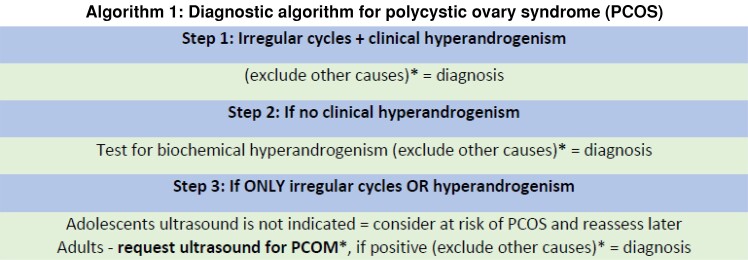
- Diagnostic updates include maintaining the 2018 criteria (two of clinical/biochemical hyperandrogenism, ovulatory dysfunction, and polycystic ovarian morphology), with serum AMH now usable instead of ultrasound in adults only; AMH should not be used as a single test or in adolescents, and ultrasound/AMH are not needed when irregular cycles and hyperandrogenism are present.
- Women with PCOS are recognized as at increased risk of impaired glucose tolerance/type 2 diabetes, cardiovascular disease, obstructive sleep apnoea, endometrial hyperplasia/cancer, and pregnancy complications; depression and anxiety are highly prevalent and screening is recommended; lifestyle management is core, with no single diet or exercise type shown superior.
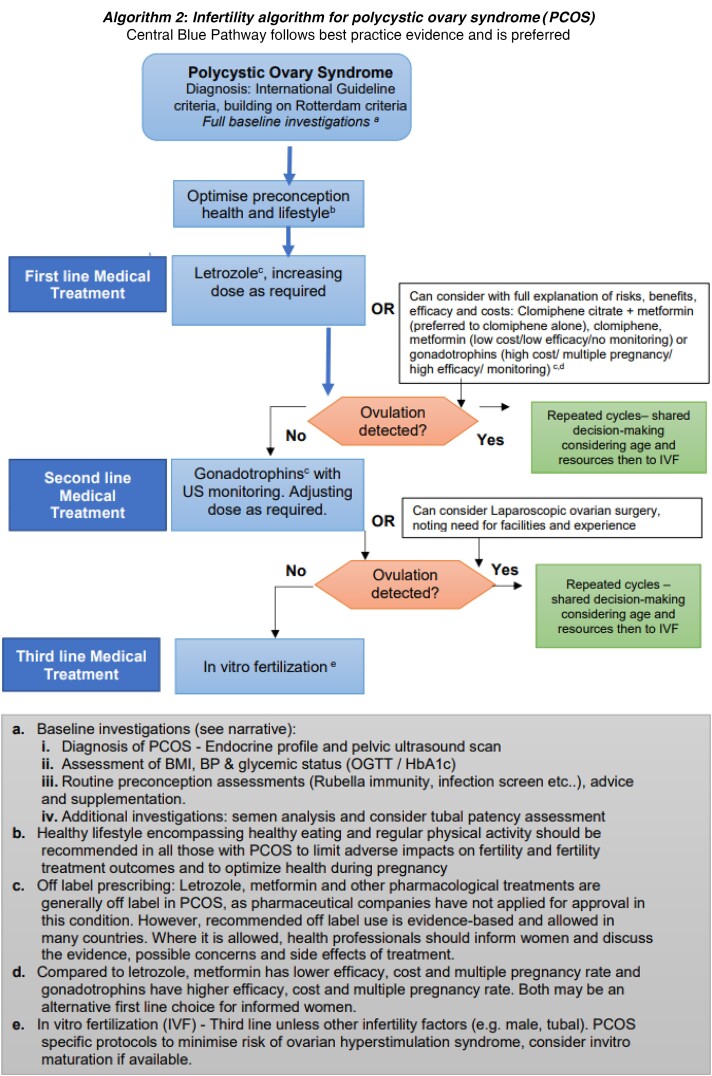
- For anovulatory infertility with no other infertility factors, letrozole should be first-line ovulation induction; clomiphene with metformin is an alternative; gonadotrophins or laparoscopic ovarian surgery are second-line; IVF is third-line; metformin in pregnancy has not been shown to prevent gestational diabetes, late miscarriage, hypertension in pregnancy, preeclampsia, or macrosomia/birthweight ≥4000 g.
Methods
- The update reengaged the 2018 network: 39 professional and consumer organizations covering 71 countries; governance included a six-continent international advisory and management committee, five guideline development groups with 56 members, and paediatric, consumer, and translation committees; 20 meetings and five face-to-face forums over 12 months.
- Evidence synthesis addressed 58 prioritized clinical questions in the abstract (the Methods section reports fifty-five) involving 52 systematic and 3 narrative reviews; AGREE-II-compliant processes and the GRADE framework were applied across evidence quality, feasibility, acceptability, cost, implementation, and recommendation strength, with diversity and inclusion considered throughout.
- Recommendations were categorized as evidence-based, consensus, or practice points; a technical evidence report and analyses (~6000 pages) underpins 77 evidence-based and 54 consensus recommendations with 123 practice points, approved by the Australian NHMRC.
Limitations
- Stated: evidence in PCOS assessment and management has generally improved but remains low to moderate quality; recommendations are strengthened yet still generally low to moderate quality; significantly greater research is needed; regional health system variation was considered and acknowledged with a further adaptation process.
- Stated: several areas have limited evidence—AMH should not yet be used in adolescents, there are no definitive ultrasound PCOM criteria in adolescents, PCOS-specific evidence is limited for COCPs, anti-androgens, and inositol, and long-term offspring effects of metformin exposure remain unclear.
- Evident: this article is a summary of the guideline; the full technical report and GRADE profiles are not included, so detailed evidence per recommendation cannot be assessed here, and several recommendations are consensus-based due to insufficient PCOS evidence, with some medications used off-label.
Model-written summary. Check it against the paper before relying on it.
Integrity signals
Registry
Cites
Statistics
Figures
Verification
Claims the paper makes
9 Valid · 64 Not valid · 1 Not checked · 61 Own results and interpretations
The sources with a verdict support this claim; the rest weren’t checked yet, have no full text we could read, or their verdicts aren’t rated yet.
In the paper
“clinical presentation is heterogeneous with reproductive, metabolic, and psychological features (1, 2).”
§ Recommendations From the 2023 International Evidence-based Guideline for the Assessment and Management of Polycystic Ovary Syndrome > Introduction
What the sources say
- Supportedcites [1] Teede, 2010, Polycystic ovary syndrome: a complex condition with psychological, reproductive and metabolic manifestations that impacts on health across the lifespan, BMC Med source
The Introduction’s “Clinical features of PCOS” section explicitly describes PCOS as heterogeneous and says its presentation includes psychological, reproductive, and metabolic features. Appendix 1 also lists features in each of those three categories. (LLM, conf=0.95)
- Not checked — no full text of the sourcecites [2] Azziz, 2016, Polycystic ovary syndrome, Nat Rev Dis Primers source
plain- Asserted: passes — The authors put it forward as true.
- Checkable: passes — It can be checked against evidence.
- Load-bearing: unclear — It is unclear whether the paper’s conclusions depend on it.
- Based: passes — The paper gives a reason why it holds.
- Supported
The sources with a verdict support this claim; the rest weren’t checked yet, have no full text we could read, or their verdicts aren’t rated yet.
In the paper
“Women internationally experience delayed diagnosis and dissatisfaction with care (3-5).”
§ Recommendations From the 2023 International Evidence-based Guideline for the Assessment and Management of Polycystic Ovary Syndrome > Introduction
What the sources say
- Supportedcites [3] Gibson-Helm, 2017, Delayed diagnosis and lack of information associated with dissatisfaction in women with polycystic ovary syndrome, J Clin Endo & Metab source
The Discussion (Summary of findings) reports that, across world regions, very few women with PCOS were satisfied with their diagnosis experience or the information provided at diagnosis. This supports the citing sentence’s reference to dissatisfaction with care in the context of delayed diagnosis. (LLM, conf=0.92)
- Not checked — no full text of the sourcecites [4] Dokras, 2017, Gaps in knowledge among physicians regarding diagnostic criteria and management of polycystic ovary syndrome, Fertil Steril source
- Not checked — no full text of the sourcecites [5] Teede, 2014, Polycystic ovary syndrome: perceptions and attitudes of women and primary health care physicians on features of PCOS and renaming the syndrome, J Clin Endocrinol Metab source
plain- Asserted: passes — The authors put it forward as true.
- Checkable: passes — It can be checked against evidence.
- Load-bearing: unclear — It is unclear whether the paper’s conclusions depend on it.
- Based: passes — The paper gives a reason why it holds.
- Supported
The sources with a verdict support this claim; the rest weren’t checked yet, have no full text we could read, or their verdicts aren’t rated yet.
In the paper
“Women internationally experience delayed diagnosis and dissatisfaction with care (3-5).”
§ Recommendations From the 2023 International Evidence-based Guideline for the Assessment and Management of Polycystic Ovary Syndrome > Introduction
What the sources say
- Supportedcites [3] Gibson-Helm, 2017, Delayed diagnosis and lack of information associated with dissatisfaction in women with polycystic ovary syndrome, J Clin Endo & Metab source
The Conclusions state that delayed diagnosis is common among women with PCOS worldwide. The Discussion’s “Diagnosis experience” section also reports that diagnosis took at least a year for many women in each world region studied. (LLM, conf=0.94)
- Not checked — no full text of the sourcecites [4] Dokras, 2017, Gaps in knowledge among physicians regarding diagnostic criteria and management of polycystic ovary syndrome, Fertil Steril source
- Not checked — no full text of the sourcecites [5] Teede, 2014, Polycystic ovary syndrome: perceptions and attitudes of women and primary health care physicians on features of PCOS and renaming the syndrome, J Clin Endocrinol Metab source
plain- Asserted: passes — The authors put it forward as true.
- Checkable: passes — It can be checked against evidence.
- Load-bearing: passes — The paper’s conclusions depend on it.
- Based: passes — The paper gives a reason why it holds.
- Supported
The paper states this without a source or data behind it here, so there is nothing to check it against. The quote shows it is in the paper.
In the paper
“Symptoms of depression and anxiety are significantly increased and should be screened for in all women with PCOS, with psychological assessment and therapy as indicated.”
§ Recommendations From the 2023 International Evidence-based Guideline for the Assessment and Management of Polycystic Ovary Syndrome > Discussion
plainstates an association- Asserted: passes — The authors put it forward as true.
- Checkable: passes — It can be checked against evidence.
- Load-bearing: passes — The paper’s conclusions depend on it.
- Based: unclear — It is unclear why the paper says it holds.
A result the paper states — it cites no source for it, so there is none to check. The quote shows it is in the paper.
In the paper
“high risk status for adverse outcomes during pregnancy”
§ Recommendations From the 2023 International Evidence-based Guideline for the Assessment and Management of Polycystic Ovary Syndrome > Abstract > Main Results and the Role of Chance
plainstates an association- Asserted: passes — The authors put it forward as true.
- Checkable: passes — It can be checked against evidence.
- Load-bearing: passes — The paper’s conclusions depend on it.
- Based: passes — The paper gives a reason why it holds.
50 more claims
Create a free account to see all 135 claims and every source verdict.
- Probably not a substantial claim. 68
- It may state two separate claims as one. 31
Claims other papers make about this one
Each is checked against this paper’s own text: does it say what the citing paper says it does?
The cited source doesn’t support the claim as written.
In the citing paper
“No benefits on hirsutism are to be expected [161].”
From Precision obesity medicine: A phenotype-guided framework for pharmacologic therapy across the lifespan (2025) · cites this paper as [161]
Checked by a reasoning model — may be wrong.
Experimental — accuracy not yet measuredThe source backs part of the claim, not all of it — or backs it for a different population, condition or comparison.
In the citing paper
“Weight loss is recommended for people with PCOS and BMI ≥ 25, as it has been shown to improve both reproductive and metabolic outcomes [161].”
From Precision obesity medicine: A phenotype-guided framework for pharmacologic therapy across the lifespan (2025) · cites this paper as [161]
Experimental — accuracy not yet measuredThe source backs part of the claim, not all of it — or backs it for a different population, condition or comparison.
In the citing paper
“It can also be used for irregular menstrual cycles, to improve pregnancy rates [161].”
From Precision obesity medicine: A phenotype-guided framework for pharmacologic therapy across the lifespan (2025) · cites this paper as [161]
Experimental — accuracy not yet measuredThe source backs part of the claim, not all of it — or backs it for a different population, condition or comparison.
In the citing paper
“Obesity is more prevalent among females with PCOS than in the general population; it contributes to the development of PCOS and worsens [161] its clinical features”
From Precision obesity medicine: A phenotype-guided framework for pharmacologic therapy across the lifespan (2025) · cites this paper as [161]
Experimental — accuracy not yet measuredThe source backs part of the claim, not all of it — or backs it for a different population, condition or comparison.
In the citing paper
“Metformin is recommended in adults with PCOS and a BMI ≥ 25 to improve insulin resistance, glucose and lipid profiles, but not for weight loss [161].”
From Precision obesity medicine: A phenotype-guided framework for pharmacologic therapy across the lifespan (2025) · cites this paper as [161]
Experimental — accuracy not yet measured
11 more claims about this paper
Create a free account to see every claim other papers make about this one.
Self-check
Percentages, sums and reported differences re-computed from the paper’s own numbers.
Each contradiction between two passages listed here was confirmed by an independent check.
Rated minor: it would not touch a result — a value no result rests on, a p-value that stays on the same side of the significance level, or a conflict that is clerical, resolved elsewhere in the paper, or outside its own findings.
In the paper
§ Recommendations From the 2023 International Evidence-based Guideline for the Assessment and Management of Polycystic Ovary Syndrome > Abstract > Participants/Materials, Setting, Methods
“Twenty meetings and five face-to-face forums over 12 months addressed 58 prioritized clinical questions involving 52 systematic and 3 narrative reviews.”
§ Recommendations From the 2023 International Evidence-based Guideline for the Assessment and Management of Polycystic Ovary Syndrome > Materials and Methods
“With international meetings over 12 months fifty-five prioritized clinical questions involved 52 systematic and three narrative reviews, generating evidence-based and consensus recommendations with accompanying practice points.”
Citations
Cites
AGREE II: advancing guideline development, reporting and evaluation in health care
Brouwers, M. C., Kho, M. E., Browman, G. P., Burgers, J. S., Cluzeau, F., Feder, G., Fervers, B., Graham, I. D., Grimshaw, J., Hanna, S. E., et al. (2010) · Canadian Medical Association Journal · doi:10.1503/cmaj.090449 · Cited by 3,790 · cited 2×
“10-12 Evidence synthesis methods are outlined in the full guideline and followed best practice 9,13,14 Guideline recommendations are presented by category, terms used, evidence quality and Grading of Recommendations, Assessment, Development, and Evaluation (GRADE) framework considerations.”
MethodAzziz, R., Carmina, E., Chen, Z., Dunaif, A., Laven, J. S. E., Legro, R. S., Lizneva, D., Natterson-Horowtiz, B., Teede, H. J., & Yildiz, B. O. (2016) · Nature Reviews Disease Primers · doi:10.1038/nrdp.2016.57 · Cited by 2,005 · cited 4×
“The 5 GDGs covered: (1) Screening, diagnostic and risk assessment and life stage; (2) Psychological features and models of care; (3) Lifestyle management; (4) Management of nonfertility features; and (5) Assessment and management of infertility.”
BackgroundMethodInfluentialSelf-citationTeede, H. J., Misso, M. L., Costello, M. F., Dokras, A., Laven, J., Moran, L., Piltonen, T., Norman, R. J., & the International PCOS Network (2018) · Clinical Endocrinology · doi:10.1111/cen.13795 · Cited by 1,823
Self-citationTeede, H. J., Misso, M. L., Costello, M. F., Dokras, A., Laven, J., Moran, L., Piltonen, T., Norman, R. J., International PCOS Network, Andersen, M., et al. (2018) · Human Reproduction · doi:10.1093/humrep/dey256 · Cited by 1,593
Self-citationTeede, H., Deeks, A., & Moran, L. (2010) · BMC Medicine · doi:10.1186/1741-7015-8-41 · Cited by 1,565 · cited 3×
“The 5 GDGs covered: (1) Screening, diagnostic and risk assessment and life stage; (2) Psychological features and models of care; (3) Lifestyle management; (4) Management of nonfertility features; and (5) Assessment and management of infertility.”
Self-citationGibson-Helm, M., Teede, H., Dunaif, A., & Dokras, A. (2016) · The Journal of Clinical Endocrinology & Metabolism · doi:10.1210/jc.2016-2963 · Cited by 428 · cited 3×
“The 5 GDGs covered: (1) Screening, diagnostic and risk assessment and life stage; (2) Psychological features and models of care; (3) Lifestyle management; (4) Management of nonfertility features; and (5) Assessment and management of infertility.”
BackgroundSelf-citationDokras, A., Saini, S., Gibson-Helm, M., Schulkin, J., Cooney, L., & Teede, H. (2017) · Fertility and Sterility · doi:10.1016/j.fertnstert.2017.04.011 · Cited by 218 · cited 2×
“The 5 GDGs covered: (1) Screening, diagnostic and risk assessment and life stage; (2) Psychological features and models of care; (3) Lifestyle management; (4) Management of nonfertility features; and (5) Assessment and management of infertility.”
BackgroundSelf-citationMol, B. W., Lai, S., Rahim, A., Bordewijk, E. M., Wang, R., van Eekelen, R., Gurrin, L. C., Thornton, J. G., van Wely, M., & Li, W. (2023) · Research Integrity and Peer Review · doi:10.1186/s41073-023-00130-8 · Cited by 154
A checklist to assess Trustworthiness in RAndomised Controlled Trials (TRACT checklist)
Mol, B. W., Lai, S., Rahim, A., Bordewijk, E. M., Wang, R., Eekelen, R. V., Gurrin, L. C., Thornton, J. G., Wely, M. V., & Li, W. (2023) · doi:10.21203/rs.3.rs-2119486/v1 · Cited by 149
Teede, H., Gibson-Helm, M., Norman, R. J., & Boyle, J. (2014) · The Journal of Clinical Endocrinology & Metabolism · doi:10.1210/jc.2013-2978 · Cited by 93 · cited 2×
“The 5 GDGs covered: (1) Screening, diagnostic and risk assessment and life stage; (2) Psychological features and models of care; (3) Lifestyle management; (4) Management of nonfertility features; and (5) Assessment and management of infertility.”
BackgroundSelf-citation
Cited by
Items 201–300 of 911
Gut feelings–the gut microbiome as a regulator of mental health in polycystic ovary syndrome
Arffman, R. K., Folch, B. A., Leonés-Baños, I., & Altmäe, S. (2025) · Fertility and Sterility · doi:10.1016/j.fertnstert.2025.09.014 · Cited by 7
Unraveling PCOS therapies: Pharmacotherapeutic strategies and emerging therapeutic targets
Shirasath, K. R., Ahmed, N. Z., Kumar, P., Alam, S., Karwasra, R., Goyal, S. N., & Agrawal, Y. O. (2025) · Pathology - Research and Practice · doi:10.1016/j.prp.2025.156245 · Cited by 7
Yao, B., Yu, X., Zhang, Y., Chen, J., Zhu, X., Zhang, C., & Jijun, T. (2025) · Frontiers in Endocrinology · doi:10.3389/fendo.2025.1719631 · Cited by 11
“The 2023 international evidence-based guideline further emphasized the integration of clinical, biochemical, and imaging evidence, recognizing anti-Müllerian hormone (AMH) as an alternative marker for de fi ning polycystic ovarian morphology (PCOM), but not as a standalone diagnostic test (11).”
Prémusz, V., Makai, A., Ács, P., Derkács, E., & Laczkó, T. (2023) · European Journal of Investigation in Health Psychology and Education · doi:10.3390/ejihpe13090135 · Cited by 8
Sziva, R. E., Kollarics, R., Pál, É., Bányai, B., Korsós-Novák, Á., Fontányi, Z., Magyar, P., Süli, A., Nádasy, G. L., Ács, N., et al. (2025) · Nutrients · doi:10.3390/nu17020201 · Cited by 7
Lee, S., Aasmets, O., Arffman, R. K., Laru, J., Rossi, H., Salumets, A., Piltonen, T., & Org, E. (2025) · Human Reproduction · doi:10.1093/humrep/deae270 · Cited by 9
Self-citationChen, X., Xiao, Z., Cai, Y., & Pan, Y. (2025) · Gynecological Endocrinology · doi:10.1080/09513590.2025.2497854 · Cited by 6
Yanachkova, V. E., & Stankova, T. R. (2025) · International Journal of Molecular Sciences · doi:10.3390/ijms26094239 · Cited by 9
“Hyperinsulinemia directly influences androgen metabolism, hence enhancing androgen synthesis in the context of insulin resistance [2,3].”
Myoinositol or D-chiro-inositol for PCOS symptoms in adolescents: a narrative review
Sairally, B. Z. F., Dhillon‐Smith, R. K., Jethwani, G., & Latthe, P. M. (2023) · Journal of Pediatric Endocrinology and Metabolism · doi:10.1515/jpem-2023-0458 · Cited by 6
The Role Played by Mitochondria in Polycystic Ovary Syndrome
Sun, C., Zhao, S., Pan, Z., Li, J., Wang, Y., & Kuang, H. (2024) · DNA and Cell Biology · doi:10.1089/dna.2023.0345 · Cited by 8
“The guidelines also present a full understanding of the features of PCOS, including metabolic risk factors, cardiovascular disease, sleep apnea, psychological disorders, and higher risk status for adverse outcomes during pregnancy (Teede et al., 2023).”
Role of Anti-Müllerian Hormone in the Central Regulation of Fertility
Cotellessa, L., & Giacobini, P. (2024) · Seminars in Reproductive Medicine · doi:10.1055/s-0044-1786050 · Cited by 8
Kallistatin as a Potential Biomarker in Polycystic Ovary Syndrome: A Prospective Cohort Study
Yurtkal, A., & Canday, M. (2024) · Diagnostics · doi:10.3390/diagnostics14141553 · Cited by 9
“Often, each clinical symptom and comorbidity is treated separately, which can delay or obscure a diagnosis of PCOS and limit follow-up care [1,19,24].”
BackgroundPerović, M., Miković, Ž., Zečević, N., Zecevic, T., Šalović, B., Dugalić, S., Mihailovic, M., Radaković, J., & Soldatović, I. (2024) · Archives of Gynecology and Obstetrics · doi:10.1007/s00404-024-07890-8 · Cited by 6
Kamrul-Hasan, A. B. M., Mondal, S., Aalpona, F. T. Z., Nagendra, L., & Dutta, D. (2025) · touchREVIEWS in Endocrinology · doi:10.17925/ee.2025.21.1.2 · Cited by 10
Scannell, N., Villani, A. M., Moran, L., Mantzioris, E., & Cowan, S. (2025) · Nutrients · doi:10.3390/nu17071105 · Cited by 22
Self-citationDefert, C., Cartault, A., Haffreingue, A., Clermidi, P., Lefébure, C., Olland, A., Glénisson, M., Deleforterie, T., Bourg, A., Vérot, P.-L., et al. (2025) · Journal of Pediatric Surgery · doi:10.1016/j.jpedsurg.2025.162317 · Cited by 7
Jackuliak, P., Jankovský, M., Kovářová, M., Voller, J., Feitscherova, C., & Varga, I. (2025) · Frontiers in Cell and Developmental Biology · doi:10.3389/fcell.2025.1582039 · Cited by 6
Optimizing carbohydrate quality: a path to better health for women with PCOS
Zhang, L., Jin, Y., Yang, A., Yu, X., Li, Y., Wang, X., Heng, C., Qi, B., Gao, B., & Zhao, G. (2025) · Frontiers in Nutrition · doi:10.3389/fnut.2025.1578459 · Cited by 12
Mizgier, M., Sansoni, V., Więckowska, B., Jarząbek‐Bielecka, G., Formanowicz, D., Kędzia, W., Banfi, G., & Lombardi, G. (2025) · Frontiers in Nutrition · doi:10.3389/fnut.2025.1477992 · Cited by 8
Demis, A., Kiconco, S., Earnest, A., Khomami, M. B., Dhungana, R. R., Azziz, R., Сутурина, Л. В., Zhao, X., Gambineri, A., Tehrani, F. R., et al. (2025) · BMC Medicine · doi:10.1186/s12916-025-04221-9 · Cited by 10
“PCOM is not recommended in adolescents as it lacks specificity [2–5].”
Self-citationScannell, N., Mantzioris, E., Cowan, S., Moran, L., & Villani, A. M. (2025) · Proceedings of The Nutrition Society · doi:10.1017/s0029665126104054 · Cited by 9
Self-citationZeng, W., Luo, Y., Ou, J., Gan, D., Huang, M., Tomlinson, B., & Jiang, Y. (2025) · Frontiers in Pharmacology · doi:10.3389/fphar.2025.1654372 · Cited by 8
Qu, J., Qiu, M., Wang, J., Chen, Z., Chen, M., Teng, X., & Li, Y. (2025) · Frontiers in Cell and Developmental Biology · doi:10.3389/fcell.2025.1626938 · Cited by 5
Zeng, W., Gan, D., Ou, J., & Tomlinson, B. (2025) · Frontiers in Reproductive Health · doi:10.3389/frph.2025.1642369 · Cited by 9
Sibal, R., Keogh, M., Latthe, P. M., & Idkowiak, J. (2026) · Journal of Pediatric and Adolescent Gynecology · doi:10.1016/j.jpag.2026.01.001 · Cited by 6
Androgen actions in metabolic tissues in polycystic ovary syndrome
MacRae, C. L., & Campbell, R. E. (2026) · Endocrinology · doi:10.1210/endocr/bqag001 · Cited by 6
Harrath, A. H., Jalouli, M., Al-Zharani, M. M., & Rahaman (2026) · Biomolecules · doi:10.3390/biom16050626 · Cited by 9
Beyond the Metabolic Syndrome: Non-Obvious Complications of Obesity in Children
Kozioł-Kozakowska, A., Januś, D., Stępniewska, A., Szczudlik, E., Stochel-Gaudyn, A., & Wójcik, M. (2023) · Children · doi:10.3390/children10121905 · Cited by 7
“For girls with PCOS and disorders of glucose metabolism or features of MAFLD, metformin may be recommended, which not only improves metabolic parameters but also has a positive effect on the regularity of cycles, monthly periods, and ovulation [66–68].”
BackgroundPace, L. A., Kummer, N., Wallace, M., & Azziz, R. (2024) · Reproductive Sciences · doi:10.1007/s43032-024-01702-9 · Cited by 7
“Clinical hyperandrogenism was determined to be pre-sent if mF-G score was found to be 4 or greater, as previously reported and consistent with the 2023 International Evidence-based Guidelines for the Assessment and Management of PCOS [8, 18].”
InfluentialCavalcante, R. B. D. M., Leão, L. M. C. S. M., Tavares, A. B. W., Lopes, K. G., Terra, C., Salgado, Â. A., & Kraemer‐Aguiar, L. G. (2024) · Endocrine · doi:10.1007/s12020-024-04077-8 · Cited by 9
“…with menstrual irregularities or hyperandrogenemia and those who did not meet the diagnostic criteria for PCOS from the 2018 International Evidence-Based Guidelines [1], which built on the consensus-based 2003 Rotterdam criteria [23], were excluded from the control and PCOS groups, respectively.”
Woodward, A., Klonizakis, M., Broom, D. R., Cholerton, R., & Piercy, H. (2024) · Health Education Research · doi:10.1093/her/cyae040 · Cited by 17
“Polycystic ovary syndrome (PCOS) is a complex endocrinopathy affecting 10–13% of reproductive-aged women [1].”
Mrabet, H. E., Salem, H. B., Ach, T., Abdelkarim, A. B., & Alaya, W. (2024) · SAGE Open Medicine · doi:10.1177/20503121241308997 · Cited by 8
Suchta, K., Żeber‐Lubecka, N., Grymowicz, M., Smolarczyk, R., Kulecka, M., & Hennig, E. E. (2025) · Metabolites · doi:10.3390/metabo15030141 · Cited by 7
Embryological and pregnancy outcomes of IVF-ET in overweight/obese and normal-weight women with PCOS
Huang, S., Wang, Z., Yang, R. J., Li, R., & Qiao, J. (2025) · Frontiers in Endocrinology · doi:10.3389/fendo.2025.1552561 · Cited by 10
Lambadiari, V., Pililis, S., Lampsas, S., Kountouri, A., Thymis, J., Pliouta, L., Peppa, Μ., Kalantaridou, S., Oikonomou, E. K., Siasos, G., et al. (2025) · International Journal of Molecular Sciences · doi:10.3390/ijms26125488 · Cited by 7
Nawaito, S. A., Esmael, M., Souchkova, O., Cardinal, T., Bernas, G., Bergeron, K., Gayda, F., Bergeron, F., Bouchard, M., Zhou, X., et al. (2025) · The FASEB Journal · doi:10.1096/fj.202401718rr · Cited by 5
Rizzi, A., Polimeno, T., Leo, M. L., Moriconi, A., Policriti, M. A., Tartaglione, L., Merola, A., Tropea, A., Apa, R., & Pitocco, D. (2025) · Endocrine Practice · doi:10.1016/j.eprac.2025.06.020 · Cited by 6
Abdollahzade‐Delavar, M., Delavar, M. A., Ghadimi, R., Esmaeilzadeh, S., & Amiri, M. (2025) · BMC Research Notes · doi:10.1186/s13104-025-07232-0 · Cited by 6
“This study included infertile women aged 18–35 years diagnosed with PCOS according to according to the 2023 international PCOS guidelines [18], who had attempted to conceive within the past year.”
Scannell, N., Mantzioris, E., Rao, V. S., Pandey, C., Ee, C., Mousa, A., Moran, L., & Villani, A. M. (2023) · Biomedicines · doi:10.3390/biomedicines11123349 · Cited by 12
Self-citationOrszulak, D., Niziński, K., Bil, A., Gawlik, A., Ziora, K. T., & Drosdzol-Cop, A. B. (2024) · Frontiers in Endocrinology · doi:10.3389/fendo.2024.1314752 · Cited by 5
“Due to this reason, the prevalence of PCOS varies between 10% to 13% based on which diagnostic criteria are used: the National Institutes of Health criteria, Rotterdam criteria, or Androgen Excess-PCOS Society criteria (11).”
MethodPaczkowska, K., Sobczuk, J., Zawadzka, K., Jędrzejuk, D., Zembska, A., Konieczny, J., Kaszubkiewicz-Wardęga, D., Bolanowski, M., & Daroszewski, J. (2024) · Endokrynologia Polska · doi:10.5603/ep.99111 · Cited by 11
Lower Serum ATG7 Levels Linked to Insulin Resistance in Women with Polycystic Ovary Syndrome
Lu, L., Wu, B., Peng, C., Zhang, W., Zhao, Y., Huang, C., & Long, Y. (2024) · Medical Science Monitor · doi:10.12659/msm.944556 · Cited by 6
Luo, Y., Zhou, Y., Jiang, H., Zhu, Q., Lv, Q., Zhang, X., Gu, R., Yan, B., Li, W., Zhu, Y., et al. (2024) · Scientific Reports · doi:10.1038/s41598-024-69065-4 · Cited by 9
Pace, L. A., Waldeck, J., Chan, J. L., Pisarska, M. D., & Azziz, R. (2024) · Journal of Women s Health · doi:10.1089/jwh.2024.0186 · Cited by 5
“1 Importantly, diagnosis is simpli fi ed in patients presenting with clinical evidence of HA and irregular menstrual cycles, and serum AMH is now an approved alternative to transvaginal ultrasound.”
Polycystic Ovarian Syndrome: Exploring Hypertension and Cardiometabolic Implications
Silva, G. D. B., Garcia, K. D. T., Ajamyan, H., Shekhawat, P., Rodriguez, L., Hammoud, A. O., Zapata, M. D. J. A., Hernandez, N. F., & Rayon, H. M. R. (2024) · Cureus · doi:10.7759/cureus.70958 · Cited by 10
“Biochemical evidence of HA is seen in 60-80% of women with the syndrome, and about 60% have clinical evidence in the form of hirsutism, acne, and alopecia [25].”
BackgroundZhou, T., Wang, F., Xu, X., Zhu, Y., Zhang, R., Lee, H. W., Hu, X.-Y. M., Qu, F., Dai, M., He, Y., et al. (2024) · Integrative Medicine Research · doi:10.1016/j.imr.2024.101093 · Cited by 7
Abdessalem, F. B., Ach, T., Ghariani, N. F., Mraihi, E., & Abdelkarim, A. B. (2024) · Archives of Dermatological Research · doi:10.1007/s00403-024-03466-3 · Cited by 9
“Diagnosis requires the presence of at least two of the following criteria [1]: - Clinical hyperandrogenism (manifesting as hirsutism, acne, or androgenic alopecia) or biochemical hyperandrogenism.”
InfluentialYuan, Y., Daiterigele, Zhang, Q., & Du, C. (2025) · European journal of medical research · doi:10.1186/s40001-024-02237-0 · Cited by 6
Kwiatkowski, J., Akpang, N., Ziemkiewicz, Z., Zaborowska, Ł., & Ludwin, A. (2025) · International Journal of Molecular Sciences · doi:10.3390/ijms26178192 · Cited by 7
“…the most widely used and accepted criteria are the Rotterdam criteria, which state that the diagnosis requires the presence of at least two of the following three features: (1) biochemical or clinical hyperandrogenism; (2) oligo-or anovulation; (3) polycystic ovarian morphology (PCOM) [4,5].”
InfluentialDietary Patterns and Metabolic and Hormonal Parameters in Women with Suspected PCOS
Kowalczyk, K., Kadłubek, S., Krużel, A., Sikora, D., Daniluk, J., & Madej, P. (2025) · Journal of Clinical Medicine · doi:10.3390/jcm14082708 · Cited by 4
Evaluating spironolactone monotherapy against combined treatment with metformin in rat PCOS model
Bashir, S. M., Ali, S. I., Rather, M. A., Sheikh, W. M., Singh, H., Nabi, S. U., Ganie, M. A., Shafi, M., Shah, M. Z. U. H., Bhat, J. I., et al. (2025) · European Journal of Pharmacology · doi:10.1016/j.ejphar.2025.177516 · Cited by 4
Tavares, A. C. M., Martins, M. Y. M., de Souza, G. F., Lima, E. M., Rocha, C. A., de Souza, L. C., Simões, J. M. L., ARAÚJO, N. O. D., & Cavalcante, M. B. (2025) · Journal of Reproductive Immunology · doi:10.1016/j.jri.2025.104538 · Cited by 12
Contraceptive Selection for the Endocrine Patient: What an Endocrinologist Should Know
Zaman, A., Lazorwitz, A. M., & Wierman, M. E. (2025) · Endocrine Reviews · doi:10.1210/endrev/bnaf016 · Cited by 9
Sun, Z., Jin, B., Han, H., Qin, Z., Shi, Y., & Zhang, Y. (2025) · Frontiers in Pharmacology · doi:10.3389/fphar.2025.1661806 · Cited by 6
Swauger, S. E., & Crimmins, N. A. (2025) · Journal of clinical lipidology · doi:10.1016/j.jacl.2025.04.184 · Cited by 5
Genazzani, A. R., Fidecicchi, T., Arduini, D., Benagiano, G., Birkhaeuser, M. H., Schenker, J. G., Strauss, J. F., Awad, D. V., Arnal, J., Bahamondes, L. G., et al. (2025) · Gynecological Endocrinology · doi:10.1080/09513590.2025.2543423 · Cited by 9
“Women with PCOS often have metabolic abnormalities (i.e. obesity, insulin resistance, and metabolic syndrome) that should be evaluated and treated to prevent cardiometabolic consequences later in life [145,146].”
InfluentialAutonomic dysfunction in polycystic ovary syndrome
Adams, Z. H., Simpson, L. L., Hart, E. C., & Lord, R. N. (2025) · Autonomic Neuroscience · doi:10.1016/j.autneu.2025.103357 · Cited by 4
Uçar, M., Ata, A., Barutçuoğlu, B., Ak, G., Habif, S., Parıldar, Z., Gökşen, D., Darcan, Ş., & Özen, S. (2025) · The Turkish Journal of Pediatrics · doi:10.24953/turkjpediatr.2025.5939 · Cited by 4
“5 No significant difference was observed between TT measurements conducted by different methods.”
Wang, R., Huang, K., Wang, M., Zou, W., Huang, Y., Jiang, W., Feng, Y., Shen, H., & Lei, X. (2025) · Frontiers in Nutrition · doi:10.3389/fnut.2025.1705284 · Cited by 10
Liu, H.-R., Jin, Q., Hong, L., Wu, X., Shi, T.-M., & Fan, H. (2025) · Diabetes Research and Clinical Practice · doi:10.1016/j.diabres.2025.113037 · Cited by 5
Bolek, T., Turňová, P., Jánošová, S., Péč, M. J., Ságová, I., Nagy, N., Jurica, J., Mokáň, M., & Samoš, M. (2025) · Clinical Nutrition ESPEN · doi:10.1016/j.clnesp.2025.102885 · Cited by 7
The biology and clinical aspects of female infertility
Madjunkov, M., Madjunkova, S., & Librach, C. (2026) · Systems Biology in Reproductive Medicine · doi:10.1080/19396368.2025.2593345 · Cited by 10
Namysł, M., Matczak, S., Dachowska, S., Haraj, J., Majcherek, E., Sobkowiak, M., Bieniek, M., & Woźniak, K. (2026) · Cureus · doi:10.7759/cureus.101431 · Cited by 6
“Herbal supplements, including WS, are not recommended due to insufficient high-quality clinical evidence [29].”
Mhatre, Y., Jadhav, P. R., Malik, A. S., Srivathsan, M., & Langade, D. (2026) · Frontiers in Endocrinology · doi:10.3389/fendo.2026.1769773 · Cited by 10
“Ayurveda attributes PCOS to an imbalance of doshas (biological energies) and accumulation of toxins (ama), leading to cyst formation and hormonal dysregulation (13, 14).”
Lavi, J. A., Savukoski, S. M., Hurskainen, E., Ollila, M., Morin-Papunen, L. C., Niinimäki, M. J., & Piltonen, T. (2026) · Acta Obstetricia Et Gynecologica Scandinavica · doi:10.1111/aogs.70198 · Cited by 6
Self-citationNaming in medicine: how disease nomenclature shapes diagnosis, research and patient lives
Teede, H. J., Morman, R., Dokras, A., Khomami, M. B., Piltonen, T., Norman, R. J., & Stener‐Victorin, E. (2026) · Nature Medicine · doi:10.1038/s41591-026-04456-w · Cited by 6
Self-citationMASLD, diabetes and PMOS across the female life stages
Stener‐Victorin, E., Carlsson, S., Hagström, H., & Taebnia, N. (2026) · Diabetologia · doi:10.1007/s00125-026-06761-y · Cited by 7
Kugelman, N., Pooni, A., Rotshenker-Olshinka, K., Bellemare, V., Digby, A. M., & Dahan, M. H. (2024) · Journal of the Turkish-German Gynecological Association · doi:10.4274/jtgga.galenos.2024.2023-12-9 · Cited by 4
Polycystic ovary syndrome: new and promising treatment methods
Муратовна, Г. Д., Sheremetyeva, E. V., Kalashnikova, M. F., Dzgoeva, F. K., & Алборова, Е. Т. (2024) · Problems of Endocrinology · doi:10.14341/probl13400 · Cited by 13
Talida, V., Suciu, T.-S., Iancu, M., Daniela-Rodica, M., Filip, G. A., & Procopciuc, L. M. (2024) · Medicina · doi:10.3390/medicina60091501 · Cited by 4
Efficacy of physical activity in polycystic ovary syndrome treatment
Parmar, S.-L. K., & Whooten, R. (2024) · Current Opinion in Endocrinology Diabetes and Obesity · doi:10.1097/med.0000000000000885 · Cited by 10
Adverse Cardiometabolic Outcomes in Men With Sisters With Polycystic Ovary Syndrome
Kanina, A., Stener‐Victorin, E., Butwicka, A., Öberg, A. S., Rosenqvist, M. A., & Cesta, C. E. (2025) · The Journal of Clinical Endocrinology & Metabolism · doi:10.1210/clinem/dgaf121 · Cited by 5
Merhi, Z. O. (2025) · Current Opinion in Obstetrics & Gynecology · doi:10.1097/gco.0000000000001044 · Cited by 4
Liu, Y., Han, Y., Jiang, Y., Zhang, J., & Zhang, Y. (2025) · Frontiers in Medicine · doi:10.3389/fmed.2025.1531506 · Cited by 7
Peebles, E., Wang, Z., Dracup, E., Sarcione, C., Curry, C. L., Abrams, K., Onnela, J.-P. “., Williams, M. A., Hauser, R. B., Coull, B. A., et al. (2025) · Frontiers in Endocrinology · doi:10.3389/fendo.2025.1585628 · Cited by 6
Elnenaei, M. O., Thoni, A. J., & Mattman, A. (2025) · Clinical Biochemistry · doi:10.1016/j.clinbiochem.2025.111029 · Cited by 4
Anckaert, E., Ates, G., Liveyns, A., et al. (2025) · Journal of Ovarian Research · doi:10.1186/s13048-025-01870-5 · Cited by 4
Zhao, H., & Guo, Y. (2024) · Gynecologic and Obstetric Investigation · doi:10.1159/000539039 · Cited by 4
Sacca, L., Lobaina, D., Knopf, E., Burgoa, S., Jimenez, S., Okwaraji, G., Etzel, M., Vardanyan, V., Tharp, M. E., Rao, M., et al. (2024) · Clinics and Practice · doi:10.3390/clinpract14050131 · Cited by 7
“Once screening is positive, providers can follow the “2023 International Evidence-based Guideline for the Assessment and Management of Polycystic Ovary Syndrome”, updated with more evidence-based diagnostic criteria to help providers efficiently manage PCOS and address patient priorities [91].”
BackgroundZhang, J., Li, Y., Gong, A., & Wang, J. (2024) · Frontiers in Endocrinology · doi:10.3389/fendo.2024.1442483 · Cited by 4
Keskın, M., Arsoy, H. A., Kara, Ö., Sarandöl, E., Koca, N., & Yilmaz, Y. N. (2024) · Journal of Clinical Medicine · doi:10.3390/jcm13195885 · Cited by 4
“Accordingly, Kara et al. [20], examining 61 adolescent girls aged 12–18 years diagnosed with PCOS according to the latest guidelines [21,22] and 63 controls with similar age and BMI z-scores who had menstruated regularly for more than two years, found no differences in hepatic steatosis on…”
MethodWeight Changes Are Linked to Adipose Tissue Genes in Overweight Women with Polycystic Ovary Syndrome
Hellberg, A., Salamon, D., Ujvári, D., Rydén, M., & Hirschberg, A. L. (2024) · International Journal of Molecular Sciences · doi:10.3390/ijms252111566 · Cited by 4
“Lifestyle intervention, including any combination of exercise, diet, and behavioral modification intervention, is the recommended first-line management for women with PCOS [1].”
BackgroundInfluentialHyperandrogenism after menopause: diagnostic evaluation
Otta, C. F., Torre, D., Chedraui, P. A., Melgarejo, B., Ramos, N., Carlo, M. D., Benzi, M., Banús, V., Estario, M. E., Leiderman, S. M., et al. (2024) · Climacteric · doi:10.1080/13697137.2024.2423874 · Cited by 5
“…signs of hyperandrogenism during reproductive age. in cases of acne, it is useful to determine whether it is of long-standing or recent onset [11–13]. additionally, the presence of headaches and visual disturbances associated with hyperandrogenism can guide clinicians to rule out pituitary…”
InfluentialElenis, E., Joelsson, L. S., Stavreus-Evers, A. C., & Wånggren, K. (2024) · Fertility and Sterility · doi:10.1016/j.fertnstert.2024.12.022 · Cited by 6
Association of hemoglobin levels with metabolic traits in women with PCOS
Virtanen, N., Pesonen, E., Saarela, U., Hurskainen, E., Arffman, R. K., Koivunen, P., & Piltonen, T. (2024) · Acta Obstetricia Et Gynecologica Scandinavica · doi:10.1111/aogs.15047 · Cited by 4
Self-citationGomes, M. D. O., Gomes, J. D. O., ANANIAS, L. F., Lombardi, L. A., Silva, F. S., & Espíndula, A. P. (2025) · American Journal of Obstetrics and Gynecology · doi:10.1016/j.ajog.2025.01.044 · Cited by 11
Wang, F., We, W., & Liu, P. J. (2025) · Diabetes Metabolic Syndrome and Obesity · doi:10.2147/dmso.s501972 · Cited by 5
Wei, L., Bo, L., Jiang, W., Qi, R., Luo, C., Qian, F., Ma, P., Qiu, J., & Mao, C. (2025) · Cell Death Discovery · doi:10.1038/s41420-025-02531-8 · Cited by 7
“At the same time, the 2023 PCOS guidelines emphasized the concept of “ PCOS throughout the lifespan ” , expanding management to include concern for the health of fi rst-degree relatives, as evidence-based studies reveal a signi fi cantly increased risk of these diseases in this population [24, 25].”
TXNIP participates in the pathogenesis of PCOS by regulating glycolysis in granulosa cells
Zhu, R., Liu, Y., & Li, Y. (2025) · Biochemical and Biophysical Research Communications · doi:10.1016/j.bbrc.2025.152149 · Cited by 7
Weight Bias in Reproductive Medicine: A Curiously Unexplored Frontier
Evans, A. T., & Vitek, W. (2023) · Seminars in Reproductive Medicine · doi:10.1055/s-0043-1777016 · Cited by 7
Dalamaga, Μ. (2026) · Metabolism Open · doi:10.1016/j.metop.2026.100479 · Cited by 7
“Women with PCOS present lower HDL cholesterol and higher triglyceride and LDL cholesterol levels than women without the syndrome, differences that are at least partly independent of BMI [6].”
What can we do for the adolescents with polycystic ovary syndrome?
Chen, Y., Tang, Y.-J., Li, X., & Wang, X. (2024) · World Journal of Pediatrics · doi:10.1007/s12519-024-00857-4 · Cited by 3
“Serum anti-Müllerian hormone may be useful in estimating polycystic ovary morphology but it should not be used as a standalone test for the diagnosis of PCOS in adults, nor should it be used in adolescents at this time [4].”
InfluentialKim, Y., Chae, K., Kim, S., Kang, S. Y., Yoon, H., & Namkung, J. (2025) · International Journal of Women s Health · doi:10.2147/ijwh.s490673 · Cited by 5
Yıldırım, M., Kaymak, S. D., Kahraman, N. Ç., Üçok, B. S., & Üstün, Y. E. (2025) · Journal of Ultrasound in Medicine · doi:10.1002/jum.16731 · Cited by 3
Garay, O. U., Olziersky, A.-M., Laven, J. S. E., Mawson, R. L., Piltonen, T., Franks, S., & Sillman, J. (2025) · PLoS ONE · doi:10.1371/journal.pone.0326162 · Cited by 4
“The model was created in collaboration with clinical experts to represent the typical patient pathway for those with signs and symptoms of PCOS, if recommendations of the 2023 International Evidence-based Guidelines were followed [23].”
InfluentialSelf-citationJin, Y., Hu, H., Zhang, J.-C., Zhu, Y., Zhang, H., Xin, X., Fan, R., Yang, Y., Li, Y., & Li, D. (2025) · Chinese Medicine · doi:10.1186/s13020-025-01165-3 · Cited by 4
Parker, M. N., Wiggins, S. P., Thornton, J. A., Sunderland, K. W., Brydum, R., Funk, W., Pav, V., & Klein, D. A. (2025) · Journal of Pediatric and Adolescent Gynecology · doi:10.1016/j.jpag.2025.06.008 · Cited by 4
Hua, R., Li, J.-J., Yang, W., Hua, Y., & Ma, Y.-L. (2025) · European journal of medical research · doi:10.1186/s40001-025-02910-y · Cited by 4
Functional and Structural Uterine Changes in PCOS
Zaborowska, Ł., Blok, J., Piotrkowicz, E., Lindheim, S. R., & Ludwin, A. (2025) · International Journal of Molecular Sciences · doi:10.3390/ijms26167921 · Cited by 4
“A recent guideline underlined the significance of its levels, considering them as a substitute for the ultrasound ovarian assessment [16].”
Visceral Adiposity Index in Relation to Rotterdam Phenotypes of Polycystic Ovary Syndrome
Pluta, D., Staśczak, A., Stokowy, T., Migacz, M., Kochman, K., & Holecki, M. T. (2025) · Biomedicines · doi:10.3390/biomedicines13081997 · Cited by 4
“According to the guidelines of the European Society of Human Reproduction and Embryology (ESHRE), the number of antral follicles that should be considered as the borderline for meeting the criterion of polycystic ovaries should be 20 [8].”
Metadata
- Authors
- Teede, H. J., Tay, C. T., Laven, J. J. E., Dokras, A., Moran, L. J., Piltonen, T. T., Costello, M. F., Boivin, J., Redman, L. M., Boyle, J. A., Norman, R. J., Mousa, A., & Joham, A. E.
- Affiliations
- Monash Health (AU)
- National Health and Medical Research Council Centre for Research Excellence in Women's Health in Reproductive Life , Melbourne, Victoria , Australia
- University of Pennsylvania (US)
- Oulu University Hospital (FI)
- UNSW Sydney (AU)
- Cardiff University (GB)
- Pennington Biomedical Research Center (US)
- Eastern Health (AU)
- National Health and Medical Research Council (AU)
- Corresponding author
- Teede, Helena J
- ORCID
- Venue
- The Journal of Clinical Endocrinology & Metabolism
- Publisher
- The Endocrine Society
- Published
- 2023-08-15
- Volume
- 108
- Issue
- 10
- Pages
- 2447-2469
- ISSN
- 0021-972X (ISSN-L)
- 1945-7197
- PMC
- PMC10505534
- OpenAlex
- W4385799520
- Cited by
- 946
- References
- 12
- Citations by year
- 2026: 375 · 2025: 320 · 2024: 215 · 2023: 36
- FWCI
- 226.69
- Type
- journal article
- Language
- en
- Open access
- hybrid
- doi.org
- Licence
- Locations
- The Journal of Clinical Endocrinology & Metabolism (publishedVersion, cc-by-nc)
- PubMed Central (publishedVersion, cc-by-nc)
- PubMed (publishedVersion)
- University of Birmingham Research Portal (University of Birmingham) (submittedVersion, other-oa)
- Funders
- National Health Medical Research Council (APP1171592)
- European Society of Human Reproduction and Embryology
- European Society for Endocrinology
- Medical Research Future Fund (MRFCRI000266)
- Topics
- Health Sciences › Medicine › Reproductive Medicine › Ovarian function and disorders
- Health Sciences › Medicine › Public Health, Environmental and Occupational Health › Clinical practice guidelines implementation
- Health Sciences › Medicine › Reproductive Medicine › Endometriosis Research and Treatment
- Keywords
- polycystic ovary syndrome, PCOS diagnosis, PCOS management, clinical guidelines, customer engagement, knowledge-practice gap, diagnostic criteria, reproductive outcomes, insulin resistance, hyperandrogenism, endometrial cancer risk, cardiovascular risk, mental health, quality of life, shared decision-making, patient-centered care, guideline development, AGREE II
- MeSH terms
- Adult, Australia, Child, Female, Humans, Infertility, Female, Polycystic Ovary Syndrome, Pregnancy, Quality of Life, Risk Factors, Practice Guidelines as Topic
About these checks
Registry, retraction, Cites and statistics results are computed, not judged, with one exception: a printed reference that no index lists is read once by a model before it counts as a citation error. Claims are extracted by a model and kept only when their quote appears verbatim in the text; each cited source is then checked, with a model’s help, for whether it says what the claim relies on. Those verdicts can be wrong — read the claim’s quote and the cited source before relying on one.
The claim verdicts this report counts are experimental: their accuracy is not yet measured.
A language model drew the claims from the paper on 2026-10-10, under version 3 of the claim definition (model deepseek-v4.1-flash, prompt extract-v3).
A second model labelled each claim on 2026-10-10 (model jev-1.13-20260917, definition revision gold-guideline-v0.2).
Cited sources are checked with a language model’s help (gpt-6-sol).
Statistics and arithmetic are recomputed, not judged.
Confidence bands are shown only for fields calibrated on our annotated test set. None is calibrated yet, so no band is shown.
What counts as a claim ›How we measure confidence ›How we check this ›
Are you an author, or do you see a problem with this page? Request a review
Data sources
Bibliographic data: Semantic Scholar, OpenAlex, Crossref.
Contains information from the Semantic Scholar Academic Graph Datasets, made available under the ODC Attribution License (ODC-BY 1.0).
Semantic Scholar’s data is described in: Kinney, R., et al. (2023). The Semantic Scholar Open Data Platform. arXiv:2301.10140.
