

Recommendations From the 2023 International Evidence-based Guideline for the Assessment and Management of Polycystic Ovary Syndrome
Open accessThe DOI matches its Crossref record; 13 of the 13 references it cites were found in a registry or an index; 10 of the 23 sources its claims cite were checked for support.
Abstract
Study Question: What is the recommended assessment and management of those with polycystic ovary syndrome (PCOS), based on the best available evidence, clinical expertise, and consumer preference? Summary Answer: International evidence-based guidelines address prioritized questions and outcomes and include 254 recommendations and practice points, to promote consistent, evidence-based care and improve the experience and health outcomes in PCOS. What is Known Already: The 2018 International PCOS Guideline was independently evaluated as high quality and integrated multidisciplinary and consumer perspectives from six continents; it is now used in 196 countries and is widely cited. It was based on best available, but generally very low to low quality, evidence. It applied robust methodological processes and addressed shared priorities. The guideline transitioned from consensus based to evidence-based diagnostic criteria and enhanced accuracy of diagnosis, whilst promoting consistency of care. However, diagnosis is still delayed, the needs of those with PCOS are not being adequately met, evidence quality was low and evidence-practice gaps persist. Study Design, Size, Duration: The 2023 International Evidence-based Guideline update reengaged the 2018 network across professional societies and consumer organizations with multidisciplinary experts and women with PCOS directly involved at all stages. Extensive evidence synthesis was completed. Appraisal of Guidelines for Research and Evaluation-II (AGREEII)-compliant processes were followed. The Grading of Recommendations, Assessment, Development, and Evaluation (GRADE) framework was applied across evidence quality, feasibility, acceptability, cost, implementation and ultimately recommendation strength and diversity and inclusion were considered throughout. Participants/Materials, Setting, Methods: This summary should be read in conjunction with the full Guideline for detailed participants and methods. Governance included a six-continent international advisory and management committee, five guideline development groups, and paediatric, consumer, and translation committees. Extensive consumer engagement and guideline experts informed the update scope and priorities. Engaged international society-nominated panels included paediatrics, endocrinology, gynaecology, primary care, reproductive endocrinology, obstetrics, psychiatry, psychology, dietetics, exercise physiology, obesity care, public health and other experts, alongside consumers, project management, evidence synthesis, statisticians and translation experts. Thirty-nine professional and consumer organizations covering 71 countries engaged in the process. Twenty meetings and five face-to-face forums over 12 months addressed 58 prioritized clinical questions involving 52 systematic and 3 narrative reviews. Evidence-based recommendations were developed and approved via consensus across five guideline panels, modified based on international feedback and peer review, independently reviewed for methodological rigour, and approved by the Australian Government National Health and Medical Research Council (NHMRC). Main Results and the Role of Chance: The evidence in the assessment and management of PCOS has generally improved in the past five years, but remains of low to moderate quality. The technical evidence report and analyses (∼6000 pages) underpins 77 evidence-based and 54 consensus recommendations, with 123 practice points. Key updates include: i) further refinement of individual diagnostic criteria, a simplified diagnostic algorithm and inclusion of anti-Müllerian hormone (AMH) levels as an alternative to ultrasound in adults only; ii) strengthening recognition of broader features of PCOS including metabolic risk factors, cardiovascular disease, sleep apnea, very high prevalence of psychological features, and high risk status for adverse outcomes during pregnancy; iii) emphasizing the poorly recognized, diverse burden of disease and the need for greater healthcare professional education, evidence-based patient information, improved models of care and shared decision making to improve patient experience, alongside greater research; iv) maintained emphasis on healthy lifestyle, emotional wellbeing and quality of life, with awareness and consideration of weight stigma; and v) emphasizing evidence-based medical therapy and cheaper and safer fertility management. Limitations, Reasons for Caution: Overall, recommendations are strengthened and evidence is improved, but remain generally low to moderate quality. Significantly greater research is now needed in this neglected, yet common condition. Regional health system variation was considered and acknowledged, with a further process for guideline and translation resource adaptation provided. Wider Implications of the Findings: The 2023 International Guideline for the Assessment and Management of PCOS provides clinicians and patients with clear advice on best practice, based on the best available evidence, expert multidisciplinary input and consumer preferences. Research recommendations have been generated and a comprehensive multifaceted dissemination and translation programme supports the Guideline with an integrated evaluation program. Study Funding/Competing Interest(s): This effort was primarily funded by the Australian Government via the National Health Medical Research Council (NHMRC) (APP1171592), supported by a partnership with American Society for Reproductive Medicine, Endocrine Society, European Society for Human Reproduction and Embryology, and the European Society for Endocrinology. The Commonwealth Government of Australia also supported Guideline translation through the Medical Research Future Fund (MRFCRI000266). HJT and AM are funded by NHMRC fellowships. JT is funded by a Royal Australasian College of Physicians (RACP) fellowship. Guideline development group members were volunteers. Travel expenses were covered by the sponsoring organizations. Disclosures of interest were strictly managed according to NHMRC policy and are available with the full guideline, technical evidence report, peer review and responses (www.monash.edu/medicine/mchri/pcos). Of named authors HJT, CTT, AD, LM, LR, JBoyle, AM have no conflicts of interest to declare. JL declares grant from Ferring and Merck; consulting fees from Ferring and Titus Health Care; speaker's fees from Ferring; unpaid consultancy for Ferring, Roche Diagnostics and Ansh Labs; and sits on advisory boards for Ferring, Roche Diagnostics, Ansh Labs, and Gedeon Richter. TP declares a grant from Roche; consulting fees from Gedeon Richter and Organon; speaker's fees from Gedeon Richter and Exeltis; travel support from Gedeon Richter and Exeltis; unpaid consultancy for Roche Diagnostics; and sits on advisory boards for Roche Diagnostics. MC declares travels support from Merck; and sits on an advisory board for Merck. JBoivin declares grants from Merck Serono Ltd.; consulting fees from Ferring B.V; speaker's fees from Ferring Arzneimittell GmbH; travel support from Organon; and sits on an advisory board for the Office of Health Economics. RJN has received speaker's fees from Merck and sits on an advisory board for Ferring. AJoham has received speaker's fees from Novo Nordisk and Boehringer Ingelheim. The guideline was peer reviewed by special interest groups across our 39 partner and collaborating organizations, was independently methodologically assessed against AGREEII criteria and was approved by all members of the guideline development groups and by the NHMRC.
Overview
CoChat Summary
TL;DR
The 2023 International Evidence-based Guideline update provides 254 recommendations and practice points for PCOS assessment and management, including 77 evidence-based and 54 consensus recommendations with 123 practice points. It updates diagnosis—including AMH as an alternative to ultrasound in adults only—and emphasizes metabolic, cardiovascular, psychological, lifestyle, and fertility care.
Key findings
- PCOS prevalence is reported as 10% to 13% globally using Rotterdam criteria; prevalence is broadly similar across world regions but may be higher in South East Asian and Eastern Mediterranean regions.
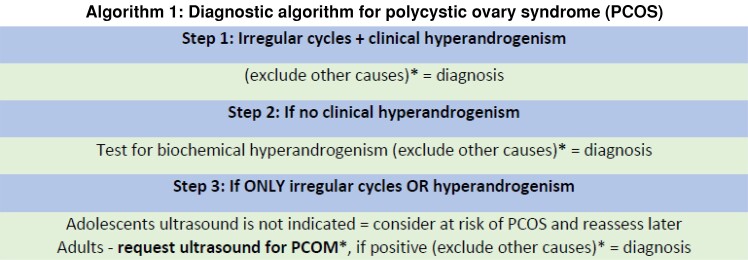
- Diagnostic updates include maintaining the 2018 criteria (two of clinical/biochemical hyperandrogenism, ovulatory dysfunction, and polycystic ovarian morphology), with serum AMH now usable instead of ultrasound in adults only; AMH should not be used as a single test or in adolescents, and ultrasound/AMH are not needed when irregular cycles and hyperandrogenism are present.
- Women with PCOS are recognized as at increased risk of impaired glucose tolerance/type 2 diabetes, cardiovascular disease, obstructive sleep apnoea, endometrial hyperplasia/cancer, and pregnancy complications; depression and anxiety are highly prevalent and screening is recommended; lifestyle management is core, with no single diet or exercise type shown superior.
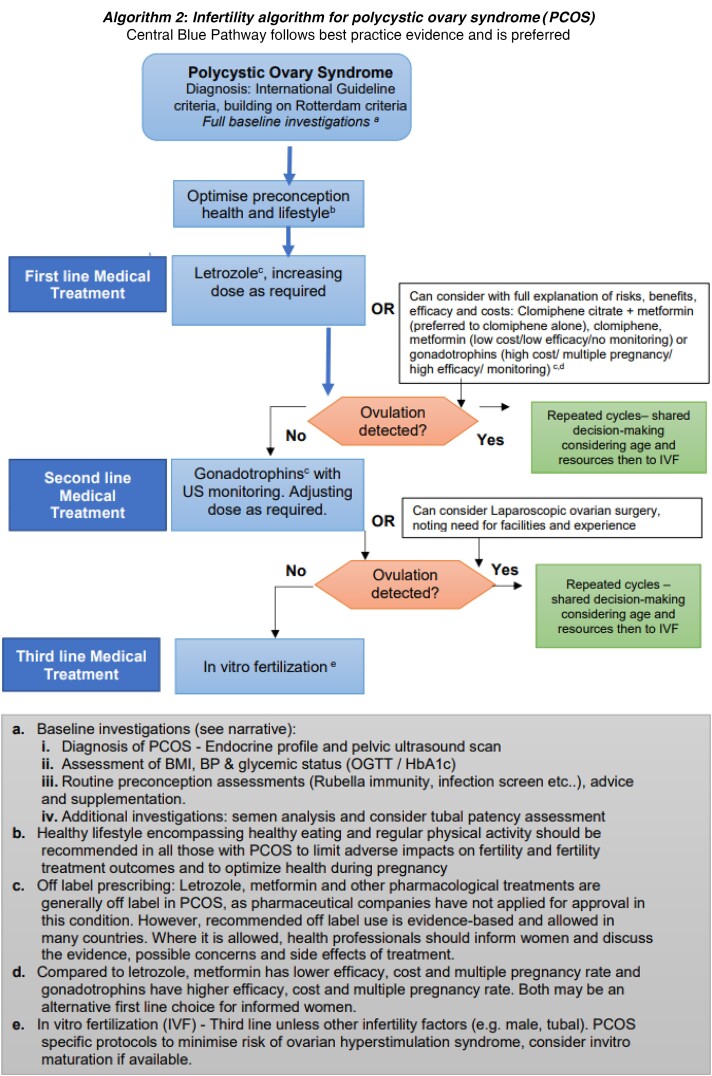
- For anovulatory infertility with no other infertility factors, letrozole should be first-line ovulation induction; clomiphene with metformin is an alternative; gonadotrophins or laparoscopic ovarian surgery are second-line; IVF is third-line; metformin in pregnancy has not been shown to prevent gestational diabetes, late miscarriage, hypertension in pregnancy, preeclampsia, or macrosomia/birthweight ≥4000 g.
Methods
- The update reengaged the 2018 network: 39 professional and consumer organizations covering 71 countries; governance included a six-continent international advisory and management committee, five guideline development groups with 56 members, and paediatric, consumer, and translation committees; 20 meetings and five face-to-face forums over 12 months.
- Evidence synthesis addressed 58 prioritized clinical questions in the abstract (the Methods section reports fifty-five) involving 52 systematic and 3 narrative reviews; AGREE-II-compliant processes and the GRADE framework were applied across evidence quality, feasibility, acceptability, cost, implementation, and recommendation strength, with diversity and inclusion considered throughout.
- Recommendations were categorized as evidence-based, consensus, or practice points; a technical evidence report and analyses (~6000 pages) underpins 77 evidence-based and 54 consensus recommendations with 123 practice points, approved by the Australian NHMRC.
Limitations
- Stated: evidence in PCOS assessment and management has generally improved but remains low to moderate quality; recommendations are strengthened yet still generally low to moderate quality; significantly greater research is needed; regional health system variation was considered and acknowledged with a further adaptation process.
- Stated: several areas have limited evidence—AMH should not yet be used in adolescents, there are no definitive ultrasound PCOM criteria in adolescents, PCOS-specific evidence is limited for COCPs, anti-androgens, and inositol, and long-term offspring effects of metformin exposure remain unclear.
- Evident: this article is a summary of the guideline; the full technical report and GRADE profiles are not included, so detailed evidence per recommendation cannot be assessed here, and several recommendations are consensus-based due to insufficient PCOS evidence, with some medications used off-label.
Model-written summary. Check it against the paper before relying on it.
Integrity signals
Registry
Cites
Statistics
Figures
Verification
Claims the paper makes
9 Valid · 64 Not valid · 1 Not checked · 61 Own results and interpretations
The sources with a verdict support this claim; the rest weren’t checked yet, have no full text we could read, or their verdicts aren’t rated yet.
In the paper
“clinical presentation is heterogeneous with reproductive, metabolic, and psychological features (1, 2).”
§ Recommendations From the 2023 International Evidence-based Guideline for the Assessment and Management of Polycystic Ovary Syndrome > Introduction
What the sources say
- Supportedcites [1] Teede, 2010, Polycystic ovary syndrome: a complex condition with psychological, reproductive and metabolic manifestations that impacts on health across the lifespan, BMC Med source
The Introduction’s “Clinical features of PCOS” section explicitly describes PCOS as heterogeneous and says its presentation includes psychological, reproductive, and metabolic features. Appendix 1 also lists features in each of those three categories. (LLM, conf=0.95)
- Not checked — no full text of the sourcecites [2] Azziz, 2016, Polycystic ovary syndrome, Nat Rev Dis Primers source
plain- Asserted: passes — The authors put it forward as true.
- Checkable: passes — It can be checked against evidence.
- Load-bearing: unclear — It is unclear whether the paper’s conclusions depend on it.
- Based: passes — The paper gives a reason why it holds.
- Supported
The sources with a verdict support this claim; the rest weren’t checked yet, have no full text we could read, or their verdicts aren’t rated yet.
In the paper
“Women internationally experience delayed diagnosis and dissatisfaction with care (3-5).”
§ Recommendations From the 2023 International Evidence-based Guideline for the Assessment and Management of Polycystic Ovary Syndrome > Introduction
What the sources say
- Supportedcites [3] Gibson-Helm, 2017, Delayed diagnosis and lack of information associated with dissatisfaction in women with polycystic ovary syndrome, J Clin Endo & Metab source
The Discussion (Summary of findings) reports that, across world regions, very few women with PCOS were satisfied with their diagnosis experience or the information provided at diagnosis. This supports the citing sentence’s reference to dissatisfaction with care in the context of delayed diagnosis. (LLM, conf=0.92)
- Not checked — no full text of the sourcecites [4] Dokras, 2017, Gaps in knowledge among physicians regarding diagnostic criteria and management of polycystic ovary syndrome, Fertil Steril source
- Not checked — no full text of the sourcecites [5] Teede, 2014, Polycystic ovary syndrome: perceptions and attitudes of women and primary health care physicians on features of PCOS and renaming the syndrome, J Clin Endocrinol Metab source
plain- Asserted: passes — The authors put it forward as true.
- Checkable: passes — It can be checked against evidence.
- Load-bearing: unclear — It is unclear whether the paper’s conclusions depend on it.
- Based: passes — The paper gives a reason why it holds.
- Supported
The sources with a verdict support this claim; the rest weren’t checked yet, have no full text we could read, or their verdicts aren’t rated yet.
In the paper
“Women internationally experience delayed diagnosis and dissatisfaction with care (3-5).”
§ Recommendations From the 2023 International Evidence-based Guideline for the Assessment and Management of Polycystic Ovary Syndrome > Introduction
What the sources say
- Supportedcites [3] Gibson-Helm, 2017, Delayed diagnosis and lack of information associated with dissatisfaction in women with polycystic ovary syndrome, J Clin Endo & Metab source
The Conclusions state that delayed diagnosis is common among women with PCOS worldwide. The Discussion’s “Diagnosis experience” section also reports that diagnosis took at least a year for many women in each world region studied. (LLM, conf=0.94)
- Not checked — no full text of the sourcecites [4] Dokras, 2017, Gaps in knowledge among physicians regarding diagnostic criteria and management of polycystic ovary syndrome, Fertil Steril source
- Not checked — no full text of the sourcecites [5] Teede, 2014, Polycystic ovary syndrome: perceptions and attitudes of women and primary health care physicians on features of PCOS and renaming the syndrome, J Clin Endocrinol Metab source
plain- Asserted: passes — The authors put it forward as true.
- Checkable: passes — It can be checked against evidence.
- Load-bearing: passes — The paper’s conclusions depend on it.
- Based: passes — The paper gives a reason why it holds.
- Supported
The paper states this without a source or data behind it here, so there is nothing to check it against. The quote shows it is in the paper.
In the paper
“Symptoms of depression and anxiety are significantly increased and should be screened for in all women with PCOS, with psychological assessment and therapy as indicated.”
§ Recommendations From the 2023 International Evidence-based Guideline for the Assessment and Management of Polycystic Ovary Syndrome > Discussion
plainstates an association- Asserted: passes — The authors put it forward as true.
- Checkable: passes — It can be checked against evidence.
- Load-bearing: passes — The paper’s conclusions depend on it.
- Based: unclear — It is unclear why the paper says it holds.
A result the paper states — it cites no source for it, so there is none to check. The quote shows it is in the paper.
In the paper
“high risk status for adverse outcomes during pregnancy”
§ Recommendations From the 2023 International Evidence-based Guideline for the Assessment and Management of Polycystic Ovary Syndrome > Abstract > Main Results and the Role of Chance
plainstates an association- Asserted: passes — The authors put it forward as true.
- Checkable: passes — It can be checked against evidence.
- Load-bearing: passes — The paper’s conclusions depend on it.
- Based: passes — The paper gives a reason why it holds.
50 more claims
Create a free account to see all 135 claims and every source verdict.
- Probably not a substantial claim. 68
- It may state two separate claims as one. 31
Claims other papers make about this one
Each is checked against this paper’s own text: does it say what the citing paper says it does?
The cited source doesn’t support the claim as written.
In the citing paper
“No benefits on hirsutism are to be expected [161].”
From Precision obesity medicine: A phenotype-guided framework for pharmacologic therapy across the lifespan (2025) · cites this paper as [161]
Checked by a reasoning model — may be wrong.
Experimental — accuracy not yet measuredThe source backs part of the claim, not all of it — or backs it for a different population, condition or comparison.
In the citing paper
“Weight loss is recommended for people with PCOS and BMI ≥ 25, as it has been shown to improve both reproductive and metabolic outcomes [161].”
From Precision obesity medicine: A phenotype-guided framework for pharmacologic therapy across the lifespan (2025) · cites this paper as [161]
Experimental — accuracy not yet measuredThe source backs part of the claim, not all of it — or backs it for a different population, condition or comparison.
In the citing paper
“It can also be used for irregular menstrual cycles, to improve pregnancy rates [161].”
From Precision obesity medicine: A phenotype-guided framework for pharmacologic therapy across the lifespan (2025) · cites this paper as [161]
Experimental — accuracy not yet measuredThe source backs part of the claim, not all of it — or backs it for a different population, condition or comparison.
In the citing paper
“Obesity is more prevalent among females with PCOS than in the general population; it contributes to the development of PCOS and worsens [161] its clinical features”
From Precision obesity medicine: A phenotype-guided framework for pharmacologic therapy across the lifespan (2025) · cites this paper as [161]
Experimental — accuracy not yet measuredThe source backs part of the claim, not all of it — or backs it for a different population, condition or comparison.
In the citing paper
“Metformin is recommended in adults with PCOS and a BMI ≥ 25 to improve insulin resistance, glucose and lipid profiles, but not for weight loss [161].”
From Precision obesity medicine: A phenotype-guided framework for pharmacologic therapy across the lifespan (2025) · cites this paper as [161]
Experimental — accuracy not yet measured
11 more claims about this paper
Create a free account to see every claim other papers make about this one.
Self-check
Percentages, sums and reported differences re-computed from the paper’s own numbers.
Each contradiction between two passages listed here was confirmed by an independent check.
Rated minor: it would not touch a result — a value no result rests on, a p-value that stays on the same side of the significance level, or a conflict that is clerical, resolved elsewhere in the paper, or outside its own findings.
In the paper
§ Recommendations From the 2023 International Evidence-based Guideline for the Assessment and Management of Polycystic Ovary Syndrome > Abstract > Participants/Materials, Setting, Methods
“Twenty meetings and five face-to-face forums over 12 months addressed 58 prioritized clinical questions involving 52 systematic and 3 narrative reviews.”
§ Recommendations From the 2023 International Evidence-based Guideline for the Assessment and Management of Polycystic Ovary Syndrome > Materials and Methods
“With international meetings over 12 months fifty-five prioritized clinical questions involved 52 systematic and three narrative reviews, generating evidence-based and consensus recommendations with accompanying practice points.”
Citations
Cites
AGREE II: advancing guideline development, reporting and evaluation in health care
Brouwers, M. C., Kho, M. E., Browman, G. P., Burgers, J. S., Cluzeau, F., Feder, G., Fervers, B., Graham, I. D., Grimshaw, J., Hanna, S. E., et al. (2010) · Canadian Medical Association Journal · doi:10.1503/cmaj.090449 · Cited by 3,790 · cited 2×
“10-12 Evidence synthesis methods are outlined in the full guideline and followed best practice 9,13,14 Guideline recommendations are presented by category, terms used, evidence quality and Grading of Recommendations, Assessment, Development, and Evaluation (GRADE) framework considerations.”
MethodAzziz, R., Carmina, E., Chen, Z., Dunaif, A., Laven, J. S. E., Legro, R. S., Lizneva, D., Natterson-Horowtiz, B., Teede, H. J., & Yildiz, B. O. (2016) · Nature Reviews Disease Primers · doi:10.1038/nrdp.2016.57 · Cited by 2,005 · cited 4×
“The 5 GDGs covered: (1) Screening, diagnostic and risk assessment and life stage; (2) Psychological features and models of care; (3) Lifestyle management; (4) Management of nonfertility features; and (5) Assessment and management of infertility.”
BackgroundMethodInfluentialSelf-citationTeede, H. J., Misso, M. L., Costello, M. F., Dokras, A., Laven, J., Moran, L., Piltonen, T., Norman, R. J., & the International PCOS Network (2018) · Clinical Endocrinology · doi:10.1111/cen.13795 · Cited by 1,823
Self-citationTeede, H. J., Misso, M. L., Costello, M. F., Dokras, A., Laven, J., Moran, L., Piltonen, T., Norman, R. J., International PCOS Network, Andersen, M., et al. (2018) · Human Reproduction · doi:10.1093/humrep/dey256 · Cited by 1,593
Self-citationTeede, H., Deeks, A., & Moran, L. (2010) · BMC Medicine · doi:10.1186/1741-7015-8-41 · Cited by 1,565 · cited 3×
“The 5 GDGs covered: (1) Screening, diagnostic and risk assessment and life stage; (2) Psychological features and models of care; (3) Lifestyle management; (4) Management of nonfertility features; and (5) Assessment and management of infertility.”
Self-citationGibson-Helm, M., Teede, H., Dunaif, A., & Dokras, A. (2016) · The Journal of Clinical Endocrinology & Metabolism · doi:10.1210/jc.2016-2963 · Cited by 428 · cited 3×
“The 5 GDGs covered: (1) Screening, diagnostic and risk assessment and life stage; (2) Psychological features and models of care; (3) Lifestyle management; (4) Management of nonfertility features; and (5) Assessment and management of infertility.”
BackgroundSelf-citationDokras, A., Saini, S., Gibson-Helm, M., Schulkin, J., Cooney, L., & Teede, H. (2017) · Fertility and Sterility · doi:10.1016/j.fertnstert.2017.04.011 · Cited by 218 · cited 2×
“The 5 GDGs covered: (1) Screening, diagnostic and risk assessment and life stage; (2) Psychological features and models of care; (3) Lifestyle management; (4) Management of nonfertility features; and (5) Assessment and management of infertility.”
BackgroundSelf-citationMol, B. W., Lai, S., Rahim, A., Bordewijk, E. M., Wang, R., van Eekelen, R., Gurrin, L. C., Thornton, J. G., van Wely, M., & Li, W. (2023) · Research Integrity and Peer Review · doi:10.1186/s41073-023-00130-8 · Cited by 154
A checklist to assess Trustworthiness in RAndomised Controlled Trials (TRACT checklist)
Mol, B. W., Lai, S., Rahim, A., Bordewijk, E. M., Wang, R., Eekelen, R. V., Gurrin, L. C., Thornton, J. G., Wely, M. V., & Li, W. (2023) · doi:10.21203/rs.3.rs-2119486/v1 · Cited by 149
Teede, H., Gibson-Helm, M., Norman, R. J., & Boyle, J. (2014) · The Journal of Clinical Endocrinology & Metabolism · doi:10.1210/jc.2013-2978 · Cited by 93 · cited 2×
“The 5 GDGs covered: (1) Screening, diagnostic and risk assessment and life stage; (2) Psychological features and models of care; (3) Lifestyle management; (4) Management of nonfertility features; and (5) Assessment and management of infertility.”
BackgroundSelf-citation
Cited by
Artemisinins ameliorate polycystic ovarian syndrome by mediating LONP1-CYP11A1 interaction
Liu, Y., Jiang, J., Du, S.-Y., Mu, L., Fan, J., Hu, J., Yao, Y., Ding, M., Zhou, W.-Y., Yu, Q., et al. (2024) · Science · doi:10.1126/science.adk5382 · Cited by 172
Polycystic Ovary Syndrome and Oxidative Stress—From Bench to Bedside
Żeber‐Lubecka, N., Ciebiera, M., & Hennig, E. E. (2023) · International Journal of Molecular Sciences · doi:10.3390/ijms241814126 · Cited by 178
Polycystic Ovary Syndrome: Pathophysiology and Therapeutic Opportunities
Dong, J., & Rees, D. A. (2023) · BMJ Medicine · doi:10.1136/bmjmed-2023-000548 · Cited by 123
The Role of Lifestyle Interventions in PCOS Management: A Systematic Review
Gautam, R., Maan, P., Jyoti, A., Kumar, A., Malhotra, N., & Arora, T. (2025) · Nutrients · doi:10.3390/nu17020310 · Cited by 115
“According to the most recent international evidence-based guidelines, lifestyle interventions are the primary early strategy for assessing and managing PCOS [18].”
Systematic low-grade chronic inflammation and intrinsic mechanisms in polycystic ovary syndrome
Deng, H., Chen, Y., Xing, J., Zhang, N., & Xu, L. (2024) · Frontiers in Immunology · doi:10.3389/fimmu.2024.1470283 · Cited by 169
Systematic review and meta-analysis of pregnancy outcomes in women with polycystic ovary syndrome
Khomami, M. B., Shorakae, S., Hashemi, S., Harrison, C. L., Piltonen, T., Romualdi, D., Tay, C. T., Teede, H. J., Vanky, E., & Mousa, A. (2024) · Nature Communications · doi:10.1038/s41467-024-49749-1 · Cited by 159
“Inthecontextofthe2023updateoftheInternationalEvidence ‐ Based Guideline for the Assessment and Management of Polycystic Ovary Syndrome 2 , we aimed to update our prior systematic review, meta-analysis, and meta ‐ regression 8 to determine the prevalence of pregnancy complications in women with and…”
BackgroundMethodInfluentialSelf-citationLonardo, M. S., Cacciapuoti, N., Guida, B., Lorenzo, M. D., Chiurazzi, M., Damiano, S., & Menale, C. (2024) · Current Obesity Reports · doi:10.1007/s13679-023-00531-2 · Cited by 134
“…and cyproterone acetate, flutamide and finasteride may be considered to treat signs with a high negative psychological impact such as hirsutism and hair loss in women with PCOS, if a non-optimal response occurs following the use of COCPs and/or cosmetic therapy for at least six months [85, 90].”
BackgroundSamarasinghe, S., Leca, B. M., Alabdulkader, S., Dimitriadis, G. K., Davasgaium, A., Thadani, P., Parry, K., Luli, M., O'Donnell, K., Johnson, B., et al. (2024) · The Lancet · doi:10.1016/s0140-6736(24)00538-5 · Cited by 99
“12 In conclusion, the BAMBINI RCT has shown that vertical sleeve gastrectomy was superior to medical care for treating women with PCOS, oligomenorrhoea or amenorrhoea, and obesity.”
Guevara, D. M., Vidal-Cañas, S., Palacios, I., Gómez, A., Estrada, M., Gallego, J., & Liscano, Y. (2024) · Nutrients · doi:10.3390/nu16223916 · Cited by 84
Fitz, V., Graca, S., Mahalingaiah, S., Liu, J., Lai, L., Butt, A., Armour, M., Rao, V., Naidoo, D., Maunder, A., et al. (2024) · The Journal of Clinical Endocrinology & Metabolism · doi:10.1210/clinem/dgad762 · Cited by 70
Self-citationGoldberg, A., Graca, S., Liu, J., Rao, V., Witchel, S. F., Pena, A., Li, R., Mousa, A., Tay, C. T., Pattuwage, L., et al. (2024) · Obesity Reviews · doi:10.1111/obr.13704 · Cited by 59
“4 Due to the increased risk for obesity, diabetes, metabolic pregnancy complications, cardiovascular disease, 5 and sleep apnea among individuals with PCOS, prevention of adverse metabolic consequences is crucial.”
BackgroundSelf-citationvan der Ham, K., Laven, J. S. E., Tay, C. T., Mousa, A., Teede, H. J., & Louwers, Y. V. (2024) · Fertility and Sterility · doi:10.1016/j.fertnstert.2024.05.163 · Cited by 102
Self-citationReproductive risk factors across the female lifecourse and later metabolic health
Nichols, A. R., Chavarro, J. E., & Oken, E. (2024) · Cell Metabolism · doi:10.1016/j.cmet.2024.01.002 · Cited by 76
Single-cell profiling of the human endometrium in polycystic ovary syndrome
Eriksson, G., Li, C., Sparovec, T. G., Dekanski, A., Torstensson, S., Risal, S., Ohlsson, C., Hirschberg, A. L., Petropoulos, S., Deng, Q., et al. (2025) · Nature Medicine · doi:10.1038/s41591-025-03592-z · Cited by 65
Systematic review and meta-analysis of birth outcomes in women with polycystic ovary syndrome
Khomami, M. B., Hashemi, S., Shorakae, S., Harrison, C. L., Piltonen, T., Romualdi, D., Tay, C. T., Mousa, A., Vanky, E., & Teede, H. J. (2024) · Nature Communications · doi:10.1038/s41467-024-49752-6 · Cited by 75
Self-citationObesity and Polycystic Ovary Syndrome
Kim, J. (2024) · Journal of Obesity & Metabolic Syndrome · doi:10.7570/jomes24035 · Cited by 70
Prevalence and Etiology of Eating Disorders in Polycystic Ovary Syndrome: A Scoping Review
Lalonde-Bester, S., Malik, M., Masoumi, R., Ng, K., Sidhu, S., Ghosh, M., & Vine, D. F. (2024) · Advances in Nutrition · doi:10.1016/j.advnut.2024.100193 · Cited by 63
“PCOS is also strongly associated with psychiatric disorders, including depression and anxiety [8,16 – 20].”
BackgroundInfluentialDemis, A., Joham, A. E., Teede, H. J., Mousa, A., Earnest, A., Hawley, J. M., Smith, L., Azziz, R., Arlt, W., & Tay, C. T. (2024) · Human Reproduction Update · doi:10.1093/humupd/dmae028 · Cited by 65
“…is the most comprehensive and contemporary synthesis of evidence on the available peer-reviewed literature on the various diagnostic accuracy of androgen biomarkers in the diagnosis of biochemical hyperandrogenism in PCOS to inform the International PCOS Guidelines (Teede et al. , 2023).”
InfluentialSelf-citationValerio, G., Bonito, P. D., Calcaterra, V., Cherubini, V., Corica, D., SANCTIS, L. D., Sessa, A. D., Faienza, M. F., Fornari, E., Iughetti, L., et al. (2024) · The Italian Journal of Pediatrics/Italian journal of pediatrics · doi:10.1186/s13052-024-01767-x · Cited by 64
“Moreover, recent guidelines recommend 60 min of moderate to vigorous physical activity three times a week [92].”
BackgroundInfluentialHyperandrogenism and Cardiometabolic Risk in Pre- and Postmenopausal Women—What Is the Evidence?
Hirschberg, A. L. (2023) · The Journal of Clinical Endocrinology & Metabolism · doi:10.1210/clinem/dgad590 · Cited by 46
Amiri, M., Hatoum, S., Buyalos, R. P., Sheidaei, A., & Azziz, R. (2025) · The Journal of Clinical Endocrinology & Metabolism · doi:10.1210/clinem/dgae917 · Cited by 54
Pililis, S., Lampsas, S., Kountouri, A., Pliouta, L., Korakas, E., Livadas, S., Thymis, J., Peppa, Μ., Kalantaridou, S., Oikonomou, E. K., et al. (2024) · Medicina · doi:10.3390/medicina60101656 · Cited by 63
“Their benefits are greater when combined with metformin therapy according to 2023 International Guidelines [14].”
BackgroundInfluentialTeede, H. J., Gibson, M., Laven, J. S. E., Dokras, A., Moran, L., Piltonin, T., Costello, M., Mousa, A., Joham, A. E., Tay, C. T., et al. (2024) · EClinicalMedicine · doi:10.1016/j.eclinm.2024.102927 · Cited by 52
“…international women and multidisciplinary healthcare providers to identify end-user research priorities and unmet needs; ii) extensive systematic reviews for the International PCOS Guideline following the Grading of Recommendations, Assessment, Development, and Evaluation (GRADE) approach 1 – 6 ,”
Self-citationVale-Fernandes, E., Pignatelli, D., & Monteiro, M. P. (2025) · European Journal of Endocrinology · doi:10.1093/ejendo/lvaf062 · Cited by 47
Update on Adrenarche—Still a Mystery
Augsburger, P., Liimatta, J., & Flück, C. E. (2024) · The Journal of Clinical Endocrinology & Metabolism · doi:10.1210/clinem/dgae008 · Cited by 48
Impact of Gut Microbiota and SCFAs in the Pathogenesis of PCOS and the Effect of Metformin Therapy
Kukaev, E., Дмитриевна, К. Е., Tokareva, A., Rimskaya, E. N., Starodubtseva, N. L., Евгеньевна, Ч. Г., Priputnevich, T. V., Евгеньевич, Ф. В., & Sukhikh, G. T. (2024) · International Journal of Molecular Sciences · doi:10.3390/ijms251910636 · Cited by 49
“Additionally, an ultrasound of the pelvic organs was performed between the 5th and 7th day of the menstrual cycle [52].”
MethodMousa, A., Flanagan, M., Tay, C. T., Norman, R. J., Costello, M., Li, W., Wang, R., Teede, H. J., & Mol, B. W. (2024) · EClinicalMedicine · doi:10.1016/j.eclinm.2024.102717 · Cited by 47
“The framework was developed a priori based on broad adoption of the four-stage approach proposed by Moher and colleagues, 20 and subsequently piloted in the context of the International Evidence-based Guideline for Polycystic Ovary Syndrome (PCOS), 21,22 as described below.”
Self-citationInsulin resistance, metabolic syndrome and polycystic ovaries: an intriguing conundrum
Prosperi, S., & Chiarelli, F. (2025) · Frontiers in Endocrinology · doi:10.3389/fendo.2025.1669716 · Cited by 72
van der Ham, K., Moolhuijsen, L. M. E., Brewer, K., Sisk, R. K., Dunaif, A. E., Laven, J. S. E., Louwers, Y. V., & Visser, J. A. (2024) · The Journal of Clinical Endocrinology & Metabolism · doi:10.1210/clinem/dgae298 · Cited by 47
Self-citationCooney, L. G., Gyorfi, K. M., Sanneh, A., Bui, L. M., Mousa, A., Tay, C. T., Teede, H. J., Stener‐Victorin, E., & Brennan, L. (2024) · The Journal of Clinical Endocrinology & Metabolism · doi:10.1210/clinem/dgae462 · Cited by 45
Self-citationQuality of Life of Women with Polycystic Ovary Syndrome
Ligocka, N., Chmaj-Wierzchowska, K., Wszołek, K., Wilczak, M., & Tomczyk, K. (2024) · Medicina · doi:10.3390/medicina60020294 · Cited by 58
“Among these, the Rotterdam criteria are the most widely utilized [9–12].”
Cardiovascular Disease and the Mediterranean Diet: Insights into Sex-Specific Responses
Pant, A., Chew, D. P., Mamas, M. A., & Zaman, S. J. (2024) · Nutrients · doi:10.3390/nu16040570 · Cited by 35
“Autoimmune diseases are a diverse range of conditions [131] that have different manifestations and varying ages of onset, with most autoimmune conditions, such as RA and SLE, occurring in women [131].”
BackgroundAlkhouri, N., Charlton, M., Gray, M. E., & Noureddin, M. (2025) · Expert Opinion on Investigational Drugs · doi:10.1080/13543784.2025.2473062 · Cited by 34
“Consideration of the GLP-1RA therapies liraglutide and sema-glutide (alongside lifestyle intervention) is recommended in current clinical guidelines for weight management in women with PCOS [125].”
A machine learning approach for non-invasive PCOS diagnosis from ultrasound and clinical features
Agirsoy, M., & Oehlschlaeger, M. A. (2025) · Scientific Reports · doi:10.1038/s41598-025-10453-9 · Cited by 51
Lorincz, C., Börzsei, D., Hoffmann, A., Varga, C., & Szabó, R. (2024) · Biomedicines · doi:10.3390/biomedicines12030560 · Cited by 43
“…of the International Evidence-Based Guideline 2023 for the Evaluation and Management of Polycystic Ovary Syndrome, women with PCOS should make lifestyle interventions, such as performing regular exercise or eating a healthy diet combined with exercise in order to improve quality of life [15].”
BackgroundSfakianoudis, K., Zikopoulos, A., Grigoriadis, S., Seretis, N., Maziotis, E., Anifandis, G., Xystra, P., Kostoulas, C., Giougli, U., Pantos, K., et al. (2024) · International Journal of Molecular Sciences · doi:10.3390/ijms25094977 · Cited by 33
Li, J., Qiao, J., Li, Y., Qin, G., Xu, Y., Lao, K., Wang, Y., Yang, F., Tang, P., & Han, L. (2025) · Frontiers in Endocrinology · doi:10.3389/fendo.2025.1526468 · Cited by 45
Kim, J., Hwang, K. R., Lee, D., Kim, S., & Choi, Y. M. (2024) · Human Reproduction · doi:10.1093/humrep/deae042 · Cited by 34
Tuccinardi, D., Masi, D., Watanabe, M., Zanghi Buffi, V., De Domenico, F., Berti, S., Cipriani, V., Manco, M., Manfrini, S., & Pagotto, U. (2025) · Journal of Endocrinological Investigation · doi:10.1007/s40618-025-02700-7 · Cited by 29
Polycystic Ovarian Syndrome: a Risk Factor for Cardiovascular Disease
Alvarez, Y. R., Pico, M. G., Ashokprabhu, N. D., Abou-Amro, K., Bailey, S., Pung, E., Oberholster, E., & Quesada, O. (2023) · Current Atherosclerosis Reports · doi:10.1007/s11883-023-01168-1 · Cited by 27
Polycystic ovary syndrome: Criteria, phenotypes, race and ethnicity
Baba, T. (2025) · Reproductive Medicine and Biology · doi:10.1002/rmb2.12630 · Cited by 38
Awonuga, A. O., Camp, O. G., Biernat, M. M., & Abu‐Soud, H. M. (2025) · Systems Biology in Reproductive Medicine · doi:10.1080/19396368.2025.2469582 · Cited by 40
“Patients with PCOS should be offered a 2-hour 75 gm glucose tolerance test (GTT) (Teede et al. 2023) and have insulin levels measured simultaneously to confirm insulin resistance (IR) (Asante et al. 2015).”
Growth Restriction in the Offspring of Mothers With Polycystic Ovary Syndrome
Talmo, M. S. A., Fløysand, I. S., Nilsen, G. Ø., Løvvik, T. S., Ødegård, R. A., Júlíusson, P. B., Vanky, E., & Simpson, M. R. (2024) · JAMA Network Open · doi:10.1001/jamanetworkopen.2024.30543 · Cited by 32
Teede, H. J., Tay, C. T., & Azziz, R. (2024) · The Journal of Clinical Endocrinology & Metabolism · doi:10.1210/clinem/dgae370 · Cited by 26
Self-citationA rapid action plan to improve diagnosis and management of lipodystrophy syndromes
Fourman, L. T., Lima, J. G., Simha, V., Cappa, M., Al-Yaarubi, S., Montenegro, R. M., Akıncı, B., & Santini, F. (2024) · Frontiers in Endocrinology · doi:10.3389/fendo.2024.1383318 · Cited by 25
“PCOS in lipodystrophy syndromes is generally managed in line with international guidelines (76).”
BackgroundPharmacological management of polycystic ovary syndrome
Ee, C., & Tay, C. T. (2024) · Australian Prescriber · doi:10.18773/austprescr.2024.030 · Cited by 34
Self-citationAlkheyr, Z., Murad, M. H., Das, P., Aljenaee, K., Kamel, C., Hajji, S. A., Flood, J., Atkin, S. L., & Ali, K. F. (2024) · PLoS ONE · doi:10.1371/journal.pone.0301707 · Cited by 36
McGowan, M., Garad, R. M., Wadhwani, G., Torkel, S., Rao, V. S., Maunder, A., Osei‐Safo, E. K., Moran, L., & Cowan, S. (2024) · Obesity Reviews · doi:10.1111/obr.13854 · Cited by 44
Self-citationTharayil, S. P., & Shukla, P. (2025) · International Journal of Molecular Sciences · doi:10.3390/ijms26136233 · Cited by 33
Multi-ancestry genome-wide association analyses of polycystic ovary syndrome
Zhao, H., Xu, Y., Xue, B., Zhao, S., Zhang, M., Wu, X., Wang, T., Wen, Y., Li, S., Zhang, Q., et al. (2025) · Nature Genetics · doi:10.1038/s41588-025-02393-x · Cited by 35
“Anti-Müllerian hormone, encoded by the AMH gene, has attracted considerable attention as it was incorporated into the 2023 International Guideline for the Assessment and Management of PCOS 40 .”
Approach to the Patient: Diagnostic Challenges in the Workup for Polycystic Ovary Syndrome
Joham, A. E., Tay, C. T., Laven, J. S. E., Louwers, Y. V., & Azziz, R. (2025) · The Journal of Clinical Endocrinology & Metabolism · doi:10.1210/clinem/dgae910 · Cited by 36
Self-citationDoğan, Ş. E., Kuşkonmaz, Ş. M., Koç, G., Aypar, E., & Çulha, C. (2023) · Endocrine Metabolic & Immune Disorders - Drug Targets · doi:10.2174/0118715303252109231023115112 · Cited by 28
Zhang, W., Peng, C., Xu, L., Zhao, Y., Huang, C., & Lu, L. (2024) · Frontiers in Endocrinology · doi:10.3389/fendo.2024.1494852 · Cited by 30
Polycystic ovary syndrome in 2025—insights and innovations
Dokras, A. (2025) · Fertility and Sterility · doi:10.1016/j.fertnstert.2025.09.025 · Cited by 33
Self-citationIrregular Cycles, Ovulatory Disorders, and Cardiometabolic Conditions in a US-Based Digital Cohort
Wang, Z., Jukic, A. M. Z., Baird, D. D., Wilcox, A. J., Li, H., Curry, C. L., Fischer‐Colbrie, T., Onnela, J.-P. “., Williams, M. A., Hauser, R. B., et al. (2024) · JAMA Network Open · doi:10.1001/jamanetworkopen.2024.9657 · Cited by 37
Lu, H., Jiang, H., Li, C., Derisoud, E., Zhao, A., Eriksson, G., Lindgren, E., Pui, H., Risal, S., Pei, Y., et al. (2024) · Advanced Science · doi:10.1002/advs.202309429 · Cited by 28
Society for Endocrinology Clinical Practice Guideline for the Evaluation of Androgen Excess in Women
Elhassan, Y., Hawley, J. M., Cussen, L., Abbara, A., Clarke, S. A., Kempegowda, P., Dhillon‐Smith, R. K., Thadani, P., Busby, M., Owusu‐Darkwah, L., et al. (2025) · Clinical Endocrinology · doi:10.1111/cen.15265 · Cited by 31
Androgens drive SLC1A5-dependent metabolic reprogramming in polycystic ovary syndrome
Wang, Y., Wu, J., Zhang, G., Shi, Y., Meng, Y., Lv, P., Huang, W., Su, Y., Zhou, Z., Wang, B., et al. (2025) · Nature Communications · doi:10.1038/s41467-025-62951-z · Cited by 34
Reproductive milestones across the lifespan and cardiovascular disease risk in women
Stuenkel, C. A. (2023) · Climacteric · doi:10.1080/13697137.2023.2259793 · Cited by 25
“Preventive strategies should be prioritized [27].”
Polycystic ovary syndrome: associations with cardiovascular disease
Benham, J. L., Goldberg, A., Teede, H. J., & Tay, C. T. (2023) · Climacteric · doi:10.1080/13697137.2023.2282689 · Cited by 27
Self-citationKeeratibharat, P., Sophonsritsuk, A., Saipanish, R., Wattanakrai, P., Anantaburana, M., & Tantanavipas, S. (2024) · BMC Psychiatry · doi:10.1186/s12888-024-06154-8 · Cited by 26
“These findings aligned with the International Evidence-based Guideline for the assessment and management of polycystic ovary syndrome 2023, which considered hirsutism as a single marker to predict biochemical hyperandrogenism in women with PCOS [2].”
BackgroundResultBelsti, Y., Enticott, J., Azumah, R., Tay, C. T., Moran, L., Ronald, C. W., Joham, A. E., Laven, J. S. E., Teede, H. J., & Mousa, A. (2024) · Diabetes & Metabolic Syndrome Clinical Research & Reviews · doi:10.1016/j.dsx.2024.102970 · Cited by 33
Self-citationTeede, H. J., Mousa, A., Tay, C. T., Costello, M., Brennan, L., Norman, R. J., Peña, A. S., Boyle, J. A., Joham, A. E., Berry, L., et al. (2024) · The Medical Journal of Australia · doi:10.5694/mja2.52432 · Cited by 32
Self-citationBariatric Surgery in Women with Polycystic Ovary Syndrome
Samarasinghe, S., Woods, C., & Miras, A. D. (2023) · Metabolism · doi:10.1016/j.metabol.2023.155745 · Cited by 27
Chen-Patterson, A., Bernier, A. V., Burgert, T. S., Davis, V., Khan, T., Geller, D. A., Paprocki, E. L., Shah, R. D., Witchel, S. F., Pereira-Eshraghi, C., et al. (2024) · Journal of the Endocrine Society · doi:10.1210/jendso/bvad169 · Cited by 22
“Combination oral contraceptive pills remain the first-line pharmacologic treatment for PCOS based on current guidelines [1].”
BackgroundLee, I. T., Rees, J., King, S., Kim, A. E., Cherlin, T., Hinkle, S. N., Mumford, S. L., & Dokras, A. (2024) · The Journal of Clinical Endocrinology & Metabolism · doi:10.1210/clinem/dgae256 · Cited by 28
Self-citationWeight Management Strategies to Reduce Metabolic Morbidity in Women With Polycystic Ovary Syndrome
Diakosavvas, M., Oyebode, O. O., & Bhide, P. (2025) · Current Obesity Reports · doi:10.1007/s13679-025-00614-2 · Cited by 19
“Similar guidelines and practices are recommended internationally, reflecting a global con - sensus on managing PCOS and its associated risks [1, 11, 12].”
Komorowski, A. S., Hughes, L. M., Sarkar, P., Aaby, D., Kumar, A., Kalra, B., Legro, R. S., & Boots, C. E. (2023) · Fertility and Sterility · doi:10.1016/j.fertnstert.2023.12.031 · Cited by 19
Demis, A., Joham, A. E., Tay, C. T., Kiconco, S., Earnest, A., Dhungana, R. R., Сутурина, Л. В., Zhao, X., Gambineri, A., Tehrani, F. R., et al. (2025) · European Journal of Endocrinology · doi:10.1093/ejendo/lvaf030 · Cited by 25
Self-citationRole of Omega-3 Fatty Acids in Improving Metabolic Dysfunctions in Polycystic Ovary Syndrome
Albardan, L., Platat, C., & Kalupahana, N. S. (2024) · Nutrients · doi:10.3390/nu16172961 · Cited by 18
“Further, dietary changes, even in the absence of weight loss, improve PCOS complications [2].”
BackgroundMethodInfluentialComprehensive transition of care for polycystic ovary syndrome from adolescence to adulthood
Simon, S. L., Phimphasone‐Brady, P., McKenney, K. M., Gulley, L. D., Bonny, A. E., Moore, J. M., Torres-Zegarra, C., & Cree‐Green, M. (2024) · The Lancet Child & Adolescent Health · doi:10.1016/s2352-4642(24)00019-1 · Cited by 30
Berni, T. R., Morgan, C. L., & Rees, A. (2024) · The Journal of Clinical Endocrinology & Metabolism · doi:10.1210/clinem/dgae518 · Cited by 25
Zhu, S., Huang, Z., Chen, X., Jiang, W., Zhou, Y., Zheng, B., & Sun, Y. (2025) · Journal of Ovarian Research · doi:10.1186/s13048-025-01654-x · Cited by 22
“HA is recognized as a defining feature of PCOS [36].”
Akpang, N., Kwiatkowski, J., Zaborowska, Ł., & Ludwin, A. (2025) · International Journal of Molecular Sciences · doi:10.3390/ijms26094121 · Cited by 17
“According to the widely used Rotterdam criteria, PCOS is defined by the presence of two of the following three criteria: oligo-anovulation, hyperandrogenism, and polycystic ovaries [4].”
InfluentialAn Evolutionary Model for the Ancient Origins of Polycystic Ovary Syndrome
Dumesic, D. A., Abbott, D. H., & Chazenbalk, G. D. (2023) · Journal of Clinical Medicine · doi:10.3390/jcm12196120 · Cited by 18
“Different PCOS phenotypes according to the Rotterdam criteria also vary in endocrine-metabolic dysfunction [70], with NIH-defined PCOS women (i.e., hyperandrogenism with oligo-anovulation) having the greatest risk of developing menstrual irregularity, anovulatory infertility, T2DM and metabolic…”
BackgroundA comprehensive review of the new FIGO classification of ovulatory disorders
Balen, A. H., Tamblyn, J. A., Skorupskaite, K., & Munro, M. G. (2024) · Human Reproduction Update · doi:10.1093/humupd/dmae003 · Cited by 25
The Role of Anti-Müllerian Hormone in Ovarian Function
Yildiz, S., Moolhuijsen, L. M. E., & Visser, J. A. (2024) · Seminars in Reproductive Medicine · doi:10.1055/s-0044-1786732 · Cited by 18
Wen, X., Wang, L., Li, F., & Yu, X. (2024) · Journal of Ovarian Research · doi:10.1186/s13048-024-01473-6 · Cited by 27
“Polycystic ovary syndrome (PCOS) is the most common reproductive, endocrine, and metabolic disorders affecting 6–10% of reproductive-age women all over the world [1].”
BackgroundBariatric surgery for treatment of morbid obesity in adults
Park, K. B., & Jun, K. (2024) · The Korean Journal of Internal Medicine · doi:10.3904/kjim.2024.219 · Cited by 19
PCOS endometrium-derived epithelial organoids as a novel model to study endometrial dysfunction
Luyckx, L., Wei, M., Saarela, U., Myllykangas, M., Kinnunen, J., Arffman, R. K., Fong, S. L., Vriens, J., Vankelecom, H. E. J., & Piltonen, T. (2025) · Human Reproduction · doi:10.1093/humrep/deaf113 · Cited by 21
“…cycle length < 21days or > 35days, or < 8 cycles per year); (ii) clinical/biochemical hyperandrogenism (Modified Ferriman-Gallway score > 4, or free androgen index > 4.5); (iii) polycystic ovarian morphology on ultrasound ( > 20 follicles per ovary, or ovarian volume > 10ml) (Teede et al. , 2023).”
InfluentialSelf-citationAdipose-androgen crosstalk in polycystic ovary syndrome: mechanisms and therapeutic implications
Ni, M., Lei, H., Ye, T., & Wang, Y. (2025) · Frontiers in Endocrinology · doi:10.3389/fendo.2025.1731179 · Cited by 27
Gut bacteriome and mood disorders in women with PCOS
Lee, S., Tejesvi, M. V., Hurskainen, E., Aasmets, O., Plaza‐Díaz, J., Franks, S., Morin-Papunen, L. C., Tapanainen, J. S., Ruuska, T. S., Altmäe, S., et al. (2024) · Human Reproduction · doi:10.1093/humrep/deae073 · Cited by 18
“…hyperan-drogenism (HA), and polycystic ovarian morphology (PCOM), with the exclusion of other androgen excess-related disorders (‘Revised 2003 consensus on diagnostic criteria and long-term health risks related to polycystic ovary syndrome (PCOS)’, 2004; Azziz et al. , 2006; Teede et al. , 2023).”
Self-citationGenazzani, A. D., Battipaglia, C., Rusce, M. L., Prampolini, G., Aio, C., Ricciardiello, F., Foschi, M., Sponzilli, A., Semprini, E., & Petrillo, T. (2024) · Gynecological Endocrinology · doi:10.1080/09513590.2024.2341701 · Cited by 19
“However, in this last decade the issue of a dismetabolic state, that is insulin resistance (IR) and the correlated compensatory hyperinsulinemia, has demonstrated to be relevant and very frequent in PCOS patients [4–6].”
Associations of Childhood Adiposity and Cardiometabolic Biomarkers With Adolescent PCOS
Whooten, R., Rifas‐Shiman, S. L., Perng, W., Chavarro, J. E., Taveras, E. M., Oken, E., & Hivert, M. (2024) · PEDIATRICS · doi:10.1542/peds.2023-064894 · Cited by 20
Mimouni, N. E. H., & Giacobini, P. (2024) · Comptes Rendus Biologies · doi:10.5802/crbiol.147 · Cited by 20
Lee, S., Arffman, R. K., Komsi, E. K., Lindgren, O., Kemppainen, J., Metsola, H., Rossi, H., Ahtikoski, A. M., Kask, K., Saare, M., et al. (2024) · Journal of Pathology Informatics · doi:10.1016/j.jpi.2024.100380 · Cited by 18
Self-citationSzydłowska, I., Nawrocka-Rutkowska, J., Gorzko, A., Pawłowski, H., Starczewski, A., & Szczuko, M. (2025) · Nutrients · doi:10.3390/nu17030405 · Cited by 16
“Excessive androgen levels, ovarian ultrasound image, and anovulation are included in the criteria of disease [3].”
Herbert, S., & Woolf, K. (2023) · Nutrients · doi:10.3390/nu15245069 · Cited by 15
“…PCOS, overall, clinicians should promote the adoption of healthy lifestyle behaviors that include adequate physical activity and a varied, flexible diet that meets nutritional needs, individual preferences, and cultural considerations, while avoiding unduly restrictive, unbalanced diet patterns [1].”
BackgroundMethodInfluentialNi, F.-D., Wang, F., Sun, J., Tu, M., Chen, J., Shen, X., Ye, X., Chen, R., Liu, Y., Sun, X., et al. (2024) · The American Journal of Human Genetics · doi:10.1016/j.ajhg.2024.10.008 · Cited by 16
Polycystic Ovary Syndrome and Reproductive Health: A Comprehensive Review
Hussein, R., Dayel, S. B., & Abahussein, O. (2024) · Clinical and Experimental Obstetrics & Gynecology · doi:10.31083/j.ceog5112269 · Cited by 27
Maan, P., Gautam, R., Vasudevan, S., Menon, G. R., Arora, A., Nair, A., Jabbar, P. K., & Arora, T. K. (2025) · Pharmaceuticals · doi:10.3390/ph18050680 · Cited by 28
“International guidelines and Alesi et al. (2023) stated that anti-androgens could be considered to treat hirsutism in PCOS patients only if the use of OCPs is not tolerated, contraindicated, or showing a sub-optimal response after a minimum period of 6 months [69,81].”
InfluentialNutritional supplements and IVF: an evidence-based approach
Hart, R. J. (2023) · Reproductive BioMedicine Online · doi:10.1016/j.rbmo.2023.103770 · Cited by 21
Samarasinghe, S., Oštarijaš, E., Long, M. J., Erridge, S., Purkayastha, S., Dimitriadis, G. K., & Miras, A. D. (2024) · Obesity Reviews · doi:10.1111/obr.13744 · Cited by 20
Correlation of Polycystic Ovarian Syndrome Phenotypes With Pregnancy and Neonatal Outcomes
Chan, J. L., Legro, R. S., Eisenberg, E., Pisarska, M. D., & Santoro, N. F. (2024) · Obstetrics and Gynecology · doi:10.1097/aog.0000000000005702 · Cited by 18
In vitro maturation of oocytes: what is already known?
Morato, A. L. C., Verruma, C. G., Furtado, C. L. M., & dos Reis, R. M. (2024) · Biology of Reproduction · doi:10.1093/biolre/ioae147 · Cited by 18
Polycystic Ovary Syndrome and the Internet of Things: A Scoping Review
Graca, S., Alloh, F., Lagojda, L., Dallaway, A., Kyrou, I., Randeva, H. S., & Kite, C. (2024) · Healthcare · doi:10.3390/healthcare12161671 · Cited by 14
“The authors echo the statement for inclusiveness and stigma in the international evidence-based guideline for the assessment and management of PCOS [3,30].”
BackgroundMethodInfluentialInfante-Cano, M., García‐Muñoz, C., Matias-Soto, J., Pineda-Escobar, S., Villar-Alises, O., & Martínez-Calderón, J. (2024) · Archives of Women s Mental Health · doi:10.1007/s00737-024-01526-1 · Cited by 24
“(Teede et al. 2023) This guideline highlights the importance of screening for anxiety and depression in adults and adolescents with PCOS, using regionally validated screening tools.”
Tay, C. T., Joham, A. E., & Teede, H. J. (2025) · Fertility and Sterility · doi:10.1016/j.fertnstert.2025.01.023 · Cited by 18
Self-citationAzam, S. S., Vasudevan, S., Bukhari, W. S., Thadhani, J., Tasneem, H., Singh, S., Chijioke, I., de Freitas, B. M., Thammitage, M. B. W., & Motwani, J. (2025) · Cureus · doi:10.7759/cureus.78222 · Cited by 24
“Lifestyle modifications are known to improve fertility outcomes in PCOS [40,41].”
Xu, Y., Li, N., Si, Y., Li, X., Wang, R., & Ren, Q. (2025) · Frontiers in Endocrinology · doi:10.3389/fendo.2025.1526109 · Cited by 18
Metadata
- Authors
- Teede, H. J., Tay, C. T., Laven, J. J. E., Dokras, A., Moran, L. J., Piltonen, T. T., Costello, M. F., Boivin, J., Redman, L. M., Boyle, J. A., Norman, R. J., Mousa, A., & Joham, A. E.
- Affiliations
- Monash Health (AU)
- National Health and Medical Research Council Centre for Research Excellence in Women's Health in Reproductive Life , Melbourne, Victoria , Australia
- University of Pennsylvania (US)
- Oulu University Hospital (FI)
- UNSW Sydney (AU)
- Cardiff University (GB)
- Pennington Biomedical Research Center (US)
- Eastern Health (AU)
- National Health and Medical Research Council (AU)
- Corresponding author
- Teede, Helena J
- ORCID
- Venue
- The Journal of Clinical Endocrinology & Metabolism
- Publisher
- The Endocrine Society
- Published
- 2023-08-15
- Volume
- 108
- Issue
- 10
- Pages
- 2447-2469
- ISSN
- 0021-972X (ISSN-L)
- 1945-7197
- PMC
- PMC10505534
- OpenAlex
- W4385799520
- Cited by
- 946
- References
- 12
- Citations by year
- 2026: 375 · 2025: 320 · 2024: 215 · 2023: 36
- FWCI
- 226.69
- Type
- journal article
- Language
- en
- Open access
- hybrid
- doi.org
- Licence
- Locations
- The Journal of Clinical Endocrinology & Metabolism (publishedVersion, cc-by-nc)
- PubMed Central (publishedVersion, cc-by-nc)
- PubMed (publishedVersion)
- University of Birmingham Research Portal (University of Birmingham) (submittedVersion, other-oa)
- Funders
- National Health Medical Research Council (APP1171592)
- European Society of Human Reproduction and Embryology
- European Society for Endocrinology
- Medical Research Future Fund (MRFCRI000266)
- Topics
- Health Sciences › Medicine › Reproductive Medicine › Ovarian function and disorders
- Health Sciences › Medicine › Public Health, Environmental and Occupational Health › Clinical practice guidelines implementation
- Health Sciences › Medicine › Reproductive Medicine › Endometriosis Research and Treatment
- Keywords
- polycystic ovary syndrome, PCOS diagnosis, PCOS management, clinical guidelines, customer engagement, knowledge-practice gap, diagnostic criteria, reproductive outcomes, insulin resistance, hyperandrogenism, endometrial cancer risk, cardiovascular risk, mental health, quality of life, shared decision-making, patient-centered care, guideline development, AGREE II
- MeSH terms
- Adult, Australia, Child, Female, Humans, Infertility, Female, Polycystic Ovary Syndrome, Pregnancy, Quality of Life, Risk Factors, Practice Guidelines as Topic
About these checks
Registry, retraction, Cites and statistics results are computed, not judged, with one exception: a printed reference that no index lists is read once by a model before it counts as a citation error. Claims are extracted by a model and kept only when their quote appears verbatim in the text; each cited source is then checked, with a model’s help, for whether it says what the claim relies on. Those verdicts can be wrong — read the claim’s quote and the cited source before relying on one.
The claim verdicts this report counts are experimental: their accuracy is not yet measured.
A language model drew the claims from the paper on 2026-10-10, under version 3 of the claim definition (model deepseek-v4.1-flash, prompt extract-v3).
A second model labelled each claim on 2026-10-10 (model jev-1.13-20260917, definition revision gold-guideline-v0.2).
Cited sources are checked with a language model’s help (gpt-6-sol).
Statistics and arithmetic are recomputed, not judged.
Confidence bands are shown only for fields calibrated on our annotated test set. None is calibrated yet, so no band is shown.
What counts as a claim ›How we measure confidence ›How we check this ›
Are you an author, or do you see a problem with this page? Request a review
Data sources
Bibliographic data: Semantic Scholar, OpenAlex, Crossref.
Contains information from the Semantic Scholar Academic Graph Datasets, made available under the ODC Attribution License (ODC-BY 1.0).
Semantic Scholar’s data is described in: Kinney, R., et al. (2023). The Semantic Scholar Open Data Platform. arXiv:2301.10140.
