

The DOI matches its Crossref record; 434 of the 440 references it cites were found in a registry or an index.
The Functional and Clinical Significance of the 24-Hour Rhythm of Circulating Glucocorticoids
Open accessAbstract
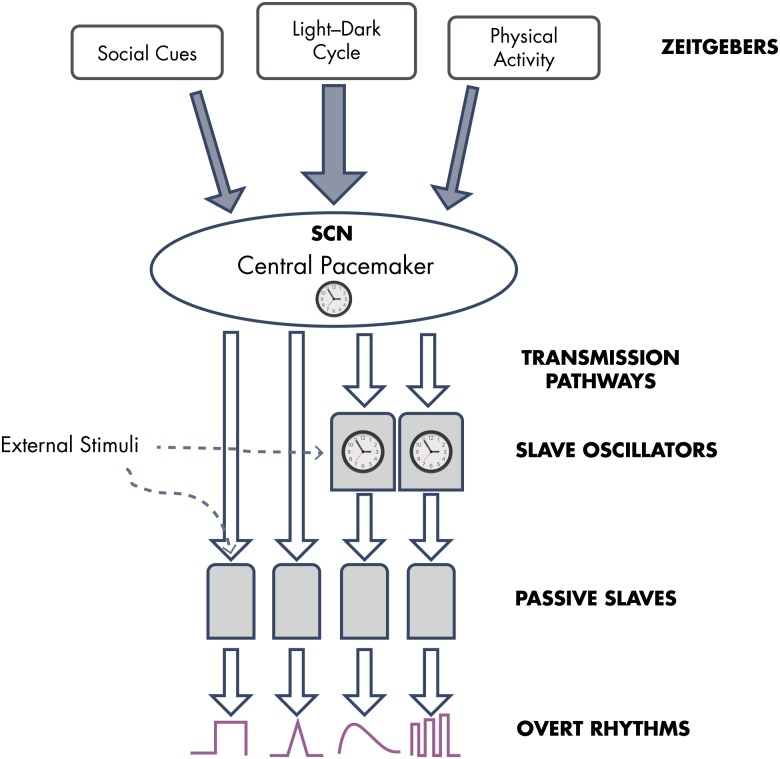
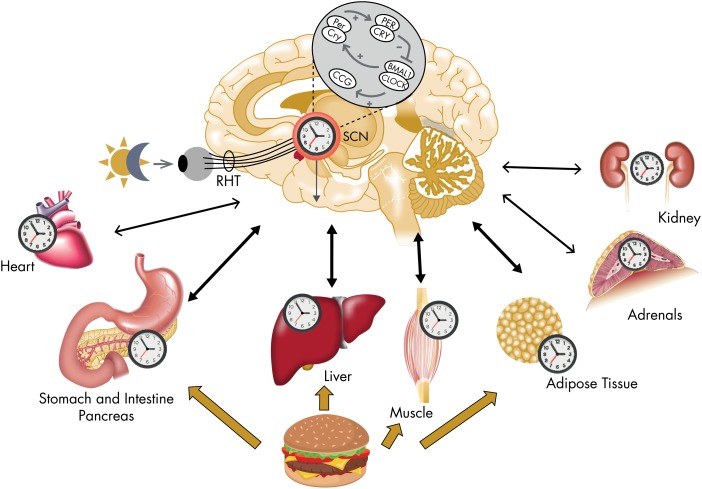
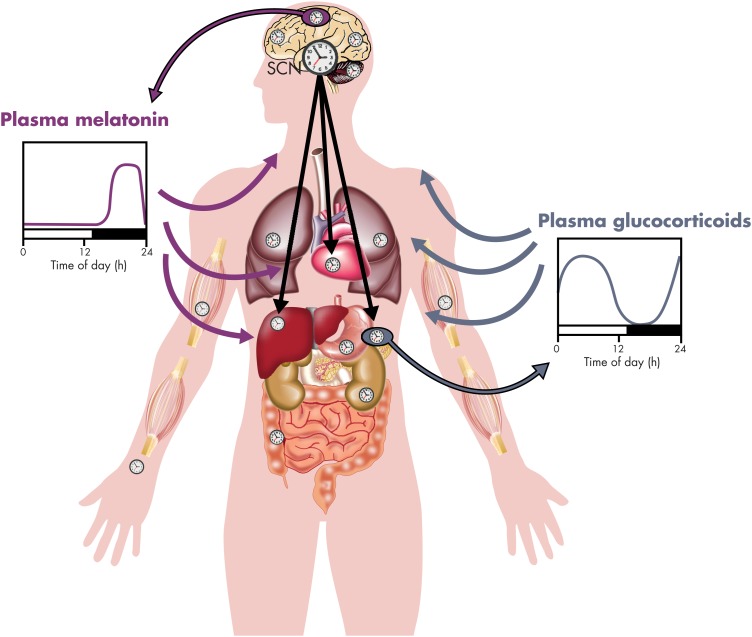
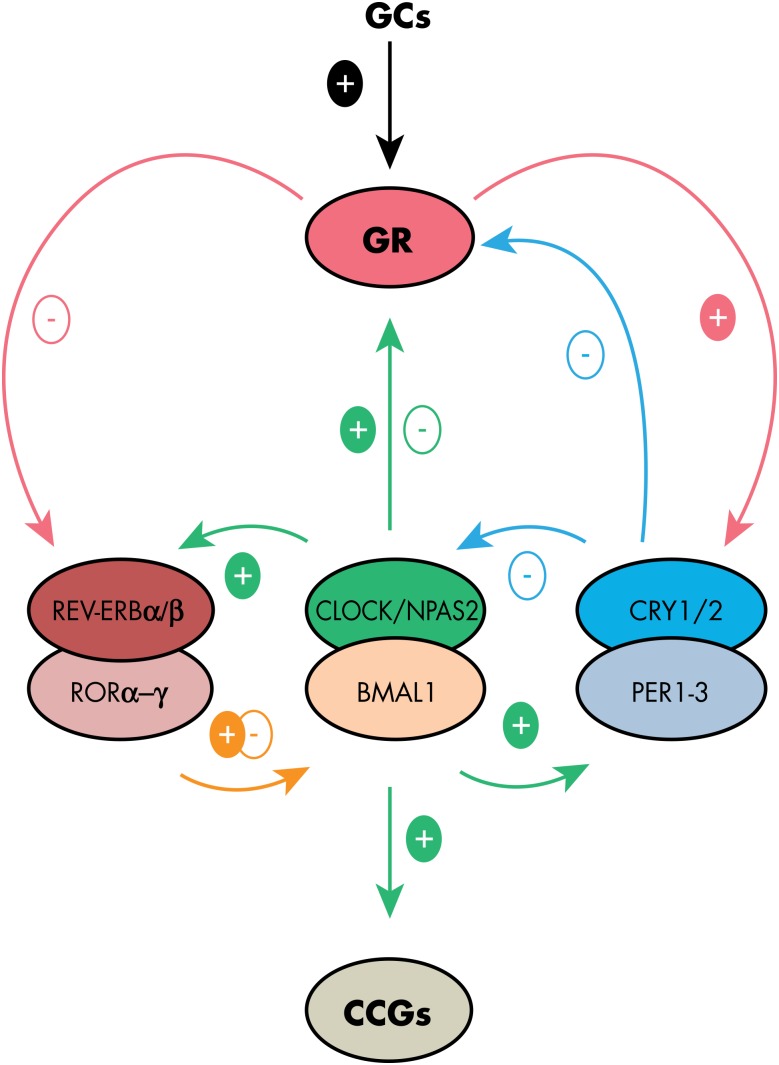
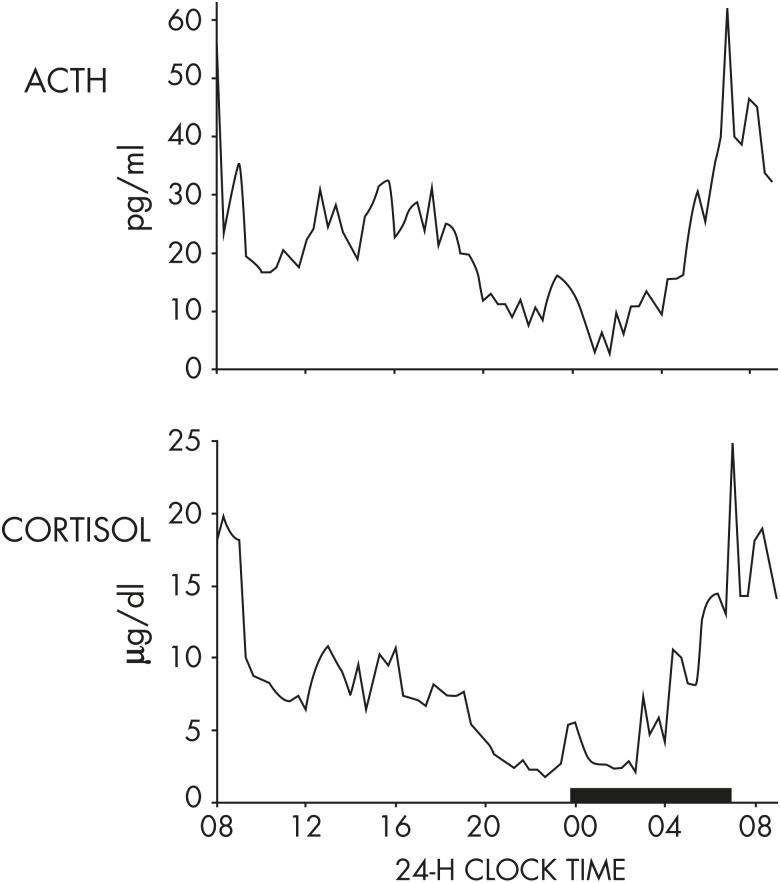
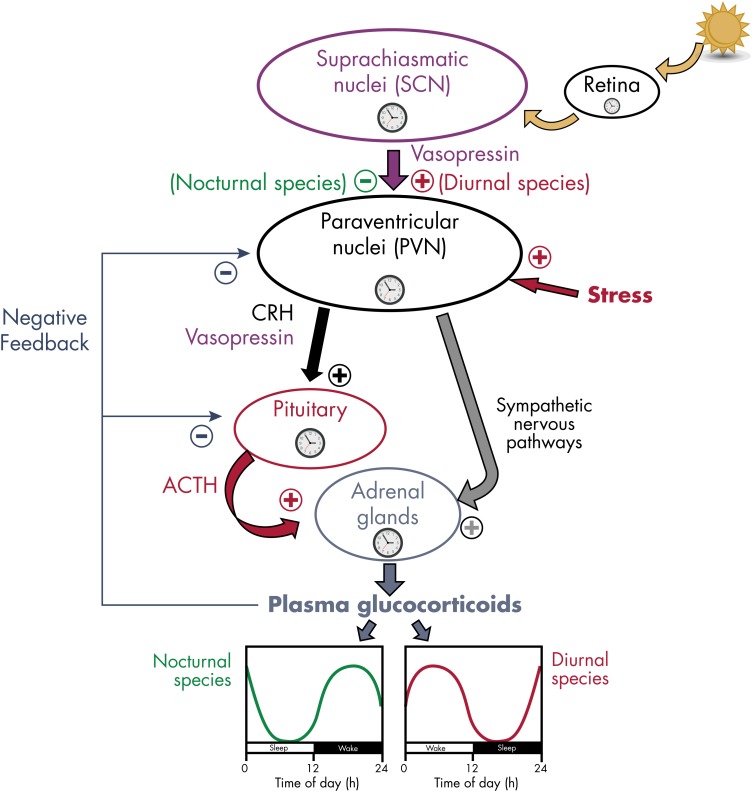
Adrenal glucocorticoids are major modulators of multiple functions, including energy metabolism, stress responses, immunity, and cognition. The endogenous secretion of glucocorticoids is normally characterized by a prominent and robust circadian (around 24 hours) oscillation, with a daily peak around the time of the habitual sleep-wake transition and minimal levels in the evening and early part of the night. It has long been recognized that this 24-hour rhythm partly reflects the activity of a master circadian pacemaker located in the suprachiasmatic nucleus of the hypothalamus. In the past decade, secondary circadian clocks based on the same molecular machinery as the central master pacemaker were found in other brain areas as well as in most peripheral tissues, including the adrenal glands. Evidence is rapidly accumulating to indicate that misalignment between central and peripheral clocks has a host of adverse effects. The robust rhythm in circulating glucocorticoid levels has been recognized as a major internal synchronizer of the circadian system. The present review examines the scientific foundation of these novel advances and their implications for health and disease prevention and treatment.
Overview
The claims and statistics of this paper haven’t been checked yet.
Run the check — free, no account needed. It reads the open-access text and checks the sources it cites.
Integrity signals
Registry
Cites
Statistics
Figures
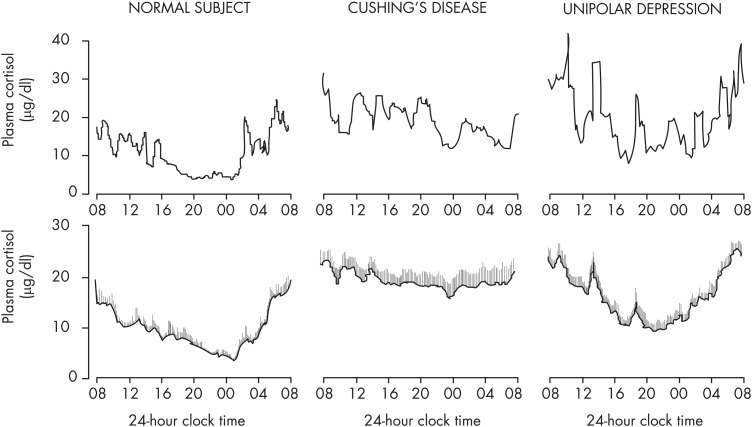
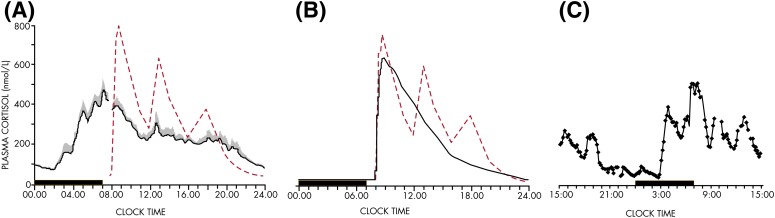
Verification
Claims the paper makes
The claims and statistics of this paper haven’t been checked yet.
Run the check — free, no account needed. It reads the open-access text and checks the sources it cites.
Claims other papers make about this one
Each is checked against this paper’s own text: does it say what the citing paper says it does?
The source backs part of the claim, not all of it — or backs it for a different population, condition or comparison.
In the citing paper
“This rhythm is important for its action because cortisol, not melatonin, is recognized to be the key metabolic central synchronizing signal [60–62].”
From Sleep, testosterone and cortisol balance, and ageing men (2022) · cites this paper as [60]
Experimental — accuracy not yet measuredThe source backs part of the claim, not all of it — or backs it for a different population, condition or comparison.
In the citing paper
“Experimental administration of glucocorticoid synchronizes the peripheral clocks located in liver, muscle, and adipose tissue which are the major storage sites for glycogen, protein, and fat, respectively, as well as other metabolically relevant organs such as pancreas and gut [60–63].”
From Sleep, testosterone and cortisol balance, and ageing men (2022) · cites this paper as [60]
Experimental — accuracy not yet measuredThe source backs part of the claim, not all of it — or backs it for a different population, condition or comparison.
In the citing paper
“These findings are highly relevant because hypercortisolemia during the late-afternoon and early-evening is harmful, and is believed to cause the insulin resistance observed with advanced age [60, 69, 70], impair physical performance [71] and trigger neurocognitive deficits [72].”
From Sleep, testosterone and cortisol balance, and ageing men (2022) · cites this paper as [60]
Experimental — accuracy not yet measuredThe source backs part of the claim, not all of it — or backs it for a different population, condition or comparison.
In the citing paper
“Disruption of these hormone rhythms often leads to disease ( 2 ),”
From Dynamic modulation of glucose utilisation by glucocorticoid rhythms in health and disease (2020) · cites this paper as [2]
Experimental — accuracy not yet measuredThe source backs part of the claim, not all of it — or backs it for a different population, condition or comparison.
In the citing paper
“in hypercortisolism, it is not only that CORT levels are higher than normal, but in some cases, they also display abnormal rhythmicity. This varies depending on whether the underlying condition is associated with Cushing's syndrome, depression, PTSD, acute inflammation following major surgery, or chronic inflammatory diseases (e.g., rheumatoid arthritis) ( 2, 5-13, 57-60 ).”
From Dynamic modulation of glucose utilisation by glucocorticoid rhythms in health and disease (2020) · cites this paper as [2]
Experimental — accuracy not yet measured
The source backs part of the claim, not all of it — or backs it for a different population, condition or comparison.
In the citing paper
“many of these conditions are accompanied by a disruption of normal glucose metabolism while preserving some degree of CORT rhythmicity.”
From Dynamic modulation of glucose utilisation by glucocorticoid rhythms in health and disease (2020) · cites this paper as [2]
Experimental — accuracy not yet measuredThe source backs part of the claim, not all of it — or backs it for a different population, condition or comparison.
In the citing paper
“Similarly, mounting evidence suggests that circadian clock genes within the brain, skeletal muscle, adipose tissue, gut, liver and pancreas (to name a few) may play a major role in regulating insulin sensitivity, possibly cooperating with glucocorticoids in controlling circadian variability ( 2, 73, 74 ).”
From Dynamic modulation of glucose utilisation by glucocorticoid rhythms in health and disease (2020) · cites this paper as [2]
Experimental — accuracy not yet measured
Self-check
Percentages, sums and reported differences re-computed from the paper’s own numbers.
The self-check needs the paper’s full text.
Citations
Cites
Sapolsky, R. M., Romero, L. M., & Munck, A. U. (2000) · Endocrine Reviews · doi:10.1210/edrv.21.1.0389 · Cited by 7,541
Effects of stress throughout the lifespan on the brain, behaviour and cognition
Lupien, S. J., McEwen, B. S., Gunnar, M. R., & Heim, C. (2009) · Nature Reviews Neuroscience · doi:10.1038/nrn2639 · Cited by 6,256
Stress and the brain: from adaptation to disease
de Kloet, E. R., Joëls, M., & Holsboer, F. (2005) · Nature Reviews Neuroscience · doi:10.1038/nrn1683 · Cited by 4,621
Impact of sleep debt on metabolic and endocrine function
Spiegel, K., Leproult, R., & Van Cauter, E. (1999) · The Lancet · doi:10.1016/s0140-6736(99)01376-8 · Cited by 3,668
The diagnosis of Cushing's syndrome: an Endocrine Society Clinical Practice Guideline.
Nieman, L. K., Biller, B. M. K., Findling, J. W., Newell-Price, J., Savage, M. O., Stewart, P. M., & Montori, V. M. (2008) · The Journal of Clinical Endocrinology & Metabolism · doi:10.1210/jc.2008-0125 · Cited by 2,718 · cited 1×
“The reduced amplitude of the circadian cortisol rhythm associated with higher nadir levels is, in clinical practice, an early marker of hypercortisolism in humans, and the evaluation of cortisol levels during the normal nadir of the rhythm is a common screening test to diagnose Cushing’s syndrome (357).”
The Concepts of Stress and Stress System Disorders: Overview of Physical and Behavioral Homeostasis
Chrousos, G. P. (1992) · JAMA · doi:10.1001/jama.1992.03480090092034 · Cited by 2,689
Brain corticosteroid receptor balance in health and disease
de Kloet, E. R., Vreugdenhil, E., Oitzl, M. S., & Joëls, M. (1998) · Endocrine Reviews · doi:10.1210/edrv.19.3.0331 · Cited by 2,614
Two receptor systems for corticosterone in rat brain: Microdistribution and differential occupation
REUL, J. M. H. M., & KLOET, E. R. D. (1985) · Endocrinology · doi:10.1210/endo-117-6-2505 · Cited by 2,580
Damiola, F., Le Minh, N., Preitner, N., Kornmann, B., Fleury-Olela, F., & Schibler, U. (2000) · Genes & Development · doi:10.1101/gad.183500 · Cited by 2,394
Adverse metabolic and cardiovascular consequences of circadian misalignment
Scheer, F. A. J. L., Hilton, M. F., Mantzoros, C. S., & Shea, S. A. (2009) · Proceedings of the National Academy of Sciences · doi:10.1073/pnas.0808180106 · Cited by 2,351
Research works printed but not linked: 7
- McEwen, 2016, Central role of the brain in stress and adaptation: allostasis, biological embedding, and cumulative change, 39
- de Kloet, 2016, Corticosteroid receptor balance hypothesis: implications for stress adaptation and health, 21
- Krieger, 1979, Endocrine Rhythms., 123
- Knapen, 1993, Addison Patients in the Netherlands: Social Report of the Survey, Summary and Recommendations
- Barthel, 2015, Endocrinology: Adult and Pediatric., 1763
- Linkowski, 1987, 24-Hour profiles of adrenocorticotropin, cortisol, and growth hormone in major depressive illness: effect of antidepressant treatment, J Clin Endocrinol Metab., 65, 141, 10.1210/jcem-65-1-141 · DOI
- Van Cauter, 1989, Physiology and pathology of circadian rhythms, 109
Cited by
Sorted by citations
Items 301–400 of 555
de Assis, L. V. M., Harder, L., Inderhees, J., Jöhren, O., Mittag, J., & Oster, H. (2024) · npj Metabolic Health and Disease · doi:10.1038/s44324-024-00023-4 · Cited by 6
Self-citationPiechota, M., Zięba, M., Borczyk, M., Gołda, S., Hajto, J., Skupio, U., Ślęzak, M., Parkitna, J. M. R., & Korostyński, M. (2025) · BMC Genomics · doi:10.1186/s12864-025-11676-w · Cited by 7
Gifford, R. M., Taylor, N., Kendall, J., Hattersley, J. G., Homer, N. Z. M., Woods, D. R., Imray, C., & Wilson, A. J. (2025) · Scientific Reports · doi:10.1038/s41598-025-01165-1 · Cited by 6
Wang, Z., Robbins, B., Zhuang, R., van Bruggen, R., Sandini, T. M., Li, X., & Zhang, Y. (2025) · Scientific Reports · doi:10.1038/s41598-025-03383-z · Cited by 8
Ataallahi, M., Park, G.-W., Nejad, J. G., & Park, K.-H. (2025) · Veterinary Research Communications · doi:10.1007/s11259-025-10866-x · Cited by 6
Xiong, B., Xiang, C., Wu, J., Chen, C., & Qin, S. (2025) · Psychoneuroendocrinology · doi:10.1016/j.psyneuen.2025.107629 · Cited by 7
Hansen, S. B., Frederiksen, J. S. S., Lodberg, A., Poulsen, M. F., Andersen, C. B. F., Oster, H., Jessen, N., & Jørgensen, J. O. L. (2025) · The Journal of Clinical Endocrinology & Metabolism · doi:10.1210/clinem/dgaf564 · Cited by 5
Self-citationPro-aging effects of chronic glucocorticoid signaling
Lambertucci, F., Castinetti, F., Martins, I., López-Otı́n, C., & Kroemer, G. (2026) · Cell Metabolism · doi:10.1016/j.cmet.2026.05.002 · Cited by 8
Li, Y., & Androulakis, I. P. (2023) · Journal of Biological Rhythms · doi:10.1177/07487304231188541 · Cited by 6
Shapiro, B., Fang, Y., Sen, S., & Forger, D. B. (2024) · PLOS Digital Health · doi:10.1371/journal.pdig.0000439 · Cited by 11
Pham, K., Lazenby, M., Yamada, K. Y. H., Lattin, C. R., & Wada, H. (2024) · General and Comparative Endocrinology · doi:10.1016/j.ygcen.2024.114644 · Cited by 6
Sim, J., Park, B., & Choi, Y. (2025) · Anaesthesia · doi:10.1111/anae.16788 · Cited by 7
Variation of circadian activity rhythm according to body mass index in children
Tonetti, L., Martoni, M., Filardi, M., Fabbri, M., Carissimi, A., Giovagnoli, S., & Natale, V. (2020) · Sleep Medicine · doi:10.1016/j.sleep.2020.05.022 · Cited by 6
Phipps, J. E., Whipps, M. D. M., D’Souza, I. A., LaSalle, J. M., & Simmons, L. A. (2023) · Maternal and Child Health Journal · doi:10.1007/s10995-023-03657-w · Cited by 10
Glucocorticoids modify intracranial pressure in freely moving rats
Westgate, C. S. J., Israelsen, I. M. E., Kamp‐Jensen, C., Jensen, R., & Eftekhari, S. (2023) · Fluids and Barriers of the CNS · doi:10.1186/s12987-023-00439-y · Cited by 6
The unfixed light pattern contributes to depressive-like behaviors in male mice
Liu, Q., Meng, Q., Ding, Y., Jiang, J., Kang, C., Yuan, L., Guo, W., Zhao, Z., Yuan, Y., Wei, X., et al. (2023) · Chemosphere · doi:10.1016/j.chemosphere.2023.139680 · Cited by 7
Burek, K., Rabstein, S., Kantermann, T., Vetter, C., Wang‐Sattler, R., Lehnert, M., Pallapies, D., Jöckel, K., Brüning, T., & Behrens, T. (2024) · Psychoneuroendocrinology · doi:10.1016/j.psyneuen.2024.107066 · Cited by 7
Inflammatory parameters in sexually abused children
Serbulent, K., Kara, Ö., & Tutanç, M. (2017) · Saudi Medical Journal · doi:10.15537/smj.2017.12.21463 · Cited by 8
Circadian dysregulation disrupts gut microbe-related bile acid metabolism
Chen, R., Ruan, M., Chen, S. X., Tian, Y., Wang, H., Li, N., Zhang, J., Yu, X., & Liu, Z. (2022) · Food & Nutrition Research · doi:10.29219/fnr.v66.7653 · Cited by 5
Otani, T., Miyake, T., Ota, T., Yarimizu, D., Nakagawa, Y., Murai, I., Okamura, H., Hasegawa, E., & Doi, M. (2025) · Frontiers in Endocrinology · doi:10.3389/fendo.2025.1525844 · Cited by 6
Paragliola, R. M., Marchetti, M., Montagna, C., Corsello, S. M., & Peluso, G. (2025) · International Journal of Molecular Sciences · doi:10.3390/ijms262211230 · Cited by 8
Lopez, A.-G., Duparc, C., Renouf, S., D’Agostino, M., Sousa, K. D., Amar, L., Defortescu, G., Manceau, G., Sabourin, J., Fernandes-Rosa, F. L., et al. (2026) · Journal of the American Heart Association · doi:10.1161/jaha.125.045539 · Cited by 5
Coiffard, B., Merdji, H., Boucékine, M., Helms, J., Clère-Jehl, R., Mège, J., & Meziani, F. (2023) · Biology · doi:10.3390/biology12050638 · Cited by 5
Predictors of food addiction symptoms among Malaysian university students
Cheah, M. H. J., & Chin, Y. S. (2023) · Human Nutrition & Metabolism · doi:10.1016/j.hnm.2023.200235 · Cited by 5
İNKAYA, E. N., Tokgöz, E., & Barlas, N. (2025) · Basic & Clinical Pharmacology & Toxicology · doi:10.1111/bcpt.70003 · Cited by 5
Exploring circadian and meal timing impacts on cortisol during simulated night shifts
Grosser, L., Yates, C., Dorrian, J., Centofanti, S. A., Heilbronn, L. K., Wittert, G., Kennaway, D. J., Coates, A. M., Gupta, C. C., Stepien, J. M., et al. (2025) · SLEEP · doi:10.1093/sleep/zsaf249 · Cited by 7
The 4th dimension of in vitro systems – Time to level up
Mihelakis, M., Ndikung, J., Oelgeschläger, M., & Ertych, N. (2022) · Environment International · doi:10.1016/j.envint.2022.107256 · Cited by 5
Circadian cortisol secretion in adolescent girls with conduct disorder
Helleman, A., Rubín, R. T., Gardner, W. P., Lourie, A., Taylor, A. N., Cochran, J. R., Dorn, L. D., Susman, E. J., Barrowman, N., Bijelić, V., et al. (2022) · Psychoneuroendocrinology · doi:10.1016/j.psyneuen.2022.105972 · Cited by 8
Hsieh, C.-Y., Tsai, P., Tomioka, Y., Matsumoto, Y., Akiyama, Y., Wang, C., Tayo, L. L., & Lee, C. (2023) · Phytomedicine · doi:10.1016/j.phymed.2023.155260 · Cited by 5
Šutovská, H. M., Obermajer, V., Zeman, M., & Molčan, Ľ. (2024) · Hypertension Research · doi:10.1038/s41440-024-01685-9 · Cited by 5
Light pollution: time to consider testicular effects
Liu, P. Y. (2024) · Frontiers in Toxicology · doi:10.3389/ftox.2024.1481385 · Cited by 5
Contreras-Correa, Z. E., Lemire, R. L., Burnett, D. D., & Lemley, C. O. (2020) · Theriogenology · doi:10.1016/j.theriogenology.2020.04.002 · Cited by 5
Effects of Osteopathic T9–T10 Vertebral Manipulation in Tonsillitis: A Randomized Clinical Trial
Luceño-Mardones, A., Luceño-Rodríguez, I., Rodríguez‐López, E. S., Oliva-Pascual-Vaca, J., Rosety, I., & Oliva‐Pascual‐Vaca, Á. (2021) · Healthcare · doi:10.3390/healthcare9040394 · Cited by 5
Treating Hypopituitarism in the Over 65s: Review of Clinical Studies
Paragliola, R. M., Locantore, P., Corsello, S. M., & Salvatori, R. (2023) · Clinical Interventions in Aging · doi:10.2147/cia.s370782 · Cited by 6
A brain-body feedback loop driving HPA-axis dysfunction in breast cancerPreprint
Gomez, A. M., Wu, Y., Zhang, C., Boyd, L., Wee, T.-L., Gewolb, J., Amor, C., Cheadle, L., & Borniger, J. C. (2024) · bioRxiv · doi:10.1101/2024.09.13.612923 · Cited by 6
Ashton, R., Rizwan, M., & Gwenin, C. D. (2025) · Sensors and Actuators Reports · doi:10.1016/j.snr.2025.100325 · Cited by 4
Liu, Y., Liu, Q., Gao, B., Fu, Q., Li, F., Yu-hu, M., & Liu, Y. (2025) · Frontiers in Neuroscience · doi:10.3389/fnins.2025.1649396 · Cited by 4
Beyond the Classical Axis: Metabolic “Pressure” on the Adrenal Gland?
Isidori, A. M., Pofi, R., & Fleseriu, M. (2025) · Diabetes · doi:10.2337/dbi25-0035 · Cited by 4
Dabija, M. G., Tătaru, C.-I., Dumitru, A. V., Munteanu, O., Rădoi, M. P., Ciurea, A. V., & Petrescu, I.-A. (2025) · International Journal of Molecular Sciences · doi:10.3390/ijms262311444 · Cited by 4
Gupta, P., Debnath, B., Ashique, S., Ramzan, M., Yasmin, S., Shorog, E., Mantry, S., Tariq, M., Sridhar, S. B., Panigrahy, U. P., et al. (2025) · Inflammopharmacology · doi:10.1007/s10787-025-02005-4 · Cited by 6
Xuan, S., Yang, T., Ba, M., Zhang, W., Yang, J., Pei, X., Qi, D., Lu, D., Huang, S., & Li, Z. (2025) · Investigative Ophthalmology & Visual Science · doi:10.1167/iovs.66.15.50 · Cited by 4
Rao, R., & Androulakis, I. P. (2020) · IFAC-PapersOnLine · doi:10.1016/j.ifacol.2020.12.241 · Cited by 4
Bratičević, M. N., Žarak, M., Šimac, B., Perović, A., & Dumić, J. (2023) · Frontiers in Cardiovascular Medicine · doi:10.3389/fcvm.2023.1074061 · Cited by 4
11-deoxycortisol positively correlates with T cell immune traits in physiological conditions
Peng, C., Jiang, X., Jaeger, M., van Houten, P., van Herwaarden, A. E., Koeken, V. A. C. M., Moorlag, S. J. C. F. M., Mourits, V. P., Lemmers, H., Dijkstra, H., et al. (2023) · EBioMedicine · doi:10.1016/j.ebiom.2023.104935 · Cited by 5
Chrononutrition in Critical Illness
Sagun, E., Akyol, A., & Kaymak, Ç. (2024) · Nutrition Reviews · doi:10.1093/nutrit/nuae078 · Cited by 4
Gyasi, P. A., Amu‐Darko, J. N. O., Sun, B., Issaka, E., Ntim, S. Y., Enyan, M., & Hussain, S. (2025) · Nano Select · doi:10.1002/nano.70024 · Cited by 4
Thrivikraman, K. V., Kinkead, B. L., Owens, M. J., Rapaport, M. H., & Plotsky, P. M. (2021) · Neuroendocrinology · doi:10.1159/000520192 · Cited by 4
Circadian Clocks, Sleep, and Metabolism
Nowak, N., Rawleigh, A., & Brown, S. A. (2021) · Advances in experimental medicine and biology · doi:10.1007/978-3-030-81147-1_2 · Cited by 4
Liang, Z. (2021) · Frontiers in Computer Science · doi:10.3389/fcomp.2021.774949 · Cited by 4
Ledesma, S. N., Gijón-Noguerón, G., Reina-Martín, I., Ortega‐Ávila, A. B., & Pruimboom, L. (2022) · International Journal of Environmental Research and Public Health · doi:10.3390/ijerph19042468 · Cited by 4
Parker, C., Nelson, E., & Zhang, T. (2022) · Entropy · doi:10.3390/e24121747 · Cited by 4
Kong, X., Luxwolda, M., Hut, R. A., & Meerlo, P. (2023) · Hormones and Behavior · doi:10.1016/j.yhbeh.2023.105326 · Cited by 4
Clarke, B. M., Kireta, S., Johnston, J. K., Christou, C., Greenwood, J., Hurtado, P. R., Manavis, J., Coates, P. T., & Torpy, D. J. (2024) · Endocrinology · doi:10.1210/endocr/bqae086 · Cited by 3
Spiga, F., & Lightman, S. L. (2019) · Elsevier eBooks · doi:10.1016/b978-0-12-813983-7.00008-2 · Cited by 4
Self-citationDo glucocorticoids induce addiction in humans?
Giordano, R., Guaraldi, F., Mazzoli, M., & Ghigo, E. (2017) · Journal of Endocrinological Investigation · doi:10.1007/s40618-017-0656-4 · Cited by 4
The Current Treatment Landscape for Congenital Adrenal Hyperplasia
Tonge, J. J., Bacila, I. A., & Krone, N. P. (2025) · Drugs · doi:10.1007/s40265-025-02216-7 · Cited by 4
Circadian rhythms, endogenous glucocorticoids and skeletal health
Macfarlane, E., Zhou, H., & Seibel, M. J. (2026) · European Journal of Endocrinology · doi:10.1093/ejendo/lvag012 · Cited by 3
Childhood adversity and adolescent epigenetic age acceleration: the role of adolescent sleep health
DiMarzio, K., Rojo‐Wissar, D. M., Valencia, E. M. H., Pault, M. V., Denherder, S., Lopez, A., Lerch, J., Metrailer, G., Merrill, S. M., Highlander, A., et al. (2025) · SLEEP Advances · doi:10.1093/sleepadvances/zpaf003 · Cited by 5
Circadian Rhythms in Ischemic Stroke: From Molecular Pathways to Chronotherapeutic Strategies
Deb, S., Mondal, R., Sarkar, V., Shome, G., Mete, R., Sarkar, S., Das, S., Roy, J., & Benito‐León, J. (2025) · European Neurology · doi:10.1159/000548456 · Cited by 3
Physiological Glucocorticoid Replacement in Adrenal Insufficiency: Does It Fix the Broken Clock?
Brown, M. R., & Matveyenko, A. V. (2018) · The Journal of Clinical Endocrinology & Metabolism · doi:10.1210/jc.2018-01245 · Cited by 3
Effects of semi-purified diet on depressive behaviors in aged mice
Takahashi, E., & Ono, E. (2021) · Biochemistry and Biophysics Reports · doi:10.1016/j.bbrep.2021.101152 · Cited by 3
Menon, A., Kar, M., Patra, S., & Mahapatra, S. C. (2021) · Women s Health Reports · doi:10.1089/whr.2021.0052 · Cited by 3
Steinach, M., & Gunga, H. (2019) · Springer eBooks · doi:10.1007/978-3-030-16996-1_9 · Cited by 4
Comparative analysis of the daily liver transcriptomes in wild nocturnal bats
Chu, Y., Li, J., Feng, L., Zhang, G., Wu, H., Jiang, T., Wang, H., & Feng, J. (2022) · BMC Genomics · doi:10.1186/s12864-022-08823-y · Cited by 3
Fernandes, P., Nunes, H. O., Marinho, T. A., Barsanele, P. S., Moraes, M. N., & Poletini, M. O. (2023) · Journal of Photochemistry and Photobiology · doi:10.1016/j.jpap.2023.100198 · Cited by 4
Gomez‐Gómez, À., Montero-San-Martín, B., Haro, N., & Pozo, Ó. J. (2023) · Ecotoxicology and Environmental Safety · doi:10.1016/j.ecoenv.2023.115586 · Cited by 3
Complex gene-dependent and-independent mechanisms control daily rhythms of hematopoietic cells
Sciarra, F., Franceschini, E., Palmieri, G., & Venneri, M. A. (2025) · Biomedicine & Pharmacotherapy · doi:10.1016/j.biopha.2024.117803 · Cited by 3
Serhiyenko, V. A., Долинай, М., Sehin, V. B., Lazur, Y. V., & Serhiyenko, A. A. (2025) · INTERNATIONAL JOURNAL OF ENDOCRINOLOGY (Ukraine) · doi:10.22141/2224-0721.20.8.2024.1461 · Cited by 3
Modified-release-Hydrocortison bei Glukokortikoidmangel
Nowotny, H. F., & Reisch, N. (2020) · Der Internist · doi:10.1007/s00108-020-00795-z · Cited by 3
Night, Darkness, Sleep, and Cardiovascular Activity
Silvani, A. (2020) · Springer eBooks · doi:10.1007/978-3-030-28008-6_38 · Cited by 3
Glenk, L. M., Belik, C., Palme, R., Aigner, A., & Jensen‐Jarolim, E. (2020) · Pet Behaviour Science · doi:10.21071/pbs.vi9.12006 · Cited by 3
Glucocorticoid Receptor Antagonism as a New “Remedy” for Insulin Resistance—Not There Yet!
Varlamov, E. V., Purnell, J. Q., & Fleseriu, M. (2021) · The Journal of Clinical Endocrinology & Metabolism · doi:10.1210/clinem/dgab127 · Cited by 3
Stress and Endocrine Physiology
Nicolaides, N. C., Pervanidou, P., & Chrousos, G. P. (2014) · Elsevier eBooks · doi:10.1016/b978-0-12-801238-3.03751-x · Cited by 4
ACTH-Secreting Pituitary Tumors
Pivonello, R., Martino, M. C. D., Iacuaniello, D., Simeoli, C., & Colao, A. (2014) · Elsevier eBooks · doi:10.1016/b978-0-12-801238-3.04102-7 · Cited by 3
Influence of multitasking-induced mental workload on electrodermal activity and human cortisol
Pidech, J., Neubert, M. S., & Chuchuen, O. (2023) · Biomedical Engineering International Conference · doi:10.1109/bmeicon60347.2023.10322001 · Cited by 2
IL-6 after wake-up in human males: Exposure to red versus blue light and the interplay with cortisol
Mekschrat, L., Schmalbach, B., Rohleder, N., & Petrowski, K. (2024) · Brain Behavior & Immunity - Health · doi:10.1016/j.bbih.2024.100833 · Cited by 3
Changqing, S., Xue, W., Zhang, P., Zhu, Z., Hu, B., Wang, P., Li, Y., Zhao, M., Hao, J., Zhou, Q., et al. (2025) · Scientific Reports · doi:10.1038/s41598-025-14305-4 · Cited by 2
Tol, J. T. M., Meewisse, A. J. G., Noteboom, S. H., van der Ven, W. H., Kurucz, V. C., Terwindt, L. E., Kho, E., van der Ster, B. J. P., Vlaar, A. P. J., Stenvers, D. J., et al. (2025) · Journal of Clinical Anesthesia · doi:10.1016/j.jclinane.2025.111984 · Cited by 2
Liao, Y., Luo, L., Ma, Q., Gao, X., Chen, Y., Yan, S., He, M., Liu, L., & Zhou, D. (2025) · Frontiers in Neurology · doi:10.3389/fneur.2025.1627172 · Cited by 3
Yadav, M., & Singh, P. (2025) · Computers in Biology and Medicine · doi:10.1016/j.compbiomed.2025.111173 · Cited by 3
Can Low Cortisol Predict Long COVID? A Controversial Issue
Quach, T. C., Wilson, A., Sum‐Ping, O., Lomba, S., Geng, L. N., Shafer, R. W., Miglis, M. G., Yang, P. C.-M., Grossman, L., Mejia, G. R., et al. (2025) · Biomedicines · doi:10.3390/biomedicines13112636 · Cited by 2
Gürsoy, S., Bodur, S., Atakol, A., & Bakırdere, S. (2026) · Scientific Reports · doi:10.1038/s41598-026-38457-z · Cited by 2
McQueen, J., Garner, T., Chantzichristos, D., Lennernäs, H., Espiard, S., Ragnarsson, Ó., Bergthorsdottir, R., Skrtic, S., Stevens, A., & Johannsson, G. (2026) · Scientific Reports · doi:10.1038/s41598-026-37816-0 · Cited by 3
The timing of antenatal glucocorticoids determines the receptor sensitivity in preterm infants
Fortmann, I., Britsemmer, J. H., Lehmann, M., Taege, N., Oster, H., Kirchner, H., Haertel, C., & Astiz, M. (2026) · The Journal of Clinical Endocrinology & Metabolism · doi:10.1210/clinem/dgag066 · Cited by 1
Self-citationHypertension-induced metabolic dysregulation drives multi-organ circadian desynchrony in rats
Kumar, N., Kumar, D., & Krishnamurthy, S. (2026) · Chronobiology International · doi:10.1080/07420528.2026.2636036 · Cited by 2
Hypothalamic–Pituitary–Adrenal Cortex Axis
Wilkinson, M., & Imran, S. A. (2018) · Cambridge University Press eBooks · doi:10.1017/9781108149938.006 · Cited by 3
Non-invasive monitoring of adrenocortical activity in the Gould’s wattled bat (Chalinolobus gouldii)
Sandy, L. K., Fanson, K. V., Griffiths, S. R., Robert, K. A., Palme, R., & Dimovski, A. M. (2024) · General and Comparative Endocrinology · doi:10.1016/j.ygcen.2024.114619 · Cited by 3
The influence of light on Interleukin-10: A preliminary study
Mekschrat, L., Göring, M., Schmalbach, B., Rohleder, N., & Petrowski, K. (2024) · Brain Behavior & Immunity - Health · doi:10.1016/j.bbih.2024.100887 · Cited by 2
Adrenal crisis-induced cardiogenic shock (ACCS): a comprehensive review
Heidarpour, M., Shafie, D., Eshraghi, R., Mirjalili, S. R., Bahrami, A., & Movahed, M. R. (2024) · Heart Failure Reviews · doi:10.1007/s10741-024-10458-y · Cited by 2
Vetter, D. E., & Yee, K. T. (2018) · Springer eBooks · doi:10.1007/978-3-319-92507-3_3 · Cited by 2
The Effect of High-Intensity Exercise on Changes in Salivary and Serum Cortisol Proportion Dynamics
Anderson, T., Berry, N. T., & Wideman, L. (2021) · Endocrines · doi:10.3390/endocrines2010005 · Cited by 3
DHEA as a biomarker of aging in humans and nonhuman primates
Urbanski, H. F. (2021) · Elsevier eBooks · doi:10.1016/b978-0-12-818000-6.00025-1 · Cited by 3
Corticosteroid Replacement Therapy
Onyema, M. C. (2021) · IntechOpen eBooks · doi:10.5772/intechopen.98803 · Cited by 2
The circadian control of eating
Institut des Neurosciences Cellulaires et Intégratives, C., & Challet, É. (2021) · Journal of Behavior and Feeding · doi:10.32870/jbf.v1i1.14 · Cited by 2
Kim, S. H., Son, G. H., Seok, J. Y., Chun, S. K., Yun, H., Jang, J., Suh, Y., Kim, K., Jung, J., & Chung, S. (2023) · Life Sciences · doi:10.1016/j.lfs.2023.121744 · Cited by 2
The interplay between circadian clock and viral infections: A molecular perspective
Kalita, E., Panda, M., & Prajapati, V. K. (2023) · Advances in protein chemistry and structural biology · doi:10.1016/bs.apcsb.2023.02.009 · Cited by 2
Glucocorticoid receptors mediate reprogramming of astrocytes in depressionPreprint
Dalbeyler, S., Herud, A., Zglinicki, B., Ziuzia, P., Piechota, M., Hoinkis, D., Bergauer, L., Menacho, C., Sołtys, Z., Hanus, P., et al. (2025) · bioRxiv (Cold Spring Harbor Laboratory) · doi:10.1101/2025.04.04.646549 · Cited by 3
Sun, M.-J., Yin, H., Cao, X., Kang, L., Hu, Y., & Tang, Y. C. (2021) · Springer eBooks · doi:10.1007/978-981-16-0522-2_8 · Cited by 2
The Impact of Light-Dark Cycle Alteration on the Acceleration of Type 1 Diabetes in NOD Mice Model
Reshaid, A. A., Alshawakir, Y. A., Almuayrifi, M. J., Al-Attas, O. S., BaHammam, A. S., & Khalifah, R. A. A. (2024) · Nature and Science of Sleep · doi:10.2147/nss.s465917 · Cited by 1
Zhang, K., He, S., Wang, Q. Y., Li, J.-J., Yao, C., Shan, C., Zhang, L., Zhong-ying, L., Liu, P., Li, M.-Y., et al. (2025) · Animals · doi:10.3390/ani15050692 · Cited by 1
Metadata
- Authors
- Oster, H., Challet, E., Ott, V., Arvat, E., de Kloet, E. R., Dijk, D.-J., Lightman, S., Vgontzas, A., & Van Cauter, E.
- Affiliations
- Centre National de la Recherche Scientifique (FR)
- Medical Department I (H.O., V.O.), University of Lübeck, 23562 Lübeck, Germany; Institute for Cellular and Integrative Neuroscience (E.C.), Centre National de la Recherche Scientifique (CNRS) UPR 3212, University of Strasbourg, 67084 Strasbourg, France; Division of Endocrinology, Diabetology and Metabolism (E.A.), Department of Internal Medicine, University of Turin, 10043 Turin, Italy; Departmen
- ORCID
- Venue
- Endocrine Reviews
- Publisher
- The Endocrine Society
- Published
- 2016-10-17
- Volume
- 38
- Issue
- 1
- Pages
- 3-45
- ISSN
- 0163-769X (ISSN-L)
- 1945-7189
- PMC
- PMC5563520
- OpenAlex
- W2535896286
- Cited by
- 548
- References
- 440
- Citations by year
- 2026: 64 · 2025: 77 · 2024: 47 · 2023: 61 · 2022: 57 · 2021: 72 · 2020: 77 · 2019: 35 · 2018: 31 · 2017: 24 · 2016: 1
- FWCI
- 3.21
- Type
- journal article
- Language
- en
- Open access
- hybrid
- doi.org
- Locations
- Endocrine Reviews (publishedVersion, cc-by)
- PubMed Central (publishedVersion, cc-by)
- PubMed (publishedVersion)
- Explore Bristol Research (publishedVersion, cc-by)
- Data Archiving and Networked Services (DANS) (submittedVersion)
- HAL (submittedVersion, other-oa)
- Leiden Repository (Leiden University) (submittedVersion)
- Institutional Research Information System University of Turin (University of Turin) (submittedVersion)
- Bristol Research (University of Bristol) (submittedVersion, cc-by)
- Funders
- Medical Research Council (MR/J008893/1, MR/J012548/1)
- Biotechnology and Biological Sciences Research Council (BB/L007622/1)
- Topics
- Life Sciences › Neuroscience › Endocrine and Autonomic Systems › Circadian rhythm and melatonin
- Health Sciences › Medicine › Endocrinology, Diabetes and Metabolism › Adrenal Hormones and Disorders
- Life Sciences › Neuroscience › Behavioral Neuroscience › Stress Responses and Cortisol
- Keywords
- glucocorticoids, circadian rhythm, circadian clock, suprachiasmatic nucleus, adrenal gland, peripheral circadian clock, sleep-wake transition, circadian misalignment, adrenal steroid secretion
- MeSH terms
- Animals, Circadian Rhythm, Glucocorticoids, Humans, Circadian Clocks
About these checks
Registry, retraction, Cites and statistics results are computed, not judged, with one exception: a printed reference that no index lists is read once by a model before it counts as a citation error. Claims are extracted by a model and kept only when their quote appears verbatim in the text; each cited source is then checked, with a model’s help, for whether it says what the claim relies on. Those verdicts can be wrong — read the claim’s quote and the cited source before relying on one.
Statistics and arithmetic are recomputed, not judged.
Confidence bands are shown only for fields calibrated on our annotated test set. None is calibrated yet, so no band is shown.
What counts as a claim ›How we measure confidence ›How we check this ›
Are you an author, or do you see a problem with this page? Request a review
