

Neural Network Mechanisms Underlying Stimulus Driven Variability Reduction
Open accessThe DOI matches its Crossref record; 32 of the 32 references it cites were found in a registry or an index.
Abstract
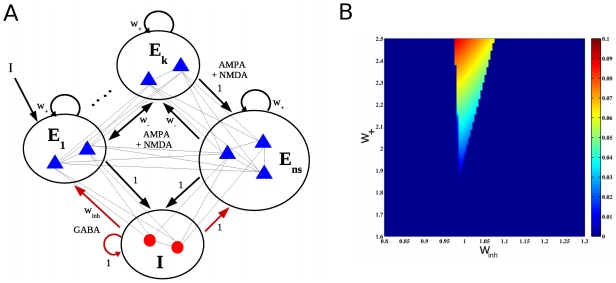
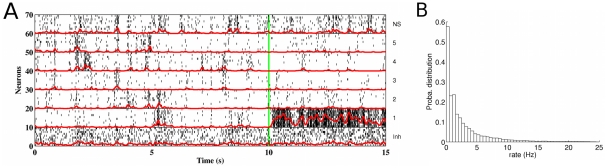
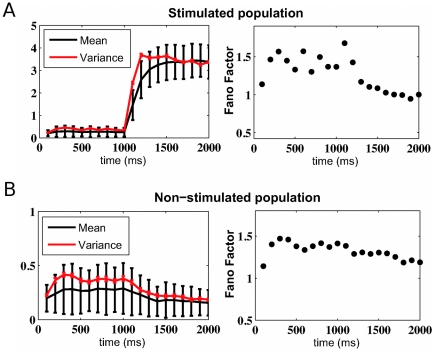
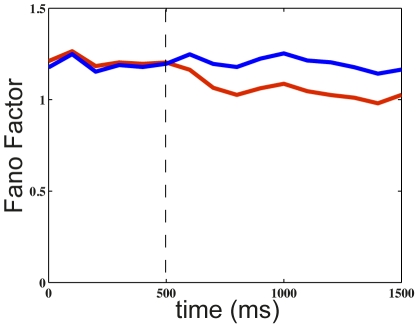
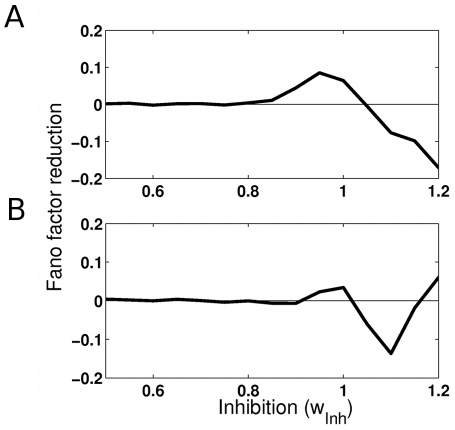
It is well established that the variability of the neural activity across trials, as measured by the Fano factor, is elevated. This fact poses limits on information encoding by the neural activity. However, a series of recent neurophysiological experiments have changed this traditional view. Single cell recordings across a variety of species, brain areas, brain states and stimulus conditions demonstrate a remarkable reduction of the neural variability when an external stimulation is applied and when attention is allocated towards a stimulus within a neuron's receptive field, suggesting an enhancement of information encoding. Using an heterogeneously connected neural network model whose dynamics exhibits multiple attractors, we demonstrate here how this variability reduction can arise from a network effect. In the spontaneous state, we show that the high degree of neural variability is mainly due to fluctuation-driven excursions from attractor to attractor. This occurs when, in the parameter space, the network working point is around the bifurcation allowing multistable attractors. The application of an external excitatory drive by stimulation or attention stabilizes one specific attractor, eliminating in this way the transitions between the different attractors and resulting in a net decrease in neural variability over trials. Importantly, non-responsive neurons also exhibit a reduction of variability. Finally, this reduced variability is found to arise from an increased regularity of the neural spike trains. In conclusion, these results suggest that the variability reduction under stimulation and attention is a property of neural circuits.
Overview
The claims and statistics of this paper haven’t been checked yet.
Free: it reads the open-access text and checks the first 5 claims that cite a source we can check. Create a free account to check every claim.
Integrity signals
Registry
Cites
Statistics
Figures

Verification
Claims the paper makes
The claims and statistics of this paper haven’t been checked yet.
Free: it reads the open-access text and checks the first 5 claims that cite a source we can check. Create a free account to check every claim.
Claims other papers make about this one
Each is checked against this paper’s own text: does it say what the citing paper says it does?
The source backs part of the claim, not all of it — or backs it for a different population, condition or comparison.
In the citing paper
“Cortical and subcortical circuits exhibit dense recurrent connectivity that generates attractor dynamics, oscillatory patterns, and metastable states (Brinkman et al. 2022; Deco and Hugues 2012).”
From The myth of the Bayesian brain (2025) · cites this paper as Deco and Hugues 2012
Experimental — accuracy not yet measured
Self-check
Percentages, sums and reported differences re-computed from the paper’s own numbers.
The self-check needs the paper’s full text.
Citations
Cites
Neural Mechanisms of Selective Visual Attention
Desimone, R., & Duncan, J. (1995) · Annual Review of Neuroscience · doi:10.1146/annurev.ne.18.030195.001205 · Cited by 8,388 · cited 2×
“As a model prediction, we consider now the case where two stimuli are presented simultaneously in a neuron’s receptive field and when attention is allocated to only one of them, a situation referred to lead to ‘‘biased competition’’ [20,21].”
MethodSpontaneous fluctuations in brain activity observed with functional magnetic resonance imaging
Fox, M. D., & Raichle, M. E. (2007) · Nature Reviews Neuroscience · doi:10.1038/nrn2201 · Cited by 6,700 · cited 1×
“At the global level of large-scale neural systems, a broad body of experimental work, mainly using the BOLD fMRI hemodynamic response, has suggested that brain activity during resting state is not random but has a spatiotemporal structure (for a review see [27]).”
BackgroundShadlen, M. N., & Newsome, W. T. (1998) · The Journal of Neuroscience · doi:10.1523/jneurosci.18-10-03870.1998 · Cited by 2,178 · cited 1×
“firing irregularity and the high variability across trials that individual neurons activity exhibit [1,2], fluctuations that a priori limit information encoding.”
BackgroundSoftky, W., & Koch, C. (1993) · The Journal of Neuroscience · doi:10.1523/jneurosci.13-01-00334.1993 · Cited by 1,689 · cited 1×
“firing irregularity and the high variability across trials that individual neurons activity exhibit [1,2], fluctuations that a priori limit information encoding.”
BackgroundDynamics of ongoing activity: explanation of the large variability in evoked cortical responses
Arieli, A., Sterkin, A., Grinvald, A., & Aertsen, A. (1996) · Science · doi:10.1126/science.273.5283.1868 · Cited by 1,660 · cited 1×
“[4] (see also [5]) first showed that spontaneous activity is highly coordinated across large neural assemblies in the primary visual cortex (V1) of an anesthetized cat.”
BackgroundCorticonics: Neural Circuits of the Cerebral Cortex
Abeles, M. (1991) · Cambridge University Press eBooks · doi:10.1017/cbo9780511574566 · Cited by 1,345 · cited 1×
“The network consists of N (N~1000 in our simulations) interacting neurons, where NE~0:8N are excitatory (pyramidal) cells and NI~0:2N are inhibitory cells (interneurons), consistent with the neurophysiologically observed proportions [29].”
ResultCompetitive Mechanisms Subserve Attention in Macaque Areas V2 and V4
Reynolds, J. H., Chelazzi, L., & Desimone, R. (1999) · The Journal of Neuroscience · doi:10.1523/jneurosci.19-05-01736.1999 · Cited by 1,236 · cited 2×
“As a model prediction, we consider now the case where two stimuli are presented simultaneously in a neuron’s receptive field and when attention is allocated to only one of them, a situation referred to lead to ‘‘biased competition’’ [20,21].”
MethodAttention improves performance primarily by reducing interneuronal correlations
Cohen, M. R., & Maunsell, J. H. R. (2009) · Nature Neuroscience · doi:10.1038/nn.2439 · Cited by 1,152 · cited 5×
“For this, we first address the recent experimental results when one stimulus is presented in a neuron’s receptive field [7,9].”
BackgroundResultInfluentialThe dynamic brain: from spiking neurons to neural masses and cortical fields
Deco, G., Jirsa, V. K., Robinson, P. A., Breakspear, M., & Friston, K. (2008) · PLoS Computational Biology · doi:10.1371/journal.pcbi.1000092 · Cited by 1,084 · cited 1×
“The stationary and stable states (attractors) of this network can be studied using a standard mean-field approximation [16,19], applied here to the case when input rate fluctuations are absent.”
BackgroundSelf-citationStimulus onset quenches neural variability: A widespread cortical phenomenon
Churchland, M. M., Yu, B. M., Cunningham, J. P., Sugrue, L. P., Cohen, M. R., Corrado, G. S., Newsome, W. T., Clark, A. M., Hosseini, P., Scott, B. B., et al. (2010) · Nature Neuroscience · doi:10.1038/nn.2501 · Cited by 1,084 · cited 4×
“generally reduced neural variability [10], in line with previous results in the visual system [11].”
BackgroundResultInfluential
Research works printed but not linked: 1
- 18. Rolls ET, Deco G (2010) The Noisy Brain. Oxford: Oxford University Press.
Cited by
Slow dynamics and high variability in balanced cortical networks with clustered connections
Litwin-Kumar, A., & Doiron, B. (2012) · Nature Neuroscience · doi:10.1038/nn.3220 · Cited by 539
Thiele, A., & Bellgrove, M. A. (2018) · Neuron · doi:10.1016/j.neuron.2018.01.008 · Cited by 350
“The stability of these states is determined by the strength of inhibitory and excitatory drive (Deco and Hugues, 2012; Deco et al., 2014).”
BackgroundFormation and maintenance of neuronal assemblies through synaptic plasticity
Litwin-Kumar, A., & Doiron, B. (2014) · Nature Communications · doi:10.1038/ncomms6319 · Cited by 297
Spontaneous and Task-Evoked Brain Activity Negatively Interact
He, B. J. (2013) · The Journal of Neuroscience · doi:10.1523/jneurosci.2922-12.2013 · Cited by 272
“…reduction to external inputs has been demonstrated in a recurrent chaotic network model (Abbott et al., 2011) and an attractor network model (Deco and Hugues, 2012); further, a mean-field model for EEG shows linear superposition and nonlinear phase resetting under different schemes of the…”
BackgroundTuning pathological brain oscillations with neurofeedback: a systems neuroscience framework
Ros, T., J. Baars, B., Lanius, R. A., & Vuilleumier, P. (2014) · Frontiers in Human Neuroscience · doi:10.3389/fnhum.2014.01008 · Cited by 258
Wimmer, K., Compte, A., Roxin, A., Peixoto, D., Renart, A., & de la Rocha, J. (2015) · Nature Communications · doi:10.1038/ncomms7177 · Cited by 182
Hennequin, G., Ahmadian, Y., Rubin, D. B., Lengyel, M., & Miller, K. D. (2018) · Neuron · doi:10.1016/j.neuron.2018.04.017 · Cited by 156
“…variability by pinning fluctuations to the vicinity of one particular attractor (Figure 1A, bottom; Blumenfeld et al., 2006; Litwin-Kumar and Doiron, 2012; Deco and Hugues, 2012; Burak and Fiete, 2012; Ponce-Alvarez et al., 2013; Doiron and LitwinKumar, 2014; Mochol et al., 2015).”
Dynamics of Multistable States during Ongoing and Evoked Cortical Activity
Mazzucato, L., Fontanini, A., & Camera, G. L. (2015) · Journal of Neuroscience · doi:10.1523/jneurosci.4819-14.2015 · Cited by 176
“Biologically plausible models capable of generating such states, based on populations of spiking neurons, have been put forward (Deco and Hugues, 2012; Litwin-Kumar and Doiron, 2012, 2014).”
BackgroundMethodResultInfluentialStimuli Reduce the Dimensionality of Cortical Activity
Mazzucato, L., Fontanini, A., & La Camera, G. (2016) · Frontiers in Systems Neuroscience · doi:10.3389/fnsys.2016.00011 · Cited by 135
“Recent work has shown that the stimulus-induced reduction of trial-to-trial variability can be due to spike-frequency adaptation in balanced networks [63] or to slow dynamic fluctuations generated in a recurrent spiking networks with clustered connectivity [5, 62, 64].”
BackgroundStimulus-dependent variability and noise correlations in cortical MT neurons
Ponce‐Alvarez, A., Thiele, A., Albright, T. D., Stoner, G. R., & Deco, G. (2013) · Proceedings of the National Academy of Sciences · doi:10.1073/pnas.1300098110 · Cited by 144
“This view is supported by recent studies showing that spiking networks represent better both the FF reduction and the resting-state correlations of fMRI signals near criticality (51, 52).”
ResultSelf-citationScaling Properties of Dimensionality Reduction for Neural Populations and Network Models
Williamson, R. C., Cowley, B. R., Litwin-Kumar, A., Doiron, B., Kohn, A., Smith, M. A., & Yu, B. M. (2016) · PLOS Computational Biology · doi:10.1371/journal.pcbi.1005141 · Cited by 105
Expectation-induced modulation of metastable activity underlies faster coding of sensory stimuli
Mazzucato, L., Camera, G. L., Fontanini, A., Alfredo, F., & Giancarlo, L. C. (2019) · Nature Neuroscience · doi:10.1038/s41593-019-0364-9 · Cited by 109
Prefrontal Contributions to Attention and Working Memory
Bahmani, Z., Clark, K., Merrikhi, Y., Mueller, A. L., Pettine, W. W., Vanegas, M. I., Moore, T., & Noudoost, B. (2019) · Current topics in behavioral neurosciences · doi:10.1007/7854_2018_74 · Cited by 114
Task-evoked activity quenches neural correlations and variability across cortical areas
Ito, T., Brincat, S. L., Siegel, M., Mill, R. D., He, B. J., Miller, E. K., Rotstein, H. G., & Cole, M. W. (2020) · PLoS Computational Biology · doi:10.1371/journal.pcbi.1007983 · Cited by 109
Marcos, E., Pani, P., Brunamonti, E., Deco, G., Ferraina, S., & Verschure, P. F. M. J. (2013) · Neuron · doi:10.1016/j.neuron.2013.02.006 · Cited by 104
“Indeed, it has been demonstrated that the neural response variability changes with the strength of the input to this model, due to a shift in the distance from the working point of the system to the bifurcation point (Deco and Hugues, 2012; Roxin and Ledberg, 2008).”
BackgroundSelf-citationDynamic relationships between spontaneous and evoked electrophysiological activity
Wainio-Theberge, S., Wolff, A., & Northoff, G. (2021) · Communications Biology · doi:10.1038/s42003-021-02240-9 · Cited by 79
Ponce-Alvarez, A., He, B. J., Hagmann, P., & Deco, G. (2015) · PLOS Computational Biology · doi:10.1371/journal.pcbi.1004445 · Cited by 91
“Among the proposed mechanisms, spontaneous multi-stability has received much attention [5, 33, 34].”
BackgroundSelf-citationMetastable attractors explain the variable timing of stable behavioral action sequences
Recanatesi, S., Pereira, U., Murakami, M., Mainen, Z. F., & Mazzucato, L. (2021) · Neuron · doi:10.1016/j.neuron.2021.10.011 · Cited by 88
He, B. J., & Zempel, J. M. (2013) · PLoS Computational Biology · doi:10.1371/journal.pcbi.1003348 · Cited by 73
“These theories predict that as the network settles into a particular state or trajectory during task processing, across-trial variability decreases [55,59].”
BackgroundWolff, A., Yao, L., Gómez‐Pilar, J., Shoaran, M., Jiang, N., & Northoff, G. (2019) · NeuroImage · doi:10.1016/j.neuroimage.2019.02.070 · Cited by 72
“This stabilization of one attractor reduces net neural variability by increasing the neural orderliness (Deco and Hugues, 2012; Mazzucato et al., 2015).”
Metastable dynamics of neural circuits and networks
Brinkman, B. A. W., Yan, H., Maffei, A., Park, I. M., Fontanini, A., Wang, J., & La Camera, G. (2022) · Applied Physics Reviews · doi:10.1063/5.0062603 · Cited by 64
Stochastic transitions into silence cause noise correlations in cortical circuits
Mochol, G., Hermoso-Mendizabal, A., Sakata, S., Harris, K. D., & de la Rocha, J. (2015) · Proceedings of the National Academy of Sciences · doi:10.1073/pnas.1410509112 · Cited by 68
“This is because either neuronal variability across the network was independent (16) or because the transitions between network discrete states involved the coordination of small subpopulations of cells (17, 18).”
BackgroundWolff, A., de la Salle, S., Sorgini, A., Lynn, E., Blier, P., Knott, V., & Northoff, G. (2019) · Frontiers in Psychiatry · doi:10.3389/fpsyt.2019.00719 · Cited by 66
“This study (29) showed that prestimulus complexity related to poststimulus variability reduction measured through TTV, and that the poststimulus decrease in LZC and variability may capture the increase in regularity of neural activity after stimulus onset, which has been shown in computational models (31).”
BackgroundNeurochemistry of Visual Attention
Lockhofen, D. E. L., & Mulert, C. (2021) · Frontiers in Neuroscience · doi:10.3389/fnins.2021.643597 · Cited by 87
Disrupted neural variability during propofol‐induced sedation and unconsciousness
Huang, Z., Zhang, J., Wu, J., Liu, X., Xu, J., Zhang, J., Qin, P., Dai, R., Yang, Z., Mao, Y., et al. (2018) · Human Brain Mapping · doi:10.1002/hbm.24304 · Cited by 63
“…can be understood to arise from a dynamic system that engages in an ongoing exploration of metastable network configurations selected from a “dynamic repertoire” (Deco et al., 2014; Deco & Hugues, 2012; Hudetz et al., 2015; Kelso, 2012; Litwin-Kumar & Doiron, 2012; Tagliazucchi et al., 2016).”
BackgroundInfluentialCortical computations via metastable activity
Camera, G. L., Fontanini, A., & Mazzucato, L. (2019) · Current Opinion in Neurobiology · doi:10.1016/j.conb.2019.06.007 · Cited by 74
“2 Predictions of the clustered spiking network Clustered spiking networks capture many statistical and dynamical features of the data, including a stimulusinduced reduction of: (i) trial-to-trial variability [20, 21, 71], (ii) multistability of the firing rates across states [22], and (iii) neural dimensionality [54],…”
BackgroundItinerancy between attractor states in neural systems
Miller, P. C. (2016) · Current Opinion in Neurobiology · doi:10.1016/j.conb.2016.05.005 · Cited by 64
“…attractor models can explain the observed reduction in trial-to-trial variability of neural activity upon stimulus presentation [103] when an external stimulus forces the activity into a particular state, following a period of itinerancy between many states during spontaneous activity [45,104–106].”
BackgroundNeural dynamics in response to binary taste mixtures
Maier, J. X., & Katz, D. B. (2013) · Journal of Neurophysiology · doi:10.1152/jn.00917.2012 · Cited by 56
Cellular Adaptation Facilitates Sparse and Reliable Coding in Sensory Pathways
Farkhooi, F., Froese, A., Muller, E. B., Menzel, R., & Nawrot, M. P. (2013) · PLoS Computational Biology · doi:10.1371/journal.pcbi.1003251 · Cited by 58
“Recent numerical observations suggest that a clustered topology of the balanced network [26] or attractor networks with multi-stability [27] provide possible explanations for suppressing cortical variability during afferent stimulation.”
BackgroundTwo layers of neural variability
Churchland, M. M., & Abbott, L. F. (2012) · Nature Neuroscience · doi:10.1038/nn.3247 · Cited by 55
Poisson-Like Spiking in Circuits with Probabilistic Synapses
Moreno‐Bote, R. (2014) · PLoS Computational Biology · doi:10.1371/journal.pcbi.1003522 · Cited by 56
“Simulated neuronal networks based on balanced inputs with weak multi-attractor states can account for the finding that variability is reduced at stimulus onset [12,33,59,60], but they leave unanswered why the Fano factor remains approximately constant in a broad range of firing rates in evoked conditions.”
BackgroundOptimal Balance of the Striatal Medium Spiny Neuron Network
Ponzi, A. P. D., & Wickens, J. R. (2013) · PLoS Computational Biology · doi:10.1371/journal.pcbi.1002954 · Cited by 48
Balanced neural architecture and the idling brain
Doiron, B., & Litwin-Kumar, A. (2014) · Frontiers in Computational Neuroscience · doi:10.3389/fncom.2014.00056 · Cited by 47
“Recent theoretical studies have shown that cortical models with balanced excitation and inhibition and clustered excitatory connectivity capture the trial-to-trial variability of both sponta-neous and evoked conditions (Deco and Hugues, 2012; Litwin-Kumar and Doiron, 2012).”
BackgroundResidual dynamics resolves recurrent contributions to neural computation
Galgali, A. R., Sahani, M., & Mante, V. (2023) · Nature Neuroscience · doi:10.1038/s41593-022-01230-2 · Cited by 61
Neural mechanisms underlying the temporal organization of naturalistic animal behavior
Mazzucato, L. (2022) · eLife · doi:10.7554/elife.76577 · Cited by 54
Mysore, S. P., & Knudsen, E. I. (2014) · Neuron · doi:10.1016/j.neuron.2014.08.019 · Cited by 44
Connecting brain and mind through temporo-spatial dynamics: Towards a theory of common currency
Northoff, G., Buccellato, A., & Zilio, F. (2024) · Physics of Life Reviews · doi:10.1016/j.plrev.2024.11.012 · Cited by 45
Kim, K., Ladenbauer, J., Babo-Rebelo, M., Buot, A., Lehongre, K., Adam, C., Hasboun, D., Lambrecq, V., Navarro, V., Ostojic, S., et al. (2019) · The Journal of Neuroscience · doi:10.1523/jneurosci.2291-18.2019 · Cited by 39
“…variations in firing rate are most often attributed to cellular machinery noise (Faisal et al., 2008), or to brain state (Poulet and Petersen, 2008; Deco and Hugues, 2012; McGinley et al., 2015) and fluctuations in excitability (Goris et al., 2014) related to top-down factors (Gilbert and Sigman,…”
BackgroundBeyond task response—Pre-stimulus activity modulates contents of consciousness
Northoff, G., Zilio, F., & Zhang, J. (2024) · Physics of Life Reviews · doi:10.1016/j.plrev.2024.03.002 · Cited by 41
Cell class-specific modulation of attentional signals by acetylcholine in macaque frontal eye field
Dasilva, M., Brandt, C., Gotthardt, S., Gieselmann, M. A., Distler, C., & Thiele, A. (2019) · Proceedings of the National Academy of Sciences · doi:10.1073/pnas.1905413116 · Cited by 43
“…that neural variability in neuronal attractor networks during spontaneous activity is high because the attractor networks operate close to criticality, a point where the network is close to a boundary where input noise induces large fluctuations between multiple — unstable — network states (64).”
Winnerless competition in clustered balanced networks: inhibitory assemblies do the trick
Rost, T., Deger, M., & Nawrot, M. P. (2017) · Biological Cybernetics · doi:10.1007/s00422-017-0737-7 · Cited by 47
“Networks with excitatory clusters capture the high spike count variance as measured by the FF (Deco and Hugues 2012; Litwin-Kumar and Doiron 2012) as well as its reduction during stimulus presentation which has been found in a range of cortical data sets (Rickert et al. 2009; Churchland et al.…”
BackgroundMethodInfluentialOnce upon a (slow) time in the land of recurrent neuronal networks…
Huang, C., & Doiron, B. (2017) · Current Opinion in Neurobiology · doi:10.1016/j.conb.2017.07.003 · Cited by 44
“The second is via noise induced transitions in a network with a collection of metastable firing rate solutions [29,30 ,31 ,32,33 ,34].”
Binocular rivalry reveals an out-of-equilibrium neural dynamics suited for decision-making
Cao, R., Pastukhov, A., Aleshin, S. E., Mattia, M., & Braun, J. (2021) · eLife · doi:10.7554/elife.61581 · Cited by 41
“Driven by noise, assembly activity mostly remains near one quasistable state (‘on’ or ‘off’), but occasionally ‘escapes’ to the other state (Kramers, 1940; Hanggi et al., 1990; Deco and Hugues, 2012; LitwinKumar and Doiron, 2012; Huang and Doiron, 2017).”
BackgroundHasegawa, T., Chiken, S., Kobayashi, K., & Nambu, A. (2022) · Nature Communications · doi:10.1038/s41467-022-29750-2 · Cited by 35
Bujan, A. F., Aertsen, A., & Kumar, A. (2015) · Journal of Neuroscience · doi:10.1523/jneurosci.4536-14.2015 · Cited by 38
“These models propose that such a gradient emerges as a consequence of clustered connectivity (Deco and Hugues, 2012; Litwin-Kumar and Doiron, 2012), horizontal projections (Schnepel et al., 2014), detailed balance of excitatory and inhibitory inputs (Hennequin et al., 2014), or resonance properties…”
BackgroundInfluentialCriticality enhances the multilevel reliability of stimulus responses in cortical neural networks
Liang, J., & Zhou, C. (2022) · PLoS Computational Biology · doi:10.1371/journal.pcbi.1009848 · Cited by 32
“A typical example is neural networks with clustered topology [91,92], where extra inputs can bias the dynamics to particular cluster(s), reducing the TTV in the presence of stimulus.”
BackgroundA reservoir of timescales emerges in recurrent circuits with heterogeneous neural assemblies
Stern, M., Istrate, N., & Mazzucato, L. (2023) · eLife · doi:10.7554/elife.86552 · Cited by 41
Behavioral Context Determines Network State and Variability Dynamics in Monkey Motor Cortex
Riehle, A., Brochier, T. G., Nawrot, M. P., & Grün, S. (2018) · Frontiers in Neural Circuits · doi:10.3389/fncir.2018.00052 · Cited by 32
“These specific trial-by-trial modulations are under the influence of upstream activity from sensory and associative areas and may be caused by attractor cycling in clustered cortical network models (Deco and Hugues, 2012; Litwin-Kumar and Doiron, 2012; Mazzucato et al., 2015).”
BackgroundState-Dependent Regulation of Cortical Processing Speed via Gain Modulation
Wyrick, D. G., & Mazzucato, L. (2021) · Journal of Neuroscience · doi:10.1523/jneurosci.1895-20.2021 · Cited by 28
Response sub-additivity and variability quenching in visual cortex
Goris, R. L. T., Coen-Cagli, R., Miller, K. D., Priebe, N. J., & Lengyel, M. (2024) · Nature reviews. Neuroscience · doi:10.1038/s41583-024-00795-0 · Cited by 33
“In one family of models, additional variability arises during spontaneous activity because the network is wandering among many states, each corresponding to one of the possible responses to many different stimuli, and neurons fire at different rates in different states 129,149 .”
Northoff, G., & Ventura, B. (2025) · Neuroscience & Biobehavioral Reviews · doi:10.1016/j.neubiorev.2025.106139 · Cited by 32
“…2020; Garrett et al., 2011, 2013, 2018, 2020; Baracchini et al., 2021; Waschke et al., 2021a, 2021b; Zhang et al., 2022a, 2022b; Lui et al., 2023; Deco and Hugues, 2012; Arazi et al., 2017a, 2017b; Churchland et al., 2010; Wolff et al., 2019, 2021; Tognoli and Kelso, 2014; Shine, 2023;…”
Afrashteh, N., Inayat, S., Bermudez-Contreras, E. J., Luczak, A., McNaughton, B. L., & Mohajerani, M. H. (2021) · Cell Reports · doi:10.1016/j.celrep.2021.110081 · Cited by 31
A calibrated measure to compare fluctuations of different entities across timescales
Chołoniewski, J., Sienkiewicz, J., Dretnik, N., Leban, G., Thelwall, M. A., & Hołyst, J. A. (2020) · Scientific Reports · doi:10.1038/s41598-020-77660-4 · Cited by 26
Hippocampal convergence during anticipatory midbrain activation promotes subsequent memory formation
Poh, J.-H., Vu, M.-A. T., Stanek, J. K., Hsiung, A., Egner, T., & Adcock, R. A. (2022) · Nature Communications · doi:10.1038/s41467-022-34459-3 · Cited by 28
Stochastic neural field model of stimulus-dependent variability in cortical neurons
Bressloff, P. C. (2019) · PLoS Computational Biology · doi:10.1371/journal.pcbi.1006755 · Cited by 24
“From a theoretical perspective, a number of different dynamical mechanisms have been proposed to explain aspects of stimulus-dependent variability: (i) stimulus-induced suppression of noise-induced transitions between multiple attractors as exemplified by the stochastic ring model [25,26,55,60,63]; (ii) stimulus-induc…”
BackgroundSantander, D. E., Pokorny, C., Ecker, A., Lazovskis, J., Santoro, M., Smith, J. P., Hess, K. P., Levi, R., & Reimann, M. (2024) · iScience · doi:10.1016/j.isci.2024.111585 · Cited by 31
Kanamaru, T., & Aihara, K. (2019) · PLoS ONE · doi:10.1371/journal.pone.0223592 · Cited by 17
“Moreover, Deco and Hugues [19] proposed a neural network composed of excitatory neu- rons and inhibitory neurons to reproduce the decrease of the Fano factor using attention.”
Specific inhibition and disinhibition in the higher-order structure of a cortical connectome
Reimann, M., Santander, D. E., Ecker, A., & Muller, E. B. (2024) · Cerebral Cortex · doi:10.1093/cercor/bhae433 · Cited by 21
“Similarly,in simulation studies neurons are often wired into clusters that produce competing attractor states (Deco andHugues2012;Litwin-KumarandDoiron2012;LagziandRotter 2015).”
BackgroundLang, L., Camera, G. L., & Fontanini, A. (2023) · PLoS Computational Biology · doi:10.1371/journal.pcbi.1010865 · Cited by 18
“Metastability in spiking network models can be achieved by a clustered architecture where synaptic connections among neurons within the same cluster are stronger than those among neurons of different clusters (Deco and Hugues, 2012; Litwin-Kumar and Doiron, 2012; Mazzucato et al., 2015; Rostami et al., 2020).”
Role of interneuron subtypes in controlling trial-by-trial output variability in the neocortex
Guo, L., & Kumar, A. (2023) · Communications Biology · doi:10.1038/s42003-023-05231-0 · Cited by 17
Pokorny, C., Awile, O., Isbister, J. B., Kurban, K., Wolf, M., & Reimann, M. (2025) · Network Neuroscience · doi:10.1162/netn_a_00429 · Cited by 16
Papadopoulos, L., Jo, S., Zumwalt, K., Wehr, M., Jaramillo, S., McCormick, D. A., & Mazzucato, L. (2025) · Neuron · doi:10.1016/j.neuron.2025.11.011 · Cited by 21
Clustering promotes switching dynamics in networks of noisy neurons
Franović, I., & Klinshov, V. V. (2018) · Chaos An Interdisciplinary Journal of Nonlinear Science · doi:10.1063/1.5017822 · Cited by 15
Task-specific modulation of PFC activity for matching-rule governed decision-making
Parto-Dezfouli, M., Zarei, M. M., Constantinidis, C., & Daliri, M. R. (2021) · Brain Structure and Function · doi:10.1007/s00429-020-02191-7 · Cited by 17
Fractional diffusion theory of balanced heterogeneous neural networks
Wardak, A., & Gong, P. (2021) · Physical Review Research · doi:10.1103/physrevresearch.3.013083 · Cited by 19
Neuronal Variability as a Proxy for Network State
Nogueira, R., Lawrie, S., & Moreno‐Bote, R. (2018) · Trends in Neurosciences · doi:10.1016/j.tins.2018.02.003 · Cited by 16
“In the other account [11,12], the network has access to a different number of stable attractors during ongoing and evoked activity.”
Mean-field equations for neuronal networks with arbitrary degree distributions
Nykamp, D. Q., Friedman, D., Shaker, S., Shinn, M., Vella, M., Compte, A., & Roxin, A. (2017) · Physical review. E · doi:10.1103/physreve.95.042323 · Cited by 15
Rostami, V., Rost, T., Schmitt, F. J., van Albada, S. J., Riehle, A., & Nawrot, M. P. (2020) · bioRxiv (Cold Spring Harbor Laboratory) · doi:10.1101/2020.02.27.968339 · Cited by 15
The myth of the Bayesian brain
Mangalam, M. (2025) · European Journal of Applied Physiology · doi:10.1007/s00421-025-05855-6 · Cited by 14
“• Recurrent connectivity patterns and attractor dynamics: Cortical and subcortical circuits exhibit dense recurrent connectivity that generates attractor dynamics, oscil-2658 latory patterns, and metastable states (Brinkman et al. 2022; Deco and Hugues 2012).”
Dynamical modeling of multi-scale variability in neuronal competition
Cohen, B. P., Chow, C. C., & Vattikuti, S. (2019) · Communications Biology · doi:10.1038/s42003-019-0555-7 · Cited by 15
Good, T. J., Schirner, M., Shen, K., Ritter, P., Mukherjee, P., Levine, B., & McIntosh, A. R. (2022) · eNeuro · doi:10.1523/eneuro.0075-21.2022 · Cited by 17
“The modeling process in TVB has been described more thoroughly previously (Ritter et al., 2013; Sanz Leon et al., 2013), and the mean field approximations used have been validated independently (Deco and Hugues, 2012).”
MethodTask-evoked activity quenches neural correlations and variability across cortical areasPreprint
Ito, T., Brincat, S. L., Siegel, M., Mill, R. D., He, B. J., Miller, E. K., Rotstein, H. G., & Cole, M. W. (2019) · bioRxiv (Cold Spring Harbor Laboratory) · doi:10.1101/560730 · Cited by 14
“, 2018; Litwin-Kumar and Doiron, 2012) and mean-field rate models (Deco and Hugues, 2012; Ponce-alvarez et al., 2015).”
Bridging the information and dynamics attributes of neural activities
Tian, Y., Li, G., & Sun, P. (2021) · Physical Review Research · doi:10.1103/physrevresearch.3.043085 · Cited by 16
“The brain is frequently driven out of equilibrium by external stimuli [3– 5] or internal events [6, 7] and creates multifarious dynamics [8–12].”
BackgroundSpatial attention enhances cortical tracking of quasi-rhythmic visual stimuli
Tabarelli, D., Keitel, C., Groß, J., & Baldauf, D. (2019) · NeuroImage · doi:10.1016/j.neuroimage.2019.116444 · Cited by 17
Pisarchik, A. N., & Hramov, A. E. (2022) · Physics-Uspekhi · doi:10.3367/ufne.2022.12.039309 · Cited by 17
Nejatbakhsh, A., Fumarola, F., Esteki, S., Toyoizumi, T., Kiani, R., & Mazzucato, L. (2023) · Physical Review Research · doi:10.1103/physrevresearch.5.043211 · Cited by 19
Dynamics and sources of response variability and its coordination in visual cortex
Hoseini, M. S., Wright, N. C., Xià, J., Clawson, W. P., Shew, W. L., & Weßel, R. (2019) · Visual Neuroscience · doi:10.1017/s0952523819000117 · Cited by 13
The Promise of Investigating Neural Variability in Psychiatric Disorders
Tsikonofilos, K., Kumar, A., Ampatzis, K., Garrett, D. D., & Månsson, K. N. T. (2025) · Biological Psychiatry · doi:10.1016/j.biopsych.2025.02.004 · Cited by 13
“An emerging theme from this work has been the explanation of both trial-by-trial and ongoing variability in terms of (winnerless) competition between cell clusters exhibiting multistable dynamics (21,144,145).”
Li, D., Constantinidis, C., & Murray, J. D. (2021) · Journal of Neuroscience · doi:10.1523/jneurosci.0167-21.2021 · Cited by 13
Brain dynamics shape cognition–Spatiotemporal Neuroscience
Northoff, G., Wolman, A., & Zhang, J. (2025) · Physics of Life Reviews · doi:10.1016/j.plrev.2025.07.009 · Cited by 16
Stimulus presentation can enhance spiking irregularity across subcortical and cortical regions
Fayaz, S., Fakharian, M. A., & Ghazizadeh, A. (2022) · PLoS Computational Biology · doi:10.1371/journal.pcbi.1010256 · Cited by 10
Rostami, V., Rost, T., Schmitt, F. J., van Albada, S. J., Riehle, A., & Nawrot, M. P. (2024) · Nature Communications · doi:10.1038/s41467-024-49889-4 · Cited by 14
“Several in fl uential studies provided evidence that inhibitory interneurons connect non-speci fi cally to surrounding excitatory pyramidal cells 24,25 , which inspired the term “ blanket of inhibition ” and supported the rationale behind a purely excitatory cluster topology 21,22,26 .”
Thalamus exhibits less sensory variability quenching than cortex
Poland, E., Donner, T. H., Müller, K.-M., Leopold, D. A., & Wilke, M. (2019) · Scientific Reports · doi:10.1038/s41598-019-43934-9 · Cited by 11
Glassy phase in dynamically-balanced neuronal networksPreprint
Berlemont, K., & Mongillo, G. (2022) · bioRxiv (Cold Spring Harbor Laboratory) · doi:10.1101/2022.03.14.484348 · Cited by 20
The Mean Field Approach for Populations of Spiking Neurons
Camera, G. L. (2021) · Advances in experimental medicine and biology · doi:10.1007/978-3-030-89439-9_6 · Cited by 14
“, 2015), and the interplay of recurrent inhibition and finite size fluctuations brings about a rich metastable dynamics (Deco and Hugues, 2012; Litwin-Kumar and Doiron, 2012; Mazzucato et al., 2015), as shown in Fig.”
BackgroundWolman, A., Lechner, S., Angeletti, L. L., Goheen, J., & Northoff, G. (2024) · Communications Biology · doi:10.1038/s42003-024-07235-w · Cited by 12
Analog Memories in a Balanced Rate-Based Network of E-I Neurons
Festa, D., Hennequin, G., & Lengyel, M. (2014) · Cited by 9
Abolafia, J. M., Martínez-Garcia, M., Deco, G., & Sanchez-Vives, M. V. (2013) · Journal of Neurophysiology · doi:10.1152/jn.00381.2013 · Cited by 13
“Neuronal response variability may also depend on the type of neuron, i.e., narrow or broad spiking (Mitchell et al. 2007), while some authors suggest that the attentional effects on variability may reflect an intrinsic property of neural circuits (Deco and Hugues 2012).”
BackgroundSelf-citationDynamic Organization of Hierarchical Memories
Kurikawa, T., & Kaneko, K. (2016) · PLoS ONE · doi:10.1371/journal.pone.0162640 · Cited by 10
“Under the “attractor” viewpoint, little attention has been paid to such interaction except few studies [23,24] and no studies focus on the hierarchy in the terms of interaction between spontaneous activity and external input.”
BackgroundStimulus-evoked activity in clustered networks of stochastic rate-based neurons
Franović, I., & Klinshov, V. V. (2018) · The European Physical Journal Special Topics · doi:10.1140/epjst/e2018-800080-6 · Cited by 10
Quantification of degeneracy in Hodgkin–Huxley neurons on Newman–Watts small world network
Man, M., Zhang, Y., Ma, G., Friston, K. J., & Liu, S. (2016) · Journal of Theoretical Biology · doi:10.1016/j.jtbi.2016.05.004 · Cited by 9
Sendhilnathan, N., Basu, D., & Murthy, A. (2020) · European Journal of Neuroscience · doi:10.1111/ejn.14864 · Cited by 7
“Although a few computational studies have shown correlations between within and across-trial variability (Deco & Hugues, 2012; Nawrot et al., 2008), no previous study, according to our knowledge, has compared within and across-trial variability in such a systematic way.”
BackgroundIrruption Theory in Phase Transitions: A Proof of Concept With the Haken-Kelso-Bunz Model
Cañizares, J. S. (2024) · Adaptive Behavior · doi:10.1177/10597123241256755 · Cited by 8
“…trials, a well-known phenomenon in TTV, but poorly explained in fundamental terms (Arazi et al., 2017; Churchland et al., 2010; Daniel et al., 2019; Deco & Hugues, 2012; He, 2013; Huang et al., 2017; Podvalny et al., 2019; Sadaghiani et al., 2015; Vugt et al., 2018; Wolff et al., 2019, 2021),…”
InfluentialThe dynamics of memory retrieval in hierarchical networks
Gu, Y., & Gong, P. (2016) · Journal of Computational Neuroscience · doi:10.1007/s10827-016-0595-7 · Cited by 6
Transition dynamics of external and internal attention across on-task and off-task states
Verschooren, S., Dahl, M. J., Aly, M., & Mittner, M. (2026) · Nature Reviews Psychology · doi:10.1038/s44159-026-00578-7 · Cited by 9
“We assume that the state space can be in either a stable configuration (in which a single representation dominates) or an unstable configuration (in which transitions between states occur easily and regularly) 53,54 .”
Co-existence of synaptic plasticity and metastable dynamics in a spiking model of cortical circuits
Yang, X., & Camera, G. L. (2024) · PLoS Computational Biology · doi:10.1371/journal.pcbi.1012220 · Cited by 9
“At the same time, model variations over a basic network of spiking neurons with clustered architecture [3, 4, 33, 38] have accounted for a wealth of data concerning this metastable dynamics [4, 32, 39, 40].”
BackgroundPre-stimulus network responses affect information coding in neural variability quenching
Liu, W., & Liu, X. (2023) · Neurocomputing · doi:10.1016/j.neucom.2023.02.003 · Cited by 5
Stochastic neural fields as gradient dynamical systems
Bressloff, P. C., & Carroll, S. R. (2019) · Physical review. E · doi:10.1103/physreve.100.012402 · Cited by 5
“As highlighted elsewhere [25], the input-dependent reduction of phase fluctuations in ring attractor networks provides one possible mechanism for the experimentally observed suppression of cortical variability following the onset of a stimulus [26–29 , 31– 34”
BackgroundAggarwal, S., & Ray, S. (2025) · European Journal of Neuroscience · doi:10.1111/ejn.70193 · Cited by 7
“Under the model, the spontaneous activity of local neural networks transits through multiple spontaneous states, thus rendering it highly heterogeneous (Deco and Hugues 2012) and with high information capacity (McIntosh et al. 2010).”
Development of brain metastable dynamics during the equivalent of the third gestational trimester
Champaud, J. L. Y., Asite, S., & Fabrizi, L. (2025) · Developmental Cognitive Neuroscience · doi:10.1016/j.dcn.2025.101556 · Cited by 4
“…energy perturbation required to overcome the energy barriers that keep the system on a local stable state initiating a selective sequence of metastable state transitions compared to resting state, until all energy dissipates, and dynamics return to the baseline regime (Deco and Hugues, 2012; B.J.”
Metadata
- Authors
- Deco, G., & Hugues, E.
- Affiliations
- Institució Catalana de Recerca i Estudis Avançats (ES)
- Universitat Pompeu Fabra (ES)
- Corresponding author
- Deco, Gustavo
- Venue
- PLoS Computational Biology
- Publisher
- Public Library of Science (PLoS)
- Published
- 2012-03-29
- Volume
- 8
- Issue
- 3
- Pages
- e1002395
- ISSN
- 1553-734X (ISSN-L)
- 1553-7358
- PMC
- PMC3315452
- OpenAlex
- W2008016900
- Cited by
- 132
- References
- 32
- Citations by year
- 2026: 3 · 2025: 12 · 2024: 15 · 2023: 4 · 2022: 10 · 2021: 15 · 2020: 8 · 2019: 20 · 2018: 9 · 2017: 6 · 2016: 7 · 2015: 6 · 2014: 7 · 2013: 8 · 2012: 2
- FWCI
- 3.77
- Type
- journal article
- Language
- en
- Open access
- gold
- doi.org
- Locations
- PLoS Computational Biology (publishedVersion, cc-by)
- Europe PMC (PubMed Central) (publishedVersion, cc-by)
- PubMed Central (publishedVersion, cc-by)
- PubMed (publishedVersion)
- RECERCAT (Consorci de Serveis Universitaris de Catalunya) (publishedVersion, other-oa)
- RePEc: Research Papers in Economics (submittedVersion)
- DOAJ (DOAJ: Directory of Open Access Journals) (submittedVersion)
- Repositori digital de la UPF (Universitat Pompeu Fabra) (submittedVersion, cc-by)
- Funders
- European Commission (200728, 2007–2013, 269921, FP7 2007-2013, 00012, FP7/2007)
- Topics
- Life Sciences › Neuroscience › Cognitive Neuroscience › Neural dynamics and brain function
- Physical Sciences › Physics and Astronomy › Statistical and Nonlinear Physics › stochastic dynamics and bifurcation
- Life Sciences › Neuroscience › Cellular and Molecular Neuroscience › Neuroscience and Neuropharmacology Research
- Keywords
- neural variability, Fano factor, attention, external stimulation, attractor dynamics, bifurcation, information encoding, spontaneous neuronal activity
- MeSH terms
- Action Potentials, Animals, Computer Simulation, Humans, Models, Neurological, Nerve Net, Synaptic Transmission, Neurons, Reproducibility of Results, Excitatory Postsynaptic Potentials, Feedback, Physiological
About these checks
Registry, retraction, Cites and statistics results are computed, not judged, with one exception: a printed reference that no index lists is read once by a model before it counts as a citation error. Claims are extracted by a model and kept only when their quote appears verbatim in the text; each cited source is then checked, with a model’s help, for whether it says what the claim relies on. Those verdicts can be wrong — read the claim’s quote and the cited source before relying on one.
Statistics and arithmetic are recomputed, not judged.
Confidence bands are shown only for fields calibrated on our annotated test set. None is calibrated yet, so no band is shown.
What counts as a claim ›How we measure confidence ›How we check this ›
Are you an author, or do you see a problem with this page? Request a review
Data sources
Bibliographic data: Semantic Scholar, OpenAlex, Crossref.
Contains information from the Semantic Scholar Academic Graph Datasets, made available under the ODC Attribution License (ODC-BY 1.0).
Semantic Scholar’s data is described in: Kinney, R., et al. (2023). The Semantic Scholar Open Data Platform. arXiv:2301.10140.
