

The DOI matches its Crossref record; 97 of the 97 references it cites were found in a registry or an index.
DeepDrug3D: Classification of ligand-binding pockets in proteins with a convolutional neural network
Open accessAbstract
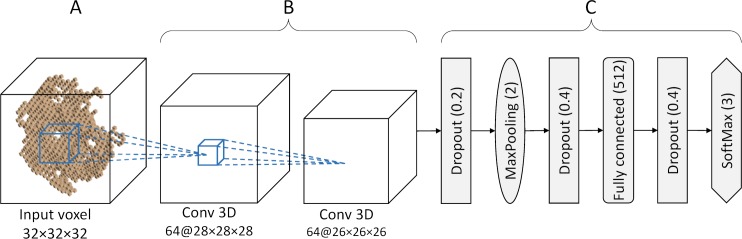
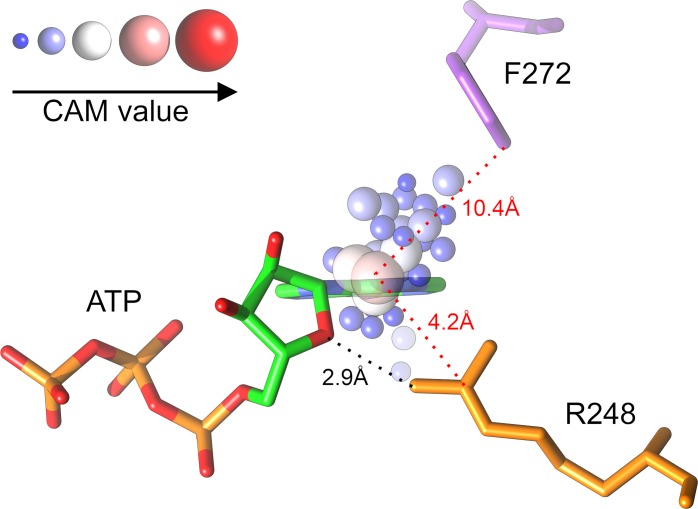
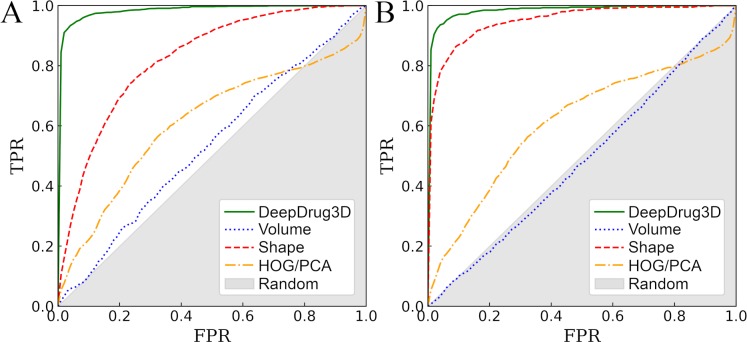
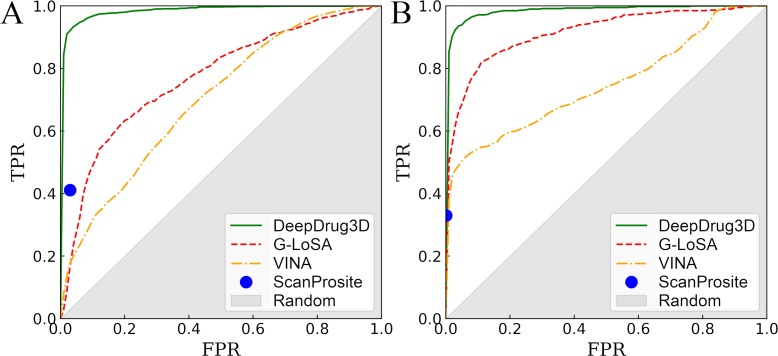
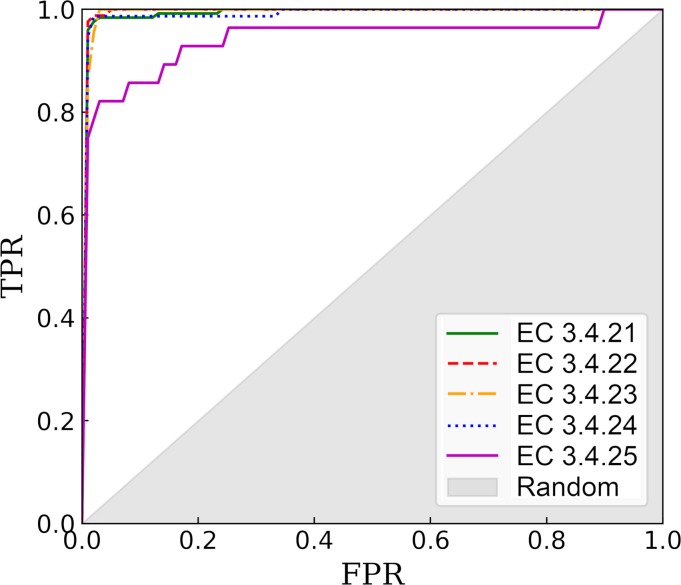
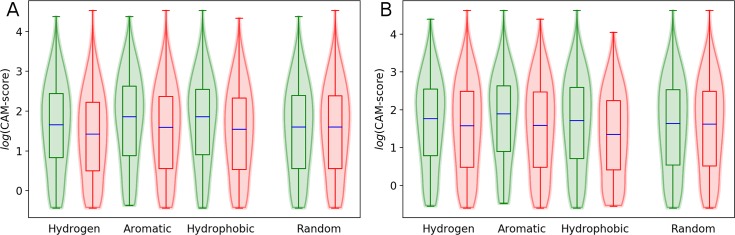
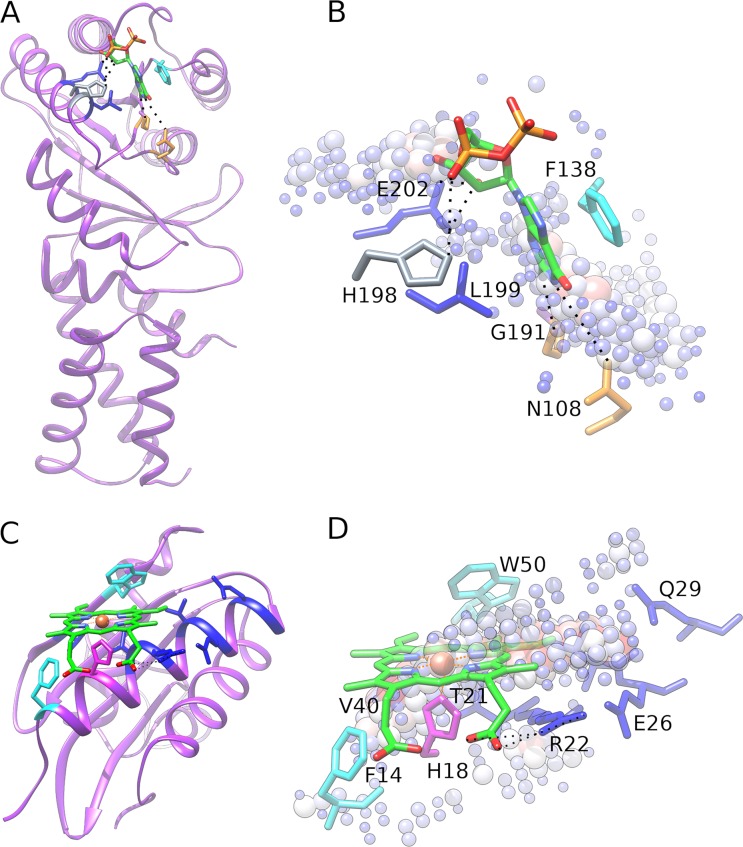
Comprehensive characterization of ligand-binding sites is invaluable to infer molecular functions of hypothetical proteins, trace evolutionary relationships between proteins, engineer enzymes to achieve a desired substrate specificity, and develop drugs with improved selectivity profiles. These research efforts pose significant challenges owing to the fact that similar pockets are commonly observed across different folds, leading to the high degree of promiscuity of ligand-protein interactions at the system-level. On that account, novel algorithms to accurately classify binding sites are needed. Deep learning is attracting a significant attention due to its successful applications in a wide range of disciplines. In this communication, we present DeepDrug3D, a new approach to characterize and classify binding pockets in proteins with deep learning. It employs a state-of-the-art convolutional neural network in which biomolecular structures are represented as voxels assigned interaction energy-based attributes. The current implementation of DeepDrug3D, trained to detect and classify nucleotide- and heme-binding sites, not only achieves a high accuracy of 95%, but also has the ability to generalize to unseen data as demonstrated for steroid-binding proteins and peptidase enzymes. Interestingly, the analysis of strongly discriminative regions of binding pockets reveals that this high classification accuracy arises from learning the patterns of specific molecular interactions, such as hydrogen bonds, aromatic and hydrophobic contacts. DeepDrug3D is available as an open-source program at https://github.com/pulimeng/DeepDrug3D with the accompanying TOUGH-C1 benchmarking dataset accessible from https://osf.io/enz69/.
Overview
The claims and statistics of this paper haven’t been checked yet.
Run the check — free, no account needed. It reads the open-access text and checks the sources it cites.
Integrity signals
Registry
Cites
Statistics
Figures

Verification
Claims the paper makes
The claims and statistics of this paper haven’t been checked yet.
Run the check — free, no account needed. It reads the open-access text and checks the sources it cites.
Claims other papers make about this one
Each is checked against this paper’s own text: does it say what the citing paper says it does?
The source backs part of the claim, not all of it — or backs it for a different population, condition or comparison.
In the citing paper
“AI/ML models have been applied to the identification of these potential pockets, and especially to the up-ranking of the most ligandable ones.138”
From Advancing Targeted Protein Degradation via Multiomics Profiling and Artificial Intelligence (2023) · cites this paper as [138]
Experimental — accuracy not yet measured
Self-check
Percentages, sums and reported differences re-computed from the paper’s own numbers.
The self-check needs the paper’s full text.
Citations
Cites
Deep Residual Learning for Image Recognition
He, K., Zhang, X., Ren, S., & Sun, J. (2016) · 2016 IEEE Conference on Computer Vision and Pattern Recognition (CVPR) · doi:10.1109/cvpr.2016.90 · Cited by 235,474
ImageNet classification with deep convolutional neural networks
Krizhevsky, A., Sutskever, I., & Hinton, G. E. (2017) · Communications of the ACM · doi:10.1145/3065386 · Cited by 112,155
Adam: A Method for Stochastic Optimization
Kingma, D. P., & Ba, J. (2014) · arXiv · doi:10.48550/arxiv.1412.6980 · Cited by 98,946
Gapped BLAST and PSI-BLAST: a new generation of protein database search programs
Altschul, S. (1997) · Nucleic Acids Research · doi:10.1093/nar/25.17.3389 · Cited by 73,302
Berman, H. M. (2000) · Nucleic Acids Research · doi:10.1093/nar/28.1.235 · Cited by 40,196
Trott, O., & Olson, A. J. (2010) · Journal of Computational Chemistry · doi:10.1002/jcc.21334 · Cited by 38,412
Rethinking the Inception Architecture for Computer Vision
Szegedy, C., Vanhoucke, V., Ioffe, S., Shlens, J., & Wojna, Z. (2016) · 2016 IEEE Conference on Computer Vision and Pattern Recognition (CVPR) · doi:10.1109/cvpr.2016.308 · Cited by 32,138
AutoDock4 and AutoDockTools4: Automated docking with selective receptor flexibility
Morris, G. M., Huey, R., Lindstrom, W., Sanner, M. F., Belew, R. K., Goodsell, D. S., & Olson, A. J. (2009) · Journal of Computational Chemistry · doi:10.1002/jcc.21256 · Cited by 26,294
Delving Deep into Rectifiers: Surpassing Human-Level Performance on ImageNet Classification
He, K., Zhang, X., Ren, S., & Sun, J. (2015) · 2015 IEEE International Conference on Computer Vision (ICCV) · doi:10.1109/iccv.2015.123 · Cited by 19,741
Learning Deep Features for Discriminative Localization
Zhou, B., Khosla, A., Lapedriza, A., Oliva, A., & Torralba, A. (2016) · 2016 IEEE Conference on Computer Vision and Pattern Recognition (CVPR) · doi:10.1109/cvpr.2016.319 · Cited by 11,428
Cited by
Sorted by citations
Exploring the computational methods for protein-ligand binding site prediction
Zhao, J., Cao, Y., & Zhang, L. (2020) · Computational and Structural Biotechnology Journal · doi:10.1016/j.csbj.2020.02.008 · Cited by 245
Gangwal, A., Ansari, A., Ahmad, I., Azad, A. K., Kumarasamy, V., Subramaniyan, V., & Wong, L. S. (2024) · Frontiers in Pharmacology · doi:10.3389/fphar.2024.1331062 · Cited by 222
A geometric deep learning approach to predict binding conformations of bioactive molecules
Méndez‐Lucio, O., Ahmad, M., del Rio‐Chanona, E. A., & Wegner, J. K. (2021) · Nature Machine Intelligence · doi:10.1038/s42256-021-00409-9 · Cited by 173
A review of deep learning applications in human genomics using next-generation sequencing data
Alharbi, W., & Rashid, M. (2022) · Human Genomics · doi:10.1186/s40246-022-00396-x · Cited by 179
Meli, R., Morris, G. M., & Biggin, P. C. (2022) · Frontiers in Bioinformatics · doi:10.3389/fbinf.2022.885983 · Cited by 176
Applications of artificial intelligence to enzyme and pathway design for metabolic engineering
Jang, W. D., Kim, G. B., Kim, Y., & Lee, S. Y. (2021) · Current Opinion in Biotechnology · doi:10.1016/j.copbio.2021.07.024 · Cited by 159
Comprehensive Survey of Recent Drug Discovery Using Deep Learning
Kim, J., Park, S., Min, D., & Kim, W. (2021) · International Journal of Molecular Sciences · doi:10.3390/ijms22189983 · Cited by 147
Structure-based drug repurposing: Traditional and advanced AI/ML-aided methods
Choudhury, C., Murugan, N. A., & Priyakumar, U. D. (2022) · Drug Discovery Today · doi:10.1016/j.drudis.2022.03.006 · Cited by 138
From Target to Drug: Generative Modeling for the Multimodal Structure-Based Ligand Design
Škalič, M., Sabbadin, D., Sattarov, B., Sciabola, S., & Fabritiis, G. D. (2019) · Molecular Pharmaceutics · doi:10.1021/acs.molpharmaceut.9b00634 · Cited by 134
Virtual screening web servers: designing chemical probes and drug candidates in the cyberspace
Singh, N., Chaput, L., & Villoutreix, B. O. (2020) · Briefings in Bioinformatics · doi:10.1093/bib/bbaa034 · Cited by 125
Integrated Computational Approaches and Tools for Allosteric Drug Discovery
Amamuddy, O. S., Veldman, W., Manyumwa, C. V., Khairallah, A., Agajanian, S., Odeyemi, O., Verkhivker, G. M., & Bishop, Ö. T. (2020) · International Journal of Molecular Sciences · doi:10.3390/ijms21030847 · Cited by 107
Past, Present, and Future Perspectives on Computer-Aided Drug Design Methodologies
Bassani, D., & Moro, S. (2023) · Molecules · doi:10.3390/molecules28093906 · Cited by 116
DeeplyTough: Learning Structural Comparison of Protein Binding Sites
Simonovsky, M., & Meyers, J. (2020) · Journal of Chemical Information and Modeling · doi:10.1021/acs.jcim.9b00554 · Cited by 102
Evaluation of 3-Dimensionality in Approved and Experimental Drug Space
Prosser, K. E., Stokes, R. W., & Cohen, S. M. (2020) · ACS Medicinal Chemistry Letters · doi:10.1021/acsmedchemlett.0c00121 · Cited by 98
In Silico Methods for Identification of Potential Active Sites of Therapeutic Targets
Liao, J., Wang, Q., Wu, F., & Huang, Z. (2022) · Molecules · doi:10.3390/molecules27207103 · Cited by 104
Deep learning for mining protein data
Shi, Q., Chen, W., Huang, S., Wang, Y., & Xue, Z. (2019) · Briefings in Bioinformatics · doi:10.1093/bib/bbz156 · Cited by 68
Deep learning for automated classification and characterization of amorphous materials
Swanson, K., Trivedi, S., Lequieu, J. P., Swanson, K., & Kondor, R. (2019) · Soft Matter · doi:10.1039/c9sm01903k · Cited by 59
Advancing Targeted Protein Degradation via Multiomics Profiling and Artificial Intelligence
Duran-Frigola, M., Cigler, M., & Winter, G. E. (2023) · Journal of the American Chemical Society · doi:10.1021/jacs.2c11098 · Cited by 50
Liu, Q., Wang, P., Zhu, C., Gaines, B. B., Zhu, T., Bi, J., & Song, M. (2021) · Journal of Molecular Graphics and Modelling · doi:10.1016/j.jmgm.2021.107865 · Cited by 46
Applications of Artificial Intelligence in Drug Design: Opportunities and Challenges
Thomas, M. C., Boardman, A., García-Ortegón, M., Yang, H., de Graaf, C., & Bender, A. (2021) · Methods in molecular biology · doi:10.1007/978-1-0716-1787-8_1 · Cited by 43
Li, C., Wang, J., Niu, Z., Yao, J., & Zeng, X. (2021) · Briefings in Bioinformatics · doi:10.1093/bib/bbab078 · Cited by 41
Smith, Z., Strobel, M., Vani, B. P., & Tiwary, P. (2024) · Journal of Chemical Information and Modeling · doi:10.1021/acs.jcim.3c01698 · Cited by 47
Estimating the Similarity between Protein Pockets
Eguida, M., & Rognan, D. (2022) · International Journal of Molecular Sciences · doi:10.3390/ijms232012462 · Cited by 41
Invited: Drug Discovery Approaches using Quantum Machine Learning
Li, J., Alam, M., Sha, C. M., Wang, J., Dokholyan, N. V., & Ghosh, S. (2021) · ACM/IEEE Design Automation Conference (DAC) · doi:10.1109/dac18074.2021.9586268 · Cited by 35
Trends in Deep Learning for Property-driven Drug Design
Born, J., & Manica, M. (2021) · Current Medicinal Chemistry · doi:10.2174/0929867328666210729115728 · Cited by 36
Liu, G., Singha, M., Pu, L., Neupane, P., Feinstein, J., Wu, H., Ramanujam, J., & Bryliński, M. (2021) · Journal of Cheminformatics · doi:10.1186/s13321-021-00540-0 · Cited by 37
Self-citationLi, S., Tian, T., Zhang, Z., Zou, Z., Zhao, D. Y., & Zeng, J. (2023) · Cell Systems · doi:10.1016/j.cels.2023.05.005 · Cited by 31
Beyond sequence: Structure-based machine learning
Durairaj, J., de Ridder, D., & van Dijk, A. D. J. (2022) · Computational and Structural Biotechnology Journal · doi:10.1016/j.csbj.2022.12.039 · Cited by 32
Patil, V. M., Gupta, S. P., Masand, N., & Balasubramanian, K. (2024) · European Journal of Medicinal Chemistry Reports · doi:10.1016/j.ejmcr.2024.100133 · Cited by 33
Meta Learning for Low-Resource Molecular Optimization
Wang, J., Zheng, S., Chen, J., & Yang, Y. (2021) · Journal of Chemical Information and Modeling · doi:10.1021/acs.jcim.0c01416 · Cited by 32
GraphSite: Ligand Binding Site Classification with Deep Graph Learning
Shi, W., Singha, M., Pu, L., Srivastava, G. N., Ramanujam, J., & Bryliński, M. (2022) · Biomolecules · doi:10.3390/biom12081053 · Cited by 31
Self-citationComputational approaches to predict protein functional families and functional sites
Rauer, C., Sen, N., Waman, V., Abbasian, M., & Orengo, C. A. (2021) · Current Opinion in Structural Biology · doi:10.1016/j.sbi.2021.05.012 · Cited by 28
Deep learning methods for 3D structural proteome and interactome modeling
Lee, D., Xiong, D., Wierbowski, S., Li, L., Liang, S., & Yu, H. (2022) · Current Opinion in Structural Biology · doi:10.1016/j.sbi.2022.102329 · Cited by 26
PyUUL provides an interface between biological structures and deep learning algorithms
Orlando, G., Raimondi, D., Duran‐Romaña, R., Moreau, Y., Schymkowitz, J. W. H., & Rousseau, F. (2022) · Nature Communications · doi:10.1038/s41467-022-28327-3 · Cited by 27
Zhang, H., Saravanan, K. M., Lin, J., Liao, L., Ng, J. T.-Y., Zhou, J., & Wei, Y. (2020) · PeerJ · doi:10.7717/peerj.8864 · Cited by 23
Jamasb, A. R., Viñas, R., Ma, E. J., Harris, C., Huang, K., Hall, D., Lió, P., & Blundell, T. L. (2020) · bioRxiv (Cold Spring Harbor Laboratory) · doi:10.1101/2020.07.15.204701 · Cited by 26
MCCS, a novel characterization method for protein–ligand complex
Chen, M., Feng, Z., Wang, S., Lin, W., & Xie, X. (2020) · Briefings in Bioinformatics · doi:10.1093/bib/bbaa239 · Cited by 22
Classification of Protein-Binding Sites Using a Spherical Convolutional Neural Network
Scott, O. B., Gu, J., & Chan, A. W. E. (2022) · Journal of Chemical Information and Modeling · doi:10.1021/acs.jcim.2c00832 · Cited by 21
Pocket2Drug: An Encoder-Decoder Deep Neural Network for the Target-Based Drug Design
Shi, W., Singha, M., Srivastava, G. N., Pu, L., Ramanujam, J., & Bryliński, M. (2022) · Frontiers in Pharmacology · doi:10.3389/fphar.2022.837715 · Cited by 20
Self-citationJoshi, A., Sasumana, J., Ray, N. M., & Kaushik, V. (2021) · Springer eBooks · doi:10.1007/978-981-33-6191-1_18 · Cited by 20
Hoogstraten, C. A., Lyon, J. J., Smeitink, J. A. M., Rüssel, F. G. M., & Schirris, T. J. J. (2023) · Pharmacological Reviews · doi:10.1124/pharmrev.122.000568 · Cited by 19
Zhu, Z., Deng, Z., Wang, Q., Wang, Y., Zhang, D., Xu, R., Guo, L., & Wen, H. (2022) · Frontiers in Pharmacology · doi:10.3389/fphar.2022.939555 · Cited by 18
PatchSearch: a web server for off-target protein identification
Rey, J., Rasolohery, I., Tufféry, P., Guyon, F., & Moroy, G. (2019) · Nucleic Acids Research · doi:10.1093/nar/gkz478 · Cited by 18
Deep learning in computer-aided drug design: a case study
Ahmad, S., Aslam, D., Ansari, A., Bhat, A. M., & Raza, K. (2024) · Elsevier eBooks · doi:10.1016/b978-0-443-22299-3.00012-8 · Cited by 17
Gamouh, H., Novotný, M., & Hoksza, D. (2025) · Bioinformatics · doi:10.1093/bioinformatics/btaf431 · Cited by 23
Foster, C., Boorla, V. S., Dash, S., Gopalakrishnan, S., Jacobson, T. B., Olson, D. G., Amador‐Noguez, D., Lynd, L. R., & Maranas, C. D. (2022) · Metabolic Engineering · doi:10.1016/j.ymben.2021.12.012 · Cited by 16
Exploring Artificial Intelligence in Drug Discovery: A Comprehensive Review
Bijral, R. K., Singh, I., Manhas, J., & Sharma, V. (2021) · Archives of Computational Methods in Engineering · doi:10.1007/s11831-021-09661-z · Cited by 19
Artificial intelligence to guide precision anticancer therapy with multitargeted kinase inhibitors
Singha, M., Pu, L., Stanfield, B. A., Uche, I. K., Rider, P. J. F., Kousoulas, K. G., Ramanujam, J., & Bryliński, M. (2022) · BMC Cancer · doi:10.1186/s12885-022-10293-0 · Cited by 17
Self-citationAdvances in Deep Learning Assisted Drug Discovery Methods: A Self-review
Zhang, H., & Saravanan, K. M. (2024) · Current Bioinformatics · doi:10.2174/0115748936285690240101041704 · Cited by 16
Bule, M. H., Jalalimanesh, N., Bayrami, Z., Baeeri, M., & Abdollahi, M. R. (2021) · Chemical Biology & Drug Design · doi:10.1111/cbdd.13750 · Cited by 17
BionoiNet: ligand-binding site classification with off-the-shelf deep neural network
Shi, W., Lemoine, J. M., Shawky, A.-E.-M., Singha, M., Pu, L., Yang, S., Ramanujam, J., & Bryliński, M. (2020) · Bioinformatics · doi:10.1093/bioinformatics/btaa094 · Cited by 15
Self-citationSiteMine: Large‐scale binding site similarity searching in protein structure databases
Reim, T., Ehrt, C., Graef, J., Günther, S., Meents, A., & Rarey, M. (2024) · Archiv der Pharmazie · doi:10.1002/ardp.202300661 · Cited by 14
Systematic computational strategies for identifying protein targets and lead discovery
Kataria, A., Srivastava, A., Singh, D. D., Haque, S., Han, I., & Yadav, D. K. (2024) · RSC Medicinal Chemistry · doi:10.1039/d4md00223g · Cited by 15
Deep Learning Based Methods for Molecular Similarity Searching: A Systematic Review
Nasser, M., Yusof, U. K., & Salim, N. B. (2023) · Processes · doi:10.3390/pr11051340 · Cited by 15
In silico fragment-based discovery of CIB1-directed anti-tumor agents by FRASE-bot
An, Y., Lim, J., Glavatskikh, M., Wang, X., Norris-Drouin, J. L., Hardy, P. B., Leisner, T. M., Pearce, K. H., & Kireev, D. (2024) · Nature Communications · doi:10.1038/s41467-024-49892-9 · Cited by 12
Alagarswamy, K., Shi, W., Boini, A., Messaoudi, N., Grasso, V., Cattabiani, T., Turner, B. C., Croner, R. S., Kahlert, U. D., & Gumbs, A. A. (2024) · BioMedInformatics · doi:10.3390/biomedinformatics4030096 · Cited by 13
Lilhore, U. K., Simiaya, S., Alhussein, M. A., Faujdar, N., Dalal, S., & Aurangzeb, K. (2024) · BMC Medical Informatics and Decision Making · doi:10.1186/s12911-024-02631-y · Cited by 13
Cui, J., Feng, Y., Yang, T., Wang, X., & Tang, H. L. (2023) · Molecules · doi:10.3390/molecules28155933 · Cited by 11
CHARMM-GUI LBS Finder & Refiner for Ligand Binding Site Prediction and Refinement
Guterres, H., Park, S., Zhang, H., & Im, W. (2021) · Journal of Chemical Information and Modeling · doi:10.1021/acs.jcim.1c00561 · Cited by 11
Structure comparison of heme-binding sites in heme protein predicted by AlphaFold3 and AlphaFold2
KONDO, H. X., & Takano, Y. (2024) · Chemistry Letters · doi:10.1093/chemle/upae148 · Cited by 10
Biomolecular Interaction Prediction: The Era of AI
Wang, H., Meng, X., & Zhang, Y. (2025) · Advanced Science · doi:10.1002/advs.202509501 · Cited by 12
Gupta, A. K., & Raghavachari, K. (2022) · Journal of Chemical Theory and Computation · doi:10.1021/acs.jctc.1c00504 · Cited by 10
Rubina, R., Moin, S. T., & Haider, S. M. (2024) · ACS Omega · doi:10.1021/acsomega.4c02516 · Cited by 10
3D-PP: A Tool for Discovering Conserved Three-Dimensional Protein Patterns
Valdés-Jiménez, A., Larriba-Pey, J.-L., Núñez, G., & Reyes-Parada, M. I. (2019) · International Journal of Molecular Sciences · doi:10.3390/ijms20133174 · Cited by 9
Probabilistic Pocket Druggability Prediction via One-Class Learning
Aguti, R., Gardini, E., Bertazzo, M., Decherchi, S., & Cavalli, A. (2022) · Frontiers in Pharmacology · doi:10.3389/fphar.2022.870479 · Cited by 9
Lilhore, U. K., Simaiya, S., Dalal, S., Faujdar, N., Sharma, Y. K., Rao, K. B. V. B., Rao, V. V. R. M., Tomar, S., Ghith, E. S., & Tlija, M. (2024) · Computational Intelligence · doi:10.1111/coin.12696 · Cited by 8
Latest advances in research methods for high-yield cellulase production
Xiang, X., Zhang, Y., Wei, W., & Zhou, G. (2025) · Sustainable Energy & Fuels · doi:10.1039/d4se01553c · Cited by 8
Artificial intelligence in protein-based detection and inhibition of AMR pathways
Sadhukhan, S., Bhattacharya, R., Bhattcharya, D., Sahana, S., Pradhan, B., Pandit, S., Gill, H. S., Rajeev, M., Nag, M., & Lahiri, D. (2025) · Journal of Computer-Aided Molecular Design · doi:10.1007/s10822-025-00710-4 · Cited by 10
Nasr, K. A., & Al-Haija, Q. S. A. (2020) · Journal of Information & Knowledge Management · doi:10.1142/s0219649220400043 · Cited by 8
Hofmann, A., Minges, A., & Groth, G. (2020) · Methods in molecular biology · doi:10.1007/978-1-0716-0954-5_7 · Cited by 8
Feinstein, J., Shi, W., Ramanujam, J., & Bryliński, M. (2021) · Methods in molecular biology · doi:10.1007/978-1-0716-1209-5_17 · Cited by 8
Learning RMSD to Improve Protein-Ligand Scoring and Pose SelectionPreprint
Aggarwal, R., & Koes, D. R. (2020) · ChemRxiv · doi:10.26434/chemrxiv.11910870.v2 · Cited by 10
Machine Learning Approaches to Improve Prediction of Target‐Drug Interactions
Balatti, G. E., Barletta, P. G., D. Perez, A., Giudicessi, S. L., & Martínez‐Ceron, M. C. (2022) · Wiley eBooks · doi:10.1002/9781394167258.ch2 · Cited by 9
Deep Learning Approaches for the Prediction of Protein Functional Sites
Pitarch, B., & Pazos, F. (2025) · Molecules · doi:10.3390/molecules30020214 · Cited by 7
Structure-informed machine learning for drug discovery: a task-centric perspective
Li, Y., Zhan, R.-H., Rao, J., Liu, M., Sang, P., Zeng, X., Zheng, M., Li, X., & Yang, L. (2026) · Briefings in Bioinformatics · doi:10.1093/bib/bbag081 · Cited by 8
Site2Vec: a reference frame invariant algorithm for vector embedding of protein–ligand binding sites
Bhadra, A., & Yeturu, K. (2020) · Machine Learning Science and Technology · doi:10.1088/2632-2153/abad88 · Cited by 7
Rungruangsak-Torrissen, K., & Manoonpong, P. (2019) · PLoS ONE · doi:10.1371/journal.pone.0216030 · Cited by 7
Leveraging binding-site structure for drug discovery with point-cloud methodsPreprint
Mallet, V., Oliver, C., Moitessier, N., & Waldispühl, J. (2019) · arXiv (Cornell University) · doi:10.48550/arxiv.1905.12033 · Cited by 8
A multilayer dynamic perturbation analysis method for predicting ligand–protein interactions
Gu, L., Ли, Б., & Ming, D. (2022) · BMC Bioinformatics · doi:10.1186/s12859-022-04995-2 · Cited by 6
KONDO, H. X., Iizuka, H., Masumoto, G., Kabaya, Y., Kanematsu, Y., & Takano, Y. (2023) · Biomolecules · doi:10.3390/biom13010137 · Cited by 6
Molecular Docking for Natural Product Investigations: Pitfalls and Ways to Overcome Them
Temml, V., & Schuster, D. (2021) · Elsevier eBooks · doi:10.1016/b978-0-12-822312-3.00027-8 · Cited by 6
Computational prediction of protein functional sites—Applications in biotechnology and biomedicine
Pazos, F. (2022) · Advances in protein chemistry and structural biology · doi:10.1016/bs.apcsb.2021.12.001 · Cited by 5
Topological Learning Approach to Characterizing Biological Membranes
Arango, A. S., Park, H., & Tajkhorshid, E. (2024) · Journal of Chemical Information and Modeling · doi:10.1021/acs.jcim.4c00552 · Cited by 5
Boosting Deep Learning-based Docking with Cross-attention and Centrality Embedding
Wang, J., Qiu, Z., Zhang, X., Yang, Z., Zhao, W., & Cui, X. (2022) · IEEE International Conference on Bioinformatics and Biomedicine (BIBM) · doi:10.1109/bibm55620.2022.9995214 · Cited by 4
In silico analysis of ethyl acetate Bruguiera gymnorhiza leaf extracts as an anti-inflammatory agent
Diana, F. A. N., Riyadi, P. H., & Susanto, E. (2024) · Jurnal Pengolahan Hasil Perikanan Indonesia · doi:10.17844/jphpi.v27i9.54255 · Cited by 4
A structural database of chain–chain and domain–domain interfaces of proteins
Sen, N., & Madhusudhan, M. S. (2022) · Protein Science · doi:10.1002/pro.4406 · Cited by 4
Co-supervised Pre-training of Pocket and Ligand
Gao, Z., Tan, C., Xia, J., & Li, S. Z. (2023) · Lecture notes in computer science · doi:10.1007/978-3-031-43412-9_24 · Cited by 4
3D Convolutional Neural Networks for Predicting Protein Structure for Improved Drug Recommendation
Pokkuluri, K. S., & N., S. S. S. N. U. D. (2024) · EAI Endorsed Transactions on Pervasive Health and Technology · doi:10.4108/eetpht.10.5685 · Cited by 4
Protein Binding Pose Prediction via Conditional Variational Autoencoding for Plasmodium Falciparum
Tran, T., & Ekenna, C. (2020) · IEEE International Conference on Bioinformatics and Biomedicine (BIBM) · doi:10.1109/bibm49941.2020.9313491 · Cited by 4
Chemistry and Technology Innovation to Advance Green and Sustainable Chemistry
Prabhakaran, P., Bhardwaj, S., Chopra, B., Dhingra, A. K., & Kant, M. (2024) · Wiley eBooks · doi:10.1002/9781394212767.ch12 · Cited by 4
Geometric deep learning assists protein engineering. Opportunities and Challenges
Vinuesa, J. A. G. , Rojas, J. A., Soto-García, N., Martínez, N., Álvarez-Saravia, D., Uribe-Paredes, R., Davari, M. D., Conca, C., Asenjo, J. A., & Medina-Ortiz, D. (2025) · Biotechnology Advances · doi:10.1016/j.biotechadv.2025.108790 · Cited by 7
Taneishi, K., & Tsuchiya, Y. (2022) · Current Opinion in Structural Biology · doi:10.1016/j.sbi.2022.102336 · Cited by 4
PickPocket : Pocket binding prediction for specific ligands family using neural networks.Preprint
Viart, B. T., Lorenzi, C., Moriel‐Carretero, M., & Κοσσίδα, Σ. (2020) · bioRxiv (Cold Spring Harbor Laboratory) · doi:10.1101/2020.04.15.042655 · Cited by 3
Surabaya, U. N., Imah, E. M., Wulandari, A., & Surabaya, U. N. (2020) · International journal of intelligent engineering and systems · doi:10.22266/ijies2020.1231.02 · Cited by 2
A Comprehensive Review on Machine Learning and Deep Learning Methods in Drug Discovery
Khaire, S., & Bhaladhare, P. (2022) · International Journal on Recent and Innovation Trends in Computing and Communication · doi:10.17762/ijritcc.v10i10.5728 · Cited by 1
Random Forest Classifier of Heme Proteins Using Porphyrin Distortions and Axial Ligands of Heme
Fujikawa, H., KONDO, H. X., Kanematsu, Y., & Takano, Y. (2023) · Chemistry Letters · doi:10.1246/cl.230150 · Cited by 2
Graphsite: Ligand-binding site classification using Deep Graph Neural NetworkPreprint
Shi, W., Singha, M., Pu, L., Ramanujam, J., & Bryliński, M. (2021) · bioRxiv (Cold Spring Harbor Laboratory) · doi:10.1101/2021.12.06.471420 · Cited by 2
Self-citationLearning RMSD to Improve Protein-Ligand Scoring and Pose SelectionPreprint
Aggarwal, R., & Koes, D. R. (2020) · ChemRxiv · doi:10.26434/chemrxiv.11910870 · Cited by 2
Alagarswamy, K., Boini, A., Messaoudi, N., Grasso, V., Turner, B. C., Croner, R. S., & Gumbs, A. A. (2024) · Preprints.org · doi:10.20944/preprints202403.1050.v1 · Cited by 2
Metadata
- Authors
- Pu, L., Govindaraj, R. G., Lemoine, J. M., Wu, H.-C., & Brylinski, M.
- Affiliations
- Louisiana State University (US)
- Venue
- PLOS Computational Biology
- Publisher
- Public Library of Science (PLoS)
- Published
- 2019-02-04
- Volume
- 15
- Issue
- 2
- Pages
- e1006718
- ISSN
- 1553-734X (ISSN-L)
- 1553-7358
- PMC
- PMC6375647
- OpenAlex
- W2914877211
- Cited by
- 133
- References
- 96
- Citations by year
- 2026: 7 · 2025: 11 · 2024: 23 · 2023: 14 · 2022: 28 · 2021: 21 · 2020: 21 · 2019: 8
- FWCI
- 13.24
- Type
- journal article
- Language
- en
- Update notices
- new_version (2019-02-14)
- Open access
- gold
- doi.org
- Licence
- Locations
- PLoS Computational Biology (publishedVersion, cc-by)
- Europe PMC (PubMed Central) (publishedVersion, cc-by)
- PubMed Central (publishedVersion, cc-by)
- PubMed (publishedVersion)
- Civil War Book Review (submittedVersion)
- DOAJ (DOAJ: Directory of Open Access Journals) (submittedVersion, cc-by-sa)
- Funders
- National Institute of General Medical Sciences (R35GM119524)
- Topics
- Life Sciences › Pharmacology, Toxicology and Pharmaceutics › Drug Discovery › Computational Drug Discovery Methods
- Life Sciences › Biochemistry, Genetics and Molecular Biology › Molecular Biology › Protein Structure and Dynamics
- Life Sciences › Biochemistry, Genetics and Molecular Biology › Molecular Biology › Machine Learning in Bioinformatics
- Keywords
- convolutional neural networks, nucleotide binding site, heme binding site, steroid binding proteins, protein structure
- MeSH terms
- Deep Learning, Algorithms, Binding Sites, Ligands, Models, Molecular, Protein Binding, Proteins, Neural Networks, Computer, Computational Biology, Databases, Protein
About these checks
Registry, retraction, Cites and statistics results are computed, not judged, with one exception: a printed reference that no index lists is read once by a model before it counts as a citation error. Claims are extracted by a model and kept only when their quote appears verbatim in the text; each cited source is then checked, with a model’s help, for whether it says what the claim relies on. Those verdicts can be wrong — read the claim’s quote and the cited source before relying on one.
Statistics and arithmetic are recomputed, not judged.
Confidence bands are shown only for fields calibrated on our annotated test set. None is calibrated yet, so no band is shown.
What counts as a claim ›How we measure confidence ›How we check this ›
Are you an author, or do you see a problem with this page? Request a review
