

Mapping the Hsp90 Genetic Interaction Network in Candida albicans Reveals Environmental Contingency and Rewired Circuitry
Open accessThe DOI matches its Crossref record; 53 of the 53 references it cites were found in a registry or an index.
Abstract
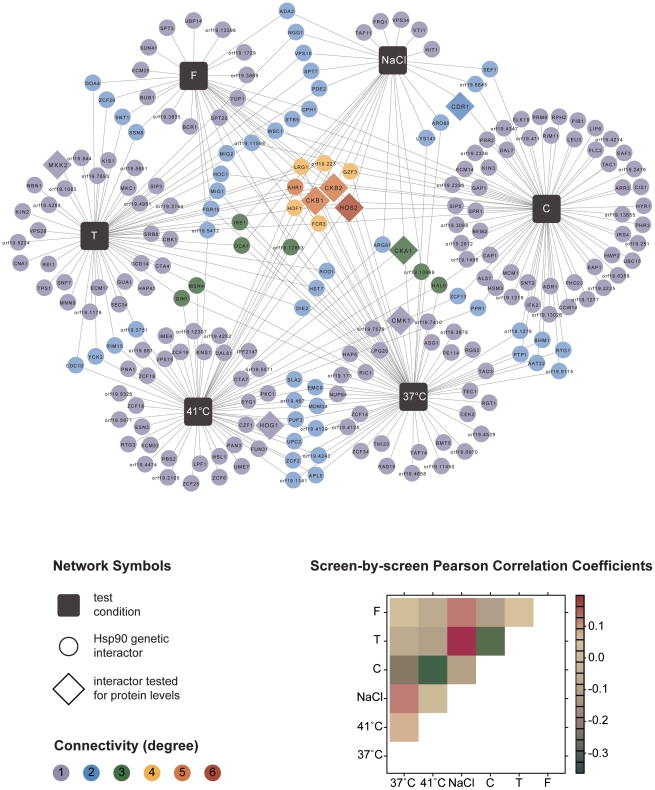
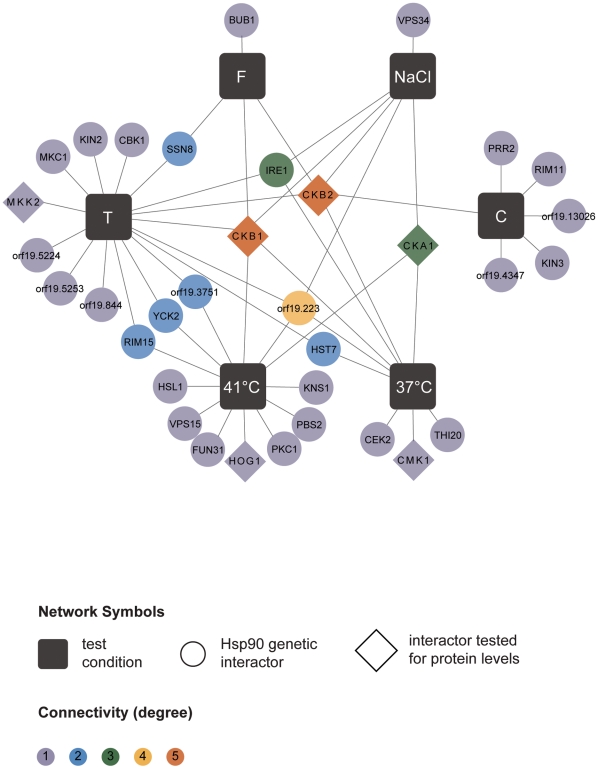
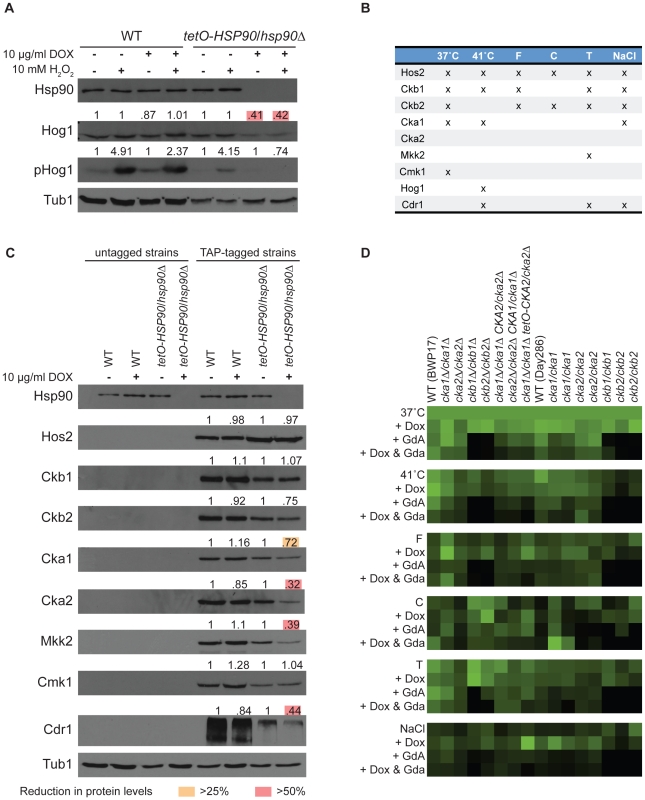
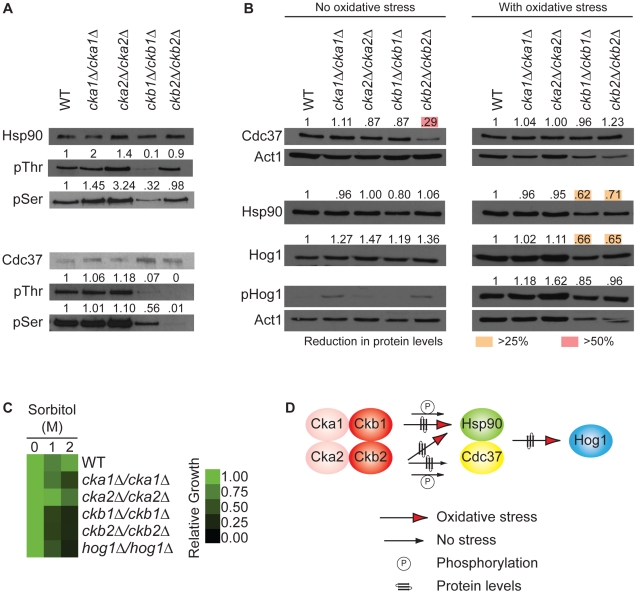
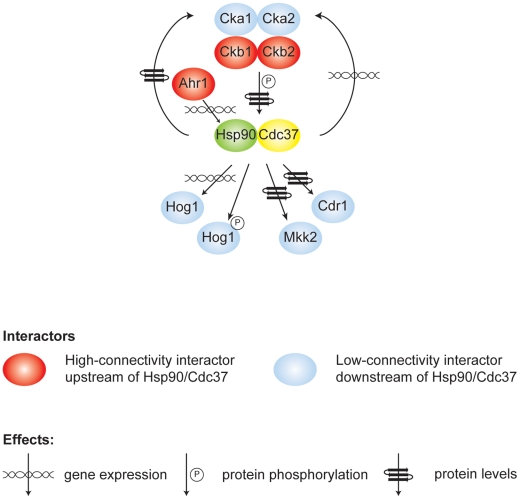
The molecular chaperone Hsp90 regulates the folding of diverse signal transducers in all eukaryotes, profoundly affecting cellular circuitry. In fungi, Hsp90 influences development, drug resistance, and evolution. Hsp90 interacts with -10% of the proteome in the model yeast Saccharomyces cerevisiae, while only two interactions have been identified in Candida albicans, the leading fungal pathogen of humans. Utilizing a chemical genomic approach, we mapped the C. albicans Hsp90 interaction network under diverse stress conditions. The chaperone network is environmentally contingent, and most of the 226 genetic interactors are important for growth only under specific conditions, suggesting that they operate downstream of Hsp90, as with the MAPK Hog1. Few interactors are important for growth in many environments, and these are poised to operate upstream of Hsp90, as with the protein kinase CK2 and the transcription factor Ahr1. We establish environmental contingency in the first chaperone network of a fungal pathogen, novel effectors upstream and downstream of Hsp90, and network rewiring over evolutionary time.
Overview
The claims and statistics of this paper haven’t been checked yet.
Free: it reads the open-access text and checks the first 5 claims that cite a source we can check. Create a free account to check every claim.
Integrity signals
Registry
Cites
Statistics
Figures
Verification
Claims the paper makes
The claims and statistics of this paper haven’t been checked yet.
Free: it reads the open-access text and checks the first 5 claims that cite a source we can check. Create a free account to check every claim.
Claims other papers make about this one
Each is checked against this paper’s own text: does it say what the citing paper says it does?
The source backs part of the claim, not all of it — or backs it for a different population, condition or comparison.
In the citing paper
“our analysis suggests all components of the Pkc1-MAPK pathway in C. albicans require Hsp90 for stability, including Pkc1, Bck1, Mkk2, and Mkc1”
From Functional Genomic Screening Reveals Core Modulators of Echinocandin Stress Responses in Candida albicans (2018) · cites this paper as Diezmann et al., 2012
Experimental — accuracy not yet measuredThe source backs part of the claim, not all of it — or backs it for a different population, condition or comparison.
In the citing paper
“The fungal Hsp90 interactome, which includes numerous client proteins such as receptors, protein kinases and transcription factors, displays a surprisingly high degree of plasticity that depends on environmental conditions.”
From Fungal Hsp90: a biological transistor that tunes cellular outputs to thermal inputs (2012) · cites this paper as [67]
Experimental — accuracy not yet measuredThe source backs part of the claim, not all of it — or backs it for a different population, condition or comparison.
In the citing paper
“Also, many features of the Hsp90 interactome are highly conserved from yeast to humans despite substantial network rewiring over evolutionary time.”
From Fungal Hsp90: a biological transistor that tunes cellular outputs to thermal inputs (2012) · cites this paper as [67]
Experimental — accuracy not yet measuredThe source backs part of the claim, not all of it — or backs it for a different population, condition or comparison.
In the citing paper
“These conserved features include a preponderance of protein kinases and transcription factors as client proteins67,78,91-93.”
From Fungal Hsp90: a biological transistor that tunes cellular outputs to thermal inputs (2012) · cites this paper as [67]
Experimental — accuracy not yet measuredThe source backs part of the claim, not all of it — or backs it for a different population, condition or comparison.
In the citing paper
“Kinases like Hog1, Mkc1 and Cek1, which are crucial for cell wall integrity [50], are also well- established clients of Hsp90 [12,51].”
From Heat shock protein 90 localizes to the surface and augments virulence factors of Cryptococcus neoformans (2017) · cites this paper as [51]
Experimental — accuracy not yet measured
3 more claims about this paper
Create a free account to see every claim other papers make about this one.
Self-check
Percentages, sums and reported differences re-computed from the paper’s own numbers.
The self-check needs the paper’s full text.
Citations
Cites
Cytoscape: A software Environment for integrated models of biomolecular interaction networks
Shannon, P., Markiel, A., Ozier, O., Baliga, N. S., Wang, J. T., Ramage, D., Amin, N., Schwikowski, B., & Ideker, T. (2003) · Genome Research · doi:10.1101/gr.1239303 · Cited by 51,888 · cited 2×
“Network analyses and GO category enrichment Networks of 226 global interactions and 34 kinase interactions were visualized with Cytoscape [50] and the layout manually improved for readability and clarity.”
MethodEpidemiology of Invasive Candidiasis: a Persistent Public Health Problem
Pfaller, M. A., & Diekema, D. J. (2007) · Clinical Microbiology Reviews · doi:10.1128/cmr.00029-06 · Cited by 4,174 · cited 1×
“albicans is the leading fungal pathogen of humans worldwide with mortality rates approaching 50%, and is the fourth most common cause of hospital-acquired infections [16,21,22].”
BackgroundJava Treeview—extensible visualization of microarray data
Saldanha, A. J. (2004) · Bioinformatics · doi:10.1093/bioinformatics/bth349 · Cited by 2,991
A generic protein purification method for protein complex characterization and proteome exploration
Rigaut, G., Shevchenko, A., Rutz, B., Wilm, M., Mann, M., & Séraphin, B. (1999) · Nature Biotechnology · doi:10.1038/13732 · Cited by 2,707 · cited 1×
“Genes of candidate interactors were tagged with the tandem affinity purification (TAP) tag [52] in the wild-type strain SN95 and its derivative CaLC1411 using a PCR-based strategy [53].”
MethodHsp90 as a capacitor for morphological evolution
Rutherford, S. L., & Lindquist, S. (1998) · Nature · doi:10.1038/24550 · Cited by 2,270 · cited 1×
“phenotypic effects of genetic variation in an environmentally responsive manner [6,7,8,9], influencing ,20% of observed”
BackgroundHSP90 at the hub of protein homeostasis: emerging mechanistic insights
Taipale, M., Jarosz, D. F., & Lindquist, S. (2010) · Nature Reviews Molecular Cell Biology · doi:10.1038/nrm2918 · Cited by 1,818 · cited 1×
“in all eukaryotes that specializes in folding metastable client proteins, many of which are signal transducers [1,2].”
BackgroundTargeting the dynamic HSP90 complex in cancer
Trepel, J., Mollapour, M., Giaccone, G., & Neckers, L. (2010) · Nature Reviews Cancer · doi:10.1038/nrc2887 · Cited by 1,514 · cited 1×
“Hsp90 function is subject to complex regulation by post-translational modification, including phosphorylation and acetylation, and depends upon an ATP binding and hydrolysis cycle [3,4].”
BackgroundWhitesell, L., Mimnaugh, E. G., De Costa, B., Myers, C. E., & Neckers, L. M. (1994) · Proceedings of the National Academy of Sciences · doi:10.1073/pnas.91.18.8324 · Cited by 1,444 · cited 1×
“To identify Hsp90 genetic interactors, the library was screened for mutants hypersensitive to pharmacological inhibition of Hsp90 with geldanamycin, which binds with high affinity to Hsp90’s unusual ATP binding pocket and thereby blocks ATP-dependent chaperone function [27].”
BackgroundHsp90 as a capacitor of phenotypic variation
Queitsch, C., Sangster, T. A., & Lindquist, S. (2002) · Nature · doi:10.1038/nature749 · Cited by 1,372
Structure and mechanism of the Hsp90 molecular chaperone machinery
Pearl, L. H., & Prodromou, C. (2006) · Annual Review of Biochemistry · doi:10.1146/annurev.biochem.75.103004.142738 · Cited by 1,103 · cited 1×
“Hsp90 function is subject to complex regulation by post-translational modification, including phosphorylation and acetylation, and depends upon an ATP binding and hydrolysis cycle [3,4].”
Background
Cited by
Antifungal Drug Resistance: Molecular Mechanisms in Candida albicans and Beyond
Lee, Y., Puumala, E., Robbins, N., & Cowen, L. E. (2021) · Chemical Reviews · doi:10.1021/acs.chemrev.0c00199 · Cited by 801
Self-citationFitness Trade-offs Restrict the Evolution of Resistance to Amphotericin B
Vincent, B. M., Lancaster, A. K., Scherz-Shouval, R., Whitesell, L., & Lindquist, S. (2013) · PLoS Biology · doi:10.1371/journal.pbio.1001692 · Cited by 322
“The erg3 erg11 strains were slightly less sensitive to calcineurin inhibitors, but showed a dramatically increased sensitivity to PKC inhibition.”
BackgroundInfluentialStress adaptation in a pathogenic fungus
Brown, A. J. P., Budge, S., Kaloriti, D., Tillmann, A., Jacobsen, M. D., Yin, Z., Ene, I. V., Bohovych, I., Sandai, D., Kastora, S., et al. (2014) · Journal of Experimental Biology · doi:10.1242/jeb.088930 · Cited by 299
“Temperature fluctuations have been shown to influence HSP90 expression levels as well as the binding of Hsp90 to its client proteins in C. albicans (Nicholls et al., 2009; Diezmann et al., 2012; Leach et al., 2012a; Leach et al., 2012c).”
Virulence Factors in Candida species
Staniszewska, M. (2020) · Current Protein & Peptide Science · doi:10.2174/1389203720666190722152415 · Cited by 279
Antifungal Drugs: The Current Armamentarium and Development of New Agents
Robbins, N., Wright, G. D., & Cowen, L. E. (2016) · Microbiology Spectrum · doi:10.1128/microbiolspec.funk-0002-2016 · Cited by 271
“cellular responses to azoles and echinocandins (109), suggesting that Hsp90 may have pleiotropic effects on circuitry governing drug resistance.”
BackgroundSelf-citationRosenberg, A., Ene, I. V., Bibi, M., Zakin, S., Segal, E. S., Ziv, N., Dahan, A. M., Colombo, A. L., Bennett, R. J., & Berman, J. (2018) · Nature Communications · doi:10.1038/s41467-018-04926-x · Cited by 270
Structural mechanism of ergosterol regulation by fungal sterol transcription factor Upc2
Yang, H., Tong, J., Lee, C. W., Ha, S., Eom, S. H., & Im, Y. J. (2015) · Nature Communications · doi:10.1038/ncomms7129 · Cited by 223
Combinatorial strategies for combating invasive fungal infections
Spitzer, M., Robbins, N., & Wright, G. D. (2017) · Virulence · doi:10.1080/21505594.2016.1196300 · Cited by 218
Polke, M., Hube, B., & Jacobsen, I. D. (2015) · Advances in Applied Microbiology · doi:10.1016/bs.aambs.2014.12.002 · Cited by 184
Leach, M. D., Budge, S., Walker, L., Munro, C., Cowen, L. E., & Brown, A. J. P. (2012) · PLoS Pathogens · doi:10.1371/journal.ppat.1003069 · Cited by 131
“of which may contribute to thermotolerance [62].”
BackgroundMethodInfluentialSelf-citationLysine Deacetylases Hda1 and Rpd3 Regulate Hsp90 Function thereby Governing Fungal Drug Resistance
Robbins, N., Leach, M. D., & Cowen, L. E. (2012) · Cell Reports · doi:10.1016/j.celrep.2012.08.035 · Cited by 126
“albicans Hsp90 genetic interaction network reaffirms Hsp90’s high degree of connectivity (Diezmann et al., 2012), posttranslational control of Hsp90 function is likely to be fundamental for its capacity to modulate client proteins in a dynamic and environmentally contingent manner.”
BackgroundSelf-citationFungal Hsp90: a biological transistor that tunes cellular outputs to thermal inputs
Leach, M. D., Klipp, E., Cowen, L. E., & Brown, A. J. P. (2012) · Nature Reviews Microbiology · doi:10.1038/nrmicro2875 · Cited by 107
Self-citationBrown, A. J. P., Cowen, L. E., Pietro, A. D., & Quinn, J. (2017) · Microbiology Spectrum · doi:10.1128/microbiolspec.funk-0048-2016 · Cited by 126
“Hsp90 also stabilizes an additional MAPK that is implicated in cell wall remodeling: Cek1 (29).”
BackgroundSelf-citationDual action antifungal small molecule modulates multidrug efflux and TOR signaling
Shekhar-Guturja, T., Gunaherath, G. M. K. B., Wijeratne, E. M. K., Lambert, J.-P., Averette, A. F., Lee, S. C., Kim, T., Bahn, Y.-S., Tripodi, F., Ammar, R., et al. (2016) · Nature Chemical Biology · doi:10.1038/nchembio.2165 · Cited by 101
Self-citationLeach, M. D., Farrer, R. A., Tan, K., Miao, Z., Walker, L. A., Cuomo, C. A., Wheeler, R. T., Brown, A. J. P., Wong, K. H., & Cowen, L. E. (2016) · Nature Communications · doi:10.1038/ncomms11704 · Cited by 102
Self-citationThe fungal Achilles’ heel: targeting Hsp90 to cripple fungal pathogens
Cowen, L. E. (2013) · Current Opinion in Microbiology · doi:10.1016/j.mib.2013.03.005 · Cited by 105
Self-citationThe Hsp90 chaperone network modulates Candida virulence traits
O’Meara, T. R., Robbins, N., & Cowen, L. E. (2017) · Trends in Microbiology · doi:10.1016/j.tim.2017.05.003 · Cited by 92
“Mkk2, which is the MAPK that phosphorylates Mkc1, also depends on Hsp90 for stability [38].”
InfluentialSelf-citationThe role of Candida albicans stress response pathways in antifungal tolerance and resistance
Iyer, K. R., Robbins, N., & Cowen, L. E. (2022) · iScience · doi:10.1016/j.isci.2022.103953 · Cited by 88
“This decrease in susceptibility was dependent on calcineurin (Bruno and Mitchell, 2005), which is consistent with the observation that CK2 phosphorylates Hsp90 to regulate its chaperoning activity (Diezmann et al., 2012; Mollapour et al., 2011).”
ResultSelf-citationThe Hsp90 Co-Chaperone Sgt1 Governs Candida albicans Morphogenesis and Drug Resistance
Shapiro, R. S., Zaas, A. K., Betancourt-Quiroz, M., Perfect, J. R., & Cowen, L. E. (2012) · PLoS ONE · doi:10.1371/journal.pone.0044734 · Cited by 86
“albicans [58].”
Self-citationGenomics and the evolution of phenotypic traits
Wray, G. A. (2013) · Annual Review of Ecology, Evolution, and Systematics · doi:10.1146/annurev-ecolsys-110512-135828 · Cited by 68
Wambaugh, M. A., Shakya, V. P. S., Lewis, A. J., Mulvey, M. A., & Brown, J. C. S. (2017) · PLOS Biology · doi:10.1371/journal.pbio.2001644 · Cited by 63
Leach, M. D., & Cowen, L. E. (2014) · Eukaryotic Cell · doi:10.1128/ec.00138-14 · Cited by 72
Self-citationKhandelwal, N. K., Chauhan, N., Sarkar, P., Esquivel, B. D., Coccetti, P., Singh, A., Coste, A. T., Gupta, M., Sanglard, D., White, T. C., et al. (2018) · Journal of Biological Chemistry · doi:10.1074/jbc.m117.807032 · Cited by 59
“Hog1 requires active Hsp90 to warrant its activation by phosphorylation (21, 56).”
BackgroundInfluentialVincent, B. M., Langlois, J.-B., Srinivas, R., Lancaster, A. K., Scherz-Shouval, R., Whitesell, L., Tidor, B., Buchwald, S. L., & Lindquist, S. (2016) · Cell Chemical Biology · doi:10.1016/j.chembiol.2016.06.016 · Cited by 58
“These metastable proteins require high levels of the molecular chaperone Hsp90 for function (Cowen and Lindquist, 2005; Diezmann et al., 2012).”
Chatterjee, S., & Tatu, U. (2017) · PLOS Neglected Tropical Diseases · doi:10.1371/journal.pntd.0005836 · Cited by 57
Heat shock protein 90 (Hsp90): A novel antifungal target against Aspergillus fumigatus
Lamoth, F., Juvvadi, P. R., & Steinbach, W. J. (2016) · Critical Reviews in Microbiology · doi:10.3109/1040841x.2014.947239 · Cited by 57
“Similar finding was observed for the MAPK Mkc1, another known downstream effector of Hsp90 in antifungal resistance pathways in yeasts (Diezmann et al., 2012; LaFayette et al., 2010).”
BackgroundResultInfluentialCaplan, T., Polvi, E. J., Xie, J. L., Buckhalter, S., Leach, M. D., Robbins, N., & Cowen, L. E. (2018) · Cell Reports · doi:10.1016/j.celrep.2018.04.084 · Cited by 56
Self-citationYang, D.-H., Jung, K.-W., Bang, S., Lee, J.-W., Song, M.-H., Floyd-Averette, A., Festa, R. A., Ianiri, G., Idnurm, A., Thiele, D. J., et al. (2017) · Genetics · doi:10.1534/genetics.116.190595 · Cited by 56
“It is possible that Sch9may affectHSF1 expression levels through interactionwithHsp90 inC. neoformans, although Sch9 does not belong to the known fungal Hsp90 interactome (Zhao et al. 2005; McClellan et al. 2007; Diezmann et al. 2012).”
BackgroundVeri, A. O., Miao, Z., Shapiro, R. S., Tebbji, F., O’Meara, T. R., Kim, S. H., Colazo, J., Tan, K., Vyas, V. K., Whiteway, M., et al. (2018) · PLoS Genetics · doi:10.1371/journal.pgen.1007270 · Cited by 51
Self-citationRoles of Hsp90 in Candida albicans morphogenesis and virulence
Robbins, N., & Cowen, L. E. (2023) · Current Opinion in Microbiology · doi:10.1016/j.mib.2023.102351 · Cited by 58
“Functional genomic resources in C. albicans have identified many components of the Hsp90 chaperone network [36,53], however, these collections remain incomplete and analogous mutant libraries in other fungal pathogens have yet to be screened for Hsp90 genetic interactors.”
BackgroundInfluentialSelf-citationPolvi, E. J., Averette, A. F., Lee, S. C., Kim, T., Bahn, Y.-S., Veri, A. O., Robbins, N., Heitman, J., & Cowen, L. E. (2016) · PLOS Genetics · doi:10.1371/journal.pgen.1006350 · Cited by 52
Self-citationO’Meara, T. R., O’Meara, M. J., Polvi, E. J., Pourhaghighi, M. R., Liston, S. D., Lin, Z.-Y., Veri, A. O., Emili, A., Gingras, A.-C., & Cowen, L. E. (2019) · PLoS Biology · doi:10.1371/journal.pbio.3000358 · Cited by 49
Self-citationPost-Translational Modifications Drive Success and Failure of Fungal–Host Interactions
Retanal, C., Ball, B., & Geddes‐McAlister, J. (2021) · Journal of Fungi · doi:10.3390/jof7020124 · Cited by 56
“The authors showed that homozygous gcn5∆/∆ mutant cells demonstrated a decrease in phosphorylated Mkc1 activity, but an increase in the activity of phosphorylated Cek1 and Hog1 compared to the nonphosphorylated Mkc1, Cek1 and Hog1 controls.”
BackgroundInfluentialXie, J. L., Bohovych, I., Wong, E. O. Y., Lambert, J., Gingras, A., Khalimonchuk, O., Cowen, L. E., & Leach, M. D. (2017) · Microbial Cell · doi:10.15698/mic2017.10.594 · Cited by 51
“albicans [22, 24, 26, 55], but the roles of other chaperones remain largely unknown.”
BackgroundSelf-citationOxidative Stress Response Tips the Balance in Aspergillus terreus Amphotericin B Resistance
Jukic, E., Blatzer, M., Posch, W., Steger, M., Binder, U., Lass‐Flörl, C., & Wilflingseder, D. (2017) · Antimicrobial Agents and Chemotherapy · doi:10.1128/aac.00670-17 · Cited by 51
“depended on activation by HSP90, and HOG was also activated by osmotic stress (49).”
BackgroundProgress and prospects for targeting Hsp90 to treat fungal infections
VERI, A., & COWEN, L. E. (2014) · Parasitology · doi:10.1017/s0031182013002072 · Cited by 43
“…by co-chaperones, and by post-translational modifications including phosphorylation, acetylation, methylation and even nitrosylation (Kovacs et al. 2005; Martinez-Ruiz et al. 2005;Murphy et al. 2005; Scroggins et al. 2007; Mollapour et al. 2010, 2011; Donlin et al. 2012; Xu et al. 2012).”
BackgroundSelf-citationThe Role of Signaling via Aqueous Pore Formation in Resistance Responses to Amphotericin B
Cohen, B. E. (2016) · Antimicrobial Agents and Chemotherapy · doi:10.1128/aac.00878-16 · Cited by 48
“In this respect, it is important that Hog1 is a MAP kinase that is dependent on the direct interaction with the Hsp90 chaperone for activation (59) and that maintaining the viability of the ERG-deleted mutants that are resistant to AmB requires the presence of adequate levels of Hsp90 (55).”
BackgroundLi, X., Robbins, N., O'Meara, T. R., & Cowen, L. E. (2017) · Molecular Microbiology · doi:10.1111/mmi.13578 · Cited by 43
“This resonates with the extensive rewiring of other regulatory networks between the two species, where orthologs of Hsp90 and other conserved regulators have evolved distinct connectivity over evolutionary time (Martchenko et al., 2007; Blankenship et al., 2010; Diezmann et al., 2012; VermaGaur et al., 2015; Childers…”
BackgroundInfluentialSelf-citationO’Meara, T. R., Veri, A. O., Polvi, E. J., Li, X., Valaei, S. F., Diezmann, S., & Cowen, L. E. (2016) · PLOS Genetics · doi:10.1371/journal.pgen.1006142 · Cited by 42
Self-citationSystematic Analysis of the Lysine Acetylome in Candida albicans
Zhou, X., Qian, G., Yi, X., Li, X., & Liu, W. (2016) · Journal of Proteome Research · doi:10.1021/acs.jproteome.6b00052 · Cited by 39
Rocha, M. C., Minari, K., Fabri, J. H. T. M., Kerkaert, J. D., Gava, L. M., da Cunha, A. F., Cramer, R. A., Borges, J. C., & Malavazi, I. (2020) · Cellular Microbiology · doi:10.1111/cmi.13273 · Cited by 43
“These two non-reported Hsp90 physical interactions reflect the plasticity of this chaperone, whose interaction network varies widely according to environmental cues (Diezmann et al., 2012; Lamoth, Juvvadi, & Steinbach, 2016; O'Meara et al., 2019).”
BackgroundTamayo, D. P., Muñoz, J. F., Torres, I. P., Almeida, A. J., Restrepo, Á., McEwen, J. G., & Hernández, O. (2012) · Fungal Genetics and Biology · doi:10.1016/j.fgb.2012.11.005 · Cited by 42
Structural basis for activation of fungal sterol receptor Upc2 and azole resistance
Tan, L., Chen, L., Yang, H., Jin, B., Kim, G., & Im, Y. J. (2022) · Nature Chemical Biology · doi:10.1038/s41589-022-01117-0 · Cited by 38
Systematic Global Analysis of Genes Encoding Protein Phosphatases inAspergillus fumigatus
Winkelströter, L. K., Dolan, S. K., dos Reis, T. F., Bom, V. L. P., de Castro, P. A., Hagiwara, D., Alowni, R., Jones, G. W., Doyle, S., Brown, N. A., et al. (2015) · G3 Genes Genomes Genetics · doi:10.1534/g3.115.016766 · Cited by 40
“Diezmann et al. (2012) used an equivalent chemical genomic screening approach to identify the C. albicans Hsp90 interaction network under diverse stress conditions.”
MethodComprehensive genetic analysis of adhesin proteins and their role in virulence ofCandida albicans
Rosiana, S., Zhang, L., Kim, G. H., Revtovich, A. V., Uthayakumar, D., Sukumaran, A., Geddes‐McAlister, J., Kirienko, N. V., & Shapiro, R. S. (2021) · Genetics · doi:10.1093/genetics/iyab003 · Cited by 44
Self-citationAn insight into new strategies to combat antifungal drug resistance
Zheng, Y., Ma, Y., Ding, Y., Chen, X., & Gao, G. (2018) · Drug Design Development and Therapy · doi:10.2147/dddt.s185833 · Cited by 38
“of regulatory subunit of protein kinase CK2 complex, thus crippling azole resistance.(20) Inhibition of lysine deacetylases (KDACs) with trichostatin A destroys the stability and function of a myriad of Hsp90 client proteins, and abrogates resistance to azoles in C.”
Machine learning to design antimicrobial combination therapies: Promises and pitfalls
Cantrell, J. M., Chung, C. H., & Chandrasekaran, S. (2022) · Drug Discovery Today · doi:10.1016/j.drudis.2022.04.006 · Cited by 35
Signalling mucin Msb2 Regulates adaptation to thermal stress in C andida albicans
Saraswat, D., Kumar, R., Pande, T., Edgerton, M., & Cullen, P. J. (2016) · Molecular Microbiology · doi:10.1111/mmi.13326 · Cited by 36
“protects cells against a variety of stresses to the cell wall (Diezmann et al., 2012).”
BackgroundInfluentialHeat Shock Proteins in Dermatophytes: Current Advances and Perspectives
Martinez-Rossi, N. M., Jacob, T. R., Sanches, P. R., Peres, N. T. A., Lang, E. A. S., Martins, M. P., & Rossi, A. (2015) · Current Genomics · doi:10.2174/1389202917666151116212437 · Cited by 34
“Hsp90 directly or indirectly controls the function of at least 10% of the entire proteome of yeasts [130, 131], via roles in folding proteins, modulating the activities of key regulators, and triggering adaptive responses to stress conditions [17, 93, 132].”
BackgroundSpotlight on the microbes that produce heat shock protein 90-targeting antibiotics
Piper, P. W., & Millson, S. H. (2012) · Open Biology · doi:10.1098/rsob.120138 · Cited by 29
Chaperone Networks in Fungal Pathogens of Humans
Horianopoulos, L. C., & Kronstad, J. W. (2021) · Journal of Fungi · doi:10.3390/jof7030209 · Cited by 34
“used to study the functions and genetic interactions of Hsp90s in the context of human fungal pathogens [21,26,32,33].”
BackgroundUncovering cellular circuitry controlling temperature-dependent fungal morphogenesis
Shapiro, R. S., & Cowen, L. E. (2012) · Virulence · doi:10.4161/viru.20979 · Cited by 29
Self-citationZhou, X., Song, N., Li, D., Li, X., & Liu, W. (2021) · mSystems · doi:10.1128/msystems.01316-20 · Cited by 31
Antifungal Drugs: The Current Armamentarium and Development of New Agents
Robbins, N., Wright, G. D., & Cowen, L. E. (2017) · ASM Press eBooks · doi:10.1128/9781555819583.ch44 · Cited by 27
Self-citationCurcumin affects function of Hsp90 and drug efflux pump of Candida albicans
Lee, Y. S., Chen, X., Widiyanto, T. W., Orihara, K., Shibata, H., & Kajiwara, S. (2022) · Frontiers in Cellular and Infection Microbiology · doi:10.3389/fcimb.2022.944611 · Cited by 29
“The optical densities were averaged for triplicate measurements. qRT-PCR analysis To elucidate the potential mechanism by which curcumin inhibits the growth of C. albicans, HSP90, HSF1, AHR1, HOG1, CDR1, CDR2, and MDR1 gene expression analysis was performed using qRT-PCR.”
BackgroundResultInfluentialHsp21 Potentiates Antifungal Drug Tolerance in Candida albicans
Mayer, F. L., Wilson, D., & Hube, B. (2013) · PLoS ONE · doi:10.1371/journal.pone.0060417 · Cited by 26
“albicans, Hsp90 regulates antifungal drug resistance, biofilm formation and virulence, and interacts with at least 200 distinct proteins [16–18,39].”
BackgroundJia, L., Kosgey, J. C., Wang, J., Yang, J., Nyamao, R. M., Zhao, Y., Teng, X., Gao, L., Wabo, M. C., Vasilyeva, N. V., et al. (2020) · Food Science & Nutrition · doi:10.1002/fsn3.1770 · Cited by 24
Environment-induced same-sex mating in the yeast Candida albicans through the Hsf1–Hsp90 pathway
Guan, G., Li, T., Yue, H., Liang, W., Gong, J., Bing, J., Zheng, Q., Veri, A. O., Fan, S., Robbins, N., et al. (2019) · PLoS Biology · doi:10.1371/journal.pbio.2006966 · Cited by 29
Self-citationSignalling mechanisms involved in stress response to antifungal drugs
Víglaš, J., & Olejníková, P. (2020) · Research in Microbiology · doi:10.1016/j.resmic.2020.10.001 · Cited by 24
Kastora, S. L., Herrero-de-Dios, C. M., Avelar, G. M., Munro, C. A., & Brown, A. J. P. (2017) · Molecular Microbiology · doi:10.1111/mmi.13722 · Cited by 26
“3C), which was consistent with the observation that Hog1 activation is reduced at higher temperatures in C. albicans (Smith et al., 2004), and that Hog1 is an Hsp90 client protein (Hawle et al., 2007; Diezmann et al., 2012).”
BackgroundTranscriptional Control of Hypoxic Hyphal Growth in the Fungal Pathogen Candida albicans
Henry, M., Burgain, A., Tebbji, F., & Sellam, A. (2022) · Frontiers in Cellular and Infection Microbiology · doi:10.3389/fcimb.2021.770478 · Cited by 29
Evidence for Hsp90 Co-chaperones in Regulating Hsp90 Function and Promoting Client Protein Folding
Cox, M. B., & Johnson, J. L. (2017) · Methods in molecular biology · doi:10.1007/978-1-4939-7477-1_28 · Cited by 23
Huang, Z., Wang, H., Wang, Y., & Wang, Y. (2014) · Eukaryotic Cell · doi:10.1128/ec.00231-14 · Cited by 20
Van Hauwenhuyse, F., Fiori, A., & Van Dijck, P. (2014) · Eukaryotic Cell · doi:10.1128/ec.00096-14 · Cited by 20
“Taken together, these observations indicate that Upc2 plays a role in the GdA-associated elongation process and confirm the previously observed genetic interaction between Upc2 and Hsp90 (34).”
BackgroundGyurkó, D. M., Sőti, C., Steták, A., & Csermely, P. (2014) · Current Protein and Peptide Science · doi:10.2174/1389203715666140331110522 · Cited by 19
“A recent study compared yeast Hsp90 chaperome with that of the fungal pathogen, Candida albicans [62].”
BackgroundFunctional Divergence of Hsp90 Genetic Interactions in Biofilm and Planktonic Cellular States
Diezmann, S., Leach, M. D., & Cowen, L. E. (2015) · PLoS ONE · doi:10.1371/journal.pone.0137947 · Cited by 19
“Low connectivity interactors are enriched for downstream effectors of Hsp90 [21], motivating further analysis of the five low connectivity transcriptional regulators implicated in biofilm formation.”
BackgroundInfluentialSelf-citationRizzolo, K., & Houry, W. A. (2018) · Journal of Biological Chemistry · doi:10.1074/jbc.tm118.002805 · Cited by 19
“coexpressed with a single CCo member or a single CCo family (6-15).”
BackgroundNayak, A., Khedri, A., Chavarria, A., Sanders, K. N., Ghalei, H., & Khoshnevis, S. (2024) · npj Antimicrobials and Resistance · doi:10.1038/s44259-024-00040-9 · Cited by 18
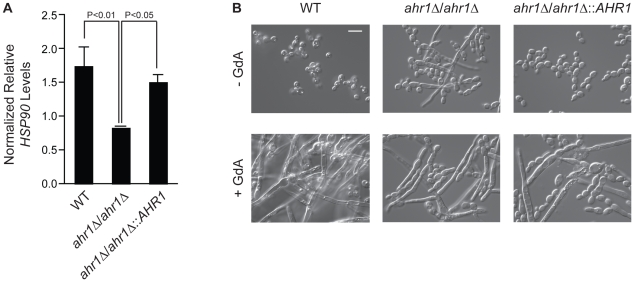
“Transcript level of Ahr1, a transcription factor involved in regulation of several virulence genes including Hsp90 44,45 , was reduced as well.”
Alaalm, L., Crunden, J. L., Butcher, M. C., Obst, U., Whealy, R. N., Williamson, C. E., O’Brien, H., Schaffitzel, C., Ramage, G., SPENCER, J. M., et al. (2021) · Frontiers in Cellular and Infection Microbiology · doi:10.3389/fcimb.2021.637836 · Cited by 18
“In C. albicans, probing purified Hsp90 with phospho-serine and phospho-threonine specific antibodies revealed severely reduced serine phosphorylation in a mutant lacking the CKB1 (b) subunit of CK2 (Diezmann et al., 2012).”
BackgroundSelf-citationHsp90 interaction networks in fungi—tools and techniques
Crunden, J. L., & Diezmann, S. (2021) · FEMS Yeast Research · doi:10.1093/femsyr/foab054 · Cited by 18
“This is supported by a comparison between experimental data of Hsp90 interactors from two different studies in S. cerevisiae (Zhao et al. 2005) and C. albicans (Diezmann et al. 2012), which showed that less than 20% of interactors are shared between these two species.”
InfluentialSelf-citationJain, P., Sethi, S. C., Pratyusha, V. A., Garai, P., Naqvi, N., Singh, S., Pawar, K., Puri, N., & Komath, S. S. (2018) · Journal of Biological Chemistry · doi:10.1074/jbc.ra117.001225 · Cited by 15
“Hsp90 down-regulation affects the transcription of several proteins, including Hog1 MAPK, as well as their phosphorylation (24).”
BackgroundXiong, J., Wang, L., Feng, Y., Zhen, C., Hang, S., Yu, J., Lu, H., & Jiang, Y. (2024) · Life Sciences · doi:10.1016/j.lfs.2024.122699 · Cited by 15
Halder, V., McDonnell, B., Uthayakumar, D., Usher, J., & Shapiro, R. S. (2020) · FEMS Microbiology Reviews · doi:10.1093/femsre/fuaa055 · Cited by 15
Self-citationBrown, A. J. P., Cowen, L. E., Pietro, A. D., & Quinn, J. (2017) · ASM Press eBooks · doi:10.1128/9781555819583.ch21 · Cited by 15
Self-citationČuperlović‐Culf, M., Loewen, M. C., Rajagopalan, N., & Surendra, A. (2017) · Plant Pathology · doi:10.1111/ppa.12726 · Cited by 13
“Similarly, Hsp90 has been shown to be phosphorylated by protein kinase CK2, where deletion of components of the CK2 complex also leads to improved antifungal efficacy (Bruno & Mitchell, 2005; Diezmann et al., 2012).”
BackgroundHeat Shock Protein 90 (Hsp90) in Fungal Growth and Pathogenesis
Lamoth, F., Juvvadi, P. R., & Steinbach, W. J. (2014) · Current Fungal Infection Reports · doi:10.1007/s12281-014-0195-9 · Cited by 12
Ras hyperactivation versus overexpression: Lessons from Ras dynamics in Candida albicans
Pratyusha, V. A., Victoria, G. S., Khan, M. F., Haokip, D. T., Yadav, B., Pal, N., Sethi, S. C., Jain, P., Singh, S. L., Sen, S., et al. (2018) · Scientific Reports · doi:10.1038/s41598-018-23187-8 · Cited by 12
The SAGA and NuA4 component Tra1 regulates Candida albicans drug resistance and pathogenesis
Razzaq, I., Berg, M. D., Jiang, Y., Genereaux, J. L., Uthayakumar, D., Kim, G. H., Agyare-Tabbi, M. R., Halder, V., Brandl, C. J., Lajoie, P., et al. (2021) · Genetics · doi:10.1093/genetics/iyab131 · Cited by 11
Self-citationLi, C., Li, T., Guan, G., Guan, Z., Perry, A. M., Hu, T., Bing, J., Xu, M., Nobile, C. J., & Huang, G. (2023) · Science China Life Sciences · doi:10.1007/s11427-023-2309-1 · Cited by 9
“Cta4 interacts with Hsp90 under certain stress conditions and functions as a transcriptional repressor of CWT1 (Diezmann et al., 2012; Guan et al., 2019; O’Meara et al., 2016).”
BackgroundRegulatory Variants Drive Hsp90's Effect on AdaptationPreprint
Jakobson, C. M., Aguilar-Rodríguez, J., & Jarosz, D. F. (2023) · SSRN Electronic Journal · doi:10.1101/2023.10.30.564848 · Cited by 9
Kumari, S., Kumar, M., Esquivel, B. D., Wasi, M., Pandey, A. K., Khandelwal, N., Mondal, A. K., White, T. C., Prasad, R., & Gaur, N. A. (2022) · mBio · doi:10.1128/mbio.03545-21 · Cited by 9
TaHSP90 stabilizes Lr13 to regulate temperature-sensitive resistance to leaf rust in wheat seedlings
Wang, X., Zhang, J., Gao, P., Gebrewahid, T. W., Li, G., Dong, H., Wang, S., Niu, S., Zhang, P., & Li, Z. (2025) · Cell Reports · doi:10.1016/j.celrep.2025.116575 · Cited by 7
Post-transcriptional control of antifungal resistance in human fungal pathogens
Sharma, C., & Kadosh, D. (2023) · Critical Reviews in Microbiology · doi:10.1080/1040841x.2022.2080527 · Cited by 6
“Inner oval, cell membrane. proteins such as Hog1, which is necessary for stress responses, including antifungal resistance (Diezmann et al. 2012) (Figure 3(B)).”
BackgroundHyperdCas12a-based multiplexed genetic regulation in Candida albicans
Gervais, N. C., Rogers, R. K. J., Robin, M., & Shapiro, R. S. (2025) · Nucleic Acids Research · doi:10.1093/nar/gkaf1402 · Cited by 8
“Previous efforts to characterize genetic interactions in C. albicans via chemical-genetic profiling or double-deletion approaches, while valuable, have been limited in scope and scalability [ 41 , 90 ].”
Self-citationYu, Y., Hube, B., Kämper, J., Meyer, V., & Krappmann, S. (2017) · Virulence · doi:10.1080/21505594.2017.1356502 · Cited by 7
Choi, Y., Yu, S.-R., Lee, Y., Na, A., Lee, S., Heitman, J., Seo, R., Lee, H., Lee, J.-S., & Bahn, Y. (2024) · mBio · doi:10.1128/mbio.03275-23 · Cited by 9
“In yeast models like S. cerevisiae and C. albicans , intricate regulatory networks involving CK2, Hsp90, and MAPK pathways like Hog1 have been observed (25, 60, 61).”
BackgroundHigh-throughput Identification of Synergistic Drug Combinations by the Overlap2 Method
Wambaugh, M. A., & Brown, J. C. S. (2018) · Journal of Visualized Experiments · doi:10.3791/57241 · Cited by 6
Expanding interactome analyses beyond model eukaryotes
James, K., Wipat, A., & Cockell, S. (2022) · Briefings in Functional Genomics · doi:10.1093/bfgp/elac007 · Cited by 7
Day, A. W., & Kumamoto, C. A. (2024) · PLoS ONE · doi:10.1371/journal.pone.0298724 · Cited by 4
Candida albicans Ssa: An Hsp70 Homologue and Virulence Factor
Puri, S., & Edgerton, M. (2013) · Heat shock proteins · doi:10.1007/978-94-007-6787-4_14 · Cited by 4
The Interaction Network of the Hsp90 Molecular Chaperone
Rizzolo, K., Wong, P., Tillier, E. R. M., & Houry, W. A. (2014) · Springer eBooks · doi:10.1007/978-1-4939-1130-1_5 · Cited by 5
“[91] performed a chemical-genetic screen using geldanamycin as an Hsp90 inhibitor on mutant strains from a homozygous transposon insertion library.”
BackgroundMethodKauser, S., Gulzar, M., Hasan, G. M., & Kumar, P. S. (2025) · Archives of Microbiology · doi:10.1007/s00203-025-04519-5 · Cited by 2
“Hsp90 chaperone, when phosphorylated by Casein Kinase 2 (CK2) or acetylated via lysine deacetylases (KDACs) influences its interaction with host protein (Diezmann et al. 2012).”
HSP90 inhibitors beyond oncology: optimization and mechanism insights in non-oncological diseases
Yin, X., Shu, H., Wang, D., You, Q., Zhang, Q., & Wang, L. (2025) · Drug Discovery Today · doi:10.1016/j.drudis.2025.104514 · Cited by 3
Rocha, M. C., Santos, C. A., & Malavazi, I. (2018) · Current Proteomics · doi:10.2174/1570164615666180820155807 · Cited by 2
Fungal Drug Resistance: Azoles
Lopez-Ribot, J. L., Wiederhold, N. P., & Patterson, T. F. (2017) · Springer eBooks · doi:10.1007/978-3-319-46718-4_27 · Cited by 3
Kumar, M., Kumari, S., Wasi, M., Ali, B., Kumar, P., Sharma, G. L., Singh, A., Dantas, A. D. S., Gow, N. A. R., Gaur, N. A., et al. (2026) · The Cell Surface · doi:10.1016/j.tcsw.2026.100180 · Cited by 2
“Similarly, geldanamycin which primarily inhibits Heat Shock Protein 90 (Hsp90), a key regulator of the calcineurin signaling pathway also suppressed the growth of Cgisc1 Δ cells (Fig.”
InfluentialDiezmann, S., & Cowen, L. E. (2014) · Springer eBooks · doi:10.1007/978-1-4939-1130-1_8 · Cited by 1
“albicans Hsp90 interactor only in our 41 °C screen [53].”
BackgroundMethodResultInfluentialSelf-citationFunctional Genomic and Chemical Biology Analysis of Echinocandin Resistance in Candida albicans
Caplan, T. (2018) · TSpace (University of Toronto) · Cited by 2
Fungi In Asthma - Investigation Of The Lung Mycobiome And Characterisation Of Allergens
Rick, E. (2019) · Figshare · Cited by 1
Membrane fluidity and temperature sensing are coupled
Leach, M. D., & Cowen, L. E. (2014)
Self-citation
Metadata
- Authors
- Diezmann, S., Michaut, M., Shapiro, R. S., Bader, G. D., & Cowen, L. E.
- Affiliations
- University of Toronto (CA)
- Corresponding author
- Cowen, Leah E.
- Venue
- PLoS Genetics
- Publisher
- Public Library of Science (PLoS)
- Published
- 2012-03-15
- Volume
- 8
- Issue
- 3
- Pages
- e1002562
- ISSN
- 1553-7390 (ISSN-L)
- 1553-7404
- PMC
- PMC3305360
- OpenAlex
- W2031431271
- Cited by
- 112
- References
- 53
- Citations by year
- 2026: 2 · 2025: 4 · 2024: 4 · 2023: 3 · 2022: 8 · 2021: 8 · 2020: 8 · 2019: 4 · 2018: 10 · 2017: 14 · 2016: 15 · 2015: 6 · 2014: 11 · 2013: 7 · 2012: 8
- FWCI
- 4.12
- Type
- journal article
- Language
- en
- Open access
- gold
- doi.org
- Locations
- PLoS Genetics (publishedVersion, cc-by)
- PubMed Central (publishedVersion, cc-by)
- PubMed (publishedVersion)
- Explore Bristol Research (publishedVersion)
- The University of Bath Online Publications Store (The University of Bath) (submittedVersion, cc-by)
- DOAJ (DOAJ: Directory of Open Access Journals) (submittedVersion, cc-by-sa)
- Figshare (submittedVersion, cc-by)
- Pure (University of Bath) (submittedVersion, cc-by)
- Funders
- Burroughs Wellcome Fund
- Canadian Institutes of Health Research (MOP-86452)
- National Institute of General Medical Sciences (P41GM103504)
- Topics
- Life Sciences › Biochemistry, Genetics and Molecular Biology › Molecular Biology › Heat shock proteins research
- Life Sciences › Biochemistry, Genetics and Molecular Biology › Molecular Biology › Fungal and yeast genetics research
- Life Sciences › Biochemistry, Genetics and Molecular Biology › Genetics › Bacterial Genetics and Biotechnology
- Keywords
- HSP90, Candida albicans, genetic interaction networks, molecular chaperones, protein folding, environmental contingencies, network rewiring, Hog1 MAPK, casein kinase 2, chemical genomics, fungal pathogens, stress conditions
- MeSH terms
- Adenosine Triphosphate, Candida albicans, Culture Media, Environmental Microbiology, Phosphotransferases, Saccharomyces cerevisiae, Stress, Physiological, Signal Transduction, Gene Expression Regulation, Bacterial, Benzoquinones, HSP90 Heat-Shock Proteins, Lactams, Macrocyclic, Gene Regulatory Networks, Protein Interaction Maps
About these checks
Registry, retraction, Cites and statistics results are computed, not judged, with one exception: a printed reference that no index lists is read once by a model before it counts as a citation error. Claims are extracted by a model and kept only when their quote appears verbatim in the text; each cited source is then checked, with a model’s help, for whether it says what the claim relies on. Those verdicts can be wrong — read the claim’s quote and the cited source before relying on one.
Statistics and arithmetic are recomputed, not judged.
Confidence bands are shown only for fields calibrated on our annotated test set. None is calibrated yet, so no band is shown.
What counts as a claim ›How we measure confidence ›How we check this ›
Are you an author, or do you see a problem with this page? Request a review
Data sources
Bibliographic data: Semantic Scholar, OpenAlex, Crossref.
Contains information from the Semantic Scholar Academic Graph Datasets, made available under the ODC Attribution License (ODC-BY 1.0).
Semantic Scholar’s data is described in: Kinney, R., et al. (2023). The Semantic Scholar Open Data Platform. arXiv:2301.10140.
