

The DOI matches its Crossref record; 32 of the 32 references it cites were found in a registry or an index.
Detection of Intracellular Bacterial Communities in Human Urinary Tract Infection
Open accessAbstract
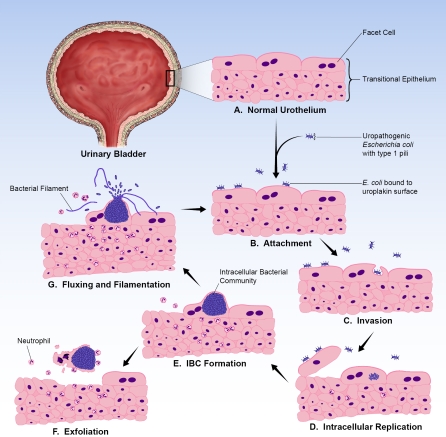
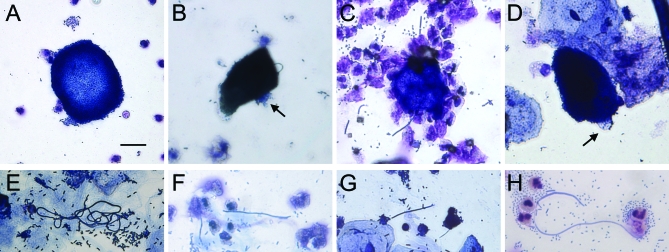
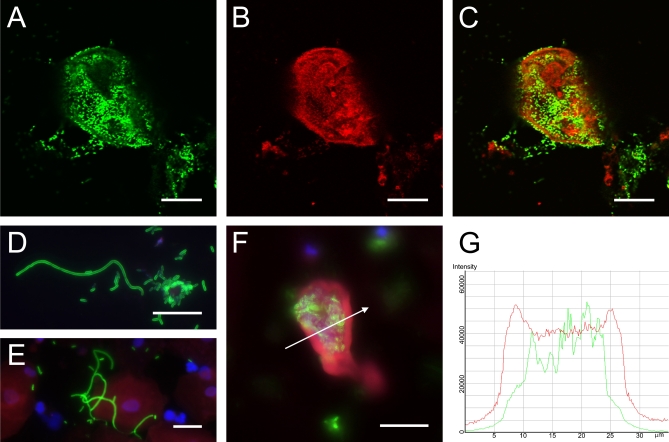
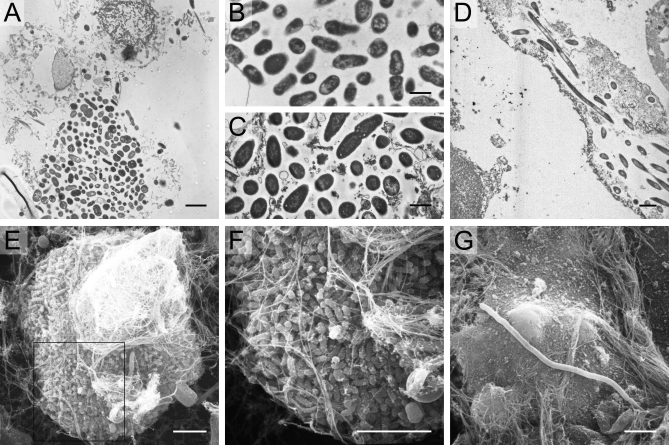
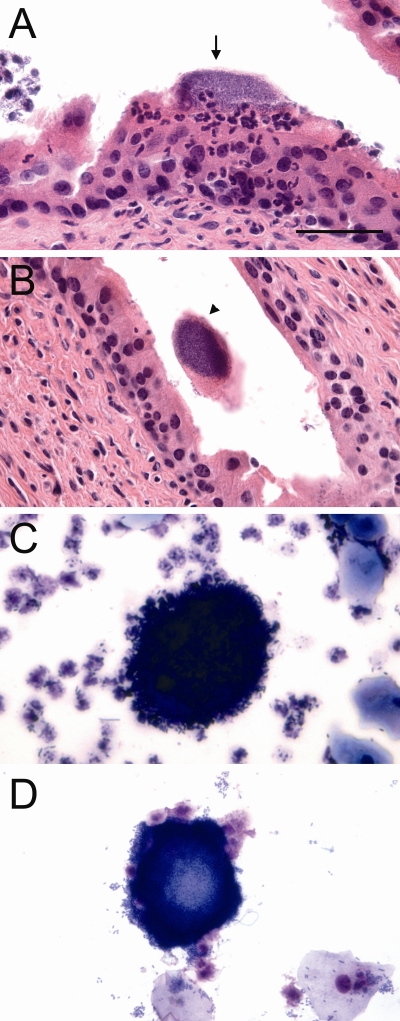
BACKGROUND: Urinary tract infections (UTIs) are one of the most common bacterial infections and are predominantly caused by uropathogenic Escherichia coli (UPEC). While UTIs are typically considered extracellular infections, it has been recently demonstrated that UPEC bind to, invade, and replicate within the murine bladder urothelium to form intracellular bacterial communities (IBCs). These IBCs dissociate and bacteria flux out of bladder facet cells, some with filamentous morphology, and ultimately establish quiescent intracellular reservoirs that can seed recurrent infection. This IBC pathogenic cycle has not yet been investigated in humans. In this study we sought to determine whether evidence of an IBC pathway could be found in urine specimens from women with acute UTI. METHODS AND FINDINGS: We collected midstream, clean-catch urine specimens from 80 young healthy women with acute uncomplicated cystitis and 20 asymptomatic women with a history of UTI. Investigators were blinded to culture results and clinical history. Samples were analyzed by light microscopy, immunofluorescence, and electron microscopy for evidence of exfoliated IBCs and filamentous bacteria. Evidence of IBCs was found in 14 of 80 (18%) urines from women with UTI. Filamentous bacteria were found in 33 of 80 (41%) urines from women with UTI. None of the 20 urines from the asymptomatic comparative group showed evidence of IBCs or filaments. Filamentous bacteria were present in all 14 of the urines with IBCs compared to 19 (29%) of 66 samples with no evidence of IBCs (p < 0.001). Of 65 urines from patients with E. coli infections, 14 (22%) had evidence of IBCs and 29 (45%) had filamentous bacteria, while none of the gram-positive infections had IBCs or filamentous bacteria. CONCLUSIONS: The presence of exfoliated IBCs and filamentous bacteria in the urines of women with acute cystitis suggests that the IBC pathogenic pathway characterized in the murine model may occur in humans. The findings support the occurrence of an intracellular bacterial niche in some women with cystitis that may have important implications for UTI recurrence and treatment.
Overview
The claims and statistics of this paper haven’t been checked yet.
Run the check — free, no account needed. It reads the open-access text and checks the sources it cites.
Integrity signals
Registry
Cites
Statistics
Figures
Verification
Claims the paper makes
The claims and statistics of this paper haven’t been checked yet.
Run the check — free, no account needed. It reads the open-access text and checks the sources it cites.
Claims other papers make about this one
Each is checked against this paper’s own text: does it say what the citing paper says it does?
The source backs part of the claim, not all of it — or backs it for a different population, condition or comparison.
In the citing paper
“IBCs have long been reported in the urine of patients with acute cystitis; however, they have not been detected in the urine of patients with acute episodes of rUTIs [25].”
From Vaginal microbiota and urinary tract infections in women: the protective role of vaginal lactobacilli in counteracting urinary tract infections occurrence and recurrence (2026) · cites this paper as [25]
Experimental — accuracy not yet measured
Self-check
Percentages, sums and reported differences re-computed from the paper’s own numbers.
The self-check needs the paper’s full text.
Citations
Cites
Epidemiology of urinary tract infections: incidence, morbidity, and economic costs
Foxman, B. (2002) · The American Journal of Medicine · doi:10.1016/s0002-9343(02)01054-9 · Cited by 1,935 · cited 1×
“Urinary tract infections (UTIs) affect nearly 13 million women annually in the United States alone and can result in significant costs and morbidity [1–5].”
Intracellular Bacterial Biofilm-Like Pods in Urinary Tract Infections
Anderson, G. G., Palermo, J. J., Schilling, J. D., Roth, R. A., Heuser, J., & Hultgren, S. J. (2003) · Science · doi:10.1126/science.1084550 · Cited by 1,175 · cited 1×
“This intracellular niche is conducive to UPEC replication and formation of intracellular bacterial communities (IBCs) with biofilm-like properties [13].”
Self-citationJawetz, E. (2016) · Pediatric Care Online · doi:10.1542/aap.ppcqr.396241 · Cited by 999
Induction and Evasion of Host Defenses by Type 1-Piliated Uropathogenic Escherichia coli
Mulvey, M. A., López-Boado, Y. S., Wilson, C. L., Roth, R. A., Parks, W. C., Heuser, J., & Hultgren, S. J. (1998) · Science · doi:10.1126/science.282.5393.1494 · Cited by 971
Self-citationMulvey, M. A., Schilling, J. D., & Hultgren, S. J. (2001) · Infection and Immunity · doi:10.1128/iai.69.7.4572-4579.2001 · Cited by 863 · cited 3×
“Ultimately, UPEC are able to form quiescent intracellular reservoirs composed of small rosettes of bacteria within Lamp-1–positive endocytic vesicles that can persist for several weeks protected from antibiotics and, presumably, undetected by the host immune system [15,19,20].”
Self-citationType 1 pilus‐mediated bacterial invasion of bladder epithelial cells
Martinez, J. J., Mulvey, M. A., Schilling, J. D., Pinkner, J. S., & Hultgren, S. J. (2000) · The EMBO Journal · doi:10.1093/emboj/19.12.2803 · Cited by 784 · cited 4×
“coli antibody (1:200) followed by 18 nm colloidal goldconjugated anti-rabbit IgG (1:30, Jackson ImmunoResearch Laboratories) [16].”
InfluentialSelf-citationDiagnosis of Coliform Infection in Acutely Dysuric Women
Stamm, W. E., Counts, G. W., Running, K. R., Fihn, S., Turck, M., & Holmes, K. K. (1982) · New England Journal of Medicine · doi:10.1056/nejm198208193070802 · Cited by 760
Self-citationDIAGNOSIS AND TREATMENT OF UNCOMPLICATED URINARY TRACT INFECTION
Hooton, T. M., & Stamm, W. E. (1997) · Infectious Disease Clinics of North America · doi:10.1016/s0891-5520(05)70373-1 · Cited by 739 · cited 1×
“Urinary tract infections (UTIs) affect nearly 13 million women annually in the United States alone and can result in significant costs and morbidity [1–5].”
Self-citationA Prospective Study of Risk Factors for Symptomatic Urinary Tract Infection in Young Women
Hooton, T. M., Scholes, D., Hughes, J. P., Winter, C., Roberts, P. L., Stapleton, A. E., Stergachis, A. S., & Stamm, W. E. (1996) · New England Journal of Medicine · doi:10.1056/nejm199608153350703 · Cited by 732 · cited 1×
“Urinary tract infections (UTIs) affect nearly 13 million women annually in the United States alone and can result in significant costs and morbidity [1–5].”
Self-citationThe etiology of urinary tract infection: Traditional and emerging pathogens
Ronald, A. (2003) · Disease-a-Month · doi:10.1067/mda.2003.8 · Cited by 656
Research works printed but not linked: 29
- Griebling, 2007, Urologic Diseases in America, 587
- Foxman, 2002, Am J Med, 113, 5S
- Hooton, 1996, N Engl J Med, 335, 468
- Hooton, 1997, Infect Dis Clin North Am, 11, 551
- Ronald, 1991, Med Clin North Am, 75, 299
- Ronald, 2001, Int J Antimicrob Agents, 17, 343
- Kunin, 1980, JAMA, 243, 134
- Foxman, 1990, Am J Public Health, 80, 331
- Ikaheimo, 1996, Clin Infect Dis, 22, 91
- Foxman, 1995, J Infect Dis, 172, 1536
- Russo, 1995, J Infect Dis, 172, 440
- Anderson, 2003, Science, 301, 105
- Justice, 2004, Proc Natl Acad Sci U S A, 101, 1333
- Mulvey, 2001, Infect Immun, 69, 4572
- Martinez, 2000, EMBO J, 19, 2803
- Mulvey, 1998, Science, 282, 1494
- Wright, 2007, Cell Microbiol, 9, 2230
- Mysorekar, 2006, Proc Natl Acad Sci U S A, 103, 14170
- Schilling, 2002, Infect Immun, 70, 7042
- Stamm, 1982, N Engl J Med, 307, 463
- Elliott, 1985, J Infect, 11, 191
- Feldmann, 2007, Infect Immun, 75, 3183
- Garofalo, 2007, Infect Immun, 75, 52
- Justice, 2006, Proc Natl Acad Sci U S A, 103, 19884
- Schoemaker, 1984, J Bacteriol, 158, 551
- Chen, 2006, Proc Natl Acad Sci U S A, 103, 5977
- Bran, 1972, N Engl J Med, 286, 626
- Buckley, 1978, N Engl J Med, 298, 321
- Hooton, 1991, JAMA, 265, 64
Cited by
Sorted by citations
Items 201–300 of 650
Antimicrobial prophylaxis in women with recurrent urinary tract infections
Lichtenberger, P. K., & Hooton, T. M. (2011) · International Journal of Antimicrobial Agents · doi:10.1016/j.ijantimicag.2011.09.005 · Cited by 44
“There is new evidence that this pathway may occur in women with cystitis in whom evidence of intracellular bacterial communities has been found in exfoliated cells in urine [8].”
BackgroundSelf-citationCharacterization of Early-Phase Neutrophil Extracellular Traps in Urinary Tract Infections
Yu, Y., Kwon, K., Tsitrin, T., Bekele, S., Sikorski, P. M., Nelson, K. E., & Pieper, R. (2017) · PLoS Pathogens · doi:10.1371/journal.ppat.1006151 · Cited by 45
A host receptor enables type 1 pilus-mediated pathogenesis of Escherichia coli pyelonephritis
McLellan, L. K., McAllaster, M. R., Kim, A. S., Tóthová, Ľ., Olson, P. D., Pinkner, J. S., Daugherty, A. L., Hreha, T. N., Janetka, J. W., Fremont, D. H., et al. (2021) · PLoS Pathogens · doi:10.1371/journal.ppat.1009314 · Cited by 43
Self-citationGlycosylation changes as important factors for the susceptibility to urinary tract infection
Taganna, J. C., de Boer, A. R., Wuhrer, M., & Bouckaert, J. M. J. (2011) · Biochemical Society Transactions · doi:10.1042/bst0390349 · Cited by 43
Kõljalg, S., Truusalu, K., Vainumäe, I., Štšepetova, J., Sepp, E., & Mikelsaar, M. (2008) · Journal of Clinical Microbiology · doi:10.1128/jcm.01419-08 · Cited by 43
“anism has been suggested for humans (47).”
Crivelli, J. J., Alhalabi, F., & Zimmern, P. E. (2019) · International Journal of Urology · doi:10.1111/iju.13963 · Cited by 43
Novel Strategies in the Prevention and Treatment of Urinary Tract Infections
Lüthje, P., & Brauner, A. (2016) · Pathogens · doi:10.3390/pathogens5010013 · Cited by 45
“Even though this model is based on studies in mice, there is an indication that a similar infection cycle takes place in women [34,35].”
BackgroundMiranda-Estrada, L. I., Ruíz-Rosas, M., Molina-López, J., Parra‐Rojas, I., González-Villalobos, E., & Castro-Alarcón, N. (2016) · Enfermedades Infecciosas y Microbiología Clínica · doi:10.1016/j.eimc.2016.02.021 · Cited by 42
“Ácido nalidíxico 68 (63,5) 30 (52,6) 38 (76) 0,012”
InfluentialLiu, F., Ling, Z., Xiao, Y., Yang, Q., Li, Z., Jiang, P., Li, L., & Wang, W. (2017) · Oncotarget · doi:10.18632/oncotarget.21126 · Cited by 45
Olson, P. D., McLellan, L. K., Hreha, T. N., Liu, A., Briden, K. E., Hruska, K. A., & Hunstad, D. A. (2018) · Kidney International · doi:10.1016/j.kint.2018.04.023 · Cited by 40
Pang, Y., Cheng, Z., Zhang, S., Li, S., Li, X., Li, X., Zhang, X., Li, X., Feng, Y., Cui, H., et al. (2022) · Cell Reports · doi:10.1016/j.celrep.2022.110698 · Cited by 42
Yrjänäinen, H., Hytönen, J., Hartiala, P., Oksi, J., & Viljanen, M. K. (2010) · Apmis · doi:10.1111/j.1600-0463.2010.02615.x · Cited by 41
“A recently published study showed evidence of a similar mechanism also in humans (16).”
BackgroundKing, J. E., Owaif, H. A. A., Jia, J., & Roberts, I. S. (2015) · Infection and Immunity · doi:10.1128/iai.00188-15 · Cited by 41
“Such urine will contain a large number of bacteria that have already entered the IBC pathogenic pathway (12) and therefore, according to previous studies, will already be expressing capsule genes (26).”
BackgroundGomes, A. É. I., Pacheco, T., dos Santos, C. D. S., Pereira, J. A., Ribeiro, M. L., Darrieux, M., & Ferraz, L. F. C. (2021) · Frontiers in Microbiology · doi:10.3389/fmicb.2020.601921 · Cited by 41
Biofilm switch and immune response determinants at early stages of infection
Valle, J., Solano, C., García, B., Toledo‐Arana, A., & Lasa, Í. (2013) · Trends in Microbiology · doi:10.1016/j.tim.2013.05.008 · Cited by 40
Iosifidis, G., & Duggin, I. G. (2020) · Infection and Immunity · doi:10.1128/iai.00884-19 · Cited by 40
“similar IBCs and filamentous bacteria present (9), and urine samples collected during human UTI also commonly contain these characteristic features of infection (8).”
BackgroundLawal, O. U., Barata, M., Fraqueza, M. J., Worning, P., Bartels, M. D., Gonçalves, L. A. G. T., Paixão, P., Gonçalves, E., Toscano, C., Empel, J., et al. (2021) · Frontiers in Microbiology · doi:10.3389/fmicb.2021.663768 · Cited by 47
“coli and Klebsiella pneumoniae can exist in biofilm-like large aggregates of bacteria (pods or intracellular bacterial communities) in the bladder epithelial cells, a phenomenon that was suggested to be responsible for recurrent cystitis (Anderson et al., 2003; Rosen et al., 2007; Blango and Mulvey, 2010).”
BackgroundUrinary Tract Infection Pathogenesis
Stapleton, A. E. (2013) · Infectious Disease Clinics of North America · doi:10.1016/j.idc.2013.10.006 · Cited by 40
Mat fimbriae promote biofilm formation by meningitis-associated Escherichia coli
Lehti, T. A., Bauchart, P., Heikkinen, J., Hacker, J. H., Korhonen, T., Dobrindt, U., & Westerlund‐Wikström, B. (2010) · Microbiology · doi:10.1099/mic.0.039610-0 · Cited by 39
“coli (Macfarlane & Macfarlane, 2006; Rosen et al., 2007), suggesting that the structured lifestyle contributes both to normal ecology and to pathogenicity of E.”
BackgroundImpact of Proinflammatory Cytokines on the Virulence of Uropathogenic Escherichia coli
Engelsöy, U., Rangel, I., & Demirel, I. (2019) · Frontiers in Microbiology · doi:10.3389/fmicb.2019.01051 · Cited by 39
“However, studies have shown that the TCA cycle and gluconeogenesis, but not the glycolysis pathway are important for the fitness of UPEC during UTI (Alteri et al., 2009).”
BackgroundInfluentialState-of-the-Art Review: Recurrent Uncomplicated Urinary Tract Infections in Women
Advani, S. D., Thaden, J. T., Perez, R., Stair, S. L., Lee, U. J., & Siddiqui, N. Y. (2024) · Clinical Infectious Diseases · doi:10.1093/cid/ciae653 · Cited by 39
Management of recurrent urinary tract infections in healthy adult women.
Hickling, D. R., & Νitti, V. W. (2013) · Europe PMC (PubMed Central) · Cited by 38
Update in Adult Urinary Tract Infection
Nicolle, L. E. (2011) · Current Infectious Disease Reports · doi:10.1007/s11908-011-0212-x · Cited by 38
Ballesteros‐Monrreal, M. G., Méndez-Pfeiffer, P., Barrios-Villa, E., Arenas-Hernández, M. M. P., Enciso‐Martínez, Y., Moreno, C. O. S., Bolado-Martínez, E., & Valencia, D. (2023) · Archives of Medical Research · doi:10.1016/j.arcmed.2023.01.001 · Cited by 40
Urinary Tract Infection and Microbiome
Kim, D. S., & Lee, J. W. (2023) · Diagnostics · doi:10.3390/diagnostics13111921 · Cited by 38
“While earlier studies focused on recreating the IBC/QIR cycle in murine models [49], recent studies provide evidence of bacteria residing in the bladder wall of patients with recurrent UTI along with alterations of the urothelial architecture [50,51].”
ResultGenomic analysis of extra-intestinal pathogenic Escherichia coli urosepsis
McNally, A., Alhashash, F., Collins, M., Alqasim, A., Paszckiewicz, K., Weston, V., & Diggle, M. A. (2013) · Clinical Microbiology and Infection · doi:10.1111/1469-0691.12202 · Cited by 36
Skjøt-Rasmussen, L., Hammerum, A. M., Jakobsen, L., Lester, C. H., Larsen, P., & Frimodt‐Møller, N. (2010) · Journal of Medical Microbiology · doi:10.1099/jmm.0.026963-0 · Cited by 38
Subramaniyan, S. B., Rajendran, S., Arunachalam, J., & Veerappan, A. (2019) · Bioconjugate Chemistry · doi:10.1021/acs.bioconjchem.9b00821 · Cited by 37
Bacterial filamentation as a mechanism for cell-to-cell spread within an animal host
Tran, T. D., Ali, M. A., Lee, D., Félix, M., & Luallen, R. J. (2022) · Nature Communications · doi:10.1038/s41467-022-28297-6 · Cited by 36
Russell, C. W., Fleming, B. A., Jost, C. A., Tran, A., Stenquist, A. T., Wambaugh, M. A., Bronner, M. P., & Mulvey, M. A. (2018) · Infection and Immunity · doi:10.1128/iai.00746-17 · Cited by 36
Global Proteome and Phosphoproteome Characterization of Sepsis-induced Kidney Injury
Lin, Y.-H., Platt, M. P., Fu, H., Gui, Y., Wang, Y., González-Juarbe, N., Zhou, D. F., & Yu, Y. (2020) · Molecular & Cellular Proteomics · doi:10.1074/mcp.ra120.002235 · Cited by 38
Effect of pravastatin and fosinopril on recurrent urinary tract infections
Pouwels, K. B., Visser, S. T., & Hak, E. (2012) · Journal of Antimicrobial Chemotherapy · doi:10.1093/jac/dks419 · Cited by 36
“Together with the finding that exfoliated intracellular bacterial communities and filamentous bacteria are present in the urine samples of women with acute cystitis [31], our results indicate that QIR formation also occurs in humans.”
BackgroundRossetti, V., Filippini, M., Švercel, M., Barbour, A. D., & Bagheri, H. C. (2011) · Journal of The Royal Society Interface · doi:10.1098/rsif.2011.0102 · Cited by 36
Yu, Y., Sikorski, P. M., Smith, M., Bowman-Gholston, C., Cacciabeve, N., Nelson, K. E., & Pieper, R. (2016) · Theranostics · doi:10.7150/thno.16086 · Cited by 34
“Potential explanations are bacteria in dormant states and biofilms, not responding to the presence of antibacterial effectors, or invisibility to cells of the immune system by formation of intra-urothelial cell bacterial communities.[63] ROS inactivating peroxidases and superoxide dismutases, expressed in high abundan…”
Hsieh, M. H., Wood, H. M., Dicianno, B. E., Dosa, N. P., Gomez‐Lobo, V., Mattoo, T. K., Misseri, R., Norton, J. M., Sawin, K. J., Scal, P. B., et al. (2017) · Urology · doi:10.1016/j.urology.2016.12.052 · Cited by 35
González, M. J., Robino, L., Iribarnegaray, V., Zunino, P., & Scavone, P. (2017) · Pathogens and Disease · doi:10.1093/femspd/ftx053 · Cited by 35
Manoharan, A., Ognenovska, S., Paino, D., Whiteley, G. S., Glasbey, T. O., Kriel, F. H., Farrell, J., Moore, K. H., Manos, J., & Das, T. (2021) · Antibiotics · doi:10.3390/antibiotics10080900 · Cited by 38
“Instead, the uroepithelium constantly undergoes turnover and differentiation, resulting in the shedding of these infected cells [23].”
BackgroundInfluentialJohnson, J. A., Delaney, L. F., Ojha, V., Rudraraju, M., Hintze, K. R., Siddiqui, N. Y., & Sysoeva, T. A. (2022) · Frontiers in Cellular and Infection Microbiology · doi:10.3389/fcimb.2022.870603 · Cited by 35
Wagenlehner, F. R. A., Ballarini, S., Pilatz, A. M. E., Weidner, W., Lehr, L., & Naber, K. G. (2015) · Urologia Internationalis · doi:10.1159/000371894 · Cited by 35
Functional Heterogeneity of the UpaH Autotransporter Protein from Uropathogenic Escherichia coli
Allsopp, L. P., Beloin, C., Moriel, D. G., Totsika, M., Ghigo, J., & Schembri, M. A. (2012) · Journal of Bacteriology · doi:10.1128/jb.01264-12 · Cited by 34
“UPEC can also invade bladder epithelial cells, replicate, and establish biofilm-like intracellular bacterial communities (IBCs) that contain large numbers of bacteria (3, 20, 49, 55).”
BackgroundAntypas, H., Choong, F. X., Libberton, B., Brauner, A., & Richter‐Dahlfors, A. (2018) · npj Biofilms and Microbiomes · doi:10.1038/s41522-018-0069-y · Cited by 35
Estrogen Affects the Glycosaminoglycan Layer of the Murine Bladder
Anand, M., Wang, C., French, J., Isaacson-Schmid, M., Wall, L. L., & Mysorekar, I. U. (2012) · Urogynecology · doi:10.1097/spv.0b013e31824b76bd · Cited by 34
Filamentous morphology of bacterial pathogens: regulatory factors and control strategies
Khan, F., Jeong, G., Tabassum, N., Mishra, A., & Kim, Y. (2022) · Applied Microbiology and Biotechnology · doi:10.1007/s00253-022-12128-1 · Cited by 34
“IBC dissociates and allows bacteria to be discharged from bladder cells, forming a dormant intracellular reservoir that can lead to recurrent infections (Rosen et al. 2007).”
BackgroundJakobsen, L., Hammerum, A. M., & Møller, N. (2010) · Applied and Environmental Microbiology · doi:10.1128/aem.01874-10 · Cited by 33
“The model is representative for the human UTI (4, 6, 21).”
BackgroundLupo, F., Ingersoll, M. A., & Pineda, M. A. (2021) · Immunology · doi:10.1111/imm.13330 · Cited by 37
Klein, K., Palarasah, Y., Kolmos, H. J., Møller‐Jensen, J., & Andersen, T. E. (2014) · Journal of Microbiological Methods · doi:10.1016/j.mimet.2014.12.017 · Cited by 33
Fungal Metabolites for the Control of Biofilm Infections
Estrela, A. B., & Abraham, W. (2016) · Agriculture · doi:10.3390/agriculture6030037 · Cited by 34
“, in the cystic fibrosis lung [1], the middle ear [2], the urinary tract [3], or gastric mucosa [4].”
BackgroundFlores, C., Ling, J., Loh, A., Maset, R. G., Aw, A., White, I. J., Fernando, R., & Rohn, J. L. (2023) · Science Advances · doi:10.1126/sciadv.adi9834 · Cited by 32
Danka, E. S., & Hunstad, D. A. (2014) · The Journal of Infectious Diseases · doi:10.1093/infdis/jiu577 · Cited by 32
Bauckman, K., Matsuda, R., Higgins, C. B., DeBosch, B. J., Wang, C., & Mysorekar, I. U. (2019) · American Journal of Physiology-Renal Physiology · doi:10.1152/ajprenal.00133.2018 · Cited by 31
Epidemiology and Virulence of Klebsiella pneumoniae
Clegg, S., & Murphy, C. N. (2016) · ASM Press eBooks · doi:10.1128/9781555817404.ch18 · Cited by 32
Escherichia coli biofilm formation and recurrences of urinary tract infections in children
Tapiainen, T., Hanni, A., Salo, J., Ikäheimo, I., & Uhari, M. K. (2013) · European Journal of Clinical Microbiology & Infectious Diseases · doi:10.1007/s10096-013-1935-4 · Cited by 32
“Most recent research has been focused on relapsing cystitis as a possible biofilm infection in which intracellular bacterial communities inside the bladder epithelial cells may form a chronic bacterial reservoir from which Escherichia coli may re-emerge [5, 6, 8].”
BackgroundYbcL of Uropathogenic Escherichia coli Suppresses Transepithelial Neutrophil Migration
Lau, M. E., Loughman, J. A., & Hunstad, D. A. (2012) · Infection and Immunity · doi:10.1128/iai.00801-12 · Cited by 32
“ence of IBCs in samples from human patients (30).”
BackgroundMethodLower Urinary Tract Inflammation and Infection: Key Microbiological and Immunological Aspects
Dickson, K., Zhou, J., & Lehmann, C. (2024) · Journal of Clinical Medicine · doi:10.3390/jcm13020315 · Cited by 31
“IBCs have been detected by microscopy within exfoliated urothelial cells in the urine [171].”
BackgroundDetection of intracellular bacteria in exfoliated urothelial cells from women with urge incontinence
Cheng, Y., Chen, Z., Gawthorne, J. A., Mukerjee, C., Varettas, K., Mansfield, K. J., Schembri, M. A., & Moore, K. H. (2016) · Pathogens and Disease · doi:10.1093/femspd/ftw067 · Cited by 31
Nanoindentation ofPseudomonas aeruginosabacterial biofilm using atomic force microscopy
Baniasadi, M., Xu, Z. Y., Gandee, L., Du, Y., Lu, H., Zimmern, P. E., & Minary‐Jolandan, M. (2014) · Materials Research Express · doi:10.1088/2053-1591/1/4/045411 · Cited by 30
Urinary Tract Infection in Overactive Bladder: An Update on Pathophysiological Mechanisms
Mansfield, K. J., Chen, Z., Moore, K. H., & Grundy, L. (2022) · Frontiers in Physiology · doi:10.3389/fphys.2022.886782 · Cited by 30
“Indirect Mechanisms As well as directly activating bladder afferent nerves, bladder infection also promotes urothelial shedding, a host-defence mechanism that rapidly removes infected urothelial cells from the bladder wall (Rosen et al., 2007; Smith et al., 2008; Thumbikat et al., 2009; Wood et al., 2012).”
BackgroundCan Infectious Biofilm be Controlled by Blocking Bacterial Communication?
Macêdo, A. J., & Abraham, W. (2009) · Medicinal Chemistry · doi:10.2174/157340609790170515 · Cited by 30
“Recently, intracellular biofilms of pathogenic bacteria have also been reported in human urinary tract infections [5].”
BackgroundOveractive bladder in women: Does low‐count bacteriuria matter? A review
Walsh, C. A., & Moore, K. H. (2010) · Neurourology and Urodynamics · doi:10.1002/nau.20927 · Cited by 30
Justice, S. S., Li, B., Downey, J. S., Dabdoub, S. M., Brockson, M. E., Probst, G. D., Ray, W. C., & Goodman, S. D. (2012) · PLoS ONE · doi:10.1371/journal.pone.0048349 · Cited by 29
“Evidence for each of these stages is observed in urine samples and bladder biopsies of patients colonized with either UPEC or Klebsiella pneumoniae [11,12], which demonstrates that these events comprise the pathogenic lifestyle of multiple uropathogens during cystitis.”
BackgroundDiscovery and Application of FimH Antagonists
Gouin, S. G., Roos, G., & Bouckaert, J. M. J. (2014) · Topics in medicinal chemistry · doi:10.1007/7355_2014_52 · Cited by 28
“coli grows dynamically in intracellular bacterial communities (IBCs) in a biofilm-like matrix [4–6], which sometimes bulges out of broken epithelial cells [7].”
BackgroundTorzewska, A., Budzyńska, A., Białczak-Kokot, M., & Różalski, A. (2014) · Microbial Pathogenesis · doi:10.1016/j.micpath.2014.04.007 · Cited by 28
Krammer, E., de Ruyck, J., Roos, G., Bouckaert, J. M. J., & Lensink, M. F. (2018) · Molecules · doi:10.3390/molecules23071641 · Cited by 28
Management of Uncomplicated Recurrent Urinary Tract Infections
Vahlensieck, W., Perepanova, T. S., Johansen, T. E. B., Peter Tenke, A., Naber, K. G., & Wagenlehner, F. R. A. (2016) · European Urology Supplements · doi:10.1016/j.eursup.2016.04.007 · Cited by 28
Morphological plasticity of bacteria-Open questions.
Shen, J.-P., & Chou, C.-F. (2016) · Biomicrofluidics · doi:10.1063/1.4953660 · Cited by 29
Chieng, C. C. Y., Kong, Q., Liou, N., Khasriya, R., & Horsley, H. (2023) · Mucosal Immunology · doi:10.1016/j.mucimm.2022.12.003 · Cited by 27
Amalaradjou, M. A. R., & Venkitanaray, K. (2013) · InTech eBooks · doi:10.5772/55200 · Cited by 27
Kuwahara, H., Myers, C. J., & Samoilov, M. S. (2010) · PLoS Computational Biology · doi:10.1371/journal.pcbi.1000723 · Cited by 27
“Type 1 fimbriae are further thought to aid the UPEC infection process by enhancing the ability of bacteria to form biofilms and to develop intracellular bacterial communities (IBCs) with biofilm-like properties [13–18].”
BackgroundJakobsen, L., Hammerum, A. M., & Møller, J. K. (2010) · Journal of Clinical Microbiology · doi:10.1128/jcm.00281-10 · Cited by 27
“coli B2 isolates from healthy pigs, broiler chickens, pork, and broiler chicken meat in a murine model of ascending UTI, which is representative of UTI in humans (2, 4, 11).”
BackgroundFloyd, K. A., Mitchell, C. A., Eberly, A. R., Colling, S. J., Zhang, E. W., DePas, W. H., Chapman, M. R., Conover, M., Rogers, B. R., Hultgren, S. J., et al. (2016) · Journal of Bacteriology · doi:10.1128/jb.00030-16 · Cited by 27
“Studies assessing human urine voided by patients with acute urinary tract infections (UTI) demonstrated the formation of IBCs in humans (23), while the prevalence of IBCs in children is predictive of future recurrences (24).”
BackgroundSelf-citationIsidro-Coxca, M. I., Ortiz-Jiménez, S., & Puente, J. L. (2024) · Archives of Microbiology · doi:10.1007/s00203-024-04092-3 · Cited by 26
Laubacher, M. E., Melquist, A. L., Chandramohan, L., & Young, K. D. (2012) · Journal of Bacteriology · doi:10.1128/jb.01450-12 · Cited by 26
Recurrent urinary tract infection in women and overactive bladder – Is there a relationship?
Ke, Q., Lee, C., & Kuo, H. (2020) · Tzu Chi Medical Journal · doi:10.4103/tcmj.tcmj_38_20 · Cited by 26
“Immunofluorescence evidence showed that 18% of women with acute uncomplicated cystitis presented IBCs in the bladder [35].”
BackgroundBallesteros‐Monrreal, M. G., Arenas-Hernández, M. M. P., Barrios-Villa, E., Juárez, J., Álvarez-Ainza, M. L., Taboada, P., López, R. D. L. R., Bolado-Martínez, E., & Valencia, D. (2021) · Microorganisms · doi:10.3390/microorganisms9112381 · Cited by 27
“This is in accordance with the reported by Robino, Rosen, and Martinez-Figueroa [11,17,40].”
ResultLee, A. S., Lamanna, O. K., Ishida, K., Hill, E., Nguyen, A. H., & Hsieh, M. H. (2022) · Frontiers in Cellular and Infection Microbiology · doi:10.3389/fcimb.2022.794323 · Cited by 26
Vitamin D-deficient mice have more invasive urinary tract infection
Hertting, O., Lüthje, P., Sullivan, D. P., Aspenström, P., & Brauner, A. (2017) · PLoS ONE · doi:10.1371/journal.pone.0180810 · Cited by 26
Altered urothelial ATP signaling in a major subset of human overactive bladder patients with pyuria
Contreras‐Sanz, A., Krska, L., Balachandran, A., Curtiss, N. L., Khasriya, R., Kelley, S. P., Strutt, M., Gill, H., Taylor, K. M. G., Mansfield, K. J., et al. (2016) · American Journal of Physiology-Renal Physiology · doi:10.1152/ajprenal.00339.2015 · Cited by 25
Beyond antibiotics: CRISPR/Cas9 triumph over biofilm-associated antibiotic resistance infections
Zuberi, A., Ahmad, N., Ahmad, H., Saeed, M., & Ahmad, I. (2024) · Frontiers in Cellular and Infection Microbiology · doi:10.3389/fcimb.2024.1408569 · Cited by 26
Conformational ensembles in Klebsiella pneumoniae FimH impact uropathogenesis
Lopatto, E. D. B., Pinkner, J. S., Sanick, D. A., Potter, R. F., Liu, L. X., Villicaña, J. B., Tamadonfar, K. O., Ye, Y., Zimmerman, M. I., Gualberto, N. C., et al. (2024) · Proceedings of the National Academy of Sciences · doi:10.1073/pnas.2409655121 · Cited by 24
Self-citationGill, K., Kang, R., Sathiananthamoorthy, S., Khasriya, R., & Malone‐Lee, J. (2018) · International Urogynecology Journal · doi:10.1007/s00192-018-3558-x · Cited by 24
“Quantitative microbiological bacterial culture remains the reference gold standard in the diagnosis of urinary tract infection (UTI).”
BackgroundInfluentialGonzález, M. J., Zunino, P., Scavone, P., & Robino, L. (2020) · Frontiers in Cellular and Infection Microbiology · doi:10.3389/fcimb.2020.542755 · Cited by 24
Hayes, B. W., Choi, H., Rathore, A. P. S., Bao, C., Shi, J.-L., Huh, Y., Kim, M. W., Mencarelli, A., Bist, P., Ng, L., et al. (2024) · Science immunology · doi:10.1126/sciimmunol.adi5578 · Cited by 24
“Urinary tract infections (UTIs) account for a high number of clinical visits each year, in part because of the high susceptibility of women and high rates of recurrence ( 1 – 3 ).”
BackgroundDetection of Bacteria in Bladder Mucosa of Adult Females
Wolfe, A. J., Rademacher, D. J., Mores, C. R., Evans, R. J., Overholt, T. L., Halverson, T. M., Limeira, R., Matthews, C. A., Badlani, G. H., Brubaker, L. T., et al. (2023) · The Journal of Urology · doi:10.1097/ju.0000000000003189 · Cited by 23
Tofte, N., Nielsen, A. C. Y., Trøstrup, H., Andersen, C. B., Linstow, M., Hansen, B., Biering‐Sørensen, F., Høiby, N., & Moser, C. E. (2017) · Apmis · doi:10.1111/apm.12685 · Cited by 24
“The uropathogen might form a biofilm either on the surface of a catheter, in concrements or in the bladder epithelia (4, 12, 13) and can then survive significantly higher concentrations of, and standard length of treatments with, antibacterial agents than usual and thereby cause chronic infections.”
BackgroundDuraiswamy, S., Chee, J. L. Y., Chen, S., Yang, E., Lees, K., & Chen, S. L. (2018) · Infection and Immunity · doi:10.1128/iai.00740-17 · Cited by 23
“Are intracellular bacteria important for UTI in humans? Structures that are morphologically indistinguishable from IBCs generated in experimental mouse infections have been observed in the urine sediment of acutely infected humans, based on extensive histological, microscopic, and ultrastructural characterization, in…”
BackgroundA Novel Device-Integrated Drug Delivery System for Local Inhibition of Urinary Tract Infection
Stærk, K., Grønnemose, R. B., Palarasah, Y., Kolmos, H. J., Lund, L. C., Alm, M., Thomsen, P., & Andersen, T. E. (2021) · Frontiers in Microbiology · doi:10.3389/fmicb.2021.685698 · Cited by 23
Kim, A., Ahn, J. H., Choi, W. S., Park, H. K., Kim, S., Paick, S. H., & Kim, H. G. (2021) · International Neurourology Journal · doi:10.5213/inj.2040472.236 · Cited by 22
“The authors proposed that urine culture might not necessarily show the true conditions of the urothelium and that there could be a chronic niche for UPEC [30] (Fig.”
BackgroundResultJohnson, J. R., Drawz, S. M., Porter, S. B., & Kuskowski, M. A. (2013) · Antimicrobial Agents and Chemotherapy · doi:10.1128/aac.00650-13 · Cited by 22
“For example, because azithromycin is widely distributed throughout the body and is concentrated primarily intracellularly (Table 1), these types of agents may offer adjuncts for patients suspected of harboring intracellular bacterial reservoirs (7).”
BackgroundSorrentino, F., Cartwright, R., Digesu, G. A., Tolton, L.-A., Franklin, L., Singh, A., Greco, P., & Khullar, V. (2014) · Neurourology and Urodynamics · doi:10.1002/nau.22607 · Cited by 22
“Previouswork suggests that quiescent bacterial communities may form a chronic reservoir for reinfection, leading to fluctuating bacteriuria among women with chronic LUTS.(10,24) The cross-sectional nature of our data preclude conclusions about a causal association between LUTS and bacteriuria, or indeed the direction…”
BackgroundJakobsen, L., Lundberg, C. V., & Frimodt‐Møller, N. (2020) · Antimicrobial Agents and Chemotherapy · doi:10.1128/aac.01804-20 · Cited by 22
Effective Treatments of UTI—Is Intravesical Therapy the Future?
Morris, C. J., Rohn, J. L., Glickman, S., & Mansfield, K. J. (2023) · Pathogens · doi:10.3390/pathogens12030417 · Cited by 22
“Additionally, filamentous bacteria, predictive of intracellular bacterial growth, have been observed in urine from women with acute cystitis [53].”
BackgroundChavez, J. A., Christie, A. L., & Zimmern, P. E. (2020) · Urology · doi:10.1016/j.urology.2020.08.030 · Cited by 22
Urinary microbiome community types associated with urinary incontinence severity in women
Carnes, M. U., Siddiqui, N. Y., Karstens, L., Gantz, M. G., Dinwiddie, D. L., Sung, V. W., Bradley, M. S., Brubaker, L. T., Ferrando, C. A., Mazloomdoost, D., et al. (2023) · American Journal of Obstetrics and Gynecology · doi:10.1016/j.ajog.2023.10.036 · Cited by 21
Escherichia coli-Mediated Impairment of Ureteric Contractility Is Uropathogenic E. coli Specific
Floyd, R. V., Upton, M., Hultgren, S. J., Wray, S., Burdyga, T. V., & Winstanley, C. (2012) · The Journal of Infectious Diseases · doi:10.1093/infdis/jis554 · Cited by 21
“plicated urinary tract infection [16].”
Self-citationSun, J., Deering, R. W., Peng, Z., Najia, L. M., Khoo, C., Cohen, P. S., Seeram, N. P., & Rowley, D. C. (2019) · Scientific Reports · doi:10.1038/s41598-019-56005-w · Cited by 21
Konesan, J., Liu, L., & Mansfield, K. J. (2022) · Pathogens · doi:10.3390/pathogens11121471 · Cited by 20
“Additionally, filamentous bacteria have been observed in the urine of women with acute cystitis [12].”
BackgroundInnovative Strategies to Overcome Antimicrobial Resistance and Tolerance
Choudhary, M. I., Römling, U., Nadeem, F., Bilal, H. M., Zafar, M., Jahan, H., & Rahman, A. (2022) · Microorganisms · doi:10.3390/microorganisms11010016 · Cited by 20
Liu, S., Han, X., Shi, M., & Pang, Z. (2016) · Journal of Huazhong University of Science and Technology [Medical Sciences] · doi:10.1007/s11596-016-1649-9 · Cited by 20
Siddiqui, H. A., Lagesen, K., Nederbragt, A. J., Eri, L. M., Jeansson, S. L., & Jakobsen, K. S. (2014) · The Open Microbiology Journal · doi:10.2174/1874285801408010148 · Cited by 20
“Further, the routine method for culturing urine applied to patients with OAB symptoms may also fail to spot genuine UTIs; due to the high microbial threshold required, fastidious bacteria can easily evade the culture conditions and intracellular microbes may also be present [13-15].”
MethodAn encapsulated drug delivery system for recalcitrant urinary tract infection
Labbaf, S., Horsley, H., Chang, M., Stride, E., Malone‐Lee, J., Edirisinghe, M. J., & Rohn, J. L. (2013) · Journal of The Royal Society Interface · doi:10.1098/rsif.2013.0747 · Cited by 20
“Patients with UTI shed infected bladder epithelial cells into their urine as part of an immune response to infection [5,15], so”
Background
Metadata
- Authors
- Rosen, D. A., Hooton, T. M., Stamm, W. E., Humphrey, P. A., & Hultgren, S. J.
- Affiliations
- Washington University in St. Louis (US)
- University of Miami (US)
- University of Washington (US)
- Venue
- PLoS Medicine
- Publisher
- Public Library of Science (PLoS)
- Published
- 2007-12-18
- Volume
- 4
- Issue
- 12
- Pages
- e329
- ISSN
- 1549-1277 (ISSN-L)
- 1549-1676
- PMC
- PMC2140087
- OpenAlex
- W2118051267
- Cited by
- 651
- References
- 31
- Citations by year
- 2026: 28 · 2025: 33 · 2024: 40 · 2023: 35 · 2022: 35 · 2021: 41 · 2020: 36 · 2019: 36 · 2018: 23 · 2017: 42 · 2016: 55 · 2015: 37 · 2014: 39 · 2013: 42 · 2012: 29
- FWCI
- 16.58
- Type
- journal article
- Language
- en
- Open access
- gold
- doi.org
- Locations
- PLoS Medicine (publishedVersion, cc-by)
- PubMed Central (publishedVersion, cc-by)
- PubMed (publishedVersion)
- Digital Commons@Becker (Washington University School of Medicine) (submittedVersion)
- DOAJ (DOAJ: Directory of Open Access Journals) (submittedVersion, cc-by-sa)
- Funders
- University of Washington
- National Institutes of Health
- National Institute of Diabetes and Digestive and Kidney Diseases (P01DK053369, DK-53369, R01 DK64540, P50DK064540, DK051406, P01 DK53369, DK64540, R01DK051406)
- Office of Research on Women's Health
- Topics
- Health Sciences › Medicine › Urology › Urinary Tract Infections Management
- Life Sciences › Immunology and Microbiology › Microbiology › Escherichia coli research studies
- Life Sciences › Biochemistry, Genetics and Molecular Biology › Molecular Biology › Bacterial biofilms and quorum sensing
- Keywords
- urinary tract infection, intracellular bacterial communities, uropathogenic Escherichia coli, acute uncomplicated cystitis, filamentous bacteria, recurrent urinary tract infection, women, bladder urothelium, human urine
- MeSH terms
- Acute Disease, Adult, Animals, Bacteria, Urinary Bladder, Cystitis, Disease Models, Animal, Escherichia coli Infections, Female, Fluorescent Antibody Technique, Humans, Mice, Inbred C3H, Microscopy, Electron, Scanning, Middle Aged, Recurrence, Urinary Tract Infections, Urine, Case-Control Studies, Urothelium, Mice
About these checks
Registry, retraction, Cites and statistics results are computed, not judged, with one exception: a printed reference that no index lists is read once by a model before it counts as a citation error. Claims are extracted by a model and kept only when their quote appears verbatim in the text; each cited source is then checked, with a model’s help, for whether it says what the claim relies on. Those verdicts can be wrong — read the claim’s quote and the cited source before relying on one.
Statistics and arithmetic are recomputed, not judged.
Confidence bands are shown only for fields calibrated on our annotated test set. None is calibrated yet, so no band is shown.
What counts as a claim ›How we measure confidence ›How we check this ›
Are you an author, or do you see a problem with this page? Request a review
