

The DOI matches its Crossref record; 32 of the 32 references it cites were found in a registry or an index.
Detection of Intracellular Bacterial Communities in Human Urinary Tract Infection
Open accessAbstract
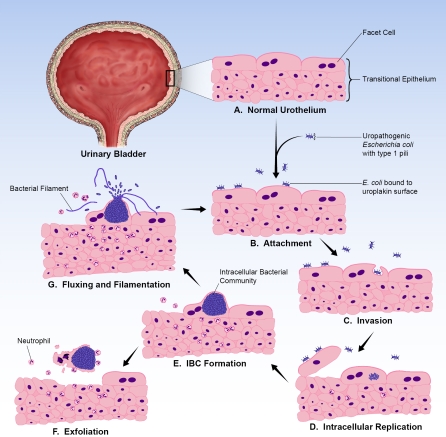
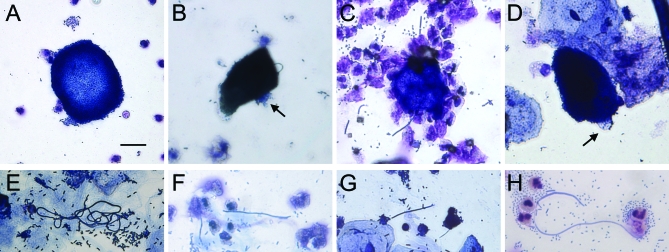
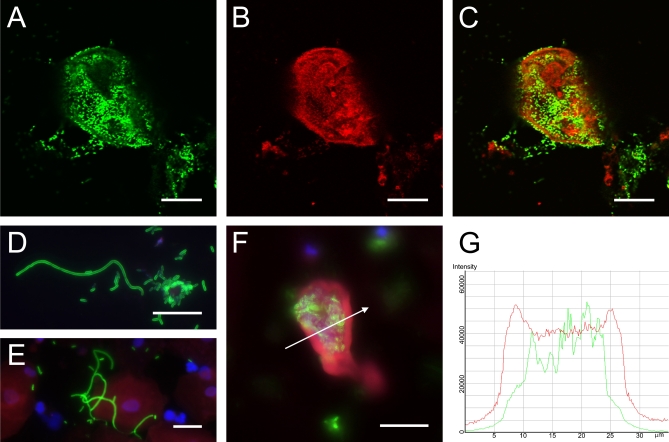
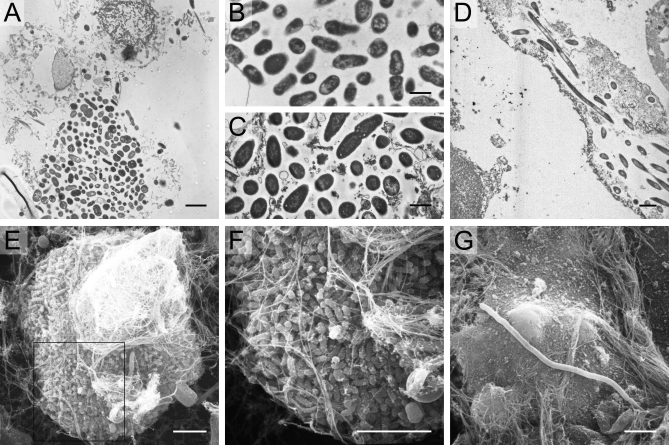
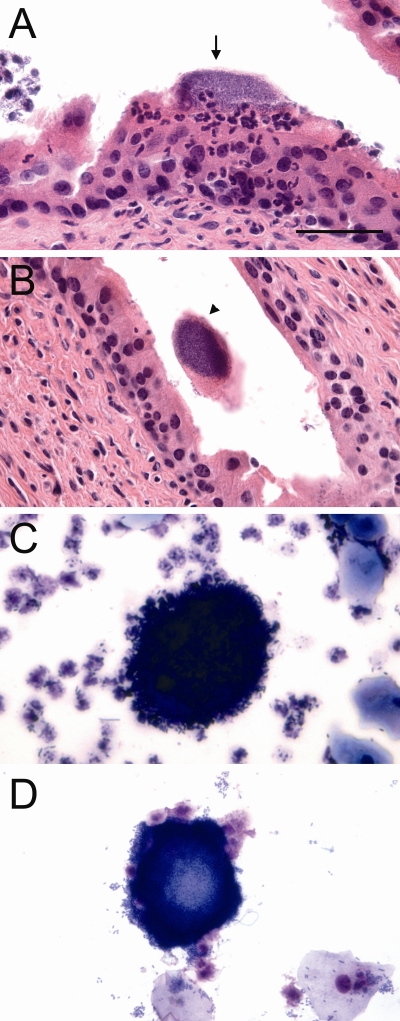
BACKGROUND: Urinary tract infections (UTIs) are one of the most common bacterial infections and are predominantly caused by uropathogenic Escherichia coli (UPEC). While UTIs are typically considered extracellular infections, it has been recently demonstrated that UPEC bind to, invade, and replicate within the murine bladder urothelium to form intracellular bacterial communities (IBCs). These IBCs dissociate and bacteria flux out of bladder facet cells, some with filamentous morphology, and ultimately establish quiescent intracellular reservoirs that can seed recurrent infection. This IBC pathogenic cycle has not yet been investigated in humans. In this study we sought to determine whether evidence of an IBC pathway could be found in urine specimens from women with acute UTI. METHODS AND FINDINGS: We collected midstream, clean-catch urine specimens from 80 young healthy women with acute uncomplicated cystitis and 20 asymptomatic women with a history of UTI. Investigators were blinded to culture results and clinical history. Samples were analyzed by light microscopy, immunofluorescence, and electron microscopy for evidence of exfoliated IBCs and filamentous bacteria. Evidence of IBCs was found in 14 of 80 (18%) urines from women with UTI. Filamentous bacteria were found in 33 of 80 (41%) urines from women with UTI. None of the 20 urines from the asymptomatic comparative group showed evidence of IBCs or filaments. Filamentous bacteria were present in all 14 of the urines with IBCs compared to 19 (29%) of 66 samples with no evidence of IBCs (p < 0.001). Of 65 urines from patients with E. coli infections, 14 (22%) had evidence of IBCs and 29 (45%) had filamentous bacteria, while none of the gram-positive infections had IBCs or filamentous bacteria. CONCLUSIONS: The presence of exfoliated IBCs and filamentous bacteria in the urines of women with acute cystitis suggests that the IBC pathogenic pathway characterized in the murine model may occur in humans. The findings support the occurrence of an intracellular bacterial niche in some women with cystitis that may have important implications for UTI recurrence and treatment.
Overview
The claims and statistics of this paper haven’t been checked yet.
Run the check — free, no account needed. It reads the open-access text and checks the sources it cites.
Integrity signals
Registry
Cites
Statistics
Figures
Verification
Claims the paper makes
The claims and statistics of this paper haven’t been checked yet.
Run the check — free, no account needed. It reads the open-access text and checks the sources it cites.
Claims other papers make about this one
Each is checked against this paper’s own text: does it say what the citing paper says it does?
The source backs part of the claim, not all of it — or backs it for a different population, condition or comparison.
In the citing paper
“IBCs have long been reported in the urine of patients with acute cystitis; however, they have not been detected in the urine of patients with acute episodes of rUTIs [25].”
From Vaginal microbiota and urinary tract infections in women: the protective role of vaginal lactobacilli in counteracting urinary tract infections occurrence and recurrence (2026) · cites this paper as [25]
Experimental — accuracy not yet measured
Self-check
Percentages, sums and reported differences re-computed from the paper’s own numbers.
The self-check needs the paper’s full text.
Citations
Cites
Epidemiology of urinary tract infections: incidence, morbidity, and economic costs
Foxman, B. (2002) · The American Journal of Medicine · doi:10.1016/s0002-9343(02)01054-9 · Cited by 1,935 · cited 1×
“Urinary tract infections (UTIs) affect nearly 13 million women annually in the United States alone and can result in significant costs and morbidity [1–5].”
Intracellular Bacterial Biofilm-Like Pods in Urinary Tract Infections
Anderson, G. G., Palermo, J. J., Schilling, J. D., Roth, R. A., Heuser, J., & Hultgren, S. J. (2003) · Science · doi:10.1126/science.1084550 · Cited by 1,175 · cited 1×
“This intracellular niche is conducive to UPEC replication and formation of intracellular bacterial communities (IBCs) with biofilm-like properties [13].”
Self-citationJawetz, E. (2016) · Pediatric Care Online · doi:10.1542/aap.ppcqr.396241 · Cited by 999
Induction and Evasion of Host Defenses by Type 1-Piliated Uropathogenic Escherichia coli
Mulvey, M. A., López-Boado, Y. S., Wilson, C. L., Roth, R. A., Parks, W. C., Heuser, J., & Hultgren, S. J. (1998) · Science · doi:10.1126/science.282.5393.1494 · Cited by 971
Self-citationMulvey, M. A., Schilling, J. D., & Hultgren, S. J. (2001) · Infection and Immunity · doi:10.1128/iai.69.7.4572-4579.2001 · Cited by 863 · cited 3×
“Ultimately, UPEC are able to form quiescent intracellular reservoirs composed of small rosettes of bacteria within Lamp-1–positive endocytic vesicles that can persist for several weeks protected from antibiotics and, presumably, undetected by the host immune system [15,19,20].”
Self-citationType 1 pilus‐mediated bacterial invasion of bladder epithelial cells
Martinez, J. J., Mulvey, M. A., Schilling, J. D., Pinkner, J. S., & Hultgren, S. J. (2000) · The EMBO Journal · doi:10.1093/emboj/19.12.2803 · Cited by 784 · cited 4×
“coli antibody (1:200) followed by 18 nm colloidal goldconjugated anti-rabbit IgG (1:30, Jackson ImmunoResearch Laboratories) [16].”
InfluentialSelf-citationDiagnosis of Coliform Infection in Acutely Dysuric Women
Stamm, W. E., Counts, G. W., Running, K. R., Fihn, S., Turck, M., & Holmes, K. K. (1982) · New England Journal of Medicine · doi:10.1056/nejm198208193070802 · Cited by 760
Self-citationDIAGNOSIS AND TREATMENT OF UNCOMPLICATED URINARY TRACT INFECTION
Hooton, T. M., & Stamm, W. E. (1997) · Infectious Disease Clinics of North America · doi:10.1016/s0891-5520(05)70373-1 · Cited by 739 · cited 1×
“Urinary tract infections (UTIs) affect nearly 13 million women annually in the United States alone and can result in significant costs and morbidity [1–5].”
Self-citationA Prospective Study of Risk Factors for Symptomatic Urinary Tract Infection in Young Women
Hooton, T. M., Scholes, D., Hughes, J. P., Winter, C., Roberts, P. L., Stapleton, A. E., Stergachis, A. S., & Stamm, W. E. (1996) · New England Journal of Medicine · doi:10.1056/nejm199608153350703 · Cited by 732 · cited 1×
“Urinary tract infections (UTIs) affect nearly 13 million women annually in the United States alone and can result in significant costs and morbidity [1–5].”
Self-citationThe etiology of urinary tract infection: Traditional and emerging pathogens
Ronald, A. (2003) · Disease-a-Month · doi:10.1067/mda.2003.8 · Cited by 656
Research works printed but not linked: 29
- Griebling, 2007, Urologic Diseases in America, 587
- Foxman, 2002, Am J Med, 113, 5S
- Hooton, 1996, N Engl J Med, 335, 468
- Hooton, 1997, Infect Dis Clin North Am, 11, 551
- Ronald, 1991, Med Clin North Am, 75, 299
- Ronald, 2001, Int J Antimicrob Agents, 17, 343
- Kunin, 1980, JAMA, 243, 134
- Foxman, 1990, Am J Public Health, 80, 331
- Ikaheimo, 1996, Clin Infect Dis, 22, 91
- Foxman, 1995, J Infect Dis, 172, 1536
- Russo, 1995, J Infect Dis, 172, 440
- Anderson, 2003, Science, 301, 105
- Justice, 2004, Proc Natl Acad Sci U S A, 101, 1333
- Mulvey, 2001, Infect Immun, 69, 4572
- Martinez, 2000, EMBO J, 19, 2803
- Mulvey, 1998, Science, 282, 1494
- Wright, 2007, Cell Microbiol, 9, 2230
- Mysorekar, 2006, Proc Natl Acad Sci U S A, 103, 14170
- Schilling, 2002, Infect Immun, 70, 7042
- Stamm, 1982, N Engl J Med, 307, 463
- Elliott, 1985, J Infect, 11, 191
- Feldmann, 2007, Infect Immun, 75, 3183
- Garofalo, 2007, Infect Immun, 75, 52
- Justice, 2006, Proc Natl Acad Sci U S A, 103, 19884
- Schoemaker, 1984, J Bacteriol, 158, 551
- Chen, 2006, Proc Natl Acad Sci U S A, 103, 5977
- Bran, 1972, N Engl J Med, 286, 626
- Buckley, 1978, N Engl J Med, 298, 321
- Hooton, 1991, JAMA, 265, 64
Cited by
Sorted by citations
Urinary tract infections: epidemiology, mechanisms of infection and treatment options
Flores‐Mireles, A. L., Walker, J. N., Caparon, M. G., & Hultgren, S. J. (2015) · Nature Reviews Microbiology · doi:10.1038/nrmicro3432 · Cited by 4,343
Self-citationThe epidemiology of urinary tract infection
Foxman, B. (2010) · Nature Reviews Urology · doi:10.1038/nrurol.2010.190 · Cited by 1,848
“Some recurrences may be attributable to the ability of UPEC to evade the immune system by creating intracellular bacterial communitie”
Evolving concepts in biofilm infections
Hall‐Stoodley, L., & Stoodley, P. (2009) · Cellular Microbiology · doi:10.1111/j.1462-5822.2009.01323.x · Cited by 1,138
“, 2008) and intracellular UPEC exhibiting the same phenotype in epithelial cells present in human UTI infections has been described (Rosen et al., 2007).”
BackgroundBacterial Biofilm and its Role in the Pathogenesis of Disease
Vestby, L. K., Grønseth, T., Simm, R., & Nesse, L. L. (2020) · Antibiotics · doi:10.3390/antibiotics9020059 · Cited by 1,196
“In addition, IBC have been observed by electron microscopy in shed epithelial cells in urine from 18% of women presenting with acute UTI (Figure 5) [223].”
BackgroundKostakioti, M., Hadjifrangiskou, M., & Hultgren, S. J. (2013) · Cold Spring Harbor Perspectives in Medicine · doi:10.1101/cshperspect.a010306 · Cited by 1,072
“FimH is thought to play a critical role in UPEC pathogenesis; it mediates binding and invasion to human bladder epithelial cells, binds to human uroplakin, and is critical in a murine preclinical model of cystitis, which mimics human disease (Mulvey et al. 1998; Martinez et al. 2000; Kau et al. 2005; Bishop et al. 200…”
BackgroundSelf-citationUncomplicated Urinary Tract Infection
Hooton, T. M. (2012) · New England Journal of Medicine · doi:10.1056/nejmcp1104429 · Cited by 937
Self-citationThe biology and future prospects of antivirulence therapies
Cegelski, L., Marshall, G. R., Eldridge, G. R., & Hultgren, S. J. (2008) · Nature Reviews Microbiology · doi:10.1038/nrmicro1818 · Cited by 788
Self-citationKlein, R., & Hultgren, S. (2020) · Nature Reviews Microbiology · doi:10.1038/s41579-020-0324-0 · Cited by 479
Self-citationFrom in vitro to in vivo Models of Bacterial Biofilm-Related Infections
Lebeaux, D., Chauhan, A., Rendueles, O., & Beloin, C. (2013) · Pathogens · doi:10.3390/pathogens2020288 · Cited by 574
ATP-Dependent Persister Formation in Escherichia coli
Shan, Y., Brown Gandt, A., Rowe, S. E., Deisinger, J. P., Conlon, B. P., & Lewis, K. (2017) · mBio · doi:10.1128/mbio.02267-16 · Cited by 508
Origins and virulence mechanisms of uropathogenic Escherichia coli
Wiles, T. J., Kulesus, R. R., & Mulvey, M. A. (2008) · Experimental and Molecular Pathology · doi:10.1016/j.yexmp.2008.03.007 · Cited by 606
Host–pathogen interactions in urinary tract infection
Nielubowicz, G. R., & Mobley, H. L. T. (2010) · Nature Reviews Urology · doi:10.1038/nrurol.2010.101 · Cited by 473
“IBCs have been identified in experimentally infected mouse bladders and in voided uroepithelial cells collected from human patients”
BackgroundUrinary Tract Infection: Pathogenesis and Outlook
McLellan, L. K., & Hunstad, D. A. (2016) · Trends in Molecular Medicine · doi:10.1016/j.molmed.2016.09.003 · Cited by 420
Cell biology and physiology of the uroepithelium
Khandelwal, P., Abraham, S. N., & Apodaca, G. L. (2009) · American Journal of Physiology-Renal Physiology · doi:10.1152/ajprenal.00327.2009 · Cited by 380
“Bacteria not only survive in umbrella cells, but they can also form intracellular bacterial communities (7, 174), which may further serve as reservoirs for recurrent infections.”
BackgroundHannan, T. J., Totsika, M., Mansfield, K. J., Moore, K. H., Schembri, M. A., & Hultgren, S. J. (2012) · FEMS Microbiology Reviews · doi:10.1111/j.1574-6976.2012.00339.x · Cited by 367
“Mice are also naturally susceptible to UTI caused by E. coli, as we have found that laboratory mice sometimes have pre-existing cystitis (T. J. Hannan and S. J. Hultgren, unpublished data), and experimental UPEC infection in mice closely mimics human disease (Rosen et al., 2007; Hung et al., 2009).”
BackgroundInfluentialSelf-citationPersistent bacterial infections, antibiotic tolerance, and the oxidative stress response
Grant, S. S., & Hung, D. T. (2013) · Virulence · doi:10.4161/viru.23987 · Cited by 371
“These communities, which have been identified in vivo in women with acute cystitis, 42 are protected from the host immune system, display antibiotic tolerance, and are required for infection.”
BackgroundUroplakins in urothelial biology, function, and disease
Wu, X., Kong, X., Pellicer, À., Kreibich, G., & Sun, T. (2009) · Kidney International · doi:10.1038/ki.2009.73 · Cited by 353
“More importantly, desquamated urothelial cells from UTI patients harbor intracellular bacterial communities.(104) The discovery of UPECs as intracellular pathogens is highly significant because it reveals a potentially important mechanism for recurrent UTIs.”
BackgroundPathogenesis and treatment concepts of orthopaedic biofilm infections
Zimmerli, W., & Moser, C. E. (2012) · FEMS Immunology & Medical Microbiology · doi:10.1111/j.1574-695x.2012.00938.x · Cited by 342
“In the urinary tract, intracellular bacterial communities are released and invade new epithelial cells (Anderson et al., 2003; Rosen et al., 2007).”
BackgroundStructural biology of the chaperone–usher pathway of pilus biogenesis
Waksman, G., & Hultgren, S. J. (2009) · Nature Reviews Microbiology · doi:10.1038/nrmicro2220 · Cited by 337
Self-citationNeugent, M. L., Hulyalkar, N. V., Nguyen, V. H., Zimmern, P. E., & Nisco, N. J. D. (2020) · mBio · doi:10.1128/mbio.00218-20 · Cited by 365
A murine model of urinary tract infection
Hung, C., Dodson, K., & Hultgren, S. J. (2009) · Nature Protocols · doi:10.1038/nprot.2009.116 · Cited by 322
“The IBCs and phenotypes of filamentous bacteria observed in the mouse model have also been detected in urine sediments from UTI patient”
Self-citationImpedance-Based Detection of Bacteria
Furst, A. L., & Francis, M. B. (2018) · Chemical Reviews · doi:10.1021/acs.chemrev.8b00381 · Cited by 329
Clinical Presentations and Epidemiology of Urinary Tract Infections
Geerlings, S. E. (2016) · Microbiology Spectrum · doi:10.1128/microbiolspec.uti-0002-2012 · Cited by 320
“The findings support the occurrence of an intracellular bacterial niche in some women with cystitis that may have important implications for UTI recurrence and treatment (71).”
Treatment and Prevention of Urinary Tract Infection with Orally Active FimH Inhibitors
Cusumano, C. K., Pinkner, J. S., Han, Z., Greene, S. E., Ford, B. A., Crowley, J. R., Henderson, J. P., Janetka, J. W., & Hultgren, S. J. (2011) · Science Translational Medicine · doi:10.1126/scitranslmed.3003021 · Cited by 319
“In a 4-year clinical study, IBCs and bacterial filamentation were found in the urine of women with UPEC UTI (33).”
BackgroundSelf-citationSiddiqui, H. A., Nederbragt, A. J., Lagesen, K., Jeansson, S. L., & Jakobsen, K. S. (2011) · BMC Microbiology · doi:10.1186/1471-2180-11-244 · Cited by 327
“The presence of intracellular bacteria in uroepithelial cells [19], and even biofilm formation in the urinary tract has been suggested [20,21].”
BackgroundZhou, Y., Zhou, Z., Zheng, L., Gong, Z., Li, Y., Yang, J., Huang, Y., & Chi, M. (2023) · International Journal of Molecular Sciences · doi:10.3390/ijms241310537 · Cited by 309
Nonantibiotic prevention and management of recurrent urinary tract infection
Sihra, N., Goodman, A. L., Zakri, R. H., Sahai, A., & Malde, S. (2018) · Nature Reviews Urology · doi:10.1038/s41585-018-0106-x · Cited by 309
Hannan, T. J., Mysorekar, I. U., Hung, C., Isaacson-Schmid, M., & Hultgren, S. J. (2010) · PLoS Pathogens · doi:10.1371/journal.ppat.1001042 · Cited by 295
“and in urine sediments from women with acute cystitis by UPEC, indicating that this intracellular pathogenic cycle is not unique to UPEC infection of mice”
BackgroundSelf-citationUrinary Tract Infections: Current and Emerging Management Strategies
Barber, A. E., Norton, J. P., Spivak, A. M., & Mulvey, M. A. (2013) · Clinical Infectious Diseases · doi:10.1093/cid/cit284 · Cited by 259
“from women seeking treatment for UTIs [3].”
BackgroundAl‐Badr, A., & Al-Shaikh, G. K. (2013) · Sultan Qaboos University medical journal · doi:10.12816/0003256 · Cited by 236
Epidemiology and Virulence of Klebsiella pneumoniae
Clegg, S., & Murphy, C. N. (2016) · Microbiology Spectrum · doi:10.1128/microbiolspec.uti-0005-2012 · Cited by 231
“coli evade host innate immune mechanisms and subsequently migrate through the urinary tract (99, 100).”
Khasriya, R., Sathiananthamoorthy, S., Ismail, S., Kelsey, M. C., Wilson, M., Rohn, J. L., & Malone‐Lee, J. (2013) · Journal of Clinical Microbiology · doi:10.1128/jcm.03314-12 · Cited by 227
“Similar findings were described for mouse models (18) and for sloughed urothelial cells from women with acute cystitis (19).”
ResultVirulence and Fitness Determinants of Uropathogenic Escherichia coli
Subashchandrabose, S., & Mobley, H. L. T. (2015) · Microbiology Spectrum · doi:10.1128/microbiolspec.uti-0015-2012 · Cited by 209
Vaginal Microbiota and the Use of Probiotics
Cribby, S., Taylor, M., & Reid, G. (2008) · Interdisciplinary Perspectives on Infectious Diseases · doi:10.1155/2008/256490 · Cited by 208
“coli invade the bladder epithelium and form dense biofilms that are recalcitrant to antibiotics [40].”
BackgroundEjrnæs, K. (2011) · PubMed · Cited by 207
Recurrent Urinary Tract Infection
Epp, A., Larochelle, A., Lovatsis, D., Walter, J.-E., Easton, W. A., Epp, A., Farrell, S. A., Girouard, L., Gupta, C., Harvey, M., et al. (2010) · Journal of Obstetrics and Gynaecology Canada · doi:10.1016/s1701-2163(16)34717-x · Cited by 207
Intracellular Lifestyles and Immune Evasion Strategies of UropathogenicEscherichia coli
Hunstad, D. A., & Justice, S. S. (2010) · Annual Review of Microbiology · doi:10.1146/annurev.micro.112408.134258 · Cited by 204
Growth in a Biofilm Induces a Hyperinfectious Phenotype inVibrio cholerae
Tamayo, R., Patimalla, B., & Camilli, A. (2010) · Infection and Immunity · doi:10.1128/iai.00048-10 · Cited by 199
“Classic examples of biofilm infections include chronic infections of the cystic fibrosis lung by Pseudomonas aeruginosa, Haemophilus influenzae and Streptococcus pneumoniae in chronic otitis media, uropathogenic Escherichia coli in recurrent urinary tract infections, and disease caused by microbial biofilms on a varie…”
BackgroundUropathogenic Escherichia coli virulence and innate immune responses during urinary tract infection
Ulett, G. C., Totsika, M., Schaale, K., Carey, A. J., Sweet, M. J., & Schembri, M. A. (2013) · Current Opinion in Microbiology · doi:10.1016/j.mib.2013.01.005 · Cited by 190
“IBCs and filamentous bacteria have also been observed in urine from women suffering acute cystitis [33].”
BackgroundHost-specific induction of Escherichia coli fitness genes during human urinary tract infection
Subashchandrabose, S., Hazen, T. H., Brumbaugh, A. R., Himpsl, S. D., Smith, S. N., Ernst, R. D., Rasko, D. A., & Mobley, H. L. T. (2014) · Proceedings of the National Academy of Sciences · doi:10.1073/pnas.1415959112 · Cited by 194
“Voided urine from patients with UTI contains UPEC in various lifestyles, including planktonic (rod and filamentous morphotypes), sessile (adherent to exfoliated epithelial cells), and intracellular communities that are associated with the pathogenesis of cystitis (32).”
BackgroundUpdate on biofilm infections in the urinary tract
Peter Tenke, A., Köves, B., Nagy, K., Hultgren, S. J., Mendling, W., Wullt, B., Grabe, M. J., Wagenlehner, F. R. A., Çek, M., Pickard, R. S., et al. (2011) · World Journal of Urology · doi:10.1007/s00345-011-0689-9 · Cited by 188
“Triclosan eluting stent decreased the rate of UTIs and the bacterial load in a rabbit model of cystitis caused by Proteus mirabilis [31].”
ResultInfluentialSelf-citationChen, S. L., Hung, C., Pinkner, J. S., Walker, J. N., Cusumano, C. K., Li, Z., Bouckaert, J. M. J., Gordon, J. I., & Hultgren, S. J. (2009) · Proceedings of the National Academy of Sciences · doi:10.1073/pnas.0902179106 · Cited by 187
“Moreover, these data further emphasize that IBC formation is a necessary step in UTI in this mouse model (25, 27, 43, 44).”
BackgroundInfluentialSelf-citationSchwartz, D. J., Chen, S. L., Hultgren, S. J., & Seed, P. C. (2011) · Infection and Immunity · doi:10.1128/iai.05339-11 · Cited by 181
“Occupation of an intracellular niche by UPEC is not unique to the mouse model, as IBCs and filamentous bacteria have been frequently identified in urine from women with acute cystitis (42).”
BackgroundSelf-citationPathogenicity Factors of Genomic Islands in Intestinal and Extraintestinal Escherichia coli
Desvaux, M., Dalmasso, G., Beyrouthy, R., Barnich, N., Delmas, J., & Bonnet, R. (2020) · Frontiers in Microbiology · doi:10.3389/fmicb.2020.02065 · Cited by 197
“The ExPEC then escape from the endocytic vesicles (Mulvey et al., 1998, 2001; Anderson et al., 2003; Eto et al., 2007; Rosen et al., 2007; Flores-Mireles et al., 2015), proliferate inside the cellular cytoplasm, and form intracellular bacterial communities (IBCs) (Mulvey et al.”
BackgroundUrinary Tract Infections During Pregnancy
Bérard, A., dos Santos, F. F. T., Ferreira, E., & Perreault, S. (2011) · InTech eBooks · doi:10.5772/24050 · Cited by 177
“Its drawbacks are the relatively higher costs, the long time needed to achieve the number of bacterial colonies necessary for a sensitive result and the need for professionals and laboratories qualified for its elaboration (Rosen et al., 2007).”
InfluentialMicrobial biofilm formation: a need to act
Römling, U., Kjelleberg, S. J., Normark, S. J., Nyman, L., Uhlin, B. E., & Åkerlund, B. (2014) · Journal of Internal Medicine · doi:10.1111/joim.12242 · Cited by 185
Urinary tract infections: pathogenesis, host susceptibility and emerging therapeutics
Timm, M. R., Russell, S. K., & Hultgren, S. J. (2025) · Nature Reviews Microbiology · doi:10.1038/s41579-024-01092-4 · Cited by 190
“Although it is impossible to experimentally study the mechanisms of IBC formation in humans, human studies have identified exfoliated IBCs and filamentous bacteria in the urine of patients with UTI 14 .”
Self-citationInternational Spinal Cord Injury Data Sets
Biering‐Sørensen, F., Charlifue, S. W., DeVivo, M. J., Noonan, V. K., Post, M. W. M., Stripling, T., & WING, P. C. (2006) · Spinal Cord · doi:10.1038/sj.sc.3101930 · Cited by 179
Rosen, D. A., Pinkner, J. S., Jones, J. M., Walker, J. N., Clegg, S., & Hultgren, S. J. (2008) · Infection and Immunity · doi:10.1128/iai.00090-08 · Cited by 165
“facet cells and replicate intracellularly (1, 19, 30, 44, 53).”
BackgroundSelf-citationKell, D. B., & Pretorius, E. (2015) · Integrative Biology · doi:10.1039/c5ib00158g · Cited by 170
Drug and Vaccine Development for the Treatment and Prevention of Urinary Tract Infections
O'Brien, V. P., Hannan, T. J., Nielsen, H. V., & Hultgren, S. J. (2016) · Microbiology Spectrum · doi:10.1128/microbiolspec.uti-0013-2012 · Cited by 157
Self-citationSchwartz, D. J., Kalas, V., Pinkner, J. S., Chen, S. L., Spaulding, C. N., Dodson, K., & Hultgren, S. J. (2013) · Proceedings of the National Academy of Sciences · doi:10.1073/pnas.1315203110 · Cited by 155
“The formation of IBCs has been observed for numerous clinical UPEC isolates in multiple mouse models and in exfoliated uroepithelial cells in urines of patients with acute UTI, but not from healthy controls (16, 17).”
BackgroundSelf-citationKim, M. J., Romero, R. J., Gervasi, M. T., Kim, J.-S., Yoo, W., Lee, D., Mittal, P., Erez, O., Kusanovic, J. P., Hassan, S. S., et al. (2009) · Laboratory Investigation · doi:10.1038/labinvest.2009.49 · Cited by 154
“43 Intraurothelial bacterial communities have been found in women with recurrent cystitis”
BackgroundSchreiber, H. L., Conover, M. S., Chou, W., Hibbing, M. E., Manson, A. L., Dodson, K., Hannan, T. J., Roberts, P. L., Stapleton, A. E., Hooton, T. M., et al. (2017) · Science Translational Medicine · doi:10.1126/scitranslmed.aaf1283 · Cited by 153
“After the discovery of IBCs in mouse UTI models, IBCs and filamentous bacteria were documented in human urine collected from clinical UTI cases (36, 37).”
BackgroundSelf-citationTLR4-mediated expulsion of bacteria from infected bladder epithelial cells
Song, J., Bishop, B. L., Li, G., Grady, R. W., Stapleton, A. E., & Abraham, S. N. (2009) · Proceedings of the National Academy of Sciences · doi:10.1073/pnas.0900527106 · Cited by 152
Localized and efficient curli nucleation requires the chaperone-like amyloid assembly protein CsgF
Nenninger, A. A., Robinson, L. S., & Hultgren, S. J. (2009) · Proceedings of the National Academy of Sciences · doi:10.1073/pnas.0812143106 · Cited by 159
“IFM was performed essentially as described (36) (See also SI Methods).”
Self-citationChen, S. L., Wu, M., Henderson, J. P., Hooton, T. M., Hibbing, M. E., Hultgren, S. J., & Gordon, J. I. (2013) · Science Translational Medicine · doi:10.1126/scitranslmed.3005497 · Cited by 148
“One primary host defense that eliminates IBCs is exfoliation, where urothelial cells undergo an apoptoticlike cell death, detach from the underlying transitional epithelium, and are eliminated in the urine (25, 26).”
Self-citationRecurrent urinary tract infections in healthy and nonpregnant women
Glover, M., Moreira, C. G., Sperandio, V., & Zimmern, P. E. (2014) · Urological Science · doi:10.1016/j.urols.2013.11.007 · Cited by 145
Chen, S. L., Jackson, S. L., & Boyko, E. J. (2009) · The Journal of Urology · doi:10.1016/j.juro.2009.07.090 · Cited by 144
Mechanisms and consequences of bladder cell invasion by uropathogenic Escherichia coli
Dhakal, B. K., Kulesus, R. R., & Mulvey, M. A. (2008) · European Journal of Clinical Investigation · doi:10.1111/j.1365-2362.2008.01986.x · Cited by 143
Recurrent Urinary Tract Infection: A Mystery in Search of Better Model Systems
Murray, B. O., Flores, C., Williams, C., Flusberg, D. A., Marr, E. E., Kwiatkowska, K. M., Charest, J. L., Isenberg, B. C., & Rohn, J. L. (2021) · Frontiers in Cellular and Infection Microbiology · doi:10.3389/fcimb.2021.691210 · Cited by 158
Cranberry and Recurrent Cystitis: More than Marketing?
Micali, S., Isgrò, G., Bianchi, G. P., Miceli, N., Calapai, G., & Navarra, M. (2013) · Critical Reviews in Food Science and Nutrition · doi:10.1080/10408398.2011.625574 · Cited by 139
“In this manner, UPEC may survive for several months in quiescent intracellular reservoirs (QIR) establishing a chronic infection state in the bladder which, under the right circumstances, may lead to multiple relapses (Anderson et al., 2004; Rosen et al., 2007; Nielubowicz and Mobley, 2010).”
BackgroundTotsika, M., Kostakioti, M., Hannan, T. J., Upton, M., Beatson, S. A., Janetka, J. W., Hultgren, S. J., & Schembri, M. A. (2013) · The Journal of Infectious Diseases · doi:10.1093/infdis/jit245 · Cited by 137
“ated bladder epithelial cells containing IBCs have been significantly observed in urine from women with recurrent UTI but not from healthy controls [17].”
Self-citationGenetics of innate immunity and UTI susceptibility
Ragnarsdóttir, B., Lutay, N., Grönberg-Hernández, J., Köves, B., & Svanborg, C. (2011) · Nature Reviews Urology · doi:10.1038/nrurol.2011.100 · Cited by 136
Nisco, N. J. D., Neugent, M. L., Mull, J., Chen, L., Kuprasertkul, A., Santos, M. D. S., Palmer, K. L., Zimmern, P. E., & Orth, K. (2019) · Journal of Molecular Biology · doi:10.1016/j.jmb.2019.04.008 · Cited by 135
Uropathogenic Escherichia coli Mediated Urinary Tract Infection
Totsika, M., Moriel, D. G., Idris, A., Rogers, B. A., Wurpel, D. J., Phan, M., Paterson, D. L., & Schembri, M. A. (2012) · Current Drug Targets · doi:10.2174/138945012803530206 · Cited by 139
“Evidence for the presence of IBCs in human UTI has also been provided; IBCs and filamentous bacteria have been observed in urine from women suffering acute cystitis [98].”
BackgroundThe immune response to infection in the bladder
Mariano, L. L., & Ingersoll, M. A. (2020) · Nature Reviews Urology · doi:10.1038/s41585-020-0350-8 · Cited by 136
Metabolic Adaptations of Uropathogenic E. coli in the Urinary Tract
Mann, R., Mediati, D. G., Duggin, I. G., Harry, E. J., & Bottomley, A. L. (2017) · Frontiers in Cellular and Infection Microbiology · doi:10.3389/fcimb.2017.00241 · Cited by 131
Han, Z., Pinkner, J. S., Ford, B. A., Chorell, E., Crowley, J. M., Cusumano, C. K., Campbell, S., Henderson, J. P., Hultgren, S. J., & Janetka, J. W. (2012) · Journal of Medicinal Chemistry · doi:10.1021/jm300165m · Cited by 133
Self-citationAnderson, G. G., Goller, C., Justice, S. S., Hultgren, S. J., & Seed, P. C. (2010) · Infection and Immunity · doi:10.1128/iai.00925-09 · Cited by 129
“Because neutrophil function is considered a central inflammatory defense in UTIs, K1 encapsulation would be expected to serve as a primary protection for UPEC.”
BackgroundInfluentialSelf-citationMorphological plasticity promotes resistance to phagocyte killing of uropathogenic Escherichia coli
Horvath, D. J., Li, B., Casper, T., Partida‐Sánchez, S., Hunstad, D. A., Hultgren, S. J., & Justice, S. S. (2010) · Microbes and Infection · doi:10.1016/j.micinf.2010.12.004 · Cited by 128
“aerogenes, and Proteus mirabilis were observed in human urine more than twice as frequently as other stages of the developmental cycle [11], indicating that morphological plasticity is commonly manifested during human urinary tract infections.”
BackgroundSelf-citationBerry, R. E., Klumpp, D. J., & Schaeffer, A. J. (2009) · Infection and Immunity · doi:10.1128/iai.00323-09 · Cited by 132
“Using light microscopy, immunofluorescence, and electron microscopy, similar IBCs were identified in human urine samples by morphology and intracellular location (52).”
Antivirulence C -Mannosides as Antibiotic-Sparing, Oral Therapeutics for Urinary Tract Infections
Mydock-McGrane, L. K., Cusumano, Z., Han, Z., Binkley, J. M., Kostakioti, M., Hannan, T. J., Pinkner, J. S., Klein, R. D., Kalas, V., Crowley, J. M., et al. (2016) · Journal of Medicinal Chemistry · doi:10.1021/acs.jmedchem.6b00948 · Cited by 128
Self-citationIngersoll, M. A., Kline, K. A., Nielsen, H. V., & Hultgren, S. J. (2008) · Cellular Microbiology · doi:10.1111/j.1462-5822.2008.01230.x · Cited by 126
“Additionally, UPEC is genetically tractable and establishes a disease in the murine bladder similar to human cystitis (Garofalo et al., 2007; Rosen et al., 2007), making it an ideal model organism with which to study the host innate immune response to a Gram-negative pathogen.”
BackgroundSelf-citationNon-Antibiotic Prophylaxis for Urinary Tract Infections
Beerepoot, M. A. J., & Geerlings, S. E. (2016) · Pathogens · doi:10.3390/pathogens5020036 · Cited by 125
“coli, IBCs could be detected in exfoliated urothelial cells in about one fifth of urine specimens [12].”
BackgroundCzaja, C. A., Stamm, W. E., Stapleton, A. E., Roberts, P. L., Hawn, T. R., Scholes, D., Samadpour, M., Hultgren, S. J., & Hooton, T. M. (2009) · The Journal of Infectious Diseases · doi:10.1086/600385 · Cited by 125
Self-citationFrom infection to immunotherapy: host immune responses to bacteria at the bladder mucosa
Ingersoll, M. A., & Albert, M. L. (2013) · Mucosal Immunology · doi:10.1038/mi.2013.72 · Cited by 122
Rosen, D. A., Pinkner, J. S., Walker, J. N., Elam, J. S., Jones, J. M., & Hultgren, S. J. (2008) · Infection and Immunity · doi:10.1128/iai.00340-08 · Cited by 120
“Binding of UPEC to host cells induces a cascade of signaling events that ultimately leads to bacterial internalization and the formation of biofilm-like intracellular bacterial communities (IBCs) (1, 17, 22, 32, 39, 43, 51).”
BackgroundSelf-citationDiard, M., Garry, L., Selva, M., Mosser, T., Denamur, É., & Matić, I. (2010) · Journal of Bacteriology · doi:10.1128/jb.00804-10 · Cited by 119
“coli strains provoking urinary tract infections can stay hidden in a quiescent state in the bladder urothelium, from which they can spread and trigger new infections once conditions are again favorable (55).”
BackgroundWalker, J. N., Flores‐Mireles, A. L., Pinkner, C. L., Schreiber, H. L., Joens, M. S., Park, A. M., Potretzke, A. M., Bauman, T. M., Pinkner, J. S., Fitzpatrick, J. A. J., et al. (2017) · Proceedings of the National Academy of Sciences · doi:10.1073/pnas.1707572114 · Cited by 119
Self-citationA central metabolic circuit controlled by QseC in pathogenic Escherichia coli
Hadjifrangiskou, M., Kostakioti, M., Chen, S. L., Henderson, J. P., Greene, S. E., & Hultgren, S. J. (2011) · Molecular Microbiology · doi:10.1111/j.1365-2958.2011.07660.x · Cited by 118
“The FimHdependent IBC cycle that potentiates the establishment of infection was commonly observed in a four-year clinical study in urines of women with recurrent UTI (rUTI) (Rosen et al., 2007).”
BackgroundInfluentialSelf-citationGuiton, P. S., Cusumano, C. K., Kline, K. A., Dodson, K., Han, Z., Janetka, J. W., Henderson, J. P., Caparon, M. G., & Hultgren, S. J. (2012) · Antimicrobial Agents and Chemotherapy · doi:10.1128/aac.00447-12 · Cited by 118
“IBC formation occurs in the pathogenesis of UPEC in noncatheterized patients (47) and has been shown in mouse models to be critical for infection (25, 62).”
BackgroundSelf-citationHorsley, H., Malone‐Lee, J., Holland, D., Tuz, M., Hibbert, A. P., Kelsey, M. C., Kupelian, A., & Rohn, J. L. (2013) · PLoS ONE · doi:10.1371/journal.pone.0083637 · Cited by 118
Intracellular Bacteria in the Pathogenesis of Escherichia coli Urinary Tract Infection in Children
Robino, L., Scavone, P., Araújo, L., Gabriela Algorta, R., Zunino, P., Pírez, C., & Vignoli, R. (2014) · Clinical Infectious Diseases · doi:10.1093/cid/ciu634 · Cited by 118
“UTI models in mice and more recently in humans describe the presence of intracellular bacterial communities (IBCs) in the bladder epithelium [9–15].”
BackgroundMethodInfluentialInhibition of Cyclooxygenase-2 Prevents Chronic and Recurrent Cystitis
Hannan, T. J., Roberts, P. L., Riehl, T. E., van der Post, S., Binkley, J. M., Schwartz, D. J., Miyoshi, H., Mack, M., Schwendener, R. A., Hooton, T. M., et al. (2014) · EBioMedicine · doi:10.1016/j.ebiom.2014.10.011 · Cited by 121
Self-citationSharma, K., Dhar, N., Thacker, V. V., Simonet, T. M., Signorino‐Gelo, F., Knott, G. W., & McKinney, J. D. (2021) · eLife · doi:10.7554/elife.66481 · Cited by 124
“IBCs also play a prominent role in clinical infection and have also been harvested from the urine of cystitis patients (Robino et al., 2013; Rosen et al., 2007).”
BackgroundReaching the End of the Line: Urinary Tract Infections
Tamadonfar, K. O., Omattage, N. S., Spaulding, C. N., & Hultgren, S. J. (2019) · Microbiology Spectrum · doi:10.1128/microbiolspec.bai-0014-2019 · Cited by 113
Self-citationConover, M. S., Hadjifrangiskou, M., Palermo, J. J., Hibbing, M. E., Dodson, K., & Hultgren, S. J. (2016) · mBio · doi:10.1128/mbio.00104-16 · Cited by 112
Self-citationClean intermittent catheterization and urinary tract infection: review and guide for future research
Wyndaele, J., Brauner, A., Geerlings, S. E., Köves, B., Peter Tenke, A., & Johansen, T. E. B. (2012) · British Journal of Urology · doi:10.1111/j.1464-410x.2012.11549.x · Cited by 111
Qvortrup, K. M., Hultqvist, L. D., Nilsson, M., Jakobsen, T. H., Jansen, C. U., Uhd, J., Andersen, J. B., Nielsen, T. E., Givskov, M., & Tolker‐Nielsen, T. (2019) · Frontiers in Chemistry · doi:10.3389/fchem.2019.00742 · Cited by 110
Kell, D. B., & Pretorius, E. (2018) · Biological reviews/Biological reviews of the Cambridge Philosophical Society · doi:10.1111/brv.12407 · Cited by 117
“…frequently because it is not completely eradicated (Blango & Mulvey, 2010; Blango et al., 2014; Ejrnæs, 2011; Hannan et al., 2012; Mysorekar & Hultgren, 2006; Pretorius et al., 2017a; Rosen et al., 2007; Schwartz et al., 2011); this brings us to the physiological state of the bacteria involved.”
BackgroundInternational Spinal Cord Injury Urinary Tract Infection Basic Data Set
Goetz, L. L., Cardenas, D. D., Kennelly, M., Lee, B. B., Linsenmeyer, T. A., Moser, C. E., Pannek, J., Wyndaele, J.-J., & Biering‐Sørensen, F. (2013) · Spinal Cord · doi:10.1038/sc.2013.72 · Cited by 106
Adhesive Pili in UTI Pathogenesis and Drug Development
Spaulding, C. N., & Hultgren, S. J. (2016) · Pathogens · doi:10.3390/pathogens5010030 · Cited by 108
“IBCs have also been observed in urine from children with an acute UTI and their presence was correlated with recurrent UTI, supporting the validity of their importance in pathogenesis and the ability of the mouse model to recapitulate human disease [50].”
BackgroundInfluentialSelf-citationA mucosal imprint left by prior Escherichia coli bladder infection sensitizes to recurrent disease
O'Brien, V. P., Hannan, T. J., Yu, L., Livny, J., Roberson, E. D. O., Schwartz, D. J., Souza, S. S., Mendelsohn, C. L., Colonna, M., Lewis, A. L., et al. (2016) · Nature Microbiology · doi:10.1038/nmicrobiol.2016.196 · Cited by 101
Self-citationNon-surface Attached Bacterial Aggregates: A Ubiquitous Third Lifestyle
Cai, Y.-M. (2020) · Frontiers in Microbiology · doi:10.3389/fmicb.2020.557035 · Cited by 107
Luo, Y., Ma, Y., Zhao, Q., Wang, L., Guo, L., Ye, L., Zhang, Y., & Yang, J. (2012) · Journal of Clinical Microbiology · doi:10.1128/jcm.02086-12 · Cited by 103
“These observations indicate that UPEC can invade the epithelium and develop quiescent epithelial reservoirs, and the resurgence of intracellular bacterial reservoirs can cause RUTI (1, 23, 28, 29, 36).”
BackgroundContemporary Management of Uncomplicated Urinary Tract Infections
Guay, D. R. P. (2008) · Drugs · doi:10.2165/00003495-200868090-00002 · Cited by 103
A Dormant Microbial Component in the Development of Preeclampsia
Kell, D. B., & Kenny, L. C. (2016) · Frontiers in Medicine · doi:10.3389/fmed.2016.00060 · Cited by 101
Alternative Therapeutic Options to Antibiotics for the Treatment of Urinary Tract Infections
Loubet, P., Ranfaing, J., Dinh, A., Dunyach‐Remy, C., Bernard, L., Bruyère, F., Lavigne, J., & Sotto, A. (2020) · Frontiers in Microbiology · doi:10.3389/fmicb.2020.01509 · Cited by 101
Morphological instability and roughening of growing 3D bacterial colonies
Martínez-Calvo, A., Bhattacharjee, T., Bay, R. K., Luu, H. N., Hancock, A. M., Wingreen, N. S., & Datta, S. S. (2022) · Proceedings of the National Academy of Sciences · doi:10.1073/pnas.2208019119 · Cited by 98
Metadata
- Authors
- Rosen, D. A., Hooton, T. M., Stamm, W. E., Humphrey, P. A., & Hultgren, S. J.
- Affiliations
- Washington University in St. Louis (US)
- University of Miami (US)
- University of Washington (US)
- Venue
- PLoS Medicine
- Publisher
- Public Library of Science (PLoS)
- Published
- 2007-12-18
- Volume
- 4
- Issue
- 12
- Pages
- e329
- ISSN
- 1549-1277 (ISSN-L)
- 1549-1676
- PMC
- PMC2140087
- OpenAlex
- W2118051267
- Cited by
- 651
- References
- 31
- Citations by year
- 2026: 28 · 2025: 33 · 2024: 40 · 2023: 35 · 2022: 35 · 2021: 41 · 2020: 36 · 2019: 36 · 2018: 23 · 2017: 42 · 2016: 55 · 2015: 37 · 2014: 39 · 2013: 42 · 2012: 29
- FWCI
- 16.58
- Type
- journal article
- Language
- en
- Open access
- gold
- doi.org
- Locations
- PLoS Medicine (publishedVersion, cc-by)
- PubMed Central (publishedVersion, cc-by)
- PubMed (publishedVersion)
- Digital Commons@Becker (Washington University School of Medicine) (submittedVersion)
- DOAJ (DOAJ: Directory of Open Access Journals) (submittedVersion, cc-by-sa)
- Funders
- University of Washington
- National Institutes of Health
- National Institute of Diabetes and Digestive and Kidney Diseases (P01DK053369, DK-53369, R01 DK64540, P50DK064540, DK051406, P01 DK53369, DK64540, R01DK051406)
- Office of Research on Women's Health
- Topics
- Health Sciences › Medicine › Urology › Urinary Tract Infections Management
- Life Sciences › Immunology and Microbiology › Microbiology › Escherichia coli research studies
- Life Sciences › Biochemistry, Genetics and Molecular Biology › Molecular Biology › Bacterial biofilms and quorum sensing
- Keywords
- urinary tract infection, intracellular bacterial communities, uropathogenic Escherichia coli, acute uncomplicated cystitis, filamentous bacteria, recurrent urinary tract infection, women, bladder urothelium, human urine
- MeSH terms
- Acute Disease, Adult, Animals, Bacteria, Urinary Bladder, Cystitis, Disease Models, Animal, Escherichia coli Infections, Female, Fluorescent Antibody Technique, Humans, Mice, Inbred C3H, Microscopy, Electron, Scanning, Middle Aged, Recurrence, Urinary Tract Infections, Urine, Case-Control Studies, Urothelium, Mice
About these checks
Registry, retraction, Cites and statistics results are computed, not judged, with one exception: a printed reference that no index lists is read once by a model before it counts as a citation error. Claims are extracted by a model and kept only when their quote appears verbatim in the text; each cited source is then checked, with a model’s help, for whether it says what the claim relies on. Those verdicts can be wrong — read the claim’s quote and the cited source before relying on one.
Statistics and arithmetic are recomputed, not judged.
Confidence bands are shown only for fields calibrated on our annotated test set. None is calibrated yet, so no band is shown.
What counts as a claim ›How we measure confidence ›How we check this ›
Are you an author, or do you see a problem with this page? Request a review
