

Some Lessons for the Future from the Global Malaria Eradication Programme (1955–1969)
Open accessThe DOI matches its Crossref record; 21 of the 27 references it cites were found in a registry or an index; 1 of the 17 sources its claims cite were checked for support.
Abstract
Encouraged by the early success of using dichloro-diphenyl-trichloroethane (DDT) against malaria, the World Health Organization (WHO) embarked on the Global Malaria Eradication Program (GMEP) in 1955. Fourteen years later, the campaign was discontinued when it was recognised that eradication was not achievable with the available means in many areas, although the long-term goal remained unchanged. During the GMEP, malaria was permanently eliminated from many regions. In other areas, however, substantial gains were lost in resurgences, sometimes of epidemic proportions. During the 1970s and 1980s, because of economic and financial crises, international support for malaria control declined rapidly, but in the past decade, following increasing demands from endemic countries and promising results from scaling up of control activities, interest in malaria elimination and the long-term goal of eradication has received international political and financial support. In 2007, there was a renewed call for malaria eradication and a consultative process to define a research and development agenda for malaria eradication (malERA) was established. Lessons learned from the GMEP (1955-1969) highlight the fact that no single strategy can be applicable everywhere and that a long-term commitment with a flexible strategy that includes community involvement, integration with health systems, and the development of agile surveillance systems is needed.
Overview
CoChat Summary
TL;DR
This historical review of the Global Malaria Eradication Programme (1955–1969) argues that its rigid, vertical, DDT-focused campaign and neglect of local epidemiology, surveillance, and research contributed to resurgences and limited sustainability. It draws lessons for current elimination efforts: integrate programmes into health systems, build community-rooted surveillance and professional cadres, and link control with research.
Key findings
- The GMEP was approved by the 8th World Health Assembly in 1955; by 1969 the 22nd WHA recognized that in some countries eradication was not feasible in the short term and that control was a valid step toward eradication. US contributions to the WHO Malaria Special Account, more than 85% of the total, stopped in 1963.
- The campaign relied basically on indoor residual spraying and abandoned other measures; problem areas were recognized only in the mid-1960s after vector avoidance of insecticide contact in southern Mexico. Chloroquine resistance was confirmed in 1960 after treatment failures reported since the late 1950s from Venezuela and Thailand, and DDT resistance in Greece appeared in 1951.
- Resurgences occurred after interruption of transmission, including the 1968–1969 epidemic in Sri Lanka, where surveillance had not reacted to 4 years of clear deterioration (1963–1967) or to 30 years of accumulated knowledge about epidemic periodicity. Stop-spraying indicators included annual parasite incidence <0.5/1,000 and <0.1/1,000 in the 8th and 10th Expert Committee reports, annual blood examination rate >10%, and slide positivity rate <5%.
- Lessons include the need for flexible strategies integrated into national health infrastructure, strengthened professional cadres, community involvement and ownership, close links with field and laboratory research, and surveillance from the start. Table 1 lists countries and regions certified malaria free up to 2010, grouped by long history of control, tourism-oriented islands, and other.
Methods
- Historical review and commentary examining the evolution, implementation, and outcome of the Global Malaria Eradication Programme (1955–1969), drawing on WHO resolutions, Expert Committee reports, historical literature, and the authors’ experience.
- Qualitative synthesis of lessons for current elimination and eradication efforts; no primary data collection or formal systematic review is described.
- Includes Table 1 of countries and regions certified malaria free up to 2010 and figures on campaign phases and progress.
Limitations
- The paper states it is “not a comprehensive coverage of the problems of malaria control,” indicating a deliberately limited scope.
- Evident from the text: it is a narrative historical review relying on selected documents and the authors’ experience, without a described systematic search or quantitative analysis.
- Evident from the text: the lessons are interpretive; the paper itself notes continuing disagreements among experts about integration with health services and gaps between formulating and applying lessons.
Model-written summary. Check it against the paper before relying on it.
Integrity signals
Registry
Cites
Statistics
Figures
Verification
Claims the paper makes
1 Valid · 4 Not valid · 13 Not checked · 33 Own results and interpretations
A result the paper states — it cites no source for it, so there is none to check. The quote shows it is in the paper.
In the paper
“This reduction of programme resources, aided by a strong La Niña in 1975–1976, resulted in severe epidemics in several countries, particularly in the Indian subcontinent and Turkey.”
§ Some Lessons for the Future from the Global Malaria Eradication Programme (1955–1969) > Malaria Control during the 1970s and 1980s
plainstates a cause- Asserted: passes — The authors put it forward as true.
- Checkable: passes — It can be checked against evidence.
- Load-bearing: passes — The paper’s conclusions depend on it.
- Based: passes — The paper gives a reason why it holds.
A result the paper states — it cites no source for it, so there is none to check. The quote shows it is in the paper.
In the paper
“By 1962, it was already recognised that the consolidation phase required an infrastructure capable of supporting epidemiological surveillance.”
§ Some Lessons for the Future from the Global Malaria Eradication Programme (1955–1969) > Malaria Resurgences after Interruption of Transmission
plain- Asserted: passes — The authors put it forward as true.
- Checkable: passes — It can be checked against evidence.
- Load-bearing: passes — The paper’s conclusions depend on it.
- Based: passes — The paper gives a reason why it holds.
In the paper
“its widespread application rapidly led to the first appearance of vector resistance to DDT in Greece in 1951 [4].”
§ Some Lessons for the Future from the Global Malaria Eradication Programme (1955–1969) > The Impact of DDT
What the sources say
- Not checked — no full text of the sourcecites [4] Livadas GA Georgopoulos G 1953 Development of resistance to DDT by Anopheles sacharovi in Greece. Bull World Health Organ 8 497 511 13066984 PMC2554166
plainstates a cause- Asserted: passes — The authors put it forward as true.
- Checkable: passes — It can be checked against evidence.
- Load-bearing: unclear — It is unclear whether the paper’s conclusions depend on it.
- Based: passes — The paper gives a reason why it holds.
A result the paper states — it cites no source for it, so there is none to check. The quote shows it is in the paper.
In the paper
“It was only in the mid-1960s that the existence of “problem areas” was recognised, after evidence of vector avoidance of contact with the insecticide in southern Mexico was confirmed.”
§ Some Lessons for the Future from the Global Malaria Eradication Programme (1955–1969) > Outcomes of the Campaign
plainstates a cause- Asserted: passes — The authors put it forward as true.
- Checkable: passes — It can be checked against evidence.
- Load-bearing: passes — The paper’s conclusions depend on it.
- Based: passes — The paper gives a reason why it holds.
A result the paper states — it cites no source for it, so there is none to check. The quote shows it is in the paper.
In the paper
“The lack of professional incentives as a result of the routine work imposed during the GMEP had reduced the professional cadres.”
§ Some Lessons for the Future from the Global Malaria Eradication Programme (1955–1969) > Malaria Control during the 1970s and 1980s
plainstates a cause- Asserted: passes — The authors put it forward as true.
- Checkable: passes — It can be checked against evidence.
- Load-bearing: passes — The paper’s conclusions depend on it.
- Based: passes — The paper gives a reason why it holds.
14 more claims
Create a free account to see all 51 claims and to verify the 6 references still open.
- It may state two separate claims as one. 25
- Probably not a substantial claim. 9
- The quote only partly states this claim. 1
Self-check
Percentages, sums and reported differences re-computed from the paper’s own numbers.
Each contradiction between two passages listed here was confirmed by an independent check.
Rated minor: it would not touch a result — a value no result rests on, a p-value that stays on the same side of the significance level, or a conflict that is clerical, resolved elsewhere in the paper, or outside its own findings.
In the paper
§ Some Lessons for the Future from the Global Malaria Eradication Programme (1955–1969) > After Global Eradication: A Return to Control
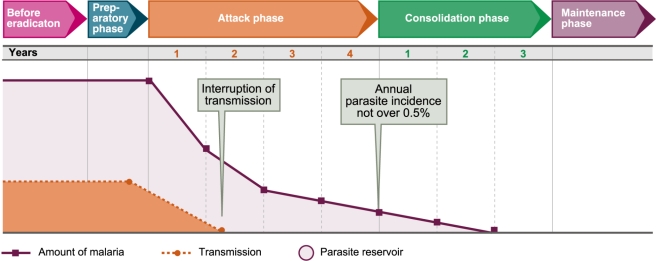
“Figure: Figure 2 Progress of the campaign, presented to the 8th WHA [16]. Image credit: Fusión Creativa.”
§ Some Lessons for the Future from the Global Malaria Eradication Programme (1955–1969) > After Global Eradication: A Return to Control
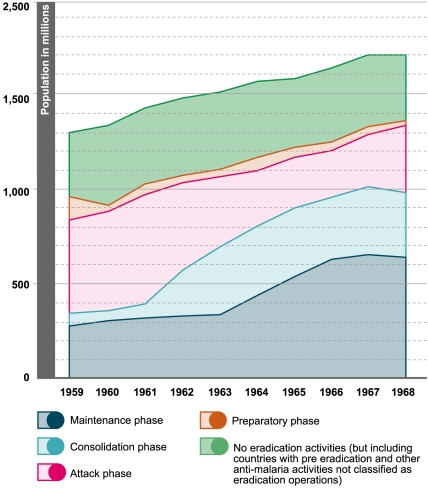
“The evaluation illustrated the slowing down of the global campaign [16], particularly after 1966 (Figure 2).”
Citations
Cites
(1988) · World Health Organization eBooks · Cited by 1,574
Elwood, J. M. (1989) · Journal of Epidemiology and Community Health · doi:10.1136/jech.43.1.92 · Cited by 1,412
The Epidemiology and Control of Malaria
(1960) · Medical Journal of Australia · doi:10.5694/j.1326-5377.1960.tb105313.x · Cited by 1,255
CONQUERING THE INTOLERABLE BURDEN OF MALARIA: WHAT’S NEW, WHAT’S NEEDED: A SUMMARY
BREMAN, J. G., ALILIO, M. S., & MILLS, A. (2004) · The American Journal of Tropical Medicine and Hygiene · doi:10.4269/ajtmh.2004.71.2_suppl.0700001 · Cited by 677 · cited 1×
“Although there are obviously great differences in the epidemiology and the response to control interventions between smallpox and malaria, these strategic considerations should now be taken into account in the malaria eradication programme where a lack of flexibility, an incapacity to adapt to changing situations, and…”
BackgroundEPIDEMIOLOGY AND CONTROL OF MALARIA
Covell, G. (1957) · BMJ · doi:10.1136/bmj.2.5059.1477 · Cited by 532
A Textbook of Malaria Eradication.
(1970) · Annals of Internal Medicine · doi:10.7326/0003-4819-73-4-674_2 · Cited by 208
Epidemiological basis of malaria control.
MacDonald, G. F. (1956) · Europe PMC (PubMed Central) · Cited by 196
(2001) · PubMed · Cited by 164
Self-citationControl to elimination: implications for malaria research
Greenwood, B. M. (2008) · Trends in Parasitology · doi:10.1016/j.pt.2008.07.002 · Cited by 155 · cited 1×
“Although there are obviously great differences in the epidemiology and the response to control interventions between smallpox and malaria, these strategic considerations should now be taken into account in the malaria eradication programme where a lack of flexibility, an incapacity to adapt to changing situations, and…”
BackgroundCold war, deadly fevers: malaria eradication in Mexico, 1955-1975
(2008) · doi:10.5860/choice.45-5021 · Cited by 118
Cited by
The importance of vector control for the control and elimination of vector-borne diseases
Wilson, A. L., Courtenay, O., Kelly-Hope, L. A., Scott, T. W., Takken, W., Torr, S. J., & Lindsay, S. W. (2020) · PLOS Neglected Tropical Diseases · doi:10.1371/journal.pntd.0007831 · Cited by 874
“The economic crisis in the early 1970s and reorientation of collaborating agencies like the United Nations Children’s Fund (UNICEF) towards general health (rather than malaria) meant less funding for malaria control, oil shortages led to increases in insecticide prices, drug and insecticide resistance were increasing,…”
BackgroundInfluentialBekker, L.-G., Alleyne, G., Baral, S., Cepeda, J., Daskalakis, D., Dowdy, D., Dybul, M., Eholie, S., Esom, K., Garnett, G., et al. (2018) · The Lancet · doi:10.1016/s0140-6736(18)31070-5 · Cited by 763
A Research Agenda to Underpin Malaria Eradication
Alonso, P. L., Brown, G., Arevalo-Herrera, M., Binka, F., Chitnis, C., Collins, F., Doumbo, O. K., Greenwood, B., Hall, B. F., Levine, M. M., et al. (2011) · PLoS Medicine · doi:10.1371/journal.pmed.1000406 · Cited by 667
Self-citationRoss, Macdonald, and a Theory for the Dynamics and Control of Mosquito-Transmitted Pathogens
Smith, D. L., Battle, K. E., Hay, S. I., Barker, C. M., Scott, T. W., & McKenzie, F. E. (2012) · PLoS Pathogens · doi:10.1371/journal.ppat.1002588 · Cited by 631
The silent threat: asymptomatic parasitemia and malaria transmission
Lindblade, K. A., Steinhardt, L., Samuels, A., Kachur, S. P., & Slutsker, L. (2013) · Expert Review of Anti-infective Therapy · doi:10.1586/eri.13.45 · Cited by 600
Malaria eradication within a generation: ambitious, achievable, and necessary
Feachem, R. G. A., Chen, I., Akbari, O., Bertozzi-Villa, A., Bhatt, S., Binka, F., Boni, M. F., Buckee, C., Dieleman, J., Dondorp, A., et al. (2019) · The Lancet · doi:10.1016/s0140-6736(19)31139-0 · Cited by 366
Malaria incidence in Myanmar 2005–2014: steady but fragile progress towards elimination
Mu, T. T., Sein, A. A., Kyi, T. T., Min, M., Aung, N. M., Anstey, N. M., Kyaw, M. P., Soe, C., Kyi, M. M., & Hanson, J. (2016) · Malaria Journal · doi:10.1186/s12936-016-1567-0 · Cited by 333
“While these data are positive, major challenges remain and there are many historical precedents for resurgence of malaria [47, 48].”
BackgroundCurrent vector control challenges in the fight against malaria
Benelli, G., & Beier, J. C. (2017) · Acta Tropica · doi:10.1016/j.actatropica.2017.06.028 · Cited by 313
Drug‐resistant malaria: Molecular mechanisms and implications for public health
Petersen, I., Eastman, R., & Lanzer, M. (2011) · FEBS Letters · doi:10.1016/j.febslet.2011.04.042 · Cited by 289
“Among the reasons for the eventual halt to the eradication effort were widespread resistance to available insecticides, wars and massive population movements, difficulties in obtaining sustained funding from donor countries, the lack of community participation, and finally, the emergence of chloroquine resistant malar…”
BackgroundA Research Agenda for Malaria Eradication: Vector Control
The malERA Consultative Group on Vector Control (2011) · PLoS Medicine · doi:10.1371/journal.pmed.1000401 · Cited by 273
The prevalence of Plasmodium falciparum in sub-Saharan Africa since 1900
Snow, R. W., Sartorius, B., Kyalo, D., Maina, J., Amratia, P., Mundia, C. W., Bejon, P., & Noor, A. M. (2017) · Nature · doi:10.1038/nature24059 · Cited by 219
Biology of Malaria Transmission
Meibalan, E., & Marti, M. (2017) · Cold Spring Harbor Perspectives in Medicine · doi:10.1101/cshperspect.a025452 · Cited by 251
“Although GMEP was able to eliminate malaria from many regions of the world, it was eventually abandoned because of technical challenges, increasing spread of both insecticide resistance and drug-resistant parasite strains, and lack of continuous political support (Najera et al. 2011).”
Challenges for malaria elimination in Brazil
Ferreira, M. U., & Castro, M. C. (2016) · Malaria Journal · doi:10.1186/s12936-016-1335-1 · Cited by 229
Growing evidence of Plasmodium vivax across malaria-endemic Africa
Twohig, K. A., Pfeffer, D. A., Baird, J. K., Price, R. N., Zimmerman, P. A., Hay, S. I., Gething, P. W., Battle, K. E., & Howes, R. E. (2019) · PLOS Neglected Tropical Diseases · doi:10.1371/journal.pntd.0007140 · Cited by 196
“History demonstrates the logical and salient relationship between financial resources and disease burden, with diminished funding resulting in rapid resurgence of case numbers [3, 4].”
BackgroundErythrocyte and reticulocyte binding-like proteins of Plasmodium falciparum
Tham, W.-H., Healer, J., & Cowman, A. F. (2012) · Trends in Parasitology · doi:10.1016/j.pt.2011.10.002 · Cited by 181
Human movement data for malaria control and elimination strategic planning
Pindolia, D. K., Garcia, A. J., Wesolowski, A., Smith, D. L., Buckee, C. O., Noor, A. M., Snow, R. W., & Tatem, A. J. (2012) · Malaria Journal · doi:10.1186/1475-2875-11-205 · Cited by 162
Katureebe, A., Zinszer, K., Arinaitwe, E., Rek, J., Kakande, E., Charland, K., Kigozi, R., Kilama, M., Nankabirwa, J., Yeka, A., et al. (2016) · PLOS Medicine · doi:10.1371/journal.pmed.1002167 · Cited by 144
“Historically, IRS has played a major role in the elimination of malaria in several countries outside of Africa and in greatly reducing the burden of malaria in parts of Africa with low or seasonal transmission [9,34].”
BackgroundA Research Agenda for Malaria Eradication: Monitoring, Evaluation, and Surveillance
The malERA Consultative Group on Monitoring, E. (2011) · PLoS Medicine · doi:10.1371/journal.pmed.1000400 · Cited by 161
Elimination of tropical disease through surveillance and response
Zhou, X.-N., Bergquist, R., & Tanner, M. (2013) · Infectious Diseases of Poverty · doi:10.1186/2049-9957-2-1 · Cited by 168
“For example, the African Union’s 2007 “Africa Malaria Elimination Campaign”, the recent declaration by the Bill and Melinda Gates Foundation of reinstating global eradication as a long-term objective, and the reiterated support by the Director General of WHO, have all reinforced the goal of local elimination, as well…”
BackgroundMolecular Diagnosis of Malaria by Photo-Induced Electron Transfer Fluorogenic Primers: PET-PCR
Lucchi, N. W., Narayanan, J., Karell, M. A., Xayavong, M., Kariuki, S., DaSilva, A. J., Hill, V., & Udhayakumar, V. (2013) · PLoS ONE · doi:10.1371/journal.pone.0056677 · Cited by 152
“Due to the apparent decline in the number of malaria cases and deaths in the last few years, there is a concerted global effort to control and eliminate malaria with the support of many public and private initiatives (reviewed in [3,4]).”
BackgroundIdentification of inhibitors of Plasmodium falciparum gametocyte development
Duffy, S., & Avery, V. M. (2013) · Malaria Journal · doi:10.1186/1475-2875-12-408 · Cited by 158
The path to eradication: a progress report on the malaria-eliminating countries
Newby, G., Bennett, A. F., Larson, E., Cotter, C., Shretta, R., Phillips, A. A., & Feachem, R. G. (2016) · The Lancet · doi:10.1016/s0140-6736(16)00230-0 · Cited by 167
Roestenberg, M., Bijker, E. M., Sim, B. K. L., Billingsley, P. F., James, E. R., Bastiaens, G. J. H., Teirlinck, A. C., Scholzen, A., Teelen, K., Arens, T., et al. (2012) · American Journal of Tropical Medicine and Hygiene · doi:10.4269/ajtmh.2012.12-0613 · Cited by 175
“Questions related to sustainability of this effort, however, have led to a recent delineation of requirements for new tools.(3,4) A safe, long-acting anti-malarial drug and a highly effective malaria vaccine would be powerful”
BackgroundMathematical modeling of climate change and malaria transmission dynamics: a historical review
Eikenberry, S. E., & Gumel, A. B. (2018) · Journal of Mathematical Biology · doi:10.1007/s00285-018-1229-7 · Cited by 166
“(Nájera et al. 2011; Webb 2014), as well as the (temporary) abandonment of many control measures other than IRS (Nájera et al. 2011).”
BackgroundMethodInfluentialBeyond mosquitoes—Essential oil toxicity and repellency against bloodsucking insects
Benelli, G., & Pavela, R. (2018) · Industrial Crops and Products · doi:10.1016/j.indcrop.2018.02.072 · Cited by 174
Antimalarial Drug Resistance and Implications for the WHO Global Technical Strategy
Ippolito, M. M., Moser, K. A., Kabuya, J.-B. B., Cunningham, C. H., & Juliano, J. J. (2021) · Current Epidemiology Reports · doi:10.1007/s40471-021-00266-5 · Cited by 171
“P pyrimethamine, PGL proguanil, PPQ piperaquine, PY pyronaridine, QN quinine, S sulfadoxine, SNPs single nucleotide polymorphisms No confirmed resistance b From in vitro studies of experimentally generated resistance, unconfirmed role in field isolates c Introduction of the combination AM-LF Date applies to the combin…”
BackgroundMethodInfluentialMcCann, R. S., Ochomo, E., Bayoh, M. N., VULULE, J. M., Hamel, M. J., Gimnig, J. E., Hawley, W. A., & Walker, E. D. (2014) · American Journal of Tropical Medicine and Hygiene · doi:10.4269/ajtmh.13-0614 · Cited by 119
“the malaria parasite by movement of people, development of drug resistance in malaria parasites, and evolution of insecticide resistance in vector populations.(2,3) As the global health”
BackgroundCurrent and emerging strategies to combat antimalarial resistance
Rasmussen, C., Alonso, P. L., & Ringwald, P. (2021) · Expert Review of Anti-infective Therapy · doi:10.1080/14787210.2021.1962291 · Cited by 160
“tic measures became the main tool available [5,20].”
BackgroundMethodSelf-citationVector control and entomological capacity for onchocerciasis elimination
Tirados, I., Thomsen, E. K., Worrall, E., Koala, L., Tanekou, T. T. M., & Basáñez, M.-G. (2022) · Trends in Parasitology · doi:10.1016/j.pt.2022.03.003 · Cited by 140
Mairiang, D., Zhang, H., Sodja, A., Murali, T., Suriyaphol, P., Malasit, P., Limjindaporn, T., & Finley, R. L. (2013) · PLoS ONE · doi:10.1371/journal.pone.0053535 · Cited by 149
“combat dengue have focused on vector control strategies [1,9–13].”
BackgroundGold nanoparticles – against parasites and insect vectors
Benelli, G. (2017) · Acta Tropica · doi:10.1016/j.actatropica.2017.10.021 · Cited by 144
Implicating Cryptic and Novel Anophelines as Malaria Vectors in Africa
Stevenson, J. C., & Norris, D. E. (2016) · Insects · doi:10.3390/insects8010001 · Cited by 126
“Following the large scale house-spraying exercises of the Global Malaria Eradication Program (GMEP) between 1955 and 1969, the emergence of insecticide-resistance and persistence of some exophilic vectors were some of the reasons given for the failure of the program to achieve global eradication [19,92,93].”
Relationships between transmission of malaria in Africa and climate factors
Mafwele, B. J., & Lee, J. W. (2022) · Scientific Reports · doi:10.1038/s41598-022-18782-9 · Cited by 109
Klepac, P., Metcalf, C. J. E., McLean, A. R., & Hampson, K. (2013) · Philosophical Transactions of the Royal Society B Biological Sciences · doi:10.1098/rstb.2012.0137 · Cited by 162
Maheu-Giroux, M., & Castro, M. C. (2013) · PLoS ONE · doi:10.1371/journal.pone.0071638 · Cited by 105
“With the discovery of DDT, however, such approaches where disfavored as exemplified by the almost exclusive use of this potent insecticide during the Global Malaria Eradication Program (1955–1969) [7].”
BackgroundLourenço, C., Tatem, A. J., Atkinson, P. M., Cohen, J. M., Pindolia, D. K., Bhavnani, D., & Menach, A. L. (2019) · Malaria Journal · doi:10.1186/s12936-019-2960-2 · Cited by 115
Raouf, S., Mpimbaza, A., Kigozi, R. N., Sserwanga, A., Rubahika, D., Katamba, H., Lindsay, S. W., Kapella, B. K., Belay, K., Kamya, M. R., et al. (2017) · Clinical Infectious Diseases · doi:10.1093/cid/cix251 · Cited by 106
“Historically, IRS has played a major role in the elimination of malaria in several countries outside of Africa and in greatly reducing the burden of malaria in parts of Africa with low or seasonal transmission [16, 17].”
BackgroundGryseels, C., Durnez, L., Gerrets, R. P., Uk, S., Suon, S., Set, S., Phoeuk, P., Sluydts, V., Heng, S., Sochantha, T., et al. (2015) · Malaria Journal · doi:10.1186/s12936-015-0689-0 · Cited by 95
Information Systems to Support Surveillance for Malaria Elimination
Ohrt, C., Roberts, K. W., Sturrock, H. J. W., Wegbreit, J., Lee, B. Y., & Gosling, R. D. (2015) · American Journal of Tropical Medicine and Hygiene · doi:10.4269/ajtmh.14-0257 · Cited by 118
Meyer, A., Holt, H., Selby, R., & Guitián, J. (2016) · PLoS neglected tropical diseases · doi:10.1371/journal.pntd.0005247 · Cited by 109
A sticky situation: the unexpected stability of malaria elimination
Smith, D. L., Cohen, J. M., Chiyaka, C., Johnston, G. L., Gething, P. W., Gosling, R. D., Buckee, C. O., Laxminarayan, R., Hay, S. I., & Tatem, A. J. (2013) · Philosophical Transactions of the Royal Society B Biological Sciences · doi:10.1098/rstb.2012.0145 · Cited by 119
“By 1969, however, the GMEP had collapsed and the World Health Organization changed the malaria agenda for countries from imminent elimination to indefinite control [1,2].”
Malaria in selected non-Amazonian countries of Latin America
Arevalo-Herrera, M., Quiñones, M. L., Guerra, C., Céspedes, N., Giron, S., Ahumada, M., Piñeros, J. G., Padilla, N., Terrientes, Z., Rosas, Á., et al. (2012) · Acta Tropica · doi:10.1016/j.actatropica.2011.06.008 · Cited by 95
Killeen, G. F., Marshall, J. M., Kiware, S. S., South, A. B., Tusting, L. S., Chaki, P. P., & Govella, N. J. (2017) · BMJ Global Health · doi:10.1136/bmjgh-2016-000212 · Cited by 81
“ogists’, trained in ‘Malaria Eradication Training Centres’ established by WHO in several countries.(77)”
BackgroundThe Changing Limits and Incidence of Malaria in Africa
Snow, R. W., Amratia, P., Kabaria, C. W., Noor, A. M., & Marsh, K. (2012) · Advances in Parasitology · doi:10.1016/b978-0-12-394303-3.00010-4 · Cited by 89
“…‘‘to governments responsible for the administration of African territories that malaria should be controlled by modern methods as soon as feasible, whatever the degree of endemicity, and without awaiting the outcome of further experiments’’ (Dobson et al., 2000; Najera et al., 2011; WHO, 1950).”
BackgroundLuzardo, O. P., Ruiz‐Suárez, N., Henríquez‐Hernández, L. A., Valerón, P. F., Camacho, M., Zumbado, M. L., & Boada, L. D. (2013) · The Science of The Total Environment · doi:10.1016/j.scitotenv.2013.11.021 · Cited by 105
“Several prohibited OCs remain under use in developing countries, and high levels of contamination are found in these countries because of this or due to the existence of considerable stocks of uncontrolled obsolete pesticides, whichmakes it possible for the people andwildlife living there and in the neighboring areas…”
BackgroundThe fabric of life: what if mosquito nets were durable and widely available but insecticide-free?
Okumu, F. O. (2020) · Malaria Journal · doi:10.1186/s12936-020-03321-6 · Cited by 90
Chen, M., Du, Y., Wu, S., Nomura, Y., Zhu, G., Zhorov, B. S., & Dong, K. (2019) · PLoS neglected tropical diseases · doi:10.1371/journal.pntd.0007432 · Cited by 79
Prevention of re-establishment of malaria: historical perspective and future prospects
Nasir, S., Amarasekara, D. S., Wickremasinghe, R., Fernando, D., & Udagama, P. V. (2020) · Malaria Journal · doi:10.1186/s12936-020-03527-8 · Cited by 101
The demographics of human and malaria movement and migration patterns in East Africa
Pindolia, D. K., García, A. J., Huang, Z., Smith, D. L., Alegana, V. A., Noor, A. M., Snow, R. W., & Tatem, A. J. (2013) · Malaria Journal · doi:10.1186/1475-2875-12-397 · Cited by 97
“; licensee BioMed Centra Commons Attribution License (http://creativec reproduction in any medium, provided the or areas risks reintroduction and resurgence in malaria-free receptive areas, and has undermined elimination efforts in the past [5-8].”
BackgroundMalaria Elimination and Eradication
Shretta, R., Liu, J. X., Cotter, C., Cohen, J. M., Dolenz, C., Makomva, K., Newby, G., Ménard, D., Phillips, A. A., Tatarsky, A., et al. (2017) · World Bank, Washington, DC eBooks · doi:10.1596/978-1-4648-0524-0_ch12 · Cited by 123
Malaria and lymphatic filariasis: the case for integrated vector management
van den Berg, H., Kelly‐Hope, L. A., & Lindsay, S. W. (2012) · The Lancet Infectious Diseases · doi:10.1016/s1473-3099(12)70148-2 · Cited by 83
Gimnig, J. E., Otieno, P., Were, V. O., Marwanga, D., Abong’o, D., Wiegand, R. E., Williamson, J. M., Wolkon, A., Zhou, Y., Bayoh, M. N., et al. (2016) · PLoS ONE · doi:10.1371/journal.pone.0145282 · Cited by 80
“IRS was the main strategy of the Global Malaria Eradication Campaign which resulted in the elimination of malaria from many countries and greatly reduced its burden in others [4].”
MethodWhat Africa can do to accelerate and sustain progress against malaria
Okumu, F. O., Gyapong, M., Casamitjana, N., Castro, M. C., Itoe, M. A., Okonofua, F. E., & Tanner, M. (2022) · PLOS Global Public Health · doi:10.1371/journal.pgph.0000262 · Cited by 73
“A key question is why malaria control and elimination have proven so difficult in sub-Saharan Africa, while the disease has been either eliminated or greatly diminished elsewhere [2, 3].”
BackgroundFramework for rapid assessment and adoption of new vector control tools
VONTAS, J. G., Moore, S., Kleinschmidt, I., Ranson, H., Lindsay, S. W., Lengeler, C., Hamon, N., McLean, T., & Hemingway, J. (2014) · Trends in Parasitology · doi:10.1016/j.pt.2014.02.005 · Cited by 67
Mapping internal connectivity through human migration in malaria endemic countries
Sorichetta, A., Bird, T. J., Ruktanonchai, N. W., zu Erbach-Schoenberg, E., Pezzulo, C., Tejedor, N., Waldock, I. C., Sadler, J. D., Garcia, A. J., Sedda, L., et al. (2016) · Scientific Data · doi:10.1038/sdata.2016.66 · Cited by 62
An Overview of Malaria Transmission Mechanisms, Control, and Modeling
Savi, M. K. (2022) · Medical Sciences · doi:10.3390/medsci11010003 · Cited by 111
“In these campaigns, the pesticide Dichlorodiphenyltrichloroethane (DDT) was successfully used to control malaria in major European and American countries [54].”
BackgroundPindolia, D. K., Garcia, A. J., Huang, Z., Fik, T. J., Smith, D. L., & Tatem, A. J. (2014) · Malaria Journal · doi:10.1186/1475-2875-13-169 · Cited by 71
“partly attributed to imported infections from neighbouring higher transmission risk countries [14].”
BackgroundEtang, J., Nwane, P., Mbida, J. A., Piameu, M., Manga, B., Souop, D., & Awono-Ambene, P. (2011) · Malaria Journal · doi:10.1186/1475-2875-10-333 · Cited by 65
Kelly, G. C., Hale, E., Donald, W., Batarii, W., Bugoro, H., Nausien, J., Smale, J., Palmer, K. L., Bobogare, A., Taleo, G. K., et al. (2013) · Malaria Journal · doi:10.1186/1475-2875-12-108 · Cited by 67
Harnessing Integrated Vector Management for Enhanced Disease Prevention
Chanda, E., Ameneshewa, B., Bagayoko, M. M., Govere, J. M., & MacDonald, M. B. (2016) · Trends in Parasitology · doi:10.1016/j.pt.2016.09.006 · Cited by 71
van den Berg, H., Velayudhan, R., & Yadav, R. S. (2021) · PLoS neglected tropical diseases · doi:10.1371/journal.pntd.0009358 · Cited by 70
“Centralized programs included those for elimination and prevention-of-reintroduction of 211 malaria, which were generally spearheaded by the national malaria control program authorities 212 – in keeping with the management structure adopted during the first global malaria eradication 213 program [24].”
BackgroundAbraham, M., Massebo, F., & Lindtjørn, B. (2017) · Parasite Epidemiology and Control · doi:10.1016/j.parepi.2017.04.003 · Cited by 59
Chilot, D., Mondelaers, A., Alem, A. Z., Asres, M. S., Yimer, M. A., Toni, A. T., & Ayele, T. A. (2023) · PLoS ONE · doi:10.1371/journal.pone.0285265 · Cited by 62
Gueye, C. S., Newby, G., Tulloch, J., Slutsker, L., Tanner, M., & Gosling, R. D. (2016) · Malaria Journal · doi:10.1186/s12936-016-1518-9 · Cited by 52
“Without strategies in place to maintain motivation, trained staff left country programmes [4].”
BackgroundInfluentialMalaria in the Americas: Trends from 1959 to 2011
Carter, K. H., Singh, P., Mújica, Ó. J., Escalada, R. P., Ade, M. P., Castellanos, L. G., & Espinal, M. (2014) · American Journal of Tropical Medicine and Hygiene · doi:10.4269/ajtmh.14-0368 · Cited by 54
“the Americas has been documented, but temporal trends have not been adequately evaluated.(5,13) Studies have assessed the impact of renewed efforts for malaria control over the last decade.”
BackgroundMalaria eradication and economic outcomes in sub-Saharan Africa: Evidence from Uganda
Barofsky, J. T., Anekwé, T. D., & Chase, C. (2015) · Journal of Health Economics · doi:10.1016/j.jhealeco.2015.08.002 · Cited by 74
Philanthrocapitalism: Promoting Global Health but Failing Planetary Health
Butler, C. D. (2019) · Challenges · doi:10.3390/challe10010024 · Cited by 61
“The unsuccessful attempts to eradicate malaria, also led by WHO (1955–1969) [41], and polio, were also vertical.”
BackgroundDambach, P., Schleicher, M., Stahl, H.-C., Traoré, I., Becker, N., Kaiser, A., Sié, A., & Sauerborn, R. (2016) · Malaria Journal · doi:10.1186/s12936-016-1438-8 · Cited by 55
“Despite the historical success of malaria vector control through larval source management (LSM) [4], this method plays only a minor role on today’s sub-Saharan African policy agendas.”
BackgroundRejmánková, E., Grieco, J. P., Achee, N. L., & Roberts, D. R. (2013) · InTech eBooks · doi:10.5772/55229 · Cited by 77
“Since the introduction of DDT in the 1940s and the associated development of indoor residual spraying (IRS), which usually has a more powerful impact on vectorial capacity than larval control, the focus of malaria prevention programs shifted to the control of adult vectors [8, 267].”
BackgroundZhou, G., Lo, E. Y. Y., Zhong, D., Wang, X., Wang, Y., Malla, S., Lee, M., Yang, Z., Cui, L., & Yan, G. (2016) · Malaria Journal · doi:10.1186/s12936-016-1512-2 · Cited by 55
“minimus bites and rests both indoors and outdoors [42, 43], both ITNs and outdoor vector control interventions such as insecticide spray are important measures.”
BackgroundMosquito Population Regulation and Larval Source Management in Heterogeneous Environments
Smith, D. L., Perkins, T. A., Tusting, L. S., Scott, T. W., & Lindsay, S. W. (2013) · PLoS ONE · doi:10.1371/journal.pone.0071247 · Cited by 62
“The collective results of eleven decades of vector control have been mixed [1,48].”
Independent Associations of Maternal Education and Household Wealth with Malaria Risk in Children
Siri, J. G. (2014) · Ecology and Society · doi:10.5751/es-06134-190133 · Cited by 56
Transmission-blocking strategies: the roadmap from laboratory bench to the community
Gonçalves, D., & Hunziker, P. (2016) · Malaria Journal · doi:10.1186/s12936-016-1163-3 · Cited by 59
Screening for an ivermectin slow-release formulation suitable for malaria vector control
Chaccour, C., Barrio, Á. I., Gil-Royo, A. G., Martínez‐Urbistondo, D., Slater, H., Hammann, F., & del Pozo, J. L. (2015) · Malaria Journal · doi:10.1186/s12936-015-0618-2 · Cited by 49
“It has been the most successful intervention in the past [8] and it is likely to remain so in future elimination endeavours.”
Malaria control in Nepal 1963–2012: challenges on the path towards elimination
Dhimal, M., Ahrens, B., & Kuch, U. (2014) · Malaria Journal · doi:10.1186/1475-2875-13-241 · Cited by 57
Tambo, E., Adedeji, A. A., Huang, F. J., Chen, J., Zhou, S., & Tang, L. (2012) · Infectious Diseases of Poverty · doi:10.1186/2049-9957-1-7 · Cited by 51
The Stability of Malaria Elimination
Chiyaka, C., Tatem, A. J., Cohen, J. M., Gething, P. W., Johnston, G. L., Gosling, R. D., Laxminarayan, R., Hay, S. I., & Smith, D. L. (2013) · Science · doi:10.1126/science.1229509 · Cited by 50
Treatment and Prevention of Malaria
Staines, H. M., & Krishna, S. (2012) · Springer eBooks · doi:10.1007/978-3-0346-0480-2 · Cited by 56
Haiti’s Commitment to Malaria Elimination: Progress in the Face of Challenges, 2010–2016
(2017) · doi:10.4269/ajtmh.16-0902 · Cited by 49
“The PNCM in Haiti, like many other countries that participated in theGlobalMalaria Eradication Program, sawadrop in financial resources after the program ended in 1969.(3) In 1988, a major financial crisis in Haiti ended its domestic elimination”
BackgroundGlobal Fight against Malaria: Goals and Achievements 1900–2022
Théllier, M., Gemegah, A., & Tantaoui, I. (2024) · Journal of Clinical Medicine · doi:10.3390/jcm13195680 · Cited by 81
Msugupakulya, B. J., Kaindoa, E. W., Ngowo, H. S., Kihonda, J., Kahamba, N. F., Msaky, D., Matoke-Muhia, D., Tungu, P., & Okumu, F. O. (2020) · Malaria Journal · doi:10.1186/s12936-020-3108-0 · Cited by 47
Socio-ecological dynamics and challenges to the governance of Neglected Tropical Disease control
Michael, E., & Madon, S. (2017) · Infectious Diseases of Poverty · doi:10.1186/s40249-016-0235-5 · Cited by 50
Okumu, F. O., Moore, S., Selvaraj, P., Houri-Yafin, A., Juma, E. O., Shirima, G. S., Majambere, S., Hardy, A., Knols, B. G., Msugupakulya, B. J., et al. (2025) · Parasites & Vectors · doi:10.1186/s13071-024-06621-x · Cited by 67
Lu, G., Liu, Y., Wang, J., Li, X., Liu, X., Beiersmann, C., Yu, F., Cao, J., & Müller, O. (2018) · Malaria Journal · doi:10.1186/s12936-018-2229-1 · Cited by 39
“During the malaria elimination phase, malaria training for health workers is important to maintain vigilance among all health practitioners to ensuring well-functioning malaria surveillance [4].”
BackgroundRosas-Aguirre, Á. M., Guzmán-Guzmán, M., Gamboa, D., Chuquiyauri, R., Ramirez, R., Manrique, P., Carrasco‐Escobar, G., Puemape, C., Llanos‐Cuentas, A., & Vinetz, J. M. (2017) · Malaria Journal · doi:10.1186/s12936-017-1957-y · Cited by 42
Toward the elimination of hepatitis C in the United States
Saab, S., Le, L. B., Saggi, S. S., Sundaram, V., & Tong, M. J. (2018) · Hepatology · doi:10.1002/hep.29685 · Cited by 50
“In contrast, besides treating infected humans, the global malaria eradication campaign required use of insecticides against mosquito vectors, and the effort ultimately failed once those vectors developed resistance to the insecticides, leading to resurgence of the disease in previously controlled areas (12,15).”
BackgroundBarriers to routine G6PD testing prior to treatment with primaquine
(2017) · doi:10.1186/s12936-017-1981-y · Cited by 44
“This paradox has been proposed as a key reason why the first Global Malaria Eradication Programme (GMEP) ultimately failed [26].”
Data Performativity, Performing Health Work: Malaria and Labor in Senegal
Tichenor, M. (2017) · Medical Anthropology · doi:10.1080/01459740.2017.1316722 · Cited by 51
Wagman, J., Grieco, J. P., Bautista, K., Polanco, J., Briceño, I., King, R., & Achee, N. L. (2015) · Malaria Journal · doi:10.1186/s12936-015-0692-5 · Cited by 47
“Background Recent achievements in decreasing the global burden of human malaria have come about through the implementation of well-coordinated, multi-faceted and evidencebased control programs of which vector control has been an integral component [1-7].”
BackgroundOnyango, S. A., Kitron, U. D., Mungai, P., Muchiri, E. M., Kokwaro, E. D., King, C. H., & Mutuku, F. M. (2013) · Journal of Medical Entomology · doi:10.1603/me12206 · Cited by 48
Population genomic evidence of Plasmodium vivax Southeast Asian origin
Daron, J., Boissière, A., Boundenga, L., Ngoubangoye, B., Houze, S., Arnathau, C., Sidobre, C., Trape, J.-F., Durand, P., Renaud, F., et al. (2021) · Science Advances · doi:10.1126/sciadv.abc3713 · Cited by 42
“For instance, malaria eradication campaigns, such as the programs carried out in the 1950s and 1960s to stop malaria transmission (64), could have generated strong bottlenecks that affected local populations, thus preventing us from accurately inferring the evolutionary history of the affected populations based on the…”
BackgroundPinchoff, J., Hamapumbu, H., Kobayashi, T., Simubali, L., Stevenson, J. C., Norris, D. E., Colantuoni, E., Thuma, P. E., & Moss, W. J. (2015) · American Journal of Tropical Medicine and Hygiene · doi:10.4269/ajtmh.15-0093 · Cited by 43
Sangoro, O. P., Turner, E. L., Simfukwe, E., Miller, J. E., & Moore, S. (2014) · Malaria Journal · doi:10.1186/1475-2875-13-324 · Cited by 37
Mashauri, F., Manjurano, A. M., Kinung’hi, S., Martine, J. M., Lyimo, E., Kishamawe, C., Ndege, C., Ramsan, M. M., Chan, A., Mwalimu, C. D., et al. (2017) · PLoS ONE · doi:10.1371/journal.pone.0176982 · Cited by 35
Skarbinski, J., Mwandama, D. A., Wolkon, A., Luka-Banda, M., Jafali, J., Smith, A. E., Mzilahowa, T., Gimnig, J. E., Campbell, C. H., Chiphwanya, J., et al. (2012) · American Journal of Tropical Medicine and Hygiene · doi:10.4269/ajtmh.2012.11-0621 · Cited by 47
Advances in molecular diagnosis of malaria
(2017) · Advances in Clinical Chemistry · doi:10.1016/bs.acc.2016.11.006 · Cited by 41
Ranathunge, T., Harishchandra, J., Maïga, H., Bouyer, J., Gunawardene, Y. I. N. S., & Hapugoda, M. D. (2022) · PLoS ONE · doi:10.1371/journal.pone.0265244 · Cited by 40
Metadata
- Authors
- Nájera, J. A., González-Silva, M., & Alonso, P. L.
- Affiliations
- World Health Organization (CH)
- Hospital Clínic de Barcelona (ES)
- Corresponding author
- Nájera, José A.
- ORCID
- Alonso, Pedro L.
- Venue
- PLoS Medicine
- Publisher
- Public Library of Science (PLoS)
- Published
- 2011-01-25
- Volume
- 8
- Issue
- 1
- Pages
- e1000412
- ISSN
- 1549-1277 (ISSN-L)
- 1549-1676
- PMC
- PMC3026700
- OpenAlex
- W2168653390
- Cited by
- 406
- References
- 27
- Citations by year
- 2026: 16 · 2025: 15 · 2024: 14 · 2023: 18 · 2022: 24 · 2021: 31 · 2020: 40 · 2019: 29 · 2018: 31 · 2017: 34 · 2016: 33 · 2015: 24 · 2014: 28 · 2013: 27 · 2012: 23
- FWCI
- 30.42
- Type
- journal article
- Language
- en
- Open access
- gold
- doi.org
- Locations
- PLoS Medicine (publishedVersion, cc-by)
- PubMed Central (publishedVersion, cc-by)
- PubMed (publishedVersion)
- RePEc: Research Papers in Economics (submittedVersion)
- DOAJ (DOAJ: Directory of Open Access Journals) (submittedVersion, cc-by-sa)
- Funders
- Bill and Melinda Gates Foundation
- Topics
- Health Sciences › Medicine › Public Health, Environmental and Occupational Health › Malaria Research and Control
- Social Sciences › Arts and Humanities › History › History of Medicine and Tropical Health
- Health Sciences › Medicine › Public Health, Environmental and Occupational Health › Mosquito-borne diseases and control
- Keywords
- malaria eradication, malaria elimination, DDT, malaria resurgence, malaria control, community participation, health system integration, malaria surveillance, lessons learned
- MeSH terms
- Africa, Animals, Anopheles, Asia, Community Participation, DDT, Delivery of Health Care, Forecasting, Health Policy, Humans, Insect Vectors, Insecticides, Malaria, Mosquito Control, Plasmodium, Politics, Population Surveillance, Research, South America, Global Health, World Health Organization, Program Evaluation, Endemic Diseases, Interdisciplinary Communication
About these checks
Registry, retraction, Cites and statistics results are computed, not judged, with one exception: a printed reference that no index lists is read once by a model before it counts as a citation error. Claims are extracted by a model and kept only when their quote appears verbatim in the text; each cited source is then checked, with a model’s help, for whether it says what the claim relies on. Those verdicts can be wrong — read the claim’s quote and the cited source before relying on one.
The claim verdicts this report counts are experimental: their accuracy is not yet measured.
A language model drew the claims from the paper on 2026-10-10, under version 3 of the claim definition (model deepseek-v4.1-flash, prompt extract-v3).
A second model labelled each claim on 2026-10-10 (model jev-1.13-20260917, definition revision gold-guideline-v0.2).
Statistics and arithmetic are recomputed, not judged.
Confidence bands are shown only for fields calibrated on our annotated test set. None is calibrated yet, so no band is shown.
What counts as a claim ›How we measure confidence ›How we check this ›
Are you an author, or do you see a problem with this page? Request a review
Data sources
Bibliographic data: Semantic Scholar, OpenAlex, Crossref.
Contains information from the Semantic Scholar Academic Graph Datasets, made available under the ODC Attribution License (ODC-BY 1.0).
Semantic Scholar’s data is described in: Kinney, R., et al. (2023). The Semantic Scholar Open Data Platform. arXiv:2301.10140.
