

Surface-Associated Plasminogen Binding of Cryptococcus neoformans Promotes Extracellular Matrix Invasion
Open accessThe DOI matches its Crossref record; 92 of the 93 references it cites were found in a registry or an index.
Abstract
BACKGROUND: The fungal pathogen Cryptococcus neoformans is a leading cause of illness and death in persons with predisposing factors, including: malignancies, solid organ transplants, and corticosteroid use. C. neoformans is ubiquitous in the environment and enters into the lungs via inhalation, where it can disseminate through the bloodstream and penetrate the central nervous system (CNS), resulting in a difficult to treat and often-fatal infection of the brain, called meningoencephalitis. Plasminogen is a highly abundant protein found in the plasma component of blood and is necessary for the degradation of fibrin, collagen, and other structural components of tissues. This fibrinolytic system is utilized by cancer cells during metastasis and several pathogenic species of bacteria have been found to manipulate the host plasminogen system to facilitate invasion of tissues during infection by modifying the activation of this process through the binding of plasminogen at their surface. METHODOLOGY: The invasion of the brain and the central nervous system by penetration of the protective blood-brain barrier is a prerequisite to the establishment of meningoencephalitis by the opportunistic fungal pathogen C. neoformans. In this study, we examined the ability of C. neoformans to subvert the host plasminogen system to facilitate tissue barrier invasion. Through a combination of biochemical, cell biology, and proteomic approaches, we have shown that C. neoformans utilizes the host plasminogen system to cross tissue barriers, providing support for the hypothesis that plasminogen-binding may contribute to the invasion of the blood-brain barrier by penetration of the brain endothelial cells and underlying matrix. In addition, we have identified the cell wall-associated proteins that serve as plasminogen receptors and characterized both the plasminogen-binding and plasmin-activation potential for this significant human pathogen. CONCLUSIONS: The results of this study provide evidence for the cooperative role of multiple virulence determinants in C. neoformans pathogenesis and suggest new avenues for the development of anti-infective agents in the prevention of fungal tissue invasion.
Overview
The claims and statistics of this paper haven’t been checked yet.
Free: it reads the open-access text and checks the first 5 claims that cite a source we can check. Create a free account to check every claim.
Integrity signals
Registry
Cites
Statistics
Figures
Verification
Claims the paper makes
The claims and statistics of this paper haven’t been checked yet.
Free: it reads the open-access text and checks the first 5 claims that cite a source we can check. Create a free account to check every claim.
Claims other papers make about this one
Each is checked against this paper’s own text: does it say what the citing paper says it does?
The source backs part of the claim, not all of it — or backs it for a different population, condition or comparison.
In the citing paper
“Cryptococcal cells can bind and activate host plasminogen, a plasma protein and central component of the fibrinolytic system. This interaction promotes the conversion of plasminogen to the serine protease plasmin via the urokinase-type plasminogen activator (uPA) [159–161].”
From Mechanisms of fungal dissemination (2021) · cites this paper as [159]
Experimental — accuracy not yet measuredIn the citing paper
“Plasmin digests components of the BBB, as well as activates matrix metalloproteinases, which are capable of damaging tight junction components [159].”
From Mechanisms of fungal dissemination (2021) · cites this paper as [159]
Self-check
Percentages, sums and reported differences re-computed from the paper’s own numbers.
The self-check needs the paper’s full text.
Citations
Cites
Improved silver staining of plant proteins, RNA and DNA in polyacrylamide gels
Blum, H., Beier, H., & Gross, H. J. (1987) · ELECTROPHORESIS · doi:10.1002/elps.1150080203 · Cited by 4,150 · cited 2×
“Duplicate gels were silver stained [62] or transferred to PVDF for plasminogen ligand blotting.”
MethodDynamics of cell wall structure in Saccharomyces cerevisiae
Klis, F. (2002) · FEMS Microbiology Reviews · doi:10.1016/s0168-6445(02)00087-6 · Cited by 1,005 · cited 1×
“. The fungal cell wall is unique among cellular organelles in that it provides mechanical strength and acts as a physical barrier to protect the cell from damage. In addition to its structural role, the cell wall is also an important mediator of events necessary for cell-to-cell recognition, growth and morphogenesis,…”
BackgroundCell Wall and Secreted Proteins of Candida albicans: Identification, Function, and Expression
Chaffin, W. L., López-Ribot, J. L., Casanova, M., Gozalbo, D., & Martínez, J. P. (1998) · Microbiology and Molecular Biology Reviews · doi:10.1128/mmbr.62.1.130-180.1998 · Cited by 726 · cited 1×
“While the presence of cytosol-derived proteins within the fungal cell wall has been extensively described, the method by which these ‘‘moonlighting’’ proteins become incorporated into the cell wall has not been established, as they generally lack the classical signal sequences necessary for secretion (reviewed in [25,…”
BackgroundThe Genome of the Basidiomycetous Yeast and Human Pathogen Cryptococcus neoformans
Loftus, B. J., Fung, E., Roncaglia, P., Rowley, D., Amedeo, P., Bruno, D., Vamathevan, J., Miranda, M., Anderson, I. J., Fraser, J. A., et al. (2005) · Science · doi:10.1126/science.1103773 · Cited by 694 · cited 2×
“While the significance of this finding is not known, it may partially explain the differential virulence properties associated with these two genetically similar strains [66].”
BackgroundSelf-citationRodrigues, M. L., Nakayasu, E. S., Oliveira, D. L., Nimrichter, L., Nosanchuk, J. D., Almeida, I. C., & Casadevall, A. (2008) · Eukaryotic Cell · doi:10.1128/ec.00370-07 · Cited by 558 · cited 1×
“neoformans manifests a complex secretion mechanism that may facilitate the delivery of atypical cell wall proteins, as well as other pathogenesis-related molecules [77].”
BackgroundMiles, L. A., Dahlberg, C. M., Plescia, J., Felez, J., Kato, K., & Plow, E. F. (1991) · Biochemistry · doi:10.1021/bi00220a034 · Cited by 451 · cited 1×
“. Several proteins have been found to play a major role in microbial recruitment of plasminogen, including enolase, glyceraldehyde-3-phosphate dehydrogenase (GAPDH), and phosphoglycerate kinase (PGK). These are carbohydrate-active molecules that, though predominantly found in soluble form within the cytosol, are capab…”
BackgroundBergmann, S., Rohde, M., Chhatwal, G. S., & Hammerschmidt, S. (2001) · Molecular Microbiology · doi:10.1046/j.1365-2958.2001.02448.x · Cited by 423
The cell biology of the plasminogen system
Plow, E. F., Herren, T., Redlitz, A., Miles, L. A., & Hoover‐Plow, J. L. (1995) · The FASEB Journal · doi:10.1096/fasebj.9.10.7615163 · Cited by 420 · cited 1×
“neoformans was found to be lysine-dependent, a feature that is common to all plasminogen-binding species [41,49,67].”
BackgroundSerologic Evidence for Cryptococcus neoformans Infection in Early Childhood
Goldman, D. L., Khine, H., Abadi, J., Lindenberg, D. J., Pirofski, L.-A., Niang, R., & Casadevall, A. (2001) · Pediatrics · doi:10.1542/peds.107.5.e66 · Cited by 413 · cited 1×
“Although the immunosuppressed are at greatest risk of infection and death, healthy individuals can also contract the disease due to the widespread presence of the fungus in the environment [17].”
BackgroundCryptococcus neoformans melanin and virulence: mechanism of action
Wang, Y., Aisen, P., & Casadevall, A. (1995) · Infection and Immunity · doi:10.1128/iai.63.8.3131-3136.1995 · Cited by 404
Cited by
Singh, B., Fleury, C., Jalalvand, F., & Riesbeck, K. (2012) · FEMS Microbiology Reviews · doi:10.1111/j.1574-6976.2012.00340.x · Cited by 302
“, 2008) and Cryptococcus neoformans (Stie et al., 2009).”
Kim, J., Lee, K.-T., Lee, J. S., Shin, J., Cui, B., Yang, K., Choi, Y. S., Choi, N., Lee, S. H., Lee, J.-H., et al. (2021) · Nature Biomedical Engineering · doi:10.1038/s41551-021-00743-8 · Cited by 172
Mechanisms of fungal dissemination
Strickland, A. B., & Shi, M. (2021) · Cellular and Molecular Life Sciences · doi:10.1007/s00018-020-03736-z · Cited by 127
Candela, M., Centanni, M., Fiori, J., Biagi, E., Turroni, S., Orrico, C., Bergmann, S., Hammerschmidt, S., & Brigidi, P. (2010) · Microbiology · doi:10.1099/mic.0.038307-0 · Cited by 123
“For instance, affecting the accessibility of Plg receptors, changes in the B. animalis subsp. lactis cell-surface structure may occur in response to bile adaptation (Ruiz et al., 2007) and may influence the bacterial affinity for human Plg (Stie et al., 2009).”
BackgroundNogueira, S. V., Fonseca, F. L., Rodrigues, M. L., Mundodi, V., Abi-Chacra, E. A., Winters, M. S., Alderete, J. F., & Soares, C. M. D. A. (2010) · Infection and Immunity · doi:10.1128/iai.00221-10 · Cited by 103
“Functional studies to address the significance of plasminogen binding in the invasiveness of Cryptococcus neoformans demonstrated that plasmin-coated organisms possess an increased potential to penetrate the ECM in vitro (47).”
BackgroundInfluentialMultifunctional Fructose 1,6-Bisphosphate Aldolase as a Therapeutic Target
Pirovich, D. B., Da’dara, A. A., & Skelly, P. J. (2021) · Frontiers in Molecular Biosciences · doi:10.3389/fmolb.2021.719678 · Cited by 114
Anti-Immune Strategies of Pathogenic Fungi
Marcos, C. M., de Oliveira, H. C., de Melo, W. D. C. M. A., da Silva, J. D. F., Assato, P. A., Scorzoni, L., Rossi, S. A., de Paula e Silva, A. C. A., Mendes-Giannini, M. J. S., & Fusco-Almeida, A. M. (2016) · Frontiers in Cellular and Infection Microbiology · doi:10.3389/fcimb.2016.00142 · Cited by 91
“…of fungi that likely employ proteins for this evasion mechanism by binding to plasminogen are P. brasiliensis (Marcos et al., 2012; Chaves et al., 2015), C. albicans (Crowe et al., 2003; Luo et al., 2009), C. neoformans (Stie et al., 2009), and A. fumigatus (Behnsen et al., 2008), among others.”
BackgroundChen, Y., Shi, Z. W., Strickland, A. B., & Shi, M. (2022) · Journal of Fungi · doi:10.3390/jof8101069 · Cited by 123
“neoformans is able to bind and activate host plasminogen, leading to the conversion of plasminogen to the serine protease plasmin, which is also capable of degrading the BBB [69,70].”
BackgroundMechanisms of Cryptococcal Virulence and Persistence
Olszewski, M. A., Zhang, Y., & Huffnagle, G. B. (2010) · Future Microbiology · doi:10.2217/fmb.10.93 · Cited by 96
“neoformans can utilize the host plasminogen system to enhance degradation/invasion of tissues and penetration of the blood–brain barrier [206].”
BackgroundNimrichter, L., de Souza, M. M., Poeta, M. D., Nosanchuk, J. D., Joffe, L. S., Tavares, P. D. M., & Rodrigues, M. L. (2016) · Frontiers in Microbiology · doi:10.3389/fmicb.2016.01034 · Cited by 102
“In C. neoformans, phosphoglycerate kinase, transaldolase, aldolase, and glutamate dehydrogenase demonstrated the capacity to bind plasminogen (Stie et al., 2009).”
BackgroundAyón‐Núñez, D. A., Fragoso, G., Bobes, R. J., & Laclette, J. P. (2018) · Bioscience Reports · doi:10.1042/bsr20180705 · Cited by 90
Mechanisms of Infection by the Human Fungal Pathogen Cryptococcus Neoformans
Sabiiti, W., & May, R. C. (2012) · Future Microbiology · doi:10.2217/fmb.12.102 · Cited by 83
“Plasmin binds and breaks down the extracellular matrix and membrane, thereby increasing the chance for para cellular penetration of the BBB to occur [151].”
BackgroundKarkowska‐Kuleta, J., & Kozik, A. (2014) · Molecular Oral Microbiology · doi:10.1111/omi.12078 · Cited by 83
“The binding of Hst5 to Ssa2p proteins exposed at the C. albicans cell surface is mediated by a surface-localized epitope subunit with an ATPase domain in Ssa2p, a region which is furthermore necessary for the intracellular translocation and fungicidal activity of Hst 5 (Sun et al., 2008).”
BackgroundMeya, D. B., Okurut, S., Zziwa, G., Rolfes, M. A., Kelsey, M., Cose, S., Joloba, M., Naluyima, P., Palmer, B. E., Kambugu, A., et al. (2015) · Journal of Infectious Diseases · doi:10.1093/infdis/jiu664 · Cited by 74
“Cryptococcus is proposed to cross the blood-brain barrier through 3 mechanisms: via endothelial cells when tight junctions are damaged or weakened (paracellular) [4], via brain endothelial cells (transcytosis) [5],or within infected monocytes or macrophages (Trojan horse) [6].”
BackgroundBacterial pathogens activate plasminogen to breach tissue barriers and escape from innate immunity
Peetermans, M., Vanassche, T., Liesenborghs, L., Lijnen, R. H., & Verhamme, P. B. (2015) · Critical Reviews in Microbiology · doi:10.3109/1040841x.2015.1080214 · Cited by 75
“The opportunistic pathogen C. neoformans, a yeast that typically causes meningitis in AIDS patients, also uses Plg to breach through matrix barriers (Stie et al., 2009).”
BackgroundMechanisms of immune evasion in fungal pathogens
Collette, J. R., & Lorenz, M. C. (2011) · Current Opinion in Microbiology · doi:10.1016/j.mib.2011.09.007 · Cited by 68
Clostridium difficile Spore-Macrophage Interactions: Spore Survival
Paredes‐Sabja, D., Cofré-Araneda, G., Brito-Silva, C., Pizarro‐Guajardo, M., & Sarker, M. R. (2012) · PLoS ONE · doi:10.1371/journal.pone.0043635 · Cited by 83
“anthracis [41–45].”
Immunotherapy against Systemic Fungal Infections Based on Monoclonal Antibodies
Boniche-Alfaro, C., Rossi, S. A., Kischkel, B., Barbalho, F. V., Moura, Á. N. D., Nosanchuk, J. D., Travassos, L. R., & Taborda, C. P. (2020) · Journal of Fungi · doi:10.3390/jof6010031 · Cited by 65
Stie, J., & Fox, D. (2012) · Microbiology · doi:10.1099/mic.0.051524-0 · Cited by 55
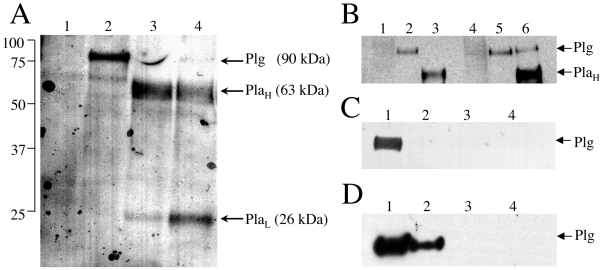
“SDS-PAGE was performed as previously described (Stie et al., 2009) using NuPAGE precast 10 % Bistris gels (Invitrogen).”
BackgroundMethodResultInfluentialSelf-citationBacillus anthracis Interacts with Plasmin(ogen) to Evade C3b-Dependent Innate Immunity
Chung, M., Tonry, J. H., Narayanan, A., Manes, N. P., Mackie, R. S., Gutting, B. W., Mukherjee, D. V., Popova, T. G., Kashanchi, F., Bailey, C., et al. (2011) · PLoS ONE · doi:10.1371/journal.pone.0018119 · Cited by 61
“evade innate immunity as reported elsewhere [17,31,35,59,60].”
González‐Miguel, J., Valero, M. A., Reguera-Gómez, M., Mas‐Bargues, C., Bargues, M. D., Simón, F., & Mas‐Coma, S. (2018) · Parasitology · doi:10.1017/s0031182018001464 · Cited by 53
“Among them, the glycolytic enzymes enolase, glyceraldehyde phosphate-dehydrogenase and fructose bisphosphate-aldolase have been extensively studied for their role as plasminogen-binding proteins in a large number of pathogenic species of fungi, bacteria and parasites (Stie et al., 2009; de la Paz Santangelo et al., 20…”
Chaves, E. G. A., Weber, S. S., Báo, S. N., Pereira, L. A., Bailão, A. M., Borges, C. L., & Soares, C. M. D. A. (2015) · BMC Microbiology · doi:10.1186/s12866-015-0393-9 · Cited by 48
“Reports have shown that pathogens can capture plasminogen (Plg) and its activation could substantially augment the organism’s potential to tissue invasion and necrosis [10-20].”
BackgroundMethodInfluentialQian, W., Yang, M., Li, X., Sun, Z., Li, Y., Wang, X., & Wang, T. (2020) · Colloids and Surfaces B Biointerfaces · doi:10.1016/j.colsurfb.2020.111003 · Cited by 47
Parasitism in optima forma: Exploiting the host fibrinolytic system for invasion
Figuera, L., Gómez-Arreaza, A., & Avilán, L. (2013) · Acta Tropica · doi:10.1016/j.actatropica.2013.06.023 · Cited by 46
“cus neoformans (Stie et al., 2009).”
Leptospira interrogans Enolase Is Secreted Extracellularly and Interacts with Plasminogen
Nogueira, S. V., Backstedt, B. T., Smith, A. A., Qin, J., Wunder, E. A., Ko, A. I., & Pal, U. (2013) · PLoS ONE · doi:10.1371/journal.pone.0078150 · Cited by 46
“pneumoniae enolase revealed that Pg binding is mediated not only by C-terminal lysine residues but also by an internal Pg-binding motif with the sequence FYDKERKVY located between the amino acids 248 and 256, although full conservation of this motif is not required for optimal binding [33,62].”
BackgroundFructose-1,6-bisphosphate aldolase of Mycoplasma bovis is a plasminogen-binding adhesin
Gao, X. Y., Bao, S., Xing, X., Fu, X., Zhang, Y., Xue, H., Wen, F., & Wei, Y. (2018) · Microbial Pathogenesis · doi:10.1016/j.micpath.2018.08.032 · Cited by 44
Vieira, M. L., Flores, M. P. A., Kirchgatter, K., Romero, E. C., Alves, I. J., de Morais, Z. M., Vasconcellos, S. A., Chudzinski-Tavassi, A. M., & Nascimento, A. L. T. O. (2013) · Infection and Immunity · doi:10.1128/iai.00020-13 · Cited by 51
“Furthermore, it has been reported that the fungal pathogen Cryptococcus neoformans coated with PLG promotes extracellular matrix (ECM) invasion (33).”
BackgroundFungal resilience and host–pathogen interactions: Future perspectives and opportunities
Brown, A. J. P. (2022) · Parasite Immunology · doi:10.1111/pim.12946 · Cited by 46
Immunotherapies against human bacterial and fungal infectious diseases: A review
Qadri, H., Shah, A. H., Alkhanani, M., Almilaibary, A., & Mir, M. A. (2023) · Frontiers in Medicine · doi:10.3389/fmed.2023.1135541 · Cited by 44
“The protein was recognized as enolase, a key component of mycopathogen adherence that can bind to plasminogen in the host (175).”
BackgroundRetractedThe Heat Shock Protein 60 and Pap1 Participate in the Sporothrix schenckii-Host Interaction
García-Carnero, L. C., Salinas-Marín, R., Lozoya‐Pérez, N. E., Wróbel, K., Wróbel, K., Martínez-Duncker, I., Niño‐Vega, G. A., & Mora-Montes, H. M. (2021) · Journal of Fungi · doi:10.3390/jof7110960 · Cited by 38
N-Terminal Gly224–Gly411 Domain in Listeria Adhesion Protein Interacts with Host Receptor Hsp60
Jagadeesan, B., Littlejohn, A. E. F., Amalaradjou, M. A. R., Singh, A. K., Mishra, K. K., La, D., Kihara, D., & Bhunia, A. K. (2011) · PLoS ONE · doi:10.1371/journal.pone.0020694 · Cited by 46
“Additionally, the role of lysine-rich proteins in promoting interaction with the host plasminogen has been well characterized in several bacteria and yeast [49,50].”
BackgroundAl-Huthaifi, A. M., Radman, B. A., Al-Alawi, A. A., Mahmood, F., & Liu, T. (2024) · Journal of Fungi · doi:10.3390/jof10080586 · Cited by 46
“This describes how cryptococci enter the brain through gaps between compromised or injured endothelial cell TJs across the BBB [39,127,128].”
BackgroundGroup B Streptococcus Hijacks the Host Plasminogen System to Promote Brain Endothelial Cell Invasion
Magalhães, V., Andrade, E. B., Alves, J., Ribeiro, A., Kim, K. S., Lima, M., Trieu‐Cuot, P., & Ferreira, P. (2013) · PLoS ONE · doi:10.1371/journal.pone.0063244 · Cited by 43
“capacity to degrade components of the ECM [41] and penetrate endothelial monolayers, including the BBB [13,14,42,43,44].”
BackgroundHuang, J., Zhu, H., Wang, J., Guo, Y., Ye, Z., Wei, H., Li, H., Guo, A., Liu, D., & Chen, X. (2019) · Research in Veterinary Science · doi:10.1016/j.rvsc.2019.02.010 · Cited by 32
Moonlighting proteins in medically relevant fungi
Arvizu-Rubio, V., García-Carnero, L. C., & Mora-Montes, H. M. (2022) · PeerJ · doi:10.7717/peerj.14001 · Cited by 36
Domingos, R. F., Romero, E. C., Fernandes, L. G. V., Vasconcellos, S. A., de Morais, Z. M., & Nascimento, A. L. T. O. (2015) · Microbiology · doi:10.1099/mic.0.000041 · Cited by 31
How Cryptococcus Interacts with the Blood–Brain Barrier
Tseng, H.-K., Huang, T.-Y., Wu, A. Y.-J., Chen, H.-H., Liu, C.-P., & Jong, A. (2015) · Future Microbiology · doi:10.2217/fmb.15.83 · Cited by 44
Jobbins, S. E., Hill, C. J., Basseal, J. M., Padula, M. P., Herbert, B. R., & Krockenberger, M. B. (2010) · Journal of Proteome Research · doi:10.1021/pr100028t · Cited by 35
González‐Miguel, J., Morchón, R., Siles‐Lucas, M., & Simón, F. (2015) · PLoS ONE · doi:10.1371/journal.pone.0124445 · Cited by 28
“Meanwhile, FBAL has been identified as PLG-binding protein in the bacteriumMycobacterium tuberculosis [32], the fungal pathogens Candida albicans [33] and Cryptococcus neoformans [34] and in the helminth parasite S.”
BackgroundComplex Roles of Annexin A2 in Host Blood–Brain Barrier Invasion by Cryptococcus neoformans
Fang, W., Fa, Z., Xie, Q., Wang, G., Yi, J., Zhang, C., Meng, G., Gu, J., & Liao, W. (2017) · CNS Neuroscience & Therapeutics · doi:10.1111/cns.12673 · Cited by 24
“Recently, host plasmin was verified to contribute to cryptococcal invasion of the BBB by the penetration of endothelial cells and the underlying matrix [14,46].”
BackgroundCharacterization of extracellular proteins in members of the Paracoccidioides complex
de Oliveira, A. R., Oliveira, L. N., Chaves, E. G. A., Weber, S. S., Bailão, A. M., Parente-Rocha, J. A., Baeza, L. C., Soares, C. M. D. A., & Borges, C. L. (2018) · Fungal Biology · doi:10.1016/j.funbio.2018.04.001 · Cited by 24
Preventing Candida albicans from subverting host plasminogen for invasive infection treatment
Chen, S.-M., Zou, Z., Guo, S., Hou, W.-T., Qiu, X.-R., Zhang, Y., Song, L.-J., Hu, X., Jiang, Y., Shen, H., et al. (2020) · Emerging Microbes & Infections · doi:10.1080/22221751.2020.1840927 · Cited by 23
Interaction of surface molecules on Cryptococcus neoformans with plasminogen
Ikeda, R., & Ichikawa, T. (2014) · FEMS Yeast Research · doi:10.1111/1567-1364.12131 · Cited by 26
“Several proteins from C. neoformans have been identified as candidate plasminogen-binding proteins (Stie et al., 2009) and could play a role in crossing the BBB (Stie & Fox, 2012).”
BackgroundInfluentialYadav, R. K., & Shukla, P. K. (2019) · FEMS Microbiology Letters · doi:10.1093/femsle/fnz015 · Cited by 21
The pathways and the mechanisms by which Cryptococcus enters the brain
Zhou, Y., Huang, Y., Yang, C., Zang, X., Deng, H., Liu, J., Zhao, E., Tian, T., Pan, L., & Xue, X. (2024) · Mycology: An International Journal on Fungal Biology · doi:10.1080/21501203.2023.2295409 · Cited by 23
“Stie et al. (2009) found that cryptococcal cell wall surface receptors bound to host plasminogen, and in the presence of tissue-derived plasminogen activator (tPA), cryptococci that bind plasminogen induced its conversion into plasmin, which binds and breaks down the extracellular matrix and cell…”
Yang, C., Wang, J., & Zou, L. (2017) · Experimental and Therapeutic Medicine · doi:10.3892/etm.2017.5220 · Cited by 31
“The paracellular pathway involves the entry of C. neoformans through damaged or weakened tight junctions between the intercellular spaces of endothelial cells (81,82).”
Cryptococcus Strains with Different Pathogenic Potentials Have Diverse Protein Secretomes
Campbell, L. T., Simonin, A. R., Chen, C., Ferdous, J., Padula, M. P., Harry, E. J., Hofer, M. J., Campbell, I. L., & Carter, D. A. (2015) · Eukaryotic Cell · doi:10.1128/ec.00052-15 · Cited by 24
“neoformans enolase has been implicated in plasminogen activation, allowing Cryptococcus strains to traverse endothelial cells and potentially cross the bloodbrain barrier (BBB) (43, 44).”
BackgroundInfluentialAll tangled up: interactions of the fibrinolytic and innate immune systems
Whyte, C. S. (2023) · Frontiers in Medicine · doi:10.3389/fmed.2023.1212201 · Cited by 20
“Binding of plasminogen to Cryptococcus neoformans may facilitate the ability of this fungal pathogen to cross the blood brain barrier (24).”
BackgroundShams, F. M., Oldfield, N. J., Lai, S. K., Tunio, S. A., Wooldridge, K. G., & Turner, D. P. J. (2016) · MicrobiologyOpen · doi:10.1002/mbo3.331 · Cited by 15
“2003), Cryptococcus neoformans (Stie et al. 2009), M.”
BackgroundAimless mutants of Cryptococcus neoformans: Failure to disseminate
Griffiths, E., Kretschmer, M., & Kronstad, J. W. (2012) · Fungal Biology Reviews · doi:10.1016/j.fbr.2012.02.004 · Cited by 23
“Additionally, a possible role for host plasma proteases in CSF invasion has been suggested by increased in vitro invasion of BMECs by plasminogen-coated C. neoformans (Stie et al., 2009; Stie and Fox, 2011).”
BackgroundBall, B., Sukumaran, A., Pladwig, S., Kazi, S., Chan, N., Honeywell, E., Modrakova, M., & Geddes‐McAlister, J. (2024) · Microbiology Spectrum · doi:10.1128/spectrum.00152-24 · Cited by 15
“…a voltage-gated potassium channel subunit (CNAG_04209; >2.0 fold [log 2 ]) with predicted importance in regulat ing membrane potential (47), as well as a previously reported moonlighting protein, transaldolase (CNAG_01984; >1.4 fold [log 2 ]) (48), to be more abundant in the wos2 ∆ strain.”
BackgroundInfluentialRodicio, R., Schmitz, H., & Heinisch, J. J. (2022) · International Journal of Molecular Sciences · doi:10.3390/ijms23020772 · Cited by 13
“Since aldolase has been shown to reside in the cell walls of different fungal pathogens, such as Candida albicans and related species [53–55] and Cryptococcus neoformans [56], which contribute to virulence by binding and activating human plasminogen, the enzyme can be a target for drugs and vaccines (reviewed in [40]).”
BackgroundStie, J., & Fox, D. (2012) · PLoS ONE · doi:10.1371/journal.pone.0049402 · Cited by 12
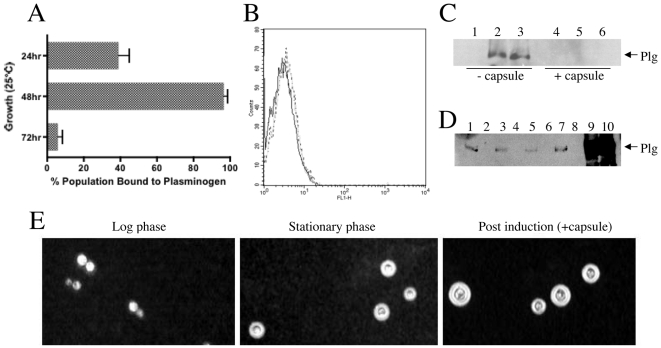
“neoformans, including the JEC21 parental strain, indicating that capsule expression is not essential for this process, consistent with previous findings [21,32].”
BackgroundMethodResultSelf-citationGressler, A. E., Volke, D., Firacative, C., Schnabel, C. L., Müller, U., Krizsan, A., Schulze, B., Brock, M., Brombacher, F., Escandón, P., et al. (2021) · Frontiers in Immunology · doi:10.3389/fimmu.2021.709695 · Cited by 17
“neoformans as it possesses the capability to bind heparin (94) and plasminogen (95) and shows increased expression in response to nitric oxide stress (96).”
BackgroundMoonlighting Proteins: Diverse Functions Found in Fungi
Curtis, N. J., Patel, K. J., Rizwan, A., & Jeffery, C. J. (2023) · Journal of Fungi · doi:10.3390/jof9111107 · Cited by 12
“Stie and coworkers identified several proteins in Cryptococcus neoformans that aid in invasion by interacting with plasminogen, including subunits of ATP synthase, pyruvate kinase, phosphoglycerate kinase, glucose 6-phosphate isomerase, and nitric oxide dioxygenase [65].”
BackgroundIdentification and characterization of Paracoccidioides lutzii proteins interacting with macrophages
Tomazett, M. V., Baeza, L. C., Paccez, J. D., Parente-Rocha, J. A., Ribeiro‐Dias, F., & Soares, C. M. D. A. (2019) · Microbes and Infection · doi:10.1016/j.micinf.2019.03.002 · Cited by 13
Mechanism of Cryptococcus Meningoencephalitis
Miyazato, A. (2016) · Medical Mycology Journal · doi:10.3314/mmj.57.j27 · Cited by 14
Ferreira, E. D. O., Teixeira, F. L., Cordeiro, F., Lobo, L. A., Rocha, E. R., Smith, J. C., & Domingues, R. M. C. P. (2013) · International Journal of Medical Microbiology · doi:10.1016/j.ijmm.2013.06.007 · Cited by 10
“However, several pathogens can interfere with the host Plg-plasmin system by expressing Plg receptors or activators (Lähteenmäki et al., 1998 ; Lähteenmäki, Kuusela & Korhonen, 2001a; Lähteenmäki et al., 2005; Stie et al., 2009).”
BackgroundDetection and characterization of plasminogen receptors on clinical isolates ofTrichosporon asahii
Ikeda, R., Ichikawa, T., Miyazaki, Y., Shimizu, N., Ryoke, T., Haru, K., Sugita, T., & Takashima, M. (2014) · FEMS Yeast Research · doi:10.1111/1567-1364.12215 · Cited by 8
“asahii, several plasminogen-binding molecules have been reported (Stie et al., 2009; Stie & Fox, 2012; Ikeda & Ichikawa, 2014).”
BackgroundInfluentialNeuroinflammation in fungal infections: from pathogen recognition to pathological manifestations
Dangarembizi, R., Awala, A. N., & de Lange, A. (2025) · Disease Models & Mechanisms · doi:10.1242/dmm.052344 · Cited by 6
Prospecting Biomarkers for Diagnostic and Therapeutic Approaches in Pythiosis
Chechi, J. L., Rotchanapreeda, T., da Paz, G. S., do Prado, A. C., Oliveira, A. L., Vieira, J. C. S., Buzalaf, M. A. R., Rodrigues, A. M., dos Santos, L. D., Krajaejun, T., et al. (2021) · Journal of Fungi · doi:10.3390/jof7060423 · Cited by 5
“In pathogenic fungi Cryptococcus neoformans [79] and Paracoccidioides lutzii [80], Fba binds to host molecules and performs an adhesion function, in addition to the glycolytic activity of the molecules.”
BackgroundSilva, S. D. M., Echeverri, C. R., Mendes‐Giannini, M. J. S., Fusco‐Almeida, A. M., & González, Á. (2024) · Current Research in Microbial Sciences · doi:10.1016/j.crmicr.2024.100246 · Cited by 6
“Similarly, enolase binding to the Plasmin Receptor in P. brasiliensis and Cryptococcus spp. has been documented (Nogueira et al., 2010b; Stie et al., 2009), albeit unconfirmed for H. capsulatum .”
Saravanakumar, K., Santosh, S. S., Ahamed, M. A., Sathiyaseelan, A., Sultan, G., Navabshan, I., MubarakAli, D., & Wang, M. (2022) · Briefings in Bioinformatics · doi:10.1093/bib/bbac250 · Cited by 5
Oliveira, R., Domingos, R. F., de Morais, Z. M., Vasconcellos, S. A., Alves, I. J., Romero, E. C., & Nascimento, A. L. T. O. (2014) · Journal of Medical Microbiology · doi:10.1099/jmm.0.078378-0 · Cited by 4
“Indeed, this proteolytic system has been described for several invasive pathogens (Siemens et al., 2011; Stie et al., 2009), including the spirochaetes Borrelia and Treponema (Coleman et al., 1995; Fenno et al., 2000).”
BackgroundDIA mass spectrometry characterizes urinary proteomics in neonatal and adult donkeys
Yu, F. M., Chen, Y., Liu, B., Wang, T., Ding, Z., Yi, Z., Zhu, Y., & Li, J. (2022) · Scientific Reports · doi:10.1038/s41598-022-27245-0 · Cited by 3
overview of the biological activity of polyacrylamide hydrogels
Zainulabdeen, K., Younis, R. W., Jwad, R. S., Yusop, M. R., Yousif, E. A., & Moneim, A. E. A. (2023) · Journal of Biotechnology Research Center · doi:10.24126/jobrc.2023.17.2.686 · Cited by 4
Fungal Infections of the Central Nervous System
de Oliveira, H. C., Castelli, R. F., Kuczera, D., de Souza, T. N., Marcos, C. M., Scorzoni, L., Nimrichter, L., & Rodrigues, M. L. (2020) · Elsevier eBooks · doi:10.1016/b978-0-12-809633-8.21019-4 · Cited by 5
Cryptococcus neoformans: life cycle, morphogenesis, and virulence
He, G., Zhang, L., Ma, S., Ding, H., Xu, X., Yang, Y., Liao, G., Chen, M., Zhao, Y., Liu, T., et al. (2024) · Elsevier eBooks · doi:10.1016/b978-0-12-818619-0.00003-4 · Cited by 3
Tseng, H.-K., Huang, S., Shackleford, G. M., & Jong, A. (2013) · Anti-Infective Agents · doi:10.2174/2211352511311020005 · Cited by 2
Zhao, J., Fang, W. Y., Gao, Y., Fa, Z., Wang, G., & Gu, J. (2025) · Microbes and Infection · doi:10.1016/j.micinf.2025.105540 · Cited by 2
Xu, X., Jiang, B., Xiong, J., Jiang, Y., & Lu, H. (2026) · Vaccine · doi:10.1016/j.vaccine.2026.128864 · Cited by 1
Li, Z., Smiejkowska, N., Vansevenant, J., Mertens, J., Wielendaele, P. V., Torres, J. E. P., Magez, S., & Sterckx, Y. G. ‐. (2026) · Molecular and Biochemical Parasitology · doi:10.1016/j.molbiopara.2026.111763 · Cited by 1
Vieira, M. L. (2012) · Digital Library of Theses and Dissertations (Universidade de São Paulo) · doi:10.11606/t.87.2012.tde-13122012-141110 · Cited by 2
Mechanisms of brain infection by the human fungalpathogen Cryptococcus neoformans
Sabiiti, W. (2012) · University of Birmingham Institutional Research Archive (University of Birmingham)
UNIVERSIDADE FEDERAL DE GOIÁS PROGRAMA DE PÓS-GRADUAÇÃO EM MEDICINA TROPICAL
Pública, E. S., Ribeiro, P. M. A., & Pacheco, G. (2010)
Choo, K. K., Chin, V. K., Chong, P. P., Ho, S. H., & Yong, P. V. C. (2019) · Journal of Health and Translational Medicine · doi:10.22452/jummec.vol22no2.4
The Response of Paracoccidioides lutzii to the Interaction with Human Neutrophils
Silva, L. O. S., Baeza, L. C., Pigosso, L. L., Silva, K. S. F. E., Pereira, M., Júnior, M. A. B. D. C., & Soares, C. M. D. A. (2023) · Journal of Fungi · doi:10.3390/jof9111088
“In addition, PGK can act as an adhesin in bacteria [47] and fungi [48] and is present in the C. neoformans [49] and C. albicans [50] cell wall.”
BackgroundMolecular mechanism of host-yeast interactions and prevention by nanoformulation approaches
Oshika, & Bari, V. K. (2025) · Microbial Pathogenesis · doi:10.1016/j.micpath.2025.107663
The Pain Is in the Brain With the Sugar-Coated Killer
Messina, J. A., & Perfect, J. R. (2025) · The Journal of Infectious Diseases · doi:10.1093/infdis/jiaf496
Bifidobacterium - Human Host Interaction: Role of Human Plasminogen
Centanni, M. (2012) · AMS Dottorato Institutional Doctoral Theses Repository (University of Bologna) · doi:10.6092/unibo/amsdottorato/4677 · Cited by 1
“…2008; Zaas et al., 2008 Candida albicans Crowe et al., 2003; Jong et al., 2003; Poltermann et al., 2007; Luo et al., 2009 Cryptococcus neoformans Stie et al., 2009 Paracoccidioies brasiliensis Barbosa et al., 2006; Nogueira et al., 2010 Pneumocystis jiroveci (carinii) Fox and Smulian,…”
Background
Metadata
- Authors
- Stie, J., Bruni, G., & Fox, D.
- Affiliations
- Louisiana State University (US)
- ETH Zurich (CH)
- Corresponding author
- Fox, Deborah
- ORCID
- Bruni, Gillian
- Venue
- PLoS ONE
- Publisher
- Public Library of Science (PLoS)
- Published
- 2009-06-03
- Volume
- 4
- Issue
- 6
- Pages
- e5780
- ISSN
- 1932-6203 (ISSN-L)
- PMC
- PMC2685986
- OpenAlex
- W2103993315
- Cited by
- 85
- References
- 93
- Citations by year
- 2026: 2 · 2025: 4 · 2024: 5 · 2023: 6 · 2022: 10 · 2021: 6 · 2020: 4 · 2019: 4 · 2018: 4 · 2017: 2 · 2016: 4 · 2015: 6 · 2014: 4 · 2013: 7 · 2012: 8
- FWCI
- 3.80
- Type
- journal article
- Language
- en
- Open access
- gold
- doi.org
- Locations
- PLoS ONE (publishedVersion, cc-by)
- PubMed Central (publishedVersion, cc-by)
- PubMed (publishedVersion)
- DOAJ (DOAJ: Directory of Open Access Journals) (submittedVersion, cc-by-sa)
- Figshare (submittedVersion, cc-by)
- Funders
- Louisiana Board of Regents
- National Institutes of Health
- National Institute of Allergy and Infectious Diseases (K22AI055302, AI055302)
- Topics
- Health Sciences › Medicine › Infectious Diseases › Fungal Infections and Studies
- Life Sciences › Immunology and Microbiology › Microbiology › Bacterial Infections and Vaccines
- Health Sciences › Medicine › Infectious Diseases › Antifungal resistance and susceptibility
- Keywords
- Cryptococcus neoformans, plasminogen binding, plasminogen receptor, extracellular matrix invasion, blood-brain barrier, meningoencephalitis, cell wall-associated proteins, plasmin activation, fungal virulence factors, brain endothelial cells
- MeSH terms
- Amino Acid Sequence, Brain, Cell Wall, Central Nervous System, Collagen, Cryptococcus neoformans, Extracellular Matrix, Fibrin, Fibrinolysis, Humans, Lung, Meningoencephalitis, Molecular Sequence Data, Plasminogen, Surface Properties, Proteomics
About these checks
Registry, retraction, Cites and statistics results are computed, not judged, with one exception: a printed reference that no index lists is read once by a model before it counts as a citation error. Claims are extracted by a model and kept only when their quote appears verbatim in the text; each cited source is then checked, with a model’s help, for whether it says what the claim relies on. Those verdicts can be wrong — read the claim’s quote and the cited source before relying on one.
Statistics and arithmetic are recomputed, not judged.
Confidence bands are shown only for fields calibrated on our annotated test set. None is calibrated yet, so no band is shown.
What counts as a claim ›How we measure confidence ›How we check this ›
Are you an author, or do you see a problem with this page? Request a review
Data sources
Bibliographic data: Semantic Scholar, OpenAlex, Crossref.
Contains information from the Semantic Scholar Academic Graph Datasets, made available under the ODC Attribution License (ODC-BY 1.0).
Semantic Scholar’s data is described in: Kinney, R., et al. (2023). The Semantic Scholar Open Data Platform. arXiv:2301.10140.
