

Hypoxia and TGF-β Drive Breast Cancer Bone Metastases through Parallel Signaling Pathways in Tumor Cells and the Bone Microenvironment
Open accessThe DOI matches its Crossref record; 110 of the 110 references it cites were found in a registry or an index.
Abstract
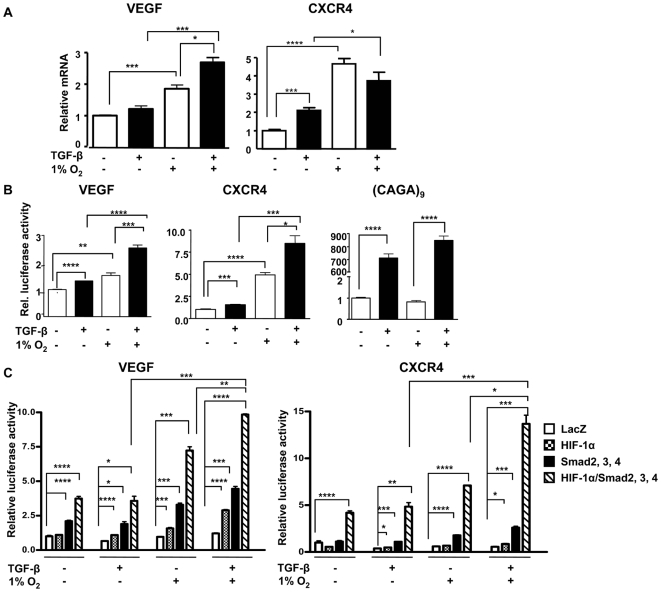
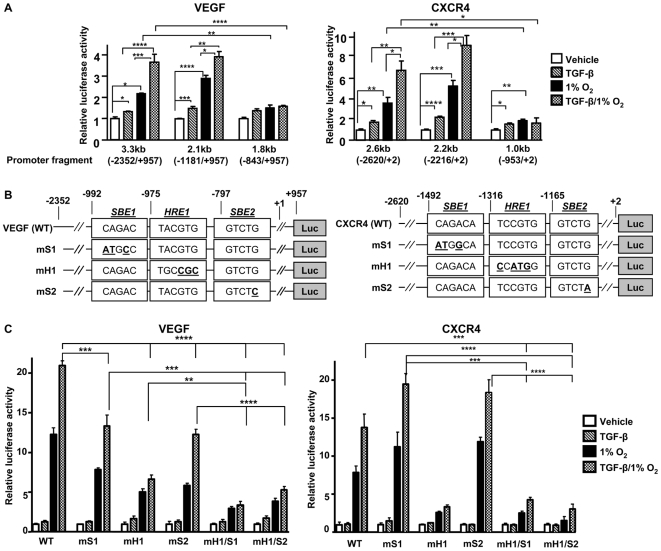
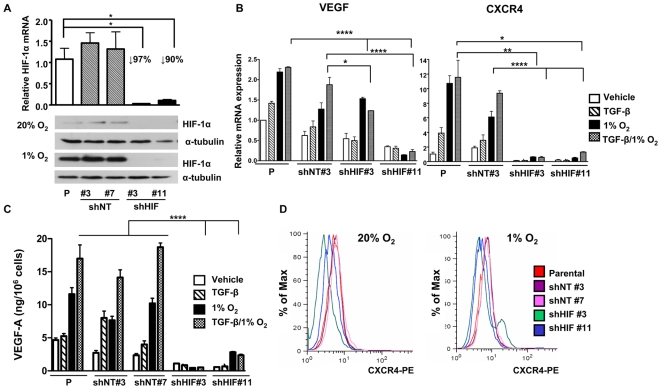
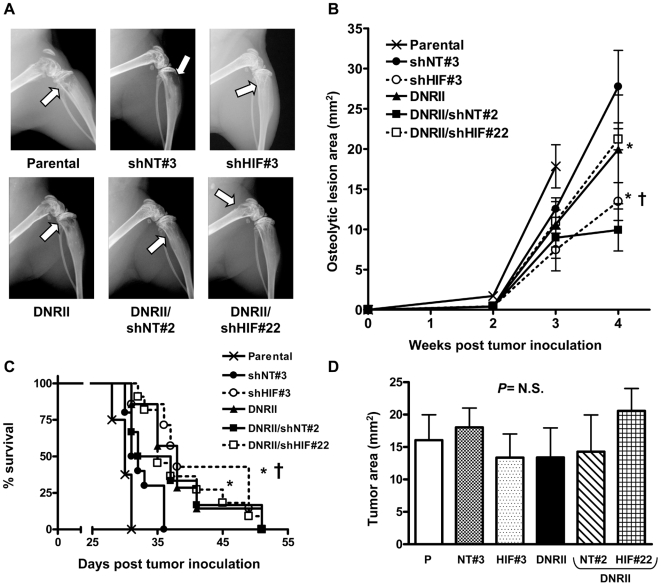
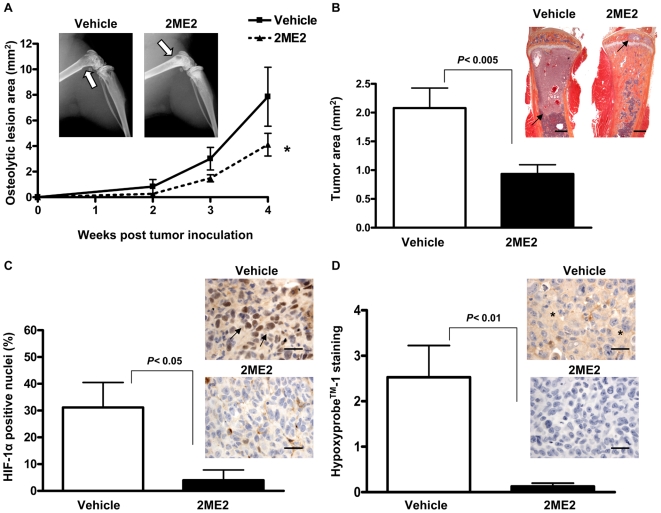
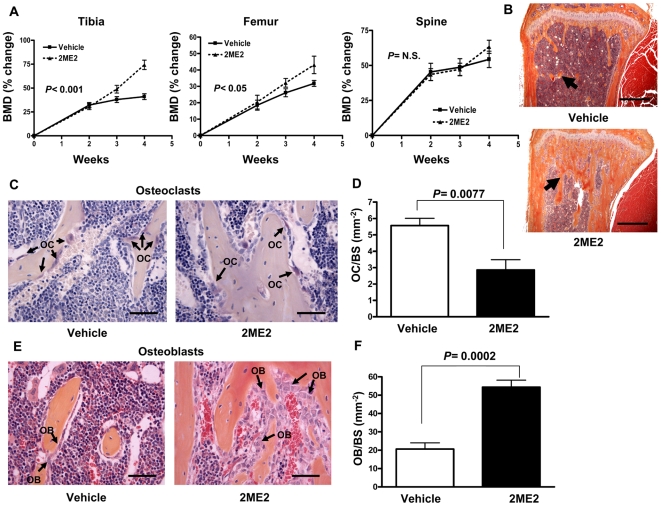
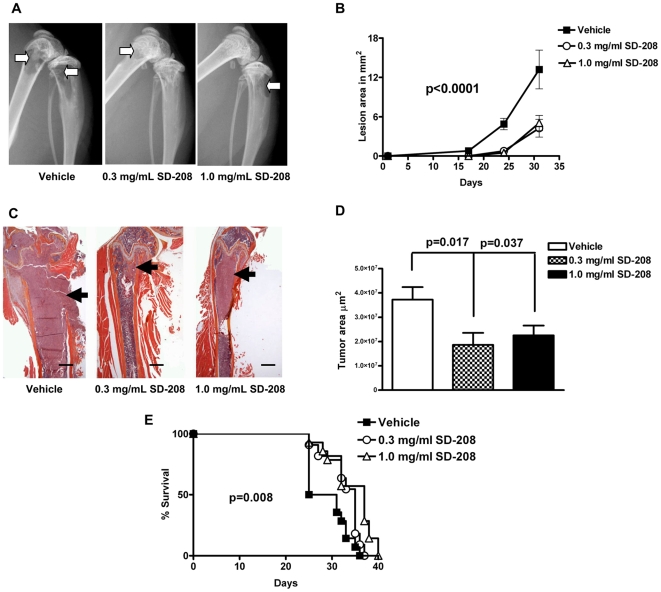
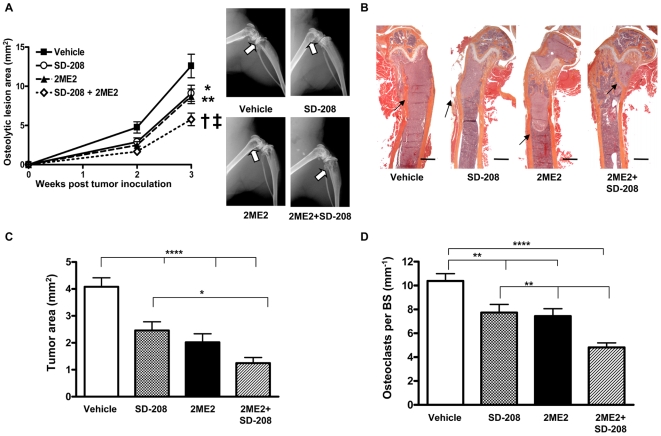
BACKGROUND: Most patients with advanced breast cancer develop bone metastases, which cause pain, hypercalcemia, fractures, nerve compression and paralysis. Chemotherapy causes further bone loss, and bone-specific treatments are only palliative. Multiple tumor-secreted factors act on the bone microenvironment to drive a feed-forward cycle of tumor growth. Effective treatment requires inhibiting upstream regulators of groups of prometastatic factors. Two central regulators are hypoxia and transforming growth factor (TGF)- beta. We asked whether hypoxia (via HIF-1alpha) and TGF-beta signaling promote bone metastases independently or synergistically, and we tested molecular versus pharmacological inhibition strategies in an animal model. METHODOLOGY/PRINCIPAL FINDINGS: We analyzed interactions between HIF-1alpha and TGF-beta pathways in MDA-MB-231 breast cancer cells. Only vascular endothelial growth factor (VEGF) and the CXC chemokine receptor 4 (CXCR4), of 16 genes tested, were additively increased by both TGF-beta and hypoxia, with effects on the proximal promoters. We inhibited HIF-1alpha and TGF-beta pathways in tumor cells by shRNA and dominant negative receptor approaches. Inhibition of either pathway decreased bone metastasis, with no further effect of double blockade. We tested pharmacologic inhibitors of the pathways, which target both the tumor and the bone microenvironment. Unlike molecular blockade, combined drug treatment decreased bone metastases more than either alone, with effects on bone to decrease osteoclastic bone resorption and increase osteoblast activity, in addition to actions on tumor cells. CONCLUSIONS/SIGNIFICANCE: Hypoxia and TGF-beta signaling in parallel drive tumor bone metastases and regulate a common set of tumor genes. In contrast, small molecule inhibitors, by acting on both tumor cells and the bone microenvironment, additively decrease tumor burden, while improving skeletal quality. Our studies suggest that inhibitors of HIF-1alpha and TGF-beta may improve treatment of bone metastases and increase survival.
Overview
The claims and statistics of this paper haven’t been checked yet.
Free: it reads the open-access text and checks the first 5 claims that cite a source we can check. Create a free account to check every claim.
Integrity signals
Registry
Cites
Statistics
Figures
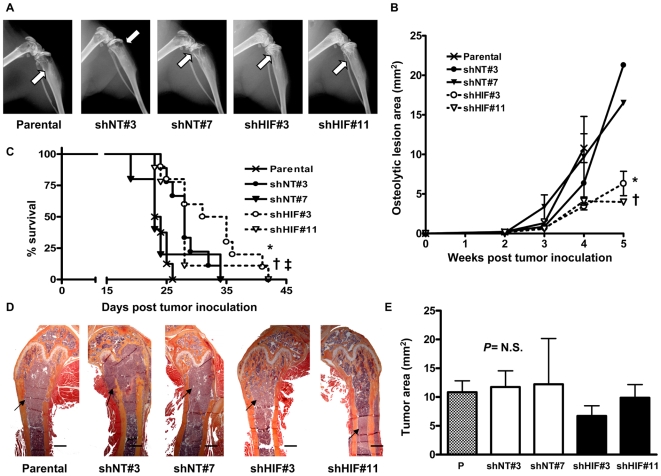
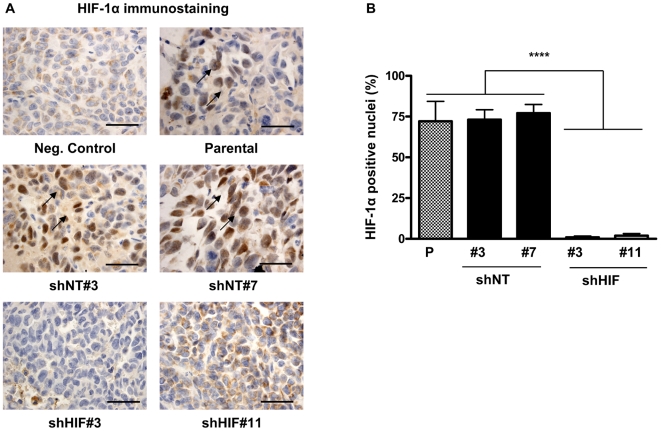
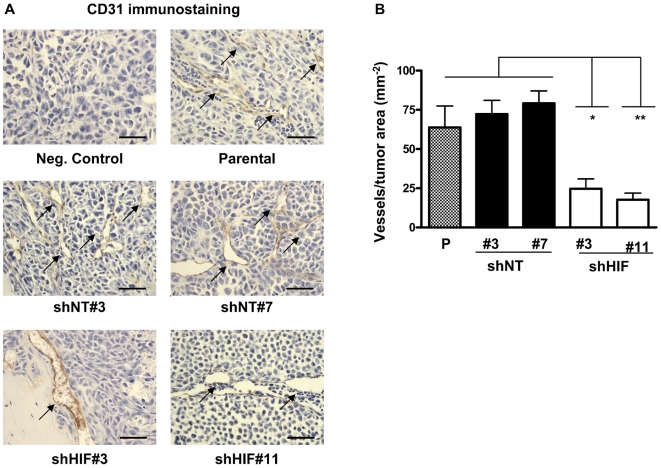
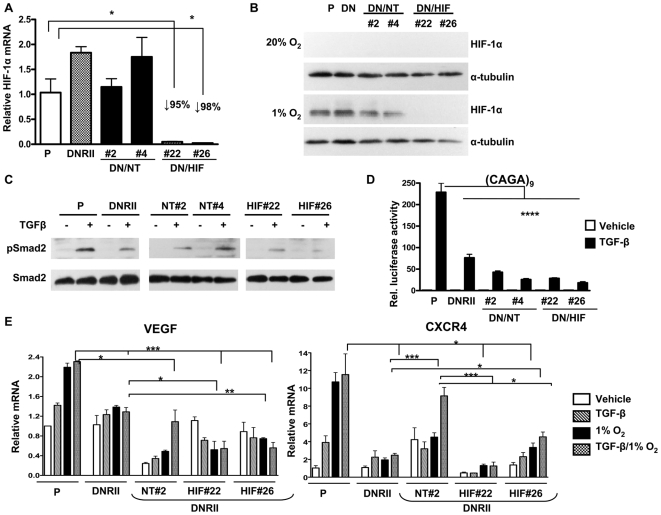
Verification
Claims the paper makes
The claims and statistics of this paper haven’t been checked yet.
Free: it reads the open-access text and checks the first 5 claims that cite a source we can check. Create a free account to check every claim.
Claims other papers make about this one
Each is checked against this paper’s own text: does it say what the citing paper says it does?
The cited source says what the claim attributes to it.
In the citing paper
“Because BCCs were injected directly into the circulation, these studies do not provide compelling evidence that HIF-1 is required for spontaneous metastasis from breast to bone as opposed to a more limited requirement for bone colonization by circulating tumor cells.”
From The hypoxic tumor microenvironment: A driving force for breast cancer progression (2016) · cites this paper as [33]
Self-check
Percentages, sums and reported differences re-computed from the paper’s own numbers.
The self-check needs the paper’s full text.
Citations
Cites
Targeting HIF-1 for cancer therapy
Semenza, G. L. (2003) · Nature Reviews Cancer · doi:10.1038/nrc1187 · Cited by 6,717 · cited 1×
“When oxygen is limiting, HIF-1a heterodimerizes with HIF-1b in the nucleus and mediates the transcription of hypoxia-regulated target genes [20,23].”
BackgroundHypoxia — a key regulatory factor in tumour growth
Harris, A. L. (2002) · Nature Reviews Cancer · doi:10.1038/nrc704 · Cited by 5,177 · cited 2×
“When oxygen is limiting, HIF-1a heterodimerizes with HIF-1b in the nucleus and mediates the transcription of hypoxia-regulated target genes [20,23].”
BackgroundMassagué, J. (2008) · Cell · doi:10.1016/j.cell.2008.07.001 · Cited by 3,907
Exploiting tumour hypoxia in cancer treatment
Brown, J. M., & Wilson, W. R. (2004) · Nature Reviews Cancer · doi:10.1038/nrc1367 · Cited by 2,828 · cited 1×
“may contribute to the incurability of bone metastases [21].”
BackgroundMetastasis to bone: causes, consequences and therapeutic opportunities
Mundy, G. R. (2002) · Nature Reviews Cancer · doi:10.1038/nrc867 · Cited by 2,777
Roodman, G. D. (2004) · New England Journal of Medicine · doi:10.1056/nejmra030831 · Cited by 2,755 · cited 2×
“Breast cancers frequently metastasize to bone, where they disrupt normal bone remodeling to cause bone destruction, pain, pathologic fracture, hypercalcemia, and nerve compression [1].”
BackgroundA multigenic program mediating breast cancer metastasis to bone
Kang, Y., Siegel, P. M., Shu, W., Drobnjak, M., Kakonen, S. M., Cordón-Cardo, C., Guise, T. A., & Massagué, J. (2003) · Cancer Cell · doi:10.1016/s1535-6108(03)00132-6 · Cited by 2,597 · cited 1×
“TGF-b-regulated factors, such as CTGF, IL-11, CXCR4 [13,26], and MMP-1 [24,25] are involved in multiple steps of the metastatic cascade, including invasion, homing, angiogenesis, and osteolysis [5] and constitute a gene signature for tumors that metastasize preferentially to bone [8] (Table 1).”
BackgroundSelf-citationRole of HIF-1α in hypoxia-mediated apoptosis, cell proliferation and tumour angiogenesis
Carmeliet, P., Dor, Y., Herbert, J.-M., Fukumura, D., Brusselmans, K., Dewerchin, M., Neeman, M., Bono, F., Abramovitch, R., Maxwell, P., et al. (1998) · Nature · doi:10.1038/28867 · Cited by 2,502 · cited 1×
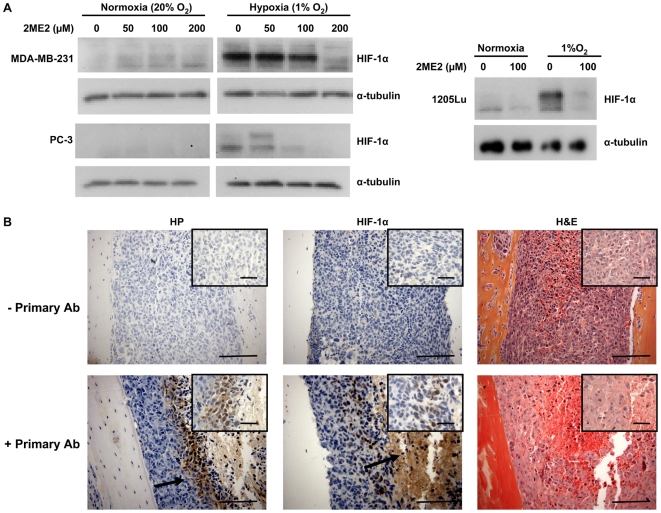
“We next determined whether MDA-MB-231 breast cancer bone metastases are hypoxic in vivo by Hypoxyprobe-1 staining [35–38].”
BackgroundMassagué, J., Seoane, J., & Wotton, D. (2005) · Genes & Development · doi:10.1101/gad.1350705 · Cited by 2,452 · cited 1×
“translocates to the nucleus and mediates gene transcription by binding to Smad binding elements (SBEs) in the promoters of target genes [4].”
Background(1999) · PubMed · Cited by 2,204
Cited by
Items 101–200 of 212
Tumor-Stromal Interactions in Bone Metastasis
Nannuru, K. C., & Singh, R. K. (2010) · Current Osteoporosis Reports · doi:10.1007/s11914-010-0011-6 · Cited by 40
Bone: A Fertile Soil for Cancer Metastasis
Coughlin, T. R., Romero-Moreno, R., Mason, D. E., Nystrom, L. M., Boerckel, J. D., Niebur, G. L., & Littlepage, L. E. (2017) · Current Drug Targets · doi:10.2174/1389450117666161226121650 · Cited by 42
“Finally, the hypoxic metastatic niche promotes vascular endothelial growth factor (VEGF) and CXCR4 to increase vasculature and homing [30], The resulting increase in expression of hypoxia-induced growth factor-1 α by tumor cells increases osteoclast differentiation and decreases osteoblast differentiation [167, 168].”
BackgroundCancer-associated muscle weakness: What's bone got to do with it?
Waning, D. L., & Guise, T. A. (2015) · BoneKEy Reports · doi:10.1038/bonekey.2015.59 · Cited by 41
“Human breast cancer bone metastases show active TGFb signaling by nuclear accumulation of phosphoSMAD2/3(36) and TGFb signaling blockade via stable expression of dominant-negative TGFb receptor 2 (DNTbRII), or a using a TGFb receptor 1 kinase inhibitor, suppresses bone metastasis in mice.(39,41) TGFb is a potent regul…”
BackgroundSelf-citationRosell-García, T., Palomo-Álvarez, O., & Rodríguez‐Pascual, F. (2019) · Journal of Biological Chemistry · doi:10.1074/jbc.ra119.007674 · Cited by 36
“To identify hypoxia– and TGF- 1–responsive elements within the PLOD2 promoter fragment, we screened the 1826/ 174 bp promoter region for putative binding sites for HIF and SMAD proteins, both of which have been described to be important for the effect of these stimuli on gene expression (23, 24) (Fig.”
BackgroundA major role of TGF-β1 in the homing capacities of murine hematopoietic stem cell/progenitors
Capron, C., Lacout, C., Lécluse, Y., Jalbert, V., Chagraoui, H., Charrier, S., Galy, A. H. M., Griscelli, A. B., Cramer, E. M., & Vainchenker, W. (2010) · Blood · doi:10.1182/blood-2009-05-221093 · Cited by 40
Maroni, P., Matteucci, E., Luzzati, A., Perrucchini, G. G., Bendinelli, P., & Desiderio, M. A. (2010) · Breast Cancer Research and Treatment · doi:10.1007/s10549-010-1240-1 · Cited by 37
“20 blockade against MDA-MB231-bone metastasis [31].”
BackgroundZhong, Z., Hu, Z., Jiang, Y., Sun, R., Chen, X., Chu, H., Zeng, M., & Sun, C. (2016) · Oncotarget · doi:10.18632/oncotarget.10831 · Cited by 37
“In addition, platelets are a rich source of TGF-beta, which has been shown to significantly promote bone metastasis of breast carcinoma [42] and liver metastasis of colorectal cancer [36].”
BackgroundThe vasculature: a vessel for bone metastasis
Raymaekers, K., Stegen, S., van Gastel, N., & Carmeliet, G. (2015) · BoneKEy Reports · doi:10.1038/bonekey.2015.111 · Cited by 45
“Indeed, inhibiting HIF signaling in breast tumor cells decreases the number of osteolytic lesions, which was accompanied by reduced VEGF expression and blood vessel density.(38) The HIF-mediated vascular response thus facilitates further metastatic outgrowth but may also allow tumor cells to subsequently metastasize t…”
BackgroundContribution of Macrophages and T Cells in Skeletal Metastasis
Mendoza‐Reinoso, V., McCauley, L. K., & Fournier, P. G. J. (2020) · Cancers · doi:10.3390/cancers12041014 · Cited by 38
“As a consequence, hypoxia and the induced-expression of the transcription factor hypoxia inducible factor-1α (HIF-1α) support the development of bone metastases, especially when combined with TGF-β signaling [295].”
BackgroundSelf-citationD’Amico, L., Patanè, S., Grange, C., Bussolati, B., Isella, C., Fontani, L., Godio, L., Cilli, M., D’Amelio, P., Isaia, G., et al. (2013) · British Journal of Cancer · doi:10.1038/bjc.2013.271 · Cited by 33
“A central role seems to be performed by hypoxia, which promotes angiogenesis, bone metastasis (Dunn et al, 2009; Lu et al, 2010), metabolic stress adaptation (Winter et al, 2007), motility and invasiveness (Pennacchietti et al, 2003).”
BackgroundVishvakarma, N. K., & Singh, S. M. (2010) · Biomedicine & Pharmacotherapy · doi:10.1016/j.biopha.2010.06.012 · Cited by 32
Hypoxia and Metastasis in Breast Cancer
Rundqvist, H., & Johnson, R. S. (2010) · Current topics in microbiology and immunology · doi:10.1007/82_2010_77 · Cited by 34
Todd, V. M., Omokehinde, T., & Johnson, R. W. (2019) · Cancer Reports · doi:10.1002/cnr2.1156 · Cited by 42
“dissemination of breast cancer cells to the bone marrow remains unknown; however, in vivo data from multiple groups indicates that activation of HIF1α signaling in MDA‐MB‐231 breast cancer cells promotes bone colonization,(131) and inhibition of HIF1α signaling reduces bone colonization.(11,131,132) What is well appre…”
BackgroundHart, N. H., Newton, R. U., Spry, N. A., Taaffe, D. R., Chambers, S. K., Feeney, K., Joseph, D. J., Redfern, A. D., Ferguson, T., & Galvao, D. A. (2017) · BMJ Open · doi:10.1136/bmjopen-2016-014458 · Cited by 33
von Heyking, K., Calzada‐Wack, J., Göllner, S., Neff, F., Schmidt, O., Hensel, T., Schirmer, D., Fasan, A., Esposito, I., Müller‐Tidow, C., et al. (2017) · Molecular Oncology · doi:10.1002/1878-0261.12057 · Cited by 32
“Expression of the transcription factor HIF1A by tumor cells inhibits osteoblast differentiation and enhances the differentiation and maturation of osteoclasts, in part via VEGF induction (Dunn et al., 2009; Hiraga et al., 2007; Weilbaecher et al., 2011).”
Targeting Histone Modifications in Bone and Lung Metastatic Cancers
Edwards, C. M., & Johnson, R. W. (2021) · Current Osteoporosis Reports · doi:10.1007/s11914-021-00670-2 · Cited by 35
Multimodality Imaging of Tumor and Bone Response in a Mouse Model of Bony Metastasis
Hoff, B. A., Chughtai, K. A., Jeon, Y. H., Kozloff, K. M., Galbán, S., Rehemtulla, A., Ross, B. D., & Galbán, C. J. (2012) · Translational Oncology · doi:10.1593/tlo.12298 · Cited by 24
“It is well known that bone tissue harbors a latent pool of transforming growth factor–β (TGF-β) that when released by bone resorption propagates cancer growth in skeletal regions [2,10–12].”
BackgroundChhichholiya, Y., Suman, P., Singh, S., & Munshi, A. (2021) · Medical Oncology · doi:10.1007/s12032-021-01547-1 · Cited by 29
“TGF signalling promotes breast cancer bone metastasis by activating VEGF and the CXCR4 [94].”
BackgroundTodd, V. M., Vecchi, L. A., Clements, M. E., Snow, K. P., Ontko, C. D., Himmel, L. E., Pinelli, C. J., Rafat, M., & Johnson, R. W. (2021) · Communications Biology · doi:10.1038/s42003-021-02648-3 · Cited by 29
Dai, J., Lu, Y., Yu, C., Keller, J. M., Mizokami, A., Zhang, J., & Keller, E. T. (2010) · Cancer Research · doi:10.1158/0008-5472.can-10-0100 · Cited by 29
“Measurement of bone lysis Tibiae were radiographed using a Faxitron X-Ray unit (Faxitron), were digitized, and the lytic area quantified as previously described (20).”
MethodMolecular pathogenesis of bone metastases in breast cancer: Proven and emerging therapeutic targets
Rucci, N., Sanità, P., Monache, S. D., Alesse, E., & Angelucci, A. (2014) · World Journal of Clinical Oncology · doi:10.5306/wjco.v5.i3.335 · Cited by 28
Chidamide alleviates TGF-β-induced epithelial–mesenchymal transition in lung cancer cell lines
Lin, S., Wang, B., Lin, C., Chien, P., Wu, Y., Ko, J., & Chen, J. J. W. (2016) · Molecular Biology Reports · doi:10.1007/s11033-016-4005-z · Cited by 24
Cardone, R. A., Greco, M. R., Capulli, M., Weinman, E. J., Busco, G., Bellizzi, A., Casavola, V., Antelmi, E., Ambruosi, B., Dell’Aquila, M. E., et al. (2012) · Molecular Biology of the Cell · doi:10.1091/mbc.e11-11-0911 · Cited by 25
Therapeutics targeting the metastatic breast cancer bone microenvironment
Ihle, C. L., Wright-Hobart, S., & Owens, P. (2022) · Pharmacology & Therapeutics · doi:10.1016/j.pharmthera.2022.108280 · Cited by 25
In Vitro 3D Cultures to Reproduce the Bone Marrow Niche
Ham, J., Lever, L., Fox, M., & Reagan, M. R. (2019) · JBMR Plus · doi:10.1002/jbm4.10228 · Cited by 22
Is Carboxypeptidase B1 a Prognostic Marker for Ductal Carcinoma In Situ?
Kothari, C., Clemenceau, A., Ouellette, G., Ennour‐Idrissi, K., Michaud, A., Diorio, C., & Durocher, F. (2021) · Cancers · doi:10.3390/cancers13071726 · Cited by 22
“On the other hand, upregulation of HIF1α also induces TGFβ mediated tumor progression [45], and both pathways can lead to BC metastasis [46].”
BackgroundTBC1D9: An Important Modulator of Tumorigenesis in Breast Cancer
Kothari, C., Clemenceau, A., Ouellette, G., Ennour‐Idrissi, K., Michaud, A., C.-Gaudreault, R., Diorio, C., & Durocher, F. (2021) · Cancers · doi:10.3390/cancers13143557 · Cited by 22
Chen, X., Lü, P., Chen, L., Yang, S., Shen, H.-Y., Yu, D., Zhang, X.-H., Zhong, S., Zhao, J., & Tang, J. (2015) · Tumor Biology · doi:10.1007/s13277-015-4027-5 · Cited by 25
Timani, K. A., Liu, Y., Fan, Y., Mohammad, K. S., & He, J. J. (2015) · Molecular and Cellular Biology · doi:10.1128/mcb.00001-15 · Cited by 23
Self-citationHart, N. H., Galvao, D. A., Saunders, C. M., Taaffe, D. R., Feeney, K., Spry, N. A., Tsoi, D. T. F., Martin, H. L., Chee, R., Clay, T. D., et al. (2018) · Trials · doi:10.1186/s13063-018-3091-8 · Cited by 25
Understanding the role of TNFR2 signaling in the tumor microenvironment of breast cancer
Mussa, A., Ismail, N. H., Hamid, M., Al-Hatamleh, M. A. I., Bragoli, A. J., Hajissa, K., Mokhtar, N. F., Mohamud, R., Uskoković, V., & Hassan, R. (2024) · Journal of Experimental & Clinical Cancer Research · doi:10.1186/s13046-024-03218-1 · Cited by 24
Kreps, L. M., & Addison, C. (2021) · International Journal of Molecular Sciences · doi:10.3390/ijms22062911 · Cited by 26
Bone Tropism in Cancer Metastases
Wang, H., Zhang, W., Bado, I., & Zhang, X. H.-F. (2019) · Cold Spring Harbor Perspectives in Medicine · doi:10.1101/cshperspect.a036848 · Cited by 22
The progressive trend of modeling and drug screening systems of breast cancer bone metastasis
Azar, H. K., Gharibshahian, M., Rostami, M., Mansouri, V., Sabouri, L., Beheshtizadeh, N., & Rezaei, N. (2024) · Journal of Biological Engineering · doi:10.1186/s13036-024-00408-5 · Cited by 23
“Also, TGF-β regulates connective tissue growth factor (CTGF)/ IL-11 [50], CXCR4/MMP-1 [51], and cyclooxygenase (COX)-2 [52].”
BackgroundMsaki, A., Pastò, A., Curtarello, M., Arigoni, M., Barutello, G., Calogero, R., Macagno, M., Cavallo, F., Amadori, A., & Indraccolo, S. (2016) · Oncotarget · doi:10.18632/oncotarget.8859 · Cited by 19
“Hypoxia not only promotes cancer dissemination and stemness, but it has also been described to promote metastasis from bone to lung [37, 41, 42], raising the hypothesis that lung metastasis could stem from BM-derived DTC.”
Skeletal muscle Ca2+ mishandling: Another effect of bone-to-muscle signaling
Regan, J. N., Waning, D. L., & Guise, T. A. (2015) · Seminars in Cell and Developmental Biology · doi:10.1016/j.semcdb.2015.11.007 · Cited by 17
Self-citationKuchimaru, T., Hoshino, T., Aikawa, T., Yasuda, H., Kobayashi, T., Kadonosono, T., & Kizaka‐Kondoh, S. (2014) · Cancer Science · doi:10.1111/cas.12391 · Cited by 17
Rieger, C. T., & Fiegl, M. (2016) · Experimental Hematology · doi:10.1016/j.exphem.2016.04.008 · Cited by 19
Drugs which inhibit osteoclast function suppress tumor growth through calcium reduction in bone
Li, X., Liao, J., Park, S. I., Koh, A. J., Sadler, W. D., Pienta, K. J., Rosol, T. J., & McCauley, L. K. (2011) · Bone · doi:10.1016/j.bone.2011.03.687 · Cited by 16
“Increased bone resorption or bone turnoverenhancing the growthof skeletalmetastaseshas been reported by multiple groups [2,6–11].”
BackgroundSnoeks, T. J. A., Mol, I. M., Que, I., Kaijzel, E. L., & Löwik, C. W. G. M. (2011) · Molecular Cancer Therapeutics · doi:10.1158/1535-7163.mct-10-0997 · Cited by 22
“This results in a downregulation of VEGF expression and local proangiogenic signaling (21, 22, 36, 37).”
BackgroundCappariello, A., & Capulli, M. (2018) · Current Molecular Biology Reports · doi:10.1007/s40610-018-0099-5 · Cited by 14
Cellular plasticity in bone metastasis
Fang, C., & Kang, Y. (2020) · Bone · doi:10.1016/j.bone.2020.115693 · Cited by 14
Marques, C., Soares, M., SANTOS, A. C. D. S., Correia, J., & Ferreira, F. (2017) · Oncotarget · doi:10.18632/oncotarget.22398 · Cited by 20
Wang, Y., Jiang, M., Li, Z., Wang, J., Du, C., Yanyang, L., Yu, Y., Wang, X., Zhang, N., Zhao, M., et al. (2015) · Cell & Bioscience · doi:10.1186/s13578-015-0064-4 · Cited by 15
“(2) Metastasis: in breast cancer, hypoxia and TGF-β1work synergistically to promote secretion of VEGF and stromal derived factor 1 receptor (CXCR4), and inhibition of either the HIF-1α or the TGF-β pathway in tumor cells was shown to decrease bone metastasis and improve survival rates, with no further effect of double…”
BackgroundMulti–omic analysis of signalling factors in inflammatory comorbidities
Xiao, H., Bartoszek, K., & Lió, P. (2018) · BMC Bioinformatics · doi:10.1186/s12859-018-2413-x · Cited by 15
From Tumor to Bone: Growth Factor Receptors as Key Players in Cancer Metastasis
Mohammad, K. S., & Akhund, S. A. (2024) · Frontiers in Bioscience-Landmark · doi:10.31083/j.fbl2905184 · Cited by 17
Self-citationSui, L., Sanders, A. J., Jiang, W. G., & Ye, L. (2022) · Computational and Structural Biotechnology Journal · doi:10.1016/j.csbj.2022.05.051 · Cited by 14
“Bone marrow endothelium is also involved in angiogenesis in the bone lesions, in which vascular endothelial growth factor (VEGF), hypoxia-inducible factor 1a (HIF1A) and PTHrP play a profound role [72,73].”
Williams, S. D., Smith, T. M., Stewart, L. V., & Sakwe, A. M. (2022) · Cells · doi:10.3390/cells11193007 · Cited by 14
“of breast cancer cells to axillary lymph nodes [10], lungs [11,12] and bone [13,14].”
BackgroundWebb, M. J., & Kukard, C. (2020) · Integrative Cancer Therapies · doi:10.1177/1534735420975861 · Cited by 20
Liu, Y., Reiken, S. R., Dridi, H., Yuan, Q., Mohammad, K. S., Trivedi, T., Miotto, M., Wedderburn-Pugh, K., Sittenfeld, L. R., Kerley, Y., et al. (2023) · Science Translational Medicine · doi:10.1126/scitranslmed.adf8977 · Cited by 14
“Twenty-week-old female BALB/c nude mice were inoculated with cancer cells (MDA-MB-231) into the mammary fat pad as previously described ( 66 , 67 ).”
MethodSelf-citationModeling TGF-β in Early Stages of Cancer Tissue Dynamics
Ascolani, G., & Lió, P. (2014) · PLoS ONE · doi:10.1371/journal.pone.0088533 · Cited by 12
“Few recent studies have highlighted the complexity of breast cancer metastasis in bone microenvironment [6,9,39,40].”
BackgroundEstablished Models and New Paradigms for Hypoxia-Driven Cancer-Associated Bone Disease
Cox, T. R., Erler, J. T., & Rumney, R. M. H. (2017) · Calcified Tissue International · doi:10.1007/s00223-017-0352-6 · Cited by 11
“HIF-1a knockdown or TGF-b blockade has also been shown to reduce bone metastasis and increase survival in mice implanted orthotopically with human MDA-MB-231 breast cancer cells [86].”
BackgroundTherapeutic Strategies to Target TGF-β in the Treatment of Bone Metastases
Buijs, J. T., Juárez, P., & Guise, T. A. (2011) · Current Pharmaceutical Biotechnology · doi:10.2174/138920111798808293 · Cited by 12
“Combined treatment reduced osteolytic lesions, tumor burden and improved survival of mice more effectively than either treatment alone [81].”
BackgroundSelf-citationRecent Advances in Comprehending the Signaling Pathways Involved in the Progression of Breast Cancer
Nicolini, A., Ferrari, P., Diodati, L., & Carpi, A. (2017) · International Journal of Molecular Sciences · doi:10.3390/ijms18112321 · Cited by 12
“Additionally, it has been found that EMT program promotion, by the increased HIF-1α and TGF-β signaling, induced over-expression of CXCR4 and VEGF in breast cancer cells collaborated in their diffusion and secondary bone involvement [64].”
BackgroundYang, R., Liang, J., Xu, G., Ding, L., Huang, H., Qizhu, S., Yan, J., & Li, Y. (2018) · Oncology Letters · doi:10.3892/ol.2018.8344 · Cited by 11
“As Smad proteins are not ideal drug targets due to their roles as transcription factors, anti-TGF-β therapies have demonstrated potential in preventing the development of breast cancer and other types of cancer, including melanoma (28-30).”
Arnett, T. R. (2013) · Elsevier eBooks · doi:10.1016/b978-0-12-415853-5.00008-x · Cited by 12
Labropoulou, V., Theocharis, A. D., Symeonidis, A. S., Skandalis, S. S., Karamanos, N. K., & Kalofonos, H. P. (2011) · Current Medicinal Chemistry · doi:10.2174/092986711795471275 · Cited by 11
Greco, M. R., Bon, É., Rubino, R., Guerra, L., Bernabé‐García, M., Cannone, S., Cayuela, M. L., Ciaccia, L., Marionneau‐Lambot, S., Oullier, T., et al. (2018) · Biochimica et Biophysica Acta (BBA) - Molecular Basis of Disease · doi:10.1016/j.bbadis.2018.10.017 · Cited by 12
Metabolic Reprogramming and Adaption in Breast Cancer Progression and Metastasis
Zuo, Q., & Kang, Y. (2025) · Advances in experimental medicine and biology · doi:10.1007/978-3-031-70875-6_17 · Cited by 12
Cutting the umbilical cord: Cancer stem cell-targeted therapeutics
Banik, A., Sharma, R., Chauhan, A., & Singh, S. K. (2022) · Life Sciences · doi:10.1016/j.lfs.2022.120502 · Cited by 8
Smith, S. S., Chu, D. B., Qu, T., Aggleton, J. A., & Schneider, R. A. (2022) · eLife · doi:10.7554/elife.66005 · Cited by 7
“Inhibiting TGF β receptor kinases suppresses Mmp13 expression in vivo ( Dunn et al., 2009 ), while TGF β R1 activity positively affects MMP13 and the remodeling of bone ( Dole et al., 2017 ).”
Imamura, M., Nishimukai, A., Higuchi, T., Ozawa, H., Yanai, A., Miyagawa, Y., Murase, K., Sakita, I., Hatada, T., Takatsuka, Y., et al. (2015) · Breast Cancer Research and Treatment · doi:10.1007/s10549-015-3638-2 · Cited by 7
“As one of the factors involved in bone resorption, transforming growth factor beta (TGF-beta) has been demonstrated to promote of tumor cell homing to bone and bone metastasis of MDAMB-231 breast cancer cells [17].”
BackgroundAmino Acid Metabolism in Bone Metastatic Disease
Edwards, D. N. (2023) · Current Osteoporosis Reports · doi:10.1007/s11914-023-00797-4 · Cited by 6
Transforming growth factor beta (TGF-β) activity in immuno-oncology studies
Gallo-Oller, G., Scala, M. D., Aranda, F., & Dotor, J. (2019) · Methods in enzymology on CD-ROM/Methods in enzymology · doi:10.1016/bs.mie.2019.06.008 · Cited by 7
Xiong, Q., Wang, M., Liu, J., & Lin, C.-Y. J. (2021) · Computational and Mathematical Methods in Medicine · doi:10.1155/2021/9354202 · Cited by 6
RetractedAn in vivo mouse model of intraosseous spinal cancer causing evolving paraplegia
Cossigny, D. A. F., Mouhtouris, E., Dushyanthen, S., Gonzalvo, A. C., & Quan, G. M. Y. (2013) · Journal of Neuro-Oncology · doi:10.1007/s11060-013-1226-z · Cited by 5
Hypoxia-inducible factor (HIF)–mediated effects of the hypoxic niche in bone cancer
Knowles, H. J. (2021) · Elsevier eBooks · doi:10.1016/b978-0-12-821666-8.00028-1 · Cited by 5
Pathophysiology of Bone Metastases
Chirgwin, J. M., & Roodman, G. D. (2013) · Cancer metastasis · doi:10.1007/978-94-007-7569-5_1 · Cited by 8
Self-citationOverview of Mechanisms in Cancer Metastases to Bone
Clines, G. A. (2013) · Wiley eBooks · doi:10.1002/9781118453926.ch81 · Cited by 6
Das, A., Barry, M. M., Ernst, C. A., Dahiya, R., Kim, M., Rosario, S. R., Lo, H. C., Yu, C. R., Dai, T., Gugala, Z., et al. (2024) · Communications Biology · doi:10.1038/s42003-024-07247-6 · Cited by 9
The molecular signature of breast cancer metastasis to bone
Bahrami, T., Mokmeli, S., Hossieni, H., Pourpaknia, R., Makani, Z., Salmaninejad, A., Estiar, M. A., Hossieni, A., & Farshbaf, A. (2016) · Anti-Cancer Drugs · doi:10.1097/cad.0000000000000401 · Cited by 4
Cheung, D. G., Buzzetti, M., & Leva, G. D. (2017) · Expert Review of Endocrinology & Metabolism · doi:10.1080/17446651.2017.1383893 · Cited by 3
“In cancer cells, TGF-β also stabilizes hypoxia inducible factor 1α (HIF1α) during hypoxic conditions, thus upregulating VEGF and C-X-C chemokine receptor 4 (CXCR4) [36].”
BackgroundInfluentialSignaling Pathways Underlying Bone Metastasis: Hypoxia Signaling in Bone Metastasis and Beyond
Devignes, C.-S., Aslan, Y., & Provot, S. (2018) · Current Molecular Biology Reports · doi:10.1007/s40610-018-0090-1 · Cited by 4
Zarin, B., Nedaeinia, R., Laher, I., Manian, M., & Javanmard, S. H. (2023) · Tumor Biology · doi:10.3233/tub-220020 · Cited by 4
“:3) signaling interacts with other signaling pathways such as the HIF-1 (cid:2) pathway [19].”
BackgroundBreast Cancer Metastases to Bone: Role of the Microenvironment
Jenna, E., & Светлана, В. (2011) · InTech eBooks · doi:10.5772/21741 · Cited by 3
Development and characterization of murine models of medulloblastoma extraneural growth in bone
Grunda, J. M., Wang, D., & Clines, G. A. (2013) · Clinical & Experimental Metastasis · doi:10.1007/s10585-013-9577-6 · Cited by 3
“For example, the human breast cancer MDA-MB-231 and the prostate cancer PC3 animal models develop radiographically detectable lesions within 2 weeks following cancer cell inoculation [39, 40].”
Hypoxia and angiogenesis: from primary tumor to bone metastasis
Reeves, K. J., & Brown, N. J. (2014) · Elsevier eBooks · doi:10.1016/b978-0-12-416721-6.00016-9 · Cited by 3
Tumor–bone interactions: there is no place like bone
Fournier, P. G. J., Juárez, P., & Guise, T. A. (2014) · Elsevier eBooks · doi:10.1016/b978-0-12-416721-6.00002-9 · Cited by 4
Self-citationProgress of research mechanisms for metastasis of a malignant tumor in the bone
Bukharov, A. V., Андреевич, Д. В., Каприн, А. Д., Харченко, Н., Магомедович, З. Г., & Ван, Ц. (2022) · Voprosy Onkologii · doi:10.37469/0507-3758-2022-68-4-393-402 · Cited by 3
Organotropism of breast cancer metastasis: A comprehensive approach to the shared gene network
Moradi, A. A., Moradi, M., Hosseini, S., Garmsiri, A., Bahari, E., Bahrami, F., Sheikhesmaeili, F., Ghaderi, B., Yousefinejad, V., & Bahrami, T. (2023) · Gene Reports · doi:10.1016/j.genrep.2023.101749 · Cited by 2
Bone Microenvironment and Role of Rank-Rankl-Opg in Breast Cancer Metastasis in Bone
Zhang, H. (2017) · Journal of Cancer Prevention & Current Research · doi:10.15406/jcpcr.2017.07.00234 · Cited by 2
Unravelling Mechanisms of Cancer Cells' Tropism for Metastasis: A Key to Improved Cancer Therapies
Mallick, S., Hora, J., Varun, T. K., Sudheer Shenoy, P., & Bose, B. (2025) · Cell Biology International · doi:10.1002/cbin.70110 · Cited by 1
“TGF‐β and hypoxic conditions (HIF‐1 α ) enhance bone metastasis of breast cancer by increasing the production of CXCR4 as well as VEGF, which increases angiogenesis (Dunn et al. 2009).”
Transforming growth factor-β and skeletal homeostasis
Xu, X., & Cao, X. (2019) · Elsevier eBooks · doi:10.1016/b978-0-12-814841-9.00047-6 · Cited by 1
Bone Metastasis of Breast Cancer
Brewer, T. M., Theriault, R. L., & Ueno, N. T. (2012) · Springer eBooks · doi:10.1007/978-1-4614-5647-6_11 · Cited by 1
Bozkurt, K. K., Aktaş, S., & Durak, M. G. (2024) · Archives of Current Medical Research · doi:10.47482/acmr.1468113 · Cited by 1
Pattern of Bone Metastasis in Breast Cancer Patients at a Radiotherapy Facility in Lagos
Popoola, A., Igwilo, A. I., Sowunmi, A. C., Ketiku, K. K., Duncan, K. J. T., Hou, N., & Huo, D. (2013) · Journal of Advances in Medicine and Medical Research · doi:10.9734/bjmmr/2014/4405 · Cited by 1
Bone-Muscle Crosstalk in Advanced Cancer and Chemotherapy
Waning, D. L. (2022) · Springer eBooks · doi:10.1007/978-3-031-09518-4_9 · Cited by 1
Chapter 77. Overview of Mechanisms in Cancer Metastases to Bone
Clines, G. A., & Guise, T. A. (2008) · Wiley eBooks · doi:10.1002/9780470623992.ch77 · Cited by 1
Self-citationBiochemistry, Physiology, and Pathophysiology of Parathyroid Hormone-Related Peptide
Chakravarti, B., Dwivedi, S. K. D., Mithal, A., & Chattopadhyay, N. (2012) · Springer eBooks · doi:10.1007/978-1-4419-5550-0_9 · Cited by 1
Transforming growth factor-β in the pathogenesis of breast cancer metastasis and fibrosis
Petersen, M. (2010) · Leiden Repository (Leiden University)
Darrington, E. (2010) · Atlanta University Center Robert W. Woodruff Library (Atlanta University Center Robert W. Woodruff Library)
Arya, M. (2011) · UCL Discovery (University College London) · Cited by 1
Regulation of TGF-β Signaling and Metastatic Progression by Tumor Microenvironments
Wendt, M. K., & Schiemann, W. P. (2011) · Springer eBooks · doi:10.1007/978-94-007-2558-4_5
Multivalent Cathepsin Inhibitor, VBY-825, Attenuates Breast-Induced Bone Cancer Remodelling and Pain
Nikolich-Zugich, T. (2013) · UA Campus Repository (The University of Arizona)
Transforming growth factor-β and its signaling pathway in skeletal complications of malignancy
Juárez, P., Iduarte, B. I., & Fournier, P. G. J. (2021) · Elsevier eBooks · doi:10.1016/b978-0-12-821666-8.00071-2
Self-citationNon-Invasive Quantitative Imaging Informs Early Assessment of Cancer Therapeutic Response.
Hoff, B. A. (2013) · Deep Blue (University of Michigan)
Bone as a New Milieu for Disseminated Tumor Cells: An Overview of Bone Metastasis
Wang, H., Zhang, W., Bado, I., & Zhang, X. H.-F. (2020) · Elsevier eBooks · doi:10.1016/b978-0-12-801238-3.11548-x
Hypoxia and Metastatic Disease
Todd, V. M., & Johnson, R. W. (2019) · Elsevier eBooks · doi:10.1016/b978-0-12-801238-3.11243-7
TGF-β and BMP Signaling Pathways in Cancer and Bone: In Sickness and in Health
Fournier, P. G. J., Fajardo-Yamamoto, L. M., & Juárez, P. (2020) · Elsevier eBooks · doi:10.1016/b978-0-12-801238-3.11253-x
Self-citation
Metadata
- Authors
- Dunn, L. K., Mohammad, K. S., Fournier, P. G. J., McKenna, C. R., Davis, H. W., Niewolna, M., Peng, X. H., Chirgwin, J. M., & Guise, T. A.
- Affiliations
- University of Virginia (US)
- Corresponding author
- Guise, Theresa A.
- Venue
- PLoS ONE
- Publisher
- Public Library of Science (PLoS)
- Published
- 2009-09-03
- Volume
- 4
- Issue
- 9
- Pages
- e6896
- ISSN
- 1932-6203 (ISSN-L)
- PMC
- PMC2731927
- OpenAlex
- W2002267320
- Cited by
- 212
- References
- 109
- Citations by year
- 2026: 4 · 2025: 3 · 2024: 6 · 2023: 6 · 2022: 9 · 2021: 14 · 2020: 13 · 2019: 11 · 2018: 16 · 2017: 16 · 2016: 9 · 2015: 15 · 2014: 12 · 2013: 21 · 2012: 16
- FWCI
- 7.51
- Type
- journal article
- Language
- en
- Open access
- gold
- doi.org
- Locations
- PLoS ONE (publishedVersion, cc-by)
- PubMed Central (publishedVersion, cc-by)
- PubMed (publishedVersion)
- DOAJ (DOAJ: Directory of Open Access Journals) (submittedVersion, cc-by-sa)
- Figshare (submittedVersion, cc-by)
- Funders
- U.S. Department of Defense
- University of Virginia
- UVA Cancer Center
- National Institutes of Health (CA69158)
- National Cancer Institute (R01CA069158, R01 CA 69158, PC051194, BC073157, PC040341, PC061185, T32CA009109)
- National Institute of General Medical Sciences (T32GM007267)
- Topics
- Life Sciences › Biochemistry, Genetics and Molecular Biology › Molecular Biology › TGF-β signaling in diseases
- Life Sciences › Biochemistry, Genetics and Molecular Biology › Cancer Research › Cancer, Hypoxia, and Metabolism
- Health Sciences › Medicine › Oncology › Bone health and treatments
- Keywords
- breast cancer bone metastasis, hypoxia, HIF-1α, TGF-beta signaling, bone microenvironment, vascular endothelial growth factor, CXCR4, osteoclast resorption, osteoblast activity, small molecule inhibitors, combination therapy, MDA-MB-231 cells, tumor-secreted factors
- MeSH terms
- Animals, Hypoxia, Bone and Bones, Bone Neoplasms, Breast Neoplasms, Female, Humans, Neoplasm Metastasis, Signal Transduction, Gene Expression Regulation, Neoplastic, Transforming Growth Factor beta, Receptors, CXCR4, Vascular Endothelial Growth Factor A, Cell Line, Tumor, Mice, Hypoxia-Inducible Factor 1, alpha Subunit
About these checks
Registry, retraction, Cites and statistics results are computed, not judged, with one exception: a printed reference that no index lists is read once by a model before it counts as a citation error. Claims are extracted by a model and kept only when their quote appears verbatim in the text; each cited source is then checked, with a model’s help, for whether it says what the claim relies on. Those verdicts can be wrong — read the claim’s quote and the cited source before relying on one.
Statistics and arithmetic are recomputed, not judged.
Confidence bands are shown only for fields calibrated on our annotated test set. None is calibrated yet, so no band is shown.
What counts as a claim ›How we measure confidence ›How we check this ›
Are you an author, or do you see a problem with this page? Request a review
Data sources
Bibliographic data: Semantic Scholar, OpenAlex, Crossref.
Contains information from the Semantic Scholar Academic Graph Datasets, made available under the ODC Attribution License (ODC-BY 1.0).
Semantic Scholar’s data is described in: Kinney, R., et al. (2023). The Semantic Scholar Open Data Platform. arXiv:2301.10140.
