

Hypoxia and TGF-β Drive Breast Cancer Bone Metastases through Parallel Signaling Pathways in Tumor Cells and the Bone Microenvironment
Open accessThe DOI matches its Crossref record; 110 of the 110 references it cites were found in a registry or an index.
Abstract
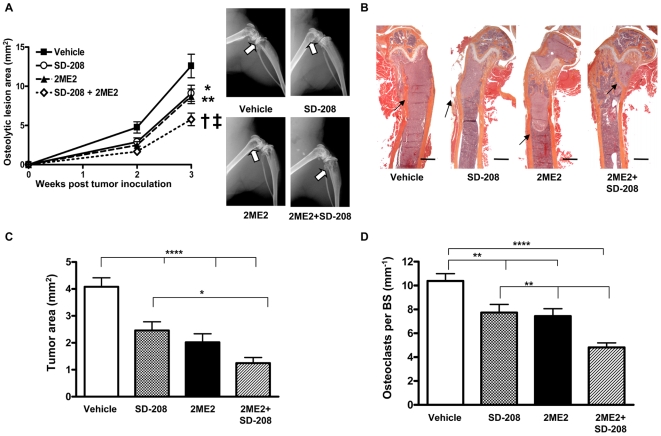
BACKGROUND: Most patients with advanced breast cancer develop bone metastases, which cause pain, hypercalcemia, fractures, nerve compression and paralysis. Chemotherapy causes further bone loss, and bone-specific treatments are only palliative. Multiple tumor-secreted factors act on the bone microenvironment to drive a feed-forward cycle of tumor growth. Effective treatment requires inhibiting upstream regulators of groups of prometastatic factors. Two central regulators are hypoxia and transforming growth factor (TGF)- beta. We asked whether hypoxia (via HIF-1alpha) and TGF-beta signaling promote bone metastases independently or synergistically, and we tested molecular versus pharmacological inhibition strategies in an animal model. METHODOLOGY/PRINCIPAL FINDINGS: We analyzed interactions between HIF-1alpha and TGF-beta pathways in MDA-MB-231 breast cancer cells. Only vascular endothelial growth factor (VEGF) and the CXC chemokine receptor 4 (CXCR4), of 16 genes tested, were additively increased by both TGF-beta and hypoxia, with effects on the proximal promoters. We inhibited HIF-1alpha and TGF-beta pathways in tumor cells by shRNA and dominant negative receptor approaches. Inhibition of either pathway decreased bone metastasis, with no further effect of double blockade. We tested pharmacologic inhibitors of the pathways, which target both the tumor and the bone microenvironment. Unlike molecular blockade, combined drug treatment decreased bone metastases more than either alone, with effects on bone to decrease osteoclastic bone resorption and increase osteoblast activity, in addition to actions on tumor cells. CONCLUSIONS/SIGNIFICANCE: Hypoxia and TGF-beta signaling in parallel drive tumor bone metastases and regulate a common set of tumor genes. In contrast, small molecule inhibitors, by acting on both tumor cells and the bone microenvironment, additively decrease tumor burden, while improving skeletal quality. Our studies suggest that inhibitors of HIF-1alpha and TGF-beta may improve treatment of bone metastases and increase survival.
Overview
The claims and statistics of this paper haven’t been checked yet.
Free: it reads the open-access text and checks the first 5 claims that cite a source we can check. Create a free account to check every claim.
Integrity signals
Registry
Cites
Statistics
Figures
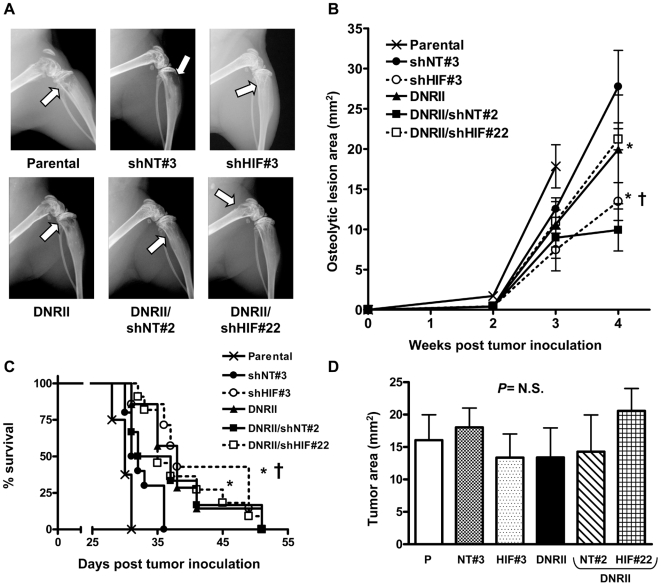
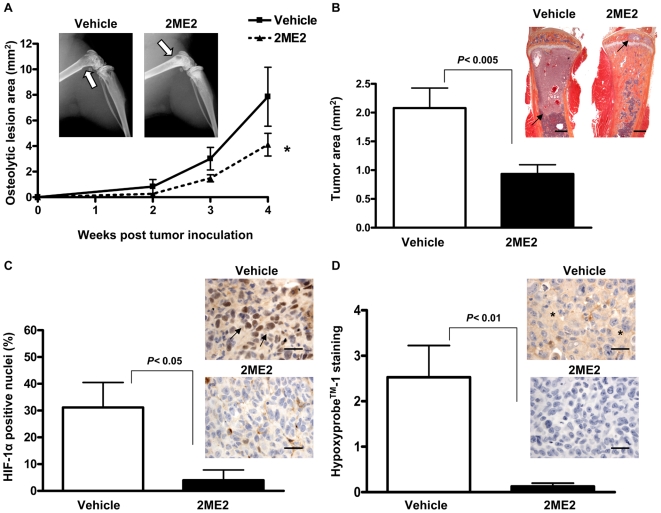
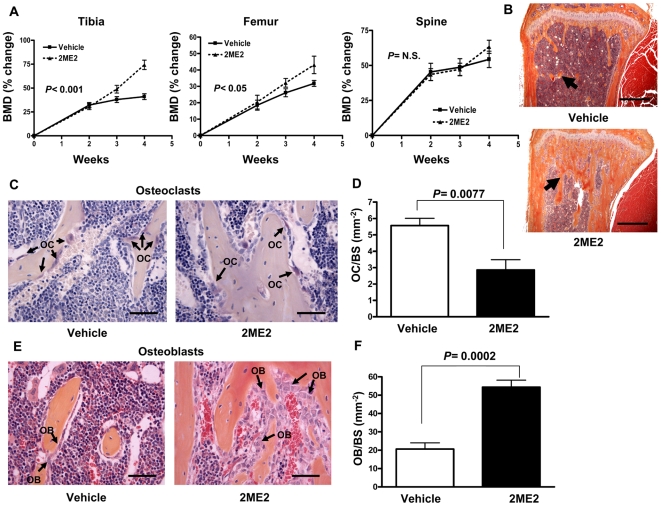
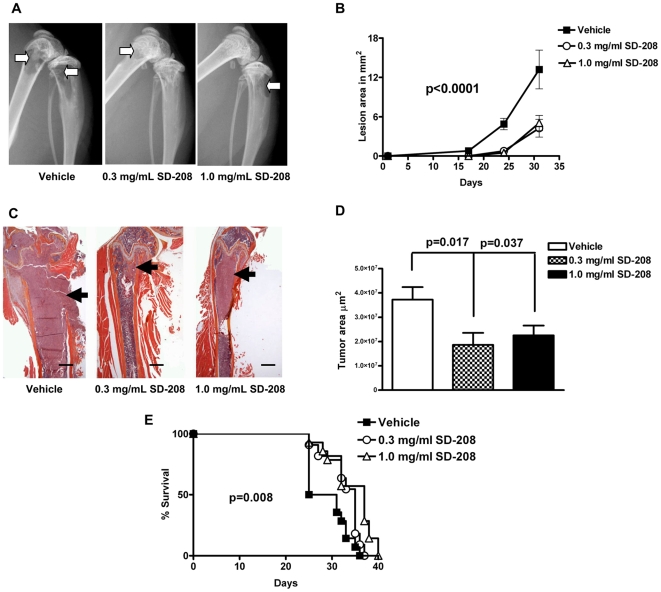
Verification
Claims the paper makes
The claims and statistics of this paper haven’t been checked yet.
Free: it reads the open-access text and checks the first 5 claims that cite a source we can check. Create a free account to check every claim.
Claims other papers make about this one
Each is checked against this paper’s own text: does it say what the citing paper says it does?
The cited source says what the claim attributes to it.
In the citing paper
“Because BCCs were injected directly into the circulation, these studies do not provide compelling evidence that HIF-1 is required for spontaneous metastasis from breast to bone as opposed to a more limited requirement for bone colonization by circulating tumor cells.”
From The hypoxic tumor microenvironment: A driving force for breast cancer progression (2016) · cites this paper as [33]
Self-check
Percentages, sums and reported differences re-computed from the paper’s own numbers.
The self-check needs the paper’s full text.
Citations
Cites
Targeting HIF-1 for cancer therapy
Semenza, G. L. (2003) · Nature Reviews Cancer · doi:10.1038/nrc1187 · Cited by 6,717 · cited 1×
“When oxygen is limiting, HIF-1a heterodimerizes with HIF-1b in the nucleus and mediates the transcription of hypoxia-regulated target genes [20,23].”
BackgroundHypoxia — a key regulatory factor in tumour growth
Harris, A. L. (2002) · Nature Reviews Cancer · doi:10.1038/nrc704 · Cited by 5,177 · cited 2×
“When oxygen is limiting, HIF-1a heterodimerizes with HIF-1b in the nucleus and mediates the transcription of hypoxia-regulated target genes [20,23].”
BackgroundMassagué, J. (2008) · Cell · doi:10.1016/j.cell.2008.07.001 · Cited by 3,907
Exploiting tumour hypoxia in cancer treatment
Brown, J. M., & Wilson, W. R. (2004) · Nature Reviews Cancer · doi:10.1038/nrc1367 · Cited by 2,828 · cited 1×
“may contribute to the incurability of bone metastases [21].”
BackgroundMetastasis to bone: causes, consequences and therapeutic opportunities
Mundy, G. R. (2002) · Nature Reviews Cancer · doi:10.1038/nrc867 · Cited by 2,777
Roodman, G. D. (2004) · New England Journal of Medicine · doi:10.1056/nejmra030831 · Cited by 2,755 · cited 2×
“Breast cancers frequently metastasize to bone, where they disrupt normal bone remodeling to cause bone destruction, pain, pathologic fracture, hypercalcemia, and nerve compression [1].”
BackgroundA multigenic program mediating breast cancer metastasis to bone
Kang, Y., Siegel, P. M., Shu, W., Drobnjak, M., Kakonen, S. M., Cordón-Cardo, C., Guise, T. A., & Massagué, J. (2003) · Cancer Cell · doi:10.1016/s1535-6108(03)00132-6 · Cited by 2,597 · cited 1×
“TGF-b-regulated factors, such as CTGF, IL-11, CXCR4 [13,26], and MMP-1 [24,25] are involved in multiple steps of the metastatic cascade, including invasion, homing, angiogenesis, and osteolysis [5] and constitute a gene signature for tumors that metastasize preferentially to bone [8] (Table 1).”
BackgroundSelf-citationRole of HIF-1α in hypoxia-mediated apoptosis, cell proliferation and tumour angiogenesis
Carmeliet, P., Dor, Y., Herbert, J.-M., Fukumura, D., Brusselmans, K., Dewerchin, M., Neeman, M., Bono, F., Abramovitch, R., Maxwell, P., et al. (1998) · Nature · doi:10.1038/28867 · Cited by 2,502 · cited 1×
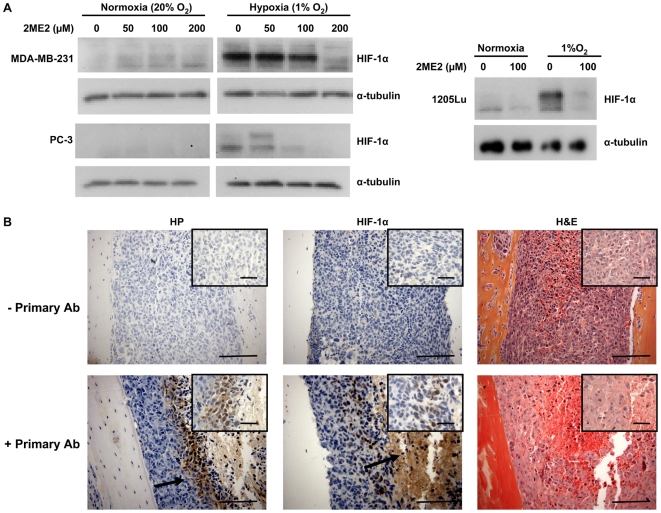
“We next determined whether MDA-MB-231 breast cancer bone metastases are hypoxic in vivo by Hypoxyprobe-1 staining [35–38].”
BackgroundMassagué, J., Seoane, J., & Wotton, D. (2005) · Genes & Development · doi:10.1101/gad.1350705 · Cited by 2,452 · cited 1×
“translocates to the nucleus and mediates gene transcription by binding to Smad binding elements (SBEs) in the promoters of target genes [4].”
Background(1999) · PubMed · Cited by 2,204
Chiang, A. C., & Massagué, J. (2008) · New England Journal of Medicine · doi:10.1056/nejmra0805239 · Cited by 1,054
Yin, J. J., Selander, K., Chirgwin, J. M., Dallas, M., Grubbs, B. G., Wieser, R., Massagué, J., Mundy, G. R., & Guise, T. A. (1999) · Journal of Clinical Investigation · doi:10.1172/jci3523 · Cited by 986 · cited 7×
“metastases and increased survival [6].”
BackgroundInfluentialSelf-citationPulaski, B. A., & Ostrand‐Rosenberg, S. (2000) · Current Protocols in Immunology · doi:10.1002/0471142735.im2002s39 · Cited by 912 · cited 1×
“The results suggest that HIF1a knockdown may specifically inhibit skeletal metastases by blocking CXCR4-mediated homing to bone [51].”
BackgroundGuise, T. A., Yin, J. J., Taylor, S. D., Kumagai, Y., Dallas, M., Boyce, B. F., Yoneda, T., & Mundy, G. R. (1996) · Journal of Clinical Investigation · doi:10.1172/jci118947 · Cited by 851 · cited 1×
“Intracardiac inoculation of tumor cells was performed as previously described [71].”
MethodSelf-citationWang, Y., Wan, C., Deng, L., Liu, X., Cao, X., Gilbert, S. R., Bouxsein, M. L., Faugere, M.-C., Guldberg, R. E., Gerstenfeld, L. C., et al. (2007) · Journal of Clinical Investigation · doi:10.1172/jci31581 · Cited by 733 · cited 2×
“less vascularized bones with decreased bone density [61].”
Background2ME2 inhibits tumor growth and angiogenesis by disrupting microtubules and dysregulating HIF
Mabjeesh, N. J., Escuin, D., LaVallee, T. M., Pribluda, V. S., Swartz, G. M., Johnson, M. S., Willard, M. T., Zhong, H., Simons, J. W., & Giannakakou, P. (2003) · Cancer Cell · doi:10.1016/s1535-6108(03)00077-1 · Cited by 730 · cited 1×
“1205Lu melanoma cells, as demonstrated previously [32].”
Breast cancer bone metastasis mediated by the Smad tumor suppressor pathway
Kang, Y., He, W., Tulley, S., Gupta, G. P., Serganova, I., Chen, C.-R., Manova-Todorova, K., Blasberg, R., Gerald, W. L., & Massagué, J. (2005) · Proceedings of the National Academy of Sciences · doi:10.1073/pnas.0506517102 · Cited by 532 · cited 4×
“Inhibition of TGF-b signaling by knockdown of Smad4 [11,12], overexpression of the inhibitory Smad7 [13], or treatment with pharmacologic inhibitors, such as SD-208 [14], an ATP-competitive inhibitor of the TbRI kinase or other TGF-b inhibitors [15–18] decreased bone metastases in animal models.”
BackgroundInfluentialBody, J.-J., Facon, T., Coleman, R. E., Lipton, A., Geurs, F., Fan, M., Holloway, D., Peterson, M. C., & Bekker, P. J. (2006) · Clinical Cancer Research · doi:10.1158/1078-0432.ccr-05-1933 · Cited by 490
Eccles, S. A., Massey, A., Raynaud, F. I., Sharp, S. Y., Box, G., Valenti, M., Patterson, L., de Haven Brandon, A., Gowan, S., Boxall, F., et al. (2008) · Cancer Research · doi:10.1158/0008-5472.can-07-5256 · Cited by 479
Koeneman, K. S., Yeung, F., & Chung, L. W. K. (1999) · The Prostate · doi:10.1002/(sici)1097-0045(19990601)39:4<291::aid-pros10>3.0.co;2-9 · Cited by 443
Koeneman, K. S., Yeung, F., & Chung, L. W. K. (1999) · The Prostate · doi:10.1002/(sici)1097-0045(19990601)39:4<246::aid-pros5>3.0.co;2-u · Cited by 440
Yaccoby, S., Ling, W., Zhan, F., Walker, R., Barlogie, B., & Shaughnessy, J. D. (2007) · Blood · doi:10.1182/blood-2006-09-047712 · Cited by 433
Fibroblast-mediated acceleration of human epithelial tumor growth in vivo.
Camps, J. L., Chang, S. M., Hsu, T. C., Freeman, M. R., Hong, S. J., Zhau, H. E., von Eschenbach, A. C., & Chung, L. W. (1990) · Proceedings of the National Academy of Sciences · doi:10.1073/pnas.87.1.75 · Cited by 416
Blockade of TGF-β inhibits mammary tumor cell viability, migration, and metastases
Muraoka, R. S., Dumont, N., Ritter, C. A., Dugger, T. C., Brantley, D. M., Chen, J., Easterly, E., Roebuck, L. R., Ryan, S., Gotwals, P. J., et al. (2002) · Journal of Clinical Investigation · doi:10.1172/jci0215234 · Cited by 415 · cited 1×
“signaling by knockdown of Smad4 [11,12], overexpression of the inhibitory Smad7 [13], or treatment with pharmacologic inhibitors, such as SD-208 [14], an ATP-competitive inhibitor of the TbRI kinase or other TGF-b inhibitors [15–18] decreased bone metastases in animal models.”
BackgroundUhl, M., Aulwurm, S., Wischhusen, J., Weiler, M., Ma, J. Y., Almirez, R., Mangadu, R., Liu, Y.-W., Platten, M., Herrlinger, U., et al. (2004) · Cancer Research · doi:10.1158/0008-5472.can-04-1013 · Cited by 414 · cited 4×
“following orthotopic implantation of glioma cells [31].”
BackgroundInfluentialTerpos, E., Szydlo, R., Apperley, J. F., Hatjiharissi, E., Politou, M., Meletis, J., Viniou, N., Yataganas, X., Goldman, J. M., & Rahemtulla, A. (2003) · Blood · doi:10.1182/blood-2003-02-0380 · Cited by 410
Yang, Y.-A., Dukhanina, O. I., Tang, B., Mamura, M., Letterio, J. J., MacGregor, J., Patel, S. C., Khozin, S., Liu, Z.-Y., Green, J. D., et al. (2002) · Journal of Clinical Investigation · doi:10.1172/jci15333 · Cited by 404 · cited 1×
“signaling by knockdown of Smad4 [11,12], overexpression of the inhibitory Smad7 [13], or treatment with pharmacologic inhibitors, such as SD-208 [14], an ATP-competitive inhibitor of the TbRI kinase or other TGF-b inhibitors [15–18] decreased bone metastases in animal models.”
BackgroundYang, Y.-A., Dukhanina, O., Tang, B., Mamura, M., Letterio, J. J., MacGregor, J., Patel, S. C., Khozin, S., Liu, Z.-Y., Green, J., et al. (2002) · Journal of Clinical Investigation · doi:10.1172/jci200215333 · Cited by 404
A causal role for endothelin-1 in the pathogenesis of osteoblastic bone metastases
Yin, J. J., Mohammad, K. S., Käkönen, S. M., Harris, S., Wu-Wong, J. R., Wessale, J. L., Padley, R. J., Garrett, I. R., Chirgwin, J. M., & Guise, T. A. (2003) · Proceedings of the National Academy of Sciences · doi:10.1073/pnas.1830978100 · Cited by 381 · cited 1×
“bone, defined as area of bone occupied by the cancer cells, was calculated at the tibia, femur and humerus at 506magnification on H&E stained sections, as previously described [72].”
MethodSelf-citationSánchez-Elsner, T., Botella, L. M., Velasco, B., Corbı́, A., Attisano, L., & Bernabéu, C. (2001) · Journal of Biological Chemistry · doi:10.1074/jbc.m104536200 · Cited by 380 · cited 1×
“human VEGF promoter [48].”
Deckers, M., van Dinther, M., Buijs, J., Que, I., Löwik, C., van der Pluijm, G., & ten Dijke, P. (2006) · Cancer Research · doi:10.1158/0008-5472.can-05-3560 · Cited by 371 · cited 1×
“signaling by knockdown of Smad4 [11,12], overexpression of the inhibitory Smad7 [13], or treatment with pharmacologic inhibitors, such as SD-208 [14], an ATP-competitive inhibitor of the TbRI kinase or other TGF-b inhibitors [15–18] decreased bone metastases in animal models.”
BackgroundVaria, M. A., Calkins-Adams, D. P., Rinker, L. H., Kennedy, A. S., Novotny, D. B., Fowler, W. C., & Raleigh, J. A. (1998) · Gynecologic Oncology · doi:10.1006/gyno.1998.5163 · Cited by 342 · cited 1×
“We next determined whether MDA-MB-231 breast cancer bone metastases are hypoxic in vivo by Hypoxyprobe-1 staining [35–38].”
BackgroundLiao, D., Corle, C., Seagroves, T. N., & Johnson, R. S. (2007) · Cancer Research · doi:10.1158/0008-5472.can-06-2701 · Cited by 339 · cited 1×
“reported that conditional deletion of HIF-1α from the mammary epithelium in transgenic mice delayed onset of spontaneous breast tumors and retarded their growth”
BackgroundBreast Cancer Metastasis to Bone: Mechanisms of Osteolysis and Implications for Therapy
Kozlow, W., & Guise, T. A. (2005) · Journal of Mammary Gland Biology and Neoplasia · doi:10.1007/s10911-005-5399-8 · Cited by 337
Self-citationFracture Risk With Multiple Myeloma: A Population-Based Study
Melton, L. J., Kyle, R. A., Achenbach, S. J., Oberg, A. L., & Rajkumar, S. V. (2005) · Journal of Bone and Mineral Research · doi:10.1359/jbmr.041131 · Cited by 332
Phillips, R. J., Mestas, J., Gharaee-Kermani, M., Burdick, M. D., Sica, A., Belperio, J. A., Keane, M. P., & Strieter, R. M. (2005) · Journal of Biological Chemistry · doi:10.1074/jbc.m500963200 · Cited by 323 · cited 2×
“[40,41].”
BackgroundHypoxia is a major stimulator of osteoclast formation and bone resorption
Arnett, T. R., Gibbons, D. C., Utting, J. C., Orriss, I. R., Hoebertz, A., Rosendaal, M., & Meghji, S. (2003) · Journal of Cellular Physiology · doi:10.1002/jcp.10321 · Cited by 323 · cited 1×
“In addition, HIF-1a also regulates osteoclast formation and bone resorption [63,64] by increasing VEGF expression which substitutes for M-CSF to promote osteoclastogenesis together with RANKL [65,66].”
BackgroundAbe, M., Hiura, K., Wilde, J., Moriyama, K., Hashimoto, T., Ozaki, S., Wakatsuki, S., Kosaka, M., Kido, S., Inoue, D., et al. (2002) · Blood · doi:10.1182/blood.v100.6.2195 · Cited by 294
Tamamura, H., Hori, A., Kanzaki, N., Hiramatsu, K., Mizumoto, M., Nakashima, H., Yamamoto, N., Otaka, A., & Fujii, N. (2003) · FEBS Letters · doi:10.1016/s0014-5793(03)00824-x · Cited by 285 · cited 1×
“Previous studies showed that treatment with CXCR4 antagonists inhibited breast cancer metastasis to bone and lung [53,54] and decreased bone destruction due to myeloma bone metastases [55] in mice, which supports our results.”
ResultAo, M., Franco, O. E., Park, D., Raman, D., Williams, K., & Hayward, S. W. (2007) · Cancer Research · doi:10.1158/0008-5472.can-06-3946 · Cited by 278 · cited 1×
“TGF-b-regulated factors, such as CTGF, IL-11, CXCR4 [13,26], and MMP-1 [24,25] are involved in multiple steps of the metastatic cascade, including invasion, homing, angiogenesis, and osteolysis [5] and constitute a gene signature for tumors that metastasize preferentially to bone [8] (Table 1).”
BackgroundKäkönen, S.-M., Selander, K. S., Chirgwin, J. M., Yin, J. J., Burns, S., Rankin, W. A., Grubbs, B. G., Dallas, M., Cui, Y., & Guise, T. A. (2002) · Journal of Biological Chemistry · doi:10.1074/jbc.m202561200 · Cited by 276 · cited 1×
“Active TGF-b in bone [2] promotes bone metastases by increasing tumor production of factors that stimulate osteoclastic bone resorption and tumor growth [6,7].”
Self-citationGiuliani, N., Morandi, F., Tagliaferri, S., Lazzaretti, M., Bonomini, S., Crugnola, M., Mancini, C., Martella, E., Ferrari, L., Tabilio, A., et al. (2007) · Blood · doi:10.1182/blood-2006-11-059188 · Cited by 267
Raleigh, J. A., Calkins-Adams, D. P., Rinker, L. H., Ballenger, C. A., Weissler, M. C., Fowler, W. C., Novotny, D. B., & Varia, M. A. (1998) · PubMed · Cited by 265
The pivotal role of CXCL12 (SDF-1)/CXCR4 axis in bone metastasis
Wang, J., Loberg, R., & Taichman, R. S. (2007) · Cancer and Metastasis Reviews · doi:10.1007/s10555-006-9019-x · Cited by 256 · cited 2×
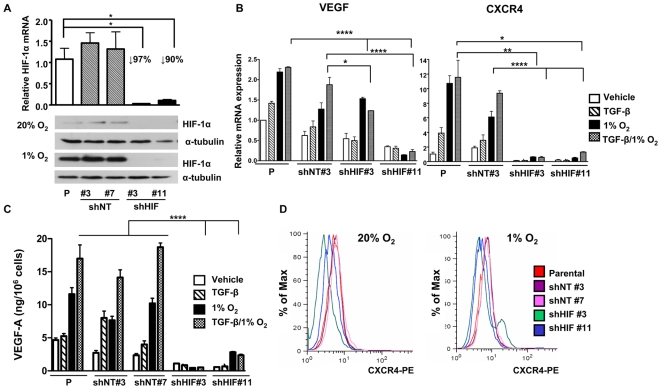
“Together, our in vitro and in vivo results suggest that HIF-1a promotes bone metastases by regulating factors such as CXCR4, which promotes tumor cell homing to bone [50] and VEGF, which promotes angiogenesis.”
BackgroundBendre, M. S., Margulies, A. G., Walser, B., Akel, N. S., Bhattacharrya, S., Skinner, R. A., Swain, F., Ramani, V., Mohammad, K. S., Wessner, L. L., et al. (2005) · Cancer Research · doi:10.1158/0008-5472.can-05-2630 · Cited by 243 · cited 1×
“PTHrP [6], IL-11, connective tissue growth factor (CTGF), the CXC chemokine receptor 4 (CXCR4), and others [7–10].”
BackgroundSelf-citationHiraga, T., Kizaka-Kondoh, S., Hirota, K., Hiraoka, M., & Yoneda, T. (2007) · Cancer Research · doi:10.1158/0008-5472.can-06-2355 · Cited by 242 · cited 2×
“constitutively active HIF had the opposite effect [46].”
BackgroundBendre, M. S., Gaddy-Kurten, D., Mon-Foote, T., Akel, N. S., Skinner, R. A., Nicholas, R. W., & Suva, L. J. (2002) · PubMed · Cited by 239
Bone Loss and Fracture Risk Associated with Cancer Therapy
Guise, T. A. (2006) · The Oncologist · doi:10.1634/theoncologist.11-10-1121 · Cited by 239 · cited 1×
“Unlike most current cancer therapies, including aromatase inhibitors, which cause bone loss [67], 2ME2 and SD-208 have bone-sparing effects that may contribute the beneficial effect on bone metastases [60,68].”
BackgroundSelf-citationActions of bisphosphonate on bone metastasis in animal models of breast carcinoma
Yoneda, T., Michigami, T., Yi, B., Williams, P. J., Niewolna, M., & Hiraga, T. (2000) · Cancer · doi:10.1002/1097-0142(20000615)88:12+<2979::aid-cncr13>3.0.co;2-u · Cited by 214
Self-citationRisks and benefits of bisphosphonates
Coleman, R. E. (2008) · British Journal of Cancer · doi:10.1038/sj.bjc.6604382 · Cited by 212 · cited 1×
“Standard bisphosphonate therapies improve skeletal morbidity by reducing this osteolysis [44,45], but”
BackgroundStable Overexpression of Smad7 in Human Melanoma Cells Impairs Bone Metastasis
Javelaud, D., Mohammad, K. S., McKenna, C. R., Fournier, P., Luciani, F., Niewolna, M., André, J., Delmas, V., Larue, L., Guise, T. A., et al. (2007) · Cancer Research · doi:10.1158/0008-5472.can-06-3950 · Cited by 195 · cited 5×
“signaling by knockdown of Smad4 [11,12], overexpression of the inhibitory Smad7 [13], or treatment with pharmacologic inhibitors, such as SD-208 [14], an ATP-competitive inhibitor of the TbRI kinase or other TGF-b inhibitors [15–18] decreased bone metastases in animal models.”
BackgroundInfluentialSelf-citationOsteoclast size is controlled by Fra-2 through LIF/LIF-receptor signalling and hypoxia
Bozec, A., Bakiri, L., Hoebertz, A., Eferl, R., Schilling, A. F., Komnenovic, V., Scheuch, H., Priemel, M., Stewart, C. L., Amling, M., et al. (2008) · Nature · doi:10.1038/nature07019 · Cited by 193 · cited 1×
“In addition, HIF-1a also regulates osteoclast formation and bone resorption [63,64] by increasing VEGF expression which substitutes for M-CSF to promote osteoclastogenesis together with RANKL [65,66].”
BackgroundBandyopadhyay, A., Agyin, J. K., Wang, L., Tang, Y., Lei, X., Story, B. M., Cornell, J. E., Pollock, B. H., Mundy, G. R., & Sun, L.-Z. (2006) · Cancer Research · doi:10.1158/0008-5472.can-05-3565 · Cited by 185 · cited 3×
“signaling by knockdown of Smad4 [11,12], overexpression of the inhibitory Smad7 [13], or treatment with pharmacologic inhibitors, such as SD-208 [14], an ATP-competitive inhibitor of the TbRI kinase or other TGF-b inhibitors [15–18] decreased bone metastases in animal models.”
BackgroundAkagi, Y., Liu, W., Zebrowski, B. K., Xie, K., & Ellis, L. M. (1998) · PubMed · Cited by 184
Ehata, S., Hanyu, A., Fujime, M., Katsuno, Y., Fukunaga, E., Goto, K., Ishikawa, Y., Nomura, K., Yokoo, H., Shimizu, T., et al. (2007) · Cancer Science · doi:10.1111/j.1349-7006.2006.00357.x · Cited by 180
Mohammad, K. S., Chen, C. G., Balooch, G., Stebbins, E., McKenna, C. R., Davis, H., Niewolna, M., Peng, X. H., Nguyen, D. H. N., Ionova-Martin, S. S., et al. (2009) · PLoS ONE · doi:10.1371/journal.pone.0005275 · Cited by 179 · cited 1×
“Systemic TGF-β blockade with SD-208 was previously shown to have profound effects on normal bone remodeling to increase bone mass in part by inhibiting osteoclast formation and bone resorption, as well as to stimulate osteoblast activity and new bone formation”
BackgroundSelf-citationIncreased Dickkopf-1 expression in breast cancer bone metastases
Voorzanger-Rousselot, N., Goehrig, D., Journe, F., Doriath, V, Body, J. J., Clézardin, P., & Garnero, P. (2007) · British Journal of Cancer · doi:10.1038/sj.bjc.6603959 · Cited by 174
Mechanism of action of 2-methoxyestradiol: new developments
Mooberry, S. L. (2003) · Drug Resistance Updates · doi:10.1016/j.drup.2003.10.001 · Cited by 173 · cited 1×
“and anti-microtubule properties [32,58,59].”
Zhau, H. E., Odero-Marah, V., Lue, H.-W., Nomura, T., Wang, R., Chu, G. C., Liu, Z., Zhou, B. P., Huang, W., & Chung, L. W. K. (2008) · Clinical & Experimental Metastasis · doi:10.1007/s10585-008-9183-1 · Cited by 163
Biochemical markers and skeletal metastases
Demers, L. M., Costa, L., & Lipton, A. (2000) · Cancer · doi:10.1002/1097-0142(20000615)88:12+<2919::aid-cncr7>3.0.co;2-z · Cited by 161
Self-citationEdwards, C. M., Edwards, J. R., Lwin, S. T., Esparza, J., Oyajobi, B. O., McCluskey, B., Munoz, S., Grubbs, B., & Mundy, G. R. (2008) · Blood · doi:10.1182/blood-2007-03-077685 · Cited by 160
James, N. D., Caty, A., Borre, M., Zonnenberg, B. A., Beuzeboc, P., Morris, T., Phung, D., & Dawson, N. A. (2009) · European Urology · doi:10.1016/j.eururo.2008.11.002 · Cited by 159
Odero‐Marah, V., Wang, R., Chu, G. C., Zayzafoon, M., Xu, J., Shi, C., Marshall, F. F., Zhau, H. E., & Chung, L. W. K. (2008) · Cell Research · doi:10.1038/cr.2008.84 · Cited by 157
Ge, R., Rajeev, V., Ray, P., Lattime, E., Rittling, S., Medicherla, S., Protter, A., Murphy, A., Chakravarty, J., Dugar, S., et al. (2006) · Clinical Cancer Research · doi:10.1158/1078-0432.ccr-06-0162 · Cited by 153 · cited 3×
“signaling by knockdown of Smad4 [11,12], overexpression of the inhibitory Smad7 [13], or treatment with pharmacologic inhibitors, such as SD-208 [14], an ATP-competitive inhibitor of the TbRI kinase or other TGF-b inhibitors [15–18] decreased bone metastases in animal models.”
BackgroundHall, C. L., Daignault, S. D., Shah, R. B., Pienta, K. J., & Keller, E. T. (2008) · The Prostate · doi:10.1002/pros.20805 · Cited by 151
Jeon, S.-H., Chae, B.-C., Kim, H.-A., Seo, G.-Y., Seo, D.-W., Chun, G.-T., Kim, N.-S., Yie, S.-W., Byeon, W.-H., Eom, S.-H., et al. (2007) · Journal of Leukocyte Biology · doi:10.1189/jlb.0806517 · Cited by 150 · cited 2×
“expression of VEGF in macrophages [47].”
BackgroundHuang, W., Xie, Z., Konaka, H., Sodek, J., Zhau, H. E., & Chung, L. W. K. (2005) · Cancer Research · doi:10.1158/0008-5472.can-04-3448 · Cited by 148
Janssen, H. L., Haustermans, K. M., Sprong, D., Blommestijn, G. J. F., Hofland, I., Hoebers, F. J. P., Blijweert, E., Raleigh, J. A., Semenza, G. L., Varia, M. A., et al. (2002) · International Journal of Radiation Oncology*Biology*Physics · doi:10.1016/s0360-3016(02)03935-4 · Cited by 133 · cited 1×
“We next determined whether MDA-MB-231 breast cancer bone metastases are hypoxic in vivo by Hypoxyprobe-1 staining [35–38].”
BackgroundOxygen tension is an important mediator of the transformation of osteoblasts to osteocytes
Hirao, M., Hashimoto, J., Yamasaki, N., Ando, W., Tsuboi, H., Myoui, A., & Yoshikawa, H. (2007) · Journal of Bone and Mineral Metabolism · doi:10.1007/s00774-007-0765-9 · Cited by 132 · cited 2×
“The bone microenvironment is also hypoxic [19].”
BackgroundInhibition of CXCR4 by CTCE-9908 inhibits breast cancer metastasis to lung and bone
Welch (2009) · Oncology Reports · doi:10.3892/or_00000282 · Cited by 132 · cited 1×
“Previous studies showed that treatment with CXCR4 antagonists inhibited breast cancer metastasis to bone and lung [53,54] and decreased bone destruction due to myeloma bone metastases [55] in mice, which supports our results.”
ResultRicker, J. L., Chen, Z., Yang, X. P., Pribluda, V. S., Swartz, G. M., & Van Waes, C. (2004) · Clinical Cancer Research · doi:10.1158/1078-0432.ccr-04-1393 · Cited by 129
Albertella, M. R., Loadman, P. M., Jones, P. H., Phillips, R. M., Rampling, R., Burnet, N., Alcock, C., Anthoney, A., Vjaters, E., Dunk, C. R., et al. (2008) · Clinical Cancer Research · doi:10.1158/1078-0432.ccr-07-4020 · Cited by 127 · cited 1×
“effective and several are under investigation in phase I and II clinical trials for various cancers [14,15,27–31].”
BackgroundPhase I Trial of 2-Methoxyestradiol NanoCrystal Dispersion in Advanced Solid Malignancies
Tevaarwerk, A. J., Holen, K. D., Alberti, D. B., Sidor, C., Arnott, J., Quon, C., Wilding, G., & Liu, G. (2009) · Clinical Cancer Research · doi:10.1158/1078-0432.ccr-08-1599 · Cited by 123 · cited 2×
“2-methoxyestradiol (2ME2) was a gift from Entremed (Rockville, MD) and was provided as an orally-active, nanocrystalline dispersion [43].”
MethodEpigenetic diagnostics of cancer — the application of DNA methylation markers
Paluszczak, J., & Baer‐Dubowska, W. (2006) · Journal of Applied Genetics · doi:10.1007/bf03194647 · Cited by 121
Genomic organization and promoter characterization of human CXCR4 gene1
Caruz, A., Samsom, M., Alonso, J. M., Alcami, J., Baleux, F., Virelizier, J. L., Parmentier, M., & Arenzana-Seisdedos, F. (1998) · FEBS Letters · doi:10.1016/s0014-5793(98)00359-7 · Cited by 116
Acute hypoxia and osteoclast activity: a balance between enhanced resorption and increased apoptosis
Knowles, H. J., & Athanasou, N. A. (2009) · The Journal of Pathology · doi:10.1002/path.2534 · Cited by 116 · cited 1×
“In addition, HIF-1a also regulates osteoclast formation and bone resorption [63,64] by increasing VEGF expression which substitutes for M-CSF to promote osteoclastogenesis together with RANKL [65,66].”
BackgroundNew insights into 2-methoxyestradiol, a promising antiangiogenic and antitumor agent
Mooberry, S. L. (2003) · Current Opinion in Oncology · doi:10.1097/00001622-200311000-00004 · Cited by 112 · cited 1×
“and anti-microtubule properties [32,58,59].”
Huang, W., Wu, D., Xie, Z., Zhau, H. E., Nomura, T., Zayzafoon, M., Pohl, J., Hsieh, C., Weitzmann, M. N., Farach‐Carson, M. C., et al. (2006) · Cancer Research · doi:10.1158/0008-5472.can-06-1996 · Cited by 112
Hayashi, T., Hideshima, T., Nguyen, A. N., Munoz, O., Podar, K., Hamasaki, M., Ishitsuka, K., Yasui, H., Richardson, P., Chakravarty, S., et al. (2004) · Clinical Cancer Research · doi:10.1158/1078-0432.ccr-04-0632 · Cited by 110 · cited 1×
“signaling by knockdown of Smad4 [11,12], overexpression of the inhibitory Smad7 [13], or treatment with pharmacologic inhibitors, such as SD-208 [14], an ATP-competitive inhibitor of the TbRI kinase or other TGF-b inhibitors [15–18] decreased bone metastases in animal models.”
BackgroundProstate cancer is characterized by epigenetic silencing of 14-3-3σ expression
Lodygin, D., Diebold, J., & Hermeking, H. (2004) · Oncogene · doi:10.1038/sj.onc.1208004 · Cited by 104
Duivenvoorden, W., Hirte, H. W., & Singh, G. K. J. (1999) · Clinical & Experimental Metastasis · doi:10.1023/a:1026404227624 · Cited by 101 · cited 2×
“TGF-b-regulated factors, such as CTGF, IL-11, CXCR4 [13,26], and MMP-1 [24,25] are involved in multiple steps of the metastatic cascade, including invasion, homing, angiogenesis, and osteolysis [5] and constitute a gene signature for tumors that metastasize preferentially to bone [8] (Table 1).”
BackgroundLipton, A. (2008) · Cancer Treatment Reviews · doi:10.1016/j.ctrv.2008.03.008 · Cited by 99 · cited 1×
“Standard bisphosphonate therapies improve skeletal morbidity by reducing this osteolysis [44,45], but”
BackgroundKnowles, H. J., & Athanasou, N. (2008) · The Journal of Pathology · doi:10.1002/path.2319 · Cited by 97 · cited 2×
“Our data establish that hypoxia and TGF-b signaling pathways regulate tumor-secreted factors such as CXCR4 which promotes tumor cell homing to the bone [50], and VEGF which stimulates tumor angiogenesis and increases both osteoclast [65,69] and osteoblast activity [61].”
BackgroundDiscovery and Validation of 3 Novel DNA Methylation Markers of Prostate Cancer Prognosis
Cottrell, S. E., Jung, K., Kristiansen, G., Eltze, E., Semjonow, A., Ittmann, M., Hartmann, A., Stamey, T. A., Haefliger, C., & Weiss, G. (2007) · The Journal of Urology · doi:10.1016/j.juro.2007.01.010 · Cited by 97
Zhang, Q., Guo, R., Lu, Y., Zhao, L., Zhou, Q., Schwarz, E. M., Huang, J., Chen, D., Jin, Z.-G., Boyce, B. F., et al. (2008) · Journal of Biological Chemistry · doi:10.1074/jbc.m708055200 · Cited by 85 · cited 1×
“Our data establish that hypoxia and TGF-b signaling pathways regulate tumor-secreted factors such as CXCR4 which promotes tumor cell homing to the bone [50], and VEGF which stimulates tumor angiogenesis and increases both osteoclast [65,69] and osteoblast activity [61].”
BackgroundTGF-β inhibitors for the treatment of cancer
Lahn, M., Kloeker, S., & Berry, B. S. (2005) · Expert Opinion on Investigational Drugs · doi:10.1517/13543784.14.6.629 · Cited by 82
Beta2 microglobulin in multiple myeloma
Alexanian, R., Barlogie, B., & Fritsche, H. A. (1985) · American Journal of Hematology · doi:10.1002/ajh.2830200405 · Cited by 82
Cabıoğlu, N., Şahin, A. A., Morandi, P., Meric‐Bernstam, F., Islam, R., Lin, H. Y., Bucana, C. D., Gonzalez-Angulo, A. M., Hortobágyi, G. N., & Cristofanilli, M. (2009) · Annals of Oncology · doi:10.1093/annonc/mdn740 · Cited by 80 · cited 1×
“CXCR4 is more highly expressed in human breast cancer metastases to bone than to the lungs or brain [52].”
BackgroundStromal-Epithelial Interaction in Prostate Cancer Progression
Chung, L. W. K., Huang, W., Sung, S., Wu, D., Odero‐Marah, V., Nomura, T., Shigemura, K., Miyagi, T., Seo, S., Shi, C., et al. (2006) · Clinical Genitourinary Cancer · doi:10.3816/cgc.2006.n.034 · Cited by 77
Gross, M. E., Top, I., Laux, I., Katz, J. E., Curran, J. A., Tindell, C., & Agus, D. B. (2007) · Clinical Cancer Research · doi:10.1158/1078-0432.ccr-06-1156 · Cited by 76
Diamond, P., Labrinidis, A., Martin, S. K., Farrugia, A. N., Gronthos, S., To, L. B., Fujii, N., O’Loughlin, P. D., Evdokiou, A., & Zannettino, A. C. W. (2009) · Journal of Bone and Mineral Research · doi:10.1359/jbmr.090210 · Cited by 72 · cited 1×
“Previous studies showed that treatment with CXCR4 antagonists inhibited breast cancer metastasis to bone and lung [53,54] and decreased bone destruction due to myeloma bone metastases [55] in mice, which supports our results.”
ResultSignificant antitumor activity in vivo following treatment with the microtubule agent ENMD-1198
LaVallee, T. M., Burke, P. A., Swartz, G. M., Hamel, E., Agoston, G. E., Shah, J., Suwandi, L., Hanson, A. D., Fogler, W. E., Sidor, C. F., et al. (2008) · Molecular Cancer Therapeutics · doi:10.1158/1535-7163.mct-08-0107 · Cited by 67 · cited 1×
“effective and several are under investigation in phase I and II clinical trials for various cancers [14,15,27–31].”
BackgroundColeman, R. E. (2009) · European Journal of Cancer · doi:10.1016/j.ejca.2009.04.022 · Cited by 63
Komatsu, D. E., Bosch-Marce, M., Semenza, G. L., & Hadjiargyrou, M. (2007) · Journal of Bone and Mineral Research · doi:10.1359/jbmr.061207 · Cited by 60
The human Cyr61 gene is a transcriptional target of transforming growth factor beta in cancer cells
Bartholin, L., Wessner, L. L., Chirgwin, J. M., & Guise, T. A. (2006) · Cancer Letters · doi:10.1016/j.canlet.2006.02.019 · Cited by 59 · cited 1×
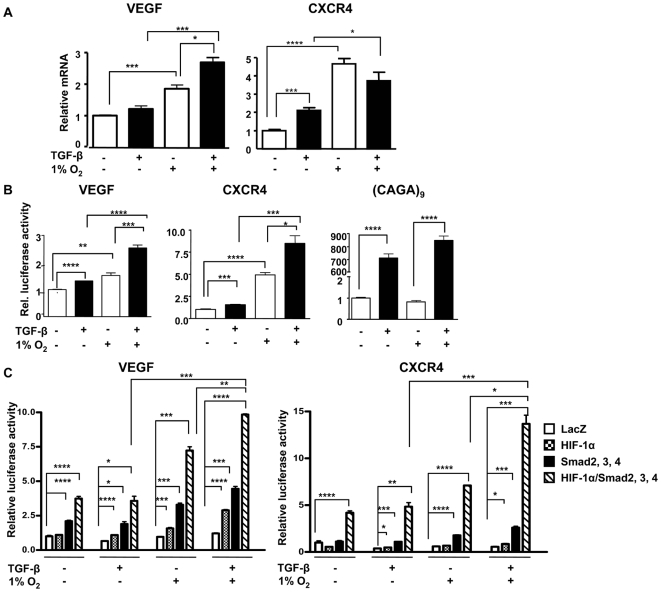
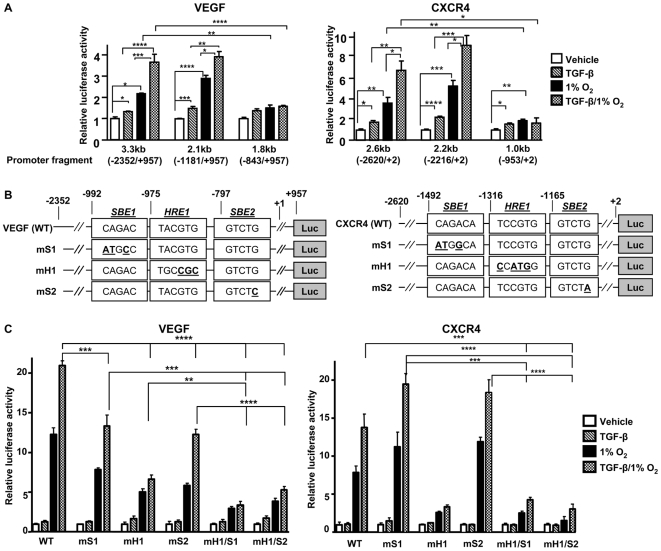
“Cells were transfected with pGL3-luciferase constructs containing either the (CAGA)9 [70], VEGF or CXCR4 promoter using Hypoxia and Bone Metastasis”
MethodSelf-citationIida, J., & McCarthy, J. B. (2007) · Melanoma Research · doi:10.1097/cmr.0b013e3282a660ad · Cited by 57
Dose-Response Effects of 2-Methoxyestradiol on Estrogen Target Tissues in the Ovariectomized Rat
Sibonga, J. D., Lotinun, S., Evans, G. L., Pribluda, V. S., Green, S. J., & Turner, R. T. (2003) · Endocrinology · doi:10.1210/en.2002-220632 · Cited by 55
Bäuerle, T., Hilbig, H., Bartling, S. H., Kiessling, F. M., Kersten, A., Schmitt-Graeff, A. H., Kauczor, H., Delorme, S., & Berger, M. R. (2008) · Neoplasia · doi:10.1593/neo.08220 · Cited by 54 · cited 1×
“Consistent with this, treatment with a VEGF neutralizing antibody decreased tumor angiogenesis and osteolytic bone metastases in rats [56,57].”
BackgroundYang, J., Zhang, X., Wang, J., Qian, J., Zhang, L., Wang, M. L., Kwak, L. W., & Yi, Q. (2007) · Blood · doi:10.1182/blood-2007-06-094417 · Cited by 52
Bäuerle, T., Bartling, S. H., Berger, M. R., Schmitt-Graeff, A. H., Hilbig, H., Kauczor, H., Delorme, S., & Kiessling, F. M. (2008) · European Journal of Radiology · doi:10.1016/j.ejrad.2008.10.020 · Cited by 52 · cited 1×
“Consistent with this, treatment with a VEGF neutralizing antibody decreased tumor angiogenesis and osteolytic bone metastases in rats [56,57].”
BackgroundCancer Treatment-Related Bone Disease
Brown, S. A., & Guise, T. A. (2009) · Critical Reviews in Eukaryotic Gene Expression · doi:10.1615/critreveukargeneexpr.v19.i1.20 · Cited by 50
Self-citationMyeloma bone disease: pathogenesis and treatment.
Roodman, G. D. (2005) · PubMed · Cited by 46
Changes in beta-2 microglobulin expression in prostate cancer
Abdul, M., & Hoosein, N. M. (2000) · Urologic Oncology Seminars and Original Investigations · doi:10.1016/s1078-1439(00)00063-6 · Cited by 46
Bone resorption increases tumour growth in a mouse model of osteosclerotic breast cancer metastasis
Zheng, Y., Zhou, H., Fong-Yee, C., Modzelewski, J., Seibel, M., & Dunstan, C. (2008) · Clinical and Experimental Metastasis · doi:10.1007/s10585-008-9172-4 · Cited by 44
Huang, W., Havel, J. J., Zhau, H. E., Qian, W. P., Lue, H.-W., Chu, C.-Y., Nomura, T., & Chung, L. W. K. (2008) · Clinical Cancer Research · doi:10.1158/1078-0432.ccr-08-0793 · Cited by 42
The effect of 2-methoxyestradiol, a HIF-1αinhibitor, in global cerebral ischemia in rats
Zhou, D., Matchett, G. A., Jadhav, V. R., Dach, N., & Zhang, J. H. (2008) · Neurological Research · doi:10.1179/016164107x229920 · Cited by 39
Novel targets for myeloma bone disease
Roodman, G. D. (2008) · Expert Opinion on Therapeutic Targets · doi:10.1517/14728222.12.11.1377 · Cited by 37
2-Methoxyestradiol Suppresses Osteolytic Breast Cancer Tumor Progression In vivo
Cicek, M., Iwaniec, U. T., Goblirsch, M. J., Vrabel, A. M., Ruan, M. M., Clohisy, D. R., Turner, R. R., & Oursler, M. J. (2007) · Cancer Research · doi:10.1158/0008-5472.can-07-1362 · Cited by 37 · cited 1×
“). 2ME2 was also previously shown to decrease osteolysis in a 4T1 breast cancer metastasis model”
BackgroundGenome-wide Analysis of DNA Methylation Changes in Human Malignancies
Plass, C., & Smiraglia, D. J. (2006) · Springer eBooks · doi:10.1007/3-540-31181-5_9 · Cited by 23
Acute hypoxia and osteoclast activity: A balance between enhanced resorption and increased apoptosis
Knowles, H. J., & Athanasou, N. A. (2009) · Bone · doi:10.1016/j.bone.2009.01.287 · Cited by 10
Cited by
Cancer to bone: a fatal attraction
Weilbaecher, K. N., Guise, T. A., & McCauley, L. K. (2011) · Nature Reviews Cancer · doi:10.1038/nrc3055 · Cited by 1,285
“Tumour expression of HIF1α inhibits osteoblast differentiation and promotes osteoclast differentiation, supporting HIF1α as a factor that promotes tumour osteolysis and tumour growth in bon”
Self-citationHypoxia and hypoxia-inducible factors: master regulators of metastasis
Lu, X., & Kang, Y. (2010) · Clinical Cancer Research · doi:10.1158/1078-0432.ccr-10-1360 · Cited by 723
“models, establishing HIF-1a as a promising therapeutic target for treating metastasis at multiple sites (25, 45).”
BackgroundThe hypoxic tumor microenvironment: A driving force for breast cancer progression
Semenza, G. L. (2016) · Biochimica et Biophysica Acta (BBA) - Molecular Cell Research · doi:10.1016/j.bbamcr.2015.05.036 · Cited by 535
Understanding the Bone in Cancer Metastasis
Fornetti, J., Welm, A. L., & Stewart, S. A. (2018) · Journal of Bone and Mineral Research · doi:10.1002/jbmr.3618 · Cited by 526
“One way in which bone metastasis increases angiogenesis is through increased vascular endothelial growth factor (VEGF) production downstream of hypoxiainducible factor 1a (HIF-1a) and PTHrP signaling in tumor cells.((73,74)) In addition to contributing to angiogenesis, the bone marrow endothelium was recently identifi…”
BackgroundWang, T., Gilkes, D. M., Takano, N., Xiang, L., Luo, W., Bishop, C. J., Chaturvedi, P., Green, J. J., & Semenza, G. L. (2014) · Proceedings of the National Academy of Sciences · doi:10.1073/pnas.1410041111 · Cited by 493
“Further studies are required to determine whether RAB22A promotes breast cancer metastasis to other sites, such as bone, in which involvement of HIFs has also been implicated (47, 48).”
Background
Metadata
- Authors
- Dunn, L. K., Mohammad, K. S., Fournier, P. G. J., McKenna, C. R., Davis, H. W., Niewolna, M., Peng, X. H., Chirgwin, J. M., & Guise, T. A.
- Affiliations
- University of Virginia (US)
- Corresponding author
- Guise, Theresa A.
- Venue
- PLoS ONE
- Publisher
- Public Library of Science (PLoS)
- Published
- 2009-09-03
- Volume
- 4
- Issue
- 9
- Pages
- e6896
- ISSN
- 1932-6203 (ISSN-L)
- PMC
- PMC2731927
- OpenAlex
- W2002267320
- Cited by
- 212
- References
- 109
- Citations by year
- 2026: 4 · 2025: 3 · 2024: 6 · 2023: 6 · 2022: 9 · 2021: 14 · 2020: 13 · 2019: 11 · 2018: 16 · 2017: 16 · 2016: 9 · 2015: 15 · 2014: 12 · 2013: 21 · 2012: 16
- FWCI
- 7.51
- Type
- journal article
- Language
- en
- Open access
- gold
- doi.org
- Locations
- PLoS ONE (publishedVersion, cc-by)
- PubMed Central (publishedVersion, cc-by)
- PubMed (publishedVersion)
- DOAJ (DOAJ: Directory of Open Access Journals) (submittedVersion, cc-by-sa)
- Figshare (submittedVersion, cc-by)
- Funders
- U.S. Department of Defense
- University of Virginia
- UVA Cancer Center
- National Institutes of Health (CA69158)
- National Cancer Institute (R01CA069158, R01 CA 69158, PC051194, BC073157, PC040341, PC061185, T32CA009109)
- National Institute of General Medical Sciences (T32GM007267)
- Topics
- Life Sciences › Biochemistry, Genetics and Molecular Biology › Molecular Biology › TGF-β signaling in diseases
- Life Sciences › Biochemistry, Genetics and Molecular Biology › Cancer Research › Cancer, Hypoxia, and Metabolism
- Health Sciences › Medicine › Oncology › Bone health and treatments
- Keywords
- breast cancer bone metastasis, hypoxia, HIF-1α, TGF-beta signaling, bone microenvironment, vascular endothelial growth factor, CXCR4, osteoclast resorption, osteoblast activity, small molecule inhibitors, combination therapy, MDA-MB-231 cells, tumor-secreted factors
- MeSH terms
- Animals, Hypoxia, Bone and Bones, Bone Neoplasms, Breast Neoplasms, Female, Humans, Neoplasm Metastasis, Signal Transduction, Gene Expression Regulation, Neoplastic, Transforming Growth Factor beta, Receptors, CXCR4, Vascular Endothelial Growth Factor A, Cell Line, Tumor, Mice, Hypoxia-Inducible Factor 1, alpha Subunit
About these checks
Registry, retraction, Cites and statistics results are computed, not judged, with one exception: a printed reference that no index lists is read once by a model before it counts as a citation error. Claims are extracted by a model and kept only when their quote appears verbatim in the text; each cited source is then checked, with a model’s help, for whether it says what the claim relies on. Those verdicts can be wrong — read the claim’s quote and the cited source before relying on one.
Statistics and arithmetic are recomputed, not judged.
Confidence bands are shown only for fields calibrated on our annotated test set. None is calibrated yet, so no band is shown.
What counts as a claim ›How we measure confidence ›How we check this ›
Are you an author, or do you see a problem with this page? Request a review
Data sources
Bibliographic data: Semantic Scholar, OpenAlex, Crossref.
Contains information from the Semantic Scholar Academic Graph Datasets, made available under the ODC Attribution License (ODC-BY 1.0).
Semantic Scholar’s data is described in: Kinney, R., et al. (2023). The Semantic Scholar Open Data Platform. arXiv:2301.10140.
