

Anandamide Suppresses Proliferation and Cytokine Release from Primary Human T-Lymphocytes Mainly via CB2 Receptors
Open accessThe DOI matches its Crossref record; 31 of the 31 references it cites were found in a registry or an index.
Abstract
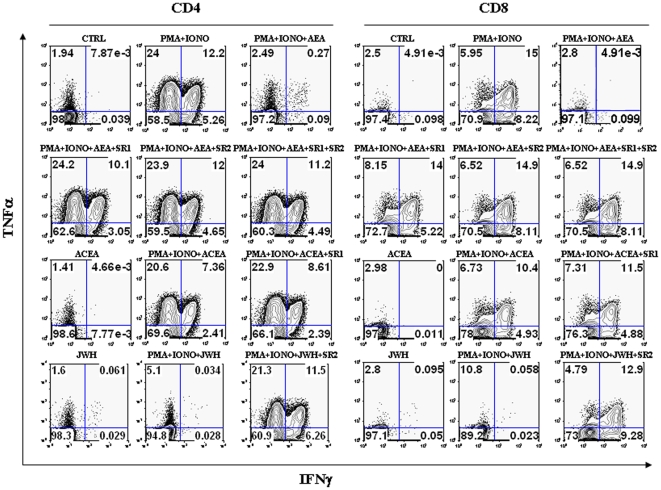
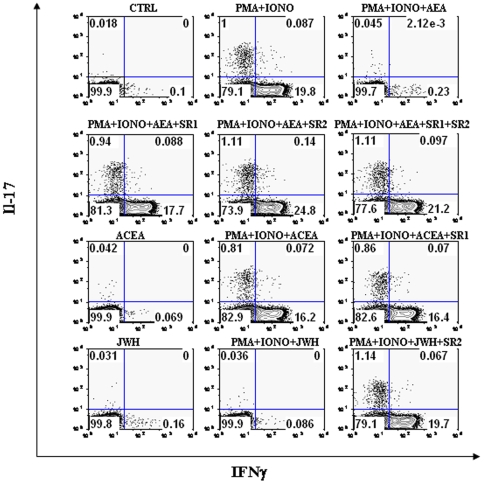
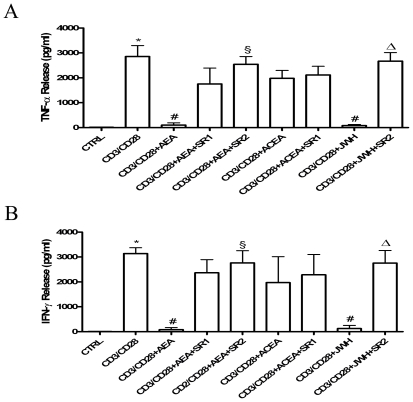
BACKGROUND: Anandamide (AEA) is an endogenous lipid mediator that exerts several effects in the brain as well as in peripheral tissues. These effects are mediated mainly by two types of cannabinoid receptors, named CB(1)R and CB(2)R, making AEA a prominent member of the "endocannabinoid" family. Also immune cells express CB(1) and CB(2) receptors, and possess the whole machinery responsible for endocannabinoid metabolism. Not surprisingly, evidence has been accumulated showing manifold roles of endocannabinoids in the modulation of the immune system. However, details of such a modulation have not yet been disclosed in primary human T-cells. METHODOLOGY/SIGNIFICANCE: In this investigation we used flow cytometry and ELISA tests, in order to show that AEA suppresses proliferation and release of cytokines like IL-2, TNF-alpha and INF-gamma from activated human peripheral T-lymphocytes. However, AEA did not exert any cytotoxic effect on T-cells. The immunosuppression induced by AEA was mainly dependent on CB(2)R, since it could be mimicked by the CB(2)R selective agonist JWH-015, and could be blocked by the specific CB(2)R antagonist SR144528. Instead the selective CB(1)R agonist ACEA, or the selective CB(1)R antagonist SR141716, were ineffective. Furthermore, we demonstrated an unprecedented immunosuppressive effect of AEA on IL-17 production, a typical cytokine that is released from the unique CD4+ T-cell subset T-helper 17. CONCLUSIONS/SIGNIFICANCE: Overall, our study investigates for the first time the effects of the endocannabinoid AEA on primary human T-lymphocytes, demonstrating that it is a powerful modulator of immune cell functions. In particular, not only we clarify that CB(2)R mediates the immunosuppressive activity of AEA, but we are the first to describe such an immunosuppressive effect on the newly identified Th-17 cells. These findings might be of crucial importance for the rational design of new endocannabinoid-based immunotherapeutic approaches.
Overview
The claims and statistics of this paper haven’t been checked yet.
Free: it reads the open-access text and checks the first 5 claims that cite a source we can check. Create a free account to check every claim.
Integrity signals
Registry
Cites
Statistics
Figures
Verification
Claims the paper makes
The claims and statistics of this paper haven’t been checked yet.
Free: it reads the open-access text and checks the first 5 claims that cite a source we can check. Create a free account to check every claim.
Claims other papers make about this one
Each is checked against this paper’s own text: does it say what the citing paper says it does?
The cited source says what the claim attributes to it.
In the citing paper
“In addition it inhibits T cell proliferation and production of TNF-α and IFN-γ by CD4+ and CD8+ T cells and IL-17 by Th17 cells [108].”
From Transition from inflammation to proliferation: a critical step during wound healing (2016) · cites this paper as [108]
Self-check
Percentages, sums and reported differences re-computed from the paper’s own numbers.
The self-check needs the paper’s full text.
Citations
Cites
International Union of Pharmacology. XXVII. Classification of Cannabinoid Receptors
Howlett, A. C., Barth, F., Bonner, T. I., Cabral, G., Casellas, P., Devane, W. A., Felder, C. C., Herkenham, M., Mackie, K., Martin, B. R., et al. (2002) · Pharmacological Reviews · doi:10.1124/pr.54.2.161 · Cited by 2,819
Pharmacology of cannabinoid CB1 and CB2 receptors
Pertwee, R. G. (1997) · Pharmacology & Therapeutics · doi:10.1016/s0163-7258(97)82001-3 · Cited by 1,470 · cited 1×
“These receptors are differentially distributed among cells, with CB1R being preferentially expressed in the brain and in other neural tissues, whilst CB2R is found mainly in cells of the immune system [4,5].”
BackgroundThe cannabinoid system and immune modulation
Klein, T. W., Newton, C., Larsen, K., Lu, L., Perkins, I., Nong, L., & Friedman, H. (2003) · Journal of Leukocyte Biology · doi:10.1189/jlb.0303101 · Cited by 524 · cited 1×
“regulating and fine-tuning several processes, including neuroprotection [6] and immune responses [7].”
BackgroundThe roles of IL‐17A in inflammatory immune responses and host defense against pathogens
Iwakura, Y., Nakae, S., Saijo, S., & Ishigame, H. (2008) · Immunological Reviews · doi:10.1111/j.1600-065x.2008.00699.x · Cited by 513 · cited 1×
“In the present study we sought to better define the role of AEA in modulating immune functions of primary human T cells, with a special focus on the key regulators of autoimmune inflammation: Th17 lymphocytes [17].”
BackgroundBiochemistry and pharmacology of endovanilloids
Starowicz, K., Nigam, S., & Di Marzo, V. (2007) · Pharmacology & Therapeutics · doi:10.1016/j.pharmthera.2007.01.005 · Cited by 383 · cited 5×
“Incidentally, it should be recalled that AEA is also an endogenous agonist of type-1 vanilloid receptors (TRPV1) [19].”
BackgroundInfluentialHillard, C. J., Manna, S., Greenberg, M. J., DiCamelli, R., Ross, R. A., Stevenson, L. A., Murphy, V., Pertwee, R. G., & Campbell, W. B. (1999) · The Journal of Pharmacology and Experimental Therapeutics · doi:10.1016/s0022-3565(24)38289-8 · Cited by 374 · cited 1×
“In addition, there are reports that even AEA might not act as a physiological agonist of CB2R [25], although this endocannabinoid has been shown to exert manifold CB2R-dependent activities in experimental paradigms, and more recently its localization within biological membranes has led to a reconsideration of its role…”
BackgroundMaresz, K., Pryce, G., Ponomarev, E. D., Marsicano, G., Croxford, J. L., Shriver, L. P., Ledent, C., Cheng, X., Carrier, E. J., Mann, M. K., et al. (2007) · Nature Medicine · doi:10.1038/nm1561 · Cited by 363 · cited 1×
“Using animal models of MS like experimental autoimmune encephalomylelitis (EAE), CB1R and CB2R have been shown to be specific markers of MS plaque cell subtypes [21]; furthermore, CB1R has been proven to mediate suppression of CNS autoimmune inflammation on neurons, whilst CB2R had the same anti-inflammatory role on a…”
MethodAnandamide Induces Apoptosis in Human Cells via Vanilloid Receptors
Maccarrone, M., Lorenzon, T., Bari, M., Melino, G., & Finazzi-Agrò, A. (2000) · Journal of Biological Chemistry · doi:10.1074/jbc.m005722200 · Cited by 347 · cited 1×
“In addition, AEA decreases mitogeninduced T and B cell proliferation [13], suppresses CD8 T lymphocyte migration [14], and induces apoptosis in macrophages [15] and dendritic cells [16].”
BackgroundSelf-citationFelder, C. C., Nielsen, A., Briley, E. M., Palkovits, M., Priller, J., Axelrod, J., Nguyen, D. N., Richardson, J. M., Riggin, R. M., Koppel, G. A., et al. (1996) · FEBS Letters · doi:10.1016/0014-5793(96)00891-5 · Cited by 326 · cited 1×
“cells, macrophages, microglia, and lymphocytes [9].”
Production of nitric oxide by glial cells: Regulation and potential roles in the CNS
Murphy, S. (2000) · Glia · doi:10.1002/(sici)1098-1136(20000101)29:1<1::aid-glia1>3.0.co;2-n · Cited by 314
Cited by
Items 101–200 of 236
Harvey, B. S., Sia, T. C., Wattchow, D. A., & Smid, S. D. (2013) · Cytokine · doi:10.1016/j.cyto.2013.10.006 · Cited by 41
A synthetic cannabinoid agonist promotes oligodendrogliogenesis during viral encephalitis in rats
Solbrig, M. V., Fan, Y., Hermanowicz, N. S., Morgese, M. G., & Giuffrida, A. (2010) · Experimental Neurology · doi:10.1016/j.expneurol.2010.09.003 · Cited by 34
“, 2008) migration, invasion and angiogenesis (Velasco et al., 2007; Miller and Stella, 2008; Cencioni et al., 2010).”
Harvey, B. S., Nicotra, L. L., Vu, M., & Smid, S. D. (2013) · Cytokine · doi:10.1016/j.cyto.2013.04.032 · Cited by 36
“While anandamide displays a partial agonist efficacy at CB2 receptors, in vitro studies using high concentrations have found this sufficient to demonstrate a direct effect of anandamide on suppressing human T cell chemotaxis and proliferation via a CB2 receptor-mediated action [21].”
BackgroundRole of cannabis in inflammatory bowel diseases
Perisetti, A., Rimu, A. H., Khan, S. A., Bansal, P., & Goyal, H. (2020) · Annals of Gastroenterology · doi:10.20524/aog.2020.0452 · Cited by 45
“AEA, upon binding with CB2, also causes IL-2 secretion [44], nuclear factor-κB-induced TNF-α production [45] and induced Th1 and Th17 responses, while working on T cells [46].”
BackgroundNeuroprotection and Beyond: The Central Role of CB1 and CB2 Receptors in Stroke Recovery
Bietar, B., Tanner, S., & Lehmann, C. (2023) · International Journal of Molecular Sciences · doi:10.3390/ijms242316728 · Cited by 34
Opioid-sparing effects of cannabinoids: Myth or reality?
Foll, B. L. (2020) · Progress in Neuro-Psychopharmacology and Biological Psychiatry · doi:10.1016/j.pnpbp.2020.110065 · Cited by 33
Angelina, A., Pérez‐Diego, M., López‐Abente, J., & Palomares, Ó. (2020) · International Archives of Allergy and Immunology · doi:10.1159/000508989 · Cited by 36
Rimmerman, N., Bradshaw, H. B., Kozela, E., Levy, R., Juknat, A., & Vogel, Z. (2012) · British Journal of Pharmacology · doi:10.1111/j.1476-5381.2011.01380.x · Cited by 36
“At least for AEA, immunosuppressive effects through the CB2 receptor have been described (Cen- cioni et al., 2010; Correa et al., 2011).”
BackgroundThe Fatty Acid Amide Hydrolase in Lymphocytes from Sedentary and Active Subjects
Gasperi, V., Ceci, R., Tantimonaco, M., Talamonti, E., Battista, N., Parisi, A., Florio, R., Sabatini, S., Rossi, A., & Maccarrone, M. (2013) · Medicine & Science in Sports & Exercise · doi:10.1249/mss.0b013e3182a10ce6 · Cited by 36
Self-citationRuhl, T., Corsten, C., Beier, J. P., & Kim, B. (2020) · Pharmacological Reports · doi:10.1007/s43440-020-00166-3 · Cited by 32
Kleyer, J., Nicolussi, S., Taylor, P., Simonelli, D., Furger, E., Anderle, P., & Gertsch, J. (2012) · Biochemical Pharmacology · doi:10.1016/j.bcp.2012.02.014 · Cited by 32
“Several PTPs have been reported to be expressed at high levels exclusively in cells of hematopoietic origin or to play a role in T cell activation, a process known to stimulate CB2 receptor externalization [58].”
BackgroundResultInfluentialStrisciuglio, C., Bellini, G., Miele, E., Martinelli, M., Cenni, S., Tortora, C., Tolone, C., del Giudice, E. M., & Rossi, F. (2016) · Journal of Clinical Gastroenterology · doi:10.1097/mcg.0000000000000755 · Cited by 30
Hageman, J. H. J., Hooyenga, P., Diersen-Schade, D. A., Scalabrin, D., Wichers, H. J., & Birch, E. E. (2012) · Current Allergy and Asthma Reports · doi:10.1007/s11882-012-0304-1 · Cited by 31
“The omega-3 LCPUFA are converted into DHA- and EPA-containing endocannabinoids with antiinflammatory activity [62], but may also decrease production of ARA-derived endocannabinoids such as anandamide, which is also immunosuppressive [63].”
BackgroundChiurchiù, V., Leuti, A., Cencioni, M. T., Albanese, M., Bardi, M. D., Bisogno, T., Centonze, D., Battistini, L., & Maccarrone, M. (2016) · Pharmacological Research · doi:10.1016/j.phrs.2016.09.003 · Cited by 28
Self-citationde Campos-Carli, S. M., Araújo, M. S. S., Silveira, A. C. D. O., de Rezende, V. B., Rocha, N. P., Ferretjans, R., Ribeiro-Santos, R., Teixeira‐Carvalho, A., Martins‐Filho, O. A., Berk, M., et al. (2016) · Journal of Psychiatric Research · doi:10.1016/j.jpsychires.2016.12.001 · Cited by 33
“26 Innate and adaptive immunity cells can control the expression of specific receptors, 27 including CBRs, in order to modulate the immune response (Cencioni et al., 2010).”
BackgroundCannabinoid Receptor 2 Signalling Bias Elicited by 2,4,6-Trisubstituted 1,3,5-Triazines
Oyagawa, C. R. M., de la Harpe, S. M., Saroz, Y., Glass, M., Vernall, A. J., & Grimsey, N. L. (2018) · Frontiers in Pharmacology · doi:10.3389/fphar.2018.01202 · Cited by 35
“Downstream effects of CB2 activation include the induction of natural killer cell migration (Kishimoto et al., 2005), regulation of the differentiation of B and T lymphocytes (Ziring et al., 2006), and modulation of cytokine release (Cencioni et al., 2010; Correa et al., 2011).”
BackgroundHealy, C. R., Gethin, G., Pandit, A. S., & Finn, D. P. (2023) · Biomedicine & Pharmacotherapy · doi:10.1016/j.biopha.2023.115714 · Cited by 37
Rossi, S., Bozzali, M., Bari, M., Mori, F., Studer, V., Motta, C., Buttari, F., Cercignani, M., Gravina, P., Mastrangelo, N., et al. (2013) · PLoS ONE · doi:10.1371/journal.pone.0082848 · Cited by 29
“), that was able to fully erase the immunoreactive band [20].”
BackgroundSelf-citationNoureddine, N., Hartling, I., Wawrzyniak, P., Srikanthan, P., Lou, P., Lucchinetti, E., Krämer, S. D., Rogler, G., Zaugg, M., & Hersberger, M. (2022) · American Journal of Clinical Nutrition · doi:10.1093/ajcn/nqac131 · Cited by 29
Falup‐Pecurariu, O., Man, S. C., Neamtu, M., Chicin, G. N., Baciu, G., Pitic, C., Cara, A. C., Neculau, A. E., Burlea, M., Brinza, I. L., et al. (2016) · Human Vaccines & Immunotherapeutics · doi:10.1080/21645515.2016.1223001 · Cited by 31
“Anandamine is a powerful modulator of immune cell functions, especially of primary T cells.(26) Paracetamol also decreases protein kinase C epsilon translocation in cultured sensory neurons, leading to a decrease of monocyte and macrophage function, as well as Th1 responses.”
BackgroundLowin, T., Zhu, W., Dettmer‐Wilde, K., & Straub, R. H. (2012) · Arthritis & Rheumatism · doi:10.1002/art.37684 · Cited by 24
Emer, A. A., Donatello, N. N., Batisti, A. P., Belmonte, L. A. O., Santos, A. R. S., & Martins, D. F. (2017) · Journal of Ethnopharmacology · doi:10.1016/j.jep.2017.09.011 · Cited by 29
Omics Studies of Specialized Cells and Stem Cells under Microgravity Conditions
Abdelfattah, F., Schulz, H., Wehland, M., Corydon, T. J., Sahana, J., Kraus, A., Krüger, M., González-Torres, L. F., Cortés-Sánchez, J. L., Wise, P. M., et al. (2024) · International Journal of Molecular Sciences · doi:10.3390/ijms251810014 · Cited by 26
Kaur, I., Behl, T., BUNGAU, S. G., Zengin, G., Kumar, A., El-Esawi, M. A., Khullar, G., Venkatachalam, T., & Arora, S. (2020) · Life Sciences · doi:10.1016/j.lfs.2020.118109 · Cited by 27
RetractedLee, M., Han, J., Lee, S.-H., Kim, D., Kang, H.-M., Won, E., Hwang, D., Park, J. C., Om, A., & Lee, J. (2016) · Aquatic Toxicology · doi:10.1016/j.aquatox.2016.07.002 · Cited by 22
Complex Patterns of Cannabinoid Alkyl Side-Chain Inheritance in Cannabis
Welling, M. T., Liu, L., Raymond, C. A., Kretzschmar, T., Ansari, O., & King, G. J. W. (2019) · Scientific Reports · doi:10.1038/s41598-019-47812-2 · Cited by 28
Gasperi, V., Evangelista, D., Oddi, S., Florenzano, F., Chiurchiù, V., Avigliano, L., Catani, M. V., & Maccarrone, M. (2014) · Life Sciences · doi:10.1016/j.lfs.2014.09.031 · Cited by 24
Self-citationWasik, A. M., Christensson, B., & Sander, B. (2011) · Seminars in Cancer Biology · doi:10.1016/j.semcancer.2011.10.004 · Cited by 23
“These effects were ntagonised mainly by SR144528 but also by SR141716A [97].”
BackgroundInfluentialAutism and associated disorders: cannabis as a potential therapy
Babayeva, M., Assefa, H., Basu, P., & Loewy, Z. G. (2022) · Frontiers in Bioscience-Elite · doi:10.31083/j.fbe1401001 · Cited by 35
“through a CB2-mediated mechanism [77], the enhancement”
The anandamide effect on NO/cGMP pathway in human platelets
Signorello, M. G., Giacobbe, E., Passalacqua, M., & Leoncini, G. (2011) · Journal of Cellular Biochemistry · doi:10.1002/jcb.23008 · Cited by 23
“AEA may be involved in the control of pain initiation [Calignano et al., 1998] or sleep induction [Mechoulam et al., 1997] as well as in immune [Facci et al., 1995; Pestonjamasp and Burstein, 1998; Cencioni et al., 2010] and cardiovascular functions [Kunos et al., 2000].”
BackgroundScarpelli, R., Sasso, O., & Piomelli, D. (2015) · ChemMedChem · doi:10.1002/cmdc.201500395 · Cited by 21
Structure–Effect Relationships of Novel Semi-Synthetic Cannabinoid Derivatives
Götz, M. R., Collado, J. A., Fernández‐Ruíz, J., Fiebich, B. L., García‐Toscano, L., Gómez‐Cañas, M., Koch, O., Leha, A., Muñóz, E., Navarrete, C. M., et al. (2019) · Frontiers in Pharmacology · doi:10.3389/fphar.2019.01284 · Cited by 20
Cnr2 Deficiency Confers Resistance to Inflammation-Induced Preterm Birth in Mice
Sun, X., Cappelletti, M., Li, Y., Karp, C. L., Divanovic, S., & Dey, S. K. (2014) · Endocrinology · doi:10.1210/en.2014-1387 · Cited by 19
Tiberi, M., Evron, T., Saracini, S., Boffa, L., Mercuri, N. B., Chintalacharuvu, S. R., Atamas, S. P., & Chiurchiù, V. (2021) · Neuropathology and Applied Neurobiology · doi:10.1111/nan.12768 · Cited by 19
“and is predominantly expressed and more functionally active in CD4 rather than CD8 T cells [7].”
BackgroundMethodSelf-citationAttenuation of Cystitis and Pain Sensation in Mice Lacking Fatty Acid Amide Hydrolase
Wang, Z., Wang, P., Hillard, C. J., & Bjorling, D. E. (2014) · Journal of Molecular Neuroscience · doi:10.1007/s12031-014-0453-x · Cited by 19
“AEA has been shown to inhibit production and release of pro-inflammatory mediators in various cell types (Cencioni et al. 2010; Clapper et al. 2010; Krishnan and Chatterjee 2012).”
Sheng, W. S., Chauhan, P., Hu, S., Prasad, S., & Lokensgard, J. R. (2019) · Pain Research and Management · doi:10.1155/2019/1260353 · Cited by 23
Jang, E. S., Yoon, J., Lee, S., Lee, S.-M., Lee, J., Yu, S. J., Kim, Y. J., Lee, H., & Kim, C. Y. (2013) · Journal of Cancer Research and Clinical Oncology · doi:10.1007/s00432-013-1554-6 · Cited by 19
“IL-8 mRNA was quantified using the following primers (Cencioni et al. 2010): forward, 5′-GGC AGC TTC CTG ATT TCT G-3′; reverse, 5′-CGC AGT GTG GTC CAC TCT CA-3′.”
MethodAmyotrophic Lateral Sclerosis and Pain: A Narrative Review from Pain Assessment to Therapy
Pota, V., Sansone, P., Sarno, S. D., Aurilio, C., Coppolino, F., Barbarisi, M., Barbato, F., Fiore, M., Cosenza, G., Passavanti, M. B., et al. (2024) · Behavioural Neurology · doi:10.1155/2024/1228194 · Cited by 23
High methionine intake alters gut microbiota and lipid profile and leads to liver steatosis in mice
Zhou, L., Yan, Z., Yang, S., Lu, G., Nie, Y., Ren, Y., Xue, Y., Shi, J., Xu, Z., & Geng, Y. (2024) · Food & Function · doi:10.1039/d4fo01613k · Cited by 19
Santoro, M., Mirabella, M., Fino, C. D., Bianco, A. D., Lucchini, M., Losavio, F. A., Sabino, A., & Nociti, V. (2017) · Journal of the Neurological Sciences · doi:10.1016/j.jns.2017.06.017 · Cited by 17
Leuti, A., Fava, M., Forte, G., Pellegrini, N., Oddi, S., Scipioni, L., Gómez, E. A., Dalli, J., & Maccarrone, M. (2024) · The FASEB Journal · doi:10.1096/fj.202301325r · Cited by 16
“5,7,8 Interestingly, only a handful of SPM receptors have been characterized to date, most of them in the past decade.”
BackgroundSelf-citationSharma, D. S., Paddibhatla, I., Raghuwanshi, S., Malleswarapu, M., Sangeeth, A., Kovuru, N., Dahariya, S., Gautam, D. K., Pallepati, A., & Gutti, R. K. (2021) · Journal of Neuroimmunology · doi:10.1016/j.jneuroim.2021.577501 · Cited by 19
Liu, Q., Aseer, K. R., Yao, Q., Zhong, X., Ghosh, P., O’Connell, J. F., & Egan, J. M. (2022) · Frontiers in Pharmacology · doi:10.3389/fphar.2021.809965 · Cited by 19
“Frontiers in Pharmacology | www.frontiersin.org January 2022 | Volume 12 | Article 8099656 inflammation (Cencioni et al., 2010; Fava et al., 2016).”
BackgroundBernabò, N., Barboni, B., & Maccarrone, M. (2013) · OMICS A Journal of Integrative Biology · doi:10.1089/omi.2013.0071 · Cited by 17
“…demonstrate that TNF-a is engaged by endocannabinoid signaling, for instance, in neuroinflammation, cell adhesion, and immune cells function (Cencioni et al., 2010; Nilsson et al., 2006; Rossi et al., 2011; Rubio-Araiz et al., 2008; Yang et al., 2009), thus pointing out the important role…”
BackgroundSelf-citationImmunity and early pregnancy events: are endocannabinoids the missing link?
Bambang, K. N., Lambert, D. G., Lam, P. M. W., Quenby, S. M., Maccarrone, M., & Konje, J. C. (2012) · Journal of Reproductive Immunology · doi:10.1016/j.jri.2012.10.003 · Cited by 18
Self-citationEndocannabinoids in neuroendopsychology: multiphasic control of mitochondrial function
Nunn, A. V. W., Guy, G. W., & Bell, J. D. (2012) · Philosophical Transactions of the Royal Society B Biological Sciences · doi:10.1098/rstb.2011.0393 · Cited by 22
The endocannabinoid system: a revolving plate in neuro-immune interaction in health and disease
Tănăsescu, R., Gran, B., & Constantinescu, C. S. (2012) · Amino Acids · doi:10.1007/s00726-012-1252-8 · Cited by 18
“Furthermore, AEA suppresses IL-17 production (Cencioni et al. 2010).”
The Cannabinoid 2 Receptor as a Potential Therapeutic Target for Sepsis
Kasten, K. R., Tschöp, J., Tschöp, M. H., & Caldwell, C. C. (2010) · Endocrine Metabolic & Immune Disorders - Drug Targets · doi:10.2174/187153010791936874 · Cited by 17
Bisicchia, E., Chiurchiù, V., Viscomi, M. T., Latini, L., Fezza, F., Battistini, L., Maccarrone, M., & Molinari, M. (2013) · Cellular and Molecular Life Sciences · doi:10.1007/s00018-012-1253-5 · Cited by 16
Self-citationPathak, S., Kumar, K. R., Kanta, H., Carr-Johnson, F., Han, J., Bashmakov, A., Faure, L., Ding, H., Vanarsa, K., Khan, S., et al. (2016) · The Journal of Immunology · doi:10.4049/jimmunol.1500291 · Cited by 15
“These ligands bind to the receptors of the cannabinoid signaling pathway, CB1 and CB2 (14, 15), and to the nuclear receptors of the peroxisome proliferator–activated receptor (PPAR) family (16).”
BackgroundEmerging Roles of Endocannabinoids as Key Lipid Mediators for a Successful Pregnancy
Rava, A., & Trezza, V. (2023) · International Journal of Molecular Sciences · doi:10.3390/ijms24065220 · Cited by 16
Cannabinoids and triple-negative breast cancer treatment
Dobovišek, L., Borštnar, S., Debeljak, N., & Brezar, S. K. (2024) · Frontiers in Immunology · doi:10.3389/fimmu.2024.1386548 · Cited by 13
Differential effect of interferon-alpha treatment on AEA and 2-AG levels
Zajkowska, Z., Borsini, A., Nikkheslat, N., Russell, A., Romano, G. F., Tomassi, S., Hepgul, N., Forton, D. M., Agarwal, K., Hotopf, M. H., et al. (2020) · Brain Behavior and Immunity · doi:10.1016/j.bbi.2020.08.024 · Cited by 14
“It was suggested that AEA acted through the inhibition of DNA synthesis (Cencioni et al., 2010; Schwarz et al., 1994).”
BackgroundCannabis and Pediatric Inflammatory Bowel Disease: Change Blossoms a Mile High
Hoffenberg, E. J., Newman, H., Collins, C. B., Tarbell, S. E., & Leinwand, K. L. (2016) · Journal of Pediatric Gastroenterology and Nutrition · doi:10.1097/mpg.0000000000001393 · Cited by 15
“Moreover, anandamide has been shown to suppress proliferation and cytokine release from primary human T-lymphocytes mainly via the CB2 receptor (36).”
BackgroundTranslating Endocannabinoid Biology into Clinical Practice: Cannabidiol for Stroke Prevention
Scharf, E. L. (2017) · Cannabis and Cannabinoid Research · doi:10.1089/can.2017.0033 · Cited by 17
Immunomodulatory drug treatment in multiple sclerosis
Aharoni, R. (2010) · Expert Review of Neurotherapeutics · doi:10.1586/ern.10.117 · Cited by 16
Zhu, M., Guo, Q., Kang, H., Peng, R., Dong, Y., Zhang, Y., Wang, S., Liu, H., Zhao, H., Dong, Z., et al. (2022) · The FASEB Journal · doi:10.1096/fj.202200911r · Cited by 13
Lampron, M.-C., Paré, I., Al-Zharani, M. M., Semlali, A., & Loubaki, L. (2023) · Cells · doi:10.3390/cells12040588 · Cited by 13
Cannabinoid Signalling in Immune–Reproductive Crosstalk during Human Pregnancy
Gurm, H., Hirota, J. A., & Raha, S. (2021) · Biomedicines · doi:10.3390/biomedicines9030267 · Cited by 14
“While little is known about the effects of IL-25 in EVTs and uNK cells, this cytokine is downregulated in women who have experienced recurrent miscarriage [136].”
BackgroundInfluentialSagnelli, C., Uberti‐Foppa, C., Hasson, H., Bellini, G., Minichini, C., Salpietro, S., Messina, E., Barbanotti, D., Merli, M., Punzo, F., et al. (2017) · PLoS ONE · doi:10.1371/journal.pone.0181890 · Cited by 12
Paulsen, K., Tauber, S., Timm, J., Goelz, N., Dumrese, C., Stolzing, A., Hass, R., & Ullrich, O. (2011) · Cell Communication and Signaling · doi:10.1186/1478-811x-9-33 · Cited by 12
“Different cannabinoids have been shown to influence the functional activities of various immune cells in rodents as well as in humans, including B lymphocytes, T lymphocytes, natural killer cells and macrophages [18-22].”
BackgroundPET Imaging of Endocannabinoid System
Horti, A. G., Raymont, V., & Terry, G. E. (2014) · Springer eBooks · doi:10.1007/978-3-642-42014-6_11 · Cited by 12
The ALSUntangled Group (2012) · Amyotrophic Lateral Sclerosis · doi:10.3109/17482968.2012.687264 · Cited by 12
Wang, J., Xu, J., Liu, J., Huang, Z., Peng, Y., Ding, Z., & Hua, H. (2018) · Genetic Testing and Molecular Biomarkers · doi:10.1089/gtmb.2018.0005 · Cited by 11
“Therefore, a distinctive feature of CB2R in comparison to CB1R is that CB2R is predominantly distributed in cells of the immune system, such as B and T lymphocytes, monocytes, and macrophages, with 10– 100-fold higher levels than CB1R (Cencioni et al. , 2010).”
Anti-inflammatory and antinociceptive effects of the selective cannabinoid CB2 receptor agonist ABK5
Tang, Y., Wolk, B., Britch, S. C., Craft, R. M., & Kendall, D. A. (2020) · Journal of Pharmacological Sciences · doi:10.1016/j.jphs.2020.12.006 · Cited by 12
Strisciuglio, C., Creoli, M., Tortora, C., Martinelli, M., Miele, E., Paino, S., Luongo, L., & Rossi, F. (2022) · Pediatric Research · doi:10.1038/s41390-022-02109-5 · Cited by 12
“Moreover, we found that this variant was also associated with a more severe phenotype in both ulcerative colitis (UC) and CD.4 Several studies suggest that gut inflammation is associated with hyper-expression of cannabinoid receptors, together with increased levels of the acylethanolamides including anandamide (AEA) a…”
BackgroundDownstream effects of endocannabinoid on blood cells: implications for health and disease
Gasperi, V., Evangelista, D., Savini, I., Principe, D. D., Avigliano, L., Maccarrone, M., & Catani, M. V. (2015) · Cellular and Molecular Life Sciences · doi:10.1007/s00018-015-1924-0 · Cited by 11
“2): (1) inhibition of transcription factors and suppression of cytokine production [45–48], (2) inhibition of proliferation [48], (3) induction of apoptosis [49]; (4) induction of specific subsets of T cells (especially by modulating T helper (Th) 17/T regulatory and Th1/Th2”
BackgroundSelf-citationTakheaw, N., Jindaphun, K., Pata, S., Laopajon, W., & Kasinrerk, W. (2023) · Cells · doi:10.3390/cells12060848 · Cited by 11
“Therefore, the effect of ACEA on T cell proliferation in the previous study might be omitted [13].”
BackgroundMethodResultInfluentialWang, J., Xu, J., Peng, Y., Xiao, Y., Huang, Z., Ding, Z., & Hua, H. (2018) · Heliyon · doi:10.1016/j.heliyon.2018.e00909 · Cited by 11
“CB2R is primarily expressed in peripheral organs and especially in immune cells [2, 3]: compared to CB1R, it shows 10- to 100-fold higher expression in cells of the immune system such as B and T lymphocytes, monocytes, and macrophages [4].”
BackgroundPatent review of cannabinoid receptor type 2 (CB 2 R) modulators (2016-present)
Kosar, M., Mach, L., Carreira, E. M., Nazaré, M., Pacher, P., & Grether, U. (2024) · Expert Opinion on Therapeutic Patents · doi:10.1080/13543776.2024.2368745 · Cited by 11
Pénzes, Z., Horváth, D., Molnár, P., Fekete, T., Pázmándi, K., Bácsi, A., & Szöllősi, A. G. (2024) · Frontiers in Immunology · doi:10.3389/fimmu.2024.1423776 · Cited by 9
Role of cannabinoids and the endocannabinoid system in modulation of diabetic cardiomyopathy
El-Azab, M. F., Wakiel, A. E., Nafea, Y. K., & Youssef, M. E. (2022) · World Journal of Diabetes · doi:10.4239/wjd.v13.i5.387 · Cited by 12
1,2,3-Triazole derivatives as highly selective cannabinoid receptor type 2 (CB2) agonists
Tarawneh, A. H., Pandey, P., Al-Momani, L. A., Gadetskaya, A. V., Abu‐Orabi, S. T., Doerksen, R. J., & Cutler, S. J. (2021) · Arabian Journal of Chemistry · doi:10.1016/j.arabjc.2021.103545 · Cited by 10
Identification and biochemical analyses of selective CB2 agonists
Scott, C. E., Tang, Y., Alt, A. J., Burford, N. T., Gerritz, S. W., Ogawa, L. M., Zhang, L., & Kendall, D. A. (2019) · European Journal of Pharmacology · doi:10.1016/j.ejphar.2019.03.054 · Cited by 11
“In microglia, endocannabinoid AEA also activates ERK1/2 as a result of binding to the cannabinoid CB2 receptor (Correa et al., 2009a; Correa et al., 2009b).”
BackgroundInfluentialWreven, E., de Adana, M. S. R., Hardivillé, S., Gmyr, V., Kerr-Conte, J. A., Chetboun, M., Pasquetti, G., Delalleau, N., Thévenet, J., Coddeville, A., et al. (2024) · Diabetologia · doi:10.1007/s00125-024-06193-6 · Cited by 9
“Previous studies have shown that the specific CB1R agonist ACEA does not impact immune cell proliferation, which is regulated by CB2R [47, 48].”
Duan, J., Chen, J., Lin, Y., Lin, S. L., & Wu, J. (2024) · Cannabis and Cannabinoid Research · doi:10.1089/can.2024.0063 · Cited by 9
“20,21 In this study, we test the hypothesis that endocannabinoids are, in part, responsible for the highly immunosuppressive environment in glioblastoma and exert their effects through activation of CB2Rs.”
Chronic exercise modulates the cellular immunity and its cannabinoid receptors expression
Valencia-Sánchez, S., Castro, K. E. N., Arreola, M. I. P., Prospero-Garcia, O. E., Morales‐Montor, J., & Drucker-Colín, R. (2019) · PLoS ONE · doi:10.1371/journal.pone.0220542 · Cited by 11
“These modulatory actions have been explored in vitro [24,25] and in vivo [23].”
BackgroundLima, P. A., Berg, B. B., & Castor, M. G. M. E. (2022) · Intestinal Research · doi:10.5217/ir.2021.00160 · Cited by 15
“Calcium influx works as a synthesis trigger for these compounds in postsynaptic neurons,(11) and, as they are released in the synapse, they will act as retrograde messengers, modulating the release of neurotransmitters.(12,13) Besides neurons, several other cells can also synthesize endocannabinoids, such as endotheli…”
BackgroundGonzález‐Muniesa, P., Bing, C., & Trayhurn, P. (2010) · Hormone and Metabolic Research · doi:10.1055/s-0030-1255119 · Cited by 8
Evaluation of cannabinoid receptors type 1–2 in periodontitis patients
Ataei, A., Rezaee, S. A., Moeintaghavi, A., Ghanbari, H., & Azizi, M. (2022) · Clinical and Experimental Dental Research · doi:10.1002/cre2.608 · Cited by 8
“…in the field of immune‐regulatory factors is identifying the endocannabinoid (EC) system, which could modulate the immune responses, particularly T‐ and B‐lymphocytes migration, proliferation, and proliferation cytokine production (Braile et al., 2021; Cencioni et al., 2010; Klein et al., 2003).”
BackgroundCannabinoids in Autoimmune and Rheumatic Diseases
Navarini, L., Margiotta, D. P. E., Afflitto, G. G., & Afeltra, A. (2019) · Elsevier eBooks · doi:10.1016/b978-0-12-814307-0.00038-4 · Cited by 8
Vecchiarelli, H. A., Aukema, R. J., Hume, C., Chiang, V., Morena, M., Keenan, C. M., Nastase, A. S., Lee, F. S., Pittman, Q. J., Sharkey, K. A., et al. (2021) · Frontiers in Cellular Neuroscience · doi:10.3389/fncel.2021.764706 · Cited by 7
“FAAH inhibition or boosting AEA levels inhibits IL-2 (Rockwell and Kaminski, 2004; Kaplan et al., 2005; Rockwell et al., 2008; Cencioni et al., 2010; Patsenker et al., 2015; Zajkowska et al., 2020), inhibits LIF release (Maccarrone et al., 2001; Maccarrone and Wenger, 2005), and reduces MCP-1…”
BackgroundMessina, G., Rovelli, F., & Lissoni, P. (2022) · Clinical Reviews & Cases · doi:10.33425/2689-1069.1040 · Cited by 7
“On the contrary, all authors confirm the inhibitory action of cannabinoids on the release of IL-17 from TH17 lymphocytes [23,24].”
BackgroundGreco, L., Russo, V., Rapino, C., Germanio, C. D., Fezza, F., Bernabò, N., Berardinelli, P., Peserico, A., Fazio, D., Maccarrone, M., et al. (2020) · Cells · doi:10.3390/cells9041008 · Cited by 6
“The CB2 was shown to modulate immune cell functions, both in cellular (leukocytes and T lymphocytes) and in animal models of inflammatory diseases [39,40].”
BackgroundSelf-citationEndogenous Cannabinoids in Crohn’s Disease
Bochenek, M. S., Tomasik, J. T., Wędrychowicz, A., & Tomasik, P. (2024) · Applied Sciences · doi:10.3390/app14156646 · Cited by 6
Lipid Mediators and Lung Function
Weinberger, B. I., Hirsch, D. S., Yin, K., & Spur, B. W. (2015) · Elsevier eBooks · doi:10.1016/b978-0-12-404577-4.00021-7 · Cited by 10
PET Imaging of the Endocannabinoid System
Terry, G. E., Raymont, V., & Horti, A. G. (2020) · Springer eBooks · doi:10.1007/978-3-030-53176-8_12 · Cited by 5
Jacobs, S. A. H., Muraro, P. A., Cencioni, M. T., Knowles, S., Cole, J. H., & Nicholas, R. S. (2022) · Frontiers in Neurology · doi:10.3389/fneur.2021.801097 · Cited by 6
“After venous puncture, PB mononuclear cells from blood samples were separated according to standard protocols by density gradient over Ficoll-Hypaque (Pharmacia, Uppsala, Sweden) (19).”
MethodSelf-citationAebi, J. D., Atz, K., Ametamey, S. M., Benz, J., Blaising, J., Butini, S., Campiani, G., Carreira, E. M., Collin, L., de Lago, E., et al. (2024) · CHIMIA International Journal for Chemistry · doi:10.2533/chimia.2024.499 · Cited by 9
Self-citationLipid Signalling in Human Immune Response and Bone Remodelling under Microgravity
Fava, M., Leuti, A., & Maccarrone, M. (2020) · Applied Sciences · doi:10.3390/app10124309 · Cited by 4
“ECs can target several immune cells: AEA is able to suppress the pro-inflammatory activation and cytokine secretion in human lymphocytes [81] and dendritic cells [82], while 2-AG is able to enhance macrophage phagocytosis [83].”
BackgroundSelf-citationCoschi, C. H., Ding, K., Tong, J., Tu, D., O’Callaghan, C., Leighl, N. B., Vera-Badillo, F., Juergens, R. A., Hao, D., Seymour, L., et al. (2025) · Immunotherapy · doi:10.1080/1750743x.2025.2485012 · Cited by 5
Nanì, M. F., Rinaldi, M. M., Miraglia, M., Amico, K. R., Cicco, P. D., & Romano, B. (2025) · Progress in Lipid Research · doi:10.1016/j.plipres.2025.101358 · Cited by 3
Estradiol enhances influenza vaccine responses through B cell metabolic reprogramming in female mice
Clair, L. A. S., Watters, E. G., Yin, A., Liu, J. A., Chaulagain, S., Thompson, E. A., & Klein, S. L. (2026) · mBio · doi:10.1128/mbio.03965-25 · Cited by 3
“In adult males, B cells showed enrichment of GP-NArE, a precursor of molecules reported to inhibit lympho cyte proliferation and induce DNA damage (39, 40).”
Fatty acid metabolism—an emerging regulatory node in T‐cell immunometabolism
Arenberg, B. C., Sack, M. N., & Wu, J. (2026) · Clinical & Translational Immunology · doi:10.1002/cti2.70091 · Cited by 3
“28,29 AEA’s ability to modulate T-cell biology may be independent of cannabinoid receptor and rather dependent on nuclear receptor 4 interactions.”
Chemical Probes for Investigating the Endocannabinoid System
Hanske, A., Nazaré, M., & Grether, U. (2024) · Current topics in behavioral neurosciences · doi:10.1007/7854_2024_563 · Cited by 4
Effects of a CB2 Subtype Selective Agonist ABK5-1 on Cytokine Production in Microglia
Tang, Y., Wolk, B., & Kendall, D. A. (2021) · Journal of Cellular Signaling · doi:10.33696/signaling.2.038 · Cited by 4
“CB2 receptors are expressed in immune cells including microglia, and activation by CB2, agonists can reduce pro-inflammatory cytokine production in those cells [19-26].”
BackgroundTang, Y., Wolk, B., Nolan, R., Scott, C. E., & Kendall, D. A. (2021) · Pharmaceuticals · doi:10.3390/ph14040378 · Cited by 4
Effects of Anandamide on IL-11 Production through the TRPV1 of Human Periodontal Ligament Cells
HARUTA, C. (2012) · THE JOURNAL OF THE STOMATOLOGICAL SOCIETY JAPAN · doi:10.5357/koubyou.79.1_7 · Cited by 3
Endocannabinoids effect on oxidative status of human platelets
Signorello, M. G., Ravera, S., & Leoncini, G. (2022) · Journal of Cellular Biochemistry · doi:10.1002/jcb.30341 · Cited by 3
Kiprina, A., Teichmann, T., Giménez, V. M. M., Wen-qing, X., Sailer, F. K., Windbergs, M., Manucha, W. A., Weigert, A., & Brandes, R. P. (2024) · Frontiers in Pharmacology · doi:10.3389/fphar.2024.1528759 · Cited by 5
Metadata
- Authors
- Cencioni, M. T., Chiurchiù, V., Catanzaro, G., Borsellino, G., Bernardi, G., Battistini, L., & Maccarrone, M.
- Affiliations
- Fondazione Santa Lucia (IT)
- University of Teramo (IT)
- University of Rome Tor Vergata (IT)
- Corresponding author
- Battistini, Luca
- Maccarrone, Mauro
- ORCID
- Venue
- PLoS ONE
- Publisher
- Public Library of Science (PLoS)
- Published
- 2010-01-14
- Volume
- 5
- Issue
- 1
- Pages
- e8688
- ISSN
- 1932-6203 (ISSN-L)
- PMC
- PMC2809084
- OpenAlex
- W1991262879
- Cited by
- 235
- References
- 29
- Citations by year
- 2026: 8 · 2025: 9 · 2024: 19 · 2023: 9 · 2022: 15 · 2021: 11 · 2020: 14 · 2019: 13 · 2018: 7 · 2017: 10 · 2016: 18 · 2015: 20 · 2014: 20 · 2013: 22 · 2012: 21
- FWCI
- 14.33
- Type
- journal article
- Language
- en
- Open access
- gold
- doi.org
- Locations
- PLoS ONE (publishedVersion, cc-by)
- PubMed Central (publishedVersion, cc-by)
- PubMed (publishedVersion)
- IRIS Research product catalog (Sapienza University of Rome) (submittedVersion, cc-by)
- DOAJ (DOAJ: Directory of Open Access Journals) (submittedVersion)
- Archivio Istituzionale della Ricerca - Università degli Studi dell Aquila (submittedVersion)
- Funders
- Ministero della Salute
- Topics
- Health Sciences › Medicine › Pharmacology (medical) › Cannabis and Cannabinoid Research
- Health Sciences › Medicine › Pharmacology (medical) › Inflammatory mediators and NSAID effects
- Health Sciences › Nursing › Nutrition and Dietetics › Fatty Acid Research and Health
- Keywords
- anandamide, endocannabinoids, CB2 receptor, CB1 receptor, T cells, immunosuppression, T cell proliferation, cytokine production, IL-17, Th17 cells, JWH-015, SR144528, SR141716, ACEA
- MeSH terms
- Rimonabant, Arachidonic Acids, Base Sequence, Camphanes, Enzyme-Linked Immunosorbent Assay, Flow Cytometry, Humans, Piperidines, Pyrazoles, T-Lymphocytes, Cytokines, DNA Primers, Microscopy, Confocal, Reverse Transcriptase Polymerase Chain Reaction, Receptor, Cannabinoid, CB2, Cell Proliferation, Polyunsaturated Alkamides, Endocannabinoids
About these checks
Registry, retraction, Cites and statistics results are computed, not judged, with one exception: a printed reference that no index lists is read once by a model before it counts as a citation error. Claims are extracted by a model and kept only when their quote appears verbatim in the text; each cited source is then checked, with a model’s help, for whether it says what the claim relies on. Those verdicts can be wrong — read the claim’s quote and the cited source before relying on one.
Statistics and arithmetic are recomputed, not judged.
Confidence bands are shown only for fields calibrated on our annotated test set. None is calibrated yet, so no band is shown.
What counts as a claim ›How we measure confidence ›How we check this ›
Are you an author, or do you see a problem with this page? Request a review
Data sources
Bibliographic data: Semantic Scholar, OpenAlex, Crossref.
Contains information from the Semantic Scholar Academic Graph Datasets, made available under the ODC Attribution License (ODC-BY 1.0).
Semantic Scholar’s data is described in: Kinney, R., et al. (2023). The Semantic Scholar Open Data Platform. arXiv:2301.10140.
