

Anandamide Suppresses Proliferation and Cytokine Release from Primary Human T-Lymphocytes Mainly via CB2 Receptors
Open accessThe DOI matches its Crossref record; 31 of the 31 references it cites were found in a registry or an index.
Abstract
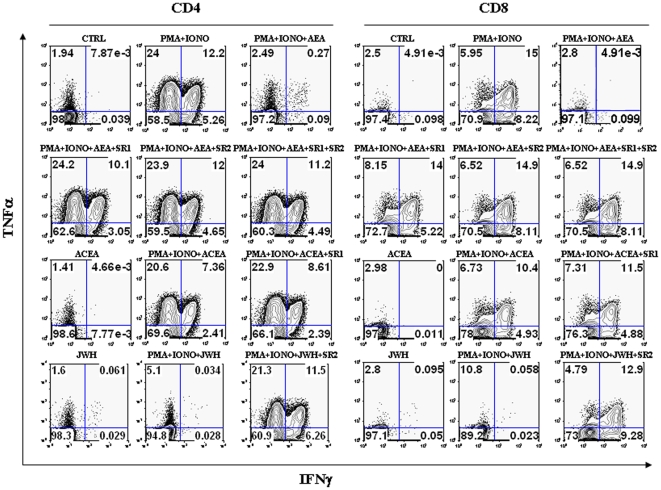
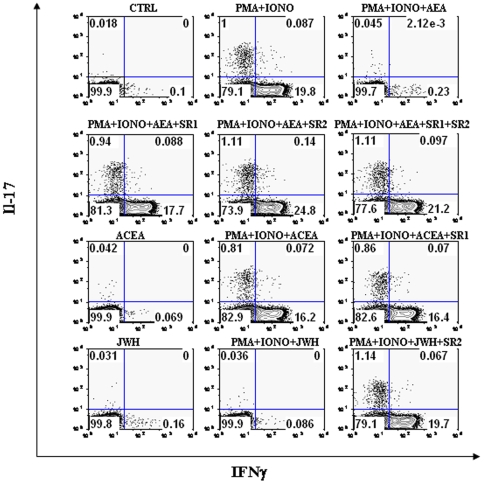
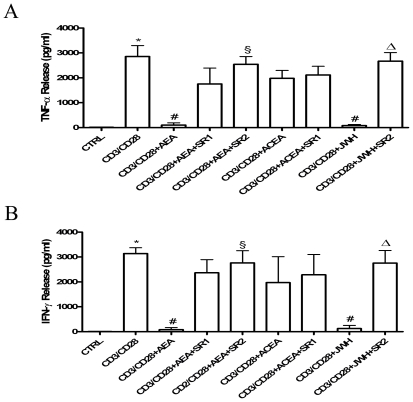
BACKGROUND: Anandamide (AEA) is an endogenous lipid mediator that exerts several effects in the brain as well as in peripheral tissues. These effects are mediated mainly by two types of cannabinoid receptors, named CB(1)R and CB(2)R, making AEA a prominent member of the "endocannabinoid" family. Also immune cells express CB(1) and CB(2) receptors, and possess the whole machinery responsible for endocannabinoid metabolism. Not surprisingly, evidence has been accumulated showing manifold roles of endocannabinoids in the modulation of the immune system. However, details of such a modulation have not yet been disclosed in primary human T-cells. METHODOLOGY/SIGNIFICANCE: In this investigation we used flow cytometry and ELISA tests, in order to show that AEA suppresses proliferation and release of cytokines like IL-2, TNF-alpha and INF-gamma from activated human peripheral T-lymphocytes. However, AEA did not exert any cytotoxic effect on T-cells. The immunosuppression induced by AEA was mainly dependent on CB(2)R, since it could be mimicked by the CB(2)R selective agonist JWH-015, and could be blocked by the specific CB(2)R antagonist SR144528. Instead the selective CB(1)R agonist ACEA, or the selective CB(1)R antagonist SR141716, were ineffective. Furthermore, we demonstrated an unprecedented immunosuppressive effect of AEA on IL-17 production, a typical cytokine that is released from the unique CD4+ T-cell subset T-helper 17. CONCLUSIONS/SIGNIFICANCE: Overall, our study investigates for the first time the effects of the endocannabinoid AEA on primary human T-lymphocytes, demonstrating that it is a powerful modulator of immune cell functions. In particular, not only we clarify that CB(2)R mediates the immunosuppressive activity of AEA, but we are the first to describe such an immunosuppressive effect on the newly identified Th-17 cells. These findings might be of crucial importance for the rational design of new endocannabinoid-based immunotherapeutic approaches.
Overview
The claims and statistics of this paper haven’t been checked yet.
Free: it reads the open-access text and checks the first 5 claims that cite a source we can check. Create a free account to check every claim.
Integrity signals
Registry
Cites
Statistics
Figures
Verification
Claims the paper makes
The claims and statistics of this paper haven’t been checked yet.
Free: it reads the open-access text and checks the first 5 claims that cite a source we can check. Create a free account to check every claim.
Claims other papers make about this one
Each is checked against this paper’s own text: does it say what the citing paper says it does?
The cited source says what the claim attributes to it.
In the citing paper
“In addition it inhibits T cell proliferation and production of TNF-α and IFN-γ by CD4+ and CD8+ T cells and IL-17 by Th17 cells [108].”
From Transition from inflammation to proliferation: a critical step during wound healing (2016) · cites this paper as [108]
Self-check
Percentages, sums and reported differences re-computed from the paper’s own numbers.
The self-check needs the paper’s full text.
Citations
Cites
International Union of Pharmacology. XXVII. Classification of Cannabinoid Receptors
Howlett, A. C., Barth, F., Bonner, T. I., Cabral, G., Casellas, P., Devane, W. A., Felder, C. C., Herkenham, M., Mackie, K., Martin, B. R., et al. (2002) · Pharmacological Reviews · doi:10.1124/pr.54.2.161 · Cited by 2,819
Pharmacology of cannabinoid CB1 and CB2 receptors
Pertwee, R. G. (1997) · Pharmacology & Therapeutics · doi:10.1016/s0163-7258(97)82001-3 · Cited by 1,470 · cited 1×
“These receptors are differentially distributed among cells, with CB1R being preferentially expressed in the brain and in other neural tissues, whilst CB2R is found mainly in cells of the immune system [4,5].”
BackgroundThe cannabinoid system and immune modulation
Klein, T. W., Newton, C., Larsen, K., Lu, L., Perkins, I., Nong, L., & Friedman, H. (2003) · Journal of Leukocyte Biology · doi:10.1189/jlb.0303101 · Cited by 524 · cited 1×
“regulating and fine-tuning several processes, including neuroprotection [6] and immune responses [7].”
BackgroundThe roles of IL‐17A in inflammatory immune responses and host defense against pathogens
Iwakura, Y., Nakae, S., Saijo, S., & Ishigame, H. (2008) · Immunological Reviews · doi:10.1111/j.1600-065x.2008.00699.x · Cited by 513 · cited 1×
“In the present study we sought to better define the role of AEA in modulating immune functions of primary human T cells, with a special focus on the key regulators of autoimmune inflammation: Th17 lymphocytes [17].”
BackgroundBiochemistry and pharmacology of endovanilloids
Starowicz, K., Nigam, S., & Di Marzo, V. (2007) · Pharmacology & Therapeutics · doi:10.1016/j.pharmthera.2007.01.005 · Cited by 383 · cited 5×
“Incidentally, it should be recalled that AEA is also an endogenous agonist of type-1 vanilloid receptors (TRPV1) [19].”
BackgroundInfluentialHillard, C. J., Manna, S., Greenberg, M. J., DiCamelli, R., Ross, R. A., Stevenson, L. A., Murphy, V., Pertwee, R. G., & Campbell, W. B. (1999) · The Journal of Pharmacology and Experimental Therapeutics · doi:10.1016/s0022-3565(24)38289-8 · Cited by 374 · cited 1×
“In addition, there are reports that even AEA might not act as a physiological agonist of CB2R [25], although this endocannabinoid has been shown to exert manifold CB2R-dependent activities in experimental paradigms, and more recently its localization within biological membranes has led to a reconsideration of its role…”
BackgroundMaresz, K., Pryce, G., Ponomarev, E. D., Marsicano, G., Croxford, J. L., Shriver, L. P., Ledent, C., Cheng, X., Carrier, E. J., Mann, M. K., et al. (2007) · Nature Medicine · doi:10.1038/nm1561 · Cited by 363 · cited 1×
“Using animal models of MS like experimental autoimmune encephalomylelitis (EAE), CB1R and CB2R have been shown to be specific markers of MS plaque cell subtypes [21]; furthermore, CB1R has been proven to mediate suppression of CNS autoimmune inflammation on neurons, whilst CB2R had the same anti-inflammatory role on a…”
MethodAnandamide Induces Apoptosis in Human Cells via Vanilloid Receptors
Maccarrone, M., Lorenzon, T., Bari, M., Melino, G., & Finazzi-Agrò, A. (2000) · Journal of Biological Chemistry · doi:10.1074/jbc.m005722200 · Cited by 347 · cited 1×
“In addition, AEA decreases mitogeninduced T and B cell proliferation [13], suppresses CD8 T lymphocyte migration [14], and induces apoptosis in macrophages [15] and dendritic cells [16].”
BackgroundSelf-citationFelder, C. C., Nielsen, A., Briley, E. M., Palkovits, M., Priller, J., Axelrod, J., Nguyen, D. N., Richardson, J. M., Riggin, R. M., Koppel, G. A., et al. (1996) · FEBS Letters · doi:10.1016/0014-5793(96)00891-5 · Cited by 326 · cited 1×
“cells, macrophages, microglia, and lymphocytes [9].”
Production of nitric oxide by glial cells: Regulation and potential roles in the CNS
Murphy, S. (2000) · Glia · doi:10.1002/(sici)1098-1136(20000101)29:1<1::aid-glia1>3.0.co;2-n · Cited by 314
Cited by
Transition from inflammation to proliferation: a critical step during wound healing
Landén, N. X., Li, D., & Ståhle, M. (2016) · Cellular and Molecular Life Sciences · doi:10.1007/s00018-016-2268-0 · Cited by 1,980
Marine omega-3 fatty acids and inflammatory processes: effects, mechanisms and clinical relevance
Calder, P. C. (2015) · Biochimica et Biophysica Acta (BBA) - Molecular and Cell Biology of Lipids · doi:10.1016/j.bbalip.2014.08.010 · Cited by 1,717
“AEA and 2-AG act via the CB1 and CB2 receptors [47], and anti-inflammatory properties have been reported for both [48,49].”
BackgroundOmega‐3 polyunsaturated fatty acids and inflammatory processes: nutrition or pharmacology?
Calder, P. C. (2013) · British Journal of Clinical Pharmacology · doi:10.1111/j.1365-2125.2012.04374.x · Cited by 1,347
Endocannabinoid signaling at the periphery: 50 years after THC
Maccarrone, M., Bab, I., Bíró, T., Cabral, G. A., Dey, S. K., Di Marzo, V., Konje, J. C., Kunos, G., Mechoulam, R., Pacher, P., et al. (2015) · Trends in Pharmacological Sciences · doi:10.1016/j.tips.2015.02.008 · Cited by 646
“In keeping with these findings, Maria Teresa Cencioni and colleagues [78] showed that AEA suppresses release of cytokines like IL-2, tumor necrosis-α and interferon-γ from activated human peripheral T-lymphocytes, mainly through a CB2-dependent mechanism.”
Self-citationThe CB2 receptor and its role as a regulator of inflammation
Turcotte, C., Blanchet, M.-R., Laviolette, M., & Flamand, N. (2016) · Cellular and Molecular Life Sciences · doi:10.1007/s00018-016-2300-4 · Cited by 588
Ligresti, A., De Petrocellis, L., & Di Marzo, V. (2016) · Physiological Reviews · doi:10.1152/physrev.00002.2016 · Cited by 469
“However, also AEA is linked to immune functions, such as the inhibition of 1) the production of pro-inflammatory cytokines like IL-6 and IL-8 from human monocytes (64) and 2) the release of IL-2, TNF- , and IFN- from activated human peripheral T lymphocytes (130).”
BackgroundBioactive Lipids and Chronic Inflammation: Managing the Fire Within
Chiurchiù, V., Leuti, A., & Maccarrone, M. (2018) · Frontiers in Immunology · doi:10.3389/fimmu.2018.00038 · Cited by 427
Self-citationPathogenesis of Systemic Sclerosis
Pattanaik, D., Brown, M., Postlethwaite, B. C., & Postlethwaite, A. E. (2015) · Frontiers in Immunology · doi:10.3389/fimmu.2015.00272 · Cited by 405
Is lipid signaling through cannabinoid 2 receptors part of a protective system?
Pacher, P., & Mechoulam, R. (2011) · Progress in Lipid Research · doi:10.1016/j.plipres.2011.01.001 · Cited by 414
“LPS), macrophage-mediated killing of sensitized cells, chemotaxis and inflammatory cell migration, among many others [76,77,80] (Fig.”
BackgroundPlant derived substances with anti-cancer activity: from folklore to practice
Fridlender, M., Kapulnik, Y., & Koltai, H. (2015) · Frontiers in Plant Science · doi:10.3389/fpls.2015.00799 · Cited by 415
“…a selective molecular target for therapeutic treatments of both inflammation-related conditions and neuropathic diseases that display hyper-inflammation processes (Cabral and Griffin-Thomas, 2009; Atwood and Mackie, 2010; Cencioni et al., 2010; García-Gutiérrez et al., 2010; Atwood et al., 2012).”
BackgroundModulating the endocannabinoid system in human health and disease – successes and failures
Pacher, P., & Kunos, G. (2013) · The FEBS Journal · doi:10.1111/febs.12260 · Cited by 405
“inflammatory cytokine production, chemotaxis and inflammatory cell migration, and macrophage-mediated killing of sensitized cells[9,120,122].”
BackgroundChiurchiù, V., Leuti, A., Dalli, J., Jacobsson, A., Battistini, L., Maccarrone, M., & Serhan, C. N. (2016) · Science Translational Medicine · doi:10.1126/scitranslmed.aaf7483 · Cited by 359
Self-citationCannabinoid receptor signaling in progenitor/stem cell proliferation and differentiation
Galve-Roperh, I., Chiurchiù, V., Díaz-Alonso, J., Bari, M., Guzmán, M., & Maccarrone, M. (2013) · Progress in Lipid Research · doi:10.1016/j.plipres.2013.05.004 · Cited by 283
“with the regulation of different immune functions [20–23].”
BackgroundSelf-citationOpioid-Sparing Effect of Cannabinoids: A Systematic Review and Meta-Analysis
Nielsen, S., Sabioni, P., Trigo, J. M., Ware, M. A., Betz-Stablein, B. D., Murnion, B., Lintzeris, N., Khor, K. E., Farrell, M., Smith, A., et al. (2017) · Neuropsychopharmacology · doi:10.1038/npp.2017.51 · Cited by 265
Turcotte, C., Chouinard, F., Lefebvre, J. S., & Flamand, N. (2015) · Journal of Leukocyte Biology · doi:10.1189/jlb.3ru0115-021r · Cited by 243
Bioactive lipid mediators in skin inflammation and immunity
Kendall, A. C., & Nicolaou, A. (2013) · Progress in Lipid Research · doi:10.1016/j.plipres.2012.10.003 · Cited by 229
The Role of the Endocannabinoid System in Pain
Woodhams, S. G., Sagar, D. R., Burston, J. J., & Chapman, V. (2015) · Handbook of Experimental Pharmacology · doi:10.1007/978-3-662-46450-2_7 · Cited by 202
Cannabinoids as therapeutic agents in cancer: current status and future implications
Chakravarti, B., Ravi, J., & Ganju, R. K. (2014) · Oncotarget · doi:10.18632/oncotarget.2233 · Cited by 200
“Anandamide reduces proliferation and production of cytokines like IL-2, TNF-α and INF-γ in human T lymphocytes by activating CB2 receptor [156].”
Goods and Bads of the Endocannabinoid System as a Therapeutic Target: Lessons Learned after 30 Years
Maccarrone, M., Di Marzo, V., Gertsch, J., Grether, U., Howlett, A. C., Hua, T., Makriyannis, A., Piomelli, D., Ueda, N., & van der Stelt, M. (2023) · Pharmacological Reviews · doi:10.1124/pharmrev.122.000600 · Cited by 183
Self-citationEndocannabinoid signalling in innate and adaptive immunity
Chiurchiù, V., Battistini, L., & Maccarrone, M. (2015) · Immunology · doi:10.1111/imm.12441 · Cited by 157
Self-citationHaspula, D., & Clark, M. A. (2020) · International Journal of Molecular Sciences · doi:10.3390/ijms21207693 · Cited by 158
Non-alcoholic fatty liver disease and its treatment with n-3 polyunsaturated fatty acids
de Castro, G. S., & Calder, P. C. (2017) · Clinical Nutrition · doi:10.1016/j.clnu.2017.01.006 · Cited by 142
Guillot, A., Hamdaoui, N., Bizy, A., Zoltani, K., Souktani, R., Zafrani, E.-S., Mallat, A., Lotersztajn, S., & Lafdil, F. (2014) · Hepatology · doi:10.1002/hep.26598 · Cited by 127
“Recent data have shown immunosuppressive properties of CB2 receptor on Th17 cells.(25) In the present study, we therefore explored whether inhibition of IL-17 response may contribute to the antifibrogenic effects of CB2 receptors in the liver.”
BackgroundCannabinoids Decrease the Th17 Inflammatory Autoimmune Phenotype
Kozela, E., Juknat, A., Kaushansky, N., Rimmerman, N., Ben‐Nun, A., & Vogel, Z. (2013) · Journal of Neuroimmune Pharmacology · doi:10.1007/s11481-013-9493-1 · Cited by 129
“Moreover, CB2 was shown to mediate anandamide-induced decrease in IL-17 production in PMA/Ionomycin-activated naïve human T cells (Cencioni et al. 2010) and in peripheral blood of EAE mice (Correa et al. 2011).”
BackgroundNeuroprotective agents: Cannabinoids
Sánchez, A., & García-Merino, A. (2011) · Clinical Immunology · doi:10.1016/j.clim.2011.02.010 · Cited by 133
The endocannabinoid system of the skin. A potential approach for the treatment of skin disorders
del Río, C., Millán, E., García, V., Appendino, G., DeMesa, J., & Muñóz, E. (2018) · Biochemical Pharmacology · doi:10.1016/j.bcp.2018.08.022 · Cited by 138
Balvers, M. G. J., Verhoeckx, K. C. M., Bijlsma, S., Rubingh, C. M., Meijerink, J., Wortelboer, H. M., & Witkamp, R. F. (2012) · Metabolomics · doi:10.1007/s11306-012-0421-9 · Cited by 125
Physical activity and the endocannabinoid system: an overview
Tantimonaco, M., Ceci, R., Sabatini, S., Catani, M. V., Rossi, A., Gasperi, V., & Maccarrone, M. (2014) · Cellular and Molecular Life Sciences · doi:10.1007/s00018-014-1575-6 · Cited by 112
“5): for instance, AeA/CB2 interaction strongly suppresses CD4+/CD8+ T lymphocyte proliferation, impairs the pro-inflammatory responses of both T helper (Th) 17 and Th1 cells [189], and stimulates antiinflammatory activity of Treg and Th2 cells [190] (Fig.”
BackgroundSelf-citationEffects of Cannabinoids on T-cell Function and Resistance to Infection
Eisenstein, T. K., & Meissler, J. J. (2015) · Journal of Neuroimmune Pharmacology · doi:10.1007/s11481-015-9603-3 · Cited by 122
“-Antigen specific stimulation of mousestimulation of mouse Tcells T-cells JWH-133 Maresz et al. 2007 IFN-γ was depressed - mitogen stimulated human peripheral blood T-cell Anandamide JWH-015 Cencioni et al. 2010 Up-regulation of immunosuppressive cytokines IL-10 and TGF-β - in vivo cannabinoid treatment in lung tumor…”
InfluentialSiniscalco, D., Sapone, A., Giordano, C., Cirillo, A., de Magistris, L., Rossi, F., Fasano, A., Bradstreet, J. J., Maione, S., & Antonucci, N. (2013) · Journal of Autism and Developmental Disorders · doi:10.1007/s10803-013-1824-9 · Cited by 121
“The immunomodulatory effects of endocannabinoids are mainly mediated by the CB2 receptor expressed on immune cells (Klein et al. 2003; Cencioni et al. 2010).”
BackgroundEndocannabinoids in immune regulation and immunopathologies
Rahaman, O., & Ganguly, D. (2021) · Immunology · doi:10.1111/imm.13378 · Cited by 110
“Anandamide directly suppresses cytokine release by CD4+ and CD8+ T cells via CB2 [50] and inhibits pro- inflammatory Tcell responses by blocking the production of Th1/Th17- polarizing cytokines by keratinocytes through CB1- mTOR axis [51].”
BackgroundEndocannabinoids modulate human blood–brain barrier permeability in vitro
Hind, W. H., Tufarelli, C., Neophytou, M., Anderson, S. I., England, T. J., & O'Sullivan, S. E. (2015) · British Journal of Pharmacology · doi:10.1111/bph.13106 · Cited by 98
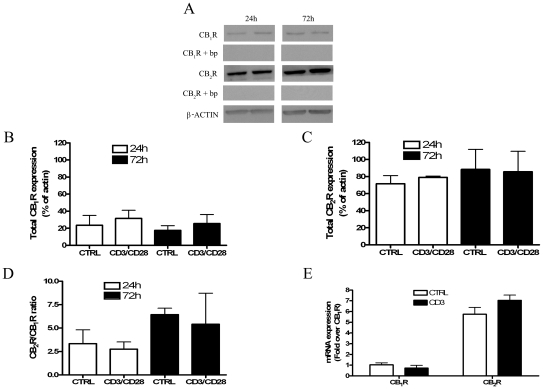
“…phosphotibosyl transferase (HPRT) were from Spinsanti et al. (2008); those for 303 bp CB1 receptor and 365 bp CB2 receptor were from Cencioni et al. (2010); those for 511 bp TRPV1 were from Luo et al. (2008); and finally the 380 bp CGRP receptor cDNA fragment was amplified using…”
Chiurchiù, V., Lanuti, M., Bardi, M. D., Battistini, L., & Maccarrone, M. (2014) · International Immunology · doi:10.1093/intimm/dxu097 · Cited by 103
Self-citationSaroz, Y., Kho, D. T., Glass, M., Graham, E. S., & Grimsey, N. L. (2019) · ACS Pharmacology & Translational Science · doi:10.1021/acsptsci.9b00049 · Cited by 110
Stanley, C. P., Hind, W. H., Tufarelli, C., & O’Sullivan, S. E. (2015) · Cardiovascular Research · doi:10.1093/cvr/cvv179 · Cited by 113
Trebicka, J., Rácz, I., Siegmund, S., Cara, E., Granzow, M., Schierwagen, R., Klein, S., Wojtalla, A., Hennenberg, M., Huss, S., et al. (2011) · Liver International · doi:10.1111/j.1478-3231.2011.02496.x · Cited by 106
Anti‐inflammatory effects of cannabinoid CB2 receptor activation in endotoxin‐induced uveitis
Toguri, J. T., Lehmann, C., Laprairie, R. B., Szczesniak, A.-M., Zhou, J., Denovan‐Wright, E. M., & Kelly, M. E. M. (2014) · British Journal of Pharmacology · doi:10.1111/bph.12545 · Cited by 97
“In other studies, CB2 receptors were robustly expressed by leukocytes and were associated with regulation of a number of leukocyte functions, including splenocyte proliferation, and B and T cell differentiation (Cencioni et al., 2010; Tanasescu and Constantinescu, 2010).”
BackgroundCannabinoids and omega-3/6 endocannabinoids as cell death and anticancer modulators
Brown, I. M., Cascio, M. G., Rotondo, D., Pertwee, R. G., Heys, S. D., & Wahle, K. W. J. (2012) · Progress in Lipid Research · doi:10.1016/j.plipres.2012.10.001 · Cited by 115
“[309] further showed that the immuno-suppression elicited by AEA was largely dependent on CB2 receptor activation.”
BackgroundResultInfluentialCannabinoid receptor 2 as a potential therapeutic target in rheumatoid arthritis
Fukuda, S., Kohsaka, H., Takayasu, A., Yokoyama, W., Miyabe, C., Miyabe, Y., Harigai, M., Miyasaka, N., & Nanki, T. (2014) · BMC Musculoskeletal Disorders · doi:10.1186/1471-2474-15-275 · Cited by 93
“Anandamide, one of endocannabinoids, suppressed IL-17 production from Th17 cells primarily via CB2 [34].”
BackgroundKong, W., Li, H., Tuma, R. F., & Ganea, D. (2013) · Cellular Immunology · doi:10.1016/j.cellimm.2013.11.002 · Cited by 99
“This is in agreement with two recent publications which reported in vitro inhibition of Th17 differentiation, using purified human T cells and anandamide [14], and a murine MOG-specific T cell line treated with THC or cannabidiol (CBD) [36].”
BackgroundResultThe endogenous cannabinoid system in the gut of patients with inflammatory bowel disease
Sabatino, A. D., Battista, N., Biancheri, P., Rapino, C., Rovedatti, L., Astarita, G., Vanoli, A., Dainese, E., Guerci, M., Piomelli, D., et al. (2011) · Mucosal Immunology · doi:10.1038/mi.2011.18 · Cited by 100
Self-citationChiurchiù, V., Cencioni, M. T., Bisicchia, E., De Bardi, M., Gasperini, C., Borsellino, G., Centonze, D., Battistini, L., & Maccarrone, M. (2013) · Annals of Neurology · doi:10.1002/ana.23875 · Cited by 90
“In previous studies, we have shown that MS patients display increased levels of anandamide (AEA) in cerebrospinal fluid, lymphocytes, and plasma, compared to healthy controls,(15) and we found that AEA was able to strongly inhibit human Th-1 and Th-17 immune responses.(16) Furthermore, it was recently reported that AE…”
BackgroundMethodSelf-citationInterleukin-17 in post-stroke neurodegeneration
Swardfager, W., Winer, D. A., Herrmann, N., Winer, S., & Lanctôt, K. L. (2013) · Neuroscience & Biobehavioral Reviews · doi:10.1016/j.neubiorev.2013.01.021 · Cited by 94
The role of endocannabinoids in gonadal function and fertility along the evolutionary axis
Battista, N., Meccariello, R., Cobellis, G., Fasano, S., Tommaso, M. D., Pirazzi, V., Konje, J. C., Pierantoni, R., & Maccarrone, M. (2012) · Molecular and Cellular Endocrinology · doi:10.1016/j.mce.2012.01.014 · Cited by 94
“…-6 and -10 (Derocq et al., 2000; Kishimoto et al., 2004), or to inhibit the release of TNF-a and IFN-c-mediated Th1 response in human lymphocytes (Cencioni et al., 2010), suggesting that they may have a opposite effects on cytokine secretion depending on the nature of the pro-inflammatory…”
Self-citationModulation of cellular redox homeostasis by the endocannabinoid system
Lipina, C., & Hundal, H. S. (2016) · Open Biology · doi:10.1098/rsob.150276 · Cited by 87
“Both AEA and 2-AG evoke cellular and physiological responses through binding and activating two distinct G protein-coupled receptors identified as the cannabinoid type 1 (CB1R) and type 2 (CB2R) receptors [36–39].”
BackgroundInteraction of neurotransmitters and neurochemicals with lymphocytes
Kerage, D., Sloan, E. K., Mattarollo, S. R., & McCombe, P. (2019) · Journal of Neuroimmunology · doi:10.1016/j.jneuroim.2019.04.006 · Cited by 91
Krishnan, G., & Chatterjee, N. (2012) · Glia · doi:10.1002/glia.22380 · Cited by 86
“Endocannabinoid application has been shown to promote cell survival and antiproliferation (Cencioni et al., 2010; De Petrocellis et al., 1998).”
BackgroundHryhorowicz, S., Kaczmarek-Ryś, M., Zielińska, A., Scott, R. J., Słomski, R., & Pławski, A. (2021) · Frontiers in Immunology · doi:10.3389/fimmu.2021.790803 · Cited by 87
“It inhibits the release of proinflammatory cytokines from primary T cells indicating an anti-inflammatory effect of CB2 (40) while the CB2 receptor antagonist SR14452 blocked these effects (41).”
BackgroundCannabinoid Receptor 2-Mediated Attenuation of CXCR4-Tropic HIV Infection in Primary CD4+ T Cells
Costantino, C. M., Gupta, A., Yewdall, A. W., Dale, B. M., Devi, L. A., & Chen, B. K. (2012) · PLoS ONE · doi:10.1371/journal.pone.0033961 · Cited by 77
“Although previous studies have indicated that pan-cannabinoid agonists can possess an immunosuppressive function in vitro [11] and in vivo [42,43], ablation of CB2R in mice was not found to increase T cell number, proliferation, or apoptosis in the periphery [14].”
BackgroundInfluentialPolyunsaturated Fatty Acid-Derived Lipid Mediators and T Cell Function
Nicolaou, A., Mauro, C., Urquhart, P., & Marelli‐Berg, F. M. (2014) · Frontiers in Immunology · doi:10.3389/fimmu.2014.00075 · Cited by 88
“The immunosuppressive effect of AEA extends to Th17 cell and this is of particular interest for the development of immunotherapeutic approaches (186).”
BackgroundInfluentialEndocannabinoids as biomarkers of human reproduction
Rapino, C., Battista, N., Bari, M., & Maccarrone, M. (2014) · Human Reproduction Update · doi:10.1093/humupd/dmu004 · Cited by 86
“Interestingly, eCBs have been demonstrated to increase the production of IL-1, IL-4, IL-6 and IL-10 (Derocq et al., 2000; Kishimoto et al., 2004), and to inhibit the release of TNF-a and interferon-g from human lymphocytes (Klein et al, 2004; Cencioni et al., 2010).”
BackgroundSelf-citationEndocannabinoid Signaling in Autism
Chakrabarti, B., Persico, A. M., Battista, N., & Maccarrone, M. (2015) · Neurotherapeutics · doi:10.1007/s13311-015-0371-9 · Cited by 84
Self-citationCrosstalk between endocannabinoid and immune systems: a potential dysregulation in depression?
Boorman, E., Zajkowska, Z., Ahmed, R., Pariante, C. M., & Zunszain, P. A. (2016) · Psychopharmacology · doi:10.1007/s00213-015-4105-9 · Cited by 66
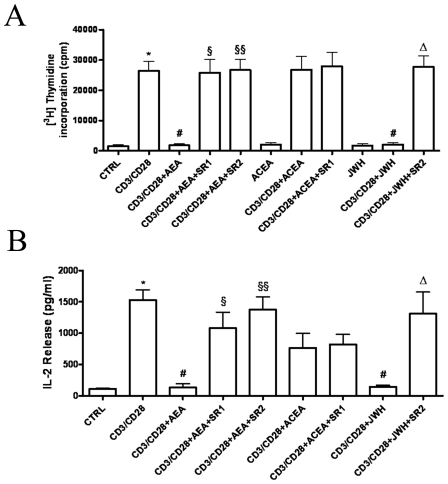
“For example, AEA suppresses human T lymphocyte proliferation and this is dependent on CB2R action, as shown by replication of the afore-mentioned effect by administration of CB2R agonist and amelioration following use of a CB2R antagonist (Cencioni et al. 2010).”
BackgroundChiurchiù, V., Lanuti, M., Catanzaro, G., Fezza, F., Rapino, C., & Maccarrone, M. (2014) · Atherosclerosis · doi:10.1016/j.atherosclerosis.2013.12.042 · Cited by 77
“Flow cytometry analysis was performed on a FACSCanto cytofluorimeter (Beckton Dickinson, NJ, USA), as detailed elsewhere [27].”
BackgroundMethodSelf-citationEndocannabinoid system and pain: an introduction
Burston, J. J., & Woodhams, S. G. (2013) · Proceedings of The Nutrition Society · doi:10.1017/s0029665113003650 · Cited by 79
“CB2 receptor activation inhibits the production and release of pro-inflammatory and pro-nociceptive mediators, such as reactive oxygen species((89)) and cytokines((87)).”
BackgroundCarter, G. T., Abood, M. E., Aggarwal, S. K., & Weiss, M. D. (2010) · American Journal of Hospice and Palliative Medicine® · doi:10.1177/1049909110369531 · Cited by 65
“Recent studies show that cannabinoids downregulate cytokine and chemokine production, both mechanisms that suppress inflammatory responses.(61-64) Manipulation of endocannabinoids (ie, via the use of exogenous cannabis) has great potential treatment viability against inflammatory disorders, including the inflammation…”
BackgroundBioactive lipids as modulators of immunity, inflammation and emotions
Chiurchiù, V., & Maccarrone, M. (2016) · Current Opinion in Pharmacology · doi:10.1016/j.coph.2016.06.005 · Cited by 64
Self-citationSteiner, A. A., Molchanova, A. Y., Doğan, M. D., Patel, S., Pétervári, E., Balaskó, M., Wanner, S. P., Eales, J., de Oliveira, D. L., Gavva, N. R., et al. (2011) · The Journal of Physiology · doi:10.1113/jphysiol.2010.202465 · Cited by 74
“2008), even though a peripheral action of endocannabinoids (on leukocytes) suppresses TNF-α production (Berdyshev et al. 1997; Cencioni et al. 2010).”
BackgroundCannabinoids for the treatment of rheumatic diseases — where do we stand?
Katz, D., Katz, I., Porat-Katz, B.-S., & Shoenfeld, Y. (2018) · Nature Reviews Rheumatology · doi:10.1038/s41584-018-0025-5 · Cited by 69
Cannabinoids and inflammation: implications for people living with HIV
Costiniuk, C. T., & Jenabian, M.-A. (2019) · AIDS · doi:10.1097/qad.0000000000002345 · Cited by 68
“T-lymphocytes #Production of IL-2 [65] "Apoptosis via CB2 receptor activation [66] " Apoptosis in leukemic cells [67] # Function via calcium-NFAT and nuclear factor(NF)kB signalling cascade [68] # IL-10 production by HUT78 T cells [61] # IL-10 production by HUT-78 T cells [61] # Lymphocyte proliferation and " apoptosi…”
BackgroundSasso, O., Migliore, M., Habrant, D., Armirotti, A., Albani, C., Summa, M., Moreno‐Sanz, G., Scarpelli, R., & Piomelli, D. (2015) · The FASEB Journal · doi:10.1096/fj.15-270637 · Cited by 70
“One suchmediator is anandamide (AEA), an endogenous cannabinoid receptor agonist that is released from macrophages and T lymphocytes following activation of pattern recognition receptors (4, 5) and engages a combination of cannabinoid receptor 1 (CB1)- and cannabinoid receptor 2 (CB2)-dependent mechanisms to suppress…”
BackgroundFunctional Lipids in Autoimmune Inflammatory Diseases
Dei, M., Roda, G., Li, F., & Secundo, F. (2020) · International Journal of Molecular Sciences · doi:10.3390/ijms21093074 · Cited by 68
“In particular, AEA and PEA have anti-inflammatory properties [67,68], whereas 2-AG has both proand anti-inflammatory properties [69–71].”
BackgroundRossi, F., Bellini, G., Tolone, C., Luongo, L., Mancusi, S., Papparella, A., Sturgeon, C., Fasano, A., Nobili, B., Perrone, L., et al. (2012) · Pharmacological Research · doi:10.1016/j.phrs.2012.03.011 · Cited by 60
Robinson, R. H., Meissler, J. J., Deckman, J. M., Gaughan, J. P., Adler, M. W., & Eisenstein, T. K. (2013) · Journal of Neuroimmune Pharmacology · doi:10.1007/s11481-013-9485-1 · Cited by 67
“…IL-2, IL-6, IFN-g, and TNF-α, inhibiting migration of T-cells to inflammatory stimuli, and inhibiting proliferation of T-cells (Borner et al. 2009; Cencioni et al. 2010; Maresz et al. 2007; Xu et al. 2007; Ghosh et al. 2006; Coopman et al. 2007), it was hypothesized that CB2- selective agonists…”
Expression and Functions of the CB2 Receptor in Human Leukocytes
Simard, M., Rakotoarivelo, V., Marzo, V. D., & Flamand, N. (2022) · Frontiers in Pharmacology · doi:10.3389/fphar.2022.826400 · Cited by 66
Balvers, M. G. J., Verhoeckx, K. C. M., Meijerink, J., Bijlsma, S., Rubingh, C. M., Wortelboer, H. M., & Witkamp, R. F. (2012) · International Immunopharmacology · doi:10.1016/j.intimp.2012.03.022 · Cited by 67
Chiurchiù, V. (2016) · Cannabis and Cannabinoid Research · doi:10.1089/can.2016.0002 · Cited by 58
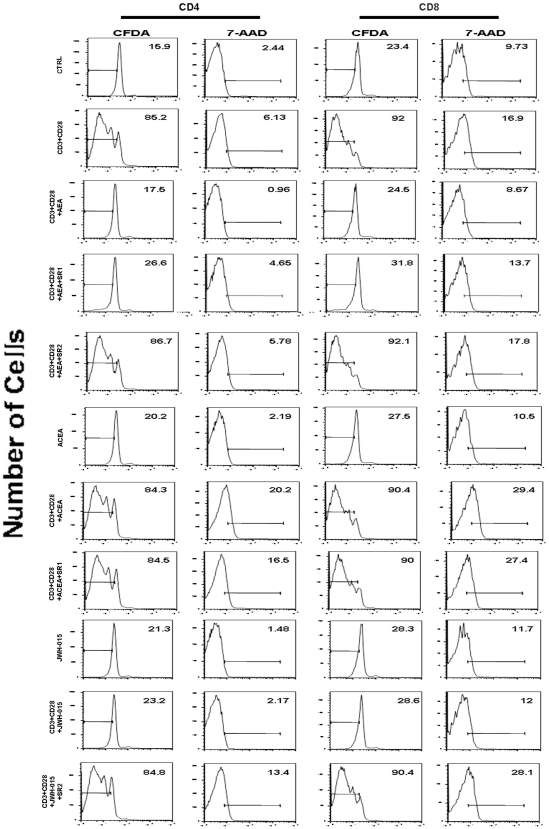
“Our group was the first to demonstrate the antiproliferative effect of AEA on both CD4 and CD8 T-cell subsets, without any effect on cell viability.(39) In addition, we disclosed its inhibitory effect on IFN-c-producing Th1 and IL17-producing Th17.”
BackgroundSelf-citationThe Interplay between the Immune and the Endocannabinoid Systems in Cancer
Braile, M., Marcella, S., Marone, G., Galdiero, M. R., Varricchi, G., & Loffredo, S. (2021) · Cells · doi:10.3390/cells10061282 · Cited by 64
Cucchi, D., Camacho‐Muñoz, D., Certo, M., Niven, J., Smith, J., Nicolaou, A., & Mauro, C. (2019) · Cardiovascular Research · doi:10.1093/cvr/cvz208 · Cited by 68
Joints for joints: cannabinoids in the treatment of rheumatoid arthritis
Lowin, T., Schneider, M. A., & Pongratz, G. (2019) · Current Opinion in Rheumatology · doi:10.1097/bor.0000000000000590 · Cited by 66
Immune system: A possible nexus between cannabinoids and psychosis
Suárez‐Pinilla, P., López-Gil, J., & Crespo‐Facorro, B. (2014) · Brain Behavior and Immunity · doi:10.1016/j.bbi.2014.01.018 · Cited by 64
“Ligand Activity Selectivity Endocannabinoids Docosatetraenoylethanolamine (DEA) Agonist CB1 Anandamide (AE) Agonist CB1- > CB2-R; TRPV1 N-palmitoylethanolamide (N- PEA) Agonist CB1 and CB2-R 2-arachidonylglycerol (2-AG) Agonist CB1 > CB2-R N-arachidonyl-dopamine (NADA) Agonist CB1-R and TRPV1 N-arachidonyl glycine (NA…”
BackgroundInfluentialOshaghi, M., Kourosh‐Arami, M., & Roozbehkia, M. (2022) · Neurological Sciences · doi:10.1007/s10072-022-06413-0 · Cited by 62
The endocannabinoid system and its therapeutic implications in rheumatoid arthritis
Gui, H., Tong, Q., Qu, W., Mao, C.-M., & Dai, S. (2015) · International Immunopharmacology · doi:10.1016/j.intimp.2015.03.006 · Cited by 65
Cannabis in Palliative Medicine: Improving Care and Reducing Opioid-Related Morbidity
Carter, G. T., Flanagan, A. M., Earleywine, M., Abrams, D. I., Aggarwal, S. K., & Grinspoon, L. (2011) · American Journal of Hospice and Palliative Medicine® · doi:10.1177/1049909111402318 · Cited by 68
Cencioni, M. T., Magliozzi, R., Nicholas, R. S., Ali, R., Malik, O., Reynolds, R., Borsellino, G., Battistini, L., & Muraro, P. A. (2017) · Immunology · doi:10.1111/imm.12808 · Cited by 60
Self-citationBalvers, M. G. J., Wortelboer, H. M., Witkamp, R. F., & Verhoeckx, K. C. M. (2012) · Analytical Biochemistry · doi:10.1016/j.ab.2012.11.008 · Cited by 57
Chiurchiù, V., Rapino, C., Talamonti, E., Leuti, A., Lanuti, M., Guéniche, A., Jourdain, R., Breton, L., & Maccarrone, M. (2016) · The Journal of Immunology · doi:10.4049/jimmunol.1500546 · Cited by 60
“Cytokine content was determined by standard two-site sandwich ELISAs, using available commercial kits for IL-12 p40, IL-23, IFN-g, and IL-17 (eBioscience), as previously reported (18).”
BackgroundMethodSelf-citationLowin, T., Pongratz, G., & Straub, R. H. (2016) · Journal of Inflammation · doi:10.1186/s12950-016-0114-7 · Cited by 52
“CB2 [6].”
Rossi, F., Bellini, G., Alisi, A., Alterio, A., Maione, S., Perrone, L., Locatelli, F., del Giudice, E. M., & Nobili, V. (2012) · PLoS ONE · doi:10.1371/journal.pone.0042259 · Cited by 53
Manipulation of the Endocannabinoid System in Colitis: A Comprehensive Review
Leinwand, K. L., Gerich, M. E., Hoffenberg, E. J., & Collins, C. B. (2017) · Inflammatory Bowel Diseases · doi:10.1097/mib.0000000000001004 · Cited by 54
A CB2-Selective cannabinoid suppresses T-Cell activities and increases tregs and IL-10
Robinson, R. H., Meissler, J. J., Fan, X., Yu, D., Adler, M. W., & Eisenstein, T. K. (2015) · Journal of Neuroimmune Pharmacology · doi:10.1007/s11481-015-9611-3 · Cited by 46
“…agonists in vivo to reduce immune mediated effects in mouse models of spinal cord injury (Adhikary et al. 2011; Baty et al. 2008), stroke (Murikinati et al. 2010; Zhang et al. 2009a, b), inflammatory bowel disease (Cencioni et al. 2010), colitis (Storr et al. 2009), and sepsis (Tschöp et al. 2009).”
InfluentialCNR2 functional variant (Q63R) influences childhood immune thrombocytopenic purpura
Rossi, F., Mancusi, S., Bellini, G., Roberti, D., Punzo, F., Vetrella, S., Matarese, S. M. R., Nobili, B., Maione, S., & Perrotta, S. (2011) · Haematologica · doi:10.3324/haematol.2011.045732 · Cited by 49
“2), and is expressed at 10- to 100-fold greater levels than the CB1 on immune cells, including T lymphocytes, B cells, macrophages and neutrophils.(10) Genome scan studies revealed a key role of the 1p36 region in different autoimmune diseases, such as rheumatoid arthritis,(11) systemic lupus erythematosus,(12) and ty…”
BackgroundLipina, C., Irving, A. J., & Hundal, H. S. (2014) · American Journal of Physiology-Endocrinology and Metabolism · doi:10.1152/ajpendo.00100.2014 · Cited by 55
“Both AEA and 2-AG evoke cellular and physiological responses through binding and activating two distinct G proteincoupled receptors identified as the cannabinoid type 1 (CB1R) and type 2 (CB2R) receptors (23, 31, 32, 85).”
BackgroundVuić, B., Milos, T., Tudor, L., Konjevod, M., Perković, M. N., Jembrek, M. J., Erjavec, G. N., & Štrac, D. Š. (2022) · Biomedicines · doi:10.3390/biomedicines10123000 · Cited by 53
Castaneda, J. T., Harui, A., Kiertscher, S. M., Roth, J. D., & Roth, M. D. (2013) · Journal of Neuroimmune Pharmacology · doi:10.1007/s11481-012-9430-8 · Cited by 53
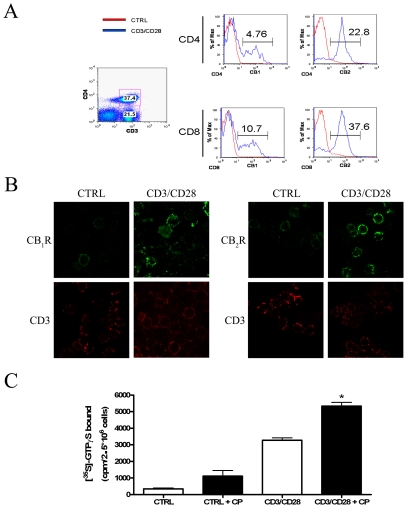
“While others have used flow cytometry to evaluate CB2 receptor expression on cells (Carayon et al. 1998; Cencioni et al. 2010; Graham et al. 2010), there are several features which distinguish our assay from past studies with human PBL.”
BackgroundMethodResultInfluentialBalvers, M. G. J., Verhoeckx, K. C. M., Meijerink, J., Wortelboer, H. M., & Witkamp, R. F. (2013) · CNS & Neurological Disorders - Drug Targets · doi:10.2174/1871527311312010007 · Cited by 48
“The latter refers to a mechanism in which the presence of PEA reduces the enzymatic breakdown of AEA through competition for FAAH, resulting in higher concentrations of AEA which is also known for its anti-inflammatory properties [4, 52].”
BackgroundLanuti, M., Talamonti, E., Maccarrone, M., & Chiurchiù, V. (2015) · PLoS ONE · doi:10.1371/journal.pone.0126839 · Cited by 51
“Lipid droplets and GPR55 receptor expression were visualized by means of a Zeiss LSM700 Confocal microscope, and were analyzed through ImageJ software (National Institutes of Health, Bethesda, MD, USA), as reported [31].”
MethodSelf-citationSido, J. M., Jackson, A. R., Nagarkatti, P. S., & Nagarkatti, M. (2016) · Journal of Molecular Medicine · doi:10.1007/s00109-016-1404-5 · Cited by 50
“With recent findings of cannabinoid receptor agonists negatively regulating IL-17 [29, 30], we next studied”
Potent multitarget FAAH-COX inhibitors: Design and structure-activity relationship studies
Migliore, M., Habrant, D., Sasso, O., Albani, C., Bertozzi, S. M., Armirotti, A., Piomelli, D., & Scarpelli, R. (2015) · European Journal of Medicinal Chemistry · doi:10.1016/j.ejmech.2015.12.036 · Cited by 48
“recruitment [37, 38] – as well as the endogenous pe roxisome proliferator-activate receptorα (PPAR-α) agonists, palmitoylethanolamide (PEA) and oleoyle thanolamide (OEA).”
The Immune Endocannabinoid System of the Tumor Microenvironment
Kienzl, M., Kargl, J., & Schicho, R. (2020) · International Journal of Molecular Sciences · doi:10.3390/ijms21238929 · Cited by 48
“For instance, activation of CB2 by AEA reduces proliferation and inhibits release of pro-inflammatory cytokines, such as IL-2, TNF-α and IFN-γ, from primary T-lymphocytes; furthermore, IL-17 secretion from Th17 cells is suppressed [152].”
BackgroundPatsenker, E., Sachse, P., Chicca, A., Gachet, M. S., Schneider, V., Mattsson, J., Lanz, C., Worni, M., Gottardi, A. D., Semmo, M., et al. (2015) · International Journal of Molecular Sciences · doi:10.3390/ijms16047057 · Cited by 44
“However, this will unlikely lead to increased hepatic inflammation in general, as hepatocytes are not the major contributors to the immune response, and ECs-induced immunomodulatory effects are mostly mediated via CB2 on locally residing Kupffer cells or hepatic or peripheral T-lymphocytes [12,18,34].”
BackgroundThe Endocannabinoid System in Pediatric Inflammatory and Immune Diseases
Argenziano, M., Tortora, C., Bellini, G., Paola, A. D., Punzo, F., & Rossi, F. (2019) · International Journal of Molecular Sciences · doi:10.3390/ijms20235875 · Cited by 45
“Several studies suggest that gut inflammation is associated with hyper-expression of cannabinoid receptors [67], to increased levels of the AEA [68], that suppresses T-cell proliferation and inhibits IL-2, TNF-α, and INF-γ release from activated T-lymphocytes [69] and also with alteration in enzymatic pathways.”
BackgroundSánchez, A., Román-Vega, L., Ramil, E., Giuffrida, A., & García-Merino, A. (2014) · Clinical & Experimental Immunology · doi:10.1111/cei.12443 · Cited by 50
Peripheral modulation of the endocannabinoid system in metabolic disease
Shrestha, N., Cuffe, J. S. M., Hutchinson, D. S., Headrick, J. P., Perkins, A. V., McAinch, A. J., & Hryciw, D. H. (2018) · Drug Discovery Today · doi:10.1016/j.drudis.2018.01.029 · Cited by 46
The Cannabinoid Receptor Type 2 as Mediator of Mesenchymal Stromal Cell Immunosuppressive Properties
Rossi, F., Bernardo, M. E., Bellini, G., Luongo, L., Conforti, A., Manzo, I., Guida, F., Cristino, L., Imperatore, R., Petrosino, S., et al. (2013) · PLoS ONE · doi:10.1371/journal.pone.0080022 · Cited by 43
Sarsembayeva, A., Kienzl, M., Gruden, E., Ristić, D., Maitz, K. S., Valadez-Cosmes, P., Santiso, A., Hasenoehrl, C., Brčić, L., Lindenmann, J., et al. (2023) · Frontiers in Immunology · doi:10.3389/fimmu.2022.997115 · Cited by 45
“In addition, the endocannabinoid anandamide suppresses release of pro-inflammatory cytokines like IL-2, TNF-a and IFN-g from activated human peripheral Tlymphocytes, acting primarily through CB2 (21).”
BackgroundUhelski, M. L., Khasabova, I. A., & Simone, D. A. (2014) · Journal of Neurophysiology · doi:10.1152/jn.00692.2014 · Cited by 41
Krustev, E., Reid, A. R., & McDougall, J. J. (2014) · Arthritis Research & Therapy · doi:10.1186/s13075-014-0437-9 · Cited by 38
“More specifically, cannabinoids are capable of reducing leukocyte proliferation and cytokine release [32,33].”
BackgroundRole of the endocannabinoid system in the regulation of the skeletal muscle response to exercise
Schönke, M., Martínez‐Téllez, B., & Rensen, P. C. N. (2020) · Current Opinion in Pharmacology · doi:10.1016/j.coph.2020.05.003 · Cited by 40
Endocannabinoids and Inflammatory Response in Periodontal Ligament Cells
Özdemir, B., Shi, B., Bantleon, H. P., Moritz, A., Rausch‐Fan, X., & Andrukhov, O. (2014) · PLoS ONE · doi:10.1371/journal.pone.0107407 · Cited by 46
“Endocannabinoids are reported to modulate the proliferation and apoptosis of T- and B-lymphocytes, inflammatory cytokine production, and immune cell activation and migration [2,8,9].”
Background
Metadata
- Authors
- Cencioni, M. T., Chiurchiù, V., Catanzaro, G., Borsellino, G., Bernardi, G., Battistini, L., & Maccarrone, M.
- Affiliations
- Fondazione Santa Lucia (IT)
- University of Teramo (IT)
- University of Rome Tor Vergata (IT)
- Corresponding author
- Battistini, Luca
- Maccarrone, Mauro
- ORCID
- Venue
- PLoS ONE
- Publisher
- Public Library of Science (PLoS)
- Published
- 2010-01-14
- Volume
- 5
- Issue
- 1
- Pages
- e8688
- ISSN
- 1932-6203 (ISSN-L)
- PMC
- PMC2809084
- OpenAlex
- W1991262879
- Cited by
- 235
- References
- 29
- Citations by year
- 2026: 8 · 2025: 9 · 2024: 19 · 2023: 9 · 2022: 15 · 2021: 11 · 2020: 14 · 2019: 13 · 2018: 7 · 2017: 10 · 2016: 18 · 2015: 20 · 2014: 20 · 2013: 22 · 2012: 21
- FWCI
- 14.33
- Type
- journal article
- Language
- en
- Open access
- gold
- doi.org
- Locations
- PLoS ONE (publishedVersion, cc-by)
- PubMed Central (publishedVersion, cc-by)
- PubMed (publishedVersion)
- IRIS Research product catalog (Sapienza University of Rome) (submittedVersion, cc-by)
- DOAJ (DOAJ: Directory of Open Access Journals) (submittedVersion)
- Archivio Istituzionale della Ricerca - Università degli Studi dell Aquila (submittedVersion)
- Funders
- Ministero della Salute
- Topics
- Health Sciences › Medicine › Pharmacology (medical) › Cannabis and Cannabinoid Research
- Health Sciences › Medicine › Pharmacology (medical) › Inflammatory mediators and NSAID effects
- Health Sciences › Nursing › Nutrition and Dietetics › Fatty Acid Research and Health
- Keywords
- anandamide, endocannabinoids, CB2 receptor, CB1 receptor, T cells, immunosuppression, T cell proliferation, cytokine production, IL-17, Th17 cells, JWH-015, SR144528, SR141716, ACEA
- MeSH terms
- Rimonabant, Arachidonic Acids, Base Sequence, Camphanes, Enzyme-Linked Immunosorbent Assay, Flow Cytometry, Humans, Piperidines, Pyrazoles, T-Lymphocytes, Cytokines, DNA Primers, Microscopy, Confocal, Reverse Transcriptase Polymerase Chain Reaction, Receptor, Cannabinoid, CB2, Cell Proliferation, Polyunsaturated Alkamides, Endocannabinoids
About these checks
Registry, retraction, Cites and statistics results are computed, not judged, with one exception: a printed reference that no index lists is read once by a model before it counts as a citation error. Claims are extracted by a model and kept only when their quote appears verbatim in the text; each cited source is then checked, with a model’s help, for whether it says what the claim relies on. Those verdicts can be wrong — read the claim’s quote and the cited source before relying on one.
Statistics and arithmetic are recomputed, not judged.
Confidence bands are shown only for fields calibrated on our annotated test set. None is calibrated yet, so no band is shown.
What counts as a claim ›How we measure confidence ›How we check this ›
Are you an author, or do you see a problem with this page? Request a review
Data sources
Bibliographic data: Semantic Scholar, OpenAlex, Crossref.
Contains information from the Semantic Scholar Academic Graph Datasets, made available under the ODC Attribution License (ODC-BY 1.0).
Semantic Scholar’s data is described in: Kinney, R., et al. (2023). The Semantic Scholar Open Data Platform. arXiv:2301.10140.
