

Macrophage Dysfunction Impairs Resolution of Inflammation in the Wounds of Diabetic Mice
Open accessThe DOI matches its Crossref record; 84 of the 84 references it cites were found in a registry or an index.
Abstract
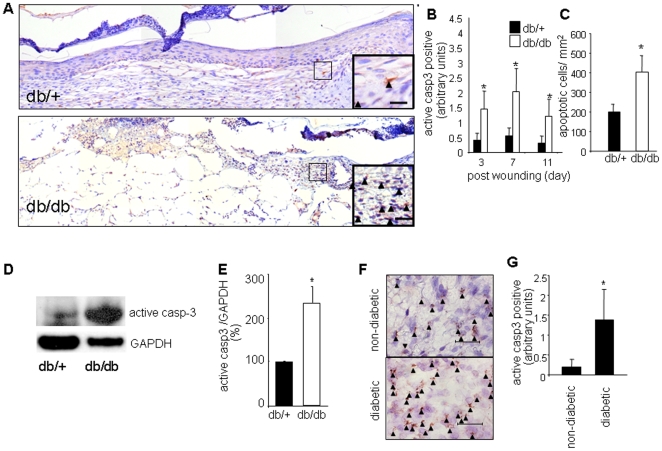
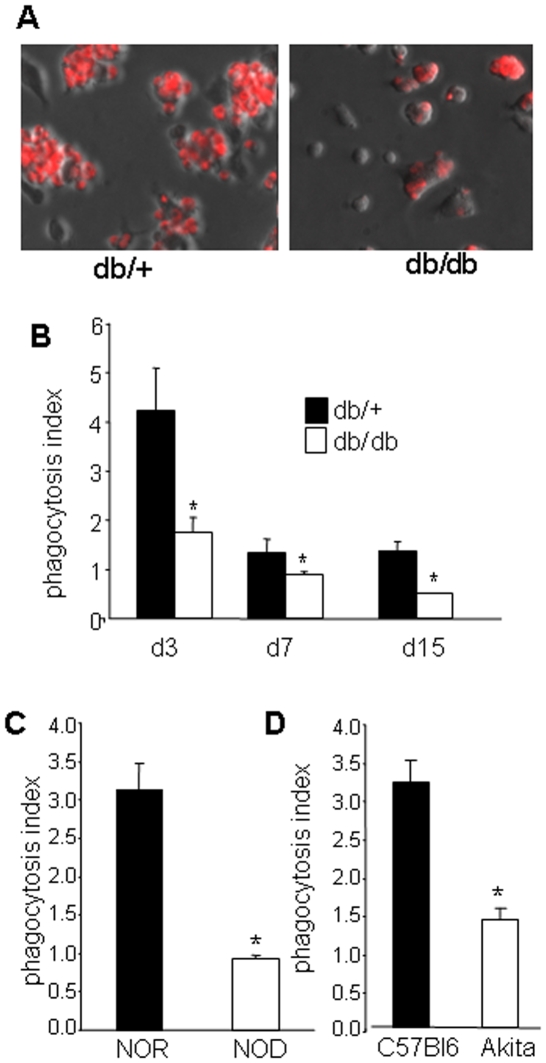
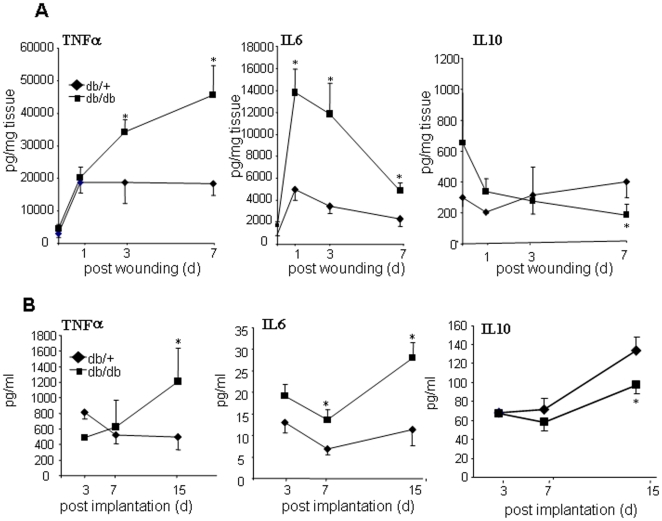
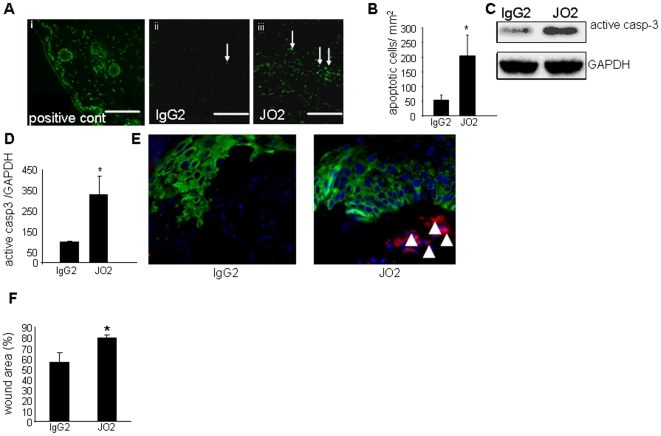
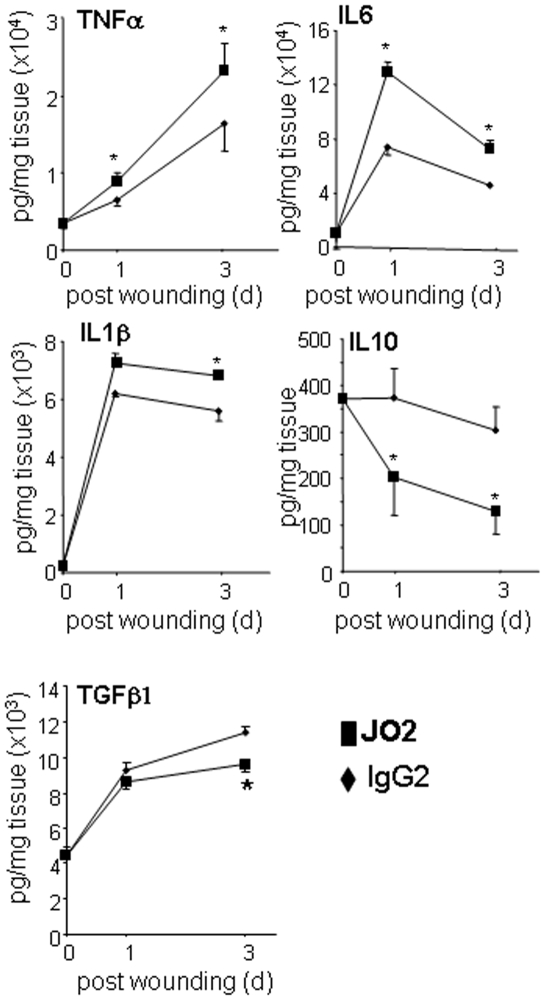
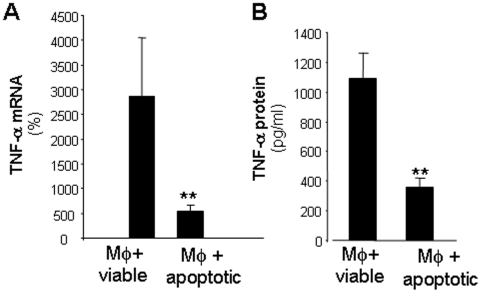
BACKGROUND: Chronic inflammation is a characteristic feature of diabetic cutaneous wounds. We sought to delineate novel mechanisms involved in the impairment of resolution of inflammation in diabetic cutaneous wounds. At the wound-site, efficient dead cell clearance (efferocytosis) is a pre-requisite for the timely resolution of inflammation and successful healing. METHODOLOGY/PRINCIPAL FINDINGS: Macrophages isolated from wounds of diabetic mice showed significant impairment in efferocytosis. Impaired efferocytosis was associated with significantly higher burden of apoptotic cells in wound tissue as well as higher expression of pro-inflammatory and lower expression of anti-inflammatory cytokines. Observations related to apoptotic cell load at the wound site in mice were validated in the wound tissue of diabetic and non-diabetic patients. Forced Fas ligand driven elevation of apoptotic cell burden at the wound site augmented pro-inflammatory and attenuated anti-inflammatory cytokine response. Furthermore, successful efferocytosis switched wound macrophages from pro-inflammatory to an anti-inflammatory mode. CONCLUSIONS/SIGNIFICANCE: Taken together, this study presents first evidence demonstrating that diabetic wounds suffer from dysfunctional macrophage efferocytosis resulting in increased apoptotic cell burden at the wound site. This burden, in turn, prolongs the inflammatory phase and complicates wound healing.
Overview
The claims and statistics of this paper haven’t been checked yet.
Free: it reads the open-access text and checks the first 5 claims that cite a source we can check. Create a free account to check every claim.
Integrity signals
Registry
Cites
Statistics
Figures
Verification
Claims the paper makes
The claims and statistics of this paper haven’t been checked yet.
Free: it reads the open-access text and checks the first 5 claims that cite a source we can check. Create a free account to check every claim.
Claims other papers make about this one
Each is checked against this paper’s own text: does it say what the citing paper says it does?
The cited source says what the claim attributes to it.
In the citing paper
“Impairment of efferocytosis of macrophages, observed in diabetic wounds, prolongs the inflammatory phase and delays healing [70].”
From Transition from inflammation to proliferation: a critical step during wound healing (2016) · cites this paper as [70]
The cited source says what the claim attributes to it.
In the citing paper
“According to current knowledge, macrophages are the major players responsible for removing neutrophils in the wound: they induce neutrophil apoptosis [68]; then remove apoptotic neutrophils by phagocytosis, a process termed efferocytosis (Fig. 2) [69–72].”
From Transition from inflammation to proliferation: a critical step during wound healing (2016) · cites this paper as [70]
Self-check
Percentages, sums and reported differences re-computed from the paper’s own numbers.
The self-check needs the paper’s full text.
Citations
Cites
Obesity is associated with macrophage accumulation in adipose tissue
Weisberg, S. P., McCann, D., Desai, M., Rosenbaum, M., Leibel, R. L., & Ferrante, A. W. (2003) · Journal of Clinical Investigation · doi:10.1172/jci200319246 · Cited by 10,041 · cited 1×
“Diabetic macrophages produce high levels of proinflammatory cytokines [8,9].”
BackgroundBiochemistry and molecular cell biology of diabetic complications
Brownlee, M. (2001) · Nature · doi:10.1038/414813a · Cited by 9,107
Interleukin-10 and the Interleukin-10 Receptor
Moore, K. W., de Waal Malefyt, R., Coffman, R. L., & O'Garra, A. (2001) · Annual Review of Immunology · doi:10.1146/annurev.immunol.19.1.683 · Cited by 6,737 · cited 1×
“IL-10 is recognized as a major suppressor of the inflammatory response [45].”
BackgroundChemistry and biochemistry of 4-hydroxynonenal, malonaldehyde and related aldehydes
Esterbauer, H., Schaur, R. J., & Zollner, H. (1991) · Free Radical Biology and Medicine · doi:10.1016/0891-5849(91)90192-6 · Cited by 6,672 · cited 1×
“4-Hydroxy-2-nonenal (HNE) is a major product of endogenous lipid peroxidation, which is found as a footprint in the aftermath of oxidative stress [21].”
BackgroundSinger, A. J., & Clark, R. A. F. (1999) · New England Journal of Medicine · doi:10.1056/nejm199909023411006 · Cited by 6,106
Wound Healing--Aiming for Perfect Skin Regeneration
Martin, P. (1997) · Science · doi:10.1126/science.276.5309.75 · Cited by 4,804 · cited 1×
“Wound inflammation is driven by a variety of mediators that are tightly controlled in space and time [4,5].”
BackgroundRegulation of Wound Healing by Growth Factors and Cytokines
WERNER, S., & GROSE, R. (2003) · Physiological Reviews · doi:10.1152/physrev.2003.83.3.835 · Cited by 3,629 · cited 2×
“Macrophages represent a major source of the cytokines in wounds [44].”
BackgroundFadok, V. A., Bratton, D. L., Konowal, A., Freed, P. W., Westcott, J. Y., & Henson, P. M. (1998) · Journal of Clinical Investigation · doi:10.1172/jci1112 · Cited by 3,166 · cited 2×
“Results of this work support that efferocytosis may be one of such cues that drives the switching of macrophages towards an anti-inflammatory state [60].”
BackgroundKim, H. J., Park, S. Y., Choi, Y. J., Han, S. J., Lee, K. W., & Kim, D. J. (2013) · Hormone Research in Paediatrics · doi:10.1159/000348848 · Cited by 3,048
Inflammation in Wound Repair: Molecular and Cellular Mechanisms
Eming, S. A., Krieg, T., & Davidson, J. M. (2007) · Journal of Investigative Dermatology · doi:10.1038/sj.jid.5700701 · Cited by 2,429 · cited 4×
“Inflammation is tightly regulated by the following two types of signals: i) initiate & maintain inflammation; and ii) resolve inflammation [23].”
BackgroundResultInfluential
Cited by
Items 601–696 of 696
Effect of Advanced Age on the Innate Immune Response to Cutaneous Wound Infection
Brubaker, A. L. (2013) · Loyola eCommons (Loyola University of Chicago)
Comportamiento de las úlceras crónicas cutáneas durante 2010-2012 en Pereira, Colombia
Gutiérrez, D. P., María, L., Ramírez, M., Martínez, M. A., Martínez, J. W., Titular, D., Gómez, L. C., Moscoso, D. L., & Cle, M. (2012) · Revista Médica de Risaralda · doi:10.22517/25395203.7705 · Cited by 3
Pintwala, R. (2014) · UWSpace (University of Waterloo)
Wound Healing Potential of Human Neonatal Mesenchymal Cells in an Animal Model of Hyperglycemia
Fouadi, M. (2012) · TSpace (University of Toronto)
PERİODONTAL TEDAVİDE YENİ YAKLAŞIM: İLERİ BASAMAK ÇÖZÜCÜ LİPİD MEDYATÖRLERİ
Doğan, B., Doğan, E. S. K., & Bolgül, B. (2016) · Atatürk Üniversitesi Diş Hekimliği Fakültesi Dergisi · doi:10.17567/ataunidfd.290590
Modulation of Innate Immune Response for Tissue Engineering
Kim, M. (2015) · Biosystems & biorobotics · doi:10.1007/978-3-319-21813-7_7
Fitness for work after surgery or critical illness
Williams, T. D., & Pearce, N. (2019) · Oxford University Press eBooks · doi:10.1093/med/9780198808657.003.0011
Nutritional supplements in wound care
Dickerson, R. M., Chaffee, S. M., Das, A., Roy, S., & Sen, C. K. (2016) · Elsevier eBooks · doi:10.1016/b978-0-12-802780-6.00023-7
Self-citationRETRACTED ARTICLE: Biological Mechanisms Relating Periodontitis and Diabetes
Hastürk, H., & Kantarcı, A. (2016) · Current Oral Health Reports · doi:10.1007/s40496-016-0100-4
“Recent work suggests that these pathways are deficient in type 2 diabetes [19].”
BackgroundRetractedHealing Processes of the Tendon
Bisciotti, G. N., & Volpi, P. (2016) · Sports et traumatologie · doi:10.1007/978-3-319-33234-5_2
Contributions of macrophages in lymph nodes and gut mucosa to SIV disease control and progression
Swan, Z. D. (2017) · D-Scholarship@Pitt (University of Pittsburgh)
Interference of the Inflammasome Via Interferonβ
Sauer, M. A. (2018)
Healing Processes in Tendon Tissue
Volpi, P., & Bisciotti, G. N. (2019) · Springer eBooks · doi:10.1007/978-3-030-16158-3_3
Estrogen regulation of mammary involution and its implication in Parity Associated Breast Cancer
Lim, C. L. (2019) · DR-NTU (Nanyang Technological University) · doi:10.32657/10356/136744
Antibacterial hydrogels for managing wound infections
Yeo, C. K. (2019) · DR-NTU (Nanyang Technological University) · doi:10.32657/10356/136874
Understanding the complications of pseudomonas aeruginosa biofilm exudates on wound healing
Teo, E. M. L. (2019) · DR-NTU (Nanyang Technological University) · doi:10.32657/10356/137289
Bone marrow monopoiesis and wound healing in diabetes
Barman, P. K., & Koh, T. J. (2020) · Elsevier eBooks · doi:10.1016/b978-0-12-816413-6.00025-3
Impact of diabetic (diabetes mellitus) patients immune factors on the skin cell viability in vitro
Mashkova, M., Mokhort, T. V., & Goranov, V. A. (2020) · Proceedings of the National Academy of Sciences of Belarus Medical series · doi:10.29235/1814-6023-2020-17-3-263-274 · Cited by 1
Healing potential of wild type and recombinant S100A8 to attenuate skin wound inflammationPreprint
Akinshipo, A., Chen, L., & DiPietro, L. A. (2020) · bioRxiv (Cold Spring Harbor Laboratory) · doi:10.1101/2020.09.16.298380
“In diabetic wounds, a failure of the macrophages to effectively remove dead neutrophils has been associated with the persistence of neutrophils in the wound and healing impairment (Khanna et al., 2010).”
BackgroundStructural Features of Skin Reparative Regeneration of Mature Rats under the Chronic Hyperglycemia
Sumy State Univercity. 2, R.-K. S., Maksymova, O. S., Муравський, Д. В., & Ткач, Г. Ф. (2020) · Ukraïnsʹkij žurnal medicini bìologìï ta sportu · doi:10.26693/jmbs05.06.072
“Як правило, хронічна гіперглікемія приводить до аномального ангіогенезу, стійкого запалення, неадекватного утворення грануляційної тканини та зниження вмісту колагену та глікозаміногліканів [21-23].”
Understanding wound healing and cancer in the skin
Tan, M. W. Y. (2020) · DR-NTU (Nanyang Technological University) · doi:10.32657/10356/142075 · Cited by 1
The role of Angiopoietin-like protein 4 in macrophage activation
Wee, J. W. K. (2020) · DR-NTU (Nanyang Technological University) · doi:10.32657/10356/151419
Assessment of Microvascular Disease in the Diabetic Foot Using Spatial Frequency Domain Imaging
Thompson, M. R. (2021) · UA Campus Repository (The University of Arizona)
Characterising the intracellular trafficking of matrix Metalloproteinase 14 in macrophages
West, Z. E. (2021) · Queensland University of Technology · doi:10.5204/thesis.eprints.213196
Potential Use of Topical Insulin in Chronic Diabetic Wound Healing
Wijaya, L., & Jawan, E. (2022) · Journal Of Medicine & Health · doi:10.28932/jmh.v4i1.3607
“with the cleaning process of the wound area, leaving necrotic tissues, and causing persistent inflammation.(17) Macrophages also show a decrease in pro-proliferative cytokine production, such as interleukin (IL) -1β and VEGF.”
BackgroundPrevention of Major Amputation secondary to Diabetes-related Foot Disease
Hayes, J. M. (2022) · Cronfa (Swansea University) · doi:10.23889/suthesis.60123
Skin Lesion Vitality Assessment for Forensic Science: Current Research and New perspectives
(2022) · Frontiers research topics · doi:10.3389/978-2-83250-060-6
Resposta biológica à implantação subcutânea de nanopartículas de hidroxiapatite em ratos diabéticos
Reis, V. M. S. (2015) · Repository of UTAD (Universidad De Tras-os Montes e Alto Douro)
Macrophages as a Target for Treating Diabetic Foot Ulcers
Zhu, L., Xiao, Y., Xiao, Y., Jiang, Y., Adama, M. P. R., & Gittes, G. K. (2023) · IntechOpen eBooks · doi:10.5772/intechopen.106613 · Cited by 1
Advances in the Study of the Etiology and Pathogenesis of Chronic Wounds
陈, 鏖. (2023) · Advances in Clinical Medicine · doi:10.12677/acm.2023.133419
Ulima, A. T., & Fawzy, A. (2023) · International Journal of Medical Science and Clinical Research Studies · doi:10.47191/ijmscrs/v3-i3-38
Unveiling Macrophage-Biofilm Interactions: Implications for Cellular Metabolism and Wound Healing
Versey, Z. (2023) · Carleton University's Institutional Repository (MacOdrum Library, Carleton University) · doi:10.22215/etd/2023-15377 · Cited by 3
Iba, Y., Sugimoto, R., Itoh, K., Yamasaki, M., En, S., Ozaki, K., & Matsuura, T. (2023) · BPB Reports · doi:10.1248/bpbreports.6.3_115
Shahzadiand, A., & Sönmez, H. (2023) · Wiley eBooks · doi:10.1002/9781119983347.ch12 · Cited by 1
Hadaya, M., Blackbay, A., He, J., Rabinovich, A., Sales, C. M., & Fridman, A. A. (2023) · Plasma Medicine · doi:10.1615/plasmamed.2023049741
Nilforoushzadeh, M. A., Zare, S., Zaraee, E., & Ahmadi, R. (2023) · مجله علمی پزشکی جندی شاپور · doi:10.32598/jsmj.21.6.2593
Type-2 Diabetes Mellitus and its effect on immune system
Gautam, M., Takasi, A. B., & Sharma, D. K. (2024) · Elsevier eBooks · doi:10.1016/b978-0-443-13195-0.00003-x
Onah, J. A., Fadason, S. T., Abidoye, E., Kadima, K. B., & Kelani, M. (2024) · Medical & Clinical Research · doi:10.33140/mcr.09.03.04
马, 倩. (2024) · Advances in Clinical Medicine · doi:10.12677/acm.2024.1451457
Mota, L., LoGerfo, F. W., Veves, A., & Pradhan‐Nabzdyk, L. (2024) · Contemporary diabetes · doi:10.1007/978-3-031-55715-6_9
Role of Efferocytosis in Health and Diseases
Abbasi, M. H., Shehzadi, N., Safdar, A., Aslam, R., Tariq, A., Shahid, M., Zafar, A., Sheikh, N., & Khawar, M. B. (2024) · Albus Scientia · doi:10.56512/as.2024.1.e240518
“Accumulation of dying cells at wound sites can cause inflammation and slow down the healing of wounds because of impaired efferocytosis (Khanna et al., 2010; Maruyama et al., 2007).”
BackgroundPerioperative Blood Glucose Optimization in Orthopaedic Trauma Patients
Segal, K., Okewunmi, J. O., Mujahid, N., Tong, I. L., Fernandes, A., & Evans, A. R. (2024) · Operative Techniques in Orthopaedics · doi:10.1016/j.oto.2024.101128
Interleukin-33 in cutaneous wound healing
Liu, B. (2025) · European Journal of Inflammation · doi:10.1177/1721727x251315537 · Cited by 1
“…increase collagen synthesis, enhance extracellular matrix deposition, and facilitate the alternative activation of macrophages (M2 macrophages) 18,19 Lee et al. found that animals with ST2 gene knockout displayed impaired wound healing as compared to WT mice showing delayed…”
Diabetes mellitus é um fator de pré-disposição para infecções fúngicas sistêmicas
Machado, K., Ramos, P. G. C., dos Santos, I. T. N., de Souza, G. D. S., de Castro, M. C., & Martinez, C. G. (2025) · Caderno Pedagógico · doi:10.54033/cadpedv22n2-010
Efficacy of Quercetin on Rat Eyelid Wound Healing, A Randomized, Sham-Controlled Study
İritaş, S. Y., İritaş, İ., Saritas, Z. K., GÖRÜCÜ, F., Demirel, H. H., Bülbül, A., & Koç, Y. (2025) · Indian Journal of Dermatology · doi:10.4103/ijd.ijd_177_24
Objective Clinical Approach to a Hard to Heal Wound of the Lower Limb in Diabetes
Herrera, J. M., Morales-Suarez, D., Fonseca, C., Bernal-Ovalle, P., & Cortes-Sarmiento, D. S. (2025) · IntechOpen eBooks · doi:10.5772/intechopen.1012743
Sympathetic signaling directs macrophage efferocytosis in thermogenic adipose tissuePreprint
Meyer, S., Witt, J., Liebold, I., López-López, T., Ehlen, L., Leyk, S., Hiefner, J., Haas, D. T., Schlein, C., Sáez, P. J., et al. (2025) · bioRxiv (Cold Spring Harbor Laboratory) · doi:10.1101/2025.10.28.685032
Effects of Phagocytosis of Cells Within Engineered Tissues on Macrophage Phenotype
Steele, L. A., Hernaez‐Estrada, B., & Spiller, K. L. (2025) · Advanced Therapeutics · doi:10.1002/adtp.202500126
Fibrin Mediated Proangiogenic and Secretory Control Gene Therapy for Compromised Wound Healing
Kulkarni, M. (2012) · Arrow@dit (Dublin Institute of Technology) · doi:10.13025/16055
Huat, T. J., Vijayakumar, U., Shanmugasundaram, M., Lam, T. Y. W., Liao, W., Yang, Y., Wong, W. S. F., & Ge, R. (2024) · Figshare · doi:10.6084/m9.figshare.26636301
Huat, T. J., Vijayakumar, U., Shanmugasundaram, M., Lam, T. Y. W., Liao, W., Yang, Y., Wong, W. S. F., & Ge, R. (2024) · Figshare · doi:10.6084/m9.figshare.26636313
Huat, T. J., Vijayakumar, U., Shanmugasundaram, M., Lam, T. Y. W., Liao, W., Yang, Y., Wong, W. S. F., & Ge, R. (2024) · Figshare · doi:10.6084/m9.figshare.26636322
Huat, T. J., Vijayakumar, U., Shanmugasundaram, M., Lam, T. Y. W., Liao, W., Yang, Y., Wong, W. S. F., & Ge, R. (2024) · Figshare · doi:10.6084/m9.figshare.26636316
Rauchenwald, T., Handle, F., Connolly, C. E., Degen, A., Seifarth, C., Hermann, M., Tripp, C. H., Wilflingseder, D., Lobenwein, S., Savic, D., et al. (2024) · Figshare · doi:10.6084/m9.figshare.26634225
Huat, T. J., Vijayakumar, U., Shanmugasundaram, M., Lam, T. Y. W., Liao, W., Yang, Y., Wong, W. S. F., & Ge, R. (2024) · Figshare · doi:10.6084/m9.figshare.26636328
Huat, T. J., Vijayakumar, U., Shanmugasundaram, M., Lam, T. Y. W., Liao, W., Yang, Y., Wong, W. S. F., & Ge, R. (2024) · Figshare · doi:10.6084/m9.figshare.26636310
Huat, T. J., Vijayakumar, U., Shanmugasundaram, M., Lam, T. Y. W., Liao, W., Yang, Y., Wong, W. S. F., & Ge, R. (2024) · Figshare · doi:10.6084/m9.figshare.26636325
Qin, P., Meng, Y., Yang, Y., Gou, X., Liu, N. Q., Yin, S., Hu, Y., Sun, H., Fu, Z., Wang, Y., et al. (2021) · Figshare · doi:10.6084/m9.figshare.16779627
Huat, T. J., Vijayakumar, U., Shanmugasundaram, M., Lam, T. Y. W., Liao, W., Yang, Y., Wong, W. S. F., & Ge, R. (2024) · Figshare · doi:10.6084/m9.figshare.26636304
Rauchenwald, T., Handle, F., Connolly, C. E., Degen, A., Seifarth, C., Hermann, M., Tripp, C. H., Wilflingseder, D., Lobenwein, S., Savic, D., et al. (2024) · Figshare · doi:10.6084/m9.figshare.26634228
Huat, T. J., Vijayakumar, U., Shanmugasundaram, M., Lam, T. Y. W., Liao, W., Yang, Y., Wong, W. S. F., & Ge, R. (2024) · Figshare · doi:10.6084/m9.figshare.26636307
Huat, T. J., Vijayakumar, U., Shanmugasundaram, M., Lam, T. Y. W., Liao, W., Yang, Y., Wong, W. S. F., & Ge, R. (2024) · Figshare · doi:10.6084/m9.figshare.26636319
Scar Management in Cosmetic Surgery
Mowlavi, A., Heydarlou, D., Ramazani, M., & Sabo, P. (2026) · The American Journal of Cosmetic Surgery · doi:10.1177/07488068261426503
Tunç, E., Göler, B., Delipınar, S. D., Kuru, L., & Güngörmek, H. S. (2026) · Clinical and Experimental Health Sciences · doi:10.33808/clinexphealthsci.1870571
Remoué, N. (2020) · theses.fr (ABES) · doi:10.70675/c389889ez096bz463fz8e39zba23faee7939 · Cited by 3
Cai, J., Zhao, Q., Yang, Y., Hua, C., Li, J., Lan, Y., Dong, Z., Liu, Z., Chen, Y., Zheng, Y., et al. (2026) · Materials Today Communications · doi:10.1016/j.mtcomm.2026.115113
Mg hydrogen generator based intelligent responsive stent for in situ therapy of reflux esophagitis
Zeng, G., Liang, J., Zhang, Y., Zeng, G., Xiaoying, L. I., Luo, Q., Wu, B., Tang, Y., Chen, J. P., Zhou, S., et al. (2026) · Chemical Engineering Journal · doi:10.1016/j.cej.2026.180675
Human birth tissue products for pathological pain: mechanisms, evidence, and translational outlook
Zhang, C., Lin, Q., Huang, Q., Wang, X., Liu, J., Uniyal, A., Luo, Z., Cao, X., Tseng, S. C. G., & Guan, Y. (2026) · Journal of Translational Medicine · doi:10.1186/s12967-026-08212-z
“Furthermore, M1 macrophages are ineffective at phagocytosing apoptotic neutrophils [34].”
Role of Macrophage Efferocytosis in Cardiovascular Homeostasis and Disease
Lin, H., Zhu, X., Sun, Y., Yang, Y., Fan, A., Yang, K., Gao, Z., Ma, C., Fan, G., & Li, L. (2026) · Frontiers in Bioscience-Landmark · doi:10.31083/fbl49006
Brice, L., Ortet, L., Fournel, S., Maillard, É., Clarot, I., Vrana, N. E., Lavall�e, P., & Boudier, A. (2026) · Acta Biomaterialia · doi:10.1016/j.actbio.2026.06.021
Memida, T., Jaar, J. C., Chen, T., Cao, G., Kuriki, N., Abdolahinia, E. D., Shindo, S., Yamashita, S., Ruiz, S., Meraji, A., et al. (2026) · Scientific Reports · doi:10.1038/s41598-026-58925-w
“Previous reports demonstrated that macrophages from db/db mice exhibit defective efferocytosis, leading to prolonged inflammation characterized by reduced IL-10 production 24 .”
Liu, S., Cai, C., Liu, H., Zhao, Z., Han, C., Wang, X., & Wang, Y. (2026) · Burns & Trauma · doi:10.1093/burnst/tkag044
“Additionally, the suppression of anti-inflammator y mediators (e.g. IL-10 and arginase -1) in diabetes - associated M2 macrophages impairs their tissue -reparative capacity [ 43].”
InfluentialZheng, J., Tian, D., & Chen, H. (2026) · Clinical and investigative medicine · doi:10.3138/cim-2026-0040
Yang, N., Tang, L., Zeng, H., Wang, X., Huang, L., Zhang, H., Zheng, X., Ren, Z., Weng, J., Zhang, H., et al. (2026) · International Journal of Biological Macromolecules · doi:10.1016/j.ijbiomac.2026.153633
Barros, A. C. S., da Rocha, R. B., Miranda, M. B., Alves, N. D. S., da Silva, D. A., Nobre, A. R. D. A., & Cardoso, V. S. (2026) · Lasers in Medical Science · doi:10.1007/s10103-026-04963-9
Liu, Z., Wu, J., Lyu, J., Zhou, Z., & Huang, Y. (2026) · Acta Pharmaceutica Sinica B · doi:10.1016/j.apsb.2026.07.051
“Beyond autoimmune, cardiovascular, and neurological disorders, defective efferocytosis is also observed in aging 81 , infections 82 , obesity 83 , and diabetes 84 .”
Advances in Chinese herbal medicine for diabetic wound treatment: from tradition to innovation
洪志群, Liu, X., Liu, B., Hu, Y., Li, H., Yang, M., & Li, B. (2026) · Chinese Medicine · doi:10.1186/s13020-026-01480-3 · Cited by 1
“The shift from M1 to M2 macrophages is impaired in diabetic wounds, resulting in a persistent M1-dominated inflammatory state [64, 65].”
Ishchenko, A., & Ishchenko, M. (2026) · SSRN Electronic Journal · doi:10.2139/ssrn.7247538
Torres, Á., Montoya-Muñoz, S., Montes-Vanegas, M., Cappelli, C., Árias, I., Cancino, C. J., Quezada, C., Alarcón, S., Guerrero, B., Silva, P., et al. (2026) · International Journal of Molecular Sciences · doi:10.3390/ijms27188171
“During normal tissue repair, M Φ regulate ECM remodeling and clearance of apoptotic cells; however, these processes are frequently impaired in diabetes [28,29].”
Wang, L., Zhang, G., Cheng, Y., Shen, H., Zhang, X., Luo, X., Li, J., Wu, J., & Ding, X. (2026) · Journal of Diabetes Research · doi:10.1155/jdr/2139238
Nilsson, P., Johansson, E., & Andersson, L. (2025) · Specialty journal of Pharmacognosy Phytochemistry and Biotechnology · doi:10.51847/ry2vdp6lbq
Raja, S. R., Subramanian, R., Siddiqi, F., Sharma, N., Bajaj, K., & Baig, M. S. (2026) · Next research. · doi:10.1016/j.nexres.2026.102517
PANoptosis in diabetic wound repair and regeneration: Current evidence and mechanistic perspectives
Wang, X., Wang, F., Wang, Z., Jin, T., Chen, Y., Xiong, K., & Yang, R. (2026) · TransMed · doi:10.1016/j.tmed.2026.100061
Lang, J., Zhao, H., Zhou, N., Zhao, Y., Tie, Y., Yang, C., & Zhao, G. (2026) · Frontiers in Immunology · doi:10.3389/fimmu.2026.1952662
趙, 勝., 余恩裕, 吴凤麟, Zhang, Y., Zhao, X., & Wu, X. (2026) · Frontiers in Immunology · doi:10.3389/fimmu.2026.1991888
Wu, J., Zhao, M., Wu, H., Duan, X., Tian, D., Xu, S., Shi, T., Lan, J., Wang, Z., Wang, J., et al. (2026) · Frontiers in Cell and Developmental Biology · doi:10.3389/fcell.2026.1924507
Xie, J., Shi, L., An, S., Leiyong, W., & Dai, J. (2026) · Frontiers in Endocrinology · doi:10.3389/fendo.2026.2017813
The role of ARNT in liver and myeloid cell function
Scott, C. H. (2013) · The Sydney eScholarship Repository (The University of Sydney)
Metadata
- Authors
- Khanna, S., Biswas, S., Shang, Y., Collard, E., Azad, A., Kauh, C., Bhasker, V., Gordillo, G. M., Sen, C. K., & Roy, S.
- Affiliations
- The Ohio State University Wexner Medical Center (US)
- Corresponding author
- Roy, Sashwati
- Venue
- PLoS ONE
- Publisher
- Public Library of Science (PLoS)
- Published
- 2010-03-04
- Volume
- 5
- Issue
- 3
- Pages
- e9539
- ISSN
- 1932-6203 (ISSN-L)
- PMC
- PMC2832020
- OpenAlex
- W2056914993
- Cited by
- 694
- References
- 84
- Citations by year
- 2026: 40 · 2025: 57 · 2024: 65 · 2023: 56 · 2022: 60 · 2021: 56 · 2020: 67 · 2019: 36 · 2018: 48 · 2017: 36 · 2016: 43 · 2015: 32 · 2014: 24 · 2013: 35 · 2012: 20
- FWCI
- 23.96
- Type
- journal article
- Language
- en
- Open access
- gold
- doi.org
- Locations
- PLoS ONE (publishedVersion, cc-by)
- PubMed Central (publishedVersion, cc-by)
- PubMed (publishedVersion)
- DOAJ (DOAJ: Directory of Open Access Journals) (submittedVersion, cc-by-sa)
- Funders
- National Institutes of Health (DK076566)
- National Institute of General Medical Sciences (GM077185, R01GM077185)
- National Institute of Diabetes and Digestive and Kidney Diseases (R56DK076566, R01DK076566)
- National Center for Research Resources (UL1RR025755)
- Topics
- Health Sciences › Medicine › Surgery › Wound Healing and Treatments
- Life Sciences › Immunology and Microbiology › Immunology › Phagocytosis and Immune Regulation
- Health Sciences › Medicine › Endocrinology, Diabetes and Metabolism › Diabetic Foot Ulcer Assessment and Management
- Keywords
- diabetic wound healing, macrophage dysfunction, efferocytosis, inflammation resolution, chronic inflammation, Fas ligand, inflammatory cytokines, anti-inflammatory cytokines
- MeSH terms
- Adult, Animals, Diabetes Mellitus, Experimental, Female, Homozygote, Humans, Inflammation, Macrophages, Male, Middle Aged, Skin, Wound Healing, Cytokines, Apoptosis, Oxidative Stress, Mice, Fas Ligand Protein
About these checks
Registry, retraction, Cites and statistics results are computed, not judged, with one exception: a printed reference that no index lists is read once by a model before it counts as a citation error. Claims are extracted by a model and kept only when their quote appears verbatim in the text; each cited source is then checked, with a model’s help, for whether it says what the claim relies on. Those verdicts can be wrong — read the claim’s quote and the cited source before relying on one.
Statistics and arithmetic are recomputed, not judged.
Confidence bands are shown only for fields calibrated on our annotated test set. None is calibrated yet, so no band is shown.
What counts as a claim ›How we measure confidence ›How we check this ›
Are you an author, or do you see a problem with this page? Request a review
Data sources
Bibliographic data: Semantic Scholar, OpenAlex, Crossref.
Contains information from the Semantic Scholar Academic Graph Datasets, made available under the ODC Attribution License (ODC-BY 1.0).
Semantic Scholar’s data is described in: Kinney, R., et al. (2023). The Semantic Scholar Open Data Platform. arXiv:2301.10140.
