

Cyclotraxin-B, the First Highly Potent and Selective TrkB Inhibitor, Has Anxiolytic Properties in Mice
Open accessThe DOI matches its Crossref record; 62 of the 62 references it cites were found in a registry or an index.
Abstract
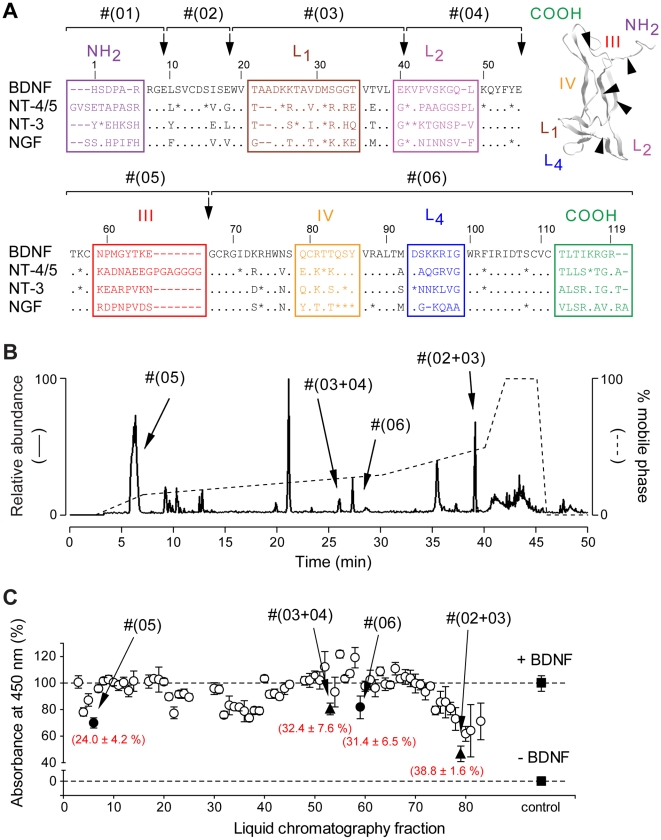
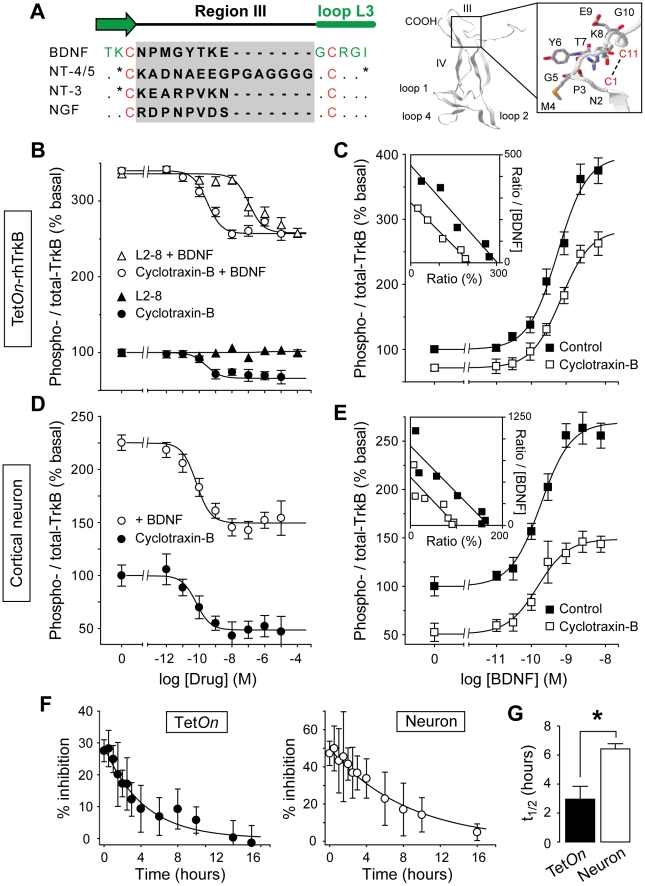
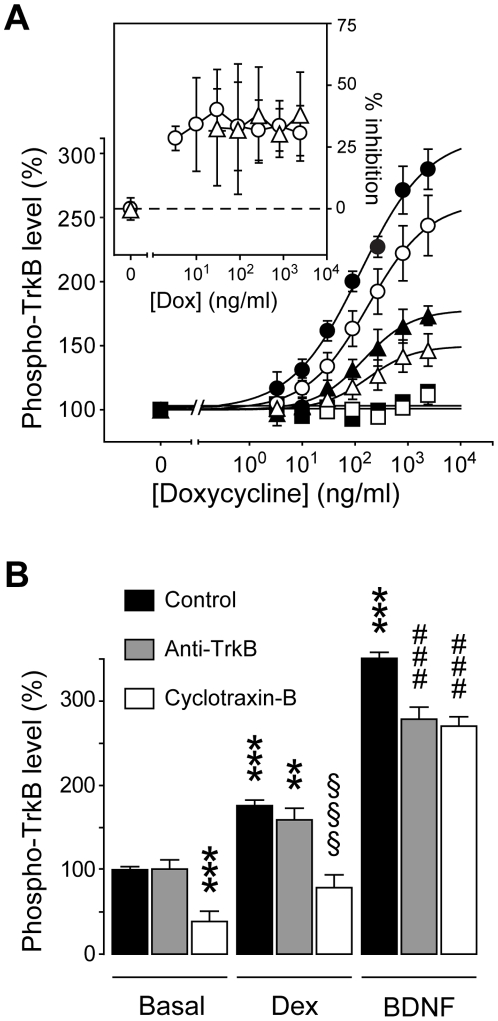
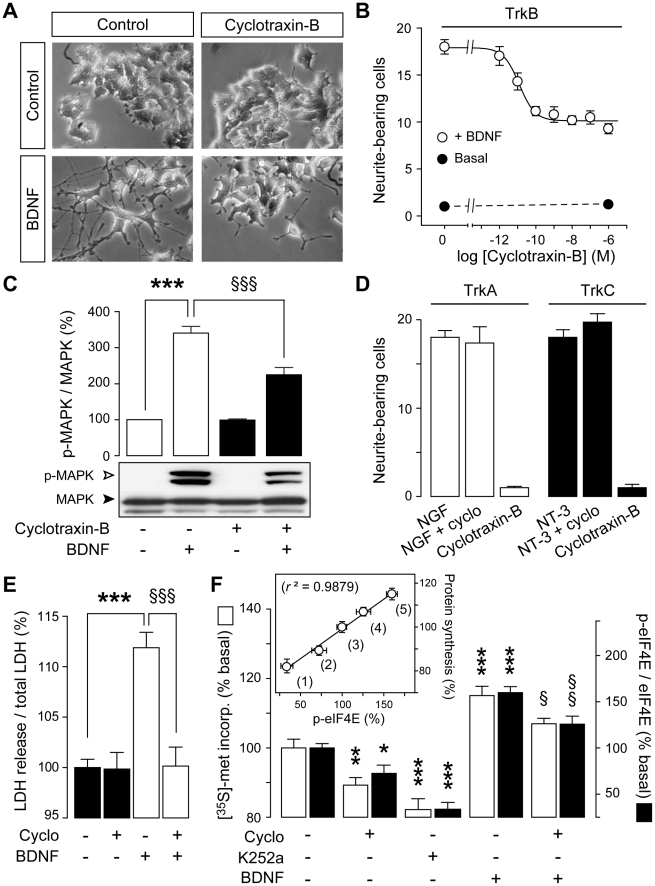
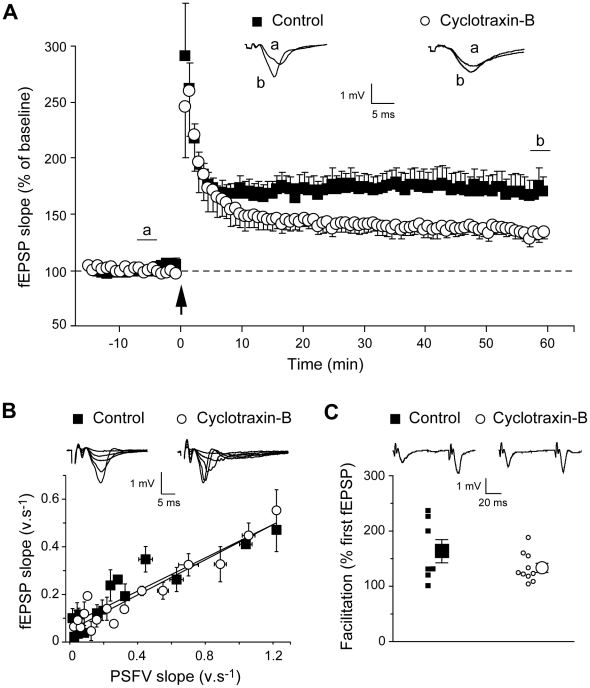
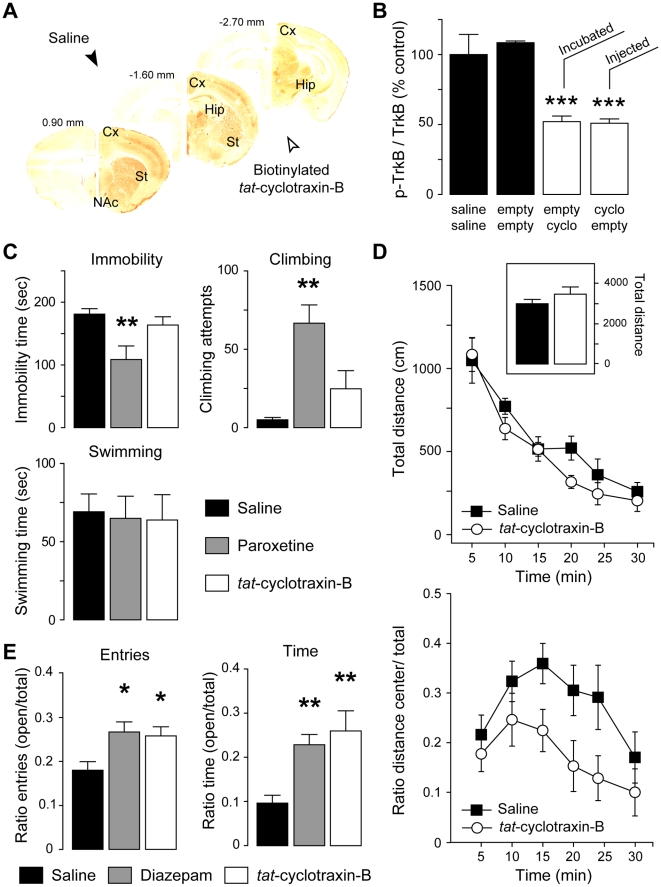
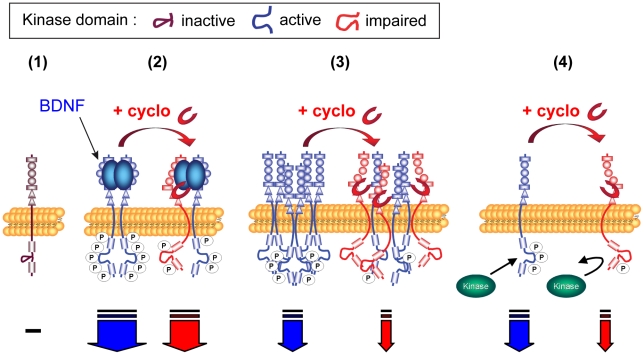
In the last decades, few mechanistically novel therapeutic agents have been developed to treat mental and neurodegenerative disorders. Numerous studies suggest that targeting BDNF and its TrkB receptor could be a promising therapeutic strategy for the treatment of brain disorders. However, the development of potent small ligands for the TrkB receptor has proven to be difficult. By using a peptidomimetic approach, we developed a highly potent and selective TrkB inhibitor, cyclotraxin-B, capable of altering TrkB-dependent molecular and physiological processes such as synaptic plasticity, neuronal differentiation and BDNF-induced neurotoxicity. Cyclotraxin-B allosterically alters the conformation of TrkB, which leads to the inhibition of both BDNF-dependent and -independent (basal) activities. Finally, systemic administration of cyclotraxin-B to mice results in TrkB inhibition in the brain with specific anxiolytic-like behavioral effects and no antidepressant-like activity. This study demonstrates that cyclotraxin-B might not only be a powerful tool to investigate the role of BDNF and TrkB in physiology and pathology, but also represents a lead compound for the development of new therapeutic strategies to treat brain disorders.
Overview
The claims and statistics of this paper haven’t been checked yet.
Free: it reads the open-access text and checks the first 5 claims that cite a source we can check. Create a free account to check every claim.
Integrity signals
Registry
Cites
Statistics
Figures
Verification
Claims the paper makes
The claims and statistics of this paper haven’t been checked yet.
Free: it reads the open-access text and checks the first 5 claims that cite a source we can check. Create a free account to check every claim.
Claims other papers make about this one
Each is checked against this paper’s own text: does it say what the citing paper says it does?
The cited source says what the claim attributes to it.
In the citing paper
“While one study has observed anxiolytic properties, this molecule did not seem to display clear antidepressant effects (Cazorla et al. 2010)”
From Neurotrophic factors and neuroplasticity pathways in the pathophysiology and treatment of depression (2018) · cites this paper as Cazorla et al. 2010
Self-check
Percentages, sums and reported differences re-computed from the paper’s own numbers.
The self-check needs the paper’s full text.
Citations
Cites
Behavioral despair in mice: a primary screening test for antidepressants.
Porsolt, R. D., Bertin, A., & Jalfre, M. (1977) · PubMed · Cited by 4,063
Krishnan, V., Han, M.-H., Graham, D. L., Berton, O., Renthal, W., Russo, S. J., LaPlant, Q., Graham, A., Lutter, M., Lagace, D. C., et al. (2007) · Cell · doi:10.1016/j.cell.2007.09.018 · Cited by 2,307 · cited 2×
“Our observations are in line with two recent studies demonstrating that mice susceptible to stress-related disorders after chronic social defeat have an overactivity of BDNF/TrkB signaling in their reward system [40,41].”
BackgroundResultEssential role of BDNF in the mesolimbic dopamine pathway in social defeat stress
Berton, O., McClung, C. A., DiLeone, R. J., Krishnan, V., Renthal, W., Russo, S. J., Graham, D., Tsankova, N. M., Bolanos, C. A., Rios, M., et al. (2006) · Science · doi:10.1126/science.1120972 · Cited by 2,129 · cited 2×
“Our observations are in line with two recent studies demonstrating that mice susceptible to stress-related disorders after chronic social defeat have an overactivity of BDNF/TrkB signaling in their reward system [40,41].”
BackgroundResultHippocampal long-term potentiation is impaired in mice lacking brain-derived neurotrophic factor.
Korte, M., Carroll, P., Wolf, E., Brem, G., Thoenen, H., & Bonhoeffer, T. (1995) · Proceedings of the National Academy of Sciences · doi:10.1073/pnas.92.19.8856 · Cited by 1,426 · cited 1×
“have reported a reduction within the same range, from about 190% to 135%, using BDNF knockout mice [51].”
MethodGenetic variant BDNF (Val66Met) polymorphism alters anxiety-related behavior
Chen, Z.-Y., Jing, D., Bath, K. G., Ieraci, A., Khan, T., Siao, C.-J., Herrera, D. G., Toth, M., Yang, C., McEwen, B. S., et al. (2006) · Science · doi:10.1126/science.1129663 · Cited by 1,340
New insights into BDNF function in depression and anxiety
Martinowich, K., Manji, H., & Lu, B. (2007) · Nature Neuroscience · doi:10.1038/nn1971 · Cited by 1,221 · cited 4×
“There is an increasing literature that proposes TrkB receptor signaling as a promising target for the treatment of psychiatric disorders [13,14,15,16], but also epilepsy [9], neurodegenerative diseases [10,11,44], and even cancer [45].”
BackgroundInfluentialBDNF function in adult synaptic plasticity: The synaptic consolidation hypothesis
Bramham, C. R., & Messaoudi, E. (2005) · Progress in Neurobiology · doi:10.1016/j.pneurobio.2005.06.003 · Cited by 1,193 · cited 2×
“modulation of synaptic plasticity [8].”
Klein, R., Nanduri, V., Jing, S., Lamballe, F., Tapley, P., Bryant, S., Cordon-Cardo, C., Jones, K. R., Reichardt, L. F., & Barbacid, M. (1991) · Cell · doi:10.1016/0092-8674(91)90628-c · Cited by 958 · cited 1×
“Competition binding studies were done mainly as previously described [55].”
MethodMurer, M. G., Yan, Q., & Raisman-Vozari, R. (2001) · Progress in Neurobiology · doi:10.1016/s0301-0082(00)00014-9 · Cited by 874 · cited 1×
“There is an increasing literature that proposes TrkB receptor signaling as a promising target for the treatment of psychiatric disorders [13,14,15,16], but also epilepsy [9], neurodegenerative diseases [10,11,44], and even cancer [45].”
Backgroundp75 and Trk: A two-receptor system
Chao, M. V., & Hempstead, B. L. (1995) · Trends in Neurosciences · doi:10.1016/0166-2236(95)93922-k · Cited by 857
Cited by
Moylan, S., Maes, M., Wray, N. R., & Berk, M. (2013) · Molecular Psychiatry · doi:10.1038/mp.2012.33 · Cited by 529
Cazorla, M., Prémont, J., Mann, A., Girard, N., Kellendonk, C., & Rognan, D. (2011) · Journal of Clinical Investigation · doi:10.1172/jci43992 · Cited by 392
Self-citationTen things you should know about protein kinases: IUPHAR R eview 14
Fabbro, D., Cowan‐Jacob, S. W., & Moebitz, H. (2015) · British Journal of Pharmacology · doi:10.1111/bph.13096 · Cited by 347
“Targeting the extracellular domains of the receptor TPKs and others by peptide-mimetics, ‘peptoids’ or antibodies is another special case of type-3 inhibitors (Fleishman et al., 2002; Udugamasooriya et al., 2008; Cazorla et al., 2010; Jura et al., 2011; Christopoulos et al., 2014).”
BackgroundOkamura, R., Boichard, A., Kato, S., Sicklick, J. K., Bazhenova, L., & Kurzrock, R. (2018) · JCO Precision Oncology · doi:10.1200/po.18.00183 · Cited by 328
Neurotrophic factors and neuroplasticity pathways in the pathophysiology and treatment of depression
Levy, M. J. F., Boulle, F., Steinbusch, H. W., van den Hove, D. L. A., Kenis, G., & Lanfumey, L. (2018) · Psychopharmacology · doi:10.1007/s00213-018-4950-4 · Cited by 308
Longo, F. M., & Massa, S. M. (2013) · Nature Reviews Drug Discovery · doi:10.1038/nrd4024 · Cited by 298
Epigenetic Regulation of the BDNF Gene: Implications for Psychiatric Disorders
Boulle, F., van den Hove, D. L. A., Jakob, S. B., Rutten, B. P., Hamon, M., van Os, J., Lesch, K.-P., Lanfumey, L., Steinbusch, H. W., & Kenis, G. (2012) · Molecular Psychiatry · doi:10.1038/mp.2011.107 · Cited by 282
Christopoulos, A., Changeux, J.-P., Catterall, W. A., Fabbro, D., Burris, T. P., Cidlowski, J. A., Olsen, R. W., Peters, J. A., Neubig, R. R., Pin, J.-P., et al. (2014) · Pharmacological Reviews · doi:10.1124/pr.114.008862 · Cited by 238
“In addition to this small molecule example, there is evidence that the extracellular domains of RTKs can be allosterically targeted by peptide-mimetics, "peptoids," and antibodies (Fleishman et al., 2002; Udugamasooriya et al., 2008; Cazorla et al., 2010; Jura et al., 2011).”
Background25 Years of Small Molecular Weight Kinase Inhibitors: Potentials and Limitations
Fabbro, D. (2014) · Molecular Pharmacology · doi:10.1124/mol.114.095489 · Cited by 152
(2018) · doi:10.1038/s41467-018-06675-3 · Cited by 111
Fuss, J., Ben Abdallah, N. M. B., Hensley, F. W., Weber, K.-J., Hellweg, R., & Gass, P. (2010) · PLoS ONE · doi:10.1371/journal.pone.0012769 · Cited by 110
“Besides neurogenesis, BDNF has been hypothesized to have a crucial effect on anxiety [10,19,20,21].”
BackgroundStriatal D2 Receptors Regulate Dendritic Morphology of Medium Spiny Neurons via Kir2 Channels
Cazorla, M., Shegda, M., Ramesh, B., Harrison, N. L., & Kellendonk, C. (2012) · The Journal of Neuroscience · doi:10.1523/jneurosci.6056-11.2012 · Cited by 106
“Immunoblots were performed as described by Cazorla et al. (2010) with slight modifications.”
MethodSelf-citationAllosteric targeting of receptor tyrosine kinases
Smet, F. D., Christopoulos, A., & Carmeliet, P. (2014) · Nature Biotechnology · doi:10.1038/nbt.3028 · Cited by 102
Gupta, V., You, Y., Li, J. C., Klistorner, A. I., & Graham, S. L. (2012) · Journal of Molecular Neuroscience · doi:10.1007/s12031-012-9899-x · Cited by 97
“Whether the Akt and Erk1/2 activation effects of 7,8 DHF are mediated through the TrkB receptor in RGCs or not was analyzed by using the recently identified specific cyclic peptide inhibitor of TrkB, Cyclotraxin-B (CTX-B) (Cazorla et al. 2010).”
Mood disorders in Huntington's disease: from behavior to cellular and molecular mechanisms
Pla, P., Orvoen, S., Saudou, F., David, D. J., & Humbert, S. (2014) · Frontiers in Behavioral Neuroscience · doi:10.3389/fnbeh.2014.00135 · Cited by 91
Thibault, K., Lin, W. K., Rancillac, A., Fan, M., Snollaerts, T., Sordoillet, V., Hamon, M., Smith, G. M., Lenkei, Z., & Pezet, S. (2014) · Journal of Neuroscience · doi:10.1523/jneurosci.0860-14.2014 · Cited by 87
“To assess whether the increased expression of BDNF within the ACC could be causally related to the emergence of cold hypersensitivity and mechanical hypersensi-tivityinCFA-inflamedrats,weblockedtheBDNF/TrkBsignaling pathwaybymicroinjectinganeffectivedose(10 (cid:2) g) of the TrkB antagonist Tat-CTX-B (Cazorla et al.,…”
BackgroundMethodInfluentialEmili, M., Guidi, S., Uguagliati, B., Giacomini, A., Bartesaghi, R., & Stagni, F. (2020) · Critical Reviews in Food Science and Nutrition · doi:10.1080/10408398.2020.1810625 · Cited by 86
“The action of this molecule is mediated by the link with the TrkB binding extracellular domains, that are not critical for the interaction with BDNF but rather involved in its activation capacity (Cazorla et al. 2010).”
BackgroundTrkB inhibition as a therapeutic target for CNS-related disorders
Boulle, F., Kenis, G., Cazorla, M., Hamon, M., Steinbusch, H. W. M., Lanfumey, L., & van den Hove, D. L. A. (2012) · Progress in Neurobiology · doi:10.1016/j.pneurobio.2012.06.002 · Cited by 80
“Abbreviations: A2aR, adenosine 2a receptor; AKT, protein kinase B; ATP, adenosine tri-phosphate; BDNF, brain-derived neurotrophic factor; Ca2+, calcium ion; CA3, cornu ammonis 3; CaMKK, Ca2+/calmodulin-dependent protein kinases; CB1R, cannabinoid receptor 1; CNS, central nervous system; CSK, C-Src tyrosine kinase; D1R…”
BackgroundMethodResultInfluentialSelf-citationTargeting the BDNF/TrkB pathway for the treatment of tumors (Review)
Meng, L., Liu, B., Ji, R., Jiang, X. M., Yan, X., & Xin, Y. (2018) · Oncology Letters · doi:10.3892/ol.2018.9854 · Cited by 122
Dheer, Y., Chitranshi, N., Gupta, V., Abbasi, M., Mirzaei, M., You, Y., Chung, R., Graham, S. L., & Gupta, V. (2018) · Molecular Neurobiology · doi:10.1007/s12035-018-1041-9 · Cited by 63
Brain-Derived Neurotrophic Factor, Nociception, and Pain
Merighi, A. (2024) · Biomolecules · doi:10.3390/biom14050539 · Cited by 62
The Role of BDNF-TrkB Signaling in the Pathogenesis of PTSD
Neumeister, A. (2013) · Journal of Depression & Anxiety · doi:10.4172/2167-1044.s4-006 · Cited by 67
“In animal models, systemic administration of TrkB receptor modulators have resulted in changes in phenotypes related to human PTSD, such as fear acquisition and extinction [88] and anxiety related phenotypes [101].”
BackgroundWandering beyond small molecules: peptides as allosteric protein modulators
Mannes, M., Martin, C., Menet, C. J., & Ballet, S. (2021) · Trends in Pharmacological Sciences · doi:10.1016/j.tips.2021.10.011 · Cited by 53
Naringin Mediates Adult Hippocampal Neurogenesis for Antidepression via Activating CREB Signaling
Gao, C., Wu, M., Du, Q., Deng, J., & Shen, J. (2022) · Frontiers in Cell and Developmental Biology · doi:10.3389/fcell.2022.731831 · Cited by 51
Merk, D. J., Ohli, J., Merk, N. D., Thatikonda, V., Morrissy, A. S., Schoof, M., Schmid, S. N., Harrison, L., Filser, S., Ahlfeld, J., et al. (2018) · Developmental Cell · doi:10.1016/j.devcel.2018.02.012 · Cited by 57
Chipping away at the genetics of smoking behavior
Amos, C. I., Spitz, M. R., & Cinciripini, P. M. (2010) · Nature Genetics · doi:10.1038/ng0510-366 · Cited by 50
Verheij, M. M. M., Vendruscolo, L. F., Caffino, L., Giannotti, G., Cazorla, M., Fumagalli, F., Riva, M. A., Homberg, J. R., Koob, G. F., & Contet, C. (2016) · Journal of Neuroscience · doi:10.1523/jneurosci.2711-14.2016 · Cited by 43
“The ineffective tat peptide lacking the cyclotraxin-B sequence [tat empty (TE)] served as a control (Cazorla et al., 2010).”
MethodResultInfluentialSelf-citationde Moraes, J. K., Wagner, V. P., Fonseca, F. P., Vargas, P. A., de Farias, C. B., Roesler, R., & Martins, M. D. (2017) · Journal of Oral Pathology and Medicine · doi:10.1111/jop.12611 · Cited by 41
Constandil, L., Goich, M., Hernández, A., Bourgeais, L., Cazorla, M., Hamon, M., Villanueva, L., & Pélissier, T. (2012) · Journal of Pain · doi:10.1016/j.jpain.2012.03.008 · Cited by 39
“In neurons, BDNF binds to both TrkB high-affinity receptors, which mainly mediate neuroplastic effects, and p75 low-affinity receptors, which are mainly related to apoptosis and cell survival.6,45 The sustained inhibition of trigeminal cold allodynia by systemic CTX-B was probably mediated by its high-affinity, slowly…”
MethodResultSelf-citationIzumi, Y., Hsu, F., Conway, C. R., Nägele, P., Mennerick, S. J., & Zorumski, C. F. (2022) · Biological Psychiatry · doi:10.1016/j.biopsych.2022.06.016 · Cited by 40
Cazorla, M., Arrang, J., & Prémont, J. (2011) · British Journal of Pharmacology · doi:10.1111/j.1476-5381.2010.01094.x · Cited by 35
“Mode of action of the functional trkB antibodies To investigate the molecular mechanism underlying these effects on trkB receptors, binding experiments using iodinated BDNF and KIRA-ELISA assays were performed in the native system (i.e. cortical neurones co-expressing native trkB and p75NTR).”
BackgroundMethodSelf-citationRecent Advances in Pain Management: Relevant Protein Kinases and Their Inhibitors
Giraud, F., Pereira, E., Anizon, F., & Moreau, P. (2021) · Molecules · doi:10.3390/molecules26092696 · Cited by 37
“3 nM) [10], demonstrated the implication of BDNF/TrkB in the pain signaling pathway [11].”
BackgroundNg, Y., Wong, E. Y. L., Lau, C. P. Y., Chan, J., Wong, S. C. C., Chan, A. S., Kwan, M., Tsao, S., Tsang, C., Lai, P. B. S., et al. (2010) · Investigational New Drugs · doi:10.1007/s10637-010-9513-4 · Cited by 33
“have developed the first highly potent anxiolytic small peptide TrkB inhibitor—Cyclotraxin-B [57].”
BackgroundFerrini, F., Salio, C., Boggio, E. M., & Merighi, A. (2020) · Current Neuropharmacology · doi:10.2174/1570159x18666201116143422 · Cited by 36
“By using a peptidomimetic approach, Cazorla and colleagues identified a small BDNF fragment, cyclotraxin-B, which allosterically alters the conformation of TrkB [178].”
MethodVinel, C., Rosser, G., Guglielmi, L., Constantinou, M., Pomella, N., Zhang, X., Boot, J. R., Jones, T. A., Millner, T. O., Dumas, A. A., et al. (2021) · Nature Communications · doi:10.1038/s41467-021-26297-6 · Cited by 34
Ji, L.-L., Peng, J., Fu, C.-H., Cao, D., Li, D., Tong, L., & Wang, Z. (2016) · Behavioural Brain Research · doi:10.1016/j.bbr.2016.05.056 · Cited by 37
“Systemic administration of TrkB receptor inhibitor cyclotraxin-B or agonist 7,8-dihydroxyflavone has resulted in changes in specific anxiolytic-like behavioral effects and phenotypes related to human PTSD, such as fear acquisition and extinction [25, 49].”
BackgroundThe brain-derived neurotrophic factor prompts platelet aggregation and secretion
Boukhatem, I., Fleury, S., Welman, M., Blanc, J. L., Thys, C., Freson, K., Best, M. G., Würdinger, T., Allen, B. G., & Lordkipanidzé, M. (2021) · Blood Advances · doi:10.1182/bloodadvances.2020004098 · Cited by 35
M’Dahoma, S., Barthélemy, S., Tromilin, C., Jeanson, T., Viguier, F., Michot, B., Pezet, S., Hamon, M., & Bourgoin, S. (2015) · European Neuropsychopharmacology · doi:10.1016/j.euroneuro.2015.07.026 · Cited by 29
“…administered twice, 15 min before and 15 min after i.t. injection of BDNF, cyclotraxin B, at an effective dose (20 mg/kg i.p.) to block BDNF-TrkB receptor in the central nervous system (Cazorla et al., 2010), prevented the hyperalgesic-like effect normally induced by the trophic factor.”
BackgroundMethodInfluentialTang, C., Liu, M., Zhou, Z., Li, H., Yang, C., Yang, L., & Xiang, J. (2023) · International Journal of Molecular Sciences · doi:10.3390/ijms24097830 · Cited by 30
Activation of endothelial TrkB receptors induces relaxation of resistance arteries
Totoson, P., Pédard, M., Marie, C., & Demougeot, C. (2018) · Vascular Pharmacology · doi:10.1016/j.vph.2018.02.005 · Cited by 25
Kim, J.-H., Irfan, M., Hossain, M. A., George, A., & Chung, S. (2023) · Cells · doi:10.3390/cells12141851 · Cited by 24
Berk, B., Vogler, S., Pannicke, T., Kuhrt, H., Garcia, T. B., Wiedemann, P., Reichenbach, A., Seeger, J., & Bringmann, A. (2015) · Neuroscience · doi:10.1016/j.neuroscience.2015.03.037 · Cited by 25
“In order to reveal the type of receptors that mediates the inhibitory effect of BDNF on the osmotic swelling of Müller cell somata, we tested the selective TrkB inhibitor cyclotraxin-B (Cazorla et al., 2010) and the selective p75 signaling inhibitor TATconjugated Pep5.”
MethodMa, T., Zhang, H., Xu, Z., Lu, Y., Fu, Q., Wang, W., Li, G., Wang, Y., Yang, Y., & Mi, W. (2020) · Brain and Behavior · doi:10.1002/brb3.1592 · Cited by 24
“Of note, ANA-12 inhibits both two phosphorylation sites (Y515/ Shc site; Y816/PLCγ site) and downstream processes of TrkB (Cazorla et al., 2010, 2011).”
BackgroundRoles of the serotonin 5-HT4 receptor in dendrite formation of the rat hippocampal neurons in vitro
Kozono, N., Ohtani, A., & Shiga, T. (2016) · Brain Research · doi:10.1016/j.brainres.2016.11.021 · Cited by 28
Wang, X., Zhang, L., Zhan, Y., Li, D., Zhang, Y., Wang, G., & Zhang, M. (2017) · Brain Research · doi:10.1016/j.brainres.2017.07.010 · Cited by 26
Shaib, A., Staudt, A., Harb, A., Klose, M., Shaaban, A., Schirra, C., Mohrmann, R., Rettig, J., & Becherer, U. (2018) · Frontiers in Cellular Neuroscience · doi:10.3389/fncel.2018.00304 · Cited by 23
“Cells were incubated with 10 μM of L703,606 and cyclotraxin B 2 h before the experiments to ensure full inhibition (Cazorla et al., 2010).”
MethodTropomyosin receptor kinase B ( TrkB ) signalling: targeted therapy in neurogenic tumours
Li, Y., Wei, C., Wang, W., Li, Q., & Wang, Z. (2022) · The Journal of Pathology Clinical Research · doi:10.1002/cjp2.307 · Cited by 28
“Other selective TrkB inhibitors, such as cyclotraxin-b, which has anxiolytic properties [107], are also worthy of further exploration for their anticancer effects in neuro-derived tumours or other tumour types.”
BackgroundNagaprashantha, L. D., Vartak, N., Awasthi, S., Awasthi, S., & Singhal, S. S. (2011) · Pharmaceutical Research · doi:10.1007/s11095-011-0645-9 · Cited by 22
Medlej, Y., Salah, H., Wadi, L., Saad, S., Bashir, B., Allam, J., Atoui, Z., Darwish, N., Karnib, N., Darwish, H., et al. (2019) · Epilepsy & Behavior · doi:10.1016/j.yebeh.2019.01.023 · Cited by 21
Morello, G., & Cavallaro, S. (2015) · Future Medicinal Chemistry · doi:10.4155/fmc.15.60 · Cited by 22
NTRK2 methylation is related to reduced PTSD risk in two African cohorts of trauma survivors
Vukojevic, V., Coynel, D., Ghaffari, N. R., Freytag, V., Elbert, T., Kolassa, I.-T., Wilker, S., McGaugh, J. L., Papassotiropoulos, A., & de Quervain, D. J.-F. (2020) · Proceedings of the National Academy of Sciences · doi:10.1073/pnas.2008415117 · Cited by 19
“Interestingly, a potent TrkB antagonist was found to have anxiolytic properties in animal studies (89, 90).”
BackgroundLiu, B., Liu, Y., Li, S., Chen, P., Zhang, J., & Feng, L. (2023) · Journal of Ovarian Research · doi:10.1186/s13048-023-01163-9 · Cited by 22
“5 mg/ kg) treatment has been shown to efficiently inhibit TrkB activity in mice [39, 66].”
BackgroundActivity-Dependent Upregulation of Presynaptic Kainate Receptors at Immature CA3–CA1 Synapses
Clarke, V. R. J., Molchanova, S. M., Hirvonen, T., Taira, T., & Lauri, S. E. (2014) · Journal of Neuroscience · doi:10.1523/jneurosci.1842-14.2014 · Cited by 22
“CTX-B during LTP induction had no effect on the ability to depotentiate LTP (percentage recovery; LF, 181 15%, p 0.001; HF, 103 20%, p 0.002).”
MethodInfluentialKo, S., Jang, W. S., Jeong, J., Ahn, J. W., Kim, Y.-H., Kim, S., Chae, H. K., & Chung, S. (2021) · Scientific Reports · doi:10.1038/s41598-020-79287-x · Cited by 20
Zhang, Y., Ji, F., Wang, G., He, D., Yang, L., & Zhang, M. (2018) · Neurochemical Research · doi:10.1007/s11064-018-2470-6 · Cited by 19
Rudnitskaya, E. A., Kolosova, N. G., & Stefanova, N. A. (2017) · Biochemistry (Moscow) · doi:10.1134/s0006297917030105 · Cited by 17
Forbes, K. A., Skinner, L., Aplin, J., & Westwood, M. (2012) · Cellular and Molecular Life Sciences · doi:10.1007/s00018-012-1067-5 · Cited by 16
“Tissue was cultured in serum-free medium for 72 h following transfection and then treated with IGF-I (10 nM), IGF-II (10 nM), the EGFR tyrosine kinase inhibitor, PD153035 (0–1 lM; Calbiochem, UK) [24] or the TrkB inhibitory peptide, cyclotraxin-B (500 nM-2 lM; synthesized by JPT Peptide Technologies Gmbh, Germany) [25…”
MethodThe regulatory role of the BDNF/TrkB pathway in organ and tissue fibrosis.
Hang, P., Ge, F.-Q., Li, P., Liu, J., Zhu, H., & Zhao, J. (2021) · PubMed · doi:10.14670/hh-18-368 · Cited by 20
Hook, M. J. V. (2022) · Journal of Neurophysiology · doi:10.1152/jn.00540.2021 · Cited by 13
Retamal, J. S., Reyes, A., Ramírez-García, P. D., Bravo, D., Hernández, A., Pélissier, T., Villanueva, L., & Constandil, L. (2018) · Frontiers in Pharmacology · doi:10.3389/fphar.2018.01143 · Cited by 13
Kuribara, M., Hess, M. W., Cazorla, M., Roubos, E. W., Scheenen, W. J. J. M., & Jenks, B. G. (2010) · General and Comparative Endocrinology · doi:10.1016/j.ygcen.2010.09.020 · Cited by 16
Self-citationAge-Dependency of Neurite Outgrowth in Postnatal Mouse Cochlear Spiral Ganglion Explants
Frick, C., Fink, S., Schmidbauer, D., Rousset, F., Eickhoff, H., Tropitzsch, A. S., Kramer, B., Senn, P., Glueckert, R., Rask‐Andersen, H., et al. (2020) · Brain Sciences · doi:10.3390/brainsci10090580 · Cited by 9
“Selective TrkB inhibitors like cyclotraxin-B [72] or ANA-12 [73], inhibitory antibodies targeting TrkB [18,74], and/or conditional TrkB knockout mice [75] may be used to challenge TrkB involvement.”
BackgroundNEUROPLASTICITY IN DEPRESSION: A NARRATIVE REVIEW WITH EVIDENCE-BASED INSIGHTS
Petra, Mudgal, S. K., Nath, S., Chaturvedi, J., Sharma, S. K., & Joshi, J. (2022) · Psychiatria Danubina · doi:10.24869/psyd.2022.390 · Cited by 14
Prince, C. S., Maloyan, A., & Myatt, L. (2018) · Reproductive Sciences · doi:10.1177/1933719117716776 · Cited by 12
“Cyclotraxin B is a BDNF-derived, noncompetitive inhibitor that allosterically alters TRKB confirmation, thus modulating its activation capacity in a BDNF-dependent and -independent manner.(51) The cellular and physiological responses to cyclotraxin B are comparable to that of ANA12.”
BackgroundAhn, J., Kim, S., Ko, S., Kim, Y.-H., Jeong, J., & Chung, S. (2022) · Biochemistry and Biophysics Reports · doi:10.1016/j.bbrep.2022.101201 · Cited by 8
BDNF as a therapeutic candidate for cocaine use disorders
McGinty, J. F. (2022) · Addiction Neuroscience · doi:10.1016/j.addicn.2022.100006 · Cited by 8
Azoulay, D., & Horowitz, N. A. (2021) · Blood Reviews · doi:10.1016/j.blre.2021.100871 · Cited by 8
The Intricate Relationship of Trk Receptors in Brain Diseases and Disorders
Dahiya, S., Sharma, P. K., Sharma, B., Saroj, P., Kharkwal, H., & Sharma, N. (2025) · Molecular Neurobiology · doi:10.1007/s12035-025-05058-2 · Cited by 11
Comparison of nerve growth factor receptor binding models using heterodimeric muteins
Mehta, H., Woo, S. B., & Neet, K. (2012) · Journal of Neuroscience Research · doi:10.1002/jnr.23116 · Cited by 5
“However, two recent studies using monomeric, lowmolecular-weight ligands have suggested that monomers of TrkB (Cazorla et al., 2010) or TrkA (Brahimi et al.”
BackgroundBDNF and Senile Cognitive Decline
Semenov, D. G., & Belyakov, A. V. (2022) · Neuroscience and Behavioral Physiology · doi:10.1007/s11055-022-01236-0 · Cited by 4
“…of BDNF-TrkB-mediated processes is beyond the remit of the present review, it should be noted that there are many studies addressing the maintenance and/or stimulation of the negative regulation of BDNF/TrkB signaling [Cazorla et al., 2010; Ho et al., 2011; Gupta et al., 2013; Meng et al., 2019].”
BackgroundAbbadi, J., Velayutham, R., Annan, A. C., Nikpoor, A. R., Ahmadi, M., Rocha, B. G. S., Farriester, J. W., Reel, J. M., Holland, E. C., Szulzewsky, F., et al. (2026) · Cell Death and Differentiation · doi:10.1038/s41418-026-01796-5 · Cited by 8
Jenks, B. G., Kuribara, M., Kidane, A. H., Kramer, B. M. R., Roubos, E. W., & Scheenen, W. J. J. M. (2012) · General and Comparative Endocrinology · doi:10.1016/j.ygcen.2012.01.001 · Cited by 5
Cancer Biology and the Principles of Targeted Cancer Drug Discovery
Hillmann, P., Schmitz, D., Mestan, J., D'Allonzo, S., & Fabbro, D. (2016) · Elsevier eBooks · doi:10.1016/b978-0-12-409547-2.12390-x · Cited by 5
Molchanova, А. I., Balezina, O. P., & Gaydukov, A. E. (2024) · Journal of Evolutionary Biochemistry and Physiology · doi:10.1134/s0022093024010277 · Cited by 5
“To test the involvement of TrkB in the realization of BDNF prodomain action, cyclotraxin B, a cyclic peptide allosteric modulator of TrkB that prevents its activation, was used [21].”
Epigenetic regulation of BDNF-TrkB signaling in the pathophysiology and treatment of mood disorders
Boulle, F. (2013) · Research Publications (Maastricht University) · doi:10.26481/dis.20131129fb · Cited by 9
Kafshdouziamin, M., Poorebrahim, M., Najafi, S., Rahimi, H., Karimipoor, M., & Gheibi, N. (2016) · International Journal of Peptide Research and Therapeutics · doi:10.1007/s10989-015-9510-8 · Cited by 3
Shi, X., Cai, S., Chai, J.-L., Xu, C. J., Zhou, B.-Y., Han-qi, L., Marshall, J., & Cao, C. (2026) · Molecular Psychiatry · doi:10.1038/s41380-026-03575-7 · Cited by 3
“Consistent with our fi ndings using K252a, pretreatment with either ANA-12 [45] or Cyclotraxin-B [46] effectively abolished the enhancement of Akt and S6K phosphorylation induced by the co-administration of BDNF and dSyn3 in primary murine hippocampal neurons (Figure S2E).”
Neurotrophic Factors and Ethanol Neurotoxicity
Davis, M. I. (2014) · Springer eBooks · doi:10.1007/978-1-4614-5836-4_47 · Cited by 2
Kafshdouziamin, M., Poorebrahim, M., Rahimi, H., Karimipoor, M., & Gheibi, N. (2016) · International Journal of Bioinformatics Research and Applications · doi:10.1504/ijbra.2016.080720 · Cited by 2
Williams, J. (2011) · Digital Commons - East Tennessee State University (East Tennessee State University) · Cited by 2
Niharika, D. G., Salaria, P., & Amarendar Reddy, M. (2026) · Journal of Biochemical and Molecular Toxicology · doi:10.1002/jbt.70731 · Cited by 1
Designing modulators of 5-hydroxytryptamine signaling to treat abuse disorders
van de Wiel, S. M. W., Verheij, M. M. M., & Homberg, J. R. (2014) · Expert Opinion on Drug Discovery · doi:10.1517/17460441.2014.959925 · Cited by 1
“However, recent studies have revealed interesting techniques to deliver selective TrkB receptor agonists and antagonists directly into the brain after systemic administration [133].”
BackgroundMolchanova, А. I., Balezina, O. P., & Gaydukov, A. E. (2024) · Российский физиологический журнал им И М Сеченова · doi:10.31857/s0869813924020045 · Cited by 1
Selective, Intrinsically Fluorescent Trk Modulating Probes
Pewklang, T., Thompson, T., Sefiani, A., Geoffroy, C. G., Kamkaew, A., & Burgess, K. (2024) · ACS Chemical Neuroscience · doi:10.1021/acschemneuro.4c00290 · Cited by 2
Gu, B. (2015) · DukeSpace (Duke University) · Cited by 1
Amin, M. K., Rahimi, H., Gheibi, N., & Karimipoor, M. (2013) · The Journal of Qazvin University of Medical Sciences
Endocannabinoid Function in Hippocampal Synaptic Plasticity and Spatial Working Memory
Blaskovits, F. (2013) · uO Research (University of Ottawa) · doi:10.20381/ruor-3206 · Cited by 1
“Various inhibitors of this pathway such as TrkB inhibitor cyclotraxin-B (Cazorla et al., 2010) or mTOR inhibitor rapamycin (Sehgal and Bansbach, 1993) could be employed to prevent LTD specific proteins and test the protein-dependence of eCB-LTD in a more precise manner.”
BackgroundLanden, F. (2016) · Universitätsbibliothek der FU Berlin Hochschulschriftenstelle u. Dokumentenserver · doi:10.17169/refubium-12179
BDNF-Induced Intracellular Signaling
Gomes, J. R., Lobo, A. C., Duarte, C. B., & Grãos, M. (2017) · Neuromethods · doi:10.1007/7657_2017_6
Fast-neutron measurements in simple lattices with a $sup 3$He spectrometer
Hughes, T. E. C., & Robeson, A. (1973) · Transactions of the American Nuclear Society · Cited by 1
NEUROPLASTICITY IN DEPRESSION: A NARRATIVE REVIEW WITH EVIDENCE-BASED INSIGHTSPreprint
Petra, →., Mudgal, S. K., Nath, S., Chaturvedi, J., Sharma, S. K., & Joshi, J. (2022) · doi:10.31219/osf.io/ph5ru
Liu, B., Liu, Y., Li, S., Chen, P., Zhang, J., & Feng, L. (2023) · Figshare · doi:10.6084/m9.figshare.22715359
García-Rodríguez, R., de la Fuente, S. G., Guerrero‐Valero, M., Carús-Cadavieco, M., Clares, I., Cabañas, C., Palomer, E., Guix, F. X., & Dotti, C. G. (2026) · bioRxiv (Cold Spring Harbor Laboratory) · doi:10.64898/2026.02.18.706575
Targeting wild type NTRK decreases brain metastases of lung cancers non-driven by NTRK fusionsPreprint
Contreras-Zarate, M. J., Jaramillo-Gómez, J. A., Marquez-Ortíz, R. A., Pham, T. C., Koliavas, S. N., Ormond, D. R., Navarro, A., Nemenoff, R. A., Camidge, D. R., & Cittelly, D. M. (2026) · bioRxiv (Cold Spring Harbor Laboratory) · doi:10.64898/2026.03.18.711213
Se trouver, se perdre, se retrouver : innervation des organes sensoriels de la ligne latérale
Schuster, K. (2011) · theses.fr (ABES) · doi:10.70675/b8afc7d8z7570z4c22z9230z26c04ea117e4
Epigenetic regulation of BDNF-TRKB signaling in the pathophysiology and treatment of mood disorders
Boulle, F. (2013) · theses.fr (ABES) · doi:10.70675/7796cc83z9f91z48c6zadb1zb6a90897b5d5
Targeting Wild-type NTRK in NTRK Fusion–Negative Lung Cancer Decreases Brain Metastases
Contreras-Zarate, M. J., Jaramillo-Gómez, J. A., Marquez-Ortíz, R. A., Pham, T. C., Koliavas, S. N., Ormond, D. R., Navarro, A., Nemenoff, R. A., Camidge, D. R., & Cittelly, D. M. (2026) · Cancer Research Communications · doi:10.1158/2767-9764.crc-25-0811
Voluntary Exercise and Hippocampal Memory Enhancement: Decoding the Molecular Blueprint
Razazpour, F., Golkar, A., Heidari, M., Seyedi, F., Hedayati‐Moghadam, M., & Baghcheghi, Y. (2026) · Journal of Molecular Neuroscience · doi:10.1007/s12031-026-02577-y
Metadata
- Authors
- Cazorla, M., Jouvenceau, A., Rose, C., Guilloux, J.-P., Pilon, C., Dranovsky, A., & Prémont, J.
- Affiliations
- Inserm (FR)
- New York State Psychiatric Institute (US)
- Corresponding author
- Cazorla, Maxime
- Venue
- PLoS ONE
- Publisher
- Public Library of Science (PLoS)
- Published
- 2010-03-19
- Volume
- 5
- Issue
- 3
- Pages
- e9777
- ISSN
- 1932-6203 (ISSN-L)
- PMC
- PMC2841647
- OpenAlex
- W1977999433
- Cited by
- 99
- References
- 62
- Citations by year
- 2026: 7 · 2025: 1 · 2024: 4 · 2023: 4 · 2022: 9 · 2021: 7 · 2020: 5 · 2019: 1 · 2018: 10 · 2017: 5 · 2016: 7 · 2015: 5 · 2014: 8 · 2013: 7 · 2012: 8
- FWCI
- 3.20
- Type
- journal article
- Language
- en
- Open access
- gold
- doi.org
- Locations
- PLoS ONE (publishedVersion, cc-by)
- PubMed Central (publishedVersion, cc-by)
- PubMed (publishedVersion)
- HAL (submittedVersion, other-oa)
- DOAJ (DOAJ: Directory of Open Access Journals) (submittedVersion, cc-by-sa)
- Figshare (submittedVersion, cc-by)
- Funders
- Institut National de la Santé et de la Recherche Médicale
- National Institute of Mental Health (R01MH091844, K08MH079088)
- Topics
- Life Sciences › Neuroscience › Cellular and Molecular Neuroscience › Nerve injury and regeneration
- Health Sciences › Medicine › Pharmacology (medical) › Treatment of Major Depression
- Life Sciences › Neuroscience › Cellular and Molecular Neuroscience › Neuroscience and Neuropharmacology Research
- Keywords
- TrkB receptor, brain-derived neurotrophic factor, anxiolytic effects, peptidomimetic inhibitors, allosteric inhibition, synaptic plasticity, neuronal differentiation, antidepressant-like effects, brain disorders, lead compounds
- MeSH terms
- Animals, Antidepressive Agents, Brain, Brain Diseases, Electrophysiology, Enzyme-Linked Immunosorbent Assay, Male, Neurons, Peptides, Cyclic, Phosphorylation, Anti-Anxiety Agents, PC12 Cells, Rats, Sprague-Dawley, Long-Term Potentiation, Brain-Derived Neurotrophic Factor, Receptor, trkB, Mice, Rats
About these checks
Registry, retraction, Cites and statistics results are computed, not judged, with one exception: a printed reference that no index lists is read once by a model before it counts as a citation error. Claims are extracted by a model and kept only when their quote appears verbatim in the text; each cited source is then checked, with a model’s help, for whether it says what the claim relies on. Those verdicts can be wrong — read the claim’s quote and the cited source before relying on one.
Statistics and arithmetic are recomputed, not judged.
Confidence bands are shown only for fields calibrated on our annotated test set. None is calibrated yet, so no band is shown.
What counts as a claim ›How we measure confidence ›How we check this ›
Are you an author, or do you see a problem with this page? Request a review
Data sources
Bibliographic data: Semantic Scholar, OpenAlex, Crossref.
Contains information from the Semantic Scholar Academic Graph Datasets, made available under the ODC Attribution License (ODC-BY 1.0).
Semantic Scholar’s data is described in: Kinney, R., et al. (2023). The Semantic Scholar Open Data Platform. arXiv:2301.10140.
