

A Practical Comparison of De Novo Genome Assembly Software Tools for Next-Generation Sequencing Technologies
Open accessThe DOI matches its Crossref record; 32 of the 32 references it cites were found in a registry or an index.
Abstract
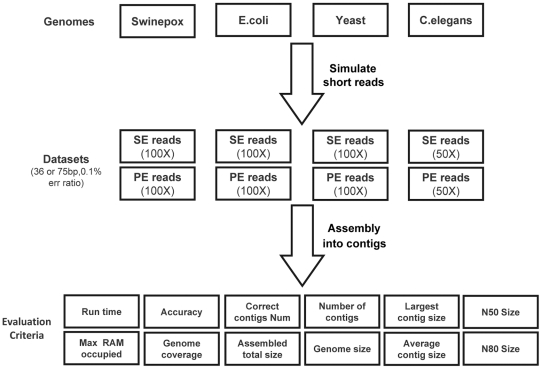
The advent of next-generation sequencing technologies is accompanied with the development of many whole-genome sequence assembly methods and software, especially for de novo fragment assembly. Due to the poor knowledge about the applicability and performance of these software tools, choosing a befitting assembler becomes a tough task. Here, we provide the information of adaptivity for each program, then above all, compare the performance of eight distinct tools against eight groups of simulated datasets from Solexa sequencing platform. Considering the computational time, maximum random access memory (RAM) occupancy, assembly accuracy and integrity, our study indicate that string-based assemblers, overlap-layout-consensus (OLC) assemblers are well-suited for very short reads and longer reads of small genomes respectively. For large datasets of more than hundred millions of short reads, De Bruijn graph-based assemblers would be more appropriate. In terms of software implementation, string-based assemblers are superior to graph-based ones, of which SOAPdenovo is complex for the creation of configuration file. Our comparison study will assist researchers in selecting a well-suited assembler and offer essential information for the improvement of existing assemblers or the developing of novel assemblers.
Overview
The claims and statistics of this paper haven’t been checked yet.
Free: it reads the open-access text and checks the first 5 claims that cite a source we can check. Create a free account to check every claim.
Integrity signals
Registry
Cites
Statistics
Figures
Verification
Claims the paper makes
The claims and statistics of this paper haven’t been checked yet.
Free: it reads the open-access text and checks the first 5 claims that cite a source we can check. Create a free account to check every claim.
Claims other papers make about this one
Each is checked against this paper’s own text: does it say what the citing paper says it does?
The cited source says what the claim attributes to it.
In the citing paper
“Different assemblers have different applicability and performance [15], [16].”
From Digital Gene Expression Analysis Based on Integrated De Novo Transcriptome Assembly of Sweet Potato [Ipomoea batatas (L.) Lam.] (2012) · cites this paper as [15]
Self-check
Percentages, sums and reported differences re-computed from the paper’s own numbers.
The self-check needs the paper’s full text.
Citations
Cites
Basic local alignment search tool
Altschul, S. F., Gish, W., Miller, W., Myers, E. W., & Lipman, D. J. (1990) · Journal of Molecular Biology · doi:10.1006/jmbi.1990.9999 · Cited by 98,669 · cited 1×
“2.20 for Windows 32bit machine [32], of which with size no shorter than Ybp (Y is 100 bp for 36mer datasets and 200 bp for 75mer datasets) and at least 98% of each read completely match to the reference sequence were presumed to be correct.”
BackgroundInfluentialVelvet: Algorithms for de novo short read assembly using de Bruijn graphs
Zerbino, D. R., & Birney, E. (2008) · Genome Research · doi:10.1101/gr.074492.107 · Cited by 9,491 · cited 1×
“Several assemblers, such as SSAKE [9], SOAPdenovo [11], AbySS [12], Velvet [14,15], exploit PE sequencing information to reduce gaps from assembled contigs.”
MethodTandem repeats finder: a program to analyze DNA sequences
Benson, G. (1999) · Nucleic Acids Research · doi:10.1093/nar/27.2.573 · Cited by 9,374 · cited 1×
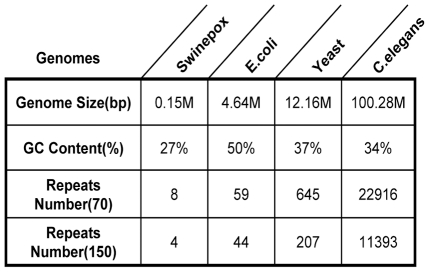
“Before the assembly procedure implemented, we detected the repeat elements in reference genomes with Tandem Repeats Finder [31].”
MethodNext-generation DNA sequencing
Shendure, J., & Ji, H. (2008) · Nature Biotechnology · doi:10.1038/nbt1486 · Cited by 4,509 · cited 2×
“In recent years, the next-generation sequencing (or deep sequencing) technologies have been evolving rapidly, with the potential to accelerate biological and biomedical research dramatically [1].”
BackgroundResultInfluentialABySS: A parallel assembler for short read sequence data
Simpson, J. T., Wong, K., Jackman, S. D., Schein, J. E., Jones, S. J. M., & Birol, İ. (2009) · Genome Research · doi:10.1101/gr.089532.108 · Cited by 3,608 · cited 5×
“Three hierarchies of parallelization are taken into implementation: multi-thread on a single machine [11], multi-process with cluster machines [12,25] and cloud computation (http://sourceforge.net/apps/mediawiki/contrail-bio/index. php?title = Contrail).”
BackgroundMethodInfluentialDe novo assembly of human genomes with massively parallel short read sequencing
Li, R., Zhu, H., Ruan, J., Qian, W., Fang, X., Shi, Z., Li, Y., Li, S., Shan, G., Kristiansen, K., et al. (2010) · Genome Research · doi:10.1101/gr.097261.109 · Cited by 2,926 · cited 5×
“However, short reads from eukaryote genomes, with features of gargantuan size and high repetitiveness, make sky-high requirement for assembly strategies and computer hardware [10,11,23,24].”
BackgroundMethodInfluentialHigh-quality draft assemblies of mammalian genomes from massively parallel sequence data
Gnerre, S., MacCallum, I., Przybylski, D., Ribeiro, F. J., Burton, J. N., Walker, B. J., Sharpe, T., Hall, G., Shea, T. P., Sykes, S., et al. (2011) · Proceedings of the National Academy of Sciences · doi:10.1073/pnas.1017351108 · Cited by 1,533 · cited 4×
“For large datasets of more than hundred millions of short reads, De Bruijn graph-based assemblers could have commendable resolutions due to their short runtime and low RAM occupancy, of which SOAPdenovo performs well on very short reads, while ALLPATHS-LG could be a good choice for ,100 bp short reads assembly, as it…”
BackgroundMethodInfluentialAn Eulerian path approach to DNA fragment assembly
Pevzner, P. A., Tang, H., & Waterman, M. S. (2001) · Proceedings of the National Academy of Sciences · doi:10.1073/pnas.171285098 · Cited by 1,352 · cited 1×
“DNA fragment assembly has a long history since the emergence of the first generation of sequencing technologies [2,3].”
BackgroundThe sequence and de novo assembly of the giant panda genome
Li, R., Fan, W., Tian, G., Zhu, H., He, L., Cai, J., Huang, Q., Cai, Q., Li, B., Bai, Y., et al. (2010) · Nature · doi:10.1038/nature08696 · Cited by 1,180 · cited 2×
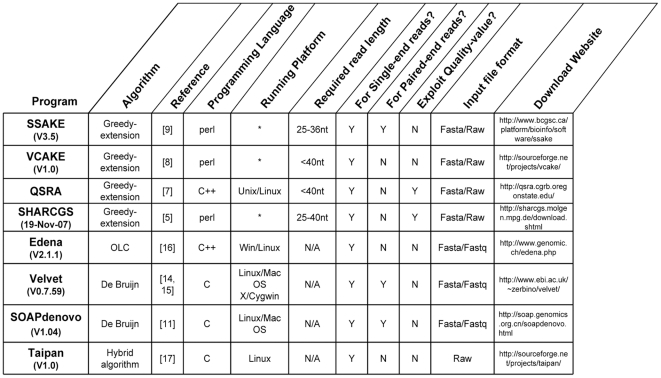
“String-based assem-blers, implemented with Greedy-extension algorithm, are mainly reported for the assembly of small genomes [5,7,8,9], while the latter ones are designed aiming at handling complex genomes [10,11,12].”
BackgroundAssembly algorithms for next-generation sequencing data
Miller, J. R., Koren, S., & Sutton, G. (2010) · Genomics · doi:10.1016/j.ygeno.2010.03.001 · Cited by 1,154 · cited 2×
“Genome sequence assembly is greatly challenged by repeat sequences, especially when the repeats are longer than short reads [4].”
Background
Cited by
Ten years of next-generation sequencing technology
van Dijk, E. L., Auger, H., Jaszczyszyn, Y., & Thermes, C. (2014) · Trends in Genetics · doi:10.1016/j.tig.2014.07.001 · Cited by 1,622
Bacillus thuringiensis Toxins: An Overview of Their Biocidal Activity
Palma, L., Muñoz, D., Berry, C., Murillo, J., & Caballero, P. (2014) · Toxins · doi:10.3390/toxins6123296 · Cited by 810
“Sequences can readily be assembled in contigs using a regular desktop computer [160] with de novo assembly tools bundled in bioinformatic software, such as CLC Genomics Workbench or Geneious Pro (both commercial software), or using diverse open source assemblers freely available in the BioLinux distribution [161], amo…”
Corset: enabling differential gene expression analysis for de novoassembled transcriptomes
Davidson, N. M., & Oshlack, A. (2014) · Genome Biology · doi:10.1186/s13059-014-0410-6 · Cited by 673
“For example, the relative merits of different de novo assemblers and steps prior to assembly, such as quality control, have been examined [12 – 15].”
BackgroundAssemblathon 1: A competitive assessment of de novo short read assembly methods
Earl, D., Bradnam, K., St. John, J., Darling, A., Lin, D., Fass, J., Yu, H. O. K., Buffalo, V., Zerbino, D. R., Diekhans, M., et al. (2011) · Genome Research · doi:10.1101/gr.126599.111 · Cited by 507
Nagarajan, N., & Pop, M. (2013) · Nature Reviews Genetics · doi:10.1038/nrg3367 · Cited by 474
“The genome of a single organism isolated through culture, for which a substantial quantity of DNA can be obtained. on the specific structure of the sequencing experiment (in terms of the genome repeat structure, sequencing technology used, and so forth) 42,43,60,61 .”
BackgroundExploiting sparseness in de novo genome assembly
Ye, C., Ma, Z. S., Cannon, C. H., Pop, M., & Yu, D. W. (2012) · BMC Bioinformatics · doi:10.1186/1471-2105-13-s6-s1 · Cited by 412
“Recent comparisons of assembly software [21-23], including SSAKE, VCAKE, Euler-sr, Edena, Velvet, ABySS, SOAPdenovo , and ALLPATHS failed to discover significant differences in the magnitude of memory usage, which were all large: they all require > 100 GB memory on human genome assembly even with…”
MethodThe real cost of sequencing: scaling computation to keep pace with data generation
Muir, P., Li, S., Lou, S., Wang, D., Spakowicz, D. J., Salichos, L., Zhang, J., Weinstock, G. M., Isaacs, F., Rozowsky, J., et al. (2016) · Genome Biology · doi:10.1186/s13059-016-0917-0 · Cited by 367
“Many tools have been developed for assembly using short-read sequencing technology [31, 32].”
MethodHistorical perspective, development and applications of next-generation sequencing in plant virology
Barba, M., Czosnek, H., & Hadidi, A. (2014) · Viruses · doi:10.3390/v6010106 · Cited by 317
Evaluation of de novo transcriptome assemblies from RNA-Seq data
Li, B., Fillmore, N., Bai, Y., Collins, M., Thomson, J. A., Stewart, R., & Dewey, C. N. (2014) · Genome Biology · doi:10.1186/s13059-014-0553-5 · Cited by 309
“Although the evaluation of de novo genome assemblies is a relatively mature area of research [22,33-40], only recently has the need for statistically principled methods been recognized [41].”
BackgroundWhole-Genome Sequencing in Outbreak Analysis
Gilchrist, C. A., Turner, S. D., Riley, M. F., Petri, W. A., & Hewlett, E. L. (2015) · Clinical Microbiology Reviews · doi:10.1128/cmr.00075-13 · Cited by 288
Effects of GC Bias in Next-Generation-Sequencing Data on De Novo Genome Assembly
Chen, Y.-C., Liu, T., Yu, C.-H., Chiang, T.-Y., & Hwang, C.-C. (2013) · PLoS ONE · doi:10.1371/journal.pone.0062856 · Cited by 285
“The performance of assemblers on NGS data has been explored in a few studies [17,18].”
BackgroundJaillard, M., Lima, L., Tournoud, M., Mahé, P., van Belkum, A., Lacroix, V., & Jacob, L. (2018) · PLOS Genetics · doi:10.1371/journal.pgen.1007758 · Cited by 222
Single Nucleotide Polymorphism Identification in Polyploids: A Review, Example, and Recommendations
Clevenger, J., Chavarro, C., Pearl, S. A., Ozias-Akins, P., & Jackson, S. A. (2015) · Molecular Plant · doi:10.1016/j.molp.2015.02.002 · Cited by 162
Tao, X., Gu, Y.-H., Wang, H.-Y., Zheng, W., Li, X., Zhao, C.-W., & Zhang, Y.-Z. (2012) · PLoS ONE · doi:10.1371/journal.pone.0036234 · Cited by 168
“Different assemblers have different applicability and performance [15,16].”
BackgroundDeepQA: improving the estimation of single protein model quality with deep belief networks
Cao, R., Bhattacharya, D., Hou, J., & Cheng, J. (2016) · BMC Bioinformatics · doi:10.1186/s12859-016-1405-y · Cited by 158
“The second is ab initio modeling method [15-20], which builds the structure from scratch, without using existing template structure information.”
BackgroundMethodGAGE-B: an evaluation of genome assemblers for bacterial organisms
Magoc, T., Pabinger, S., Canzar, S., Liu, X., Su, Q., Puiu, D., Tallon, L. J., & Salzberg, S. L. (2013) · Bioinformatics · doi:10.1093/bioinformatics/btt273 · Cited by 153
“Received on February 7, 2013; revised on April 5, 2013; accepted on May 7, 2013”
BackgroundNGS technologies for analyzing germplasm diversity in genebanks*
Kilian, B., & Graner, A. (2012) · Briefings in Functional Genomics · doi:10.1093/bfgp/elr046 · Cited by 173
Next-Generation Sequence Assembly: Four Stages of Data Processing and Computational Challenges
El‐Metwally, S., Hamza, T., Zakaria, M., & Helmy, M. (2013) · PLoS Computational Biology · doi:10.1371/journal.pcbi.1003345 · Cited by 182
“If a reference genome is available, the accuracy of the assembled genomes can be assessed by aligning the draft genome assemblies and reference genomes using different genomic alignment tools [14,35,44,99].”
BackgroundMethodInfluentialThe challenges and importance of structural variation detection in livestock
Bickhart, D. M., & Liu, G. E. (2014) · Frontiers in Genetics · doi:10.3389/fgene.2014.00037 · Cited by 142
Next-Generation Sequencing and Large Genome Assemblies
Henson, J., Tischler, G., & Ning, Z. (2012) · Pharmacogenomics · doi:10.2217/pgs.12.72 · Cited by 134
Comparative studies of de novo assembly tools for next-generation sequencing technologies
Lin, Y., Li, J., Shen, H., Zhang, L., Papasian, C. J., & Deng, H. (2011) · Bioinformatics · doi:10.1093/bioinformatics/btr319 · Cited by 126
Taxonomizing, sizing, and overcoming the incidentalome
Kohane, I. S., Hsing, M., & Kong, S. W. (2012) · Genetics in Medicine · doi:10.1038/gim.2011.68 · Cited by 112
Zargar, S. M., Raatz, B., Sonah, H., MuslimaNazir, Bhat, J. A., Dar, Z. A., Agrawal, G. K., & Rakwal, R. (2015) · Journal of Crop Science and Biotechnology · doi:10.1007/s12892-015-0037-5 · Cited by 118
“A plethora of commercial and non-commercial software solutions are available; various reviews cover the available tools (Horner et al. 2009) or specific topics like alignment (Li and Homer 2010), de novo assembly (Zhang et al. 2011), and SNP calling (Nielsen et al. 2011).”
BackgroundDesai, A., Marwah, V. S., Yadav, A. R., Jha, V., Dhaygude, K., Bangar, U., Kulkarni, V., & Jere, A. (2013) · PLoS ONE · doi:10.1371/journal.pone.0060204 · Cited by 127
“All of the short read assemblers are based on De bruijn graph approach and a number of studies evaluating the performance of these assembly algorithms for genomes of different sizes have been published in recent years [22;23;24].”
MethodThe limitations of draft assemblies for understanding prokaryotic adaptation and evolution
Ricker, N., Qian, H., & Fulthorpe, R. R. (2012) · Genomics · doi:10.1016/j.ygeno.2012.06.009 · Cited by 94
Cacho, R. A., Tang, Y., & Chooi, Y. (2015) · Frontiers in Microbiology · doi:10.3389/fmicb.2014.00774 · Cited by 102
“There are several studies that compare the efficiency and assembly quality of different assembly software (Lin et al., 2011; Zhang et al., 2011).”
BackgroundSelf-citationPlant systems biology: insights, advances and challenges
Sheth, B. P., & Thaker, V. S. (2014) · Planta · doi:10.1007/s00425-014-2059-5 · Cited by 95
“The various de novo assemblers for next-generation sequencing platforms are listed in Table 1 (Imelfort and edwards 2009; Zhang et al. 2011).”
BackgroundMolluscan genomics: the road so far and the way forward
Gomes‐dos‐Santos, A., Lopes‐Lima, M., Castro, L. F. C., & Froufe, E. (2019) · Hydrobiologia · doi:10.1007/s10750-019-04111-1 · Cited by 99
Biological Control of Pest and Vector Insects
Shields, V. D. C. (2017) · InTech eBooks · doi:10.5772/63274 · Cited by 91
Comparison of methods to detect differentially expressed genes between single-cell populations
Jaakkola, M. K., Seyednasrollah, F., Mehmood, A., & Elo, L. L. (2016) · Briefings in Bioinformatics · doi:10.1093/bib/bbw057 · Cited by 86
CGAL: computing genome assembly likelihoods
Rahman, A., & Pachter, L. (2013) · Genome Biology · doi:10.1186/gb-2013-14-1-r8 · Cited by 85
Bioinformatics tools and databases for analysis of next-generation sequence data
Lee, H. C., Lai, K., Lorenc, M. T., Imelfort, M., Duran, C., & Edwards, D. (2011) · Briefings in Functional Genomics · doi:10.1093/bfgp/elr037 · Cited by 94
“that describe assembly methods in detail [2, 4, 5]”
Harrison, N., & Kidner, C. A. (2011) · Taxon · doi:10.1002/tax.606002 · Cited by 92
Ilves, K. L., Torti, D., & López‐Fernández, H. (2017) · Molecular Phylogenetics and Evolution · doi:10.1016/j.ympev.2017.10.008 · Cited by 81
Bar, I., Cummins, S. F., & Elizur, A. (2016) · BMC Genomics · doi:10.1186/s12864-016-2397-8 · Cited by 104
“Gene discovery methods are evolving rapidly from the traditional methods described above, to high throughput next generation sequencing (NGS), as a result of decreasing costs, fast processing times and a plethora of emerging analysis tools [18–21].”
MethodGenome assembly and annotation for red clover (Trifolium pratense; Fabaceae)
Ištvánek, J., Jaroš, M., Křenek, A., & Řepková, J. (2014) · American Journal of Botany · doi:10.3732/ajb.1300340 · Cited by 90
Alexander, H., Hu, S. K., Krinos, A. I., Pachiadaki, M., Tully, B. J., Neely, C. J., & Reiter, T. (2023) · mBio · doi:10.1128/mbio.01676-23 · Cited by 65
“Eukaryotic genomes are known to be both larger and have higher proportions of non-coding DNA than bacterial genomes (20).”
BackgroundAlexander, H., Hu, S. K., Krinos, A. I., Pachiadaki, M., Tully, B. J., Neely, C. J., & Reiter, T. (2021) · doi:10.1101/2021.07.25.453713 · Cited by 67
Evaluation and Comparison of Multiple Aligners for Next-Generation Sequencing Data Analysis
Shang, J., Zhu, F., Vongsangnak, W., Tang, Y., Zhang, W., & Shen, B. (2014) · BioMed Research International · doi:10.1155/2014/309650 · Cited by 77
“It is therefore valuable for the biologists to consider the capability of individual software tool in terms of its feature, performance, and accuracy [5, 17].”
BackgroundSelf-citationUse of a draft genome of coffee (Coffea arabica) to identify SNP s associated with caffeine content
Tran, H. T. M., Ramaraj, T., Furtado, A., Lee, L. S., & Henry, R. J. (2018) · Plant Biotechnology Journal · doi:10.1111/pbi.12912 · Cited by 75
“SOAPdenovo2 performed well on short reads (Zhang et al., 2011).”
Personalized and graph genomes reveal missing signal in epigenomic data
Groza, C., Kwan, T., Soranzo, N., Pastinen, T., & Bourque, G. (2020) · Genome Biology · doi:10.1186/s13059-020-02038-8 · Cited by 57
DNA Loss at the Ceratocystis fimbriata Mating Locus Results in Self-Sterility
Wilken, P. M., Steenkamp, E. T., Wingfield, M. J., de Beer, Z. W., & Wingfield, B. D. (2014) · PLoS ONE · doi:10.1371/journal.pone.0092180 · Cited by 57
“This contig was unrelated to those containing the MAT gene information, and is most likely due to the well-described inability of de novo genome assembly algorithms to deal with repeat regions [52].”
MethodOrchidstra: An Integrated Orchid Functional Genomics Database
Su, C.-L., Chao, Y., Yen, S., Chen, C., Chen, W., Chang, Y. A., & Shih, M. (2013) · Plant and Cell Physiology · doi:10.1093/pcp/pct004 · Cited by 50
Wu, Z., Tembrock, L. R., & Ge, S. (2015) · PLoS ONE · doi:10.1371/journal.pone.0118019 · Cited by 49
“How to handle the repetitive regions is one of the intractable bottlenecks for practical assembly of nextgeneration short reads [71], and the same problem was introduced for the reference-guided Fig 1.”
BackgroundExperimental metagenomics and ribosomal profiling of the human skin microbiome
Ferretti, P., Farina, S., Cristofolini, M., Girolomoni, G., Tett, A., & Segata, N. (2016) · Experimental Dermatology · doi:10.1111/exd.13210 · Cited by 54
Review of General Algorithmic Features for Genome Assemblers for Next Generation Sequencers
Wajid, B., & Serpedin, E. (2012) · Genomics Proteomics & Bioinformatics · doi:10.1016/j.gpb.2012.05.006 · Cited by 63
“TAIPAN TAIPAN [72,73], simply put, is a graph-based approach where the contig extension is based on consensus.”
Pettengill, J., Luo, Y., Davis, S., Chen, Y., González‐Escalona, N., Ottesen, A., Rand, H. A., Allard, M. W., & Strain, E. A. (2014) · PeerJ · doi:10.7717/peerj.620 · Cited by 52
“…example, comparative studies have shown that not all de novo assemblers are equal (Bradnam et al., 2013; Magoc et al., 2013; Salzberg et al., 2012; Zhang et al., 2011) nor are mapping algorithms (Hatem et al., 2013; Ruffalo, LaFramboise & Koyuturk, 2011) or variant detection algorithms (Cheng,…”
BackgroundMethodEfficient and accurate whole genome assembly and methylome profiling of E. coli
Powers, J., Weigman, V., Shu, J., Pufky, J. M., Cox, D., & Hurban, P. (2013) · BMC Genomics · doi:10.1186/1471-2164-14-675 · Cited by 52
“Assembling a genome of several million bases or more with reads of this length is a complicated process, although there are a number of freely-available tools to assemble the genome of bacteria using data generated from these machines [4].”
MethodCharacterization of the Lycium barbarum fruit transcriptome and development of EST-SSR markers
Chen, C., Xu, M., Wang, C., Qiao, G., Wang, W., Tan, Z., Wu, T., & Zhang, Z. (2017) · PLoS ONE · doi:10.1371/journal.pone.0187738 · Cited by 53
Genome-resolved metagenomics using environmental and clinical samples
Kayani, M. U. R., Huang, W., Feng, R., & Chen, L. (2021) · Briefings in Bioinformatics · doi:10.1093/bib/bbab030 · Cited by 48
Hunter, S. S., Lyon, R. T., Sarver, B. A. J., Hardwick, K. M., Forney, L. J., & Settles, M. L. (2015) · bioRxiv (Cold Spring Harbor Laboratory) · doi:10.1101/014662 · Cited by 45
Life in the Underworld: Anchialine cave biology in the era of speleogenomics
Pérez‐Moreno, J. L., Iliffe, T. M., & Bracken‐Grissom, H. D. (2016) · International Journal of Speleology · doi:10.5038/1827-806x.45.2.1954 · Cited by 44
“Tampa, FL (USA) May 2016 de novo assembly of the sequenced reads or the alignment of these reads to reference genomes (Wang et al., 2009; Deyholos, 2010; Martin & Wang, 2011; Zhang et al., 2011; De Wit et al., 2012).”
BackgroundAn Overview of Genomics, Phylogenomics and Proteomics Approaches in Ascomycota
Muggia, L., Ametrano, C. G., Sterflinger, K., & Tesei, D. (2020) · Life · doi:10.3390/life10120356 · Cited by 49
“conditions [180], the most used assembly algorithms are constantly updated to keep up with the sequencing technologies improvement and to solve issues that prevent to get higher quality genome assemblies, such as sequencing errors, repetitive regions and uneven reads depth.”
MethodYu, L., Xu, D., Ye, H., Yue, H., Ooka, S., Kondo, H., Yazawa, R., & Takeuchi, Y. (2018) · Marine Biotechnology · doi:10.1007/s10126-018-9809-5 · Cited by 73
Optimization of De Novo Short Read Assembly of Seabuckthorn (Hippophae rhamnoides L.) Transcriptome
Ghangal, R., Chaudhary, S., Jain, M., Purty, R. S., & Sharma, P. C. (2013) · PLoS ONE · doi:10.1371/journal.pone.0072516 · Cited by 42
Conservation of Gene Cassettes among Diverse Viruses of the Human Gut
Minot, S., Wu, G. D., Lewis, J. D., & Bushman, F. D. (2012) · PLoS ONE · doi:10.1371/journal.pone.0042342 · Cited by 37
“datasets has been greatly aided by the development of de Bruijn graph assemblers [22–27].”
MethodGABenchToB: A Genome Assembly Benchmark Tuned on Bacteria and Benchtop Sequencers
Jünemann, S., Prior, K., Albersmeier, A., Albaum, S. P., Kalinowski, J., Goesmann, A., Stoye, J., & Harmsen, D. (2014) · PLoS ONE · doi:10.1371/journal.pone.0107014 · Cited by 46
“The number of sequence assemblers steadily increased in recent years with currently several dozens of assemblers available (22 genome assemblers compared in 2008 [6], additional 13 assemblers in 2010 [7], further ten assemblers in 2011 [8]).”
BackgroundUsing False Discovery Rates to Benchmark SNP-callers in next-generation sequencing projects
Farrer, R. A., Henk, D. A., MacLean, D., Studholme, D. J., & Fisher, M. C. (2013) · Scientific Reports · doi:10.1038/srep01512 · Cited by 40
Daly, G. M., Leggett, R. M., Rowe, W. P. M., Stubbs, S. C. B., Wilkinson, M., Ramirez-Gonzalez, R. H., Cáccamo, M., Bernal, W. E., & Heeney, J. L. (2015) · PLoS ONE · doi:10.1371/journal.pone.0129059 · Cited by 46
“More rigorous algorithm comparisons have been focused on bacterial genome characterization, many times larger and less variable than many viral genomes [12] [13] [14] [15] [16] [17] [18] [19] [20] .”
BackgroundAssessment of de novoassemblers for draft genomes: a case study with fungal genomes
Abbas, M. M., Malluhi, Q. M., & Balakrishnan, P. (2014) · BMC Genomics · doi:10.1186/1471-2164-15-s9-s10 · Cited by 37
“In [20-25], the evaluation of assemblers considers some quality metrics (which include contiguity, consistency, and accuracy of output assemblies), while [26-28] additionally consider the running-time and memory metrics in their evaluation.”
BackgroundPlantagora: Modeling Whole Genome Sequencing and Assembly of Plant Genomes
Barthelson, R. A., McFarlin, A. J., Rounsley, S. D., & Young, S. (2011) · PLoS ONE · doi:10.1371/journal.pone.0028436 · Cited by 39
“To complicate the sequencing decision-making process, the development of assembly algorithms for next generation sequencing is still in its infancy and there are many assembly programs that represent different approaches to the assembly problem [14].”
MethodHAZNEDAROĞLU, B. Z., Reeves, D., Rismani‐Yazdi, H., & Peccia, J. (2012) · BMC Bioinformatics · doi:10.1186/1471-2105-13-170 · Cited by 42
“The power and robustness of these packages for forming contiguous sequences (contigs) has been tested, and comparative evaluations on computational resources such as execution time and parallelization, storage, and memory usage have been documented [8-10].”
BackgroundWu, J., Zhao, Q., Wu, G., Zhang, S., & Jiang, T. (2017) · Frontiers in Plant Science · doi:10.3389/fpls.2016.02018 · Cited by 36
A Primer on Infectious Disease Bacterial Genomics
Lynch, T., Petkau, A., Knox, N., Graham, M., & Domselaar, G. V. (2016) · Clinical Microbiology Reviews · doi:10.1128/cmr.00001-16 · Cited by 53
Haiminen, N., Kuhn, D. N., Parida, L., & Rigoutsos, I. (2011) · PLoS ONE · doi:10.1371/journal.pone.0024182 · Cited by 36
“Some very recent studies compare short read assembly methods under various conditions and for various types of genomic input [27,28].”
ReCoil - an algorithm for compression of extremely large datasets of dna data
Yanovsky, V. (2011) · Algorithms for Molecular Biology · doi:10.1186/1748-7188-6-23 · Cited by 43
“Reconstruction of the original (or assembled) sequence, if it is not given, and using it as the reference for storing the dataset is not a viable option: the problem of genome assembly, especially in the presence of sequencing errors, is computationally too expensive and there are no known De Novo assembly algorithms…”
BackgroundOptimal assembly strategies of transcriptome related to ploidies of eukaryotic organisms
He, B., Zhao, S., Chen, Y., Cao, Q., Wei, C., Cheng, X., & Zhang, Y. (2015) · BMC Genomics · doi:10.1186/s12864-014-1192-7 · Cited by 38
“K-12 substr (bacterium), Saccharomyces cerevisiae (a diploid yeast) and Caenorhabditis elegans (a diploid nematode) [20].”
BackgroundCherukuri, Y., & Janga, S. C. (2016) · BMC Genomics · doi:10.1186/s12864-016-2895-8 · Cited by 37
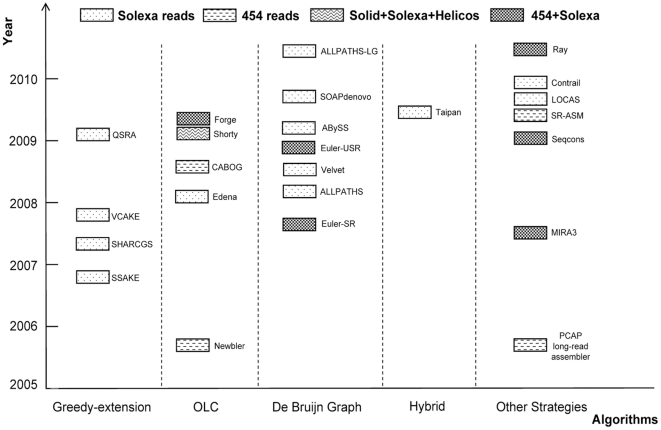
“According to our survey there are at least 24 de novo assemblers which can be accessed with a free academic license [33], that have been developed by implementing one among the following three algorithms namely de Bruijn graphs, Overlap Layout Consensus (OLC) and greedy extension.”
Role of microbiota function during early life on child's neurodevelopment
Cerdó, T., Garcia-Valdes, L., Altmäe, S., Ruiz-Rodriguez, A., Suárez, A., & Campoy, C. (2016) · Trends in Food Science & Technology · doi:10.1016/j.tifs.2016.08.007 · Cited by 38
Li, Y., Hsiang, T., Yang, R., Hu, X., Wang, K., Wang, W.-J., Wang, X.-L., Jiao, L., & Yao, Y. (2016) · Journal of Microbiological Methods · doi:10.1016/j.mimet.2016.06.025 · Cited by 34
SNP markers retrieval for a non-model species: a practical approach
Shahin, A., van Gurp, T. P., Peters, S., Visser, R. G. F., van Tuyl, J. M., & Arens, P. (2012) · BMC Research Notes · doi:10.1186/1756-0500-5-79 · Cited by 36
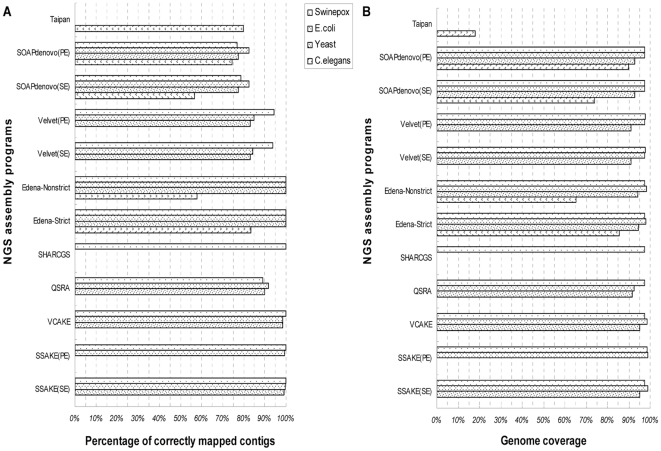
“The assemblers’ performance information about computational time, memory cost, assembly accuracy and completeness and size distribution of assembled contigs where studied (by mapping to reference genomes) [5].”
BackgroundKwon, C. W., Park, K., Kang, B., Kweon, D., Kim, M., Shin, S. W., Je, Y. H., & Chang, P. (2015) · PLoS ONE · doi:10.1371/journal.pone.0119328 · Cited by 31
A multi–step comparison of short–read full plastome sequence assembly methods in grasses
Wysocki, W. P., Clark, L. G., Kelchner, S. A., Burke, S. V., Pires, J. C., Edger, P. P., Mayfield, D. R., Triplett, J. K., Columbus, J. T., Ingram, A. L., et al. (2014) · Taxon · doi:10.12705/634.5 · Cited by 35
Worthey, E. A. (2017) · Current Protocols in Human Genetics · doi:10.1002/cphg.49 · Cited by 32
Comparing Memory-Efficient Genome Assemblers on Stand-Alone and Cloud Infrastructures
Kleftogiannis, D., Kalnis, P., & Bajić, V. B. (2013) · PLoS ONE · doi:10.1371/journal.pone.0075505 · Cited by 34
Evaluating de Bruijn Graph Assemblers on 454 Transcriptomic Data
Ren, X., Liu, T., Dong, J., Sun, L., Yang, J., Zhu, Y., & Jin, Q. (2012) · PLoS ONE · doi:10.1371/journal.pone.0051188 · Cited by 35
“[20,21,22,23,24], these were all conducted for genome assembly and considered only one NGS platform.”
BackgroundMultiple Facets of Marine Invertebrate Conservation Genomics
Lopez, J. V., Kamel, B., Medina, M., Collins, T. M., & Baums, I. B. (2018) · Annual Review of Animal Biosciences · doi:10.1146/annurev-animal-020518-115034 · Cited by 32
“Most assemblers contain a scaffolding step, which can use paired-end information to overcome small gaps (96).”
BackgroundKang, J., Ma, X., & He, S. (2017) · Scientific Reports · doi:10.1038/s41598-017-02853-3 · Cited by 40
BELLA: Berkeley Efficient Long-Read to Long-Read Aligner and Overlapper
Guidi, G., Ellis, M., Rokhsar, D. S., Yelick, K., & Buluç, A. (2021) · Society for Industrial and Applied Mathematics eBooks · doi:10.1137/1.9781611976830.12 · Cited by 29
Wang, N., Lysenkov, V. G., Orte, K. J., Kairisto, V., Aakko, J., Khan, S., & Elo, L. L. (2022) · PLoS Computational Biology · doi:10.1371/journal.pcbi.1009269 · Cited by 28
“De novo sequence assembly assembles short reads into longer contigs, enabling a fine-scale discovery of large indels, especially novel sequence insertions [14,15].”
BackgroundGenomics and transcriptomics across the diversity of the Nematoda
Blaxter, M., Kumar, S., Kaur, G., Koutsovoulos, G., & Elsworth, B. (2011) · Parasite Immunology · doi:10.1111/j.1365-3024.2011.01342.x · Cited by 27
A Reinforcement Learning Approach for Solving the Fragment Assembly Problem
Bocicor, M.-I., Czibula, G., & Czibula, I. G. (2011) · International Symposium on Symbolic and Numeric Algorithms for Scientific Computing (SYNASC) · doi:10.1109/synasc.2011.9 · Cited by 27
“scrips that the authors of [22] produced to generate fragments from a given DNA reference, for the above mentioned E.”
BackgroundOlawoye, I. B., Frost, S. D. W., & Happi, C. T. (2020) · PeerJ · doi:10.7717/peerj.10121 · Cited by 27
Worthey, E. A. (2013) · Current Protocols in Human Genetics · doi:10.1002/0471142905.hg0924s79 · Cited by 30
Comparative analysis of algorithms for whole-genome assembly of pyrosequencing data
Finotello, F., Lavezzo, E., Fontana, P., Peruzzo, D., Albiero, A., Barzon, L., Falda, M., Camillo, B. D., & Toppo, S. (2011) · Briefings in Bioinformatics · doi:10.1093/bib/bbr063 · Cited by 26
“While some recent studies have been carried out to evaluate the performance of assemblers for very short-reads [8, 26, 36], to our knowledge, algorithms developed for 454 data have been assessed only on transcriptome data [25].”
BackgroundResultKenny, N. J., Quah, S., Holland, P. W. H., Tobe, S. S., & Hui, J. H. L. (2013) · General and Comparative Endocrinology · doi:10.1016/j.ygcen.2013.02.013 · Cited by 26
“Assemblers vary in performance, and their relative merits have been well reviewed elsewhere (Lin et al., 2011; Zhang et al., 2011).”
BackgroundMirPlex: A Tool for Identifying miRNAs in High‐Throughput sRNA Datasets Without a Genome
Mapleson, D., Moxon, S., Dalmay, T., & Moulton, V. (2012) · Journal of Experimental Zoology Part B Molecular and Developmental Evolution · doi:10.1002/jez.b.22483 · Cited by 27
“However, despite rapid improvements in high‐throughput sequencing (Teer et al., 2010), and genome assembly procedures (Narzisi and Mishra, 2011; Zhang et al., 2011), genomes are not always available and so the ability to predict novel miRNAs using high‐throughput sRNA datasets alone is desirable.”
BackgroundHolloway, H. M. P., Yu, X., Dunne, J. C., Schwartz, B. M., Patton, A. J., Arellano, C., & Milla‐Lewis, S. R. (2017) · Molecular Breeding · doi:10.1007/s11032-017-0763-0 · Cited by 26
“The efficacy of SNP calling is dramatically increased with the use of reference genomes, and in species without a reference genome, de novo assembly of a reference is often required for SNP calling (Zhang et al. 2011).”
BackgroundSafari, M., Yakhchali, B., & Vahid Shariati, J. (2019) · Scientific Reports · doi:10.1038/s41598-019-49048-6 · Cited by 25
Wang, Y., Yu, Y., Pan, B., Hao, P., Li, Y., Shao, Z., Xu, X., & Li, X. (2012) · BMC Systems Biology · doi:10.1186/1752-0509-6-s3-s21 · Cited by 24
FAssem: FPGA Based Acceleration of De Novo Genome Assembly
Varma, B. S. C., Paul, K., Balakrishnan, S., & Lavenier, D. D. (2013) · IEEE International Symposium on Field-Programmable Custom Computing Machines (FCCM) · doi:10.1109/fccm.2013.25 · Cited by 24
“[8] have done a comparison of de novo assembly softwares.”
Bullman, S., Lucid, A., Corcoran, G. D., Sleator, R. D., & Lucey, B. (2013) · PLoS ONE · doi:10.1371/journal.pone.0071515 · Cited by 27
“The Velvet assembly tool [41] was used due to its compatibility with Illumina data and having been shown to be one of the best performing assembly programs available for paired end data [42].”
MethodIdentification of conserved and polymorphic STRs for personal genomes
Chen, C., Sio, C.-P., Lu, Y.-L., Chang, H., Hu, C., & Pai, T. (2014) · BMC Genomics · doi:10.1186/1471-2164-15-s10-s3 · Cited by 22
“Many tools are publicly available for both reference mapping and de novo assembly [36].”
BackgroundOsunmakinde, C. O., Selvarajan, R., Sibanda, T., Mamba, B. B., & Msagati, T. A. M. (2018) · Viruses · doi:10.3390/v10080429 · Cited by 21
“After the assembling, the sequences are mapped or aligned against a reference database that contains genomes that are specific to taxonomic classification.”
MethodImpact of analytic provenance in genome analysis
Morrison, S. S., Pyzh, R., Jeon, M. S., Amaro, C., Roig, F. J., Baker‐Austin, C., Oliver, J. D., & Gibas, C. (2014) · BMC Genomics · doi:10.1186/1471-2164-15-s8-s1 · Cited by 22
“Despite over a decade of literature on the performance of ab initio genefinders and annotation pipelines [9-12] nearly any reasonable workflow seems able to pass peer review (Figure 1), and so the genome annotations found in the public databases vary widely in analytic provenance.”
BackgroundChen, T.-W., Gan, R.-C., Chang, I. Y., Liao, W., Wu, T. H., Lee, C., Huang, P.-J., Lee, C., Chen, Y. M., Chiu, C., et al. (2015) · BMC Genomics · doi:10.1186/s12864-015-1859-8 · Cited by 20
“In addition to reduced length, higher error rates in NGS reads also contribute to the difficulty of genome reconstruction [18, 19].”
BackgroundParallel String Graph Construction and Transitive Reduction for De Novo Genome Assembly
Guidi, G., Selvitopi, O., Ellis, M., Oliker, L., Yelick, K., & Buluç, A. (2021) · IEEE International Parallel and Distributed Processing Symposium (IPDPS) · doi:10.1109/ipdps49936.2021.00060 · Cited by 29
Pool deconvolution approach for high-throughput gene mining from Bacillus thuringiensis
Panwar, B. S., Ram, C., Narula, R. K., & Kaur, S. (2017) · Applied Microbiology and Biotechnology · doi:10.1007/s00253-017-8633-6 · Cited by 18
“Both graph-based methods show nearly equal computational time and memory usage when assembly was performed on 35 or 75mer short reads but as the read length increased up to 150 bp,OLCbecomes computational andmemory expensive (Li et al. 2012; Zhang et al. 2011).”
MethodWhole-Genome Sequencing for Comparative Genomics and De Novo Genome Assembly
Benjak, A., Sala, C., & Hartkoorn, R. C. (2015) · Methods in molecular biology · doi:10.1007/978-1-4939-2450-9_1 · Cited by 18
Initiative, A. D. N., Dinov, I. D., Petrosyan, P., Liu, Z., Eggert, P., Zamanyan, A., Torri, F., Macciardi, F. M., Hobel, S., Moon, S. W., et al. (2013) · Brain Imaging and Behavior · doi:10.1007/s11682-013-9248-x · Cited by 19
“For example, our experience shows that Trinity whole-genome de novo assembly (Zhang et al. 2011; Li et al. 2010) takes over 14 days of calculations on the LONI Pipeline Genomics server (1.4 TB RAM, 40-core) D The infrastructure needs of cohort-based and multi-institutional studies increase linearly…”
Influential
Metadata
- Authors
- Zhang, W., Chen, J., Yang, Y., Tang, Y., Shang, J., & Shen, B.
- Affiliations
- Soochow University (CN)
- Corresponding author
- Shen, Bairong
- Venue
- PLoS ONE
- Publisher
- Public Library of Science (PLoS)
- Published
- 2011-03-14
- Volume
- 6
- Issue
- 3
- Pages
- e17915
- ISSN
- 1932-6203 (ISSN-L)
- PMC
- PMC3056720
- OpenAlex
- W2167719367
- Cited by
- 250
- References
- 32
- Citations by year
- 2026: 1 · 2025: 1 · 2024: 4 · 2023: 6 · 2022: 9 · 2021: 6 · 2020: 11 · 2019: 7 · 2018: 14 · 2017: 27 · 2016: 27 · 2015: 25 · 2014: 37 · 2013: 32 · 2012: 28
- FWCI
- 14.53
- Type
- journal article
- Language
- en
- Open access
- gold
- doi.org
- Locations
- PLoS ONE (publishedVersion, cc-by)
- PubMed Central (publishedVersion, cc-by)
- PubMed (publishedVersion)
- DOAJ (DOAJ: Directory of Open Access Journals) (submittedVersion, cc-by-sa)
- Figshare (submittedVersion, cc-by)
- Funders
- National Natural Science Foundation of China (31040020)
- Topics
- Life Sciences › Biochemistry, Genetics and Molecular Biology › Molecular Biology › Genomics and Phylogenetic Studies
- Physical Sciences › Mathematics › Theoretical Computer Science › Algorithms and Data Compression
- Life Sciences › Biochemistry, Genetics and Molecular Biology › Molecular Biology › Fractal and DNA sequence analysis
- Keywords
- de novo genome assembly, next-generation sequencing, Illumina sequencing, simulated sequencing data, assembly accuracy, computational performance
- MeSH terms
- Animals, Base Sequence, Humans, Reference Standards, Software, Time Factors, Genome, Sequence Analysis, DNA, Computational Biology, Contig Mapping, Databases, Nucleic Acid
About these checks
Registry, retraction, Cites and statistics results are computed, not judged, with one exception: a printed reference that no index lists is read once by a model before it counts as a citation error. Claims are extracted by a model and kept only when their quote appears verbatim in the text; each cited source is then checked, with a model’s help, for whether it says what the claim relies on. Those verdicts can be wrong — read the claim’s quote and the cited source before relying on one.
Statistics and arithmetic are recomputed, not judged.
Confidence bands are shown only for fields calibrated on our annotated test set. None is calibrated yet, so no band is shown.
What counts as a claim ›How we measure confidence ›How we check this ›
Are you an author, or do you see a problem with this page? Request a review
Data sources
Bibliographic data: Semantic Scholar, OpenAlex, Crossref.
Contains information from the Semantic Scholar Academic Graph Datasets, made available under the ODC Attribution License (ODC-BY 1.0).
Semantic Scholar’s data is described in: Kinney, R., et al. (2023). The Semantic Scholar Open Data Platform. arXiv:2301.10140.
