

In Vitro Surfactant Structure-Toxicity Relationships: Implications for Surfactant Use in Sexually Transmitted Infection Prophylaxis and Contraception
Open accessThe DOI matches its Crossref record; 62 of the 64 references it cites were found in a registry or an index.
Abstract
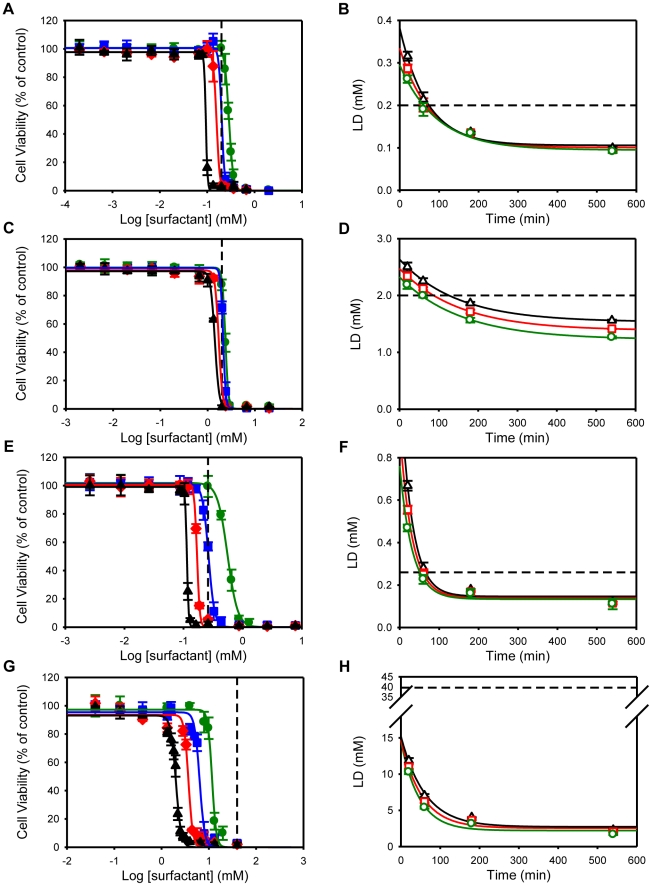
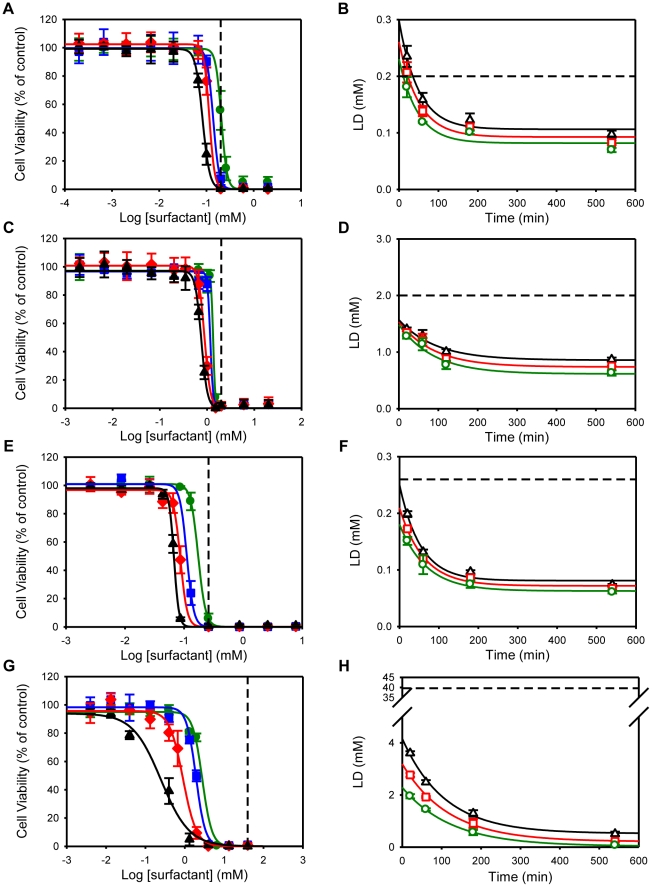
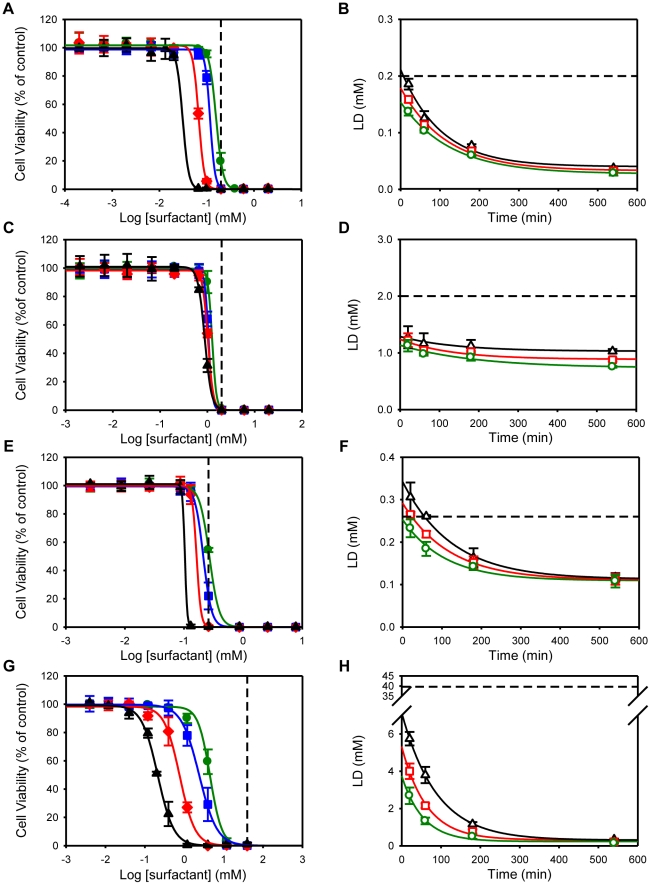
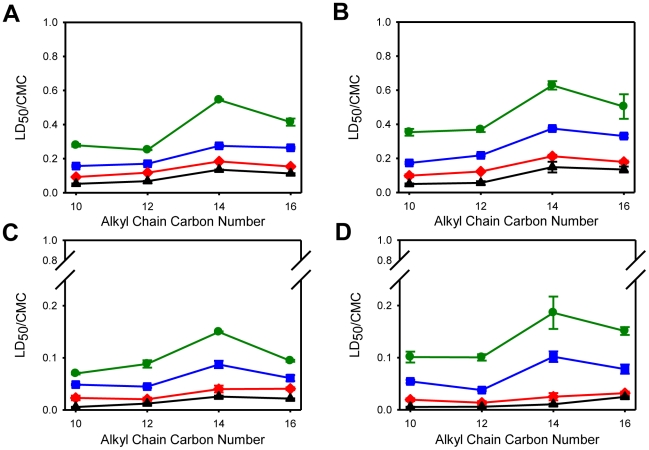
BACKGROUND: The need for woman-controlled, cheap, safe, effective, easy-to-use and easy-to-store topical applications for prophylaxis against sexually transmitted infections (STIs) makes surfactant-containing formulations an interesting option that requires a more fundamental knowledge concerning surfactant toxicology and structure-activity relationships. METHODOLOGY/PRINCIPAL FINDINGS: We report in vitro effects of surfactant concentration, exposure time and structure on the viability of mammalian cell types typically encountered in the vagina, namely, fully polarized and confluent epithelial cells, confluent but non-polarized epithelial-like cells, dendritic cells, and human sperm. Representatives of the different families of commercially available surfactants--nonionic (Triton X-100 and monolaurin), zwitterionic (DDPS), anionic (SDS), and cationic (C(n)TAB (n = 10 to 16), C(12)PB, and C(12)BZK)--were examined. Triton X-100, monolaurin, DDPS and SDS were toxic to all cell types at concentrations around their critical micelle concentration (CMC) suggesting a non-selective mode of action involving cell membrane destabilization and/or destruction. All cationic surfactants were toxic at concentrations far below their CMC and showed significant differences in their toxicity toward polarized as compared with non-polarized cells. Their toxicity was also dependent on the chemical nature of the polar head group. Our results suggest an intracellular locus of action for cationic surfactants and show that their structure-activity relationships could be profitably exploited for STI prophylaxis in vaginal gel formulations. The therapeutic indices comparing polarized epithelial cell toxicity to sperm toxicity for all surfactants examined, except C(12)PB and C(12)BZK, does not justify their use as contraceptive agents. C(12)PB and C(12)BZK are shown to have a narrow therapeutic index recommending caution in their use in contraceptive formulations. CONCLUSIONS/SIGNIFICANCE: Our results contribute to understanding the mechanisms involved in surfactant toxicity, have a predictive value with regard to their safety, and may be used to design more effective and less harmful surfactants for use in topical applications for STI prophylaxis.
Overview
The claims and statistics of this paper haven’t been checked yet.
Free: it reads the open-access text and checks the first 5 claims that cite a source we can check. Create a free account to check every claim.
Integrity signals
Registry
Cites
Statistics
Figures
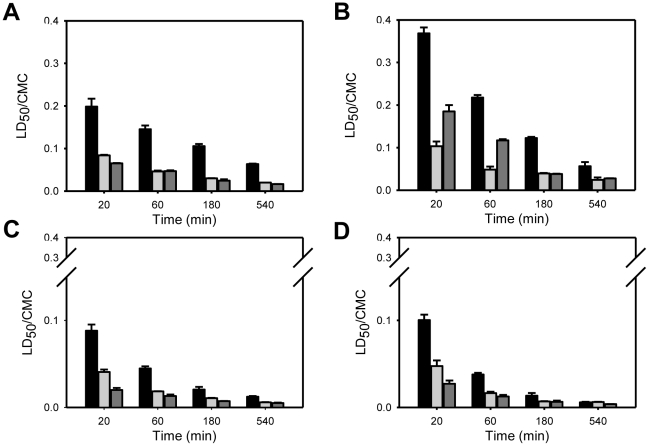
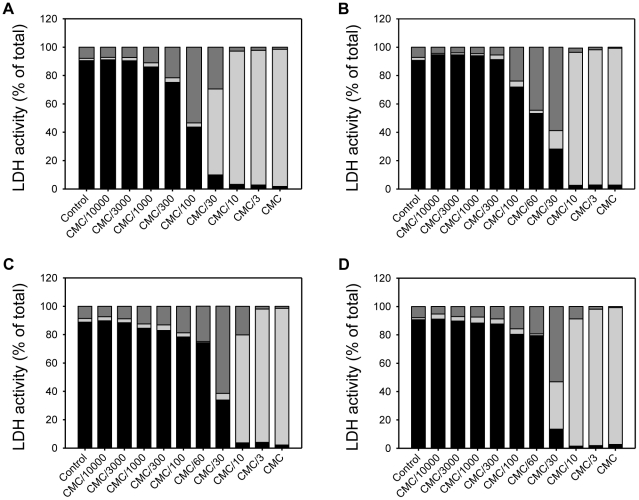
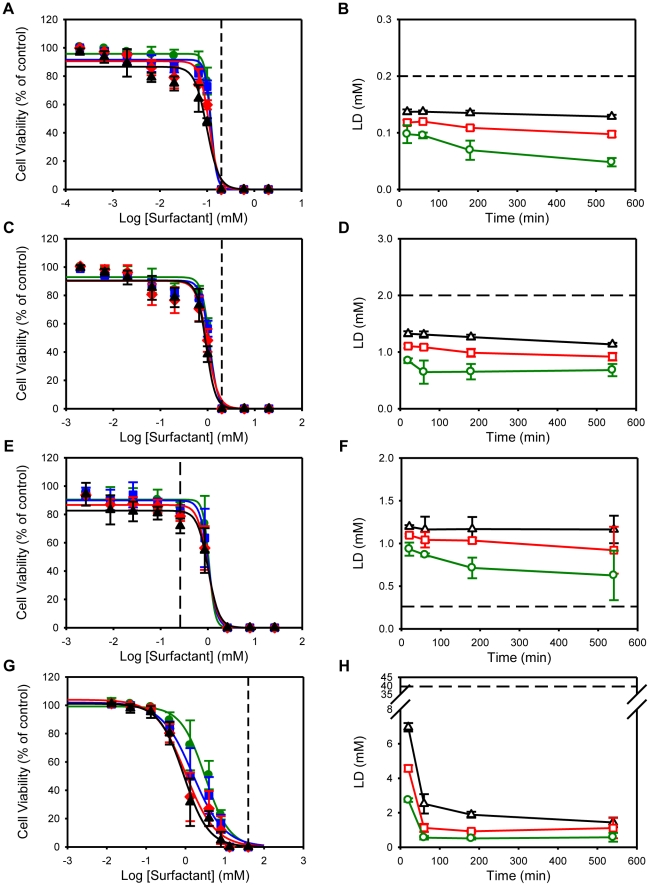
Verification
Claims the paper makes
The claims and statistics of this paper haven’t been checked yet.
Free: it reads the open-access text and checks the first 5 claims that cite a source we can check. Create a free account to check every claim.
Claims other papers make about this one
Each is checked against this paper’s own text: does it say what the citing paper says it does?
The source backs part of the claim, not all of it — or backs it for a different population, condition or comparison.
In the citing paper
“they found that cytotoxicity is intracellular in origin at low QAC concentrations; abnormality or damage of intracellular biochemical processes are involved in lieu of membrane disintegration or cell lysis.”
From Quaternary ammonium-based biomedical materials: State-of-the-art, toxicological aspects and antimicrobial resistance (2017) · cites this paper as [374]
Experimental — accuracy not yet measured
Self-check
Percentages, sums and reported differences re-computed from the paper’s own numbers.
The self-check needs the paper’s full text.
Citations
Cites
The Hydrophobic Effect: Formation of Micelles and Biological Membranes
Tanford, C. (1991) · Medical Entomology and Zoology · Cited by 3,327
Rescigno, M., Urbano, M., Valzasina, B., Francolini, M., Rotta, G., Bonasio, R., Granucci, F., Kraehenbuhl, J.-P., & Ricciardi-Castagnoli, P. (2001) · Nature Immunology · doi:10.1038/86373 · Cited by 2,553 · cited 1×
“[37] have demonstrated that dendritic cells can open the tight junctions between epithelial cells, send dendrites outside the epithelium and directly sample bacteria without leaving the lamina propria.”
BackgroundModel Systems, Lipid Rafts, and Cell Membranes
Simons, K., & Vaz, W. L. C. (2004) · Annual Review of Biophysics and Biomolecular Structure · doi:10.1146/annurev.biophys.32.110601.141803 · Cited by 1,670
Log-Logistic Analysis of Herbicide Dose-Response Relationships
Seefeldt, S. S., Jensen, J. E., & Fuerst, E. P. (1995) · Weed Technology · doi:10.1017/s0890037x00023253 · Cited by 1,359 · cited 2×
“The cell viability dose-response curves were fitted to a four parameter sigmoid equation [24,25] through computer-assisted curve fitting (SigmaPlotH 11.”
MethodBiomembranes: molecular structure and function
(1989) · Choice Reviews Online · doi:10.5860/choice.27-0304 · Cited by 1,226
Biomembranes: Molecular Structure and Function
Gennis, R. B. (1989) · Springer Advanced Texts in Chemistry · doi:10.1007/978-1-4757-2065-5 · Cited by 1,021
MDCK (Madin-Darby Canine Kidney) Cells: A Tool for Membrane Permeability Screening
Irvine, J. D., Takahashi, L., Lockhart, K., Cheong, J., Tolan, J. W., Selick, H. E., & Grove, J. R. (1999) · Journal of Pharmaceutical Sciences · doi:10.1021/js9803205 · Cited by 980 · cited 1×
“[17,21,22,23].”
WHO LABORATORY MANUAL FOR THE EXAMINATION OF HUMAN SEMEN AND SPERM‐CERVICAL MUCUS INTERACTION
(1996) · International Journal of Andrology · doi:10.1111/j.1365-2605.1996.tb00454.x · Cited by 901
Initial Events in Establishing Vaginal Entry and Infection by Human Immunodeficiency Virus Type-1
Hladik, F., Sakchalathorn, P., Ballweber, L., Lentz, G., Fialkow, M., Eschenbach, D., & McElrath, M. J. (2007) · Immunity · doi:10.1016/j.immuni.2007.01.007 · Cited by 498 · cited 2×
“Non-polarized cells, in particular dendritic cells, have previously been identified as the primary sites of viral infection in the vagina [3,34,35,36].”
BackgroundUtilizing R Software Package for Dose-Response Studies: The Concept and Data Analysis
Knezevic, S. Z., Streibig, J. C., & Ritz, C. (2007) · Weed Technology · doi:10.1614/wt-06-161.1 · Cited by 497
Research works printed but not linked: 3
- World Health Organization 2007 Global Stratergy for the Prevention and Control of Sexually Transmitted Infections: 2006-2015. Breaking the Chain of Transmission. Geneva, Switzerland WHO Press
- Finkel R Cubeddu LX Clark MA 2009 Pharmacology. 4 ed. Baltimore, MD Lippincott Williams & Wilkins 33 34
- Simoncic B Span J 1998 Thermodynamics of micellization of n-alkylpyridinium chlorides: a potentiometric study. Acta Chimica Slovenica 45 143 152
Cited by
Jiao, Y., Niu, L.-N., Ma, S., Li, J., Tay, F. R., & Chen, J.-H. (2017) · Progress in Polymer Science · doi:10.1016/j.progpolymsci.2017.03.001 · Cited by 639
“The authors also evaluated the cytotoxicity of QACs toward several mammalian cell lines [374] .”
BackgroundSurfactant Self-Assembling and Critical Micelle Concentration: One Approach Fits All?
Perinelli, D. R., Cespi, M., Lorusso, N., Palmieri, G. F., Bonacucina, G., & Blasi, P. (2020) · Langmuir · doi:10.1021/acs.langmuir.0c00420 · Cited by 370
“The neat change in the slope of surface tension raw data can be used for the calculation of CMC. 22 In the case of NaDC, not a clear plateau was observed in the range of concentrations (2 − 6 mM) reported by the manufacturer as the CMC range.”
InfluentialSelf-assembly of surfactants: An overview on general aspects of amphiphiles
Ghosh, S., Ray, A., & Pramanik, N. (2020) · Biophysical Chemistry · doi:10.1016/j.bpc.2020.106429 · Cited by 290
Falk, N. A. (2019) · Journal of Surfactants and Detergents · doi:10.1002/jsde.12293 · Cited by 210
“Tsujimura et al. (2015) and Inácio et al. (2011) showed that viruses can be deactivated with linear alkylbenzene sulfonate (LAS) and sodium lauryl sulfate (SLS), respectively; Johnston et al. (2000) show disinfection of S. aureus with an SDS solution.”
BackgroundIzak-Nau, E., Huk, A., Reidy, B., Uggerud, H., Vadset, M., Eiden, S., Voetz, M., Himly, M., Duschl, A., Dusinska, M., et al. (2015) · RSC Advances · doi:10.1039/c5ra10187e · Cited by 160
Biodegradable Cationic and Ionizable Cationic Lipids: A Roadmap for Safer Pharmaceutical Excipients
Jörgensen, A. M., Wibel, R., & Bernkop‐Schnürch, A. (2023) · Small · doi:10.1002/smll.202206968 · Cited by 143
Spectrum of Membrane Morphological Responses to Antibacterial Fatty Acids and Related Surfactants
Yoon, B. K., Jackman, J. A., Kim, M. C., & Cho, N.-J. (2015) · Langmuir · doi:10.1021/acs.langmuir.5b02088 · Cited by 109
Nunes, R. F., & Teixeira, A. C. S. C. (2022) · Chemosphere · doi:10.1016/j.chemosphere.2022.134507 · Cited by 121
Emulsion Techniques for the Production of Pharmacological Nanoparticles
Jenjob, R., Phakkeeree, T., Seidi, F., Theerasilp, M., & Crespy, D. (2019) · Macromolecular Bioscience · doi:10.1002/mabi.201900063 · Cited by 108
An overview of current research and developments in biosurfactants
Vieira, I. M. M., Santos, B. L. P., Ruzene, D. S., & Silva, D. P. (2021) · Journal of Industrial and Engineering Chemistry · doi:10.1016/j.jiec.2021.05.017 · Cited by 118
Inácio, Â. S., Domingues, N. S., Nunes, A., Martins, P. A. T., Moreno, M. J., Estronca, L. M. B. B., Fernandes, R., Moreno, A. J., Borrego, M. J., Gomes, J. P., et al. (2015) · Journal of Antimicrobial Chemotherapy · doi:10.1093/jac/dkv405 · Cited by 98
Self-citationInácio, Â. S., Costa, G. N., Domingues, N. S., Santos, M. S., Moreno, A. J., Vaz, W. L. C., & Vieira, O. V. (2013) · Antimicrobial Agents and Chemotherapy · doi:10.1128/aac.02437-12 · Cited by 110
Self-citationWang, H., Zhao, B., Dong, W., Zhong, Y., Zhang, X., Gong, Y., Zhan, R., Xing, M. M. Q., Zhang, J., Luo, G., et al. (2020) · Chemical Engineering Journal · doi:10.1016/j.cej.2020.124595 · Cited by 85
Zn-doped mesoporous hydroxyapatites and their antimicrobial properties
de Lima, C. O., de Oliveira, A. L. M., Chantelle, L., Silva-Filho, E. C., Jaber, M., & Fonseca, M. G. (2020) · Colloids and Surfaces B Biointerfaces · doi:10.1016/j.colsurfb.2020.111471 · Cited by 70
Ultrasmall Nanocapsules Obtained by Controlling Ostwald Ripening
Doan‐Nguyen, T. P., Jiang, S., Koynov, K., Landfester, K., & Crespy, D. (2021) · Angewandte Chemie International Edition · doi:10.1002/anie.202103444 · Cited by 66
Biological activity of amphiphilic metal complexes
Schattschneider, C., Kettenmann, S. D., Hinojosa, S., Heinrich, J., & Kulak, N. (2019) · Coordination Chemistry Reviews · doi:10.1016/j.ccr.2018.12.007 · Cited by 68
Shubber, S., Vllasaliu, D., Rauch, C., Jordan, F., Illum, L., & Stolnik, S. (2014) · Pharmaceutical Research · doi:10.1007/s11095-014-1481-5 · Cited by 72
“This is in contrast to the behaviour of cationic surfactants which show significant toxicity at concentration far below their CMC (24).”
ResultRíos, F., Lechuga, M., Fernández‐Serrano, M., & Fernández‐Arteaga, A. (2016) · Chemosphere · doi:10.1016/j.chemosphere.2016.12.070 · Cited by 56
Jiang, L., Shen, C., Long, X., Zhang, G., & Meng, Q. (2014) · Applied Microbiology and Biotechnology · doi:10.1007/s00253-014-6065-0 · Cited by 53
“As the LDH leakage is an indicator of irreversible cell death due to membrane damage while MTT reduction reflects for intracellular mitochondria activities, the synchronous change of the two cell viability indexes might indicate that the membrane damage occurred simultaneously with mitochondrial injury (Inacio et al.…”
BackgroundCytotoxicity and genotoxicity of lipid nanocapsules
Roux, G. L., Moche, H., Nieto, A., Benoît, J., Nesslany, F., & Lagarce, F. (2017) · Toxicology in Vitro · doi:10.1016/j.tiv.2017.03.007 · Cited by 58
Aprodu, A., Mantaj, J., Raimi‐Abraham, B. T., & Vllasaliu, D. (2019) · Pharmaceutics · doi:10.3390/pharmaceutics11030127 · Cited by 51
“24% w/v [34], at which point SDS becomes toxic to Caco-2 cells [35], and up to five times lower than its prior use as an absorption enhancer [36,37].”
BackgroundControlled Pulmonary Delivery of Carrier-Free Budesonide Dry Powder by Atomic Layer Deposition
Zara, D. L., Sun, F., Zhang, F., Franek, F., Sivars, K. B., Horndahl, J., Bates, S. M., Brännström, M., Ewing, P., Quayle, M. J., et al. (2021) · ACS Nano · doi:10.1021/acsnano.0c10040 · Cited by 51
Belgheisi, G., Nazarpak, M. H., & Solati‐Hashjin, M. (2020) · Applied Clay Science · doi:10.1016/j.clay.2019.105434 · Cited by 49
Regulatory status quo and prospects for biosurfactants in pharmaceutical applications
Ismail, R., Baaity, Z., & Csóka, I. (2021) · Drug Discovery Today · doi:10.1016/j.drudis.2021.03.029 · Cited by 52
Perinelli, D. R., Cespi, M., Casettari, L., Vllasaliu, D., Cangiotti, M., Ottaviani, M. F., Giorgioni, G., Bonacucina, G., & Palmieri, G. F. (2016) · European Journal of Pharmaceutics and Biopharmaceutics · doi:10.1016/j.ejpb.2016.09.015 · Cited by 48
Thakur, S., Singh, A., Sharma, R., Aurora, R., & Jain, S. K. (2020) · Current Drug Metabolism · doi:10.2174/1389200221666201008143238 · Cited by 48
Emulsion-Based Multicompartment Vaginal Drug Carriers: From Nanoemulsions to Nanoemulgels
Smoleński, M., Karolewicz, B., Gołkowska, A. M., Nartowski, K. P., & Małolepsza-Jarmołowska, K. (2021) · International Journal of Molecular Sciences · doi:10.3390/ijms22126455 · Cited by 54
Bettencourt, A., Tomé, C., Oliveira, T., Martín, V., Santos, C. F., Gonçalves, L., Fernandes, M. H., Gomes, P. S., & Ribeiro, I. (2020) · Carbohydrate Polymers · doi:10.1016/j.carbpol.2020.117433 · Cited by 47
Dicationic Alkylammonium Bromide Gemini Surfactants. Membrane Perturbation and Skin Irritation
Almeida, J., Faneca, H., Carvalho, R. A., Marques, E. F., & Pais, A. A. C. C. (2011) · PLoS ONE · doi:10.1371/journal.pone.0026965 · Cited by 45
Perinelli, D. R., Petrelli, D., Vitali, L. A., Vllasaliu, D., Cespi, M., Giorgioni, G., Elmowafy, E. M., Bonacucina, G., & Palmieri, G. F. (2019) · Journal of Molecular Liquids · doi:10.1016/j.molliq.2019.03.083 · Cited by 44
“A statistically significant correlation was found between CMC from tensiometry and the EC50 values determined for both cell lines (Supplementary materials SF1 and SF2), suggesting that cytotoxicity is dependent on the aggregation behaviour, as already reported for anionic and non-ionic surfactants [28,49,50].”
Nguyen, T. L. P., Fenyvesi, F., Remenyik, J., Homoki, J. R., Gogolák, P., Bácskay, I., Fehér, P. S., Ujhelyi, Z., Vasvári, G., Vecsernyés, M., et al. (2018) · Nutrients · doi:10.3390/nu10070861 · Cited by 40
“After the cell index reached the maximum values in each well, the cells were treated with different concentrations of anthocyanin extract (AC) and with Triton-X as a positive control [22].”
BackgroundBiomaterials for human space exploration: A review of their untapped potential
Jemison, M. C., & Olabisi, R. M. (2021) · Acta Biomaterialia · doi:10.1016/j.actbio.2021.04.033 · Cited by 43
Das, M., Patowary, K., Vidya, R., & Malipeddi, H. (2016) · IET Nanobiotechnology · doi:10.1049/iet-nbt.2015.0119 · Cited by 34
Qiao, W., Lan, X., Tsoi, J. K. H., Chen, Z., Su, Y., Yeung, K., & Matinlinna, J. P. (2017) · RSC Advances · doi:10.1039/c7ra09204k · Cited by 34
Effect of CTAB and CTAB in the presence of hyaluronan on selected human cell types
Kalbáčová, M. H., Verdánová, M., Mravec, F., Halasová, T., & Pekař, M. (2014) · Colloids and Surfaces A Physicochemical and Engineering Aspects · doi:10.1016/j.colsurfa.2013.12.048 · Cited by 31
TIECCO, M., Cardinali, G., Roscini, L., Germani, R., & Corte, L. (2013) · Colloids and Surfaces B Biointerfaces · doi:10.1016/j.colsurfb.2013.06.033 · Cited by 31
Pan, F., Li, Z., Gong, H., Petkov, J. T., & Lu, J. R. (2018) · Journal of Colloid and Interface Science · doi:10.1016/j.jcis.2018.07.031 · Cited by 32
Longo, V., Forleo, A., Provenzano, S. P., Coppola, L., Zara, V., Ferramosca, A., Siciliano, P. A., & Capone, S. (2018) · Biomedical Physics & Engineering Express · doi:10.1088/2057-1976/aaeb07 · Cited by 31
“Furthermore it is known that surfactants have a spermicidal activity such as to be used as contraceptive agents [52].”
BackgroundEffect of Oligomers Derived from Biodegradable Polyesters on Eco- and Neurotoxicity
Yoshinaga, N., Tateishi, A., Kobayashi, Y., Kubo, T., Miyakawa, H., Satoh, K., & Numata, K. (2023) · Biomacromolecules · doi:10.1021/acs.biomac.3c00160 · Cited by 33
Synthesis, surface and biological properties of sodium N‐acyl isoleucines
Sreenu, M., Rao, B. V. S. K., Prasad, R. B. N., Sujitha, P., & Chityala, G. K. (2013) · European Journal of Lipid Science and Technology · doi:10.1002/ejlt.201300189 · Cited by 30
Directing intracellular supramolecular assembly with N-heteroaromatic quaterthiophene analogues
Ng, D. Y. W., Vill, R., Wu, Y., Koynov, K., Tokura, Y., Liu, W., Sihler, S., Kreyes, A., Ritz, S., Barth, H., et al. (2017) · Nature Communications · doi:10.1038/s41467-017-02020-2 · Cited by 29
Egorova, E. M., & Kaba, S. I. (2019) · Toxicology in Vitro · doi:10.1016/j.tiv.2019.03.006 · Cited by 28
Hwang, E., Kim, K., Lee, C. G., Kwon, T., Lee, S., Min, S. K., & Kim, B. (2019) · Macromolecules · doi:10.1021/acs.macromol.9b00823 · Cited by 28
Fa, K., Liu, H., Gong, H., Zhang, L., Liao, M., Hu, X., Ciumac, D., Li, P., Webster, J. R. P., Petkov, J. T., et al. (2022) · Langmuir · doi:10.1021/acs.langmuir.2c00506 · Cited by 29
Adverse Outcome Pathway for Antimicrobial Quaternary Ammonium Compounds
Osimitz, T. G., & Droege, W. (2022) · Journal of Toxicology and Environmental Health · doi:10.1080/15287394.2022.2037479 · Cited by 28
“Inácio et al. (2011) investigated nonionic, zwitterionic, anionic, and cationic surfactants and found that cationic surfactants were the only group in which cytotoxicity occurred at concentrations too low to provoke cell lysis (Inácio et al. 2011).”
BackgroundInfluentialAlkyl chain modulated cytotoxicity and antioxidant activity of bioinspired amphiphilic selenolanes
Verma, P., Kunwar, A., Arai, K., Iwaoka, M., & Priyadarsini, K. I. (2015) · Toxicology Research · doi:10.1039/c5tx00331h · Cited by 26
Cytotoxic effects of composite dust on human bronchial epithelial cells
Čokić, S. M., Hoet, P., Godderis, L., Wiemann, M., Asbach, C., Reichl, F., Munck, J. D., MEERBEEK, B. V., & LANDUYT, K. L. V. (2016) · Dental Materials · doi:10.1016/j.dental.2016.09.010 · Cited by 24
Sianglum, W., Muangngam, K., Joycharat, N., & Voravuthikunchai, S. P. (2019) · Microbial Drug Resistance · doi:10.1089/mdr.2018.0391 · Cited by 25
“37 Enterococci have been recognized as the microorganism that are salt tolerant 27 and survive in 6.5% NaCl.”
InfluentialKumar, A., Mondal, A., Douglass, M. E., Francis, D. J., Garren, M. R. S., Bright, L. M. E., Ghalei, S., Xie, J., Brisbois, E. J., & Handa, H. (2023) · Journal of Colloid and Interface Science · doi:10.1016/j.jcis.2023.02.083 · Cited by 23
The clinical use of monolaurin as a dietary supplement: a review of the literature.
Barker, L. A., Bakkum, B. W., & Chapman, C. (2019) · Journal of Chiropractic Medicine · doi:10.1016/j.jcm.2019.02.004 · Cited by 23
Singh, R. P., Jain, S., & Ramarao, P. (2013) · Journal of Nanoparticle Research · doi:10.1007/s11051-013-1985-7 · Cited by 25
“Similar mechanisms have been demonstrated in surfactantinduced cellular death (Inacio et al. 2011; Strupp et al. 2000).”
BackgroundCharacterizing the Membrane-Disruptive Behavior of Dodecylglycerol Using Supported Lipid Bilayers
Yoon, B. K., Jackman, J. A., Park, S.-H., Mokrzecka, N., & Cho, N. (2019) · Langmuir · doi:10.1021/acs.langmuir.9b00244 · Cited by 25
Jiao, Y., Ma, S., Li, J., Shan, L., Wang, Y., Tian, M., Yang, Y., Sun, J., Ban, J., & Chen, J. (2015) · PLoS ONE · doi:10.1371/journal.pone.0135815 · Cited by 22
“Since quaternary ammonium compounds kill bacteria by disrupting the integrity of the bacterial cell membrane, we believe that the quaternary ammonium group in DMAE-CB could also solubilize the membrane of hDPCs and thus cause cell death[32, 33].”
BackgroundToxicity of nanoparticle surface coating agents: Structure-cytotoxicity relationship
Zhang, Y., Li, X., & Yu, H. (2016) · Journal of Environmental Science and Health Part C · doi:10.1080/10590501.2016.1202762 · Cited by 24
“Inacio and associates[35] and Vieira and colleagues[34] assumed that the shorter chain surfactants can insert into and translocate across the cell membrane faster than the longer chain surfactants, form higher concentrations in the cytoplasm and then reach sites of metabolic activity, without showing cytotoxicity.”
BackgroundInfluentialRhamnolipids as epithelial permeability enhancers for macromolecular therapeutics
Perinelli, D. R., Vllasaliu, D., Bonacucina, G., Come, B., Pucciarelli, S., Ricciutelli, M., Cespi, M., Itri, R., Spinozzi, F., Palmieri, G. F., et al. (2017) · European Journal of Pharmaceutics and Biopharmaceutics · doi:10.1016/j.ejpb.2017.07.011 · Cited by 27
Zhao, Y., Liu, W., Hu, X., Li, X., Wang, C., Yu, Y., & Zhang, J. (2023) · Environmental Research · doi:10.1016/j.envres.2023.116941 · Cited by 21
Rezvova, M. A., Nikishau, P. A., Makarevich, M. I., Glushkova, T. V., Klyshnikov, K. Y., Akentieva, T. N., Ефимова, О. С., Никитин, А. П., Malysheva, V. Y., Матвеева, В. Г., et al. (2022) · Nanomaterials · doi:10.3390/nano12050733 · Cited by 20
“Most surfactants are toxic to the body [18] and cannot be used in biomaterials for non-covalent interaction.”
BackgroundHu, X., Carter, J., Ge, T., Liao, M., Stephens, A. M., Mclnnes, E. F., Padia, F. N., & Lu, J. R. (2022) · Journal of Colloid and Interface Science · doi:10.1016/j.jcis.2022.08.021 · Cited by 20
Incipient cytotoxicity: A time-independent measure of cytotoxic potency in vitro
Gülden, M., Kähler, D., & Seibert, H. (2015) · Toxicology · doi:10.1016/j.tox.2015.07.002 · Cited by 19
Pawar, S. V., Akula, M., Labala, S., Venuganti, V. V. K., Bhattacharya, A., & Nag, A. (2016) · ChemPlusChem · doi:10.1002/cplu.201600382 · Cited by 21
Epithelial Toxicity of Alkylglycoside Surfactants
Vllasaliu, D., Shubber, S., Fowler, R., Garnett, M. C., Alexander, C., & Stolnik, S. (2012) · Journal of Pharmaceutical Sciences · doi:10.1002/jps.23340 · Cited by 18
Oehrl, A., Schötz, S., & Haag, R. (2019) · Macromolecular Rapid Communications · doi:10.1002/marc.201900510 · Cited by 21
Biodegradable arginine based steroid-surfactants: Cationic green agents for hydrophobic ion-pairing
Jörgensen, A. M., Knoll, P., Haddadzadegan, S., Fabian, H. C., Hupfauf, A., Gust, R., Jörgensen, R. G., & Bernkop‐Schnürch, A. (2022) · International Journal of Pharmaceutics · doi:10.1016/j.ijpharm.2022.122438 · Cited by 17
Sauerová, P., Pilgrová, T., Pekař, M., & Kalbáčová, M. H. (2017) · International Journal of Biological Macromolecules · doi:10.1016/j.ijbiomac.2017.05.173 · Cited by 21
“Following on from previously observed differences between the cytotoxicity induced by free and bound surfactants [20] [21], the clear differences determined between free surfactants and their complex analogues appear to verify good interaction between the surfactants and HyA resulting in good complex formation and com…”
BackgroundResultMa, S., Imazato, S., Takahashi, Y., Kiba, W., Takeda, K., Izutani, N., Kitagawa, H., & Chen, J. (2013) · Dental Materials · doi:10.1016/j.dental.2013.09.008 · Cited by 16
“Firstly, the cationic and surfactant-like quaternary ammonium group in MDPB binds to cell membrane and alters its fluidity, thereby disrupting the integrity of the membrane and subsequently causing the cell to burst [31,32].”
BackgroundMénard, N., Tsapis, N., Poirier, C., Arnauld, T., Moine, L., Lefoulon, F., Péan, J., & Fattal, E. (2011) · European Journal of Pharmaceutical Sciences · doi:10.1016/j.ejps.2011.10.006 · Cited by 16
Novel Surfactants with Diglutamic Acid Polar Head Group: Drug Solubilization and Toxicity Studies
Ménard, N., Tsapis, N., Poirier, C., Arnauld, T., Moine, L., Gignoux, C., Lefoulon, F., Péan, J., & Fattal, E. (2012) · Pharmaceutical Research · doi:10.1007/s11095-012-0714-8 · Cited by 16
“This assay is based on the reduction, by living cells, of the tetrazolium salt, MTT, which forms a blue formazan product (16,17).”
Low-surfactant microemulsion, a smart strategy intended for curcumin oral delivery
Dourado, D., de Oliveira, M. C., de Araújo, G. R. S., Amaral-Machado, L., Porto, D. L., Aragão, C. F. S., Alencar, É. D. N., & do Egito, E. S. T. (2022) · Colloids and Surfaces A Physicochemical and Engineering Aspects · doi:10.1016/j.colsurfa.2022.129720 · Cited by 17
Integrating Natural Deep Eutectic Solvents into Nanostructured Lipid Carriers: An Industrial Look
Schuh, L., Salgado, L. A., Piau, T. B., Silveira, A. P., Leal, C., Romera, L. F., Radicchi, M. A., Santos, M.-K. M. S., Falcao, L., Grisólia, C. K., et al. (2024) · Pharmaceuticals · doi:10.3390/ph17070855 · Cited by 15
“This chosen proportion is also an advantage for further tests, since the less surfactant the sample has, the less toxic the technology becomes [10].”
BackgroundMutha, R. E., & Surana, S. J. (2018) · Materials Technology · doi:10.1080/10667857.2018.1464240 · Cited by 14
Park, E., Seong, E., Kim, Y., & Lee, K. (2019) · Toxicology in Vitro · doi:10.1016/j.tiv.2019.02.021 · Cited by 15
Domingues, N. S., Estronca, L. M. B. B., Silva, J. S., Encarnação, M., Mateus, R., Lobo‐Silva, D., Santarino, I. B., Saraiva, M., Soares, M. I. L., Melo, T. M. V. D. P. E., et al. (2016) · Biochimica et Biophysica Acta (BBA) - Molecular and Cell Biology of Lipids · doi:10.1016/j.bbalip.2016.10.009 · Cited by 15
Notario-Pérez, F., Martín-Illana, A., Cazorla-Luna, R., Ruíz, R., Tamayo, A., Rubio, J., & María-Dolores, V. (2020) · Pharmaceutics · doi:10.3390/pharmaceutics12040321 · Cited by 15
“The combination of SDS with 2HPβCD shows the same drug release profile, but it is worth highlighting the usefulness of including cyclodextrins; due to the vaginal cytotoxicity of free SDS (it has already be proven that high concentrations of this surfactant can cause vaginal ulcers), it is imperative to evaluate the t…”
Backgroundvan Uunen, D. L., Kloukinioti, M., Kooter, I. M., Höppener, E. M., Yoe, L. E. A.-C., Brunner, A. M., Boersma, A., & Parker, L. A. (2024) · Environmental Pollution · doi:10.1016/j.envpol.2024.124306 · Cited by 14
Hyaluronic acid as a modulator of the cytotoxic effects of cationic surfactants
Sauerová, P., Verdánová, M., Mravec, F., Pilgrová, T., Venerová, T., Kalbáčová, M. H., & Pekař, M. (2015) · Colloids and Surfaces A Physicochemical and Engineering Aspects · doi:10.1016/j.colsurfa.2015.06.058 · Cited by 13
Üner, O., & Akkurt, N. (2022) · Journal of Molecular Liquids · doi:10.1016/j.molliq.2022.118765 · Cited by 12
In vitro effects of cationic compounds on functional human sperm parameters
Baptista, M., Publicover, S. J., & Ramalho‐Santos, J. (2012) · Fertility and Sterility · doi:10.1016/j.fertnstert.2012.11.008 · Cited by 11
Maltol‐Functionalized Fe 3 O 4 Nanoparticles as T 2 Magnetic Resonance Imaging Contrast Agents
Clements, T. W., Sarsons, C. D., Platnich, C. M., Banerjee, A., Błasiak, B., Tomanek, B., Rinker, K. D., & Trudel, S. (2016) · ChemistrySelect · doi:10.1002/slct.201600240 · Cited by 11
Pashirova, T. N., Zhukova, N., Lukashenko, S. S., Valeeva, F. G., Burilova, E. A., Sapunova, А. S., Voloshina, A. D., Mirgorodskaya, A. B., Zakharova, L. Y., Sinyashin, O. G., et al. (2019) · Colloids and Surfaces B Biointerfaces · doi:10.1016/j.colsurfb.2019.03.021 · Cited by 15
Osmotic Pressure as Driving Force for Reducing the Size of Nanoparticles in Emulsions
Doan‐Nguyen, T. P., Mantala, K., Atithep, T., & Crespy, D. (2022) · ACS Nano · doi:10.1021/acsnano.2c05565 · Cited by 10
Wycisk, V., Behnke, J., Nielinger, L., Seewald, M., Weisner, J., Binsch, M., Wagner, M., Raisch, T., & Urner, L. H. (2024) · Chemistry - A European Journal · doi:10.1002/chem.202401833 · Cited by 10
Ercole, F., Li, Y., Whittaker, M. R., Davis, T. P., & Quinn, J. F. (2020) · Journal of Materials Chemistry B · doi:10.1039/c9tb02614b · Cited by 10
Hu, X., Liao, M., Shen, K., Ding, K., Campana, M., van der Kamp, S., McInnes, E. F., Padia, F. N., & Lu, J. R. (2023) · ACS Applied Materials & Interfaces · doi:10.1021/acsami.3c14794 · Cited by 9
Фокина, А. А., Wang, M., Ilyina, A., Klabenkova, K., Burakova, E. A., Chelobanov, B. P., & Stetsenko, D. A. (2018) · Analytical Biochemistry · doi:10.1016/j.ab.2018.05.027 · Cited by 9
Kettenmann, S. D., White, M., Colard‐Thomas, J., Kraft, M., Feßler, A. T., Danz, K., Wieland, G. D., Wagner, S., Schwarz, Š., Wiehe, A., et al. (2021) · ChemMedChem · doi:10.1002/cmdc.202100702 · Cited by 9
Zare‐Zardini, H., Fesahat, F., Anbari, F., Halvaei, I., & Ebrahimi, L. (2015) · The European Journal of Contraception & Reproductive Health Care · doi:10.3109/13625187.2015.1052395 · Cited by 9
Inácio, Â. S., Nunes, A., Milho, C., Mota, L. J., Borrego, M. J., Gomes, J. P., Vaz, W. L. C., & Vieira, O. V. (2016) · Antimicrobial Agents and Chemotherapy · doi:10.1128/aac.00166-16 · Cited by 12
“2D, a C12PB concentration as low as CMC/500 reduced the number of CFU recovered by a factor of 1,000 and at CMC/150 by 10,000.”
BackgroundMethodResultInfluentialSelf-citationKang, J. S., Zhou, X., Liu, Y.-T., Wang, K., & Zhou, Z. H. (2023) · Biophysics Reports · doi:10.52601/bpr.2023.230008 · Cited by 9
“Also, FFC8 has a relatively high CMC (3.0 mmol/L) compared to many other surfactants, whose CMCs are generally less than 1 mmol/L (Inácio et al. 2011), alleviating the micelle-induced perturbation of image contrast.”
BackgroundInfluentialYoon, B. K., & Jackman, J. A. (2025) · Advances in Colloid and Interface Science · doi:10.1016/j.cis.2025.103465 · Cited by 10
Wang, F., Lu, T., & He, Y. (2016) · Journal of The Electrochemical Society · doi:10.1149/2.0061606jes · Cited by 8
Nguyen, H. D., Ngo, H. V., Nguyen, V. D., Gil, M.-C., & Lee, B. (2023) · International Journal of Nanomedicine · doi:10.2147/ijn.s440207 · Cited by 8
“28,29 Moreover, the CMC values decreased following the order of QD, QM, and QS, revealing that QFCs with a longer fatty acid chain length giving higher lipophilicity were aggregated more easily to form micelles at the lower concentration.”
BackgroundSalajkova, S. A., Šrámek, M., Maliňák, D., Havel, F., Musílek, K., Benková, M., Soukup, O., Vašicová, P., Prchal, L., Doležal, R., et al. (2019) · Journal of Biophotonics · doi:10.1002/jbio.201900024 · Cited by 7
Giovannozzi, A. M., Hornemann, A. I., Pollakowski, B., Green, F. M., Gunning, P. A., Salter, T. L., Steven, R. T., Bunch, J., Portesi, C., Tyler, B. J., et al. (2018) · Analytical and Bioanalytical Chemistry · doi:10.1007/s00216-018-1431-x · Cited by 8
Novel mechanisms of alkyldimethylbenzalkonium chloride in virucidal activity
Igarashi, C., Kubo, S., Hayase, A., Mori, T., Nonomura, Y., & Sakai, T. (2025) · Scientific Reports · doi:10.1038/s41598-025-95434-8 · Cited by 11
“The increase in disinfection activity above the CMC is thought to be related to solubilization of lipid molecules by micelles 24,25 , and this possibility was examined in a reaction kinetics study 26 .”
Nagaraj, K. (2025) · Pharmaceutical Development and Technology · doi:10.1080/10837450.2025.2588416 · Cited by 8
“Surfactants have been widely explored for their direct antiviral properties against HIV, demonstrating significant potential (Table 2) in inhibiting viral replication and transmission (Kumar et al. 2016; In � acio et al. 2011).”
Zeolite-based catalytic micromotors for enhanced biological and chemical water remediation
Abedini, F., & Hosseini, H. R. M. (2020) · New Journal of Chemistry · doi:10.1039/d0nj04116e · Cited by 7
Li, X., Forgham, H., Shen, Q., Zhang, L., Meinert, C., Zhao, C., Lin, Y., Yuan, D., Davis, T. P., & Qiao, R. (2025) · Advanced Materials Interfaces · doi:10.1002/admi.202500178 · Cited by 6
Calado, R., Mendes, B. B., Conniot, J., Ravasco, J. M. J. M., Sobral, D., Ferreira, C., Ferreira, R., Rodrigues, J. C., Santos, D., Duarte, S., et al. (2024) · Matter · doi:10.1016/j.matt.2024.04.002 · Cited by 7
Self-citationContraception des femmes en périménopause : place des spermicides
Serfaty, D. (2017) · Journal of Gynecology Obstetrics and Human Reproduction · doi:10.1016/j.jogoh.2016.10.007 · Cited by 6
Huynh, C. M., Díez, I. A., Thi, H. K. L., Jensen, O. N., Sellergren, B., & Irgum, K. (2023) · ACS Omega · doi:10.1021/acsomega.3c00007 · Cited by 6
Metadata
- Authors
- Inácio, Â. S., Mesquita, K. A., Baptista, M., Ramalho-Santos, J., Vaz, W. L. C., & Vieira, O. V.
- Affiliations
- Centro de Neurociências e Biologia Celular (PT)
- University of Coimbra (PT)
- Corresponding author
- Vieira, Otília V.
- Venue
- PLoS ONE
- Publisher
- Public Library of Science (PLoS)
- Published
- 2011-05-16
- Volume
- 6
- Issue
- 5
- Pages
- e19850
- ISSN
- 1932-6203 (ISSN-L)
- PMC
- PMC3095630
- OpenAlex
- W2065011148
- Cited by
- 141
- References
- 64
- Citations by year
- 2026: 6 · 2025: 10 · 2024: 8 · 2023: 12 · 2022: 10 · 2021: 14 · 2020: 15 · 2019: 18 · 2018: 7 · 2017: 7 · 2016: 11 · 2015: 9 · 2014: 3 · 2013: 5 · 2012: 4
- FWCI
- 2.10
- Type
- journal article
- Language
- en
- Open access
- gold
- doi.org
- Locations
- PLoS ONE (publishedVersion, cc-by)
- PubMed Central (publishedVersion, cc-by)
- PubMed (publishedVersion)
- Portuguese National Funding Agency for Science, Research and Technology (RCAAP Project by FCT) (submittedVersion, other-oa)
- DOAJ (DOAJ: Directory of Open Access Journals) (submittedVersion, cc-by-sa)
- Portuguese National Funding Agency for Science, Research and Technology (RCAAP Project by FCT) (submittedVersion)
- Funders
- Fundação para a Ciência e a Tecnologia (PTDC/BIA-BCM/112138/2009, SFRH/BD/46078/2008, SFRH/BD/38397/2007, PTDC/SAU-MII/66285/2006, /2009)
- Topics
- Physical Sciences › Chemistry › Physical and Theoretical Chemistry › Surfactants and Colloidal Systems
- Life Sciences › Immunology and Microbiology › Applied Microbiology and Biotechnology › Antimicrobial agents and applications
- Physical Sciences › Environmental Science › Environmental Chemistry › Environmental Chemistry and Analysis
- Keywords
- surfactant toxicity, structure-activity relationship, contraceptive agents, cationic surfactants, sperm toxicity, vaginal epithelial cells, dendritic cells, critical micelle concentration, polar head groups, therapeutic index, Triton X-100, monolaurin, sodium deoxycholate
- MeSH terms
- Cell Membrane, Contraception, Demography, Female, Humans, Ions, Male, Micelles, Sexually Transmitted Diseases, Structure-Activity Relationship, Surface-Active Agents, Vaginal Creams, Foams, and Jellies, Cell Line, Tumor, Hydrophobic and Hydrophilic Interactions, Drug-Related Side Effects and Adverse Reactions
About these checks
Registry, retraction, Cites and statistics results are computed, not judged, with one exception: a printed reference that no index lists is read once by a model before it counts as a citation error. Claims are extracted by a model and kept only when their quote appears verbatim in the text; each cited source is then checked, with a model’s help, for whether it says what the claim relies on. Those verdicts can be wrong — read the claim’s quote and the cited source before relying on one.
Statistics and arithmetic are recomputed, not judged.
Confidence bands are shown only for fields calibrated on our annotated test set. None is calibrated yet, so no band is shown.
What counts as a claim ›How we measure confidence ›How we check this ›
Are you an author, or do you see a problem with this page? Request a review
Data sources
Bibliographic data: Semantic Scholar, OpenAlex, Crossref.
Contains information from the Semantic Scholar Academic Graph Datasets, made available under the ODC Attribution License (ODC-BY 1.0).
Semantic Scholar’s data is described in: Kinney, R., et al. (2023). The Semantic Scholar Open Data Platform. arXiv:2301.10140.
