

Complex Carbohydrate Utilization by the Healthy Human Microbiome
Open accessThe DOI matches its Crossref record; 43 of the 43 references it cites were found in a registry or an index.
Abstract
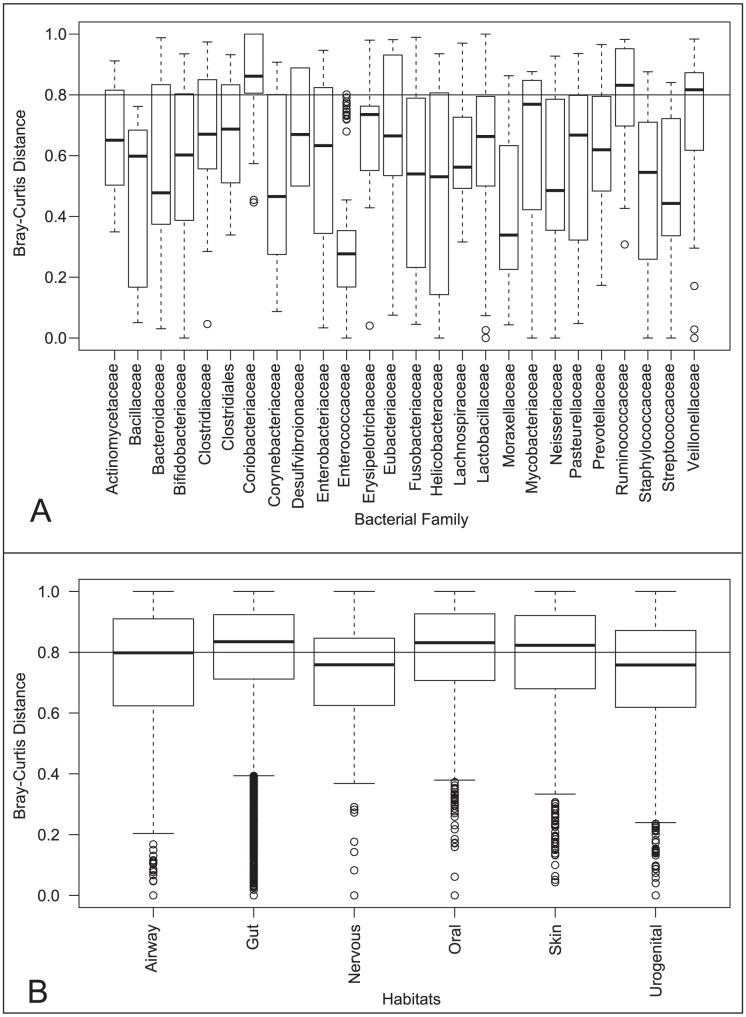
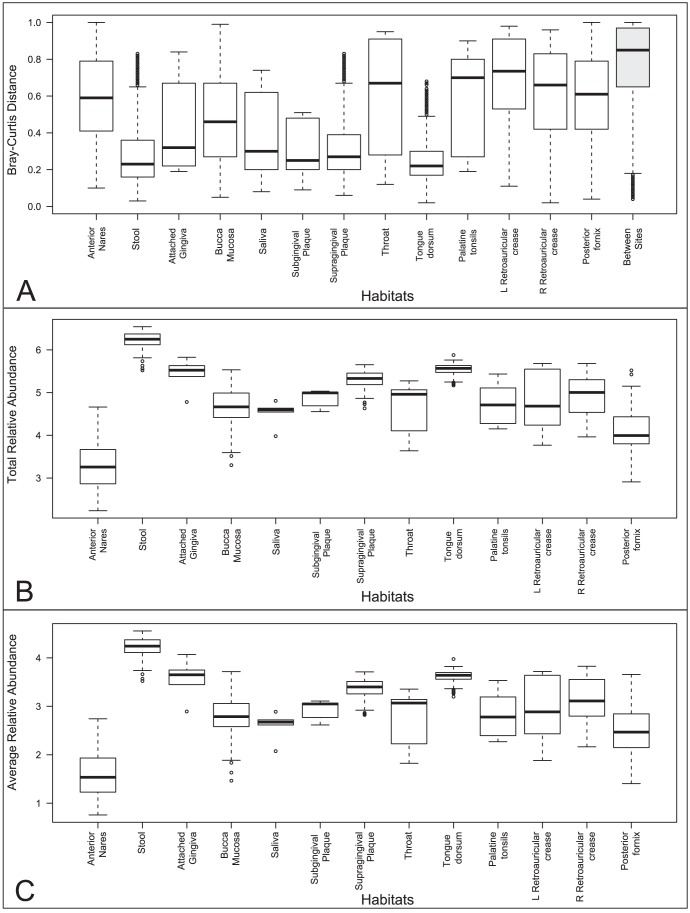
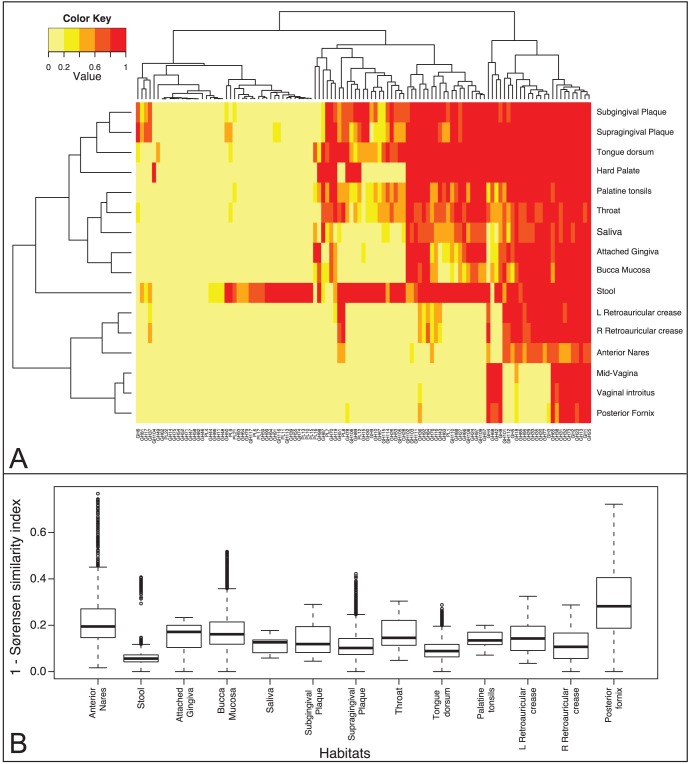
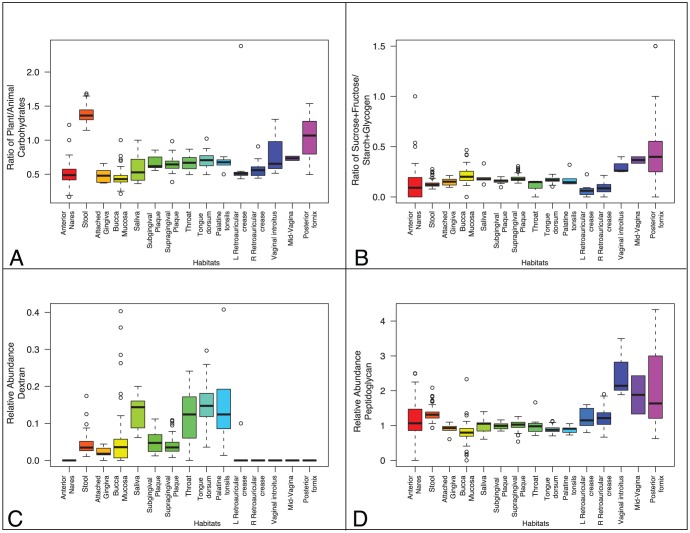
The various ecological habitats in the human body provide microbes a wide array of nutrient sources and survival challenges. Advances in technology such as DNA sequencing have allowed a deeper perspective into the molecular function of the human microbiota than has been achievable in the past. Here we aimed to examine the enzymes that cleave complex carbohydrates (CAZymes) in the human microbiome in order to determine (i) whether the CAZyme profiles of bacterial genomes are more similar within body sites or bacterial families and (ii) the sugar degradation and utilization capabilities of microbial communities inhabiting various human habitats. Upon examination of 493 bacterial references genomes from 12 human habitats, we found that sugar degradation capabilities of taxa are more similar to others in the same bacterial family than to those inhabiting the same habitat. Yet, the analysis of 520 metagenomic samples from five major body sites show that even when the community composition varies the CAZyme profiles are very similar within a body site, suggesting that the observed functional profile and microbial habitation have adapted to the local carbohydrate composition. When broad sugar utilization was compared within the five major body sites, the gastrointestinal track contained the highest potential for total sugar degradation, while dextran and peptidoglycan degradation were highest in oral and vaginal sites respectively. Our analysis suggests that the carbohydrate composition of each body site has a profound influence and probably constitutes one of the major driving forces that shapes the community composition and therefore the CAZyme profile of the local microbial communities, which in turn reflects the microbiome fitness to a body site.
Overview
The claims and statistics of this paper haven’t been checked yet.
Free: it reads the open-access text and checks the first 5 claims that cite a source we can check. Create a free account to check every claim.
Integrity signals
Registry
Cites
Statistics
Figures
Verification
Claims the paper makes
The claims and statistics of this paper haven’t been checked yet.
Free: it reads the open-access text and checks the first 5 claims that cite a source we can check. Create a free account to check every claim.
Claims other papers make about this one
Each is checked against this paper’s own text: does it say what the citing paper says it does?
In the citing paper
“Much of it can be fermented to short-chain fatty acids (SCFAs) such as acetate, propionate, and butyrate (see Table 1 in Michel and MacFarlane 1996; Cantarel et al. 2012) which both nourish the epithelia of the large intestine and offer other benefits to the host (Terada et al. 1995; Michel and MacFarlane 1996).”
From Algae as nutritional and functional food sources: revisiting our understanding. (2017) · cites this paper as Cantarel et al. 2012
In the citing paper
“our analyses indicated that Clostridium XIVa strains are characterized by overproportional rich carbohydrate-active enzyme (CAZyme) repertoires within the Lachnospiraceae [13]”
From Uncovering the trimethylamine-producing bacteria of the human gut microbiota (2017) · cites this paper as [13]
Self-check
Percentages, sums and reported differences re-computed from the paper’s own numbers.
The self-check needs the paper’s full text.
Citations
Cites
A core gut microbiome in obese and lean twins
Turnbaugh, P. J., Hamady, M., Yatsunenko, T., Cantarel, B. L., Duncan, A., Ley, R. E., Sogin, M. L., Jones, W. J., Roe, B. A., Affourtit, J. P., et al. (2009) · Nature · doi:10.1038/nature07540 · Cited by 7,823 · cited 1×
“Thus far, the GH6 family of enzymes has not been identified in any animal gut sample [35,36,37,38,39], suggesting that this enzyme specificity is perhaps driven by environmental factors.”
BackgroundSelf-citationEnterotypes of the human gut microbiome
MetaHIT Consortium (additional members), Arumugam, M., Raes, J., Pelletier, E., Le Paslier, D., Yamada, T., Mende, D. R., Fernandes, G. R., Tap, J., Bruls, T., et al. (2011) · Nature · doi:10.1038/nature09944 · Cited by 7,548 · cited 1×
“When we compare the oral sites to the gut, the starch and glycogen utilization appears much reduced in stool, suggesting specialization in digestion, whereby most of these sugars are likely degraded by human salivary amylase and oral flora and taken up in the small intestine by the host [32].”
BackgroundSørensen, T. B., Sorensen, T., Biering-Sørensen, T., Ti, S., & Sorensen, J. (1948) · Medical Entomology and Zoology · Cited by 6,214
The Carbohydrate-Active EnZymes database (CAZy): an expert resource for Glycogenomics
Cantarel, B. L., Coutinho, P. M., Rancurel, C., Bernard, T., Lombard, V., & Henrissat, B. (2009) · Nucleic Acids Research · doi:10.1093/nar/gkn663 · Cited by 5,972 · cited 3×
“Functional annotations were performed by BLASTX searches against proteins in the CAZy database [6], using thresholds: Evalue ,1e26 and bits/position .”
MethodInfluentialSelf-citationHost-Bacterial Mutualism in the Human Intestine
Bäckhed, F., Ley, R. E., Sonnenburg, J. L., Peterson, D. A., & Gordon, J. I. (2005) · Science · doi:10.1126/science.1104816 · Cited by 5,277 · cited 1×
“microbes, with the human gut thought to contain about 7000 different strains”
BackgroundVaginal microbiome of reproductive-age women
Ravel, J., Gajer, P., Abdo, Z., Schneider, G. M., Koenig, S. S. K., McCulle, S. L., Karlebach, S., Gorle, R., Russell, J., Tacket, C. O., et al. (2011) · Proceedings of the National Academy of Sciences · doi:10.1073/pnas.1002611107 · Cited by 4,254 · cited 2×
“These results are consistent with other studies of this dataset based on taxonomy [23] and KEGG Orthologs (KOs) groups [24]; in these studies and in a publication by Ravel and colleagues, the posterior fornix is shown to have the most diverse repertoire of functional capability [23,24] and a few distinct community typ…”
BackgroundResultA classification of glycosyl hydrolases based on amino acid sequence similarities
Henrissat, B. (1991) · Biochemical Journal · doi:10.1042/bj2800309 · Cited by 3,188
Self-citationTopping, D. L., & Clifton, P. M. (2001) · Physiological Reviews · doi:10.1152/physrev.2001.81.3.1031 · Cited by 3,091
Varki, A. P., Cummings, R. D., Esko, J. D., Freeze, H. H., Stanley, P., Bertozzi, C. R., Hart, G. W., & Etzler, M. E. (1999) · Cited by 2,384
Structural and sequence-based classification of glycoside hydrolases
Henrissat, B., & Davies, G. (1997) · Current Opinion in Structural Biology · doi:10.1016/s0959-440x(97)80072-3 · Cited by 1,664 · cited 1×
“org) [6,7,8,9,10].”
Self-citation
Cited by
Items 101–200 of 404
Insights into SusCD-mediated glycan import by a prominent gut symbiont
Gray, D. A., White, J. B. R., Oluwole, A. O., Rath, P., Glenwright, A. J., Mazur, A., Zahn, M., Baslé, A., Morland, C., Evans, S. L., et al. (2021) · Nature Communications · doi:10.1038/s41467-020-20285-y · Cited by 92
Sugars and Gastrointestinal Health
Arnone, D., Chabot, C., Heba, A.-C., Kökten, T., Caron, B., Hansmannel, F., Dreumont, N., Ananthakrishnan, A. N., Quilliot, D., & Peyrin‐Biroulet, L. (2021) · Clinical Gastroenterology and Hepatology · doi:10.1016/j.cgh.2021.12.011 · Cited by 106
Antibiotics, gut microbiota, and irritable bowel syndrome: What are the relations?
Mamieva, Z. A., Poluektova, E. A., Свистушкин, В. М., Sobolev, V., Shifrin, O. S., Guarner, F., & Ivashkin, V. T. (2022) · World Journal of Gastroenterology · doi:10.3748/wjg.v28.i12.1204 · Cited by 110
Stubbendieck, R. M., May, D. S., Chevrette, M. G., Temkin, M. I., Wendt-Pienkowski, E., Cagnazzo, J., Carlson, C. M., Gern, J. E., & Currie, C. R. (2019) · Applied and Environmental Microbiology · doi:10.1128/aem.02406-18 · Cited by 93
“For example, within the gastrointestinal tract, mutualistic bacteria metabolize recalcitrant nutrients to release metabolites that are accessible to the human host (1, 2); synthesize many essential amino acids, cofactors, and vitamins (3, 4); and provide defense against pathogens (5, 6).”
BackgroundLiu, D., Huang, Y., & Liang, M. (2022) · LWT · doi:10.1016/j.lwt.2022.113129 · Cited by 88
Gut Microbiota and Bone Diseases: A Growing Partnership
Chen, Y., Wang, X., Zhang, C., Liu, Z., Li, C., & Ren, Z. (2022) · Frontiers in Microbiology · doi:10.3389/fmicb.2022.877776 · Cited by 96
“RANKL induces osteoclast formation, TNF potentiates RANKL activity and induces the expansion of Th17 cells, and IL-17 reduces bone formation (Cenci et al., 2000; Lam et al., 2000; Chen et al., 2011; Sugita et al., 2012; Li et al., 2015; Uluçkan et al., 2016).”
BackgroundAssociation between intestinal microbiota and inflammatory bowel disease
Zhang, Y., Si, X., Yang, L., Wang, H., Sun, Y. Q., & Liu, N. (2022) · Animal Models and Experimental Medicine · doi:10.1002/ame2.12255 · Cited by 90
Kok, C. R., Rose, D., & Hutkins, R. (2023) · Annual Review of Food Science and Technology · doi:10.1146/annurev-food-060721-015516 · Cited by 73
The interaction between dietary fiber and gut microbiota, and its effect on pig intestinal health
Hu, R., Li, S., Diao, H., Huang, C., Yan, J., Wei, X., Zhou, M., He, P., Wang, T., Fu, H., et al. (2023) · Frontiers in Immunology · doi:10.3389/fimmu.2023.1095740 · Cited by 97
“Within the diet, dietary fiber (DF) supplementation plays a key role in influencing the composition of the gut microbiota, depending on its type, origins, and physicochemical properties, mainly because it escapes the digestive process in the small intestine and becomes available for microbial fermentation when it ente…”
BackgroundMicrobiota and neurodegenerative diseases
Marizzoni, M., Provasi, S., Cattaneo, A., & Frisoni, G. B. (2017) · Current Opinion in Neurology · doi:10.1097/wco.0000000000000496 · Cited by 76
Insight into Potential Probiotic Markers Predicted in Lactobacillus pentosus MP-10 Genome Sequence
Abriouel, H., Pérez Montoro, B., Casimiro-Soriguer, C. S., Pérez Pulido, A. J., Knapp, C. W., Caballero Gómez, N., Castillo-Gutiérrez, S., Estudillo-Martínez, M. D., Gálvez, A., & Benomar, N. (2017) · Frontiers in Microbiology · doi:10.3389/fmicb.2017.00891 · Cited by 75
“, cellulose, xylan, and pectin), since mammals have limited evolved abilities to hydrolyze complex polysaccharides for digestion (Cantarel et al., 2012).”
BackgroundUfarté, L., Potocki-Véronèse, G., & Laville, É. (2015) · Frontiers in Microbiology · doi:10.3389/fmicb.2015.00563 · Cited by 87
“MetaBioME Enzymes of industrial interest Sharma et al. (2010) CAZy (RRID:OMICS_01677) carbohydrate active enzymes Cantarel et al. (2012) Auxiliary redox enzymes for lignocellulose degradation Levasseur et al. (2013) CAT (RRID:OMICS_01676) carbohydrate active enzymes Park et al. (2010) LccED…”
BackgroundTeffera, M., Veith, A. C., Ronnekleiv‐Kelly, S. M., Bradfield, C. A., Nikodémová, M., Tussing-Humphreys, L. M., & Malecki, K. M. C. (2024) · Environment International · doi:10.1016/j.envint.2024.108805 · Cited by 79
Metabolites of the oral microbiome: important mediators of multikingdom interactions
Barbour, A., Elebyary, O., Fine, N. A., Oveisi, M., & Glogauer, M. (2021) · FEMS Microbiology Reviews · doi:10.1093/femsre/fuab039 · Cited by 85
Yang, S., Liu, Y., Yang, N., Lan, Y., Lan, W., Feng, J., Yue, B., He, M., Zhang, L., Zhang, A., et al. (2022) · Microbiome · doi:10.1186/s40168-021-01218-3 · Cited by 81
“Our finding of more abundant CAZymes in asymptomatic RM guts may indicate more active gut microbiome metabolism of carbohydrate degradation, in particular GHs and PLs, which are the key enzyme families degrading carbohydrates through hydrolysis and non-hydrolytic cleavage, respectively [87].”
Insights into human evolution from ancient and contemporary microbiome studies
Schnorr, S. L., Sankaranarayanan, K., Lewis, C. M., & Warinner, C. (2016) · Current Opinion in Genetics & Development · doi:10.1016/j.gde.2016.07.003 · Cited by 85
Implications of gut microbiota-mediated epigenetic modifications in intestinal diseases
Zhang, Q., Liu, Y., Li, Y., Bai, G., Pang, J., Wu, M., Li, J., Zhao, X., & Xia, Y. (2025) · Gut Microbes · doi:10.1080/19490976.2025.2508426 · Cited by 81
“112 Unlike the human genome, which encodes only a limited number of glycan-degrading enzymes, the gut micro-biome harbors a vast array of CAZymes, enabling certain bacteria such as Bacteroides , Bifidobacterium , and Ruminococcus to serve as primary degraders and gain a competitive advantage by…”
A fibrolytic potential in the human ileum mucosal microbiota revealed by functional metagenomic
Patrascu, O., Béguet-Crespel, F., Marinelli, L., Chatelier, E. L., Abraham, A., Leclerc, M., Klopp, C., Terrapon, N., Henrissat, B., Blottière, H. M., et al. (2017) · Scientific Reports · doi:10.1038/srep40248 · Cited by 78
“Because of their close localization with respect to host cells and the stability of mucosal dominant bacterial species 21 , the microbiota of the ileal mucosa is likely to play a role in the regulation of intestinal homeostasis and immune responses 22 .”
BackgroundSelf-citationExploring interactions between xenobiotics, microbiota, and neurotoxicity in zebrafish
Bertotto, L. B., Catron, T. R., & Tal, T. L. (2019) · NeuroToxicology · doi:10.1016/j.neuro.2019.11.008 · Cited by 75
Zhao, Q., Jiang, Y., Zhao, Q., Manzi, H. P., Li, S., Liu, D., Huang, X., Long, D., Tang, Z., & Zhang, Y. (2023) · Frontiers in Nutrition · doi:10.3389/fnut.2023.1213010 · Cited by 78
“The degradation of EMPs in the colon is facilitated by a group of enzymes known as carbohydrate-active enzymes (CAZymes) (54).”
BackgroundHuman gut microbiome, diet, and mental disorders
Borrego-Ruiz, A., & Borrego, J. J. (2024) · International Microbiology · doi:10.1007/s10123-024-00518-6 · Cited by 81
“Diets provide certain nutrients involved in the growth kinetics of gut bacteria, like glycans (inulin, lignin, pectin, cellulose, and fructooligosaccharides), which are indigestible carbohydrates for animals and humans (Cantarel et al. 2012).”
Zhang, C., Jiao, S., Wang, Z. A., & Du, Y. (2018) · Frontiers in Microbiology · doi:10.3389/fmicb.2018.02388 · Cited by 75
“the human genome encodes, at most, only 17 enzymes for the digestion of food glycans, specifically starch, sucrose, and lactose and no polysaccharide lyases (Cantarel et al., 2012).”
BackgroundPotential and expression of carbohydrate utilization by marine fungi in the global ocean
Baltar, F., Zhao, Z., & Herndl, G. J. (2021) · Microbiome · doi:10.1186/s40168-021-01063-4 · Cited by 69
Boger, M. C. L., van Bueren, A. L., & Dijkhuizen, L. (2018) · Applied and Environmental Microbiology · doi:10.1128/aem.01539-18 · Cited by 76
“GHs encoded in bacterial genomes often outnumber the number of human GH genes by several fold (9).”
BackgroundVisnapuu, T., Ernits, K., & Alamäe, T. (2015) · New Biotechnology · doi:10.1016/j.nbt.2015.01.009 · Cited by 75
“are the most active and numerous degraders of plant fiber polysaccharides [11,12,69].”
van Bueren, A. L., Saraf, A., Martens, E. C., & Dijkhuizen, L. (2015) · Applied and Environmental Microbiology · doi:10.1128/aem.00149-15 · Cited by 68
“All other carbohydrates that traverse the gastrointestinal (GI) tract have the potential to be metabolized by commensal gut bacteria, where it is estimated that gut microbiota provide an additional 30,000 enzymes which facilitate the breakdown of carbohydrates in the gut (3).”
BackgroundDespres, J., Forano, É., Lepercq, P., Comtet-Marre, S., Jubelin, G., Yeoman, C. J., Miller, M. E. B., Fields, C. J., Terrapon, N., Bourvellec, C. L., et al. (2016) · BMC Genomics · doi:10.1186/s12864-016-2472-1 · Cited by 70
“breakdown of dietary carbohydrates other than sucrose, lactose and a portion of starch [1, 2].”
BackgroundSelf-citationOral and Gut Microbial Carbohydrate-Active Enzymes Landscape in Health and Disease
Onyango, S. O., Juma, J., Paepe, K. D., & de Wiele, T. V. (2021) · Frontiers in Microbiology · doi:10.3389/fmicb.2021.653448 · Cited by 74
“Besides alterations in CAZyme profiles according to body sites as a result of nutritional specialization (Cantarel et al., 2012), CAZyme profiles have been demonstrated to change based on geographical locations, ethnicity which is influenced by dietary patterns (Bhattacharya et al.”
BackgroundResultInfluentialComplex Oligosaccharide Utilization Pathways in Lactobacillus
Zúñiga, M., Yebra, M. J., & Monedero, V. (2020) · Current Issues in Molecular Biology · doi:10.21775/cimb.040.049 · Cited by 75
“The human genome encodes only 17 glycosidases, enabling the utilization of a very limited set of polysaccharides (Cantarel et al., 2012; Goh and Klaenhammer, 2015).”
BackgroundStarch and starch hydrolysates are favorable carbon sources for Bifidobacteria in the human gut
Liu, S., Ren, F., Zhao, L., Lu, J., Hao, Y., Jin, J., Zhang, M., Guo, H., Lei, X. G., Sun, E., et al. (2015) · BMC Microbiology · doi:10.1186/s12866-015-0362-3 · Cited by 66
“The substrates of GHs are predicted as described by Brandi [19].”
BackgroundGuthrie, L., Spencer, S. P., Perelman, D., Treuren, W. V., Han, S., Yu, F. B., Sonnenburg, E. D., Fischbach, M. A., Meyer, T. W., & Sonnenburg, J. L. (2022) · Cell Host & Microbe · doi:10.1016/j.chom.2022.05.003 · Cited by 66
Soto-Girón, M. J., Kim, J.-N., Schott, E. M., Tahmin, C., Ishoey, T., Mincer, T. J., DeWalt, J., & Toledo, G. V. (2021) · Scientific Reports · doi:10.1038/s41598-021-03334-4 · Cited by 63
Tralau, T., Sowada, J., & Luch, A. (2015) · Expert Opinion on Drug Metabolism & Toxicology · doi:10.1517/17425255.2015.990437 · Cited by 58
“Analysis of the data from the human microbiome shows that the genomic sugar utilisation potential and pathway stability rather depends on the particular nutritional environment of the niche examined than on bacterial composition [25,45].”
BackgroundInfluentialNondigestible Oligosaccharides with Anti-Obesity Effects
Liu, Y., Chen, J., Tan, Q., Deng, X., Tsai, P.-J., Chen, P.-H., Ye, M., Guo, J., & Su, Z. (2019) · Journal of Agricultural and Food Chemistry · doi:10.1021/acs.jafc.9b06079 · Cited by 59
Nugrahapraja, H., Sugiyo, P. W. W., Putri, B. Q., Ni’matuzahroh, N., Fatimah, F., Huang, L. F., Hafza, N., Götz, F., Santoso, H., Wibowo, A. T., et al. (2022) · Environments · doi:10.3390/environments9110140 · Cited by 66
“In the digestive system, gut microbiota modulate fat digestion and adsorption, as well as complex carbohydrates’ catabolism [28,29]; they are essential for human health [30].”
BackgroundMultiple organs involved in the pathogenesis of non-alcoholic fatty liver disease
Li, X., & Wang, H. (2020) · Cell & Bioscience · doi:10.1186/s13578-020-00507-y · Cited by 63
Opportunities and challenges for gut microbiome studies in the Indian population
Shetty, S. A., Marathe, N. P., & Shouche, Y. S. (2013) · Microbiome · doi:10.1186/2049-2618-1-24 · Cited by 59
“simple products that the human body can digest [24].”
BackgroundLi, C., Zhang, B., Wang, X., Pi, X., Wang, X., Zhou, H., Mai, K., & He, G. (2019) · Microbial Cell Factories · doi:10.1186/s12934-019-1265-z · Cited by 62
Dietary sphinganine is selectively assimilated by members of the mammalian gut microbiome
Lee, M.-T., Le, H. H., & Johnson, E. L. (2020) · Journal of Lipid Research · doi:10.1194/jlr.ra120000950 · Cited by 62
El Kaoutari, A., Armougom, F., Leroy, Q., Vialettes, B., Million, M., Raoult, D., & Henrissat, B. (2013) · PLoS ONE · doi:10.1371/journal.pone.0084033 · Cited by 55
“The relevance of the predicted CAZome is therefore dependent on the way the taxonomic groups are covered by the reference genomes, resulting in the overestimation of CAZyme families from the abundant bacteria and an underestimation of genes belonging to less abundant bacterial groups [21].”
InfluentialSelf-citationRetractedType 1 diabetes and gut microbiota: Friend or foe?
Hu, C., Wong, F. S., & Li, W. (2015) · Pharmacological Research · doi:10.1016/j.phrs.2015.02.006 · Cited by 63
Oh, J. K., Chae, J. P., Pajarillo, E. A. B., Kim, S. H., Kwak, M., Eun, J.-S., Chee, S. W., Whang, K., Kim, S. H., & Kang, D. (2020) · Animal Science Journal · doi:10.1111/asj.13418 · Cited by 58
Configured for the Human Gut Microbiota: Molecular Mechanisms of Dietary β-Glucan Utilization
Golisch, B., Lei, Z., Tamura, K., & Brumer, H. (2021) · ACS Chemical Biology · doi:10.1021/acschembio.1c00563 · Cited by 56
The Role of Carbohydrate Intake on the Gut Microbiome: A Weight of Evidence Systematic Review
Mora-Flores, L. P., Moreno-Terrazas, R., Fuentes-Cabrera, J., Pérez-Vicente, H. A., de Anda‐Jáuregui, G., & Neri-Torres, E. E. (2023) · Microorganisms · doi:10.3390/microorganisms11071728 · Cited by 56
“At the same time, Bacteroides thetaiotaomicron, one of the most abundant bacterium in the gut, encodes, by itself, over 260 GHs, 15 times more than humans, allowing the human host to indirectly metabolize different carbohydrates [54,55], obtaining energy and different metabolites, such as short-chain fatty acids (SCFA…”
BackgroundInsights into carbon-fixation pathways through metagonomics in the sediments of deep-sea cold seeps
Jiang, Q., Jing, H., Jiang, Q., & Zhang, Y. (2022) · Marine Pollution Bulletin · doi:10.1016/j.marpolbul.2022.113458 · Cited by 53
Neumüller, K. G., de Souza, A. C., van Rijn, J. H., Streekstra, H., Gruppen, H., & Schols, H. A. (2015) · Biotechnology for Biofuels · doi:10.1186/s13068-014-0187-6 · Cited by 50
“The data suggest exo-acting activity for the CE16 enzyme from Aspergillus niger, as proposed previously for the CE16 acetyl esterase from Trichoderma reesei [17].”
BackgroundAl-Masaudi, S., El Kaoutari, A., Drula, E., Al-Mehdar, H., Redwan, E. M., Lombard, V., & Henrissat, B. (2017) · Frontiers in Microbiology · doi:10.3389/fmicb.2017.00666 · Cited by 48
“encoded by the host genome) digestive capabilities of mammals is extremely reduced and is essentially limited to starch, sucrose, and lactose (Cantarel et al., 2012; El Kaoutari et al., 2013a).”
BackgroundSelf-citationDiet, Microbiome, and Inflammation Predictors of Fecal and Plasma Short-Chain Fatty Acids in Humans
Oliver, A., Alkan, Z., Stephensen, C. B., Newman, J. W. I., Kable, M. E., & Lemay, D. G. (2024) · Journal of Nutrition · doi:10.1016/j.tjnut.2024.08.012 · Cited by 53
Li, C., & Hu, Y. (2021) · Critical Reviews in Food Science and Nutrition · doi:10.1080/10408398.2021.1976722 · Cited by 50
“Human genome can only encode 17 enzymes to degrade food glycans such as starch, lactose and sucrose (Cantarel, Lombard, and Henrissat 2012).”
BackgroundInteraction between four galactans with different structural characteristics and gut microbiota
Li, S., Hu, J., Yao, H., Geng, F., & Nie, S. (2021) · Critical Reviews in Food Science and Nutrition · doi:10.1080/10408398.2021.1992605 · Cited by 50
Marine Sulfated Polysaccharides: Preventive and Therapeutic Effects on Metabolic Syndrome: A Review
Li, Y., Qin, J., Cheng, Y., Lv, D., Li, M., Qi, Y., Lan, J. Q., Zhao, Q., & Li, Z. (2021) · Marine Drugs · doi:10.3390/md19110608 · Cited by 52
Gong, T., Liu, X., Wang, X., Lu, Y., & Wang, X. (2024) · International Journal of Biological Macromolecules · doi:10.1016/j.ijbiomac.2024.133623 · Cited by 56
CAZyChip: dynamic assessment of exploration of glycoside hydrolases in microbial ecosystems
Abot, A., Arnal, G., Auer, L., Lazuka, A., Labourdette, D., Lamarre, S., Trouilh, L., Laville, É., Lombard, V., Potocki-Véronèse, G., et al. (2016) · BMC Genomics · doi:10.1186/s12864-016-2988-4 · Cited by 46
“An over representation of members of family GH13 and GH23 was seen, as they are implicated in common bacterial physiological processes and known to possess one of the broadest distributions among the gut microbiota [8, 17, 18].”
BackgroundSelf-citationEvolutionary relationships among bifidobacteria and their hosts and environments
Rodriguez, C. I., & Martiny, J. B. H. (2020) · BMC Genomics · doi:10.1186/s12864-019-6435-1 · Cited by 50
Sánchez-Quinto, A., Cerqueda‐García, D., Falcón, L. I., Gaona, O., Martínez-Correa, S., Nieto, J., & González‐Santoyo, I. (2020) · Microorganisms · doi:10.3390/microorganisms8101592 · Cited by 49
“This decrease affects the microbial enzymatic capacity for degrading nutrients and many forms of complex polysaccharides in human diets [78,79].”
BackgroundDiet and gut microbiome interactions of relevance for symptoms in irritable bowel syndrome
Tap, J., Störsrud, S., Nevé, B. L., Cotillard, A., Pons, N., Dore, J. M., Öhman, L., Törnblom, H., Derrien, M., & Simrén, M. (2021) · Microbiome · doi:10.1186/s40168-021-01018-9 · Cited by 51
“CAZy were subdivided into broad substrate categories (plant cell wall carbohydrates, animal carbohydrates, peptidoglycan, and others (starch/ glycogen, sucrose/fructans, fungal carbohydrates, and dextran) [33], whereas hydrogenases were classified according to their active metal site [31].”
BackgroundCheng, X., Zheng, J., Lin, A., Xia, H., Zhang, Z., Gao, Q., Lv, W., & Liu, H. (2020) · Journal of Functional Foods · doi:10.1016/j.jff.2020.104197 · Cited by 48
Gut Bacteria Mediate Nutrient Availability in Drosophila Diets
Lesperance, D., & Broderick, N. A. (2020) · Applied and Environmental Microbiology · doi:10.1128/aem.01401-20 · Cited by 53
“A possible factor influencing the different impacts of bacteria on life history between diets is micronutrients, which differ between diets based on specific nutrient composition (Cantarel et al., 2012; Lesperance and Broderick, 2020b; Li et al., 2011; Muegge et al., 2011; Turnbaugh et al., 2006).”
BackgroundImplications of the Human Microbiome Project for Epidemiology
Foxman, B., & Rosenthal, M. (2013) · American Journal of Epidemiology · doi:10.1093/aje/kws449 · Cited by 44
The Role of Fermented Vegetables as a Sustainable and Health-Promoting Nutritional Resource
Borrego-Ruiz, A., González-Domenech, C. M., & Borrego, J. J. (2024) · Applied Sciences · doi:10.3390/app142310853 · Cited by 46
Microbiome of Total Versus Live Bacteria in the Gut of Rex Rabbits
Fu, X., Zeng, B., Wang, P., Wang, L., Wen, B., Li, Y., Liu, H., Bai, S., & Jia, G. (2018) · Frontiers in Microbiology · doi:10.3389/fmicb.2018.00733 · Cited by 42
“Previous studies have reported broad differences of microbiota in many species as well (Turnbaugh et al., 2009; Cantarel et al., 2011).”
BackgroundViborg, A. H., Fredslund, F., Katayama, T., Nielsen, S. K., Svensson, B., Kitaoka, M., Leggio, L. L., & Hachem, M. A. (2014) · Molecular Microbiology · doi:10.1111/mmi.12815 · Cited by 46
“The saccharolytic capabilities of humans are limited to sucrose, lactose, and to a certain extent starch (Cantarel et al., 2012).”
BackgroundLee, S., Cantarel, B. L., Henrissat, B., Gevers, D., Birren, B. W., Huttenhower, C., & Ko, G. (2013) · The ISME Journal · doi:10.1038/ismej.2013.167 · Cited by 45
“Each CAZy GH and PL was normalized by the relative abundance of two housekeeping genes (GT51; penicillin-binding protein and GT28; MurG transferase) that consistently occur at constant copy number in bacterial genomes (Cantarel et al., 2012).”
BackgroundSelf-citationGut dysbiosis is associated with the reduced exercise capacity of elderly patients with hypertension
Yu, Y., Mao, G., Wang, J., Zhu, L., Lv, X., Tong, Q., Fang, Y., Lv, Y., & Wang, G. (2018) · Hypertension Research · doi:10.1038/s41440-018-0110-9 · Cited by 42
Nutritional value of seaweeds and their potential to serve as nutraceutical supplements
Imchen, T. (2021) · Phycologia · doi:10.1080/00318884.2021.1973753 · Cited by 44
“Soluble fibres of seaweeds are known to produce short-chain fatty acids (SCFAs) such as acetate, propionate and butyrate in the large intestine due to fermentation (Cantarel et al. 2012).”
BackgroundFruit bioactive compounds: Effect on lactic acid bacteria and on intestinal microbiota
Borgonovi, T. F., Virgolin, L. B., Janzantti, N. S., Casarotti, S. N., & Penna, A. L. B. (2022) · Food Research International · doi:10.1016/j.foodres.2022.111809 · Cited by 42
Le microbiote intestinal et la digestion des polysaccharides
Kaoutari, A. E., Armougom, F., Raoult, D., & Henrissat, B. (2014) · médecine/sciences · doi:10.1051/medsci/20143003013 · Cited by 50
“Les CAZymes d’une même famille sont en général caractérisées par une machinerie catalytique identique, un mécanisme moléculaire similaire, mais des spécificités de substrats pouvant être différentes.”
BackgroundInfluentialSelf-citationStewart, R. D., Auffret, M. D., Roehe, R., & Watson, M. (2018) · bioRxiv (Cold Spring Harbor Laboratory) · doi:10.1101/421024 · Cited by 47
“The human diet is also abundant in complex dietary carbohydrates, and similar efforts to characterise CAZymes in the human gut exist 9–11 .”
BackgroundMohammed, A., & Guda, C. (2015) · BMC Genomics · doi:10.1186/1471-2164-16-s7-s16 · Cited by 42
“Human gut bacteria produce a vast panel of CAZymes to degrade components of dietary fiber into metabolisable monosaccharides and disaccharides [33].”
BackgroundInfluentialA bacterial pioneer produces cellulase complexes that persist through community succession
Kolinko, S., Wu, Y., Tachea, F., Denzel, E., Hiras, J., Gabriel, R., Bäcker, N., Chan, L. J. G., Eichorst, S. A., Frey, D. L., et al. (2017) · Nature Microbiology · doi:10.1038/s41564-017-0052-z · Cited by 39
The Local Defender and Functional Mediator: Gut Microbiome
Yang, H., & Duan, Z. (2018) · Digestion · doi:10.1159/000484687 · Cited by 44
Comparison of the gut microbiota of obese individuals from different geographic origins
Angelakis, E., Bachar, D., Yasir, M., Musso, D., Djossou, F., Melenotte, C., Robert, C., Davoust, B., Gaborit, B., Azhar, E. I., et al. (2018) · New Microbes and New Infections · doi:10.1016/j.nmni.2018.11.005 · Cited by 36
“org/lice environmental microbes associated with a high-fibre diet was previously associated with an increase of the potentially beneficial bacterial genomes, enriching the microbiome [31,32].”
BackgroundYao, Z., Cao, Y.-N., Peng, L., Yan, Z., & Zhao, G. (2020) · Journal of Agricultural and Food Chemistry · doi:10.1021/acs.jafc.0c05691 · Cited by 38
Godoy, A. S., Camilo, C. M., Kadowaki, M. A. S., Muniz, H. D. S., Santo, M. C. E., Murakami, M. T., Nascimento, A. S., & Polikarpov, I. (2016) · FEBS Journal · doi:10.1111/febs.13908 · Cited by 36
Possible beneficial effects of xyloglucan from its degradation by gut microbiota
Chen, H., Jiang, X., Li, S., Qin, W., Huang, Z., Luo, Y., Li, H., Wu, D., Zhang, Q., Zhao, Y., et al. (2020) · Trends in Food Science & Technology · doi:10.1016/j.tifs.2020.01.001 · Cited by 35
Zhou, Y., Sheng, Y. J., Li, C. Y., Zou, L., Tong, C. Y., Zhang, Y., Cao, G., & Shou, D. (2023) · International Journal of Biological Macromolecules · doi:10.1016/j.ijbiomac.2023.127428 · Cited by 35
Le, D. T., Kumar, G., Williamson, G., Devkota, L., & Dhital, S. (2024) · Food Hydrocolloids · doi:10.1016/j.foodhyd.2024.110350 · Cited by 35
Chen, X., Liu, M., Tang, J., Wang, N., Feng, Y., & Ma, H. (2022) · International Journal of Molecular Sciences · doi:10.3390/ijms231911710 · Cited by 36
“At present, there are only 17 known enzymes in the human genome that can encode polysaccharides in food, such as Alpha-amylase, Pancreatic alpha-amylase, and Lactase-phlorizin hydrolase [125,126].”
BackgroundSanders, M. E., Goh, Y. J., & Klaenhammer, T. R. (2019) · ASM Press eBooks · doi:10.1128/9781555819972.ch32 · Cited by 37
Koç, F., Mills, S., Strain, C., Ross, R. P., & Stanton, C. (2020) · Nutrition Bulletin · doi:10.1111/nbu.12448 · Cited by 36
Impact of the factors shaping gut microbiota on obesity
Ngowi, E. E., Wang, Y., Khattak, S., Khan, N. H., Mahmoud, S. S. M., Helmy, Y. A. S. H., Jiang, Q., Li, T., Duan, S., Ji, X., et al. (2021) · Journal of Applied Microbiology · doi:10.1111/jam.15036 · Cited by 34
Sun, H., Peng, K., Xue, M., & Liu, J. (2021) · Animal Microbiome · doi:10.1186/s42523-021-00103-6 · Cited by 35
“of acting on sucrose, maltodextrins/starch, and energy production in dairy buffaloes [53, 54].”
BackgroundNew insights on intestinal microorganisms and carbohydrate metabolism in fish
Zhang, B., Cai, G.-H., Yang, H., Nie, Q.-J., Liu, Z., & Sun, Y. (2023) · Aquaculture International · doi:10.1007/s10499-023-01262-w · Cited by 36
“The human gut micro‑ biome encodes a huge diversity of enzymes for the digestion of carbohydrate (Cantarel et al. 2012) and regulates the metabolism of carbohydrate (Mirande et al. 2010), while the possible roles of intestinal microorganisms in fish carbohydrate metabolism are relatively seldom…”
Short-Chain Fatty Acid Production and Functional Aspects on Host Metabolism
Tungland, B. C. (2018) · Elsevier eBooks · doi:10.1016/b978-0-12-814649-1.00002-8 · Cited by 37
Zhao, Z., Baltar, F., & Herndl, G. J. (2024) · Microbiology Spectrum · doi:10.1128/spectrum.03036-23 · Cited by 32
“3c and d; Table S3) targeting carbohydrates of different origin (42).”
BackgroundSutoyo, D. A. R., Atmaka, D. R., & Sidabutar, L. M. G. B. (2020) · Media Gizi Indonesia · doi:10.20473/mgi.v15i2.94-109 · Cited by 28
“Moreover, these bacteria also carry genes in terms of enzymes such as CAZymes (carbohydrateactive enzymes) that play a role in the metabolism of polysaccharides, so that they can increase the effi ciency of the energy production (Cantarel et al., 2012).”
BackgroundGut Microbiota in Heart Failure—The Role of Inflammation
Fountoulakis, P. N., Theofilis, P., Vlachakis, P. K., Karakasis, P., Pamporis, K., Sagris, Μ., Dimitroglou, Y., Tsioufis, P., Oikonomou, E. K., Tsioufis, K. P., et al. (2025) · Biomedicines · doi:10.3390/biomedicines13040911 · Cited by 28
“Members of Bacteroides are mostly involved in carbohydrate metabolism [32].”
Dramatic shifts in intestinal fungal community between wintering Hooded Crane and Domestic Goose
Xiang, X., Jin, L., Yang, Z., Zhang, N., & Zhang, F. (2021) · Avian Research · doi:10.1186/s40657-020-00238-1 · Cited by 27
Environmental influences on childhood asthma—The effect of diet and microbiome on asthma
Lunjani, N., Walsh, L., Venter, C., Power, M., MacSharry, J. A., Murphy, D. M., & O’Mahony, L. (2022) · Pediatric Allergy and Immunology · doi:10.1111/pai.13892 · Cited by 30
Akbar, S., Yao, W., Qin, L., Yuan, Y., Powell, C. A., Chen, B., & Zhang, M. (2021) · International Journal of Molecular Sciences · doi:10.3390/ijms222413574 · Cited by 30
“The CEs performed the de-acetylation of sidechains of polysaccharides and crossed linked lignin with hemicellulose [34,35].”
BackgroundÖzcan, E., Yu, K. B., Dinh, L., Lum, G. R., Lau, K., Hsu, J. J., Arino, M., Paramo, J., Lopez-Romero, A., & Hsiao, E. Y. (2025) · Nature Communications · doi:10.1038/s41467-025-56091-7 · Cited by 28
“Dietary fi bersareresistanttodigestionbythehostandspeci fi cally fermented bygut bacteriathattogether encode hundreds of glycoside hydrolases with varying speci fi city for different fi ber types 50 .”
Zhang, Y., Mu, C., Liu, S., & Zhu, W. (2022) · Animal nutrition · doi:10.1016/j.aninu.2022.08.005 · Cited by 25
Li, J., Markowitz, R. H. G., Brooks, A., Mallott, E. K., Leigh, B. A., Olszewski, T., Zare, H., Bagheri, M., Smith, H., Friese, K. A., et al. (2022) · PLoS Biology · doi:10.1371/journal.pbio.3001758 · Cited by 26
“Differences in CAZyme and functional pathway composition and diversity have previously been reported across different geographic locations and lifestyles for both the human oral [80] and gut microbiomes [81,82].”
Backgroundde Oliveira, I. M. F., Ng, D. Y. K., van Baarlen, P., Stegger, M., Andersen, P. S., & Wells, J. M. (2022) · Microbial Genomics · doi:10.1099/mgen.0.000854 · Cited by 31
“The high number of GTs present in Rothia genomes are likely involved in carbohydrate biosynthesis, although some GTs have been reported to enzymatically attach carbohydrate moieties to precursors of some naturally occurring antibiotics [62, 63].”
Comparative analysis of plant carbohydrate active enZymes and their role in xylogenesis
Pinard, D., Mizrachi, E., Hefer, C. A., Kersting, A. R., Joubert, F., Douglas, C. J., Mansfield, S. D., & Myburg, A. A. (2015) · BMC Genomics · doi:10.1186/s12864-015-1571-8 · Cited by 28
“CEs deacetylate polysaccharide side-chains, and are thought to modify the cross-linking of hemicellulose with lignin [25,26].”
Bi, Q., Gu, W., Meng, F., Yang, X., Zeng, L., Liang, L., Yang, M., Zhang, T., & Yu, J. (2020) · International Journal of Biological Macromolecules · doi:10.1016/j.ijbiomac.2020.07.085 · Cited by 25
Effect of diet on the evolution of gut commensal bacteria
Đapa, T., & Xavier, K. B. (2024) · Gut Microbes · doi:10.1080/19490976.2024.2369337 · Cited by 24
“122,123 In contrast, gut microbiota members encode thousands of different CAZymes and associated proteins, e.g ., transport systems, uptake of polysaccharides, depolymerization, which ferment glycans into host-absorbable short-chain fatty acids (SCFAs).”
BackgroundZhou, K., Deng, N., Yi, X., Cai, Y., Peng, M., & Xiao, N. (2022) · Frontiers in Cellular and Infection Microbiology · doi:10.3389/fcimb.2022.1004845 · Cited by 21
“Studies have shown that the human body only encodes 17 digestion-related enzyme genes, while the rich enzyme-encoding genes in the intestinal flora complement the host’s ability to digest metabolism (Cantarel et al., 2012).”
BackgroundDevelopment of HuMiChip for Functional Profiling of Human Microbiomes
Tu, Q., He, Z., Li, Y., Chen, Y., Deng, Y., Lin, L., Hemme, C. L., Yuan, T., Nostrand, J. D. V., Wu, L., et al. (2014) · PLoS ONE · doi:10.1371/journal.pone.0090546 · Cited by 25
“Carbohydrates are critical nutrients for both human hosts and microbiota, and are also mediators that control the complex relationship between microbes and their human host [42,43].”
BackgroundRecent insight in α-glucan metabolism in probiotic bacteria
Møller, M. S., Goh, Y. J., Viborg, A. H., Andersen, J. M., Klaenhammer, T. R., Svensson, B., & Hachem, M. A. (2014) · Biologia · doi:10.2478/s11756-014-0367-7 · Cited by 26
Metadata
- Authors
- Cantarel, B. L., Lombard, V., & Henrissat, B.
- Affiliations
- University of Maryland, Baltimore (US)
- Centre National de la Recherche Scientifique (FR)
- Corresponding author
- Cantarel, Brandi L.
- Venue
- PLoS ONE
- Publisher
- Public Library of Science (PLoS)
- Published
- 2012-06-13
- Volume
- 7
- Issue
- 6
- Pages
- e28742
- ISSN
- 1932-6203 (ISSN-L)
- PMC
- PMC3374616
- OpenAlex
- W2060637207
- Cited by
- 378
- References
- 43
- Citations by year
- 2026: 13 · 2025: 22 · 2024: 35 · 2023: 24 · 2022: 43 · 2021: 47 · 2020: 31 · 2019: 19 · 2018: 22 · 2017: 25 · 2016: 25 · 2015: 25 · 2014: 19 · 2013: 18 · 2012: 9
- FWCI
- 9.07
- Type
- journal article
- Language
- en
- Open access
- gold
- doi.org
- Locations
- PLoS ONE (publishedVersion, cc-by)
- PubMed Central (publishedVersion, cc-by)
- PubMed (publishedVersion)
- DOAJ (DOAJ: Directory of Open Access Journals) (submittedVersion, cc-by-sa)
- Figshare (submittedVersion, cc-by)
- Funders
- National Institutes of Health
- National Human Genome Research Institute (U01HG004866)
- Topics
- Life Sciences › Biochemistry, Genetics and Molecular Biology › Molecular Biology › Gut microbiota and health
- Life Sciences › Biochemistry, Genetics and Molecular Biology › Molecular Biology › Genomics and Phylogenetic Studies
- Physical Sciences › Environmental Science › Ecology › Microbial Community Ecology and Physiology
- Keywords
- human microbiome, carbohydrate-active enzymes, sugar degradation, metagenomics, bacterial genomes, body site comparison, oral microbiota, vaginal microbiota, gastrointestinal microbiome, dextran degradation, peptidoglycan degradation, microbial community composition, host-microbe interactions
- MeSH terms
- Humans, Reference Values, Carbohydrate Metabolism, Metagenome
About these checks
Registry, retraction, Cites and statistics results are computed, not judged, with one exception: a printed reference that no index lists is read once by a model before it counts as a citation error. Claims are extracted by a model and kept only when their quote appears verbatim in the text; each cited source is then checked, with a model’s help, for whether it says what the claim relies on. Those verdicts can be wrong — read the claim’s quote and the cited source before relying on one.
Statistics and arithmetic are recomputed, not judged.
Confidence bands are shown only for fields calibrated on our annotated test set. None is calibrated yet, so no band is shown.
What counts as a claim ›How we measure confidence ›How we check this ›
Are you an author, or do you see a problem with this page? Request a review
Data sources
Bibliographic data: Semantic Scholar, OpenAlex, Crossref.
Contains information from the Semantic Scholar Academic Graph Datasets, made available under the ODC Attribution License (ODC-BY 1.0).
Semantic Scholar’s data is described in: Kinney, R., et al. (2023). The Semantic Scholar Open Data Platform. arXiv:2301.10140.
