

Complex Carbohydrate Utilization by the Healthy Human Microbiome
Open accessThe DOI matches its Crossref record; 43 of the 43 references it cites were found in a registry or an index.
Abstract
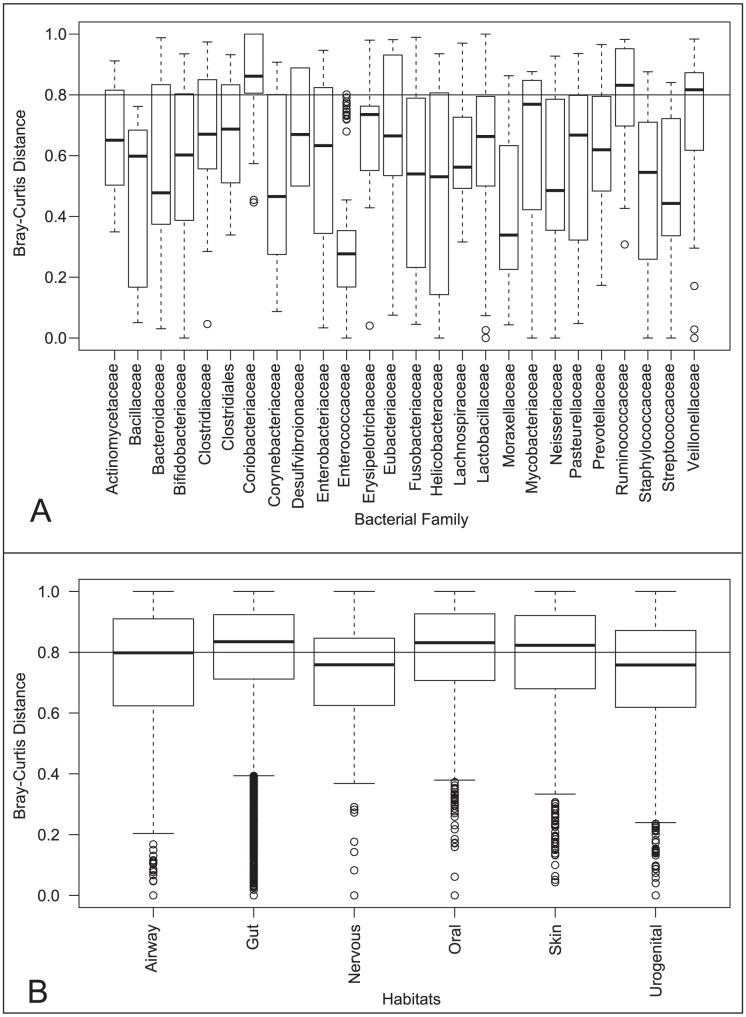
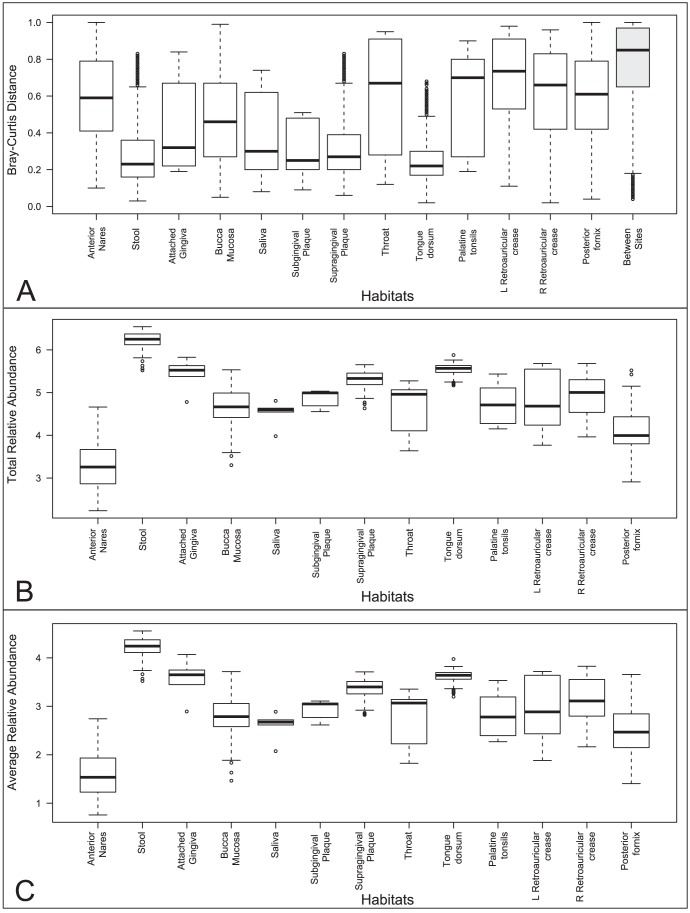
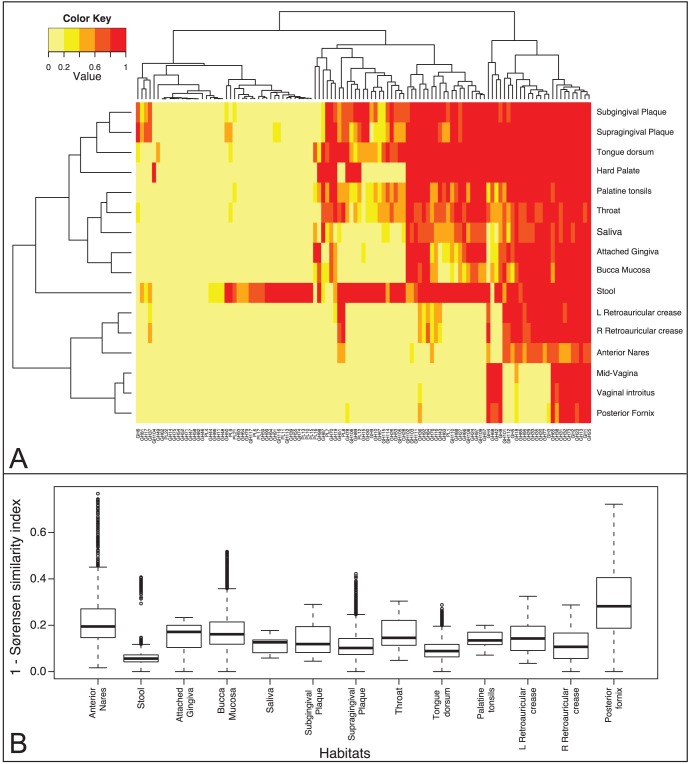
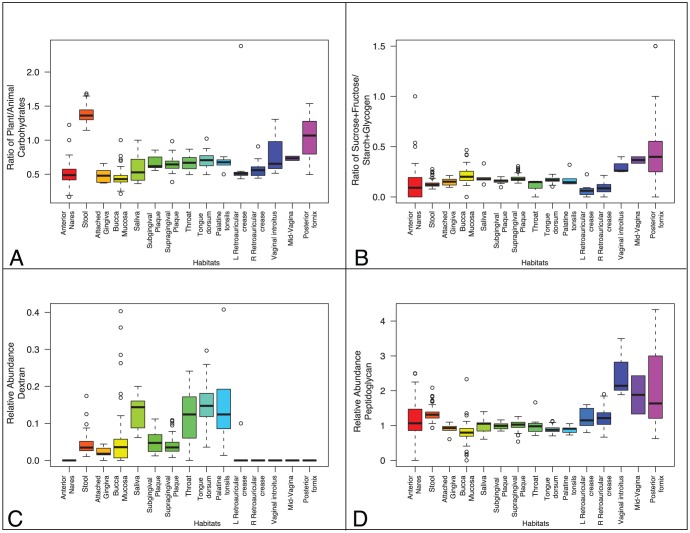
The various ecological habitats in the human body provide microbes a wide array of nutrient sources and survival challenges. Advances in technology such as DNA sequencing have allowed a deeper perspective into the molecular function of the human microbiota than has been achievable in the past. Here we aimed to examine the enzymes that cleave complex carbohydrates (CAZymes) in the human microbiome in order to determine (i) whether the CAZyme profiles of bacterial genomes are more similar within body sites or bacterial families and (ii) the sugar degradation and utilization capabilities of microbial communities inhabiting various human habitats. Upon examination of 493 bacterial references genomes from 12 human habitats, we found that sugar degradation capabilities of taxa are more similar to others in the same bacterial family than to those inhabiting the same habitat. Yet, the analysis of 520 metagenomic samples from five major body sites show that even when the community composition varies the CAZyme profiles are very similar within a body site, suggesting that the observed functional profile and microbial habitation have adapted to the local carbohydrate composition. When broad sugar utilization was compared within the five major body sites, the gastrointestinal track contained the highest potential for total sugar degradation, while dextran and peptidoglycan degradation were highest in oral and vaginal sites respectively. Our analysis suggests that the carbohydrate composition of each body site has a profound influence and probably constitutes one of the major driving forces that shapes the community composition and therefore the CAZyme profile of the local microbial communities, which in turn reflects the microbiome fitness to a body site.
Overview
The claims and statistics of this paper haven’t been checked yet.
Free: it reads the open-access text and checks the first 5 claims that cite a source we can check. Create a free account to check every claim.
Integrity signals
Registry
Cites
Statistics
Figures
Verification
Claims the paper makes
The claims and statistics of this paper haven’t been checked yet.
Free: it reads the open-access text and checks the first 5 claims that cite a source we can check. Create a free account to check every claim.
Claims other papers make about this one
Each is checked against this paper’s own text: does it say what the citing paper says it does?
In the citing paper
“Much of it can be fermented to short-chain fatty acids (SCFAs) such as acetate, propionate, and butyrate (see Table 1 in Michel and MacFarlane 1996; Cantarel et al. 2012) which both nourish the epithelia of the large intestine and offer other benefits to the host (Terada et al. 1995; Michel and MacFarlane 1996).”
From Algae as nutritional and functional food sources: revisiting our understanding. (2017) · cites this paper as Cantarel et al. 2012
In the citing paper
“our analyses indicated that Clostridium XIVa strains are characterized by overproportional rich carbohydrate-active enzyme (CAZyme) repertoires within the Lachnospiraceae [13]”
From Uncovering the trimethylamine-producing bacteria of the human gut microbiota (2017) · cites this paper as [13]
Self-check
Percentages, sums and reported differences re-computed from the paper’s own numbers.
The self-check needs the paper’s full text.
Citations
Cites
A core gut microbiome in obese and lean twins
Turnbaugh, P. J., Hamady, M., Yatsunenko, T., Cantarel, B. L., Duncan, A., Ley, R. E., Sogin, M. L., Jones, W. J., Roe, B. A., Affourtit, J. P., et al. (2009) · Nature · doi:10.1038/nature07540 · Cited by 7,823 · cited 1×
“Thus far, the GH6 family of enzymes has not been identified in any animal gut sample [35,36,37,38,39], suggesting that this enzyme specificity is perhaps driven by environmental factors.”
BackgroundSelf-citationEnterotypes of the human gut microbiome
MetaHIT Consortium (additional members), Arumugam, M., Raes, J., Pelletier, E., Le Paslier, D., Yamada, T., Mende, D. R., Fernandes, G. R., Tap, J., Bruls, T., et al. (2011) · Nature · doi:10.1038/nature09944 · Cited by 7,548 · cited 1×
“When we compare the oral sites to the gut, the starch and glycogen utilization appears much reduced in stool, suggesting specialization in digestion, whereby most of these sugars are likely degraded by human salivary amylase and oral flora and taken up in the small intestine by the host [32].”
BackgroundSørensen, T. B., Sorensen, T., Biering-Sørensen, T., Ti, S., & Sorensen, J. (1948) · Medical Entomology and Zoology · Cited by 6,214
The Carbohydrate-Active EnZymes database (CAZy): an expert resource for Glycogenomics
Cantarel, B. L., Coutinho, P. M., Rancurel, C., Bernard, T., Lombard, V., & Henrissat, B. (2009) · Nucleic Acids Research · doi:10.1093/nar/gkn663 · Cited by 5,972 · cited 3×
“Functional annotations were performed by BLASTX searches against proteins in the CAZy database [6], using thresholds: Evalue ,1e26 and bits/position .”
MethodInfluentialSelf-citationHost-Bacterial Mutualism in the Human Intestine
Bäckhed, F., Ley, R. E., Sonnenburg, J. L., Peterson, D. A., & Gordon, J. I. (2005) · Science · doi:10.1126/science.1104816 · Cited by 5,277 · cited 1×
“microbes, with the human gut thought to contain about 7000 different strains”
BackgroundVaginal microbiome of reproductive-age women
Ravel, J., Gajer, P., Abdo, Z., Schneider, G. M., Koenig, S. S. K., McCulle, S. L., Karlebach, S., Gorle, R., Russell, J., Tacket, C. O., et al. (2011) · Proceedings of the National Academy of Sciences · doi:10.1073/pnas.1002611107 · Cited by 4,254 · cited 2×
“These results are consistent with other studies of this dataset based on taxonomy [23] and KEGG Orthologs (KOs) groups [24]; in these studies and in a publication by Ravel and colleagues, the posterior fornix is shown to have the most diverse repertoire of functional capability [23,24] and a few distinct community typ…”
BackgroundResultA classification of glycosyl hydrolases based on amino acid sequence similarities
Henrissat, B. (1991) · Biochemical Journal · doi:10.1042/bj2800309 · Cited by 3,188
Self-citationTopping, D. L., & Clifton, P. M. (2001) · Physiological Reviews · doi:10.1152/physrev.2001.81.3.1031 · Cited by 3,091
Varki, A. P., Cummings, R. D., Esko, J. D., Freeze, H. H., Stanley, P., Bertozzi, C. R., Hart, G. W., & Etzler, M. E. (1999) · Cited by 2,384
Structural and sequence-based classification of glycoside hydrolases
Henrissat, B., & Davies, G. (1997) · Current Opinion in Structural Biology · doi:10.1016/s0959-440x(97)80072-3 · Cited by 1,664 · cited 1×
“org) [6,7,8,9,10].”
Self-citation
Cited by
The carbohydrate-active enzymes database (CAZy) in 2013
Lombard, V., Golaconda Ramulu, H., Drula, E., Coutinho, P. M., & Henrissat, B. (2014) · Nucleic Acids Research · doi:10.1093/nar/gkt1178 · Cited by 6,333
“While the precise specificity of DNAses, RNAses, proteases and esterases is difficult or impossible to derive from their sequence alone, the CAZyme classification system allows in some cases the prediction of the broad category of carbohydrate substrate, based on the assignment to a family (8).”
BackgroundSelf-citationIntroduction to the human gut microbiota
Thursby, E., & Juge, N. (2017) · Biochemical Journal · doi:10.1042/bcj20160510 · Cited by 3,600
Role of the normal gut microbiota
Jandhyala, S. M. (2015) · World Journal of Gastroenterology · doi:10.3748/wjg.v21.i29.8787 · Cited by 3,001
Structure and function of the global topsoil microbiome
Bahram, M., Hildebrand, F., Forslund, S. K., Anderson, J. L., Soudzilovskaia, N. A., Bodegom, P. M., Bengtsson-Palme, J., Anslan, S., Coelho, L. P., Harend, H., et al. (2018) · Nature · doi:10.1038/s41586-018-0386-6 · Cited by 2,538
Dietary fiber and prebiotics and the gastrointestinal microbiota
Holscher, H. D. (2017) · Gut Microbes · doi:10.1080/19490976.2017.1290756 · Cited by 1,808
“Intriguingly, human enzymes are not able to digest most fibers and prebiotics; indeed, less than 20 glycosidases have been identified in the human genome as enzymes involved in digestion of dietary polysaccharides.(49) The metabolization of dietary polysaccharides by the gastrointestinal bacteria is an example of the…”
BackgroundYou are what you eat: Diet, health and the gut microbiota
Zmora, N., Suez, J., & Elinav, E. (2019) · Nature Reviews Gastroenterology & Hepatology · doi:10.1038/s41575-018-0061-2 · Cited by 1,792
The abundance and variety of carbohydrate-active enzymes in the human gut microbiota
Kaoutari, A. E., Armougom, F., Gordon, J. I., Raoult, D., & Henrissat, B. (2013) · Nature Reviews Microbiology · doi:10.1038/nrmicro3050 · Cited by 1,683
Self-citationThe impact of diet and lifestyle on gut microbiota and human health
Conlon, M., & Bird, A. (2014) · Nutrients · doi:10.3390/nu7010017 · Cited by 1,567
“Indeed, much of the microbial diversity in the human gut may be attributable to the spectrum of microbial enzymatic capacity needed to degrade nutrients, particularly the many forms of complex polysaccharides that are consumed by humans [19].”
BackgroundAlgae as nutritional and functional food sources: revisiting our understanding.
Wells, M. L., Potin, P., Craigie, J. S., Raven, J. A., Merchant, S. S., Helliwell, K. E., Smith, A. G., Camire, M. E., & Brawley, S. H. (2017) · Journal of Applied Phycology · doi:10.1007/s10811-016-0974-5 · Cited by 1,562
“Investigating the coupling of algal (and other) polysaccharides to the health of intestinal microbiomes and their animal and human hosts is an active and needed area of research (Bäckhed et al. 2005; Hehemann et al. 2010; Cantarel et al. 2012).”
Odamaki, T., Kato, K., Sugahara, H., Hashikura, N., Takahashi, S., Xiao, J.-Z., Abe, F., & Osawa, R. (2016) · BMC Microbiology · doi:10.1186/s12866-016-0708-5 · Cited by 1,521
“A wide diversity of microorganisms is needed to utilize the many nutrients in adult diets [37].”
BackgroundGut-microbiota-targeted diets modulate human immune status
Wastyk, H. C., Fragiadakis, G. K., Perelman, D., Dahan, D., Merrill, B. D., Yu, F. B., Topf, M., Gonzalez, C. G., Van Treuren, W., Han, S., et al. (2021) · Cell · doi:10.1016/j.cell.2021.06.019 · Cited by 1,385
The Integrative Human Microbiome Project
The Integrative HMP (iHMP) Research Network Consortium, Proctor, L. M., Creasy, H. H., Fettweis, J. M., Lloyd-Price, J., Mahurkar, A., Zhou, W., Buck, G. A., Snyder, M. P., Strauss, J. F., et al. (2019) · Nature · doi:10.1038/s41586-019-1238-8 · Cited by 1,381
Potential of fecal microbiota for early-stage detection of colorectal cancer
Zeller, G., Tap, J., Voigt, A. Y., Sunagawa, S., Kultima, J. R., Costea, P. I., Amiot, A., Böhm, J., Brunetti, F., Habermann, N., et al. (2014) · Molecular Systems Biology · doi:10.15252/msb.20145645 · Cited by 1,375
“…the dbCAN pipeline (Yin et al, 2012) with the recommended default settings; additional substrate information for CAZy families was obtained from CAZypedia (http://www.cazypedia.org/index. php?title=Carbohydrate-binding_modules&oldid=9411, assessed 28 October 2013) and from Cantarel et al (2012).”
Metabolic Reconstruction for Metagenomic Data and Its Application to the Human Microbiome
Abubucker, S., Segata, N., Goll, J., Schubert, A. M., Izard, J., Cantarel, B. L., Rodriguez-Mueller, B., Zucker, J., Thiagarajan, M., Henrissat, B., et al. (2012) · PLoS Computational Biology · doi:10.1371/journal.pcbi.1002358 · Cited by 1,056
Self-citationGut Microbiota and Short Chain Fatty Acids: Implications in Glucose Homeostasis
Portincasa, P., Bonfrate, L., Vacca, M., De Angelis, M., Farella, I., Lanza, E., Khalil, M., Wang, D. Q.-H., Sperandio, M., & Di Ciaula, A. (2022) · International Journal of Molecular Sciences · doi:10.3390/ijms23031105 · Cited by 969
“This capacity of digestion depends on the richness in glycoside hydrolases (more than 260) of the huge microbial population, compared with only 17 enzymes in humans [23], which break down various types of carbohydrates [24].”
BackgroundSeasonal cycling in the gut microbiome of the Hadza hunter-gatherers of Tanzania
Smits, S. A., Leach, J., Sonnenburg, E. D., Gonzalez, C. G., Lichtman, J. S., Reid, G., Knight, R., Manjurano, A., Changalucha, J., Elias, J. E., et al. (2017) · Science · doi:10.1126/science.aan4834 · Cited by 886
Microbiomes in light of traits: a phylogenetic perspective
Martiny, J. B. H., Jones, S. E., Lennon, J. T., & Martiny, A. C. (2015) · Science · doi:10.1126/science.aac9323 · Cited by 834
“dance of carbohydrate-active enzymes (GHs and polysaccharide lyases) encodedbyhuman-associated bacterial genomes (80).”
BackgroundOrmerod, K. L., Wood, D. L. A., Lachner, N., Gellatly, S. L., Daly, J. N., Parsons, J. D., Dal’Molin, C. G. O., Palfreyman, R. W., Nielsen, L. K., Cooper, M. A., et al. (2016) · Microbiome · doi:10.1186/s40168-016-0181-2 · Cited by 728
“Carbohydrate composition and availability is known to be a primary driver of microbial community structure in gut ecosystems [48, 59–61].”
BackgroundHamaker, B. R., & Tuncil, Y. E. (2014) · Journal of Molecular Biology · doi:10.1016/j.jmb.2014.07.028 · Cited by 580
Qin, Y., Havulinna, A. S., Liu, Y., Jousilahti, P., Ritchie, S. C., Tokolyi, A., Sanders, J. G., Valsta, L., Brożyńska, M., Zhu, Q., et al. (2022) · Nature Genetics · doi:10.1038/s41588-021-00991-z · Cited by 586
Hollister, E. B., Gao, C., & Versalovic, J. (2014) · Gastroenterology · doi:10.1053/j.gastro.2014.01.052 · Cited by 527
“The genome of this bacterium encodes more than 260 glycoside hydrolases, compared with the 97 glycoside hydrolases encoded by the entire human genome.(56) Fewer than 20 human enzymes have been shown to use complex dietary carbohydrates as substrates for hydrolytic degradation.”
BackgroundGenomic approaches to studying the human microbiota
Weinstock, G. M. (2012) · Nature · doi:10.1038/nature11553 · Cited by 539
Polysaccharide Utilization Loci: Fueling Microbial Communities
Grondin, J. M., Tamura, K., Déjean, G., Abbott, D. W., & Brumer, H. (2017) · Journal of Bacteriology · doi:10.1128/jb.00860-16 · Cited by 554
Uncovering the trimethylamine-producing bacteria of the human gut microbiota
Rath, S., Heidrich, B., Pieper, D. H., & Vital, M. (2017) · Microbiome · doi:10.1186/s40168-017-0271-9 · Cited by 515
“More specifically, our analyses indicated that Clostridium XIVa strains are characterized by overproportional rich carbohydrateactive enzyme (CAZyme) repertoires within the Lachnospiraceae [13] where, next to dietary matter, hostderived mucin might serve as a major nutrient source.”
BackgroundThe Human Microbiome Project: A Community Resource for the Healthy Human Microbiome
Gevers, D., Knight, R., Petrosino, J. F., Huang, K., McGuire, A. L., Birren, B. W., Nelson, K. E., White, O., Methé, B. A., & Huttenhower, C. (2012) · PLoS Biology · doi:10.1371/journal.pbio.1001377 · Cited by 493
“sugar utilization, for example, was enriched for metabolism of simple sugars in the oral cavity, complex carbohydrates in the gut, and glycogen/peptidoglycan degradation in the vaginal microbiome [62].”
BackgroundDietary effects on human gut microbiome diversity
Xu, Z., & Knight, R. (2015) · British Journal Of Nutrition · doi:10.1017/s0007114514004127 · Cited by 456
Precision Nutrition and the Microbiome, Part I: Current State of the Science
Mills, S., Stanton, C., Lane, J., Smith, G., & Ross, R. (2019) · Nutrients · doi:10.3390/nu11040923 · Cited by 399
“[68] identified only 17 enzymes within the human genome to breakdown carbohydrate nutrients which included starch, lactose and sucrose.”
BackgroundZhang, C., Yin, A., Li, H., Wang, R., Wu, G., Shen, J., Zhang, M., Wang, L., Hou, Y., Ouyang, H., et al. (2015) · EBioMedicine · doi:10.1016/j.ebiom.2015.07.007 · Cited by 416
“To more closely examine how the dietary intervention changed the carbohydrate metabolism of the gut microbiota, we searched all the 2,077,766 non-redundant gut genes from our study against the dbCAN database to identify genes coding for carbohydrate-active enzymes (CAZy) (Cantarel et al., 2012; Scott et al., 2013).”
MethodIntegrated Metagenomics/Metaproteomics Reveals Human Host-Microbiota Signatures of Crohn's Disease
Erickson, A. R., Cantarel, B. L., Lamendella, R., Darzi, Y., Mongodin, E. F., Pan, C., Shah, M., Halfvarson, J., Tysk, C., Henrissat, B., et al. (2012) · PLoS ONE · doi:10.1371/journal.pone.0049138 · Cited by 395
“ORFs were searched against the eggNOG [49], CAZY [50] and KEGG Orthologous groups [51] databases using NCBI-BLAST [47] using e-value cutoff of 10(26) and bits per position cutoff of 1.”
MethodSelf-citationCompartmentalized and systemic control of tissue immunity by commensals
Belkaid, Y., & Naik, S. (2013) · Nature Immunology · doi:10.1038/ni.2604 · Cited by 382
Intestinal microbiota in fishes: what's known and what's not
Clements, K. D., Angert, E. R., Montgomery, W. L., & Choat, J. H. (2014) · Molecular Ecology · doi:10.1111/mec.12699 · Cited by 375
“This reflects the importance of microbes in the digestion and assimilation of structural and storage plant components which are resistant to the action of endogenous (i.e. host-produced) digestive enzymes (Van Soest 1994; Mackie 1997; Cantarel et al. 2012; Hehemann et al. 2012).”
BackgroundEvolutionary trends in host physiology outweigh dietary niche in structuring primate gut microbiomes
Amato, K. R., Sanders, J. G., Song, S. J., Nute, M., Metcalf, J. L., Thompson, L. R., Morton, J. T., Amir, A., McKenzie, V. J., Humphrey, G., et al. (2019) · The ISME Journal · doi:10.1038/s41396-018-0175-0 · Cited by 371
Looft, T., Allen, H. K., Cantarel, B. L., Levine, U. Y., Bayles, D. O., Alt, D. P., Henrissat, B., & Stanton, T. B. (2014) · The ISME Journal · doi:10.1038/ismej.2014.12 · Cited by 373
“However, some CAZy families are strongly associated with the digestion of plant cell wall (PCW) components such as pectin (the most notable of these families include GH28, GH43, GH105, GH106, PL1 and PL11 (Cantarel et al., 2012) or hemicellulose (exemplified by families GH10, GH26, GH43, GH115).”
BackgroundSelf-citationImmune regulation by microbiome metabolites
Kim, C. H. (2018) · Immunology · doi:10.1111/imm.12930 · Cited by 375
Bacteria from Diverse Habitats Colonize and Compete in the Mouse Gut
Seedorf, H., Griffin, N. W., Ridaura, V. K., Reyes, A., Cheng, J., Rey, F. E., Smith, M. I., Simon, G. M., Scheffrahn, R. H., Woebken, D., et al. (2014) · Cell · doi:10.1016/j.cell.2014.09.008 · Cited by 360
“The CAZyme profile of the human microbiome varies between different human body habitats (Cantarel et al., 2012), suggesting that the local carbohydrate composition is a key driver for 258 Cell 159, 253–266, October 9, 2014 ª2014 Elsevier Inc. community selection.”
BackgroundSelf-citationUnderstanding the Molecular Mechanisms of the Interplay Between Herbal Medicines and Gut Microbiota
Xu, J., Chen, H., & Li, S. (2017) · Medicinal Research Reviews · doi:10.1002/med.21431 · Cited by 340
Hehemann, J.-H., Kelly, A. G., Pudlo, N. A., Martens, E. C., & Boraston, A. B. (2012) · Proceedings of the National Academy of Sciences · doi:10.1073/pnas.1211002109 · Cited by 338
“For example, putative agarases, porphyranases, and alginate lyases have recently been identified in the intestinal microbiomes of Japanese (4), Spanish (15), and American (16) people, suggesting that their gut microbes may have adapted to novel algal carbohydrates in the modern diet.”
BackgroundThe Human Gut Microbiome and Body Metabolism: Implications for Obesity and Diabetes
Devaraj, S., Hemarajata, P., & Versalovic, J. (2013) · Clinical Chemistry · doi:10.1373/clinchem.2012.187617 · Cited by 321
Role of dietary fiber in the recovery of the human gut microbiome and its metabolome
Tanes, C., Bittinger, K., Gao, Y., Friedman, E. S., Nessel, L., Roy Paladhi, U., Chau, L., Panfen, E., Fischbach, M. A., Braun, J., et al. (2021) · Cell Host & Microbe · doi:10.1016/j.chom.2020.12.012 · Cited by 305
“In part, this is due to the high representation of genes encoding glycan degrading enzymes in gut bacteria, such as glycoside hydrolases, where the bacterial contribution of these genes exceeds the mammalian host contribution by many-fold (Cantarel et al., 2012; El Kaoutari et al., 2013).”
BackgroundCharacterizing the mucin-degrading capacity of the human gut microbiota
Glover, J. S., Ticer, T. D., & Engevik, M. A. (2022) · Scientific Reports · doi:10.1038/s41598-022-11819-z · Cited by 307
The role of the local microbial ecosystem in respiratory health and disease
de Steenhuijsen Piters, W. A. A., Sanders, E. A. M., & Bogaert, D. (2015) · Philosophical Transactions of the Royal Society B: Biological Sciences · doi:10.1098/rstb.2014.0294 · Cited by 283
McNulty, N. P., Wu, M., Erickson, A. R., Pan, C., Erickson, B. K., Martens, E. C., Pudlo, N. A., Muegge, B. D., Henrissat, B., Hettich, R. L., et al. (2013) · PLoS Biology · doi:10.1371/journal.pbio.1001637 · Cited by 292
“One distinguishing feature of gut Bacteroides genomes is the substantial number of CAZymes they encode relative to those of other intestinal bacteria [29].”
BackgroundSelf-citationMobile genes in the human microbiome are structured from global to individual scales
Brito, I. L., Yilmaz, S., Huang, K., Xu, L., Jupiter, S. D., Jenkins, A. P., Naisilisili, W., Tamminen, M., Smillie, C. S., Wortman, J. R., et al. (2016) · Nature · doi:10.1038/nature18927 · Cited by 288
“Thus, differences in diet-related genes, which have also been observed in previous cross-cultural comparisons 9,25 , may be due in part to differential abundances of mobile genes, rather than genes that can be attributed to specific taxa.”
Complementary symbiont contributions to plant decomposition in a fungus-farming termite
Poulsen, M., Hu, H., Li, C., Chen, Z., Xu, L., Otani, S., Nygaard, S., Nobre, T., Klaubauf, S., Schindler, P. M., et al. (2014) · Proceedings of the National Academy of Sciences · doi:10.1073/pnas.1319718111 · Cited by 282
“Proc Natl Acad Sci USA 99(23):14887–14892.”
Leaky Gut: Effect of Dietary Fiber and Fats on Microbiome and Intestinal Barrier
Usuda, H., Okamoto, T., & Wada, K. (2021) · International Journal of Molecular Sciences · doi:10.3390/ijms22147613 · Cited by 250
“This is because they can break down various types of carbohydrates since they encode over 260 glycoside hydrolases for the degradation of carbohydrates whereas a human has only 17 enzymes for digestion [47],”
BackgroundBiodiversity and functional genomics in the human microbiome
Morgan, X. C., Segata, N., & Huttenhower, C. (2013) · Trends in Genetics · doi:10.1016/j.tig.2012.09.005 · Cited by 263
“The oral cavity microbiome, for example, was optimized for simple sugar metabolism and particularly for dextran, whereas the vaginal microbiome was optimized for glycogen and peptidoglycan degradation [34].”
BackgroundA critical review on interplay between dietary fibers and gut microbiota
Ye, S., Shah, B. R., Li, J., Liang, H., Zhan, F., Geng, F., & Li, B. (2022) · Trends in Food Science & Technology · doi:10.1016/j.tifs.2022.04.010 · Cited by 258
Probiotics, Prebiotics, and Synbiotics: Gut and Beyond
Vyas, U., & Ranganathan, N. (2012) · Gastroenterology Research and Practice · doi:10.1155/2012/872716 · Cited by 256
Cian, R., Drago, S., De Medina, F., & Martínez-Augustin, O. (2015) · Marine Drugs · doi:10.3390/md13085358 · Cited by 238
“Additional studies have further demonstrated the presence of several seaweed carbohydrate metabolizing enzymes in the microbiota of North American [63] and Spanish [64] populations.”
Genetic Mechanisms of Prebiotic Oligosaccharide Metabolism in Probiotic Microbes
Goh, Y. J., & Klaenhammer, T. R. (2015) · Annual Review of Food Science and Technology · doi:10.1146/annurev-food-022814-015706 · Cited by 222
Genomic Potential for Polysaccharide Deconstruction in Bacteria
Berlemont, R., & Martiny, A. C. (2015) · Applied and Environmental Microbiology · doi:10.1128/aem.03718-14 · Cited by 225
Intestinal Barrier and Permeability in Health, Obesity and NAFLD
Portincasa, P., Bonfrate, L., Khalil, M., Angelis, M. D., Calabrese, F. M., D’Amato, M., Wang, D. Q.-H., & Di Ciaula, A. (2021) · Biomedicines · doi:10.3390/biomedicines10010083 · Cited by 211
“A huge number of engaged bacteria (more than 100 trillion) [137] can digest many fibers due to the high number of glycoside hydrolases (more than 250) which break down various types of carbohydrates [138].”
BackgroundAshaolu, T. J., Ashaolu, J. O., & Adeyeye, S. A. O. (2021) · Journal of Applied Microbiology · doi:10.1111/jam.14843 · Cited by 207
“It has been shown that enzymes in the human gut can only degrade a few glycosidic linkages present in some carbohydrates such as starch polysaccharides, through the action of pancreatic and salivary amylase, and the disaccharides sucrose and lactose through the activities of disaccharidases, sucrase and lactase (Canta…”
BackgroundPlant secondary metabolism linked glycosyltransferases: An update on expanding knowledge and scopes
Tiwari, P., Sangwan, R. S., & Sangwan, N. S. (2016) · Biotechnology Advances · doi:10.1016/j.biotechadv.2016.03.006 · Cited by 216
“However, in contrast to other enzymes namely proteases, esterases, DNAses etc. whose specificity cannot be estimated from their sequence information, the broad substrate preference of CAZymes can be predicted from their family classification (Cantarel et al., 2012).”
Wang, Y., Ames, N. P., Tun, H. M., Tosh, S. M., Jones, P. J., & Khafipour, E. (2016) · Frontiers in Microbiology · doi:10.3389/fmicb.2016.00129 · Cited by 181
“…and other dietary fibers, the majority of these compounds are fermented in the lower GI tract via carbohydrate active enzymes (CAZymes) produced by gut microbiota, potentially resulting in compositional and functional shifts in the microbiome (Cantarel et al., 2012; Chassard and Lacroix, 2013).”
BackgroundBaleen whales host a unique gut microbiome with similarities to both carnivores and herbivores
Sanders, J. G., Beichman, A. C., Roman, J., Scott, J. J., Emerson, D., McCarthy, J. J., & Girguis, P. R. (2015) · Nature Communications · doi:10.1038/ncomms9285 · Cited by 204
“Though 16S diversity may poorly predict specific subsets of functional potential 9 , investigators have observed that the general functional profile of a microbiome can be reasonably represented by the patterns observed in 16S-based community profiles 4,10 .”
Whole cereal grains and potential health effects: Involvement of the gut microbiota
Gong, L., Cao, W., Chi, H., Wang, J., Zhang, H., Liu, J., & Sun, B. (2018) · Food Research International · doi:10.1016/j.foodres.2017.10.025 · Cited by 206
Shetty, S. A., Marathe, N. P., Lanjekar, V., Ranade, D., & Shouche, Y. S. (2013) · PLoS ONE · doi:10.1371/journal.pone.0079353 · Cited by 192
“A study by Cantarel et al in 2012, suggested that the gastrointestinal tract has the highest abundance of CAZymes among all the body sites [24].”
BackgroundWagner Mackenzie, B., Waite, D. W., & Taylor, M. W. (2015) · Frontiers in Microbiology · doi:10.3389/fmicb.2015.00130 · Cited by 193
“…dysbiosis (imbalance) in these gut communities, and recent studies have sought to identify changes to microbial community structure and function during health and disease (Bäckhed et al., 2004; Cantarel et al., 2012; Claesson et al., 2012; Qin et al., 2012; Hsiao et al., 2013; Gevers et al., 2014).”
BackgroundInfluentialYang, H., Huang, X., Fang, S., Xin, W., Huang, L., & Chen, C. (2016) · Scientific Reports · doi:10.1038/srep27427 · Cited by 176
Kandpal, M., Indari, O., Baral, B., Jakhmola, S., Tiwari, D., Bhandari, V., Pandey, R. K., Bala, K., Sonawane, A., & Jha, H. C. (2022) · Metabolites · doi:10.3390/metabo12111064 · Cited by 159
A psychology of the human brain-gut-microbiome axis
Allen, A. P., Dinan, T. G., Clarke, G., & Cryan, J. F. (2017) · Social and Personality Psychology Compass · doi:10.1111/spc3.12309 · Cited by 174
Feng, J., Qian, Y., Zhou, Z., Ertmer, S., Vivas, E. I., Lan, F., Hamilton, J. J., Rey, F. E., Anantharaman, K., & Venturelli, O. S. (2022) · Cell Host & Microbe · doi:10.1016/j.chom.2021.12.006 · Cited by 162
Oliver, A., Chase, A. B., Weihe, C., Orchanian, S. B., Riedel, S. F., Hendrickson, C. L., Lay, M., Sewall, J. M., Martiny, J. B. H., & Whiteson, K. (2021) · mSystems · doi:10.1128/msystems.00115-21 · Cited by 171
“lases) that are capable of digesting carbohydrates (10).”
BackgroundChng, K. R., Ghosh, T. S., Tan, Y. H., Nandi, T., Lee, I. R., Ng, A. H. Q., Li, C., Ravikrishnan, A., Lim, K. M., Lye, D., et al. (2020) · Nature Ecology & Evolution · doi:10.1038/s41559-020-1236-0 · Cited by 160
Physiological Role of Gut Microbiota for Maintaining Human Health
Andoh, A. (2016) · Digestion · doi:10.1159/000444066 · Cited by 169
Crosstalk between glucagon-like peptide 1 and gut microbiota in metabolic diseases
Zeng, Y., Wu, Y., Zhang, Q., & Xiao, X. (2024) · mBio · doi:10.1128/mbio.02032-23 · Cited by 150
“The human genome encodes fewer than 20 enzymes to digest complex carbohydrates (62), so some carbohydrate polymers (dietary fibers) that are neither digested nor absorbed in the small intestine will be fermented to SCFAs by gut microbiota through carbohydrate-active enzymes in the gastrointestinal…”
BackgroundRole of dietary fiber in promoting immune health—An EAACI position paper
Venter, C., Meyer, R. W., Greenhawt, M., Pali‐Schöll, I., Nwaru, B., Roduit, C., Untersmayr, E., Adel‐Patient, K., Agache, I., Agostoni, C., et al. (2022) · Allergy · doi:10.1111/all.15430 · Cited by 159
The Pros and Cons of Using Algal Polysaccharides as Prebiotics
Gotteland, M., Riveros, K., Gasaly, N., Cárcamo, C., Magne, F., Liabeuf, G., Beattie, A., & Rosenfeld, S. (2020) · Frontiers in Nutrition · doi:10.3389/fnut.2020.00163 · Cited by 167
“PUL include genes encoding for Carbohydrates Active Enzymes (CAZyme) belonging to the Glycoside Hydrolase (GH), Polysaccharide Lyase (PL) and Glycosyl Transferases (GT) families, and other enzymes of interest such as sulfatases (16, 17).”
BackgroundDiet, Microbiota, and Metabolic Health: Trade-Off Between Saccharolytic and Proteolytic Fermentation
Korpela, K. (2018) · Annual Review of Food Science and Technology · doi:10.1146/annurev-food-030117-012830 · Cited by 176
Structural diversity, functional aspects and future therapeutic applications of human gut microbiome
Ghosh, S., & Pramanik, S. (2021) · Archives of Microbiology · doi:10.1007/s00203-021-02516-y · Cited by 175
Prebiotics from Seaweeds: An Ocean of Opportunity?
Cherry, P., Yadav, S., Strain, C., Allsopp, P. J., McSorley, E. M., Ross, R. P., & Stanton, C. (2019) · Marine Drugs · doi:10.3390/md17060327 · Cited by 163
Helicobacter pylori Eradication Causes Perturbation of the Human Gut Microbiome in Young Adults
Yap, T. W.-C., Gan, H. M., Lee, Y.-P., Leow, A. H., Azmi, A. N., François, F., Perez-Perez, G. I., Loke, M. F., Goh, K., & Vadivelu, J. (2016) · PLoS ONE · doi:10.1371/journal.pone.0151893 · Cited by 157
Cait, A., Cardenas, E., Dimitriu, P. A., Amenyogbe, N., Dai, D. L., Cait, J., Sbihi, H., Stiemsma, L. T., Subbarao, P., Mandhane, P. J., et al. (2019) · Journal of Allergy and Clinical Immunology · doi:10.1016/j.jaci.2019.06.029 · Cited by 164
Ravcheev, D. A., & Thiele, I. (2017) · Frontiers in Genetics · doi:10.3389/fgene.2017.00111 · Cited by 148
“For further information on these enzymes, such as protein families and experimentally analyzed representatives, we carried out a search by EC number in the CAZy database (Cantarel et al., 2012).”
MethodEnterosignatures define common bacterial guilds in the human gut microbiome
Frioux, C., Ansorge, R., Özkurt, E., Nedjad, C. G., Fritscher, J., Quince, C., Waszak, S. M., & Hildebrand, F. (2023) · Cell Host & Microbe · doi:10.1016/j.chom.2023.05.024 · Cited by 154
“CAZymes(109) were associated to their respective substrates according to Cantarel et al.(110) and The CAZypedia Consortium(111) and genomes were compared after grouping by ES.”
MethodDiet, Sleep, and Mental Health: Insights from the UK Biobank Study
Hepsomali, P., & Groeger, J. A. (2021) · Nutrients · doi:10.3390/nu13082573 · Cited by 144
“Given the importance of gut microbiota diversity in utilising nutrients [69] and driving inflammation [70], improving gut microbiota diversity via anti-inflammatory dietary interventions in order to reduce inflammation may alter endocrine and neurotransmitter concentrations and lead to positive sleep and mental health…”
BackgroundMicrobial Metabolism Modulates Antibiotic Susceptibility within the Murine Gut Microbiome
Cabral, D. J., Penumutchu, S., Reinhart, E. M., Zhang, C., Korry, B. J., Wurster, J. I., Nilson, R., Guang, A., Sano, W. H., Rowan-Nash, A. D., et al. (2019) · Cell Metabolism · doi:10.1016/j.cmet.2019.08.020 · Cited by 142
“A number of previous studies have characterized the metabolic capacity of the microbiota to utilize carbohydrates through the analysis of carbohydrate active enzymes (CAZymes) (Bhattacharya et al., 2015; Cantarel et al., 2012; Hehemann et al., 2012; Huang et al., 2018a; Smits et al., 2017; Soverini et al., 2017).”
BackgroundMethodGlycoside Hydrolases across Environmental Microbial Communities
Berlemont, R., & Martiny, A. C. (2016) · PLoS Computational Biology · doi:10.1371/journal.pcbi.1005300 · Cited by 140
“, human microbiome [39], animals [27], soil [40], and marine ecosystems [41]] in response to specific environmental conditions (e.”
BackgroundMutual Interactions among Exercise, Sport Supplements and Microbiota
Zeppa, S. D., Agostini, D., Gervasi, M., Annibalini, G., Amatori, S., Ferrini, F., Sisti, D., Piccoli, G., Barbieri, E., Sestili, P., et al. (2019) · Nutrients · doi:10.3390/nu12010017 · Cited by 147
“Bacteria of the genus Bacteroides are known to possess very large numbers of genes that encode carbohydrate-active enzymes, such as glycosyl transferases, glycoside hydrolases, and polysaccharide lyases, performing carbohydrate fermentation [27].”
BackgroundThe avian gut microbiota: Diversity, influencing factors, and future directions
Sun, F., Chen, J., Liu, K., Tang, M., & Yang, Y. (2022) · Frontiers in Microbiology · doi:10.3389/fmicb.2022.934272 · Cited by 151
“An increasing number of studies has shown that gut microbial communities can regulate several physiological functions, such as host digestion, absorption, metabolism, and immune function, as well as maintain host health in a variety of animals (Cantarel et al., 2012; Ezenwa et al., 2012; Cisek and Binek, 2014; Xu et a…”
BackgroundInfluence of gut microbiota on the development and progression of nonalcoholic steatohepatitis
Ghetti, F. D. F., de Oliveira, D. G., de Oliveira, J. M., Ferreira, L. E. V. V. D. C., Cesar, D. E., & Moreira, A. P. B. (2017) · European Journal of Nutrition · doi:10.1007/s00394-017-1524-x · Cited by 130
“In contrast, members of the phylum Bacteroidetes participate in carbohydrate metabolism and accomplish this by expressing enzymes similar to glycosyl transferases, glycoside hydrolases, and polysaccharide lyases [48].”
BackgroundIntestinal microbiota profiling and predicted metabolic dysregulation in psoriasis patients
Chen, Y., Ho, H. J., Tseng, C., Lai, Z., Shieh, J., & Wu, C. (2018) · Experimental Dermatology · doi:10.1111/exd.13786 · Cited by 124
Zhao, Z., Baltar, F., & Herndl, G. J. (2020) · Science Advances · doi:10.1126/sciadv.aaz4354 · Cited by 135
“, targeting animal-derived carbohydrates, plant cell walls, peptidoglycans, and fungal carbohydrates) (20) also revealed an increase in the percentage of secretory CAZyme genes with depth in all classes (fig.”
Global Profiling of Carbohydrate Active Enzymes in Human Gut Microbiome
Bhattacharya, T., Ghosh, T. S., & Mande, S. S. (2015) · PLOS ONE · doi:10.1371/journal.pone.0142038 · Cited by 115
“Using a modified search criteria as per Cantarel et al [24], the following criteria was used for detecting homologs for each 'best' scoring alignment: i) E-value< 1e -05 ii) Bit-score per alignment length> 1.”
MethodInfluentialChen, N., Hu, M., Jiang, T., Xiao, P., & Duan, J. (2024) · Carbohydrate Polymers · doi:10.1016/j.carbpol.2024.122003 · Cited by 128
Metabolic role of lactobacilli in weight modification in humans and animals
Drissi, F., Raoult, D., & Merhej, V. (2016) · Microbial Pathogenesis · doi:10.1016/j.micpath.2016.03.006 · Cited by 130
“Interestingly, the enzy mes associated with food digestion encoded 175 by the human genome have limited capacity to digest non-starch polysaccharides, resistant 176 starch and some soluble oligosaccharides, which are dig sted by anaerobic bacteria in the 177 colon through a variety of carbohydrate-active enzy mes [85;…”
BackgroundAngelakis, E., Bachar, D., Yasir, M., Musso, D., Djossou, F., Gaborit, B., Brah, S., Diallo, A., Ndombe, G. M., Mediannikov, O., et al. (2018) · New Microbes and New Infections · doi:10.1016/j.nmni.2018.10.009 · Cited by 121
“Indeed, the exposure to a large variety of environmental microbes, associated with a high-fibre diet, could enrich the microbiota [2,8,33,34].”
BackgroundThe Gut Microbiome and Individual-Specific Responses to Diet
Leshem, A., Segal, E., & Elinav, E. (2020) · mSystems · doi:10.1128/msystems.00665-20 · Cited by 109
“Humans are virtually devoid of enzymes that can decompose fibers, whereas gut bacteria express thousands of genes that encode carbohydrate-degrading enzymes (53).”
BackgroundSmall intestinal microbiota: from taxonomic composition to metabolism
Yersin, S., & Vonaesch, P. (2024) · Trends in Microbiology · doi:10.1016/j.tim.2024.02.013 · Cited by 120
O’Callaghan, A., Bottacini, F., O’Connell Motherway, M., & van Sinderen, D. (2015) · BMC Genomics · doi:10.1186/s12864-015-1968-4 · Cited by 108
“In contrast, the human genome is predicted to encode just seventeen enzymes involved in glycan catabolism [12, 13].”
BackgroundFernandez-Julia, P., Muñoz-Muñoz, J., & van Sinderen, D. (2021) · International Journal of Biological Macromolecules · doi:10.1016/j.ijbiomac.2021.04.069 · Cited by 111
Barleyβ-glucan reduces blood cholesterol levels via interrupting bile acid metabolism
Wang, Y., Harding, S., Thandapilly, S. J., Tosh, S. M., Jones, P. J. H., & Ames, N. P. (2017) · British Journal Of Nutrition · doi:10.1017/s0007114517002835 · Cited by 102
“When β-glucan enters the large intestine, gut microbiota present in the colon are responsible for its degradation((5,6)).”
BackgroundDietary and Microbial Determinants in Food Allergy
Stephen-Victor, E., Crestani, E., & Chatila, T. A. (2020) · Immunity · doi:10.1016/j.immuni.2020.07.025 · Cited by 98
“The mammalian system is majorly dependent on the colonic microbiota for the degradation of complex carbohydrates as the human genome has a minimal repertoire of CAZymes that is dedicated to the degradation of dietary carbohydrates (approximately 17 enzymes) (Cantarel et al., 2012; El Kaoutari et al., 2013).”
BackgroundIt Takes a Village: Ecological and Fitness Impacts of Multipartite Mutualism
Hussa, E. A., & Goodrich‐Blair, H. (2013) · Annual Review of Microbiology · doi:10.1146/annurev-micro-092412-155723 · Cited by 110
“The latter is likely the case in consortial symbiotic systems such as the human gut microbiota, in which multiple symbionts likely contribute to host digestion and immune development (11, 32).”
BackgroundWeaning Age and Its Effect on the Development of the Swine Gut Microbiome and Resistome
Holman, D. B., Gzyl, K. E., Mou, K. T. Y., & Allen, H. K. (2021) · mSystems · doi:10.1128/msystems.00682-21 · Cited by 102
“GH93, and GH94) (12, 13), were more relatively abundant in postweaned pigs that were”
BackgroundJing, Y., Li, A., Liu, Z., Yang, P., Wei, J., Chen, X., Zhao, T., Bai, Y., Zha, L., & Zhang, C. (2018) · BioMed Research International · doi:10.1155/2018/1781036 · Cited by 95
“It can be fermented by the gut microbe into SCFAs after successive degradation [77].”
BackgroundCellulolytic bacteria in the large intestine of mammals
Froidurot, A., & Julliand, V. (2022) · Gut Microbes · doi:10.1080/19490976.2022.2031694 · Cited by 98
“In the human genomes, 97 GHs were found, and the substrates used by these enzymes are starch, maltose from starch, isomaltose, lactose, sucrose, and trehalose.(95) Although an endoglucanase-like protein of the GH9 family was identified, its substrate remains unknown.”
MethodZhao, J., Hu, Y., Qian, C., Hussain, M., Liu, S., Zhang, A., He, R., & Sun, P. (2023) · Biology · doi:10.3390/biology12010122 · Cited by 102
“The reason is that only 17 polysaccharide digestive enzymes are encoded by the human genome; the remaining polysaccharide digestive enzymes are encoded by the microbes and their genomes in the human gut [77,78].”
BackgroundKadyan, S., Sharma, A., Arjmandi, B. H., Singh, P. R., & Nagpal, R. (2022) · Nutrients · doi:10.3390/nu14091726 · Cited by 92
Metadata
- Authors
- Cantarel, B. L., Lombard, V., & Henrissat, B.
- Affiliations
- University of Maryland, Baltimore (US)
- Centre National de la Recherche Scientifique (FR)
- Corresponding author
- Cantarel, Brandi L.
- Venue
- PLoS ONE
- Publisher
- Public Library of Science (PLoS)
- Published
- 2012-06-13
- Volume
- 7
- Issue
- 6
- Pages
- e28742
- ISSN
- 1932-6203 (ISSN-L)
- PMC
- PMC3374616
- OpenAlex
- W2060637207
- Cited by
- 378
- References
- 43
- Citations by year
- 2026: 13 · 2025: 22 · 2024: 35 · 2023: 24 · 2022: 43 · 2021: 47 · 2020: 31 · 2019: 19 · 2018: 22 · 2017: 25 · 2016: 25 · 2015: 25 · 2014: 19 · 2013: 18 · 2012: 9
- FWCI
- 9.07
- Type
- journal article
- Language
- en
- Open access
- gold
- doi.org
- Locations
- PLoS ONE (publishedVersion, cc-by)
- PubMed Central (publishedVersion, cc-by)
- PubMed (publishedVersion)
- DOAJ (DOAJ: Directory of Open Access Journals) (submittedVersion, cc-by-sa)
- Figshare (submittedVersion, cc-by)
- Funders
- National Institutes of Health
- National Human Genome Research Institute (U01HG004866)
- Topics
- Life Sciences › Biochemistry, Genetics and Molecular Biology › Molecular Biology › Gut microbiota and health
- Life Sciences › Biochemistry, Genetics and Molecular Biology › Molecular Biology › Genomics and Phylogenetic Studies
- Physical Sciences › Environmental Science › Ecology › Microbial Community Ecology and Physiology
- Keywords
- human microbiome, carbohydrate-active enzymes, sugar degradation, metagenomics, bacterial genomes, body site comparison, oral microbiota, vaginal microbiota, gastrointestinal microbiome, dextran degradation, peptidoglycan degradation, microbial community composition, host-microbe interactions
- MeSH terms
- Humans, Reference Values, Carbohydrate Metabolism, Metagenome
About these checks
Registry, retraction, Cites and statistics results are computed, not judged, with one exception: a printed reference that no index lists is read once by a model before it counts as a citation error. Claims are extracted by a model and kept only when their quote appears verbatim in the text; each cited source is then checked, with a model’s help, for whether it says what the claim relies on. Those verdicts can be wrong — read the claim’s quote and the cited source before relying on one.
Statistics and arithmetic are recomputed, not judged.
Confidence bands are shown only for fields calibrated on our annotated test set. None is calibrated yet, so no band is shown.
What counts as a claim ›How we measure confidence ›How we check this ›
Are you an author, or do you see a problem with this page? Request a review
Data sources
Bibliographic data: Semantic Scholar, OpenAlex, Crossref.
Contains information from the Semantic Scholar Academic Graph Datasets, made available under the ODC Attribution License (ODC-BY 1.0).
Semantic Scholar’s data is described in: Kinney, R., et al. (2023). The Semantic Scholar Open Data Platform. arXiv:2301.10140.
