

The Airway Microbiota in Cystic Fibrosis: A Complex Fungal and Bacterial Community—Implications for Therapeutic Management
Open accessThe DOI matches its Crossref record; 104 of the 104 references it cites were found in a registry or an index.
Abstract
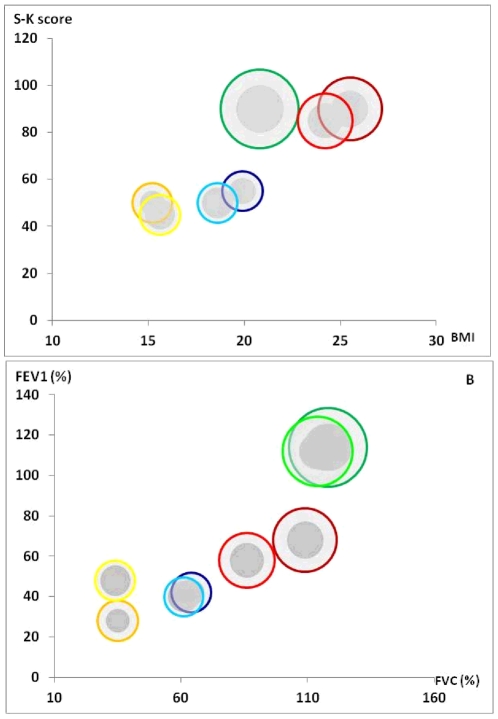
BACKGROUND: Given the polymicrobial nature of pulmonary infections in patients with cystic fibrosis (CF), it is essential to enhance our knowledge on the composition of the microbial community to improve patient management. In this study, we developed a pyrosequencing approach to extensively explore the diversity and dynamics of fungal and prokaryotic populations in CF lower airways. METHODOLOGY AND PRINCIPAL FINDINGS: Fungi and bacteria diversity in eight sputum samples collected from four adult CF patients was investigated using conventional microbiological culturing and high-throughput pyrosequencing approach targeting the ITS2 locus and the 16S rDNA gene. The unveiled microbial community structure was compared to the clinical profile of the CF patients. Pyrosequencing confirmed recently reported bacterial diversity and observed complex fungal communities, in which more than 60% of the species or genera were not detected by cultures. Strikingly, the diversity and species richness of fungal and bacterial communities was significantly lower in patients with decreased lung function and poor clinical status. Values of Chao1 richness estimator were statistically correlated with values of the Shwachman-Kulczycki score, body mass index, forced vital capacity, and forced expiratory volume in 1 s (p = 0.046, 0.047, 0.004, and 0.001, respectively for fungal Chao1 indices, and p = 0.010, 0.047, 0.002, and 0.0003, respectively for bacterial Chao1 values). Phylogenetic analysis showed high molecular diversities at the sub-species level for the main fungal and bacterial taxa identified in the present study. Anaerobes were isolated with Pseudomonas aeruginosa, which was more likely to be observed in association with Candida albicans than with Aspergillus fumigatus. CONCLUSIONS: In light of the recent concept of CF lung microbiota, we viewed the microbial community as a unique pathogenic entity. We thus interpreted our results to highlight the potential interactions between microorganisms and the role of fungi in the context of improving survival in CF.
Overview
The claims and statistics of this paper haven’t been checked yet.
Free: it reads the open-access text and checks the first 5 claims that cite a source we can check. Create a free account to check every claim.
Integrity signals
Registry
Cites
Statistics
Figures
Verification
Claims the paper makes
The claims and statistics of this paper haven’t been checked yet.
Free: it reads the open-access text and checks the first 5 claims that cite a source we can check. Create a free account to check every claim.
Claims other papers make about this one
Each is checked against this paper’s own text: does it say what the citing paper says it does?
The cited source says what the claim attributes to it.
In the citing paper
“The fungal biota is indeed complex in CF patients and includes mostly members of Eurotiales (Aspergillus and Penicillium), Candida, and, surprisingly, Malassezia, a skin inhabitant that appears to be more ubiquitous than originally described (550, 556, 557).”
From Aspergillus fumigatus and Aspergillosis in 2019 (2019) · cites this paper as [557]
Self-check
Percentages, sums and reported differences re-computed from the paper’s own numbers.
The self-check needs the paper’s full text.
Citations
Cites
Basic local alignment search tool
Altschul, S. F., Gish, W., Miller, W., Myers, E. W., & Lipman, D. J. (1990) · Journal of Molecular Biology · doi:10.1006/jmbi.1990.9999 · Cited by 98,669 · cited 1×
“) release 102 (updated on February 15, 2010) comprising 1,246,462 SSU rRNA sequences using BLASTN software”
MethodMrBayes 3: Bayesian phylogenetic inference under mixed models
Ronquist, F., & Huelsenbeck, J. P. (2003) · Bioinformatics · doi:10.1093/bioinformatics/btg180 · Cited by 29,077
Search and clustering orders of magnitude faster than BLAST
Edgar, R. C. (2010) · Bioinformatics · doi:10.1093/bioinformatics/btq461 · Cited by 20,826
A human gut microbial gene catalogue established by metagenomic sequencing
MetaHIT Consortium, Qin, J., Li, R., Raes, J., Arumugam, M., Burgdorf, K. S., Manichanh, C., Nielsen, T., Pons, N., Levenez, F., et al. (2010) · Nature · doi:10.1038/nature08821 · Cited by 11,624 · cited 1×
“Although we observed lower diversity in CF airways than in other communities such as human skin, gut, or water microbiomes [12,14,19], reduced diversity and richness of fungal and bacterial Figure 1.”
BackgroundDatabase resources of the National Center for Biotechnology Information: update
Wheeler, D. L. (2004) · Nucleic Acids Research · doi:10.1093/nar/gkh073 · Cited by 10,641
Nonparametric estimation of the number of classes in a population
Chao, A. (1984) · Scandinavian Journal of Statistics · Cited by 5,880
Gouy, M., Guindon, S., & Gascuel, O. (2010) · Molecular Biology and Evolution · doi:10.1093/molbev/msp259 · Cited by 5,782
MEGAN analysis of metagenomic data
Huson, D. H., Auch, A. F., Qi, J., & Schuster, S. C. (2007) · Genome Research · doi:10.1101/gr.5969107 · Cited by 3,312
Topographical and Temporal Diversity of the Human Skin Microbiome
Grice, E. A., Kong, H. H., Conlan, S., Deming, C. B., Davis, J., Young, A. C., Program, N. C. S., Bouffard, G. G., Blakesley, R. W., Murray, P. R., et al. (2009) · Science · doi:10.1126/science.1171700 · Cited by 2,953 · cited 1×
“Although we observed lower diversity in CF airways than in other communities such as human skin, gut, or water microbiomes [12,14,19], reduced diversity and richness of fungal and bacterial Figure 1.”
BackgroundCounting the Uncountable: Statistical Approaches to Estimating Microbial Diversity
Hughes, J. B., Hellmann, J. J., Ricketts, T. H., & Bohannan, B. J. M. (2001) · Applied and Environmental Microbiology · doi:10.1128/aem.67.10.4399-4406.2001 · Cited by 1,296 · cited 1×
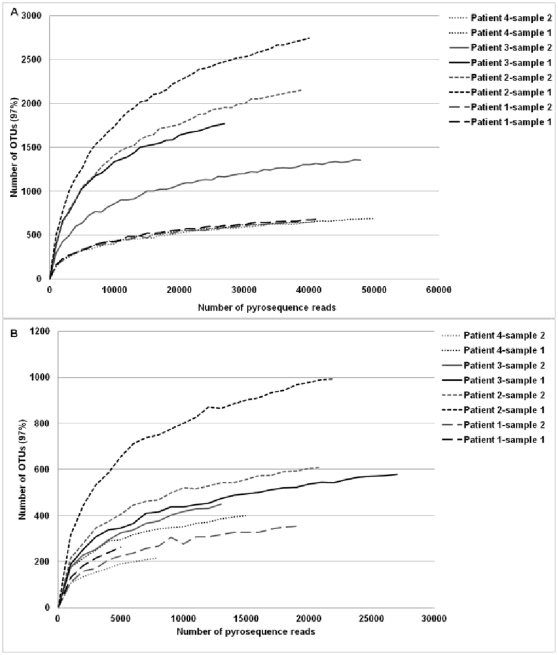
“The quality of the sampling effort was assessed through the calculation of rarefaction curves, i.e. the number of operational taxonomic units (OTUs) with respect to the number of reads”
Method
Research works printed but not linked: 1
- Gammelsrud KW Sandven P Høiby EA Sandvik L Brandtzaeg P 2011 Colonization by Candida in children with cancer, children with cystic fibrosis, and healthy controls. Clin Microbiol Infect 10.1111/j.1469-0691.2011.03528.x 21745258 · DOI · Paper page
Cited by
Items 101–200 of 367
How Environmental Fungi Cause a Range of Clinical Outcomes in Susceptible Hosts
Denham, S. T., Wambaugh, M. A., & Brown, J. C. S. (2019) · Journal of Molecular Biology · doi:10.1016/j.jmb.2019.05.003 · Cited by 68
Azithromycin use in patients with cystic fibrosis
Principi, N., Blasi, F., & Esposito, S. (2015) · European Journal of Clinical Microbiology & Infectious Diseases · doi:10.1007/s10096-015-2347-4 · Cited by 63
Variability of the Sheep Lung Microbiota
Glendinning, L., Wright, S. H., Pollock, J., Tennant, P. A., Collie, D., & McLachlan, G. (2016) · Applied and Environmental Microbiology · doi:10.1128/aem.00540-16 · Cited by 66
“The presence of particular bacterial communities in the lung has been associated with 49 several human diseases including cystic fibrosis (5), chronic obstructive pulmonary disease (6), 50 bronchiectasis (7) and lung transplant rejection (8).”
BackgroundPalmer, G. C., Jorth, P. A., & Whiteley, M. (2013) · Microbiology · doi:10.1099/mic.0.063065-0 · Cited by 66
Taxonomy and Antifungal Susceptibility of Clinically Important Rasamsonia Species
Houbraken, J. A. M. P., Giraud, S., Meijer, M., Bertout, S., Frisvad, J. C., Meis, J. F. G. M., Bouchara, J.-P., & Samson, R. A. (2012) · Journal of Clinical Microbiology · doi:10.1128/jcm.02147-12 · Cited by 61
“, high-throughput sequencing) will give more insight into the microbiome of the CF lung and consequently in the understanding of this disease (17).”
BackgroundLi, L., & Somerset, S. M. (2014) · Clinical Nutrition · doi:10.1016/j.clnu.2014.04.004 · Cited by 65
CFTR Modulator Therapies: Potential Impact on Airway Infections in Cystic Fibrosis
Saluzzo, F., Riberi, L., Messore, B., Lorè, N. I., Esposito, I., Bignamini, E., & Rose, V. D. (2022) · Cells · doi:10.3390/cells11071243 · Cited by 62
The Clinical Importance of Fungal Biofilms
Ramage, G., & Williams, C. (2013) · Advances in applied microbiology · doi:10.1016/b978-0-12-407673-0.00002-3 · Cited by 62
Garnaud, C., Botterel, F., Sertour, N., Bougnoux, M.-E., Dannaoui, E., Larrat, S., Hennequin, C., Guinea, J., Cornet, M., & Maubon, D. (2015) · Journal of Antimicrobial Chemotherapy · doi:10.1093/jac/dkv139 · Cited by 55
The Microbiota, Chemical Symbiosis, and Human Disease
Redinbo, M. R. (2014) · Journal of Molecular Biology · doi:10.1016/j.jmb.2014.09.011 · Cited by 59
Mirković, B., Lavelle, G. M., Azim, A. A., Helma, K., Gargoum, F. S., Molloy, K., Gernez, Y., Dunne, K., Renwick, J., Murphy, P., et al. (2016) · Journal of Allergy and Clinical Immunology · doi:10.1016/j.jaci.2015.07.045 · Cited by 57
The microbiome at the pulmonary alveolar niche and its role in Mycobacterium tuberculosis infection
Adami, A. J., & Cervantes, J. (2015) · Tuberculosis · doi:10.1016/j.tube.2015.07.004 · Cited by 62
Pathogenesis of Fungal Infections in Cystic Fibrosis
Williams, C., Ranjendran, R., & Ramage, G. (2016) · Current Fungal Infection Reports · doi:10.1007/s12281-016-0268-z · Cited by 62
“This is the most prevalent and persistent microbe found in the CF lung [19], and is associated with a more rapid decline in lung function, increased hospitalisation and a decreased life expectancy [21, 55].”
BackgroundCoron, N., Pihet, M., Fréalle, É., Lemeille, Y., Pinel, C., Pelloux, H., Gargala, G., Favennec, L., Accoceberry, I., Durand-Joly, I., et al. (2017) · Mycopathologia · doi:10.1007/s11046-017-0173-1 · Cited by 56
“One sputum sample was collected per patient into a sterile cup after a water rinse to prevent excessive salivary contamination as previously described [16, 19], and the same protocol was used in all centers for mycological analysis (see mycological analysis section).”
BackgroundMethodSelf-citationPreliminary study of the oral mycobiome of children with and without dental caries
Fechney, J. M., Browne, G. V., Prabhu, N. T., Irinyi, L., Meyer, W., Hughes, T. E., Bockmann, M. R., Townsend, G. C., Salehi, H., & Adler, C. J. (2018) · Journal of Oral Microbiology · doi:10.1080/20002297.2018.1536182 · Cited by 66
“globosa has been identified in the sputum of patients with cystic fibrosis, and one of the main pathways for microorganisms to reach the airway is via the mouth [57].”
BackgroundThe bacterial microbiota in inflammatory lung diseases
Huffnagle, G. B., & Dickson, R. P. (2015) · Clinical Immunology · doi:10.1016/j.clim.2015.05.022 · Cited by 61
“Most of the longitudinal analysis of lung microbiota specimens to date has been performed on sputum specimens from patients with Cystic Fibrosis (CF) [36-41].”
Gernez, Y., Waters, J., Mirković, B., Lavelle, G., Dunn, C. E., Davies, Z. A., Everson, C., Tirouvanziam, R. M., Silver, E., Wallenstein, S. R., et al. (2015) · European Respiratory Journal · doi:10.1183/13993003.01068-2015 · Cited by 55
The myriad challenges of respiratory fungal infection in cystic fibrosis
Tracy, M. C., & Moss, R. B. (2018) · Pediatric Pulmonology · doi:10.1002/ppul.24126 · Cited by 62
“specimens from adult CF patients found thatmore than 60%of species identified in CF airways were absent in cultures.(14) In a series of recent culture-independent studies, the most commonly identified fungal”
BackgroundGut Microbiota Modulation as a Potential Target for the Treatment of Lung Infections
Cruz, C. S., Ricci, M. F., & Vieira, A. T. (2021) · Frontiers in Pharmacology · doi:10.3389/fphar.2021.724033 · Cited by 60
Reece, E., Bettio, P. H. D. A., & Renwick, J. (2021) · Antibiotics · doi:10.3390/antibiotics10070827 · Cited by 58
Systematic Review and Meta-analysis: Changes of Gut Microbiota before and after Menopause
Yang, M., Wen, S., Zhang, J., Peng, J., Shen, X., & Xu, L. (2022) · Disease Markers · doi:10.1155/2022/3767373 · Cited by 56
“The Shannon index is the heterogeneity index of the community, H =∑ðPIÞ ðln PIÞ, where PI represents the proportion of the ith species in the total number [9]; the Chao1 index is the index of species richness, Chao1 = n + ðN1 ∗ ðN1 − 1ÞÞ/ð2 ∗ ðN2 + 1ÞÞ, where n is total out, N1 is the number composed of one read, and…”
BackgroundThe airway fungal microbiome in asthma
Rick, E., Woolnough, K., Seear, P. J., Fairs, A., Satchwell, J., Richardson, M., Monteiro, W. R., Craner, M., Bourne, M., Wardlaw, A. J., et al. (2020) · Clinical & Experimental Allergy · doi:10.1111/cea.13722 · Cited by 58
Jaggi, T. K., Agarwal, R., Tiew, P. Y., Shah, A., Lydon, E., Hage, C. A., WATERER, G. W., Langelier, C., Delhaès, L., & Chotirmall, S. H. (2024) · European Respiratory Journal · doi:10.1183/13993003.00803-2024 · Cited by 64
Düesberg, U., Wosniok, J., Naehrlich, L., Eschenhagen, P. N., & Schwarz, C. (2020) · Scientific Reports · doi:10.1038/s41598-020-75886-w · Cited by 54
Interaction between intestinal mycobiota and microbiota shapes lung inflammation
Wang, Y., He, F., Liu, B., Wu, X., Han, Z., Wang, X., Liao, Y., Duan, J., & Ren, W. (2024) · iMeta · doi:10.1002/imt2.241 · Cited by 60
The cystic fibrosis airway microbiome
Rabin, H. R., & Surette, M. G. (2012) · Current Opinion in Pulmonary Medicine · doi:10.1097/mcp.0b013e328358d49a · Cited by 56
Novel Microbiome-Based Therapeutics for Chronic Rhinosinusitis
Cope, E. K., & Lynch, S. V. (2015) · Current Allergy and Asthma Reports · doi:10.1007/s11882-014-0504-y · Cited by 56
Martínez, M. M. B., Bonomo, R. A., Vila, A. J., Maffía, P. C., & González, L. J. (2021) · mBio · doi:10.1128/mbio.01836-21 · Cited by 51
“Indeed, many infections are known to involve multiple pathogens (32, 34) or interactions between pathogens and commensals (35, 36).”
BackgroundMicrobiota Present in Cystic Fibrosis Lungs as Revealed by Whole Genome Sequencing
Hauser, P. M., Bernard, T., Greub, G., Jaton, K., Pagni, M., & Hafen, G. (2014) · PLoS ONE · doi:10.1371/journal.pone.0090934 · Cited by 50
“Eubacterial PCR Targeting 16S rRNA The eubacterial PCR described by Delhaes et al [16] was used.”
BackgroundMethodInfluentialBotterel, F., Angebault, C., Cabaret, O., Stressmann, F. A., Costa, J., Wallet, F., Wallaert, B., Bruce, K. D., & Delhaès, L. (2017) · Mycopathologia · doi:10.1007/s11046-017-0185-x · Cited by 48
“The superior efficiency of UDS versus culture method is easily attributed to the UDS ability to detect uncultivable, difficult to cultivate, or rare microorganisms, like some fungal species [17].”
BackgroundMethodResultInfluentialSelf-citationMcTaggart, L. R., Copeland, J. K., Surendra, A., Wang, P. W., Husain, S., Coburn, B. A., Guttman, D. S., & Kus, J. V. (2019) · Frontiers in Microbiology · doi:10.3389/fmicb.2019.00512 · Cited by 53
“as the most frequently detected taxa in the lower respiratory tract of lung transplant, cystic fibrosis, allergic fungal disease, HIV positive, and intensive care unit patients (Bousbia et al., 2012; Delhaes et al., 2012; Cui et al., 2013; Willger et al., 2014; Kim et al., 2015; Kramer et al., 2015; Krause et al., 201…”
BackgroundInfluentialThe cross-talk between opportunistic fungi and the mammalian host via microbiota’s metabolism
Romani, L., Zelante, T., Palmieri, M., Napolioni, V., Picciolini, M., Velardi, A., Aversa, F., & Puccetti, P. (2015) · Seminars in Immunopathology · doi:10.1007/s00281-014-0464-2 · Cited by 47
Ecological Succession of Polymicrobial Communities in the Cystic Fibrosis Airways
Khanolkar, R. A., Clark, S. T., Wang, P. W., Hwang, D. M., Yau, Y. C. W., Waters, V. J., & Guttman, D. S. (2020) · mSystems · doi:10.1128/msystems.00809-20 · Cited by 52
Barbosa, M. T. R., & Chalmers, J. D. (2023) · La Presse Médicale · doi:10.1016/j.lpm.2023.104174 · Cited by 56
Fungal infections and treatment in cystic fibrosis
Middleton, P. G., Chen, S. C. ‐., & Meyer, W. (2013) · Current Opinion in Pulmonary Medicine · doi:10.1097/mcp.0b013e328365ab74 · Cited by 45
“With the development of next-generation sequencing to detect fungal biodiversity in the human lung microbiome [5], it is increasingly clear that the prevalence of fungal species in the expectorated sputum of CF patients has been underestimated for a number of years.”
BackgroundChronic Diseases Associated with Malassezia Yeast
Abdillah, A., & Ranque, S. (2021) · Journal of Fungi · doi:10.3390/jof7100855 · Cited by 49
“[58] studied the fungal community of eight sputum samples.”
BackgroundCandida albicans: Molecular interactions with Pseudomonas aeruginosa and Staphylococcus aureus
Lindsay, A. K., & Hogan, D. A. (2014) · Fungal Biology Reviews · doi:10.1016/j.fbr.2014.10.002 · Cited by 54
Kaur, J., Pethani, B. P., Kumar, S. S., Kim, M. K., Sunna, A., Kautto, L., Penesyan, A., Paulsen, I. T., & Nevalainen, H. K. M. (2015) · Frontiers in Microbiology · doi:10.3389/fmicb.2015.00866 · Cited by 49
“Impaired ion exchange reduces the mucociliary clearance, which leads to accumulation of hyper-viscous mucus in the airway surfaces, thus providing ideal conditions for the growth of microorganisms (Delhaes et al., 2012).”
BackgroundThe airway microbiota in early cystic fibrosis lung disease
Frayman, K. B., Armstrong, D., Grimwood, K., & Ranganathan, S. (2017) · Pediatric Pulmonology · doi:10.1002/ppul.23782 · Cited by 49
“Further studies of adults with CF suggest an association between microbial diversity in the lower airway, clinical stability, and higher pulmonary function.(48,52)A comparison inadults of22stableoutpatients and 13 inpatients experiencing an acute exacerbation (median age in bothgroups: 27.”
BackgroundCarsin, A., Romain, T., Ranque, S., Reynaud‐Gaubert, M., Dubus, J. ‐., Mège, J., & Vitte, J. (2017) · Allergy · doi:10.1111/all.13204 · Cited by 46
“1% under normal conditions, is increased in CF patients’ mycobiome and following antibiotic regimens.(36,39,40) Fungal communities were reported to be stable over time in patients with CF.”
BackgroundMycobiome in the Lower Respiratory Tract – A Clinical Perspective
Krause, R., Moissl-Eichinger, C., Halwachs, B., Gorkiewicz, G., Berg, G., Valentin, T., Prattes, J., Högenauer, C., & Zollner-Schwetz, I. (2017) · Frontiers in Microbiology · doi:10.3389/fmicb.2016.02169 · Cited by 43
“Whereas high intraindividual differences with changes inCandida abundance were found in one CF study (Delhaes et al., 2012) another CF study found stable results (Willger et al., 2014).”
BackgroundMethodResultInfluentialSpecies richness influences wine ecosystem function through a dominant species
Boynton, P. J., & Greig, D. (2016) · Fungal ecology · doi:10.1016/j.funeco.2016.04.008 · Cited by 48
Fungal Pathogens in CF Airways: Leave or Treat?
Singh, A., Ralhan, A., Schwarz, C., Hartl, D., & Hector, A. (2017) · Mycopathologia · doi:10.1007/s11046-017-0184-y · Cited by 47
Liu, H., Zhang, S., Yang, W., Su, X.-F., He, Y., Zhou, H., & Su, J. (2017) · Frontiers in Microbiology · doi:10.3389/fmicb.2017.01163 · Cited by 40
“The upper airway is considered the beginning of the microbiological community of the body, including bacteria and fungi (Delhaes et al., 2012).”
BackgroundGall, T. L., Berchel, M., Hir, S. L., Fraix, A., Salaun, J.-Y., Férec, C., Lehn, P., Jaffrès, P., & Montier, T. (2013) · Advanced Healthcare Materials · doi:10.1002/adhm.201200478 · Cited by 39
Optimization of DNA extraction from human urinary samples for mycobiome community profiling
Ackerman, A. L., Anger, J. T., Khalique, M. U., Ackerman, J. E., Tang, J., Kim, J., Underhill, D. M., Freeman, M. R., & (MAPP), M. A. T. T. S. O. P. P. (2019) · PLoS ONE · doi:10.1371/journal.pone.0210306 · Cited by 40
“Despite these challenges, alterations in the fungal microbiota (the “mycobiome”) in the absence of frank infection have been demonstrated in multiple human diseases, such as hepatitis [15], atopic dermatitis [16], inflammatory bowel disease [17–19], cystic fibrosis [20], allergy/atopy [21], asthma [22], and psoriasis…”
BackgroundThe Human Respiratory Microbiome: Implications and Impact
Mitchell, A. B., & Glanville, A. R. (2018) · Seminars in Respiratory and Critical Care Medicine · doi:10.1055/s-0037-1617441 · Cited by 43
The evolving dynamics of the microbial community in the cystic fibrosis lung
McGuigan, L., & Callaghan, M. (2014) · Environmental Microbiology · doi:10.1111/1462-2920.12504 · Cited by 40
Weaver, D., Gago, S., Bromley, M., & Bowyer, P. (2019) · Current Fungal Infection Reports · doi:10.1007/s12281-019-00347-5 · Cited by 38
Hong, G., Alby, K., Ng, S. C. W., Fleck, V., Kubrak, C., Rubenstein, R. C., Dorgan, D. J., Kawut, S. M., & Hadjiliadis, D. (2019) · Journal of Cystic Fibrosis · doi:10.1016/j.jcf.2019.08.008 · Cited by 40
Palmer, G. C., & Whiteley, M. (2015) · Microbiology Spectrum · doi:10.1128/microbiolspec.mbp-0003-2014 · Cited by 39
Phelan, V. V., Moree, W. J., Aguilar, J., Cornett, D. S., Koumoutsi, A., Noble, S. M., Pogliano, K., Guerrero, C. A., & Dorrestein, P. C. (2014) · Journal of Bacteriology · doi:10.1128/jb.01258-13 · Cited by 38
“While the members of these communities are being defined by culture-independent methods, how they interact with each other is poorly understood, particularly on a molecular level (3, 54).”
BackgroundCurrent Concepts and Controversies in Innate Immunity of Cystic Fibrosis Lung Disease
Ralhan, A., Laval, J., Lelis, F., Ballbach, M., Grund, C., Hector, A., & Hartl, D. (2016) · Journal of Innate Immunity · doi:10.1159/000446840 · Cited by 40
Schwarz, C., Vandeputte, P., Rougeron, A., Giraud, S., de Bernonville, T. D., Duvaux, L., Gastebois, A., Alastruey‐Izquierdo, A., Martín-Gómez, M. T., Martín‐Mazuelos, E., et al. (2018) · Medical Mycology · doi:10.1093/mmy/myx106 · Cited by 39
The pulmonary mycobiome—A study of subjects with and without chronic obstructive pulmonary disease
Martinsen, E. M. H., Eagan, T., Leiten, E. O., Haaland, I., Husebø, G. R., Knudsen, K. S., Drengenes, C., Sanseverino, W., Paytuví-Gallart, A., & Nielsen, R. (2021) · PLoS ONE · doi:10.1371/journal.pone.0248967 · Cited by 39
“However, Pneumocystis is known to be associated with HIV, and the Pneumocystis genome only includes one copy of the ITS1 locus, which could result in a negative sequencing result [44].”
BackgroundThe cystic fibrosis microbiome in an ecological perspective and its impact in antibiotic therapy
Magalhães, A. P., Azevedo, N. F., Pereira, M. O., & Lopes, S. P. (2015) · Applied Microbiology and Biotechnology · doi:10.1007/s00253-015-7177-x · Cited by 40
“Malassezia (Delhaes et al. 2012) Neosartoria (Delhaes et al.”
BackgroundInfluentialFungi in Cystic Fibrosis and Non–Cystic Fibrosis Bronchiectasis
Moss, R. B. (2015) · Seminars in Respiratory and Critical Care Medicine · doi:10.1055/s-0035-1546750 · Cited by 38
Molecular detection of CF lung pathogens: Current status and future potential
Pattison, S. H., Rogers, G. B., Crockard, M. A., Elborn, J. S., & Tunney, M. M. (2013) · Journal of Cystic Fibrosis · doi:10.1016/j.jcf.2013.01.007 · Cited by 36
Symbiosis and Dysbiosis of the Human Mycobiome
Mishra, K., Bukavina, L., & Ghannoum, M. A. (2021) · Frontiers in Microbiology · doi:10.3389/fmicb.2021.636131 · Cited by 37
Sukumaran, A., Ball, B., Krieger, J. R., & Geddes‐McAlister, J. (2022) · mBio · doi:10.1128/mbio.01687-22 · Cited by 36
“Our analysis identified 128 fungal proteins across the samples, and an assessment of protein functions based on GOBP showed many proteins associated with biosynthetic (27), catabolic (22), and metabolic processes (21), followed by cellular regulation (12), transport (7), response to stimulus/stress (6), signaling, (6)…”
BackgroundAspergillosis and the role of mucins in cystic fibrosis
Cowley, A. C., Thornton, D. J., Denning, D. W., & Horsley, A. R. (2016) · Pediatric Pulmonology · doi:10.1002/ppul.23618 · Cited by 40
The microbiome-metabolome crosstalk in the pathogenesis of respiratory fungal diseases
Gonçalves, S. M., Lagrou, K., Duarte-Oliveira, C., Maertens, J. A., Cunha, C., & Carvalho, A. (2017) · Virulence · doi:10.1080/21505594.2016.1257458 · Cited by 32
Nickel, J. C., Stephens, A. J., Landis, J. R., Mullins, C. E., van Bokhoven, A., Anger, J. T., Ackerman, A. L., Kim, J., Sutcliffe, S., Król, J. E., et al. (2019) · World Journal of Urology · doi:10.1007/s00345-019-02764-0 · Cited by 32
Microbiome in cystic fibrosis: Shaping polymicrobial interactions for advances in antibiotic therapy
Lopes, S. P., Azevedo, N. F., & Pereira, M. O. (2014) · Critical Reviews in Microbiology · doi:10.3109/1040841x.2013.847898 · Cited by 36
“terminal restriction fragment length polymorphism – (T-RFLP); denaturing/temperaturegradient gel electrophoresis(DGGE/ TGGE)), microarrays, high-throughput parallel sequencing, 16S, 18S or ITS (Internal transcribed spacer) gene sequencing, has led to the detection and identification of a far more diverse microbial com…”
BackgroundHernández, F. H., Fréalle, É., Caneiro, P., Salleron, J., Durand-Joly, I., Accoceberry, I., Bouchara, J., Wallaert, B., Dei‐Cas, E., & Delhaès, L. (2012) · Journal of Clinical Microbiology · doi:10.1128/jcm.01974-12 · Cited by 31
Self-citationCleary, D. W., & Clarke, S. C. (2017) · Emerging Topics in Life Sciences · doi:10.1042/etls20170041 · Cited by 33
Angebault, C., Payen, M., Woerther, P., Rodriguez, C., & Botterel, F. (2020) · PLoS ONE · doi:10.1371/journal.pone.0232215 · Cited by 33
“Most mycobiota studies have targeted the internal transcribed spacer (ITS) region, as recommended by the Fungal Barcoding Consortium [18], and most authors chose ITS1 [14,15,19–21] rather than ITS2 region [2,3].”
BackgroundUnraveling the Interconnection Patterns Across Lung Microbiome, Respiratory Diseases, and COVID-19
Stavropoulou, E., Kantartzi, K. M., Tsigalou, C., Konstantinidis, T. G., Voidarou, C. C., Κωνσταντινίδης, Θ. Κ., & Bezirtzoglou, E. (2021) · Frontiers in Cellular and Infection Microbiology · doi:10.3389/fcimb.2020.619075 · Cited by 32
“Over-presented in asthmatic individuals was Malassezia genus (Nguyen et al.; Delhaes et al., 2012; van Woerden et al., 2013).”
BackgroundKramer, R., Sauer‐Heilborn, A., Welte, T., Jáuregui, R., Brettar, I., Guzmán, C. A., & Höfle, M. G. (2015) · PLoS ONE · doi:10.1371/journal.pone.0117436 · Cited by 31
“Application of antibiotics to the CF patients followed the recommendations of the International Standard of Care for adult CF patients [31, 37, 38].”
BackgroundMethodNguyen, L. D. N., Deschaght, P., Merlin, S., Loywick, A., Audebert, C., daele, S. V., Viscogliosi, É., Vaneechoutte, M., & Delhaès, L. (2016) · PLoS ONE · doi:10.1371/journal.pone.0168860 · Cited by 32
Emerging Fungal Threats in Cystic Fibrosis
Schwarz, C., Eschenhagen, P. N., & Bouchara, J. (2021) · Mycopathologia · doi:10.1007/s11046-021-00574-w · Cited by 27
The Human Mycobiome in Chronic Respiratory Diseases: Current Situation and Future Perspectives
Caballero, J. D. D., Cantón, R., Alonso, M. P., Clemente, M. M. G., de la Pedrosa, E. G. G., López-Campos, J. L., Máiz, L., del Campo, R., & Martínez‐García, M. Á. (2022) · Microorganisms · doi:10.3390/microorganisms10040810 · Cited by 28
“The origin of filamentous fungi is likely the inhalation of airborne conidia, and studies have found a great diversity of species dominated by the genera Penicillium, Aspergillus, Fusarium, Cladosporium, and Eurotium, among others [54,66,73,89,95].”
BackgroundMethodResultInfluentialInsight into the Relationship between Oral Microbiota and the Inflammatory Bowel Disease
Han, Y., Wang, B., Gao, H., He, C., Hua, R., Chen, L., Xin, S., Wang, Y., & Xu, J. (2022) · Microorganisms · doi:10.3390/microorganisms10091868 · Cited by 27
“1% of the microbiota, measured in colony-forming units) and has remained uncharacterized due to difficulties in cultivating and nomenclature [32].”
BackgroundThe microbiome of the upper airways: focus on chronic rhinosinusitis
Chalermwatanachai, T., Pereira, L. C. V., & Bachert, C. (2015) · World Allergy Organization Journal · doi:10.1186/s40413-014-0048-6 · Cited by 29
“The diversity and species richness of fungal and bacterial communities were significantly lower in patients with decreased lung function and poor clinical status [39].”
BackgroundMillares, L., Bermudo, G., Pérez‐Brocal, V., Domingo, C., García-Núñez, M., Pomares, X., Moyá, A., & Monsó, E. (2017) · BMC Microbiology · doi:10.1186/s12866-017-0933-6 · Cited by 30
“These changes favor an overgrowth of specific bacteria, mainly from the Proteobacteria phylum, which turn out to be well-adapted to the characteristics of the new environment, and is paralleled by a decline in the microbial diversity [17, 42].”
BackgroundPattison, S. H., Gibson, D. S., Johnston, E., Peacock, S., Rivera, K. D., Tunney, M. M., Pappin, D., & Elborn, J. S. (2017) · European Respiratory Journal · doi:10.1183/13993003.01569-2016 · Cited by 29
Azzam, S. Z., Cayme, G. J., & Martinez, L. R. (2019) · Microbial Pathogenesis · doi:10.1016/j.micpath.2019.103942 · Cited by 30
“, Malassezia restricta, and Pneumocystis jirovecii (Delhaes et al., 2012).”
BackgroundAspergillus Biofilms in Human Disease
Williams, C., Rajendran, R., & Ramage, G. (2016) · Advances in experimental medicine and biology · doi:10.1007/5584_2016_4 · Cited by 27
The respiratory microbiome of HIV-infected individuals
Lawani, M. B., & Morris, A. (2016) · Expert Review of Anti-infective Therapy · doi:10.1080/14787210.2016.1206469 · Cited by 30
“The mycobiome has been investigated in CF with findings of decreased fungal diversity in CF patients [77].”
BackgroundMycofier: a new machine learning-based classifier for fungal ITS sequences
Delgado-Serrano, L., Restrepo, S., Bustos, J. R., Zambrano, M. M., & Anzola, J. M. (2016) · BMC Research Notes · doi:10.1186/s13104-016-2203-3 · Cited by 26
“Either the ITS1 or the ITS2 regions have been targeted in recent high-throughput sequencing studies because the entire ITS region is still too long for illumina sequencing, the predominant method today [6–8].”
MethodPseudomonas aeruginosa Inhibits the Growth of Scedosporium and Lomentospora In Vitro
Chen, S. C. ‐., Patel, S., Meyer, W., Chapman, B., Yu, H., Byth, K., Middleton, P. G., Nevalainen, H. K. M., & Sorrell, T. C. (2017) · Mycopathologia · doi:10.1007/s11046-017-0140-x · Cited by 27
Challenges in Laboratory Detection of Fungal Pathogens in the Airways of Cystic Fibrosis Patients
Chen, S. C.-A., Meyer, W., & Pashley, C. H. (2017) · Mycopathologia · doi:10.1007/s11046-017-0150-8 · Cited by 27
Fungal Biofilms in Human Disease
Williams, C., & Ramage, G. (2014) · Advances in experimental medicine and biology · doi:10.1007/978-3-319-09782-4_2 · Cited by 29
Harty, C. E., Martins, D., Doing, G., Mould, D. L., Clay, M. E., Occhipinti, P., Nguyen, D. M., & Hogan, D. A. (2019) · Journal of Bacteriology · doi:10.1128/jb.00794-18 · Cited by 24
Pneumocystis jirovecii in Patients With Cystic Fibrosis: A Review
Bonnet, P. L., Gal, S. L., Calderón, E. J., Delhaès, L., Quinio, D., Robert-Gangneux, F., Ramel, S., & Nevez, G. (2020) · Frontiers in Cellular and Infection Microbiology · doi:10.3389/fcimb.2020.571253 · Cited by 24
“jirovecii sequences present in relative average/low abundance within the mycobiota profiles (Delhaes et al., 2012).”
BackgroundPharmacokinetics of Azole Antifungals in Cystic Fibrosis
Rivosecchi, R. M., Samanta, P., Demehin, M., & Nguyen, M. H. (2017) · Mycopathologia · doi:10.1007/s11046-017-0189-6 · Cited by 24
Fungal Infection and Inflammation in Cystic Fibrosis
Poore, T. S., Hong, G., & Zemanick, E. T. (2021) · Pathogens · doi:10.3390/pathogens10050618 · Cited by 24
“In studies using molecular approaches, 60% of the fungal genus and species detected were not found on routine fungal culture [48].”
BackgroundRecent Advances and Novel Approaches in Laboratory-Based Diagnostic Mycology
White, L. P., & Price, J. S. (2021) · Journal of Fungi · doi:10.3390/jof7010041 · Cited by 25
“During IFD, a decrease in mycological diversity in the infected anatomical areas has been documented [39].”
BackgroundCauwenberghs, E., Boeck, I. D., Spacova, I., Tente, I. V., Bastiaenssen, J., Lammertyn, E. J., Verhulst, S. L., Hoorenbeeck, K. V., & Lebeer, S. (2024) · Cell Reports Medicine · doi:10.1016/j.xcrm.2023.101371 · Cited by 24
Airway microenvironment alterations and pathogen growth in cystic fibrosis
Rossi, G. A., Morelli, P., Galietta, L. J. V., & Colin, A. A. (2019) · Pediatric Pulmonology · doi:10.1002/ppul.24246 · Cited by 25
“Oropharyngeal anaerobes strainswereoften isolated with Pseudomonas aeruginosa, and were more frequently associated with Candida albicans than with Aspergillus fumigates.(69) Again,”
BackgroundInfluentialComparison of Three Skin Sampling Methods and Two Media for Culturing Malassezia Yeast
Abdillah, A., Khelaifia, S., Raoult, D., Bittar, F., & Ranque, S. (2020) · Journal of Fungi · doi:10.3390/jof6040350 · Cited by 23
“has been detected via metagenomics but not via culture, especially in the human gut [7], [8] or respiratory tract [9], [10].”
BackgroundRespiratory Fungal Diseases in Adult Patients With Cystic Fibrosis
Delfino, E., Puente, F. D., Briano, F., Sepulcri, C., & Giacobbe, D. R. (2019) · Clinical Medicine Insights Circulatory Respiratory and Pulmonary Medicine · doi:10.1177/1179548419849939 · Cited by 28
Pneumonia Pathogen Detection and Microbial Interactions in Polymicrobial Episodes
Bousbia, S., Raoult, D., & Scola, B. L. (2013) · Future Microbiology · doi:10.2217/fmb.13.26 · Cited by 23
Rizzetto, L., Weil, T., & Cavalieri, D. (2015) · Pathogens · doi:10.3390/pathogens4030639 · Cited by 25
“albicans does not cause significant disease [8,9], yet, it has the potential to infect and colonize the host in immunocompromised individuals, like HIV-patients [10], lung transplant recipients [11] and cystic fibrosis patients [12].”
BackgroundKristensen, M., Groot, K. M. D. W., Berkers, G., Chu, M. L. J. N., Arp, K., Ghijsen, S. C., Heijerman, H. G. M., Arets, H. G. M., Majoor, C. J., Janssens, H. M., et al. (2021) · Journal of Personalized Medicine · doi:10.3390/jpm11050350 · Cited by 22
How to use: bacterial cultures in diagnosing lower respiratory tract infections in cystic fibrosis
Ahmed, B., Bush, A., & Davies, J. C. (2013) · Archives of Disease in Childhood Education & Practice · doi:10.1136/archdischild-2012-303408 · Cited by 21
The respiratory microbiome after lung transplantation: Reflection or driver of respiratory disease?
Eskind, C. C., Shilts, M. H., Shaver, C. M., Das, S. R., & Satyanarayana, G. (2021) · American Journal of Transplantation · doi:10.1111/ajt.16568 · Cited by 23
Myxinidin-Derived Peptide against Biofilms Caused by Cystic Fibrosis Emerging Pathogens
Bellavita, R., Maione, A., Braccia, S., Sinoca, M., Galdiero, S., Galdiero, E., & Falanga, A. (2023) · International Journal of Molecular Sciences · doi:10.3390/ijms24043092 · Cited by 22
Pérez‐Cobas, A. E., Ginévra, C., Rusniok, C., Jarraud, S., & Buchrieser, C. (2020) · mBio · doi:10.1128/mbio.00889-20 · Cited by 23
The Domestic Environment and the Lung Mycobiome
Rubio‐Portillo, E., Orts, D., Llorca, E., Fernández, C., Antón, J., Ferrer, C., Gálvez, B., Esteban, V., Revelles, E., Pérez‐Martín, C., et al. (2020) · Microorganisms · doi:10.3390/microorganisms8111717 · Cited by 23
Metadata
- Authors
- Delhaes, L., Monchy, S., Fréalle, E., Hubans, C., Salleron, J., Leroy, S., Prevotat, A., Wallet, F., Wallaert, B., Dei-Cas, E., Sime-Ngando, T., Chabé, M., & Viscogliosi, E.
- Affiliations
- Centre National de la Recherche Scientifique (FR)
- Institut Pasteur (FR)
- Université de Lille (FR)
- Hôpital Albert Calmette (FR)
- Venue
- PLoS ONE
- Publisher
- Public Library of Science (PLoS)
- Published
- 2012-04-27
- Volume
- 7
- Issue
- 4
- Pages
- e36313
- ISSN
- 1932-6203 (ISSN-L)
- PMC
- PMC3338676
- OpenAlex
- W2029374202
- Cited by
- 347
- References
- 104
- Citations by year
- 2026: 3 · 2025: 12 · 2024: 20 · 2023: 10 · 2022: 16 · 2021: 29 · 2020: 31 · 2019: 28 · 2018: 17 · 2017: 37 · 2016: 24 · 2015: 47 · 2014: 34 · 2013: 27 · 2012: 12
- FWCI
- 30.96
- Type
- journal article
- Language
- en
- Open access
- gold
- doi.org
- Locations
- PLoS ONE (publishedVersion, cc-by)
- PubMed Central (publishedVersion, cc-by)
- PubMed (publishedVersion)
- HAL (submittedVersion)
- DOAJ (DOAJ: Directory of Open Access Journals) (submittedVersion, cc-by-sa)
- Figshare (submittedVersion, cc-by)
- LillOA (Université de Lille (University Of Lille)) (submittedVersion, other-oa)
- Funders
- Pfizer
- Institute Pasteur De Lille
- Topics
- Health Sciences › Medicine › Pulmonary and Respiratory Medicine › Cystic Fibrosis Research Advances
- Life Sciences › Biochemistry, Genetics and Molecular Biology › Molecular Biology › Bacterial biofilms and quorum sensing
- Life Sciences › Biochemistry, Genetics and Molecular Biology › Molecular Biology › Gut microbiota and health
- Keywords
- cystic fibrosis, airway microbiome, fungal communities, bacterial communities, sputum microbiome, fungal diversity, bacterial diversity, Pseudomonas aeruginosa, Candida albicans, Aspergillus fumigatus, lung function, species richness, anaerobic bacteria
- MeSH terms
- Adult, Bacteria, Cystic Fibrosis, DNA, Bacterial, DNA, Fungal, Female, Fungi, Humans, Male, Respiratory System, Sequence Analysis, DNA, DNA, Ribosomal Spacer, Biodiversity, Metagenome
About these checks
Registry, retraction, Cites and statistics results are computed, not judged, with one exception: a printed reference that no index lists is read once by a model before it counts as a citation error. Claims are extracted by a model and kept only when their quote appears verbatim in the text; each cited source is then checked, with a model’s help, for whether it says what the claim relies on. Those verdicts can be wrong — read the claim’s quote and the cited source before relying on one.
Statistics and arithmetic are recomputed, not judged.
Confidence bands are shown only for fields calibrated on our annotated test set. None is calibrated yet, so no band is shown.
What counts as a claim ›How we measure confidence ›How we check this ›
Are you an author, or do you see a problem with this page? Request a review
Data sources
Bibliographic data: Semantic Scholar, OpenAlex, Crossref.
Contains information from the Semantic Scholar Academic Graph Datasets, made available under the ODC Attribution License (ODC-BY 1.0).
Semantic Scholar’s data is described in: Kinney, R., et al. (2023). The Semantic Scholar Open Data Platform. arXiv:2301.10140.
