

The Airway Microbiota in Cystic Fibrosis: A Complex Fungal and Bacterial Community—Implications for Therapeutic Management
Open accessThe DOI matches its Crossref record; 104 of the 104 references it cites were found in a registry or an index.
Abstract
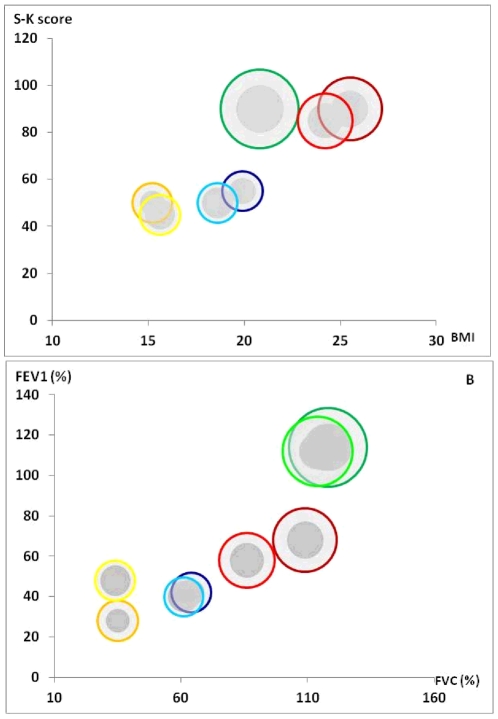
BACKGROUND: Given the polymicrobial nature of pulmonary infections in patients with cystic fibrosis (CF), it is essential to enhance our knowledge on the composition of the microbial community to improve patient management. In this study, we developed a pyrosequencing approach to extensively explore the diversity and dynamics of fungal and prokaryotic populations in CF lower airways. METHODOLOGY AND PRINCIPAL FINDINGS: Fungi and bacteria diversity in eight sputum samples collected from four adult CF patients was investigated using conventional microbiological culturing and high-throughput pyrosequencing approach targeting the ITS2 locus and the 16S rDNA gene. The unveiled microbial community structure was compared to the clinical profile of the CF patients. Pyrosequencing confirmed recently reported bacterial diversity and observed complex fungal communities, in which more than 60% of the species or genera were not detected by cultures. Strikingly, the diversity and species richness of fungal and bacterial communities was significantly lower in patients with decreased lung function and poor clinical status. Values of Chao1 richness estimator were statistically correlated with values of the Shwachman-Kulczycki score, body mass index, forced vital capacity, and forced expiratory volume in 1 s (p = 0.046, 0.047, 0.004, and 0.001, respectively for fungal Chao1 indices, and p = 0.010, 0.047, 0.002, and 0.0003, respectively for bacterial Chao1 values). Phylogenetic analysis showed high molecular diversities at the sub-species level for the main fungal and bacterial taxa identified in the present study. Anaerobes were isolated with Pseudomonas aeruginosa, which was more likely to be observed in association with Candida albicans than with Aspergillus fumigatus. CONCLUSIONS: In light of the recent concept of CF lung microbiota, we viewed the microbial community as a unique pathogenic entity. We thus interpreted our results to highlight the potential interactions between microorganisms and the role of fungi in the context of improving survival in CF.
Overview
The claims and statistics of this paper haven’t been checked yet.
Free: it reads the open-access text and checks the first 5 claims that cite a source we can check. Create a free account to check every claim.
Integrity signals
Registry
Cites
Statistics
Figures
Verification
Claims the paper makes
The claims and statistics of this paper haven’t been checked yet.
Free: it reads the open-access text and checks the first 5 claims that cite a source we can check. Create a free account to check every claim.
Claims other papers make about this one
Each is checked against this paper’s own text: does it say what the citing paper says it does?
The cited source says what the claim attributes to it.
In the citing paper
“The fungal biota is indeed complex in CF patients and includes mostly members of Eurotiales (Aspergillus and Penicillium), Candida, and, surprisingly, Malassezia, a skin inhabitant that appears to be more ubiquitous than originally described (550, 556, 557).”
From Aspergillus fumigatus and Aspergillosis in 2019 (2019) · cites this paper as [557]
Self-check
Percentages, sums and reported differences re-computed from the paper’s own numbers.
The self-check needs the paper’s full text.
Citations
Cites
Basic local alignment search tool
Altschul, S. F., Gish, W., Miller, W., Myers, E. W., & Lipman, D. J. (1990) · Journal of Molecular Biology · doi:10.1006/jmbi.1990.9999 · Cited by 98,669 · cited 1×
“) release 102 (updated on February 15, 2010) comprising 1,246,462 SSU rRNA sequences using BLASTN software”
MethodMrBayes 3: Bayesian phylogenetic inference under mixed models
Ronquist, F., & Huelsenbeck, J. P. (2003) · Bioinformatics · doi:10.1093/bioinformatics/btg180 · Cited by 29,077
Search and clustering orders of magnitude faster than BLAST
Edgar, R. C. (2010) · Bioinformatics · doi:10.1093/bioinformatics/btq461 · Cited by 20,826
A human gut microbial gene catalogue established by metagenomic sequencing
MetaHIT Consortium, Qin, J., Li, R., Raes, J., Arumugam, M., Burgdorf, K. S., Manichanh, C., Nielsen, T., Pons, N., Levenez, F., et al. (2010) · Nature · doi:10.1038/nature08821 · Cited by 11,624 · cited 1×
“Although we observed lower diversity in CF airways than in other communities such as human skin, gut, or water microbiomes [12,14,19], reduced diversity and richness of fungal and bacterial Figure 1.”
BackgroundDatabase resources of the National Center for Biotechnology Information: update
Wheeler, D. L. (2004) · Nucleic Acids Research · doi:10.1093/nar/gkh073 · Cited by 10,641
Nonparametric estimation of the number of classes in a population
Chao, A. (1984) · Scandinavian Journal of Statistics · Cited by 5,880
Gouy, M., Guindon, S., & Gascuel, O. (2010) · Molecular Biology and Evolution · doi:10.1093/molbev/msp259 · Cited by 5,782
MEGAN analysis of metagenomic data
Huson, D. H., Auch, A. F., Qi, J., & Schuster, S. C. (2007) · Genome Research · doi:10.1101/gr.5969107 · Cited by 3,312
Topographical and Temporal Diversity of the Human Skin Microbiome
Grice, E. A., Kong, H. H., Conlan, S., Deming, C. B., Davis, J., Young, A. C., Program, N. C. S., Bouffard, G. G., Blakesley, R. W., Murray, P. R., et al. (2009) · Science · doi:10.1126/science.1171700 · Cited by 2,953 · cited 1×
“Although we observed lower diversity in CF airways than in other communities such as human skin, gut, or water microbiomes [12,14,19], reduced diversity and richness of fungal and bacterial Figure 1.”
BackgroundCounting the Uncountable: Statistical Approaches to Estimating Microbial Diversity
Hughes, J. B., Hellmann, J. J., Ricketts, T. H., & Bohannan, B. J. M. (2001) · Applied and Environmental Microbiology · doi:10.1128/aem.67.10.4399-4406.2001 · Cited by 1,296 · cited 1×
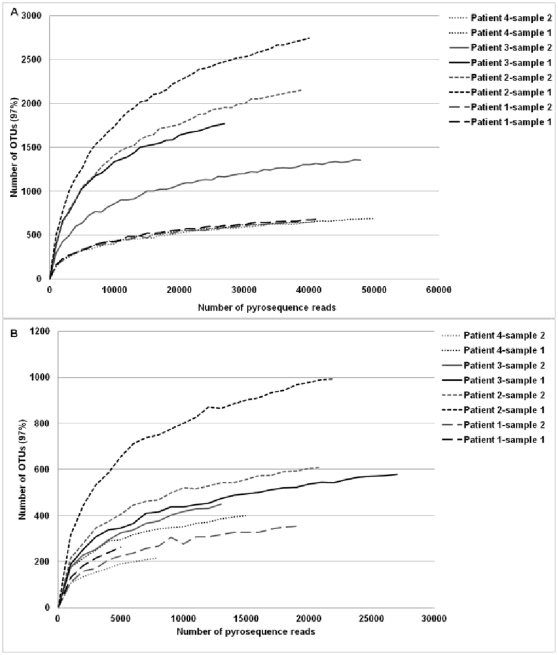
“The quality of the sampling effort was assessed through the calculation of rarefaction curves, i.e. the number of operational taxonomic units (OTUs) with respect to the number of reads”
Method
Research works printed but not linked: 1
- Gammelsrud KW Sandven P Høiby EA Sandvik L Brandtzaeg P 2011 Colonization by Candida in children with cancer, children with cystic fibrosis, and healthy controls. Clin Microbiol Infect 10.1111/j.1469-0691.2011.03528.x 21745258 · DOI · Paper page
Cited by
Aspergillus fumigatus and Aspergillosis in 2019
Latgé, J.-P., & Chamilos, G. (2019) · Clinical Microbiology Reviews · doi:10.1128/cmr.00140-18 · Cited by 1,400
Enaud, R., Prevel, R., Ciarlo, E., Beaufils, F., Wieërs, G., Guery, B., & Delhaes, L. (2020) · Frontiers in Cellular and Infection Microbiology · doi:10.3389/fcimb.2020.00009 · Cited by 738
“In contrast to the intestinal or oral microbiota, data highlighting the interactions between bacteria and fungi in the human respiratory tract are more scattered (Delhaes et al., 2012; Soret et al., 2019).”
BackgroundThe mycobiota: interactions between commensal fungi and the host immune system
Underhill, D. M., & Iliev, I. D. (2014) · Nature Reviews Immunology · doi:10.1038/nri3684 · Cited by 695
The emerging world of the fungal microbiome
Huffnagle, G. B., & Noverr, M. C. (2013) · Trends in Microbiology · doi:10.1016/j.tim.2013.04.002 · Cited by 567
Pseudomonas aeruginosa Biofilms in Disease
Mulcahy, L. R., Isabella, V. M., & Lewis, K. (2014) · Microbial Ecology · doi:10.1007/s00248-013-0297-x · Cited by 518
Bertrand, S., Bohni, N., Schnee, S., Schumpp, O., Gindro, K., & Wolfender, J.-L. (2014) · Biotechnology Advances · doi:10.1016/j.biotechadv.2014.03.001 · Cited by 487
“As a result, fungal and bacterial communities have been discovered in substrates that were previously considered to be nearly devoid of microorganisms, further emphasizing the importance of studying communities (Delhaes et al., 2012).”
BackgroundLung microbiome: new insights into the pathogenesis of respiratory diseases
Li, R., Li, J., & Zhou, X. (2024) · Signal Transduction and Targeted Therapy · doi:10.1038/s41392-023-01722-y · Cited by 434
“29,65,66 Ascomycetes and Streptomyces are the most common taxa, followed by Candida , Saccharomyces , Penicillium , Dictyostelium , and Fusarium .”
BackgroundThe role of the bacterial microbiome in lung disease
Dickson, R. P., Erb-Downward, J. R., & Huffnagle, G. B. (2013) · Expert Review of Respiratory Medicine · doi:10.1586/ers.13.24 · Cited by 419
Lung microbiota across age and disease stage in cystic fibrosis
Coburn, B., Wang, P. W., Diaz Caballero, J., Clark, S. T., Brahma, V., Donaldson, S., Zhang, Y., Surendra, A., Gong, Y., Elizabeth Tullis, D., et al. (2015) · Scientific Reports · doi:10.1038/srep10241 · Cited by 395
“OTU50 2 (1-5) 2 (1-5) OTU75 4 (1-8) 3 (1-9) OTU90 7 (1-13) 5 (1-15) OTU99 20 (4-28) 13 (1-35)”
Cystic fibrosis lung environment and Pseudomonas aeruginosa infection
Bhagirath, A. Y., Li, Y., Somayajula, D., Dadashi, M., Badr, S., & Duan, K. (2016) · BMC Pulmonary Medicine · doi:10.1186/s12890-016-0339-5 · Cited by 378
“Poor clinical status seems to be associated with reduced fungal biodiversity and species richness [133].”
BackgroundFungal dysbiosis: immunity and interactions at mucosal barriers
Iliev, I. D., & Leonardi, I. (2017) · Nature Reviews Immunology · doi:10.1038/nri.2017.55 · Cited by 393
The human mycobiome in health and disease
Cui, L., Morris, A., & Ghedin, E. (2013) · Genome Medicine · doi:10.1186/gm467 · Cited by 380
“less desirable fungal species, or controlling biofilmassociated infections, may also be useful in manipulating the complex microflora in diseased body sites [19].”
BackgroundInfluentialEcology of the Oral Microbiome: Beyond Bacteria
Baker, J. L., Bor, B., Agnello, M., Shi, W., & He, X. (2017) · Trends in Microbiology · doi:10.1016/j.tim.2016.12.012 · Cited by 362
Paulussen, C., Hallsworth, J. E., Álvarez‐Pérez, S., Nierman, W. C., Hamill, P. G., Blain, D., Rediers, H., & Lievens, B. (2017) · Microbial Biotechnology · doi:10.1111/1751-7915.12367 · Cited by 334
Madan, J. C., Koestler, D. C., Stanton, B. A., Davidson, L., Moulton, L. A., Housman, M. L., Moore, J. H., Guill, M. F., Morrison, H. G., Sogin, M. L., et al. (2012) · mBio · doi:10.1128/mbio.00251-12 · Cited by 356
“Specific to adults with CF, investigations into the relationship between CF lung microbiota diversity and lung function have overall pointed to decreased lung diversity as being inversely proportional to lung function (3, 36, 37), thus overall supporting the idea that several organ systems have been identified as corr…”
BackgroundFungal allergy in asthma-state of the art and research needs
Denning, D. W., Pashley, C., Hartl, D., Wardlaw, A., Godet, C., Del Giacco, S., Delhaes, L., & Sergejeva, S. (2014) · Clinical and Translational Allergy · doi:10.1186/2045-7022-4-14 · Cited by 357
“The internal transcribed spacer regions (ITS1 and ITS2) of the nuclear ribosomal operon are the most popular loci used to identify and discriminate between fungal species and reference databases have been developed to allow comparison and identification of amplicons [104,105].”
BackgroundFilkins, L. M., Graber, J. A., Olson, D. G., Dolben, E. L., Lynd, L. R., Bhuju, S., & O'Toole, G. A. (2015) · Journal of Bacteriology · doi:10.1128/jb.00059-15 · Cited by 346
Malassezia ecology, pathophysiology, and treatment
Theelen, B., Cafarchia, C., Gaitanis, G., Bassukas, I. D., Boekhout, T., & Dawson, T. L. (2018) · Medical Mycology · doi:10.1093/mmy/myx134 · Cited by 331
Commensal Fungi in Health and Disease
Limon, J. J., Skalski, J. H., & Underhill, D. M. (2017) · Cell Host & Microbe · doi:10.1016/j.chom.2017.07.002 · Cited by 336
“Although these studies generally identify DNA from over a dozen fungal species in respiratory samples, they have consistently identified Candida species as the most prevalent (Delhaes et al., 2012; Kramer et al., 2015;Willger et al., 2014).”
BackgroundCandida Species Biofilms’ Antifungal Resistance
Silva, S., Rodrigues, C., Araújo, D., Rodrigues, M., & Henriques, M. (2017) · Journal of Fungi · doi:10.3390/jof3010008 · Cited by 302
Jepsen, K., & Jepsen, S. (2016) · Periodontology 2000 · doi:10.1111/prd.12121 · Cited by 306
“These include asthma and allergic diseases (99, 218), autoimmune diseases (22, 23), type 1 diabetes (211, 223), type 2 diabetes (25, 240), obesity (24, 120, 137), metabolic syndrome (30, 50), chronic disorders of the gut (51, 111), atherosclerosis (74), undernutrition (72, 117, 119), celiac disease (157, 187) and chro…”
Forgotten fungi—the gut mycobiome in human health and disease
Huseyin, C. E., O’Toole, P. W., Cotter, P. D., & Scanlan, P. D. (2017) · FEMS Microbiology Reviews · doi:10.1093/femsre/fuw047 · Cited by 278
“…number of studies (Dynowska, Roslon and Góralska 2006), with a strong focus on patients with cystic fibrosis (CF) (Amin 2010; Nelson et al. 2010; Delhaes et al. 2012; Harrison et al. 2012), pneumonia (Bousbia et al. 2012), lung transplants (Charlson et al. 2012) and asthma (vanWoerden et al.…”
BackgroundDupuy, A. K., David, M. S., Li, L., Heider, T. N., Peterson, J. D., Montano, E. A., Dongari-Bagtzoglou, A., Diaz, P. I., & Strausbaugh, L. D. (2014) · PLoS ONE · doi:10.1371/journal.pone.0090899 · Cited by 262
“filter adopted in a study for ITS2 amplicons [12].”
BackgroundMethodThe lung mycobiome: an emerging field of the human respiratory microbiome
Nguyen, L. D. N., Viscogliosi, E., & Delhaes, L. (2015) · Frontiers in Microbiology · doi:10.3389/fmicb.2015.00089 · Cited by 260
“Keywords: respiratory mycobiome, mycobiota, fungal microbiota, microbiome, lung, chronic respiratory disease”
BackgroundMethodResultInfluentialFungal-Bacterial Interactions in Health and Disease
Krüger, W., Vielreicher, S., Kapitan, M., Jacobsen, I., & Niemiec, M. (2019) · Pathogens · doi:10.3390/pathogens8020070 · Cited by 227
“The most commonly found bacteria in CF patients are P. aeruginosa and S. aureus , while A. fumigatus and C. albicans are the most frequently isolated fungi [256].”
Airway inflammation in cystic fibrosis: molecular mechanisms and clinical implications
Cohen-Cymberknoh, M., Kerem, E., Ferkol, T., & Elizur, A. (2013) · Thorax · doi:10.1136/thoraxjnl-2013-203204 · Cited by 221
Salipante, S. J., Sengupta, D. J., Rosenthal, C., Costa, G., Spangler, J., Sims, E. H., Jacobs, M. A., Miller, S. I., Hoogestraat, D. R., Cookson, B. T., et al. (2013) · PLoS ONE · doi:10.1371/journal.pone.0065226 · Cited by 220
“Failures in this study could potentially be addressed by such measures as increasing read depth, optimization of primer design to include additional degenerate sites [59], and controlling preanalytical variables including sample processing, storage, and DNA extraction [60].”
BackgroundProtective Microbiota: From Localized to Long-Reaching Co-Immunity
Chiu, L., Bazin, T., Truchetet, M.-E., Schaeverbeke, T., Delhaes, L., & Pradeu, T. (2017) · Frontiers in Immunology · doi:10.3389/fimmu.2017.01678 · Cited by 190
“Bronchoalveolar lavage fluid samples of the lungs reveal a substantial microbiota community with multikingdom interac tions due to airborne fungi (217).”
BackgroundRespiratory microbiome and epithelial interactions shape immunity in the lungs
Invernizzi, R., Lloyd, C. M., & Molyneaux, P. L. (2020) · Immunology · doi:10.1111/imm.13195 · Cited by 193
“38, 39 It has also been shown that commensal fungi can affect the immune system and also modulate bacterial communities, thus contributing to the restoration of the bacterial microbiota following antibiotic treatment.”
BackgroundChen, A. I., Dolben, E. F., Okegbe, C., Harty, C. E., Golub, Y., Thao, S., Ha, D. G., Willger, S. D., O'Toole, G. A., Harwood, C. S., et al. (2014) · PLoS Pathogens · doi:10.1371/journal.ppat.1004480 · Cited by 176
“aeruginosa is a common microbe in the CF lung, it is rarely the only microbe present [1–5].”
BackgroundThe Microbiome in Cystic Fibrosis
Huang, Y. J., & LiPuma, J. J. (2016) · Clinics in Chest Medicine · doi:10.1016/j.ccm.2015.10.003 · Cited by 166
“In a study of sputum samples from 4 patients with CF, 60% of the identified fungal taxa were not detected by mycological cultures.(13) In addition to Candida albicans and Aspergillus fumigatus, 30 fungal species or genera identified included other species ofCandida and Aspergillus, Penicillium, Malassezia, and Kluyver…”
BackgroundPrecision-guided antimicrobial peptide as a targeted modulator of human microbial ecology
Guo, L., McLean, J. S., Yang, Y., Eckert, R., Kaplan, C. W., Kyme, P., Sheikh, O., Varnum, B., Lux, R., Shi, W., et al. (2015) · Proceedings of the National Academy of Sciences · doi:10.1073/pnas.1506207112 · Cited by 172
“Increasing lines of evidence indicate that established microbial communities often exist and act as an entity instead of the random mixture of different bacterial species (37, 38).”
BackgroundBacterial Adaptation during Chronic Respiratory Infections
Cullen, L., & McClean, S. (2015) · Pathogens · doi:10.3390/pathogens4010066 · Cited by 159
Willger, S. D., Grim, S. L., Dolben, E. L., Shipunova, A., Hampton, T. H., Morrison, H. G., Filkins, L. M., O‘Toole, G. A., Moulton, L. A., Ashare, A., et al. (2014) · Microbiome · doi:10.1186/2049-2618-2-40 · Cited by 156
“[19], these fungi were also well represented.”
BackgroundChun, B. H., Kim, K. H., Jeong, S. E., & Jeon, C. O. (2019) · Food Microbiology · doi:10.1016/j.fm.2019.103329 · Cited by 148
Willner, D. L., Hugenholtz, P., Yerkovich, S. T., Tan, M. E., Daly, J. N., Lachner, N., Hopkins, P. M., & Chambers, D. C. (2013) · American Journal of Respiratory and Critical Care Medicine · doi:10.1164/rccm.201209-1680oc · Cited by 147
Cross-feeding modulates antibiotic tolerance in bacterial communities
Adamowicz, E. M., Flynn, J., Hunter, R. C., & Harcombe, W. R. (2018) · The ISME Journal · doi:10.1038/s41396-018-0212-z · Cited by 147
“Many infections are now known to involve multiple pathogens (de Vos et al., 2017; Tay et al., 2016) or interactions between pathogens and commensals, (Delhaes et al., 2012; Murray et al., 2014; Ramsey et al., 2011).”
BackgroundTopographic Diversity of the Respiratory Tract Mycobiome and Alteration in HIV and Lung Disease
Cui, L., Lucht, L., Tipton, L., Rogers, M. B., Fitch, A., Kessinger, C., Camp, D., Kingsley, L., Leo, N., Greenblatt, R. M., et al. (2015) · American Journal of Respiratory and Critical Care Medicine · doi:10.1164/rccm.201409-1583oc · Cited by 133
“Complex microbial communities affect human physiology, shape the immune response (4), and may play an important role in lung diseases (1, 2).”
BackgroundThe Role of Short-Chain Fatty Acids, Produced by Anaerobic Bacteria, in the Cystic Fibrosis Airway
Mirković, B., Murray, M., Lavelle, G., Molloy, K., Azim, A. A., Gunaratnam, C., Healy, F. M., Slattery, D. M., McNally, P., Hatch, J. E., et al. (2015) · American Journal of Respiratory and Critical Care Medicine · doi:10.1164/rccm.201505-0943oc · Cited by 136
Hoggard, M., Vesty, A., Wong, G. C., Montgomery, J. M., Fourie, C., Douglas, R. G., Biswas, K., & Taylor, M. W. (2018) · Frontiers in Microbiology · doi:10.3389/fmicb.2018.02208 · Cited by 145
“Human Mycobiota Mock Community Fungal species candidates were selected based on taxa previously identified in a broad range of published studies, including of the lung (Agbetile et al., 2012; Charlson et al., 2012; Delhaes et al., 2012; Huffnagle and Noverr, 2013; Liu et al., 2013; van Woerden et al., 2013; Bittinger…”
BackgroundWhiteson, K. L., Meinardi, S., Lim, Y. W., Schmieder, R., Maughan, H., Quinn, R., Blake, D. R., Conrad, D., & Rohwer, F. (2014) · The ISME Journal · doi:10.1038/ismej.2013.229 · Cited by 132
“Quantification of 2,3-butanedione was carried out using both mass spectrometry and one of the flame ionization detectors.”
BackgroundMethodThe Microbiome in Cystic Fibrosis Pulmonary Disease
Françoise, A., & Héry-Arnaud, G. (2020) · Genes · doi:10.3390/genes11050536 · Cited by 139
“and be a cofactor in inflammation and immune response [83].”
BackgroundHogan, D. A., Willger, S. D., Dolben, E. L., Hampton, T. H., Stanton, B. A., Morrison, H. G., Sogin, M. L., Czum, J., & Ashare, A. (2016) · PLOS ONE · doi:10.1371/journal.pone.0149998 · Cited by 118
“lusitaniae has been detected in CF samples previously, but is uncommon and/or usually at low levels [18,32,33,62].”
BackgroundThe Mycobiome: A Neglected Component in the Microbiota-Gut-Brain Axis
Enaud, R., Vandenborght, L., Coron, N., Bazin, T., Prével, R., Schaeverbeke, T., Berger, P., Fayon, M. J., Lamireau, T., & Delhaès, L. (2018) · Microorganisms · doi:10.3390/microorganisms6010022 · Cited by 133
“Therefore, fungi have been recognized as an integral part of our commensal flora at different body sites (skin, lung, vagina, oral tract, and gut) [28,29].”
BackgroundFungi in the cystic fibrosis lung: Bystanders or pathogens?
Chotirmall, S. H., & McElvaney, N. G. (2014) · The International Journal of Biochemistry & Cell Biology · doi:10.1016/j.biocel.2014.03.001 · Cited by 125
Gut Fungal Microbiota: The Yin and Yang of Inflammatory Bowel Disease
Richard, M. L., Lamas, B., Liguori, G., Hoffmann, T. W., & Sokol, H. (2015) · Inflammatory Bowel Diseases · doi:10.1097/mib.0000000000000261 · Cited by 114
The lower airway microbiota in early cystic fibrosis lung disease: a longitudinal analysis
Frayman, K. B., Armstrong, D., Carzino, R., Ferkol, T. W., Grimwood, K., Storch, G. A., Teo, S. M., Wylie, K. M., & Ranganathan, S. (2017) · Thorax · doi:10.1136/thoraxjnl-2016-209279 · Cited by 127
Quinn, R. A., Lim, Y. W., Maughan, H., Conrad, D., Rohwer, F., & Whiteson, K. L. (2014) · mBio · doi:10.1128/mbio.00956-13 · Cited by 115
The Mycobiome in Health and Disease: Emerging Concepts, Methodologies and Challenges
Tiew, P. Y., Aogáin, M. M., Ali, N. A. B. M., Thng, K. X., Goh, K., Lau, K. J. X., & Chotirmall, S. H. (2020) · Mycopathologia · doi:10.1007/s11046-019-00413-z · Cited by 139
Soret, P., Vandenborght, L., Francis-Oliviero, F., Coron, N., Enaud, R., Avalos, M., Schaeverbeke, T., Berger, P., Fayon, M. J., Thiébaut, R., et al. (2020) · Scientific Reports · doi:10.1038/s41598-020-60015-4 · Cited by 120
Self-citationGaspar, M. C., Couet, W. R., Olivier, J., Pais, A. A. C. C., & Sousa, J. (2013) · European Journal of Clinical Microbiology & Infectious Diseases · doi:10.1007/s10096-013-1876-y · Cited by 127
“With aging, the diversity of the microbial communities tends to be substantially reduced [24, 25], which might be linked to”
BackgroundComplex sputum microbial composition in patients with pulmonary tuberculosis
Cui, Z., Zhou, Y., Li, H., Zhang, Y., Zhang, S., Tang, S., & Guo, X. (2012) · BMC Microbiology · doi:10.1186/1471-2180-12-276 · Cited by 114
“In light of the recent discovery of cystic fibrosis associated lung microbiota, Delhaes and Monchy et al discussed the microbial community as a unique pathogenic entity [14].”
BackgroundIannitti, R. G., Carvalho, A., Cunha, C., LUCA, A. D., Giovannini, G., Casagrande, A., Zelante, T., Vacca, C., Fallarino, F., Puccetti, P., et al. (2013) · American Journal of Respiratory and Critical Care Medicine · doi:10.1164/rccm.201207-1346oc · Cited by 114
Fraczek, M. G., Chishimba, L., Niven, R. M., Bromley, M., Simpson, A., Smyth, L. J. C., Denning, D. W., & Bowyer, P. (2017) · Journal of Allergy and Clinical Immunology · doi:10.1016/j.jaci.2017.09.039 · Cited by 107
“5 (30-68) 49 (19-65) 24 (22-62) 29 (22-58) .”
Microbial, host and xenobiotic diversity in the cystic fibrosis sputum metabolome
Quinn, R. A., Phelan, V. V., Whiteson, K. L., Garg, N., Bailey, B. A., Lim, Y. W., Conrad, D. J., Dorrestein, P. C., & Rohwer, F. L. (2016) · The ISME Journal · doi:10.1038/ismej.2015.207 · Cited by 104
“, 2009, 2012), fungi (Delhaes et al., 2012; Willger et al., 2014) and bacteria (Rogers et al.”
BackgroundZeise, K. D., Woods, R. J., & Huffnagle, G. B. (2021) · Clinical Microbiology Reviews · doi:10.1128/cmr.00323-20 · Cited by 97
“albicans—particularly in the lungs of cystic fibrosis patients (230).”
BackgroundJin, J., Gan, Y., Liu, H., Wang, Z., Yuan, J., Deng, T., Zhou, Y., Zhu, Y., Zhu, H. L., Yang, S., et al. (2019) · Lung Cancer · doi:10.1016/j.lungcan.2019.08.022 · Cited by 108
Kim, S. H., Clark, S. T., Surendra, A., Copeland, J. K., Wang, P. W., Ammar, R., Collins, C., Tullis, D. E., Nislow, C., Hwang, D. M., et al. (2015) · PLOS Pathogens · doi:10.1371/journal.ppat.1005308 · Cited by 92
“Fungi are frequently isolated from cystic fibrosis patient sputum samples, where Candida albicans and Aspergillus fumigatus are the most prevalent species, identified in 40–70% of patients [6,7].”
BackgroundResultInfluentialCandida albicans and Pseudomonas aeruginosa Interaction, with Focus on the Role of Eicosanoids
Fourie, R., Ells, R., Swart, C. W., Sebolai, O. M., Albertyn, J., & Pohl, C. H. (2016) · Frontiers in Physiology · doi:10.3389/fphys.2016.00064 · Cited by 110
“The thick bronchial mucus traps viral particles, fungal spores and bacteria and provides a suitable environment for the fungal spores and bacteria to grow, causing infection (Delhaes et al., 2012).”
BackgroundCui, L., Morris, A., Huang, L., Beck, J. M., Twigg, H. L., von Mutius, E., & Ghedin, E. (2014) · Annals of the American Thoracic Society · doi:10.1513/annalsats.201402-052pl · Cited by 100
Reece, E., Doyle, S., Greally, P., Renwick, J. A. A., & McClean, S. (2018) · Frontiers in Microbiology · doi:10.3389/fmicb.2018.01205 · Cited by 104
The mammalian mycobiome: A complex system in a dynamic relationship with the host
Lai, G. C., Tan, T. G., & Pavelka, N. (2018) · WIREs Systems Biology and Medicine · doi:10.1002/wsbm.1438 · Cited by 98
Quinn, R. A., Whiteson, K., Lim, Y.-W., Salamon, P., Bailey, B., Mienardi, S., Sanchez, S. E., Blake, D. R., Conrad, D., & Rohwer, F. L. (2014) · The ISME Journal · doi:10.1038/ismej.2014.234 · Cited by 101
“The cystic fibrosis (CF) lung contains a complex community of interacting microbes and viruses (Willner et al., 2009; Sibley and Surette, 2011; Yang et al., 2011; Delhaes et al., 2012; Lim et al., 2012; Rabin and Surette, 2012; Zhao et al., 2012; Lim et al., 2013).”
Cummings, L. A., Kurosawa, K., Hoogestraat, D. R., SenGupta, D. J., Candra, F., Doyle, M., Thielges, S., Land, T. A., Rosenthal, C. A., Hoffman, N. G., et al. (2016) · Clinical Chemistry · doi:10.1373/clinchem.2016.258806 · Cited by 92
The mycobiome of the human urinary tract: potential roles for fungi in urology
Ackerman, A. L., & Underhill, D. M. (2017) · Annals of Translational Medicine · doi:10.21037/atm.2016.12.69 · Cited by 99
“In studies of the pulmonary fungal and bacterial microbiome in cystitc fibrosis, 60% of genera were missed by culture (24).”
BackgroundA high-risk airway mycobiome is associated with frequent exacerbation and mortality in COPD
Tiew, P. Y., Dicker, A., Keir, H. R., Poh, M. E., Pang, S. L., Aogáin, M. M., Chua, B. Q. Y., Tan, J. L., Xu, H., Koh, M. S., et al. (2020) · European Respiratory Journal · doi:10.1183/13993003.02050-2020 · Cited by 95
Chmiel, J. F., Aksamit, T. R., Chotirmall, S. H., Dasenbrook, E. C., Elborn, J. S., LiPuma, J. J., Ranganathan, S. C., Waters, V. J., & Ratjen, F. A. (2014) · Annals of the American Thoracic Society · doi:10.1513/annalsats.201405-203as · Cited by 90
Strength in numbers: antifungal strategies against fungal biofilms
Ramage, G., Robertson, S. N., & Williams, C. (2013) · International Journal of Antimicrobial Agents · doi:10.1016/j.ijantimicag.2013.10.023 · Cited by 103
“[27–30].”
Bernarde, C., Keravec, M., Mounier, J., Gouriou, S., Rault, G., Férec, C., Barbier, G., & Héry-Arnaud, G. (2015) · PLoS ONE · doi:10.1371/journal.pone.0124124 · Cited by 97
“This may also explain the wide bacterial diversity within the CF pulmonary core microbiota as compared to findings in adults [6,21]: the present series was pediatric, with a mean age of 12 years, which, according to Cox et al.”
Virus and cystic fibrosis: Rhinoviruses are associated with exacerbations in adult patients
Goffard, A., Lambert, V., Salleron, J., Herwegh, S., Engelmann, I., Pinel, C., Pin, I., Perrez, T., Prévötat, A., Dewilde, A., et al. (2014) · Journal of Clinical Virology · doi:10.1016/j.jcv.2014.02.005 · Cited by 88
“Samples were performed by expecoration into a sterile cup after a water rinse to prevent excessive alivary contamination, analyzed according to a standardized proocol as previously described, and screened for respiratory virus arriage [2].”
InfluentialSelf-citationMining the oral mycobiome: Methods, components, and meaning
Diaz, P. I., Hong, B.-Y., Dupuy, A. K., & Strausbaugh, L. D. (2017) · Virulence · doi:10.1080/21505594.2016.1252015 · Cited by 87
“respiratory tracts, and therefore oral residency is very plausible.(52,53) Lack of detection in previous cultivation”
BackgroundKramer, R., Sauer-Heilborn, A., Welte, T., Guzman, C. A., Abraham, W.-R., & Höfle, M. G. (2015) · Journal of Clinical Microbiology · doi:10.1128/jcm.01094-15 · Cited by 79
“In addition, fungi exhibit the potential to cause lung diseases, but the mycobiome was only recently addressed in CF microbiome studies (5, 10).”
BackgroundSkin fungal community and its correlation with bacterial community of urban Chinese individuals
Leung, M. H. Y., Chan, K. C. K., & Lee, P. K. H. (2016) · Microbiome · doi:10.1186/s40168-016-0192-z · Cited by 86
“To date, only a handful of large-scale mycobiome studies of the human body, much fewer dedicated to the analyses of mycobiomes of non-western population groups [59], or mycobiomes’ roles within cross-domain microbial communities [7, 24, 60, 61], have been conducted.”
BackgroundBiodiversity of the human oral mycobiome in health and disease
Bandara, N., Panduwawala, C., & Samaranayake, L. P. (2018) · Oral Diseases · doi:10.1111/odi.12899 · Cited by 94
Aspergillus infections in cystic fibrosis
King, J., Brunel, S. F., & Warris, A. (2016) · Journal of Infection · doi:10.1016/j.jinf.2016.04.022 · Cited by 86
Cystic fibrosis lung microbiome: Opportunities to reconsider management of airway infection
Caverly, L. J., Zhao, J., & LiPuma, J. J. (2015) · Pediatric Pulmonology · doi:10.1002/ppul.23243 · Cited by 86
“Conversely, greater community diversity in adulthood is associated with less severe and more slowly progressing lung disease.(10,18,19) While the association between decreased bacterial community diversity and lung disease progression is clear, the causal relationship between these phenomena has yet to be fully elucid…”
BackgroundRizzetto, L., Filippo, C. D., & Cavalieri, D. (2014) · European Journal of Immunology · doi:10.1002/eji.201344403 · Cited by 92
Antifungal Th Immunity: Growing up in Family
Borghi, M., Renga, G., Puccetti, M., Oikonomou, V., Palmieri, M., Galosi, C., Bartoli, A., & Romani, L. (2014) · Frontiers in Immunology · doi:10.3389/fimmu.2014.00506 · Cited by 75
Modified culture method detects a high diversity of fungal species in cystic fibrosis patients
Masoud-Landgraf, L., Badura, A., Eber, E., Feierl, G., Marth, E., & Buzina, W. (2013) · Medical Mycology · doi:10.3109/13693786.2013.792438 · Cited by 80
“A high-throughput pyrosequencing approach revealed a complex microbial community in which more than 60% of fungal species and genera were not detected by parallel culture techniques [3].”
BackgroundInfluentialRespiratory microbiome in mechanically ventilated patients: a narrative review
Fromentin, M., Ricard, J.-D., & Roux, D. (2021) · Intensive Care Medicine · doi:10.1007/s00134-020-06338-2 · Cited by 81
Aspergillus fumigatus in the cystic fibrosis lung: pros and cons of azole therapy
Burgel, P., Paugam, A., Hubert, D., & Martin, C. (2016) · Infection and Drug Resistance · doi:10.2147/idr.s63621 · Cited by 87
“In the near future, high-throughput methods targeting fungal ribosomal RNA may be used to examine fungal diversity in CF airways, 16,34 but these techniques have not yet reached routine use.”
O -Mannosylation in Candida albicans Enables Development of Interkingdom Biofilm Communities
Dutton, L. C., Nobbs, A. H., Jepson, K., Jepson, M. A., Vickerman, M. M., Aqeel Alawfi, S., Munro, C. A., Lamont, R. J., & Jenkinson, H. F. (2014) · mBio · doi:10.1128/mbio.00911-14 · Cited by 75
“aeruginosa (36), Staphylococcus aureus (37), and oral streptococci in denture- and mucosa-related diseases (38).”
BackgroundHan, D. M., Chun, B. H., Feng, T., Kim, H. M., & Jeon, C. O. (2020) · Food Microbiology · doi:10.1016/j.fm.2020.103591 · Cited by 76
The lung mycobiome in the next-generation sequencing era
Tipton, L., Ghedin, E., & Morris, A. (2016) · Virulence · doi:10.1080/21505594.2016.1235671 · Cited by 78
“that a patient is exposed to as they often contain woodinhabiting fungi and cereal grain pathogens.(11) Even the amount of fungal diversity in the lungs is highly variable between individuals.”
BackgroundSosinski, L. M., Christian Martin, H., Neugebauer, K. A., Ghuneim, L.-A. J., Guzior, D. V., Castillo-Bahena, A., Mielke, J., Thomas, R. G., McClelland, M., Conrad, D., et al. (2021) · Journal of Cystic Fibrosis · doi:10.1016/j.jcf.2021.11.003 · Cited by 82
Botero, L. E., Delgado-Serrano, L., Cepeda, M., Bustos, J. R., Anzola, J. M., Portillo, P. D., Robledo, J., & Zambrano, M. M. (2014) · Microbiome · doi:10.1186/2049-2618-2-29 · Cited by 85
“Microorganism characteristics coupled to local host immune response determine whether bacilli are cleared or will lead to either acute or latent disease [2].”
BackgroundThe Human Mucosal Mycobiome and Fungal Community Interactions
Witherden, E. A., Shoaie, S., Hall, R. A., & Moyes, D. L. (2017) · Journal of Fungi · doi:10.3390/jof3040056 · Cited by 79
“First, Malassezia is a co mon skin commensal that has been isolated from the nares [31] and respiratory tract [32] of man, thus its presence in the oral cavity is not unexpected.”
BackgroundPostbiotic-Enabled Targeting of the Host-Microbiota-Pathogen Interface: Hints of Antibiotic Decline?
Puccetti, M., Xiroudaki, S., Ricci, M., & Giovagnoli, S. (2020) · Pharmaceutics · doi:10.3390/pharmaceutics12070624 · Cited by 62
“Since the microbiota-mucosal immune system interaction is critical for the host’s immune balance, alterations in the GM composition and function can result into several ailments, including diabetes, obesity, asthma, cancer, cystic fibrosis [73], inflammatory bowel disease (IBD) [74,75], chronic liver disease [76], ato…”
BackgroundNeutrophilic proteolysis in the cystic fibrosis lung correlates with a pathogenic microbiome
Quinn, R. A., Adem, S., Mills, R. H., Comstock, W. J., Goldasich, L. D., Humphrey, G., Aksenov, A. A., Melnik, A., Silva, R., Ackermann, G. L., et al. (2019) · Microbiome · doi:10.1186/s40168-019-0636-3 · Cited by 77
Briard, B., Mislin, G. L. A., Latgé, J.-P., & Beauvais, A. (2019) · Journal of Fungi · doi:10.3390/jof5020048 · Cited by 69
Aspergillus fumigatus enhances elastase production in Pseudomonas aeruginosa co-cultures
Smith, K., Rajendran, R., Kerr, S., Lappin, D. F., Mackay, W. G., Williams, C., & Ramage, G. (2015) · Medical Mycology · doi:10.1093/mmy/myv048 · Cited by 68
“aeruginosa is the most commonly isolated organism in CF [6]; however, patients are rarely colonized by one single pathogen and it is now widely recognized that the CF lung has a rich polymicrobial microbiome, [31–33] which influences the stability of the condition of the patient and can cause an inflammatory exacerbat…”
BackgroundEffects of Aspergillus fumigatus colonization on lung function in cystic fibrosis
Speirs, J. J., van der Ent, C. K., & Beekman, J. M. (2012) · Current Opinion in Pulmonary Medicine · doi:10.1097/mcp.0b013e328358d50b · Cited by 62
The Microbial Community of the Cystic Fibrosis Airway Is Disrupted in Early Life
Renwick, J. A. A., McNally, P., John, B., DeSantis, T. Z., Linnane, B. M., Murphy, P. G., & CF, O. B. O. S. (2014) · PLoS ONE · doi:10.1371/journal.pone.0109798 · Cited by 69
“Direct comparisons between different studies in this field can be challenging as studies often differ in the type of sample collected (oropharyngeal swabs [6], sputum [7, 20], BAL [21], explanted lung biopsies [22]), the age of patients recruited [6, 7, 21], the clinical status of patients at the time of sampling [14,…”
The development of lower respiratory tract microbiome in mice
Singh, N., Vats, A., Sharma, A., Arora, A., & Kumar, A. (2017) · Microbiome · doi:10.1186/s40168-017-0277-3 · Cited by 77
“The microbial community residing in the lungs undergoes significant changes in terms of composition and diversity in a number of pulmonary diseases such as cystic fibrosis [8], asthma [9, 10], and chronic obstructive pulmonary disease (COPD) [11].”
Briard, B., Rasoldier, V., Bomme, P., ElAouad, N., Guerreiro, C., Chassagne, P., Muszkieta, L., Latgé, J.-P., Mulard, L., & Beauvais, A. (2017) · The ISME Journal · doi:10.1038/ismej.2017.32 · Cited by 66
“In cystic fibrosis patients, the microbiota is completely disorganized and becomes particularly rich in the pathogenic bacteria P. aeruginosa and A. fumigatus (Delhaes et al., 2012; Baxter et al., 2013; Armstead et al., 2014).”
BackgroundModulation of potential respiratory pathogens by pH1N1 viral infection.
Leung, R. K.-K., Zhou, J.-W., Guan, W., Li, S.-K., Yang, Z.-F., & Tsui, S. K.-W. (2013) · Clinical Microbiology and Infection · doi:10.1111/1469-0691.12054 · Cited by 66
Meason‐Smith, C., Edwards, E. E., Older, C. E., Branco, M., Bryan, L. K., Lawhon, S. D., Suchodolski, J. S., Gomez, G., Mansell, J. E. K. L., & Hoffmann, A. R. (2017) · Veterinary Pathology · doi:10.1177/0300985817698207 · Cited by 72
Fungi in Bronchiectasis: A Concise Review
Máiz, L., Nieto, R., Cantón, R., de la Pedrosa, E. G. G., & Martínez‐García, M. Á. (2018) · International Journal of Molecular Sciences · doi:10.3390/ijms19010142 · Cited by 70
“Species most frequently found in patients with bronchiectasis not associated with cystic fibrosis [6,11,21,23,37,38].”
BackgroundO’Neill, K., Bradley, J. M., Johnston, E., McGrath, S., McIlreavey, L., Rowan, S., Reid, A. J. M., Bradbury, I., Einarsson, G. G., Elborn, J. S., et al. (2015) · PLoS ONE · doi:10.1371/journal.pone.0126980 · Cited by 72
“Extended aerobic and anaerobic culture of CF samples revealed the presence of complex polymicrobial communities with a high abundance of aerobic and anaerobic genera previously detected in studies by this group and others [6,7].”
BackgroundCurrent concepts: host–pathogen interactions in cystic fibrosis airways disease
Tang, A., Turvey, S. E., Alves, M. P., Regamey, N., Tümmler, B., & Hartl, D. (2014) · European Respiratory Review · doi:10.1183/09059180.00006113 · Cited by 75
Metadata
- Authors
- Delhaes, L., Monchy, S., Fréalle, E., Hubans, C., Salleron, J., Leroy, S., Prevotat, A., Wallet, F., Wallaert, B., Dei-Cas, E., Sime-Ngando, T., Chabé, M., & Viscogliosi, E.
- Affiliations
- Centre National de la Recherche Scientifique (FR)
- Institut Pasteur (FR)
- Université de Lille (FR)
- Hôpital Albert Calmette (FR)
- Venue
- PLoS ONE
- Publisher
- Public Library of Science (PLoS)
- Published
- 2012-04-27
- Volume
- 7
- Issue
- 4
- Pages
- e36313
- ISSN
- 1932-6203 (ISSN-L)
- PMC
- PMC3338676
- OpenAlex
- W2029374202
- Cited by
- 347
- References
- 104
- Citations by year
- 2026: 3 · 2025: 12 · 2024: 20 · 2023: 10 · 2022: 16 · 2021: 29 · 2020: 31 · 2019: 28 · 2018: 17 · 2017: 37 · 2016: 24 · 2015: 47 · 2014: 34 · 2013: 27 · 2012: 12
- FWCI
- 30.96
- Type
- journal article
- Language
- en
- Open access
- gold
- doi.org
- Locations
- PLoS ONE (publishedVersion, cc-by)
- PubMed Central (publishedVersion, cc-by)
- PubMed (publishedVersion)
- HAL (submittedVersion)
- DOAJ (DOAJ: Directory of Open Access Journals) (submittedVersion, cc-by-sa)
- Figshare (submittedVersion, cc-by)
- LillOA (Université de Lille (University Of Lille)) (submittedVersion, other-oa)
- Funders
- Pfizer
- Institute Pasteur De Lille
- Topics
- Health Sciences › Medicine › Pulmonary and Respiratory Medicine › Cystic Fibrosis Research Advances
- Life Sciences › Biochemistry, Genetics and Molecular Biology › Molecular Biology › Bacterial biofilms and quorum sensing
- Life Sciences › Biochemistry, Genetics and Molecular Biology › Molecular Biology › Gut microbiota and health
- Keywords
- cystic fibrosis, airway microbiome, fungal communities, bacterial communities, sputum microbiome, fungal diversity, bacterial diversity, Pseudomonas aeruginosa, Candida albicans, Aspergillus fumigatus, lung function, species richness, anaerobic bacteria
- MeSH terms
- Adult, Bacteria, Cystic Fibrosis, DNA, Bacterial, DNA, Fungal, Female, Fungi, Humans, Male, Respiratory System, Sequence Analysis, DNA, DNA, Ribosomal Spacer, Biodiversity, Metagenome
About these checks
Registry, retraction, Cites and statistics results are computed, not judged, with one exception: a printed reference that no index lists is read once by a model before it counts as a citation error. Claims are extracted by a model and kept only when their quote appears verbatim in the text; each cited source is then checked, with a model’s help, for whether it says what the claim relies on. Those verdicts can be wrong — read the claim’s quote and the cited source before relying on one.
Statistics and arithmetic are recomputed, not judged.
Confidence bands are shown only for fields calibrated on our annotated test set. None is calibrated yet, so no band is shown.
What counts as a claim ›How we measure confidence ›How we check this ›
Are you an author, or do you see a problem with this page? Request a review
Data sources
Bibliographic data: Semantic Scholar, OpenAlex, Crossref.
Contains information from the Semantic Scholar Academic Graph Datasets, made available under the ODC Attribution License (ODC-BY 1.0).
Semantic Scholar’s data is described in: Kinney, R., et al. (2023). The Semantic Scholar Open Data Platform. arXiv:2301.10140.
