

The DOI matches its Crossref record; 45 of the 47 references it cites were found in a registry or an index.
Inhibitory Effect of mTOR Activator MHY1485 on Autophagy: Suppression of Lysosomal Fusion
Open accessAbstract
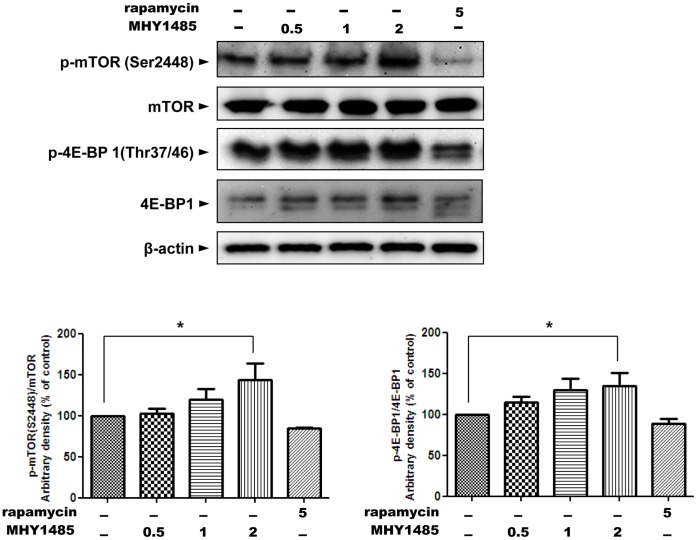
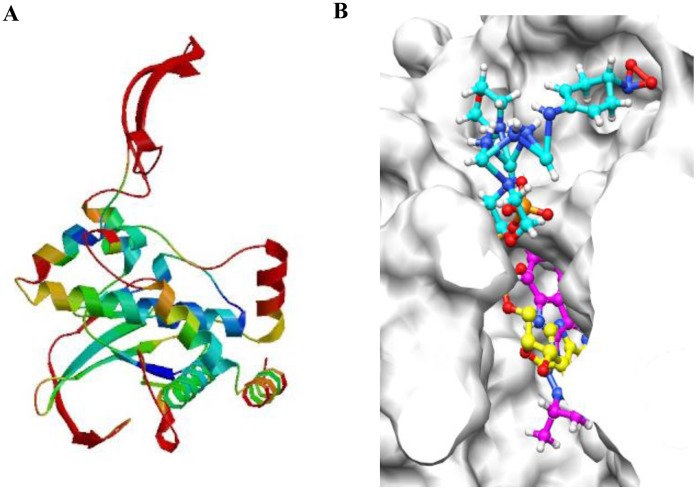
Autophagy is a major degradative process responsible for the disposal of cytoplasmic proteins and dysfunctional organelles via the lysosomal pathway. During the autophagic process, cells form double-membraned vesicles called autophagosomes that sequester disposable materials in the cytoplasm and finally fuse with lysosomes. In the present study, we investigated the inhibition of autophagy by a synthesized compound, MHY1485, in a culture system by using Ac2F rat hepatocytes. Autophagic flux was measured to evaluate the autophagic activity. Autophagosomes were visualized in Ac2F cells transfected with AdGFP-LC3 by live-cell confocal microscopy. In addition, activity of mTOR, a major regulatory protein of autophagy, was assessed by western blot and docking simulation using AutoDock 4.2. In the result, treatment with MHY1485 suppressed the basal autophagic flux, and this inhibitory effect was clearly confirmed in cells under starvation, a strong physiological inducer of autophagy. The levels of p62 and beclin-1 did not show significant change after treatment with MHY1485. Decreased co-localization of autophagosomes and lysosomes in confocal microscopic images revealed the inhibitory effect of MHY1485 on lysosomal fusion during starvation-induced autophagy. These effects of MHY1485 led to the accumulation of LC3II and enlargement of the autophagosomes in a dose- and time-dependent manner. Furthermore, MHY1485 induced mTOR activation and correspondingly showed a higher docking score than PP242, a well-known ATP-competitive mTOR inhibitor, in docking simulation. In conclusion, MHY1485 has an inhibitory effect on the autophagic process by inhibition of fusion between autophagosomes and lysosomes leading to the accumulation of LC3II protein and enlarged autophagosomes. MHY1485 also induces mTOR activity, providing a possibility for another regulatory mechanism of autophagy by the MHY compound. The significance of this study is the finding of a novel inhibitor of autophagy with an mTOR activating effect.
Overview
The claims and statistics of this paper haven’t been checked yet.
Run the check — free, no account needed. It reads the open-access text and checks the sources it cites.
Integrity signals
Registry
Cites
Statistics
Figures

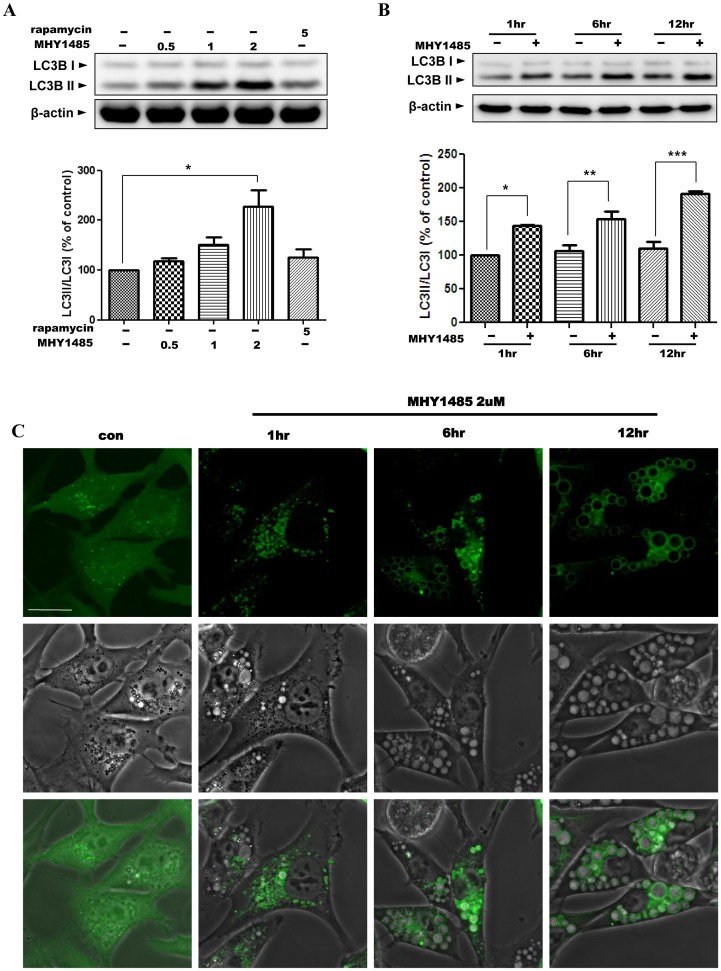
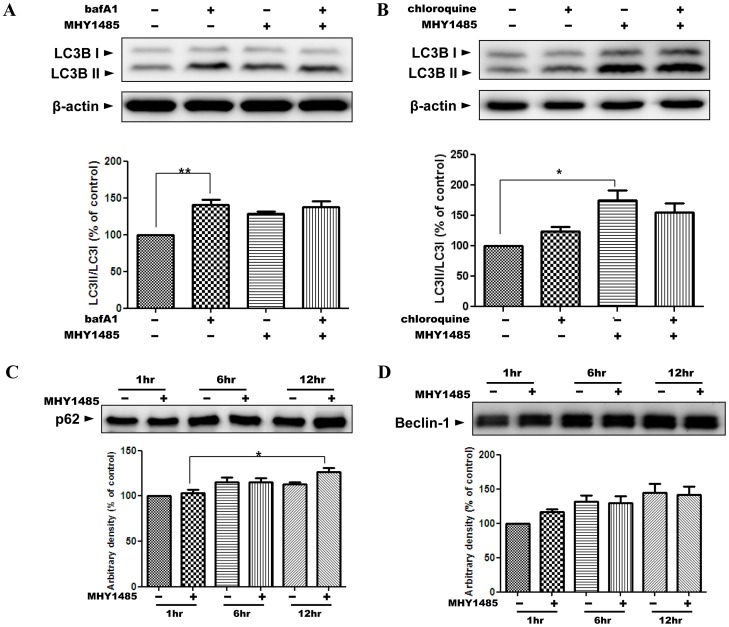
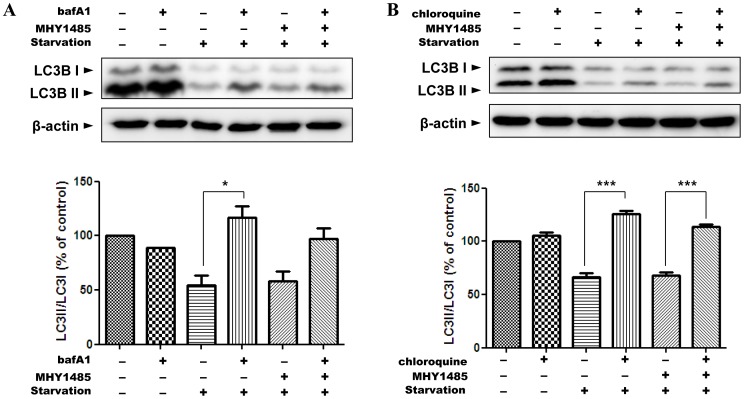
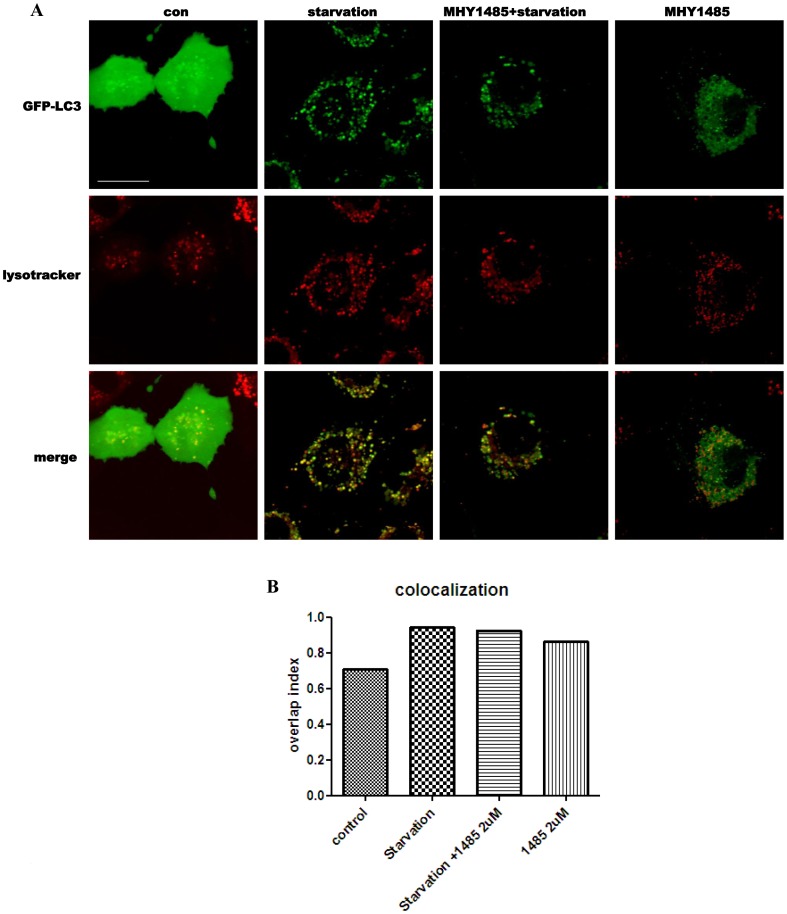
Verification
Claims the paper makes
The claims and statistics of this paper haven’t been checked yet.
Run the check — free, no account needed. It reads the open-access text and checks the sources it cites.
Claims other papers make about this one
Each is checked against this paper’s own text: does it say what the citing paper says it does?
The source backs part of the claim, not all of it — or backs it for a different population, condition or comparison.
In the citing paper
“There are also data showing mTORC1 signaling may disrupt autophagy, which in turn may affect mitochondrial remodeling (Choi et al., 2012).”
From Skeletal Muscle Ribosome and Mitochondrial Biogenesis in Response to Different Exercise Training Modalities (2021) · cites this paper as Choi et al., 2012
Experimental — accuracy not yet measured
Self-check
Percentages, sums and reported differences re-computed from the paper’s own numbers.
The self-check needs the paper’s full text.
Citations
Cites
The SWISS-MODEL workspace: a web-based environment for protein structure homology modelling
Arnold, K., Bordoli, L., Kopp, J., & Schwede, T. F. (2005) · Bioinformatics · doi:10.1093/bioinformatics/bti770 · Cited by 7,031
Methods in Mammalian Autophagy Research
Mizushima, N., Yoshimori, T., & Levine, B. (2010) · Cell · doi:10.1016/j.cell.2010.01.028 · Cited by 4,497
mTOR: from growth signal integration to cancer, diabetes and ageing
Zoncu, R., Efeyan, A., & Sabatini, D. M. (2011) · Nature Reviews Molecular Cell Biology · doi:10.1038/nrm3025 · Cited by 3,941
Regulation mechanisms and signaling pathways of autophagy
He, C., & Klionsky, D. J. (2009) · Annual Review of Genetics · doi:10.1146/annurev-genet-102808-114910 · Cited by 3,609
How to Interpret LC3 Immunoblotting
Mizushima, N., & Yoshimori, T. (2007) · Autophagy · doi:10.4161/auto.4600 · Cited by 2,595 · cited 1×
“[9], [10], [11].”
Sancak, Y., Bar-Peled, L., Zoncu, R., Markhard, A. L., Nada, S., & Sabatini, D. M. (2010) · Cell · doi:10.1016/j.cell.2010.02.024 · Cited by 2,464 · cited 1×
“The recent identification of mTOR localization at the lysosomal membrane when it is activated [41], [42] and the several reports that morpholino triazine analogs can easily bind mTOR [43], [44] led us to the question about the effect of MHY1485 on the activity of mTOR.”
BackgroundEaten alive: a history of macroautophagy
Yang, Z., & Klionsky, D. J. (2010) · Nature Cell Biology · doi:10.1038/ncb0910-814 · Cited by 2,155
Yoshimori, T., Yamamoto, A., Moriyama, Y., Futai, M., & Tashiro, Y. (1991) · Journal of Biological Chemistry · doi:10.1016/s0021-9258(19)47429-2 · Cited by 1,334
The Role of Autophagy in Cancer: Therapeutic Implications
Yang, Z. J., Chee, C. E., Huang, S., & Sinicrope, F. A. (2011) · Molecular Cancer Therapeutics · doi:10.1158/1535-7163.mct-11-0047 · Cited by 1,243
Active-Site Inhibitors of mTOR Target Rapamycin-Resistant Outputs of mTORC1 and mTORC2
Feldman, M. E., Apsel, B., Uotila, A., Loewith, R., Knight, Z. A., Ruggero, D., & Shokat, K. M. (2009) · PLoS Biology · doi:10.1371/journal.pbio.1000038 · Cited by 1,111
Research works printed but not linked: 1
- [21]Tanida I, Waguri S (2010) Measurement of autophagy in cells and tissues. Methods in molecular biology 648: 193– 214. 20700714
Cited by
Sorted by citations
The Short Chain Fatty Acid Butyrate Imprints an Antimicrobial Program in Macrophages
Schulthess, J., Pandey, S., Capitani, M., Rue-Albrecht, K. C., Arnold, I., Franchini, F., Chomka, A., Ilott, N. E., Johnston, D. G. W., Pires, E., et al. (2019) · Immunity · doi:10.1016/j.immuni.2018.12.018 · Cited by 1,037
New Insights Into the Role of mTOR Signaling in the Cardiovascular System
Sciarretta, S., Forte, M., Frati, G., & Sadoshima, J. (2018) · Circulation Research · doi:10.1161/circresaha.117.311147 · Cited by 497
Montagne, A., Nikolakopoulou, A. M., Zhao, Z., Sagare, A. P., Si, G., Lazic, D., Barnes, S. R., Daianu, M., Ramanathan, A., Go, A., et al. (2018) · Nature Medicine · doi:10.1038/nm.4482 · Cited by 344
RetractedIlekis, J. V., Tsilou, E. T., Fisher, S. J., Abrahams, V. M., Soares, M. J., Cross, J. C., Zamudio, S., Illsley, N. P., Myatt, L., Colvis, C. M., et al. (2016) · American Journal of Obstetrics and Gynecology · doi:10.1016/j.ajog.2016.03.001 · Cited by 298
Liu, B., Deng, X., Jiang, Q., Li, G., Zhang, J., Zhang, N., Xin, S., & Xu, K. (2020) · Biomedicine & Pharmacotherapy · doi:10.1016/j.biopha.2020.109895 · Cited by 205
An endocytosis pathway initiated through neuropilin-1 and regulated by nutrient availability
Pang, H., Braun, G. B., Friman, T., Aza‐Blanc, P., Ruidíaz, M. E., Sugahara, K. N., Teesalu, T., & Ruoslahti, E. I. (2014) · Nature Communications · doi:10.1038/ncomms5904 · Cited by 196
Qing, L., Fu, J., Wu, P., Zhou, Z., Yu, F., & Tang, J. (2019) · Europe PMC (PubMed Central) · Cited by 190
mTORC1 and Nutrient Homeostasis: The Central Role of the Lysosome
Rabanal‐Ruiz, Y., & Korolchuk, V. I. (2018) · International Journal of Molecular Sciences · doi:10.3390/ijms19030818 · Cited by 178
Arginine starvation kills tumor cells through aspartate exhaustion and mitochondrial dysfunction
Cheng, C.-T., Qi, Y., Wang, Y.-C., Chi, K. K., Chung, Y., Ouyang, C., Chen, Y.-R., Oh, M. E., Sheng, X., Tang, Y., et al. (2018) · Communications Biology · doi:10.1038/s42003-018-0178-4 · Cited by 164
Silva, M. C., Nandi, G. A., Tentarelli, S., Gurrell, I. K., Jamier, T., Lucente, D., Dickerson, B. C., Brown, D. G., Brandon, N. J., & Haggarty, S. J. (2020) · Nature Communications · doi:10.1038/s41467-020-16984-1 · Cited by 157
Komai, T., Inoue, M., Okamura, T., Morita, K., Iwasaki, Y., Sumitomo, S., Shoda, H., Yamamoto, K., & Fujio, K. (2018) · Frontiers in Immunology · doi:10.3389/fimmu.2018.01364 · Cited by 158
Puertollano, R. (2014) · F1000Prime Reports · doi:10.12703/p6-52 · Cited by 146
Androgens increase excitatory neurogenic potential in human brain organoids
Kelava, I., Chiaradia, I., Pellegrini, L., Kalinka, A. T., & Lancaster, M. A. (2022) · Nature · doi:10.1038/s41586-021-04330-4 · Cited by 124
Shi, W., Dai, M., Zhang, C., Teng, K., Wang, F., Li, H., Sun, W., Feng, Z., Kang, T., Guan, X., et al. (2020) · Protein & Cell · doi:10.1007/s13238-020-00766-y · Cited by 121
Renewed proliferation in adult mouse cochlea and regeneration of hair cells
Shu, Y., Li, W., Huang, M., Quan, Y., Scheffer, D. I., Tian, C., Tao, Y., Liu, X. Z., Hochedlinger, K., Indzhykulian, A. A., et al. (2019) · Nature Communications · doi:10.1038/s41467-019-13157-7 · Cited by 120
Cheng, Y., Kim, J., Li, X. X., & Hsueh, A. J. W. (2015) · PLoS ONE · doi:10.1371/journal.pone.0117769 · Cited by 100
Self-citationGui, D., Cui, Z., Zhang, L., Chang, Y., Yao, D., Xu, M., Chen, M., Wu, P., Li, G., Wang, L., et al. (2017) · BMC Pulmonary Medicine · doi:10.1186/s12890-017-0477-4 · Cited by 100
Raudenská, M., Balvan, J., & Masařík, M. (2021) · Molecular Cancer · doi:10.1186/s12943-021-01423-6 · Cited by 99
Molecular Mechanisms Underlying Autophagy-Mediated Treatment Resistance in Cancer
Ho, C. J., & Gorski, S. M. (2019) · Cancers · doi:10.3390/cancers11111775 · Cited by 93
Deng, Z., Lei, X., Zhang, X., Zhang, H., Liu, S., Chen, Q., Hu, H., Wang, X., Ning, L., Cao, Y., et al. (2015) · Journal of Molecular Cell Biology · doi:10.1093/jmcb/mjv005 · Cited by 93
Buerger, C., Shirsath, N., Lang, V., Berard, A., Diehl, S., Kaufmann, R., Boehncke, W., & Wolf, P. (2017) · PLoS ONE · doi:10.1371/journal.pone.0180853 · Cited by 87
He, T., Li, W., Song, Y., Li, Z., Tang, Y., Zhang, Z., & Yang, G. (2020) · Journal of Neuroinflammation · doi:10.1186/s12974-020-01987-y · Cited by 80
Self-citationThe mucolipidosis IV Ca2+ channel TRPML1 (MCOLN1) is regulated by the TOR kinase
Onyenwoke, R. U., Sexton, J. Z., Yan, F., Díaz, M. C. H., Forsberg, L. J., Major, M. B., & Brenman, J. E. (2015) · Biochemical Journal · doi:10.1042/bj20150219 · Cited by 77
Adipose tissue glycogen accumulation is associated with obesity-linked inflammation in humans
Ceperuelo‐Mallafré, V., Ejarque, M., Serena, C., Durán, X., Montori-Grau, M., Rodriguez, M. A., Yanes, Ó., Núñez‐Roa, C., Roche, K., Puthanveetil, P., et al. (2015) · Molecular Metabolism · doi:10.1016/j.molmet.2015.10.001 · Cited by 71
Du, C., Zhang, T., Xiao, X., Shi, Y., Duan, H., & Ren, Y. (2017) · Biochemical Journal · doi:10.1042/bcj20170272 · Cited by 68
IL-7 Restores T Lymphocyte Immunometabolic Failure in Septic Shock Patients through mTOR Activation
Venet, F., Demaret, J., Blaise, B. J., Rouget, C., Girardot, T., Idealisoa, E., Rimmele, T. R., Mallet, F., Lepape, A., Textoris, J., et al. (2017) · The Journal of Immunology · doi:10.4049/jimmunol.1700127 · Cited by 76
Nazemi, M., Yanes, B., Llanses, M., Walker, H. J., Pham, K. T., Collins, M. O., Bard, F., & Rainero, E. (2024) · PLoS Biology · doi:10.1371/journal.pbio.3002406 · Cited by 67
Mesquita, P. H. C., Vann, C. G., Phillips, S. M., McKendry, J., Young, K. C., Kavazis, A. N., & Roberts, M. D. (2021) · Frontiers in Physiology · doi:10.3389/fphys.2021.725866 · Cited by 62
Liu, J., Zheng, L., Wu, N., Ma, L., Zhong, J., Liu, G., & Lin, X. (2014) · Journal of Agricultural and Food Chemistry · doi:10.1021/jf500622p · Cited by 60
Zheng, B., Wang, Y., Zhou, B., Qian, F., Liu, D., Ye, D., Zhou, X., & Fang, L. (2024) · Journal of Advanced Research · doi:10.1016/j.jare.2024.04.010 · Cited by 58
Bora, P., Gahurová, L., Mašek, T., Hauserová, A., Potěšil, D., Jansová, D., Šušor, A., Zdráhal, Z., Ajduk, A., Pospíšek, M., et al. (2021) · Communications Biology · doi:10.1038/s42003-021-02290-z · Cited by 55
Zhang, Z., Tang, C. Y., Dong, Y., Zhang, J., Yuan, T., Tao, S., & Li, X. (2017) · International Journal of Biological Sciences · doi:10.7150/ijbs.22249 · Cited by 51
Taurine from tumour niche drives glycolysis to promote leukaemogenesis
Sharma, S., Rodems, B. J., Baker, C. D., Kaszuba, C. M., Franco, E. I., Smith, B. R., Ito, T., Swovick, K., Welle, K. A., Zhang, Y., et al. (2025) · Nature · doi:10.1038/s41586-025-09018-7 · Cited by 53
Bischof, J., Westhoff, M., Wagner, J. E., Halatsch, M., Trentmann, S., Knippschild, U., Wirtz, C. R., & Burster, T. (2017) · Tumor Biology · doi:10.1177/1010428317692227 · Cited by 49
Zheng, G., Wang, L., Li, X., Niu, X., Xu, G., & Lv, P. (2020) · Tissue and Cell · doi:10.1016/j.tice.2020.101481 · Cited by 52
Hypoxia drives murine neutrophil protein scavenging to maintain central carbon metabolism
Watts, E., Howden, A. J. M., Morrison, T., Sadiku, P., Hukelmann, J. L., von Kriegsheim, A., Ghesquière, B., Murphy, F. A., Mirchandani, A. S., Humphries, D. C., et al. (2021) · Journal of Clinical Investigation · doi:10.1172/jci134073 · Cited by 47
(Pro)renin receptor regulates autophagy and apoptosis in podocytes exposed to high glucose
Li, C., & Siragy, H. M. (2015) · American Journal of Physiology-Endocrinology and Metabolism · doi:10.1152/ajpendo.00603.2014 · Cited by 45
ESAT6 inhibits autophagy flux and promotes BCG proliferation through MTOR
Hu, D., Wu, J., Zhao, R., Xuewei, X., Mu, M., Ru, C., Xing, Y., Shengfa, N., & Rongbo, Z. (2016) · Biochemical and Biophysical Research Communications · doi:10.1016/j.bbrc.2016.06.042 · Cited by 45
Masamoto, Y., Arai, S., Sato, T., Kubota, N., Takamoto, I., Kadowaki, T., & Kurokawa, M. (2017) · Stem Cells · doi:10.1002/stem.2640 · Cited by 49
Chicote, J., Yuste, V. J., Boix, J., & Ribas, J. (2020) · Frontiers in Pharmacology · doi:10.3389/fphar.2020.580343 · Cited by 46
MHY1485 activates mTOR and protects osteoblasts from dexamethasone
Zhao, S., Chen, C., Wang, S., Ji, F., & Xie, Y. (2016) · Biochemical and Biophysical Research Communications · doi:10.1016/j.bbrc.2016.10.104 · Cited by 43
Madrakhimov, S. B., Yang, J. Y., Kim, J. H., Han, J. W., & Park, T. K. (2021) · Cell Communication and Signaling · doi:10.1186/s12964-020-00698-4 · Cited by 43
Self-citationRather, R. A., Bhagat, M., & Singh, S. K. (2020) · Mutation Research/Reviews in Mutation Research · doi:10.1016/j.mrrev.2020.108321 · Cited by 43
mTORC1 Promotes ARID1A Degradation and Oncogenic Chromatin Remodeling in Hepatocellular Carcinoma
Zhang, S., Zhou, Y.-F., Cao, J. P., Burley, S. K., Wang, H., & Zheng, X. (2021) · Cancer Research · doi:10.1158/0008-5472.can-21-0206 · Cited by 41
Autophagy Regulators as Potential Cancer Therapeutic agents: A Review
Li, S., Wang, L., Hu, Y., & Sheng, R. (2015) · Current Topics in Medicinal Chemistry · doi:10.2174/1568026615666150302105343 · Cited by 40
Najjar, R. S., & Feresin, R. G. (2021) · International Journal of Molecular Sciences · doi:10.3390/ijms22041668 · Cited by 42
AMPK-autophagy inhibition sensitizes icaritin-induced anti-colorectal cancer cell activity
Zhou, C., Gu, J., Zhang, G., Da, D., Yang, Q., Chen, M., & Xu, D. (2017) · Oncotarget · doi:10.18632/oncotarget.14718 · Cited by 39
Delorme‐Axford, E., Morosky, S. A., Bomberger, J. M., Stolz, D. B., Jackson, W. T., & Coyne, C. B. (2014) · mBio · doi:10.1128/mbio.02147-14 · Cited by 37
Spleen tyrosine kinase (SYK) blocks autophagic Tau degradation in vitro and in vivo
Schweig, J. E., Yao, H., Coppola, K., Jin, C., Crawford, F., MULLAN, M. J., & Paris, D. (2019) · Journal of Biological Chemistry · doi:10.1074/jbc.ra119.008033 · Cited by 38
EVA1A inhibits GBM cell proliferation by inducing autophagy and apoptosis
Shen, X., Kan, S., Liu, Z., Lu, G. X., Zhang, X., Chen, Y., & Bai, Y. (2017) · Experimental Cell Research · doi:10.1016/j.yexcr.2017.02.003 · Cited by 36
The Akt–mTOR network at the interface of hematopoietic stem cell homeostasis
Wu, F., Chen, Z., Liu, J., & Hou, Y. (2021) · Experimental Hematology · doi:10.1016/j.exphem.2021.08.009 · Cited by 37
Xue, W.-J., He, C.-F., Zhou, R., Xu, X.-D., Xiang, L.-X., Wang, J., Wang, X., Zhou, H., & Guo, J.-C. (2022) · Molecular Brain · doi:10.1186/s13041-022-00947-2 · Cited by 36
Usuki, F., Yamashita, A., & Fujimura, M. (2019) · Scientific Reports · doi:10.1038/s41598-018-38015-2 · Cited by 31
Choi, Y. J., Uehara, Y., Park, J. Y., Kim, S., Kim, S. R., Lee, H. W., Moon, H. R., & Chung, H. Y. (2014) · Bioorganic & Medicinal Chemistry Letters · doi:10.1016/j.bmcl.2014.01.040 · Cited by 33
Self-citationCopper Ion from Cu2O Crystal Induces AMPK-Mediated Autophagy via Superoxide in Endothelial Cells
Seo, Y., Cho, Y., Huh, Y., & Park, H. (2016) · Molecules and Cells · doi:10.14348/molcells.2016.2198 · Cited by 34
Ranjbari, S., Behzadi, M., Sepehri, S., Aseman, M. D., Jarrahpour, A., Mohkam, M., Ghasemi, Y., Akbarizadeh, A. R., Kianpour, S., Atioğlu, Z., et al. (2020) · Bioorganic & Medicinal Chemistry · doi:10.1016/j.bmc.2020.115408 · Cited by 33
Liu, H., Huang, B., Xue, S., Kin Pong, U., Tsang, L. L., Zhang, X., Li, G., & Jiang, X. (2020) · Stem Cell Research & Therapy · doi:10.1186/s13287-020-01798-1 · Cited by 31
Inhibition of PHLPP1/2 phosphatases rescues pancreatic β-cells in diabetes
Lupše, B., Annamalai, K., Ibrahim, H., Kaur, S., Geravandi, S., Sarma, B., Pal, A., Awal, S., Joshi, A., Rafizadeh, S., et al. (2021) · Cell Reports · doi:10.1016/j.celrep.2021.109490 · Cited by 32
Inhibition of Mast Cell Function and Proliferation by mTOR Activator MHY1485
Rakhmanova, V., Jin, M., & Shin, J. (2018) · Immune Network · doi:10.4110/in.2018.18.e18 · Cited by 29
Zhang, H., Liu, Q., Su, W., Wang, J., Sun, Y., Zhang, J., Shang, K., Chen, Z., Cheng, S., & Wu, H. (2018) · Microbial Pathogenesis · doi:10.1016/j.micpath.2018.02.004 · Cited by 29
FSHR-mTOR-HIF1 signaling alleviates mouse follicles from AMPK-induced atresia
Liu, L., Hao, M., Zhang, J., Chen, Z., Zhou, J., Wang, C., Zhang, H., & Wang, J. (2023) · Cell Reports · doi:10.1016/j.celrep.2023.113158 · Cited by 29
Bhakuni, T., Norden, P. R., Ujiie, N., Tan, C., Lee, S. K., Tedeschi, T. R., Hsieh, Y.-W., Wang, Y., Liu, T., Fawzi, A. A., et al. (2024) · Nature Communications · doi:10.1038/s41467-024-48134-2 · Cited by 26
mTOR activity is essential for retinal pigment epithelium regeneration in zebrafish
Lu, F., Leach, L. L., & Gross, J. M. (2022) · PLoS Genetics · doi:10.1371/journal.pgen.1009628 · Cited by 27
Liu, Q., Miller, L. C., Blecha, F., & Sang, Y. (2017) · Journal of General Virology · doi:10.1099/jgv.0.000802 · Cited by 26
Pan, S., Lin, H., Luo, H., Gao, F., Meng, L., Zhou, C., Jiang, C., Guo, Y. H., Ji, Z., Chi, J., et al. (2017) · PubMed Central · Cited by 26
LSD1 negatively regulates autophagy through the mTOR signaling pathway in ovarian cancer cells
Ye, W., Han, T., Wang, R., Wei, J., Peng, K., Lin, Q., & Shao, G. (2018) · Oncology Reports · doi:10.3892/or.2018.6432 · Cited by 26
Catalase-deficient mice induce aging faster through lysosomal dysfunction
Dutta, R. K., Lee, J. N., Maharjan, Y., Park, C., Choe, S., Ho, Y., Kwon, H. M., & Park, R. (2022) · Cell Communication and Signaling · doi:10.1186/s12964-022-00969-2 · Cited by 29
Cosialls, E., Pacreau, E., Duruel, C., Ceccacci, S., Elhage, R., Desterke, C., Roger, K., Guerrera, I. C., Ducloux, R., Souquère, S., et al. (2023) · Cell Death and Disease · doi:10.1038/s41419-023-06262-5 · Cited by 28
Rodríguez‐Ortiz, C. J., Servin, J. C. F., Valenzuela, J., Rodriguez, G. J., Zumkehr, J., Tran, D. N., Kimonis, V. E., & Kitazawa, M. (2016) · American Journal Of Pathology · doi:10.1016/j.ajpath.2016.02.007 · Cited by 25
Lin, C., Wu, K., Chi, L., Tang, Y., Huang, H.-J., Lai, C., Tsai, C., & Tsai, C.-L. (2023) · Autophagy · doi:10.1080/15548627.2023.2239633 · Cited by 24
Yue, J., Wang, X., Feng, B., Hu, L., Yang, L.-K., Lu, L., Zhang, K., Wang, Y., & Liu, S. (2019) · ACS Chemical Neuroscience · doi:10.1021/acschemneuro.9b00287 · Cited by 24
Wang, J., Yang, C., Yuan, Z., Yi, J., & Wu, J. (2018) · International Journal of Molecular Sciences · doi:10.3390/ijms19113360 · Cited by 24
Spatiotemporal Regulation of De Novo and Salvage Purine Synthesis during Brain Development
Mizukoshi, T., Yamada, S., & Sakakibara, S. (2023) · eNeuro · doi:10.1523/eneuro.0159-23.2023 · Cited by 23
(−)-Guaiol regulates autophagic cell death depending on mTOR signaling in NSCLC
Yang, X., Zhu, J., Wu, J., Huang, N. J., Cui, Z., Luo, Y., Sun, F., Pan, Q., Li, Y., & Yang, Q. (2018) · Cancer Biology & Therapy · doi:10.1080/15384047.2018.1451277 · Cited by 23
Senescence of human skin-derived precursors regulated by Akt-FOXO3-p27KIP1/p15INK4b signaling
Liu, S., Wang, X., Zhao, Q., Liu, S., Zhang, H., Shi, J., Li, N., Lei, X., Zhao, H., Deng, Z., et al. (2015) · Cellular and Molecular Life Sciences · doi:10.1007/s00018-015-1877-3 · Cited by 25
CD147 Mediates 5-Fluorouracil Resistance in Colorectal Cancer by Reprogramming Glycolipid Metabolism
Dong, S., Li, S., Wang, X., Liang, S., Zhang, W., Li, L., Xu, Q., Shi, B., Cheng, Z., Zhang, X., et al. (2022) · Frontiers in Oncology · doi:10.3389/fonc.2022.813852 · Cited by 22
Cui, G., Shu, B., Sethuraman, V., Yuan, H., Yi, X., & Zhong, G. (2018) · Pesticide Biochemistry and Physiology · doi:10.1016/j.pestbp.2018.12.005 · Cited by 22
Wang, Z., Jia, G., Li, Y., Liu, J., Luo, J., Zhang, J., Xu, G., & Chen, G. (2017) · Oncotarget · doi:10.18632/oncotarget.15124 · Cited by 22
Shen, X., Zhang, J., Zhang, X., Wang, Y., Hu, Y., & Guo, J. (2018) · Cellular and Molecular Neurobiology · doi:10.1007/s10571-018-0644-z · Cited by 21
mTOR Signaling in the Inner Ear as Potential Target to Treat Hearing Loss
Cortada, M., Levano, S., & Bodmer, D. (2021) · International Journal of Molecular Sciences · doi:10.3390/ijms22126368 · Cited by 21
Bu, K.-B., Kim, M., Shin, M. K., Lee, S., & Sung, J. (2024) · International Journal of Molecular Sciences · doi:10.3390/ijms25021324 · Cited by 20
Inhibition of human immunodeficiency virus type 1 by niclosamide through mTORC1 inhibition
Niyomdecha, N., Suptawiwat, O., Boonarkart, C., Jitobaom, K., & Auewarakul, P. (2020) · Heliyon · doi:10.1016/j.heliyon.2020.e04050 · Cited by 19
Liu, M., Yue, Z., Zhang, B., Li, F., Liu, L., & Liu, L. (2022) · Metabolites · doi:10.3390/metabo12090788 · Cited by 18
Yue, L., Huang, H., & Lin, W. (2024) · Angewandte Chemie International Edition · doi:10.1002/anie.202407308 · Cited by 17
Roos, J. C. P., Eglitis, V., & Murthy, R. (2020) · Ophthalmic Plastic and Reconstructive Surgery · doi:10.1097/iop.0000000000001876 · Cited by 16
Okano, T., Ashida, H., Komatsu, N., Tsukasaki, M., Iida, T., Iwasawa, M., Takahashi, Y., Takeuchi, Y., Iwata, T., Sasai, M., et al. (2024) · International Journal of Oral Science · doi:10.1038/s41368-024-00315-x · Cited by 16
Ma, R., Zhang, Z., Xu, J., Liang, X., & Zhao, Q. (2021) · Brazilian Journal of Medical and Biological Research · doi:10.1590/1414-431x2021e11183 · Cited by 15
Wang, Z., Kennedy, B. K., Wong, L., & Sajikumar, S. (2023) · The FASEB Journal · doi:10.1096/fj.202201640rrr · Cited by 14
Xie, Z., Wan, X., Zhong, L., Yang, H. Q., Li, P., & Xu, X. (2017) · Journal of Functional Foods · doi:10.1016/j.jff.2017.01.040 · Cited by 14
Nugraha, B., Korallus, C., Kielstein, H., & Gutenbrunner, C. M. (2013) · PubMed · Cited by 14
5-FU promotes HBV replication through oxidative stress-induced autophagy dysfunction
Yang, J., Zheng, L., Yang, Z., Wei, Z., Shao, J., Zhang, Y., Yao, J., Li, M., Wang, X., & Zheng, M. (2024) · Free Radical Biology and Medicine · doi:10.1016/j.freeradbiomed.2024.01.011 · Cited by 13
Llewellyn, K. J., Nalbandian, A., Weiss, L. N., Chang, I. W.-C., Yu, H., Khatib, B., Tan, B., Scarfone, V. M., & Kimonis, V. E. (2017) · PLoS ONE · doi:10.1371/journal.pone.0176919 · Cited by 12
RetractedPerry, F., Johnson, C. N., Aylward, B. A., & Arsenault, R. J. (2020) · Microorganisms · doi:10.3390/microorganisms8071041 · Cited by 13
Hu, Y., Zhou, C., Dou, W.-H., Tang, W., Hu, C.-Y., Hu, D., Feng, H., Wang, J.-Z., Qian, M.-J., Cheng, G., et al. (2015) · Pancreatology · doi:10.1016/j.pan.2015.06.004 · Cited by 13
Increased Akt-Driven Glycolysis Is the Basis for the Higher Potency of CD137L-DCs
Zeng, Q., Mallilankaraman, K. B., & Schwarz, H. (2019) · Frontiers in Immunology · doi:10.3389/fimmu.2019.00868 · Cited by 13
Glucose availability regulates nicotinamide N-methyltransferase expression in adipocytes
Ehebauer, F., Ghavampour, S., & Kraus, D. (2020) · Life Sciences · doi:10.1016/j.lfs.2020.117474 · Cited by 14
Role of mTOR through Autophagy in Esophageal Cancer Stemness
Du, L., Wang, D., Nagle, P. W., Groen, A. H., Zhang, H., Muijs, C. T., Plukker, J. T. M., & Coppes, R. P. (2022) · Cancers · doi:10.3390/cancers14071806 · Cited by 12
An mTORC1 to HRI signaling axis promotes cytotoxicity of proteasome inhibitors in multiple myeloma
Darawshi, O., Muz, B., Gershon-Naamat, S., Praveen, B., Mahameed, M., Goldberg, K., Dipta, P., Shmuel, M., Forno, F., Boukeileh, S., et al. (2022) · Cell Death and Disease · doi:10.1038/s41419-022-05421-4 · Cited by 12
Jeong, S. U., Hwang, H. S., Park, J.-M., Yoon, S. Y., Shin, S., Go, H., Lee, J., Jeong, G., & Cho, Y. M. (2022) · Cancer Research and Treatment · doi:10.4143/crt.2021.1526 · Cited by 12
Self-citationTarget of rapamycin signaling inhibits autophagy in sea cucumber Apostichopus japonicus
Yina, S., Che, Z., Kaiyu, C., Cheng-hua, L., & Xiaodong, Z. (2020) · Fish & Shellfish Immunology · doi:10.1016/j.fsi.2020.05.013 · Cited by 12
Metadata
- Authors
- Choi, Y. J., Park, Y. J., Park, J. Y., Jeong, H. O., Kim, D. H., Ha, Y. M., Kim, J. M., Song, Y. M., Heo, H.-S., Yu, B. P., Chun, P., Moon, H. R., & Chung, H. Y.
- Affiliations
- Pusan National University (KR)
- Korea Research Institute of Bioscience and Biotechnology (KR)
- The University of Texas at San Antonio Health Science Center (US)
- Inje University (KR)
- Corresponding author
- Moon, Hyung Ryong
- Chung, Hae Young
- ORCID
- Venue
- PLoS ONE
- Publisher
- Public Library of Science (PLoS)
- Published
- 2012-08-22
- Volume
- 7
- Issue
- 8
- Pages
- e43418
- ISSN
- 1932-6203 (ISSN-L)
- PMC
- PMC3425474
- OpenAlex
- W1985820389
- Cited by
- 192
- References
- 47
- Citations by year
- 2026: 18 · 2025: 13 · 2024: 28 · 2023: 16 · 2022: 14 · 2021: 16 · 2020: 17 · 2019: 10 · 2018: 17 · 2017: 15 · 2016: 10 · 2015: 9 · 2014: 6 · 2013: 3
- FWCI
- 4.29
- Type
- journal article
- Language
- en
- Update notices
- correction (2013-01-29)
- Open access
- gold
- doi.org
- Locations
- PLoS ONE (publishedVersion, cc-by)
- PubMed Central (publishedVersion, cc-by)
- PubMed (publishedVersion)
- DOAJ (DOAJ: Directory of Open Access Journals) (submittedVersion, cc-by-sa)
- KRIBB Repository (submittedVersion)
- Funders
- National Research Foundation
- National Research Foundation of Korea (20090083538, No. 2009-0083538)
- Topics
- Life Sciences › Biochemistry, Genetics and Molecular Biology › Cell Biology › Autophagy in Disease and Therapy
- Life Sciences › Biochemistry, Genetics and Molecular Biology › Physiology › Calcium signaling and nucleotide metabolism
- Life Sciences › Biochemistry, Genetics and Molecular Biology › Molecular Biology › PI3K/AKT/mTOR signaling in cancer
- Keywords
- MHY1485, autophagy inhibition, mTOR activation, lysosome fusion, autophagosome-lysosome fusion, starvation-induced autophagy, autophagic flux, hepatocytes, p62, Beclin-1, mTOR inhibitors
- MeSH terms
- Animals, Autophagy, Liver, Lysosomes, Microtubule-Associated Proteins, Morpholines, Protein Conformation, Triazines, Vacuoles, Rats, TOR Serine-Threonine Kinases, Molecular Docking Simulation
About these checks
Registry, retraction, Cites and statistics results are computed, not judged, with one exception: a printed reference that no index lists is read once by a model before it counts as a citation error. Claims are extracted by a model and kept only when their quote appears verbatim in the text; each cited source is then checked, with a model’s help, for whether it says what the claim relies on. Those verdicts can be wrong — read the claim’s quote and the cited source before relying on one.
Statistics and arithmetic are recomputed, not judged.
Confidence bands are shown only for fields calibrated on our annotated test set. None is calibrated yet, so no band is shown.
What counts as a claim ›How we measure confidence ›How we check this ›
Are you an author, or do you see a problem with this page? Request a review
