

Can Taichi Reshape the Brain? A Brain Morphometry Study
Open accessThe DOI matches its Crossref record; 76 of the 78 references it cites were found in a registry or an index.
Abstract
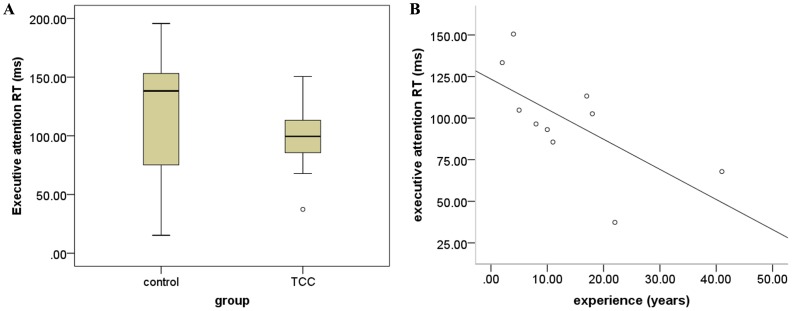
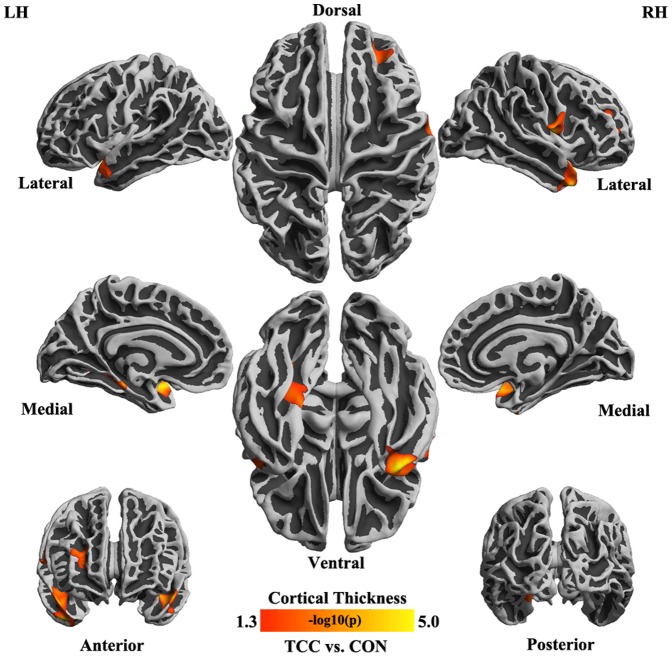
Although research has provided abundant evidence for Taichi-induced improvements in psychological and physiological well-being, little is known about possible links to brain structure of Taichi practice. Using high-resolution MRI of 22 Tai Chi Chuan (TCC) practitioners and 18 controls matched for age, sex and education, we set out to examine the underlying anatomical correlates of long-term Taichi practice at two different levels of regional specificity. For this purpose, parcel-wise and vertex-wise analyses were employed to quantify the difference between TCC practitioners and the controls based on cortical surface reconstruction. We also adopted the Attention Network Test (ANT) to explore the effect of TCC on executive control. TCC practitioners, compared with controls, showed significantly thicker cortex in precentral gyrus, insula sulcus and middle frontal sulcus in the right hemisphere and superior temporal gyrus and medial occipito-temporal sulcus and lingual sulcus in the left hemisphere. Moreover, we found that thicker cortex in left medial occipito-temporal sulcus and lingual sulcus was associated with greater intensity of TCC practice. These findings indicate that long-term TCC practice could induce regional structural change and also suggest TCC might share similar patterns of neural correlates with meditation and aerobic exercise.
Overview
The claims and statistics of this paper haven’t been checked yet.
Free: it reads the open-access text and checks the first 5 claims that cite a source we can check. Create a free account to check every claim.
Integrity signals
Registry
Cites
Statistics
Figures


Verification
Claims the paper makes
The claims and statistics of this paper haven’t been checked yet.
Free: it reads the open-access text and checks the first 5 claims that cite a source we can check. Create a free account to check every claim.
Claims other papers make about this one
Each is checked against this paper’s own text: does it say what the citing paper says it does?
The source backs part of the claim, not all of it — or backs it for a different population, condition or comparison.
In the citing paper
“Several studies reported that different meditation techniques require different cognitive processes and thus produce different neural effects [55, 56].”
From The meditative mind: a comprehensive meta-analysis of MRI studies. (2015) · cites this paper as [56]
Experimental — accuracy not yet measured
Self-check
Percentages, sums and reported differences re-computed from the paper’s own numbers.
The self-check needs the paper’s full text.
Citations
Cites
Desikan, R. S., Ségonne, F., Fischl, B., Quinn, B. T., Dickerson, B. C., Blacker, D., Buckner, R. L., Dale, A. M., Maguire, R. P., Hyman, B. T., et al. (2006) · NeuroImage · doi:10.1016/j.neuroimage.2006.01.021 · Cited by 13,324 · cited 1×
“Parcel-wise analysis The cortical surface was parcellated into 74 and 34 parcellation elements (parcels) for each hemisphere defined by the DesikanKilliany atlas [40,41] and Destrieux atlas [42] to explore the largescale structural changes, respectively.”
MethodCortical Surface-Based Analysis
Dale, A. M., Fischl, B., & Sereno, M. I. (1999) · NeuroImage · doi:10.1006/nimg.1998.0395 · Cited by 10,910
Measuring the thickness of the human cerebral cortex from magnetic resonance images
Fischl, B., & Dale, A. M. (2000) · Proceedings of the National Academy of Sciences · doi:10.1073/pnas.200033797 · Cited by 5,818 · cited 2×
“Finally, the cortical thickness at that location of the vertex is the mean of these two values [34].”
BackgroundMethodAutomatically Parcellating the Human Cerebral Cortex
Fischl, B. (2004) · Cerebral Cortex · doi:10.1093/cercor/bhg087 · Cited by 4,253 · cited 1×
“Parcel-wise analysis The cortical surface was parcellated into 74 and 34 parcellation elements (parcels) for each hemisphere defined by the DesikanKilliany atlas [40,41] and Destrieux atlas [42] to explore the largescale structural changes, respectively.”
MethodTesting the efficiency and independence of attentional networks
Fan, J., McCandliss, B. D., Sommer, T., Raz, A., & Posner, M. I. (2002) · Journal of Cognitive Neuroscience · doi:10.1162/089892902317361886 · Cited by 3,717 · cited 1×
“Before MRI sessions, the participants completed an Attention Network Test (ANT), which is considered as the flanker test to measure different behavioral aspects of attention including alerting, orienting and executive attention based on the Attention Network theory [25].”
MethodBe smart, exercise your heart: Exercise effects on brain and cognition
Hillman, C. H., Erickson, K. I., & Kramer, A. F. (2008) · Nature Reviews Neuroscience · doi:10.1038/nrn2298 · Cited by 3,563 · cited 3×
“Moreover, a large number of studies demonstrate an important role of BA9 in for exercise-related improvement of executive function in adolescents and the elderly [1].”
BackgroundNeural systems supporting interoceptive awareness
Critchley, H. D., Wiens, S., Rotshtein, P., Öhman, A., & Dolan, R. J. (2004) · Nature Neuroscience · doi:10.1038/nn1176 · Cited by 3,406 · cited 1×
“Greater right insula grey matter correlates with increased accuracy in the subjective sense of the inner body, and with negative emotional experience [61].”
BackgroundSpecification of Cerebral Cortical Areas
Rakic, P. (1988) · Science · doi:10.1126/science.3291116 · Cited by 3,127 · cited 1×
“It is suggested that cortical thickness is related to the number or density of cells in a column [72–74], which might help to explain the detailed change of thickness in cellular level.”
BackgroundAutomatic parcellation of human cortical gyri and sulci using standard anatomical nomenclature
Destrieux, C., Fischl, B., Dale, A., & Halgren, E. (2010) · NeuroImage · doi:10.1016/j.neuroimage.2010.06.010 · Cited by 2,956 · cited 1×
“Parcel-wise analysis The cortical surface was parcellated into 74 and 34 parcellation elements (parcels) for each hemisphere defined by the DesikanKilliany atlas [40,41] and Destrieux atlas [42] to explore the largescale structural changes, respectively.”
MethodA hybrid approach to the skull stripping problem in MRI
Ségonne, F., Dale, A. M., Busa, E., Glessner, M., Salat, D., Hahn, H. K., & Fischl, B. (2004) · NeuroImage · doi:10.1016/j.neuroimage.2004.03.032 · Cited by 2,212 · cited 1×
“Brain tissues were then extracted using a hybrid watershed/surface deformation procedure [30] and automatically segmented into the cerebrospinal fluid (CSF), white matter (WM) and deep gray matter (GM) volumetric structures [29].”
Method
Research works printed but not linked: 1
- Sandlund ES, Norlander T (2000) The effects of Tai Chi Chuan relaxation and exercise on stress responses and well being: An overview of research. Int J Stress Manage 7: 139– 149. · doi:10.1023/a:1009536319034
Cited by
Fox, K. C. R., Nijeboer, S., Dixon, M. L., Floman, J. L., Ellamil, M., Rumak, S. P., Sedlmeier, P., & Christoff, K. (2014) · Neuroscience & Biobehavioral Reviews · doi:10.1016/j.neubiorev.2014.03.016 · Cited by 804
A research agenda for aging in China in the 21st century
Fang, E. F., Scheibye-Knudsen, M., Jahn, H. J., Li, J., Ling, L., Guo, H., Zhu, X., Preedy, V., Lu, H., Bohr, V. A., et al. (2015) · Ageing Research Reviews · doi:10.1016/j.arr.2015.08.003 · Cited by 721
Zuo, X.-N., & Xing, X.-X. (2014) · Neuroscience & Biobehavioral Reviews · doi:10.1016/j.neubiorev.2014.05.009 · Cited by 660
Self-citationThe Effect of Diaphragmatic Breathing on Attention, Negative Affect and Stress in Healthy Adults
Ma, X., Yue, Z.-Q., Gong, Z.-Q., Zhang, H., Duan, N.-Y., Shi, Y.-T., Wei, G.-X., & Li, Y.-F. (2017) · Frontiers in Psychology · doi:10.3389/fpsyg.2017.00874 · Cited by 509
“Moreover, specific changes, such as an increased cortical thickness (Wei et al., 2013), prefrontalhippocampus functional connectivity (Tao et al.”
BackgroundSelf-citationBreath of Life: The Respiratory Vagal Stimulation Model of Contemplative Activity
Gerritsen, R. J. S., & Band, G. P. H. (2018) · Frontiers in Human Neuroscience · doi:10.3389/fnhum.2018.00397 · Cited by 342
“The frontal end stations of CAN also show predicted structural changes: PFC gray matter density is increased by diverse meditation styles and mind-body exercises (Lazar et al., 2005; Luders et al., 2009, 2012a; Lutz et al., 2015; Hölzel et al., 2011a; Froeliger et al., 2012; Tang et al., 2015; Wei et al., 2013; Yin et…”
BackgroundThe meditative mind: a comprehensive meta-analysis of MRI studies.
Boccia, M., Piccardi, L., & Guariglia, P. (2015) · BioMed Research International · doi:10.1155/2015/419808 · Cited by 187
“, 2013 [54] 40 Meditators versus controls 14 ± 8 years TCC”
BackgroundWells, R. E., Yeh, G. Y., Kerr, C. E., Wolkin, J., Davis, R. B., Tan, Y., Spaeth, R., Wall, R. B., Walsh, J., Kaptchuk, T. J., et al. (2013) · Neuroscience Letters · doi:10.1016/j.neulet.2013.10.001 · Cited by 181
“[31] If some component of cognitive decline is a function of stress-induced hippocampal changes, then meditation may impact the hippocampus as a stress-reducing technique thereby improving cognitive reserve.”
Sungkarat, S., Boripuntakul, S., Kumfu, S., Lord, S. R., & Chattipakorn, N. (2018) · Neurorehabilitation and Neural Repair · doi:10.1177/1545968317753682 · Cited by 174
Tao, J., Liu, J., Egorova, N., Chen, X., Sun, S., Xue, X., Huang, J., Zheng, G., Wang, Q., Chen, L., et al. (2016) · Frontiers in Aging Neuroscience · doi:10.3389/fnagi.2016.00025 · Cited by 145
Tai Chi Chuan and Baduanjin Increase Grey Matter Volume in Older Adults: A Brain Imaging Study
Tao, J., Liu, J., Liu, W., Huang, J., Xue, X., Chen, X., Wu, J., Zheng, G., Chen, B., Li, M., et al. (2017) · Journal of Alzheimer’s Disease · doi:10.3233/jad-170477 · Cited by 138
“Our results are consistent with these previous findings [76], which found that compared with controls, long-term Tai Chi Chuan practitioners (average 14 years of exercise) showed significantly thicker cortices in the temporal gyrus relative to the control group.”
Measuring individual morphological relationship of cortical regions
Kong, X., Wang, X., Huang, L., Pu, Y., Yang, Z., Dang, X., Zhen, Z., & Liu, J. (2014) · Journal of Neuroscience Methods · doi:10.1016/j.jneumeth.2014.09.003 · Cited by 145
Self-citationKillgore, W. D. S., Olson, E. A., & Weber, M. (2013) · Scientific Reports · doi:10.1038/srep03457 · Cited by 115
Wei, G.-X., Dong, H.-M., Yang, Z., Luo, J., & Zuo, X.-N. (2014) · Frontiers in Aging Neuroscience · doi:10.3389/fnagi.2014.00074 · Cited by 111
“Field et al. (2010) observed that performance on math computations was significantly improved by a 20-min TCC/Yoga training course and associated with an increase in frontal EEG theta activity.”
Self-citationExercise-Related Changes of Networks in Aging and Mild Cognitive Impairment Brain
Huang, P., Fang, R., Li, B.-Y., & Chen, S.-D. (2016) · Frontiers in Aging Neuroscience · doi:10.3389/fnagi.2016.00047 · Cited by 82
“Yeo et al. (2011) organized the cortex into seven networks coarsely and 17 networks at a finer level according to 1,000 individuals.”
BackgroundEffects of Mind–Body Exercise on Brain Structure and Function: A Systematic Review on MRI Studies
Zhang, X., Zong, B., Zhao, W., & Li, L. (2021) · Brain Sciences · doi:10.3390/brainsci11020205 · Cited by 93
“The STG is thought to be sensitive to emotional information and plays an important role in a goal-directed behavior [66].”
BackgroundMethodResultInfluentialTai Chi and the Protection of Cognitive Ability
Zheng, G., Liu, F., Li, S., Huang, M., Tao, J., & Chen, L. (2015) · American Journal of Preventive Medicine · doi:10.1016/j.amepre.2015.01.002 · Cited by 87
Tao, J., Chen, X., Liu, J., Egorova, N., Xue, X., Liu, W., Zheng, G., Li, M., Wu, J., Hu, K., et al. (2017) · Frontiers in Human Neuroscience · doi:10.3389/fnhum.2017.00514 · Cited by 78
“…these practices are also different from each other; TCC involves more complicated body movements and requires moving one’s trunk and all four limbs (Wei et al., 2013), whereas themovement involved in Baduanjin is much simpler and is characterized by eight fixed movements (Xiong et al., 2015).”
BackgroundLyu, D., Lyu, X., Zhang, Y., Ren, Y., Yang, F., Zhou, L., Zou, Y., & Li, Z. (2018) · Frontiers in Physiology · doi:10.3389/fphys.2018.00983 · Cited by 84
Tai Chi Chuan vs General Aerobic Exercise in Brain Plasticity: A Multimodal MRI Study
Cui, L., Yin, H., Lyu, S., Shen, Q.-Q., Wang, Y., Li, X., Li, J., Li, Y., & Zhu, L. (2019) · Scientific Reports · doi:10.1038/s41598-019-53731-z · Cited by 81
Individual differences in verbal creative thinking are reflected in the precuneus
Chen, Q.-L., Xu, T., Yang, W.-J., Li, Y.-D., Sun, J.-Z., Wang, K.-C., Beaty, R. E., Zhang, Q.-L., Zuo, X.-N., & Qiu, J. (2015) · Neuropsychologia · doi:10.1016/j.neuropsychologia.2015.07.001 · Cited by 79
Self-citationWu, M.-T., Tang, P., Goh, J. O. S., Chou, T., Chang, Y., Hsu, Y., Chen, Y.-J., Chen, N.-C., Tseng, W. I., Gau, S. S., et al. (2018) · Frontiers in Aging Neuroscience · doi:10.3389/fnagi.2018.00280 · Cited by 79
“Evidence also suggests that TCC related interventions may be associated with specific changes of brain structure as well as resting-state connectivity and activation of the brain (Mortimer et al., 2012; Wei et al., 2013, 2014, 2017; Li et al., 2014; Yin et al., 2014).”
BackgroundMethodInfluentialTreating depression With Tai Chi: state of the art and future perspectives
Kong, J., Wilson, G., Park, J., Pereira, K., Walpole, C., & Yeung, A. (2019) · Frontiers in Psychiatry · doi:10.3389/fpsyt.2019.00237 · Cited by 75
“In addition, studies have shown that Tai Chi can significantly modulate brain structures in areas related to mood regulation, such as the insula, putamen, and medial temporal pole (62, 63).”
BackgroundTai Chi Chuan Alters Brain Functional Network Plasticity and Promotes Cognitive Flexibility
Cui, L., Tao, S., Yin, H., Shen, Q.-Q., Wang, Y., Zhu, L., & Li, X. (2021) · Frontiers in Psychology · doi:10.3389/fpsyg.2021.665419 · Cited by 75
“Previous studies have shown that long-term Tai Chi Chuan practice can increase brain volume and cortical thickness (Wei et al., 2013), improve the fractional amplitude of low-frequency fluctuations (fALFF) (Yin et al.”
BackgroundSong, J., Wei, L., Cheng, K. D., Lin, Q., Xia, P., Wang, X., Wang, X., Yang, T., Chen, B., Ding, A., et al. (2022) · Frontiers in Aging Neuroscience · doi:10.3389/fnagi.2022.860762 · Cited by 74
“Long-term Tai Chi exercise resulted in increased cortical thickness in the right precentral gyrus and improved homogeneity of the posterior central gyrus (Wei et al., 2013).”
BackgroundWayne, P. M., Hausdorff, J. M., Lough, M., Gow, B. J., Lipsitz, L. A., Novak, V., Macklin, E. A., Peng, C., & Manor, B. D. (2015) · Frontiers in Human Neuroscience · doi:10.3389/fnhum.2015.00332 · Cited by 73
“Additionally, clinical and neurophysiological data indicate that TC may attenuate agerelated cognitive decline, including executive function, which is critical to dynamic postural control (Wei et al., 2013; Hawkes et al., 2014; Wayne et al., 2014b).”
BackgroundGreater Cortical Thickness in Elderly Female Yoga Practitioners—A Cross-Sectional Study
Afonso, R. F., Balardin, J. B., Lazar, S. W., Sato, J. R., Igarashi, N., Santaella, D. F., Lacerda, S. S., Amaro, E., & Kozasa, E. H. (2017) · Frontiers in Aging Neuroscience · doi:10.3389/fnagi.2017.00201 · Cited by 72
“Wei et al. (2013) reported thicker cortex in Taichi chuan practitioners compared to control group: medial occipitotemporal sulcus, superior temporal gyrus and lingual sulcus in left hemisphere and the circular sulcus of the insula, precentral gyrus and middle frontal sulcus in right hemisphere.”
BackgroundZhou, W., Wan, Y., Chen, Q., Qiu, Y., & Luo, X. (2017) · Journal of Pain and Symptom Management · doi:10.1016/j.jpainsymman.2017.10.021 · Cited by 69
Default network connectivity as a vulnerability marker for obsessive compulsive disorder
Peng, Z. W., Xu, T., He, Q. H., Shi, C. Z., Wei, Z., Miao, G. D., Jing, J., Lim, K. O., Zuo, X. N., & Chan, R. C. K. (2014) · Psychological Medicine · doi:10.1017/s0033291713002250 · Cited by 63
“All details of the data pre-processing can be found in our recent work (Wei et al. 2013; Zuo et al. 2013).”
MethodSelf-citationYu, A. P., Tam, B. T., Lai, C. W. K., Yu, D. S. F., Woo, J., Chung, K., Hui, S. S., Liu, J. Y. W., Gao, W., & Siu, P. M. (2018) · The American Journal of Chinese Medicine · doi:10.1142/s0192415x18500131 · Cited by 66
“Increased thickness of the right inferior segment of the circular sulcus of insula (Wei et al., 2013) and improved functional specialization in anterior cingulate cortex are observed in experienced TCC practicers (Wei et al., 2014).”
BackgroundMethodResultInfluentialYao, Y., Ge, L., Yu, Q., Du, X., Zhang, X., Taylor‐Piliae, R. E., & Wei, G. (2021) · Evidence-based Complementary and Alternative Medicine · doi:10.1155/2021/5549006 · Cited by 64
“Another study investigated whether TCC practice could induce cortical structural change [91].”
BackgroundResultSelf-citationThe benefits of Tai Chi and brisk walking for cognitive function and fitness in older adults
Ji, Z., Li, A., Feng, T., Liu, X., You, Y., Meng, F., Wang, R., Lu, J., & Zhang, C. (2017) · PeerJ · doi:10.7717/peerj.3943 · Cited by 43
Effects of Tai Chi Chuan on Inhibitory Control in Elderly Women: An fNIRS Study
Yang, Y., Chen, T., Shao, M., Yan, S., Yue, G. H., & Jiang, C. (2020) · Frontiers in Human Neuroscience · doi:10.3389/fnhum.2019.00476 · Cited by 57
Wei, D., Du, X., Li, W., Chen, Q., Li, H., Hao, X., Zhang, L., Hitchman, G., Zhang, Q., & Qiu, J. (2014) · Social Cognitive and Affective Neuroscience · doi:10.1093/scan/nsu033 · Cited by 57
“So, other direct measures of the brain structure (such as cortical thickness, surface area or local gyrification index, etc.) should be used in further studies to better understand these relationships (Wei et al., 2013).”
Self-citationYue, C., Yu, Q., Zhang, Y., Herold, F., Mei, J., Kong, Z., Perrey, S., Liu, J., Müller, N. G., Zhang, Z., et al. (2020) · Frontiers in Aging Neuroscience · doi:10.3389/fnagi.2020.586770 · Cited by 56
Wen, Y.-R., Shi, J., Wang, Y.-F., Lin, Y., Hu, Z.-Y., Lin, Y.-T., Wang, X., & Wang, Y. (2022) · Frontiers in Aging Neuroscience · doi:10.3389/fnagi.2022.921069 · Cited by 54
“Studies have shown that long-term TC practice can induce regional structural changes in the precentral gyrus, insular sulcus, and middle frontal sulcus (Wei et al., 2013).”
BackgroundEmbodied cognitive flexibility and neuroplasticity following Quadrato Motor Training
Ben-Soussan, T. D., Berkovich-Ohana, A., Piervincenzi, C., Glicksohn, J., & Carducci, F. (2015) · Frontiers in Psychology · doi:10.3389/fpsyg.2015.01021 · Cited by 47
Fitness-Dependent Effect of Acute Aerobic Exercise on Executive Function
Li, L., Zhang, S., Cui, J., Chen, L.-Z., Wang, X., Fan, M., & Wei, G. (2019) · Frontiers in Physiology · doi:10.3389/fphys.2019.00902 · Cited by 53
Self-citationPan, X., Zhang, Y., & Tao, S. (2014) · Clinical and Experimental Hypertension · doi:10.3109/10641963.2014.881838 · Cited by 51
“remodeling of certain parts of the brain (31), further”
BackgroundTai Chi Improves Brain Metabolism and Muscle Energetics in Older Adults
Zhou, M., Liao, H. V., Sreepada, L. P., Ladner, J. R., Balschi, J. A., & Lin, A. P. (2018) · Journal of Neuroimaging · doi:10.1111/jon.12515 · Cited by 50
“Supporting these conclusions is a growing body of morphological MRI and functional MRI studies which suggest Tai Chi can improve neuroplasticity.[5-11] However studies to date have not been able to mechanistically describe the improvements in physical and psychological conditioning or their relationship to one another.”
BackgroundTai Chi exercise improves working memory capacity and emotion regulation ability
Wang, Y., Tian, J., & Yang, Q. (2023) · Frontiers in Psychology · doi:10.3389/fpsyg.2023.1047544 · Cited by 48
Ren, F.-F., Chen, F., Zhou, W.-S., Cho, Y.-M., Ho, T., Hung, T., & Chang, Y. (2021) · Frontiers in Psychology · doi:10.3389/fpsyg.2021.656141 · Cited by 48
Tai Chi Chuan modulates heart rate variability during abdominal breathing in elderly adults
Wei, G., Li, Y., Yue, X., Ma, X., Chang, Y., Yi, L., Li, J., & Zuo, X. (2016) · PsyCh Journal · doi:10.1002/pchj.105 · Cited by 43
Self-citationKong, J., Wolcott, E., Wang, Z., Jorgenson, K., Harvey, W. F., Tao, J., Rones, R., & Wang, C. (2019) · Brain Imaging and Behavior · doi:10.1007/s11682-018-9875-3 · Cited by 45
“…brain imaging studies, which demonstrated a significant modulation effect of Tai Chi on brain function and structure in healthy human subjects (Fong et al. 2014; Tao et al. 2016, 2017a, b, c; Wei et al. 2013, 2014, 2017) and of exercise on brain responses to heat pain (Ellingson et al. 2016).”
Pan, Z., Su, X., Fang, Q., Hou, L., Lee, Y., Chen, C. C., Lamberth, J., & Kim, M.-L. (2018) · Frontiers in Aging Neuroscience · doi:10.3389/fnagi.2018.00110 · Cited by 45
“MRI presented the image of brain structures (Wei et al., 2013, 2014; Zheng et al., 2015). fMRI examined functional connectivity (Li et al., 2014; Tao et al., 2016, 2017) and brain neural activity (Yin et al., 2014).”
BackgroundMethodInfluentialYang, J., Liu, H., Wei, D., Liu, W., Meng, J., Wang, K., Lei, H. C., & Qiu, J. (2015) · Cognitive Affective & Behavioral Neuroscience · doi:10.3758/s13415-015-0371-6 · Cited by 41
“Other direct measures of the brain structure (such as cortical thickness, surface area or local gyrification index) should be used in further studies to better understand the neural bias of the relationship between family SES and depression (G.-X.Wei et al., 2013).”
MethodWalsh, J. N., Manor, B. D., Hausdorff, J. M., Novak, V., Lipsitz, L. A., Gow, B. J., Macklin, E. A., Peng, C., & Wayne, P. M. (2015) · Global Advances in Health and Medicine · doi:10.7453/gahmj.2015.058 · Cited by 41
Brain Functional Specialization Is Enhanced Among Tai Chi Chuan Practitioners
Chen, L.-Z., Yuan, X., Zhang, Y., Zhang, S., Zou, L., Yang, L., Chang, Y., Xia, Q., Wang, Y., & Wei, G. (2020) · Archives of Physical Medicine and Rehabilitation · doi:10.1016/j.apmr.2020.02.005 · Cited by 41
Self-citationResearch on Function and Mechanism of Tai Chi on Cardiac Rehabilitation
Cheng, D., Wang, B., Li, Q., Guo, Y. H., & Wang, L. (2020) · Chinese Journal of Integrative Medicine · doi:10.1007/s11655-020-3262-9 · Cited by 38
Wei, G., Gong, Z.-Q., Yang, Z., & Zuo, X. (2017) · Frontiers in Psychology · doi:10.3389/fpsyg.2017.01049 · Cited by 38
“…the last but not least component of TCC, has been extensively demonstrated to change GM volume (Colcombe et al., 2006), cortical thickness (Wei et al., 2013), and regional brain function (Colcombe et al., 2004) at the cortical level in prefrontal and parietal cortex, which is consistently…”
BackgroundInfluentialSelf-citationShi, J. Y., Hu, Z.-Y., Wen, Y.-R., Wang, Y.-F., Lin, Y., Zhao, H., Lin, Y.-T., & Wang, Y. (2022) · Frontiers in Neuroscience · doi:10.3389/fnins.2022.1046518 · Cited by 38
Lin, J., Ning, S., Lyu, S., Gao, H., Shao, X., Tan, Z., Zhu, X., & Chen, Y. (2024) · Aging Clinical and Experimental Research · doi:10.1007/s40520-023-02674-7 · Cited by 37
“This suggested that long-term Tai Chi training had a positive effect on the optimization of brain structure and function [18].”
BackgroundChen, Y., Wan, A., Mao, M., Sun, W., Song, Q., & Mao, D. (2022) · Frontiers in Aging Neuroscience · doi:10.3389/fnagi.2022.1000427 · Cited by 36
“org long-term Tai Chi practice, the frontal middle sulcus was significantly thicker, suggesting that Tai Chi practice could cause structural changes in the PFC (Wei et al., 2013).”
BackgroundAltered functional connectivity between hypothalamus and limbic system in fibromyalgia
Kong, J., Huang, Y., Liu, J., Yu, S., Cheng, M. S., Chen, H., Wilson, G., Harvey, W. F., Li, W., & Wang, C. (2021) · Molecular Brain · doi:10.1186/s13041-020-00705-2 · Cited by 36
Effects of 8-Week Tai Chi Chuan Practice on Mindfulness Level
Chen, L.-Z., Dai, A.-Y., Yao, Y., Si, R., Hu, Z., Ge, L., Du, X., Li, A., & Wei, G. (2021) · Mindfulness · doi:10.1007/s12671-021-01622-8 · Cited by 36
Self-citationSun, W., Zhang, C., Song, Q., Li, W., Cong, Y., Chang, S., Mao, D., & Hong, Y. (2016) · Research in Sports Medicine · doi:10.1080/15438627.2015.1126280 · Cited by 35
“A study showed that TC can reshape the brain structure and improve the brain function (Wei et al., 2013).”
BackgroundMicrobiota–gut–brain axis: the mediator of exercise and brain health
Kang, P., & Wang, A. (2024) · Psychoradiology · doi:10.1093/psyrad/kkae007 · Cited by 34
Yang, J., Du, Y. N., Shen, H., Shujie, R., Liu, Z., Zheng, D., Shi, Q., Li, Y., & Wei, G. (2022) · International Journal of Environmental Research and Public Health · doi:10.3390/ijerph191610284 · Cited by 35
“For instance, Tai Chi Chuan practitioners exhibited greater cortical thickness in the middle frontal sulcus [119] and elderly yoga practitioners showed significantly cortical thickness in the left prefrontal lobe [120].”
BackgroundSelf-citationWang, S., & Lu, S. (2022) · Frontiers in Human Neuroscience · doi:10.3389/fnhum.2022.913108 · Cited by 32
“Long-term tai chi chuan exercises can affect brain structure (Wei et al., 2013; Tao et al., 2017a; Yao et al., 2019) and function (Zou et al., 2008).”
BackgroundChan, W. N., & Tsang, W. W. N. (2017) · Evidence-based Complementary and Alternative Medicine · doi:10.1155/2017/9134173 · Cited by 32
“A previous cross-sectional study using fMRI showed that Tai Chi practitioners (n = 22, mean age = 52± 6 years, and mean experience = 14± 8 years) had greater cortical thickness at the middle frontal sulcus when compared with nonpractitioners (n = 18; mean age = 54 ± 6 years) [31].”
BackgroundEyre, H. A., & Baune, B. T. (2013) · Brain Behavior and Immunity · doi:10.1016/j.bbi.2013.10.026 · Cited by 32
Chan, W. N., & Tsang, W. W. N. (2018) · Clinical Rehabilitation · doi:10.1177/0269215518777872 · Cited by 30
Assessing the effects of a full-body motion-based exergame in virtual reality
Xu, W., Liang, H., Yu, Y., Monteiro, D., Hasan, K., & Fleming, C. (2019) · International Symposium of Chinese CHI (Chinese CHI) · doi:10.1145/3332169.3333574 · Cited by 30
“The game combines the advantages of multitasking [1,5] and exercises [6,26] to understand the feasibility of playing full-body motion-based exergames in VR, the effect of multi-tasking on the gamers and the type of responses elicited in players’ brains using EEG data collected during the experiment.”
Creating Well-Being: Increased Creativity and proNGF Decrease following Quadrato Motor Training
Venditti, S., Verdone, L., Pesce, C., Tocci, N., Caserta, M., & Ben‐Soussan, T. D. (2015) · BioMed Research International · doi:10.1155/2015/275062 · Cited by 30
Benefits of Tai Chi Quan on neurodegenerative diseases: A systematic review
Wang, R., Zhou, H., Wang, Y.-C., Chang, X.-L., & Wang, X. (2022) · Ageing Research Reviews · doi:10.1016/j.arr.2022.101741 · Cited by 29
Du, X., Luo, W., Shen, Y., Wei, D., Xie, P., Zhang, J., Zhang, Q., & Qiu, J. (2015) · Psychiatry Research Neuroimaging · doi:10.1016/j.pscychresns.2015.03.002 · Cited by 29
Hu, L., He, H., Roberts, N., Chen, J., Yan, G., Li, P., Song, X., & Luo, C. (2023) · Frontiers in Psychiatry · doi:10.3389/fpsyt.2023.1273439 · Cited by 29
“…most convincing evidence of the possible modulating effect of meditation on insula function comes from the findings that long-term mediators and TaiChi practitioners show greater grey matter thickness and density in the insula, especially in the anterior subregions, compared to controls (106–108).”
Physical Activity and Exercise
Bherer, L., & Pothier, K. (2020) · Springer eBooks · doi:10.1007/978-3-030-39292-5_22 · Cited by 28
Alsubiheen, A. M., PETROFSKY, J. S., Daher, N. S., Lohman, E., & Balbas, E. (2015) · Medical Science Monitor · doi:10.12659/msm.894243 · Cited by 28
“Practicing TC in the long term induced some changes in the brain structure (brain morphometry) [64].”
BackgroundThe Science of Tai Chi and Qigong as Whole Person Health-Part I: Rationale and State of the Science
Wayne, P. M., Ahn, A. C., Clark, J., Irwin, M. R., Kong, J., Lavretsky, H., Li, F., Manor, B. D., Mehling, W. E., Oh, B., et al. (2025) · Journal of Integrative and Complementary Medicine · doi:10.1089/jicm.2024.0957 · Cited by 27
“101 Neurobiologic changes such as increased cortical thickness 148,149 and brain-derived neurotrophic factor levels 150 have been observed in practitioners, suggesting enhanced neuroplasticity and brain health.”
Lyu, S., Zhang, J., Nie, J., Li, C., Gao, T., Yuan, W., Chen, Z., & Ma, J. (2020) · BMC Sports Science Medicine and Rehabilitation · doi:10.1186/s13102-020-00192-x · Cited by 27
Yao, J., Song, Q., Zhang, K., Hong, Y., Li, W., Mao, D., Cong, Y., & Li, J. X. (2018) · Research in Sports Medicine · doi:10.1080/15438627.2018.1502184 · Cited by 27
“Later Wei and co-workers (Wei et al., 2013) quantified the difference in brain images between Tai Chi practitioners and control subjects based on cortical surface brain reconstruction (Wei et al.”
BackgroundInfluentialExercise in Aging: Be Balanced
Gronek, J., Boraczyński, M., Gronek, P., Wieliński, D., Tarnas, J., Marszałek, S., & Tang, Y. (2021) · Aging and Disease · doi:10.14336/ad.2021.0107 · Cited by 27
“Furthermore, such mindbody activities that require attention engagement as yoga, tai chi and meditation have been associated with positive changes in brain structure and function, especially in areas related to awareness, attention, executive functions and memory [73,74,75].”
BackgroundEffects of Mind–Body Exercises on Schizophrenia: A Systematic Review With Meta-Analysis
Wei, G.-X., Yang, L., Imm, K., Loprinzi, P. D., Smith, L., Zhang, X., & Yu, Q. (2020) · Frontiers in Psychiatry · doi:10.3389/fpsyt.2020.00819 · Cited by 25
“(50) indicated that Tai Chi training was associated with increased cortical thickness in brain regions related to executive functions (50), as well as decreased functional homogeneity in dorsolateral prefrontal cortex that potentially optimizes locally functional organization (51).”
Self-citationYeates, G. (2018) · Routledge eBooks · doi:10.4324/9780429466618-8 · Cited by 25
Wayne, P. M., Gow, B. J., Hou, F., Ma, Y., Hausdorff, J. M., Lo, J., Rist, P. M., Peng, C., Lipsitz, L. A., Novak, V., et al. (2021) · PLoS ONE · doi:10.1371/journal.pone.0242963 · Cited by 24
Chen, H., Wang, Y., Zhang, M., Wang, N., Song, G., & Liu, Y. (2023) · Aging & Mental Health · doi:10.1080/13607863.2023.2253183 · Cited by 24
“…the medial prefrontal cortex, and between the dorsolateral prefrontal cortex and the left superior frontal gyrus and anterior cingulate gyrus decreased functional connectivity (Wei et al., 2013), which may play a crucial role in the protection and improvement of memory function (Tao et al., 2016).”
BackgroundMitigating effects and mechanisms of Tai Chi on mild cognitive impairment in the elderly
Wang, X., Si, K., Gu, W., & Wang, X. (2023) · Frontiers in Aging Neuroscience · doi:10.3389/fnagi.2022.1028822 · Cited by 24
“Long-term Tai Chi practice has been shown to increase hippocampal volume (Wei et al., 2013).”
BackgroundWang, X., Xiong, H.-Y., Du, S.-H., Yang, Q., & Hu, L. (2022) · Frontiers in Aging Neuroscience · doi:10.3389/fnagi.2022.935925 · Cited by 22
Yang, S.-Y., Lee, H., Huang, C., & Chen, J. J. (2021) · Frontiers in Aging · doi:10.3389/fragi.2021.636390 · Cited by 20
Swain, D. E., & Lightfoot, J. E. (2016) · International Journal of Managing Projects in Business · doi:10.1108/ijmpb-06-2015-0045 · Cited by 20
Xu, A., Zimmerman, C. S., Lazar, S. W., Ma, Y., Kerr, C. E., & Yeung, A. (2020) · Frontiers in Integrative Neuroscience · doi:10.3389/fnint.2020.00025 · Cited by 19
Chen, R., Wang, S., Fan, Y., Liu, X., Wang, J., Lv, Y., Wang, D., Wu, D., Cao, W., & Zou, Q. (2022) · Cerebral Cortex · doi:10.1093/cercor/bhac254 · Cited by 18
Guo, C., Shao, W., Li, F., Tan, X., & Xie, Y. (2024) · Geriatric Nursing · doi:10.1016/j.gerinurse.2024.06.001 · Cited by 16
Effects of mind-body exercise on individuals with ADHD: a systematic review and meta-analysis
Peng, J., Wang, W., Wang, Y., Hu, F., & Jia, M. (2024) · Frontiers in Psychiatry · doi:10.3389/fpsyt.2024.1490708 · Cited by 16
The effects of an acute Tai Chi on emotional memory and prefrontal cortex activation: a fNIRS study
Wang, H., Guo, Y., Fan, H., Chen, Z., Liu, S., Zhao, L., & Shi, Y. (2025) · Frontiers in Behavioral Neuroscience · doi:10.3389/fnbeh.2024.1520508 · Cited by 16
Gao, K., Tao, J., Liang, G., Gong, C., Wang, L., & Wang, Y. (2025) · Journal of Orthopaedic Surgery and Research · doi:10.1186/s13018-025-05682-7 · Cited by 16
“Consistent TC practice has the potential to prompt localized alterations in the precentral gyrus, insular sulcus, and middle frontal sulcus [106].”
Effects of Hatha yoga on cognitive functions in the elderly: a cross-sectional study
Baklouti, S., Aloui, A., Baklouti, H., Souissi, N., & Jarraya, M. (2022) · Libyan Journal of Medicine · doi:10.1080/19932820.2022.2080799 · Cited by 16
Wei, G., Si, R., Li, Y., Yao, Y., Chen, L.-Z., Zhang, S., Huang, T., Zou, L., Li, C., & Perrey, S. (2020) · Brain Sciences · doi:10.3390/brainsci10070459 · Cited by 17
“Meditators and Tai Chi Chuan masters also showed greater cortical thickness in multiple brain areas related to high-level cognitive processes as compared with the sedentary controls [19,20].”
BackgroundMethodSelf-citationKang, H., Yang, M. A., Li, M., Xi, R., Sun, Q., & Lin, Q. (2024) · PLoS ONE · doi:10.1371/journal.pone.0306518 · Cited by 15
Lin, L., He, Y.-X., Wen, Q., Liu, J.-Y., Dai, Y., Fei, Y.-Z., Li, H., Li, C., & Zhou, H. (2025) · Frontiers in Aging Neuroscience · doi:10.3389/fnagi.2025.1435996 · Cited by 15
Self-citationThe emotional stability of elders with tai chi experience in the sequential risk‐taking task
Yang, J., Liu, Z., Liu, S., Li, L., Zheng, L., & Guo, X. (2019) · PsyCh Journal · doi:10.1002/pchj.279 · Cited by 15
Haolin, T., Yuanbin, Y., Hu, Z., Wenjing, Z., Jing, Z., Jingfeng, T., Long, H., Xuechao, L. I., Qinxuan, S., & Mei, S. (2024) · PubMed Central · doi:10.19852/j.cnki.jtcm.20240322.002 · Cited by 14
Kang, H., An, S. C., Kim, N. O., Sung, M., Kang, Y.-J., Lee, U. S., & Yang, H. (2020) · Frontiers in Psychology · doi:10.3389/fpsyg.2020.00931 · Cited by 14
Towards Cognitive Enhancement of the Elderly: A UX Study of a Multitasking Motion Video Game
Niksirat, K. S., Silpasuwanchai, C., Ren, X., & Wang, Z. (2017) · CHI Conference Extended Abstracts on Human Factors in Computing Systems (CHI EA) · doi:10.1145/3027063.3053105 · Cited by 13
“Furthermore, strong evidence supports the finding that exercise enhances cognition from the physiological perspective by mediating the growth of new neuronal cells [5, 17].”
BackgroundMethodWang, G., Liu, X., Cai, Y., Wang, J., Gao, Y., & Liu, J. (2025) · Journal of NeuroEngineering and Rehabilitation · doi:10.1186/s12984-025-01650-8 · Cited by 12
“For example, enhanced alpha-wave activity has been found in TC practitioners, reflecting improvements in mental relaxation and reduced stress [12].”
Huang, J., Li, X., Chen, Z., Zou, L., Healy, S., Tse, A. C. Y., & Li, C. (2023) · Review Journal of Autism and Developmental Disorders · doi:10.1007/s40489-023-00412-3 · Cited by 11
“Another study has indicated that Tai Chi could improve executive function in healthy older adults through increasing cortical thickness (Wei et al., 2013).”
Hypertension With High Homocysteine Is Associated With Default Network Gray Matter Loss
Kong, Y., Li, X., Chang, L., Liu, Y., Jia, L., Gao, L., & Ren, L. (2021) · Frontiers in Neurology · doi:10.3389/fneur.2021.740819 · Cited by 11
“The precentral region is involved in the somatomotor system and associated with physical fitness and well-being (48, 49).”
BackgroundIncreased white matter connectivity seen in young judo athletes with MRI
Toh, Z. H., Gu, Q. L., Seah, T. A. C., Wong, W., McNab, J. A., Chuang, K., Hong, X., & Tang, P. H. (2018) · Clinical Radiology · doi:10.1016/j.crad.2018.06.003 · Cited by 11
Wan, R., Shi, J., Hu, K., Wang, Y., Jiang, X., Yan, W., Cao, M., & Wang, Y. (2022) · Trials · doi:10.1186/s13063-022-06909-2 · Cited by 10
“Long-term TC practice can induce regional structural changes in the precentral gyrus, insular sulcus, and middle frontal sulcus [53].”
BackgroundIntegrative Medicine in Traumatic Brain Injury
Drake, D. F., Hudak, A. M., & Robbins, W. (2017) · Physical Medicine and Rehabilitation Clinics of North America · doi:10.1016/j.pmr.2016.12.011 · Cited by 10
Metadata
- Authors
- Wei, G.-X., Xu, T., Fan, F.-M., Dong, H.-M., Jiang, L.-L., Li, H.-J., Yang, Z., Luo, J., & Zuo, X.-N.
- Affiliations
- Chinese Academy of Sciences (CN)
- Corresponding author
- Luo, Jing
- Zuo, Xi-Nian
- Venue
- PLoS ONE
- Publisher
- Public Library of Science (PLoS)
- Published
- 2013-04-09
- Volume
- 8
- Issue
- 4
- Pages
- e61038
- ISSN
- 1932-6203 (ISSN-L)
- PMC
- PMC3621760
- OpenAlex
- W2086825712
- Cited by
- 152
- References
- 78
- Citations by year
- 2026: 13 · 2025: 9 · 2024: 10 · 2023: 8 · 2022: 22 · 2021: 11 · 2020: 12 · 2019: 5 · 2018: 15 · 2017: 14 · 2016: 6 · 2015: 15 · 2014: 8 · 2013: 4
- FWCI
- 29.01
- Type
- journal article
- Language
- en
- Open access
- gold
- doi.org
- Locations
- PLoS ONE (publishedVersion, cc-by)
- Europe PMC (PubMed Central) (publishedVersion, other-oa)
- PubMed Central (publishedVersion, cc-by)
- PubMed (publishedVersion)
- Institutional Repository of Institute of Psychology, Chinese Academy of Sciences (Institute of Psychology, Chinese Academy of Sciences) (submittedVersion)
- DOAJ (DOAJ: Directory of Open Access Journals) (submittedVersion, cc-by-sa)
- Funders
- National Natural Science Foundation of China (81171409, 91132728, 81220108014, KSCX2-EW-J-8, 31200794, KSZD-EW-TZ-002, 81030028)
- Chinese Academy of Sciences (KSZD-EW-TZ-002, KSCX2-EWJ-8, 81220108014, 81171409, Y2CX112006)
- Institute of Psychology, Chinese Academy of Sciences
- National Institute of Mental Health (R01MH139349)
- Topics
- Social Sciences › Safety Research › Martial Arts: Techniques, Psychology, and Education
- Life Sciences › Neuroscience › Neurology › Transcranial Magnetic Stimulation Studies
- Social Sciences › Psychology › Clinical Psychology › Mindfulness and Compassion Interventions
- Keywords
- Tai Chi, brain morphometry, cortical thickness, long-term practice, executive function, Attention Network Test, meditation, aerobic exercise, precentral gyrus, superior temporal gyrus
- MeSH terms
- Brain Mapping, Cerebral Cortex, Female, Humans, Image Processing, Computer-Assisted, Magnetic Resonance Imaging, Male, Middle Aged, Psychological Tests, Exercise, Case-Control Studies, Meditation, Tai Ji
About these checks
Registry, retraction, Cites and statistics results are computed, not judged, with one exception: a printed reference that no index lists is read once by a model before it counts as a citation error. Claims are extracted by a model and kept only when their quote appears verbatim in the text; each cited source is then checked, with a model’s help, for whether it says what the claim relies on. Those verdicts can be wrong — read the claim’s quote and the cited source before relying on one.
Statistics and arithmetic are recomputed, not judged.
Confidence bands are shown only for fields calibrated on our annotated test set. None is calibrated yet, so no band is shown.
What counts as a claim ›How we measure confidence ›How we check this ›
Are you an author, or do you see a problem with this page? Request a review
Data sources
Bibliographic data: Semantic Scholar, OpenAlex, Crossref.
Contains information from the Semantic Scholar Academic Graph Datasets, made available under the ODC Attribution License (ODC-BY 1.0).
Semantic Scholar’s data is described in: Kinney, R., et al. (2023). The Semantic Scholar Open Data Platform. arXiv:2301.10140.
