

PTEN Loss Increases PD-L1 Protein Expression and Affects the Correlation between PD-L1 Expression and Clinical Parameters in Colorectal Cancer
Open accessThe DOI matches its Crossref record; 37 of the 37 references it cites were found in a registry or an index.
Abstract
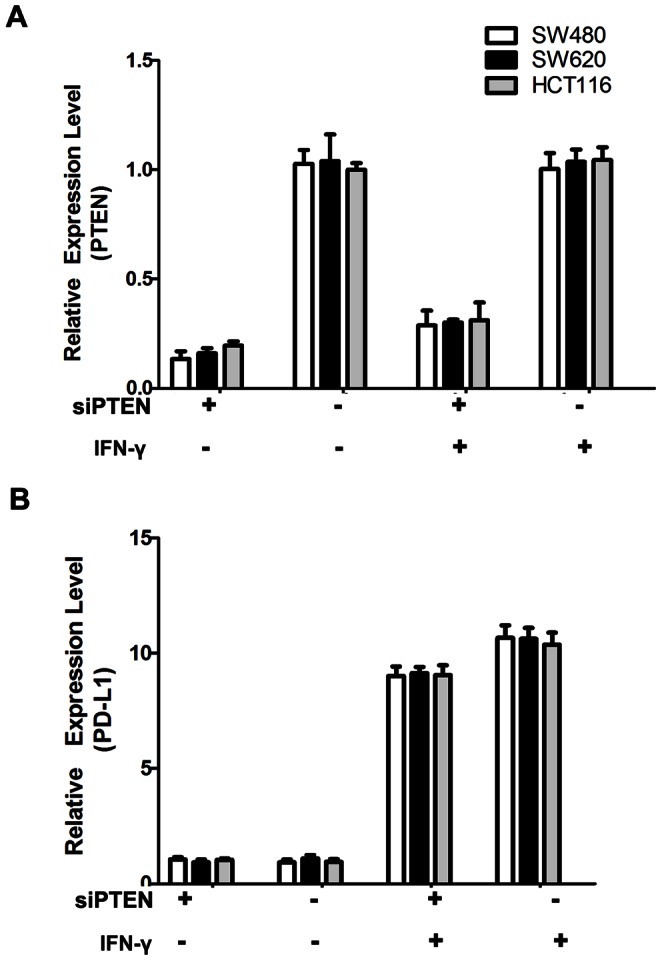
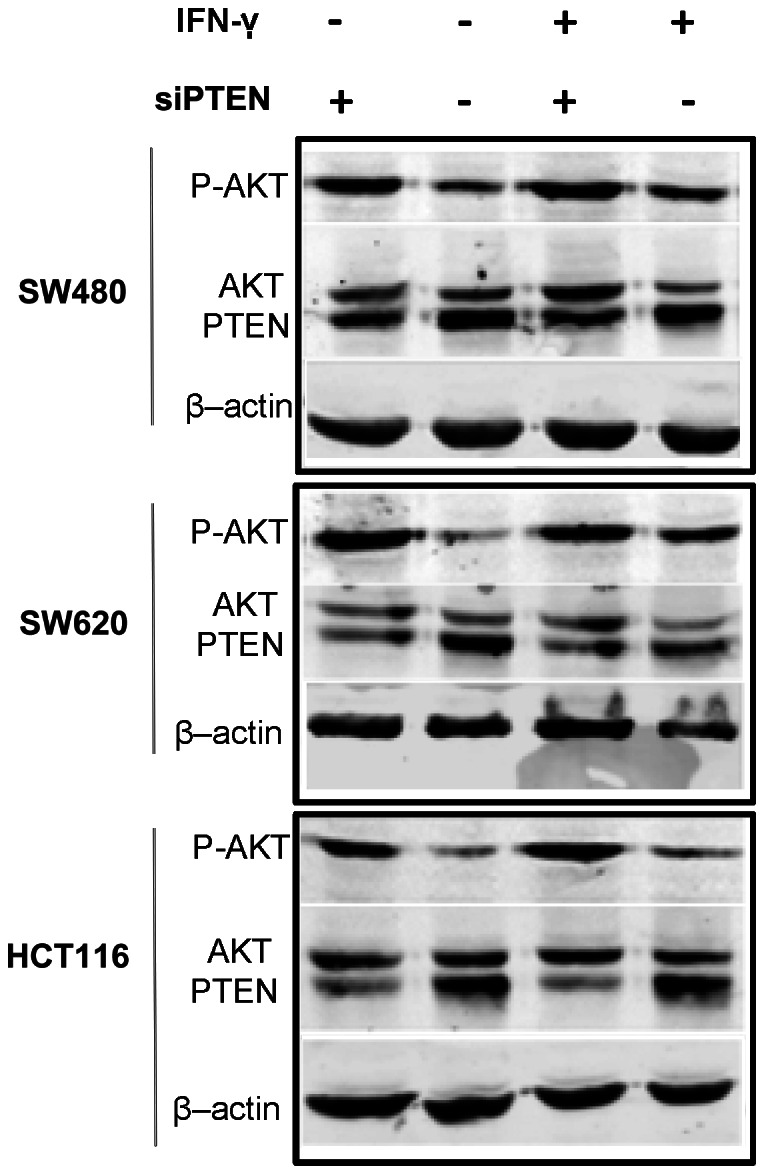
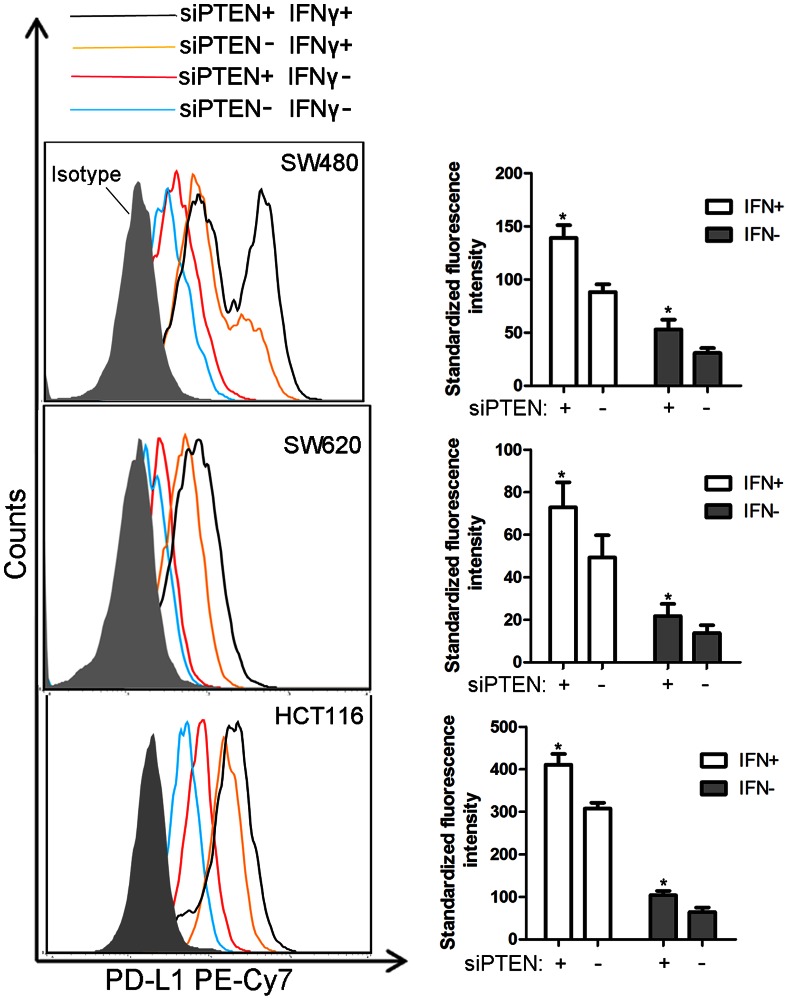
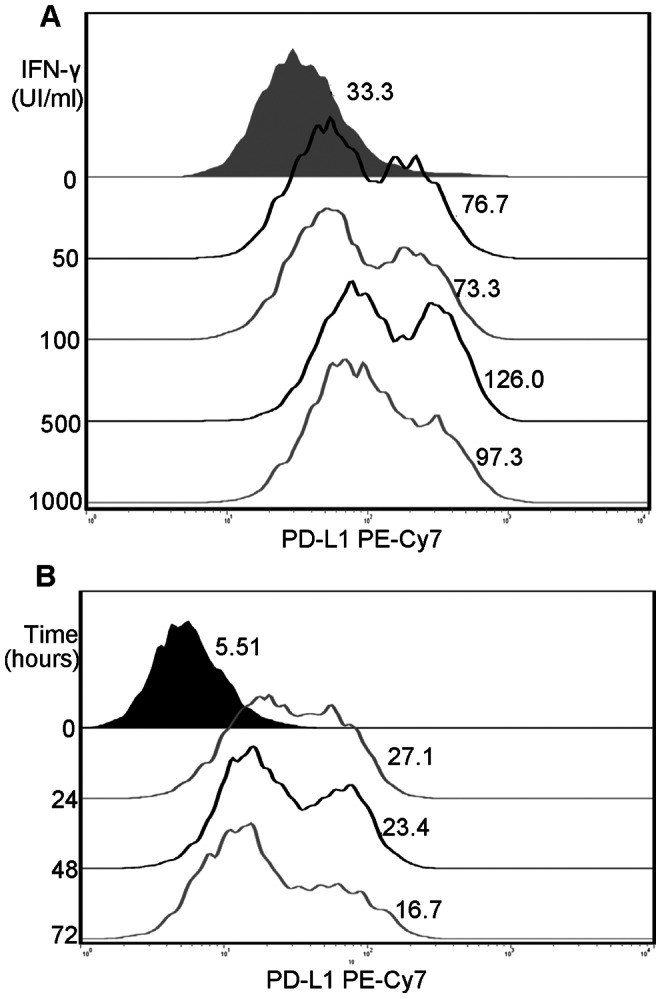
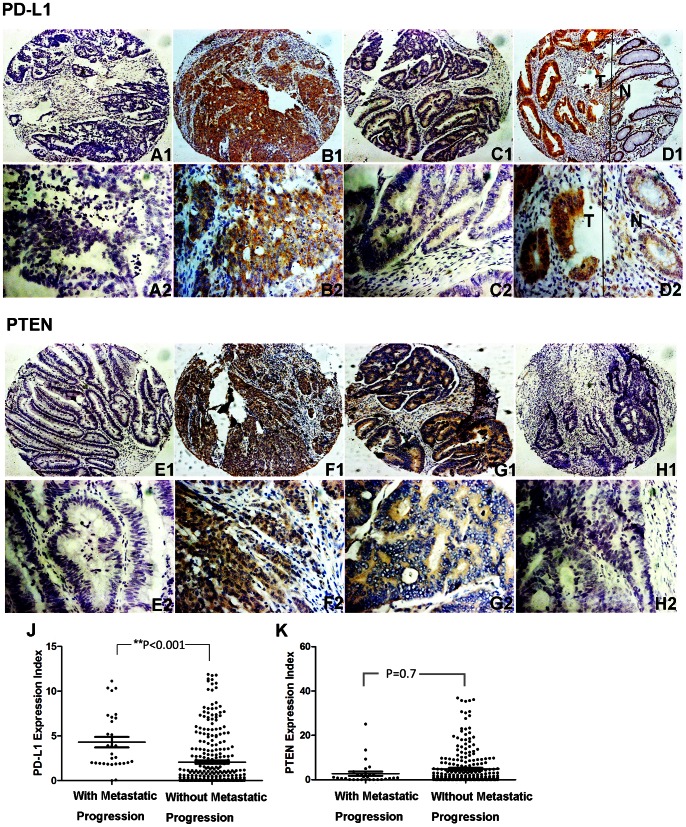
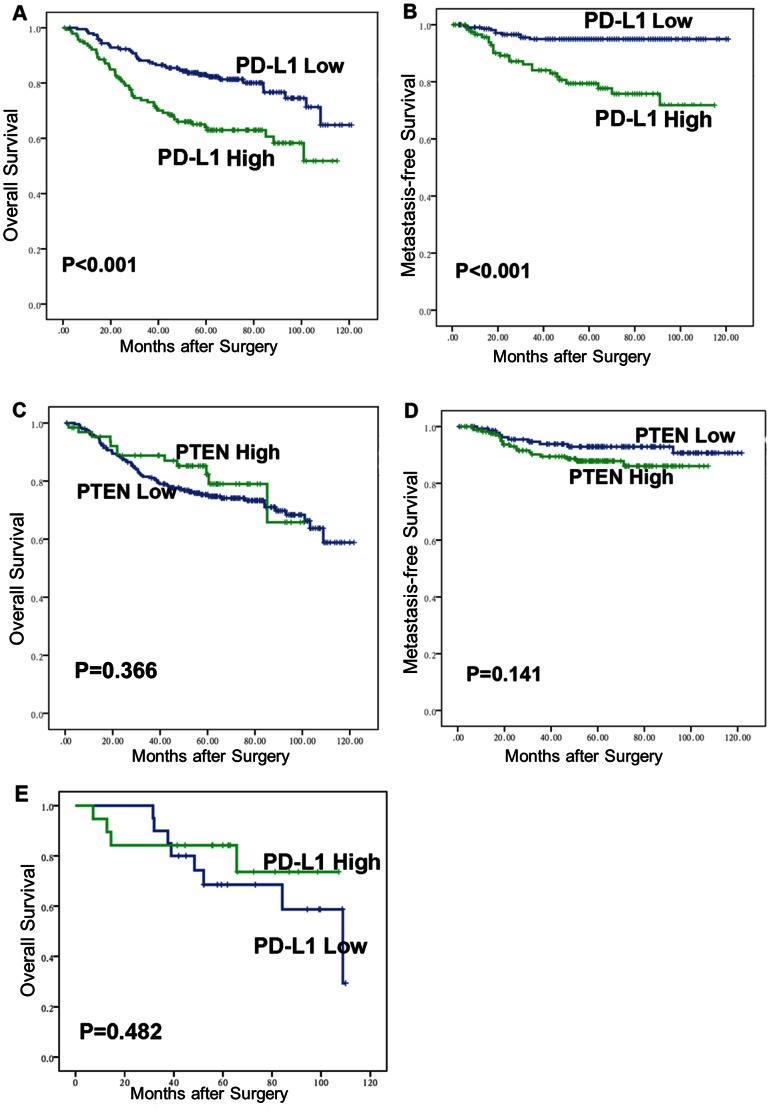
BACKGROUND: Programmed death ligand-1 (PD-L1) has been identified as a factor associated with poor prognosis in a range of cancers, and was reported to be mainly induced by PTEN loss in gliomas. However, the clinical effect of PD-L1 and its regulation by PTEN has not yet been determined in colorectal cancer (CRC). In the present study, we verified the regulation of PTEN on PD-L1 and further determined the effect of PTEN on the correlation between PD-L1 expression and clinical parameters in CRC. METHODS/RESULTS: RNA interference approach was used to down-regulate PTEN expression in SW480, SW620 and HCT116 cells. It was showed that PD-L1 protein, but not mRNA, was significantly increased in cells transfected with siRNA PTEN compared with the negative control. Moreover, the capacity of PTEN to regulate PD-L1 expression was not obviously affected by IFN-γ, the main inducer of PD-L1. Tissue microarray immunohistochemistry was used to detect PD-L1 and PTEN in 404 CRC patient samples. Overexpression of PD-L1 was significantly correlated with distant metastasis (P<0.001), TNM stage (P<0.01), metastatic progression (P<0.01) and PTEN expression (P<0.001). Univariate analysis revealed that patients with high PD-L1 expression had a poor overall survival (P<0.001). However, multivariate analysis did not support PD-L1 as an independent prognostic factor (P = 0.548). Univariate (P<0.001) and multivariate survival (P<0.001) analysis of 310 located CRC patients revealed that high level of PD-L1 expression was associated with increased risks of metastatic progression. Furthermore, the clinical effect of PD-L1 on CRC was not statistically significant in a subset of 39 patients with no PTEN expression (distant metastasis: P = 0.102; TNM stage: P = 0.634, overall survival: P = 0.482). CONCLUSIONS: PD-L1 can be used to identify CRC patients with high risk of metastasis and poor prognosis. This clinical manifestation may be partly associated with PTEN expression.
Overview
The claims and statistics of this paper haven’t been checked yet.
Free: it reads the open-access text and checks the first 5 claims that cite a source we can check. Create a free account to check every claim.
Integrity signals
Registry
Cites
Statistics
Figures
Verification
Claims the paper makes
The claims and statistics of this paper haven’t been checked yet.
Free: it reads the open-access text and checks the first 5 claims that cite a source we can check. Create a free account to check every claim.
Claims other papers make about this one
Each is checked against this paper’s own text: does it say what the citing paper says it does?
In the citing paper
“In addition, as a negative regulator of PI3K/Akt/mTOR signaling pathway, loss of PTEN leads to upregulation of PD-L1 protein, decrease of CD8 + T cell and increase of TAM, which are negative predictors of PD-1 blocking response in microsatellite instability-high (MSI-H) CRC patients [228,229].”
From Drug Resistance in Colorectal Cancer: From Mechanism to Clinic (2022) · cites this paper as [229]
Self-check
Percentages, sums and reported differences re-computed from the paper’s own numbers.
The self-check needs the paper’s full text.
Citations
Cites
Analysis of Relative Gene Expression Data Using Real-Time Quantitative PCR and the 2−ΔΔCT Method
Livak, K. J., & Schmittgen, T. D. (2001) · Methods · doi:10.1006/meth.2001.1262 · Cited by 180,860
Jemal, A., Bray, F., Center, M. M., Ferlay, J., Ward, E., & Forman, D. (2011) · CA: A Cancer Journal for Clinicians · doi:10.3322/caac.20107 · Cited by 54,679
Analyzing real-time PCR data by the comparative CT method
Schmittgen, T. D., & Livak, K. J. (2008) · Nature Protocols · doi:10.1038/nprot.2008.73 · Cited by 26,190 · cited 1×
“Details of the comparative CT method have been previously described [24,25].”
MethodSafety and activity of anti-PD-L1 antibody in patients with advanced cancer
Brahmer, J. R., Tykodi, S. S., Chow, L. Q. M., Hwu, W.-J., Topalian, S. L., Hwu, P., Drake, C. G., Camacho, L. H., Kauh, J., Odunsi, K., et al. (2012) · New England Journal of Medicine · doi:10.1056/nejmoa1200694 · Cited by 7,945 · cited 2×
“It may result in the phenomenon that PD-L1 inhibition alone does not appear to help all patients with cancer, which was showed in the multicentre phase I trial of antiPD-L1 [32].”
BackgroundPD-1 and Its Ligands in Tolerance and Immunity
Keir, M. E., Butte, M. J., Freeman, G. J., & Sharpe, A. H. (2008) · Annual Review of Immunology · doi:10.1146/annurev.immunol.26.021607.090331 · Cited by 5,378 · cited 1×
“It can deliver an inhibitory signal to PD-1/B7-1 expressing T cells, resulting in immune impairment [3,4].”
BackgroundTumor-associated B7-H1 promotes T-cell apoptosis: A potential mechanism of immune evasion
Dong, H., Strome, S. E., Salomao, D. R., Tamura, H., Hirano, F., Flies, D. B., Roche, P. C., Lu, J., Zhu, G., Tamada, K., et al. (2002) · Nature Medicine · doi:10.1038/nm730 · Cited by 5,025
Negative regulation of PKB/Akt-dependent cell survival by the tumor suppressor PTEN
Stambolic, V., Suzuki, A., de la Pompa, J. L., Brothers, G. M., Mirtsos, C., Sasaki, T., Ruland, J., Penninger, J. M., Siderovski, D. P., & Mak, T. W. (1998) · Cell · doi:10.1016/s0092-8674(00)81780-8 · Cited by 2,551
Inhibitory B7-family molecules in the tumour microenvironment
Zou, W., & Chen, L. (2008) · Nature Reviews Immunology · doi:10.1038/nri2326 · Cited by 1,608 · cited 2×
“It can deliver an inhibitory signal to PD-1/B7-1 expressing T cells, resulting in immune impairment [3,4].”
BackgroundHamanishi, J., Mandai, M., Iwasaki, M., Okazaki, T., Tanaka, Y., Yamaguchi, K., Higuchi, T., Yagi, H., Takakura, K., Minato, N., et al. (2007) · Proceedings of the National Academy of Sciences · doi:10.1073/pnas.0611533104 · Cited by 1,378 · cited 1×
“In addition, studies relating PD-L1 expression to disease outcome have been done in most tumours, and the results show that PD-L1 expression strongly correlates with unfavourable prognosis in kidney [6], ovarian [7], bladder [8], breast [9], liver [10], gastric [11], and pancreatic cancer [12], but not in non-small ce…”
ResultLoss of tumor suppressor PTEN function increases B7-H1 expression and immunoresistance in glioma
Parsa, A. T., Waldron, J. S., Panner, A., Crane, C. A., Parney, I. F., Barry, J. J., Cachola, K. E., Murray, J. C., Tihan, T., Jensen, M. C., et al. (2007) · Nature Medicine · doi:10.1038/nm1517 · Cited by 1,344 · cited 3×
“Following the recent finding that PD-L1 protein expression correlated with PTEN loss [14], we came to the hypothesis that tumour progression and PD-L1 expression are independently related to PTEN loss, and that the clinical effect of PD-L1 may, at least in part, be attributed to the correlation between PTEN loss and P…”
BackgroundInfluential
Cited by
Items 101–200 of 266
Chen, R.-Y., Lin, Y., Shen, W.-C., Hsieh, T., Yen, K., Chen, S.-W., & Kao, C. (2018) · Scientific Reports · doi:10.1038/s41598-017-18489-2 · Cited by 66
Lenouvel, D., González‐Moles, M. Á., Talbaoui, A., Ramos‐García, P., González‐Ruiz, L., Ruiz‐Ávila, I., & Montoya, J. A. G. (2019) · Oral Diseases · doi:10.1111/odi.13088 · Cited by 70
Amornsupak, K., Thongchot, S., Thinyakul, C., Box, C., Hedayat, S., Thuwajit, P., Eccles, S. A., & Thuwajit, C. (2022) · BMC Cancer · doi:10.1186/s12885-022-09675-1 · Cited by 65
“Further supporting this contention, knockdown of PTEN, the natural inhibitor of PI3K/AKT pathway, resulted in up-regulation of PD-L1 that was abolished by the inhibition of AKT [32].”
BackgroundPrognostic Role of PD-L1 in Malignant Solid Tumors: A Meta-Analysis
Pyo, J., Kang, G., & Kim, J. Y. (2017) · The International Journal of Biological Markers · doi:10.5301/jbm.5000225 · Cited by 61
Wang, F., Wu, L., Yin, L., Shi, H. M., Gu, Y., & Xing, N. (2022) · Clinical and Translational Medicine · doi:10.1002/ctm2.901 · Cited by 63
Xia, F., Xiu, B., Yang, Z.-Z., Qiu, W., Zhang, L., Zhang, S., Wu, Y., Zhu, X., Chen, X., Xie, S., et al. (2017) · Medicine · doi:10.1097/md.0000000000006398 · Cited by 62
Mutant APC promotes tumor immune evasion via PD-L1 in colorectal cancer
Cen, B., Wei, J., Wang, D., Xiong, Y., Shay, J. W., & DuBois, R. N. (2021) · Oncogene · doi:10.1038/s41388-021-01972-6 · Cited by 60
Nishida, N. (2021) · Cancers · doi:10.3390/cancers13153666 · Cited by 66
“Additionally, activation of the phosphatidylinositol-3 kinase (PI3K)–Akt pathway also reportedly induces PDL1, and the loss-of-function mutation of phosphatase and tensin homolog deleted from chromosome 10 (PTEN), a regulator of the PI3K–Akt pathway, is associated with the expression of PD-L1 in cancer [31,32].”
BackgroundAlwosaibai, K., Aalmri, S., Mashhour, M., Ghandorah, S. S., Alshangiti, A., Azam, F., Alselwi, W., Gharaibeh, L. F., Alatawi, Y. M., Alruwaii, Z. I., et al. (2023) · BMC Cancer · doi:10.1186/s12885-022-10404-x · Cited by 60
Clinical implications of tumor-intrinsic mechanisms regulating PD-L1
Prestipino, A., & Zeiser, R. (2019) · Science Translational Medicine · doi:10.1126/scitranslmed.aav4810 · Cited by 52
“In colorectal cancer and non– small cell lung cancer (NSCLC), phosphatidilinositol 3-kinase (PI3K) signaling inhibition abrogates IFN-–dependent PD-L1 expression (9, 10).”
BackgroundKoganemaru, S., Inoshita, N., Miura, Y., Miyama, Y., Fukui, Y., Ozaki, Y., Tomizawa, K., Hanaoka, Y., Toda, S., Suyama, K., et al. (2017) · Cancer Science · doi:10.1111/cas.13229 · Cited by 61
Wan, J., Ling, X., Peng, B., & Ding, G. (2018) · Oncology Reports · doi:10.3892/or.2018.6439 · Cited by 60
“Such a discovery has aroused extensive interest from numerous scientists in recent years (1).”
InfluentialChang, Y., Yang, C., Huang, Y.-L., Wu, C., & Yang, P. (2017) · Oncotarget · doi:10.18632/oncotarget.14935 · Cited by 54
“Patients with positive PD-L1 expression in tumor cells have experienced improved clinical outcomes following anti-PD-L1-directed therapy [15, 23].”
BackgroundAnti-miRNA-221 sensitizes human colorectal carcinoma cells to radiation by upregulating PTEN
Xue, Q., Sun, K., Deng, H.-J., Lei, S.-T., Dong, J.-Q., & Li, G.-X. (2013) · World Journal of Gastroenterology · doi:10.3748/wjg.v19.i48.9307 · Cited by 51
Sznurkowski, J. J., Żawrocki, A., Sznurkowska, K., Pęksa, R., & Biernat, W. (2017) · Oncotarget · doi:10.18632/oncotarget.20911 · Cited by 53
EGFR‐ERK pathway regulates CSN6 to contribute to PD‐L1 expression in glioblastoma
Su, L., Guo, W., Lou, L., Nie, S., Zhang, Q. H., Liu, Y., Chang, Y., Zhang, X., Li, Y., & Shen, H. (2020) · Molecular Carcinogenesis · doi:10.1002/mc.23176 · Cited by 56
Comprehensive review of the resistance mechanisms of colorectal cancer classified by therapy type
Oh, J. M., Kim, S. W., Tsung, C., Kent, E. W., Jain, A., Ruff, S. M., & Zhang, H. (2025) · Frontiers in Immunology · doi:10.3389/fimmu.2025.1571731 · Cited by 56
Clinicopathological and prognostic value of PD-L1 in urothelial carcinoma: a meta-analysis
Ding, X., Chen, Q., Yang, Z., Li, J., Zhan, H., Lu, N., Chen, M., Yang, Y., Wang, J., & Yang, D. (2019) · Cancer Management and Research · doi:10.2147/cmar.s176937 · Cited by 56
“An association between high pretreatment tumor PD-L1 expression and poor survival has been reported in multiple cancers, including colorectal cancer and renal cell carcinoma.(3,4) Several studies have indicated that PD-L1 expression on bladder cancer (BC) cells was related to multiple indicators of poor prognosis, suc…”
BackgroundSelf-citationImmune Checkpoint Inhibitory Therapy in Sarcomas: Is There Light at the End of the Tunnel?
Siozopoulou, V., Domen, A., Zwaenepoel, K., Beeck, A. V., Smits, E., Pauwels, P., & Marcq, E. (2021) · Cancers · doi:10.3390/cancers13020360 · Cited by 50
“Given that PI3K-AKT-mTOR pathway has been proven to be dysregulated via several genetic mechanisms, among them mutations of the PTEN [65], combination therapy of ICB with PI3K-AKT pathway inhibitors may have a role in the treatment of certain sarcomas [63,66,67].”
BackgroundVidotto, T., Melo, C. M., Lautert-Dutra, W., Chaves, L. P., dos Reis, R. B., & Squire, J. A. (2023) · Scientific Reports · doi:10.1038/s41598-023-31759-6 · Cited by 50
Targeting Sphingosine Kinases for the Treatment of Cancer
Lewis, C. S., Voelkel‐Johnson, C., & Smith, C. D. (2018) · Advances in cancer research · doi:10.1016/bs.acr.2018.04.015 · Cited by 49
“Furthermore, Akt- (Abdelhamed, Ogura, Yokoyama, Saiki, & Hayakawa, 2016; Atefi et al., 2014; Dong et al., 2016; Lastwika et al., 2016; Song et al., 2013; Yang et al., 2017; Zhao et al., 2017), NF-kB- (Gowrishankar et al., 2015), and TNFa- (Wang et al., 2017) signaling induce PD-L1 expression, and…”
Revising PTEN in the Era of Immunotherapy: New Perspectives for an Old Story
Piro, G., Carbone, C., Carbognin, L., Pilotto, S., Ciccarese, C., Iacovelli, R., Milella, M., Bria, E., & Tortora, G. (2019) · Cancers · doi:10.3390/cancers11101525 · Cited by 48
“Consistently, activation of the PI3K-AKT-S6K1 pathway induces immune escape and apoptosis of activated T cells, impairing tumor-specific T cell killing through upregulation of PD-L1 on colorectal [79], lung [80], renal [81], breast, and prostate cancer cells [82].”
BackgroundPolydatin Exerts an Antitumor Effect Through Regulating the miR-382/PD-L1 Axis in Colorectal Cancer
Jin, Y., Zhan, X., Zhang, B., Chen, Y., Liu, C., & Yu, L. (2019) · Cancer Biotherapy and Radiopharmaceuticals · doi:10.1089/cbr.2019.2999 · Cited by 47
“46,47 For the molecular mechanism, fibroblast growth factor receptor (FGFR) 2 could promote the expression of PD-L1 in xenograft CRC model, and induce PD-L1 expression through the JAK/STAT3 signaling pathway in human CRC cells.”
Lee, D. Y., Im, E., Yoon, D., Lee, Y., Kim, G., Kim, D., & Kim, S.-H. (2020) · Seminars in Cancer Biology · doi:10.1016/j.semcancer.2020.12.001 · Cited by 52
Chouaïb, S., Umansky, V., & Kiéda, C. (2018) · Współczesna Onkologia · doi:10.5114/wo.2018.73874 · Cited by 51
PI3K pathway in prostate cancer: All resistant roads lead to PI3K
Park, S., Kim, Y. S., Kim, D. Y., So, I., & Jeon, J. (2018) · Biochimica et Biophysica Acta (BBA) - Reviews on Cancer · doi:10.1016/j.bbcan.2018.09.001 · Cited by 47
Tumor-like microenvironment in oral lichen planus: evidence of malignant transformation?
Peng, Q., Zhang, J., Ye, X., & Zhou, G. (2017) · Expert Review of Clinical Immunology · doi:10.1080/1744666x.2017.1295852 · Cited by 50
Self-citationLee, K. S., Kim, B. H., Oh, H., Kim, D., Kang, S., Kim, H., & Shin, E. H. (2018) · Cancer Science · doi:10.1111/cas.13716 · Cited by 50
Immune suppression caused by PD-L2 expression on tumor cells in gastric cancer
Nakayama, Y., Mimura, K., Kua, L., Okayama, H., Min, A. K. T., Saito, K., Hanayama, H., Watanabe, Y., Saito, M., Momma, T., et al. (2020) · Gastric Cancer · doi:10.1007/s10120-020-01079-z · Cited by 46
Conciatori, F., Bazzichetto, C., Falcone, I., Ciuffreda, L., Ferretti, G., Vari, S., Ferraresi, V., Cognetti, F., & Milella, M. (2020) · International Journal of Molecular Sciences · doi:10.3390/ijms21155337 · Cited by 46
“PD-L1 overexpression significantly correlated with poor OS and higher tumor, node, metastasis (TNM) stage [116].”
BackgroundYuan, J., Zhang, J., Zhu, Y., Li, N., Tian, T., Li, Y., Li, Y., Li, Z., Lai, Y., Gao, J., et al. (2016) · Oncotarget · doi:10.18632/oncotarget.9381 · Cited by 41
Self-citationCaforio, M., de Billy, E., Angelis, B. D., Iacovelli, S., Quintarelli, C., Paganelli, V., & Folgiero, V. (2021) · Cancers · doi:10.3390/cancers13164040 · Cited by 44
“For example, both PTEN-mutant triple negative breast cancer (TNBC) and colorectal cancer (CRC) have higher expression of PD-L1, and PI3K inhibition induces a reduction in PD-L1 expression in tumor cells [16,17].”
BackgroundCedrés, S., Ponce-Aix, S., Pardo, N., Navarro, A., Martínez‐Martí, A., Zugazagoitia, J., Sansano, I., Montoro, M. A., Enguita, A. B., & Felip, E. (2016) · Lung Cancer · doi:10.1016/j.lungcan.2016.03.001 · Cited by 46
Zhao, J., Zhang, P., Wang, J., Xi, Q., Zhao, X., Ji, M., & Hu, G. (2017) · Medicine · doi:10.1097/md.0000000000006102 · Cited by 43
Self-citationWang, S., Yuan, B., Wang, Y., Li, M., Liu, X., Cao, J., Li, C., & Hu, J. (2020) · International Journal of Colorectal Disease · doi:10.1007/s00384-020-03734-4 · Cited by 42
Self-citationLDHB Mediates Histone Lactylation to Activate PD-L1 and Promote Ovarian Cancer Immune Escape
Hu, X., Huang, Z., & Li, L. (2024) · Cancer Investigation · doi:10.1080/07357907.2024.2430283 · Cited by 42
Jung, K., Park, J. W., Lee, J. H., Moon, S. H., Cho, Y. S., & Lee, K.-H. (2020) · Journal of Nuclear Medicine · doi:10.2967/jnumed.120.250720 · Cited by 40
“In colon cancer cells, PTEN loss strengthened and pharmacologic AKT inhibition suppressed PD-L1 expression (29).”
BackgroundParedes, R., Borea, R., Drago, F., Russo, A., Nigita, G., & Rolfo, C. D. (2025) · Journal for ImmunoTherapy of Cancer · doi:10.1136/jitc-2025-012288 · Cited by 44
“87 Conversely, anti- PD-L1 treatment increased PTEN levels and suppressed tumor growth in pancreatic cancer and liver metastases in mouse models.”
Clinical significance of programmed death ligand-1 (PD-L1) in colorectal serrated adenocarcinoma.
Zhu, H., Qin, H., Huang, Z., Li, S., Zhu, X., He, J., Yang, J. L., Yu, X., & Yi, X. (2015) · PubMed · Cited by 42
Gliotoxin Inhibits Proliferation and Induces Apoptosis in Colorectal Cancer Cells
Chen, J., Wang, C., Lan, W., Huang, C.-Y., Lin, M., Wang, Z., Liang, W., Iwamoto, A., Yang, X., & Liu, H. (2015) · Marine Drugs · doi:10.3390/md13106259 · Cited by 38
“Western blot was performed as previously described [39].”
MethodSelf-citationImmune checkpoint inhibitors in sarcomas: in quest of predictive biomarkers
Veenstra, R., Kostine, M., Cleton-Jansen, A., de Miranda, N. F. C. C., & Bovée, J. V. M. G. (2017) · Laboratory Investigation · doi:10.1038/labinvest.2017.128 · Cited by 41
Ugai, T., Zhao, M. M., Shimizu, T., Akimoto, N., Shi, S., Takashima, Y., Zhong, R., Lau, M. C., Haruki, K., Arima, K., et al. (2021) · OncoImmunology · doi:10.1080/2162402x.2021.1956173 · Cited by 39
“Although direct transcriptional upregulation by the PI3K pathway may be responsible for higher CD274 expression in breast cancer cell lines,(4) post-translational mechanisms have also been implicated in colorectal cancer or other cancer cell lines.(26,31,32) It is possible that the PI3K signaling pathway upregulate CD…”
BackgroundResultSelf-citationLiu, Z., Wen, J., Wu, C., Hu, C., Wang, J., Bao, Q., Wang, H., Wang, J., Zhou, Q., Li, W., et al. (2020) · Aging · doi:10.18632/aging.102679 · Cited by 37
Self-citationImmune Resistance Mechanisms and the Road to Personalized Immunotherapy
Piper, M., Kluger, H. M., Ruppin, E., & Hu‐Lieskovan, S. (2023) · American Society of Clinical Oncology Educational Book · doi:10.1200/edbk_390290 · Cited by 43
Al-Hussaini, M. A., Lataifeh, I. M., Jaradat, I., Abdeen, G., Otay, L., Badran, O., Sheikha, A. A., Dayyat, A., Khaldi, M. E., & Al-Loh, S. (2018) · International Journal of Gynecological Pathology · doi:10.1097/pgp.0000000000000449 · Cited by 33
Gambichler, T., Gnielka, M., Rüddel, I., Stockfleth, E., Stücker, M., & Schmitz, L. (2017) · Cancer Immunology Immunotherapy · doi:10.1007/s00262-017-2015-x · Cited by 33
From Genetic Alterations to Tumor Microenvironment: The Ariadne’s String in Pancreatic Cancer
Bazzichetto, C., Conciatori, F., Luchini, C., Simionato, F., Santoro, R., Vaccaro, V., Corbo, V., Falcone, I., Ferretti, G., Cognetti, F., et al. (2020) · Cells · doi:10.3390/cells9020309 · Cited by 34
Autophagy controls programmed death‑ligand 1 expression on cancer cells (Review)
Gao, L., & Chen, Y. (2021) · Biomedical Reports · doi:10.3892/br.2021.1460 · Cited by 32
Mimura, K., Kua, L., Shiraishi, K., Siang, L. K., Shabbir, A., Komachi, M., Suzuki, Y., Nakano, T., Yong, W. P., So, J. B. Y., et al. (2014) · Cancer Science · doi:10.1111/cas.12503 · Cited by 31
Mutations Defining Patient Cohorts With Elevated PD-L1 Expression in Gastric Cancer
Menyhárt, O., Pongor, L. S., & Győrffy, B. (2019) · Frontiers in Pharmacology · doi:10.3389/fphar.2018.01522 · Cited by 32
“Inhibiting PI3K in melanoma cells reduced (Jiang et al., 2013), and knockdown of PTEN in colorectal cancer cell lines increased the expression of PDL1 (Song et al., 2013).”
BackgroundInfluentialAmoils, M., Kim, J., Lee, C. S., Sunwoo, J. B., Colevas, A. D., Aasi, S. Z., Hollmig, S. T., Ma, Y., & Divi, V. (2018) · Otolaryngology · doi:10.1177/0194599818788057 · Cited by 35
“Similar results were shown in colorectal and renal carcinoma.(35,36) However, in this study, no high-risk variables correlated with PD-L1 levels for either primary tumors or metastases.”
ResultCurrent status of cancer immunotherapy
Kono, K. (2014) · Journal of Stem Cells and Regenerative Medicine · doi:10.46582/jsrm.1001003 · Cited by 35
“Marked expression of PD-L1 has been reported in various types of human cáncer [26,32] .”
BackgroundRegulation of PD-L1 Expression by YY1 in Cancer: Therapeutic Efficacy of Targeting YY1
Dillen, A., Bui, I., Jung, M., Agioti, S., Zaravinos, A., & Bonavida, B. (2024) · Cancers · doi:10.3390/cancers16061237 · Cited by 30
“Additionally, downstream of TGF-β , PD-L1 expression is induced through signal transducer and activator of transcription 3 (STAT3) signaling [34,138].”
BackgroundInfluentialKır, G., Söylemez, T., Tarcan, Z. C., Aydin, A., & McCluggage, W. G. (2020) · Archiv für Pathologische Anatomie und Physiologie und für Klinische Medicin · doi:10.1007/s00428-020-02867-9 · Cited by 32
Diagnostic Predictors of Immunotherapy Response in Head and Neck Squamous Cell Carcinoma
Meliante, P. G., Zoccali, F., VINCENTIIS, M. D., Ralli, M., Petrella, C., Fiore, M., Minni, A., & Barbato, C. (2023) · Diagnostics · doi:10.3390/diagnostics13050862 · Cited by 33
Azcue, P., Encío, I., Setas, D. G., Suárez, J., Galbete, A., Mercado, M., Vera, R., & Dorronsoro, M. L. G. (2021) · Cancers · doi:10.3390/cancers13081943 · Cited by 32
“PD-L1 was first studied as a predictive tool in CRC, although early published studies yielded some apparently contradictory results [26,30,31].”
ResultPD‐L1 / PD‐L1 signalling promotes colorectal cancer cell migration ability through RAS / MEK / ERK
Cao, Y., Liang, W., Fang, L., Liu, M., Zuo, J., Peng, Y., Shan, J., Sun, R., Zhao, J., & Wang, J. (2022) · Clinical and Experimental Pharmacology and Physiology · doi:10.1111/1440-1681.13717 · Cited by 31
Self-citationNon-Coding RNAs as Predictive Biomarkers to Current Treatment in Metastatic Colorectal Cancer
Garajová, I., Ferracin, M., Porcellini, E., Palloni, A., Abbati, F., Biasco, G., & Brandi, G. (2017) · International Journal of Molecular Sciences · doi:10.3390/ijms18071547 · Cited by 28
“It has been demonstrated that PTEN loss increases PD-L1 protein expression [51], as well as miR-21, miR-20b and miR-130b overexpression [52].”
BackgroundDenize, T., Hou, Y., Pignon, J., Walton, E., West, D. J., Freeman, G. J., Braun, D. A., Wu, C. J., Gupta, S. K., Motzer, R. J., et al. (2022) · Clinical Cancer Research · doi:10.1158/1078-0432.ccr-22-0923 · Cited by 34
Meliante, P. G., Barbato, C., Zoccali, F., Ralli, M., Greco, A., VINCENTIIS, M. D., Colizza, A., Petrella, C., Ferraguti, G., Minni, A., et al. (2022) · International Journal of Molecular Sciences · doi:10.3390/ijms232315384 · Cited by 28
Clinicopathologic Significance and Prognostic Value of B7 Homolog 1 in Gastric Cancer
Xu, F., Feng, G., Zhao, H., Liu, F., Xu, L., Wang, Q., & An, G. (2015) · Medicine · doi:10.1097/md.0000000000001911 · Cited by 26
Dai, C., Wang, M., Lü, J., Dai, Z., Lin, S., Yang, P., Tian, T., Liu, X., Min, W., & Dai, Z. (2017) · OncoTargets and Therapy · doi:10.2147/ott.s138044 · Cited by 28
Li, D., Sun, F.-F., Wang, D., Wang, T., Peng, J., Feng, J.-Q., Li, H., Wang, C., Zhou, D., Luo, H., et al. (2020) · Oncology Research Featuring Preclinical and Clinical Cancer Therapeutics · doi:10.3727/096504020x15925659763817 · Cited by 27
Self-citationOpaganib (ABC294640) Induces Immunogenic Tumor Cell Death and Enhances Checkpoint Antibody Therapy
Maines, L. W., Keller, S. N., & Smith, C. D. (2023) · International Journal of Molecular Sciences · doi:10.3390/ijms242316901 · Cited by 26
“, AKT-[92– 98], NF κ B-[99], TNF α - [100] and STAT3 [101–103] signaling all induce PD-L1 expression and all of these pathways are downregulated by opaganib.”
BackgroundLi, W., Wen, C., Bai, H., Wang, X., Zhang, X., Huang, L. J., Yang, X., Iwamoto, A., & Liu, H. (2015) · Oncology Letters · doi:10.3892/ol.2015.3371 · Cited by 26
Self-citationHe, J., Huo, L., Ma, J., Zhao, J., Bassett, R. L., Sun, X., Ueno, N. T., Lim, B., & Gong, Y. (2017) · American Journal of Clinical Pathology · doi:10.1093/ajcp/aqx162 · Cited by 24
Generation, secretion and degradation of cancer immunotherapy target PD-L1
Shen, D., Bi, Y., Pang, J., Zhao, L., Zhao, L., Gao, Y., Wang, B., Liu, H., Liu, Y., Wang, N., et al. (2022) · Cellular and Molecular Life Sciences · doi:10.1007/s00018-022-04431-x · Cited by 24
Self-citationModulation of PD-1/PD-L1 axis in myeloid-derived suppressor cells by anti-cancer treatments
Jachetti, E., Sangaletti, S., Chiodoni, C., Ferrara, R., & Colombo, M. P. (2021) · Cellular Immunology · doi:10.1016/j.cellimm.2021.104301 · Cited by 23
The modulation of PD-L1 induced by the oncogenic HBXIP for breast cancer growth
Xu, F., Sun, H., Fang, R., Zhang, L., Shi, H., Wang, X., Fu, X., Li, X.-M., Shi, X.-H., Wu, Y., et al. (2021) · Acta Pharmacologica Sinica · doi:10.1038/s41401-021-00631-6 · Cited by 26
Self-citationLuo, Y., Ma, S., Sun, Y., Peng, S., Zeng, Z., Han, L., Li, S., Sun, W., Xu, J., Tian, X., et al. (2021) · International Journal of Biological Sciences · doi:10.7150/ijbs.57964 · Cited by 26
“These results indicated that MUC3A knockdown inhibited PD-L1 expression induced by EGF through PI3K/Akt and MAPK pathway.”
BackgroundInfluentialSelf-citationPark, Y., Park, J. M., Kim, D. H., Kwon, J., & Kim, I. A. (2017) · Oncotarget · doi:10.18632/oncotarget.22778 · Cited by 23
Lin, S.-J., Chin, Y., Ho, Y., Chou, S., Yang, Y. S. H., Nana, A. W., Su, K.-W., Lim, Y.-T., Wang, K., Lee, S.-Y., et al. (2018) · Food and Chemical Toxicology · doi:10.1016/j.fct.2018.06.058 · Cited by 24
Digiacomo, N., Bolzacchini, E., Veronesi, G., Cerutti, R., Sahnane, N., Pinotti, G., Bregni, M., Artale, S. A., Verusio, C., Crivelli, F., et al. (2018) · Clinical Colorectal Cancer · doi:10.1016/j.clcc.2018.12.003 · Cited by 23
PD‑L1 gene promoter methylation represents a potential diagnostic marker in advanced gastric cancer
Lv, D., Xing, C., Cao, L., Zhuo, Y., Wu, T., & Gao, N. (2019) · Oncology Letters · doi:10.3892/ol.2019.11221 · Cited by 24
“Loss of PTEN has been shown to increase PD-L1 expression via the PI3K pathway (37,38).”
BackgroundYi, Y. W. (2023) · International Journal of Molecular Sciences · doi:10.3390/ijms24043704 · Cited by 23
MDM2 inhibitors in cancer immunotherapy: Current status and perspective
Zeng, Q., Zeng, S., Dai, X., Ding, Y., Huang, C., Ruan, R., Xiong, J., Tang, X., & Deng, J. (2024) · Genes & Diseases · doi:10.1016/j.gendis.2024.101279 · Cited by 25
“110 Additionally, transcription factors such as HIF-1, STAT3, and NF-k ;B may promote PD-L1 expression.”
Clinicopathological, Immune and Molecular Correlates of PD-L2 Methylation in Gastric Adenocarcinomas
Lingohr, P., Dohmen, J., Semaan, A., Branchi, V., Dietrich, J., Bootz, F., Kalff, J. C., Matthaei, H., & Dietrich, D. (2019) · Epigenomics · doi:10.2217/epi-2018-0149 · Cited by 19
Chou, L., Callmann, C. E., Dominguez, D., Zhang, B., & Mirkin, C. A. (2022) · ACS Central Science · doi:10.1021/acscentsci.2c00717 · Cited by 20
Bae, S. U., Jeong, W. K., Baek, S. K., Kim, N. K., & Hwang, I. (2018) · Oncology Letters · doi:10.3892/ol.2018.9264 · Cited by 21
“Previous studies have reported conflicting results as to whether PD-L1 expression indicates a better or worse prognosis in CRC, possibly due to differences in study populations and designs (21,23,30).”
Hlaing, A. M., Furusato, B., Udo, E., Kitamura, Y., Souda, M., Masutani, M., & Fukuoka, J. (2018) · Biochemical and Biophysical Research Communications · doi:10.1016/j.bbrc.2018.08.037 · Cited by 18
“PD-L1 protein (but not mRNA) expression was significantly increased in colorectal cancer cells with reduced PTEN expression [18].”
BackgroundNi, X., Sun, X., Wang, D., Chen, Y., Zhang, Y., Li, W., Wang, L., & Suo, J. (2018) · Clinical & Translational Oncology · doi:10.1007/s12094-018-1970-9 · Cited by 19
Self-citationSanchez, J. C., Pierpont, T. M., Argueta-Zamora, D., Wilson, K. F., August, A., & Cerione, R. A. (2024) · Journal of Biological Chemistry · doi:10.1016/j.jbc.2024.108143 · Cited by 20
Takahashi, H., Watanabe, H., Hashimura, M., Matsumoto, T., Yokoi, A., Nakagawa, M., Ishibashi, Y., Ito, T., Ohhigata, K., & Saegusa, M. (2022) · The Journal of Pathology Clinical Research · doi:10.1002/cjp2.285 · Cited by 15
“For example, PD-L1 expression is paradoxically associated with improved survival in mismatch repair (MMR)-proficient CRC [11], whereas PD-L1 can be used to identify CRC patients with high risk of metastasis and poor prognosis [12].”
BackgroundPD-L1 Expression Predicts a Distinct Prognosis in Krukenberg Tumor with Corresponding Origins
Tai, H., Yang, Q., Wu, Z., Sun, S., Cao, R., Xi, Y., Zhao, R., Zhang, M., Zhang, Z., & Xu, C. (2018) · Journal of Immunology Research · doi:10.1155/2018/9485285 · Cited by 15
“High PD-L1 expression is reportedly associated with a better prognosis than low PD-L1 expression in several tumor types [17–19], including primary CRC; however, conflicting results have been reported for CRC [17, 20].”
ResultBazzichetto, C., Conciatori, F., Falcone, I., & Ciuffreda, L. (2020) · Advances in experimental medicine and biology · doi:10.1007/978-3-030-35582-1_4 · Cited by 16
Multi-layered control of PD-L1 expression in Epstein-Barr virus-associated gastric cancer
Miliotis, C., & Slack, F. J. (2020) · Journal of Cancer Metastasis and Treatment · doi:10.20517/2394-4722.2020.12 · Cited by 15
“Loss of Phosphatase and tensin homolog (PTEN) leads to activation of the PI3K pathway and induction of PDL1 expression in gliomas and colorectal cancer([78,79]).”
BackgroundThe clinical significance of PD‑L1 in colorectal cancer (Review)
Ntomi, V., Foukas, P. G., Papaconstantinou, D., Antonopoulou, I., Pikoulis, A., Panagiotides, I., Pikoulis, E. A., & Syrigos, K. (2021) · Oncology Reports · doi:10.3892/or.2021.8043 · Cited by 15
Jacobsen, E. D. (2013) · Journal of Clinical Oncology · doi:10.1200/jco.2013.51.7680 · Cited by 14
The Role of PD-1/PD-L1 Signaling Pathway in Antitumor Immune Response
Zatloukalová, P., Pjechová, M., Babcanová, S., Hupp, T. R., & Vojtěšek, B. (2016) · Klinicka onkologie · doi:10.14735/amko20164s72 · Cited by 14
Immune response and evasion mechanisms in lip carcinogenesis: An immunohistochemical study
Lopes, M. L. D. D. S., Gonzaga, A. K. G., Mosconi, C., Palomino, G. M., Mendonça, E. F., Batista, A. C., & da Silveira, É. J. D. (2018) · Archives of Oral Biology · doi:10.1016/j.archoralbio.2018.09.017 · Cited by 15
Zengin, M., Zergeroğlu, S., Okçu, O., & Benek, S. (2021) · Cellular Oncology · doi:10.1007/s13402-020-00579-5 · Cited by 18
Yamada, R., Yamaguchi, T., Iijima, T., Wakaume, R., Takao, M., Koizumi, K., Hishima, T., & Horiguchi, S. (2018) · International Journal of Clinical Oncology · doi:10.1007/s10147-018-1238-y · Cited by 12
Immune Profiling of Syngeneic Murine and Patient GBMs for Effective Translation of Immunotherapies
Khalsa, J. K., & Shah, K. (2021) · Cells · doi:10.3390/cells10030491 · Cited by 13
“Previous studies have shown that loss of the tumor suppressor PTEN is linked with immune-resistance, mediated in part by PDL-1 [21], and PTEN loss increases programmed death ligand (PDL)-1 in cancer [22].”
BackgroundChen, M., Wang, Y.-C., Wang, L., Shen, C., Chen, C., & Lee, H. (2022) · Thoracic Cancer · doi:10.1111/1759-7714.14388 · Cited by 14
Self-citationRetractedShort interfering RNA in colorectal cancer: is it wise to shoot the messenger?
Kiruthiga, C., Balan, D. J., Devi, K. P., Nabavi, S. F., Reshadat, S., Khayatkashani, M., Mahmoodifar, S., Filosa, R., Amirkhalili, N., Pishvaei, S., et al. (2023) · European Journal of Pharmacology · doi:10.1016/j.ejphar.2023.175699 · Cited by 12
Roles of PTEN inactivation and PD-1/PD-L1 activation in esophageal squamous cell carcinoma
Qiu, R., Wang, W., Li, J., & Wang, Y. (2022) · Molecular Biology Reports · doi:10.1007/s11033-022-07246-y · Cited by 11
Sanguedolce, F., Falagario, U. G., Zanelli, M., Palicelli, A., Zizzo, M., Busetto, G. M., Cormio, A., Carrieri, G., & Cormio, L. (2024) · Journal of Clinical Medicine · doi:10.3390/jcm13082182 · Cited by 12
“Evidence from the literature has shown that pretreatment PD-L1 overexpression is associated with poor outcome in terms of shorter prognosis and resistance to immune therapies in multiple cancers, including colorectal, lung, kidney, head and neck, pancreatic, and gastric cancer [23–30].”
BackgroundLuminal A breast cancer resistance mechanisms and emerging treatments
Anderson, D. H. (2021) · Elsevier eBooks · doi:10.1016/b978-0-12-821310-0.00010-3 · Cited by 16
Associating Immunotherapy and Targeted Therapies: Facts and Hopes
Ladoire, S., Rébé, C., & Ghiringhelli, F. (2022) · Clinical Cancer Research · doi:10.1158/1078-0432.ccr-22-1184 · Cited by 11
Immunogenomics: using genomics to personalize cancer immunotherapy
Siniard, R. C., & Harada, S. (2017) · Archiv für Pathologische Anatomie und Physiologie und für Klinische Medicin · doi:10.1007/s00428-017-2140-0 · Cited by 10
“However, CRC has been shown to be refractory to immune checkpoint inhibitor therapy in certain studies [95], while phosphatase and tensin homolog (PTEN) gene loss has been shown to increase PD-L1 protein expression in patients with CRC [86].”
Background
Metadata
- Authors
- Song, M., Chen, D., Lu, B., Wang, C., Zhang, J., Huang, L., Wang, X., Timmons, C. L., Hu, J., Liu, B., Wu, X., Wang, L., Wang, J., & Liu, H.
- Affiliations
- Sun Yat-sen University (CN)
- Meharry Medical College (US)
- Corresponding author
- Wang, Jianping
- Liu, Huanliang
- ORCID
- Venue
- PLoS ONE
- Publisher
- Public Library of Science (PLoS)
- Published
- 2013-06-13
- Volume
- 8
- Issue
- 6
- Pages
- e65821
- ISSN
- 1932-6203 (ISSN-L)
- PMC
- PMC3681867
- OpenAlex
- W2082431132
- Cited by
- 266
- References
- 37
- Citations by year
- 2026: 2 · 2025: 10 · 2024: 17 · 2023: 22 · 2022: 22 · 2021: 24 · 2020: 29 · 2019: 29 · 2018: 31 · 2017: 31 · 2016: 18 · 2015: 21 · 2014: 7 · 2013: 3
- FWCI
- 8.74
- Type
- journal article
- Language
- en
- Open access
- gold
- doi.org
- Locations
- PLoS ONE (publishedVersion, cc-by)
- Europe PMC (PubMed Central) (publishedVersion, cc-by)
- PubMed Central (publishedVersion, cc-by)
- PubMed (publishedVersion)
- DOAJ (DOAJ: Directory of Open Access Journals) (submittedVersion, cc-by-sa)
- Funders
- Sun Yat-sen University (985 Project)
- Guangdong Province Introduction of Innovative R&D Team (2009010058)
- National Center for Research Resources (U54RR026140)
- Topics
- Health Sciences › Medicine › Oncology › Cancer Immunotherapy and Biomarkers
- Life Sciences › Biochemistry, Genetics and Molecular Biology › Cancer Research › Ferroptosis and cancer prognosis
- Health Sciences › Medicine › Oncology › Colorectal Cancer Treatments and Studies
- Keywords
- PTEN loss, PD-L1 expression, colorectal cancer, tumor suppressor regulation, distant metastasis, TNM stage, prognostic factors, overall survival, interferon-gamma, metastatic progression
- MeSH terms
- Aged, Aged, 80 and over, Enzyme Activation, Female, Follow-Up Studies, Humans, Interferon-gamma, Male, Middle Aged, Neoplasm Metastasis, Neoplasm Staging, Prognosis, Colorectal Neoplasms, Gene Expression Regulation, Neoplastic, Cell Line, Tumor, Proto-Oncogene Proteins c-akt, PTEN Phosphohydrolase, Gene Knockdown Techniques, B7-H1 Antigen
About these checks
Registry, retraction, Cites and statistics results are computed, not judged, with one exception: a printed reference that no index lists is read once by a model before it counts as a citation error. Claims are extracted by a model and kept only when their quote appears verbatim in the text; each cited source is then checked, with a model’s help, for whether it says what the claim relies on. Those verdicts can be wrong — read the claim’s quote and the cited source before relying on one.
Statistics and arithmetic are recomputed, not judged.
Confidence bands are shown only for fields calibrated on our annotated test set. None is calibrated yet, so no band is shown.
What counts as a claim ›How we measure confidence ›How we check this ›
Are you an author, or do you see a problem with this page? Request a review
Data sources
Bibliographic data: Semantic Scholar, OpenAlex, Crossref.
Contains information from the Semantic Scholar Academic Graph Datasets, made available under the ODC Attribution License (ODC-BY 1.0).
Semantic Scholar’s data is described in: Kinney, R., et al. (2023). The Semantic Scholar Open Data Platform. arXiv:2301.10140.
