

PTEN Loss Increases PD-L1 Protein Expression and Affects the Correlation between PD-L1 Expression and Clinical Parameters in Colorectal Cancer
Open accessThe DOI matches its Crossref record; 37 of the 37 references it cites were found in a registry or an index.
Abstract
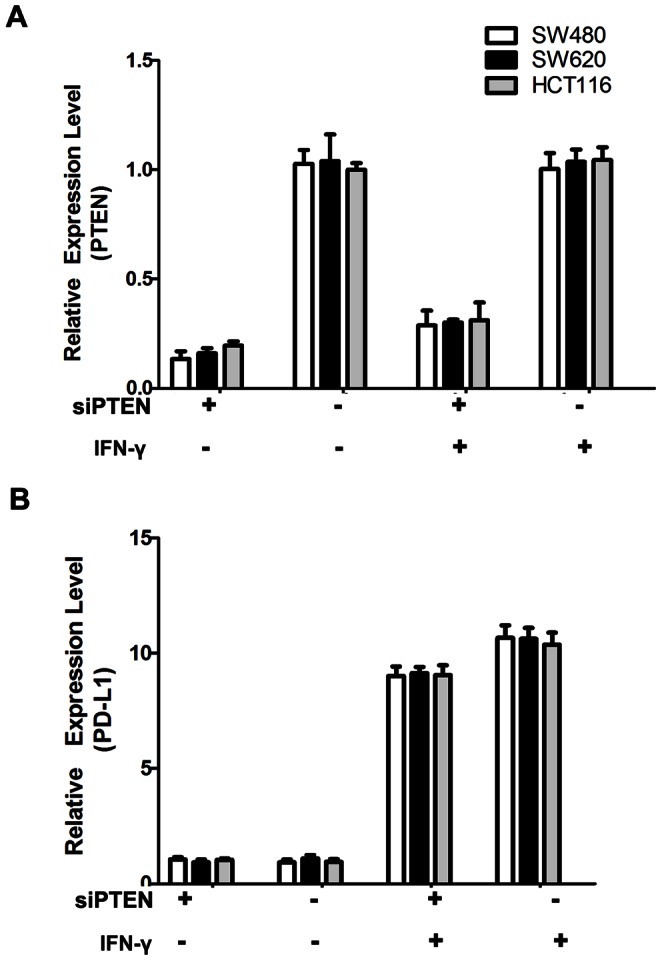
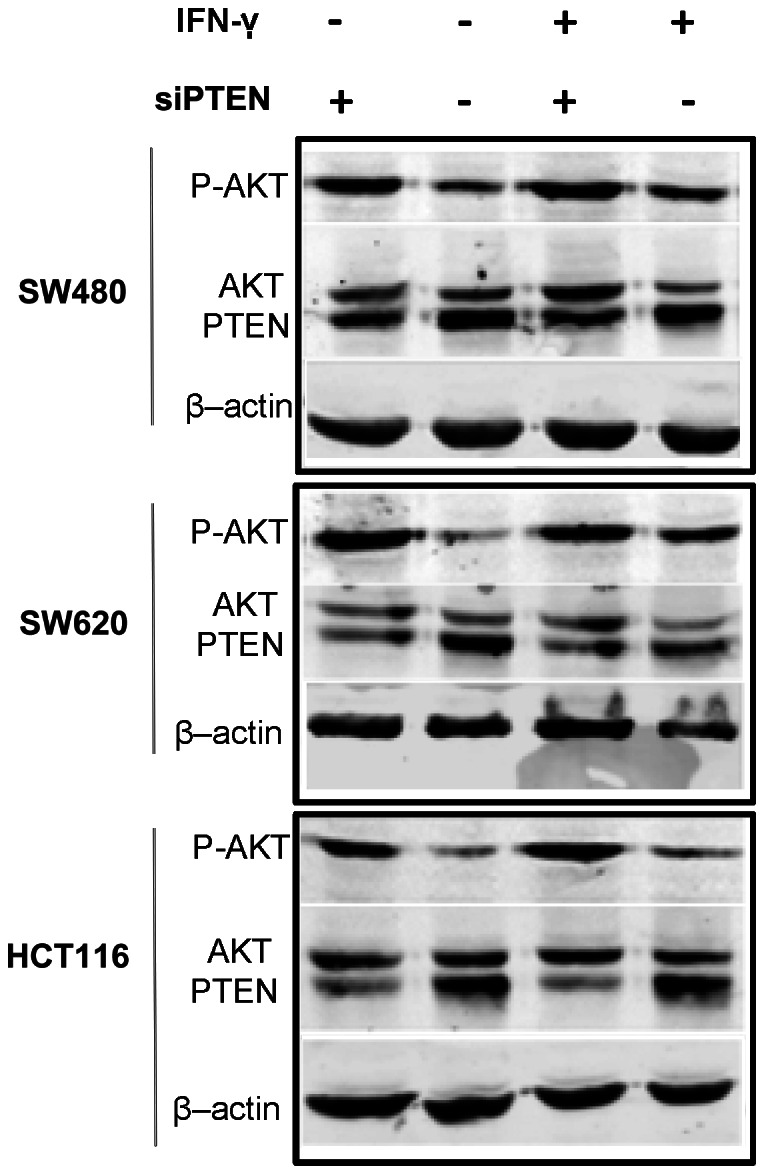
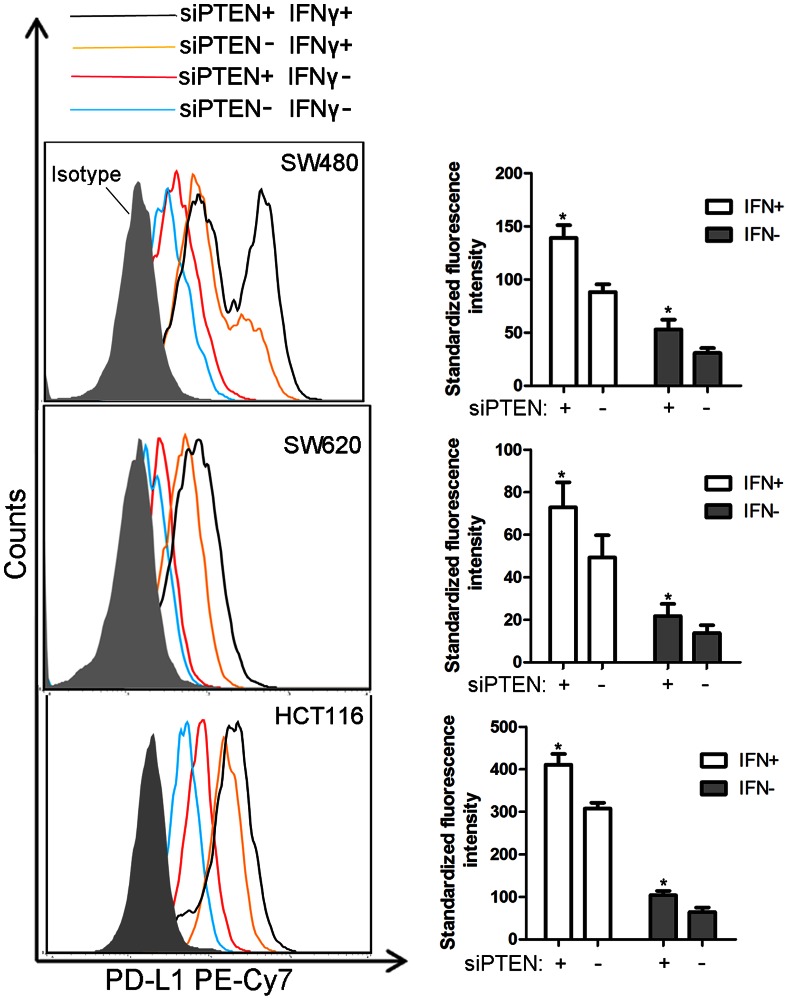
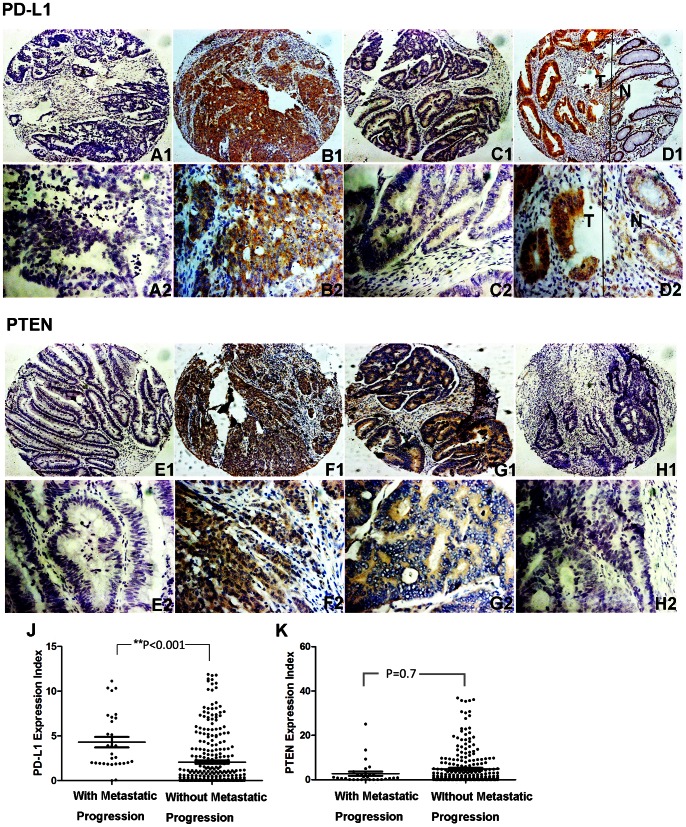
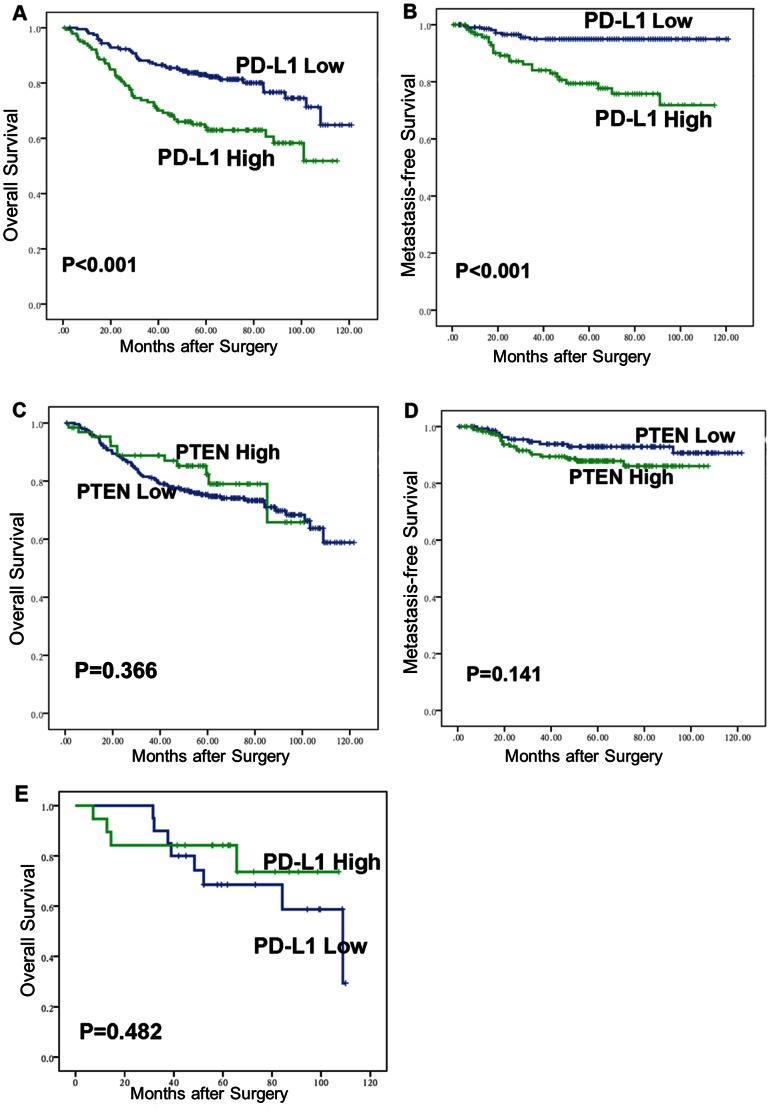
BACKGROUND: Programmed death ligand-1 (PD-L1) has been identified as a factor associated with poor prognosis in a range of cancers, and was reported to be mainly induced by PTEN loss in gliomas. However, the clinical effect of PD-L1 and its regulation by PTEN has not yet been determined in colorectal cancer (CRC). In the present study, we verified the regulation of PTEN on PD-L1 and further determined the effect of PTEN on the correlation between PD-L1 expression and clinical parameters in CRC. METHODS/RESULTS: RNA interference approach was used to down-regulate PTEN expression in SW480, SW620 and HCT116 cells. It was showed that PD-L1 protein, but not mRNA, was significantly increased in cells transfected with siRNA PTEN compared with the negative control. Moreover, the capacity of PTEN to regulate PD-L1 expression was not obviously affected by IFN-γ, the main inducer of PD-L1. Tissue microarray immunohistochemistry was used to detect PD-L1 and PTEN in 404 CRC patient samples. Overexpression of PD-L1 was significantly correlated with distant metastasis (P<0.001), TNM stage (P<0.01), metastatic progression (P<0.01) and PTEN expression (P<0.001). Univariate analysis revealed that patients with high PD-L1 expression had a poor overall survival (P<0.001). However, multivariate analysis did not support PD-L1 as an independent prognostic factor (P = 0.548). Univariate (P<0.001) and multivariate survival (P<0.001) analysis of 310 located CRC patients revealed that high level of PD-L1 expression was associated with increased risks of metastatic progression. Furthermore, the clinical effect of PD-L1 on CRC was not statistically significant in a subset of 39 patients with no PTEN expression (distant metastasis: P = 0.102; TNM stage: P = 0.634, overall survival: P = 0.482). CONCLUSIONS: PD-L1 can be used to identify CRC patients with high risk of metastasis and poor prognosis. This clinical manifestation may be partly associated with PTEN expression.
Overview
The claims and statistics of this paper haven’t been checked yet.
Free: it reads the open-access text and checks the first 5 claims that cite a source we can check. Create a free account to check every claim.
Integrity signals
Registry
Cites
Statistics
Figures
Verification
Claims the paper makes
The claims and statistics of this paper haven’t been checked yet.
Free: it reads the open-access text and checks the first 5 claims that cite a source we can check. Create a free account to check every claim.
Claims other papers make about this one
Each is checked against this paper’s own text: does it say what the citing paper says it does?
In the citing paper
“In addition, as a negative regulator of PI3K/Akt/mTOR signaling pathway, loss of PTEN leads to upregulation of PD-L1 protein, decrease of CD8 + T cell and increase of TAM, which are negative predictors of PD-1 blocking response in microsatellite instability-high (MSI-H) CRC patients [228,229].”
From Drug Resistance in Colorectal Cancer: From Mechanism to Clinic (2022) · cites this paper as [229]
Self-check
Percentages, sums and reported differences re-computed from the paper’s own numbers.
The self-check needs the paper’s full text.
Citations
Cites
Analysis of Relative Gene Expression Data Using Real-Time Quantitative PCR and the 2−ΔΔCT Method
Livak, K. J., & Schmittgen, T. D. (2001) · Methods · doi:10.1006/meth.2001.1262 · Cited by 180,860
Jemal, A., Bray, F., Center, M. M., Ferlay, J., Ward, E., & Forman, D. (2011) · CA: A Cancer Journal for Clinicians · doi:10.3322/caac.20107 · Cited by 54,679
Analyzing real-time PCR data by the comparative CT method
Schmittgen, T. D., & Livak, K. J. (2008) · Nature Protocols · doi:10.1038/nprot.2008.73 · Cited by 26,190 · cited 1×
“Details of the comparative CT method have been previously described [24,25].”
MethodSafety and activity of anti-PD-L1 antibody in patients with advanced cancer
Brahmer, J. R., Tykodi, S. S., Chow, L. Q. M., Hwu, W.-J., Topalian, S. L., Hwu, P., Drake, C. G., Camacho, L. H., Kauh, J., Odunsi, K., et al. (2012) · New England Journal of Medicine · doi:10.1056/nejmoa1200694 · Cited by 7,945 · cited 2×
“It may result in the phenomenon that PD-L1 inhibition alone does not appear to help all patients with cancer, which was showed in the multicentre phase I trial of antiPD-L1 [32].”
BackgroundPD-1 and Its Ligands in Tolerance and Immunity
Keir, M. E., Butte, M. J., Freeman, G. J., & Sharpe, A. H. (2008) · Annual Review of Immunology · doi:10.1146/annurev.immunol.26.021607.090331 · Cited by 5,378 · cited 1×
“It can deliver an inhibitory signal to PD-1/B7-1 expressing T cells, resulting in immune impairment [3,4].”
BackgroundTumor-associated B7-H1 promotes T-cell apoptosis: A potential mechanism of immune evasion
Dong, H., Strome, S. E., Salomao, D. R., Tamura, H., Hirano, F., Flies, D. B., Roche, P. C., Lu, J., Zhu, G., Tamada, K., et al. (2002) · Nature Medicine · doi:10.1038/nm730 · Cited by 5,025
Negative regulation of PKB/Akt-dependent cell survival by the tumor suppressor PTEN
Stambolic, V., Suzuki, A., de la Pompa, J. L., Brothers, G. M., Mirtsos, C., Sasaki, T., Ruland, J., Penninger, J. M., Siderovski, D. P., & Mak, T. W. (1998) · Cell · doi:10.1016/s0092-8674(00)81780-8 · Cited by 2,551
Inhibitory B7-family molecules in the tumour microenvironment
Zou, W., & Chen, L. (2008) · Nature Reviews Immunology · doi:10.1038/nri2326 · Cited by 1,608 · cited 2×
“It can deliver an inhibitory signal to PD-1/B7-1 expressing T cells, resulting in immune impairment [3,4].”
BackgroundHamanishi, J., Mandai, M., Iwasaki, M., Okazaki, T., Tanaka, Y., Yamaguchi, K., Higuchi, T., Yagi, H., Takakura, K., Minato, N., et al. (2007) · Proceedings of the National Academy of Sciences · doi:10.1073/pnas.0611533104 · Cited by 1,378 · cited 1×
“In addition, studies relating PD-L1 expression to disease outcome have been done in most tumours, and the results show that PD-L1 expression strongly correlates with unfavourable prognosis in kidney [6], ovarian [7], bladder [8], breast [9], liver [10], gastric [11], and pancreatic cancer [12], but not in non-small ce…”
ResultLoss of tumor suppressor PTEN function increases B7-H1 expression and immunoresistance in glioma
Parsa, A. T., Waldron, J. S., Panner, A., Crane, C. A., Parney, I. F., Barry, J. J., Cachola, K. E., Murray, J. C., Tihan, T., Jensen, M. C., et al. (2007) · Nature Medicine · doi:10.1038/nm1517 · Cited by 1,344 · cited 3×
“Following the recent finding that PD-L1 protein expression correlated with PTEN loss [14], we came to the hypothesis that tumour progression and PD-L1 expression are independently related to PTEN loss, and that the clinical effect of PD-L1 may, at least in part, be attributed to the correlation between PTEN loss and P…”
BackgroundInfluential
Cited by
PD-L1 expression as a predictive biomarker in cancer immunotherapy
Patel, S. P., & Kurzrock, R. (2015) · Molecular Cancer Therapeutics · doi:10.1158/1535-7163.mct-14-0983 · Cited by 2,291
“In colorectal cancer cell lines, PTEN knockdown by siRNA resulted in PD-L1 overexpression by IHC, independent of IFNg stimulation (57).”
BackgroundRegulation and Function of the PD-L1 Checkpoint
Sun, C., Mezzadra, R., & Schumacher, T. N. (2018) · Immunity · doi:10.1016/j.immuni.2018.03.014 · Cited by 2,193
PI3K/AKT/mTOR signaling transduction pathway and targeted therapies in cancer
Glaviano, A., Foo, A. S. C., Lam, H. Y., Yap, K. C. H., Jacot, W., Jones, R. H., Eng, H., Nair, M. G., Makvandi, P., Geoerger, B., et al. (2023) · Molecular Cancer · doi:10.1186/s12943-023-01827-6 · Cited by 2,138
Loss of PTEN Promotes Resistance to T Cell–Mediated Immunotherapy
Peng, W., Chen, J. Q., Liu, C., Malu, S., Creasy, C., Tetzlaff, M. T., Xu, C., McKenzie, J. A., Zhang, C., Liang, X., et al. (2016) · Cancer Discovery · doi:10.1158/2159-8290.cd-15-0283 · Cited by 1,539
Self-citationRegulation of PD-L1: a novel role of pro-survival signalling in cancer.
Chen, J., Jiang, C. C., Jin, L., & Zhang, X. D. (2016) · Annals of Oncology · doi:10.1093/annonc/mdv615 · Cited by 767
“It is likely that the PI3K/Akt pathway regulates PD-L1 expression by either transcriptional or posttransciptional mechanisms in a cell- and tissue-type-dependent manner [17].”
BackgroundResultProgrammed death ligand 1 expression and tumor-infiltrating lymphocytes in glioblastoma
Berghoff, A. S., Kiesel, B., Widhalm, G., Rajky, O., Ricken, G., Wöhrer, A., Dieckmann, K., Filipits, M., Brandstetter, A., Weller, M., et al. (2015) · Neuro-Oncology · doi:10.1093/neuonc/nou307 · Cited by 585
“Studies on the prognostic impact of tumoral PD-L1 expression have shown inconsistent results across tumor types.(20,51) – 53 In our series including a total of 563 glioblastoma cases from 2 independent cohorts, there was no association of PD-L1 expression with patient outcome.”
ResultMuenst, S., Schaerli, A. R., Gao, F., Däster, S., Trella, E., Droeser, R. A., Muraro, M. G., Zajac, P., Zanetti, R., Gillanders, W. E., et al. (2014) · Breast Cancer Research and Treatment · doi:10.1007/s10549-014-2988-5 · Cited by 558
“looking at different human cancers such as melanoma, renal, urothelial, gastric, lung, and colorectal cancer [38, 52–55].”
BackgroundRegulatory mechanisms of immune checkpoints PD-L1 and CTLA-4 in cancer
Zhang, H., Dai, Z., Wu, W., Wang, Z., Zhang, N., Zhang, L., Zeng, W.-J., Liu, Z., & Cheng, Q. (2021) · Journal of Experimental & Clinical Cancer Research · doi:10.1186/s13046-021-01987-7 · Cited by 535
Roles of PD-1/PD-L1 Pathway: Signaling, Cancer, and Beyond
Ai, L., Xu, A., & Xu, J. (2020) · Advances in Experimental Medicine and Biology · doi:10.1007/978-981-15-3266-5_3 · Cited by 526
PD‐1/PD‐L1 immune checkpoint: Potential target for cancer therapy
Dermani, F. K., Samadi, P., Rahmani, G., Kohlan, A. K., & Najafi, R. (2019) · Journal of Cellular Physiology · doi:10.1002/jcp.27172 · Cited by 504
“It has been shown that PD‐L1 overexpression is significantly related to distant metastasis, TNM stage, metastatic progression, and PTEN expression (Song et al., 2013).”
BackgroundPrognostic and predictive value of PDL1 expression in breast cancer
Sabatier, R., Finetti, P., Mamessier, E., Adelaide, J., Chaffanet, M., Ali, H. R., Viens, P., Caldas, C., Birnbaum, D., & Bertucci, F. (2015) · Oncotarget · doi:10.18632/oncotarget.3216 · Cited by 508
“com/oncotarget prognostic value in lung [41, 44] and colorectal [31, 45] carcinomas, opposite to what had been previously reported with non-validated antibodies.”
ResultWu, M., Huang, Q., Xie, Y., Wu, X., Ma, H., Zhang, Y., & Xia, Y. (2022) · Journal of Hematology & Oncology · doi:10.1186/s13045-022-01242-2 · Cited by 456
“Tyrosine kinase inhibitors (TKIs) enhance immune presentation by upregulating MHC class I and II molecules [176].”
BackgroundSelf-citationSchalper, K. A., Velcheti, V., Carvajal, D., Wimberly, H., Brown, J., Pusztai, L., & Rimm, D. L. (2014) · Clinical Cancer Research · doi:10.1158/1078-0432.ccr-13-2702 · Cited by 450
Intratumoral Copper Modulates PD-L1 Expression and Influences Tumor Immune Evasion
Voli, F., Valli, E., Lerra, L., Kimpton, K., Saletta, F., Giorgi, F. M., Mercatelli, D., Rouaen, J. R. C., Shen, S., Murray, J. E., et al. (2020) · Cancer Research · doi:10.1158/0008-5472.can-20-0471 · Cited by 411
PD-L1 Distribution and Perspective for Cancer Immunotherapy—Blockade, Knockdown, or Inhibition
Wu, Y., Chen, W., Xu, Z. P., & Gu, W. (2019) · Frontiers in Immunology · doi:10.3389/fimmu.2019.02022 · Cited by 419
Recurrent glioma clinical trial, CheckMate-143: the game is not over yet
Filley, A. C., Henriquez, M., & Dey, M. (2017) · Oncotarget · doi:10.18632/oncotarget.21586 · Cited by 386
“Induction of tumor PDL1 expression likely occurs in response to inflammation induced by host antitumor immune responses [34] and through tumor-specific mutations, such as loss of the tumor-suppressor PTEN or enhanced ALK gene signaling [35, 36].”
BackgroundPI3K-AKT-mTOR inhibition in cancer immunotherapy, redux
O’Donnell, J. S., Massi, D., Teng, M. W. L., & Mandala, M. (2018) · Seminars in Cancer Biology · doi:10.1016/j.semcancer.2017.04.015 · Cited by 375
Immunosuppression associated with chronic inflammation in the tumor microenvironment
Wang, D., & DuBois, R. N. (2015) · Carcinogenesis · doi:10.1093/carcin/bgv123 · Cited by 355
“In vitro studies demonstrated that loss of phosphatase and tensin homolog resulted in induction of PD-L1 expression in glioma and CRC cells (117,123) and overexpression of mutated epidermal growth factor receptor led to induction of PD-L1 in immortalized bronchial epithelial cells (121).”
BackgroundMimura, K., Teh, J. L., Okayama, H., Shiraishi, K., Kua, L., Koh, V., Smoot, D. T., Ashktorab, H., Oike, T., Suzuki, Y., et al. (2018) · Cancer Science · doi:10.1111/cas.13424 · Cited by 329
Wang, X., Yang, L., Huang, F., Zhang, Q., Liu, S., Ma, L., & You, Z. (2017) · Immunology Letters · doi:10.1016/j.imlet.2017.02.006 · Cited by 324
“Activation of ERK1/2 and Akt pathways has been shown to up-regulate PD-L1 expression in melanoma cells [37], colon cancers [38], and breast cancer [39].”
BackgroundSelf-citationRosenbaum, M. W., Bledsoe, J. R., Morales-Oyarvide, V., Huynh, T. G., & Mino-Kenudson, M. (2016) · Modern Pathology · doi:10.1038/modpathol.2016.95 · Cited by 288
Mechanisms driving the immunoregulatory function of cancer cells
van Weverwijk, A., & de Visser, K. E. (2023) · Nature Reviews Cancer · doi:10.1038/s41568-022-00544-4 · Cited by 272
Hypoxia-Driven Immune Escape in the Tumor Microenvironment
Vito, A., El-Sayes, N., & Mossman, K. (2020) · Cells · doi:10.3390/cells9040992 · Cited by 270
“Other studies have found that the PI3K/AKT/mTOR pathways play a role in the regulation of PD-L1 in several murine cancer models, including non-small-cell lung cancer [136], colorectal cancer [137], pancreatic cancer [138] and breast cancer [139].”
BackgroundKim, H. R., Ha, S.-J., Hong, M. H., Heo, S. J., Koh, Y. W., Choi, E. C., Kim, E. K., Pyo, K. H., Jung, I., Seo, D., et al. (2016) · Scientific Reports · doi:10.1038/srep36956 · Cited by 256
Hypoxia as a driver of resistance to immunotherapy
Kopecka, J., Salaroglio, I. C., Perez-Ruiz, E., Sarmento-Ribeiro, A. B., Saponara, S., De Las Rivas, J., & Riganti, C. (2021) · Drug Resistance Updates · doi:10.1016/j.drup.2021.100787 · Cited by 246
Hudson, K., Cross, N., Jordan-Mahy, N., & Leyland, R. (2020) · Frontiers in Immunology · doi:10.3389/fimmu.2020.568931 · Cited by 243
The expression profiles and regulation of PD-L1 in tumor-induced myeloid-derived suppressor cells
Lu, C., Redd, P. S., Lee, J. R., Savage, N., & Liu, K. (2016) · OncoImmunology · doi:10.1080/2162402x.2016.1247135 · Cited by 230
“It is well documented that PD-L1 is constitutively expressed and inducible in tumor cells.(17,56-59) IFNg is an essential component of the host cancer immune surveillance system.”
BackgroundLight-sheet microscopy in the near-infrared II window
Wang, F., Wan, H., Ma, Z., Zhong, Y., Sun, Q., Tian, Y., Qu, L., Du, H., Zhang, M., Li, L., et al. (2019) · Nature Methods · doi:10.1038/s41592-019-0398-7 · Cited by 237
Tumour CD274 (PD-L1) expression and T cells in colorectal cancer
Masugi, Y., Nishihara, R., Yang, J., Mima, K., da Silva, A., Shi, Y., Inamura, K., Cao, Y., Song, M., Nowak, J. A., et al. (2017) · Gut · doi:10.1136/gutjnl-2016-311421 · Cited by 231
Self-citationBen‐Ami, E., Barysauskas, C. M., Solomon, S., Tahlil, K., Malley, R., Hohos, M., Polson, K., Loucks, M., Severgnini, M., Patel, T., et al. (2017) · Cancer · doi:10.1002/cncr.30738 · Cited by 226
“Expression of PD-L1 is known to be inducible and dynamic and is regulated by extrinsic signaling, such as release of interferon-c by tumorinfiltrating immune cells, and intrinsic cellular control, such as loss of tumor suppressor PTEN or activation of the PI3K/Akt pathway, all of which are implicated in ULMS.(27,28) F…”
BackgroundInfluentialVassilakopoulou, M., Avgeris, M., Velcheti, V., Kotoula, V., Rampias, T., Chatzopoulos, K., Perisanidis, C., Kontos, C. K., Giotakis, A. I., Scorilas, A., et al. (2016) · Clinical Cancer Research · doi:10.1158/1078-0432.ccr-15-1543 · Cited by 212
Emerging role of PTEN loss in evasion of the immune response to tumours
Vidotto, T., Melo, C. M., Castelli, E., Koti, M., dos Reis, R. B., & Squire, J. A. (2020) · British Journal of Cancer · doi:10.1038/s41416-020-0834-6 · Cited by 209
Study and analysis of antitumor resistance mechanism of PD1/PD‐L1 immune checkpoint blocker
Wang, Z., & Wu, X. (2020) · Cancer Medicine · doi:10.1002/cam4.3410 · Cited by 195
Self-citationAdra, N., Einhorn, L. H., Althouse, S. K., Ammakkanavar, N. R., Musapatika, D., Albany, C., Vaughn, D., & Hanna, N. H. (2018) · Annals of Oncology · doi:10.1093/annonc/mdx680 · Cited by 196
“The expression of PD-L1 is known to be dynamic and is regulated by extrinsic signaling such as release of interferon-c by immune cells, loss of expression of tumor suppressor genes or activation of the AKT-mTOR pathway [27, 28].”
BackgroundZhao, Y., Harrison, D. L., Song, Y., Ji, J., Huang, J., & Hui, E. (2018) · Cell Reports · doi:10.1016/j.celrep.2018.06.054 · Cited by 188
“, 2014; Patel and Kurzrock, 2015; Ribas and Hu-Lieskovan, 2016), but little to no correlation between PD-L1 expression and therapeutic response was observed under several scenarios (Kim et al., 2016; Maleki Vareki et al., 2017; Mu et al., 2011; Song et al., 2013).”
BackgroundKim, M.-Y., Koh, J., Kim, S., Go, H., Jeon, Y. K., & Chung, D. H. (2015) · Lung Cancer · doi:10.1016/j.lungcan.2015.01.016 · Cited by 186
Li, L., Cao, B., Liang, X., Lu, S., Luo, H., Wang, Z., Wang, S., Jiang, J., Lang, J., & Zhu, G. (2019) · Oncogene · doi:10.1038/s41388-018-0627-z · Cited by 179
Basic Overview of Current Immunotherapy Approaches in Cancer
Velcheti, V., & Schalper, K. (2016) · American Society of Clinical Oncology Educational Book · doi:10.1200/edbk_156572 · Cited by 176
Tumor Heterogeneity in Colorectal Cancer: What Do We Know So Far?
Sagaert, X., Vanstapel, A., & Verbeek, S. (2018) · Pathobiology · doi:10.1159/000486721 · Cited by 172
FGFR2 Promotes Expression of PD-L1 in Colorectal Cancer via the JAK/STAT3 Signaling Pathway
Li, P., Huang, T., Zou, Q., Liu, D., Wang, Y., Tan, X., Wei, Y., & Qiu, H. (2019) · The Journal of Immunology · doi:10.4049/jimmunol.1801199 · Cited by 174
“vanced clinical stage and poor survival in patients with CRC (47, 48).”
BackgroundUnderstanding and overcoming the resistance of cancer to PD-1/PD-L1 blockade
Shergold, A. L., Millar, R., & Nibbs, R. J. B. (2019) · Pharmacological Research · doi:10.1016/j.phrs.2019.104258 · Cited by 174
Immunosuppressive Mechanisms of Malignant Gliomas: Parallels at Non-CNS Sites
Perng, P., & Lim, M. (2015) · Frontiers in Oncology · doi:10.3389/fonc.2015.00153 · Cited by 166
“Expression of PD-L1 on colorectal carcinomas, for example, has also been linked to loss of PTEN tumor suppressor (349).”
BackgroundCancer stem cells and the tumor microenvironment: interplay in tumor heterogeneity
Albini, A., Bruno, A., Gallo, C., Pajardi, G., Noonan, D. M., & Dallaglio, K. (2015) · Connective Tissue Research · doi:10.3109/03008207.2015.1066780 · Cited by 166
Li, Z., Dong, P., Ren, M., Song, Y., Qian, X., Yang, Y., Li, S., Zhang, X., & Liu, F. (2016) · Journal of Cancer · doi:10.7150/jca.14549 · Cited by 159
“Recently, PD-L1 has been considered as an unfavorable predictor in a variety of malignancies [9, 11, 33-39].”
BackgroundDrug Resistance in Colorectal Cancer: From Mechanism to Clinic
Wang, Q., Shen, X., Chen, G., & Du, J. (2022) · Cancers · doi:10.3390/cancers14122928 · Cited by 160
Immuno-Metabolism and Microenvironment in Cancer: Key Players for Immunotherapy
Giannone, G., Ghisoni, E., Genta, S., Scotto, G., Tuninetti, V., Turinetto, M., & Valabrega, G. (2020) · International Journal of Molecular Sciences · doi:10.3390/ijms21124414 · Cited by 159
PD-L1 status in breast cancer: Current view and perspectives
Vranić, S., Cyprian, F. S., Gatalica, Z., & Palazzo, J. (2019) · Seminars in Cancer Biology · doi:10.1016/j.semcancer.2019.12.003 · Cited by 177
PTEN as a Prognostic/Predictive Biomarker in Cancer: An Unfulfilled Promise?
Bazzichetto, C., Conciatori, F., Pallocca, M., Falcone, I., Fanciulli, M., Cognetti, F., Milella, M., & Ciuffreda, L. (2019) · Cancers · doi:10.3390/cancers11040435 · Cited by 164
YY1 regulates cancer cell immune resistance by modulating PD-L1 expression
Hays, E., & Bonavida, B. (2019) · Drug Resistance Updates · doi:10.1016/j.drup.2019.04.001 · Cited by 153
Recent Findings in the Regulation of Programmed Death Ligand 1 Expression
Shen, X., Zhang, L., Li, J., Li, Y., Wang, Y., & Xu, Z. (2019) · Frontiers in Immunology · doi:10.3389/fimmu.2019.01337 · Cited by 139
Role of mTOR Signaling in Tumor Microenvironment: An Overview
Conciatori, F., Bazzichetto, C., Falcone, I., Pilotto, S., Bria, E., Cognetti, F., Milella, M., & Ciuffreda, L. (2018) · International Journal of Molecular Sciences · doi:10.3390/ijms19082453 · Cited by 138
Wen, W. X., & Leong, C. (2019) · PLoS ONE · doi:10.1371/journal.pone.0215381 · Cited by 142
Quan, Z., Yang, Y., Zheng, H., Zhan, Y., Luo, J., Ning, Y., & Fan, S. (2022) · Journal of Cancer · doi:10.7150/jca.77619 · Cited by 143
Zhang, J., Gao, J., Li, Y., Nie, J., Dai, L., Hu, W., Chen, X., Han, J., Ma, X., Tian, G., et al. (2015) · Thoracic Cancer · doi:10.1111/1759-7714.12247 · Cited by 127
Self-citationThe deubiquitinase USP22 regulates PD-L1 degradation in human cancer cells
Wang, Y., Sun, Q., Mu, N., Sun, X., Wang, Y., Fan, S., Su, L., & Liu, X. (2020) · Cell Communication and Signaling · doi:10.1186/s12964-020-00612-y · Cited by 124
Yang, C., Lin, M., Chang, Y., Wu, C., & Yang, P. (2016) · European Journal of Cancer · doi:10.1016/j.ejca.2015.12.033 · Cited by 127
“Several oncogenic pathways have been documented to up-regulate PD-L1 expression, including loss of phosphatase and tensin homolog in gliomas [46] and colorectal cancer [47], nucleophosmin/ALK translocation in T cell lymphoma”
BackgroundAbdelhamed, S., Ogura, K., Yokoyama, S., Saiki, I., & Hayakawa, Y. (2016) · Journal of Cancer · doi:10.7150/jca.14713 · Cited by 130
“While a group of oncogenic mutations have been known to correlate to PD-L1 expression on cancer cells [6, 7, 18, 19], the aberrant activation of epidermal growth factor receptor (EGFR) signaling in NSCLCs driven by a mutation of EGFR can be responsible for evading host immune responses through up-regulation of PD-L1 e…”
BackgroundCurrent State and Future Challenges for PI3K Inhibitors in Cancer Therapy
Sirico, M., D’Angelo, A., Gianni, C., Casadei, C., Merloni, F., & De Giorgi, U. (2023) · Cancers · doi:10.3390/cancers15030703 · Cited by 121
Overcoming cold tumors: a combination strategy of immune checkpoint inhibitors
Ouyang, P., Wang, L., Wu, J., Tian, Y., Chen, C., Li, D., Yao, Z., Chen, R., Xiang, G., Gong, J., et al. (2024) · Frontiers in Immunology · doi:10.3389/fimmu.2024.1344272 · Cited by 138
Self-citationPKB/Akt-dependent regulation of inflammation in cancer
Tang, F., Wang, Y., Hemmings, B. A., Rüegg, C., & Xue, G. (2017) · Seminars in Cancer Biology · doi:10.1016/j.semcancer.2017.04.018 · Cited by 127
Copper in cancer: From pathogenesis to therapy
Guan, D., Zhao, L., Shi, X., Ma, X., & Chen, Z. (2023) · Biomedicine & Pharmacotherapy · doi:10.1016/j.biopha.2023.114791 · Cited by 129
Lin, C., Chen, X., Li, M., Liu, J., Qi, X., Yang, W., Zhang, H., Cai, Z., Dai, Y., & Ouyang, X. (2015) · Clinical Lung Cancer · doi:10.1016/j.cllc.2015.02.002 · Cited by 126
Chang, Y., Yang, C., Lin, M., Wu, C., & Yang, P. (2016) · European Journal of Cancer · doi:10.1016/j.ejca.2016.03.012 · Cited by 126
PD-L1 up-regulation in melanoma increases disease aggressiveness and is mediated through miR-17-5p
Audrito, V., Serra, S., Stingi, A., Orso, F., Gaudino, F., Bologna, C., Neri, F., Garaffo, G., Nassini, R., Baroni, G., et al. (2017) · Oncotarget · doi:10.18632/oncotarget.15213 · Cited by 118
“Furthermore, PTEN loss was found to up-regulate PD-L1, likely through the over-activation of the PI3K/Akt pathway, at least in other tumor models [25, 26].”
High PD-L1 expression in gastric cancer (GC) patients and correlation with molecular features
Liu, X., Choi, M. G., Kim, K., Kim, K., Kim, S. T., Park, S. H., Cristescu, R., Peter, S. A., & Lee, J. (2020) · Pathology - Research and Practice · doi:10.1016/j.prp.2020.152881 · Cited by 127
Chae, Y. K., Pan, A. P., Davis, A. A., Raparia, K., Mohindra, N. A., Matsangou, M., & Giles, F. J. (2016) · Clinical Lung Cancer · doi:10.1016/j.cllc.2016.03.011 · Cited by 126
The phosphoinositide 3-kinase pathway and therapy resistance in cancer
Brown, K. K., & Toker, A. (2015) · F1000Prime Reports · doi:10.12703/p7-13 · Cited by 111
“In addition, PI3K pathway hyperactivity induced by loss of PTEN is associated with the elevated expression of programmed death-ligand 1 (PD-L1), which plays a major role in suppressing the immune system [40,41].”
BackgroundRoufas, C., Chasiotis, D., Makris, A., Efstathiades, C., Dimopoulos, C., & Zaravinos, A. (2018) · Frontiers in Oncology · doi:10.3389/fonc.2018.00027 · Cited by 125
“breast cancer 0/12 (0) 4/12 (33) 7/12 (58) 1/12 (8) 1/10 (0) 1/10 (0) 1/10 (0) 10/10 (100)”
Cancer cell-intrinsic mechanisms driving acquired immune tolerance
Ghorani, E., Swanton, C., & Quezada, S. A. (2023) · Immunity · doi:10.1016/j.immuni.2023.09.004 · Cited by 127
Luo, C., Xin, H., Zhou, Z., Hu, Z., Sun, R., Yao, N., Sun, Q., Borjigin, U., Wu, X., Fan, J., et al. (2022) · Hepatology · doi:10.1002/hep.32387 · Cited by 115
Self-citationRegulation of PD-L1 expression in cancer and clinical implications in immunotherapy.
Ju, X., Zhang, H., Zhou, Z., & Wang, Q. (2020) · PubMed Central · Cited by 135
Immune Checkpoint Modulation for Non–Small Cell Lung Cancer
Soria, J., Marabelle, A., Brahmer, J. R., & Gettinger, S. N. (2015) · Clinical Cancer Research · doi:10.1158/1078-0432.ccr-14-2959 · Cited by 104
Mattox, A. K., Lee, J., Westra, W. H., Pierce, R. H., Ghossein, R. A., Faquin, W. C., Diefenbach, T. J., Morris, L. G. T., Lin, D. T., Wirth, L. J., et al. (2017) · Cancer Research · doi:10.1158/0008-5472.can-16-3453 · Cited by 111
“Previous studies in renal, colorectal, and lung cancers have shown an adverse prognostic effect of intratumoral PD-L1 expression (14-16).”
Griffiths, J. I., Wallet, P., Pflieger, L. T., Stenehjem, D. D., Liu, X., Cosgrove, P. A., Leggett, N. A., McQuerry, J. A., Shrestha, G., Rossetti, M. M., et al. (2020) · Proceedings of the National Academy of Sciences · doi:10.1073/pnas.1918937117 · Cited by 110
Yang, L., Huang, F., Mei, J., Wang, X., Zhang, Q., Wang, H., Xi, M., & You, Z. (2016) · International Journal of Gynecological Cancer · doi:10.1097/igc.0000000000000875 · Cited by 97
“Furthermore, it has been shown that PI3K/Akt regulates PD-L1 expression at posttranscriptional levels.(46) We found that E2 increased PD-L1 mRNA stability, but not protein stability.”
BackgroundSelf-citationSorrentino, C., D’Antonio, L., Fieni, C., Ciummo, S. L., & Carlo, E. D. (2021) · Frontiers in Immunology · doi:10.3389/fimmu.2021.778329 · Cited by 99
Integrated Akt/PKB Signaling in Immunomodulation and Its Potential Role in Cancer Immunotherapy
Xue, G., Zippelius, A., WICKI, A. N., Mandalà, M., Tang, F., Massi, D., & Hemmings, B. A. (2015) · JNCI Journal of the National Cancer Institute · doi:10.1093/jnci/djv171 · Cited by 92
“Similarly, this PKB-dependent PD-L1 expression pattern is also observed in colorectal cancer (138).”
BackgroundPD-L1 (CD274) promoter methylation predicts survival in colorectal cancer patients
Goltz, D., Gevensleben, H., Dietrich, J., & Dietrich, D. (2016) · OncoImmunology · doi:10.1080/2162402x.2016.1257454 · Cited by 96
“cal outcomes has been observed, and recent reports have shown that PD-L1 may correlate with prognosis in CRC patients.(6,7) Droeser et al.”
ResultPTEN Alterations as a Potential Mechanism for Tumor Cell Escape from PD-1/PD-L1 Inhibition
Cretella, D., Digiacomo, G., Giovannetti, E., & Cavazzoni, A. (2019) · Cancers · doi:10.3390/cancers11091318 · Cited by 92
“In colorectal cancer cell lines [92], silencing of PTEN caused PD-L1 increase at the membrane level, without increase of PD-L1 mRNA, suggesting that PTEN loss could contribute to PD-L1 protein stabilization.”
BackgroundWang, H., Yao, H., Li, C., Liang, L., Zhang, Y., Shi, H., Zhou, C., Chen, Y., Fang, J., & Xu, J. (2017) · OncoImmunology · doi:10.1080/2162402x.2017.1327494 · Cited by 92
“In contrast, PD-L1 has been reported to lack independent prognostic significance in CRC.(17) The difference in the prognostic effects of PD-L2 and PD-L1 in CRC may be relevant to their overlapping but distinct molecular functions.”
BackgroundFeng, D., Qin, B., Pal, K., Sun, L., Dutta, S. K., Dong, H., Liu, X., Mukhopadhyay, D., Huang, S., & Sinicrope, F. A. (2019) · Oncogene · doi:10.1038/s41388-019-0919-y · Cited by 88
Prognostic value of PD-L1 in esophageal squamous cell carcinoma: a meta-analysis
Guo, W., Wang, P., Li, N., Shao, F., Zhang, H., Yang, Z., Li, R., Gao, Y., & He, J. (2017) · Oncotarget · doi:10.18632/oncotarget.23810 · Cited by 96
Phytochemicals in Cancer Immune Checkpoint Inhibitor Therapy
Lee, J., Han, Y., Wang, W., Jo, H., Kim, H., Kim, S., Yang, K., Kim, S., Dhanasekaran, D. N., & Song, Y. S. (2021) · Biomolecules · doi:10.3390/biom11081107 · Cited by 95
“The expression of PD-L1 can be promoted by PI3K/Akt pathway by increased extrinsic signaling or decreased negative regulators, such as PTEN [41].”
BackgroundRice, A. E., Latchman, Y. E., Balint, J. P., Lee, J. H., Gabitzsch, E. S., & Jones, F. R. (2015) · Cancer Gene Therapy · doi:10.1038/cgt.2015.40 · Cited by 85
PD-L1 expression in colorectal cancer defines three subsets of tumor immune microenvironments
Valentini, A. M., Pinto, F. D., Cariola, F., Guerra, V., Giannelli, G., Caruso, M. L., & Pirrelli, M. (2018) · Oncotarget · doi:10.18632/oncotarget.24196 · Cited by 84
“The prognostic role of PD-L1 in CRC is less clear, with some studies reporting conflicting results [18, 19].”
ResultLin, Q., Wang, X., & Hu, Y. (2023) · Cancer Letters · doi:10.1016/j.canlet.2023.216318 · Cited by 78
Self-citationBarrett, M. T., Lenkiewicz, E., Malasi, S., Basu, A., Yearley, J. H., Annamalai, L., McCullough, A. E., Kosiorek, H., Narang, P., Sayres, M. A. W., et al. (2018) · Breast Cancer Research · doi:10.1186/s13058-018-1004-0 · Cited by 77
Chen, T., Wu, C., Wang, C., Hsu, W., Yang, T., Lou, P., Ko, J., & Chang, Y. (2015) · Oral Oncology · doi:10.1016/j.oraloncology.2015.08.011 · Cited by 80
“Those patients with positive expression of PD-L1 in tumor cells have been associated with improved clinical outcome from anti-PD-L1 directed therapy [13,32].”
BackgroundSelf-citationPTEN expression by an oncolytic herpesvirus directs T-cell mediated tumor clearance
Russell, L., Swanner, J. L., Jaime‐Ramirez, A. C., Wang, Y., Sprague, A. C., Banasavadi‐Siddegowda, Y., Yoo, J. Y., Sizemore, G. M., Kladney, R. D., Zhang, J., et al. (2018) · Nature Communications · doi:10.1038/s41467-018-07344-1 · Cited by 75
Self-citationLee, S. Y., Jung, D. K., Choi, J. E., Jin, C., Hong, M. J., Do, S. K., Kang, H., Lee, W. K., Seok, Y., Lee, E. B., et al. (2016) · Gene · doi:10.1016/j.gene.2016.11.007 · Cited by 80
Prognostic Value of PD-L1 in Breast Cancer: A Meta-Analysis
Wang, C., Zhu, H., Zhou, Y., Mao, F., Lin, Y., Pan, B., Zhang, X., Xu, Q., Huang, X., & Sun, Q. (2017) · The Breast Journal · doi:10.1111/tbj.12753 · Cited by 71
Self-citationRennier, K. R., Krug, E., Virdi, G., Shin, W. J., & Pachynski, R. K. (2020) · Clinical Cancer Research · doi:10.1158/1078-0432.ccr-19-4245 · Cited by 74
“The link between PD-L1 (cell-extrinsic immune responses) and PTEN (cell-intrinsic responses) expression has been described, with several examples of PTEN loss or suppression resulting in increased PD-L1 expression in tumors (28, 34, 35).”
BackgroundBlons, H., Garinet, S., Laurent‐Puig, P., & Oudart, J. (2019) · Journal of Thoracic Disease · doi:10.21037/jtd.2018.12.48 · Cited by 78
Is there a causal link between PTEN deficient tumors and immunosuppressive tumor microenvironment?
Çetintaş, V. B., & Batada, N. N. (2020) · Journal of Translational Medicine · doi:10.1186/s12967-020-02219-w · Cited by 72
Yang, L., Xue, R., & Pan, C. (2019) · OncoTargets and Therapy · doi:10.2147/ott.s190168 · Cited by 74
Zou, M., Peng, A.-B., Lv, G., Wang, X., Li, J., She, X., & Jiang, Y. (2016) · Europe PMC (PubMed Central) · doi:10.13140/rg.2.1.1007.0649 · Cited by 75
Self-citationProgrammed Cell Death Ligand 1 Expression Is an Independent Prognostic Factor in Colorectal Cancer
ENKHBAT, T., Nishi, M., Takasu, C., Yoshikawa, K., Higashijima, J., Tokunaga, T., Kashihara, H., Ishikawa, D., & Shimada, M. (2018) · Anticancer Research · doi:10.21873/anticanres.12603 · Cited by 70
Xu, R., Wu, J., Zhang, X., Zou, X., Li, C., Wang, H., Yuan, M., Chen, M., Sun, Q., & Liu, S. (2019) · Pharmacological Research · doi:10.1016/j.phrs.2019.104623 · Cited by 64
Wen, C., Huang, L. J., Chen, J., Lin, M., Li, W., Lu, B., Rutnam, Z. J., Iwamoto, A., WANG, Z., Yang, X., et al. (2015) · International Journal of Oncology · doi:10.3892/ijo.2015.3166 · Cited by 63
“Western blot analysis was performed as previously described (11).”
Self-citationPD-L1 Expression Confers Better Prognosis in Locally Advanced Oral Squamous Cell Carcinoma
Kogashiwa, Y., Yasuda, M., Sakurai, H., Nakahira, M., Sano, Y., Gonda, K., Ikeda, T., Inoue, H., Kuba, K., Oba, S., et al. (2017) · Anticancer Research · doi:10.21873/anticanres.11465 · Cited by 69
Metadata
- Authors
- Song, M., Chen, D., Lu, B., Wang, C., Zhang, J., Huang, L., Wang, X., Timmons, C. L., Hu, J., Liu, B., Wu, X., Wang, L., Wang, J., & Liu, H.
- Affiliations
- Sun Yat-sen University (CN)
- Meharry Medical College (US)
- Corresponding author
- Wang, Jianping
- Liu, Huanliang
- ORCID
- Venue
- PLoS ONE
- Publisher
- Public Library of Science (PLoS)
- Published
- 2013-06-13
- Volume
- 8
- Issue
- 6
- Pages
- e65821
- ISSN
- 1932-6203 (ISSN-L)
- PMC
- PMC3681867
- OpenAlex
- W2082431132
- Cited by
- 266
- References
- 37
- Citations by year
- 2026: 2 · 2025: 10 · 2024: 17 · 2023: 22 · 2022: 22 · 2021: 24 · 2020: 29 · 2019: 29 · 2018: 31 · 2017: 31 · 2016: 18 · 2015: 21 · 2014: 7 · 2013: 3
- FWCI
- 8.74
- Type
- journal article
- Language
- en
- Open access
- gold
- doi.org
- Locations
- PLoS ONE (publishedVersion, cc-by)
- Europe PMC (PubMed Central) (publishedVersion, cc-by)
- PubMed Central (publishedVersion, cc-by)
- PubMed (publishedVersion)
- DOAJ (DOAJ: Directory of Open Access Journals) (submittedVersion, cc-by-sa)
- Funders
- Sun Yat-sen University (985 Project)
- Guangdong Province Introduction of Innovative R&D Team (2009010058)
- National Center for Research Resources (U54RR026140)
- Topics
- Health Sciences › Medicine › Oncology › Cancer Immunotherapy and Biomarkers
- Life Sciences › Biochemistry, Genetics and Molecular Biology › Cancer Research › Ferroptosis and cancer prognosis
- Health Sciences › Medicine › Oncology › Colorectal Cancer Treatments and Studies
- Keywords
- PTEN loss, PD-L1 expression, colorectal cancer, tumor suppressor regulation, distant metastasis, TNM stage, prognostic factors, overall survival, interferon-gamma, metastatic progression
- MeSH terms
- Aged, Aged, 80 and over, Enzyme Activation, Female, Follow-Up Studies, Humans, Interferon-gamma, Male, Middle Aged, Neoplasm Metastasis, Neoplasm Staging, Prognosis, Colorectal Neoplasms, Gene Expression Regulation, Neoplastic, Cell Line, Tumor, Proto-Oncogene Proteins c-akt, PTEN Phosphohydrolase, Gene Knockdown Techniques, B7-H1 Antigen
About these checks
Registry, retraction, Cites and statistics results are computed, not judged, with one exception: a printed reference that no index lists is read once by a model before it counts as a citation error. Claims are extracted by a model and kept only when their quote appears verbatim in the text; each cited source is then checked, with a model’s help, for whether it says what the claim relies on. Those verdicts can be wrong — read the claim’s quote and the cited source before relying on one.
Statistics and arithmetic are recomputed, not judged.
Confidence bands are shown only for fields calibrated on our annotated test set. None is calibrated yet, so no band is shown.
What counts as a claim ›How we measure confidence ›How we check this ›
Are you an author, or do you see a problem with this page? Request a review
Data sources
Bibliographic data: Semantic Scholar, OpenAlex, Crossref.
Contains information from the Semantic Scholar Academic Graph Datasets, made available under the ODC Attribution License (ODC-BY 1.0).
Semantic Scholar’s data is described in: Kinney, R., et al. (2023). The Semantic Scholar Open Data Platform. arXiv:2301.10140.
