

PTEN Loss Increases PD-L1 Protein Expression and Affects the Correlation between PD-L1 Expression and Clinical Parameters in Colorectal Cancer
Open accessThe DOI matches its Crossref record; 37 of the 37 references it cites were found in a registry or an index.
Abstract
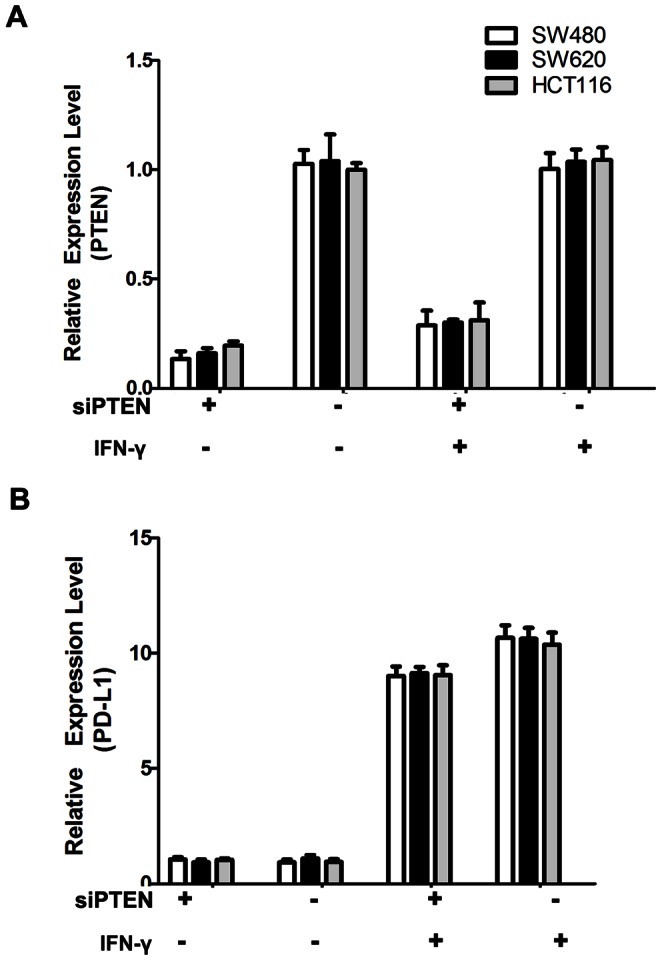
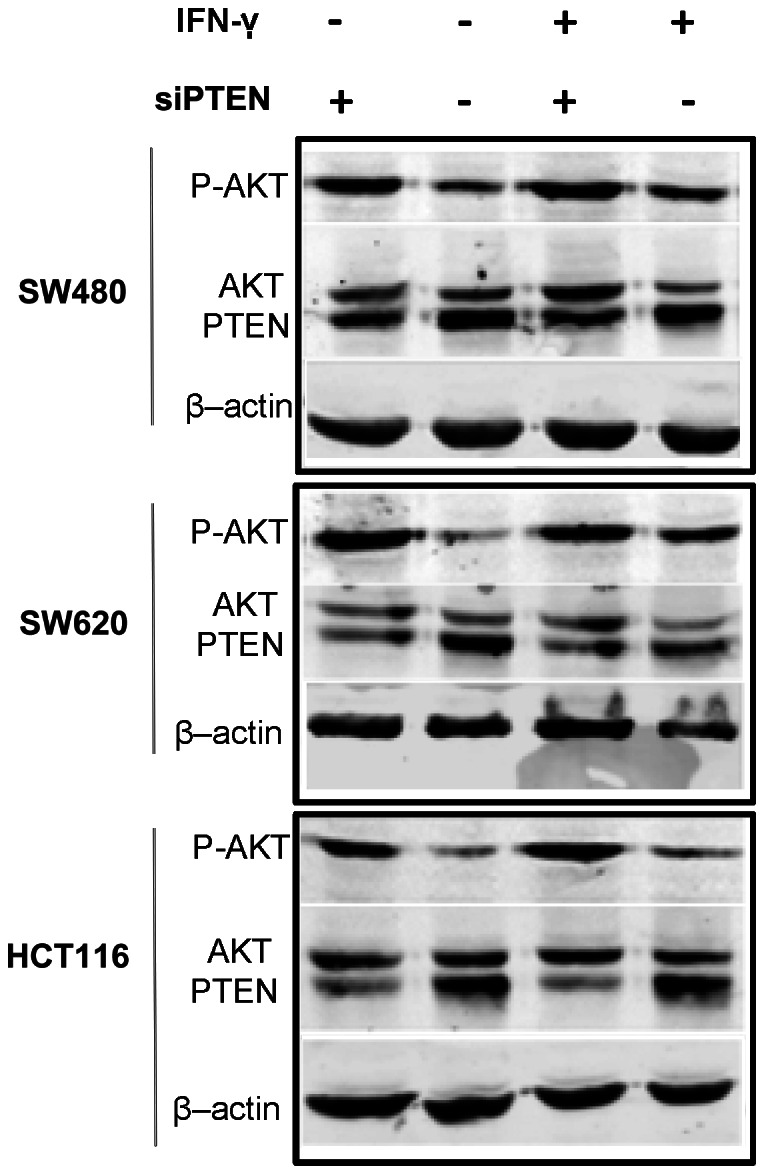
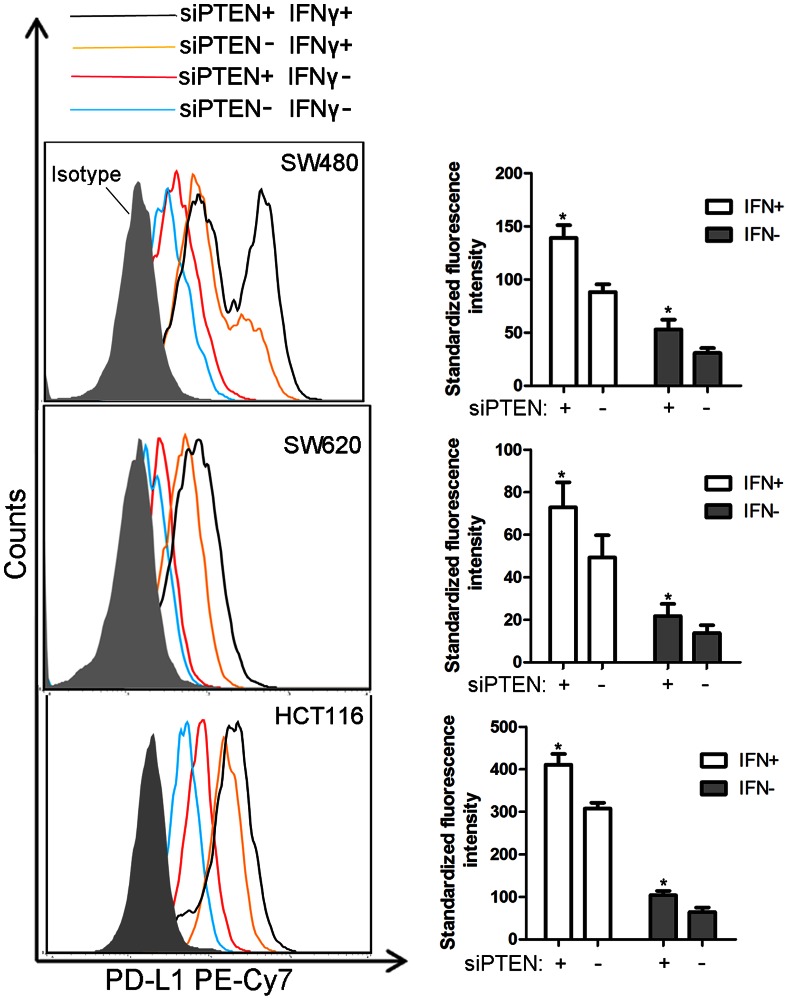
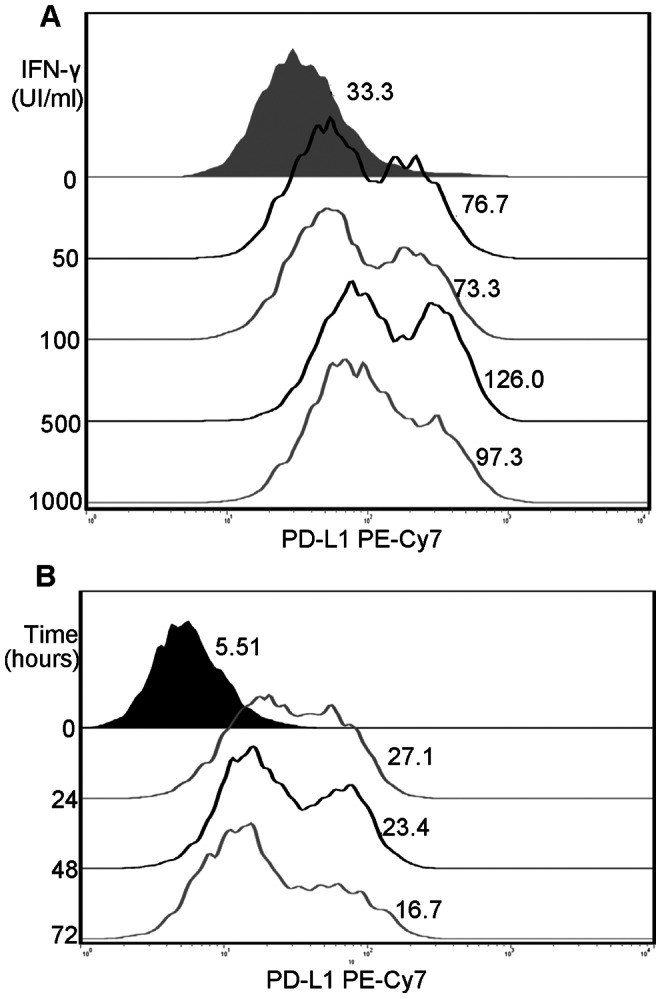
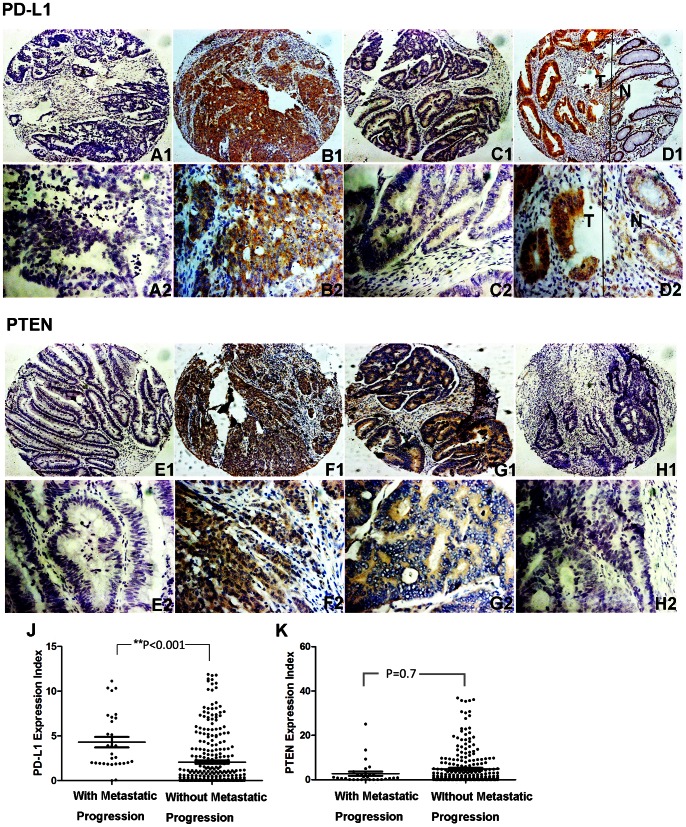
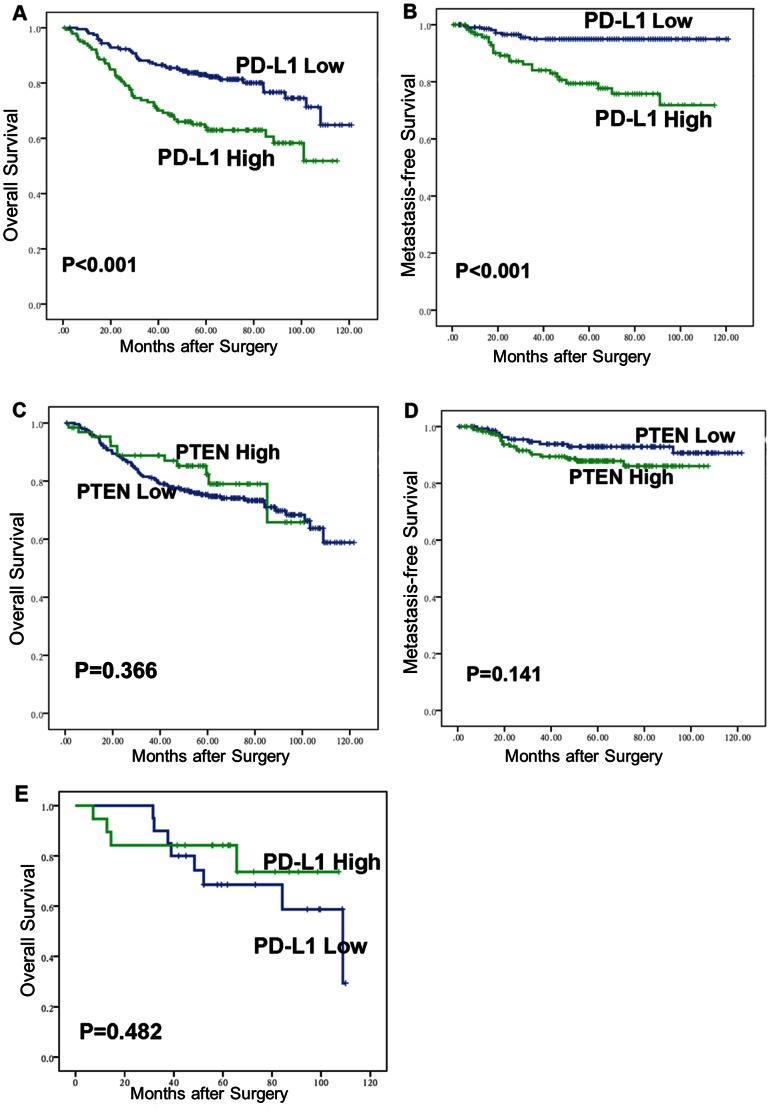
BACKGROUND: Programmed death ligand-1 (PD-L1) has been identified as a factor associated with poor prognosis in a range of cancers, and was reported to be mainly induced by PTEN loss in gliomas. However, the clinical effect of PD-L1 and its regulation by PTEN has not yet been determined in colorectal cancer (CRC). In the present study, we verified the regulation of PTEN on PD-L1 and further determined the effect of PTEN on the correlation between PD-L1 expression and clinical parameters in CRC. METHODS/RESULTS: RNA interference approach was used to down-regulate PTEN expression in SW480, SW620 and HCT116 cells. It was showed that PD-L1 protein, but not mRNA, was significantly increased in cells transfected with siRNA PTEN compared with the negative control. Moreover, the capacity of PTEN to regulate PD-L1 expression was not obviously affected by IFN-γ, the main inducer of PD-L1. Tissue microarray immunohistochemistry was used to detect PD-L1 and PTEN in 404 CRC patient samples. Overexpression of PD-L1 was significantly correlated with distant metastasis (P<0.001), TNM stage (P<0.01), metastatic progression (P<0.01) and PTEN expression (P<0.001). Univariate analysis revealed that patients with high PD-L1 expression had a poor overall survival (P<0.001). However, multivariate analysis did not support PD-L1 as an independent prognostic factor (P = 0.548). Univariate (P<0.001) and multivariate survival (P<0.001) analysis of 310 located CRC patients revealed that high level of PD-L1 expression was associated with increased risks of metastatic progression. Furthermore, the clinical effect of PD-L1 on CRC was not statistically significant in a subset of 39 patients with no PTEN expression (distant metastasis: P = 0.102; TNM stage: P = 0.634, overall survival: P = 0.482). CONCLUSIONS: PD-L1 can be used to identify CRC patients with high risk of metastasis and poor prognosis. This clinical manifestation may be partly associated with PTEN expression.
Overview
The claims and statistics of this paper haven’t been checked yet.
Free: it reads the open-access text and checks the first 5 claims that cite a source we can check. Create a free account to check every claim.
Integrity signals
Registry
Cites
Statistics
Figures
Verification
Claims the paper makes
The claims and statistics of this paper haven’t been checked yet.
Free: it reads the open-access text and checks the first 5 claims that cite a source we can check. Create a free account to check every claim.
Claims other papers make about this one
Each is checked against this paper’s own text: does it say what the citing paper says it does?
In the citing paper
“In addition, as a negative regulator of PI3K/Akt/mTOR signaling pathway, loss of PTEN leads to upregulation of PD-L1 protein, decrease of CD8 + T cell and increase of TAM, which are negative predictors of PD-1 blocking response in microsatellite instability-high (MSI-H) CRC patients [228,229].”
From Drug Resistance in Colorectal Cancer: From Mechanism to Clinic (2022) · cites this paper as [229]
Self-check
Percentages, sums and reported differences re-computed from the paper’s own numbers.
The self-check needs the paper’s full text.
Citations
Cites
Analysis of Relative Gene Expression Data Using Real-Time Quantitative PCR and the 2−ΔΔCT Method
Livak, K. J., & Schmittgen, T. D. (2001) · Methods · doi:10.1006/meth.2001.1262 · Cited by 180,860
Jemal, A., Bray, F., Center, M. M., Ferlay, J., Ward, E., & Forman, D. (2011) · CA: A Cancer Journal for Clinicians · doi:10.3322/caac.20107 · Cited by 54,679
Analyzing real-time PCR data by the comparative CT method
Schmittgen, T. D., & Livak, K. J. (2008) · Nature Protocols · doi:10.1038/nprot.2008.73 · Cited by 26,190 · cited 1×
“Details of the comparative CT method have been previously described [24,25].”
MethodSafety and activity of anti-PD-L1 antibody in patients with advanced cancer
Brahmer, J. R., Tykodi, S. S., Chow, L. Q. M., Hwu, W.-J., Topalian, S. L., Hwu, P., Drake, C. G., Camacho, L. H., Kauh, J., Odunsi, K., et al. (2012) · New England Journal of Medicine · doi:10.1056/nejmoa1200694 · Cited by 7,945 · cited 2×
“It may result in the phenomenon that PD-L1 inhibition alone does not appear to help all patients with cancer, which was showed in the multicentre phase I trial of antiPD-L1 [32].”
BackgroundPD-1 and Its Ligands in Tolerance and Immunity
Keir, M. E., Butte, M. J., Freeman, G. J., & Sharpe, A. H. (2008) · Annual Review of Immunology · doi:10.1146/annurev.immunol.26.021607.090331 · Cited by 5,378 · cited 1×
“It can deliver an inhibitory signal to PD-1/B7-1 expressing T cells, resulting in immune impairment [3,4].”
BackgroundTumor-associated B7-H1 promotes T-cell apoptosis: A potential mechanism of immune evasion
Dong, H., Strome, S. E., Salomao, D. R., Tamura, H., Hirano, F., Flies, D. B., Roche, P. C., Lu, J., Zhu, G., Tamada, K., et al. (2002) · Nature Medicine · doi:10.1038/nm730 · Cited by 5,025
Negative regulation of PKB/Akt-dependent cell survival by the tumor suppressor PTEN
Stambolic, V., Suzuki, A., de la Pompa, J. L., Brothers, G. M., Mirtsos, C., Sasaki, T., Ruland, J., Penninger, J. M., Siderovski, D. P., & Mak, T. W. (1998) · Cell · doi:10.1016/s0092-8674(00)81780-8 · Cited by 2,551
Inhibitory B7-family molecules in the tumour microenvironment
Zou, W., & Chen, L. (2008) · Nature Reviews Immunology · doi:10.1038/nri2326 · Cited by 1,608 · cited 2×
“It can deliver an inhibitory signal to PD-1/B7-1 expressing T cells, resulting in immune impairment [3,4].”
BackgroundHamanishi, J., Mandai, M., Iwasaki, M., Okazaki, T., Tanaka, Y., Yamaguchi, K., Higuchi, T., Yagi, H., Takakura, K., Minato, N., et al. (2007) · Proceedings of the National Academy of Sciences · doi:10.1073/pnas.0611533104 · Cited by 1,378 · cited 1×
“In addition, studies relating PD-L1 expression to disease outcome have been done in most tumours, and the results show that PD-L1 expression strongly correlates with unfavourable prognosis in kidney [6], ovarian [7], bladder [8], breast [9], liver [10], gastric [11], and pancreatic cancer [12], but not in non-small ce…”
ResultLoss of tumor suppressor PTEN function increases B7-H1 expression and immunoresistance in glioma
Parsa, A. T., Waldron, J. S., Panner, A., Crane, C. A., Parney, I. F., Barry, J. J., Cachola, K. E., Murray, J. C., Tihan, T., Jensen, M. C., et al. (2007) · Nature Medicine · doi:10.1038/nm1517 · Cited by 1,344 · cited 3×
“Following the recent finding that PD-L1 protein expression correlated with PTEN loss [14], we came to the hypothesis that tumour progression and PD-L1 expression are independently related to PTEN loss, and that the clinical effect of PD-L1 may, at least in part, be attributed to the correlation between PTEN loss and P…”
BackgroundInfluential
Cited by
Items 201–266 of 266
Relevance of genetic alterations in squamous and small cell lung cancer
Sabari, J. K., & Paik, P. K. (2017) · Annals of Translational Medicine · doi:10.21037/atm.2017.06.72 · Cited by 10
“The Pten/Lkb1 null transgenic mouse model generates highly inflamed tumors that express PD-L1, which joins other data that suggests that PI3K pathway aberrations play a role in immunosurveillance (22,27,28).”
BackgroundDu, Z., Yan, D., Li, Z., Gu, J., Tian, Y., Cao, J., & Tang, Z. (2020) · Journal of Oncology · doi:10.1155/2020/7314195 · Cited by 9
“PD-L1 protein expressionmay be due to the loss of PTEN in cancer cells [16].”
BackgroundThyroid Hormone Induces Oral Cancer Growth via the PD-L1-Dependent Signaling Pathway
Su, K.-W., Lin, H., Chiu, H., Shen, S.-Y., Changou, C. A., Crawford, D. R., Yang, Y. S. H., Shih, Y.-J., Li, Z., Huang, H., et al. (2022) · Cells · doi:10.3390/cells11193050 · Cited by 11
“PD-L1 overexpression has been detected in different types of cancers including melanomas [30], pancreatic cancer [31], colorectal cancer [32], lung cancer cells [33], head and neck cancers (HNCs), and OSCC [34].”
BackgroundLin, Y., Hsiao, L., Wu, M., Chen, Y., Lin, Y., Chang, C., Chung, W., Chen, K., Lu, C., Chen, W., et al. (2023) · International Journal of Molecular Sciences · doi:10.3390/ijms25010134 · Cited by 9
“The Phosphoinositide 3-kinase/Protein kinase B (PI3K/Akt) pathway has been identified as one of the key signaling routes capable of modulating PD-L1 expression through either transcriptional or post-transcriptional means [35].”
BackgroundNeu Perspectives, Therapies, and Challenges for Metastatic HER2-Positive Breast Cancer
Salkeni, M. A., Rizvi, W., Hein, K. Z., & Higa, G. M. (2021) · Breast Cancer Targets and Therapy · doi:10.2147/bctt.s288344 · Cited by 10
“Indeed, PD-L1 expression has already been correlated with poor clinical outcome in lung, kidney, and colorectal cancers.(62,63) However, this association has not been consistently observed.”
BackgroundChang, J., Quan, S., Tian, S., Wang, S., Li, S., Guo, Y., Yang, T., & Yang, X. (2024) · Journal of Cancer Research and Clinical Oncology · doi:10.1007/s00432-024-05819-x · Cited by 7
“The decrease of PTEN expression activated PI3K-AKT-S6K1 pathway and increased the expression of PD-L1, which was consistent with the conclusion previously reported that the deletion of PTEN causes an increase in PD-L1 expression in tumor cells (Song et al. 2013).”
ResultCao, D., Su, T., Wu, Y., Jia, Z., Fu, Y., Sun, Y., Jin, M., Wang, Y., Yi, J., Cui, Y., et al. (2022) · OncoTargets and Therapy · doi:10.2147/ott.s374175 · Cited by 8
“In colorectal cancer cells, PTEN silencing increased PD-L1 protein expression while had no effects on PD-L1 mRNA, indicating that PTEN loss might influence PD-L1 protein stabilization.(31) In melanoma cancer cells, PD-L1 expression does not correlate with PTEN loss.”
BackgroundHassanin, I. A., Saeed, H. M. S., Shehat, M. G., Yakout, N. M. S., Hassanin, E. A., Abdelmoneem, M. A., Teleb, M., Nematalla, H. A., Khattab, S. N., Elkhodairy, K. A., et al. (2025) · Chemical Engineering Journal · doi:10.1016/j.cej.2025.163015 · Cited by 7
Leiomyosarcoma: Does Location of Primary Help to Determine the Best Systemic Therapy Options?
Novotný, J. P., & George, S. (2021) · Current Treatment Options in Oncology · doi:10.1007/s11864-021-00897-2 · Cited by 7
Loss of Expression of PTEN is Associated with Worse Prognosis in Patients with Cancer
Qiu, Z.-X., Zhao, S., Li, L., & Li, W. (2015) · Asian Pacific Journal of Cancer Prevention · doi:10.7314/apjcp.2015.16.11.4691 · Cited by 7
“…Chung et al., 2009; Yoshizawa et al., 2010; Sood et al., 2012; Liang et al., 2012; Gonzalez-Roibon et al., 2013; Boeck et al., 2013; Zhu et al., 2013; Jiang et al., 2013; Song et al., 2013; Price et al., 2013; Li et al., 2013; Atreya et al., 2013; Ferraldeschi et al., 2015; Kessler et al., 2015).”
BackgroundKaliński, P., & Basse, P. H. (2018) · Elsevier eBooks · doi:10.1016/b978-0-323-54948-6.00001-9 · Cited by 6
Ray, S. K., & Mukherjee, S. (2022) · Current Drug Targets · doi:10.2174/1389450123666220111114649 · Cited by 6
PD-L1 expression-related PI3K pathway correlates with immunotherapy efficacy in gastric cancer
Liu, L., Niu, L., Zheng, X., Xiao, F., Sun, H., Deng, W., & Cai, J. (2023) · Therapeutic Advances in Medical Oncology · doi:10.1177/17588359231205853 · Cited by 7
“56 In colorectal cancer (CRC) and glioma cells, oncogenic activation of the PI3K-AKT pathway can increase PD-L1 expression, 57,58 and this regulation occurs at least partially by altering PD-L1 mRNA levels in melanoma and triple negative breast cancer cells.”
BackgroundThe role of PD-1/PD-L1 signaling pathway in cancer pathogenesis and treatment: a systematic review
Sabaghian, A., Shamsabadi, S., Momeni, S., Mohammadikia, M., Mohebbipour, K., Sanami, S., Ahmad, S., Akhtar, N., Sharma, N. R., Kushwah, R. B. S., et al. (2024) · Journal of Cancer Metastasis and Treatment · doi:10.20517/2394-4722.2024.15 · Cited by 13
Trono, P., Sistigu, A., Palermo, B., Ciliberto, G., & Nisticò, P. (2017) · Emerging Topics in Life Sciences · doi:10.1042/etls20170068 · Cited by 7
The mRNA Expression Profile of PD-1 and PD-L1 in Peripheral Blood of Colorectal Cancer Patients
Ajoedi, A., Azhar, M., Nadliroh, S., Hartini, S., Andalusia, R., & Witarto, A. B. (2019) · Indonesian Journal of Cancer · doi:10.33371/ijoc.v13i3.670 · Cited by 6
“The predictive value of PD-1 and PDL1 expression is also remain controversial in CRC patients, with some studies on PD-L1 reporting conflicting results [16,17].”
Aktar, S., Islam, F., Cheng, T. T., Gamage, S. M. K., Choudhury, I. N., Islam, M. S., Lu, C., Hamid, F. B., Ishida, H., Abe, I., et al. (2023) · Genes · doi:10.3390/genes14091808 · Cited by 8
Singh, P., SOUZA, P. D., Scott, K. F., Hall, B. M., Verma, N. D., Becker, T. M., Toh, J. W. T., Sajinovic, M., & Spring, K. J. (2019) · Translational Medicine Communications · doi:10.1186/s41231-019-0032-9 · Cited by 6
“2013 [35] Hellmann 2015 [36] Larkin, et al.”
High expression of AMPD2 and obesity are associated with poor prognosis in colorectal cancer.
Wang, F., Liu, Y., Jiang, J., Qin, Y., Ge, X., Li, J., Qi, X., & Mao, Y. (2018) · PubMed Central · Cited by 5
Role of renin angiotensin system inhibitors and metformin in Glioblastoma Therapy: a review
Dixon, S., O’Connor, A. T., Brooks-Noreiga, C., Clark, M. A., Levy, A., & Castejon, A. M. (2024) · Cancer Chemotherapy and Pharmacology · doi:10.1007/s00280-024-04686-0 · Cited by 5
“Loss of PTEN also upregulates PD-L1, a checkpoint protein [101].”
The colorectal liver metastasis growth pattern phenotype is not dependent on genotype
Höppener, D. J., Verheul, S. M. L., Nierop, P. M. H., Buisman, F. E., Galjart, B., Wilting, S. M., Pugh, S. A., Richman, S. D., Balachandran, V. P., Jarnagin, W. R., et al. (2025) · British Journal of Cancer · doi:10.1038/s41416-025-03103-4 · Cited by 4
“Speci fi cally for colorectal cancer, PTEN loss has been linked with increased expression of PD-L1 and expansion of tumour-associated MDSC [48, 49].”
The dysregulated YY1-EZH2-RKIP axis in cancer cells and immune evasion
Festekdjian, T., & Bonavida, B. (2025) · Biochimica et Biophysica Acta (BBA) - Reviews on Cancer · doi:10.1016/j.bbcan.2025.189424 · Cited by 5
Chen, H., Liu, S., Wu, S., Nong, X., Liu, N., & Li, L. (2024) · International Immunopharmacology · doi:10.1016/j.intimp.2024.112196 · Cited by 7
Kuno, S., Pakpian, N., & Muanprasat, C. (2025) · European Journal of Pharmacology · doi:10.1016/j.ejphar.2025.177351 · Cited by 4
Hanroongsri, J., Amornphimoltham, P., Younis, R. H., & Chaisuparat, R. (2024) · Frontiers in Oral Health · doi:10.3389/froh.2024.1337582 · Cited by 6
Un tour d’horizon du développement de biomarqueurs pour les anticorps PD-1 et PD-L1 en cancérologie
Chaput, L., & Jordheim, L. P. (2021) · Therapies · doi:10.1016/j.therap.2021.06.005 · Cited by 4
Boșoteanu, M., Deacu, M., Aşchie, M., Vameşu, S., Cozaru, G. C., Mitroi, A. F., Vodă, R. I., Orǎșanu, C. I., Vlad, S. E., Penciu, R. C., et al. (2023) · Journal of Clinical Medicine · doi:10.3390/jcm12124161 · Cited by 4
“PD-L1 expression is regulated by extrinsic and intrinsic signals, such as the loss of PTEN gene function or the activation of the pathogenic PI3K/Akt pathway, both found in the pathogenesis of uterine leiomyosarcomas [42,43].”
BackgroundPTEN status, tumor immune microenvironment, and survival in colorectal cancer
Karjalainen, J., Sirkiä, O., Sirniö, P., Elomaa, H., Karjalainen, H., Äijälä, V. K., Kastinen, M., Tapiainen, V. V., Pohjanen, V., Ahtiainen, M., et al. (2025) · Archiv für Pathologische Anatomie und Physiologie und für Klinische Medicin · doi:10.1007/s00428-025-04327-8 · Cited by 4
PD-L1 and CD8-Tumor-Infiltrating Lymphocytes Expression in Laryngeal Squamous Cell Carcinoma
Cojocaru, O., Aşchie, M., Nicolau, A.-A., Ionuț, B., Enciu, M., & Bălţătescu, G. I. (2020) · Ars medica tomitana · doi:10.2478/arsm-2020-0028 · Cited by 3
“Also, the results are contradictory to those obtained for other types of malignancies (kidney, colorectal, lung) (20,21), which show that an increased PD-L1 expression is associated with an unfavourable prognosis.”
ResultFu, W., Chang, X., Ye, K., Zheng, Z., Lai, Q., Ge, M., & Shi, Y. (2024) · Frontiers in Cell and Developmental Biology · doi:10.3389/fcell.2024.1410130 · Cited by 3
Zhao, M., Zhang, J., He, Y., & You, C. (2025) · Frontiers in Pharmacology · doi:10.3389/fphar.2025.1533257 · Cited by 6
Self-citationBaretti, M., Zhu, Q., Fu, W., Meyer, J. J., Wang, H., Anders, R. A., & Azad, N. S. (2022) · Oncotarget · doi:10.18632/oncotarget.28255 · Cited by 3
Baş, Y., Yılmaz, B., Güney, G., Şahin, H. H. K., Özçerezci, T., Rençber, E., Koçak, Ö., Helvacı, K., & Şahiner, İ. T. (2023) · Annals of Diagnostic Pathology · doi:10.1016/j.anndiagpath.2023.152202 · Cited by 4
Elmoneim, H. M. A., Huwait, H., Nafady‐Hego, H., & Mohamed, F. A. (2023) · Experimental Oncology · doi:10.15407/exp-oncology.2023.03.337 · Cited by 3
Hu, X.-Y., Zhang, W., Hu, Y., Zhang, Y., Gong, R., Liang, J., & Liu, L. (2016) · Journal of Huazhong University of Science and Technology [Medical Sciences] · doi:10.1007/s11596-016-1585-8 · Cited by 3
Beaino, Z. E., Dupain, C., Marret, G., Paolettí, X., Fuhrmann, L., Martinat, C., Allory, Y., Halladjian, M., Bièche, I., Tourneau, C. L., et al. (2024) · The Journal of Pathology · doi:10.1002/path.6334 · Cited by 2
“For example, PTEN loss has been associated with upregulated PD-L1 in glioblastoma multiforme and colorectal cancer [43,44].”
Regulation of PD-L1 Expression by SAHA-Mediated Histone Deacetylase Inhibition in Lung Cancer Cells
Natarajan, U., & Rathinavelu, A. (2025) · Cancers · doi:10.3390/cancers17172919 · Cited by 2
“For example, AKT activation in colon cancer cells led to the up-regulation of PD-L1 protein levels without increasing PD-L1 mRNA expression [41].”
InfluentialAziz, Z. W., Mahmood, A. M., Yahiya, Z. O., & Al-Nuaimy, W. M. T. (2020) · Journal of Contemporary Medical Sciences · doi:10.22317/jcms.v6i4.810 · Cited by 4
Role of stromal PD-L1 expression in colorectal liver metastasis
Takasu, C., Morine, Y., Yoshikawa, K., Nakao, T., Tokunaga, T., Nishi, M., Kashihara, H., Wada, Y., Yoshimoto, T., & Shimada, M. (2024) · BMC Cancer · doi:10.1186/s12885-024-11869-8 · Cited by 3
Кутукова, С. И., Belyak, N. P. B., Raskin, G. A., Mukhina, M. S., Manikhas, G., Yaremenko, A. I., Ivaskova, Y., Kuzmina, M., & Pestova, N. (2017) · Voprosy Onkologii · doi:10.37469/0507-3758-2017-63-5-759-765 · Cited by 2
“763 Кроме того, полученные результаты, позволяют нам присоединиться к тем авторам, которые рассматривают повышенную экспрессию PD-L1 в клетках солидных опухолей как неблагоприятный прогностический фактор [1,2,4,5,6,9,10,12].”
Programmed death-ligand 1 expression in human cancer three-dimensional cell culture modelsPreprint
Hudson, K., Cross, N. A., Jordan, N., & Leyland, R. (2022) · bioRxiv (Cold Spring Harbor Laboratory) · doi:10.1101/2022.10.31.514495 · Cited by 2
“…and PC3 prostate cancer cells expressed high levels of PD-L1; LNCaP prostate and SW480 colorectal cancer cells expressed low to moderate levels of PD-L1; and MCF-7 breast and SW620 colorectal cancer cells expressed low levels of PD-L1 (Song et al., 2013; Soliman et al., 2014; Martin et al., 2015).”
BackgroundAktar, S., Masoudi, M., Moti, D., Gopalan, V., Islam, F., & Lam, A. K.-Y. (2026) · Cancer Medicine · doi:10.1002/cam4.71683 · Cited by 1
“Other driver genes, such as EGFR , PTEN and STAT3 , have been shown to regulate the expression of immune checkpoints [96, 97, 109–113].”
Prognostic significance of PD-L1 expression in patients with colorectal cancer: a meta-analysis*
Liu, S., Ma, R., Cao, H., Chen, D., Jing, C., Wang, Z., Zhang, J., Wu, Y., Feng, J., & Wu, J. (2019) · Oncology and Translational Medicine · doi:10.1007/s10330-018-0312-2 · Cited by 1
“Previous studies reporting on OS demonstrated that PD-L1 overexpression and PD-1 expression were associated with prognoses for CRC patients [26-29].”
ResultSelf-citationEsheba, G. E. (2019) · The Egyptian Journal of Hospital Medicine · doi:10.21608/ejhm.2019.36888 · Cited by 1
Hassan, R. T., Hassawi, B. A., & Alkazzaz, M. (2024) · Cureus · doi:10.7759/cureus.53884 · Cited by 2
“PTEN expression showed similarity in the primary lymph node metastasis [18].”
BackgroundPoter, P., Jankowska-Szabłowska, S. R., Kolenda, T., Dobak, E., Urasińska, E., & Karpińska-Kaczmarczyk, K. (2024) · Polish Journal of Pathology · doi:10.5114/pjp.2024.139935 · Cited by 2
Genetic Alterations and Checkpoint Expression: Mechanisms and Models for Drug Discovery
Ding, S., Li, S., Zhang, S., & Li, Y. (2020) · Advances in experimental medicine and biology · doi:10.1007/978-981-15-3266-5_10 · Cited by 1
Optical Sectioning of Live Mammal with Near-Infrared Light SheetPreprint
Wang, F., Wan, H., Yue, J., Zhang, M., Ma, Z., Sun, Q., Qu, L., Ma, H., Zhong, Y., Tian, Y., et al. (2018) · bioRxiv (Cold Spring Harbor Laboratory) · doi:10.1101/447433 · Cited by 2
Caracterização do genoma e da resposta imune no microambiente tumoral de neoplasias PTEN-deficientes
Vidotto, T. (2019) · Digital Library of Theses and Dissertations (Universidade de São Paulo) · doi:10.11606/t.17.2019.tde-29072019-142549 · Cited by 1
Yang, Y. (2013) · Digital Commons-TMC (Texas Medical Center)
Ahn, J. H., Lee, H. Y., Kang, D. H., Song, G. J., Ahn, T. S., Son, M. W., Lee, M. S., & Baek, M. J. (2017) · Korean Journal of Clinical Oncology · doi:10.14216/kjco.17020
Overview of Microsatellite Instability and Immune Checkpoint Inhibitors in Colorectal Cancer
Kim, D. W., Lee, J.-H., Kim, K., & Imanirad, I. (2018) · Current Colorectal Cancer Reports · doi:10.1007/s11888-018-0413-x
Tumorheterogenität des kolorektalen Karzinoms: Was wir bisher wissen
Sagaert, X., Vanstapel, A., & Verbeek, S. (2019) · Kompass Onkologie · doi:10.1159/000499980
Delivery strategies to overcome tumor immunotherapy resistance
Su, L., Chen, G., Liu, Z., Min, Y., & Wang, A. Z. (2021) · Elsevier eBooks · doi:10.1016/b978-0-323-85781-9.00019-1 · Cited by 2
Tan, Q., Mo, E., Cai, S. H., Shi, M., & Xu, J. (2022) · Zenodo (CERN European Organization for Nuclear Research) · doi:10.5281/zenodo.6626932
Investigating the Intrinsic Role of Programmed Death-Ligand 1 in Human Cancers.
Hudson, K. (2023) · Sheffield Hallam University · doi:10.7190/shu-thesis-00520
Therapeutic Implications of PTEN Loss in Patients with Cowden Syndrome and Renal Cell Cancer
Lanzafame, K., Inzerilli, N., Carciotto, R., Longhitano, C., Stella, S., Salvatore, L. B., Rossi, L., & Vigneri, P. G. (2023) · Surgery Gastroenterology and Oncology · doi:10.21614/sgo-588
Additional file 1 of Role of stromal PD-L1 expression in colorectal liver metastasis
Takasu, C., Morine, Y., Yoshikawa, K., Nakao, T., Tokunaga, T., Nishi, M., Kashihara, H., Wada, Y., Yoshimoto, T., & Shimada, M. (2024) · Figshare · doi:10.6084/m9.figshare.25017826
Amornsupak, K., Thongchot, S., Thinyakul, C., Box, C., Hedayat, S., Thuwajit, P., Eccles, S. A., & Thuwajit, C. (2022) · Figshare · doi:10.6084/m9.figshare.19862574
Additional file 1 of Regulatory mechanisms of immune checkpoints PD-L1 and CTLA-4 in cancer
Zhang, H., Dai, Z., Wu, W., Wang, Z., Zhang, N., Zhang, L., Zeng, W.-J., Liu, Z., & Cheng, Q. (2021) · Figshare · doi:10.6084/m9.figshare.14737077
Dual biomarker role of PD-L1 and LC3B in glioblastoma: prognostic and therapeutic potential
Torky, R. F., Makboul, R., Badary, D. M., El-Ghani, W. M. A. A., El-Hakeem, A. M. A., & Ghorori, R. M. H. E. (2026) · Neurosurgical Review · doi:10.1007/s10143-025-04050-7 · Cited by 1
Cancers du sein et immunité anti-tumorale
Mombelli, S. (2014) · theses.fr (ABES) · doi:10.70675/0f728c2fzfbb3z4cd8z9c09zad87af4858da · Cited by 4
Radiothérapie interne vectorisée alpha anti-PD-L1 dans le traitement du mélanome
Capitao, M. (2020) · theses.fr (ABES) · doi:10.70675/67c42208zec1ez48bfza06fz890c05f942e7
Rôle de Programmed cell Death-Ligand 1 dans la progression du carcinome hépatocellulaire
Rousseau, B. (2021) · theses.fr (ABES) · doi:10.70675/dd181429zd664z4681zbe04z06271b5e1f39
Metadata
- Authors
- Song, M., Chen, D., Lu, B., Wang, C., Zhang, J., Huang, L., Wang, X., Timmons, C. L., Hu, J., Liu, B., Wu, X., Wang, L., Wang, J., & Liu, H.
- Affiliations
- Sun Yat-sen University (CN)
- Meharry Medical College (US)
- Corresponding author
- Wang, Jianping
- Liu, Huanliang
- ORCID
- Venue
- PLoS ONE
- Publisher
- Public Library of Science (PLoS)
- Published
- 2013-06-13
- Volume
- 8
- Issue
- 6
- Pages
- e65821
- ISSN
- 1932-6203 (ISSN-L)
- PMC
- PMC3681867
- OpenAlex
- W2082431132
- Cited by
- 266
- References
- 37
- Citations by year
- 2026: 2 · 2025: 10 · 2024: 17 · 2023: 22 · 2022: 22 · 2021: 24 · 2020: 29 · 2019: 29 · 2018: 31 · 2017: 31 · 2016: 18 · 2015: 21 · 2014: 7 · 2013: 3
- FWCI
- 8.74
- Type
- journal article
- Language
- en
- Open access
- gold
- doi.org
- Locations
- PLoS ONE (publishedVersion, cc-by)
- Europe PMC (PubMed Central) (publishedVersion, cc-by)
- PubMed Central (publishedVersion, cc-by)
- PubMed (publishedVersion)
- DOAJ (DOAJ: Directory of Open Access Journals) (submittedVersion, cc-by-sa)
- Funders
- Sun Yat-sen University (985 Project)
- Guangdong Province Introduction of Innovative R&D Team (2009010058)
- National Center for Research Resources (U54RR026140)
- Topics
- Health Sciences › Medicine › Oncology › Cancer Immunotherapy and Biomarkers
- Life Sciences › Biochemistry, Genetics and Molecular Biology › Cancer Research › Ferroptosis and cancer prognosis
- Health Sciences › Medicine › Oncology › Colorectal Cancer Treatments and Studies
- Keywords
- PTEN loss, PD-L1 expression, colorectal cancer, tumor suppressor regulation, distant metastasis, TNM stage, prognostic factors, overall survival, interferon-gamma, metastatic progression
- MeSH terms
- Aged, Aged, 80 and over, Enzyme Activation, Female, Follow-Up Studies, Humans, Interferon-gamma, Male, Middle Aged, Neoplasm Metastasis, Neoplasm Staging, Prognosis, Colorectal Neoplasms, Gene Expression Regulation, Neoplastic, Cell Line, Tumor, Proto-Oncogene Proteins c-akt, PTEN Phosphohydrolase, Gene Knockdown Techniques, B7-H1 Antigen
About these checks
Registry, retraction, Cites and statistics results are computed, not judged, with one exception: a printed reference that no index lists is read once by a model before it counts as a citation error. Claims are extracted by a model and kept only when their quote appears verbatim in the text; each cited source is then checked, with a model’s help, for whether it says what the claim relies on. Those verdicts can be wrong — read the claim’s quote and the cited source before relying on one.
Statistics and arithmetic are recomputed, not judged.
Confidence bands are shown only for fields calibrated on our annotated test set. None is calibrated yet, so no band is shown.
What counts as a claim ›How we measure confidence ›How we check this ›
Are you an author, or do you see a problem with this page? Request a review
Data sources
Bibliographic data: Semantic Scholar, OpenAlex, Crossref.
Contains information from the Semantic Scholar Academic Graph Datasets, made available under the ODC Attribution License (ODC-BY 1.0).
Semantic Scholar’s data is described in: Kinney, R., et al. (2023). The Semantic Scholar Open Data Platform. arXiv:2301.10140.
