

Extreme Learning Machine-Based Classification of ADHD Using Brain Structural MRI Data
Open accessThe DOI matches its Crossref record; 56 of the 56 references it cites were found in a registry or an index.
Abstract
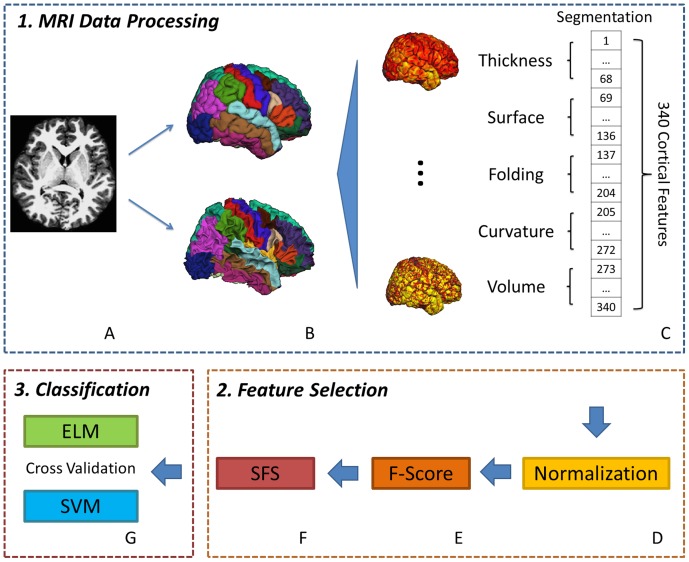
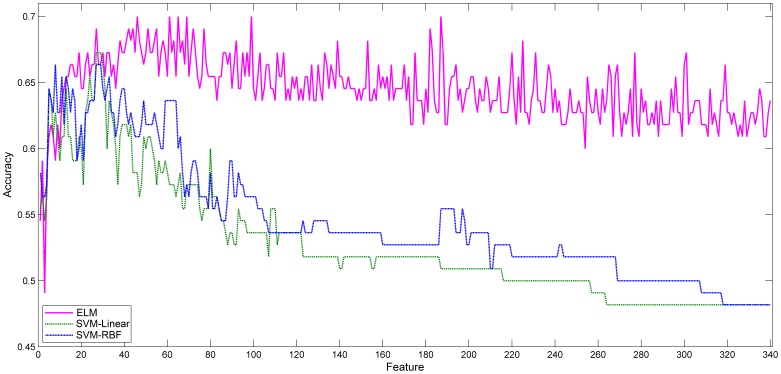
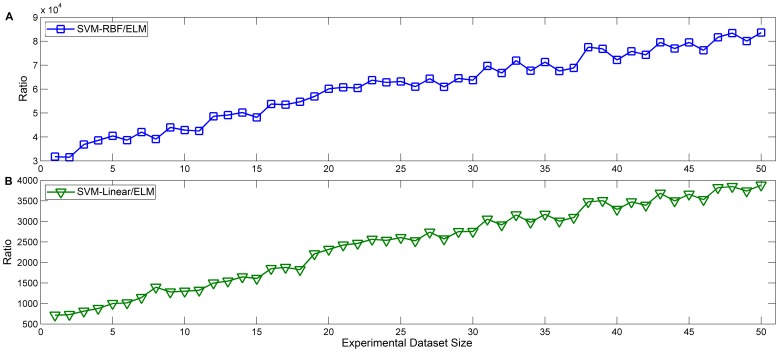
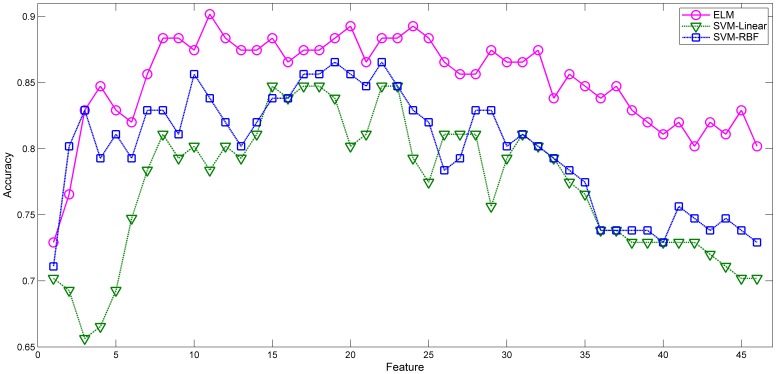
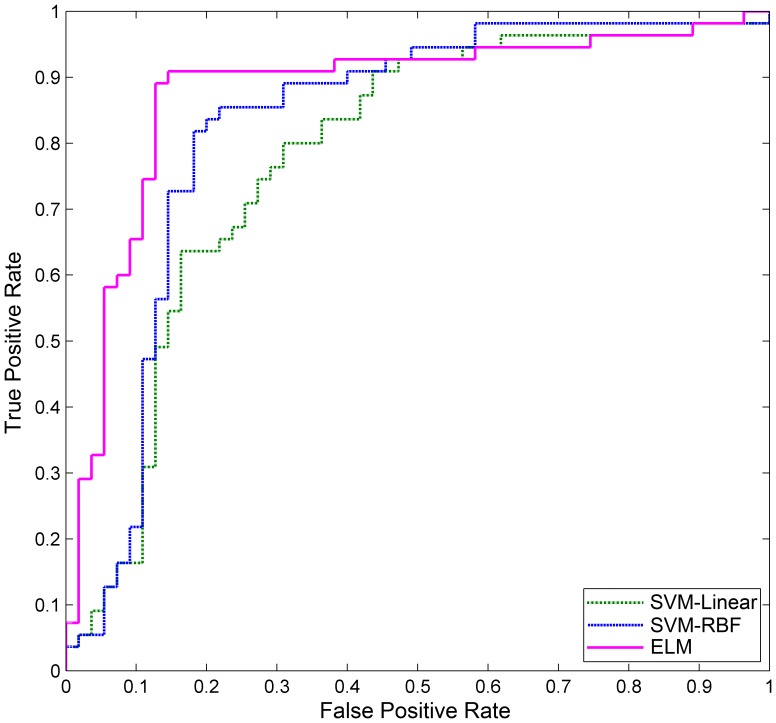
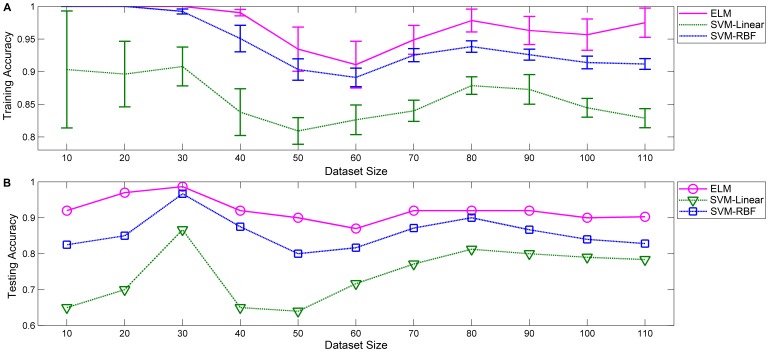
BACKGROUND: Effective and accurate diagnosis of attention-deficit/hyperactivity disorder (ADHD) is currently of significant interest. ADHD has been associated with multiple cortical features from structural MRI data. However, most existing learning algorithms for ADHD identification contain obvious defects, such as time-consuming training, parameters selection, etc. The aims of this study were as follows: (1) Propose an ADHD classification model using the extreme learning machine (ELM) algorithm for automatic, efficient and objective clinical ADHD diagnosis. (2) Assess the computational efficiency and the effect of sample size on both ELM and support vector machine (SVM) methods and analyze which brain segments are involved in ADHD. METHODS: High-resolution three-dimensional MR images were acquired from 55 ADHD subjects and 55 healthy controls. Multiple brain measures (cortical thickness, etc.) were calculated using a fully automated procedure in the FreeSurfer software package. In total, 340 cortical features were automatically extracted from 68 brain segments with 5 basic cortical features. F-score and SFS methods were adopted to select the optimal features for ADHD classification. Both ELM and SVM were evaluated for classification accuracy using leave-one-out cross-validation. RESULTS: We achieved ADHD prediction accuracies of 90.18% for ELM using eleven combined features, 84.73% for SVM-Linear and 86.55% for SVM-RBF. Our results show that ELM has better computational efficiency and is more robust as sample size changes than is SVM for ADHD classification. The most pronounced differences between ADHD and healthy subjects were observed in the frontal lobe, temporal lobe, occipital lobe and insular. CONCLUSION: Our ELM-based algorithm for ADHD diagnosis performs considerably better than the traditional SVM algorithm. This result suggests that ELM may be used for the clinical diagnosis of ADHD and the investigation of different brain diseases.
Overview
The claims and statistics of this paper haven’t been checked yet.
Free: it reads the open-access text and checks the first 5 claims that cite a source we can check. Create a free account to check every claim.
Integrity signals
Registry
Cites
Statistics
Figures
Verification
Claims the paper makes
The claims and statistics of this paper haven’t been checked yet.
Free: it reads the open-access text and checks the first 5 claims that cite a source we can check. Create a free account to check every claim.
Claims other papers make about this one
Each is checked against this paper’s own text: does it say what the citing paper says it does?
In the citing paper
“Discriminative brain regions included inferior frontal, temporal, occipital and insular cortices.”
From Progress and roadblocks in the search for brain-based biomarkers of autism and attention-deficit/hyperactivity disorder (2017) · cites this paper as [55]
In the citing paper
“Similarly, Peng et al.55 reported high classification accuracy (90.18%) using an extreme learning machine (ELM) algorithm with multiple cortical features.”
From Progress and roadblocks in the search for brain-based biomarkers of autism and attention-deficit/hyperactivity disorder (2017) · cites this paper as [55]
Self-check
Percentages, sums and reported differences re-computed from the paper’s own numbers.
The self-check needs the paper’s full text.
Citations
Cites
Cortes, C., & Vapnik, V. (1995) · Machine Learning · doi:10.1007/bf00994018 · Cited by 59,421
Cortes, C., & Vapnik, V. (1995) · Machine-mediated learning · doi:10.1023/a:1022627411411 · Cited by 48,445 · cited 1×
“According to Theorem 1 and Theorem 2 shown in the Appendix S1, the input weight w i and the hidden layer biases b i of SLFNs for ELM can be randomly assigned if the activation functions in the hidden layer are infinitely differentiable [37,38].”
MethodA default mode of brain function
Raichle, M. E., MacLeod, A. M., Snyder, A. Z., Powers, W. J., Gusnard, D. A., & Shulman, G. L. (2001) · Proceedings of the National Academy of Sciences · doi:10.1073/pnas.98.2.676 · Cited by 12,190
Feature selection: evaluation, application, and small sample performance
Jain, A., & Zongker, D. (1997) · IEEE Transactions on Pattern Analysis and Machine Intelligence · doi:10.1109/34.574797 · Cited by 2,171 · cited 1×
“Sequential forward selection (SFS) is a simple efficient feature selection approach [34].”
The Prevalence of DSM-IV Attention-Deficit/Hyperactivity Disorder: A Meta-Analytic Review
Willcutt, E. G. (2012) · Neurotherapeutics · doi:10.1007/s13311-012-0135-8 · Cited by 2,160 · cited 1×
“For instance, approximately 20% of children are misdiagnosed because they are younger than their classmates [2,3].”
BackgroundSmall sample size effects in statistical pattern recognition: Recommendations for practitioners
Raudys, S. J., & Jain, A. K. (1991) · IEEE Transactions on Pattern Analysis and Machine Intelligence · doi:10.1109/34.75512 · Cited by 1,384 · cited 2×
“One of the common practices in these previous studies is the utilization of hundreds of training samples to achieve better classification accuracy [44– 47].”
MethodSmall-World Anatomical Networks in the Human Brain Revealed by Cortical Thickness from MRI
He, Y., Chen, Z. J., & Evans, A. C. (2007) · Cerebral Cortex · doi:10.1093/cercor/bhl149 · Cited by 1,353 · cited 1×
“Anatomical MRI showed that the maturation of cortical thickness and the surface area developmental trajectory of the right prefrontal cortex is delayed in ADHD children relative to typically developing children [7].”
BackgroundMultimodal classification of Alzheimer's disease and mild cognitive impairment
Zhang, D., Wang, Y., Zhou, L., Yuan, H., & Shen, D. (2011) · NeuroImage · doi:10.1016/j.neuroimage.2011.01.008 · Cited by 1,314 · cited 1×
“One of the common practices in these previous studies is the utilization of hundreds of training samples to achieve better classification accuracy [44– 47].”
MethodMultiplexed echo planar imaging for sub-second whole brain FMRI and fast diffusion imaging
Feinberg, D. A., Moeller, S., Smith, S. M., Auerbach, E., Ramanna, S., Glasser, M. F., Miller, K. L., Ugurbil, K., & Yacoub, E. (2010) · PLoS ONE · doi:10.1371/journal.pone.0015710 · Cited by 1,296 · cited 1×
“Several studies using structural MRI have demonstrated anatomical differences be-tween ADHD and normal children [23–25].”
BackgroundZeng, L.-L., Shen, H., Liu, L., Wang, L., Li, B., Fang, P., Zhou, Z., Li, Y., & Hu, D. (2012) · Brain · doi:10.1093/brain/aws059 · Cited by 748 · cited 1×
“The permutation tests have been adapted to assess statistical significance of the classifier and its performance in many research fields [39,40].”
Cited by
Items 101–189 of 189
Diagnosis of attention deficit hyperactivity disorder: A deep learning approach
Alsharif, N. H., Al-Adhaileh, M. H., & Al‐Yaari, M. (2024) · AIMS Mathematics · doi:10.3934/math.2024517 · Cited by 18
Classification of ADHD subgroup with recursive feature elimination for structural brain MRI
Qureshi, M. N. I., & Lee, B. (2016) · Annual International Conference of the IEEE Engineering in Medicine and Biology Society (EMBC) · doi:10.1109/embc.2016.7592078 · Cited by 18
“Significant Regions for Classification We combined top rank feature (fsig) row from each iteration of all the subjects with all preceding feature rows of Dselected as an experimental dataset by following the similar approach as in [3].”
BackgroundMethodInfluentialMethodology proposal of ADHD classification of children based on cross recurrence plots
Aceves-Fernández, M. A. (2021) · Nonlinear Dynamics · doi:10.1007/s11071-021-06336-z · Cited by 14
Caza-Szoka, M., & Massicotte, D. (2022) · IEEE Transactions on Instrumentation and Measurement · doi:10.1109/tim.2022.3149325 · Cited by 14
Overview of Machine Learning Methods in ADHD Prediction
Sethu, N., & Vyas, R. (2020) · Springer eBooks · doi:10.1007/978-981-15-2063-1_3 · Cited by 17
Research Advances in ADHD and Technology
Cibrian, F. L., Hayes, G. R., & Lakes, K. D. (2021) · Synthesis lectures on technology and health · doi:10.1007/978-3-031-01606-6 · Cited by 14
An integrated feature ranking and selection framework for ADHD characterization
Xiao, C., Bledsoe, J. C., Wang, S., Chaovalitwongse, W. A., Mehta, S. H., Semrud‐Clikeman, M., & Grabowski, T. J. (2016) · Brain Informatics · doi:10.1007/s40708-016-0047-1 · Cited by 17
“SVM is mostly favored [7] and some variant of feedforward neural networks [8] is also used.”
MethodArtificial intelligence for children with attention deficit/hyperactivity disorder: a scoping review
Sun, B., Cai, F., Huang, H., Li, B., & Wei, B. (2025) · Experimental Biology and Medicine · doi:10.3389/ebm.2025.10238 · Cited by 15
Buvaneswari, B., & Reddy, T. K. (2019) · Measurement · doi:10.1016/j.measurement.2019.02.041 · Cited by 12
Periyasamy, R., Vibashan, V. S., Varghese, G. T., & Aleem, M. A. (2021) · Neurology India · doi:10.4103/0028-3886.333520 · Cited by 13
Improved Neural Networks with Random Weights for Short-Term Load Forecasting
Lang, K., Zhang, M., & Yuan, Y. (2015) · PLoS ONE · doi:10.1371/journal.pone.0143175 · Cited by 12
“Because of the rapid learning speed and the good generalization performance, NNRW has been successfully used in fields of computational intelligence and machine learning communities, such as electricity price forecasting [15], power loss analysis [16], lying and truth-telling classification [17], and attention-deficit…”
MethodSachnev, V., Sundaram, S., Sundararajan, N., Mahanand, B. S., Azeem, M. W., & Saraswathi, S. (2019) · Cognitive Computation · doi:10.1007/s12559-019-09636-0 · Cited by 12
Detection of Attention Deficit Hyperactivity Disorder Using Local and Global Features
Çiçek, G., Akan, A., & Metin, B. (2018) · Medical Technologies Congress (TIPTEKNO) · doi:10.1109/tiptekno.2018.8597017 · Cited by 12
“Attention deficit hyperactivity disorder (ADHD) is a psychiatric condition that affects millions of children and many times last into adulthood [1].”
BackgroundWei, X., Wen, D., Song, Z., Xi, J., Zhang, W., Liu, G., & Li, Z. (2019) · Applied Sciences · doi:10.3390/app9224751 · Cited by 11
“ELM [24,25] has attracted attention in robot control [26], human face recognition [27], medical diagnosis [28], sales forecasting [29], and protein structure prediction [30] fields, among others, due to its simple training process and excellent generalization ability when compared to other traditional algorithms [31].”
BackgroundStanley, E. A. M., Rajashekar, D., Mouchès, P., Wilms, M., Plettl, K., & Forkert, N. D. (2022) · SPIE Medical Imaging: Computer-Aided Diagnosis · doi:10.1117/12.2607509 · Cited by 11
“While other methods such as support vector machines 8 and extreme learning machines 9 have achieved higher performance, the existing imaging-based ADHD classification models currently lack explainability, which helps to make these systems more transparent and trustworthy to clinicians and patients.”
MethodA Brief Survey on Various Prediction Models for Detection of ADHD from Brain-MRI Images
Biswas, S. D., Chakraborty, R., & Pramanik, A. (2020) · International Conference on Distributed Computing and Networking (ICDCN) · doi:10.1145/3369740.3372775 · Cited by 13
Identifying Structural Brain Networks from Functional Connectivity: A Network Deconvolution Approach
Li, Y., & Mateos, G. (2019) · IEEE International Conference on Acoustics Speech and Signal Processing · doi:10.1109/icassp.2019.8682716 · Cited by 11
“ADHD is the most commonly diagnosed neurodevelopmental disorder in children [19], and previous works have used actual structural networks to detect brain anomalies due to ADHD [20,21].”
BackgroundMonga, P., Sharma, M., & Sharma, S. K. (2022) · Lecture notes in electrical engineering · doi:10.1007/978-981-16-9488-2_8 · Cited by 12
Current Perspectives on Attention-deficit Hyperactivity Disorder
Shafiullah, S., & Dhaneshwar, S. S. (2023) · Current Molecular Medicine · doi:10.2174/1566524023666230522145950 · Cited by 13
Fusion of Features: A Technique to Improve Autism Spectrum Disorder Detection Using Brain MRI Images
Dhamale, T. D., Bhandari, S. U., & Harpale, V. K. (2023) · Biomedical & Pharmacology Journal · doi:10.13005/bpj/2819 · Cited by 9
“21 have used Pearson correlation and partial correlation for texture description of the sMRI, which has given 76.15 % accuracy on ADHD.”
MethodInfluentialFriedrich, P., Patil, K. R., Mochalski, L. N., Li, X., Camilleri, J. A., Kröll, J., Wiersch, L., Eickhoff, S. B., & Weis, S. (2021) · Brain Structure and Function · doi:10.1007/s00429-021-02418-1 · Cited by 12
“In addition, the associations between atypical functional laterality and various neurological and psychiatric illnesses such as Alzheimer’s Disease (Thompson et al. 1988), autism (Floris et al. 2020; Jouravlev et al. 2020), ADHD (Chan et al. 2009) and schizophrenia (Hirnstein and Hugdahl 2014) underline the importance…”
Background3D CNN Based Automatic Diagnosis of ADHD Using fMRI Volumes
TAŞPINAR, G., & Özkurt, N. (2023) · Deu Muhendislik Fakultesi Fen ve Muhendislik · doi:10.21205/deufmd.2023257301 · Cited by 9
Predicting ADHD Using Eye Gaze Metrics Indexing Working Memory Capacity
Michalek, A. M. P., Jayawardena, G., & Jayarathna, S. (2019) · Advances in bioinformatics and biomedical engineering book series · doi:10.4018/978-1-5225-7467-5.ch003 · Cited by 11
“Peng et al. (2013) shows that extreme learning machine (ELM), a machine learning algorithm, achieves 90.18% accuracy when predicting ADHD using structural MRI data.”
InfluentialRahman, M. M. (2025) · Frontiers in Child and Adolescent Psychiatry · doi:10.3389/frcha.2025.1504323 · Cited by 10
Zhang, D., Tu, L., Zhang, L. J., Jie, B., & Lu, G. (2017) · Brain Imaging and Behavior · doi:10.1007/s11682-017-9753-4 · Cited by 9
“Recently, machine learning methods have been successfully applied for diagnosis of some brain diseases (Fei et al. 2014; Jie et al. 2014b; Peng et al. 2013; Arbabshirani et al. 2013).”
Öztekin, I., Garic, D., Bayat, M., Hernandez, M. L., Finlayson, M. A., Graziano, P. A., & Dick, A. S. (2022) · European Journal of Neuroscience · doi:10.1111/ejn.15842 · Cited by 8
“…structural data, for instance, focusing on cortical thickness measures (Colby et al., 2012; Ghiassian et al., 2016; Öztekin et al., 2021; Peng et al., 2013; Qureshi et al., 2017; Sen et al., 2018), with the majority of studies focusing on functional MRI, resting-state data (Colby et…”
BackgroundYu, H., Zhang, C., Cai, Y., Wu, N., Jia, X., Wu, J., Shi, F., Hua, R., & Yang, Q. (2023) · Metabolic Brain Disease · doi:10.1007/s11011-022-01150-x · Cited by 8
Transductive Maximum Margin Classification of ADHD Using Resting State fMRI
Wang, L., Li, D., He, T., Wong, S. T. C., & Xue, Z. (2016) · Lecture notes in computer science · doi:10.1007/978-3-319-47157-0_27 · Cited by 10
Research Advances in ADHD and Technology
Cibrian, F. L., Hayes, G. R., & Lakes, K. D. (2020) · Synthesis lectures on assistive, rehabilitative, and health-preserving technologies · doi:10.2200/s01061ed1v01y202011arh015 · Cited by 12
Han, X., Hou, D., Cheng, X., Li, Y., Niu, C., & Chen, S. (2022) · Energies · doi:10.3390/en15249480 · Cited by 8
Translating Decades of Neuroscience Research into Diagnostic and Treatment Biomarkers for ADHD
Loo, S. K., Lenartowicz, A., Norman, L. J., & Michelini, G. (2024) · Advances in neurobiology · doi:10.1007/978-3-031-69491-2_20 · Cited by 9
Deep Residual Learning With Dilated Causal Convolution Extreme Learning Machine
Sasou, A. (2021) · IEEE Access · doi:10.1109/access.2021.3134700 · Cited by 8
“Because of their superiority in terms of training speed, accuracy, and generalization, ELMs have been used in fields such as medicine [14]-[29], chemistry [30]-[32], economics [33]-[40], transportation [41]-[45], robotics [46][49], and so on [4].”
MethodHerrera, T. F., Delahoz-Domínguez, E., & Echavez, O. F. (2021) · International Journal of Productivity and Quality Management · doi:10.1504/ijpqm.2021.115290 · Cited by 7
Hu, L., Zhong, Y.-Y., Wang, P., Liu, L., Cao, X., Sun, L., Cao, Q., Yang, L., Qian, Y., Wang, Y.-F., et al. (2025) · Journal of Psychiatric Research · doi:10.1016/j.jpsychires.2025.02.028 · Cited by 8
Putra, P. U., Shima, K., & Shimatani, K. (2020) · Proceedings - IEEE Symposium on Computer-Based Medical Systems · doi:10.1109/cbms49503.2020.00036 · Cited by 6
“Previous researches have tried to solve that problem by proposing automatic diagnosis systems utilizing biosignal like EEG [2] and brain imaging systems such as fMRI [3].”
BackgroundNeural network applications in medicine
Özşahin, İ., & Ozsahin, D. U. (2020) · Elsevier eBooks · doi:10.1016/b978-0-12-818946-7.00007-x · Cited by 9
Lung Cancer Detection Using Regularized Extreme Learning Machine and PCA Features
Kavitha, K., Kumar, V. S., Bhoopathy, V., Dhanalakshmi, S. R., Ahmed, S. A., & Valarmathi, N. (2024) · Journal of Computer Science · doi:10.3844/jcssp.2024.1243.1250 · Cited by 5
“The classification task is accomplished in two stages by this hybrid method (Peng et al ., 2013; Qureshi et al ., 2016).”
MethodAttention Deficit Hyperactivity Disorder(ADHD) Prediction System
Dubey, A. K., Saxena, A., Kumar, A., & Rai, A. (2022) · International Conference on Sustainable Computing and Data Communication Systems (ICSCDS) · doi:10.1109/icscds53736.2022.9760921 · Cited by 5
Zhu, L., Zhang, L., Han, Y., Zeng, Q., & Chang, W. (2017) · PubMed · doi:10.7507/1001-5515.201606058 · Cited by 5
Diagnosis of Attention Deficit Hyperactivity Disorder: An Intelligent Neuroimaging Perspective
Salgotra, K., Khullar, V., Singh, H. P., & Khan, S. A. (2021) · Advances in web technologies and engineering book series · doi:10.4018/978-1-7998-7511-6.ch003 · Cited by 5
Eye Gaze Metrics and Analysis of AOI for Indexing Working Memory towards Predicting ADHDPreprint
Jayawardena, G., Michalek, A. M. P., & Jayarathna, S. (2019) · arXiv (Cornell University) · doi:10.48550/arxiv.1906.07183 · Cited by 5
“[39] shows that extreme learning machine (ELM), a machine learning algorithm, achieves 90.”
BackgroundInfluentialQ-MIND: enhancing ADHD diagnosis using quantum machine learning for advanced neuroimaging analysis
Jain, B., Varshney, A., & Vithal, M. (2025) · Journal of Neural Transmission · doi:10.1007/s00702-025-03035-6 · Cited by 4
Sheriff, M., & Gayathri, R. (2022) · Computational Intelligence · doi:10.1111/coin.12509 · Cited by 5
“In the training process, the dimension of input is considered as (224, 224, 3) for processing.”
MethodInfluentialRetractedBenchmarking Machine Learning Algorithms for Diagnosis of Renal Cell Carcinoma
Dai, T., Zhu, S., Han, F., Ye, M., Wang, X., Tan, W., Pei, X., Liao, S., & Xie, Y. (2022) · Iranian Journal of Radiology · doi:10.5812/iranjradiol-119266 · Cited by 4
“The SVM algorithm is one of the most common algorithms in CAD development (25, 26).”
MethodZolghadr, Z., Batouli, S. A. H., Tehrani‐Doost, M., Shafaghi, L., Hadjighassem, M., Majd, H. A., & Mehrabi, Y. (2023) · Archives of Neuroscience · doi:10.5812/ans-134329 · Cited by 4
“To the best of our knowledge, due to the high fitness level for small-size data, the classifiers with SVM (24, 27) and extreme learning machines (28) have been frequently applied for ADHD classification.”
MethodAmini, M., Sajedi, H., Mahmoodi, T., & Mirzaei, S. (2020) · Iranian Conference on Machine Vision and Image Processing · doi:10.1109/mvip49855.2020.9116921 · Cited by 4
“Extreme Learning Machine (ELM) was used in [11] to detect diagnosis of attention-deficit/hyperactivity disorder (ADHD).”
MethodMeira, M. D. O., Canuto, A. M. P., de Carvalho, B. M., & Jales, R. L. C. (2022) · Research Society and Development · doi:10.33448/rsd-v11i8.31258 · Cited by 4
Facial Affect Recognition and Executive Function Abnormalities in ADHD Subjects: An ERP Study
Vosough, S., Candrian, G., Kasper, J., Rehim, H. A., Eich, D., Müller, A. F., & Jäncke, L. (2024) · Clinical EEG and Neuroscience · doi:10.1177/15500594241304492 · Cited by 6
Oyshi, A. S., Hasan, M., Ahamed, M. K. U., Rahman, M. S., Haque, M. M., & Alam, M. (2025) · Brain Disorders · doi:10.1016/j.dscb.2025.100198 · Cited by 3
Integrating explainable AI with clinical features to enhance ADHD diagnostic understanding
Shakeel, H. M., Antoniou, G., & Adamou, M. (2025) · Frontiers in Psychiatry · doi:10.3389/fpsyt.2025.1706216 · Cited by 3
“However, the “ black-box ” nature of many ML models limits their clinical uptake, and existing implementations seldom integrate the full spectrum of comorbid assessments and quality-of-life measures routinely collected in adult ADHD clinics (10 – 12).”
Face Image Based Automatic Diagnosis by Deep Neural Networks
Niu, L., Xiong, G., Shen, Z., Pan, Z., Chen, S., & Dong, X. (2021) · IEEE Conference on Industrial Electronics and Applications (ICIEA) · doi:10.1109/iciea51954.2021.9516294 · Cited by 3
Hoseini, R. F., Shalbaf, A., Shoeibi, A., & Pachori, R. B. (2025) · Biomedical Signal Processing and Control · doi:10.1016/j.bspc.2025.108197 · Cited by 5
An Enhanced CNN-based ELM Classification for Disease Prediction in the Rice Crop
Parasa, G., Arulselvi, M., & Razia, S. (2023) · International Journal on Recent and Innovation Trends in Computing and Communication · doi:10.17762/ijritcc.v11i7s.7556 · Cited by 3
ADHD classification with cross-dataset feature selection for biomarker consistency detection
Meng, X., Chen, Y., Gao, Y., Geng, D., & Tang, Y. (2024) · Journal of Neural Engineering · doi:10.1088/1741-2552/ad48bd · Cited by 3
Multi-task fused sparse learning for mild cognitive impairment identification
Yang, P., Ni, D., Chen, S., Wang, T., Wu, D., & Lei, B. (2018) · Technology and Health Care · doi:10.3233/thc-174587 · Cited by 3
“Moreover, we perform feature selection via the least absolute shrinkage and selection operator (LASSO) [40] to identify the most informative features, and the final selected features are fed into support vector machine (SVM) for MCI identification [41].”
Göker, H., & Tekedere, H. (2019) · Bilişim Teknolojileri Dergisi · doi:10.17671/gazibtd.458102 · Cited by 3
“Similarly, Peng, Lin, Zhang and Wang (2013) used machinery learning classification algorithms to classify ADHD using MRI data [64].”
BackgroundTang, Y., Li, X., Chen, Y., Zhong, Y., Jiang, A., & Liu, X. (2020) · IEEE International Conference on Acoustics Speech and Signal Processing · doi:10.1109/icassp40776.2020.9053391 · Cited by 5
“To our knowledge, the classifiers with SVM [11, 14] and extreme learning machine [15] are welcomed in ADHD classification, due to their fitness for the ADHD databases of small size.”
Strength and Similarity Guided GSR Based Network to Diagnose ADHD
Saleem, M., Lian, Z., Salman, S. A., Tabassum, I., Badar, L. T., & Ali, Z. (2020) · IEEE International Conference on Progress in Informatics and Computing · doi:10.1109/pic50277.2020.9350771 · Cited by 3
Genetic factors and the brain in ADHD
Bralten, J. (2015) · Radboud Repository (Radboud University) · Cited by 29
Response inhibition deficits in unmedicated youth with ADHD: An ERP/sLORETA study
Xu, Y., Zeng, Y., Yin, W., Fu, T., Hong, D., Han, Y., Zhu, Z., Cheng, D., Dang, C.-P., Song, Y., et al. (2025) · Journal of Affective Disorders · doi:10.1016/j.jad.2025.119880 · Cited by 2
Solouki, L., Shahsavari, S., Sharini, H., Hashemian, A. H., Mohammadian, Y., Mohammadi, H., & Mahaki, B. (2025) · Journal of Research in Medical Sciences · doi:10.4103/jrms.jrms_406_24 · Cited by 2
“[8] Although BD and ADHD are two distinct psychiatric disorders, they share many common symptoms, challenging the diagnosis.”
Rupni, K. U., & Priya, P. A. (2024) · Multimedia Tools and Applications · doi:10.1007/s11042-024-19460-w · Cited by 4
Sologub, P. S. (2024) · Journal of Modern Foreign Psychology · doi:10.17759/jmfp.2024130208 · Cited by 2
Importance of phenotypic information in ADHD diagnosis
Rangarajan, B., Subramaian, K., & Suresh, S. (2015) · International Conference on Cognitive Computing and Information Processing · doi:10.1109/ccip.2015.7100722 · Cited by 2
Random forests based recognition of the clinical labels using brain MRI scans
Demirhan, A. (2017) · International Conference on Frontiers of Signal Processing (ICFSP) · doi:10.1109/icfsp.2017.8097161 · Cited by 2
“Machine learning algorithms are one of the most popular methods used for this purpose [7-9].”
MethodInfluentialKonopka, A., Struniawski, K., & Kozera, R. (2023) · Lecture notes in computer science · doi:10.1007/978-3-031-36027-5_13 · Cited by 2
Utilization of fMRI with optical amplification to diagnose attention deficit hyperactivity disorder
Salah, E., Shokair, M., El‐Samie, F. E. A., & Shalaby, W. A. (2024) · Journal of Optics · doi:10.1007/s12596-023-01485-3 · Cited by 3
“One of the most important steps that must be taken is to perform some medical examinations related to some organs of the body to rule out the presence of organic diseases that have the same symptoms [13].”
Effective techniques for classifying ADHD based on artificial intelligencePreprint
salah, E., Shokair, M., & Shalaby, W. A. (2023) · Research Square · doi:10.21203/rs.3.rs-2828086/v1 · Cited by 2
Efficient Comorbidity Analysis in Brain Disorders Reveals Better Diagnosis
Li, M., Amirizaniani, M., & Kashef, R. F. (2021) · IEEE International Conference on High Performance Computing and Communications; IEEE International Conference on Smart City; IEEE International Conference on Data Science and Systems (HPCC/SmartCity/DSS) · doi:10.1109/hpcc-dss-smartcity-dependsys53884.2021.00189 · Cited by 1
Yıldırım, S. (2025) · IntechOpen eBooks · doi:10.5772/intechopen.1011396 · Cited by 1
Multi-modal human brain mapping and Brainnetome study
Zuo, N., & Jiang, T. (2020) · Scientia Sinica Vitae · doi:10.1360/ssv-2019-0228 · Cited by 2
Meira, M. D. O., Canuto, A. M. P., de Carvalho, B. M., & Jales, R. L. C. (2022) · International Joint Conference on Neural Networks (IJCNN) · doi:10.1109/ijcnn55064.2022.9892968 · Cited by 1
“The study of ML techniques using medical images for the diagnosis of mental disorders is already well established in the literature, especially in Alzheimer's and Parkinson's disease [18-40], but also in ADHD [41-54].”
BackgroundLiu, F., Yang, C., Liao, Z., & Wu, H. (2024) · Frontiers in Materials · doi:10.3389/fmats.2023.1334815 · Cited by 1
Villemonteix, T. (2015) · theses.fr (ABES) · doi:10.70675/84304c2az6a4fz488czbda7z8935968796d4 · Cited by 1
Gutiérrez-Villar, B., Simó, M. J. M., Padilla, R. A. A., & Castro-González, P. (2016) · Revista de Métodos Cuantitativos para la Economía y la Empresa · doi:10.46661/revmetodoscuanteconempresa.2206
Sparse Learning and Hybrid Probabilistic Oversampling for Alzheimer’s Disease Diagnosis
Cao, P., Liu, X., Zhao, D., & Zai͏̈ane, O. R. (2017) · Advances in intelligent systems and computing · doi:10.1007/978-3-319-52941-7_26
“Moreover, we provides an empirical evaluation of the proposed method compared with other classification methods commonly used in diagnosis of AD, such as ELM(Extreme learning machine) [3], logistic regression [22] and random forest [23]with respect to Gmean and AUC in Table 2.”
MethodNoordermeer, S. D. S. (2019) · Digital Academic REpository of VU University Amsterdam (Vrije Universiteit Amsterdam) · Cited by 1
AI-Assisted Diagnosis of Cerebral Oedema Using Convolutional Neural Networks
Gurubaran, B. S., Hirata, T., Umamakeswari, A., Subramanian, E. R. S., & Shruthi, A. S. S. (2020) · Lecture notes in networks and systems · doi:10.1007/978-981-15-2043-3_44
TEXTURAL CLASSIFICATION OF MULTIPLE SCLEROSISLESIONS IN MULTIMODAL MRI VOLUMES
Storey, I. (2019) · Lincoln Repository (University of Lincoln) · doi:10.24385/lincoln.24326200
Jeswani, J., Soni, P., Khatri, I., & Satoskar, J. (2022) · International Journal for Research in Applied Science and Engineering Technology · doi:10.22214/ijraset.2022.40971
Biomarkers based on neuroimages to diagnose neurodegenerative diseases
Reyes, P. A. (2020) · Repositorio Institucional (Pontificia Universidad Javeriana) · doi:10.11144/javeriana.10554.44894 · Cited by 1
Recent Trends in Automatic Autism Spectrum Disorder Detection Using Brain MRI
Dhamale, T. D., & Bhandari, S. U. (2023) · Lecture notes in networks and systems · doi:10.1007/978-981-19-7874-6_27 · Cited by 2
(2023) · International Journal of Telecommunications · doi:10.21608/ijt.2023.298154
Diagnosing ADHD: Unleashing Fully Behavioral Attribute Insights with Supervised Learning
Khandelwal, D. K., & Govil, M. C. (2024) · International Conference on Trends in Engineering Systems and Technologies (ICTEST) · doi:10.1109/ictest60614.2024.10576167
“In the article [6], the author utilized high-resolution three-dimensional MR images to identify ADHD.”
MethodDecoding MRI Data Machine Learning for Structural Biomarker Discovery in Modern Radiodiagnosis
Sharma, M., Kumar, P., & Verma, P. (2025) · Advances in computational intelligence and robotics book series · doi:10.4018/979-8-3373-5801-7.ch002
Hidayat, E. Y., Firdausillah, F., Dewi, I. N., Udayanti, E. D., Nugraha, A., Luthfiarta, A., Hidayat, N. N., Karima, A., & Muda, A. K. (2026) · Applied Soft Computing · doi:10.1016/j.asoc.2026.115352
LJaya Optimization Based Feature Selection Approach for ADHD Classification
Mohdiwale, S., Sahu, M., Sinha, G. R., & Diwan, S. (2026) · Studies in Rhythm Engineering · doi:10.1007/978-3-032-21704-2_12
Exploring Late-Onset ADHD in Women: A Data-Driven Approach Using AI and Socio-Demographic Analysis
Myneni, S. (2026) · Critical Debates in Humanities Science and Global Justice · doi:10.68709/001c.160095
Metadata
- Authors
- Peng, X., Lin, P., Zhang, T., & Wang, J.
- Affiliations
- Xi'an Jiaotong University (CN)
- University of New Mexico (US)
- Corresponding author
- Lin, Pan
- Wang, Jue
- Venue
- PLoS ONE
- Publisher
- Public Library of Science (PLoS)
- Published
- 2013-11-19
- Volume
- 8
- Issue
- 11
- Pages
- e79476
- ISSN
- 1932-6203 (ISSN-L)
- PMC
- PMC3834213
- OpenAlex
- W2075529349
- Cited by
- 194
- References
- 55
- Citations by year
- 2026: 3 · 2025: 11 · 2024: 16 · 2023: 17 · 2022: 22 · 2021: 22 · 2020: 27 · 2019: 17 · 2018: 16 · 2017: 16 · 2016: 12 · 2015: 11 · 2014: 3 · 2013: 1
- FWCI
- 6.38
- Type
- journal article
- Language
- en
- Open access
- gold
- doi.org
- Licence
- Locations
- PLoS ONE (publishedVersion, cc-by)
- Europe PMC (PubMed Central) (publishedVersion, cc-by)
- PubMed Central (publishedVersion, cc-by)
- PubMed (publishedVersion)
- RePEc: Research Papers in Economics (submittedVersion)
- DOAJ (DOAJ: Directory of Open Access Journals) (submittedVersion, cc-by-sa)
- Funders
- Ministry of Education of the People's Republic of China
- Peking University
- Fundamental Research Funds for the Central Universities (20120201120071)
- Topics
- Health Sciences › Medicine › Psychiatry and Mental health › Attention Deficit Hyperactivity Disorder
- Physical Sciences › Computer Science › Artificial Intelligence › Machine Learning and ELM
- Life Sciences › Neuroscience › Cognitive Neuroscience › Autism Spectrum Disorder Research
- Keywords
- attention deficit hyperactivity disorder, ADHD diagnosis, extreme learning machine, support vector machine, structural MRI, cortical thickness, brain segmentation, feature selection, frontal lobe, temporal lobe, occipital lobe, insula, computational efficiency
- MeSH terms
- Adolescent, Artificial Intelligence, Attention Deficit Disorder with Hyperactivity, Brain, Child, Female, Humans, Magnetic Resonance Imaging, Male, Software, Support Vector Machine
About these checks
Registry, retraction, Cites and statistics results are computed, not judged, with one exception: a printed reference that no index lists is read once by a model before it counts as a citation error. Claims are extracted by a model and kept only when their quote appears verbatim in the text; each cited source is then checked, with a model’s help, for whether it says what the claim relies on. Those verdicts can be wrong — read the claim’s quote and the cited source before relying on one.
Statistics and arithmetic are recomputed, not judged.
Confidence bands are shown only for fields calibrated on our annotated test set. None is calibrated yet, so no band is shown.
What counts as a claim ›How we measure confidence ›How we check this ›
Are you an author, or do you see a problem with this page? Request a review
Data sources
Bibliographic data: Semantic Scholar, OpenAlex, Crossref.
Contains information from the Semantic Scholar Academic Graph Datasets, made available under the ODC Attribution License (ODC-BY 1.0).
Semantic Scholar’s data is described in: Kinney, R., et al. (2023). The Semantic Scholar Open Data Platform. arXiv:2301.10140.
